
ATF Proposes 6 Rules to Cut NFA Paperwork: Form 20, CLEO
ATF dropped six Notices of Proposed Rulemaking on May 6 and May 8, 2026. If finalized, the package would gut-check decades-old paperwork: Form 20 short-term travel approval would disappear, CLEO notification would be deleted, married couples could register NFA firearms without a trust, and the safe-transport statute would cover hotel stops and magazines. Comment periods are open now.
Key Takeaways
- →Form 20 would die for short trips. Short-term interstate transport of registered NFA firearms (365 days or fewer) would need no notice and no approval if finalized. Long-term moves would require 14-day notice but no waiting for approval. Foreign export would still require pre-approval.
- →CLEO notification would be deleted. Paragraph (c) of 27 CFR 479.62 and 479.84 would be struck. Applicants would no longer mail a copy of Form 1, 4, or 23 to the local sheriff before filing. ATF pegs the annual savings at $11.4 million.
- →Spouses could register jointly. A new applicant type on Form 1, 4, 5, and 23 lets married couples share registration without forming a trust if finalized. Transfers between registered spouses would not be further NFA transfers. Surviving spouses would avoid the probate trap.
- →Safe transport would cover more reality. The proposed 27 CFR 478.38 extends 18 U.S.C. 926A to overnight stops, fuel and food breaks, vehicle breakdowns, mode switches, TSA inspections, and accessories including ammunition, optics, stabilizing braces, lights, magazines, holsters, and slings, when legal at both endpoints.
- →Comment before final rules. Deadlines run July 6 (CLEO, machine gun, SOT), July 7 (joint spouses), August 4 (926A clarification), and August 6 (Form 20). Citations and dockets are in the table below.
Why Six Rules at Once
The procedural framing is identical across all six NPRMs. Director Robert Cekada signed each one, every preamble invokes Executive Order 14192 (Unleashing Prosperity Through Deregulation) and Executive Order 14294 (Fighting Overcriminalization), and every cost-benefit section concludes the rule is a deregulatory action under OMB Memorandum M-25-20. ATF is, in plain terms, clearing the deck of regulations that previously added time or paperwork without a public-safety return. The courts are clearing their own part of the deck: the 2024 Engaged in the Business dealer rule remains vacated nationwide after the judge denied DOJ's bid to narrow the June 12 judgment.
The bigger context is the One Big Beautiful Bill Act, signed July 2025 and effective January 1, 2026. OBBBA zeroed the federal making and transfer tax on suppressors, SBRs, SBSs, and AOWs while leaving the $200 tax on machine guns and destructive devices intact. With the financial deterrent on most NFA items gone, the procedural friction that built up around the $200 stamp era is the next thing to fall. Combined with the eForm pipeline turning Form 4 approvals into a few-day affair, the ATF transaction is now closer to a normal background check than the year-long wait older articles still describe. If you are new to suppressor or SBR ownership and want the current setup picture, our AR-15 suppressor setup guide walks the host-tuning side, and the best SBRs of 2026 guide covers factory and Form 1 options.
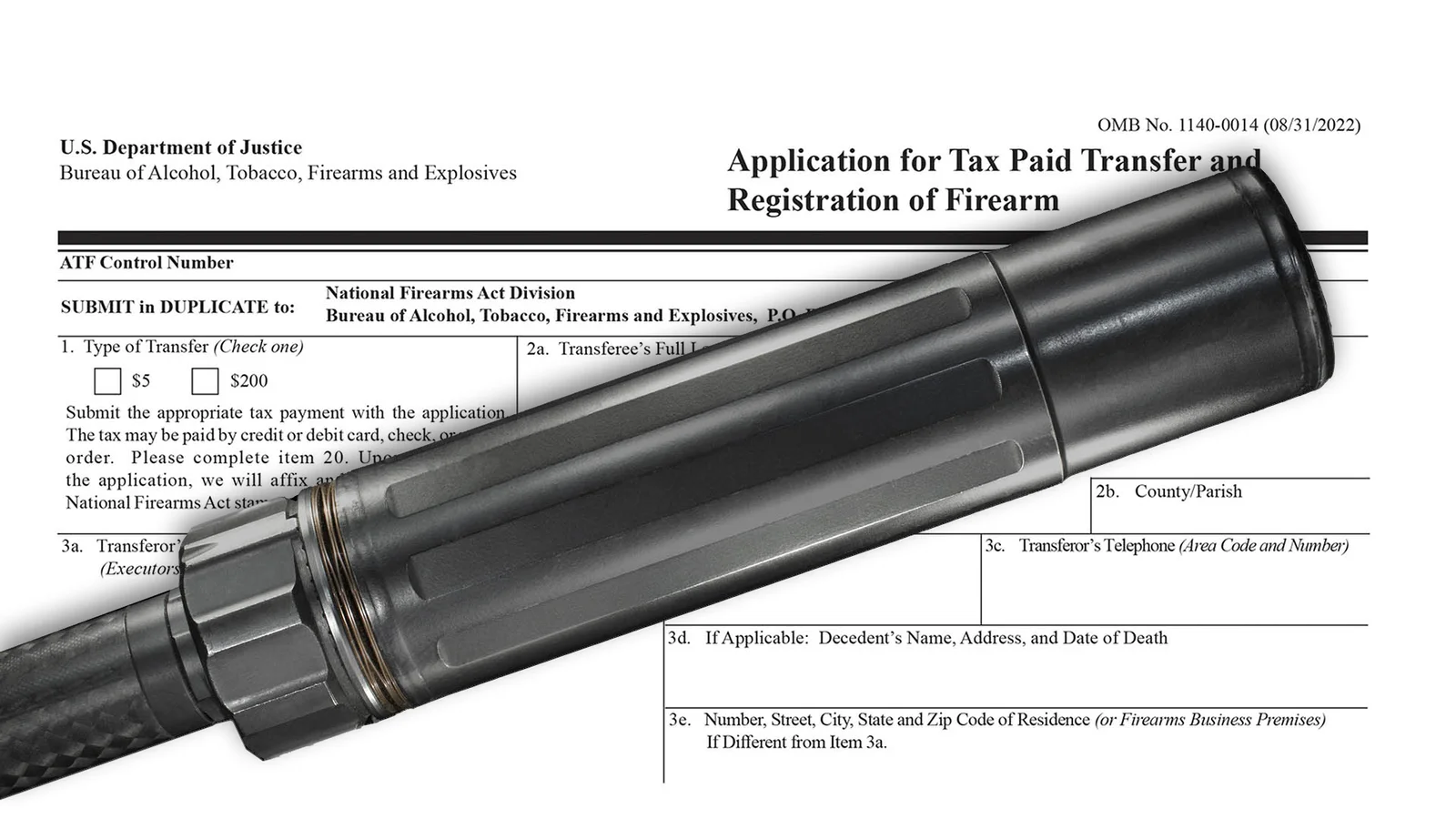
Rule 1: Form 20 Interstate Travel (RIN 1140-AA89)
The proposed 27 CFR 478.28 rewrites the interstate NFA travel rule for individuals. Under current language, anyone moving a machine gun, SBR, SBS, or destructive device across state lines for any reason must file Form 5320.20 and wait for the Director's approval. The new text categorically authorizes transport for trips of 365 days or fewer with no notice required, provided the firearm is registered to the individual in the NFRTR, the destination is a place of lawful possession, the trip has a lawful purpose, and the registrant carries paper or electronic proof of registration.
ATF's own numbers explain why. From January 2020 through May 2025 the agency processed roughly 96,865 Forms 20, and only 516, about 0.5 percent, were denied because the destination state prohibited the firearm. The most common denial reason across the 10,532 denied applications was a technical filing error, which the preamble describes as “not a substantive problem with transporting the firearm.” Long-term moves over 365 days still require notice on a Director-designated form fourteen days in advance, but the registrant is affirmatively authorized to travel on day 14 unless ATF rescinds. Foreign export keeps the existing pre-approval process through Form 20 (temporary) or Form 9 (permanent), and FFLs are explicitly exempt for licensed business activity under new paragraph (i).
Pass-through travel through jurisdictions that prohibit the specific firearm is now expressly authorized so long as the individual complies with 18 U.S.C. 926A storage. Common-carrier transport requires giving the carrier a copy of the NFRTR registration, which also satisfies 18 U.S.C. 922(e) notice. The category most affected here is suppressor owners traveling for hunting or competition, since the existing form was originally designed around the much rarer SBR and machine gun transports.
Rule 2: Joint Spousal Registration (RIN 1140-AB00)
Today a married couple wanting joint possession of an NFA firearm has to either register to one spouse, with the other committing a felony if they touch the can while the registered spouse is out of the room, or build a gun trust. The trust workaround adds an extra four to ten days of processing while ATF reviews the trust as a legal instrument, plus the one-time cost of drafting the trust itself. ATF estimates average trust setup cost at $119 plus notarization, applied across an estimated 4.4 percent of historical trust applications that the agency believes are spousal.
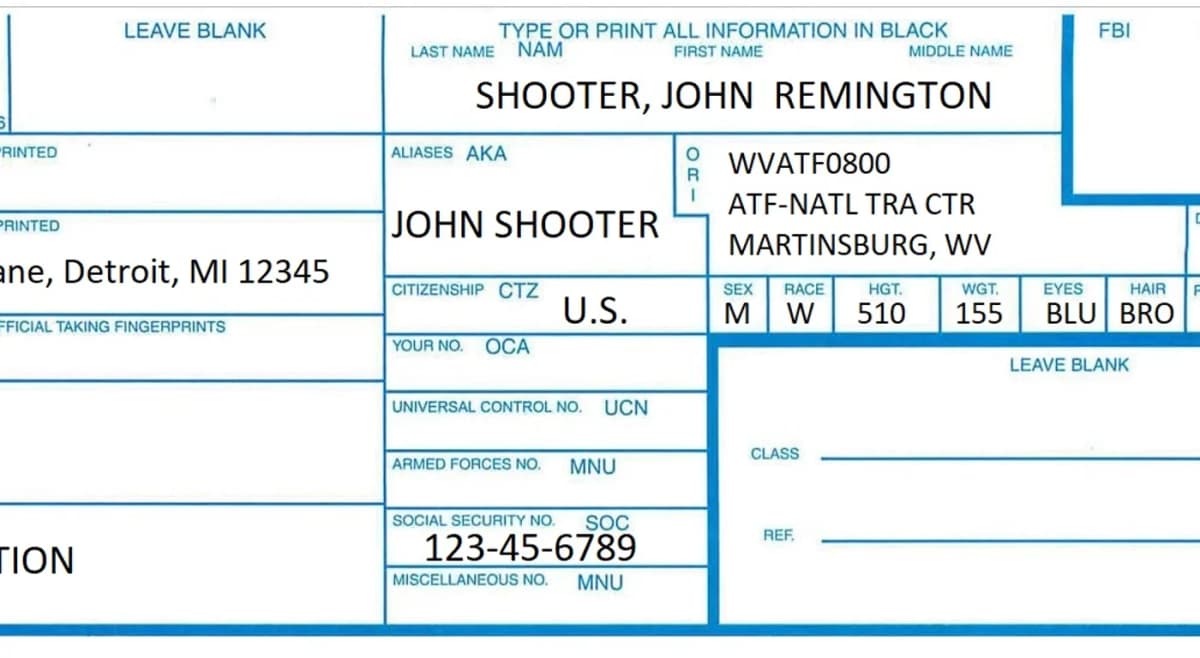
The proposed rule amends 27 CFR 479.62, 479.63, 479.84, 479.85, and 479.101 to recognize married couples as a new applicant type on Forms 1, 4, 5, and 23. Applicants check “other legal entity” on the type field, note that the firearm is being jointly registered, and each spouse completes a Form 23 for individual background checks. Documentation requires a marriage certificate, equivalent state record, or, where unavailable, affidavits or joint tax returns. Common-law marriage handling is one of the open questions ATF is specifically requesting comments on, since the agency cannot easily verify common-law status from federal records.
Two operational consequences. First, transfers between the two registered spouses do not constitute “further transfers” under the NFA, so an interspousal hand-off needs no Form 4. Second, if a registered spouse dies, the surviving spouse already owns the firearm and avoids the probate trap where an unregistered widow or widower ends up constructively possessing an NFA item they cannot legally transfer. Constructive possession by a prohibited spouse, per Henderson v. United States, 575 U.S. 622 (2015), remains illegal even if the joint registration paperwork is untouched. ATF projects $14.2 million in 10-year savings from avoided trust costs and explicitly limits joint registration to spouses to prevent “pretextual joint registrations” that would otherwise dodge 18 U.S.C. 922(a)(3) interstate transfer restrictions.
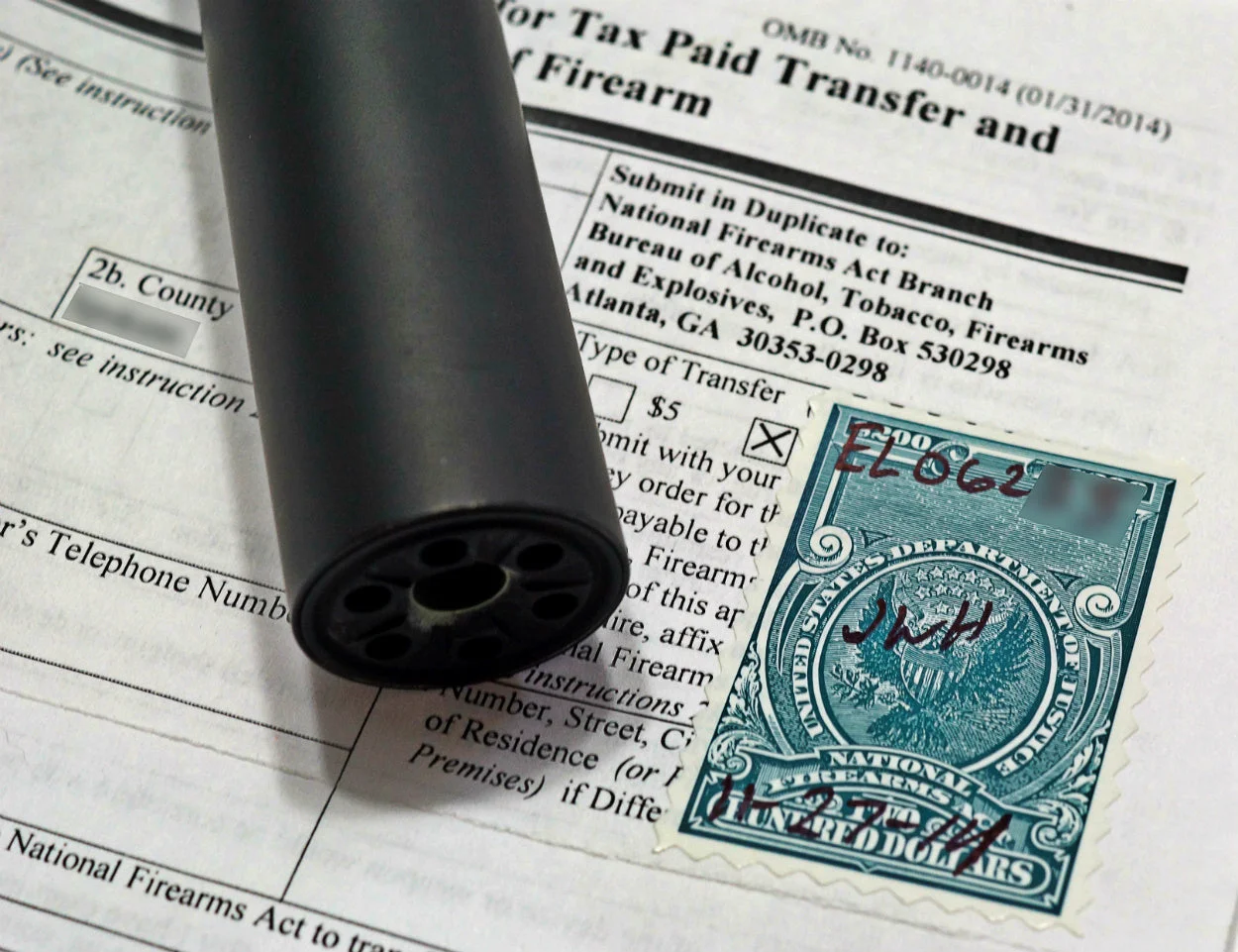
Rule 3: CLEO Notification Removal (RIN 1140-AA65)
The CLEO notification step is the cleanest cut in the package. The proposed rule does exactly one thing: amend 27 CFR 479.62 and 479.84 by removing paragraph (c) and redesignating paragraph (d) as paragraph (c). Mailing a complete copy of Form 1, Form 4, or Form 23 to the local chief law enforcement officer before filing with ATF goes away entirely.
The 2016 final rule that created notice-based CLEO involvement replaced an even older CLEO-sign-off requirement that applicants routinely struggled to get because individual sheriffs refused to sign for civil liability or ideological reasons. The 2016 fix kept a copy-to-CLEO step on the theory that CLEOs would file objections if they had information ATF missed. ATF's own preamble concedes that almost a decade later, “the general feedback to ATF regarding the CLEO notification has been that law enforcement agencies simply discard these notices.” NICS background checks still run, ATF still independently assesses state and local law, and the CLEO step was never statutory in the first place. The D.C. Circuit upheld the CLEO step in Lomont v. O'Neill, 285 F.3d 9 (D.C. Cir. 2002) only as an implied power under ATF's “broad authority to promulgate regulations governing application forms,” which means ATF can pull it back through rulemaking without any statutory change.
Population impact is the largest in the package. ATF projects between 1.24 million and 2.07 million applications per year affected over the next decade, working out to approximately $115.8 million in undiscounted savings over ten years, or about $11.4 million annually. For individual applicants, the practical change is fifteen minutes per application not spent copying and mailing.
Rule 4: GCA Safe-Transport Clarification (RIN 1140-AA73)
This is the broadest-reach rule in the package because it affects every non-prohibited gun owner who crosses a state line, not just NFA registrants. Section 926A of the Gun Control Act provides a safe harbor for interstate transport of firearms, but Third Circuit case law, particularly Revell v. Port Authority of NY and NJ, 598 F.3d 128 (3d Cir. 2010) and Ass'n of N.J. Rifle and Pistol Clubs Inc. v. Port Authority, 730 F.3d 252 (3d Cir. 2013), has read the statute narrowly enough that an airline passenger stranded by a missed connection in Newark could be arrested for picking up checked baggage containing a lawfully transported handgun.
The proposed rewrite of 27 CFR 478.38 directly addresses that gap. The new paragraph (a) extends 926A's protection to “reasonably necessary activities incidental to interstate travel, such as staying in temporary lodging overnight, transiting between modes of transportation, stopping for food, fuel, vehicle maintenance, an emergency, or medical treatment, picking up or discharging passengers,” plus moving the firearm from a fixed address to a vehicle at the start of a trip and from a vehicle back to a fixed address at the end. Storage rules track the activity: locked container with no ready access when the firearm cannot be left in the vehicle, locked container during mode switches, and inspection-pass language that explicitly preserves 926A protection during TSA, common carrier, and CBP inspections.
The accessory list in proposed paragraph (b)(6) is what matters most for builders: “ammunition (regardless of bullet type), scopes, sights, optics, stocks, grips, stabilizing braces, mounts, weapon-mounted lights, multifunction aiming lights, magazines, clips, feed strips, any other ammunition feeding device, holsters, slings, and firearm cleaning kits.” The catch: each accessory must be legal under federal law and at both the place of origin and the destination. A standard-capacity magazine starting in Texas and ending in Texas is protected during the New Jersey leg of a road trip. The same magazine bound for New Jersey is not. The rule includes a severability clause in case any specific application gets struck down.
Suppressors Affected by These Rules
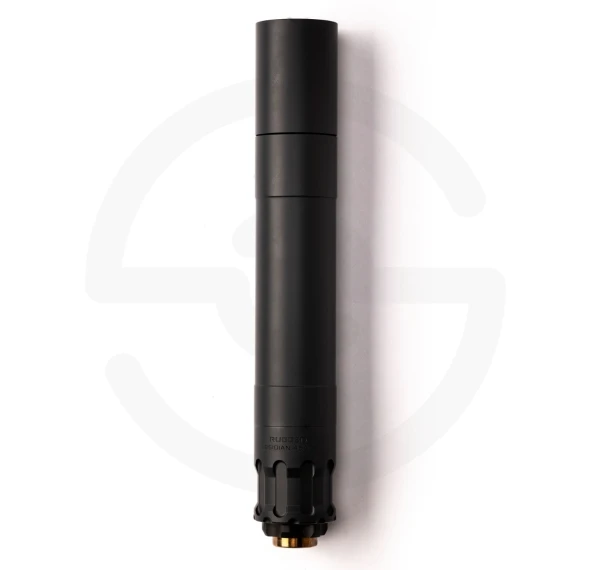
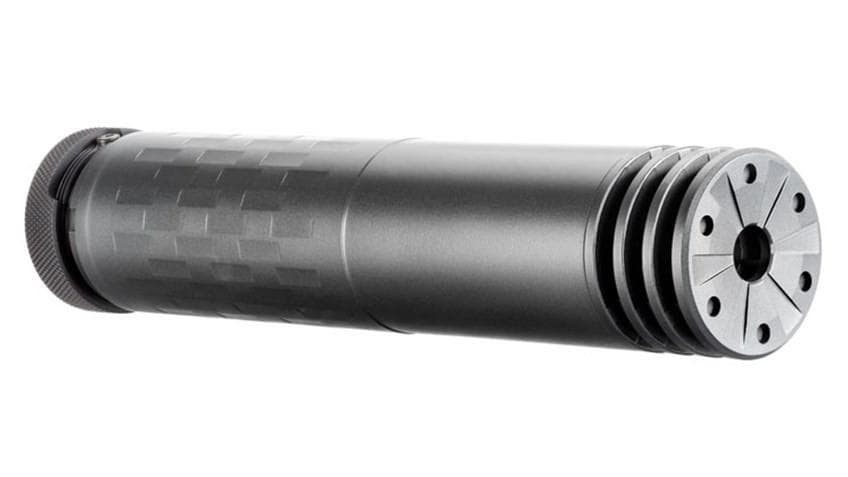
Rugged Obsidian 45
- .45 cal rated
- Modular length
SilencerCo Omega 300
- .30 cal rated
- Direct thread + QD
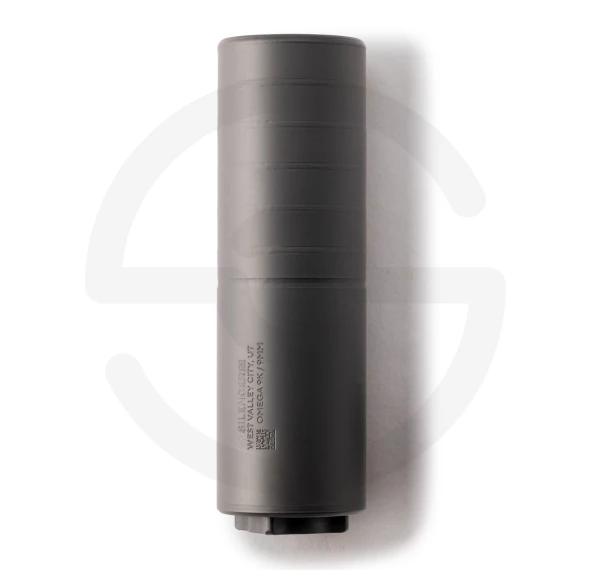
SilencerCo Omega 9K
- 9mm + .300 BLK rated
- 4.54 inches
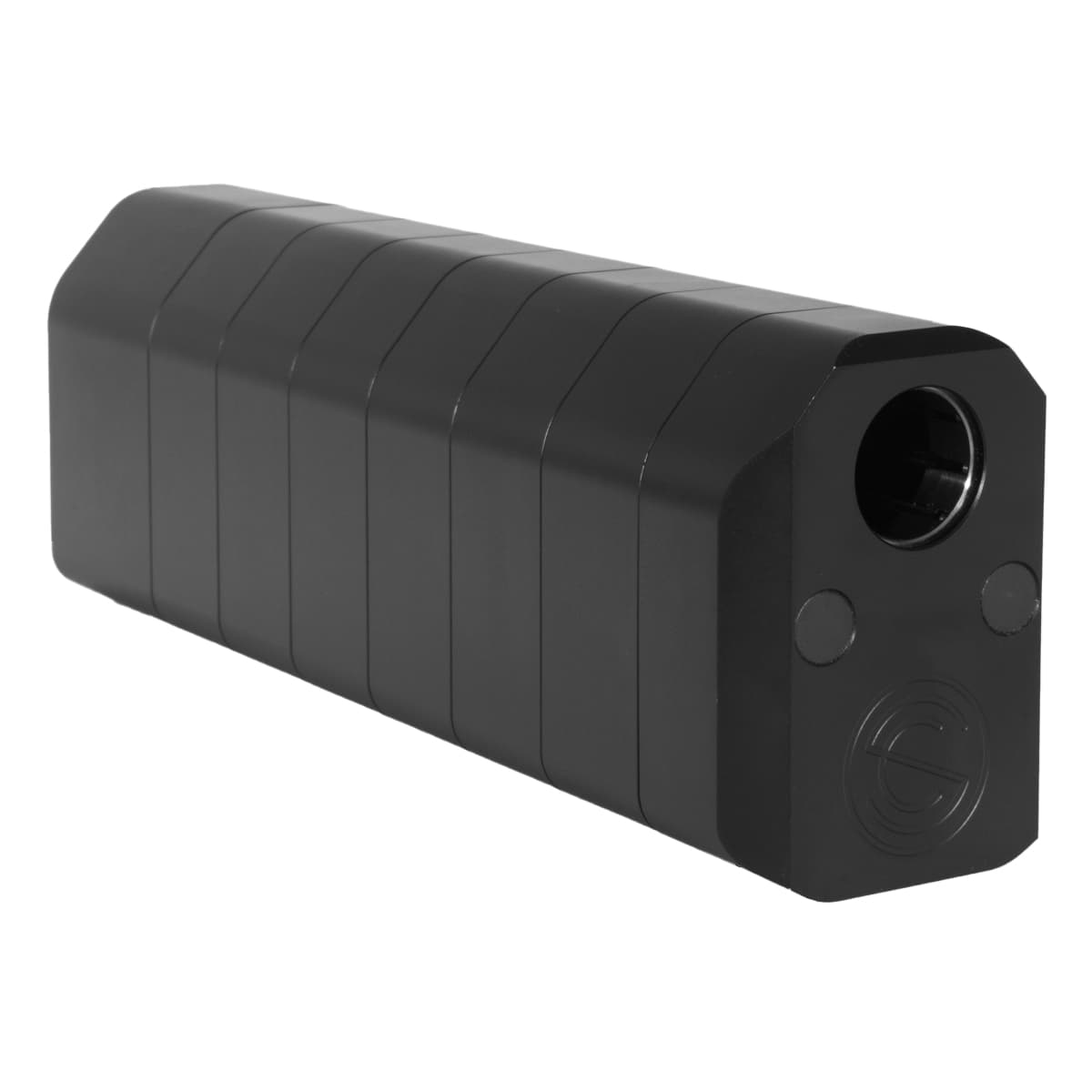
SilencerCo Salvo 12
- 12 gauge, 2.75 and 3 inch shells
- Modular 6 / 8 / 10 / 12 inch lengths
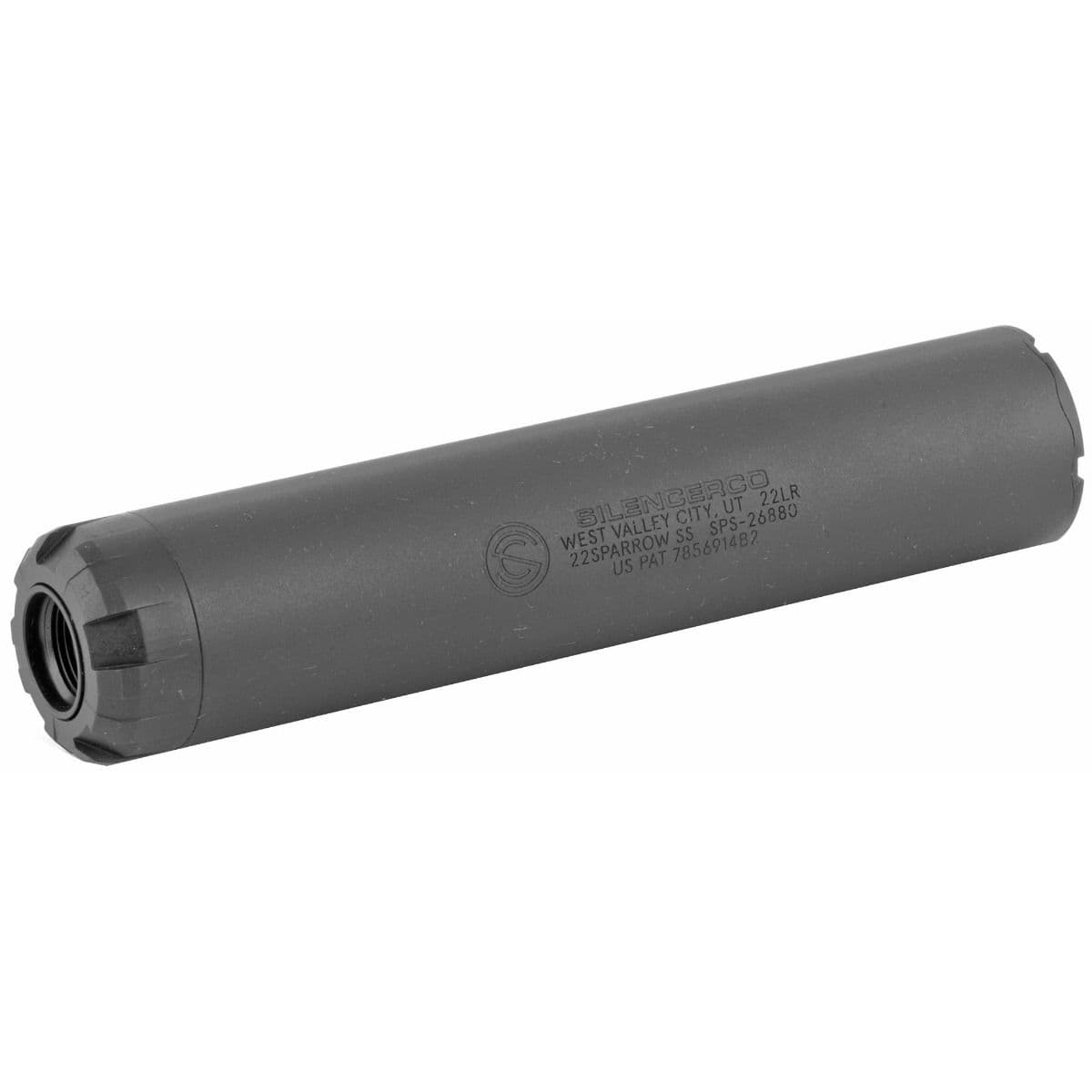
SilencerCo Sparrow 22
- 6.5 oz, 5.08 in length
- 17-4 / 316 stainless monocore
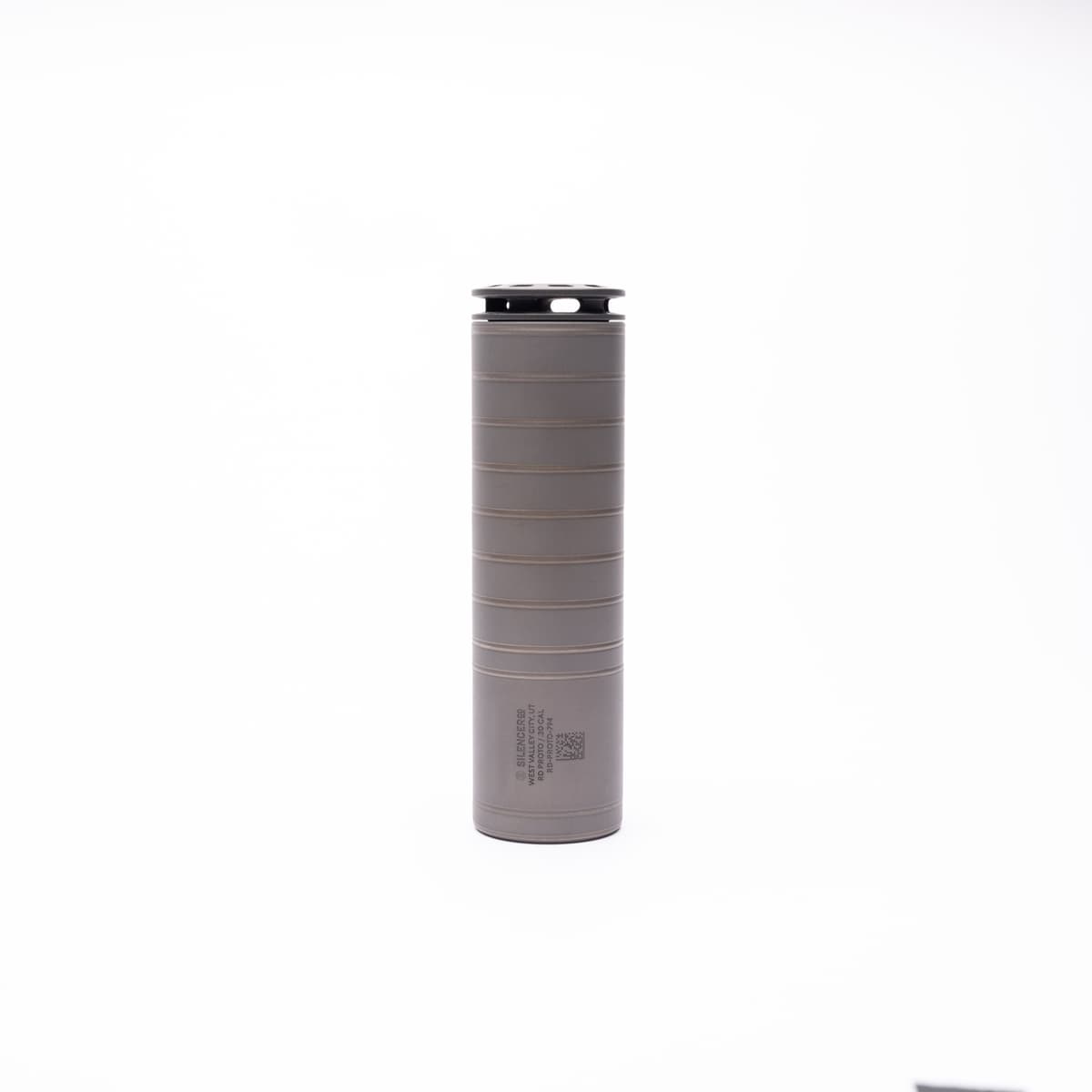
SilencerCo Scythe Ti
- .223 Rem and 5.56 NATO through .300 RUM
- 6.16 in
Affiliate links (?)
Rule 5: Machine Gun Transfers (RIN 1140-AA75)
This one is industry-only and does not change the post-86 civilian machine gun ban. 27 CFR 479.105 is rewritten to simplify how qualified FFLs receive post-86 machine guns as sales samples for government demonstration or transfer inventory when discontinuing NFA business. The current rule requires dealer-need showings, quantity justifications, and a law letter that satisfies a 2023 open letter's expanded checklist. Proposed paragraph (d)(2) cuts the law letter down to four elements: government letterhead, request for a particular machine gun, affirmation that possession is under the government entity's authority, and a signature with contact info from an authorized official. ATF verifies the letter is bona fide. Form 5320.24, the agency-drafted alternative to a law letter, is eliminated.
Two other moves matter for industry. The “particularly suitable” clause in paragraph (e), which forced makers to argue why a given machine gun design fit a government need, is struck. Discontinuance under paragraph (f) is clarified so an FFL that wants to keep its Type 07 GCA license but let its SOT lapse can use Form 3 as both transfer application and discontinuance notice. New paragraph (g) authorizes the U.S. government to send unregistered machine guns to a qualified licensee for manufacture, repair, or testing under a contract or agency letter, with the licensee not required to register the firearm while it is in their possession, provided it returns to the government.
Rule 6: SOT Per Business Activity (RIN 1140-AA76)
The SOT clarification is narrow but matters for any FFL running multiple license types at one address. 27 CFR 479.39 currently requires a Special Occupational Tax for “each business taxable” at a premises, and the June 2021 FFL Newsletter previously instructed that holding both a Type 07 manufacturer and Type 10 destructive device manufacturer license meant paying two manufacturing SOTs. The rewrite codifies what some licensees already understood: a person pays one SOT per taxable business activity (manufacturing, importing, or dealing) regardless of how many GCA license sub-types are held for that activity.
The proposed text includes five worked examples. Types 07 and 10 together: one Class 2 manufacturing SOT covers both, and dealing in the same products needs no separate dealer SOT. Types 08 and 11 together: one Class 1 importing SOT. Add a separate Type 01 dealer license for a different type of firearm and that dealing now needs its own Class 3 SOT because it is a distinct business activity. ATF estimates about 496 FFLs currently pay duplicate SOTs and pegs the annual industry savings at $280,240, or roughly $3 million over ten years, plus 124 hours of avoided Form 5630.7 paperwork annually.
Track the Final Rules
We will send a single email when each of these six NPRMs converts to a final rule, plus coverage of any modifications ATF makes in response to comments. No speculation, just published-rule notifications.
Frequently Asked Questions
▶Are the May 2026 ATF rule changes in effect yet?
▶Does the Form 20 proposal mean I can travel anywhere with my suppressor or SBR?
▶What does removing CLEO notification actually change for NFA applicants?
▶How does the joint spousal NFA registration proposal work?
▶Does the 18 U.S.C. 926A proposal cover ammunition magazines through restrictive states?
▶Do the machine gun transfer and SOT rules affect regular gun owners?
▶Why is ATF issuing six rules at once now?
Bottom Line
Four of the six rules directly cut paperwork for individual NFA owners. The Form 20 rewrite would end short-trip pre-authorization, the CLEO removal would kill the copy-to-sheriff step, joint spousal registration would delete the gun-trust middleman, and the 926A clarification would tell gun owners that hotel stops and ammunition magazines are covered by federal safe-transport law. Combined with OBBBA's $0 tax on suppressors, SBRs, SBSs, and AOWs and current eForm approval times measured in days, the cumulative effect would be the cleanest NFA acquisition environment in decades. The remaining two rules are industry housekeeping.
The constitutional ground under the regime is also shifting. On June 18, 2026 a unanimous Fifth Circuit panel held in United States v. Comeaux that suppressors are “Arms” protected by the Second Amendment, even while affirming the NFA conviction by treating registration as a shall-issue permit. See our coverage of the Fifth Circuit suppressors-as-arms ruling for the doctrinal frame and the circuit split with the Ninth Circuit's DeBorba opinion that is teeing the question up for the Supreme Court.
None of this is in effect yet. Until ATF publishes final rules, Form 20 remains required for any interstate NFA travel, CLEO notices still need to ship, and trusts still mediate joint spousal possession. If any of these proposals affect your build plans, write a comment on the docket before the deadline. If you are still picking your first suppressor host, the best 5.56 suppressors of 2026 guide walks current options, and the rifle builder lets you spec a suppressor-ready platform end-to-end.
A seventh rule dropped on July 2, 2026. RIN 1140-AA63 (Docket ATF-2026-0397) would cut the fingerprint and photograph burden on Form 1, 4, and 5 applications: individuals from two FD-258 cards to one plus an ID-photo swap for the passport photo, and NFA trust and legal-entity responsible persons exempt from fingerprints unless the FBI specifically asks for a card. Federal Register publication is July 6, 2026; comments close October 5. See our coverage of the July 2026 fingerprint and photo NPRM for the citation details and the trust-versus-individual math on the reduced identity paperwork.
State-level handgun legislation continues to move in the opposite direction. Illinois HB4471 cleared committee on May 20, 2026 and would ban future sales of any pistol with a cruciform trigger bar, sweeping in the entire Glock production line. See our coverage of Illinois HB4471 and the non-cruciform pistol alternatives for the supply-side detail. On the cartridge side, the U.S. Army licensed Federal's Peak Alloy 80,000 PSI steel case technology in June 2026; see the Federal Peak Alloy Army agreement for the high-pressure ammunition picture reshaping the same suppressor-and-SBR design space. On the hardware side, US Palm entered the suppressor market simultaneously with the EOS series of 3D-printed Inconel and titanium cans priced from $899.99, taking advantage of the $0 transfer tax environment and fast eForm processing times.



Comment Deadlines and Citations
Submit comments through regulations.gov with the relevant RIN in the subject line, or mail to ATF Rulemaking Comments, Mail Stop 6N-518, Office of Regulatory Affairs, 99 New York Ave NE, Washington, DC 20226. Comments after midnight Eastern on the deadline date are not accepted.