Primary Arms PLx Compact LPVO: 1.5-12x36 Precision Scope with RDB Reticle
The Primary Arms PLxC 1.5-12x36 FFP RDB is now shipping at $1,999.99 direct from Primary Arms, featuring Japanese ED glass, the diffractive Red Dot Bright reticle, AutoLive motion-sensing illumination, and the updated Top Cap Reflex Mount V2.
Update May 31, 2026: Primary Arms lists the PLxC 1.5-12x36 at $1,999.99. Live stock can change; use the buy card below for today's status.
Buy the PLxC 1.5-12x36 FFP RDB
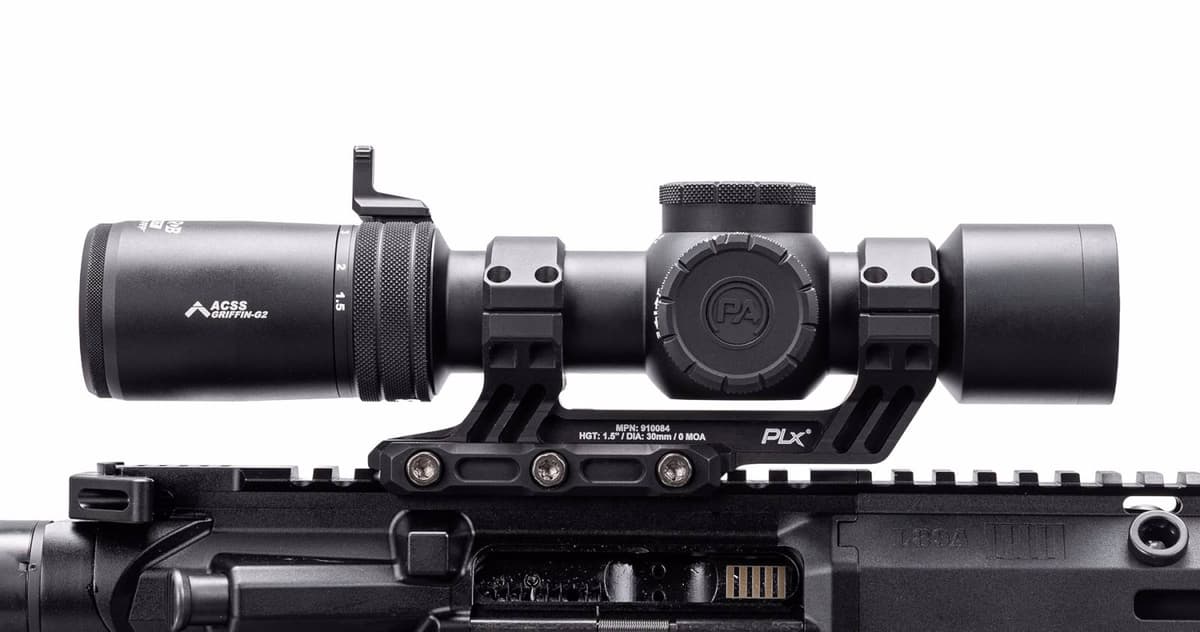
Primary Arms PLxC 1.5-12x36 FFP RDB
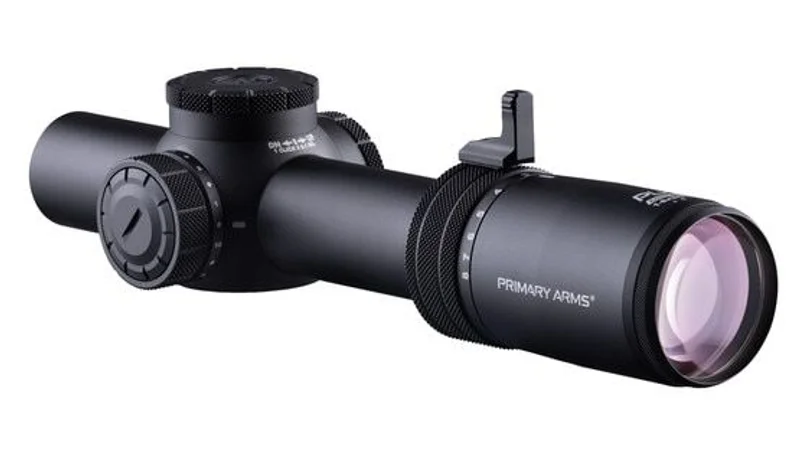
Compact 1.5-12x FFP scope with Japanese ED glass and RDB diffractive ACSS Raptor reticle
- +12x upper magnification extends practical range vs 1-8x and 1-10x LPVOs
- +Compact 9.75 inch chassis fits short rifles and piggyback mounts
- +RDB diffractive reticle stays crisp in bright daylight
- −1.5x low end is not true 1x for close-quarters speed
- −Premium price puts it against Razor HD Gen III and Nightforce ATACR
- −12x ceiling demands a stable position to use fully
Key Takeaways
- →Premium Optics: Japanese ED (extra-low dispersion) glass with fully multi-coated lenses for enhanced clarity and color fidelity across the 1.5-12x magnification range
- →RDB Technology: Red Dot Bright diffractive reticle delivers consistent illumination and performance in varied lighting conditions
- →AutoLive Illumination: Motion-sensing system automatically enters standby mode when stationary, conserving battery and reactivating upon movement
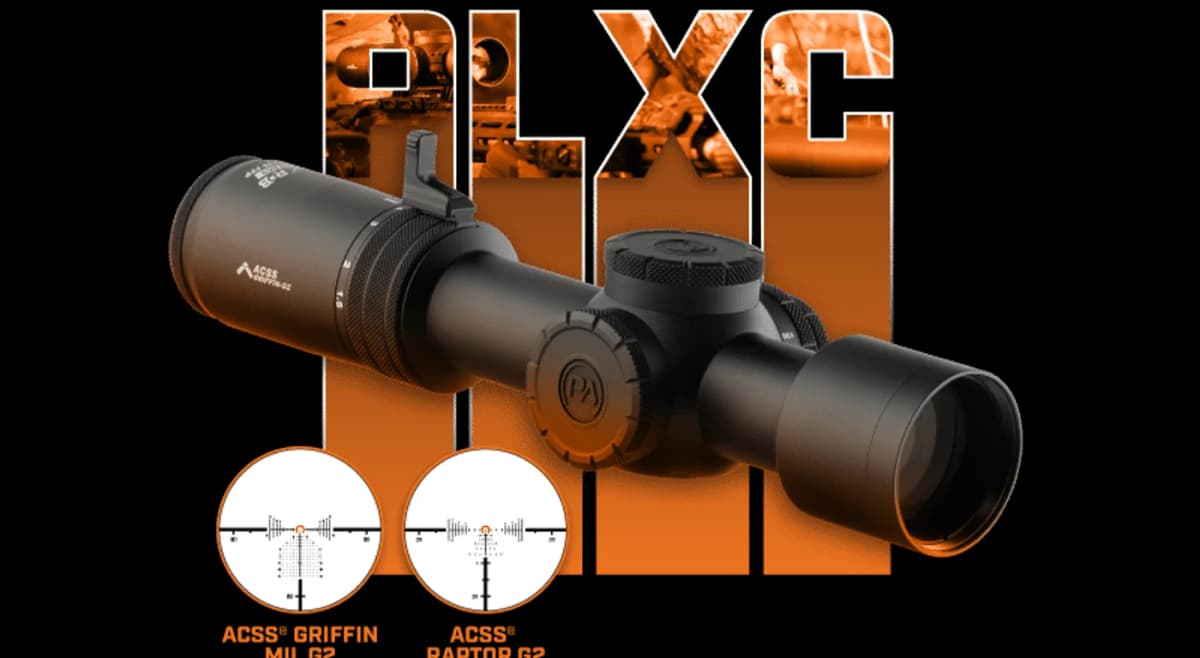
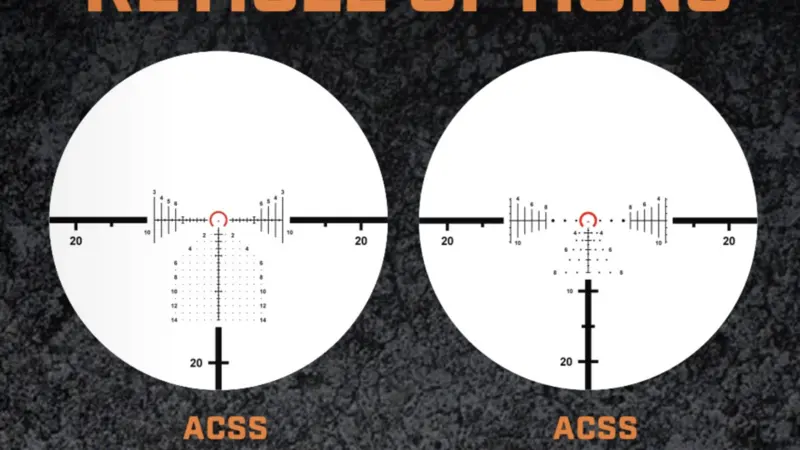
- →ACSS Reticles: Two variants available: Raptor 5.56 Yard G2 with integrated BDC for 5.56/.308, and Griffin MIL G2 with MIL-based grid and illuminated chevron
- →TCRM V2: Updated Top Cap Reflex Mount features increased centerline height and improved geometry for better clearance and compatibility
High Mobility, High Precision
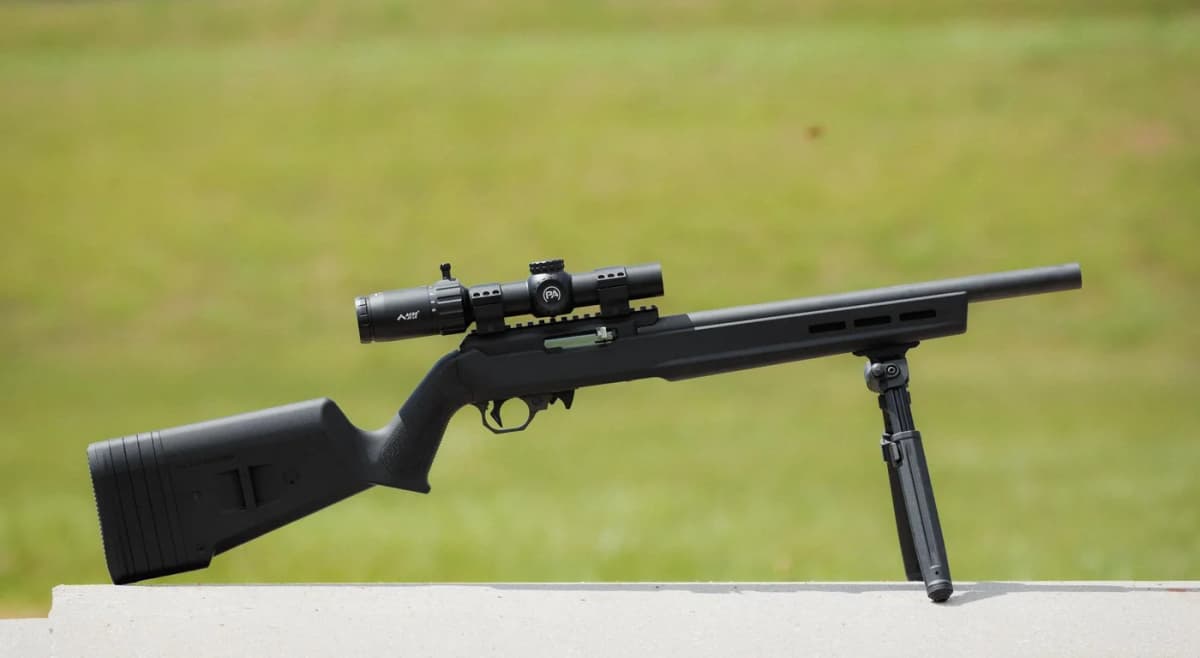
Primary Arms positions the PLx Compact 1.5-12x36 as a high-mobility, high-precision optic designed for compact and lightweight builds. At just 9.75 inches long and 19.7 ounces, this first focal plane scope delivers the magnification range of a traditional LPVO in a noticeably smaller package. The PLx line sits at the top of the Primary Arms optics tier stack; for the entry-tier end of the same brand, see our coverage of the new CLx line launching June 2026 with four sub-$220 red dots and prism scopes.
The 1.5x lower magnification provides a wide field of view for rapid target acquisition at close range, while the 12x upper magnification supports precision work out to intermediate distances. The compact form factor shaves length and weight compared to conventional 1-8x or 1-10x scopes without sacrificing optical performance.
Japanese ED Glass and Multi-Coated Optics
Primary Arms equips the PLx Compact with extra-low dispersion glass manufactured in Japan. ED glass reduces chromatic aberration, the color fringing that appears around high-contrast edges, delivering sharper, more accurate images across the magnification range.
The fully multi-coated lens system maximizes light transmission and minimizes reflection, improving image brightness and clarity in low light conditions. Combined with the 36mm objective lens, the PLx Compact provides sufficient light gathering for practical use in dawn and dusk conditions while maintaining the compact profile.
The 30mm main tube provides 100 MOA of elevation adjustment, sufficient for most practical shooting scenarios with 5.56 NATO, .308 Winchester, and similar intermediate cartridges.
Red Dot Bright Diffractive Reticle
The PLx Compact uses Primary Arms' Red Dot Bright (RDB) diffractive reticle technology. Unlike traditional fiber optic or etched illuminated reticles, RDB employs a diffractive optical element to project the reticle illumination.
This approach provides more consistent illumination across different lighting conditions and viewing angles. The reticle remains visible and crisp regardless of ambient light, from bright daylight to low light transitions where traditional illuminated reticles can appear washed out or insufficient.
The AutoLive motion-sensing illumination system conserves battery by entering standby mode when the rifle is stationary. Upon detecting movement, the reticle illumination automatically reactivates. This extends battery life during extended periods in the field or on a ready rack.
Users can configure the Steel-On-Steel (SOS) turrets as either capped or exposed elevation configurations depending on their intended use case. Capped turrets protect adjustments from inadvertent changes, while exposed turrets provide quick dial-up capability for precision shooting.
Two ACSS Reticle Variants
The PLx Compact launches with two Advanced Combined Sighting System (ACSS) reticle options designed for different shooting applications:
ACSS Raptor 5.56 Yard G2
Calibrated for 5.56 NATO, .308 Winchester, and similar cartridges. Features an integrated bullet drop compensation (BDC) system with ranging indicators optimized for common intermediate cartridges. The yardage-based system simplifies holdovers at extended range without requiring mental math conversions.
ACSS Griffin MIL G2
MIL-based grid pattern with illuminated chevron for rapid target acquisition. The MIL grid provides precise holdover and wind correction references across the entire reticle, suitable for shooters who prefer working in MIL measurements or need flexible correction capability across multiple calibers and loads.
Both reticles are first focal plane, meaning the reticle scales proportionally with magnification. This ensures holdover and wind correction references remain accurate at any magnification setting, particularly valuable in the 1.5-12x range where shooters frequently adjust magnification to match engagement distance.
Shop Current Primary Arms Optics
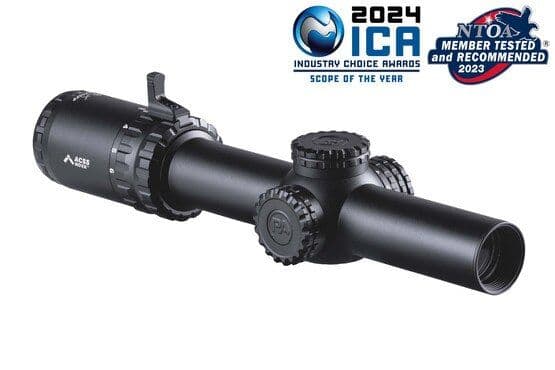
Primary Arms SLx 1-6x24 Gen IV
- 1-6x magnification
- Second focal plane
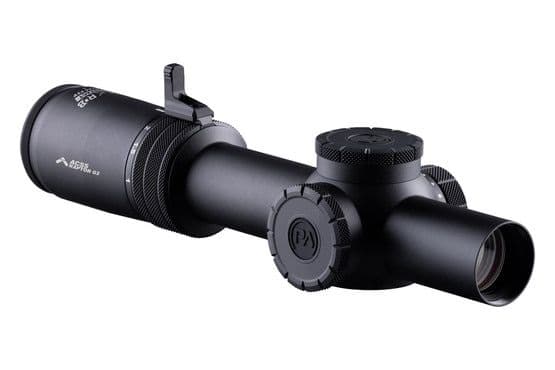
Primary Arms PLxC 1-8x24 FFP
- 1-8x magnification
- First focal plane
Primary Arms PLxC 1.5-12x36 FFP RDB
- 1.5-12x magnification
- First focal plane
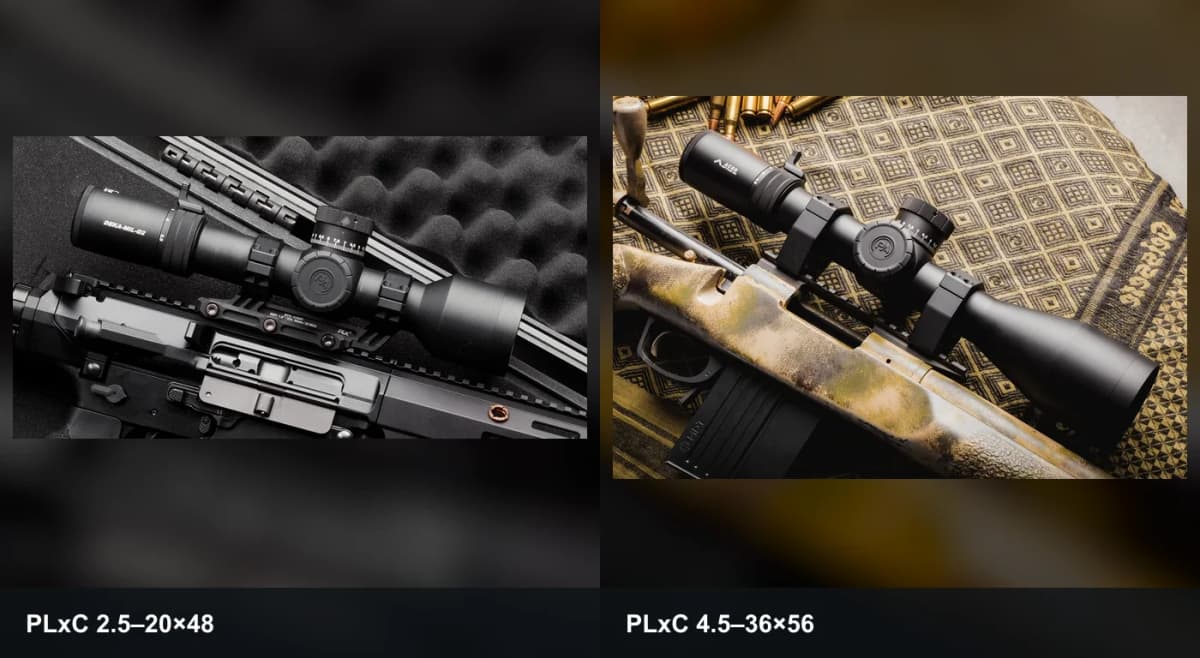
Primary Arms PLxC 2.5-20x48 FFP Athena G2
- 2.5-20x48 first focal plane
- ACSS Athena BPR MIL G2 reticle
Primary Arms PLxC 4.5-36x56 FFP Neptune
- 4.5-36x56 first focal plane
- ACSS Neptune reticle
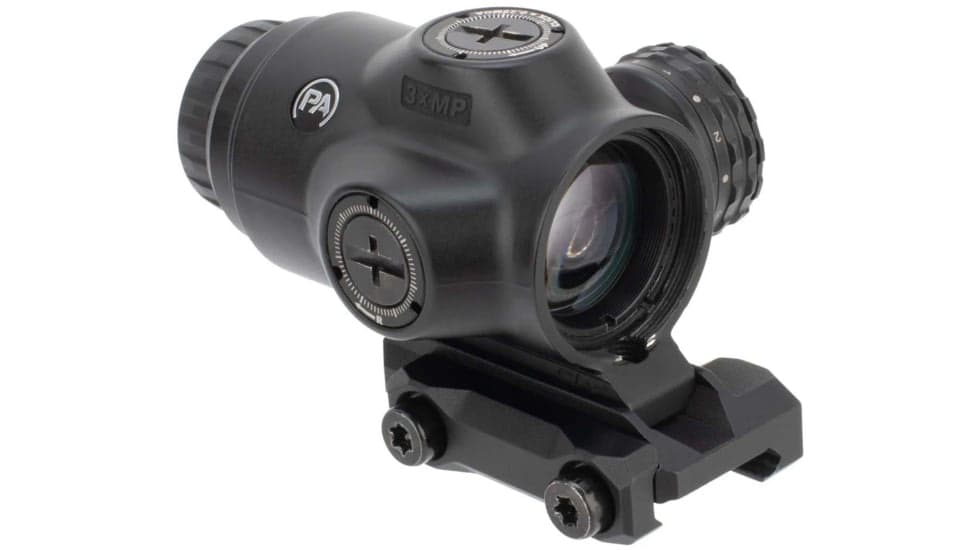
Primary Arms SLx 3x MicroPrism
- Fixed 3x
- ACSS Raptor reticle
Affiliate links (?)
Top Cap Reflex Mount V2
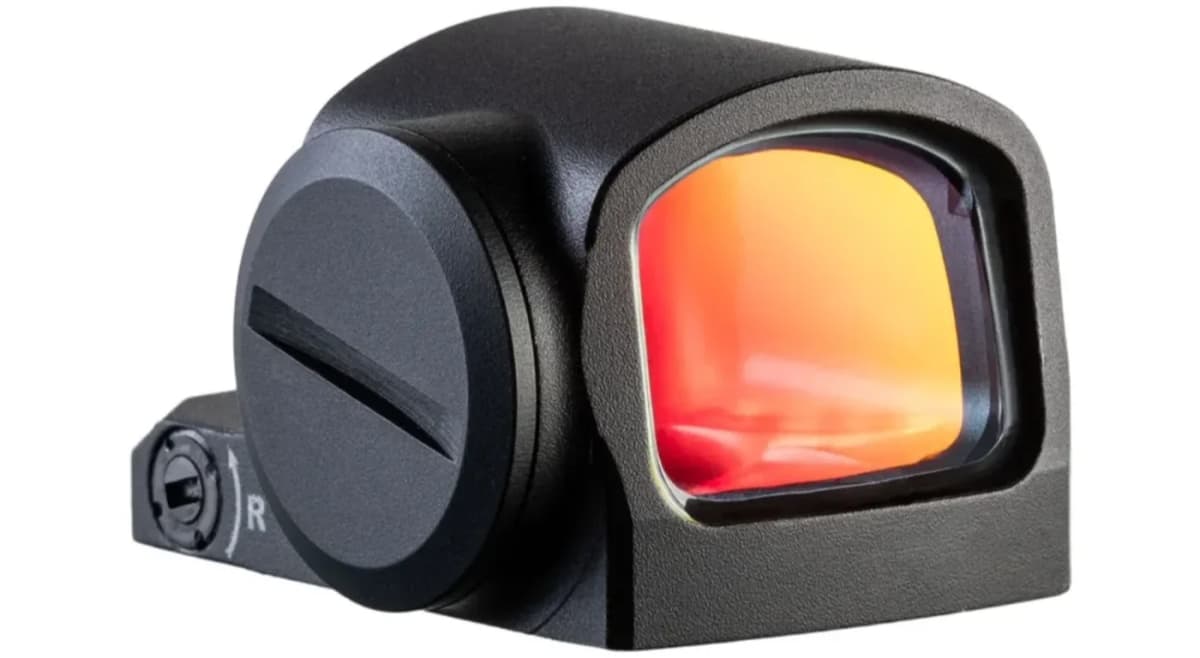
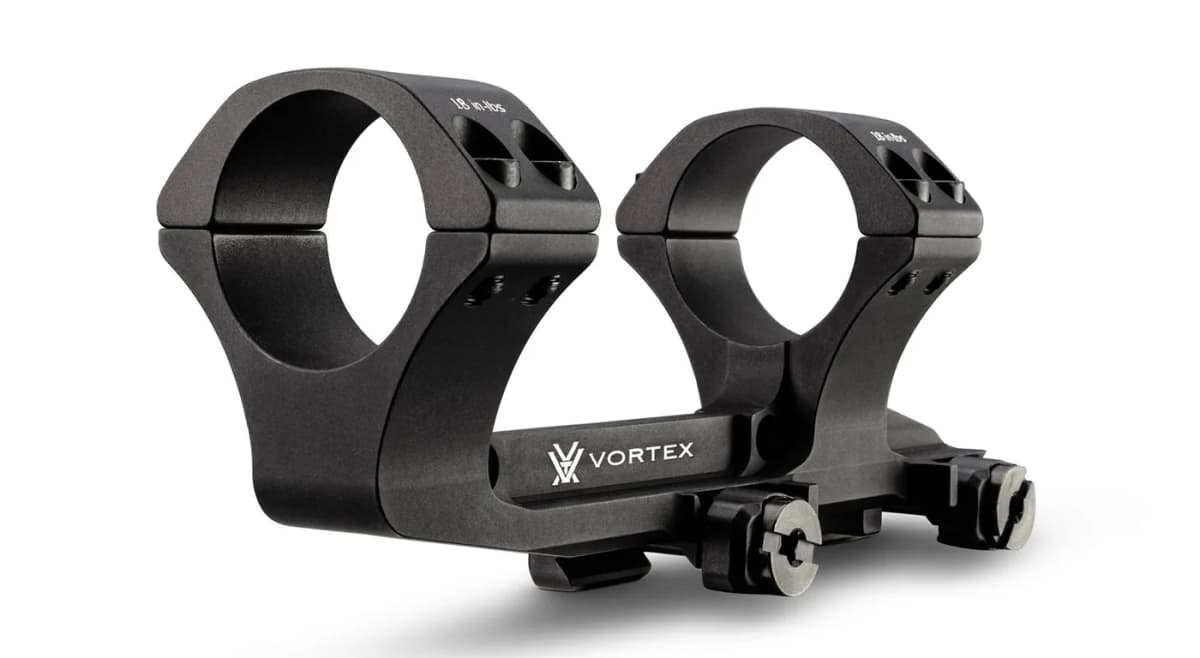
Primary Arms also revealed the updated Top Cap Reflex Mount (TCRM) V2, designed to integrate a micro reflex sight on top of the scope. This piggyback configuration provides a true 1x offset optic for close quarters work without adjusting the variable scope's magnification.
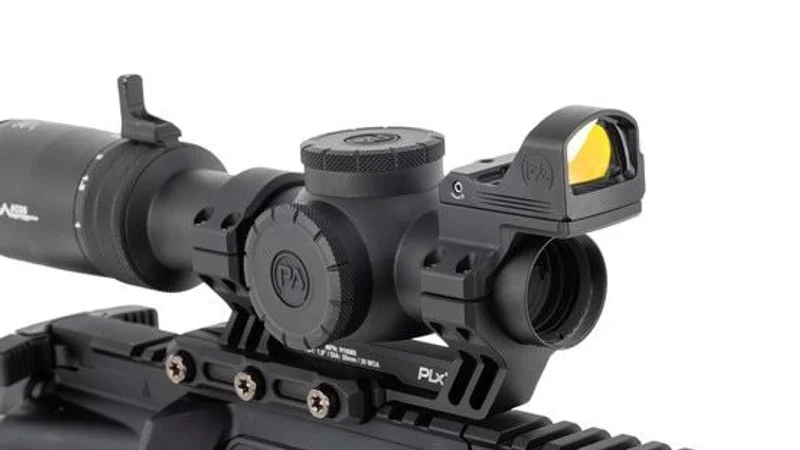
The V2 revision features increased centerline height and revised mounting geometry for improved clearance and secure interface compatibility with common micro red dot footprints. The higher mount position reduces the need for an extreme chin weld when transitioning from the main scope to the offset optic.
This setup appeals to shooters who run magnified optics but need rapid-fire capability at close range, particularly in competitive shooting, dynamic shooting drills, or tactical applications where engagement distances vary unpredictably.
Technical Specifications
PLx Compact 1.5-12x36 FFP RDB
- Magnification1.5-12x
- Objective Lens36mm
- Tube Diameter30mm
- Length9.75 inches
- Weight19.7 ounces
- Elevation Adjustment100 MOA
- GlassJapanese ED Glass
- CoatingFully Multi-Coated
- Focal PlaneFirst Focal Plane (FFP)
- Reticle TechnologyRed Dot Bright (RDB) Diffractive
- IlluminationAutoLive Motion-Sensing
- TurretsSOS (Capped or Exposed)
- Reticle OptionsRaptor 5.56 Yard G2, Griffin MIL G2
Stay Updated on New Optics Releases
Get exclusive coverage of new LPVO and precision optic launches, hands-on reviews, and reticle deep-dives delivered to your inbox.
What This Means
The PLx Compact 1.5-12x36 targets the growing demand for compact, lightweight LPVOs that deliver premium optical performance without the bulk of traditional variable scopes. At 9.75 inches and under 20 ounces, this scope competes directly with other compact LPVO offerings while adding Primary Arms' RDB reticle technology and AutoLive illumination.
The 1.5-12x magnification range differentiates from conventional 1-8x or 1-10x scopes. The 1.5x lower end sacrifices minimal field of view compared to true 1x but provides a wider view than 2x starts seen on some compact scopes. The 12x upper end extends practical range compared to 8x or 10x options, useful for precision work at 400-600 yards with 5.56 or .308.
Japanese ED glass and RDB technology put this scope in the premium tier at $1,999.99 MSRP, matching the Vortex Razor HD Gen III 1-10x24 and undercutting the Nightforce ATACR 1-8x. The combination of compact form factor, 12x ceiling, and diffractive reticle differentiates it from both standard 1-8x LPVOs and traditional full-size precision scopes.
The updated TCRM V2 addresses a practical concern with offset optics: mount height and ergonomics. The revised geometry suggests Primary Arms received feedback on the first-generation mount and made adjustments to improve usability without requiring extreme head positions.
The PLxC 1.5-12x36 is shipping now at $1,999.99 with both ACSS Raptor 5.56 Yard G2 and ACSS Griffin MIL G2 reticle options.
Check our Optics Catalog as the PLx Compact becomes available, or use our Interactive Builder to configure your rifle with current optics. For a full LPVO comparison, see our best LPVO guide. For choosing between optic types, read our optic selection matrix.