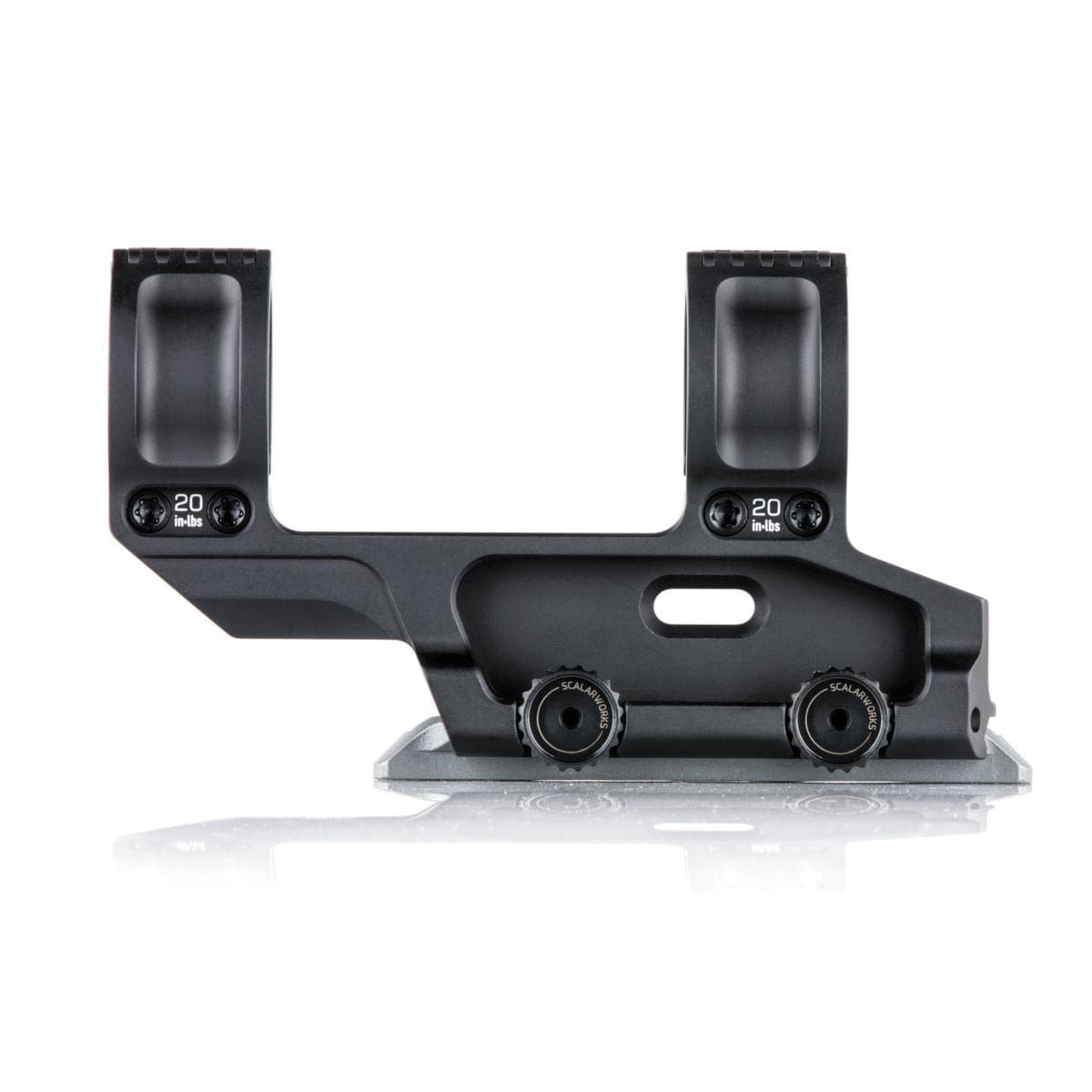
LPVOs · 1.57" / 1.93"
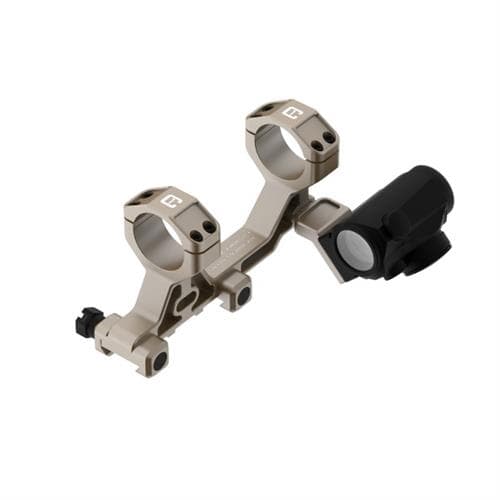
Scalarworks LEAP/07 LPVO Mount
- ClickDrive QD thumbwheels with true return to zero
- Standard and tall heights available
$399.00 Catalog
View at OpticsPlanet
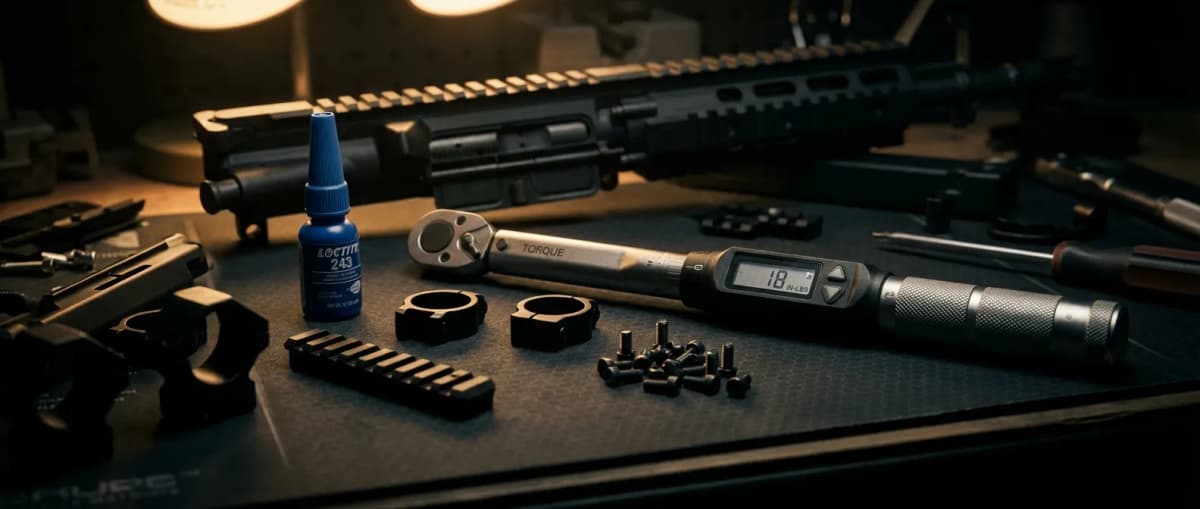
Learn proper AR-15 optic mounting with practical steps for eye relief, rail placement, threadlocker application, torque specs, and accessory positioning for repeatable zero.
Affiliate links (?)
A practical walkthrough for mounting red dots, LPVOs, and prisms on an AR, plus where to place lights and lasers on the rail. Focused on repeatable zero: correct hardware, torque, and threadlocker habits.
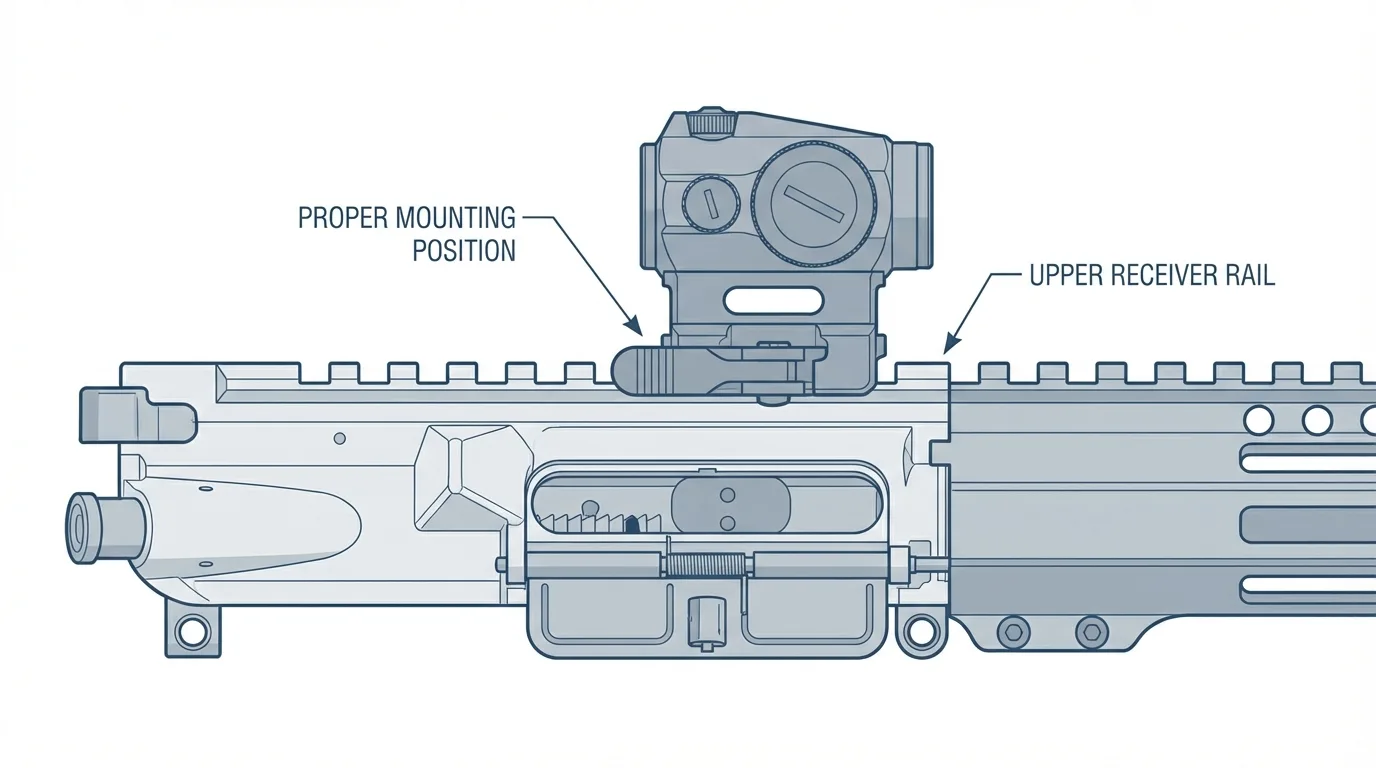
Location matters: Mount optics entirely on the upper receiver, never bridging onto the handguard. Handguards flex and shift under heat and pressure, causing zero loss.
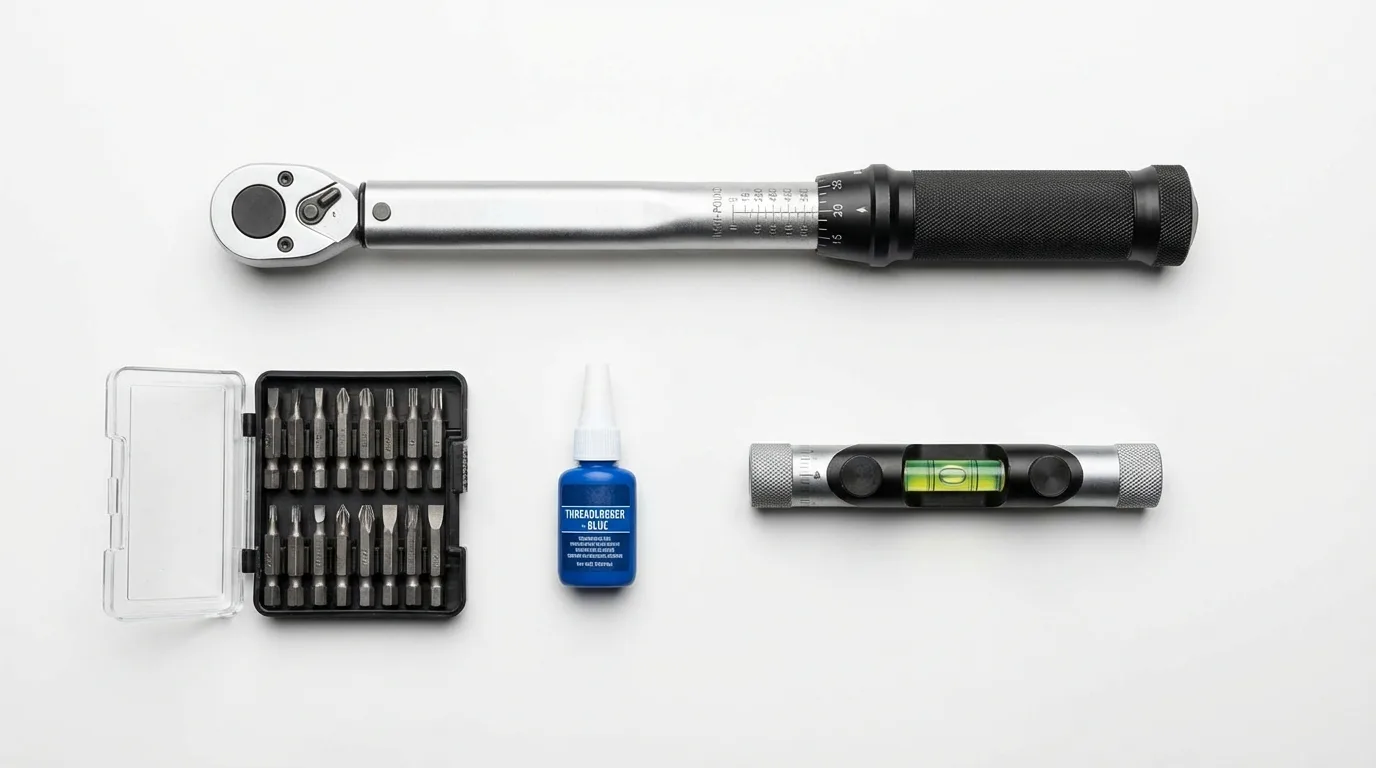
Torque and threadlocker: Use a calibrated inch-pound torque wrench and blue threadlocker. Follow manufacturer specs (typically 15-30 in-lb for rings). Paint-pen witness marks to catch movement.
Eye relief for scopes: Set scope position at maximum magnification in your actual shooting gear. Level the reticle, tighten rings in X pattern evenly. Re-check after first range session.
A clean, stable setup makes mounting safer and more repeatable. Treat this like an armorer task, not a quick accessory install. A cradle vise with leveling feet holds the rifle dead level while you square the reticle; our best gun vise guide ranks the picks for scope-mounting and cleaning.
Red dots are the simplest optics to mount, but sloppy hardware habits still cause lost zeros. Think about height, eye position, and rail engagement before tightening anything. Still choosing a sight? Our best AR-15 red dot picks and the optic selection guide cover red dot vs LPVO vs prism before you commit to a mount height.
LPVOs and traditional scopes demand more attention to eye relief and reticle level. Rushing this step leads to neck strain and awkward head positions under stress. Start with the right mount: our best LPVO and AR-15 scope mounts guide ranks cantilever and QD mounts by height, tube diameter, and return to zero. For bolt-action and precision rifles, our best scope rings and mounts guide covers choosing rings, ring height, and 0 vs 20 MOA cant, and the scope ring height calculator turns your objective size and tube diameter into a minimum ring height. For a worked example of that arithmetic against a real mount, the Reptilia AGS sits at a 1.34-inch centerline, which clears an estimated 50mm bell and comes up short of an estimated 56mm one.
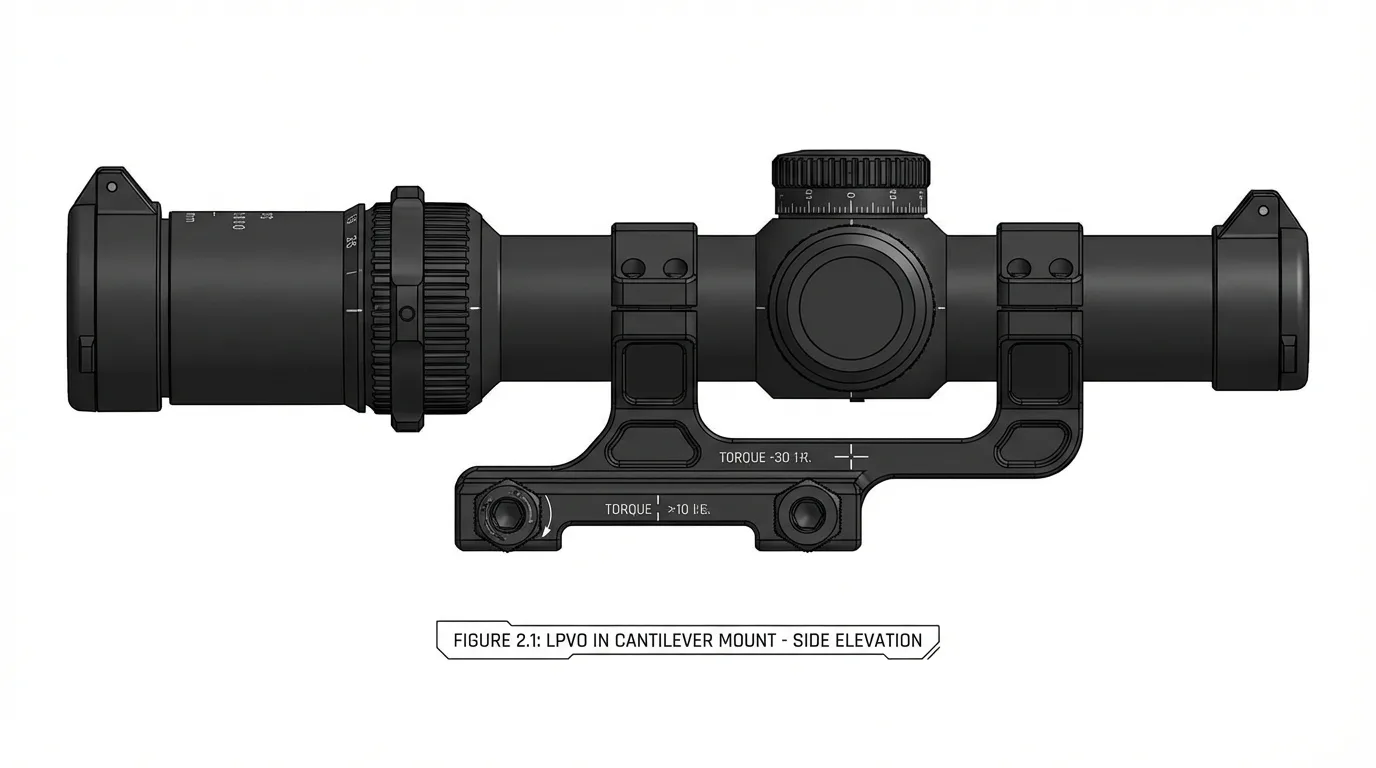
After tightening, re-check eye relief and level in your actual gear. If anything feels strained or tilted, loosen in small steps, adjust, and re-torque.
Recording and training accessories come after this step, not before it. An eyepiece camera or phone adapter fits by ocular or tube diameter and adds its own clearance checks, so mount, level, and zero the scope first; our best scope camera guide lists the fit range for each dedicated camera and phone-to-scope adapter.
New mount and ring picks, torque tools, and scope installation guides as the field evolves.
Fixed prisms mount similarly to red dots but with a defined eye box. Respect that eye box and you get fast, clear hits from 0–300+ yards.
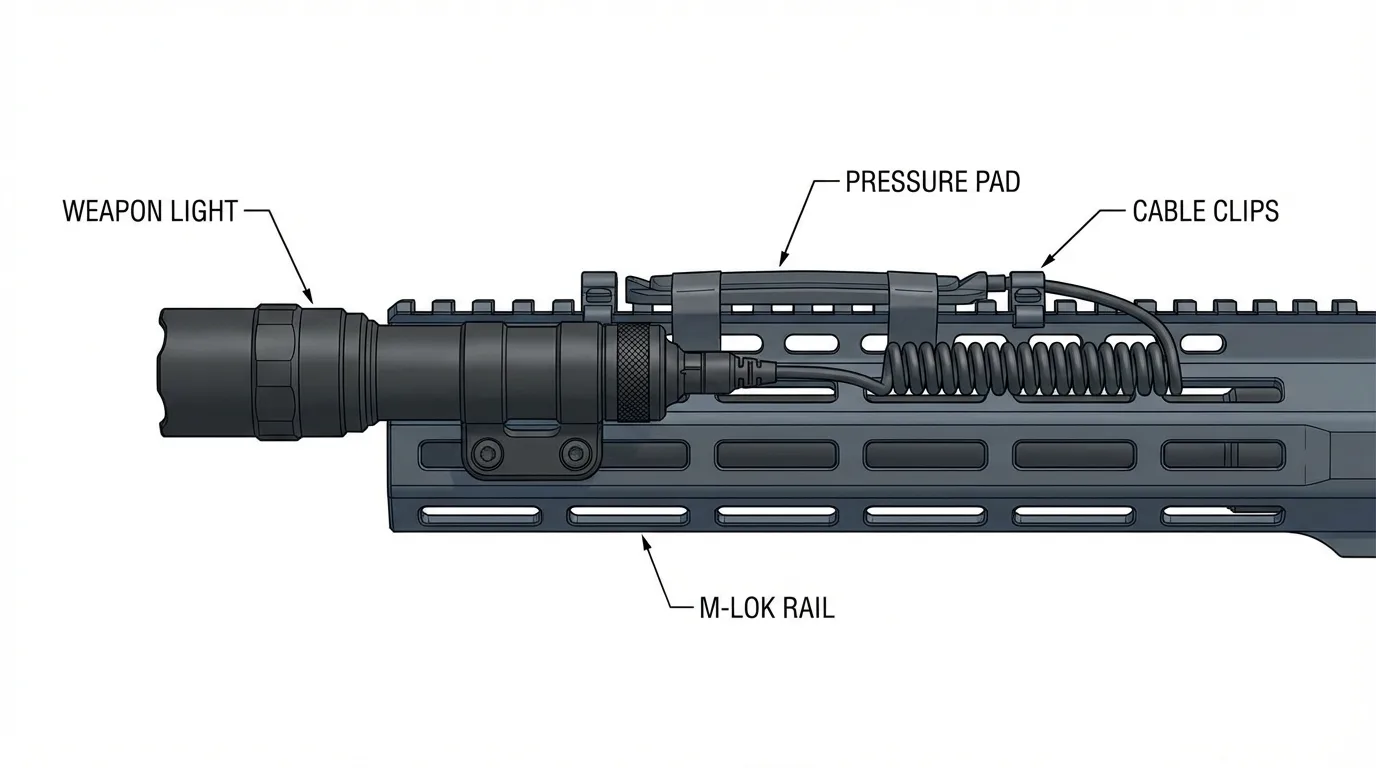
White lights and lasers round out the upper. The goal is a clean activation path that doesn't fight your grip or block your optic.
Proper torque and threadlocker use keep mounts from loosening at the worst time. Over-torquing can crush scope tubes or strip screws; under-torquing lets zeros walk.
Log torque values, threadlocker use, and any mount changes in your maintenance or armorer notes so you can trace point-of-impact shifts back to specific hardware changes.
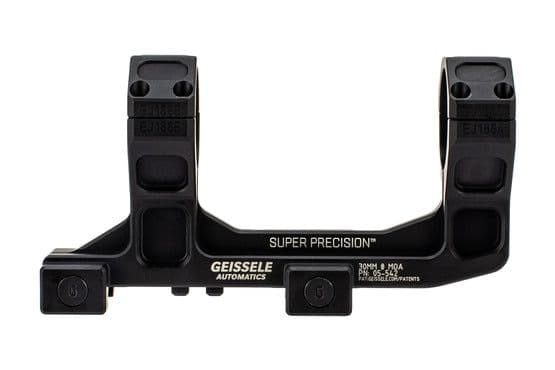
Affiliate links - purchases support this site at no extra cost to you. (?)
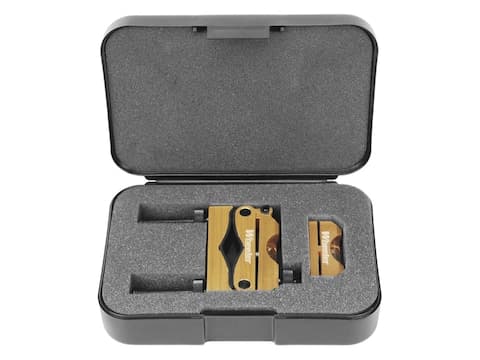
Two-level kit for aligning a bolt-action rifle receiver and scope before tightening ring screws.
Always follow the specific torque values from your optic manufacturer.
Affiliate links - purchases support this site at no extra cost to you. (?)
Look through the optic, turn the same two adjustments you use at the range, then re-aim and preview the next group. Choose Range to view the selected distance, Explain for the enlarged diagram, or Inspect target for a close-up.
Measured group
The reticle is centered on the aiming point. The five-hole group shows the measured miss.
Original group: 2 in low, 1 in right
After applied clicks: 2 in low, 1 in right
This predicts correction from one measured group. Calculator holes are illustrative, and range-session spread is a plausible mid-range value for each optic class; shooter error, ammunition, cant, parallax, loose hardware, and trajectory at another distance are not modeled.

Avid shooter with 10+ years of experience including competition shooting, an associate member of the Professional Outdoor Media Association (POMA), and a member of the National Shooting Sports Foundation (NSSF) and Safari Club International (SCI). Built 10+ AR-pattern rifles and several handgun platforms for home defense, competition, and suppressed night shooting.
This page contains affiliate links. Purchases through these links support the site at no extra cost to you. Read the affiliate disclosure
Ready to continue? Here's the recommended next guide:
How to zero an AR-15 red dot, LPVO, or iron sights. Step-by-step with 50/200 zero chart, printable targets, 25-yard confirmation method, clicks calculator, and mechanical offset explained.
Continue exploring with these related resources
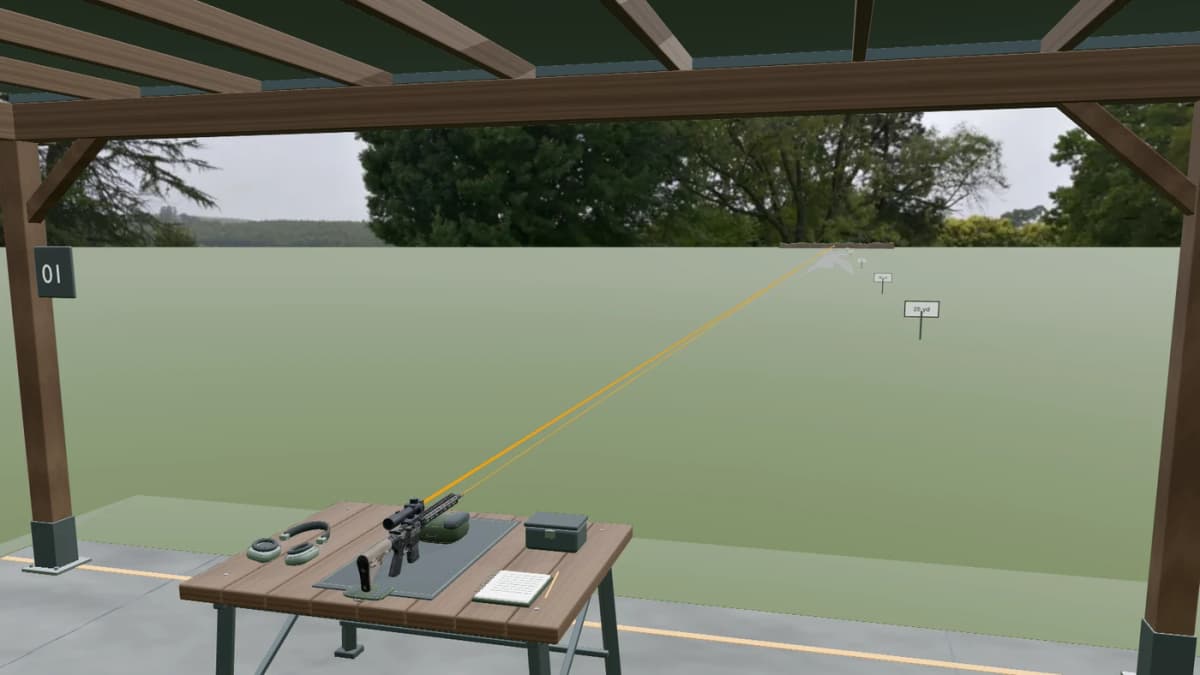
Pick a load, barrel and zero, place a USPSA target out to 1,000 yards, fire through the optic, and read drop, transonic range and where each BDC mark really lands. Step by step, with real numbers for 5.56 from a 16 inch barrel.
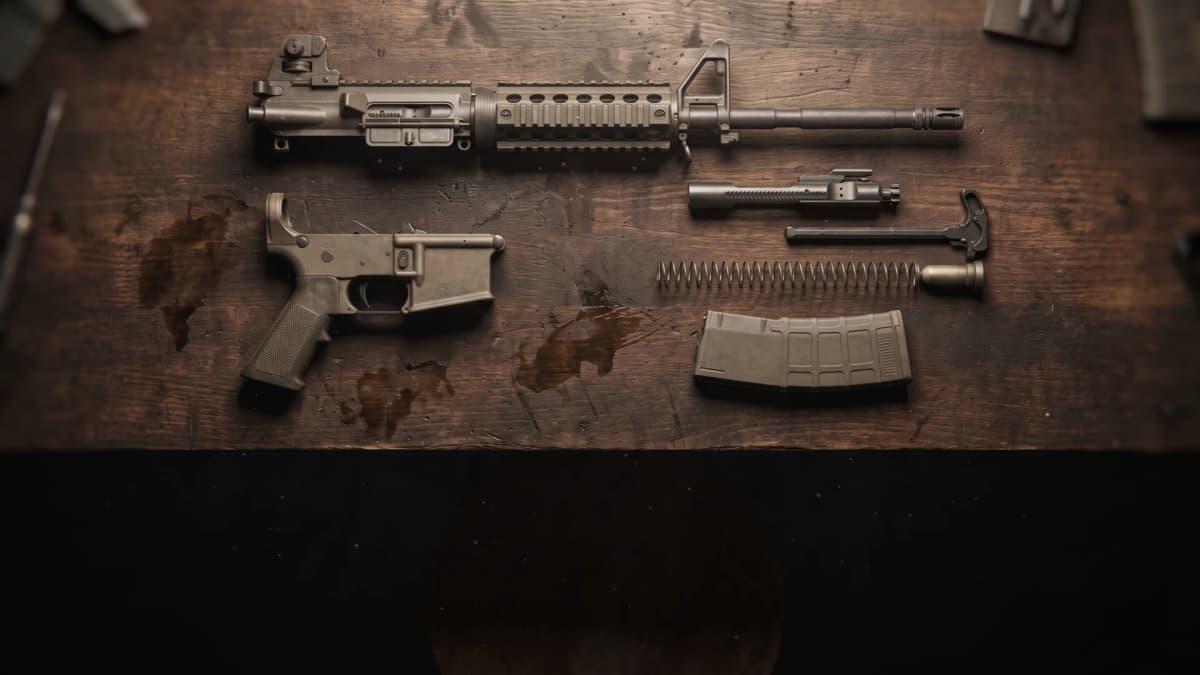
A clickable AR-15 parts diagram covering all 22 parts, from bolt carrier group to buffer tube, with an exploded view, a controls walkthrough for loading and reloading, and a first-time setup checklist.
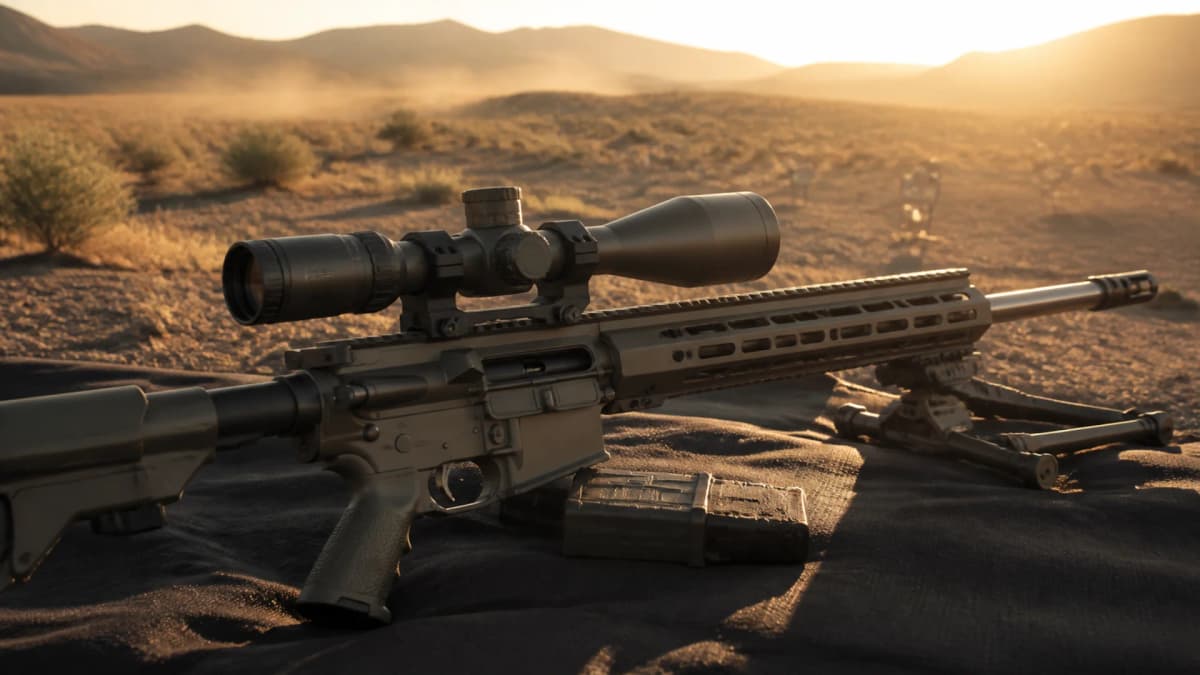
A ranked guide to the variable-power scopes that sit between true-1x LPVOs and full-size precision optics, with compact, hunting, value, and premium picks.
Related articles and industry updates
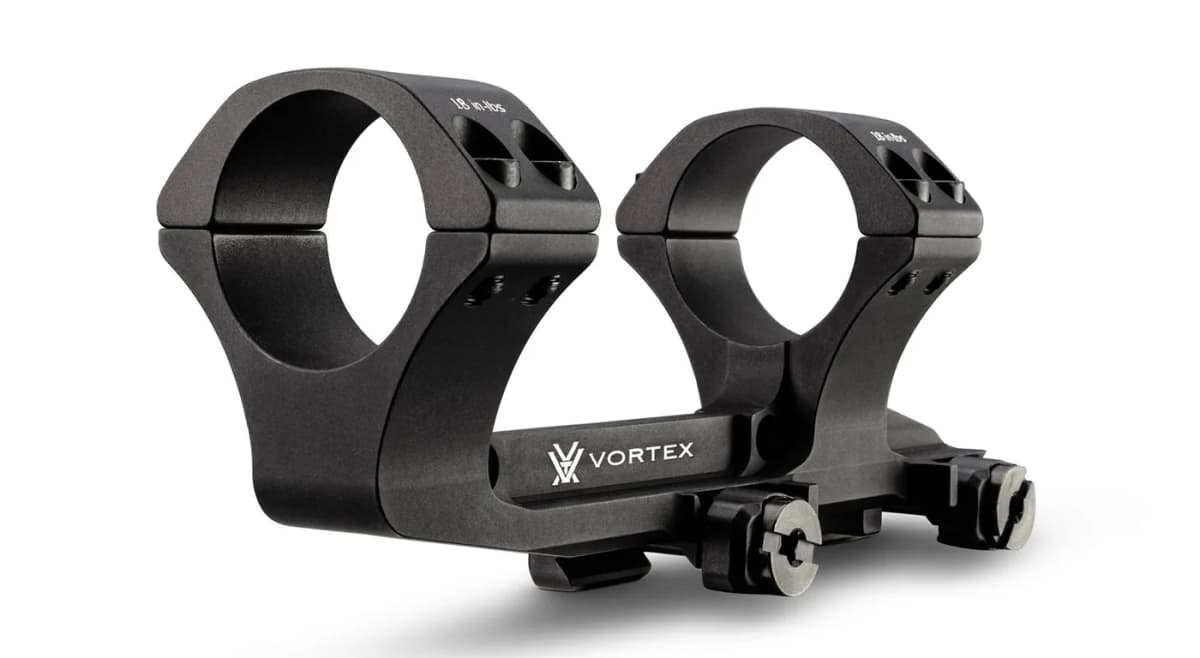
Vortex's new Pro Cantilever system pairs 30mm and 34mm scope mounts with top and offset red-dot accessories and a forward Picatinny diving board.
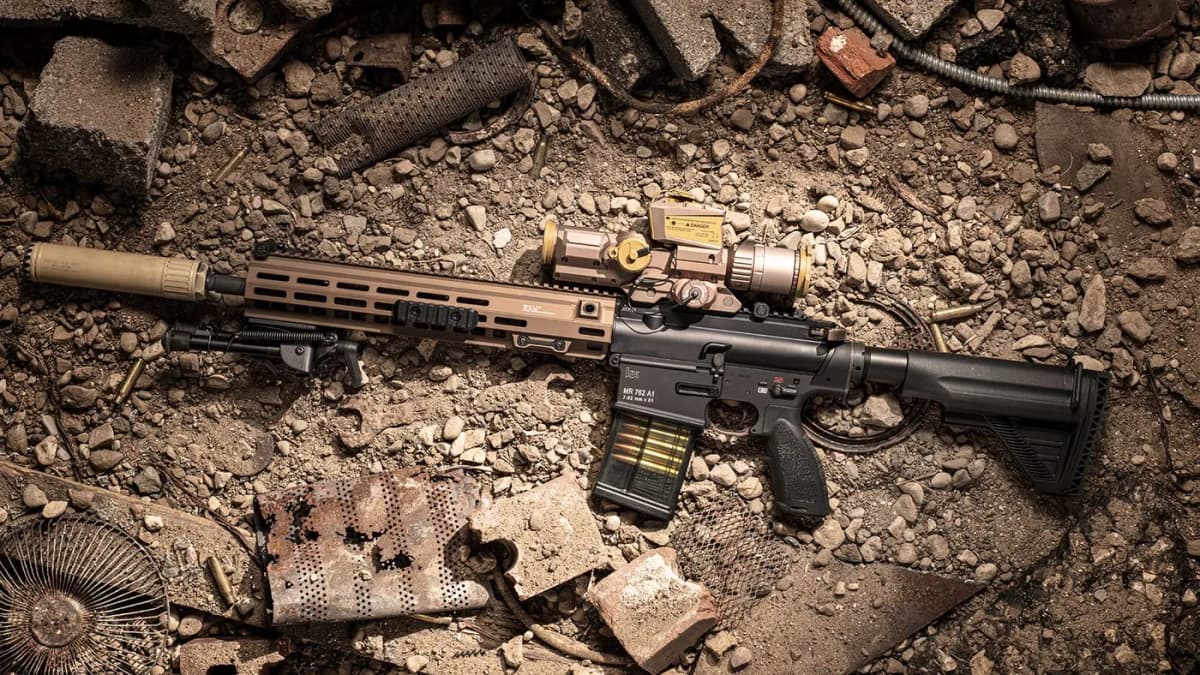
The Vortex XM157 puts a 1-8x30 LPVO, laser rangefinder, ballistic solver, and digital display in one 6.8mm-ready fire control. Here is how it works, what shooters hit with it, and why soldiers rated its usability below average in DOT&E testing.
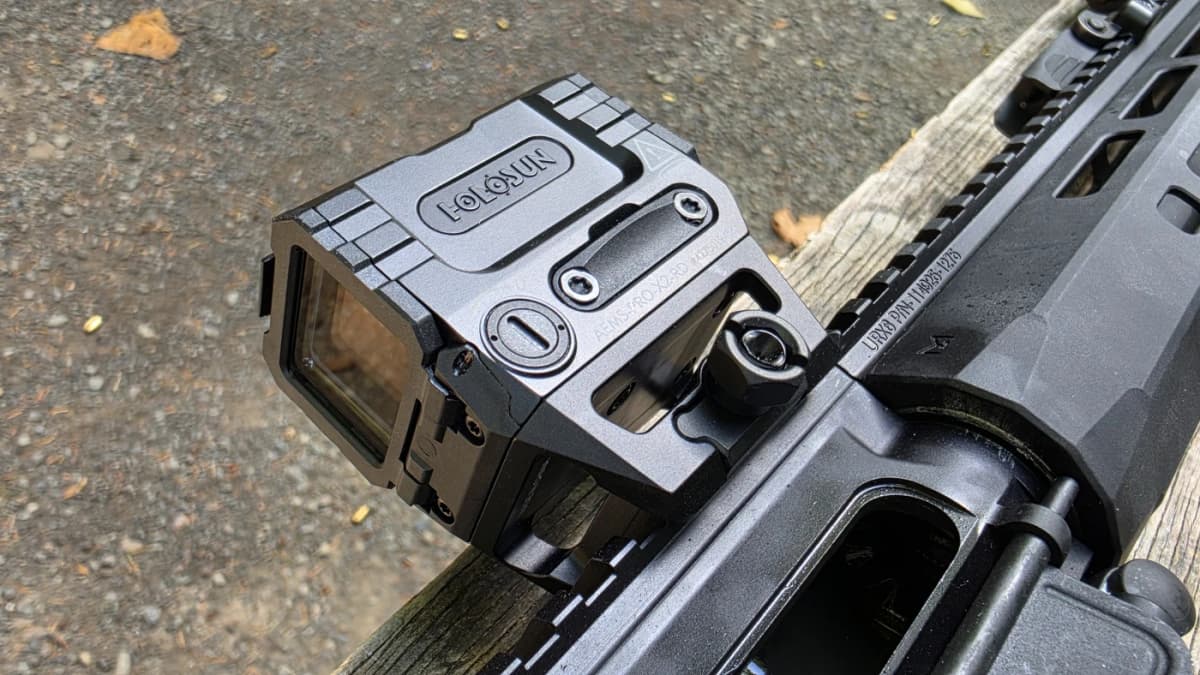
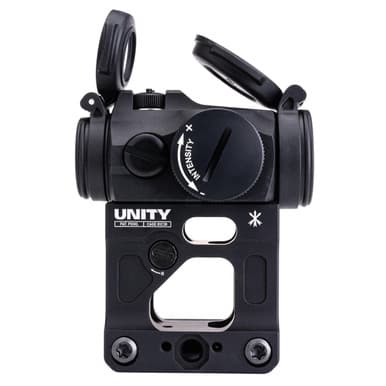
Five hundred rounds with the AEMS Pro X2 on a Knight's Armament SR-15. The wide square window is the reason to buy it, the multi-reticle and Solar Failsafe feature set is hard to beat at the price, and the proprietary mounting pattern is answered by the Unity FAST AEMS.