Taurus RPC 9mm PDW: $940 MSRP, Specs, and Magazines
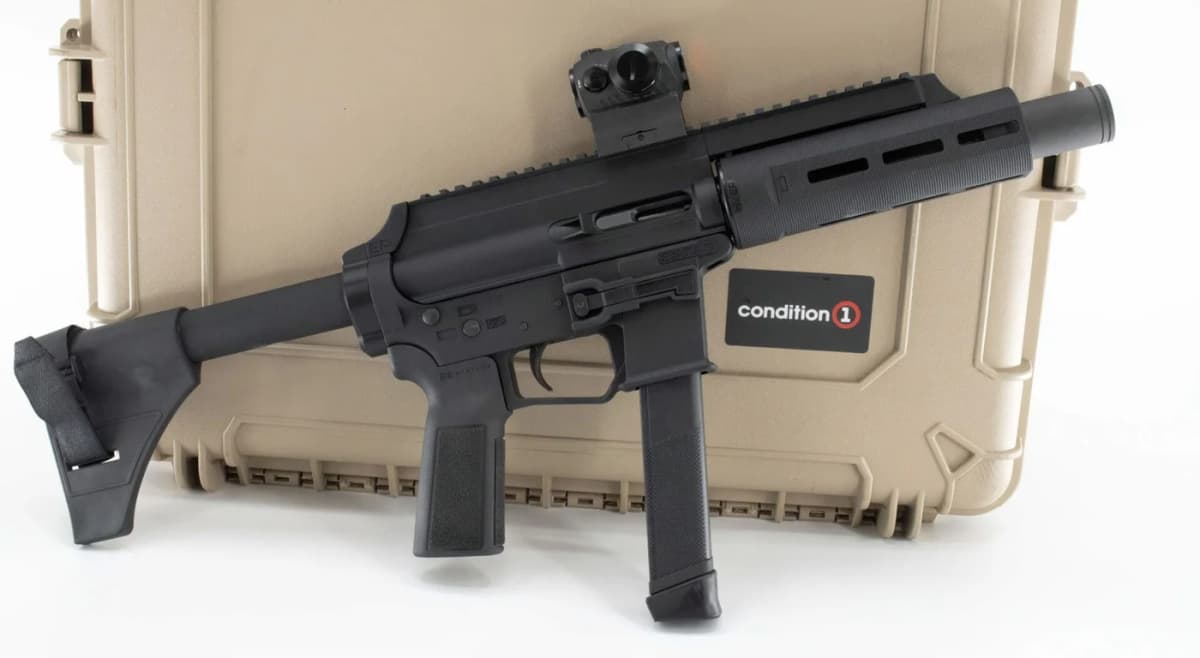
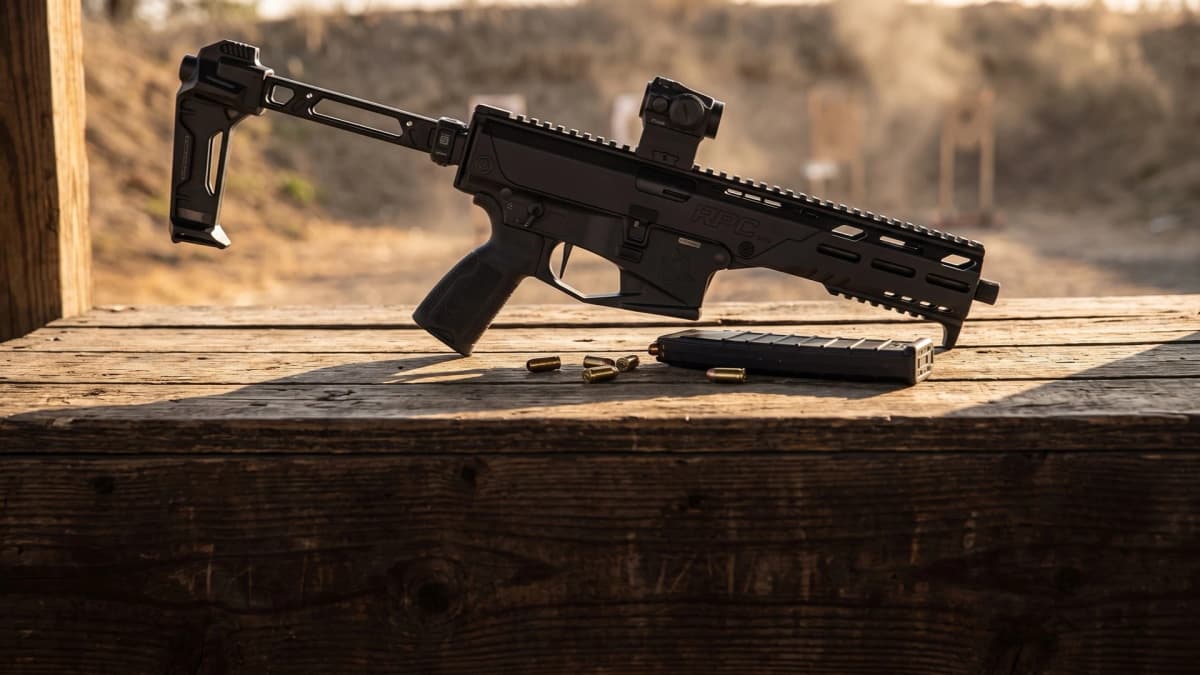
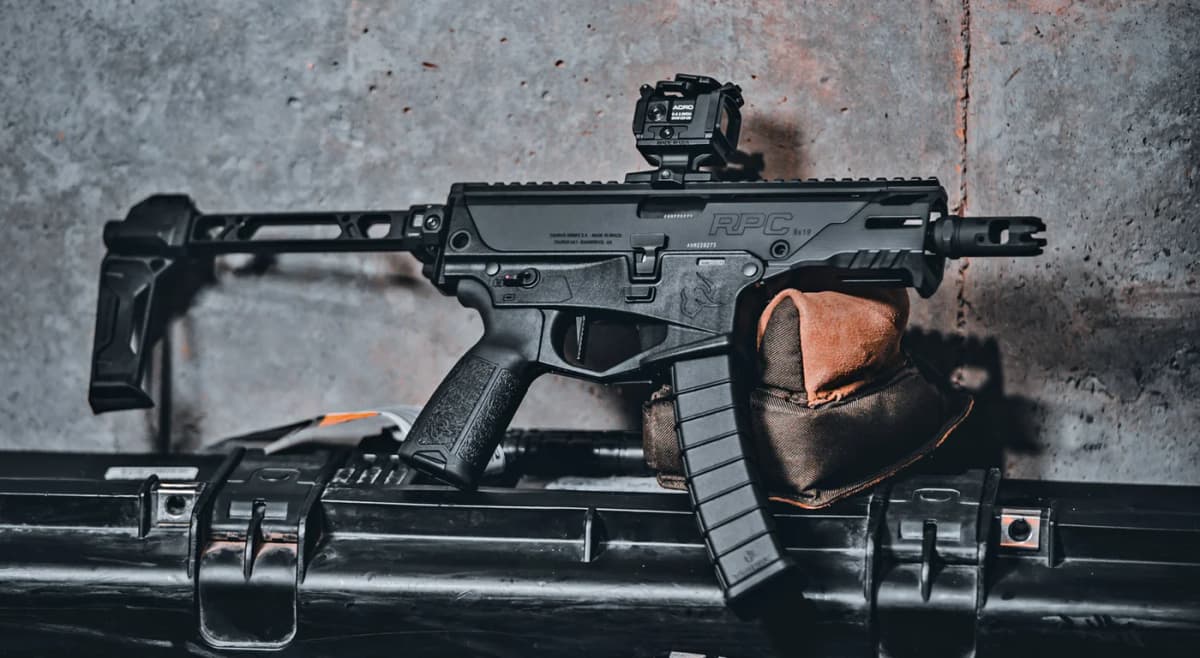
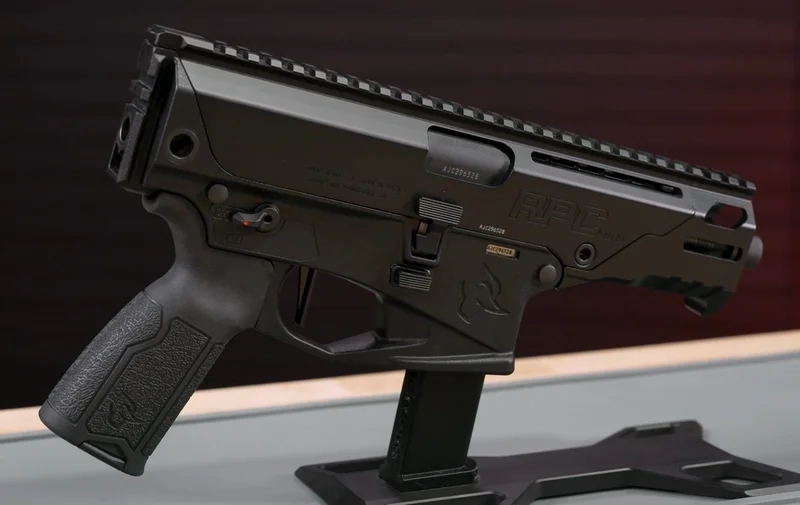
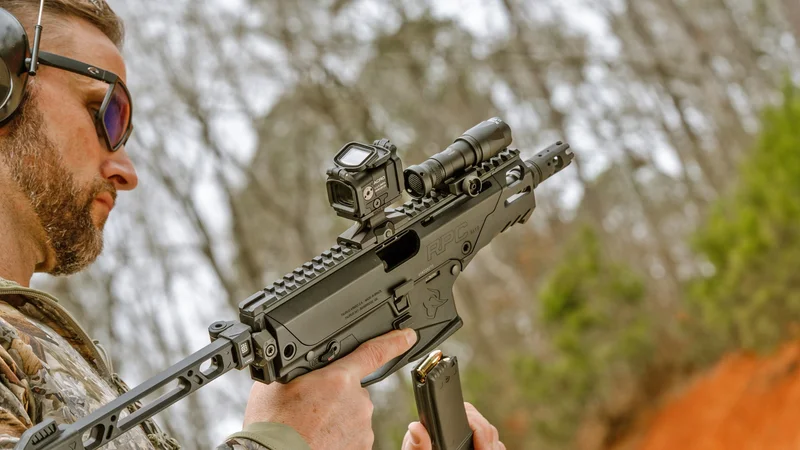
Taurus enters the dedicated PDW market with the RPC 9mm, debuting at NRAAM 2026. The standout feature is a roller-delayed operating system, a rarity in the 9mm PCC space that promises flatter recoil than direct blowback competitors. With a 4.5-inch threaded barrel, 32-round capacity, and full ambidextrous controls, Taurus is targeting the compact defensive and backpack gun segment at a price point that undercuts the competition.
Key Takeaways
- →Roller-delayed blowback: Produces a flatter recoil impulse than direct blowback 9mm PCCs. The RPC joins the Springfield Kuna as one of the few roller-operated options on the market.
- →Compact package: 4.5-inch quick-change threaded barrel, aerospace-grade aluminum receiver with Cerakote finish, steel internal chassis. Ships with two 32-round magazines.
- →Fully ambidextrous: Bilateral safety selectors, bolt release/lock, magazine release, and reversible non-reciprocating charging handle all accessible from both sides.
- →NATO-standard build: Taurus claims construction to NATO specifications, reflecting their military and police contract experience worldwide.
- →Pricing: $939.99 base, $1,098.99 with Strike Industries FSA folding brace. Approximately $200 less than the Springfield Armory Kuna.
Taurus RPC 9mm PDW
Roller-delayed 9mm PDW under $950
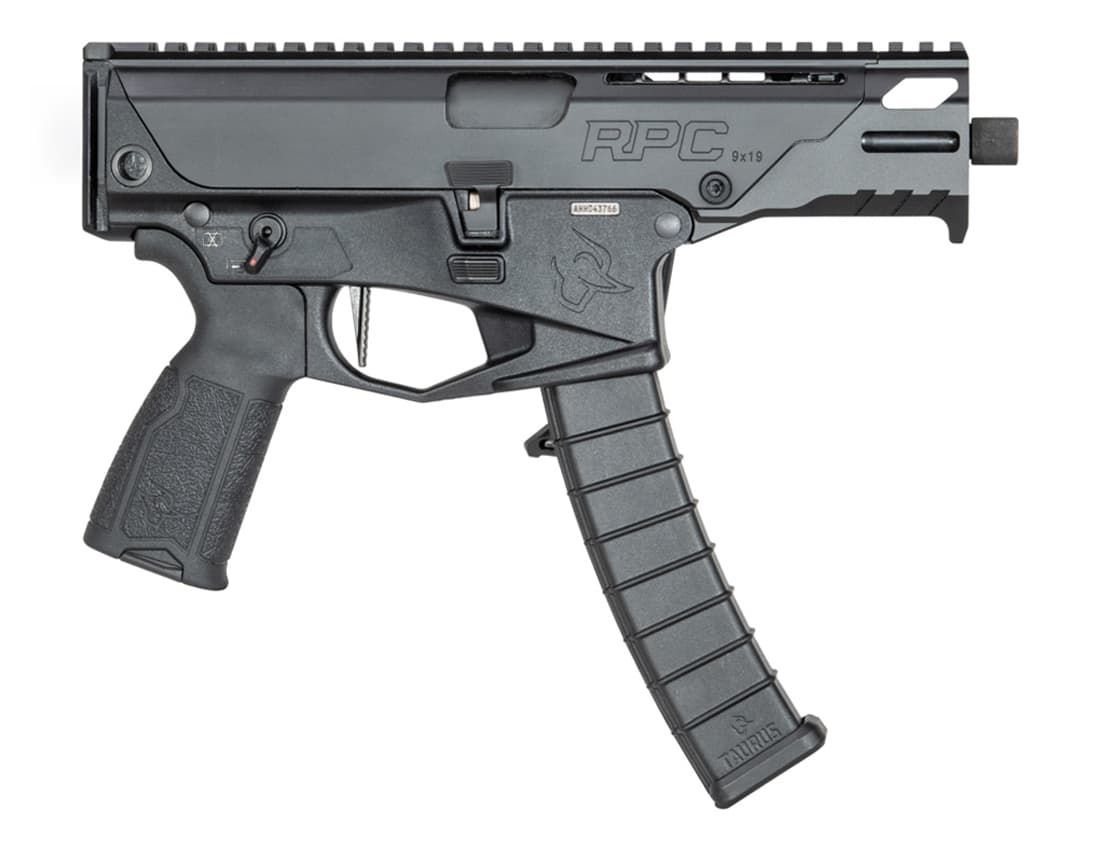
Roller-delayed 9mm PDW with 4.5-inch quick-change barrel, ambidextrous controls, and AR-pattern grip; Taurus lists 32-round and 10-round SKUs
- +Roller-delayed operation under $950 MSRP
- +$200 cheaper than Springfield Kuna at similar feature set
- +12.2-inch overall length is among the shortest in the PCC segment
- −Taurus has not announced cross-compatibility with Glock, MP5, Scorpion, or Kuna magazines
- −Aftermarket support nonexistent at launch
- −No factory iron sights; budget for an optic from day one
Affiliate links (?)
Official Launch Video
Official Taurus RPC 9mm PDW introduction video
Why Roller-Delayed Matters
Most 9mm PCCs use direct blowback, which works but produces snappy, abrupt recoil. The bolt is just a heavy chunk of metal held closed by spring pressure, and when the round fires, that mass slams rearward immediately. Roller-delayed systems add mechanical advantage: two rollers lock into recesses in the barrel extension and must cam inward before the bolt can travel. This delays the action and spreads the recoil impulse over a longer period.
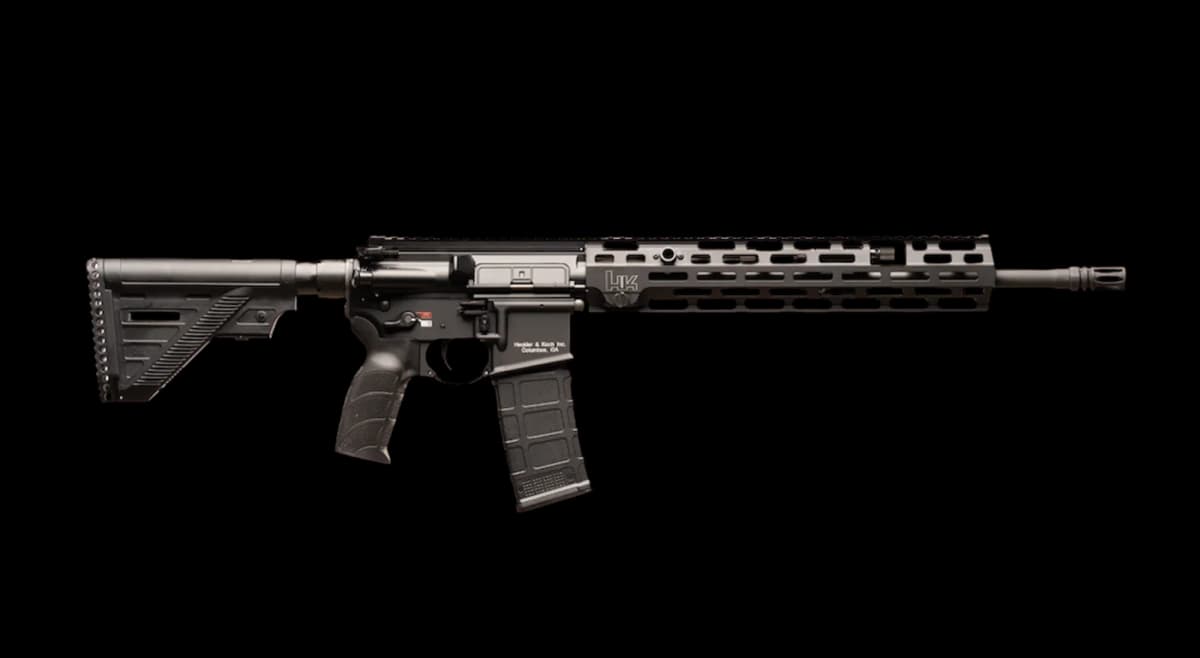
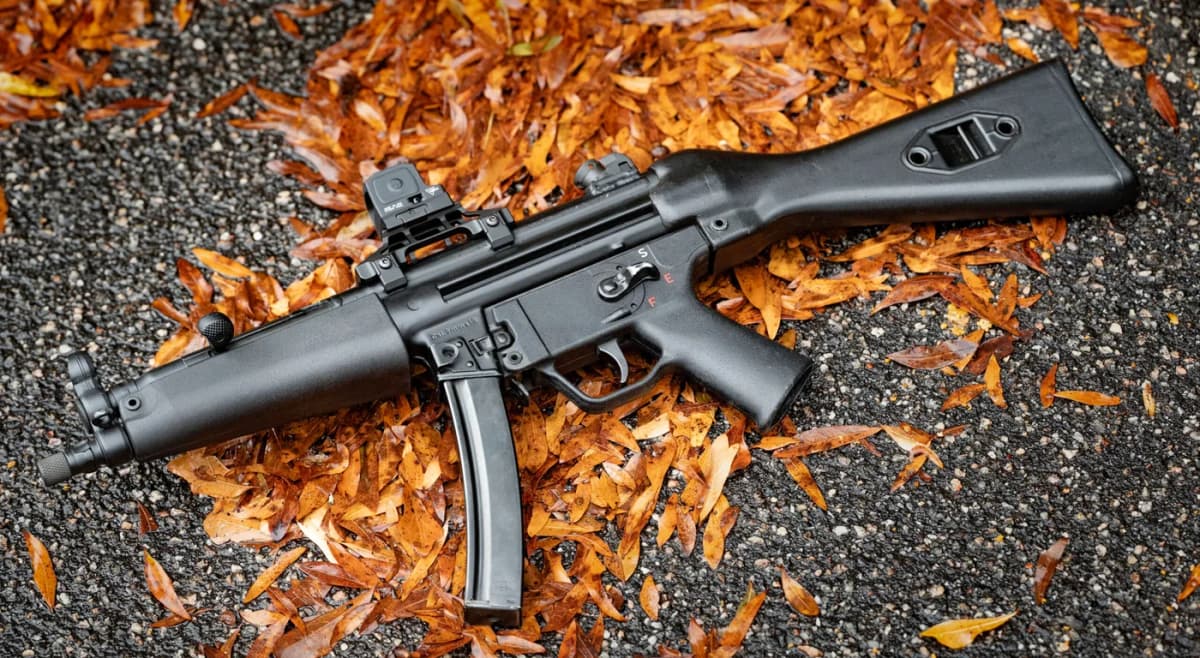
The practical result is a flatter shooting platform. The RPC should track better during rapid fire than a comparable direct blowback PCC. HK pioneered this system in the MP5, and it remains the gold standard for 9mm subgun feel. The Springfield Armory Kuna brought roller-delayed back to the US market recently, and now Taurus is undercutting it by roughly $200.
For a deeper look at compact pistol-caliber platforms and how operating systems affect recoil management, see our PDW and pistol build guide.
Technical Specifications
| Specification | Value |
|---|---|
| Caliber | 9mm |
| Operating System | Roller-delayed blowback |
| Barrel | 4.5 inches, threaded, quick-change system |
| Magazine Capacity | 32 rounds (ships with two magazines) |
| Receiver | Aerospace-grade aluminum alloy, hard-anodized + Cerakote |
| Internal Chassis | Steel |
| Handguard | M-LOK compatible |
| Top Rail | Full-length Picatinny |
| Rear Rail | Vertical Picatinny (for brace/stock) |
| Sling Mounts | Three integrated QD points |
| Trigger | Single-stage, flat-faced |
| Grip | AR-15 compatible, soft rubber over-molded |
| Charging Handle | Non-reciprocating, reversible |
| Controls | Fully ambidextrous (safety, bolt release, mag release) |
Feature Breakdown
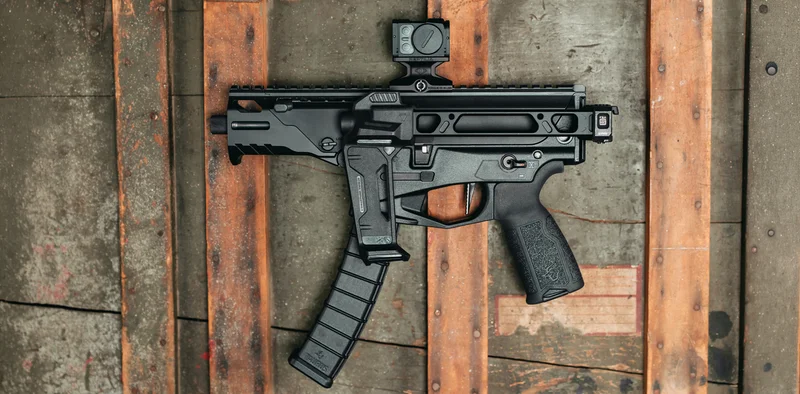
Ambidextrous controls: The RPC ships with fully ambidextrous bolt release/lock and magazine release accessible from both sides. The charging handle is non-reciprocating and reversible, so left-handed shooters can set it up for support-hand manipulation without aftermarket parts.
M-LOK handguard: Standard M-LOK slots for accessories. At this barrel length, you have limited rail space, but enough for a compact light and a handstop or forward grip.
Dual Picatinny rails: Full-length top rail for optics plus a rear vertical Picatinny section for brace or stock attachment. The braced variant ships with the Strike Industries FSA folding brace already mounted.
QD sling points: Three integrated quick-detach sling attachment points. Single-point or two-point sling configurations without aftermarket adapters.
AR-15 grip compatibility: Uses a standard AR-15 grip pattern with soft rubber over-molding from the factory. Swap it for any aftermarket AR grip if you prefer a different angle or texture. Our Taurus RPC accessories guide ranks verified options for each of these mounting interfaces.
Shop PCC-Compatible Accessories
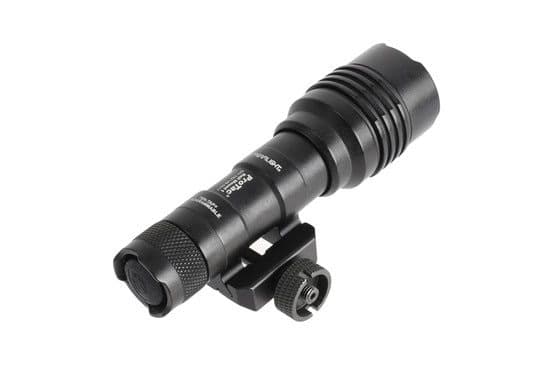
Streamlight ProTac 2.0 Rail Mount
- 2,000 lumens
- 17,700 candela
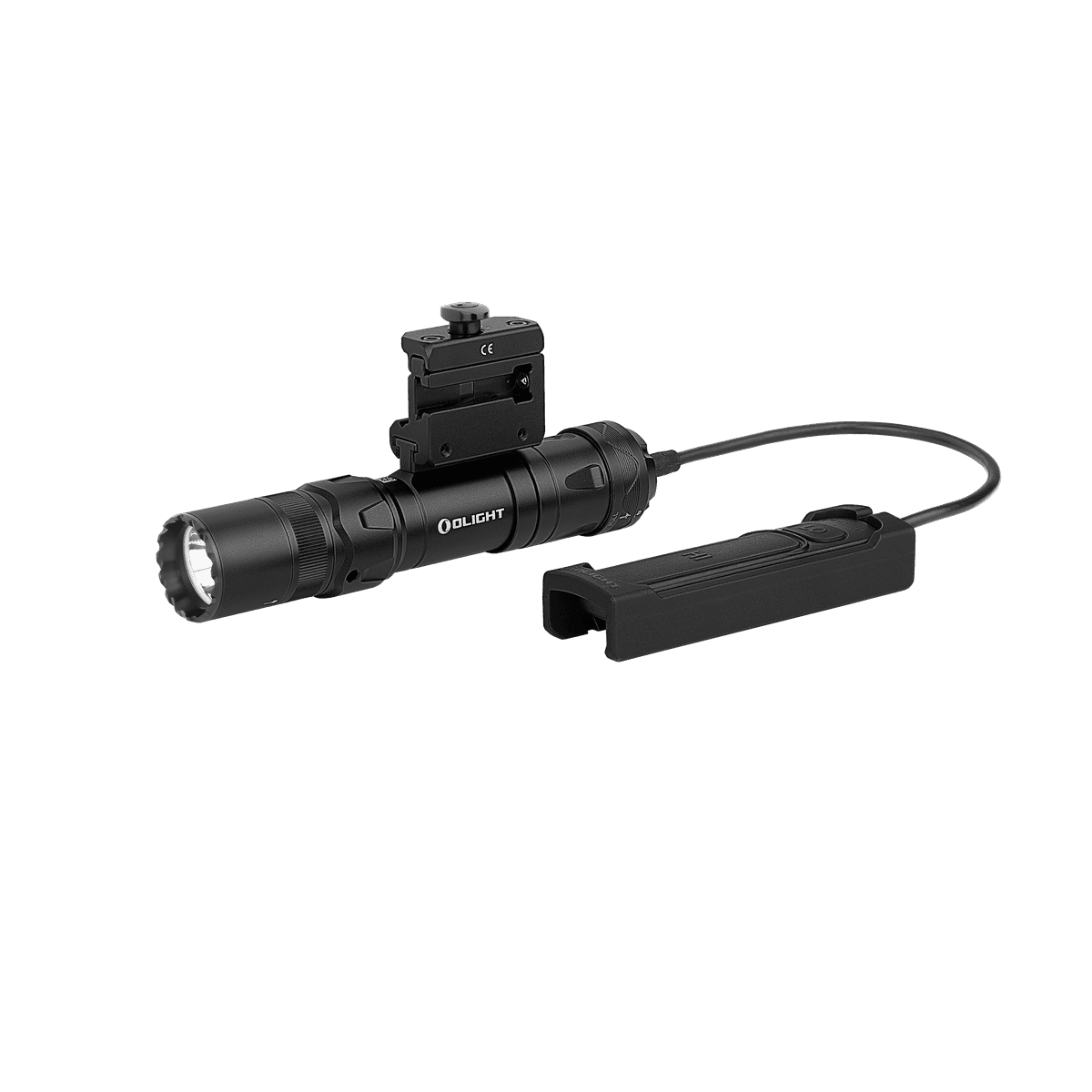
Olight Odin GL Mini
- 1,000 lumens white LED
- Green aiming laser
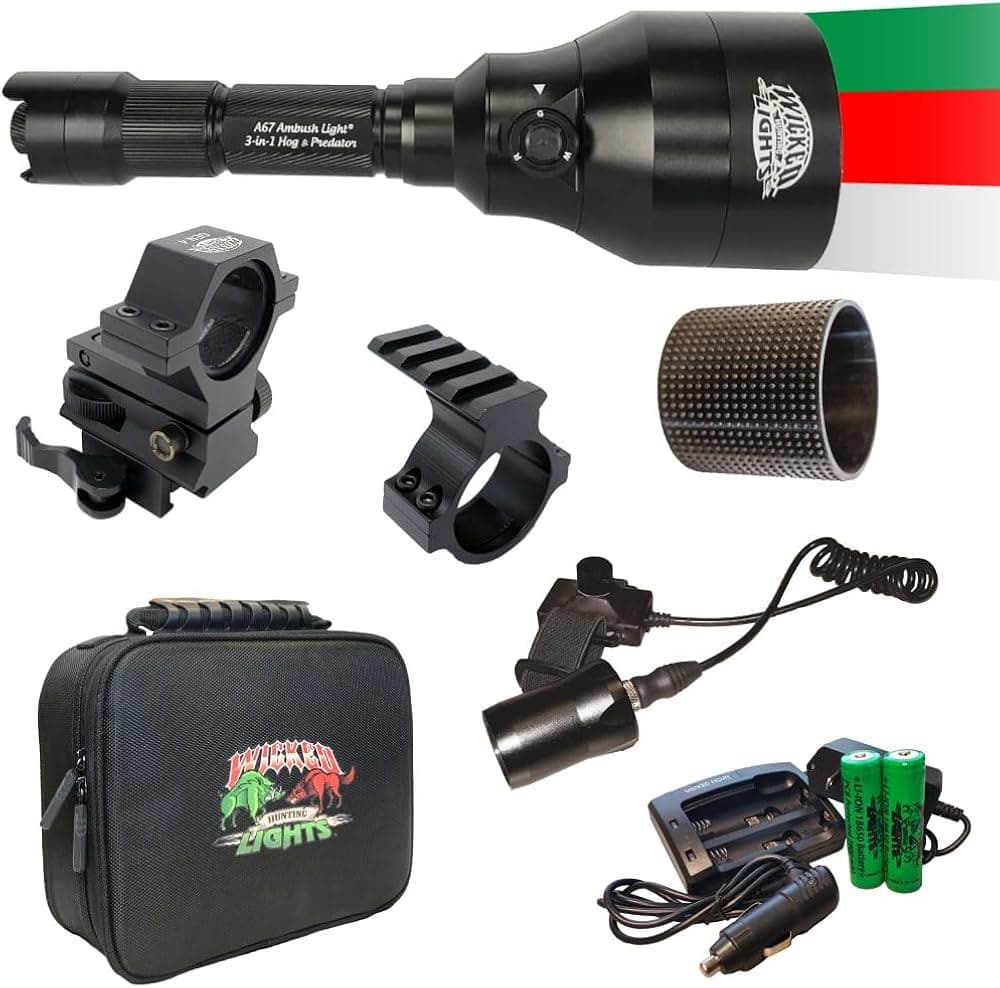
A67iC 3-Color-In-1 Night Hunting Light Kit
- Green / red / white LEDs
- ~400-yard visibility
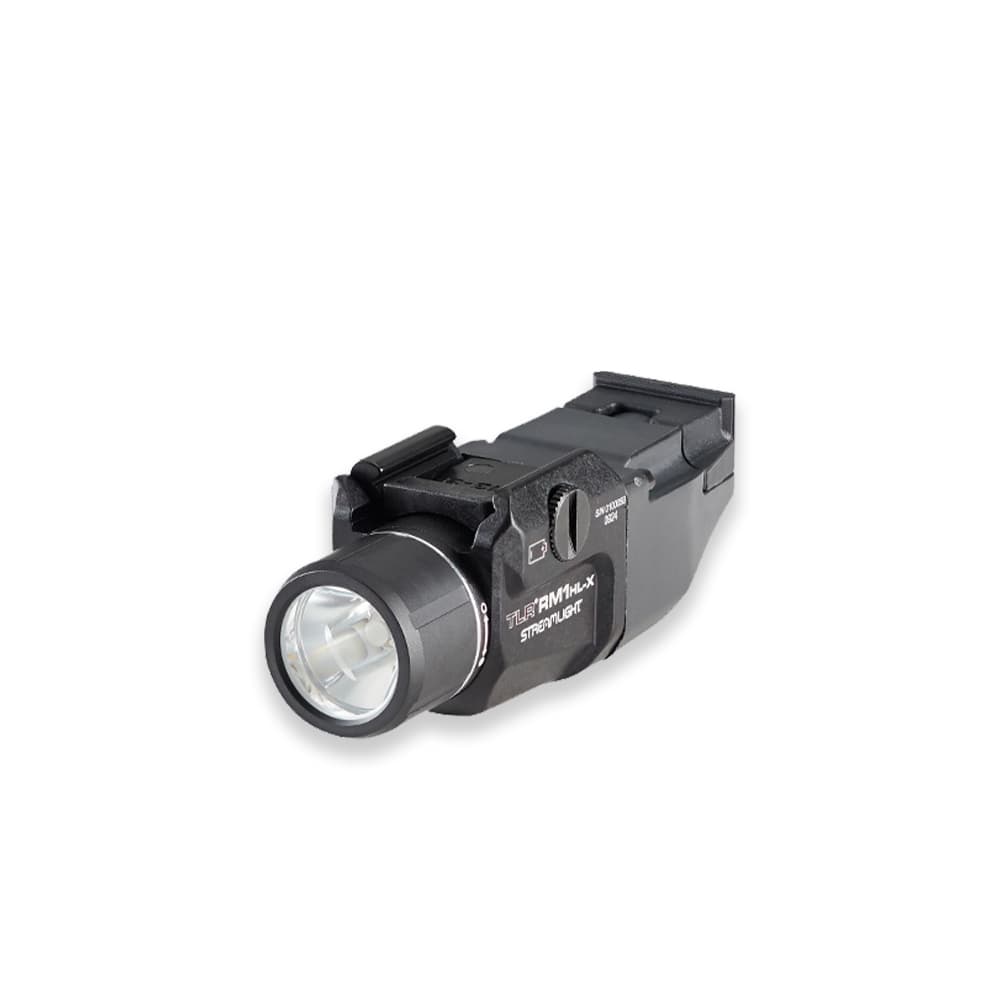
Streamlight TLR RM 1 HL-X
- 3.12 oz with SL-B9 battery
- 1,000 lumens
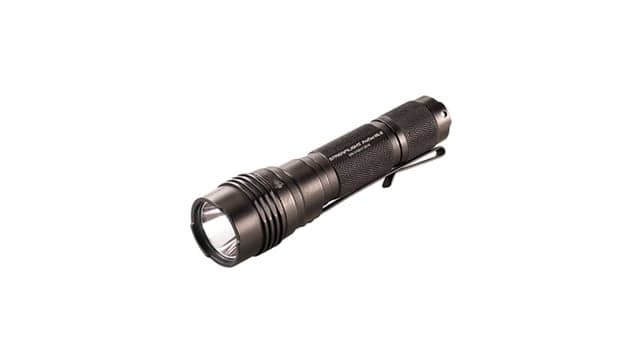
Streamlight ProTac Rail Mount HL-X Pro
- 1,000 lumens
- 50,000 candela
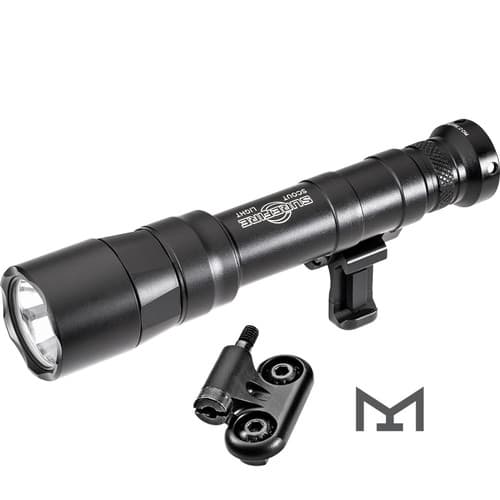
SureFire M640DFT-PRO Turbo Scout Light Pro
- 700 lumens
- 100,000 candela
Affiliate links (?)
Pricing and Variants
| Variant | Configuration | MSRP |
|---|---|---|
| RPC Base | Rear vertical Picatinny rail, no brace | $939.99 |
| RPC with FSA Brace | Strike Industries FSA folding brace installed | $1,098.99 |
Both variants include the rear vertical Picatinny rail. The base model ships ready for your own brace or stock selection. The Strike Industries FSA (Folding Stock Adapter) brace variant adds approximately $160 to the MSRP, which is competitive with buying the FSA separately.
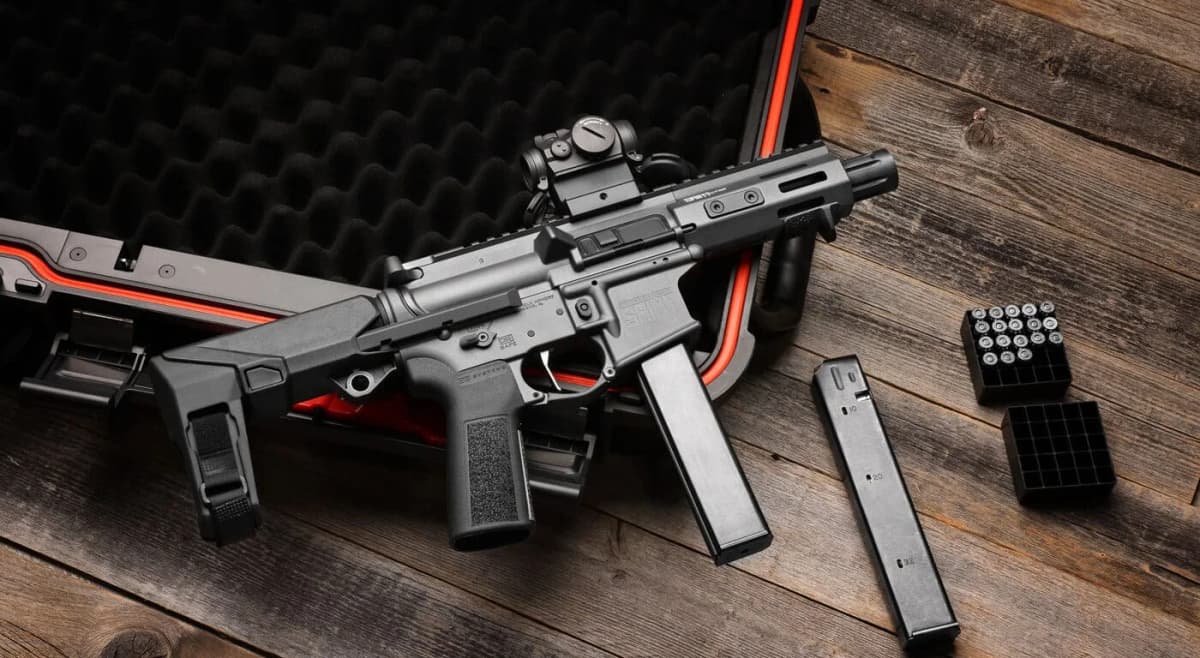
For context, the Springfield Armory Kuna, the other recent roller-delayed 9mm option, runs approximately $1,100-1,200 street price. Taurus is positioning the RPC as the budget-friendly roller-delayed alternative.
Market Position
Taurus describes the RPC as built to NATO standards, which reflects their experience winning military and police contracts internationally. Whether that translates to durability comparable to established PCC platforms remains to be proven in the field.
The 9mm PCC market has exploded over the past few years, but most options use direct blowback. The roller-delayed segment is small: the HK SP5 (if you can find one), clones of varying quality, and the Springfield Kuna. Taurus is betting that shooters want roller-delayed feel at a lower price point than what currently exists. For a direct-blowback cross-shop at a similar brace-size form factor, see Springfield's new SAINT Victor 5.5" 9mm PDW at $1,399. Extar joined the roller-delayed segment at GunCon 2026 with the EP9 MDB and EP45 MDB, which promise to undercut the RPC on price if their historical direct-to-consumer positioning holds.
The 4.5-inch barrel keeps the overall package compact. Combined with the folding brace option, this is sized for backpack carry and vehicle storage, the exact role covered in our backpack gun setup guide. For home defense applications, see our PDW and pistol guide for considerations on barrel length, terminal performance, and suppressor compatibility. The threaded 4.5-inch muzzle accepts any standard 9mm can; pair with host selection guidance from our suppressor compatibility guide.
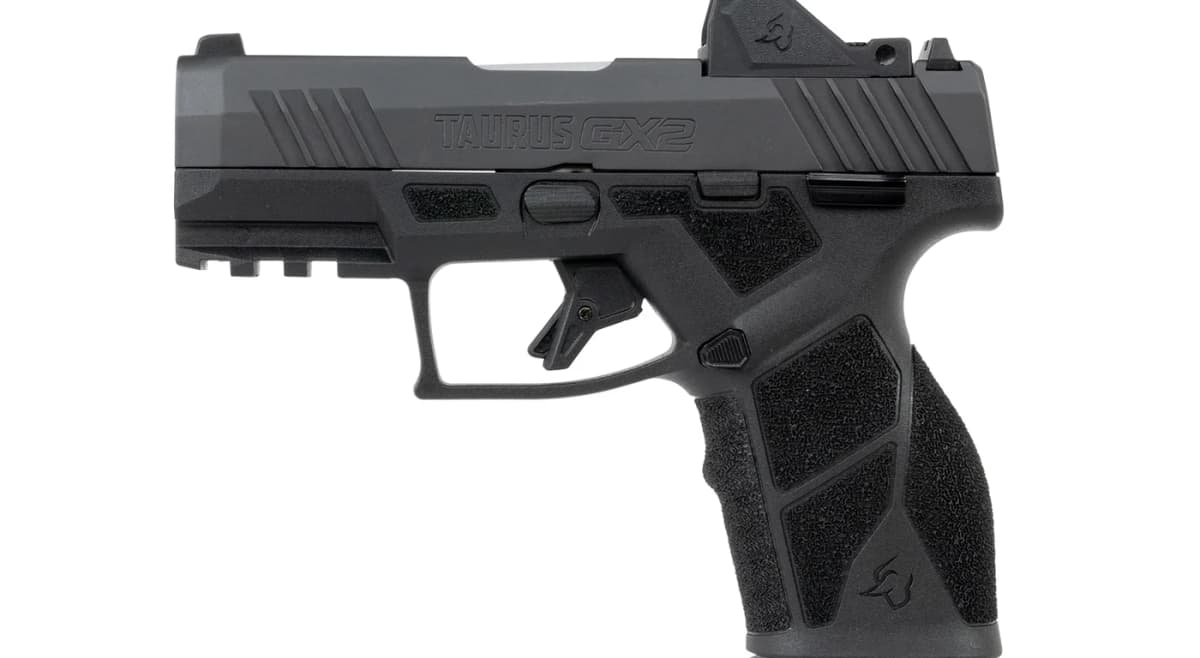
Use the rifle builder to plan optic, light, and accessory configurations for any PCC platform. Taurus also expanded its handgun lineup the same week with the GX2 T.O.R.O., a $299.99 optics-ready compact 9mm, and the four-model 2026 Taurus Judge refresh, showing the brand is pushing across multiple handgun categories and price points in 2026.
Stay Updated on NRAAM 2026
We're covering NRAAM 2026 all week. Get notified when Taurus announces availability and pricing updates, plus hands-on coverage of other new product launches.
Initial Assessment
The RPC addresses a real gap. Roller-delayed 9mm options are either expensive (SP5, Kuna) or require dealing with clones of inconsistent quality. Taurus is pricing the RPC to be accessible, and the feature set is complete: ambidextrous controls, M-LOK, threaded barrel, QD points, and AR-pattern grip compatibility.
The unknowns are reliability and parts availability. Taurus has improved their reputation significantly over the past decade, but a new operating system in a new platform category is unproven until it sees real round counts. The proprietary 32-round magazine is another consideration. Magazine cost and availability will matter for anyone planning to run this as a primary defensive or competition platform.
At $939.99, the RPC is priced to move. If it runs reliably, Taurus will have created the most affordable roller-delayed 9mm on the market. The hands-on reviews have now landed, and the verdict is positive across the board. See our Taurus RPC review roundup for what testers found on recoil, accuracy, and reliability.