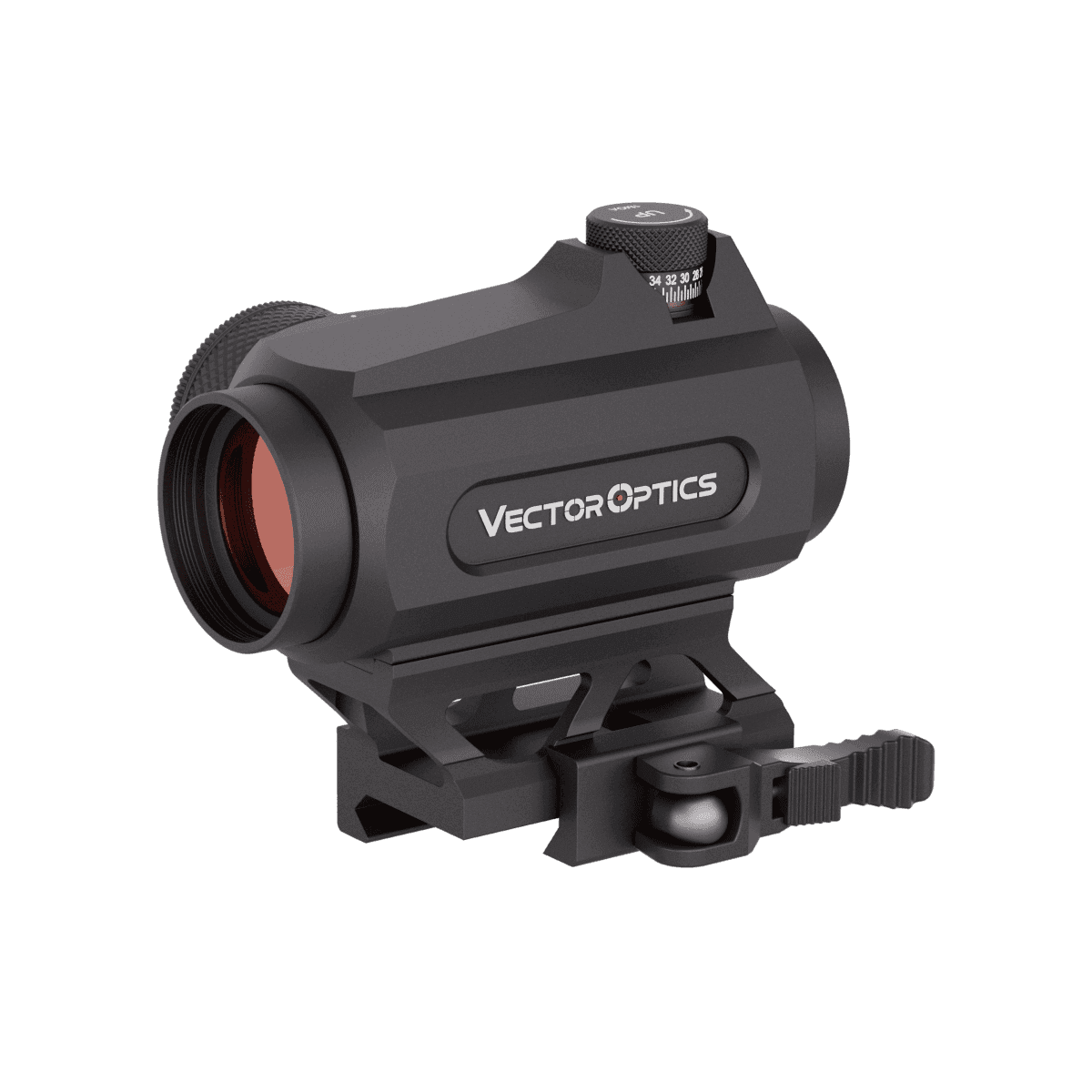
Aimpoint Micro T-2
Premium red dot sight with 50,000 hour battery life
- ✓2 MOA dot
- ✓50,000 hour battery
- ✓Night vision compatible
- ✓Strong close quarters performance

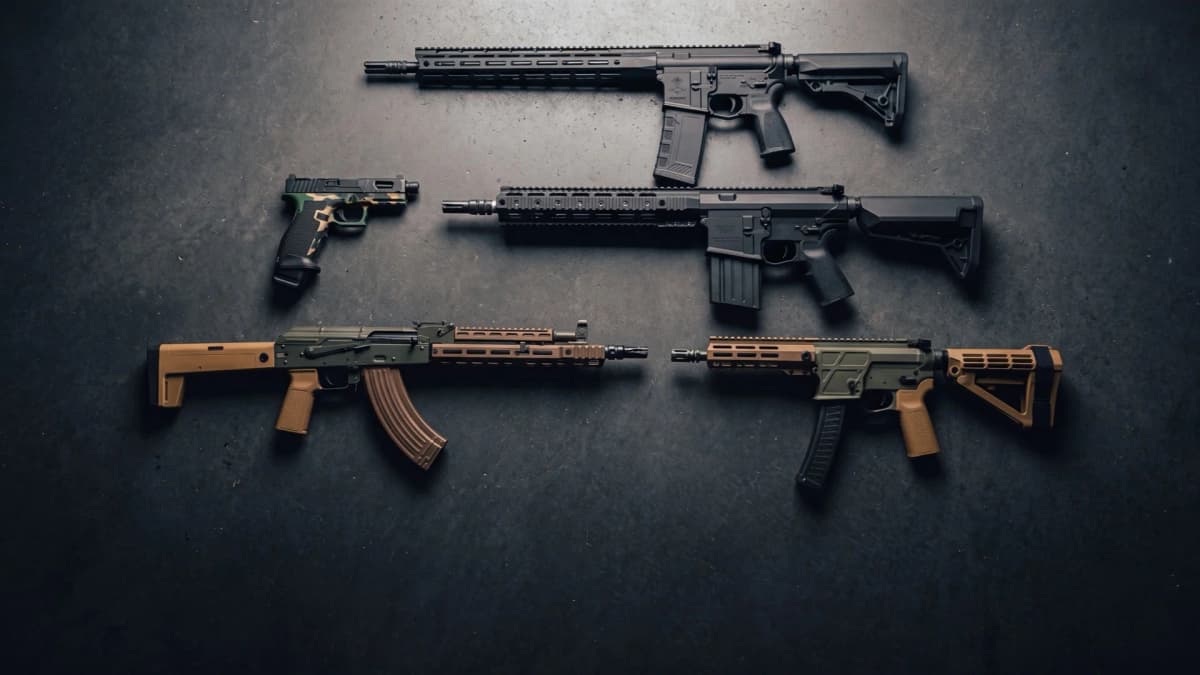
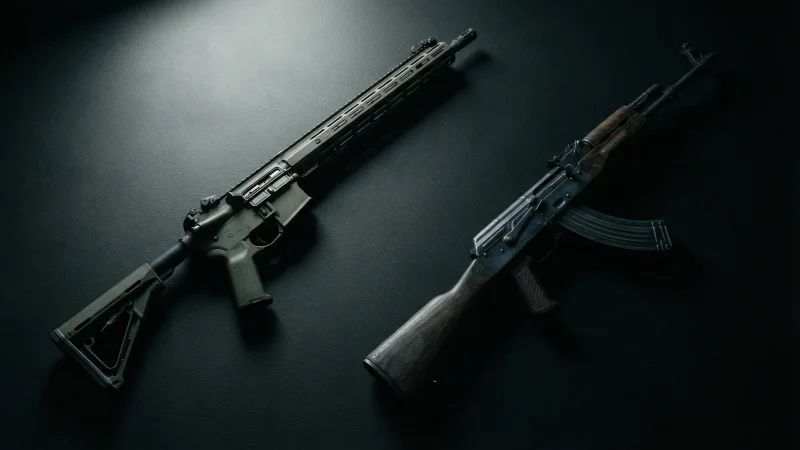
The AR-15 and AK-47 are the two most prolific rifle platforms in history. One was designed around precision manufacturing and modularity. The other was built to function in the worst conditions on earth with minimal maintenance. This comparison breaks down every dimension that matters: operating system, caliber, accuracy, reliability, ergonomics, customization, and total cost of ownership.
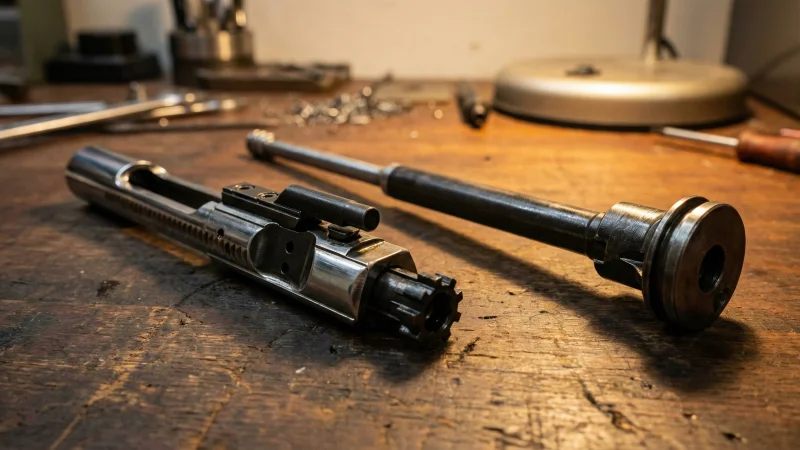
The fundamental engineering difference between these platforms lies in how they cycle the action. The AR-15 uses direct impingement (DI), where propellant gas travels through a tube from the gas block directly into the bolt carrier key. This gas pushes the bolt carrier rearward, unlocking and extracting the spent case. The system is elegant in its simplicity: fewer moving parts, lighter reciprocating mass, and more precise bolt carrier movement. The lighter bolt carrier contributes to the AR-15's inherent accuracy advantage because less mass is slamming around during the firing cycle.
The AK-47 uses a long-stroke gas piston system. Gas taps from the barrel into a cylinder above it, pushing a heavy piston rod that is physically attached to the bolt carrier. The entire piston-bolt assembly travels rearward as one unit. This means more mass in motion, which creates more felt recoil and slightly less mechanical precision. The tradeoff: the piston system keeps combustion gases and carbon fouling out of the receiver, and the loose-fitting parts tolerate debris and fouling far better than the AR-15's tighter tolerances.
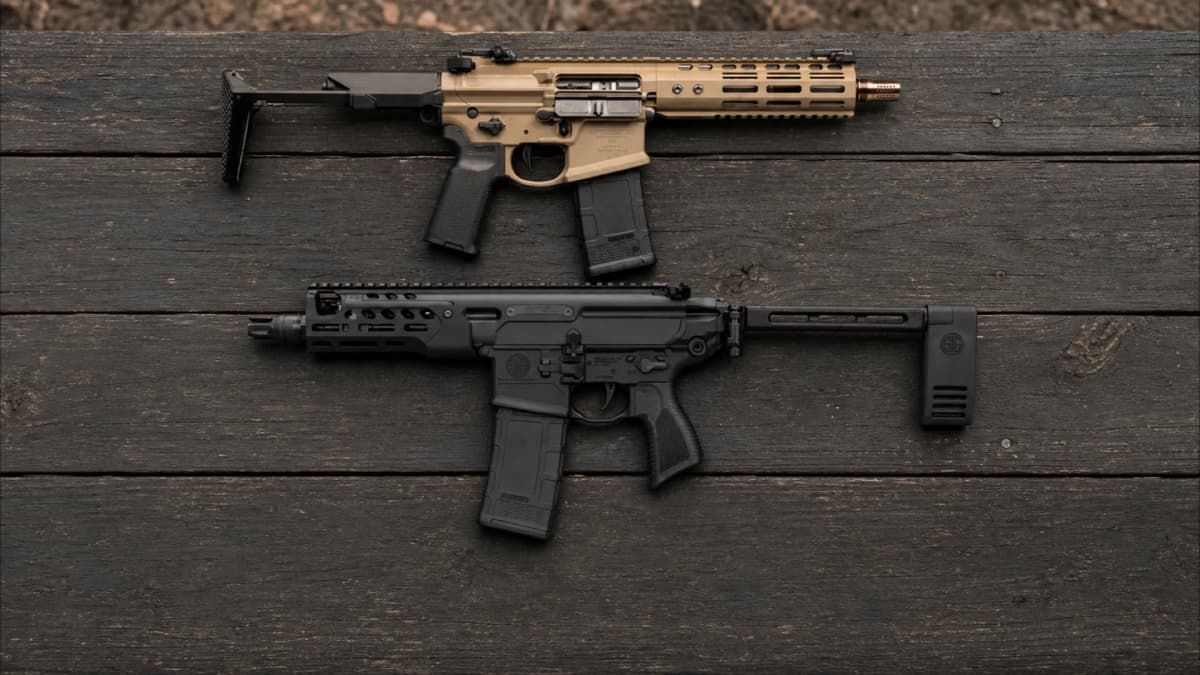
Modern AR-15 piston variants exist. The SIG MCX Spear LT, for example, uses a short-stroke piston system that keeps the AR-15's ergonomics while adding piston reliability. These hybrids represent a growing segment, but the standard AR-15 platform remains direct impingement, and that is what this comparison addresses.

The 5.56x45mm NATO cartridge fires a lighter, faster projectile. From a 16" barrel, a standard 55-grain M193 round leaves the muzzle at approximately 3,150 fps, producing roughly 1,280 ft-lbs of energy. The flat trajectory makes holdovers minimal inside 300 yards, and the light recoil allows faster follow-up shots. Terminal ballistics rely on velocity: the 5.56 fragments and tumbles at sufficient speed, creating wound channels disproportionate to the bullet's small diameter. Below roughly 2,500 fps (which occurs around 200 yards from a 16" barrel with M193), fragmentation becomes inconsistent, and the round becomes less effective.
Heavier 5.56 loadings address this limitation. The 77-grain Sierra MatchKing (Mk 262 Mod 1) maintains lethality at longer ranges through consistent yaw and fragmentation rather than velocity-dependent fragmentation. Match-grade 5.56 in the 69-77 grain range also delivers substantially better accuracy than standard M193 or M855.
The 7.62x39mm fires a heavier 123-grain bullet at roughly 2,350 fps from a 16" barrel, producing approximately 1,520 ft-lbs of muzzle energy. The heavier bullet carries more momentum and delivers a larger wound channel through soft tissue at close range. The tradeoff is a rainbow trajectory: the 7.62x39 drops approximately 12 inches at 300 yards compared to roughly 6 inches for 5.56. This makes range estimation and holdovers significantly more demanding beyond 200 yards.
Recoil is noticeably higher with 7.62x39. The combination of heavier bullet, more powder, and the AK's operating system produces roughly 7-8 ft-lbs of recoil energy versus 3-4 ft-lbs for a 5.56 AR-15. This difference is meaningful during extended shooting sessions and rapid strings of fire.
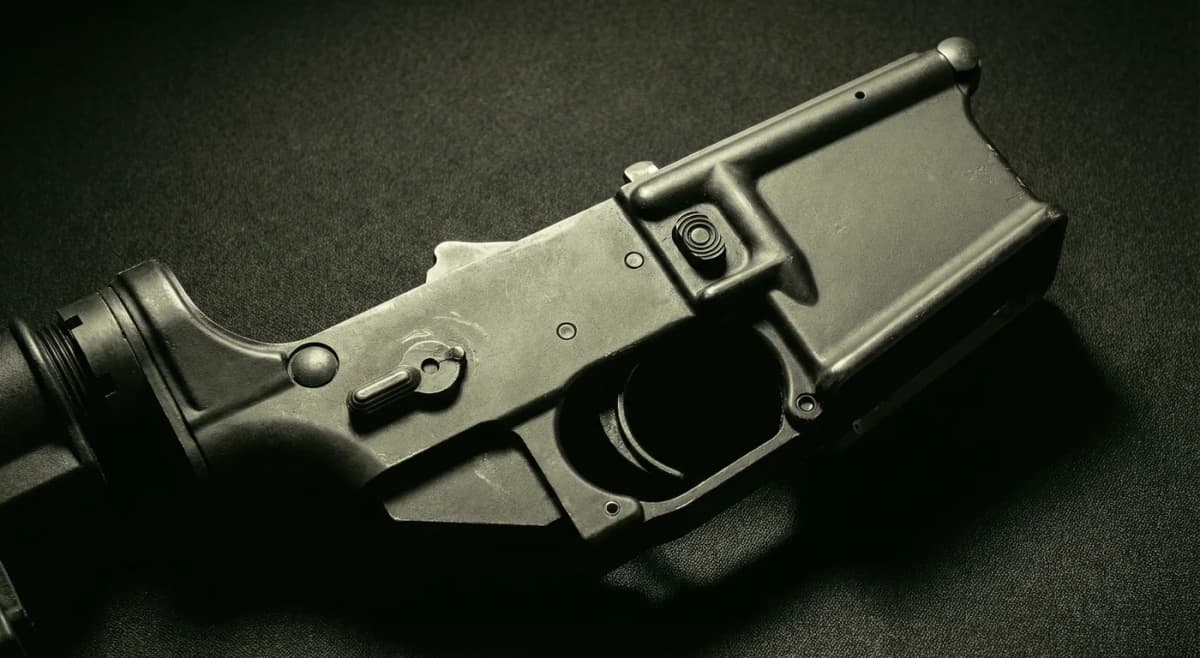
The AR-15 wins this category decisively. The platform was designed from the ground up for accuracy. Tighter manufacturing tolerances between the upper and lower receiver, a barrel extension that locks concentrically with the bolt face, and a free-floating barrel that eliminates handguard contact all contribute to consistent shot placement. Factory AR-15s from reputable manufacturers (BCM, Daniel Defense, Aero Precision) routinely deliver 1-2 MOA groups with quality ammunition. Match-grade AR-15s with precision barrels and tuned triggers achieve sub-MOA performance.
The trigger plays a significant role. The AR-15's trigger mechanism is simpler, with a cleaner break and shorter reset than most AK triggers. Aftermarket AR-15 triggers from Geissele, LaRue, and Timney offer crisp single-stage or two-stage pulls that directly improve practical accuracy. AK trigger options exist (ALG, CMC) but the selection is far more limited and the platform's inherent mechanical precision creates a lower ceiling regardless of trigger quality.
The AK-47 typically delivers 2-4 MOA from factory. The loose tolerances that give the AK its famed reliability work against precision. The bolt has more play in the receiver, the barrel press-fit can vary, and the stamped receiver flexes slightly under firing stress. Modern AKs have improved: the Zastava ZPAP M70 and WBP Fox regularly achieve 2 MOA with quality ammunition. But "quality ammunition" for 7.62x39 is harder to find, as much of the available supply is steel-cased, corrosive-primed military surplus that was manufactured for reliability, not accuracy.
At 100 yards, both platforms are combat accurate. A 3 MOA AK still puts rounds inside a 3-inch circle at 100 yards, which is more than adequate for defensive or practical shooting. Beyond 300 yards, the AR-15 pulls ahead decisively. The combination of better inherent accuracy, flatter trajectory, and superior optics mounting gives the AR-15 a substantial advantage at distance. For shooters who need to engage targets past 300 yards, the AR-15 is the clear choice.
The AK-47's legendary reputation for reliability is earned but requires context. The platform's loose tolerances mean that sand, mud, and debris can enter the action without binding the bolt. The long-stroke piston keeps combustion fouling out of the receiver. The chrome-lined bore and chamber resist corrosion from corrosive primers and adverse storage. These design choices make the AK genuinely more tolerant of neglect and harsh environments.
However, the AR-15's reliability reputation is decades out of date. The early M16A1 failures in Vietnam were caused by a combination of incorrect powder specification, lack of chrome-lined chambers, and the Army's failure to issue cleaning kits because they marketed the rifle as "self-cleaning." Every one of these issues was resolved by the M16A2 in the 1980s. Modern AR-15s with chrome-lined barrels, MPI/HPT-tested bolt carrier groups, and proper lubrication are extremely reliable. Quality AR-15s from manufacturers like BCM, Daniel Defense, and Colt routinely exceed 10,000 rounds between component failures.
The honest assessment: in clean, normal shooting conditions with basic maintenance, both platforms are equally reliable. A quality AR-15 will not malfunction more than a quality AK. The AK's advantage is specific to adverse conditions: extreme cold, sandy environments, mud, and situations where the rifle cannot be properly maintained. If you are a soldier operating in austere conditions without regular cleaning, the AK has an edge. If you are a civilian shooter who cleans their rifle after range sessions, both platforms will serve you equally well.
Durability favors the AK slightly. The steel receiver and heavy-duty construction can absorb more physical abuse. AR-15 aluminum receivers can crack under extreme impact, though this is rare in normal use. Both platforms have barrel lives exceeding 10,000 rounds with chrome-lined barrels, though the AK's chrome lining tends to be thicker and more durable.
The AR-15 is significantly more ergonomic by modern standards. The inline recoil design channels recoil straight back into the shoulder, reducing muzzle rise. The pistol grip angle is more natural and less fatiguing than the AK's steeper grip angle. The buffer tube and collapsible stock allow length of pull adjustment without changing stocks. Ambidextrous controls (safety selectors, magazine releases, charging handles) are widely available as drop-in upgrades.
The AR-15's magazine release is intuitive: press the button with the trigger finger, the magazine drops free. The bolt catch/release provides a bolt hold-open on the last round and allows fast reloads with a simple slap of the bolt release. These controls were designed for rapid manipulation and they deliver.
The AK's controls reflect its 1947 design priorities: simplicity and manufacturing efficiency over user ergonomics. The safety/selector lever is a large stamped sheet metal paddle on the right side of the receiver. Operating it requires the shooter to break their firing grip, reach over the receiver, and sweep the lever up or down. This is slow and awkward, particularly under stress. Aftermarket solutions from Krebs Custom and others add a left-side shelf, but the fundamental design remains compromised.
AK magazine insertion requires a rocking motion: hook the front lug of the magazine into the front of the magazine well, then rock the rear upward until it clicks. This is slower than the AR-15's straight insertion and more difficult to perform under stress or in the dark. Most AK variants lack a bolt hold-open on the last round, meaning the shooter doesn't get an automatic notification that the magazine is empty. The bolt simply closes on an empty chamber.
The AR-15's cheek weld to stock geometry is superior for optic use. The inline design places the shooter's eye naturally behind a mounted optic. The AK's downward-angled stock requires the shooter to lift their head slightly, creating a less consistent cheek weld. Weight distribution is more balanced on the AR-15, with the center of gravity near the magazine well. The AK tends to be front-heavy due to the steel gas tube and piston assembly above the barrel.

The AR-15 dominates this category so thoroughly that comparison is almost unfair. The modular upper/lower receiver design means the entire rifle can be reconfigured with basic tools. Swap the upper receiver assembly to change calibers (5.56 to .300 Blackout or 6.5 Grendel), barrel lengths (7.5" to 20"), and handguard styles. Swap the lower parts to change triggers, pistol grips, stocks, and buffer systems. Every component is standardized, and parts from hundreds of manufacturers interchange freely.
Optics mounting on the AR-15 is standardized via the MIL-STD-1913 Picatinny rail integrated into the upper receiver. Red dots, holographic sights, LPVOs, and magnified scopes all mount directly with no adapters. This flat-top design has been the standard for over two decades, and every optic manufacturer designs for it.
The AK aftermarket has grown substantially in recent years. Companies like Zenitco (Russian, limited availability due to sanctions), RS Regulate, Midwest Industries, and SLR Rifleworks produce quality handguards, optic mounts, and accessories. RS Regulate's side-mounted optic rails are the gold standard for AK optics, offering a low and forward mounting position. However, AK optic mounts inherently add height over bore compared to the AR-15's integrated rail.
Many AK modifications require professional installation. Replacing the handguard retainer, riveting new furniture, and properly torquing barrel components are not living room projects. The AR-15, by contrast, can be completely disassembled and reassembled with basic punches and a castle nut wrench. This DIY-friendly nature has fueled the AR-15 aftermarket into the largest in firearms history, with thousands of manufacturers producing parts for every conceivable configuration.
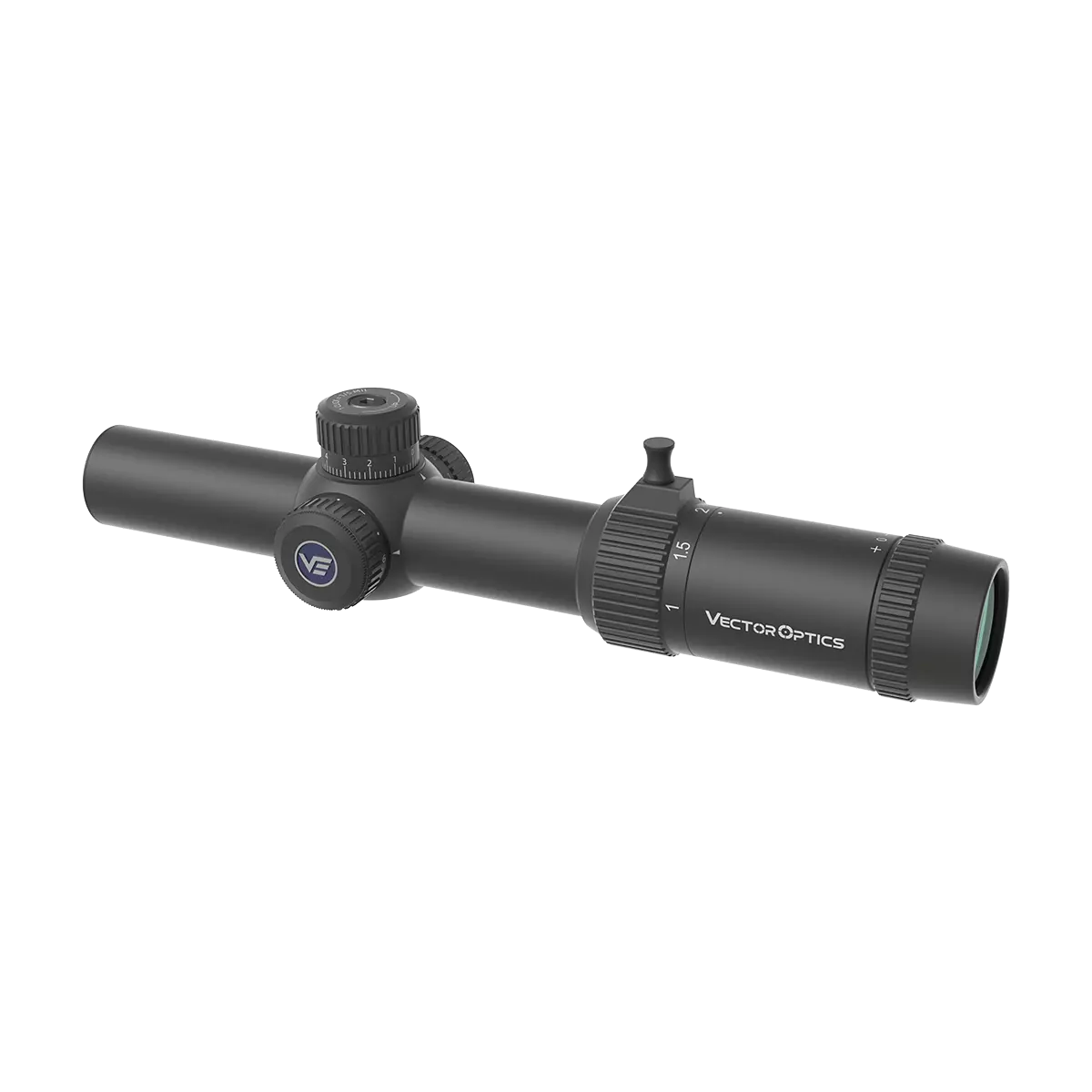
Premium red dot sight with 50,000 hour battery life
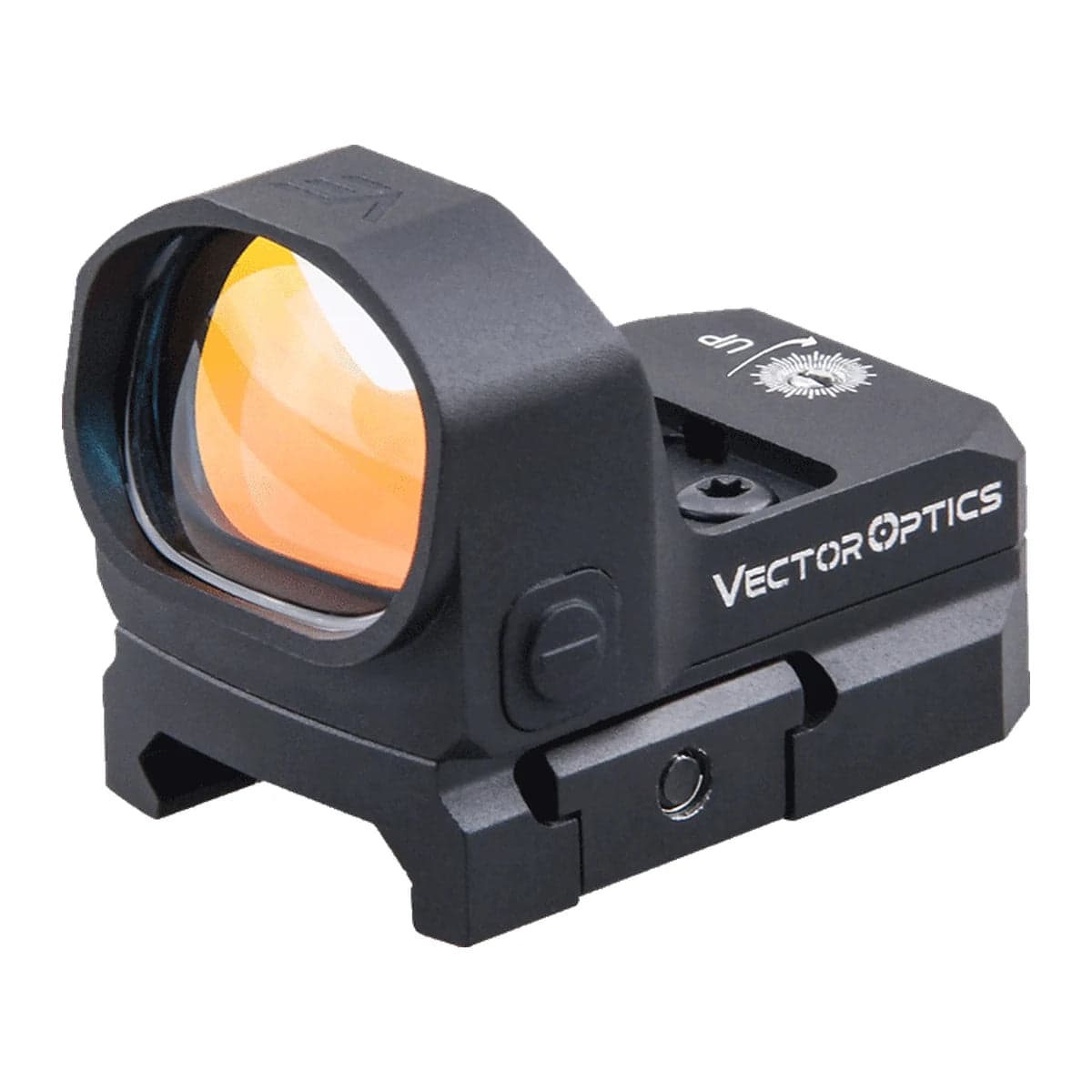
Budget red dot with MOTAC motion activation
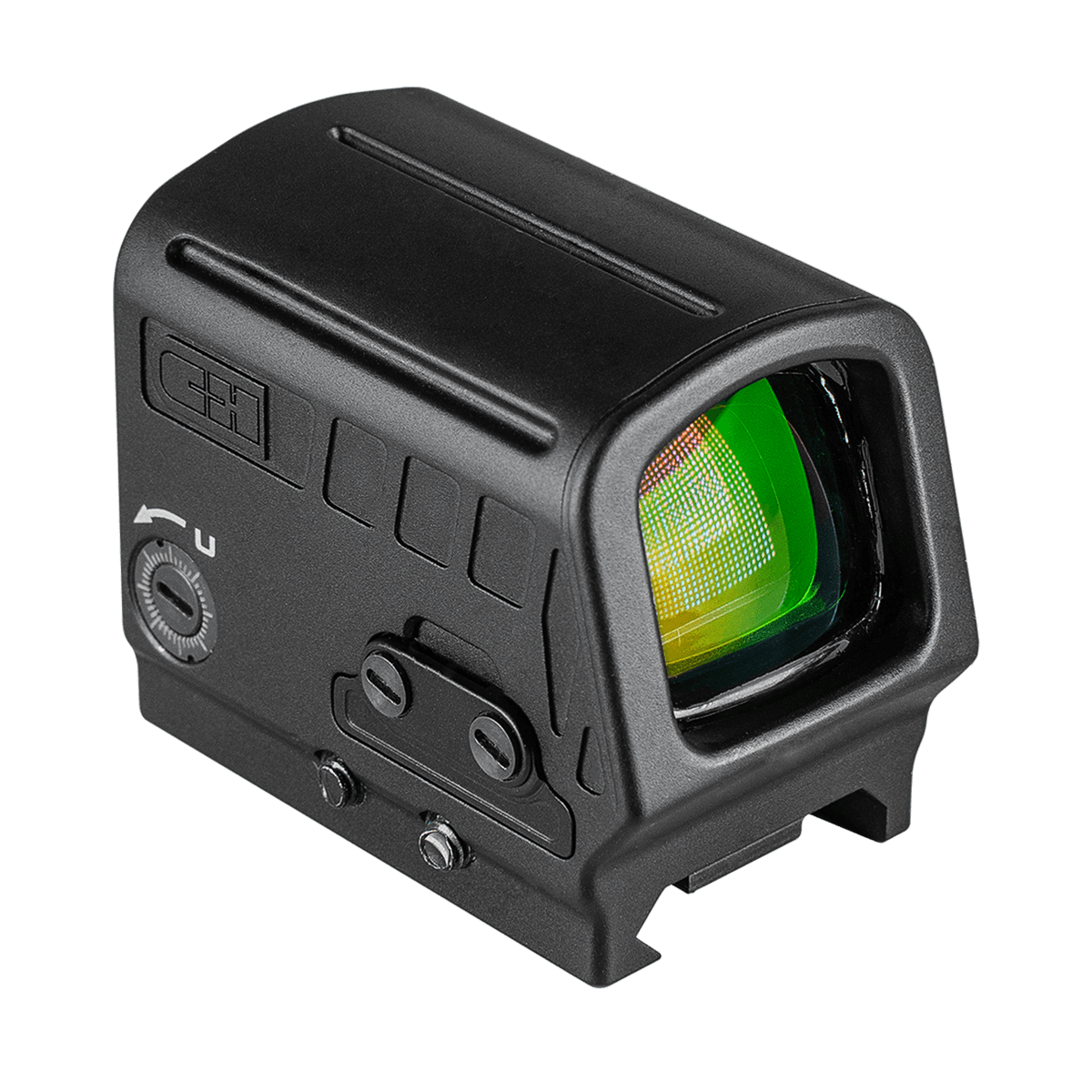
Enclosed reflex sight with advanced optical system and 50% reduced parallax
Value-oriented red dot with Aimpoint reliability and 30,000 hour battery
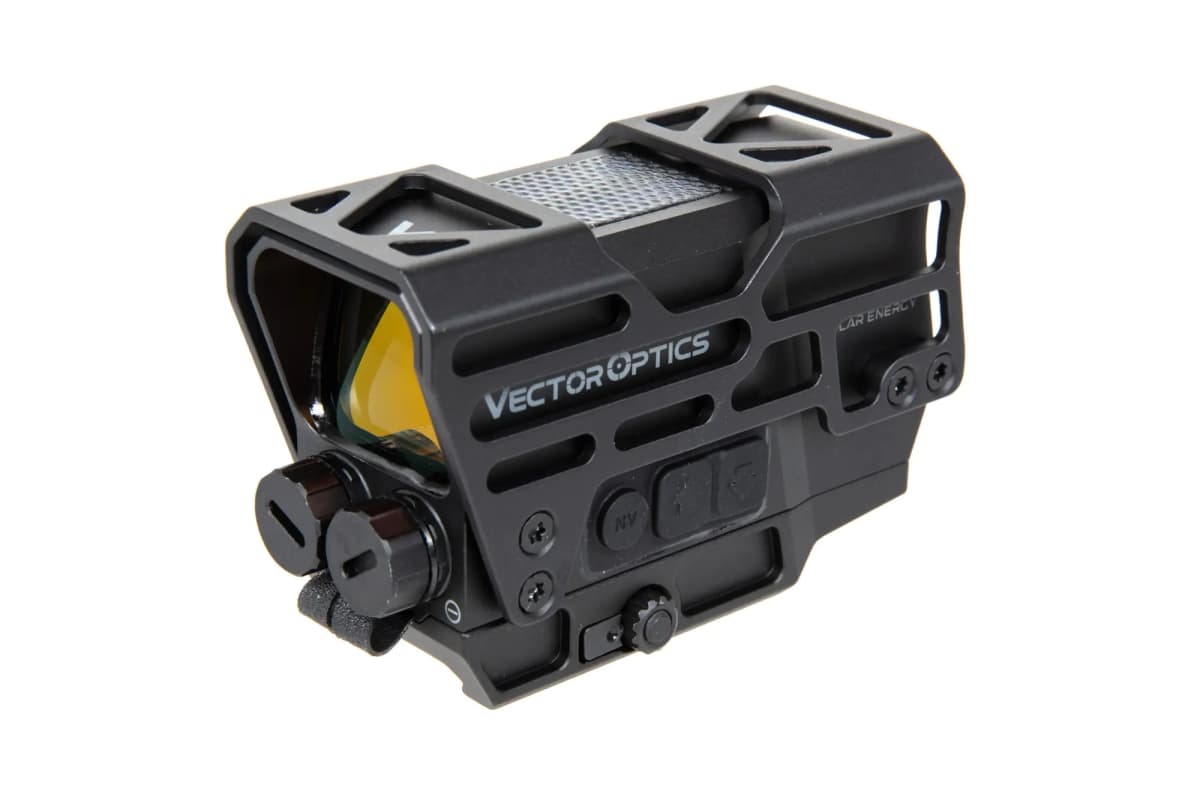
Updated budget red dot with MOTAC shake-awake and improved glass
Premium LPVO with exceptional low-light performance
Entry-level pricing favors the AR-15 in the current market. Budget AR-15s from Palmetto State Armory (PA-15) start around $500 for a complete rifle. Budget AKs have risen in price as imports have become restricted: the Century Arms WASR-10 runs $700-800 and the Zastava ZPAP M70 runs $800-900. The days of $400 WASRs are over.
At the mid-range, prices converge. A BCM Recce or Aero Precision complete rifle costs $900-1,400. A WBP Fox or Arsenal SAM7R costs $1,000-1,400. At the premium tier, Daniel Defense and Knight's Armament rifles run $1,800-3,000, while Krebs Custom and Rifle Dynamics AKs cost $2,000-3,500.
Ammunition cost is where the AK traditionally held an advantage, but the gap has narrowed. Steel-cased 7.62x39 (Tula, Wolf) runs approximately $0.22-0.25 per round, making it the cheapest centerfire rifle ammunition available. However, many indoor ranges ban steel-cased and bimetal-jacketed ammunition, which eliminates this cost advantage for many shooters. Brass-cased 7.62x39 costs $0.35-0.40 per round, comparable to brass 5.56 at $0.30-0.40 per round. Steel-cased 5.56 (when available) runs $0.22-0.28 per round.
Parts replacement and maintenance cost favor the AR-15. AR-15 parts are commodity-priced due to the massive number of manufacturers. A replacement bolt carrier group costs $80-150. A new barrel costs $100-300. AK parts can be harder to source, often require professional fitment, and imported parts carry higher prices due to limited availability. An AK barrel replacement is not a home project: it requires a hydraulic press and specialized tooling.
The right platform depends entirely on the intended mission. Neither rifle is universally superior. Each has specific strengths that make it the better tool for certain applications.
Lighter weight for indoor maneuvering. Less over-penetration with proper 5.56 defensive loads (55gr fragmenting). Easier to mount weapon lights and red dot optics. Shorter configurations (10.5-11.5" barrels) available. Lower recoil for faster follow-up shots.
The AK's 7.62x39 is effective on medium game and penetrates barriers (vehicle doors, brush) better than 5.56. The AR-15's modularity allows caliber swaps to 6.5 Grendel or .300 Blackout for different roles. Both work well for property defense inside 300 yards.
Lighter platform with less recoil enables faster splits and transitions. Superior trigger options (Geissele SSA-E, LaRue MBT-2S) improve practical accuracy. Better ergonomic controls for speed reloads and manipulation. The AR-15 dominates competitive rifle shooting for good reason.
Steel-cased 7.62x39 remains the cheapest centerfire rifle ammo available at $0.22-0.25/rd. However, factor in range restrictions: many indoor ranges ban steel-cased and bimetal ammo. If your range allows it, the AK is the cheapest per-round platform. If not, costs are comparable.

Weekly coverage of new products, hands-on reviews, and build guides for AR-15, AK, and other platforms.
The AR-15 is the better all-around platform for most American shooters. It is more accurate, more ergonomic, lighter, and backed by the largest aftermarket and support infrastructure in firearms. The modular design allows a single lower receiver to serve as the foundation for builds spanning home defense to precision shooting to competition. Optics mounting is standardized, parts are commodity-priced, and maintenance requires nothing more than basic tools and a cleaning kit.
The AK-47 excels in specific niches. Steel-cased 7.62x39 makes it the cheapest centerfire rifle to feed at ranges that allow bimetal ammunition. The platform's tolerance for neglect and adverse conditions remains genuinely superior. The 7.62x39 cartridge delivers more terminal energy at close range and better barrier penetration than standard 5.56. And the AK has an undeniable mechanical simplicity that appeals to shooters who value ruggedness over refinement.
For a first rifle, the AR-15 is the better choice. The ergonomics are more intuitive, the recoil is lighter, the aftermarket provides options for every budget and use case, and the platform teaches transferable fundamentals. For shooters who want both platforms, buy the AR-15 first, then add an AK later.
Explore AR-15 configurations in our Interactive Builder, or browse complete platforms and components in the Catalog.
Continue exploring with these related resources

The 5 best AR-15 rifles for first-time buyers ranked from $499 to $1,899. Covers what to look for in a first rifle, essential upgrades, and which AR-15 matches your budget and intended use.

Top 10 AR-15 rifles ranked by price tier: Budget under $800 (PSA, S&W), mid-tier $800-$1,600 (Aero, BCM), and premium $1,600+ (Daniel Defense, Geissele, LMT, KAC). Reliability data, accuracy testing, and value analysis.

Best AR-15 brands ranked by quality tier: PSA, Aero Precision, BCM, Daniel Defense, Geissele, LMT, and KAC compared on QC, reliability, support, and value. Honest data from budget to organizational grade.
This page contains affiliate links. Purchases through these links support the site at no extra cost to you. Learn more
Related articles and industry updates

Complete comparison of forced reset triggers and super safeties for AR-15: Partisan Disruptor FRT, Arc Fire, Atrius FRS, and Mars Super Safety. Performance, pricing, legality, and which system fits your build.

The Atrius FRS is a drop-in forced reset selector that delivers rapid semi-auto fire at $249. Unlike FRT triggers, it works with your existing mil-spec FCG and reduces rifle wear.

Everything that matters from SHOT Show 2026: computational optics from Maztech and Revic, the suppressor boom, rifles from Geissele and Noveske, PSA's modular AXR ecosystem, and 30+ product announcements.