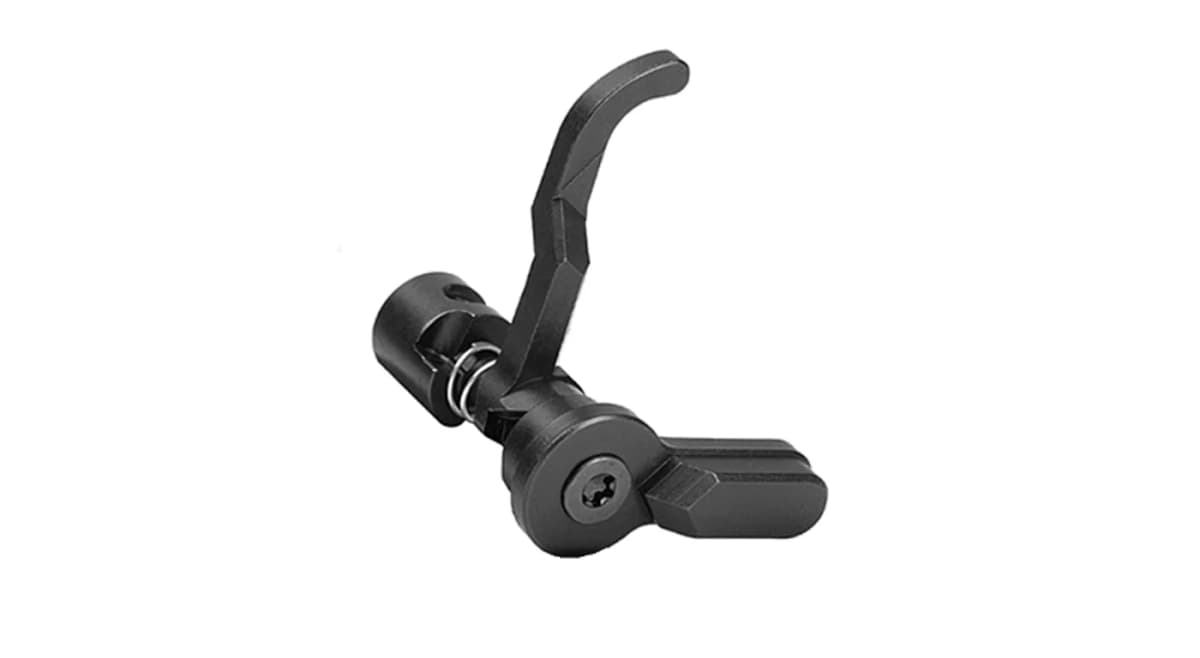
Atrius FRS Review (2026): Drop-In Forced Reset Selector for AR-15
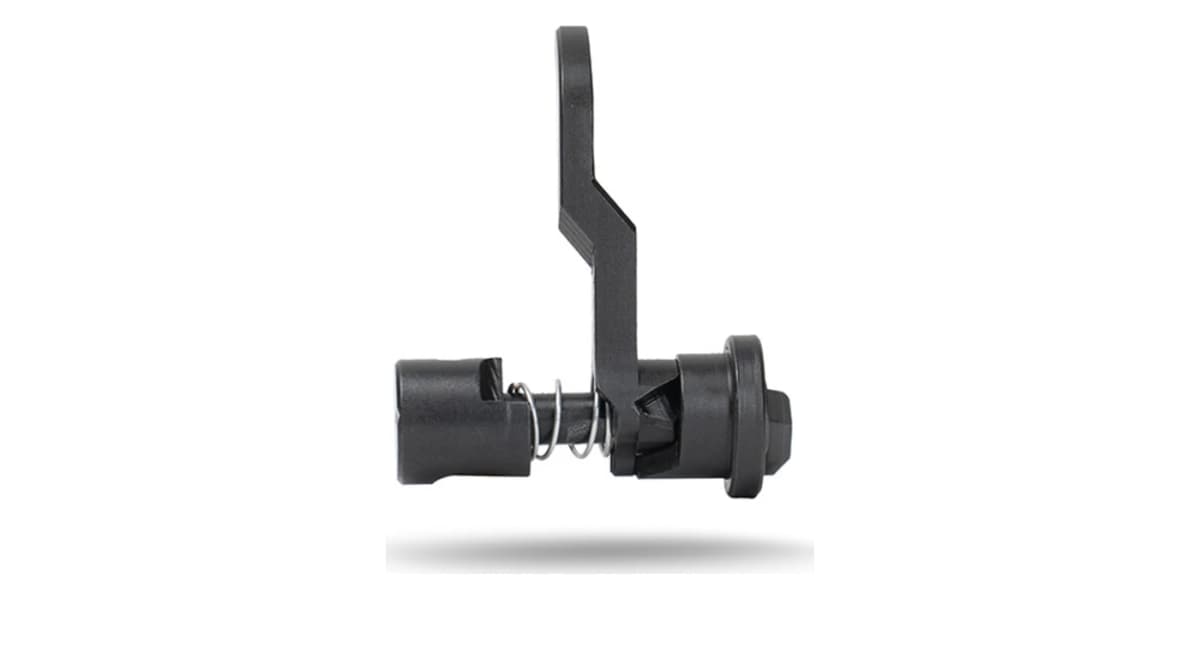
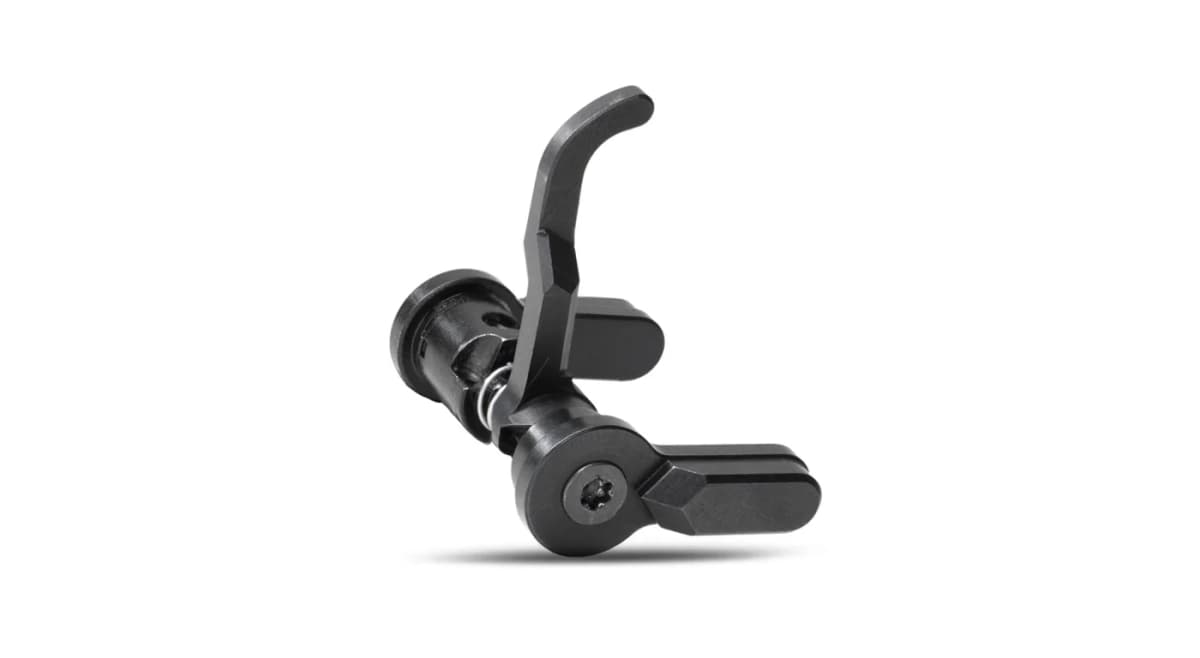
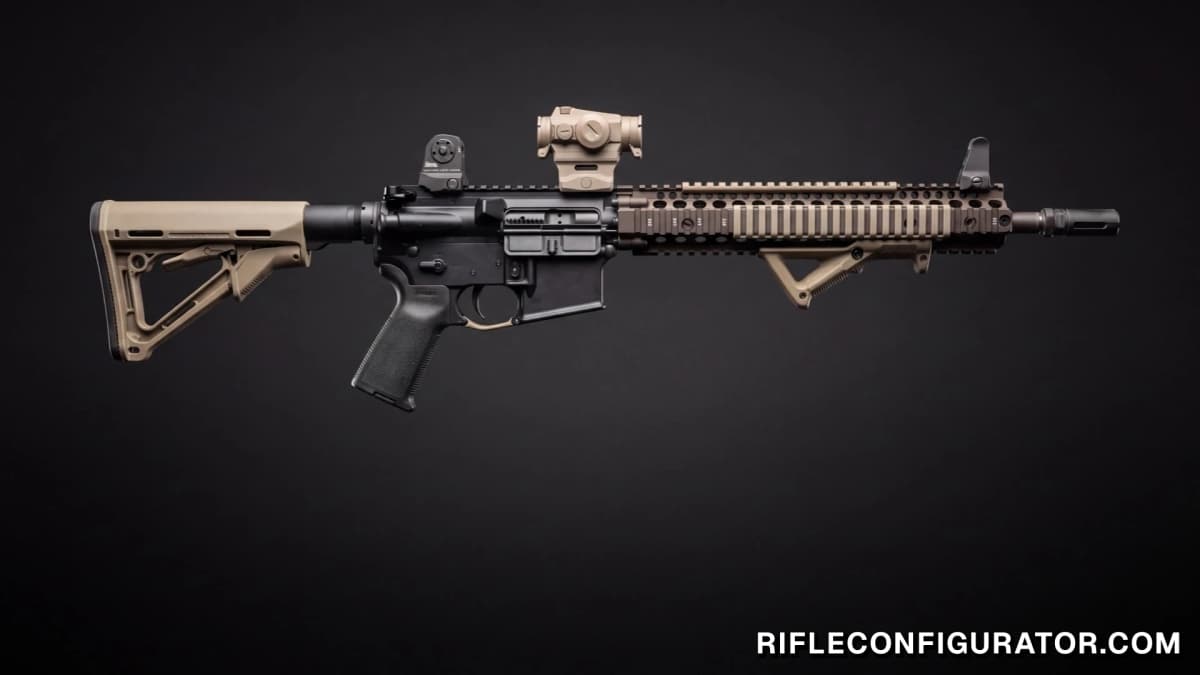
The Atrius FRS takes a different approach to forced reset: instead of replacing your trigger, it replaces your safety selector. At $249, it delivers rapid semi-auto fire while preserving your mil-spec FCG and reducing internal wear.
Key Takeaways
- →Selector, Not Trigger: Replaces your safety selector, not your trigger. Works with existing mil-spec FCG.
- →Three Positions: Safe, Semi, and Full-Semi modes via 90-degree ambidextrous selector throw
- →Three Variants: Ambi ($249), single-side ($199), and the new Mil-Spec single-side ($199) for retro builds
- →Reduced Wear: Mechanically leveraged design puts less stress on rifle internals than FRT triggers
- →Legal Status: Federally legal post-May 2025, but restricted in 15 states plus D.C.
- →Geissele Users: The standard FRS reviewed here requires a mil-spec FCG or a Geissele super-safety-cut variant. If you run a stock SSA, SSA-E, or G2S, see the new Atrius G-Lever ($269), which drops in without cutting the trigger.
What is the Atrius FRS?
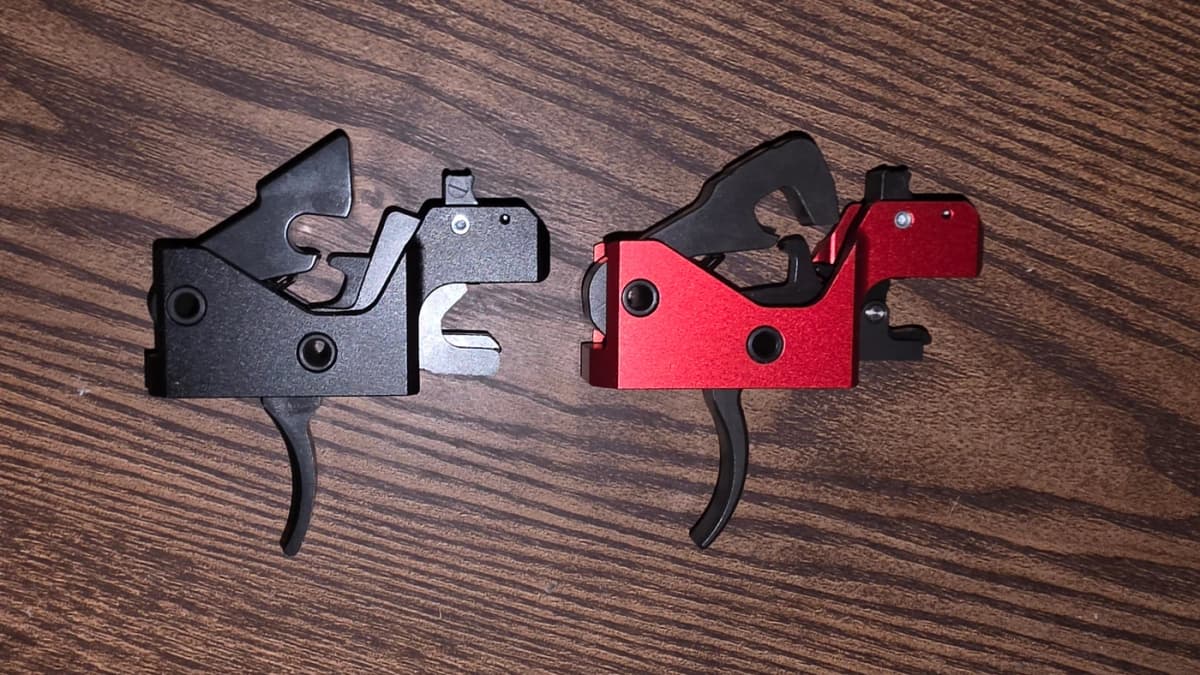
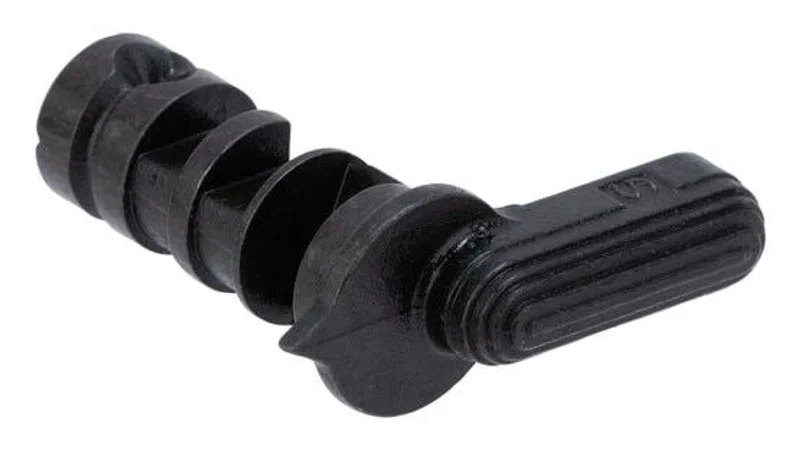
The Atrius Forced Reset Selector (FRS) is a safety selector replacement that enables rapid semi-automatic fire. Unlike forced reset triggers (FRTs) that replace your entire trigger assembly, the FRS works with your existing mil-spec fire control group.
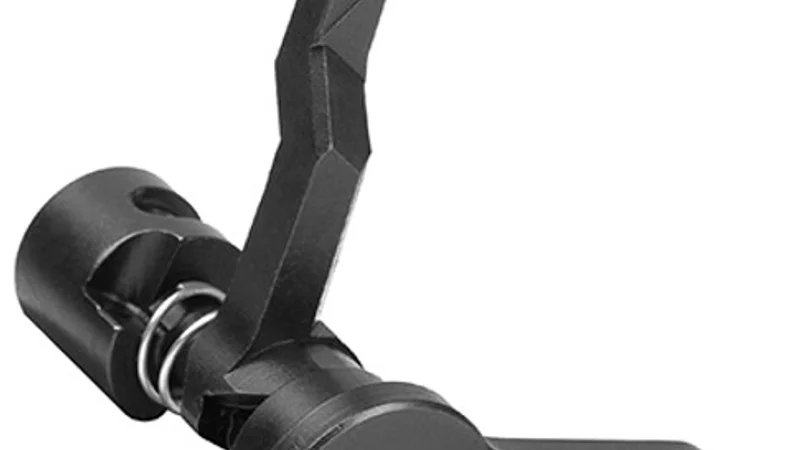
The selector provides three positions: Safe, Semi (traditional semi-automatic), and Full-Semi. In Full-Semi mode, the selector mechanically resets the trigger against your finger as the bolt carrier cycles, enabling rapid follow-up shots without changing how the firearm fundamentally operates.
This approach has a key advantage: because you keep your factory trigger, there is less wear on internal components. FRT triggers put additional stress on the bolt carrier, hammer, and trigger components. The FRS mechanically leverages the selector itself to reset the trigger, distributing forces differently.
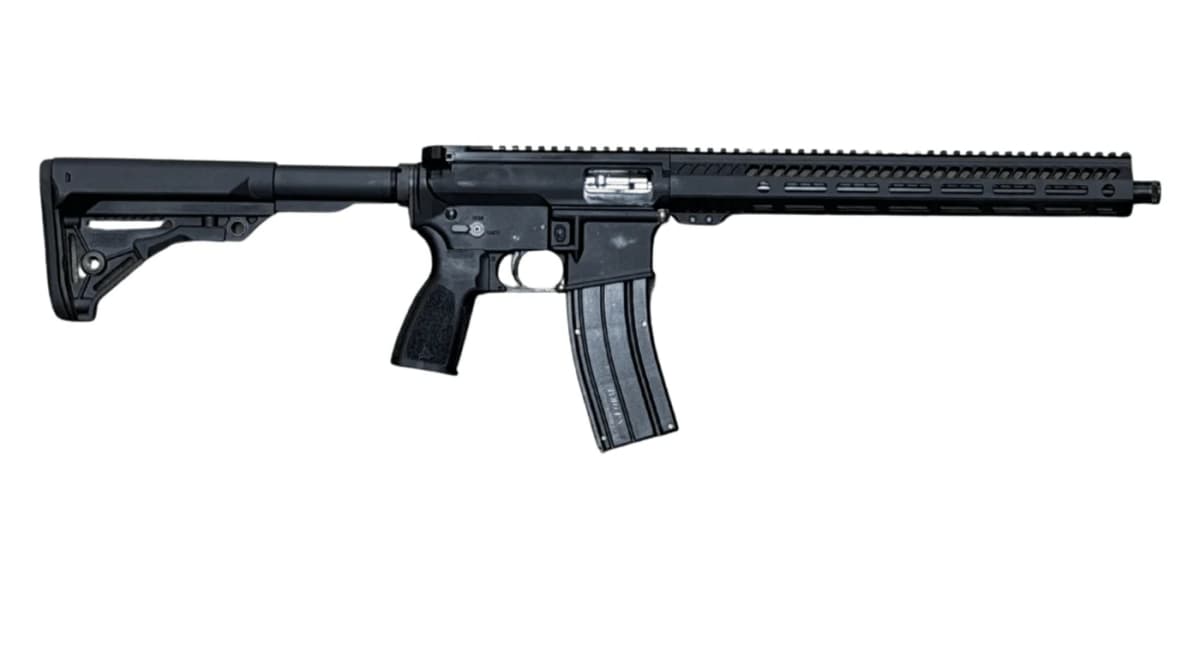
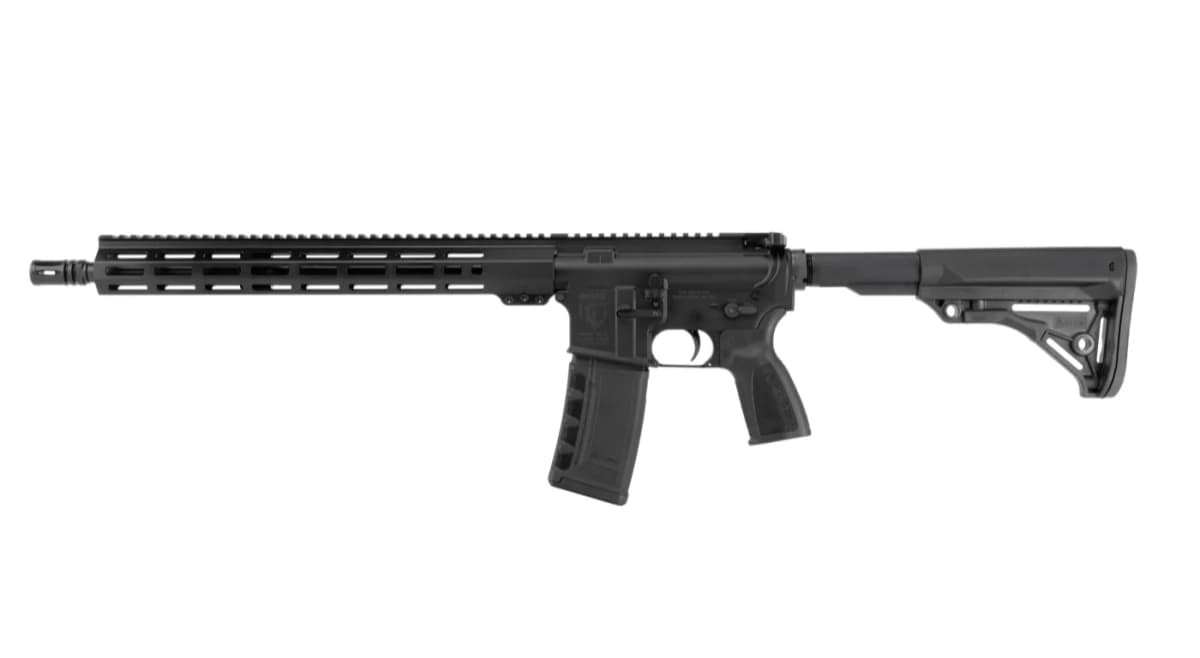
The selector has now landed in a complete factory rifle: the One Horse Express is the first production AR-15 to ship with an Atrius FRS fit, timed, and tested from the factory, built around the H2 buffer and low-cut shelf the selector needs.
Design and Construction
The Atrius FRS is machined from heat-treated 4140 steel with a corrosion-resistant finish. This is the same material used in quality bolt carrier groups and fire control components.
Specifications
- MaterialHeat-treated 4140 Steel
- FinishCorrosion-resistant Coating
- Selector Throw90-degree
- Positions3 (Safe/Semi/Full-Semi)
- OperationAmbidextrous
- CompatibilityMil-Spec AR-15 (.223/5.56/.300 BLK)
- FCG RequirementMil-Spec Only
- InstallationDrop-in (minor fitment may be required)
- Made InUSA
- MSRP$249
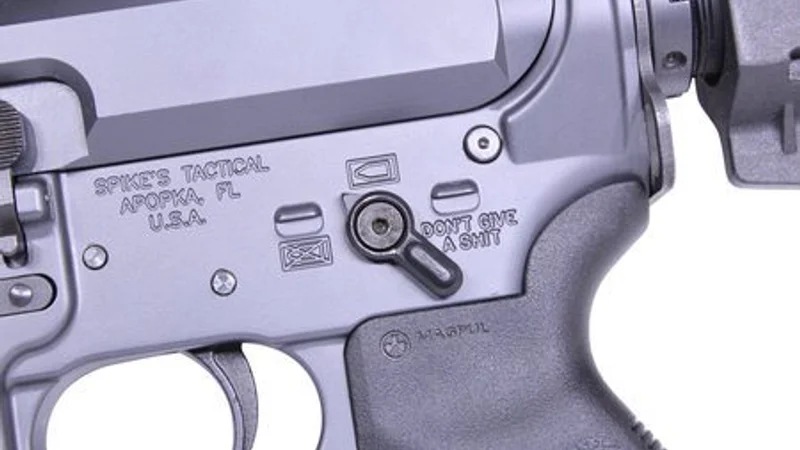
The ambidextrous design accommodates both right and left-handed shooters. The selector features textured, chamfered surfaces for rapid thumb manipulation, and positive detents that prevent unintentional movement during firing.
Featured: Forced Reset Options Compared
The Atrius FRS competes with FRT triggers from Partisan and MARS. Each takes a different approach to forced reset functionality.
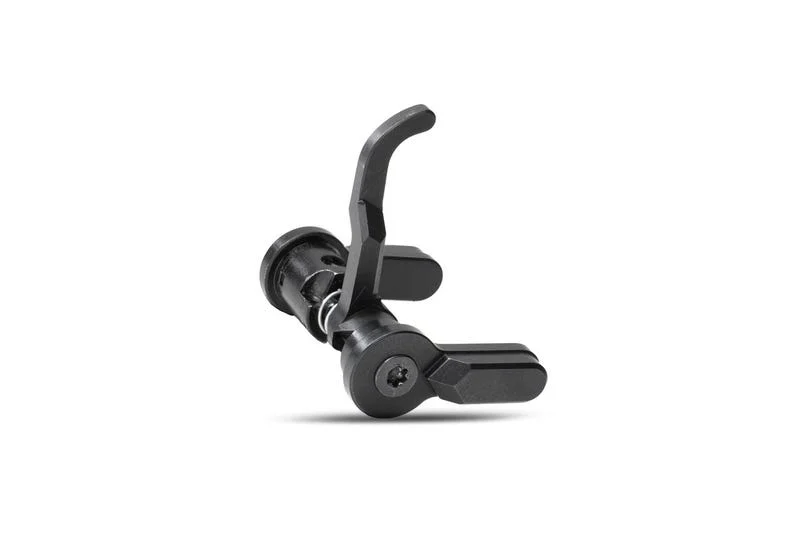
Atrius Development Ambidextrous Forced Reset Selector
Drop-in ambidextrous forced reset selector with three firing modes
- +Instant trigger reset without FRT trigger wear on internals
- +Drop-in installation with Mil-Spec fire control groups
- +Heat-treated 4140 steel construction for extreme durability
- −Premium price point at $209.99
- −May require minor fitment during installation
- −Legal status varies by state - verify local regulations
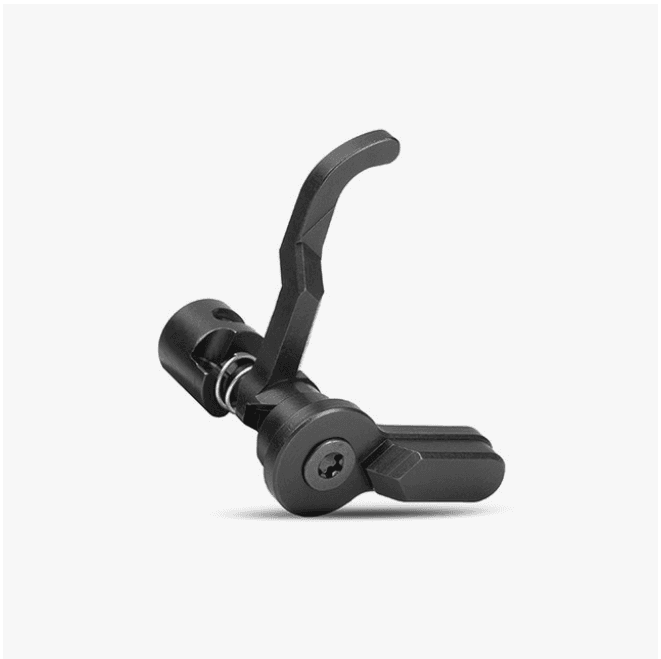
Atrius Development Forced Reset Selector
Drop-in forced reset selector with three firing modes at a lower price point
- +Same forced reset performance as ambi version at $169.99
- +Drop-in installation with Mil-Spec fire control groups
- +Heat-treated 4140 steel construction
- −Right-hand only - no ambidextrous selector
- −May require minor fitment during installation
- −Legal status varies by state - verify local regulations
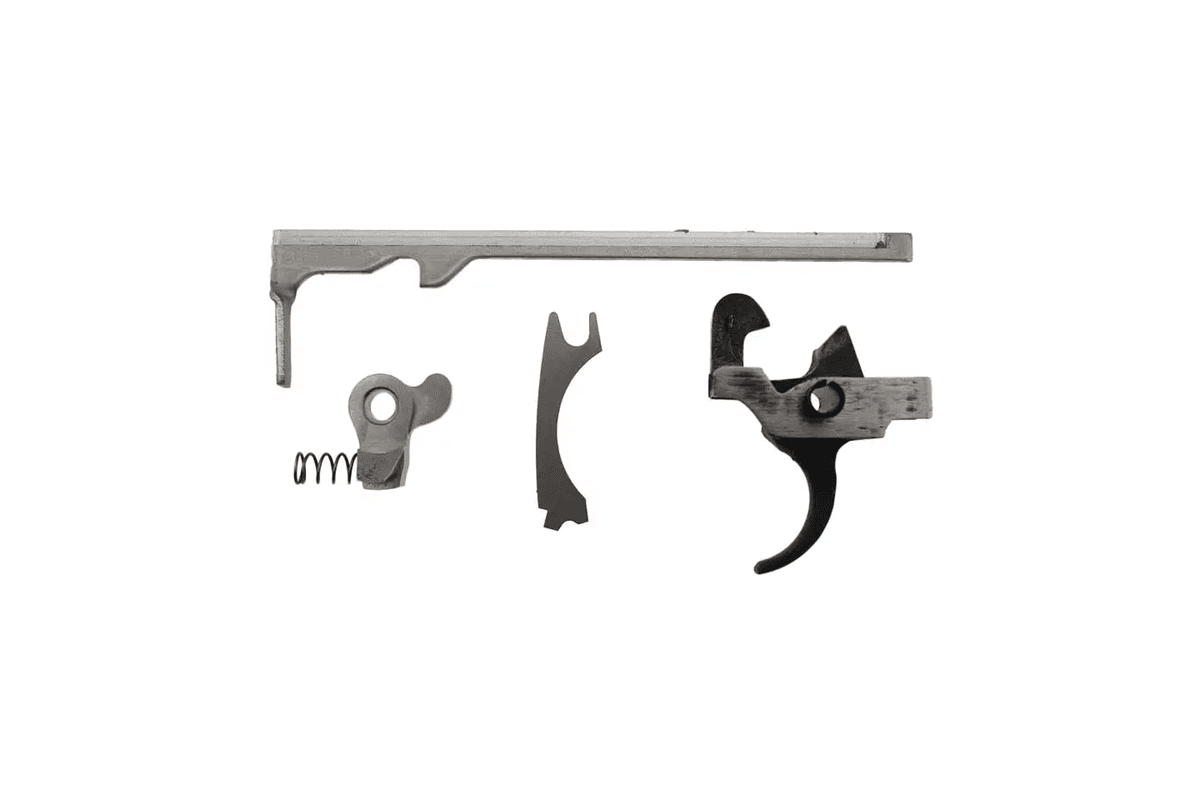
MaRs Trigger AK FRT Parts Kit
- Forced reset trigger (FRT)
- 4140 alloy and stainless steel
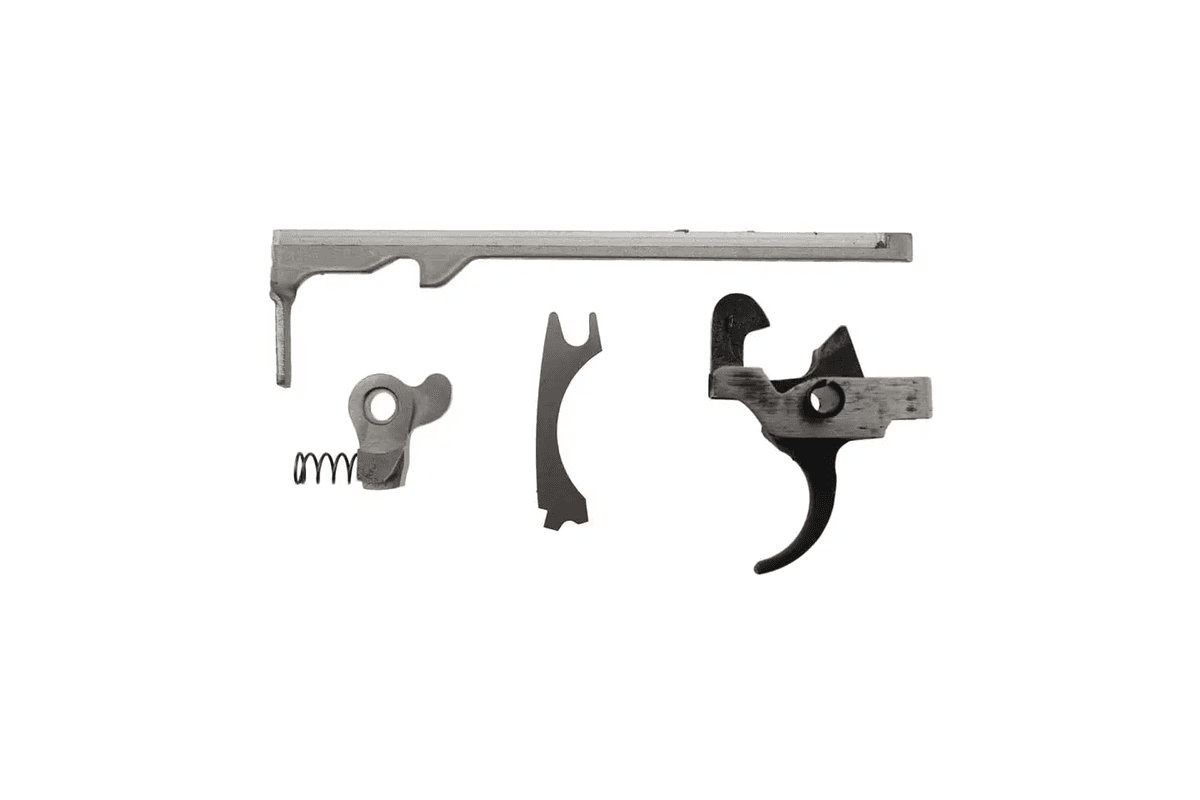
MaRs Trigger Spring-Loaded AK FRT V2
- Forced reset trigger (FRT)
- Spring-loaded V2 design
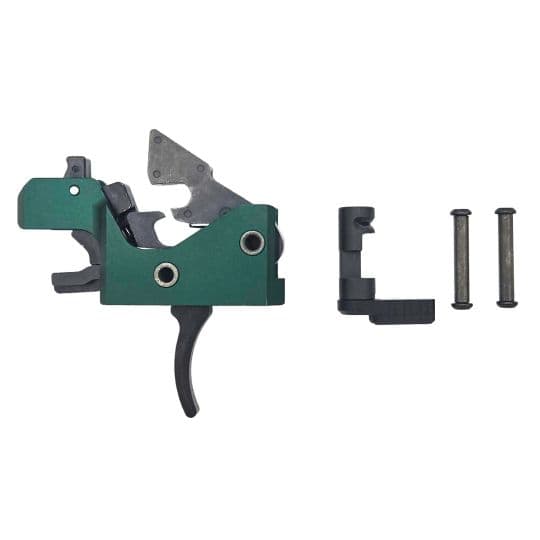
The Triggered Company Partisan Disruptor FRT
- 3.75-4.1lb pull
- Forced reset
Affiliate links (?)
FRS vs. FRT: Key Differences
The fundamental difference between the Atrius FRS and traditional FRT triggers is what gets replaced. Understanding this distinction helps you choose the right option.
System Comparison
Atrius FRS
FRT Trigger
- Replaces
- Safety selector only
- Entire trigger assembly
- Trigger Compatibility
- Mil-spec FCG only
- Self-contained
- Semi-Auto Pull
- Your existing trigger
- Upgraded (crisper) (advantage)
- Internal Wear
- Reduced (advantage)
- Increased
- Installation
- Selector swap (advantage)
- Trigger replacement
Choose the Atrius FRS if: You want to keep your mil-spec trigger, minimize wear on your rifle, and prefer a simpler installation. The FRS is also easier to remove if you want to return to factory configuration.
Choose an FRT trigger if: You want an improved semi-auto trigger pull in addition to forced reset functionality. The Partisan Disruptor in particular offers a notably crisp break and short reset in standard semi-auto mode.
Other options: The AS Designs Arc-Fire ($250) uses M2 tool steel with DLC coating for higher claimed durability and works with select aftermarket triggers (Geissele, ALG, BCM PNT) unlike the mil-spec-only Atrius. It also supports platforms beyond AR-15 including MP5, MPX, and MCX; our FRT compatible guns guide maps every platform with a forced reset path. The second-generation V2 ships in May 2026 with smoother cycling and a taller, more tactile fin lever (the V1 lever was long but skinny and hard to find under stress), see our Arc-Fire V2 hands-on review for the install and bench impressions.
New: Mil-Spec Single-Side FRS for Retro Builders ($199)
Atrius released a Mil-Spec single-side FRS at $199, the cheapest version in the lineup. Mechanically it is the same FRS, the difference is the selector lever itself: a traditional mil-spec profile with the classic ridges and pointer instead of the aggressive textured Atrius lever. If you are running a retro build (A1, A2, M16A4 clone, vintage Colt) the standard Atrius lever looks wrong on the receiver. This variant fixes that.
Atrius FRS Lineup
| Variant | Lever Style | Sides | Price |
|---|---|---|---|
| Ambidextrous FRS | Atrius textured | Both | $249 |
| Single-Side FRS | Atrius textured | Right only | $199 |
| Mil-Spec FRS | Mil-spec profile | Right only | $199 |
All three variants share the same heat-treated 4140 steel construction, three-position Safe/Semi/Full-Semi operation, 90-degree throw, and mil-spec FCG compatibility. The Mil-Spec variant ships in the same black Atrius bag as the original single-side, watch for counterfeit listings that do not.
Who should pick the Mil-Spec FRS: Retro builders, M16A4 and Colt clone owners, anyone running a faux full-auto safety selector who wants the period-correct lever shape. If you do not care about aesthetics and want ambi controls, get the $249 ambidextrous FRS instead.
Shop Mil-Spec FRS at Optics Planet →Shop Super Safeties
Selector-based forced reset devices that work with your existing mil-spec FCG. Atrius, MARS, and AS Designs all take a similar approach: replace the safety selector, keep the trigger.
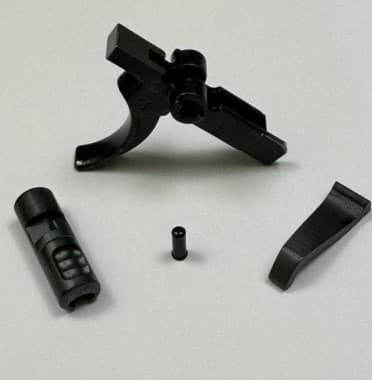
Mars Trigger Position AR FRT Super Safety
- 3-position selector
- 4140 Alloy Steel
Atrius Development Ambidextrous Forced Reset Selector
- 90-degree throw
- Ambidextrous
Atrius Development Forced Reset Selector
- 90-degree throw
- Right-hand only

BoreBuddy Atrius Super Selektor Trip Kit
- Trip bar for the Atrius Selektor on a .22 bolt
- Mimics the surfaces and movement of a centerfire BCG
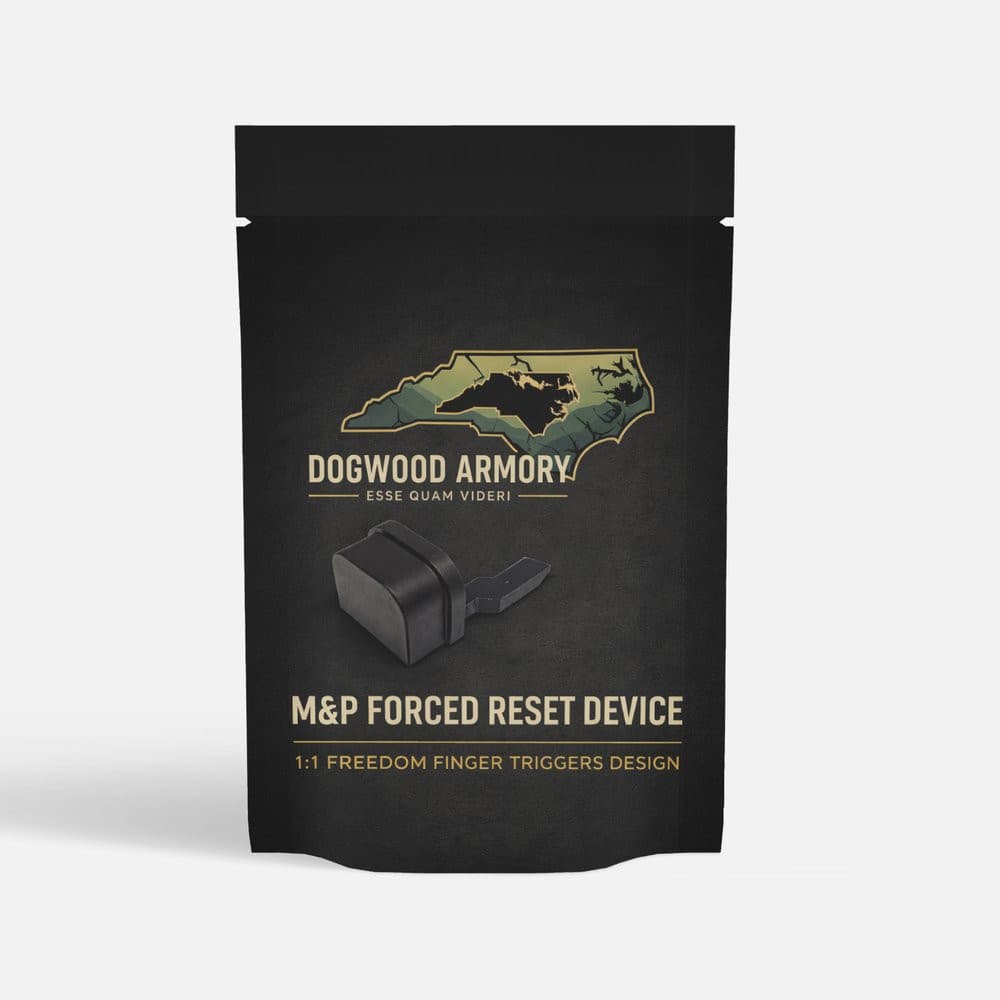
Forced Reset Device M&P 2.0 (Non-Select)
- Forced reset device (FRT)
- 4140 steel construction
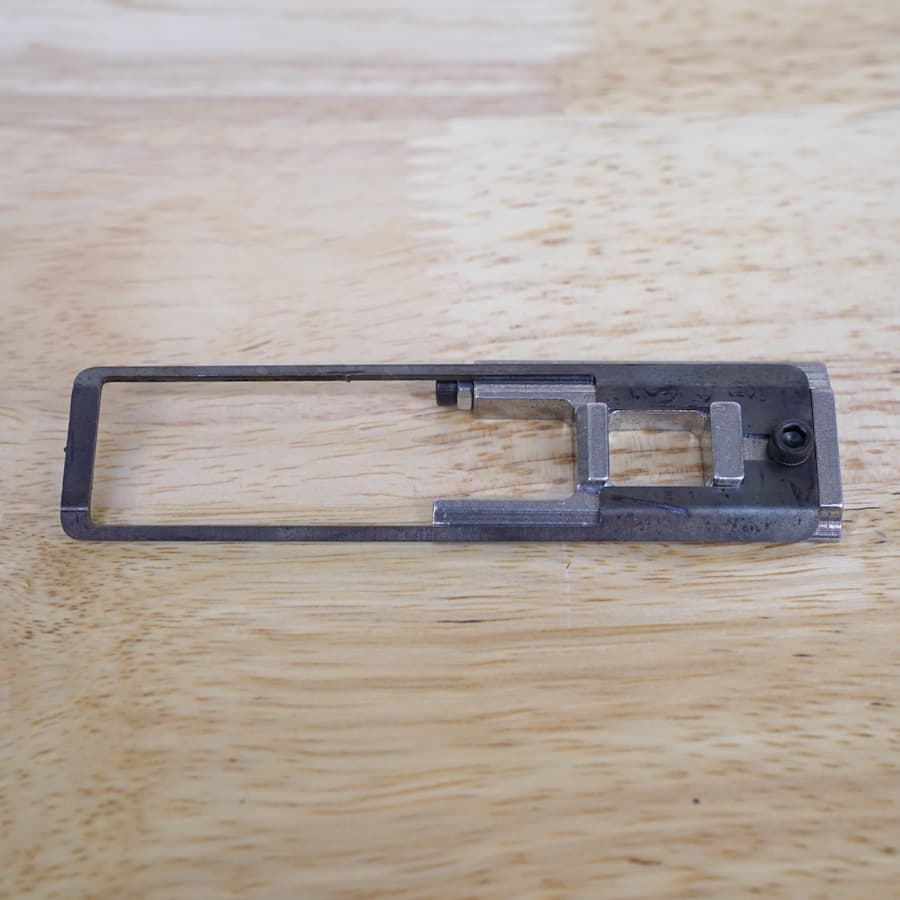
BoreBuddy Adjustable Super Safety Trip Kit
- Required to run a Super Safety selector on a .22 bolt
- Mimics the surfaces and movement of a centerfire BCG
Affiliate links (?)
Installation
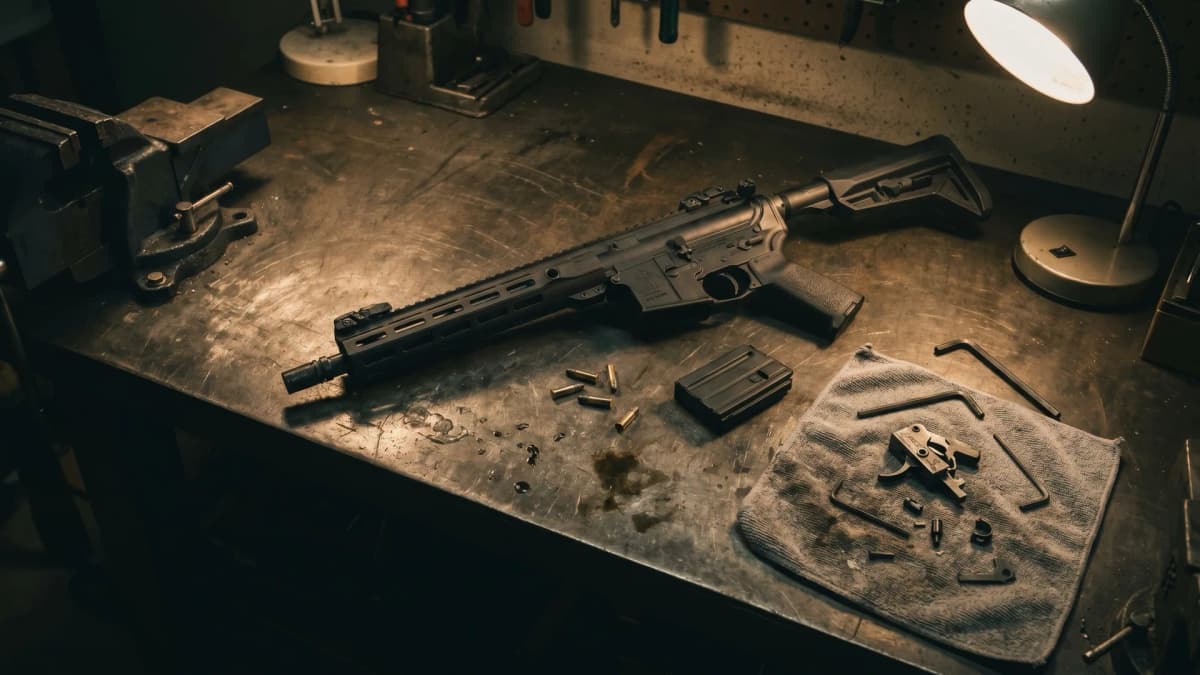
The Atrius FRS is designed as a drop-in replacement for your factory safety selector. Installation is straightforward for anyone familiar with basic AR-15 maintenance.
- →Tools required: T10 Torx bit for selector screw, blue Loctite recommended
- →Torque spec: 15 in/lbs on selector screw
- →Fitment: Some receivers may require minor fitting. This is normal and does not indicate a defect.
- →Buffer recommendation: Use H2 or H3 buffer for reliable cycling in Full-Semi mode
Compatibility
The Atrius FRS is designed for mil-spec AR-15 platforms chambered in .223/5.56 or .300 Blackout. Compatibility requirements include:
Compatibility Requirements
- Lower ReceiverLow shelf or full profile trigger pocket
- BCGFull profile bolt carrier group
- BufferH2 or H3 recommended
- TriggerMil-spec FCG only
Not compatible with:
- →AR-10/LR-308/SR-25 platforms (dedicated model in development)
- →AR-9 variants may require professional gunsmithing
- →Super Safety firearms (solid lever cam design conflicts)
- →Non-mil-spec aftermarket triggers
Shop Forced Reset Products
Compare the Atrius FRS with alternative forced reset options from Partisan and MARS, plus compatible buffers for reliable operation.
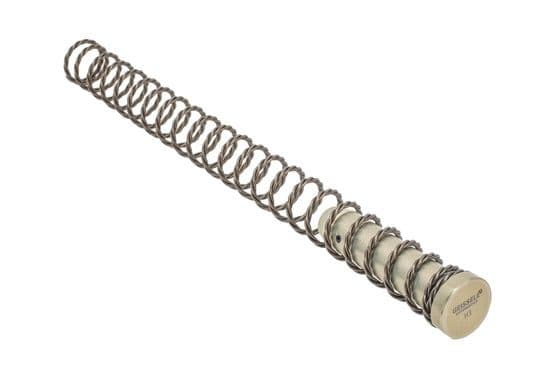
Geissele Super 42 Braided Buffer Spring and H3 Buffer Combo
- Braided wire design (3 strands)
- H3 buffer (5.0-5.4 oz)
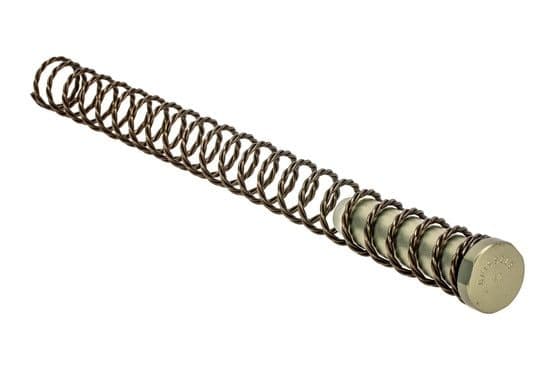
Geissele Super 42 Braided Buffer Spring and H2 Buffer Combo
- Braided wire design (3 strands)
- H2 buffer (4.6-4.7 oz)
MaRs Trigger Spring-Loaded AK FRT V2
- Forced reset trigger (FRT)
- Spring-loaded V2 design
Atrius Development Ambidextrous Forced Reset Selector
- 90-degree throw
- Ambidextrous
Atrius Development Forced Reset Selector
- 90-degree throw
- Right-hand only
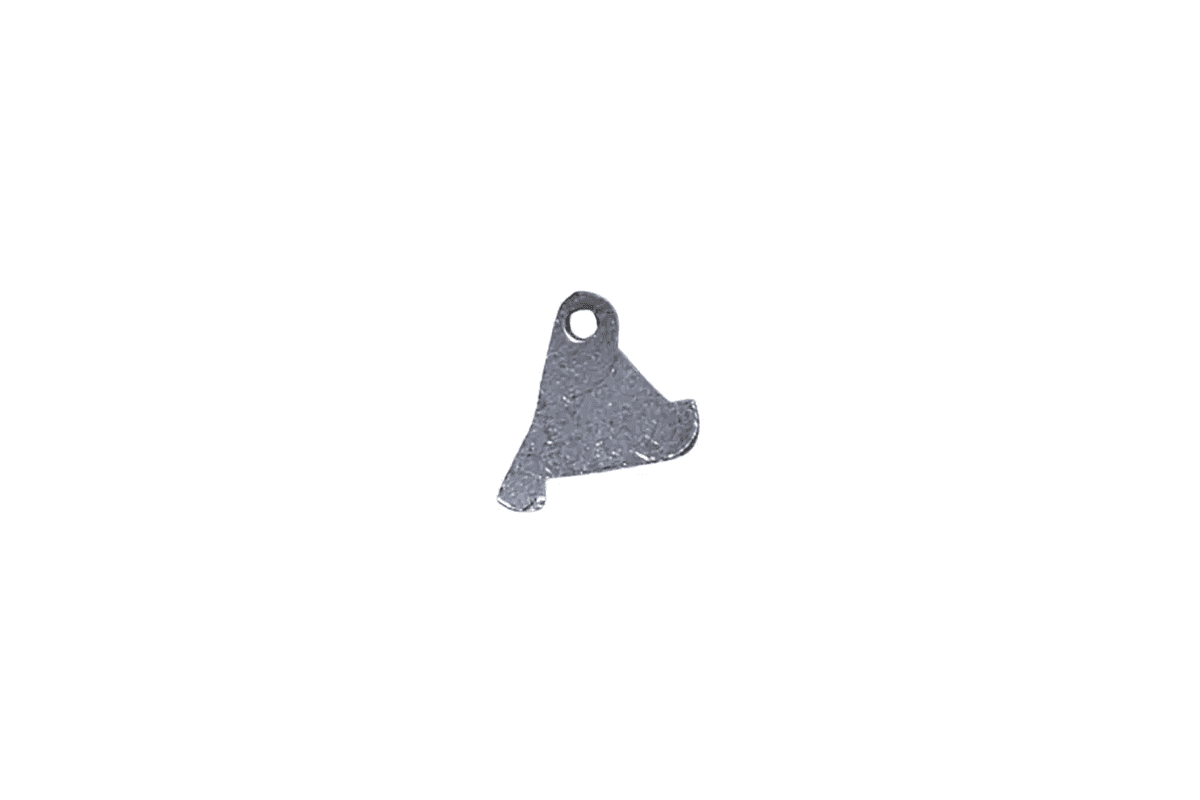
MaRs Trigger Taurus Pulse TX22 FRT
- Forced reset trigger (FRT)
- Replaces factory disconnector
Affiliate links (?)
Legal Status (2026)
In May 2025, the U.S. Department of Justice settled ongoing litigation regarding forced reset devices, acknowledging they are not classified as machine guns under federal law. This resolved the ATF's previous attempts to regulate FRTs and similar devices under the National Firearms Act.
Atrius will not ship to restricted states. Before purchasing, verify your state and local laws. Some jurisdictions have enacted their own restrictions on rate-increasing devices regardless of federal classification.
Stay Updated on Forced Reset News
Get notified when Atrius releases the AR-10 version and when legislation affecting forced reset devices changes. We'll also send you new product reviews and industry coverage.
Frequently Asked Questions
▶What is a forced reset selector?
▶Can you legally buy a forced reset trigger or selector right now?
▶What is the difference between a forced reset selector and a forced reset trigger?
▶Is the Atrius FRS legal?
▶Does the Atrius FRS work with all AR-15 triggers?
▶What buffer weight do I need for the Atrius FRS?
▶How does the Atrius FRS compare to the Partisan Disruptor FRT?
▶Can I install the Atrius FRS myself?
The Verdict
The Atrius FRS is a well-engineered alternative to traditional FRT triggers.
The Atrius FRS carves out a distinct niche in the forced reset market. At $249, it sits between the budget MARS system ($139) and the premium Partisan Disruptor ($299), offering a unique selector-based approach that preserves your factory trigger.
Buy it if: You want forced reset functionality without replacing your trigger, you value reduced wear on internal components, or you want an easy-to-install and easy-to-remove option that maintains factory compatibility.
Skip it if: You have an aftermarket trigger you don't want to give up, you want the improved semi-auto pull that comes with FRT triggers, or you run a platform outside the standard AR-15 compatibility range.
The selector-based approach is innovative, the build quality is solid, and the price is competitive. For AR-15 owners with mil-spec triggers who want forced reset capability with minimal modification, it's worth serious consideration.
See our Super Safety & FRT Guide for a full comparison of forced reset systems, lower receiver compatibility checker, and a ROF calculator to measure your burst RPM. Or configure your own AR-15 build in our Interactive Builder or browse our Platform Catalog for compatible rifles.