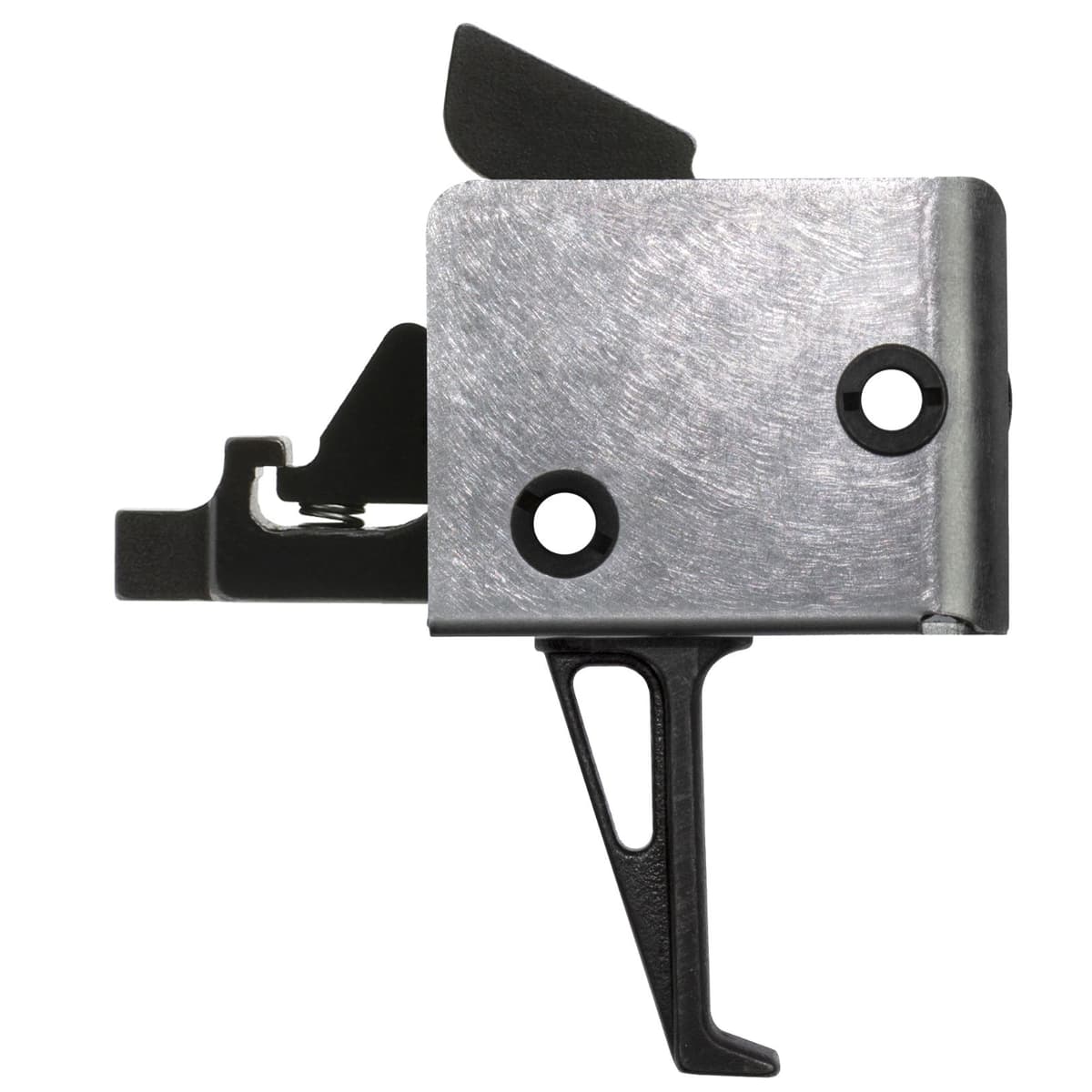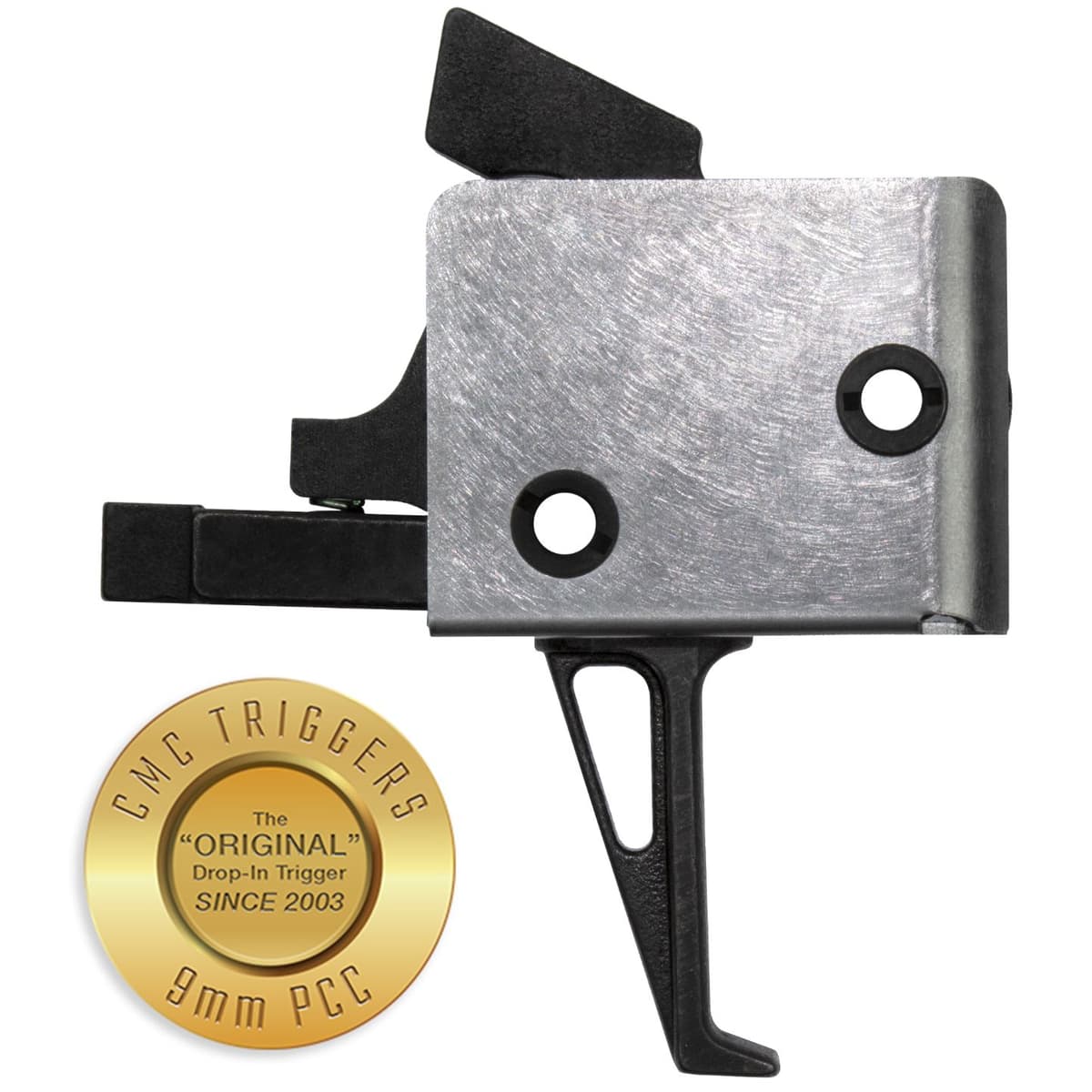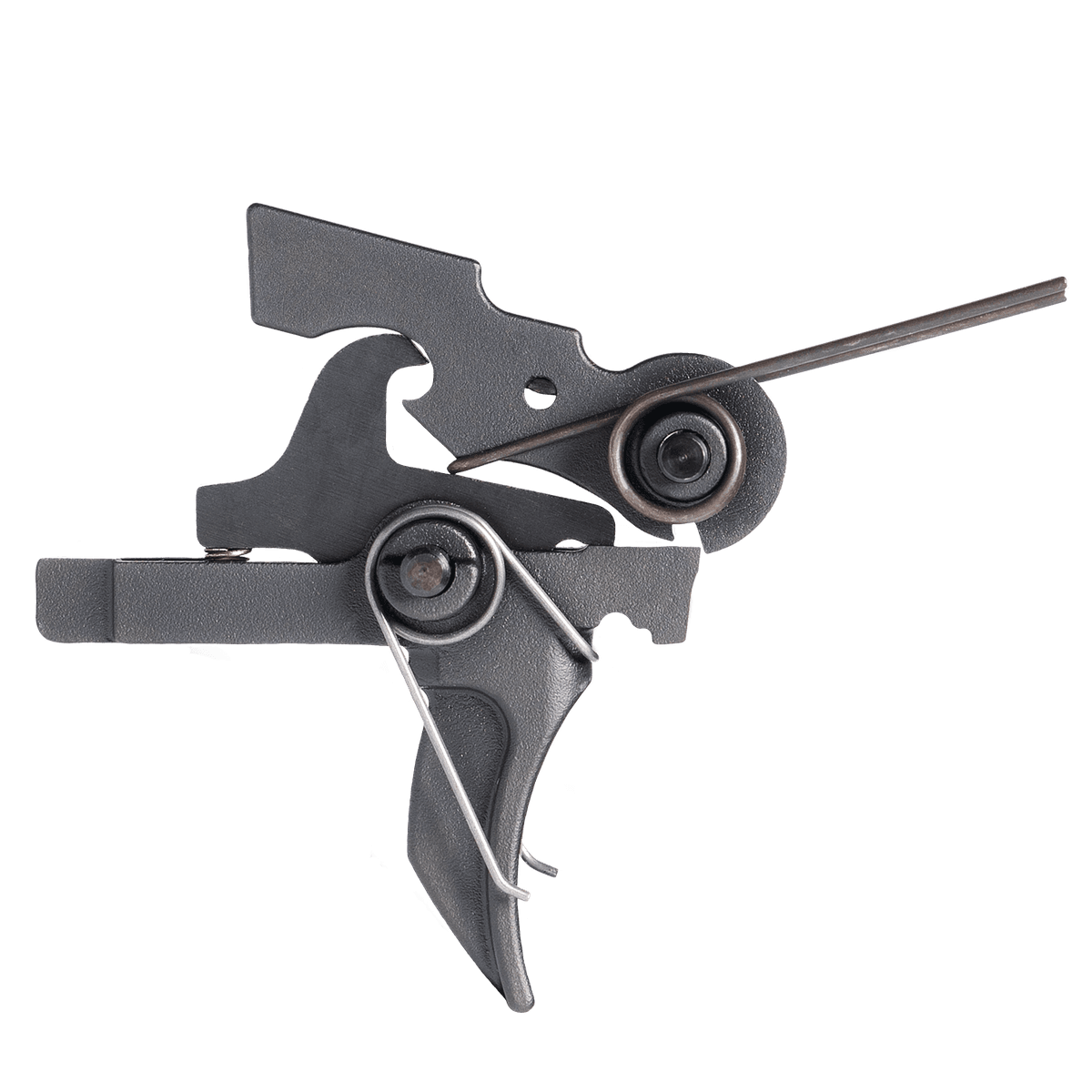
Partisan Triggers Disruptor FRT
Drop-in forced reset trigger with 3-position safety for rapid follow-up shots
- ✓3.75-4.1lb pull
- ✓Forced reset
- ✓Tool steel construction

Buying your first AR-15 is overwhelming. Hundreds of manufacturers, wildly different price points, and conflicting advice from every corner of the internet. This guide cuts through the noise with 5 tested recommendations across every budget, plus the critical features that actually matter for new shooters.
The AR-15 market has hundreds of manufacturers at wildly different price points. The difference between a $400 rifle and a $500 rifle is often enormous, while the difference between a $1,400 rifle and a $1,900 rifle is primarily fit and finish. Understanding what matters separates a smart purchase from a regrettable one.
Barrel quality is the single most important factor. Look for cold hammer-forged (CHF) or 4150 Chrome-Moly Vanadium (CMV) steel with a chrome-lined or nitride-treated bore. These treatments protect against corrosion and extend barrel life well past 10,000 rounds. Avoid barrels made from 4140 steel or those with only a phosphate finish. A 16" barrel in government or lightweight profile is the sweet spot for beginners: no NFA paperwork required, full 5.56 NATO velocity (approximately 3,100 fps with M193), and a manageable overall length around 32-33" with the stock collapsed.
Furniture and handguard set the tone for the shooting experience. Magpul MOE or equivalent polymer furniture is the minimum standard in 2026. Avoid proprietary stocks and grips that lock you into one manufacturer's ecosystem and limit future upgrades. A free-floating M-LOK handguard is now standard across every price tier. The old carbine-length plastic two-piece handguards are obsolete. M-LOK gives you mounting points for lights, vertical grips, and other accessories without adding weight through a full rail.
Bolt carrier group (BCG) testing is non-negotiable. Every BCG should be MPI (Magnetic Particle Inspected) and HPT (High Pressure Tested). MPI checks for micro-fractures in the bolt that could cause catastrophic failure. HPT fires a proof round above standard pressure to verify chamber integrity. The bolt itself should be Carpenter 158 or 9310 steel. If a manufacturer doesn't specify testing methods, that's a red flag. As for the trigger, mil-spec is fine to start. Budget $80-150 for an upgrade later if you want a cleaner pull after you've put 500 rounds downrange.
| Feature | Look For | Avoid |
|---|---|---|
| Barrel Steel | 4150 CMV / CHF | 4140 / "chrome moly" |
| Bore Treatment | Chrome-lined or Nitride | Phosphate only |
| BCG Testing | MPI + HPT | Untested / no markings |
| Handguard | Free-float M-LOK | Plastic 2-piece |
| Furniture | Magpul / B5 / BCM | Proprietary no-name |
| Warranty | Lifetime | None / 1-year |
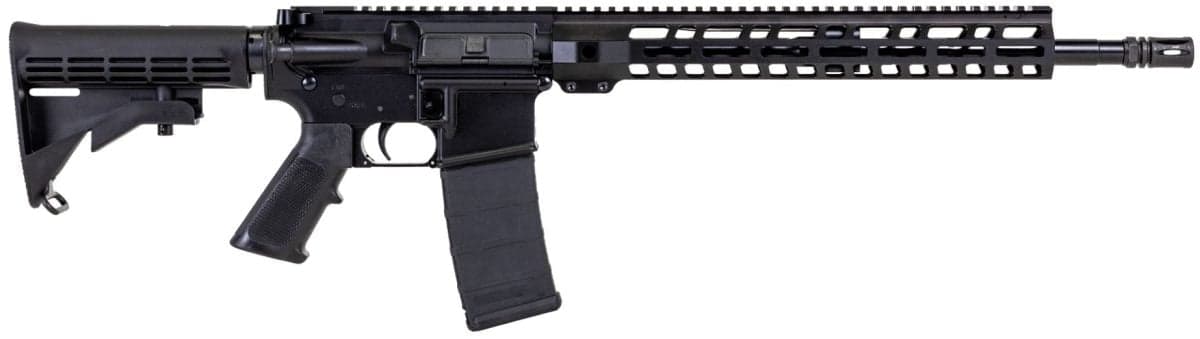
The PSA PA-15 is the best bang-for-buck AR-15 available in 2026. Palmetto State Armory operates one of the largest barrel manufacturing facilities in the United States, and the PA-15 benefits directly from that vertical integration. The barrel is cold hammer-forged and chrome-lined from their in-house facility, the same process used by FN for military contract barrels. Pair that with Magpul MOE furniture, an M-LOK free-float handguard, an MPI/HPT-tested Carpenter 158 BCG, and a nitride-finished fire control group, and you have a rifle that checks every critical box at a price point that was unthinkable five years ago.

The PA-15 isn't fancy, but it's fundamentally sound. The barrel quality alone puts it ahead of every other sub-$500 option on the market. Reliability is excellent -- thousands of documented range reports confirm it runs without issue through sustained firing sessions. The trigger is standard mil-spec, which means adequate but not remarkable. Plan to upgrade it down the road. Fit and finish is basic but functional: you'll see minor tool marks and the anodizing won't match a $1,500 rifle, but none of that affects performance.
Who it's for: New shooters on a budget who want a reliable platform to learn on without worrying about quality corners being cut where they matter most -- barrel, BCG, and gas system.
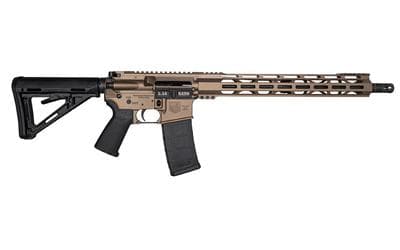
The Diamondback DB15 is a solid budget alternative to the PSA PA-15. It uses a 4150 CMV barrel with nitride finish, a 15" M-LOK free-float handguard that provides generous mounting real estate, and a factory trigger that's a slight step above standard mil-spec. The DB15 is widely available at retail and online, and it frequently drops below MSRP during sales events. Diamondback assembles these rifles in Cocoa, Florida, with in-house quality control that has improved significantly over the past few years.
Who it's for: Budget buyers who want a slightly different option from PSA, or those who find a good deal on the DB15 below MSRP. The longer 15" handguard gives a more modern look and additional mounting space compared to many budget competitors. If you can find one at or below $500 on sale, it's a strong value.
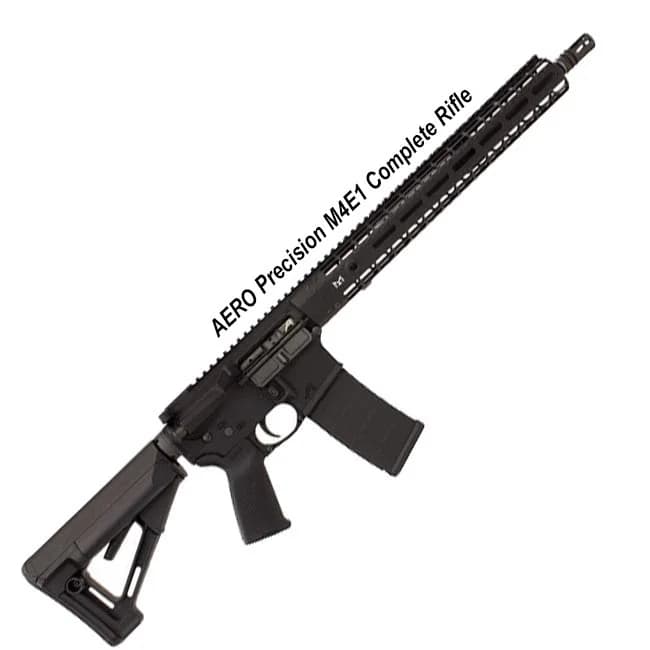
The Aero Precision M4E1 is the first rifle on this list that feels "nice." Aero's enhanced upper and lower receivers feature an integrated trigger guard, threaded roll pins instead of traditional press-fit pins (no hammering during assembly or disassembly), and a proprietary barrel nut that simplifies handguard installation. The billet-style aesthetic looks premium without the premium price. These aren't cosmetic gimmicks -- the threaded pins and integrated trigger guard are genuine ergonomic improvements that make maintenance and future upgrades significantly easier.

Barrel quality is excellent: 4150 CMV with QPQ Nitride finish on the standard model, or CHF chrome-lined on select configurations. The Atlas S-ONE or R-ONE M-LOK handguard is lightweight and rigid. The M4E1 lower is the most popular aftermarket AR-15 lower receiver for a reason -- the ergonomic improvements are genuine, and compatibility with standard AR-15 components is maintained throughout. The trigger is mil-spec but drops into the enhanced lower cleanly, and the BCG is MPI/HPT-tested Carpenter 158 steel.
Who it's for: Shooters who want a tangible step up from budget without entering duty-grade pricing. The M4E1 is particularly good for those who might want to build or customize later, since Aero's enhanced platform is the standard for aftermarket compatibility. Many shooters start with an Aero complete rifle and gradually replace components as they learn what they prefer.
Drop-in forced reset trigger with 3-position safety for rapid follow-up shots
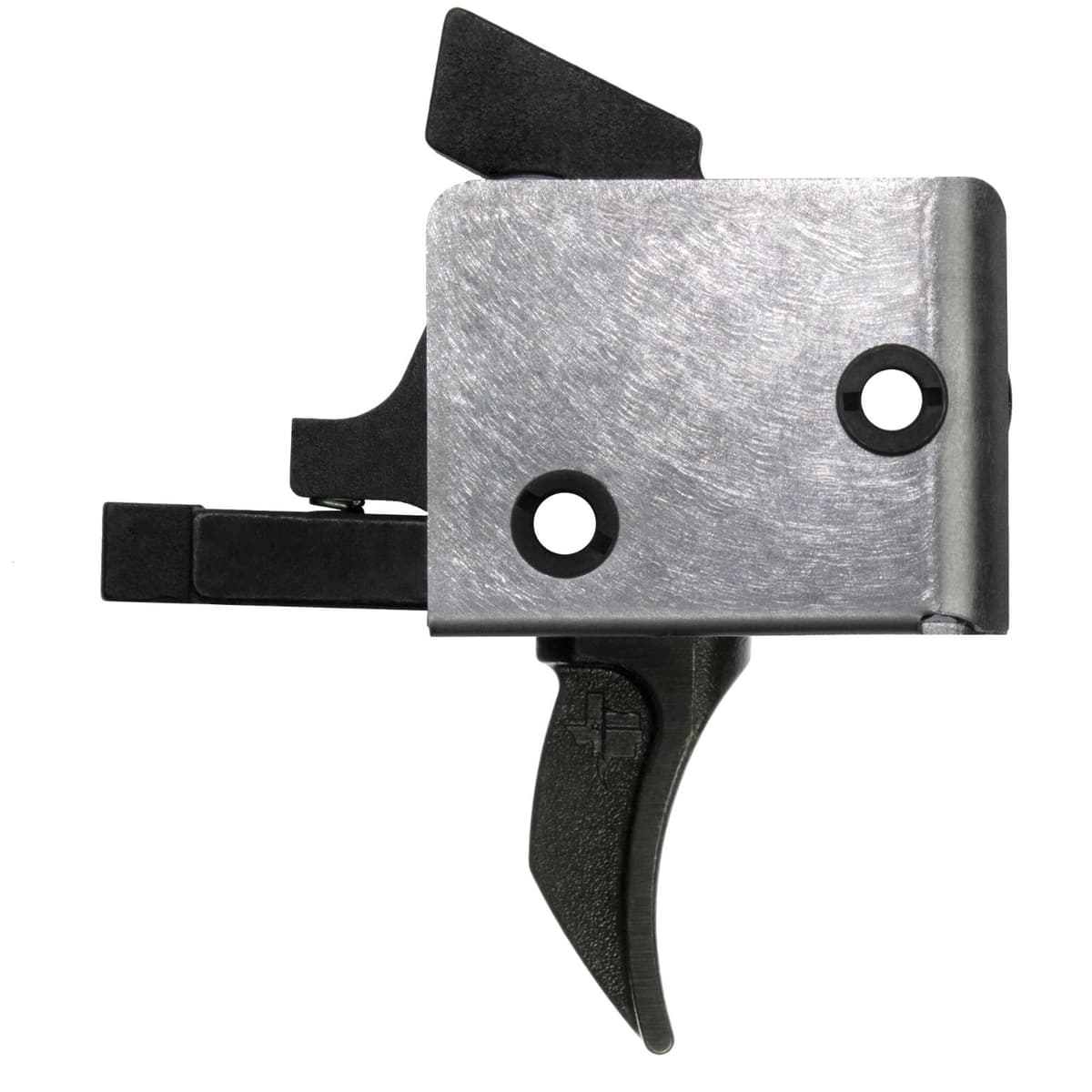
Drop-in single stage AR trigger with clean break
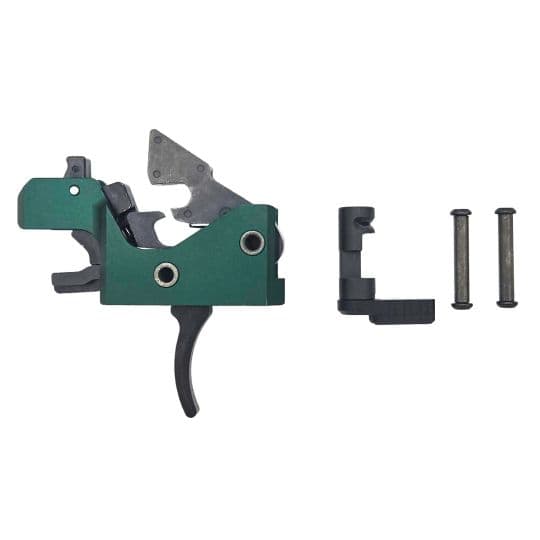
3-position forced reset selector (super safety) for AR-15 platforms
Precision-machined two-stage AR trigger with crisp break
Enhanced two-stage trigger for precision AR shooting
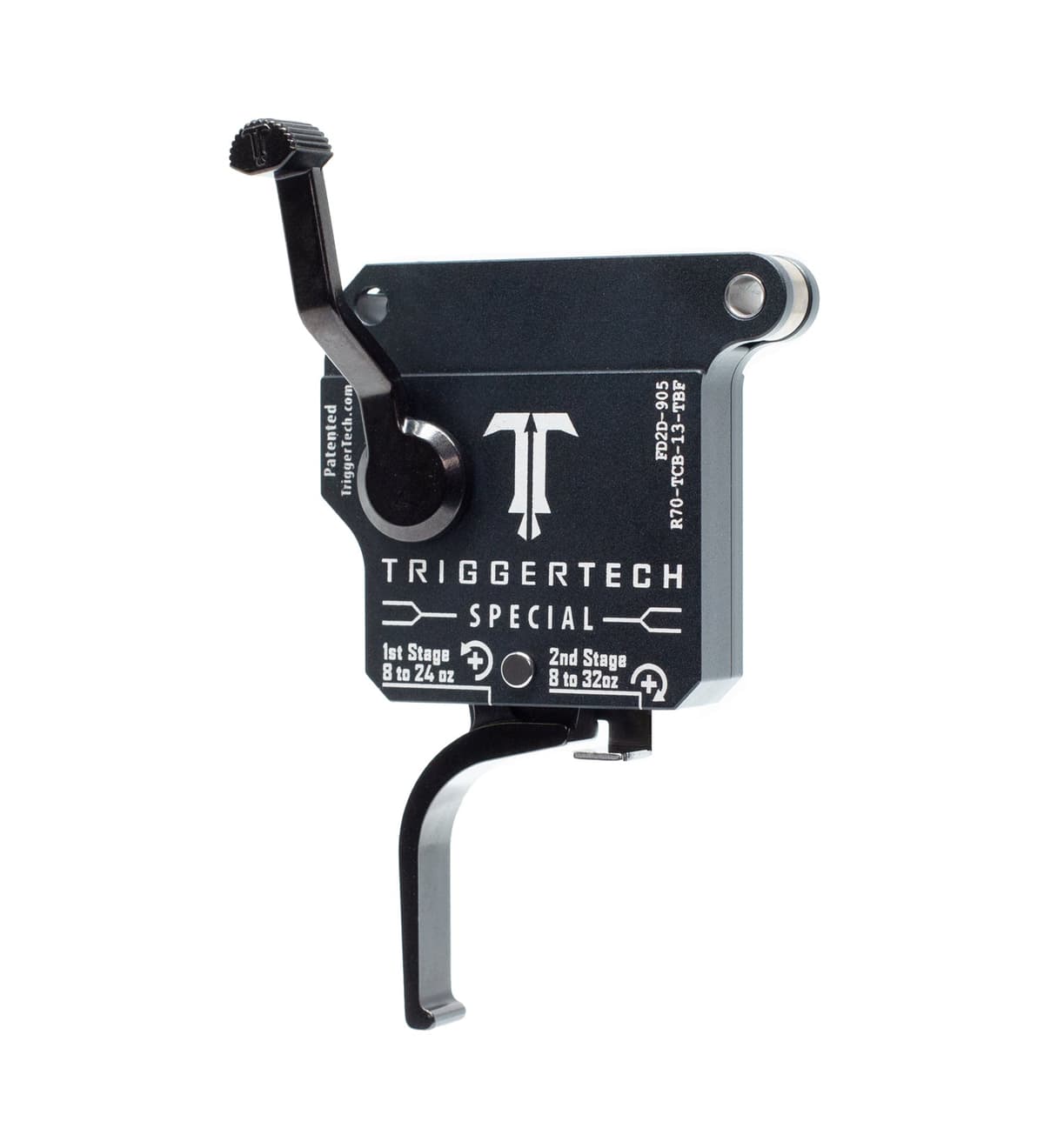
Adjustable match-grade AR trigger with needle bearings
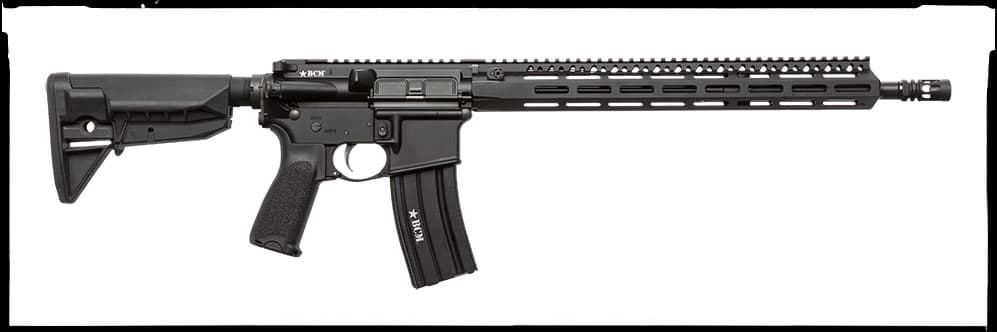
Bravo Company Manufacturing is the standard for duty-grade AR-15s. Every component in the RECCE-16 is selected and tested to military specification or better. The Mod 0 BCG is enhanced with a chrome-lined carrier, Carpenter 158 bolt, and chrome-plated extractor. The MCMR handguard is lightweight, rigid, and slim enough to wrap your hand around comfortably during sustained shooting. BCM's barrel is cold hammer-forged with chrome lining, made by FN -- the same manufacturer that produces M4 and M16 barrels under US military contract.

The PNT (Polished Nickel Teflon) trigger is a genuine improvement over mil-spec -- cleaner break, less creep, and a reset that's tactile enough for quick follow-up shots. The BCM Gunfighter charging handle and Mod 3 pistol grip are included. The Gunfighter charging handle is one of the most widely copied designs in the industry for good reason: the extended latch provides reliable purchase without snagging on gear.
What separates BCM from budget options isn't any single feature -- it's the consistency. Every RECCE-16 ships properly staked, properly torqued, with components that passed QC individually and as an assembled unit. Gas port sizing is deliberate: the RECCE-16 is slightly overgassed to ensure reliability across ammunition types and in adverse conditions, but not so overgassed that it beats itself apart. You're paying for the verification that everything is right.
Who it's for: Shooters who want a rifle they can trust for home defense, training courses, and potentially professional use. The "buy once, cry once" option that eliminates the desire to upgrade. Many law enforcement officers and military veterans choose BCM as their personal rifle for a reason.
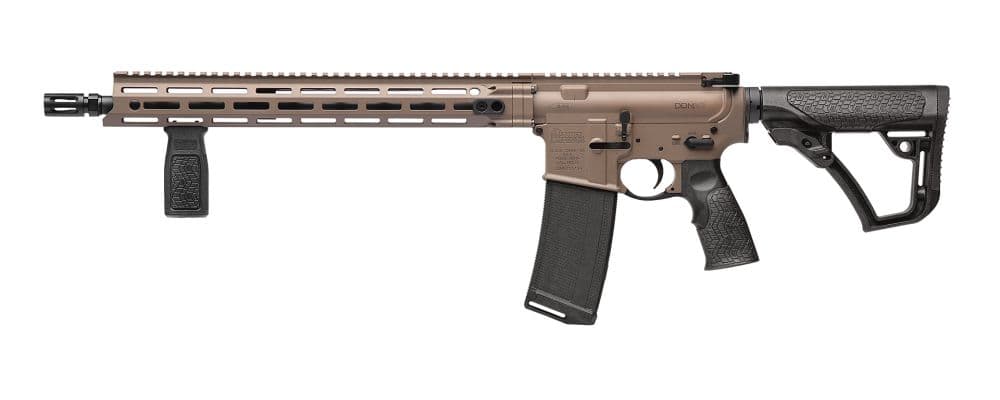
The DDM4 V7 represents the entry point to premium AR-15 ownership. Daniel Defense's cold hammer-forged barrel, proprietary DD furniture, and exceptional fit and finish make this the rifle you buy once and never need to upgrade. The V7 features DD's MFR 15.0 M-LOK handguard with a continuous Picatinny top rail, mil-spec+ internals throughout, and the DD improved trigger with a cleaner break than standard mil-spec. The fit between upper and lower is noticeably tighter than any rifle below this price point -- there's zero play or wobble.
Daniel Defense's quality control is obsessive. They test-fire every rifle before shipping and each one ships with a test target in the box. The chrome-lined, CHF barrel is manufactured in-house at their Black Creek, Georgia facility. DD's buttstock and pistol grip are proprietary but well-designed: the stock has a soft-touch rubber overmold and built-in QD sling mounts. The grip angle is slightly steeper than standard A2, which most shooters find more natural.
The V7 is probably overkill for a first rifle. But if your budget allows it and you want to skip the upgrade cycle entirely, there is no better option. Everything about it works out of the box. The enhanced BCG with chrome-lined carrier runs cleaner and smoother than budget alternatives. The gas system is tuned for reliable cycling across ammunition types without excessive recoil. This is the rifle that makes shooters stop browsing forums for their next upgrade.
Who it's for: Shooters with the budget who want the best possible first rifle with zero compromises. Also for those who know they'll eventually arrive at this tier anyway and prefer to skip intermediate purchases. The DDM4 V7 holds its resale value exceptionally well if you ever decide to sell.
Regardless of which rifle you buy, budget $200-300 for these first upgrades. These accessories have a greater impact on your shooting experience than the difference between a $500 rifle and a $900 rifle.
A quality red dot transforms the shooting experience. Both-eyes-open shooting with a red dot is faster and more intuitive than iron sights for most people. The Holosun 403R (~$150) or SIG Romeo5 (~$120) are excellent budget options with shake-awake technology and proven durability. For a step up, the Holosun 510C (~$260) offers a larger window with circle-dot reticle. Any of these optics will outlast a budget rifle. Don't overthink this purchase -- get a red dot, put it on, and start shooting. You can upgrade to an Aimpoint or EOTech later if you decide you need it. For the best budget-friendly picks from this year, see our SHOT Show 2026 budget finds.
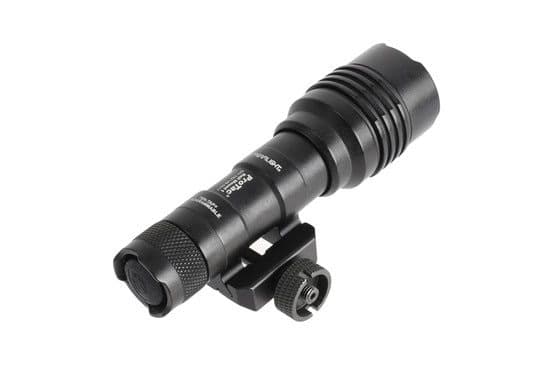
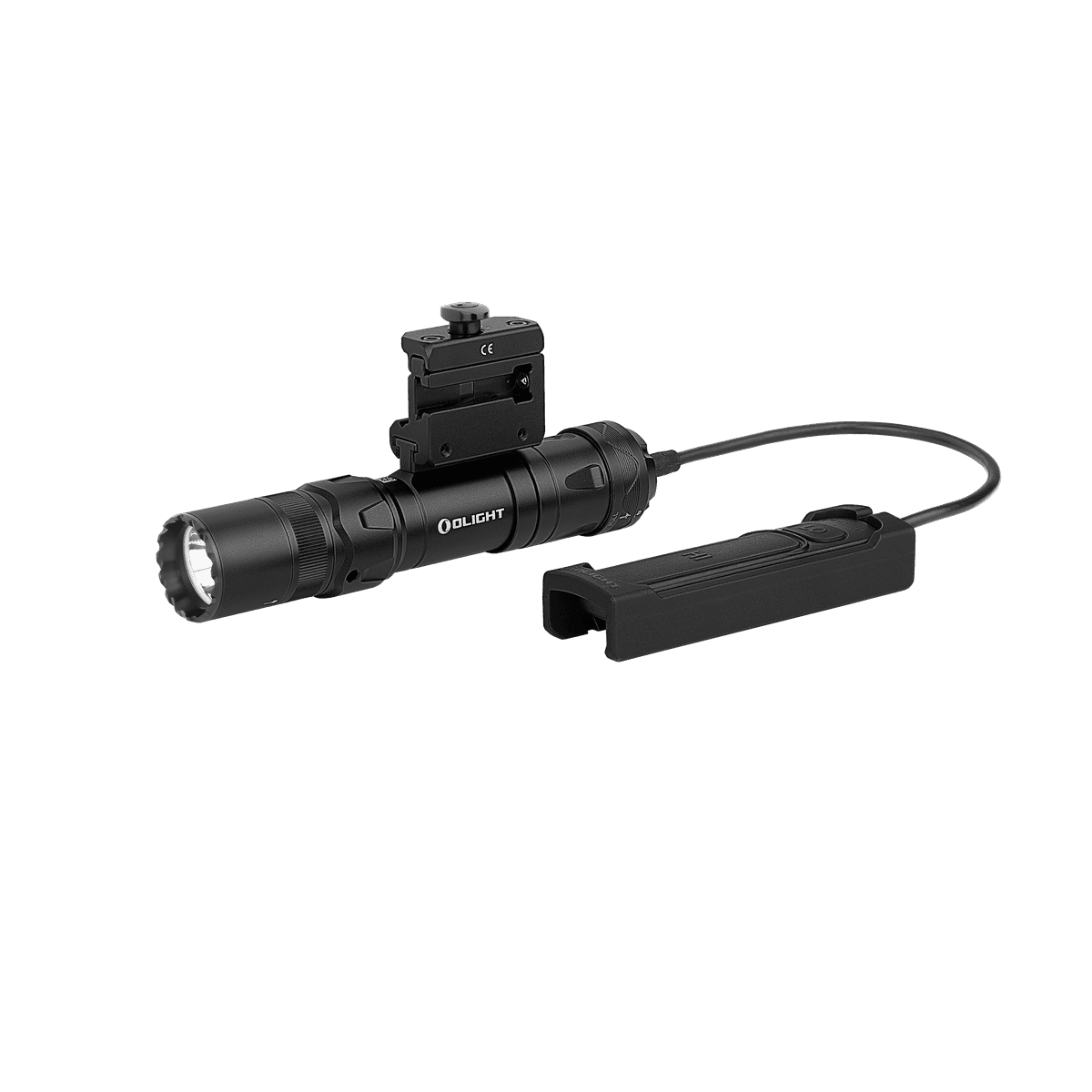
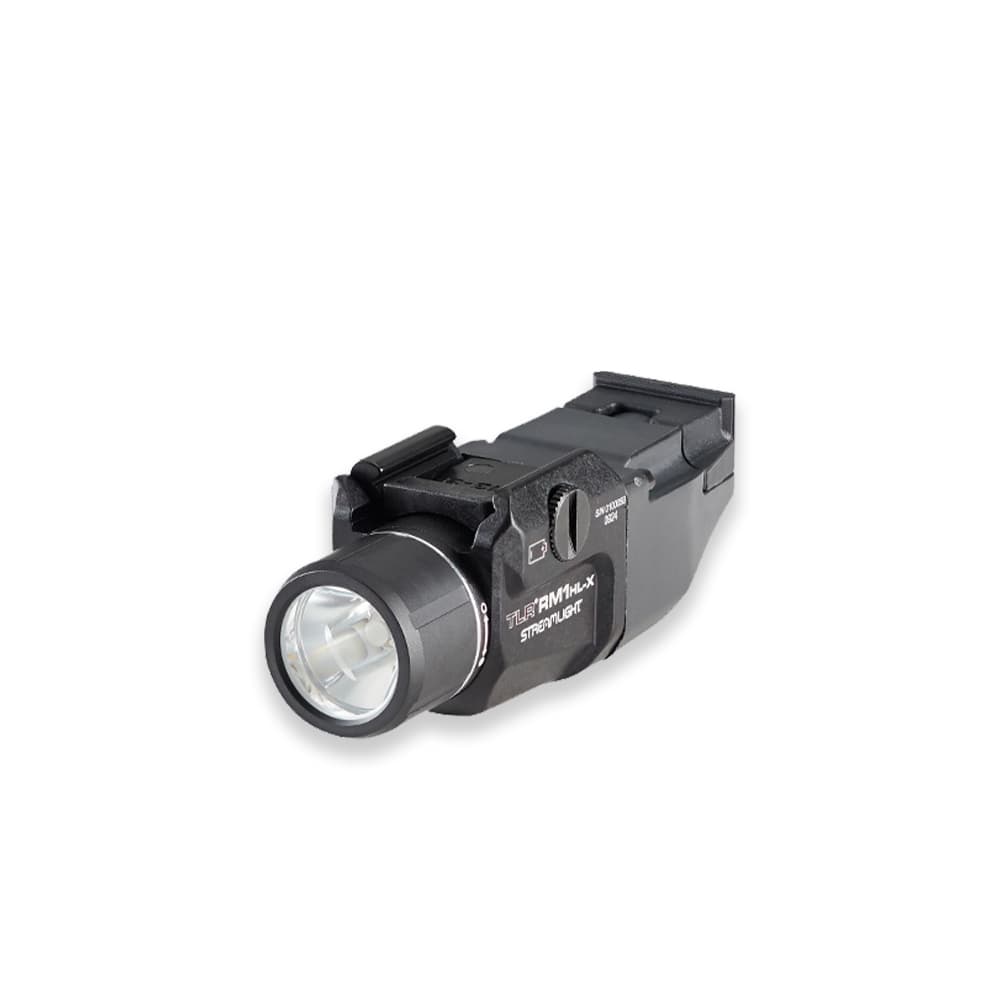
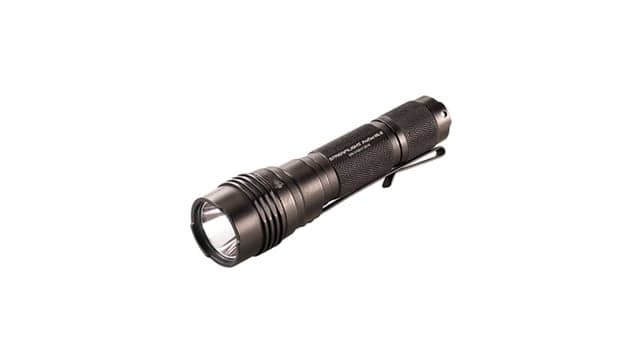
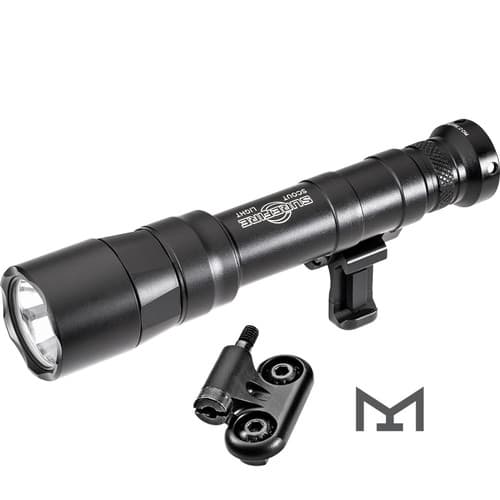
If the rifle has any defensive purpose, a weapon light is mandatory. Positive target identification in low light is a legal and moral requirement. The Streamlight ProTac HL-X (~$100) delivers 1,000 lumens and mounts directly to M-LOK or Picatinny. The Cloud Defensive REIN Micro (~$200) is a more compact option with excellent candela for positive ID at distance. Mount the light on the support-hand side of the handguard where your thumb can naturally activate the switch.
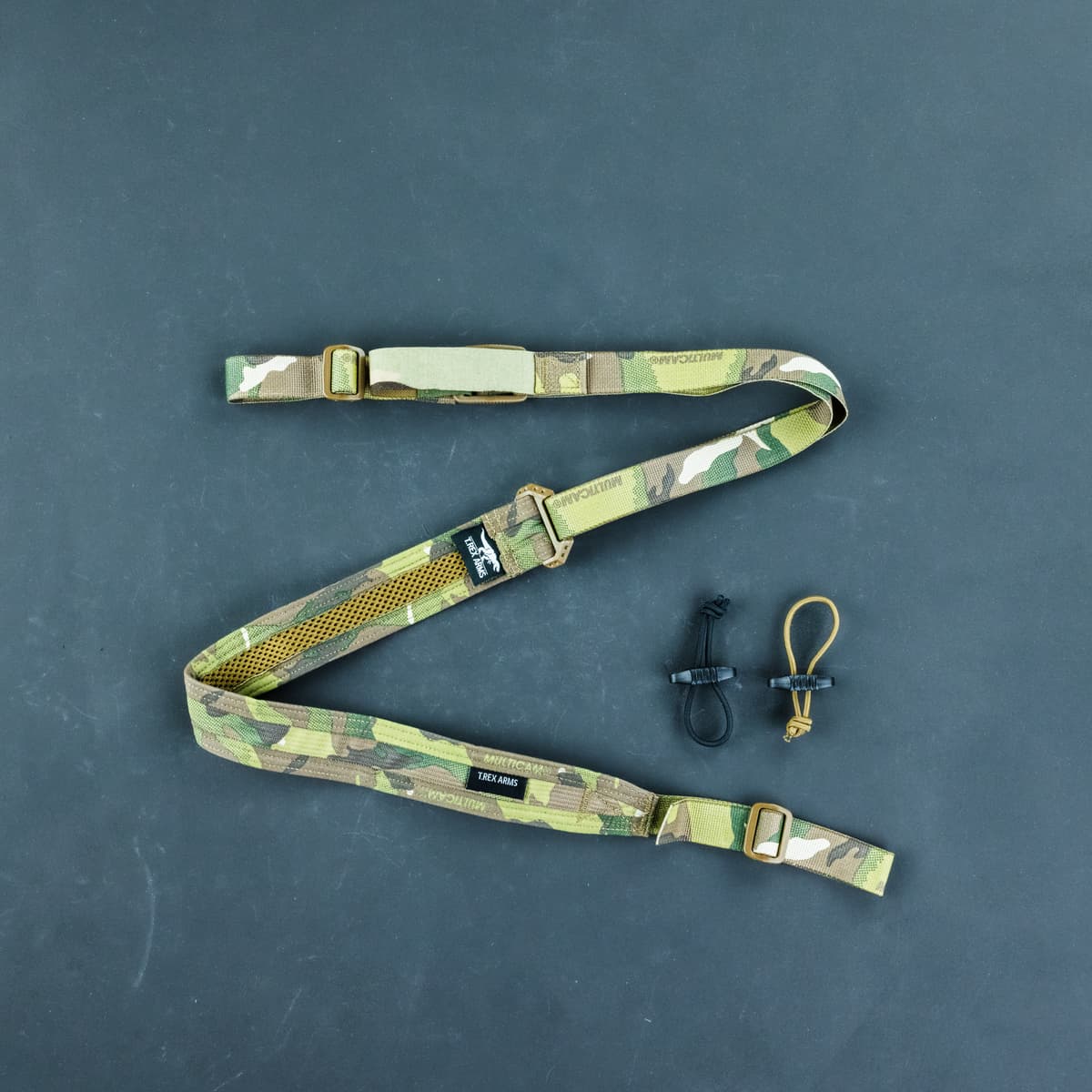
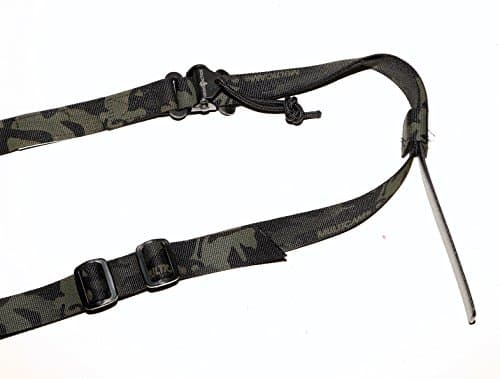
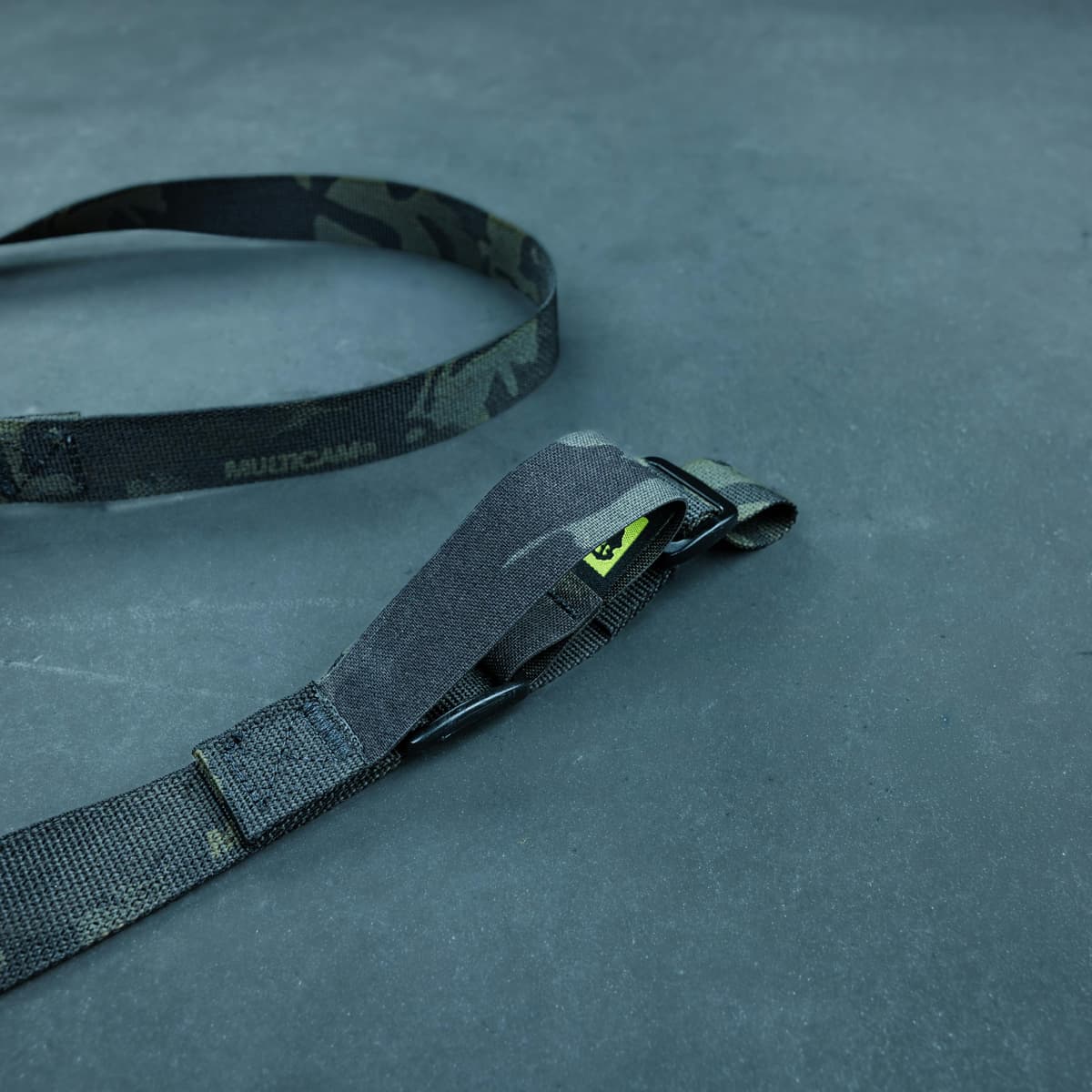
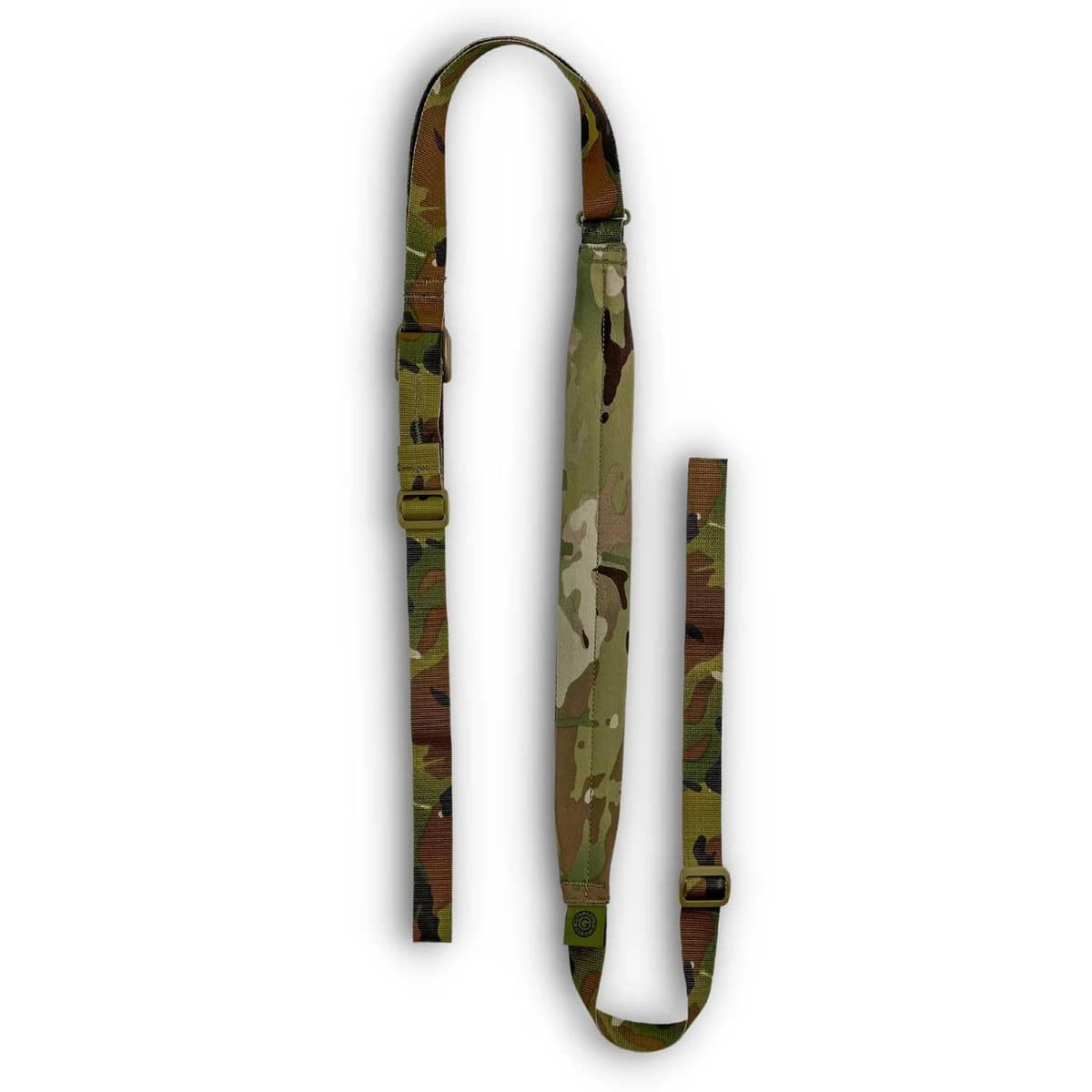
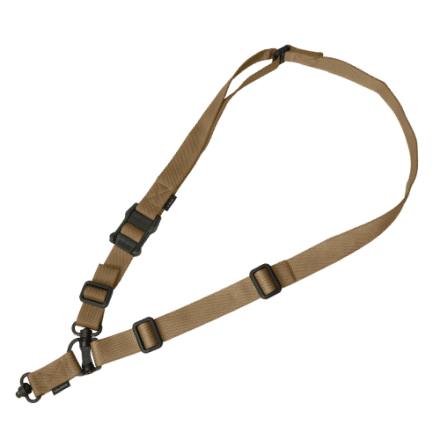
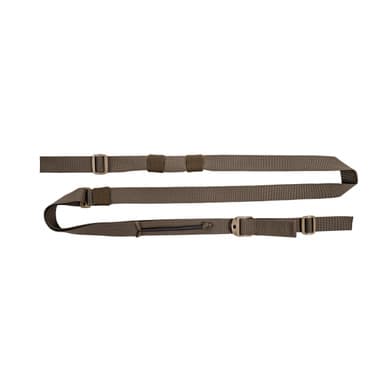
A two-point sling is the "holster" for a rifle. It keeps the weapon secured to your body when your hands are needed elsewhere and enables stable shooting positions. The Magpul MS4 (~$35) is a dual QD sling that converts between single and two-point configurations. The Blue Force Gear Vickers (~$45) and Edgar Sherman Design ESD (~$40) are excellent padded options for extended carry. Attach to QD sling mounts on the stock and handguard.
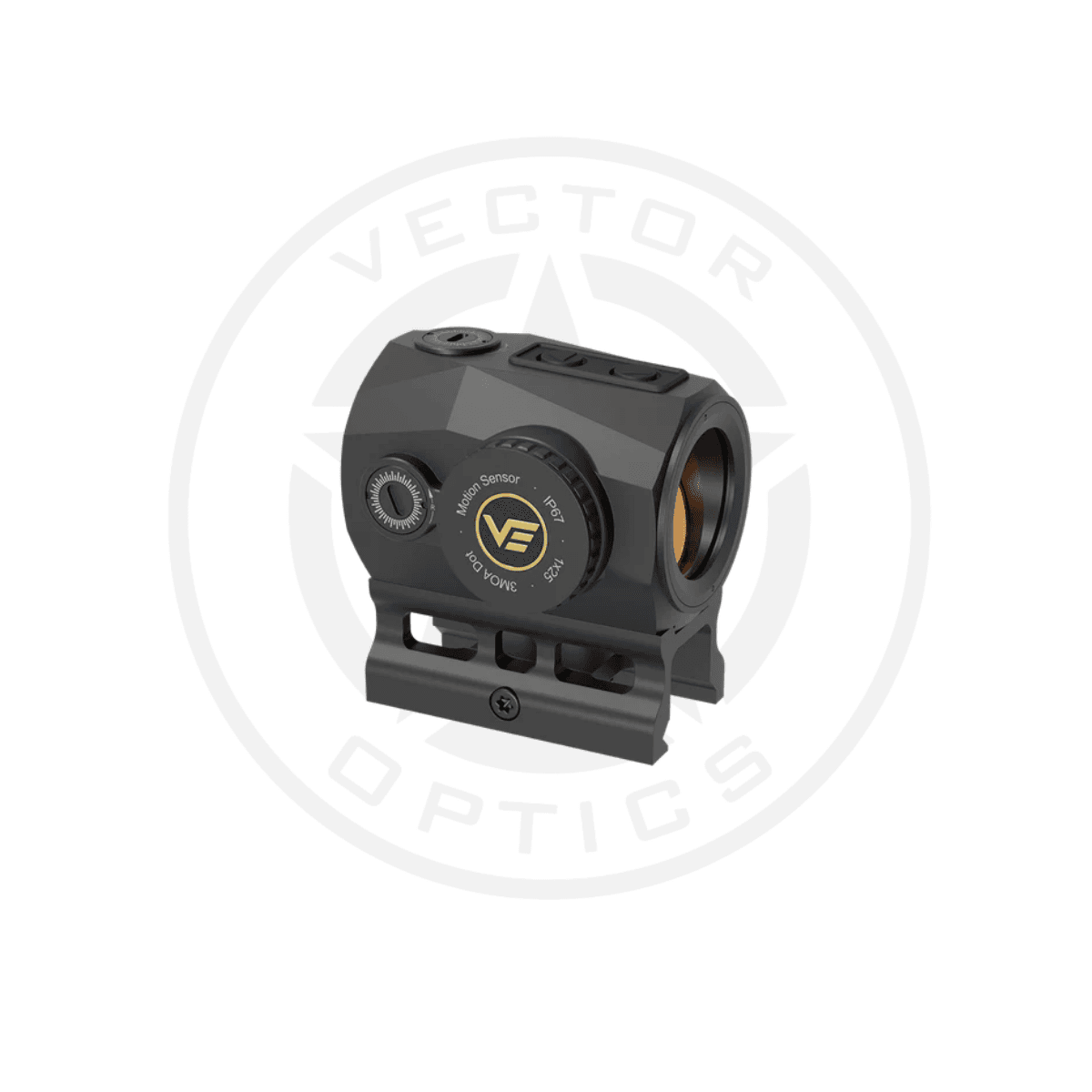
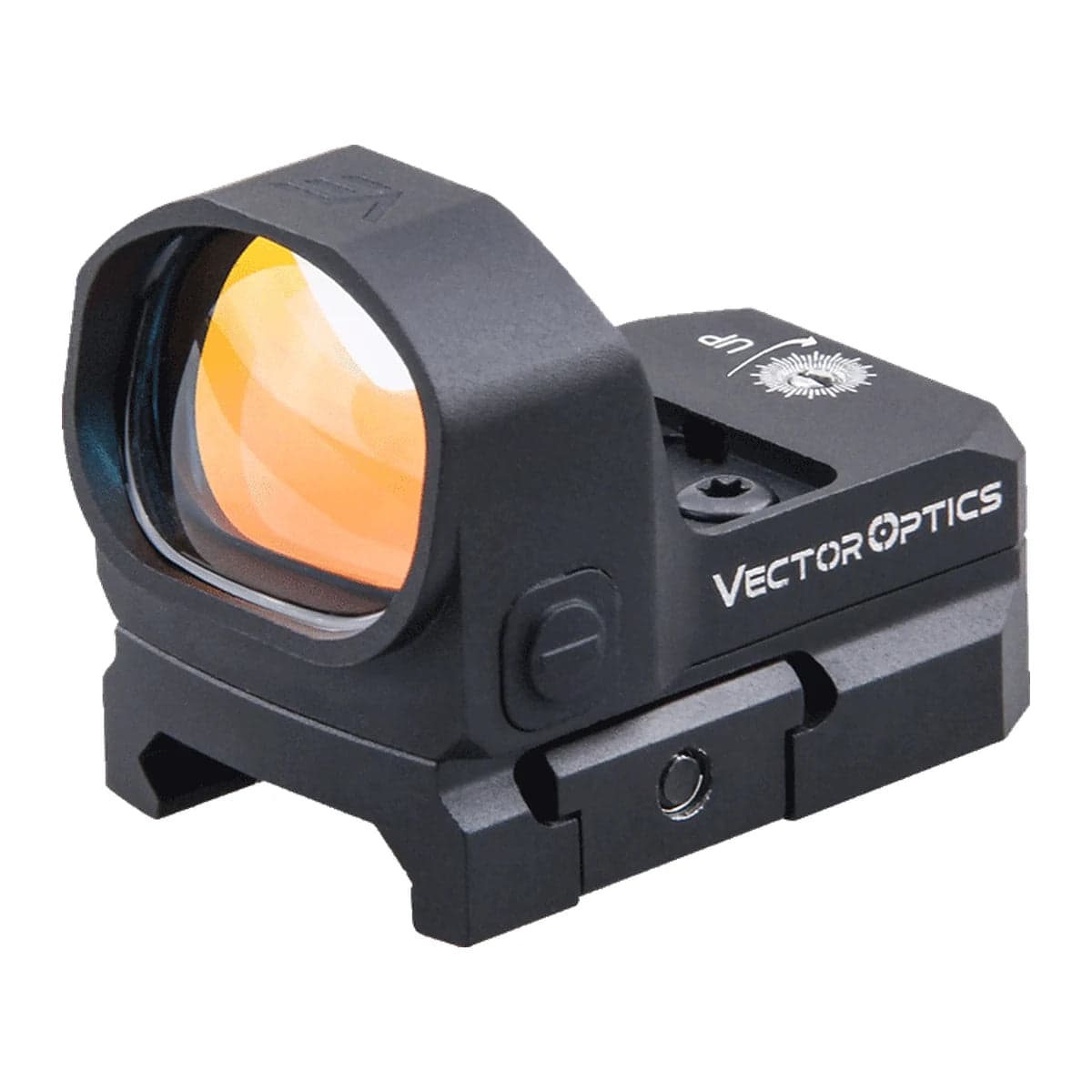
Budget red dot with MOTAC motion activation
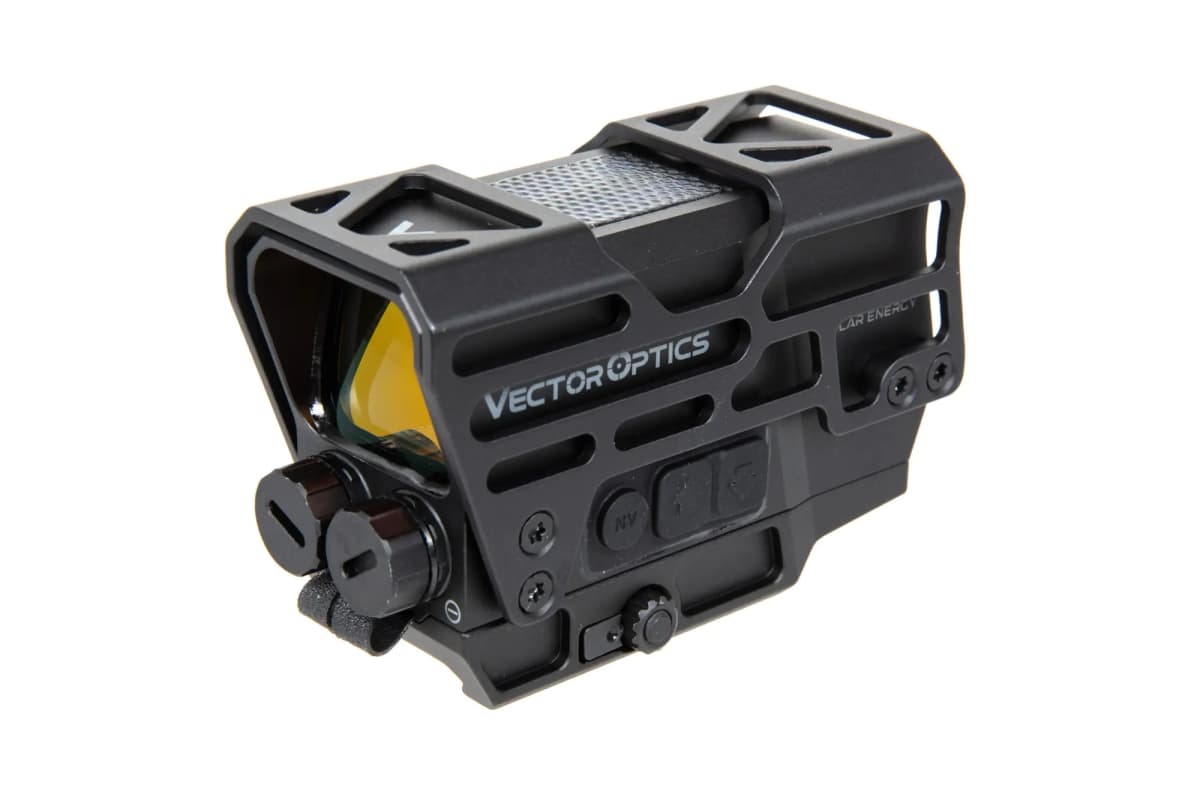
Premium red dot sight with 50,000 hour battery life
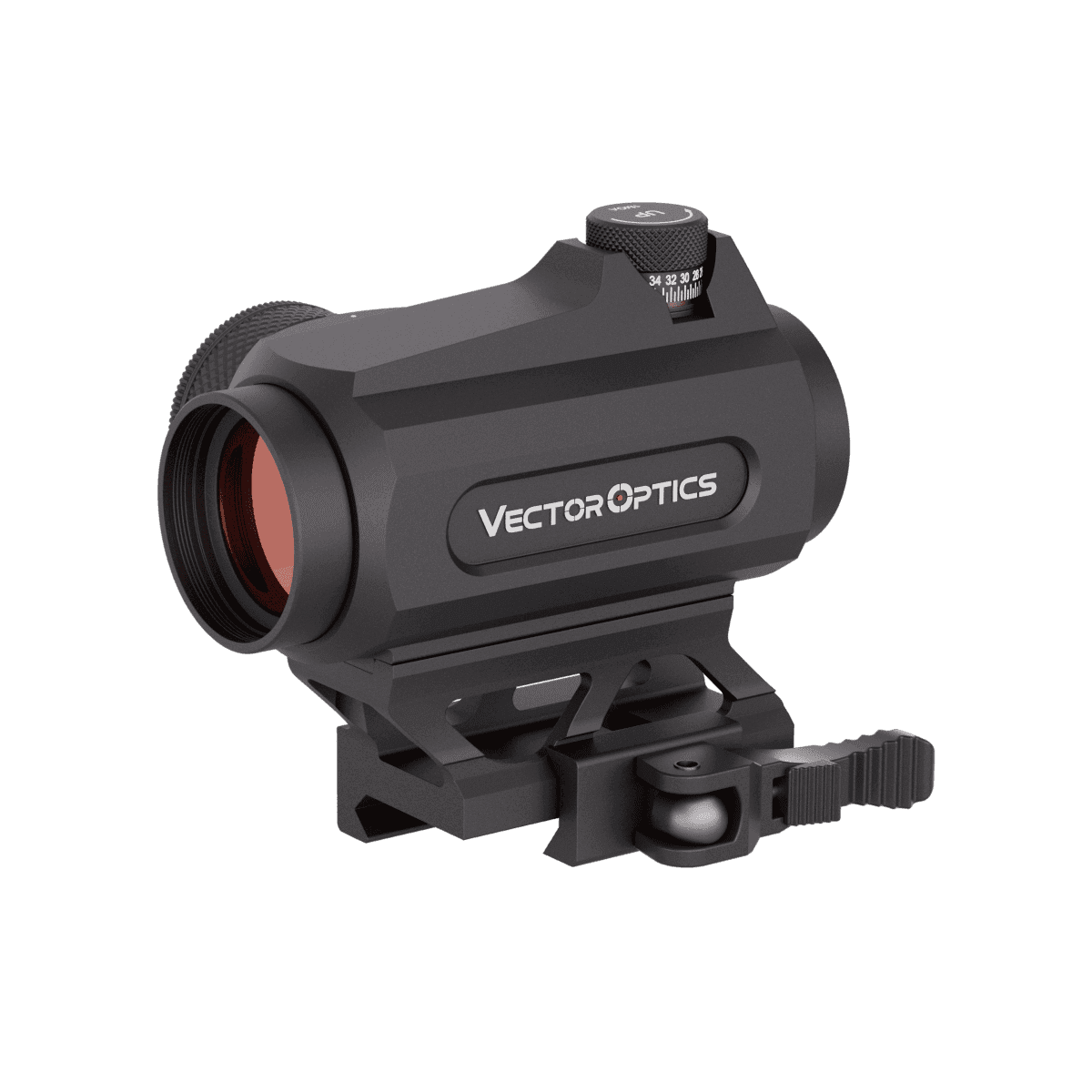
Updated budget red dot with MOTAC shake-awake and improved glass
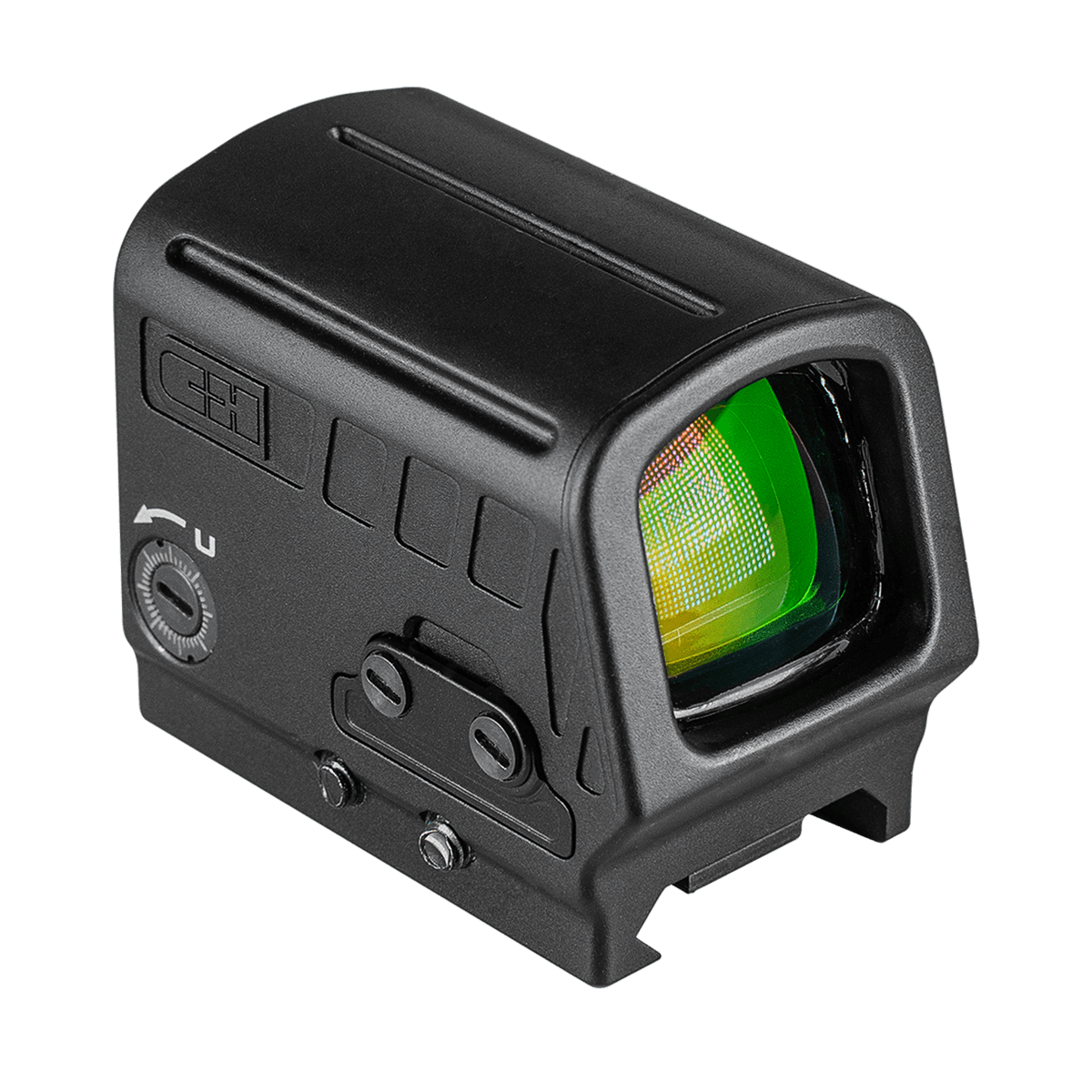
Enclosed reflex sight with advanced optical system and 50% reduced parallax
Value-oriented red dot with Aimpoint reliability and 30,000 hour battery
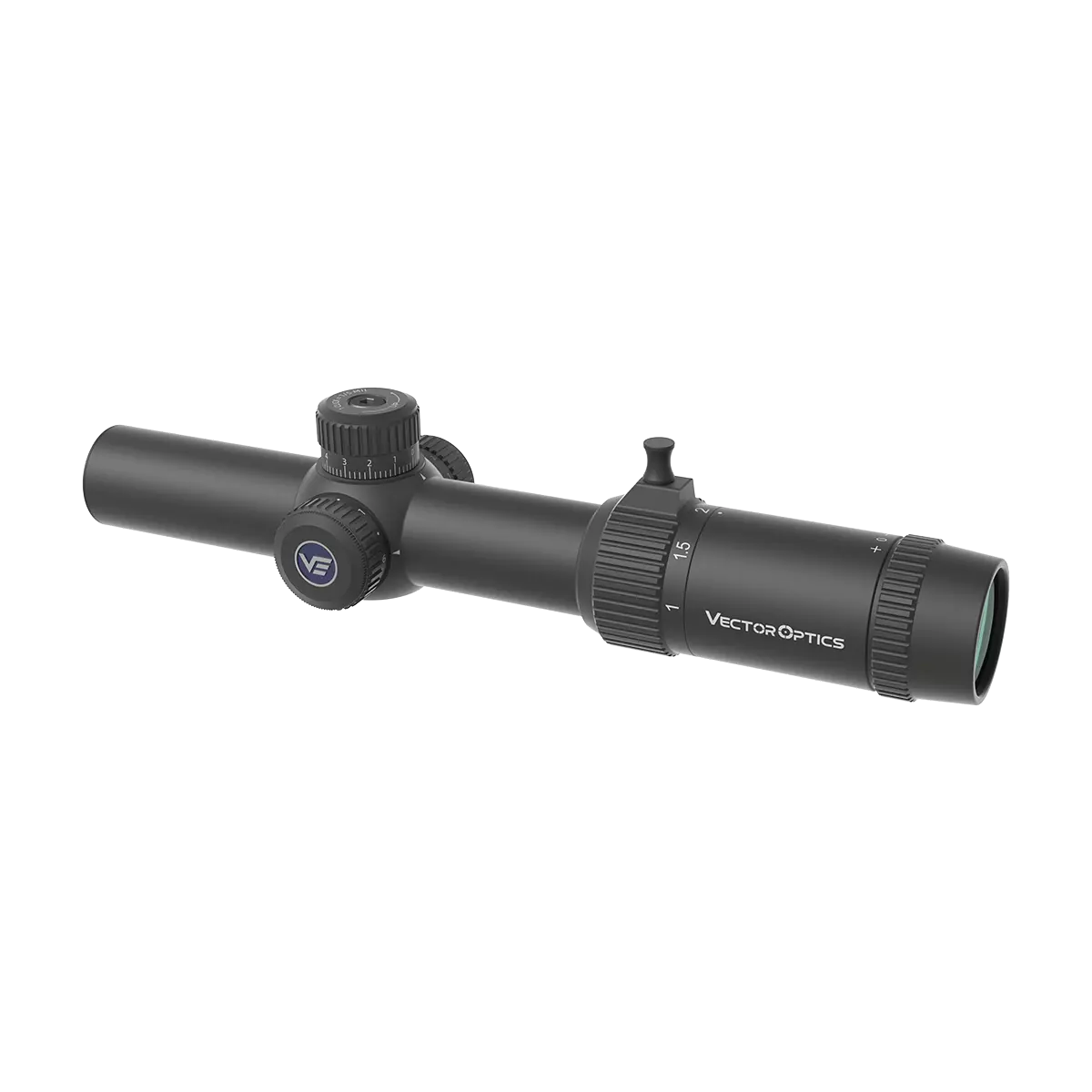
Premium LPVO with exceptional low-light performance
Sub-$400 no-name ARs: Brands like Anderson and Bear Creek Arsenal produce rifles at rock-bottom prices, but quality control is inconsistent. You might get a rifle that runs fine. You might get one with a canted front sight, an out-of-spec gas port, or a bolt that fails MPI. The $100 you save over a PSA PA-15 is not worth the gamble when reliability matters.
"Mil-spec" marketing without specifics: Every manufacturer claims mil-spec. The term is nearly meaningless without specific testing data. Look for explicit mentions of MPI and HPT testing, Carpenter 158 or 9310 bolt steel, and 4150 CMV barrel steel. If a manufacturer's product page lists "mil-spec" without elaboration, they're hiding something.
Proprietary parts: If the handguard, stock, or trigger housing uses proprietary mounting systems, you're locked into one manufacturer's ecosystem for future upgrades. Stick with mil-spec receiver extensions, M-LOK accessory mounting, and standard AR-15 fire control group dimensions. The AR-15's greatest strength is its modularity -- don't buy a rifle that defeats it.
Buying accessories before the rifle: Don't spend $500 on an optic for a $400 rifle. Get the best rifle you can afford first, then add accessories over time as your budget allows. A $499 PSA with iron sights outperforms a $350 no-name with a $150 optic mounted on a shaky rail.
Weekly coverage of new products, hands-on reviews, and build guides to help you get the most from your first AR-15.
The AR-15 market in 2026 offers exceptional value at every price point. The rifles on this list are ordered by price, but any of them will serve a beginner well. The PSA PA-15 proves you don't need to spend a fortune to get a fundamentally sound rifle with a cold hammer-forged barrel and tested BCG. The BCM RECCE-16 proves that "duty grade" doesn't have to mean inaccessible pricing. And the Daniel Defense DDM4 V7 delivers a level of fit, finish, and quality control that justifies its premium for shooters who want to skip the upgrade cycle entirely.
Whatever you choose, invest in training. A $499 rifle in practiced hands outperforms a $2,000 rifle shot twice a year. Budget for ammunition -- at least 500 rounds to start -- and take a basic carbine course if one is available in your area. Practice the fundamentals: grip, stance, sight picture, trigger control. The rifle is just the tool. Your skill is what makes it effective.
Use our Interactive Builder to configure your AR-15 with real-time compatibility checking, or browse our Component Catalog to compare specific parts. If you're looking for a step-by-step walkthrough of the entire build process, our Build Your First AR guide covers everything from lower assembly to zeroing your optic.
Continue exploring with these related resources

Head-to-head comparison of the AR-15 and AK-47 covering operating systems, caliber ballistics, accuracy, reliability, ergonomics, customization, and cost of ownership. Find which rifle platform is right for you.

Top 10 AR-15 rifles ranked by price tier: Budget under $800 (PSA, S&W), mid-tier $800-$1,600 (Aero, BCM), and premium $1,600+ (Daniel Defense, Geissele, LMT, KAC). Reliability data, accuracy testing, and value analysis.

Best AR-15 brands ranked by quality tier: PSA, Aero Precision, BCM, Daniel Defense, Geissele, LMT, and KAC compared on QC, reliability, support, and value. Honest data from budget to organizational grade.
This page contains affiliate links. Purchases through these links support the site at no extra cost to you. Learn more
Related articles and industry updates

Complete comparison of forced reset triggers and super safeties for AR-15: Partisan Disruptor FRT, Arc Fire, Atrius FRS, and Mars Super Safety. Performance, pricing, legality, and which system fits your build.

The Atrius FRS is a drop-in forced reset selector that delivers rapid semi-auto fire at $249. Unlike FRT triggers, it works with your existing mil-spec FCG and reduces rifle wear.

Everything that matters from SHOT Show 2026: computational optics from Maztech and Revic, the suppressor boom, rifles from Geissele and Noveske, PSA's modular AXR ecosystem, and 30+ product announcements.