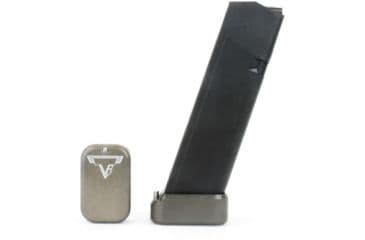
Magazines & Feeding • $39.99
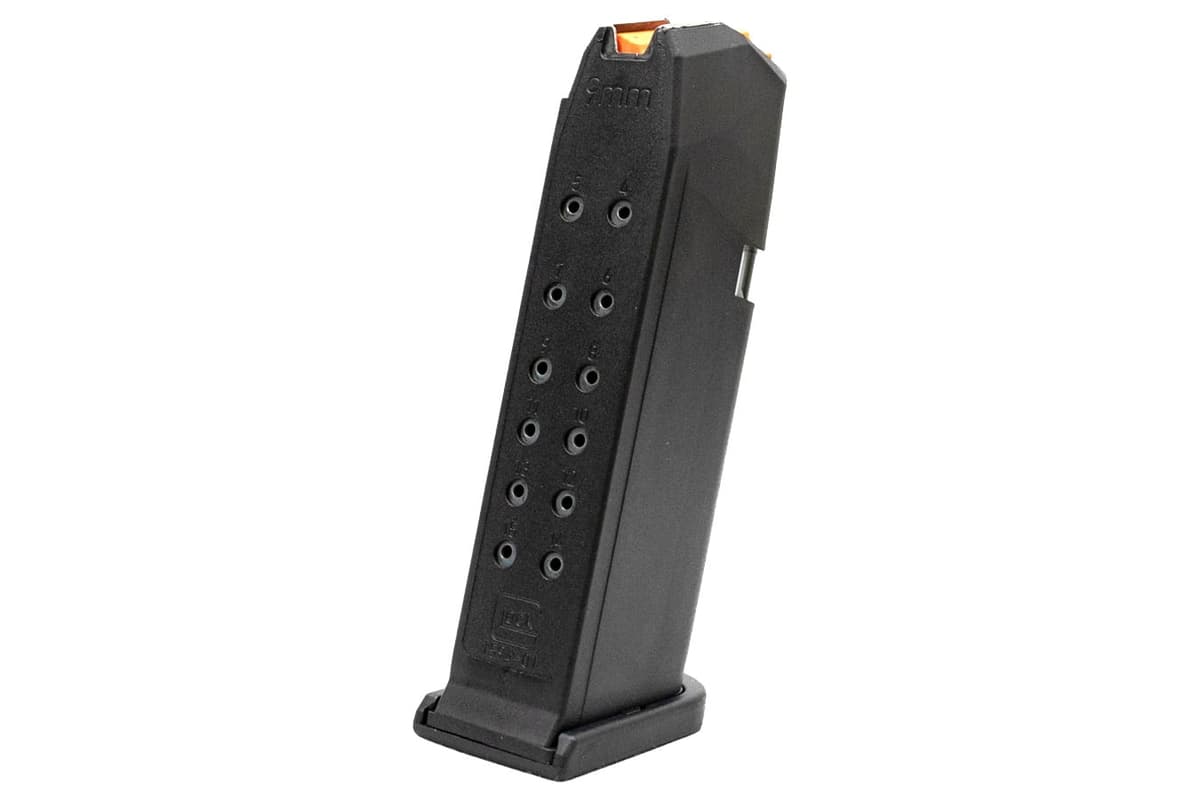
TTI Firepower Base Pad +5/+6 (Glock 17/22/34)
- +6 rounds (9mm) / +5 rounds (.40)
- CNC 6061 aircraft aluminum
$39.99
View at OpticsPlanet
Enter the stage target counts, your division, and your magazine capacity. The planner returns the total rounds you need with makeup margin, how many reloads the stage takes, how many mags belong on your belt, and a per-mag round budget. USPSA divisions only for now; the capacity caps come from the March 2026 rulebook.
141.25mm (5.561") max magazine length. External magwells are banned in Carry Optics.
18 rds
17 rds
3 magazines (2 needed + 1 spare)
4 magazines total
Division-max basepads raise capacity to roughly 23 rounds and can cut a reload from this plan. Recommendations below.
Division capacity and magazine length rules: USPSA Competition Rules, March 2026 edition, Appendix D1-D9. External magwells are not permitted in Carry Optics.
The minimum round count is paper targets times required hits (two on nearly every paper target) plus one round per steel. A 12-paper, 8-steel field course is 32 rounds, which is also the USPSA course design maximum for a single stage. On top of the minimum, the planner budgets makeup shots at 10 percent by default, rounded up, with at least one extra round on any stage with steel. Steel must fall to score, and a popper that takes a second hit is the most common reason a stage plan dies. If you want to know how many magazines you need for a USPSA match, run your club's worst stage through the planner; the answer for most divisions is the reload count plus two.
The barney round matters more than it looks. Starting at capacity plus one turns a 23-round Carry Optics mag into 24 at the buzzer, which on a 36-round plan is the difference between a comfortable single reload and stretching the last magazine to its final round. The belt recommendation follows the standard convention: the reloads the stage needs, plus one spare you never plan to touch. Reshoots, squibs, and fumbled reloads happen; the spare is not optional equipment. Your ammo floor still has to pass chrono, so check your load with the power factor calculator and price a season of practice ammo with the reloading cost calculator.
Every limit below comes from the USPSA Competition Rules, March 2026 edition, Appendix D1 through D9. The big changes of recent years are settled: Production has been 15 rounds per magazine since February 2024, and external magwells remain banned in Production and Carry Optics.
| Division | Mag Length | Loaded Rounds | External Magwell |
|---|---|---|---|
| Open | 171.25mm (6.742") max magazine length | No limit | Allowed |
| Limited | 141.25mm (5.561") max magazine length | No limit | Allowed |
| Limited Optics | 141.25mm (5.561") max magazine length | No limit | Allowed |
| Limited 10 | 141.25mm (5.561") max magazine length | 10 max | Allowed |
| Production | No magazine gauge; handgun box applies | 15 max | Banned |
| Carry Optics | 141.25mm (5.561") max magazine length | No limit | Banned |
| Single Stack | Magazine must fit the Single Stack box | 8 Major / 10 Minor | Allowed |
| Revolver | Not applicable | 6 Major / 8 Minor | Allowed |
| PCC | No magazine length or capacity limit | No limit | Allowed |
Run the math before buying: in Carry Optics or Limited Optics, moving from 17-round factory mags to 23-round 140mm setups turns a two-reload field course into one reload, and that is worth roughly a second of match time per stage. A Taran Tactical or Dawson basepad on a Glock 17 magazine gets to 23 rounds and still passes the 141.25mm gauge. In Production and Limited 10 the caps make basepads pointless for capacity; spend the money on more magazines instead. On a 32-round field course with a 10 percent makeup budget and a barney round, the 15-round Production cap forces two reloads (four mags to the line including the spare) and the 10-round Limited 10 cap forces three (five mags), so an inventory of five to six mags covers reshoots and a dropped mag without reloading dirty ones. Full ranking in the Glock magazine extensions and basepads guide, and division-legal gun picks in the competition pistol guide and Carry Optics pistol guide.
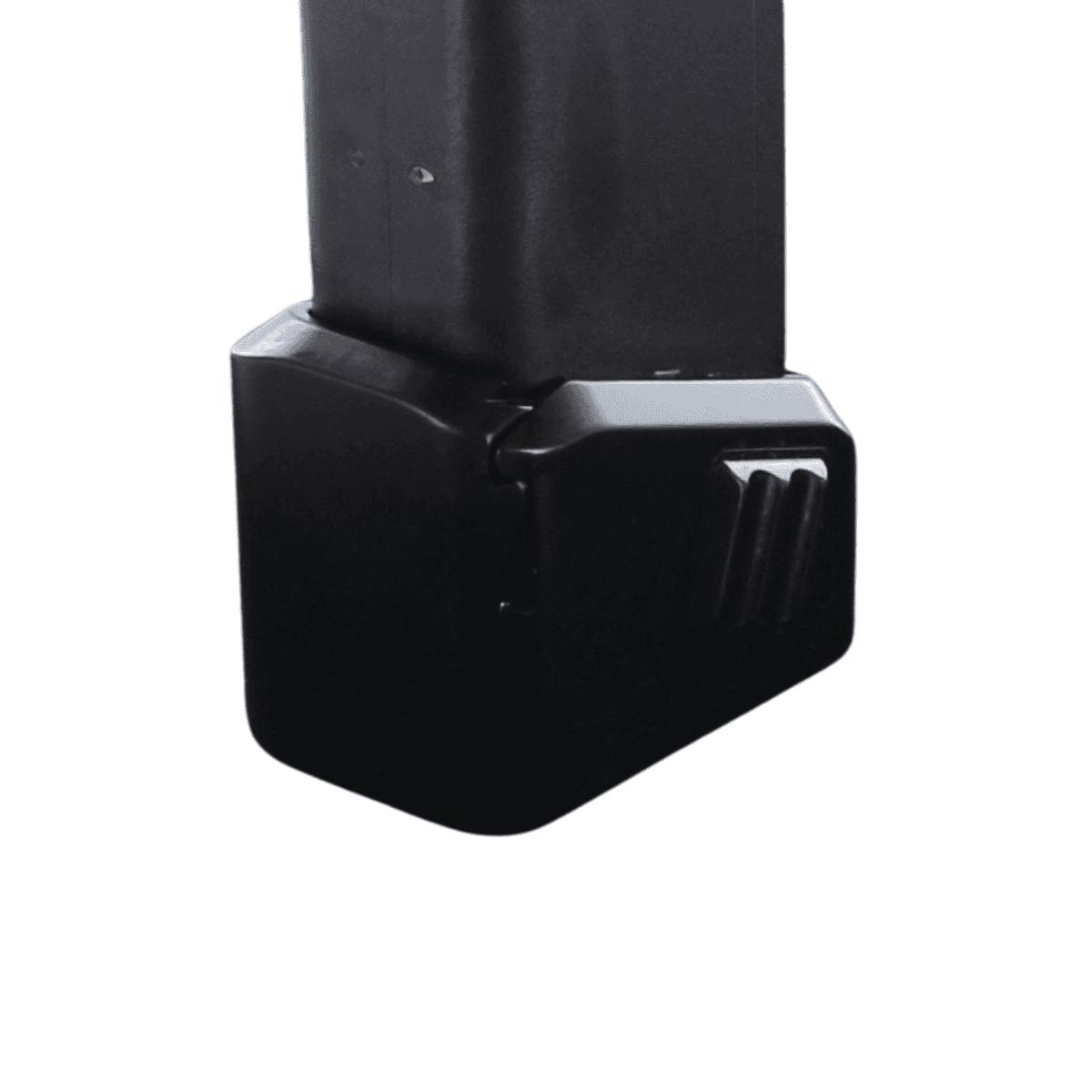
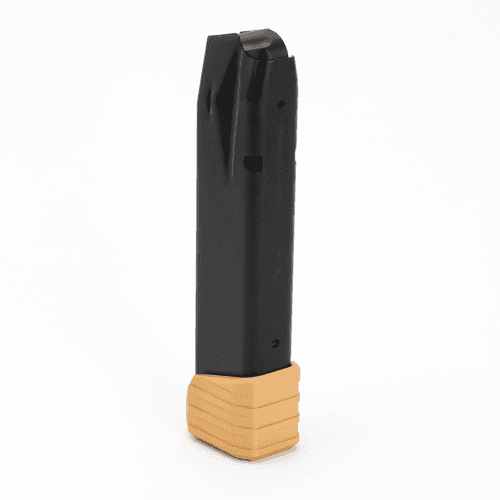
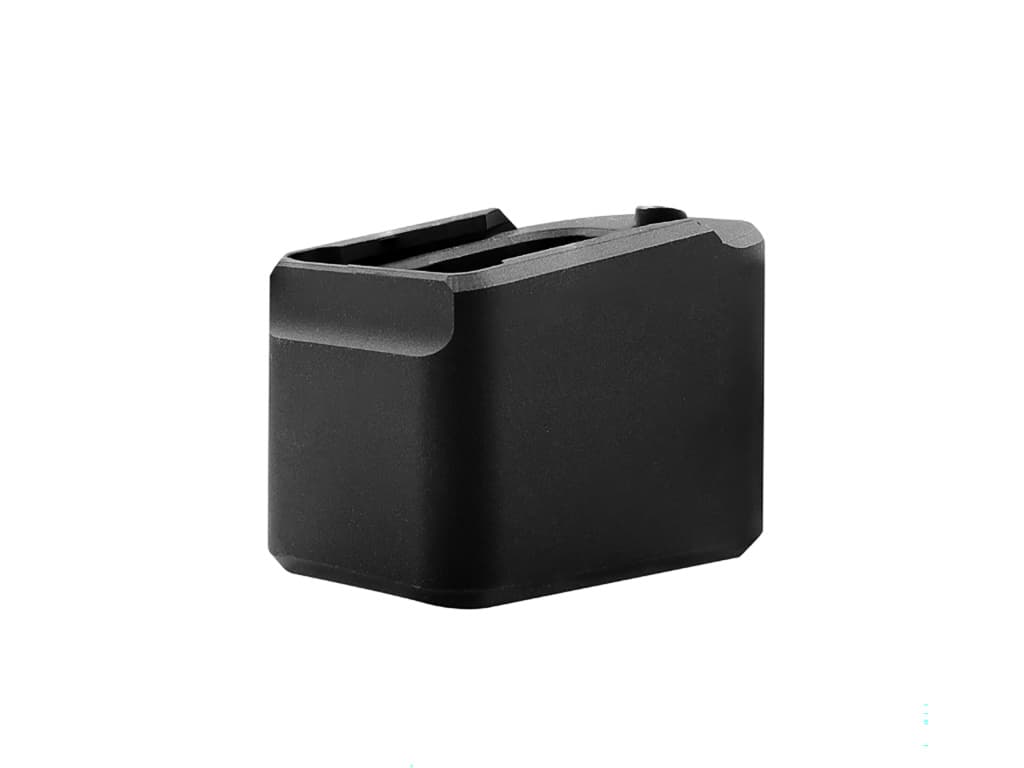
Affiliate links (?)
A stage plan is only as good as the reload it depends on. A competent competition reload runs 1.2 to 1.5 seconds; if yours is over 2 seconds, an extra planned reload costs you more than a slightly riskier one-reload plan would. Drill it dry, then confirm on the timer with the reload drills in our drill library, and measure your actual splits and reload gaps from match video with the shot timer video annotator.
Count the stage rounds first: paper targets times required hits (usually 2) plus one per steel. A typical 32-round field course in Carry Optics with 23-round magazines needs one reload, so two mags used plus one spare on the belt, three total. Single Stack Major on the same stage runs 8-round magazines, which means four reloads and six magazines brought to the line. Most competitive shooters run four to six mag pouches regardless of the stage, so a squib, a bad reload, or a reshoot never leaves them short.
Limited, Limited Optics, Limited 10, and Carry Optics cap magazine length at 141.25mm (5.561 inches), measured in the official USPSA magazine gauge. Shooters call these 140mm mags because most competition basepads are marketed as 140mm and sit just under the gauge limit. A 140mm setup holds around 23 rounds of 9mm on a Glock 17 magazine with an extended basepad, or about 20 rounds of .40 in a 2011 magazine. Open division gets 171.25mm (6.742 inches), the 170mm big stick, which runs 27 to 29 rounds of 9mm.
15 rounds per magazine, regardless of how many the magazine physically holds. USPSA raised the Production limit from 10 to 15 effective February 1, 2024, matching IPSC Production, and the 15-round cap is unchanged in the March 2026 rules. Limited 10 still caps at 10 rounds, and Single Stack caps at 8 rounds for Major power factor or 10 for Minor.
A barney round is the extra round you chamber before inserting a full magazine, so you start the stage at capacity plus one. The name comes from Barney Fife, who famously carried a single bullet. Load a round from a spare magazine (the barney mag), swap in a full mag, and a 23-round magazine setup starts the stage with 24. On tight round-count stages that one round is regularly the difference between finishing on your plan and an emergency reload at slide lock.
No. The March 2026 USPSA rules ban OFM and aftermarket external magwells in both Production (rule 22.4 of Appendix D4) and Carry Optics (rule 22.3 of Appendix D7). Opening up the internal magwell dimensions is allowed in both. Open, Limited, Limited Optics, Limited 10, and Single Stack all permit external magwells.
Budget about 10 percent of the stage's minimum round count, rounded up, and never less than one extra round on any stage with steel. Steel must fall to score, so a mini popper edge hit that does not go down costs you a makeup round every time. On a 32-round field course that is 3 to 4 extra rounds. If your plan has zero spare rounds in the last magazine, one miss forces an unplanned reload, which costs far more time than carrying the margin.
32 minimum rounds. USPSA course design rules cap long courses at 32 rounds, which is why the 32-round field course is the worst case to plan against. Medium courses cap at 24 rounds and short courses at 12. If your target count math exceeds 32 required rounds for a single stage, recount the targets; combined with makeup shots you can still fire more than 32, but the stage cannot require more.
For competitiveness, yes. Open allows 171.25mm magazines and nearly every Open shooter runs 170mm big sticks holding 27 to 29 rounds of 9mm major, which turns most 32-round field courses into one-reload stages and many mediums into no-reload stages. A common Open belt is one big stick in the gun, two or three on the belt, and a shorter 140mm mag for unloaded-start stages where the gun starts flat on a table.
Use the Configurator to spec a division-legal setup, from the platform down to the optic, trigger, and the magazines your ruleset allows.
Launch Configurator