Key Takeaways
- →Reasonable reliability: 500 rounds of mixed ammo with no failures to fire or eject, once the gun was past its break-in.
- →Break-in trigger: The trigger intermittently failed to reset in the first few hundred rounds, leaving a dead gun that needed a tap-rack. A quality carry pistol should not.
- →Quality slips: The larger backstrap would not snap in flush, and the magazine follower dislodges if a mag hits dirt. Neither happens on a Glock.
- →You cannot beat physics: Better to shoot than a stock 43X, but a 19.7 oz micro-9 still snaps. A Glock 19, or a 43X with a Ramjet comp, runs flatter.
- →Verdict: Pleasant to carry and decently built, but pricey at $699 and short of the HK standard the badge promises.
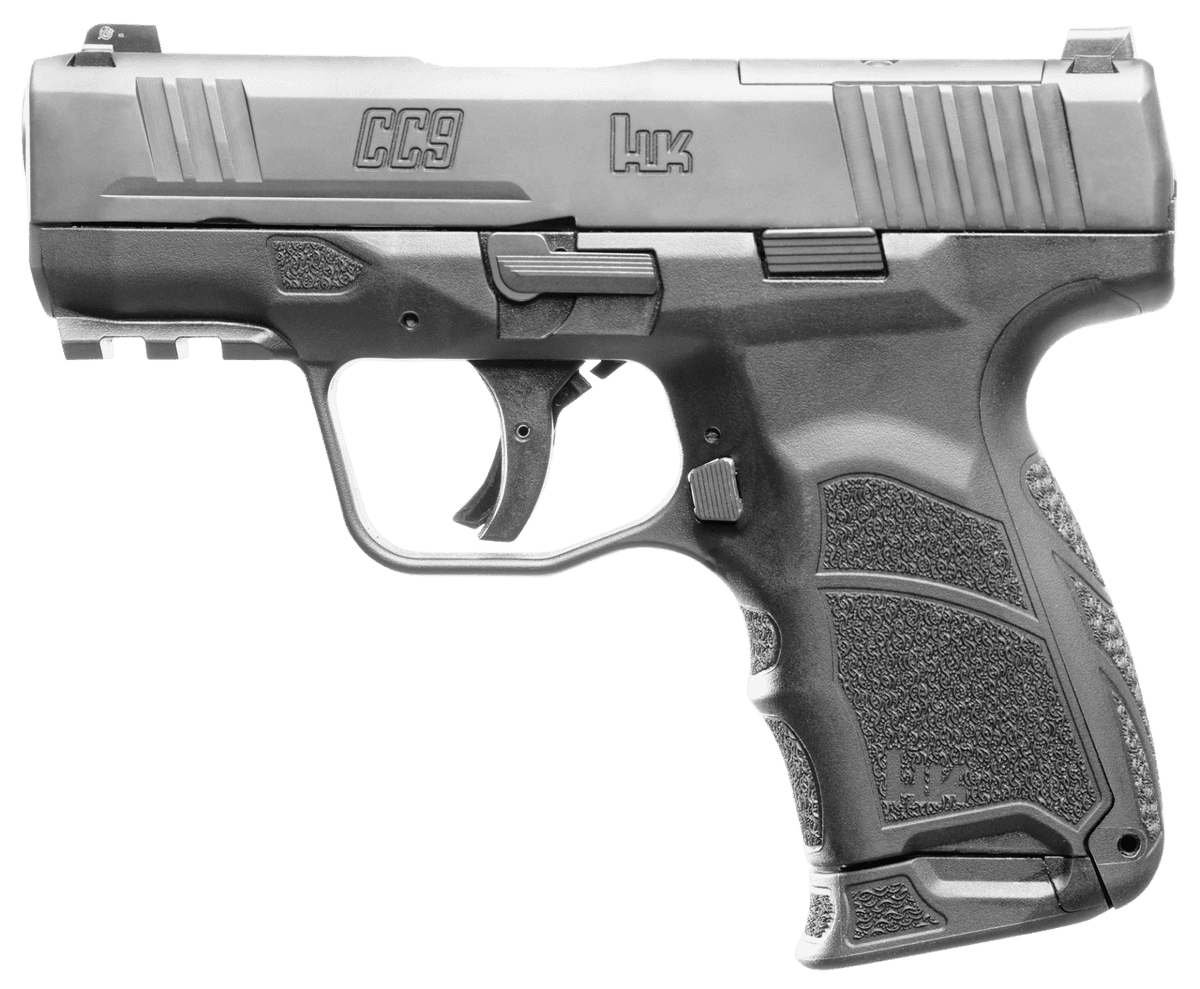
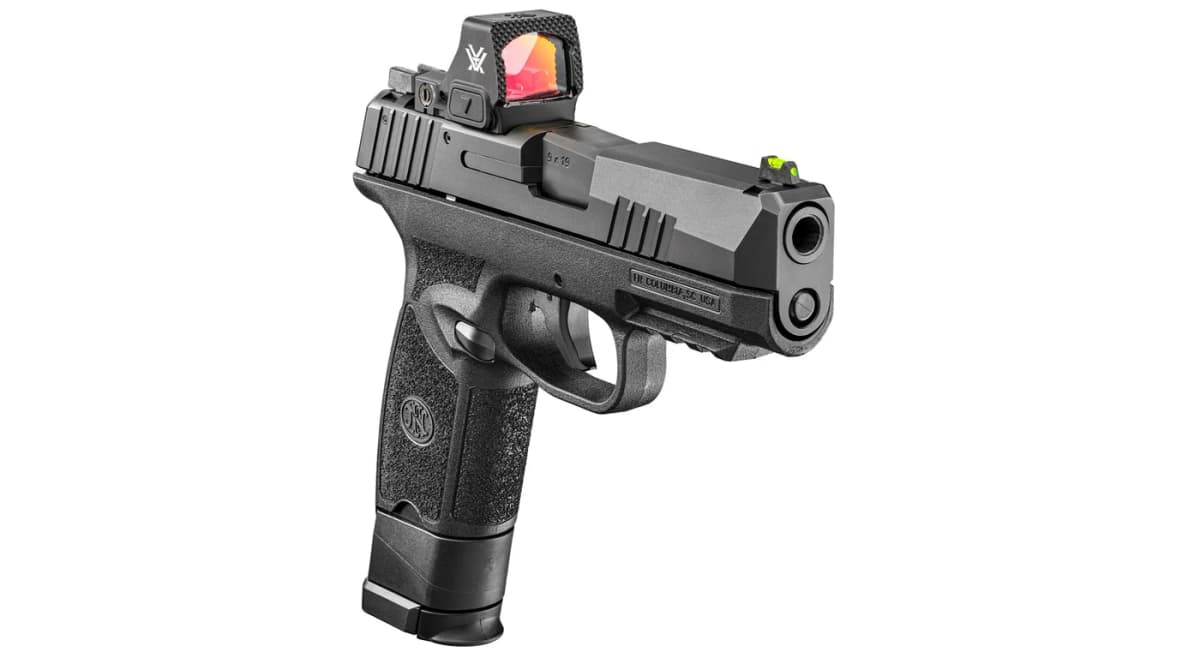
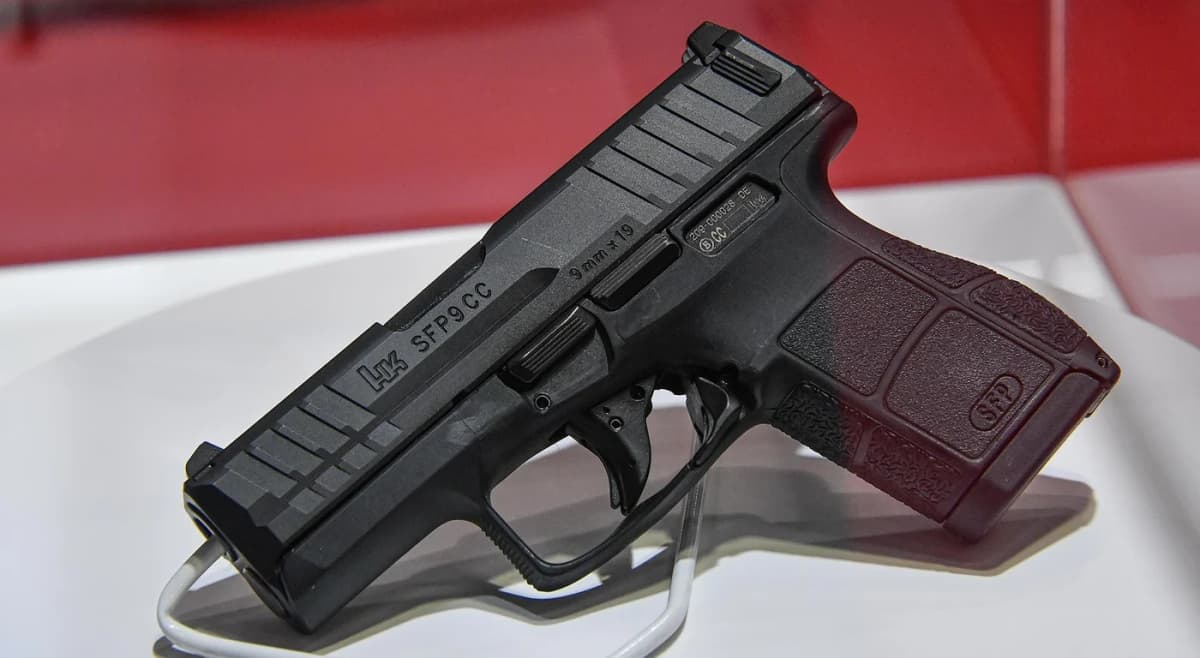
HK CC9
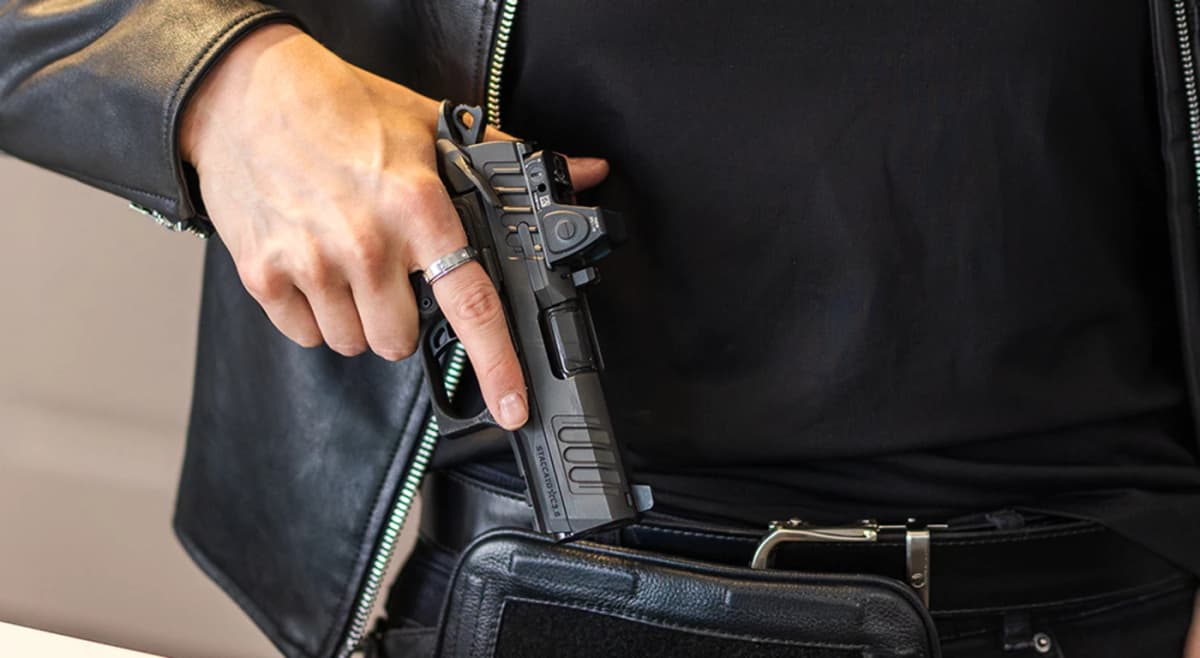
HK's first US-made micro-compact: optic-ready, ambidextrous, +P rated, two mags included
HK's first micro-compact and first U.S.-made pistol; double-stack 10+1/12+1 with factory Holosun K / RMSc-pattern cut
- +Direct-milled optic cut seats a K-footprint dot low with no adapter plate
- +Both flush and extended magazines included from the factory
- +Ambidextrous controls and modular chassis are factory standard, not paid upgrades
- −New magazine pattern, no cross-compatibility with the VP9 family
- −Thin holster and aftermarket support at launch versus the P365 ecosystem
- −No factory threaded barrel option for suppressor users
Affiliate links (?)
Reasonable Reliability, With an Asterisk
Live-fire reliability was the CC9's strongest showing. Across roughly 500 rounds of mixed practice and defensive 9mm, the pistol fed, fired, and ejected without a single failure to fire or failure to eject. The cold-hammer-forged, +P-rated barrel and DLC slide are genuine HK strengths, and the gun never choked on ammunition.
The asterisk is the trigger. During the first few hundred rounds, the trigger intermittently failed to reset fully, leaving the gun in an odd dead state that required a tap-rack-bang to get running again. It diminished as the gun broke in and largely disappeared by the back half of the round count. That is the problem: there should be no break-in period on a supposed quality firearm. HK markets the CC9 as the product of seven years and over 750,000 rounds of development. A striker-fired carry pistol at this price should reset its own trigger correctly from round one, the way a Glock or a P365 does. If you carry a CC9, shoot it hard before you trust it.
Where the Quality Slips
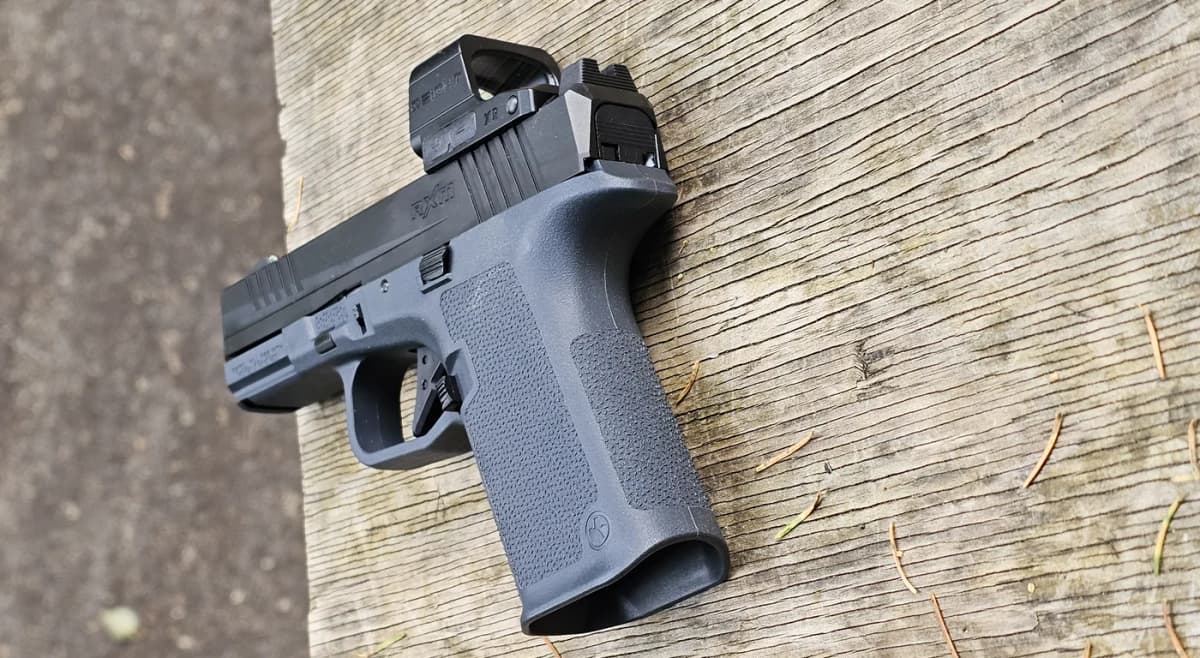
Two fit-and-finish issues stand out, and both are the kind of thing the HK reputation is supposed to rule out. First, the backstrap. The CC9 uses an interchangeable backstrap system, and after installing the larger module it did not fit the body of the frame properly and would not snap in completely. A backstrap that does not seat flush is a tolerance problem, and it is not something I have ever run into swapping a Glock backstrap.
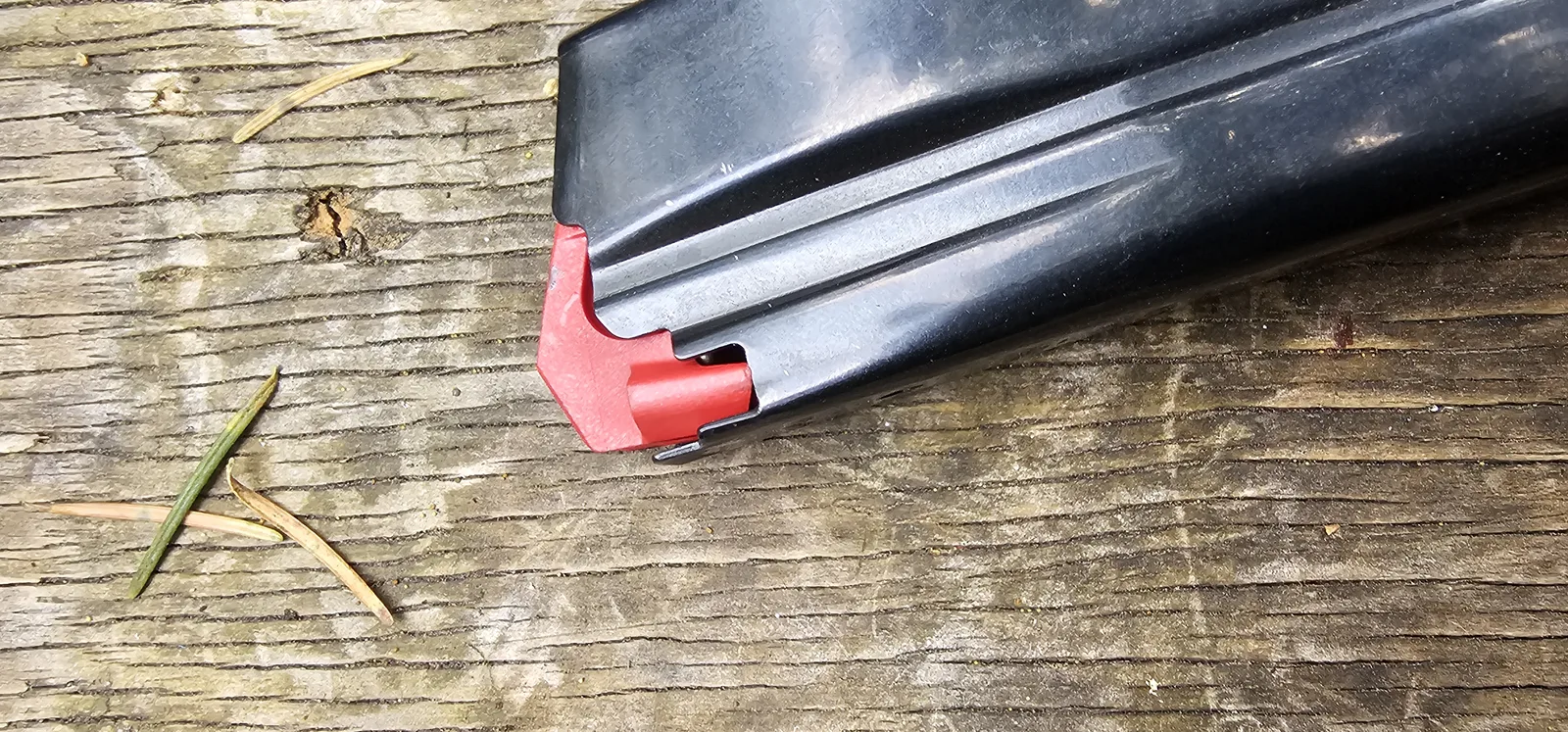
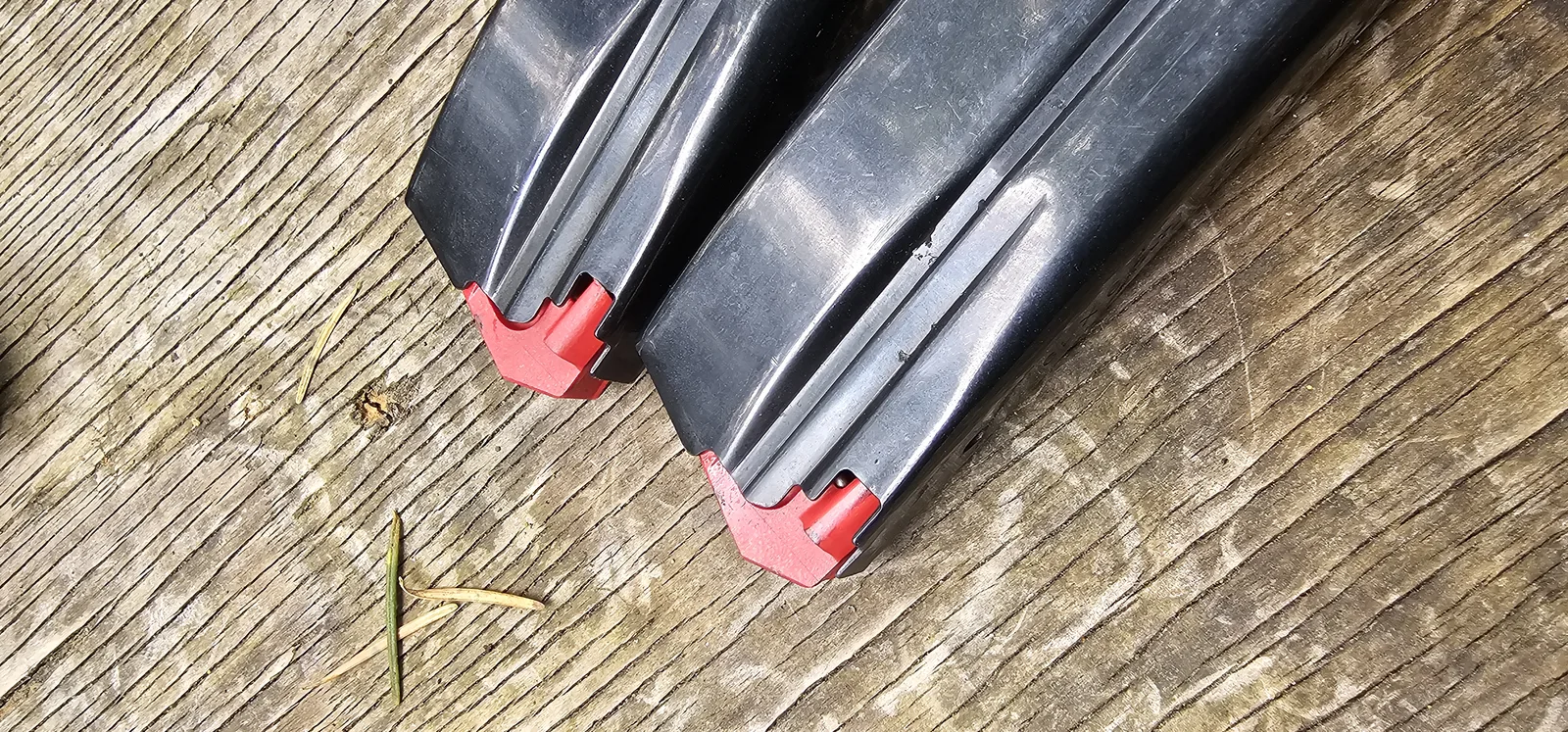
Second, the magazines. If you drop a loaded or empty magazine into dirt, the follower frequently gets knocked out of position and the magazine is unusable until you reseat it by hand. That should not happen on a duty-grade magazine, and it certainly should not happen on one this expensive. Glock magazines get dropped in the dirt for a living and keep running. For a carry gun, a magazine that can be knocked out of service by a drop in the dirt is a real concern, not a cosmetic nitpick. If you carry the CC9, budget for spare magazines and treat them carefully. For why magazines are the first upgrade on any carry pistol, see our subcompact 9mm guide.
Shooting It: You Cannot Beat Physics
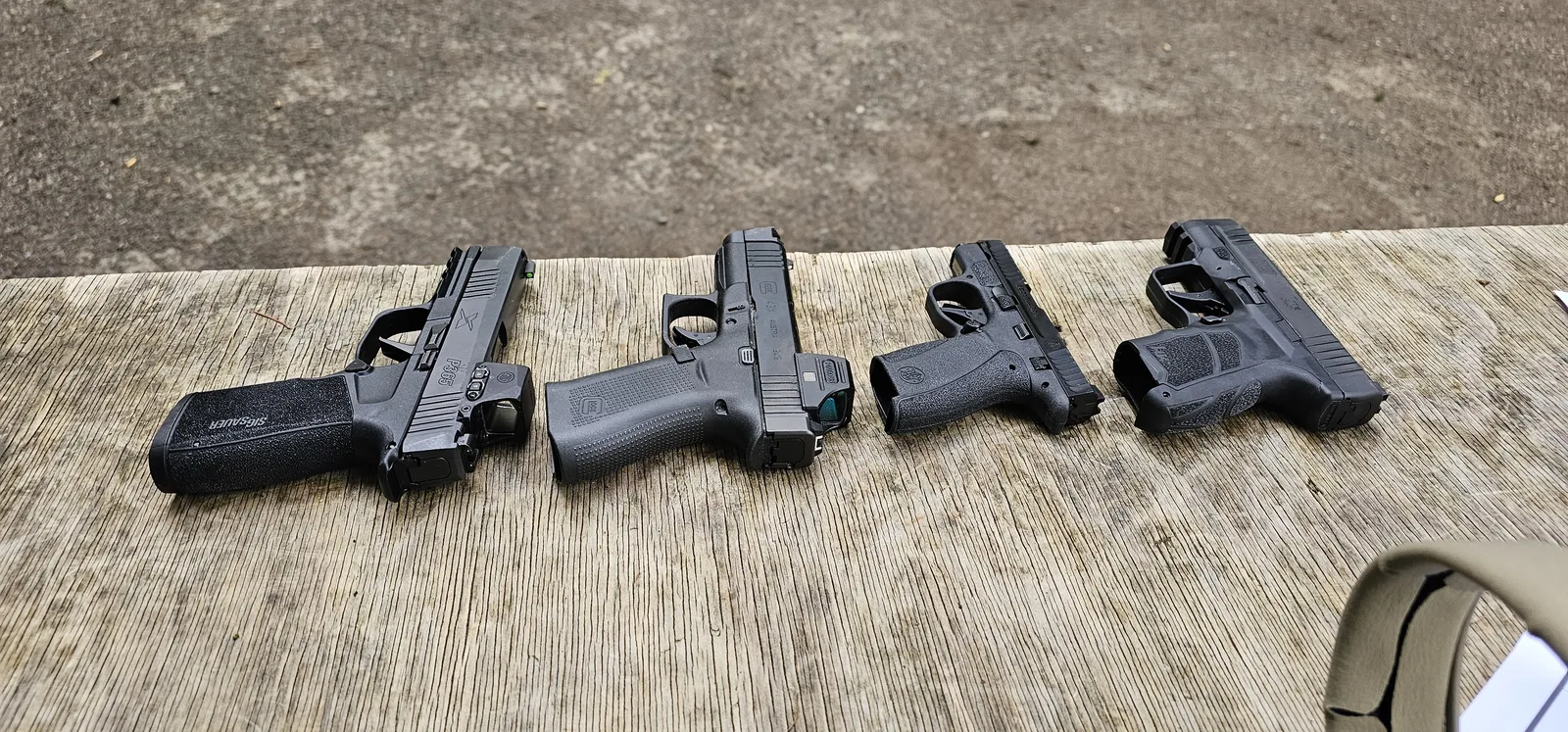
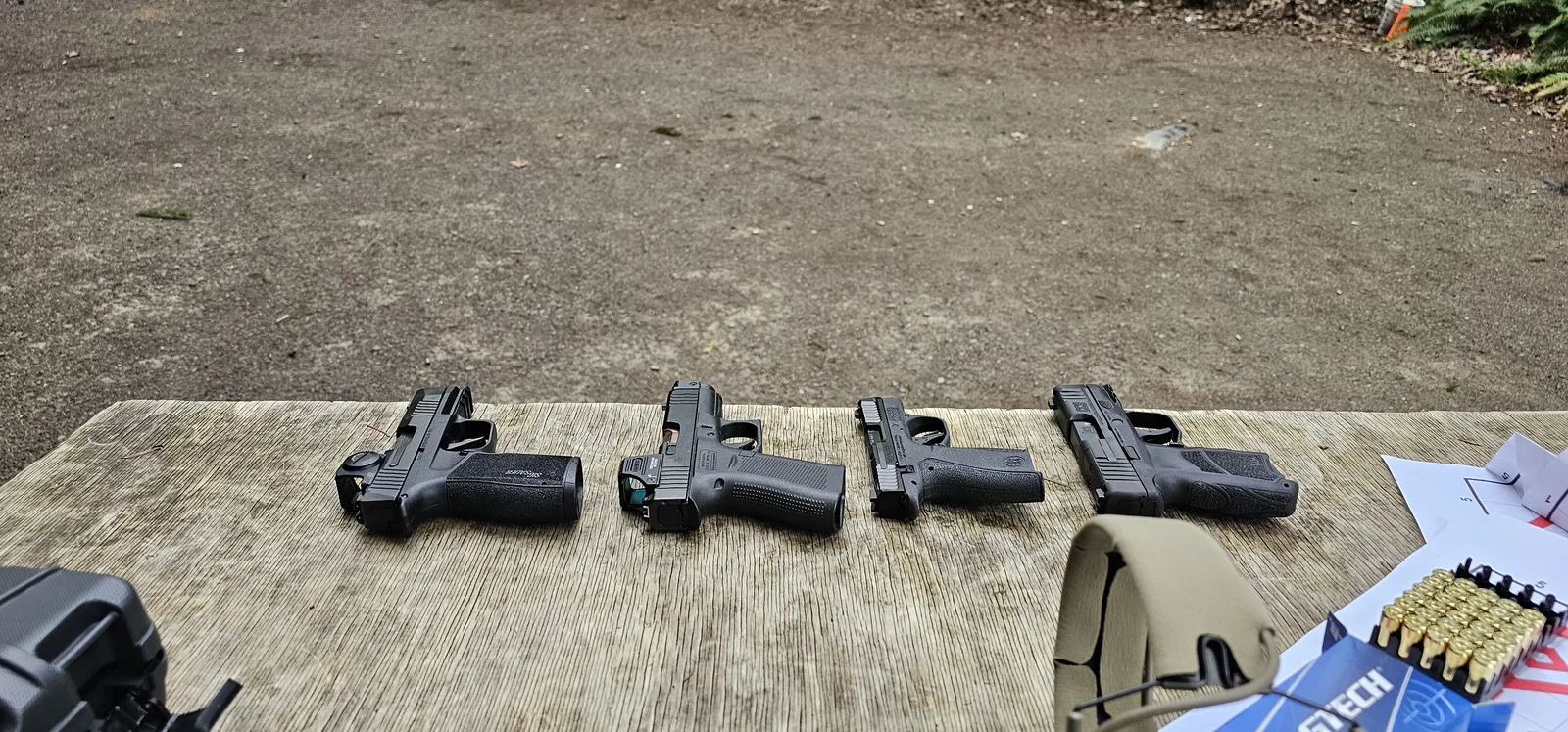
The CC9 is better to shoot than a stock Glock 43X. The grip texture is more aggressive, the trigger is a little cleaner once broken in, and the slightly higher weight takes some of the edge off. But it is still a 19.7-ounce micro-9, and you cannot beat physics. A gun this light and this small snaps in recoil. It is comparable to a P365 or a stock 43X in muzzle flip, which is to say it is fine for a carry gun and noticeably harsher than a full-size pistol.
The honest comparison is against what the same money buys elsewhere. A Glock 19 will out-shoot the CC9 every time on flip and follow-up speed, and it is not close. And if you want a micro-compact that genuinely shoots flat, a Glock 43X MOS with a Radian Ramjet comp barrel redirects gas to fight muzzle rise and leaves the CC9 behind for a similar all-in cost. The CC9 is pleasant; it is not a recoil breakthrough, and nothing about its size lets it escape the same physics every other micro-9 lives under.
Glock 43X
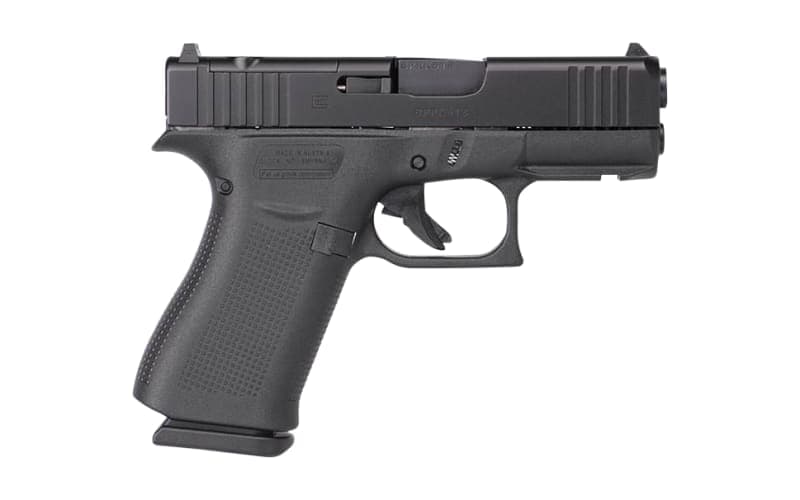
The value benchmark: factory 15-round mags, S15 capacity, and the deepest holster ecosystem in the class
Slimline Glock with extended grip, front rail, and 15-round Slimline magazines
- +Excellent concealment with full grip
- +15+1 factory capacity with the standard mag catch
- +More shootable than G43
- −Pre-2026 and used examples may ship 10-round mags
- −Shorter sight radius than G19
- −Slim grip may feel too thin for some
Affiliate links (?)
The Optic Cut and the Low Irons
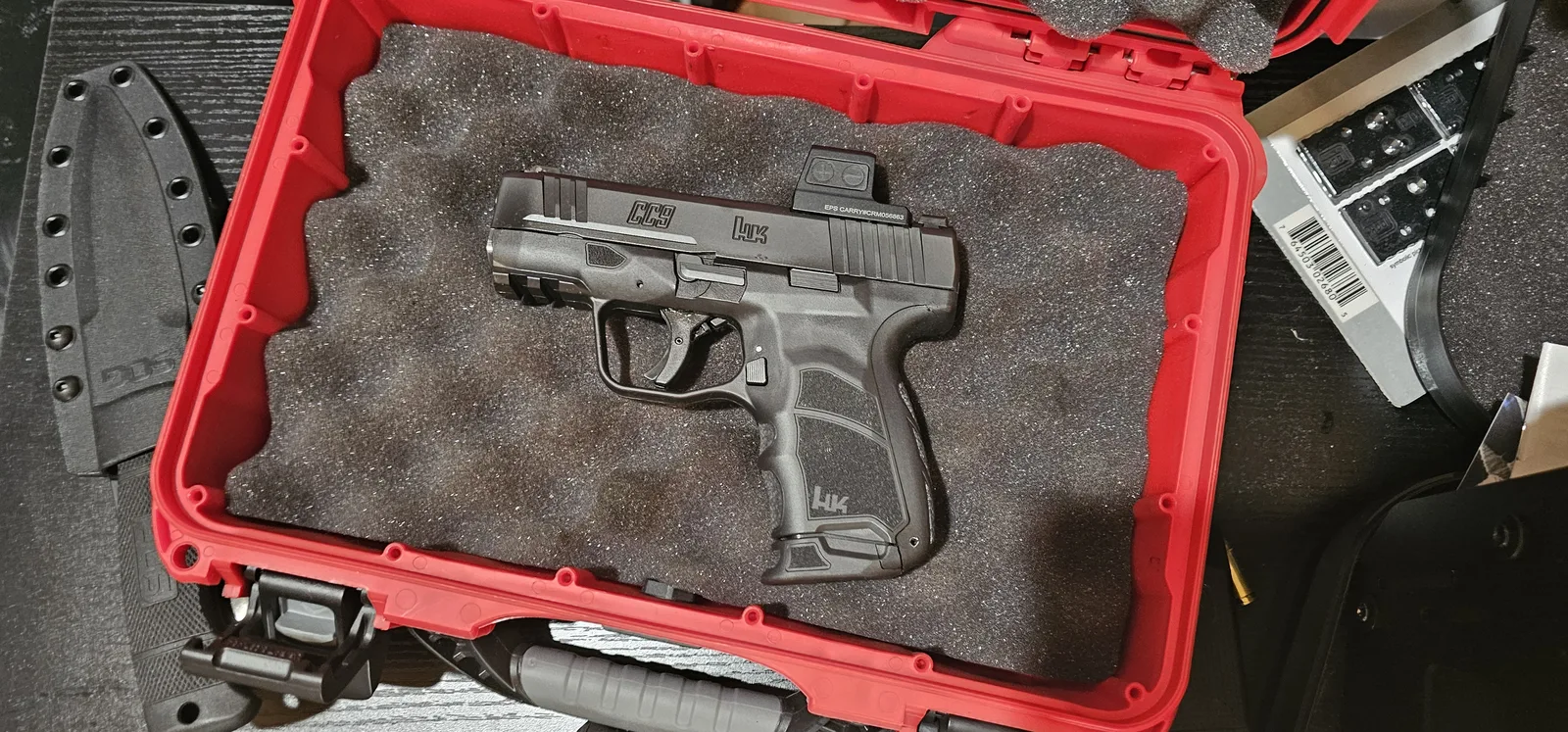
The CC9 carries a Holosun K footprint, a modified RMSc cut milled directly into the slide rather than a bolt-on plate. That is the right call for a carry gun: Holosun K-series dots like the 407K, 507K, and EPS Carry drop straight on, RMSc-footprint optics fit too, and the dot sits low to the bore. Skipping the adapter plate removes a common loosening point. To be clear, HK is not unique here anymore. Newer SIG P365 slides ship direct-milled as well, so the direct cut is table stakes in 2026, not a differentiator.
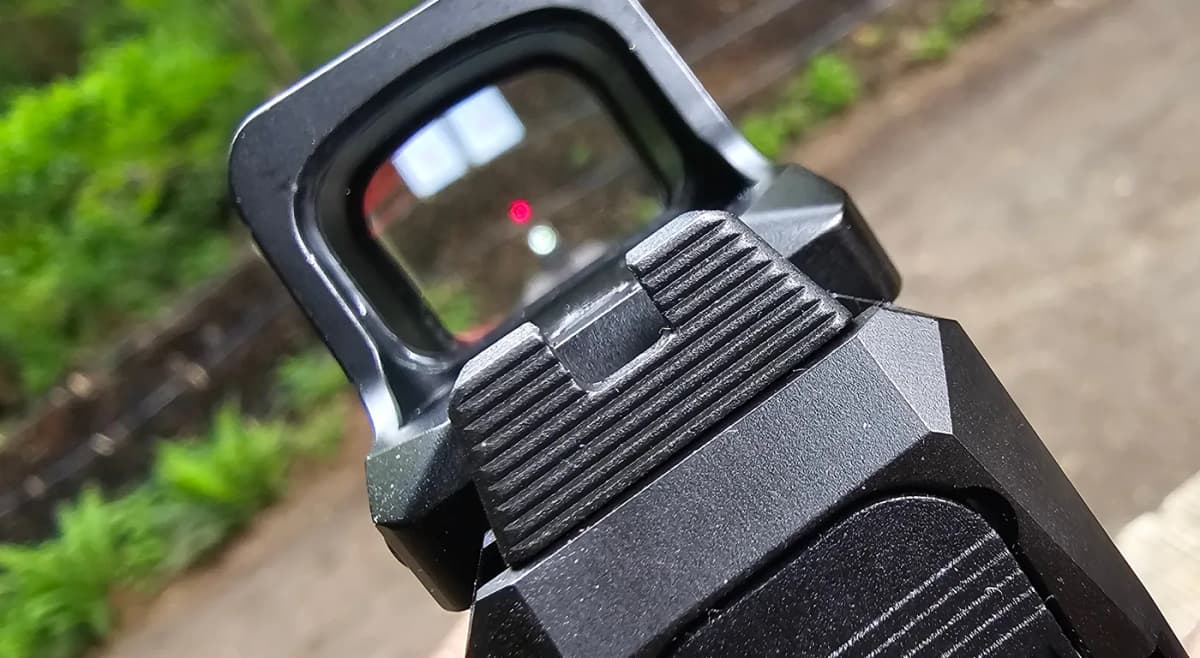
The miss is the iron sights. In my testing, the factory irons sat too low to give a usable co-witness with a taller enclosed-emitter dot like the Holosun EPS Carry; expect a low or partial co-witness at best. If your backup-iron plan depends on a solid co-witness through the optic, plan on taller suppressor-height irons. Our EPS Carry and SCS Carry review covers how that dot has held up on this gun. The complete fitment path is in our HK CC9 accessories and upgrades guide. For how co-witness height interacts with pistol dots, our concealed-carry pistol guide walks through the optic-ready landscape.
Holosun K-Footprint Dots for the CC9
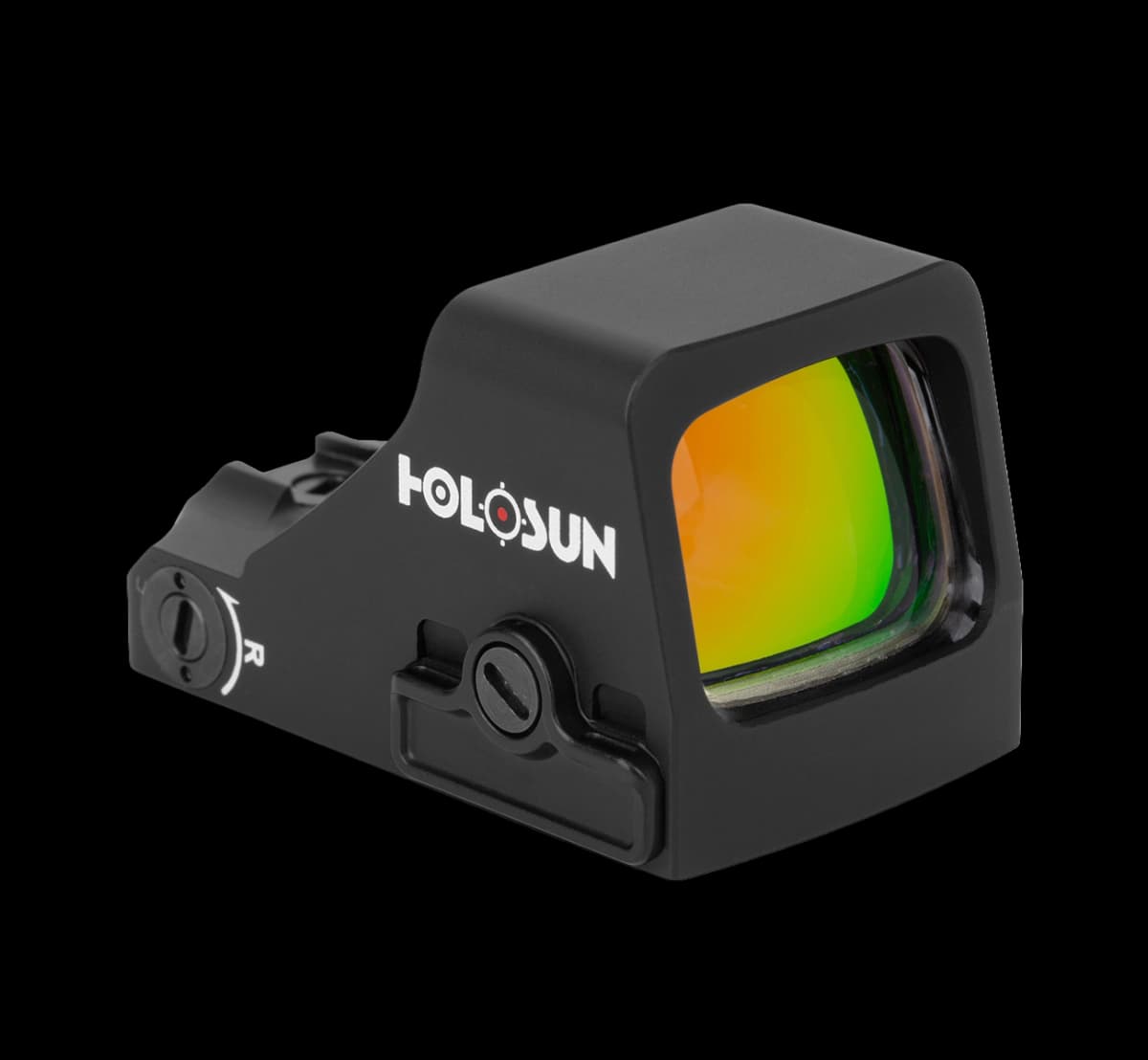
Holosun 407K X2
- 6 MOA red or green dot
- K Series / modified RMSc footprint
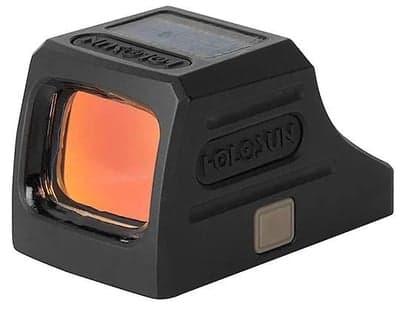
Holosun SCS Carry
- Solar charging
- MRS (2 MOA dot + 32 MOA circle)
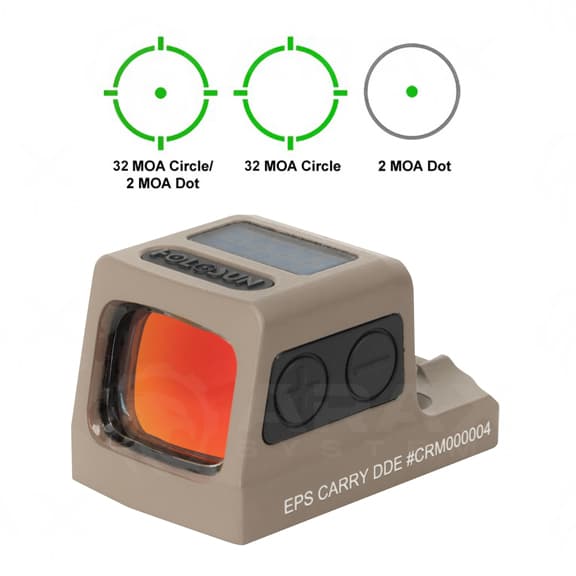
Holosun EPS Carry
- 2 MOA or 6 MOA dot
- Enclosed emitter
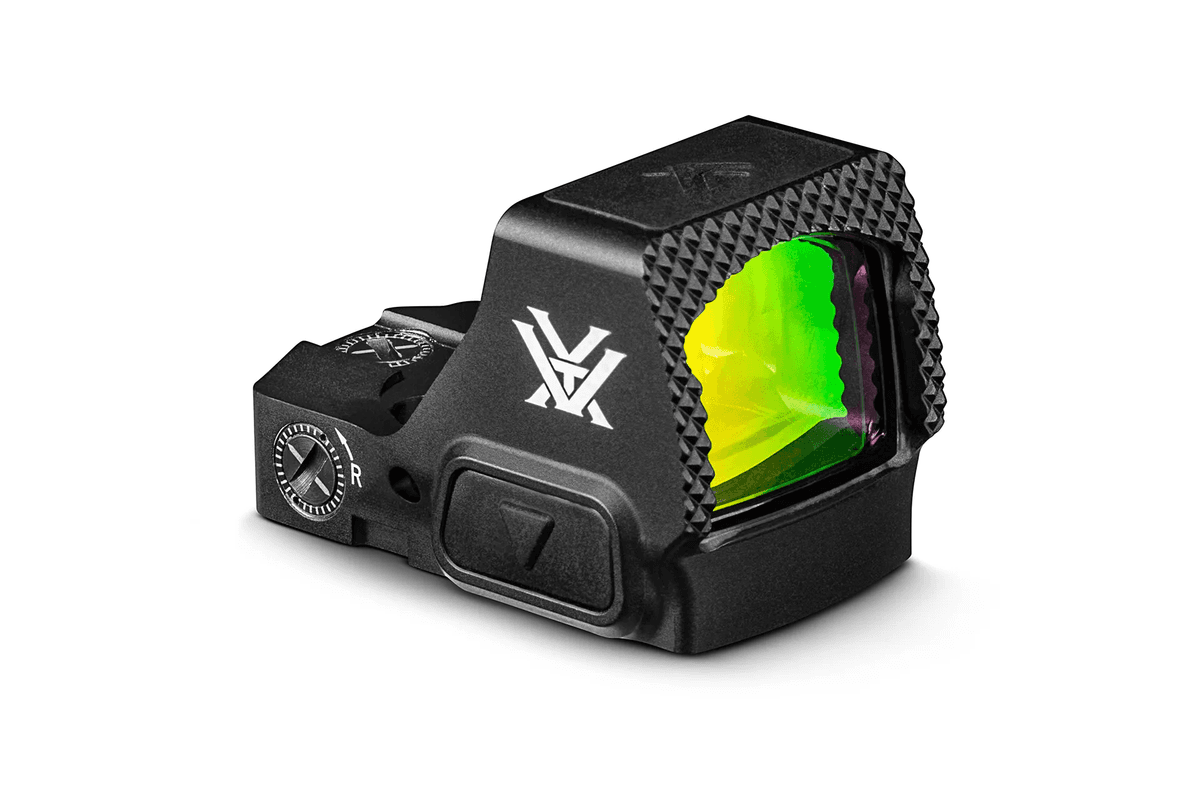
Vortex Defender-ST Micro Red Dot
- 3 or 6 MOA red dot
- DeltaPoint Pro footprint
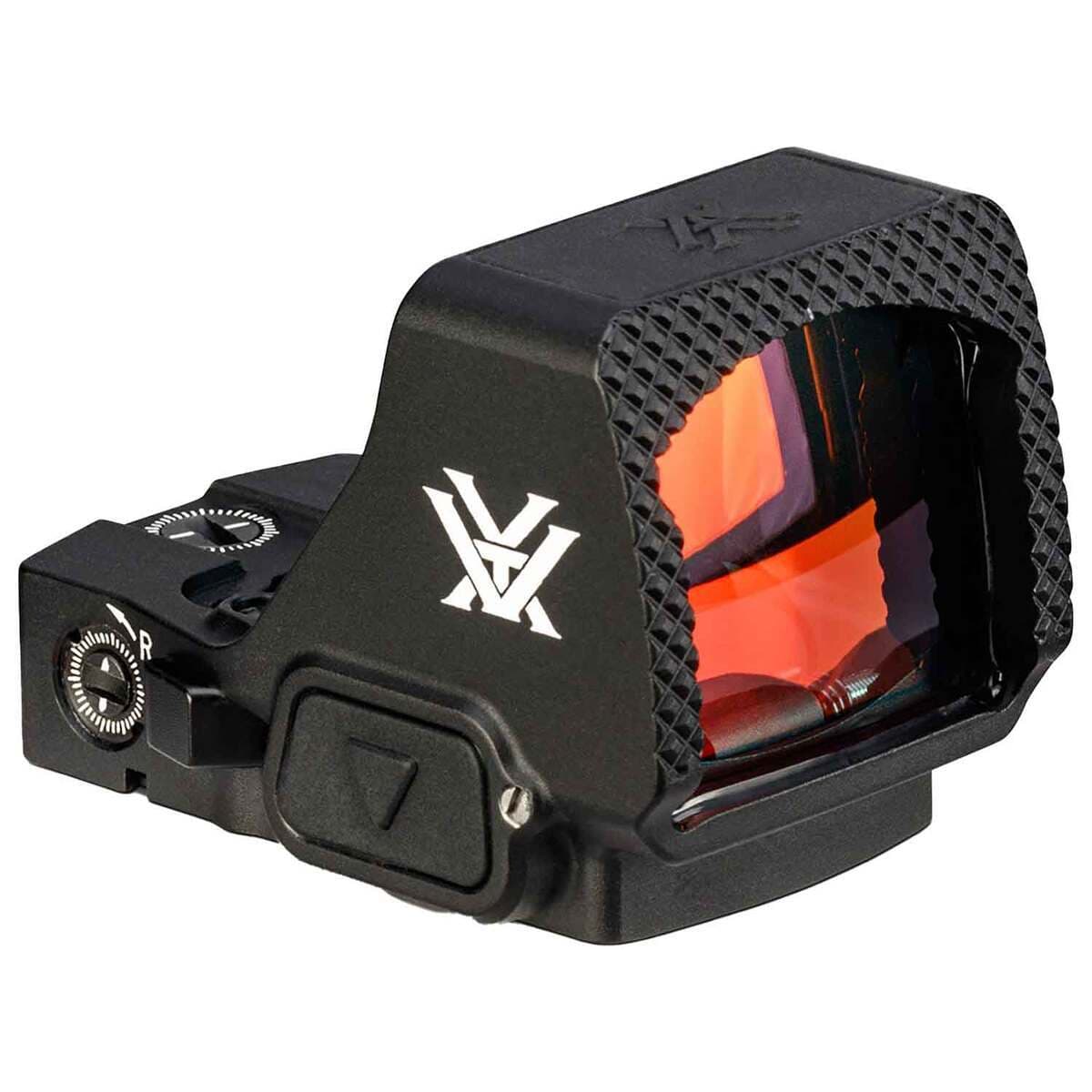
Vortex Defender-XL Micro Red Dot
- 2/5/8 MOA red dot
- DeltaPoint Pro footprint
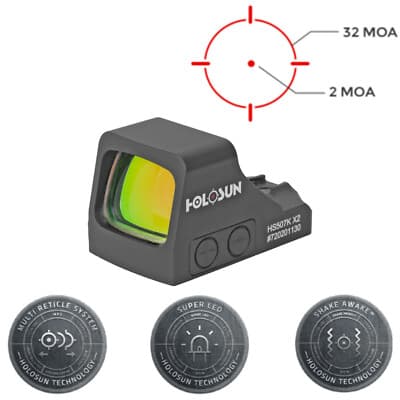
Holosun 507K X2
- 2 MOA dot + 32 MOA circle
- Holosun K footprint
Affiliate links (?)
Capacity: The 43X Argument
The CC9 ships with a 10-round flush magazine and a 12-round extended magazine, which is a fair loadout in the box. But the capacity math now works against it. The Glock 43X ships with factory 15-round magazines, and Shield Arms S15 steel mags add a 15-round alternative that takes +5 extensions to 20 rounds. Step up just a hair in grip size and you get a meaningfully more capable gun for less money, with a magazine pattern that has been proven in the dirt for years.
That is the recurring problem with the CC9: at almost every decision point, a cheaper competitor matches or beats it. The CC9's magazine pattern is also brand new and not cross-compatible with the VP9 family, so there is no existing stockpile to draw on, though HK Parts already sells +3 and +5 extensions that take the 12-round mag to 15 or 17 rounds. Magazines are the cheapest, highest-return upgrade on any carry pistol, so plan to buy several. Use our builder to spec a carry setup, or the compare tool to put the CC9 and 43X side by side.
Glock 43X/48 Carry Magazines Worth Stocking
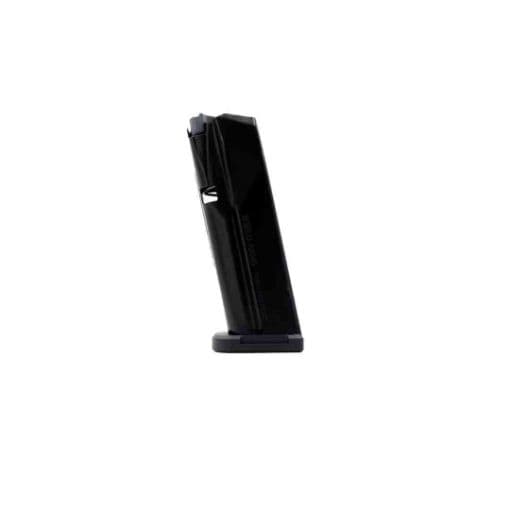
S15 Magazine for Glock 43X/48
- 15 rounds
- 9mm
S20 20-Round Magazine for Glock 43X/48
- 20 rounds
- 9mm
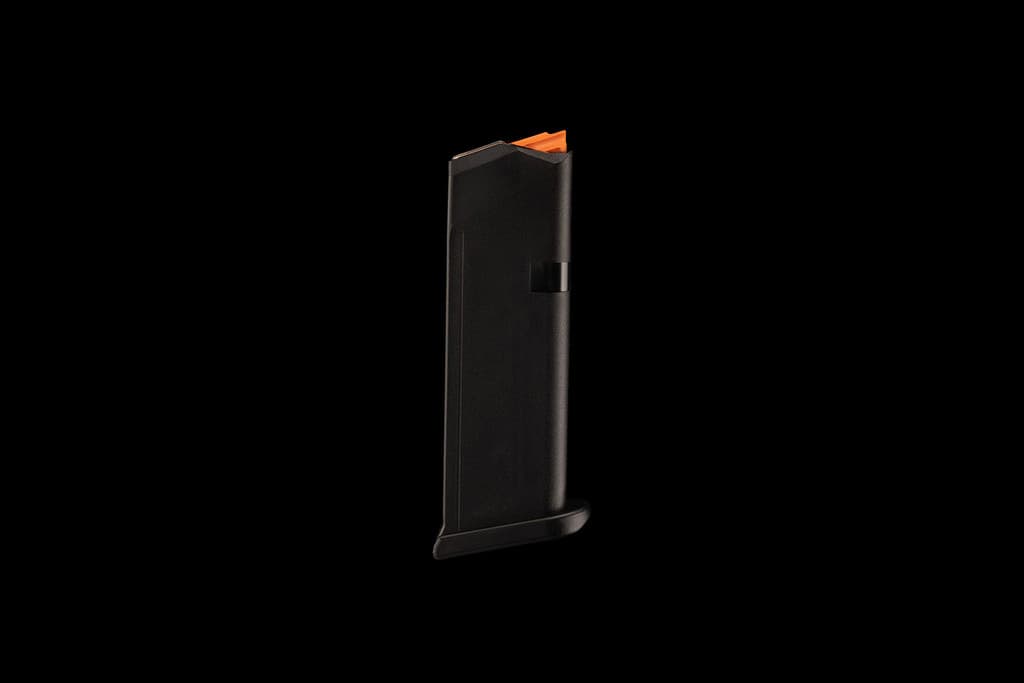
Glock Factory 15-Round Magazine (GL79269)
- 15 rounds
- 9mm
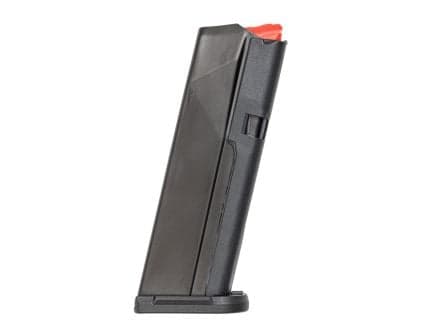
PSA Dagger Micro 9mm 15-Round Magazine (fits Glock 43X/48)
- 15 rounds
- 9mm
Affiliate links (?)
Carry Impressions
This is where the CC9 earns its keep. At 0.99 inches wide and right around 19.7 ounces, it is pleasant to carry: compact, light, and easy to conceal appendix or strong-side. The rounded slide and modest footprint disappear under a shirt, and the ambidextrous slide stop and magazine release are genuinely useful factory standard features that competitors charge for or omit. If your priority is all-day comfort and you shoot enough to confirm your specific gun runs, the CC9 carries as well as anything in the class.
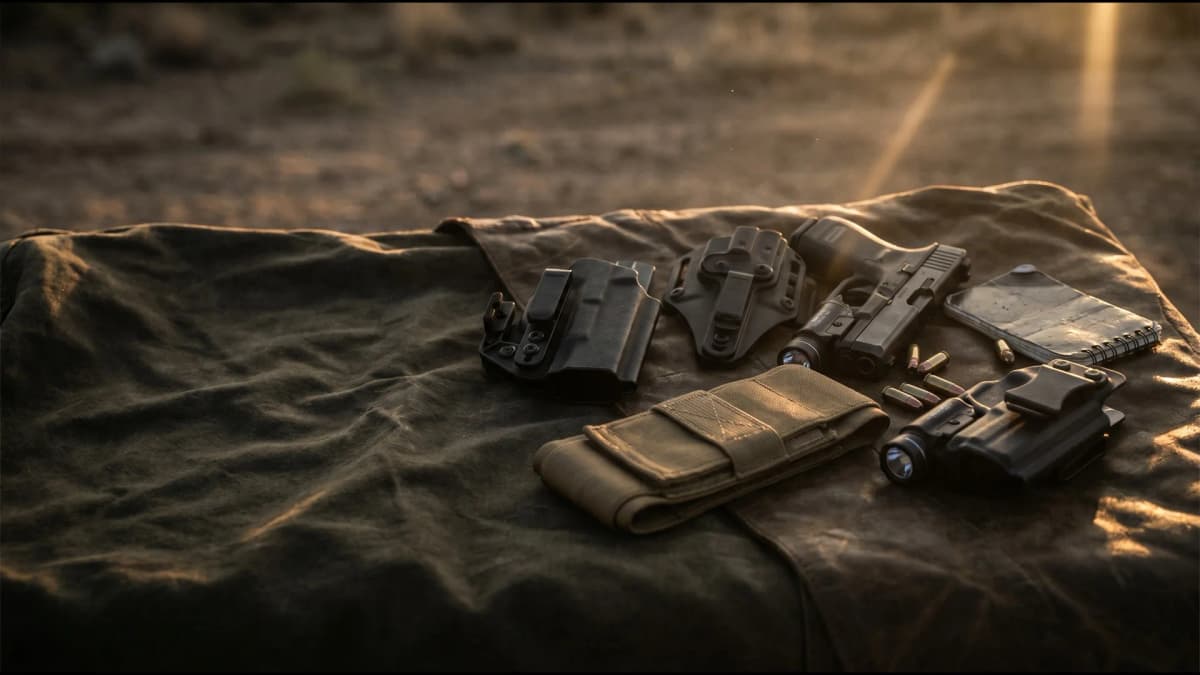
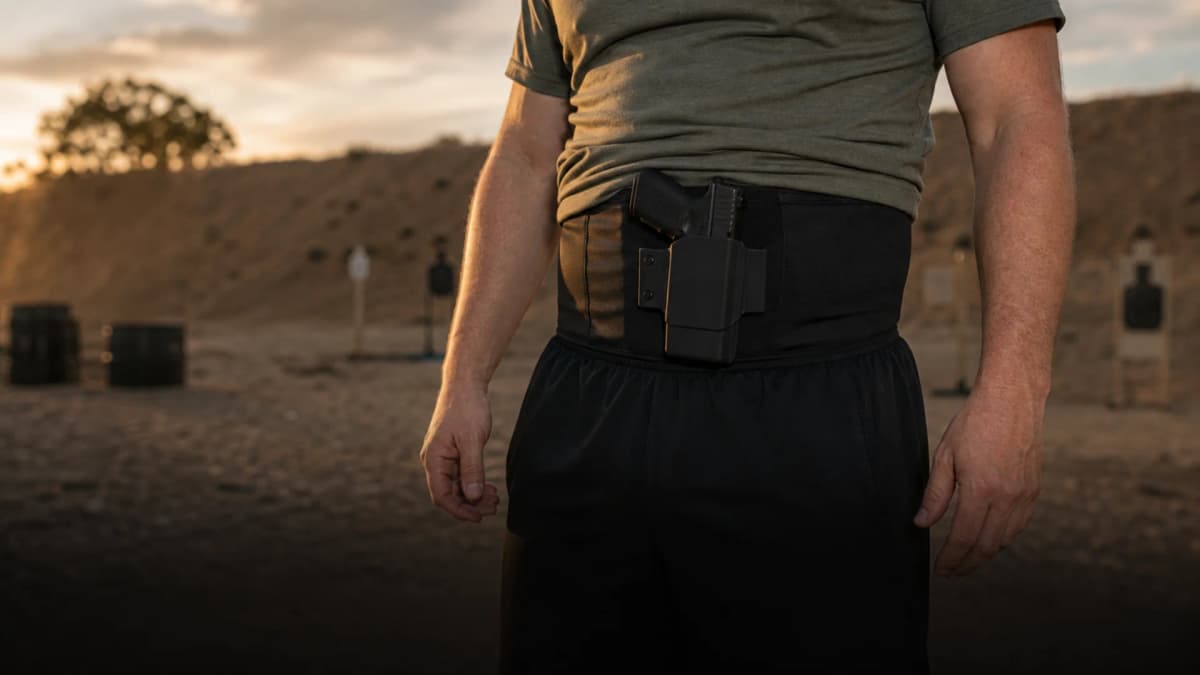
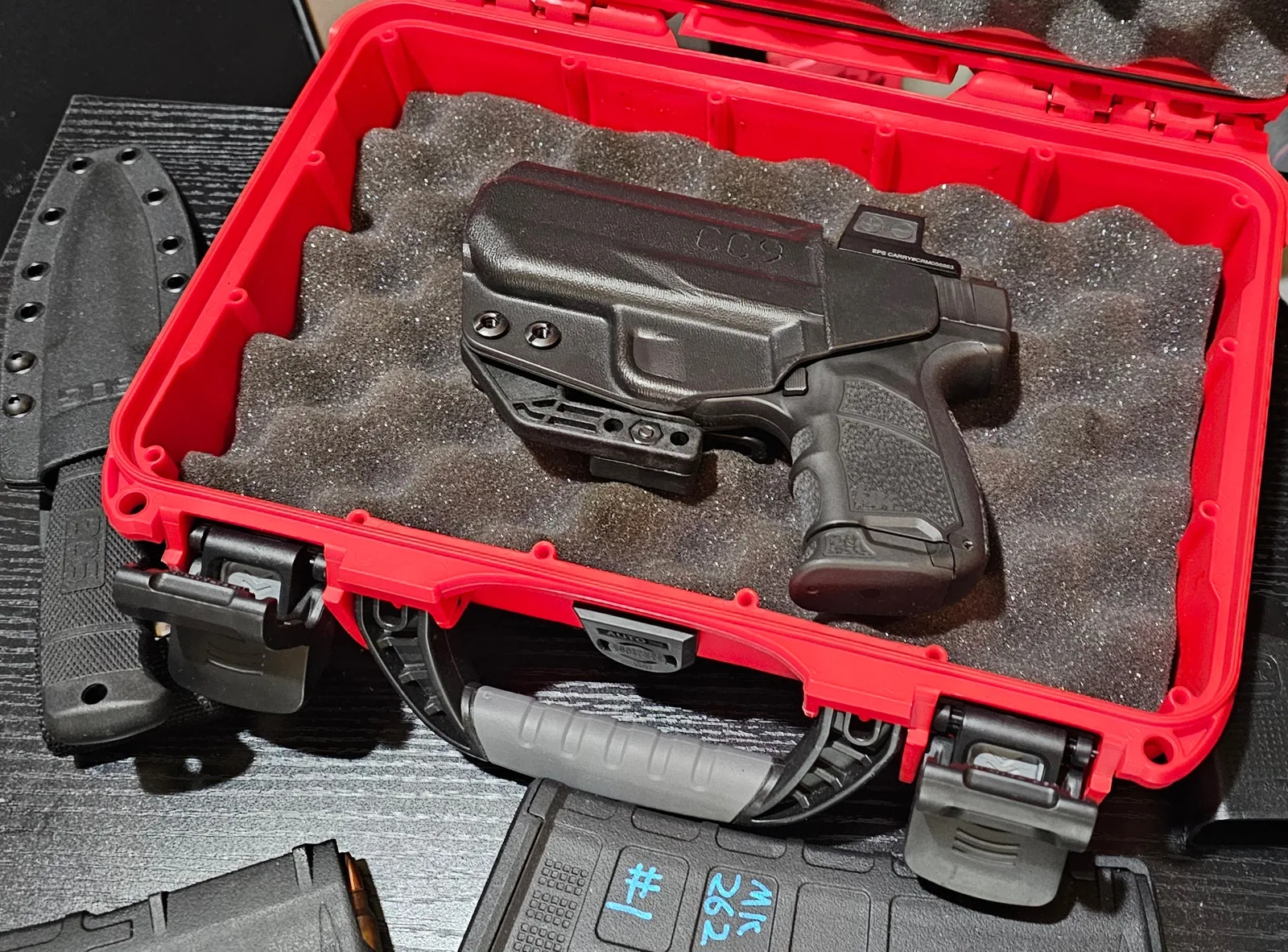
The catch at launch is the holster ecosystem. Support is thinner than the P365 or 43X, where you can walk into any shop and find a dozen options. But quality makers are already on it: a PHLster kydex holster fits the CC9 and rides tight to the body. You will have fewer options than the established guns, not zero, and the gap is closing fast.
HK CC9 Specifications
- Caliber9mm Luger (+P rated)
- Capacity10+1 flush / 12+1 extended (both included)
- Barrel3.32" cold hammer-forged, polygonal, DLC
- Overall Length6.03"
- Width0.99"
- Weight (empty mag)19.7 oz
- TriggerStriker-fired, ~5 lb
- Optic CutHolosun K / RMSc (direct mill)
- ControlsAmbidextrous slide stop and mag release
- OriginUS-made (HK's first)
- MSRP$699
Stay Updated on Carry Pistol Reviews
We publish honest, range-tested reviews of micro-compacts, carry optics, and the gear that actually matters. Get new reviews and head-to-head comparisons in your inbox.
Frequently Asked Questions
▶Is the HK CC9 worth it?
▶Does the HK CC9 have reliability problems?
▶What optic fits the HK CC9?
▶HK CC9 vs Glock 43X: which is better?
▶Does the HK CC9 need a break-in period?
Bottom Line
The HK CC9 is decent, and it carries beautifully, but it is pricey and it does not live up to the HK quality standard the badge implies.
Reliability was reasonable across 500 rounds, but a trigger that needed a break-in to reset, a backstrap that would not seat, and magazines that drop out of service in the dirt are not what $699 and the HK name are supposed to buy. It is not much to look at out of the box, either: the slab-sided slide and grip lines read more budget Taurus than premium HK, though the look did grow on me over time. At every turn a cheaper, more proven competitor matches or beats it.
If you specifically want factory ambidextrous controls, a US-made HK, and an optic-ready micro-compact in one package, the CC9 delivers that. For almost everyone else, a SIG P365 or a Glock 43X, the latter now with factory 15-round magazines, is the smarter buy: less money, deeper support, and no break-in required. If you want HK's take on the same idea with a German pedigree, cross-shop the CC9 against the VP9cc and P365 before you commit, and compare it with the rest of the field in our best subcompact 9mm pistols ranking.