Ruger RXM Review: 1,500 Rounds With the Magpul Glock 19 Clone
Past 1,500 rounds with the Magpul-designed Glock 19 clone that ships at a $539 MSRP, lubed and ready, with a multi-footprint optic cut and suppressor-height sights. Range work and several local club and steel matches, no malfunctions, no break-in. It is a Glock. It works.
Key Takeaways
- →Sub-$550 Glock 19, Done Better: Magpul TSP grip texture, undercut trigger guard, extended beavertail, and multi-footprint optic plates included. Undercuts a Glock 19 MOS by $170.
- →Full G19 Parts Compatibility: Accepts G19 slides, G19 barrels, G19 magazines, and Glock Gen 3 trigger components. Largest aftermarket in pistols.
- →1,500+ Rounds, Zero Malfunctions: Lubed from the factory, ran from the first magazine, no break-in, and it has since gone through several local club and steel matches clean. Both of my Gen 5 Glocks had failure-to-feed malfunctions during their break-in periods. The RXM did not.
- →Direct-Mount Optics, No Plate Roulette: RMR, DPP, and Shield RMSc footprints direct-mount with no Glock MOS plastic plate system. Holosun K-series shares the RMSc screw pattern but needs the factory pins filed down or a K-cut adapter to seat flush.
- →Verdict: The best value in a Glock-pattern pistol in 2026. Better grip than stock Glock, cleaner factory fitment, no plate system to fight with, and a chassis ecosystem that already runs.
- Round Count
- 1,500+rdsRange work and club matches
- Malfunctions
- 0No break-in period
- MSRP
- $539$170 below Glock 19 MOS
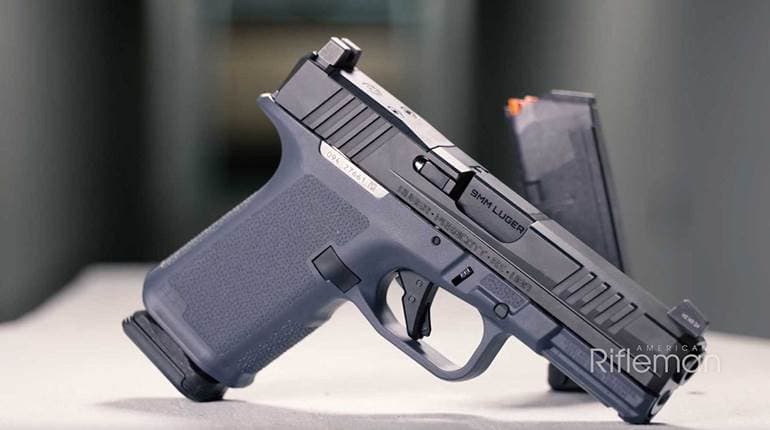
Ruger RXM
Best sub-$550 Glock 19 clone with multi-footprint optic cut and Magpul grip module
Glock G19-compatible compact with Magpul-designed grip module and modular chassis
- +Full G19 parts compatibility opens the largest aftermarket in pistols
- +Magpul grip module is better-textured and better-shaped than stock Glock
- +Ships at a $539 MSRP, below a factory Glock 19 MOS
- −Uses Glock Gen 3 fire control group, Gen 5 trigger parts will not fit
- −Aftermarket for RXM-specific parts is still thin vs mature Glock ecosystem
- −Factory Ruger trigger is Glock-grade, not notably better
Affiliate links (?)
It Is a Glock. It Works.
The Ruger RXM is a Glock 19 clone, and that is the point. The serialized part is a stainless steel fire control unit, the grip module is a Magpul-designed polymer frame with TSP texture, and everything else (slide, barrel, magazines, trigger components) comes from the Glock G19 parts catalog. MSRP is $539 and street price runs lower, mine was under $400 out the door at a local shop. It comes lubed from the factory, and it ran from the first magazine with no break-in. That is more than I can say for either of my Gen 5 Glocks, both of which had a couple of failure-to-feed malfunctions during the factory break-in window before they settled in. The RXM did not.
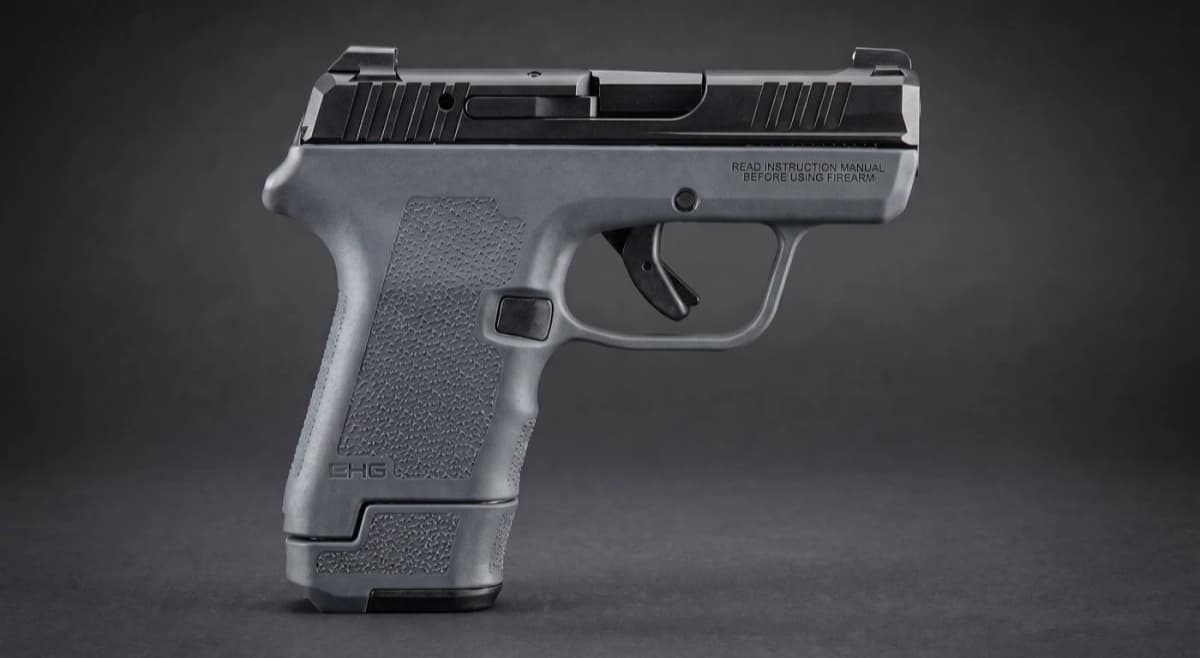
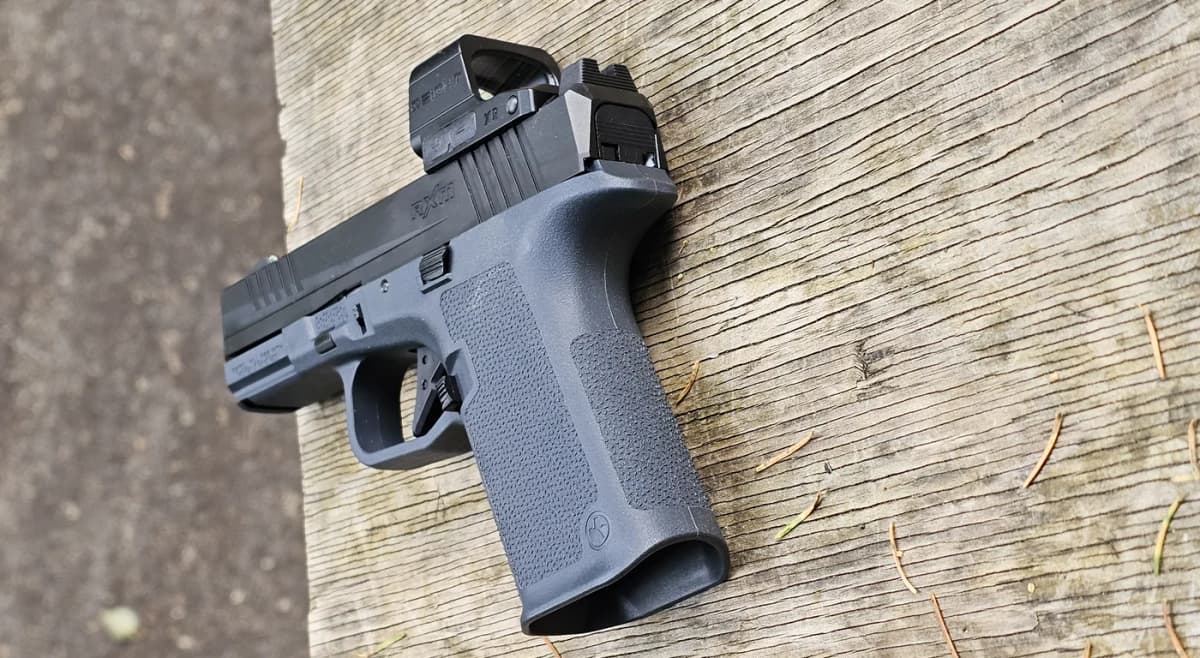
The grip is the part that sells the pistol. Magpul's TSP texture is aggressive without being a cheese grater, the undercut trigger guard lets you ride the bore higher than a stock Glock frame allows, and the reshaped beavertail kills the slide bite you get on a thumbs-forward grip with a factory G19. If you have ever stippled a Glock or paid a frame shop to do it, the RXM gives you the result for free, in the box, with a serial number that transfers between grip modules without an FFL.
None of that changes with Ruger's ownership news. Beretta Holding opened a tender offer on September 17, 2026 that would take its Ruger stake to about 25 percent, a minority investment rather than a purchase of the company. Ruger still designs and builds the RXM, and no product change has been announced on either side.
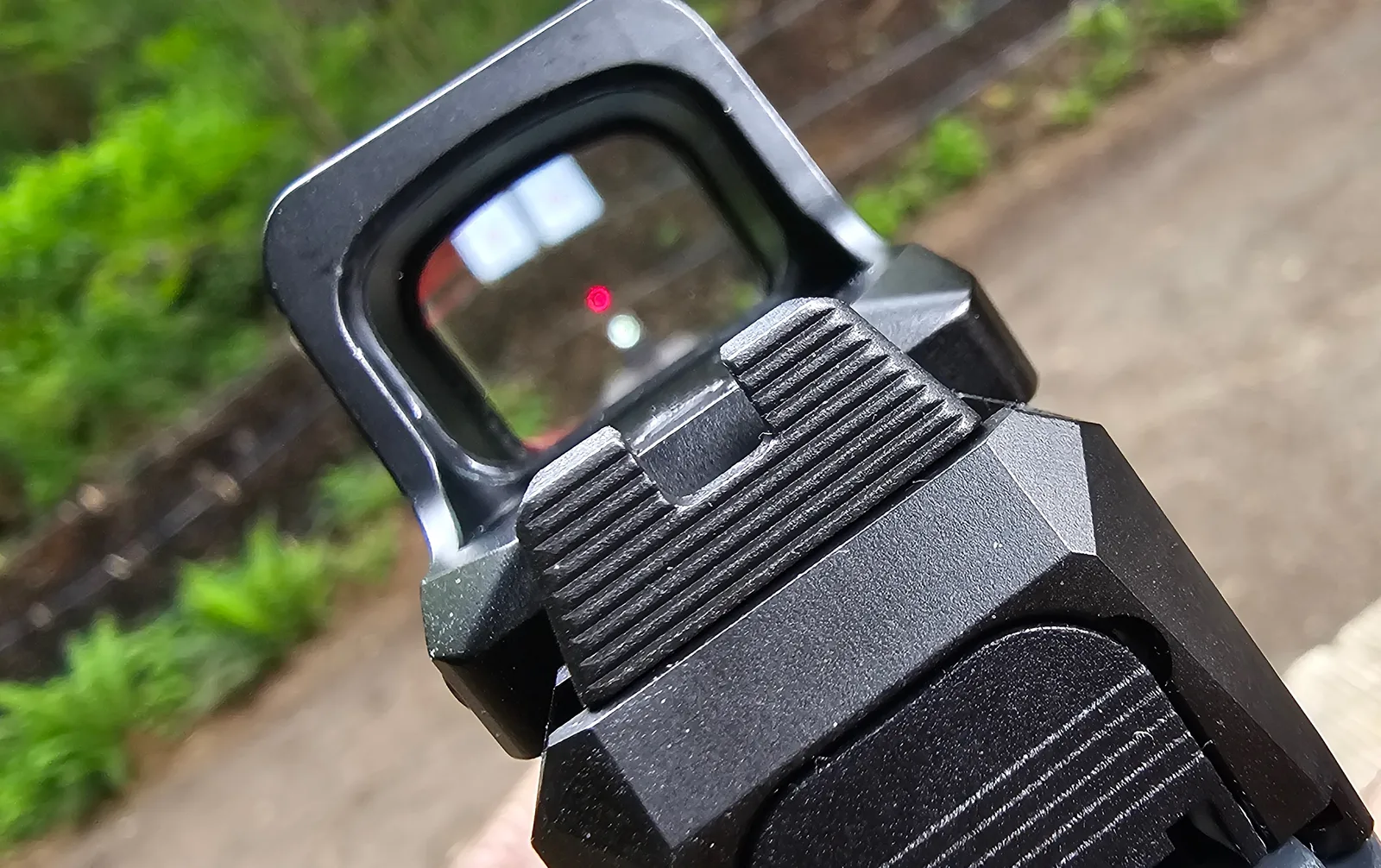
The Trigger Is Smoother Than Stock Gen 3 and Honestly Feels Gen 5
The RXM uses a Glock Gen 3 fire control group, which sets a baseline expectation: Glock-grade, not great. What I got was meaningfully better. Take-up is shorter than a factory Gen 3 break, the wall is cleaner, and the reset is positive enough that you can ride it without floating the trigger. Side-by-side with my Gen 5 Glocks, the RXM feels just as good, which is high praise for a Gen 3 housing. Whether that is bin variance or Ruger spec'ing tighter trigger parts than Glock does is hard to say with a single sample, but the trigger is not the reason you should plan to swap it.
When you do want to upgrade, the catalog is huge. Gen 3 trigger parts have the deepest aftermarket in handguns: Overwatch Precision DAT, Apex Action Enhancement, Johnny Glocks, CMC, ZEV Fulcrum. All drop in. The one watch-out is generation matching. Gen 5 and Gen 6 trigger components will not fit the RXM. If you are cross-shopping triggers, our Ruger RXM accessories guide ranks the Gen 3-compatible options and flags the parts that look Gen-agnostic but are not.
The Optic Mounting Is the Best Reason to Buy the RXM Over a Glock
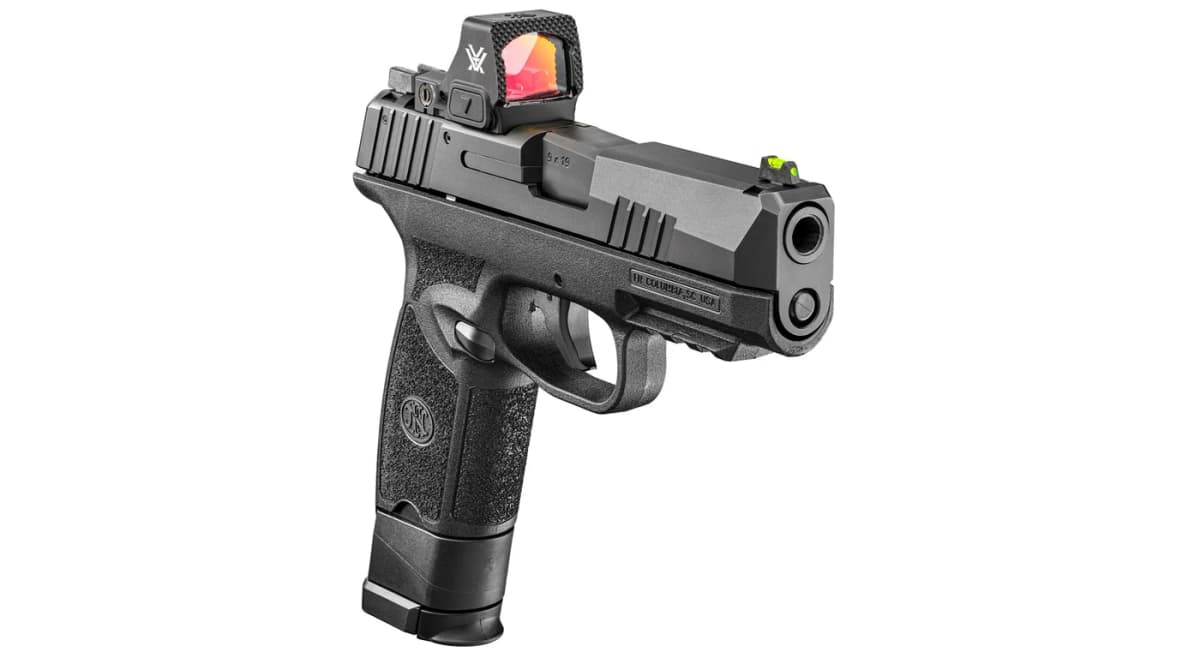
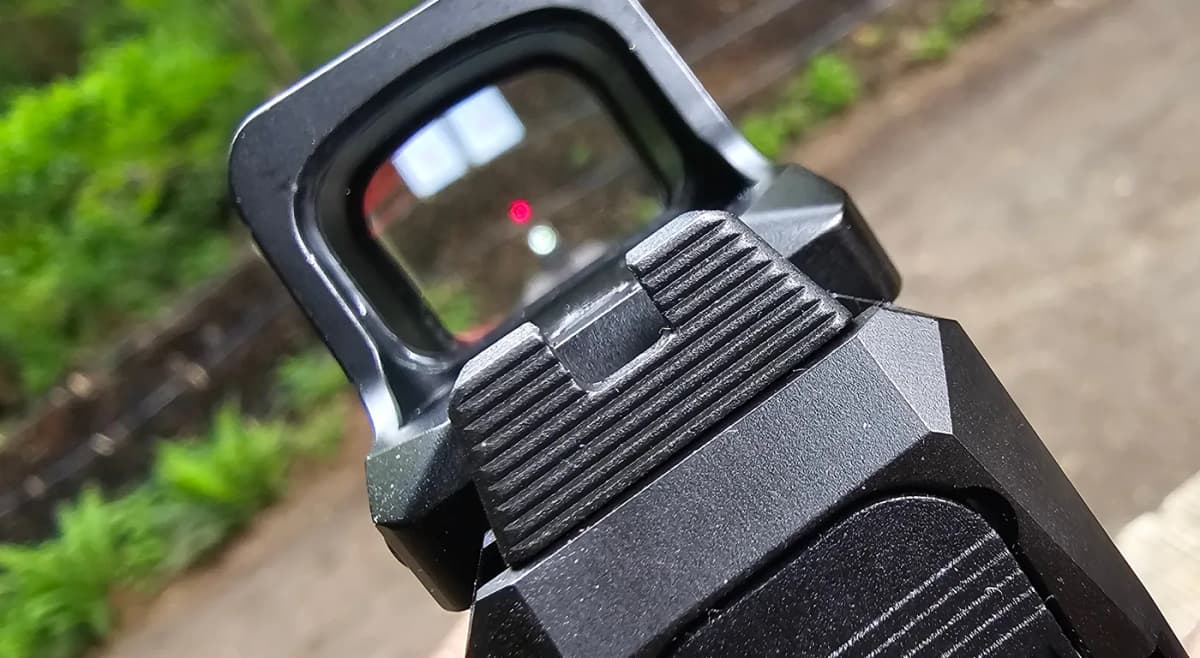
The Glock MOS plate system is the single most-complained-about feature on a factory Glock. Plastic-looking plates, screws that shoot loose, and a stack-up between the plate and the slide that introduces a known failure point. The RXM does not use any of that. The slide ships with a multi-footprint pin set that direct-mounts a Trijicon RMR, a Holosun 507C (same footprint), a Leupold DeltaPoint Pro, or a Shield RMSc with no plate stacked between the optic and the slide. Holosun K-series optics (407K, 507K) share the RMSc screw pattern but have shallower recoil lug pockets, so the factory RMSc pins sit too proud. File the pins down or use a K-cut adapter plate, both work. EPS Carry and SCS Carry ship with their own plates. For the most common footprints in 2026 the RXM is plate-free.
I direct-mounted an Osight XR ( reviewed here, RMR footprint, enclosed emitter, $299 street) in five minutes with the included hardware. The factory suppressor-height sights co-witness cleanly through the XR window, which means the RXM is the rare optics-ready pistol that actually ships ready, no aftermarket suppressor sight purchase required. The short version is that the RMR-footprint cut on the RXM is the reason that optic exists.
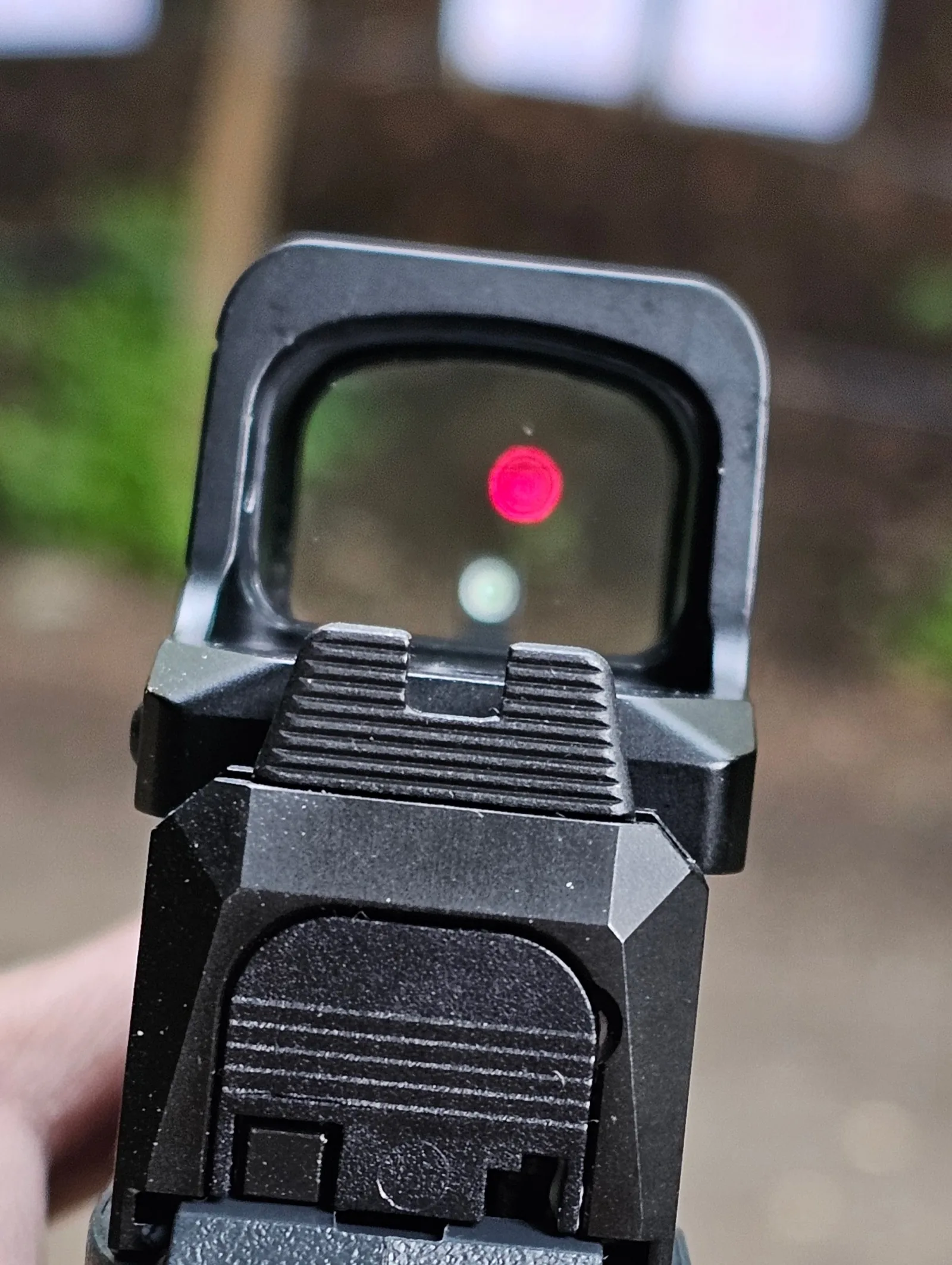
For the wider footprint-by-footprint breakdown, our best pistol red dot guide covers which optics fit which slide cuts without an adapter plate, and the catalog comparison tool lets you stack pistol RDS options side by side. The RXM's direct-mount pin system is also exactly what Glock failed to deliver with the Gen 6 Optic Ready System, which sandwiches a polymer plate under the optic and loses zero.
1,500+ Rounds, No Issues, No Break-In
I put 200 rounds through mine on the first range trip. No malfunctions, no failures to feed, no failures to eject, no cleaning between strings. It came lubed from the factory, ran from the first magazine on factory PMAGs, and held up through mixed 9mm FMJ and a couple of magazines of 124gr +P. The slide cycled clean, the magazines dropped free, and the trigger reset audibly through the entire string. That is a low-drama range report and it is exactly what you want from a defensive pistol.
That has held. I am past 1,500 rounds now across range sessions and several local club and steel matches, still with no malfunctions. Match use is the part of the round count that matters most, because a match feeds the gun hot, dirty, and under a timer with no chance to baby it. The RXM did not care. Against the stock Glock 19s on the same squads I never felt like the gun was costing me anything, and my scores held up.
For comparison, both of my Glock Gen 5 pistols had failure-to-feed malfunctions during the factory break-in period, two or three stoppages each in the first 100 rounds before they settled into the duty-cycle reliability Glock is known for. The RXM did not repeat that pattern. One range trip is not a duty-cycle test, and one sample is not a fleet, but the RXM assembled with more care than my Gen 5s did. After break-in my Gen 5s are flawless. The RXM was flawless from round one.
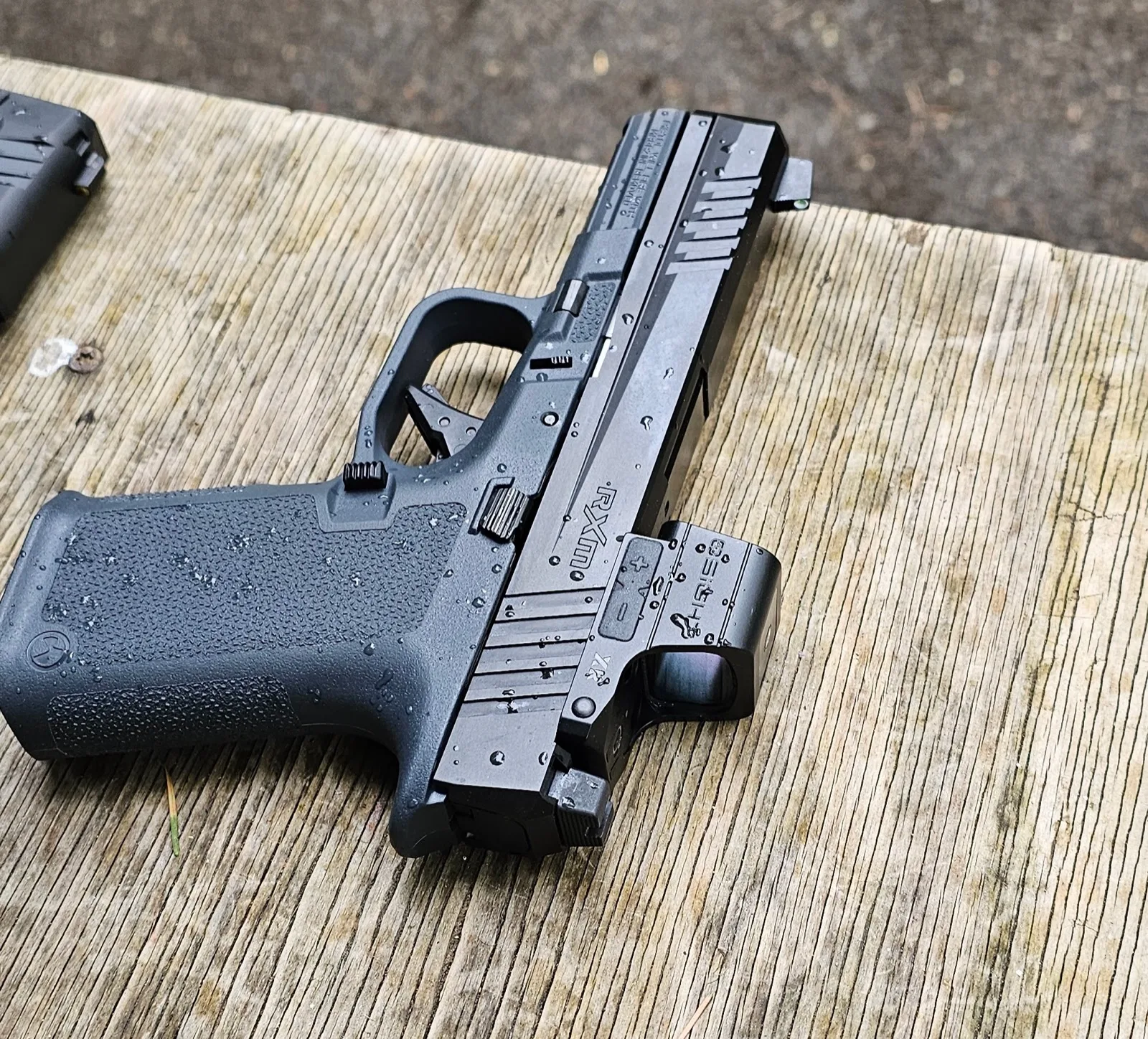
The Magpul Grip Module Is What You Are Actually Buying
The grip is the single biggest functional difference between an RXM and a Glock 19, and it is the reason most owners do not swap it. Magpul's TSP texture is aggressive in the right places (the trigger-side panel, the front and back strap, the high-grip shelf) and smooth where it needs to be (the inside of the trigger guard, the upper magazine well). The grip angle is closer to a 1911 than a stock Glock, which most shooters find more natural and which speeds up the natural-point-of-aim transition for anyone coming from a 1911, M&P, or P320.
The variant I have is the standard Glock 19-sized module. Ruger also sells the RXM in a COA configuration via the Lipsey's exclusive that ships with a factory Aimpoint COA red dot and A-CUT mount, which is a worth-a-look package if you would rather start optic'd than buy a separate dot. The Lipsey's COA breakdown covers what is in the box and how the A-CUT mount differs from the multi-footprint plates on the standard RXM. If you do want a different grip texture, finger groove profile, or palm swell, swapping modules is non-FFL: the FCU is the regulated part and lifts out of the chassis with two pins.
Stock Up on Glock-Pattern Magazines
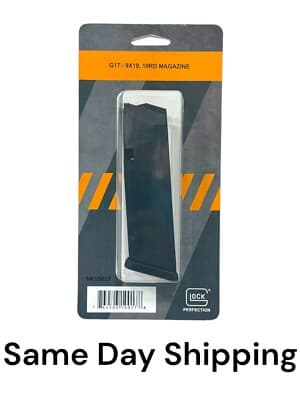
Glock OEM G17 Magazine 17-Round
- 17 rounds
- 9mm
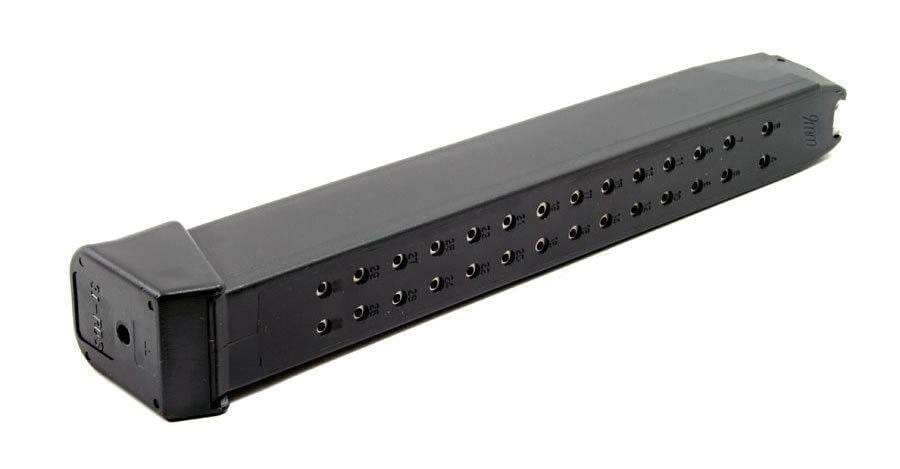
Glock OEM G17 Magazine 33-Round
- 33 rounds
- 9mm
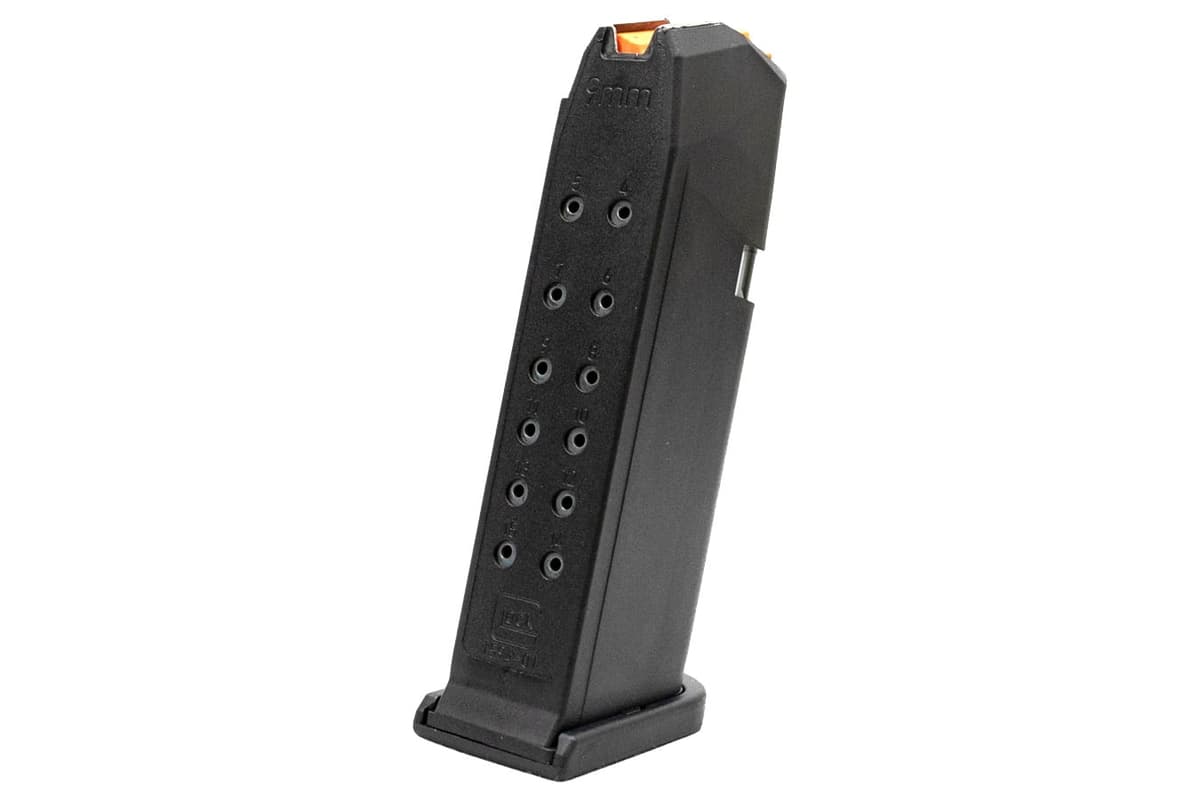
Glock OEM G19 Magazine 15-Round
- 15 rounds
- 9mm
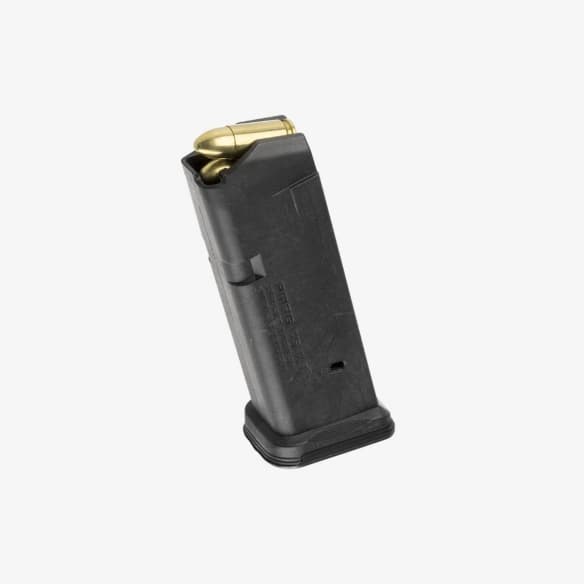
Magpul PMAG 15 GL9
- 15 rounds
- 9mm
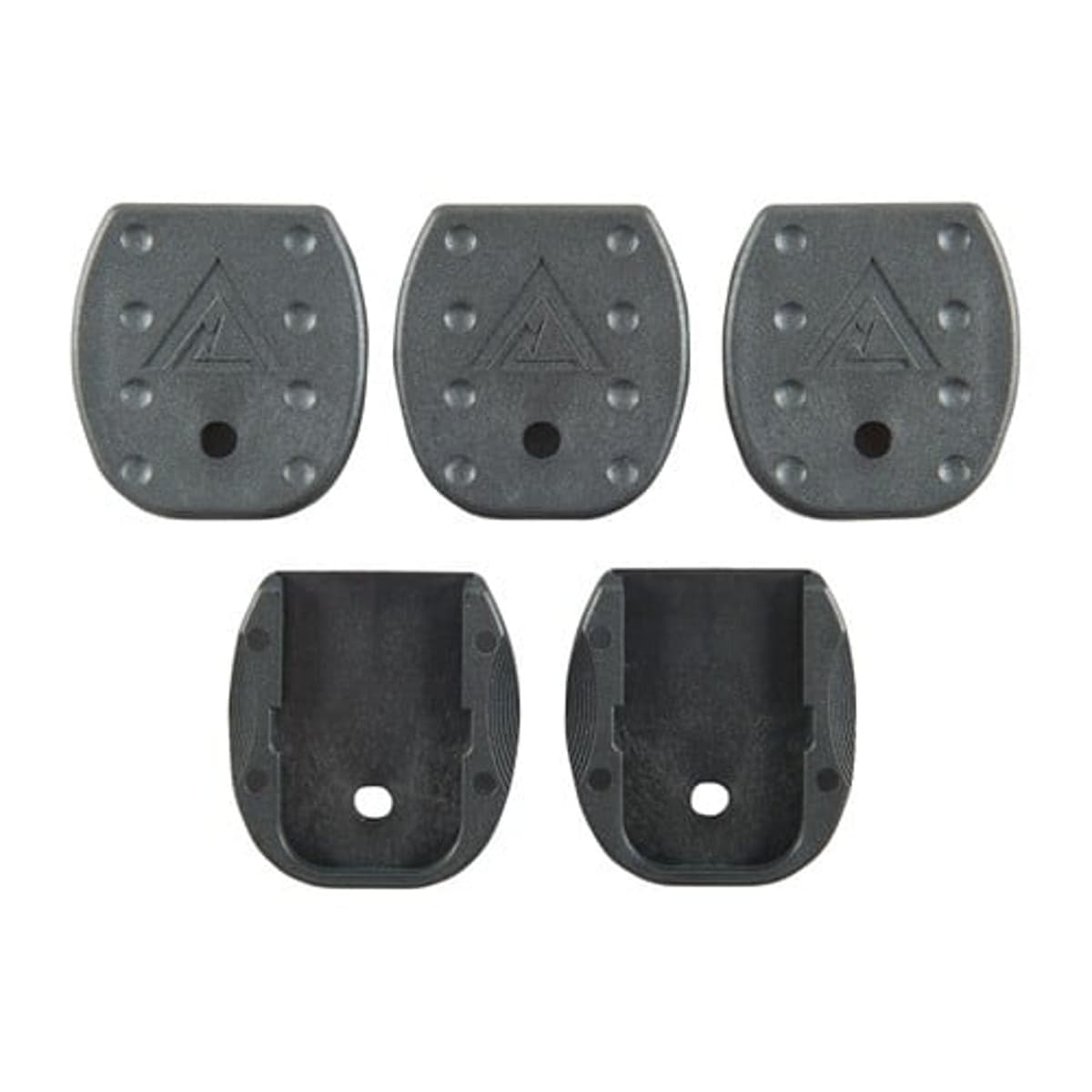
Vickers Tactical Magazine Floor Plates (Glock 9mm/.40)
- +0 capacity
- Glass-filled nylon
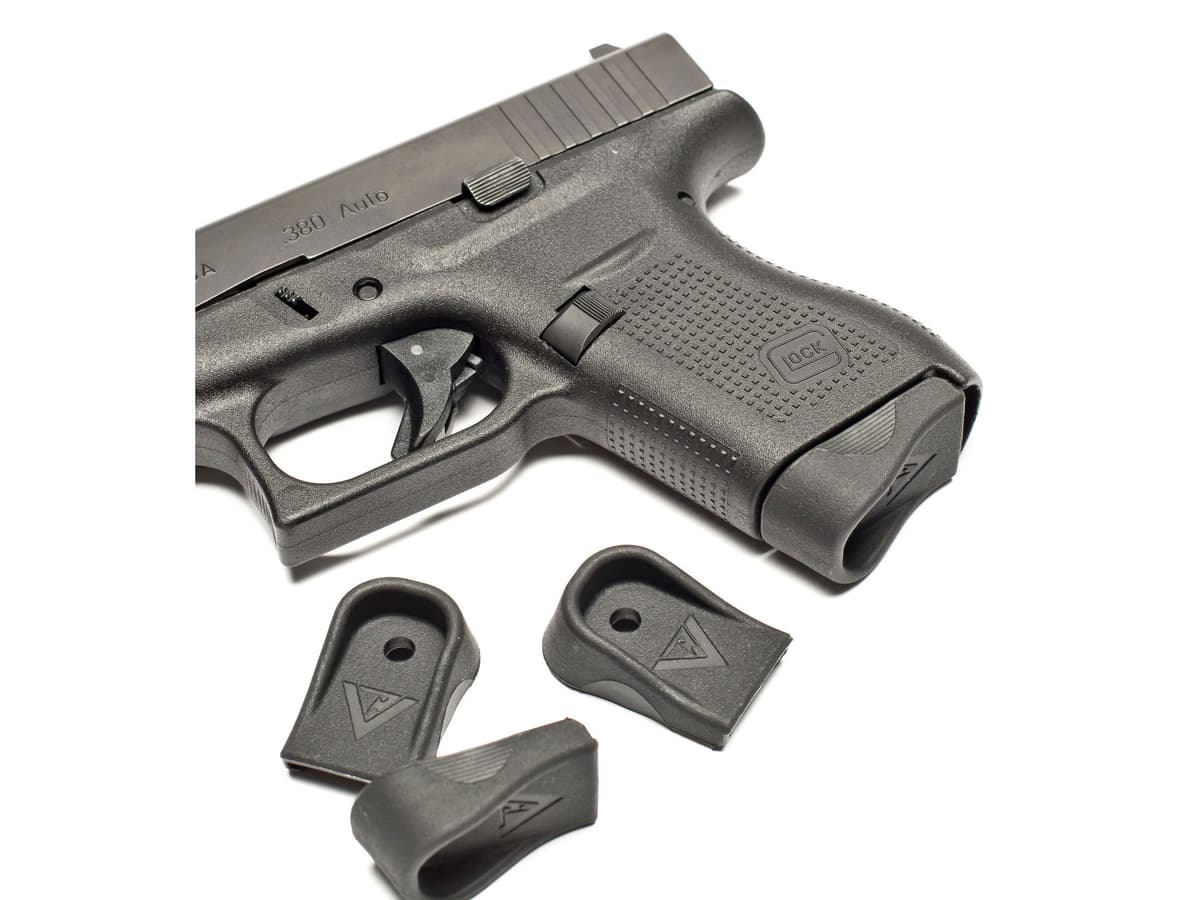
Vickers Tactical Floor Plates for Glock 42 (VTMFP-003)
- +0 capacity
- Glock 42 only
Affiliate links (?)
Stock Up on PMAGs: The Highest-ROI Upgrade You Will Make
The RXM ships with two Magpul PMAG 15 GL9 magazines, which is two more than a factory Glock 19 ships with in many markets and eight short of what you actually need. The first upgrade on any defensive or training pistol is magazines: more of them, and good ones. Plan on at least six magazines for training, eight if you compete, and a dedicated pair you keep loaded for home defense. PMAGs are roughly $14 each, Glock OEM are $26 each, and both work identically in the RXM.
Mixed PMAG and OEM Glock magazines in the same magazine pouch is fine. The RXM uses a standard Glock magazine release and any G19-pattern 15-round or 17-round magazine will drop free. For the broader rundown on training and competition mag counts plus specific magazine recommendations, the RXM accessories guide breaks it down with current pricing.
The PDW Path: Strike Industries SMC Bravo Chassis
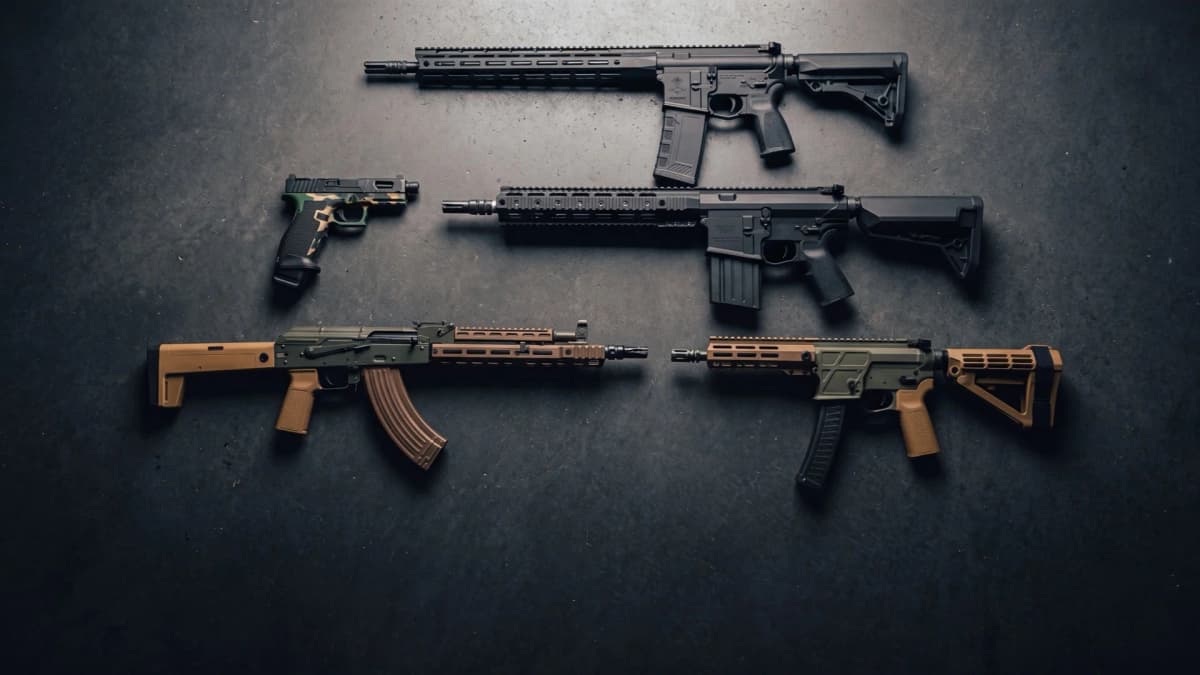
I have wanted a Glock-pattern PDW since the SIG MPX-K came out and made every chassis owner jealous. The Strike Industries SMC Bravo for RXM is a polymer chassis with an integrated 1913 Picatinny rear rail that the serialized RXM fire control unit drops into. The FCU lifts out of the factory Magpul grip frame with two pins, drops into the SMC Bravo, and the resulting host is a 1913-ready braced pistol that accepts a compatible 1913 brace or stock.
Ruger RXM Specifications
- Caliber9mm Luger
- Capacity15+1 (ships with 2 PMAG 15 GL9)
- Barrel Length4.0 in
- Overall Length7.15 in
- Weight23.2 oz
- Width1.26 in
- FrameMagpul polymer with TSP texture
- Fire Control UnitStainless steel, serialized, swappable
- TriggerGlock Gen 3 architecture, ~5.5 lb pull
- SlideG19-pattern, multi-footprint optic cut
- Direct-Mount OpticsRMR / 507C, DPP, Shield RMSc
- SightsFactory suppressor-height (red-dot co-witness)
- MagazineGlock G19-pattern (PMAG and OEM)
- Parts CompatibilityG19 slides, barrels, Gen 3 trigger parts
- MSRP$539
More Hands-On Pistol Reviews
We are running long-term tests on the Ruger RXM with the Strike Industries SMC Bravo chassis, the Osight XR, and a range of Gen 3 trigger swaps. Subscribe for round counts, build cost breakdowns, and side-by-side comparisons with factory Glocks as the data comes in.
Frequently Asked Questions
▶Is the Ruger RXM a Glock clone?
▶Does the Ruger RXM use Gen 3, Gen 5, or Gen 6 Glock parts?
▶Which red dots fit the Ruger RXM directly?
▶Is the Ruger RXM reliable out of the box?
▶Does the Ruger RXM come with magazines?
▶Will the Strike Industries SMC Bravo chassis make the RXM a PDW?
▶Can you compete with the Ruger RXM?
▶Is the Ruger RXM worth it?
Final Verdict
If you want a Glock 19 on a budget, buy an RXM.
The Ruger RXM is a Glock 19 done better at a lower price. The Magpul grip module is what you would pay an aftermarket frame shop to build, the multi-footprint optic cut eliminates the MOS plate system that nobody likes, the suppressor-height sights co-witness through any common red dot, and the serialized FCU transfers between grip modules without an FFL. It is past 1,500 rounds now with zero malfunctions, including several local club and steel matches, which is better than either of my Gen 5 Glocks did during their break-in periods. That is not a formal duty cycle, but it is well past the point where a bad host usually announces itself.
Downsides are short. The packaging is bulky and ugly. The RXM-specific aftermarket is thinner than the Glock catalog because the grip module is new, but every part that touches the slide, barrel, magazine, or fire control group is Glock-pattern, so you are buying into the deepest aftermarket in pistols on day one. The most exciting RXM-specific aftermarket part right now is the Strike Industries SMC Bravo chassis, which turns the serialized FCU into a 1913-ready PDW host for under $70.
You get a better grip, a cleaner optic cut, suppressor-height sights, PMAGs in the box, and $170 left over at MSRP, closer to $300 if you shop a local counter (mine was under $400 out the door). For the wider rundown of what to bolt to it next, the Ruger RXM accessories guide ranks the holsters, triggers, optics, and lights. You can also check the catalog entry for live pricing or spec out a full Glock-pattern build in the rifle and pistol builder.