Odin Works H-FRT Buffer: Built for Forced Reset Triggers
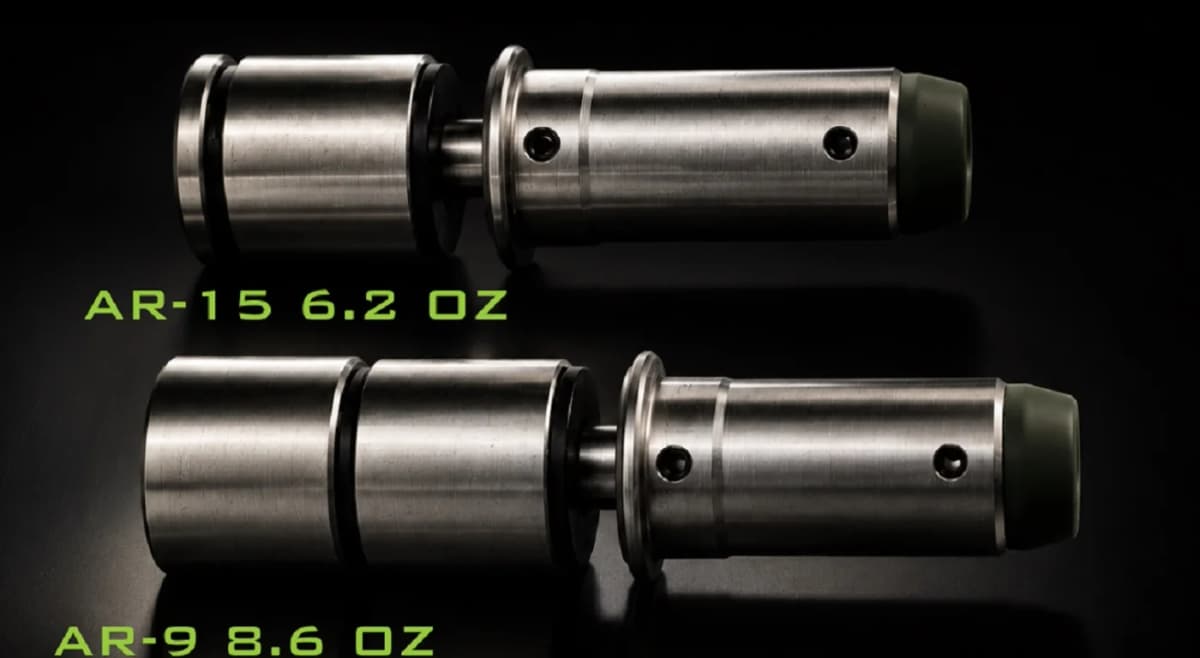
Odin Works launches a dedicated heavy buffer for forced reset triggers, with separate SKUs for AR-15 and AR-9 hosts. A 303 stainless steel body, an included proprietary flat wire spring, and a fixed $79 price replace the trial-and-error of stacking weights or hand-picking springs to get an FRT to cycle.
Key Takeaways
- →Two SKUs, one job: H-FRT for AR-15 carbine tubes, H-FRT9 for AR-9 blowback PCCs. Each ships with a matched flat wire spring.
- →303 stainless steel body: Higher density than aluminum or steel-weighted buffers, machined as a single piece rather than a stacked weight stack.
- →Tuned for the FRT cycle: Adds reciprocating mass so the bolt carrier dwells long enough for the forced reset to complete on each shot, instead of out-running it.
- →AR-9 reliability fix: Direct-blowback 9mm PCCs hammer the buffer harder than a gas AR; the H-FRT9 is the first off-the-shelf buffer aimed at that combination.
- →Pricing: $79 direct from Odin Works for either version. No tuning kit, no adjustment screws, no swap weights.
The Odin Works H-FRT Buffer
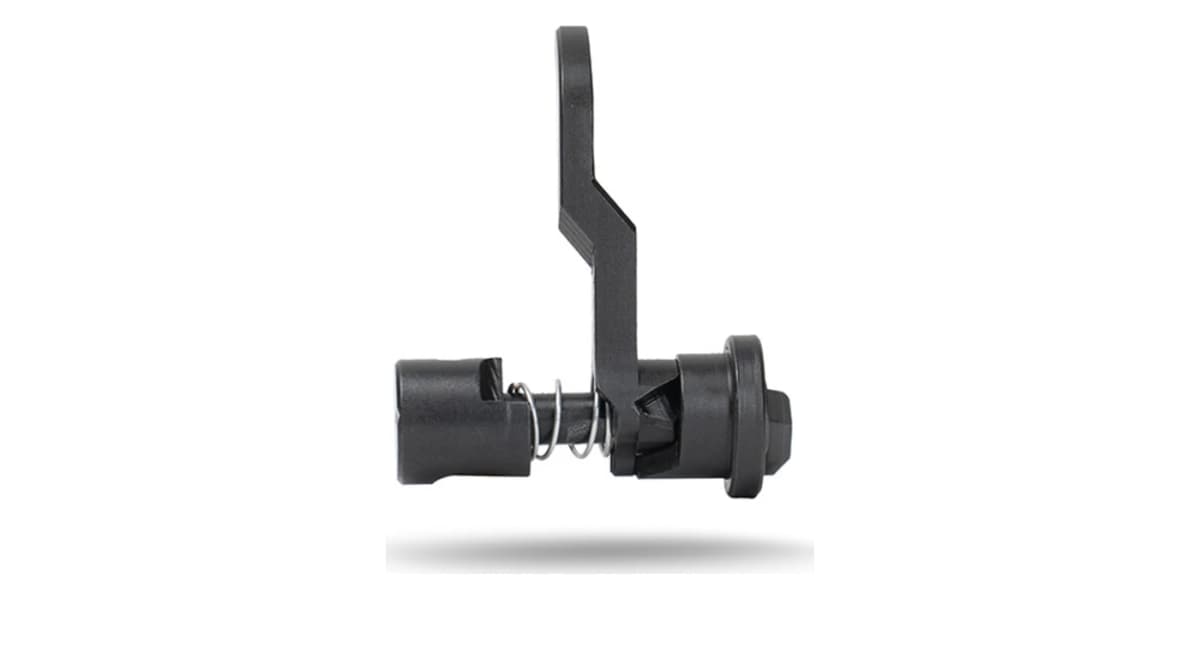
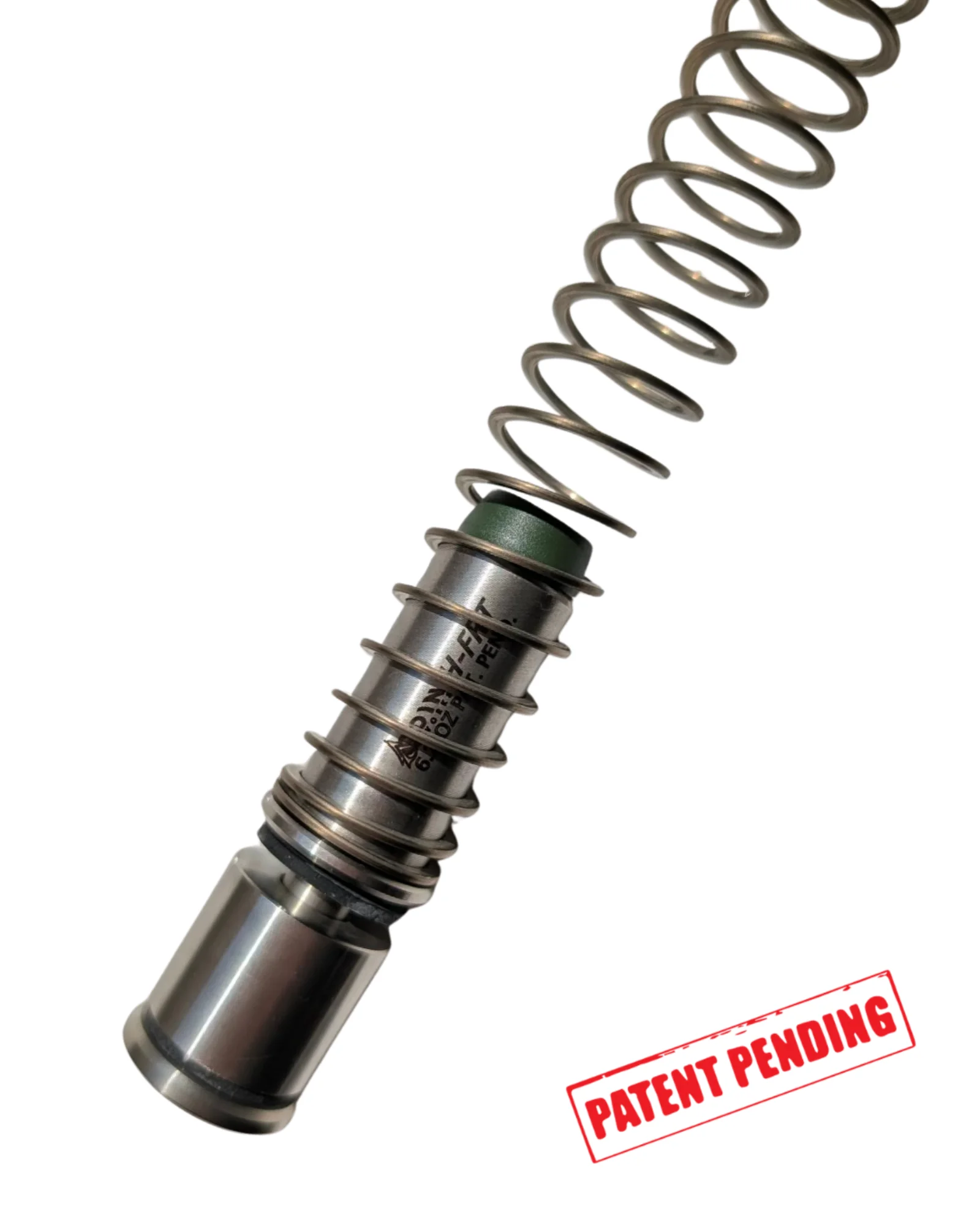
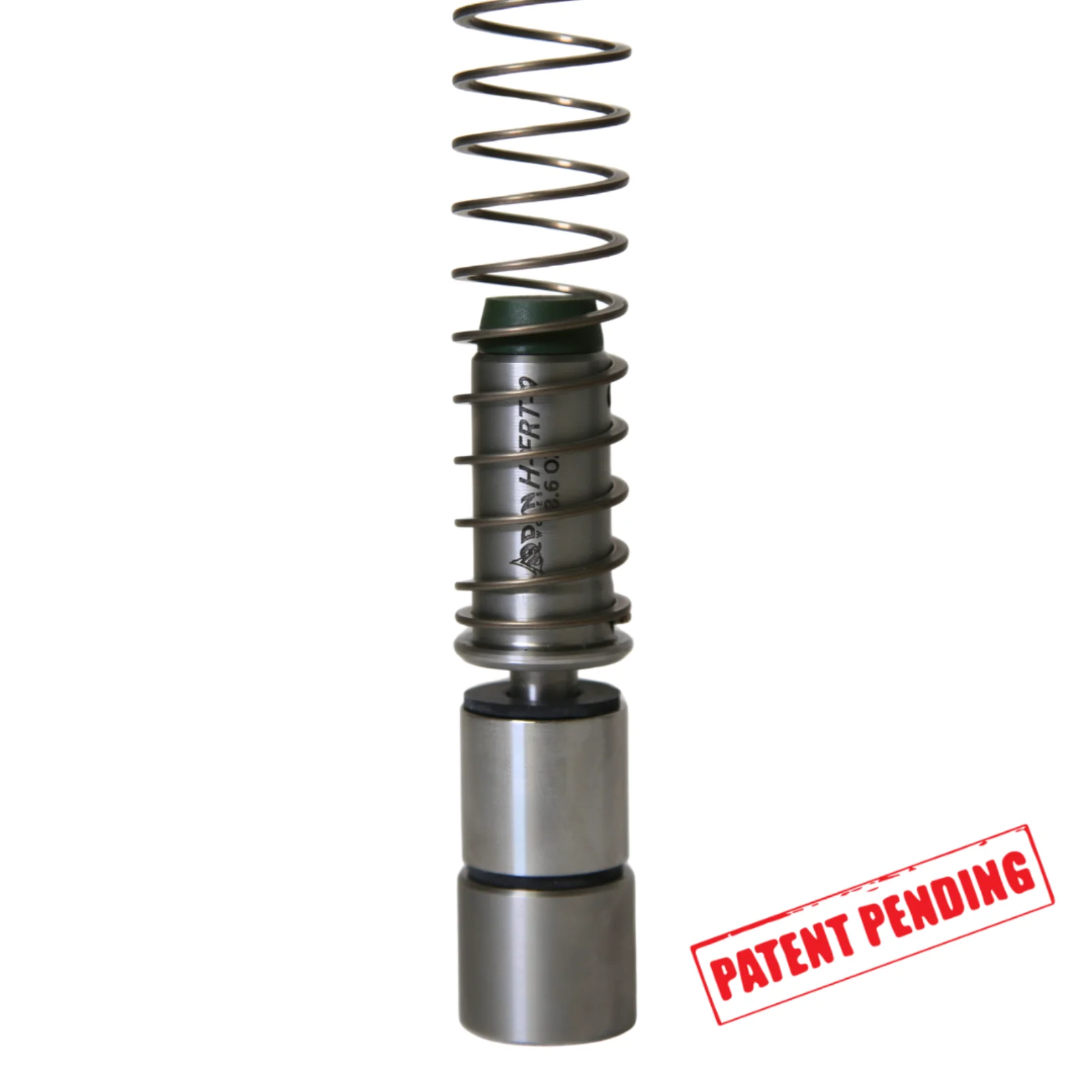
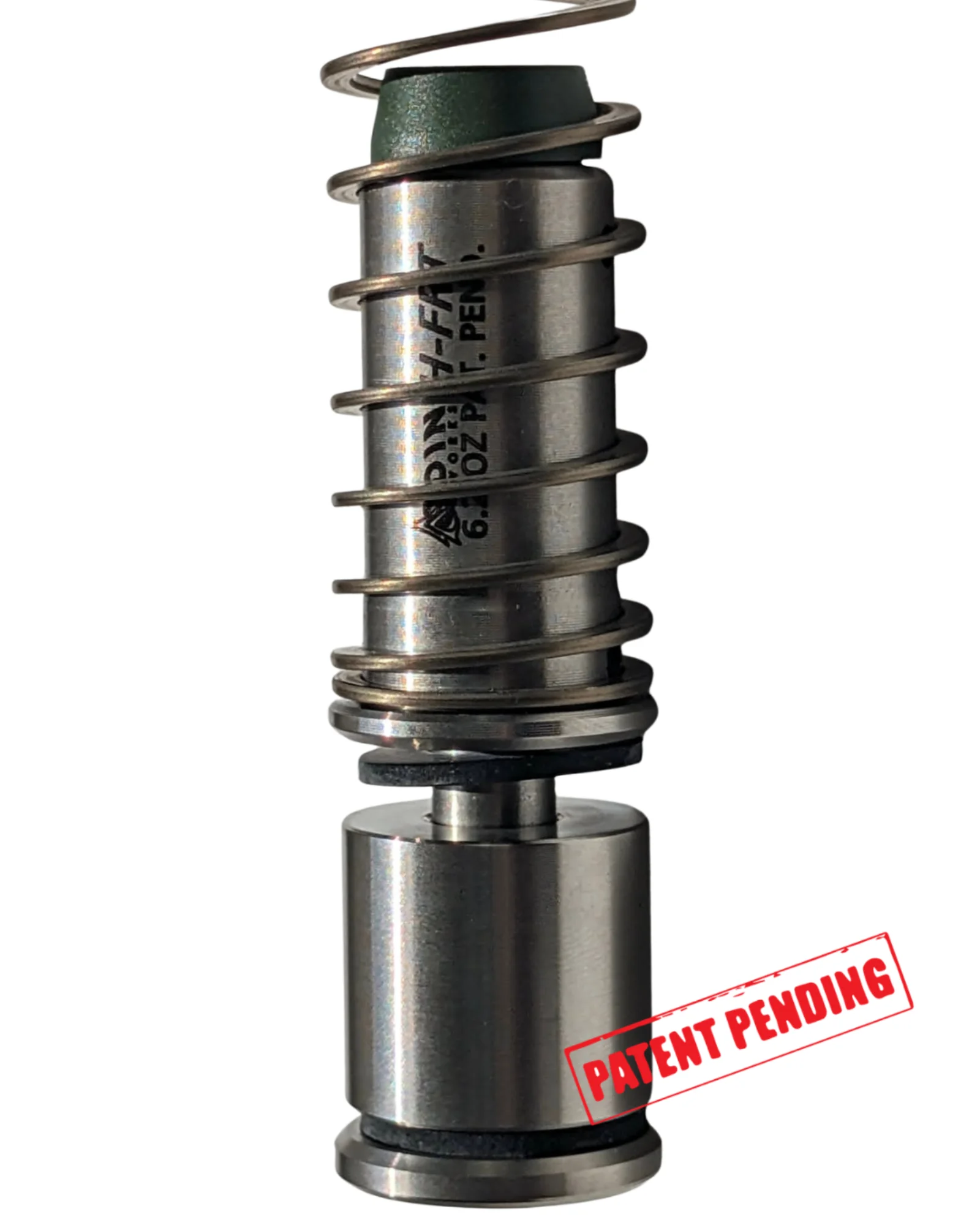
The H-FRT is the AR-15 carbine configuration: a 6.2 oz machined 303 stainless body with the matched flat wire spring in the box, priced at $79 direct. It drops into a standard carbine buffer tube and is rated for barrels over 10 inches.
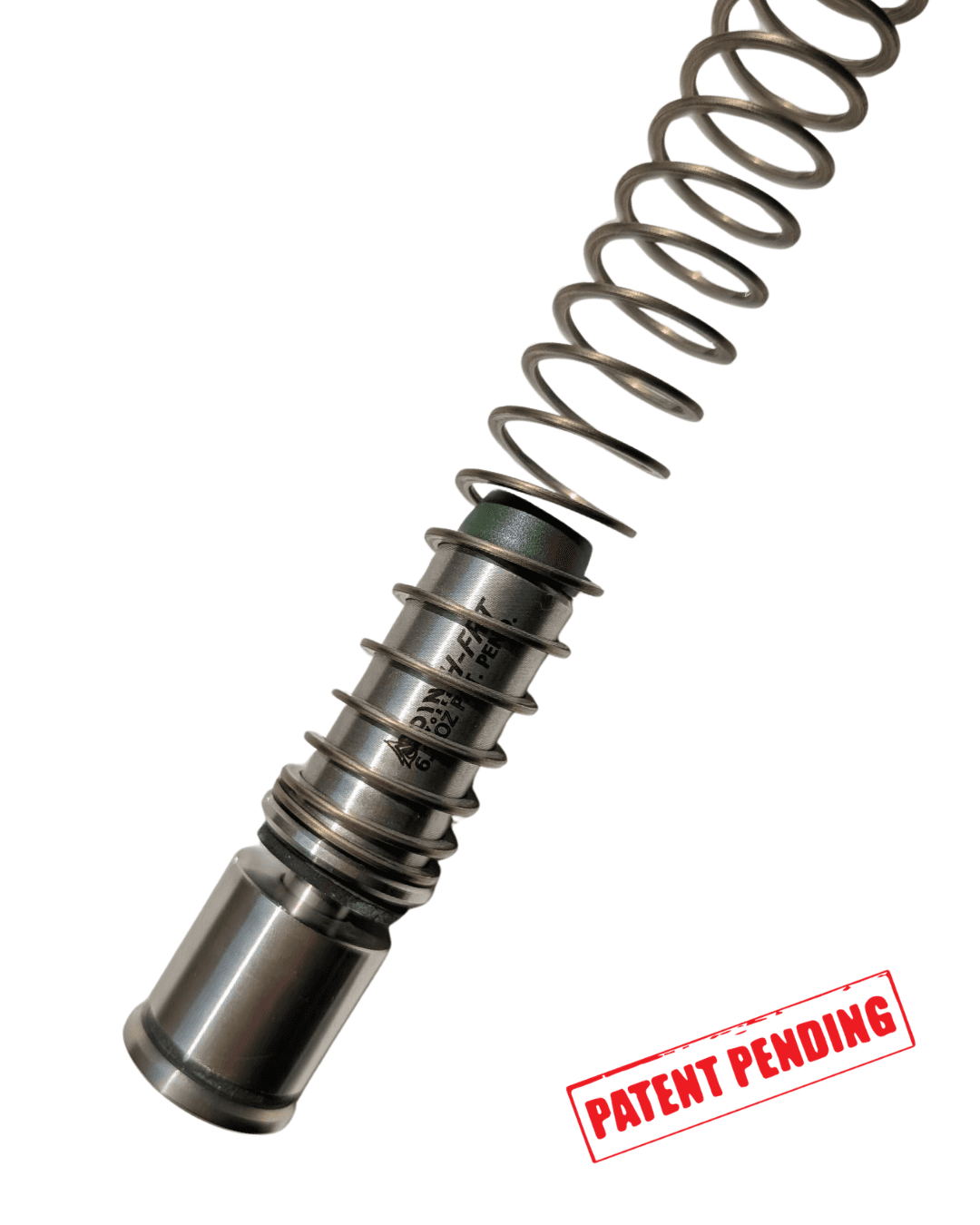
ODIN Works H-FRT Heavy Buffer (AR-15)
Matched 6.2 oz 303 stainless buffer and flat wire spring tuned to keep an AR-15 FRT cycling on a carbine tube
Heavy 303 stainless buffer with a matched flat wire spring, built to keep an AR-15 forced reset trigger cycling on a carbine tube.
- +Removes the buffer-and-spring trial-and-error from an FRT build
- +One-piece stainless body keeps cycling consistent at high rates of fire
- +Matched flat wire spring included, no separate spring purchase
- −Heavier than an H1 or H2; overkill for a standard semi-auto carbine
- −Spring is part of the system and cannot be mixed with other springs
- −Carbine tube only and rated for barrels over 10 inches
Affiliate links (?)
The Triggers the H-FRT Pairs With
The buffer is only half the system. It adds the reciprocating mass that keeps the bolt carrier from out-running the reset, but you still need a forced reset trigger to feed it. These are the two FRTs the H-FRT is tuned around.
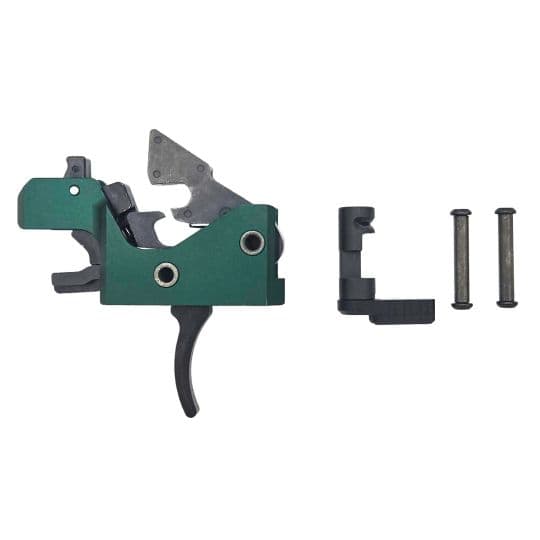
The Triggered Company Partisan Disruptor FRT
Lighter 3.75-4.1 lb FRT cassette the H-FRT keeps cycling on a carbine tube
Drop-in forced reset trigger with 3-position safety for rapid follow-up shots
- +Significantly faster follow-up shots vs standard triggers
- +Easy drop-in installation (torx wrench + included anti-walk pins)
- +Durable 17-4 stainless steel and 4140 chromoly construction
- −Take-up ahead of the wall is gritty out of the box on newer revisions
- −Stock selector is oversized, non-ambidextrous, and less positive than milspec (the SBW ambi selector fixes this)
- −Only 1-year warranty
Affiliate links (?)
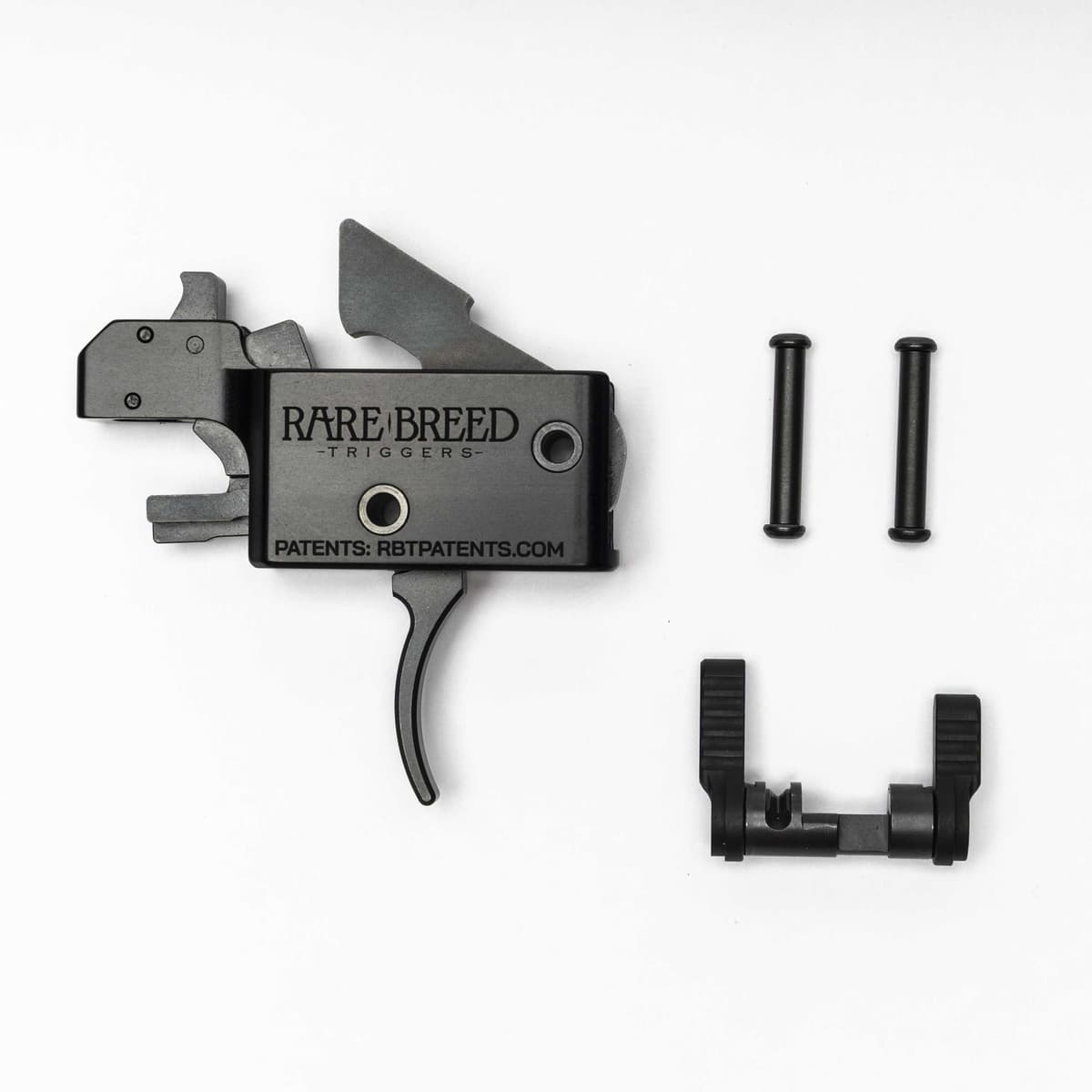
Rare Breed Triggers FRT-15L3
The original FRT, with a full hardware kit, paired to the H-FRT instead of hand-picking an H2 or H3
The original forced reset trigger with an ambidextrous 3-position safety and full hardware kit
- +The original FRT and the design the rest of the category followed
- +Ambidextrous selector and full hardware kit included at the listed price
- +Current production version of the FRT-15 covered by the May 2025 DOJ settlement
- −Heavier 5.5-6 lb forced reset pull vs the 3.75-4.1 lb Disruptor
- −The highest price in the forced reset category
- −Disruptor Ambi delivers a pre-installed ambidextrous selector at $324.99, $125 less
Affiliate links (?)
Why an FRT-Specific Buffer Exists
Forced reset triggers rely on a mechanical link to the bolt carrier to reset the trigger after each shot. That coupling means buffer weight and spring rate are no longer just a recoil preference; they directly determine whether the FRT cycles or stalls. Too little mass and the carrier finishes its travel before the trigger has time to reset, leading to skipped resets and a sluggish feel. Too much mass and the carrier short-strokes, the bolt fails to fully lock, and the FRT simply stops working. The window is narrower than most AR shooters are used to.
The H-FRT collapses that tuning problem into a single part number. Odin Works engineered the buffer weight and the flat wire spring as a matched pair, then split the platform into AR-15 and AR-9 versions because the underlying impulse is fundamentally different. A direct-blowback PCC has no gas system to bleed pressure, so the bolt is driven straight back by case pressure. The H-FRT9 carries more mass and a stiffer spring to absorb that, which is also why it is not a drop-in for a 5.56 carbine. The system is calibrated for one job each.
For the broader FRT landscape, the forced reset trigger buyer's guide covers which triggers are currently shipping, legal status, and price tiers, and our FRT compatible guns guide maps every platform with a forced reset path. The H-FRT slots in as a build-stage upgrade for any of those systems, particularly the Triggered Disruptor and the AS Designs Arc V2, both of which benefit from a buffer tuned to the FRT cycle rather than a standard H2.
The AR-9 Configuration is the More Interesting One
AR-9 blowback PCCs have always been a buffer-and-spring puzzle. Hammer-forward bolts strike the buffer with the full case pressure of 9mm at every shot, and the rate of fire on an FRT compounds that impact across a magazine. Most builders end up with a stacked tungsten weight buffer and a stiff custom spring, hand-tuned for the specific upper, ammo weight, and trigger. The H-FRT9 is the first commodity buffer aimed at making that calibration step disappear. Our AR9 FRT build guide walks the full stack the H-FRT9 slots into, from the FRT-clear bolt carrier to the start-heavy spring tuning.
The 303 stainless body matters here. Stacked tungsten or steel weights in a hollow aluminum sleeve can shift or rattle under repeated high-rate impulses, and any internal play changes the effective buffer weight at the moment of impact. A single machined stainless body has no internal weights to move, which keeps the buffer's contribution to the cycle consistent shot after shot. For PCC builders pairing an FRT with a suppressed 9mm host, that consistency is the difference between a reliable mag dump and a stoppage every fourth round.
Forced Reset Triggers the H-FRT is Built to Run
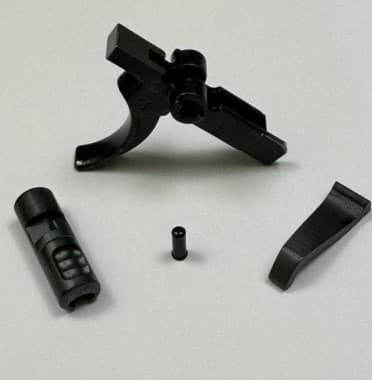
Mars Trigger Position AR FRT Super Safety
- 3-position selector
- 4140 Alloy Steel
The Triggered Company Partisan Disruptor FRT
- 3.75-4.1lb pull
- Forced reset
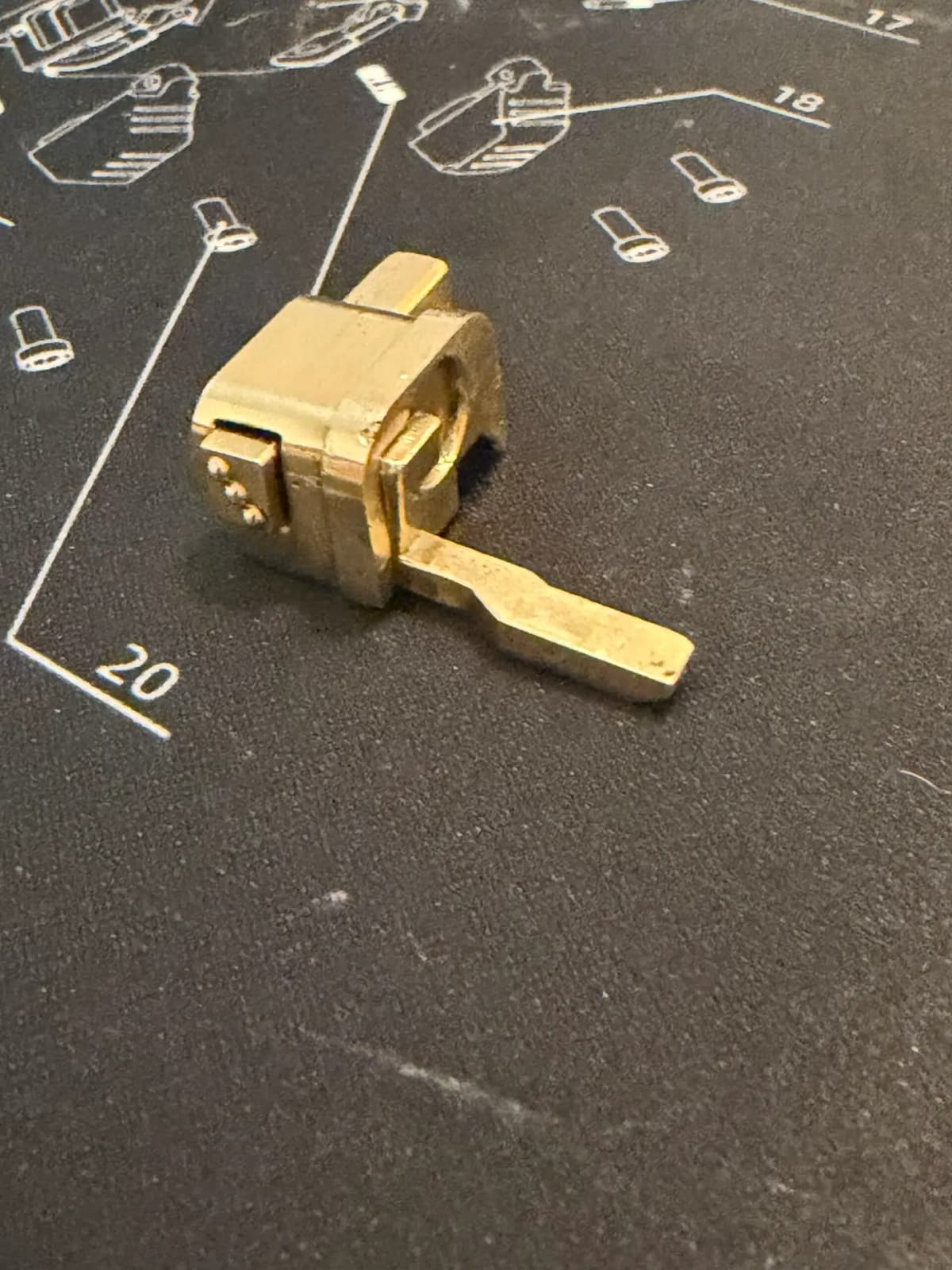
DMR M&P 2.0 Forced Reset Trigger (FRT) - CNC Nickel Aluminum Bronze Edition
- CNC-milled nickel aluminum bronze version
- Fits M&P M2.0 Full, Compact, Subcompact, Metal, Performance Center, and Thumb Safety models
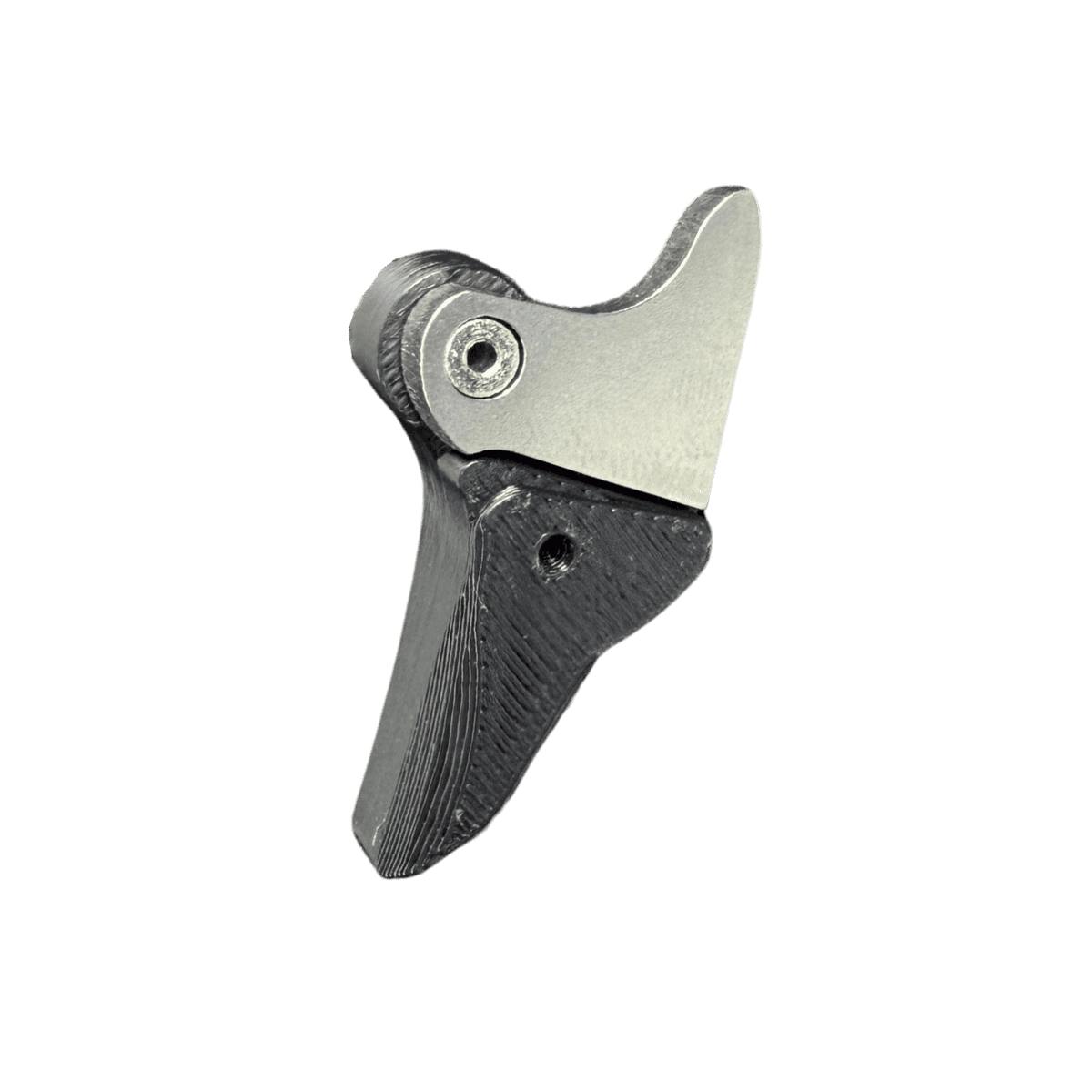
Freedom Finger Triggers FFT Cut V2 Glock FRT
- Forced-reset trigger, FFT Cut V2
- Stainless steel trips with 3D-printed PLA+ shoe
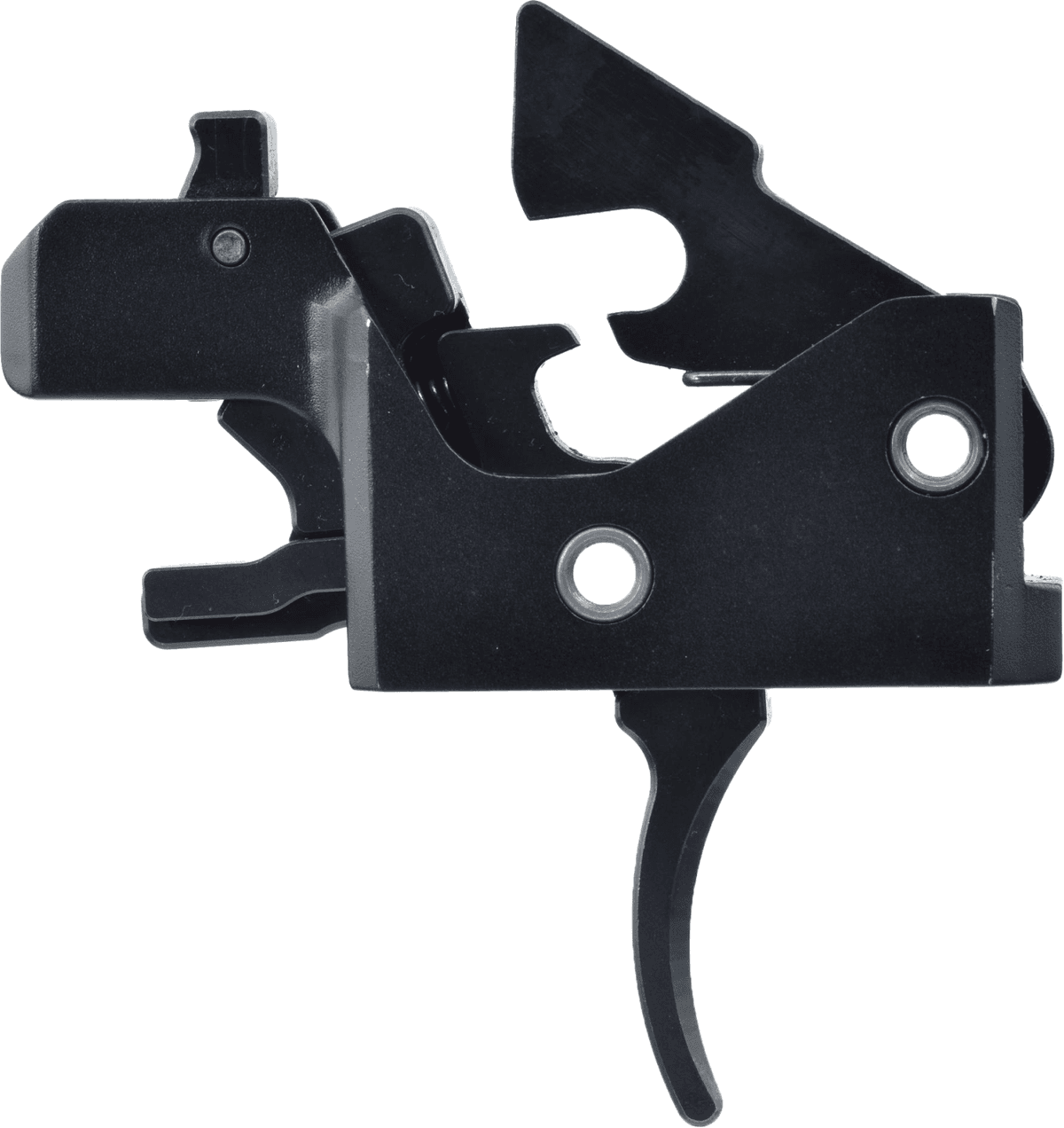
The Triggered Company Disruptor FRT Ambi
- 3.7-4.1 lb pull
- Forced reset
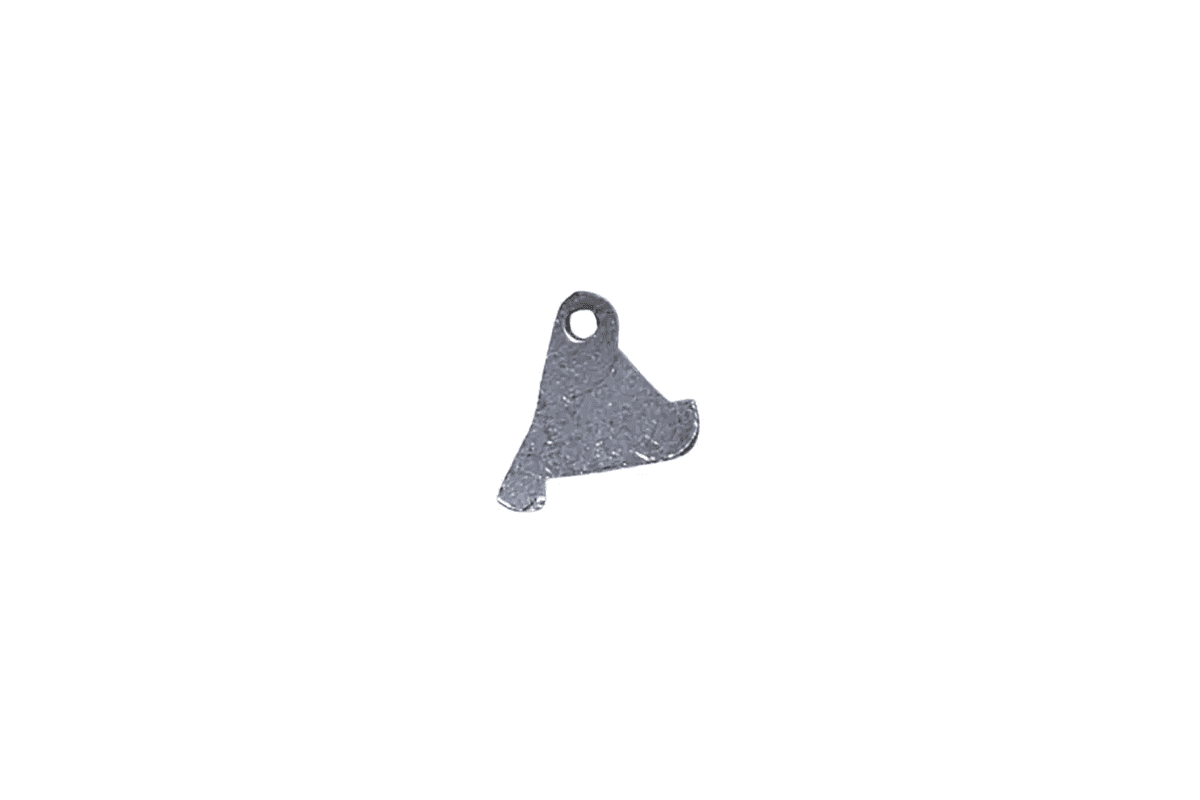
MaRs Trigger Taurus Pulse TX22 FRT
- Forced reset trigger (FRT)
- Replaces factory disconnector
Affiliate links (?)
H-FRT Specifications
- SKUsH-FRT (AR-15), H-FRT9 (AR-9)
- Body Material303 Stainless Steel
- SpringProprietary flat wire (included)
- Designed ForForced reset triggers, high rate of fire
- H-FRT FitsStandard AR-15 carbine buffer tube
- H-FRT9 FitsAR-9 blowback platforms
- AdjustmentNone (tuned, not adjustable)
- Price$79 each (direct, Odin Works)
- ManufacturerOdin Works, Idaho, USA
Where the H-FRT Fits in a Build
The H-FRT is a final-stage component. Install the trigger first, confirm semi-auto and FRT modes function with the factory buffer, then swap to the H-FRT and its flat wire spring as a unit. Do not pair the H-FRT body with a stock carbine spring or a different flat wire from another vendor; the spring rate is part of the tuning. If you are still spec'ing the rest of the carbine, the rifle builder can lay out an FRT-ready AR-15 or AR-9 with compatible lower parts, charging handle, and bolt carrier group before you decide on the buffer.
For the FRT itself, the Triggered Disruptor (formerly Partisan) review covers a $299 drop-in option with reliable forced reset mode, and the AS Designs Arc V2 covers the latest super safety with smoother engagement and expanded host compatibility. Either pairs with the H-FRT as the trigger half of the system, as does Hoffman Tactical's $43 Trigger Kicker disconnector for the budget end. For the legality, install specifics, and how forced reset selectors differ from full FRT triggers, the super safety guide walks through the category before you commit to a buffer specifically tuned for it.
Stock Up on AR-15 Magazines
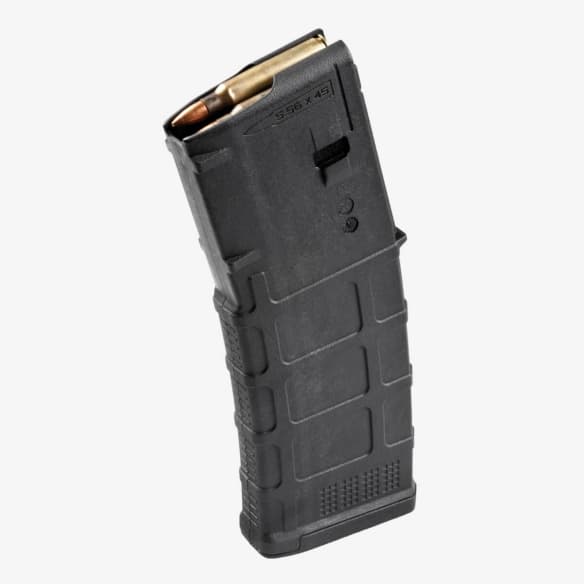
Magpul PMAG 30 AR/M4 GEN M3
- 30 rounds
- 5.56/.223
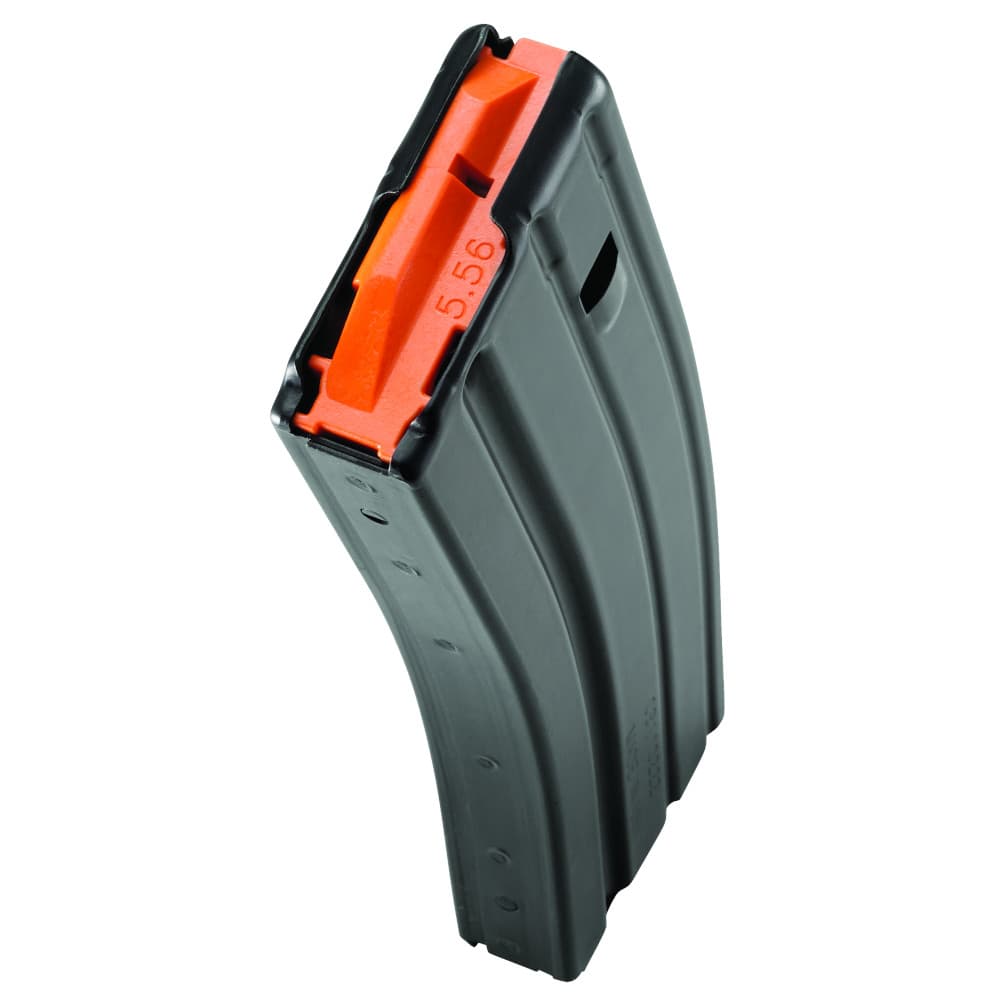
DURAMAG SPEED 30-Round Aluminum Magazine
- 30 rounds
- 6061-T6 aluminum
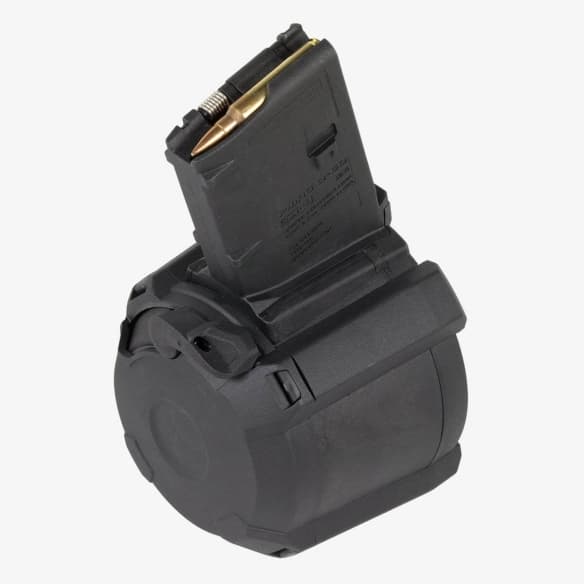
Magpul D-60 Drum Magazine
- 60 rounds
- Polymer construction
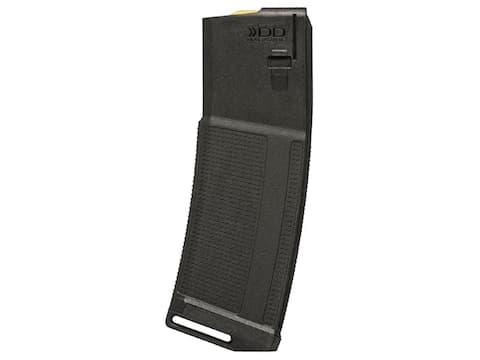
Daniel Defense 32-Round Magazine
- 32 rounds
- 5.56/.223
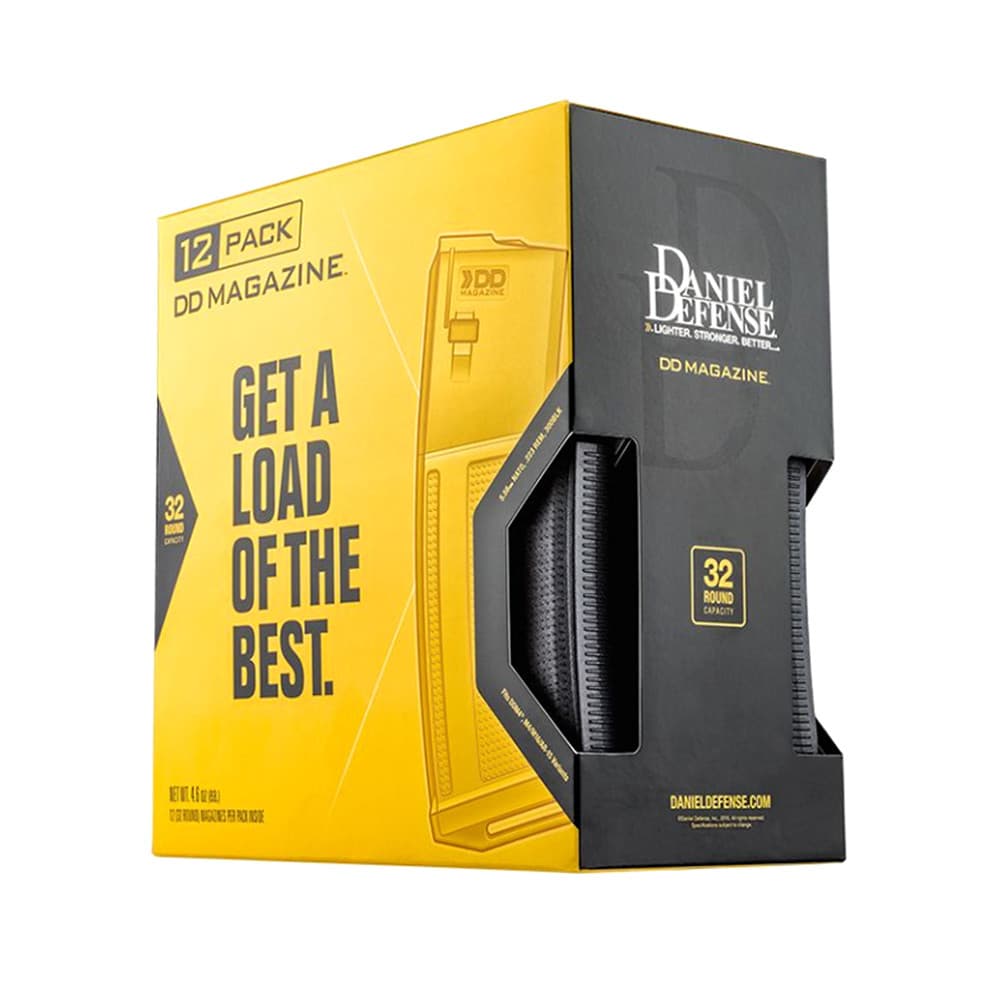
Daniel Defense 32-Round Magazine 12-Pack
- 12 magazines
- 32 rounds each
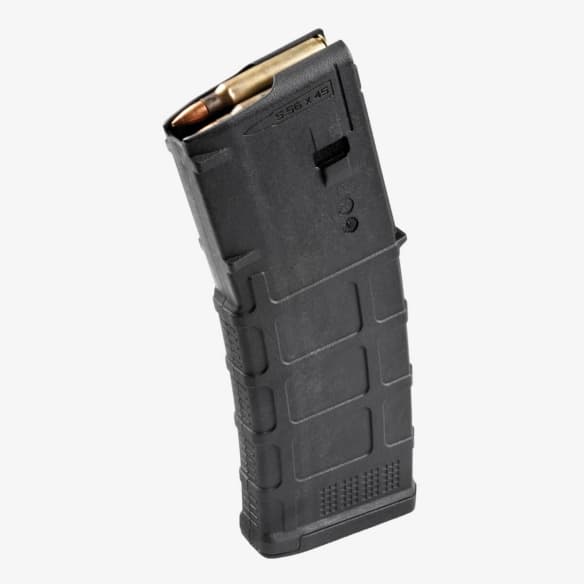
Magpul PMAG Gen 3 30-Round
- 30-round
- 5.56/.223
Affiliate links (?)
Stay Updated on FRT Gear and PCC Builds
Get notified when new forced reset triggers, super safeties, and tuned components like the H-FRT drop. We also cover PCC launches, hands-on reviews, and AR-9 build guides.
Frequently Asked Questions
▶What is the Odin Works H-FRT buffer?
▶Why do FRTs need a different buffer?
▶Is the H-FRT9 different from the AR-15 version?
▶Does the H-FRT replace the standard carbine spring?
▶Will the H-FRT work without a forced reset trigger?
▶How much does the H-FRT cost and where can I buy it?
Bottom Line
The H-FRT addresses a specific, real problem: getting a forced reset trigger to cycle reliably without burning a weekend swapping weights and springs. Odin Works picked the two host platforms where this problem actually shows up at scale, AR-15 carbines and AR-9 blowback PCCs, and shipped a matched buffer-and-spring system for each. The 303 stainless one-piece body is the right engineering choice for high-impulse cycling; a stacked tungsten buffer with internal play would defeat the purpose of tuning the cycle this precisely. KAK Industry takes the opposite route with its DBC dead-blow carrier, moving the reciprocating mass into the bolt carrier so an FRT runs on a plain 3 oz carbine buffer instead of a heavy one. LSD Arms ships a factory-tuned FRT rifle package that includes an Odin Works heavy buffer and the Triggered Company Disruptor installed out of the box, so buyers who want the FRT experience without sourcing parts separately get the buffer tuning handled for them.
At $79, this is not a budget part, but the alternative is buying multiple buffers and springs to find a working combination. For AR-9 PCC builders specifically, the H-FRT9 is the first off-the-shelf option that meaningfully cuts the hand-tuning step out of the build. AR-15 shooters running a standard semi-auto trigger should stay with an H2 plus a Sprinco spring; the H-FRT is a tool for a specific job, and that job is making an FRT work. Browse FRT-ready setups in the catalog or use compare to line up an AR-9 PCC against a 5.56 carbine before committing to the H-FRT or H-FRT9.