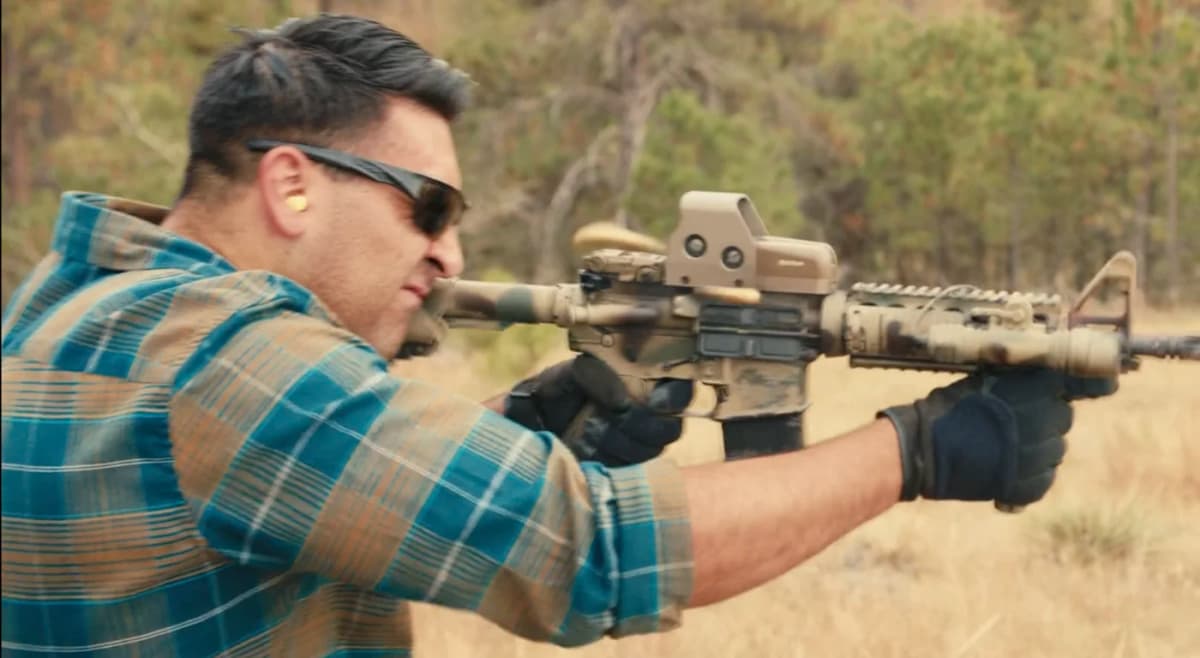
Key Takeaways
- →Two revisions, one verdict: the launch unit broke gritty, the current cassette breaks like a two-stage with a defined wall. Take-up ahead of the wall is still gritty out of the box on both.
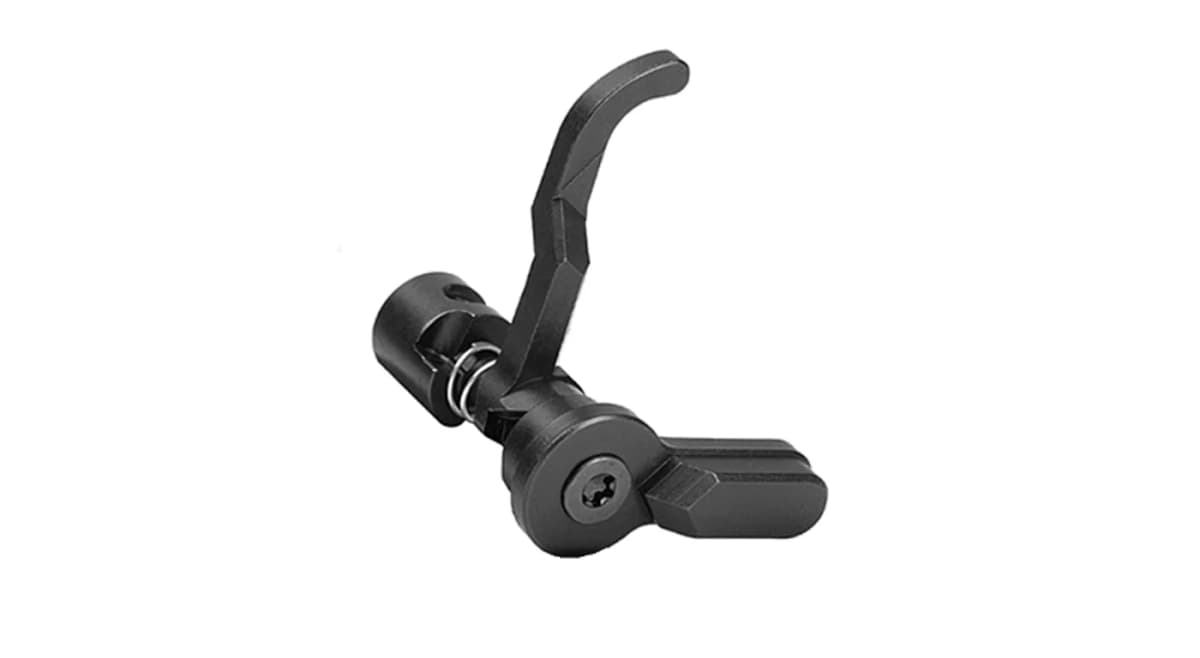
- →Three selectors: the oversized launch-era lever, the SBW ambidextrous selector (pre-installed on the Ambi SKU or sold alone), and the OOPS one-piece mil-spec-style selector. Get the SBW.
- →Drop-in cassette: anti-walk pins included, a Torx wrench is the only tool, and ours went in in under five minutes.
- →Hard requirements: M16-profile bolt carrier group and an H2 buffer minimum, H3 recommended on 16" and shorter barrels. The Odin Works H-FRT ships pre-tuned for FRT cycling at $75.05.
- →Legal status: eligible FRTs are covered by the May 2025 DOJ settlement at the federal level, but state restrictions still apply.
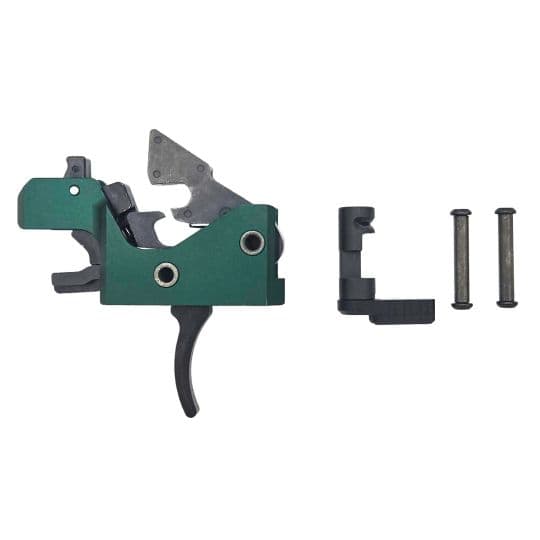
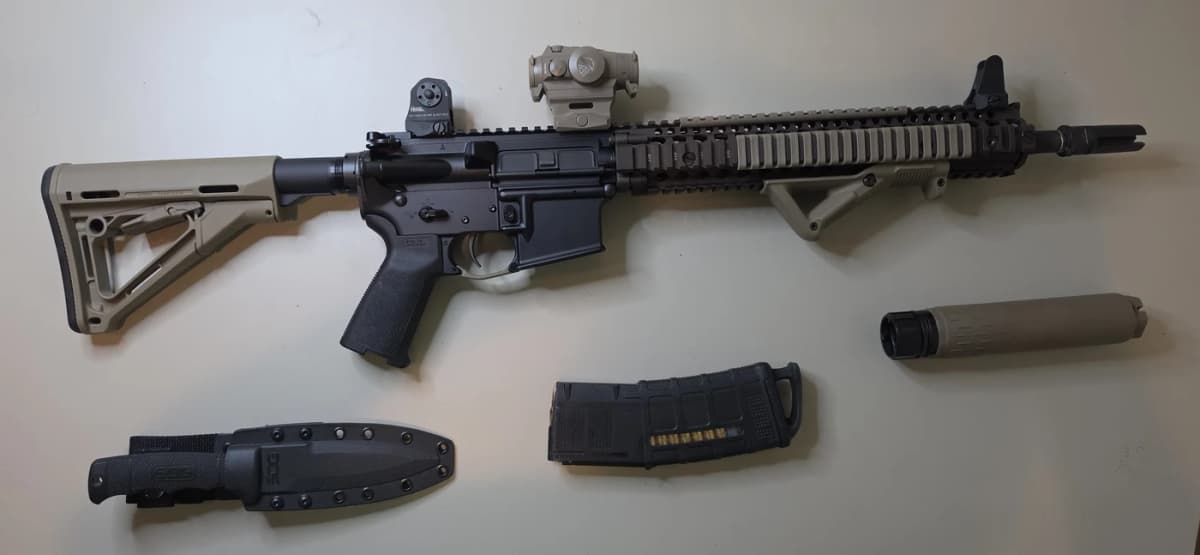
The Triggered Company Partisan Disruptor FRT
Drop-in forced reset trigger with 3-position safety for rapid follow-up shots
- +Significantly faster follow-up shots vs standard triggers
- +Easy drop-in installation (torx wrench + included anti-walk pins)
- +Durable 17-4 stainless steel and 4140 chromoly construction
- −Take-up ahead of the wall is gritty out of the box on newer revisions
- −Stock selector is oversized, non-ambidextrous, and less positive than milspec (the SBW ambi selector fixes this)
- −Only 1-year warranty
Affiliate links (?)
What is a Forced Reset Trigger?
A forced reset trigger (FRT) mechanically resets the trigger against the shooter's finger as the bolt carrier group cycles. The firearm remains semi-automatic: one trigger function equals one round fired. The difference is that the trigger resets at the speed of the BCG rather than waiting for the shooter to release and re-press.
This allows cyclic rates approaching 1,000-1,200 rounds per minute while maintaining semi-automatic legal status. The shooter still controls each shot: releasing pressure on the trigger stops the firing cycle immediately.
The Disruptor descends from the TacCon 3MR design. The Triggered Company describes it as a simplification of the 3MR that combines the reset lever and the main trigger piece into one part and adds an out-of-battery safety.
Featured: FRT Triggers Compared
The Disruptor leads our FRT recommendations. The Ambi variant fixes the original's selector complaint, while the Atrius FRS selector and Mars 3-position system are selector-only paths into forced reset. See our full FRT Buyer's Guide 2026 for rankings and buffer recommendations across every forced reset trigger on the market.
Featured: FRT Triggers Compared
The Triggered Company Partisan Disruptor FRT
- Most proven full forced reset trigger at $275
- Drop-in cassette, anti-walk pins included
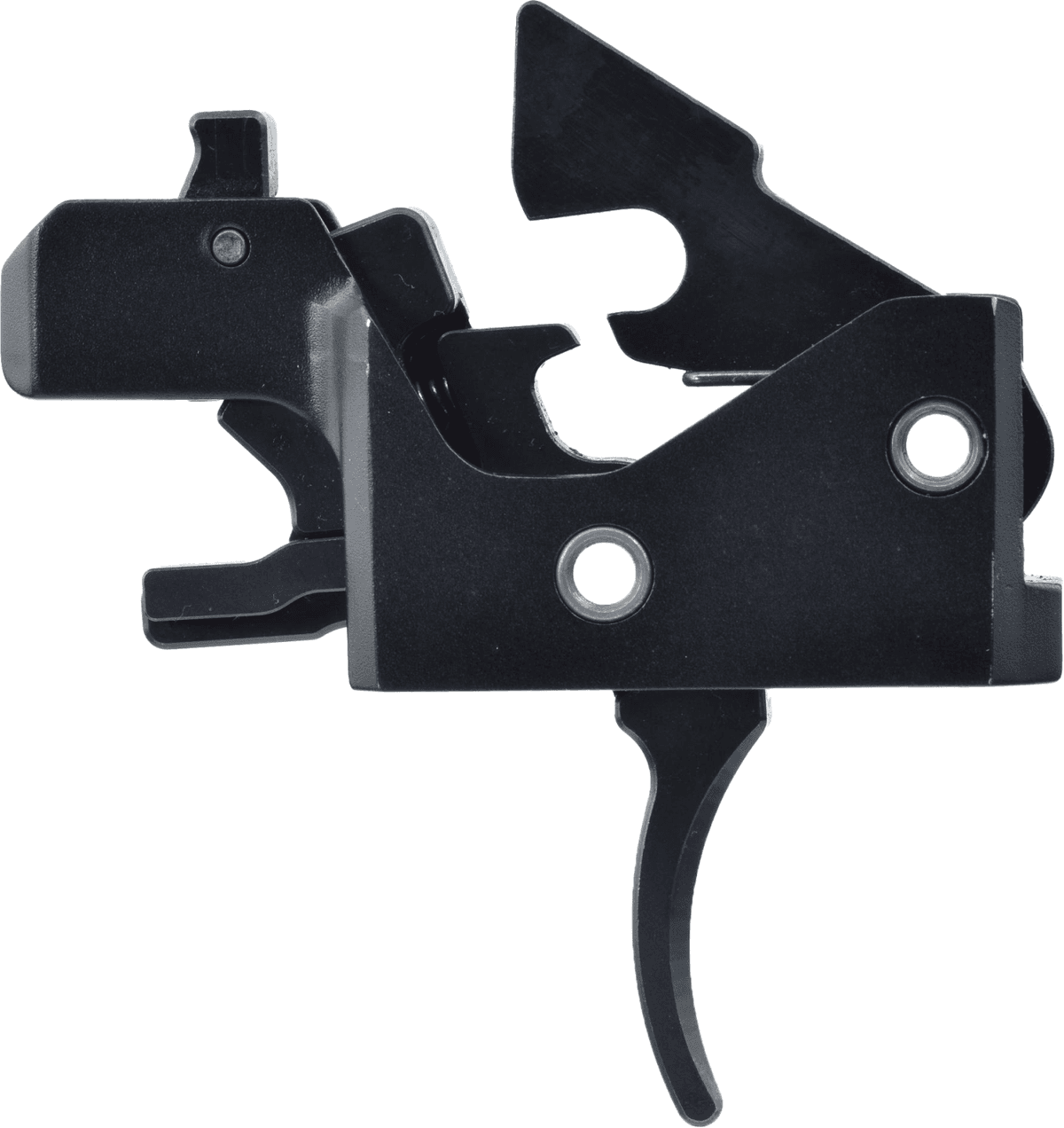
The Triggered Company Disruptor FRT Ambi
- Same Disruptor cassette with SBW ambi selector pre-installed
- $25 over standard SKU, cheaper than buying SBW separately
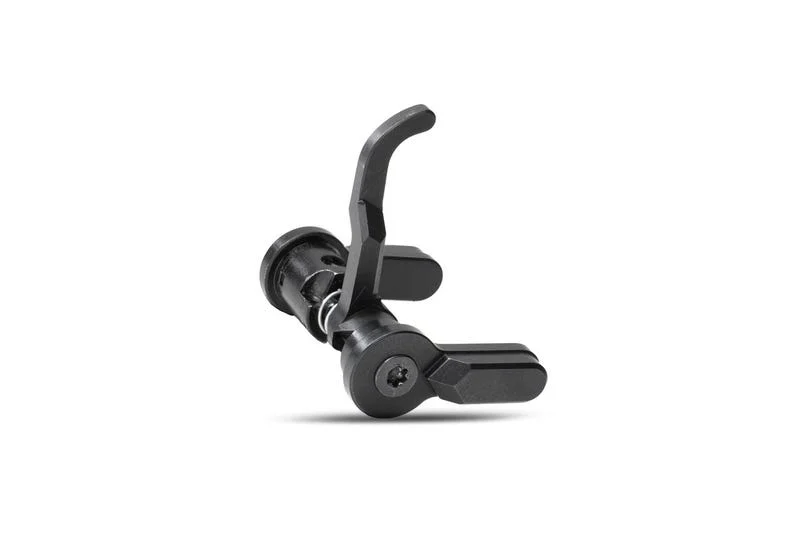
Atrius Development Ambidextrous Forced Reset Selector
- Selector-only forced reset; keeps your existing trigger
- Ambidextrous 90° throw with positive detents
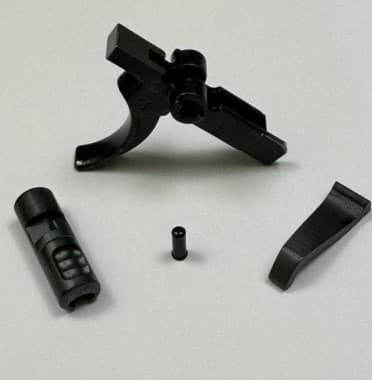
Mars Trigger Position AR FRT Super Safety
- Cheapest path into forced reset shooting
- 3-position Safe/Semi/Enhanced, no FCG swap required
Affiliate links (?)
Launch Unit vs Current Revision
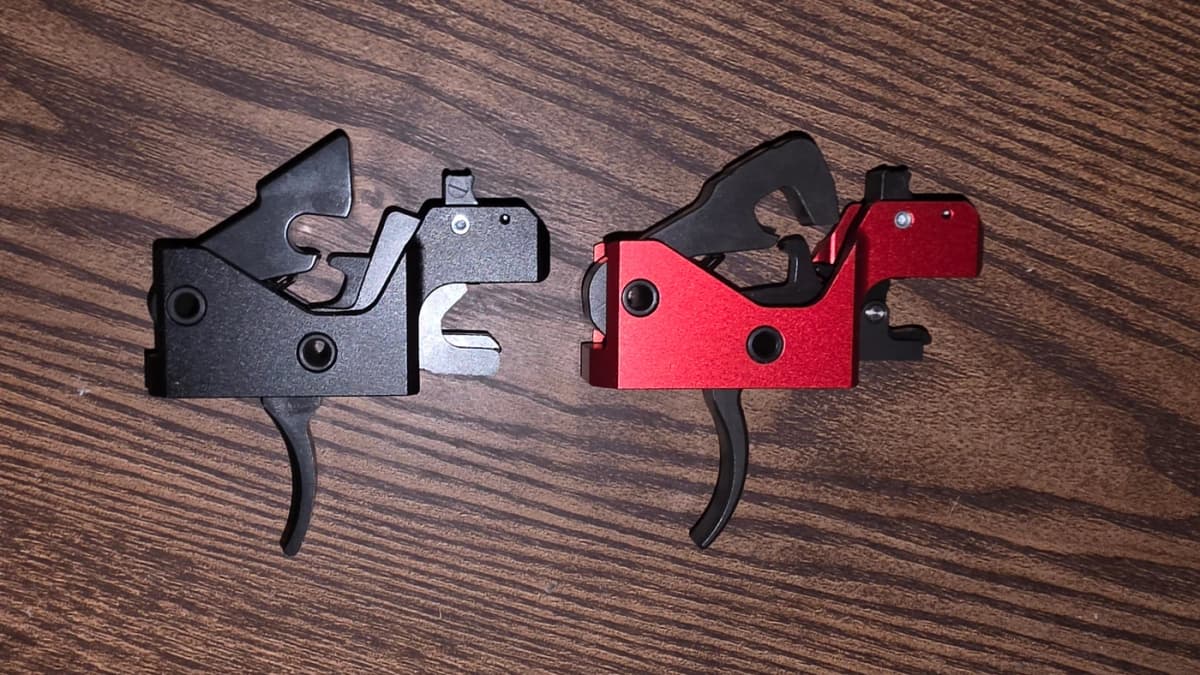
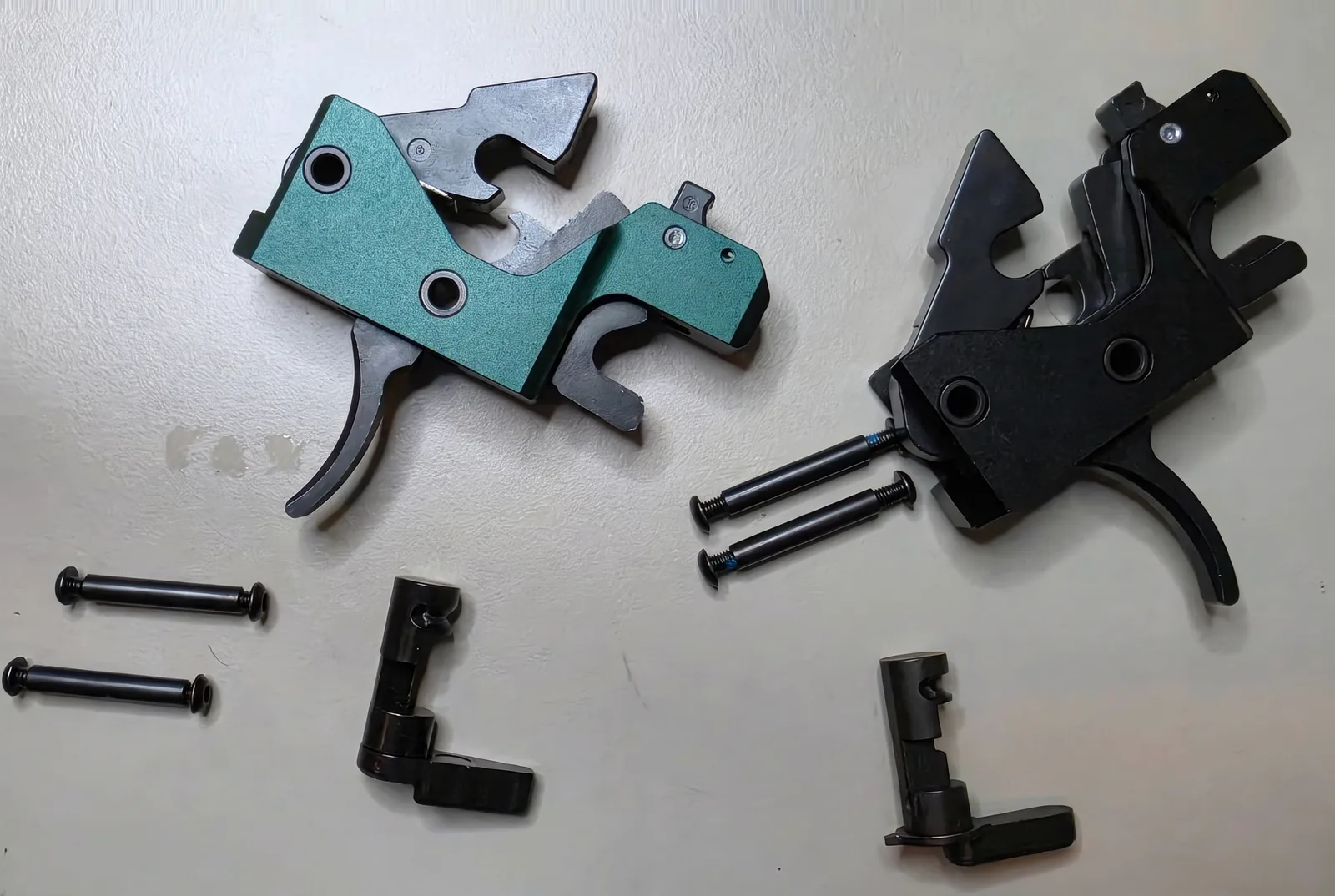
The two cassettes are the same trigger in the ways that matter for fitment: same drop-in housing, same mil-spec pin size, same anti-walk pins in the box, same three selector positions (Safe, Semi, Enhanced Semi). Green and black are both current color options, so the color does not tell you which revision you are holding. What tells you is the semi-auto break.
Hands-On: The Break
Launch unit, January 2026: the semi-auto reset was clean and short, but the break itself was noticeably gritty, worse than a standard mil-spec trigger. Out of the box it was not something you would choose over a basic mil-spec fire control group for precision work, which is why the first version of this review told people to buy it for forced reset mode alone.
Current revision: a different trigger in semi-auto. There is a real wall, and the break off that wall is cleanly defined and predictable, close enough to a two-stage in feel that you can stage against it and press. The 3.75-4.1 lb weight is CMP Service Rifle Match compliant, and the current cassette is one you would actually run in semi-auto rather than tolerate.
What survived: the take-up ahead of the wall is still very gritty out of the box. Grit in take-up is typically an engagement-surface finish issue, so a few hundred rounds and a drop of oil on the fire control group should smooth it out, but you will feel it on the first range trip.
- Semi-Auto Pull
- 3.75-4.1lbManufacturer spec
- Buffer
- H2 / H3Min / recommended
- Durability Test
- 6,000+roundsManufacturer, M27-derived
- Price
- $275Black or green
Design and Construction
The Disruptor uses a cassette-style interface, which keeps every contact surface in the housing at the alignment the factory set rather than the alignment your receiver's pin holes happen to give it. That is why it drops into a mil-spec pocket without fitting. The Triggered Company uses 17-4 stainless steel and 4140 chromoly on the wear surfaces.
Specifications
- Trigger Pull (Semi)3.75-4.1 lbs
- Selector PositionsSafe / Semi / Enhanced Semi
- Wear Surfaces17-4 Stainless, 4140 Chromoly
- InstallationDrop-In Cassette, Mil-Spec Pins
- PinsAnti-Walk Pins Included
- Buffer RequirementH2 Min, H3 Recommended (Rifle Buffer for 20" A2)
- BCG RequirementM16 Profile (Full-Auto)
- Listed HostsAR-15 Pattern, 5.56 / 300 BLK / 9mm
- ColorsBlack, Green
- Warranty1 Year
- Price$275
The Three Selectors
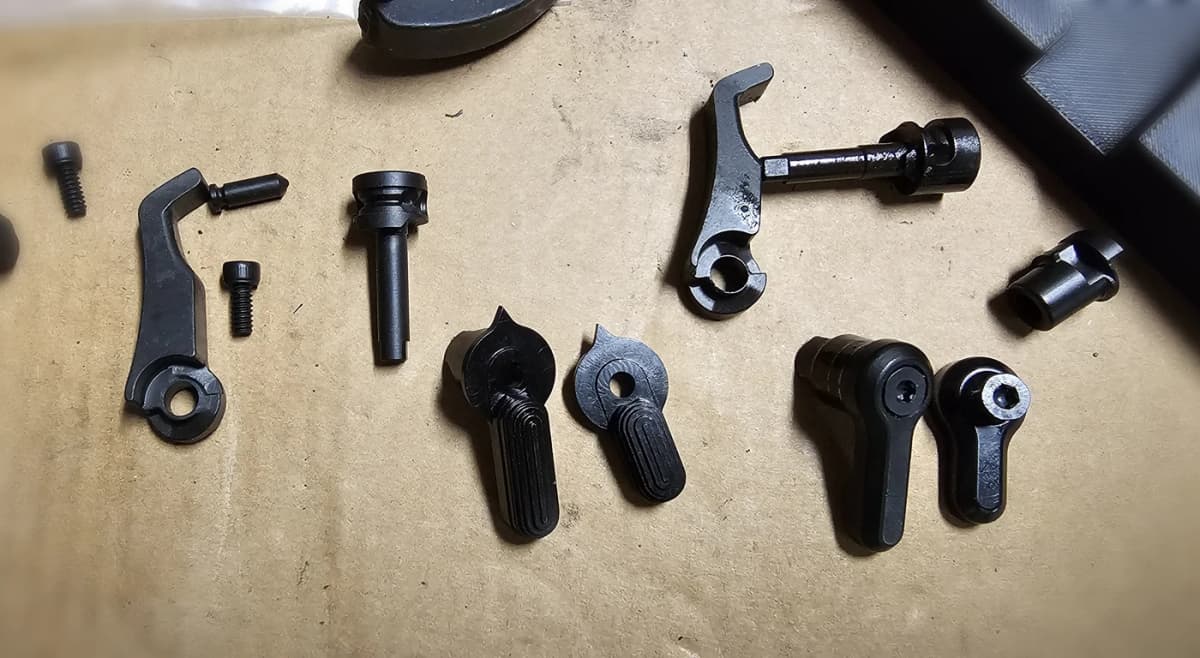
The Disruptor uses its own selector, because the third position is what engages the forced reset, and the selector has been the part of this trigger that changed the most. We have all three options in hand.
1. The launch-era selector
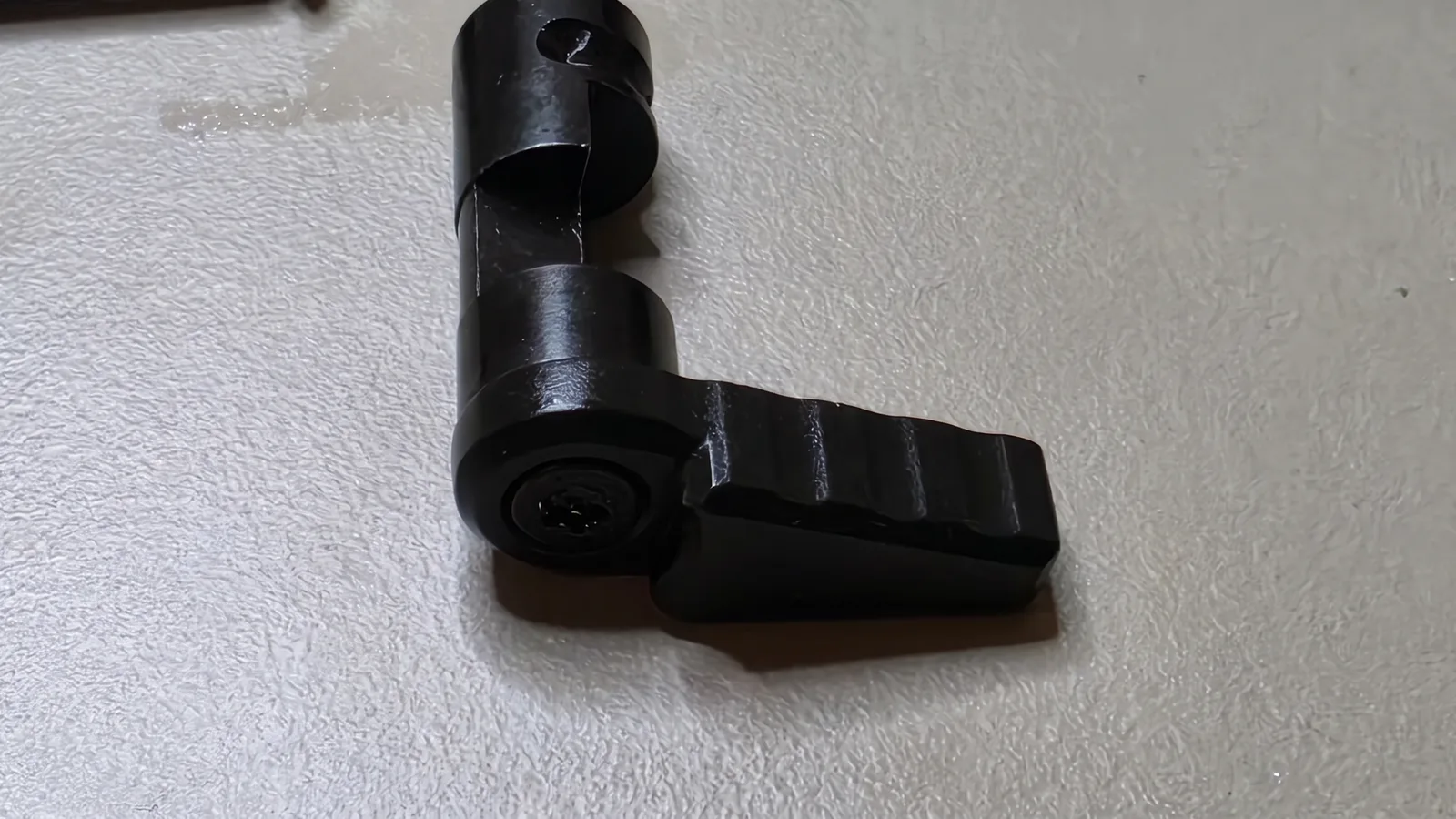
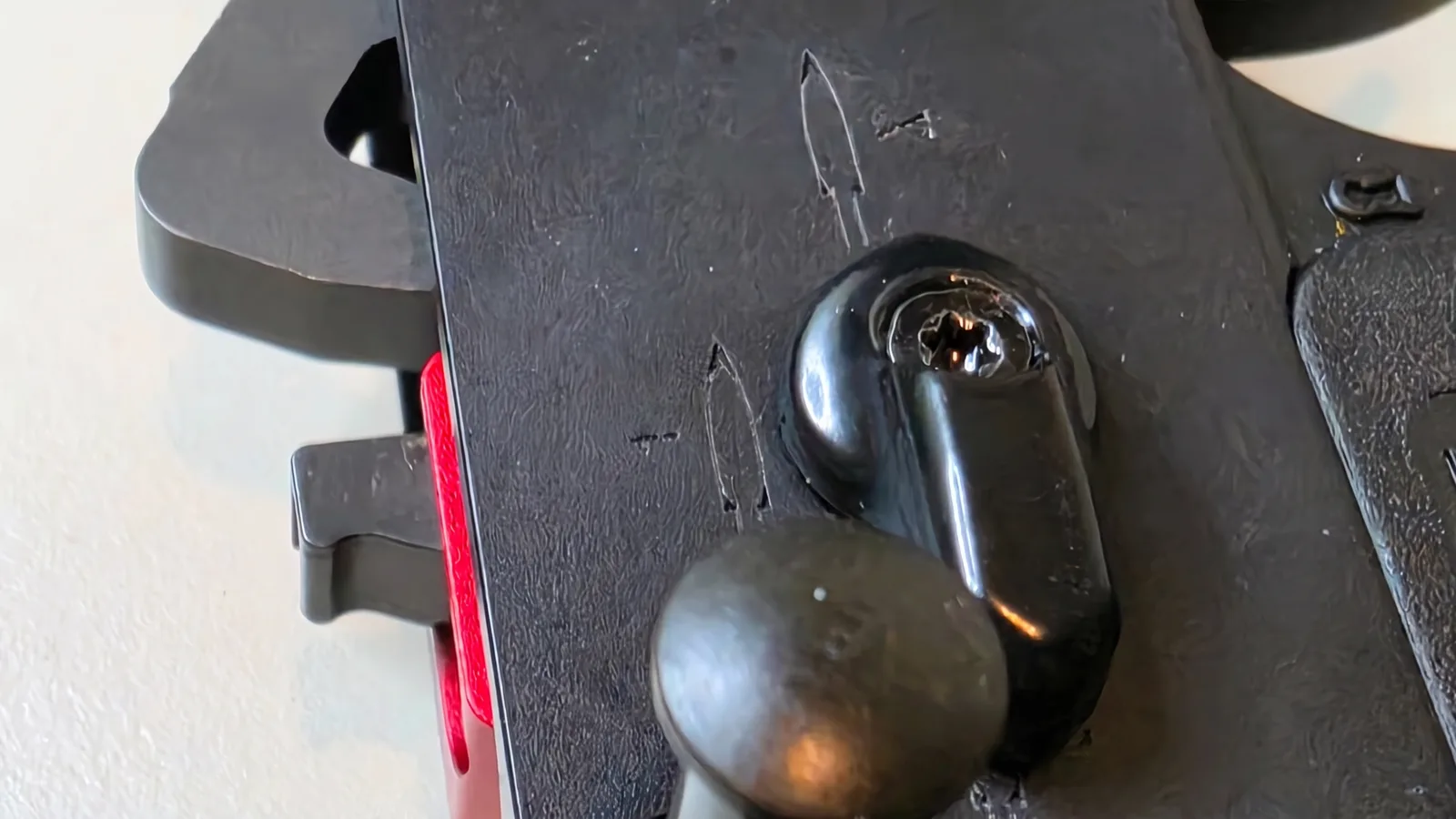
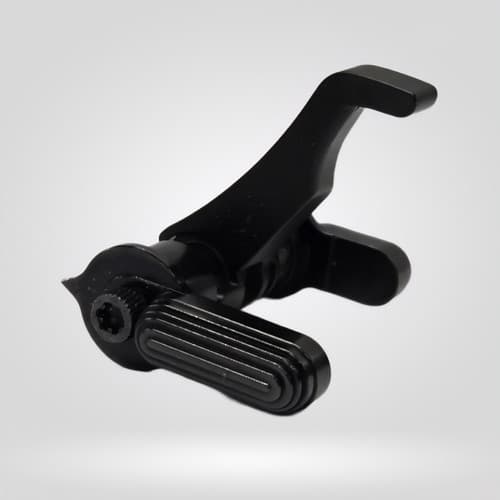
The selector our launch unit shipped with is a two-piece design: a drum with a long serrated lever screwed to it. It is significantly larger than a standard AR-15 selector, less positive in its detent than mil-spec, and single-side only. The 3-position function worked as intended, but the feel was a step down from what most shooters are used to, and it was the second complaint in our original review after the break.
2. The OOPS (Original One Piece Selector)
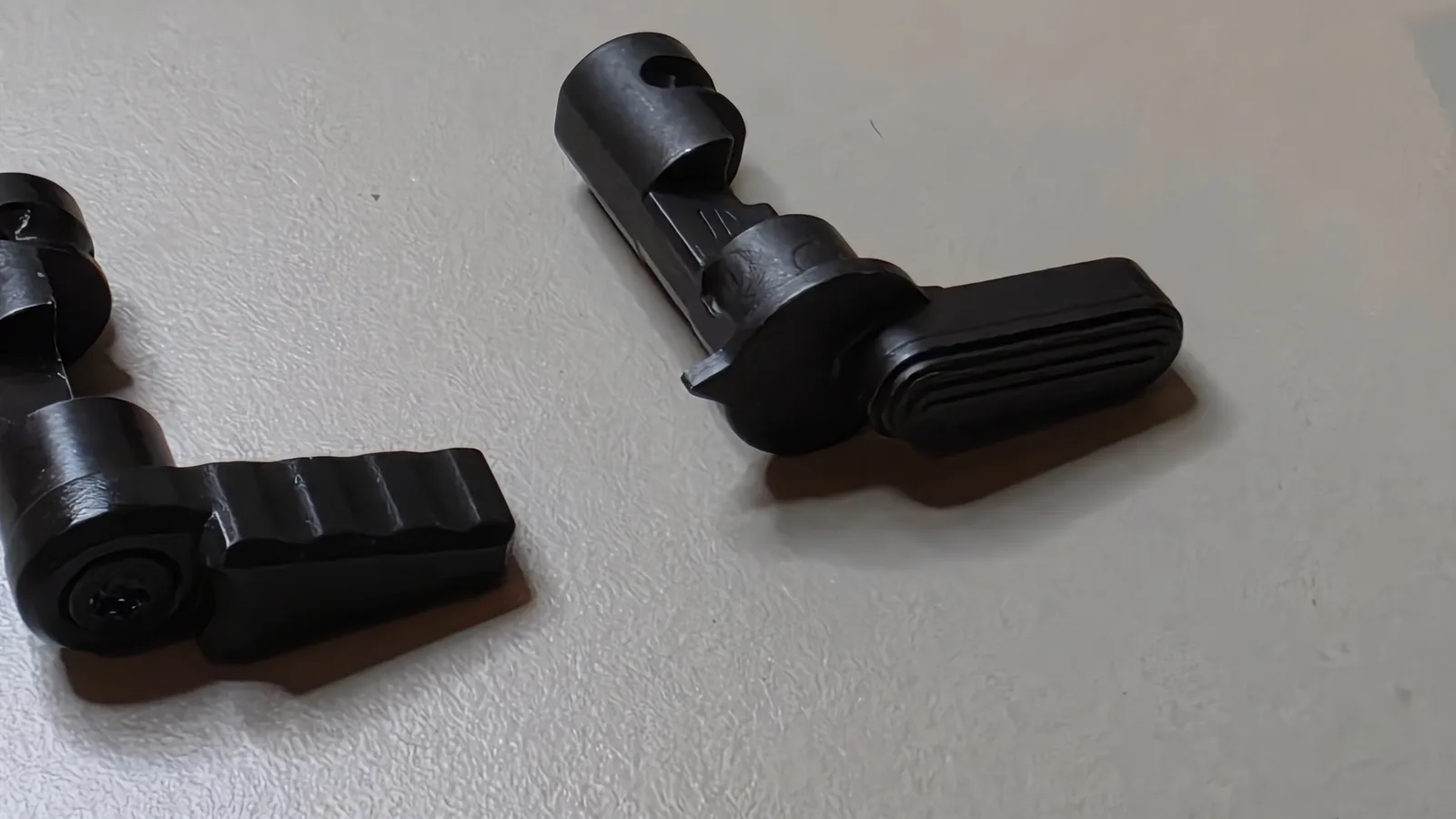
The Triggered Company's answer for shooters who just wanted the selector to look and feel like the one they already knew. The OOPS is machined as one piece, so there is no lever screw to work loose and nothing to lose, and the lever is a standard-length lined paddle. Externally it reads as a mil-spec M16/M4 selector with a third position. It is the cheapest fix if the launch lever's size was your dealbreaker and you do not need ambidextrous controls.
3. The SBW (Swings Both Ways) ambi selector
The SBW resolves every complaint we had about the original lever. We ran one, and it feels like a Radian Talon: crisp positive detents in all three positions, a low, rounded lever profile that indexes naturally under the thumb, and levers on both sides of the lower for support-side and switch-shoulder work. It is the single biggest ergonomic upgrade available for this trigger.
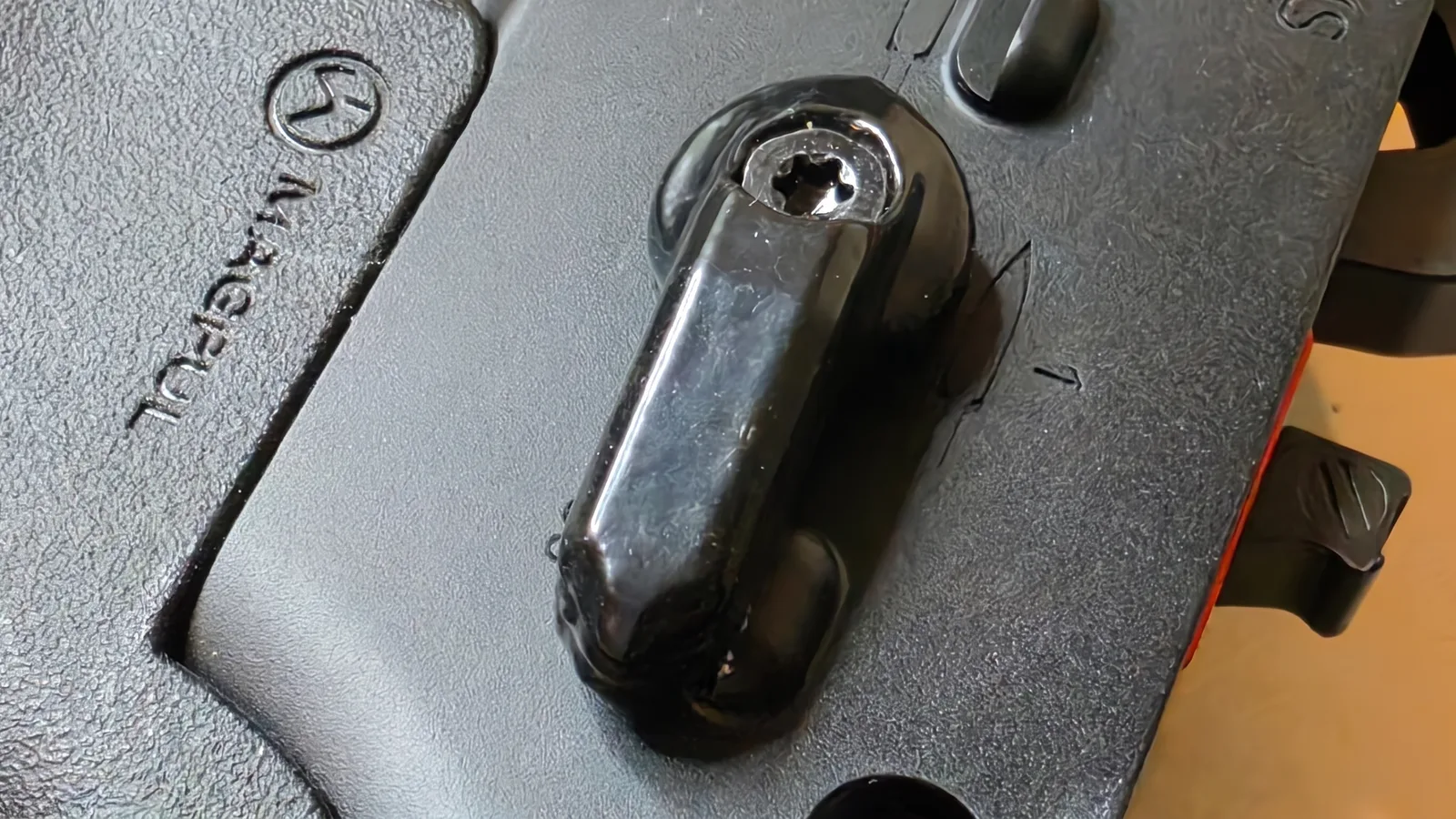
One nitpick: the levers are not keyed, so nothing physically prevents you from installing one backwards. Pay attention at the bench and it is a non-issue. There are two ways to get it. The Disruptor Ambi SKU ($299.99) ships with the SBW installed for $24.99 over the standard trigger, which is the one to buy if you have not bought either yet. If you already run a standard Disruptor, the SBW is sold on its own and fits the LAT as well.
The Triggered Company Disruptor FRT Ambi
Ambidextrous-safety version of the Disruptor FRT for left-handed and switch-shoulder shooters
- +Ambidextrous safety fixes the single biggest ergonomic complaint about the standard Disruptor
- +Works for left-handed shooters and switch-shoulder barricade work
- +Same fast forced-reset mechanism as the proven non-ambi cassette
- −$25 premium over the non-ambi version for selector-only change
- −Take-up ahead of the wall is gritty out of the box; internals are otherwise unchanged from the standard SKU
- −Requires H2/H3 buffer for carbine-length guns (additional cost)
Installation Notes
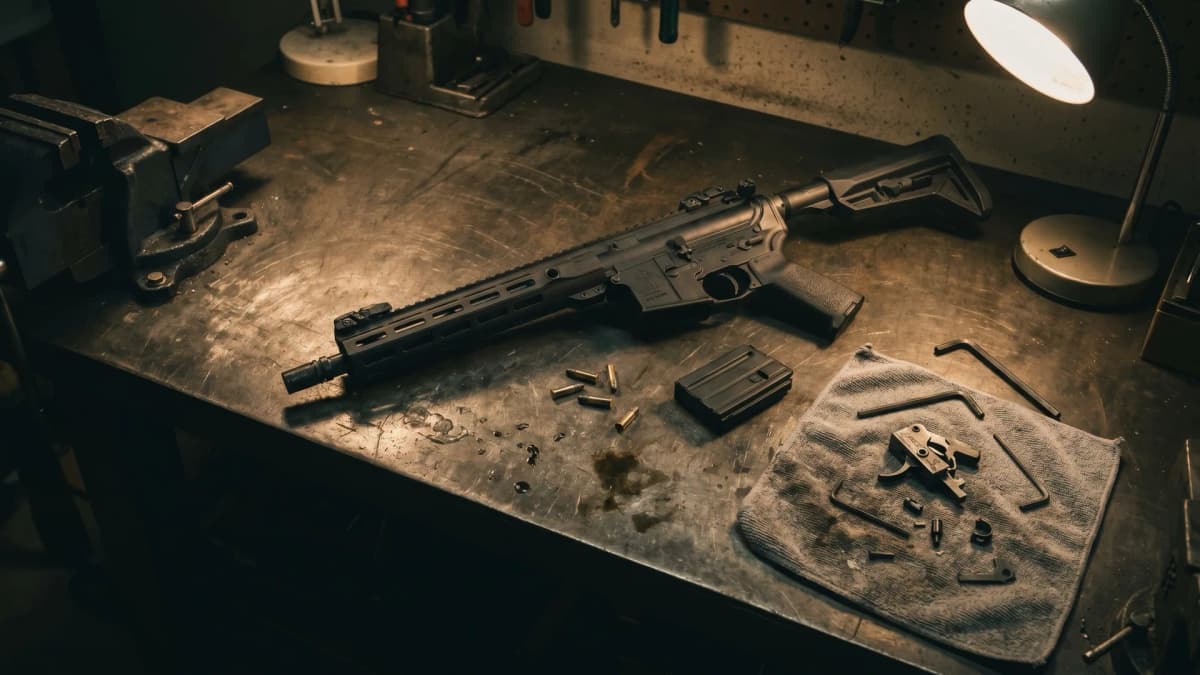
Installation is straightforward on a standard AR-15 lower. Pull the old fire control group, drop the cassette into the pocket, run the included anti-walk pins through it and snug them with a Torx wrench, then install the selector. We had ours in under five minutes. A few things to know before you start:
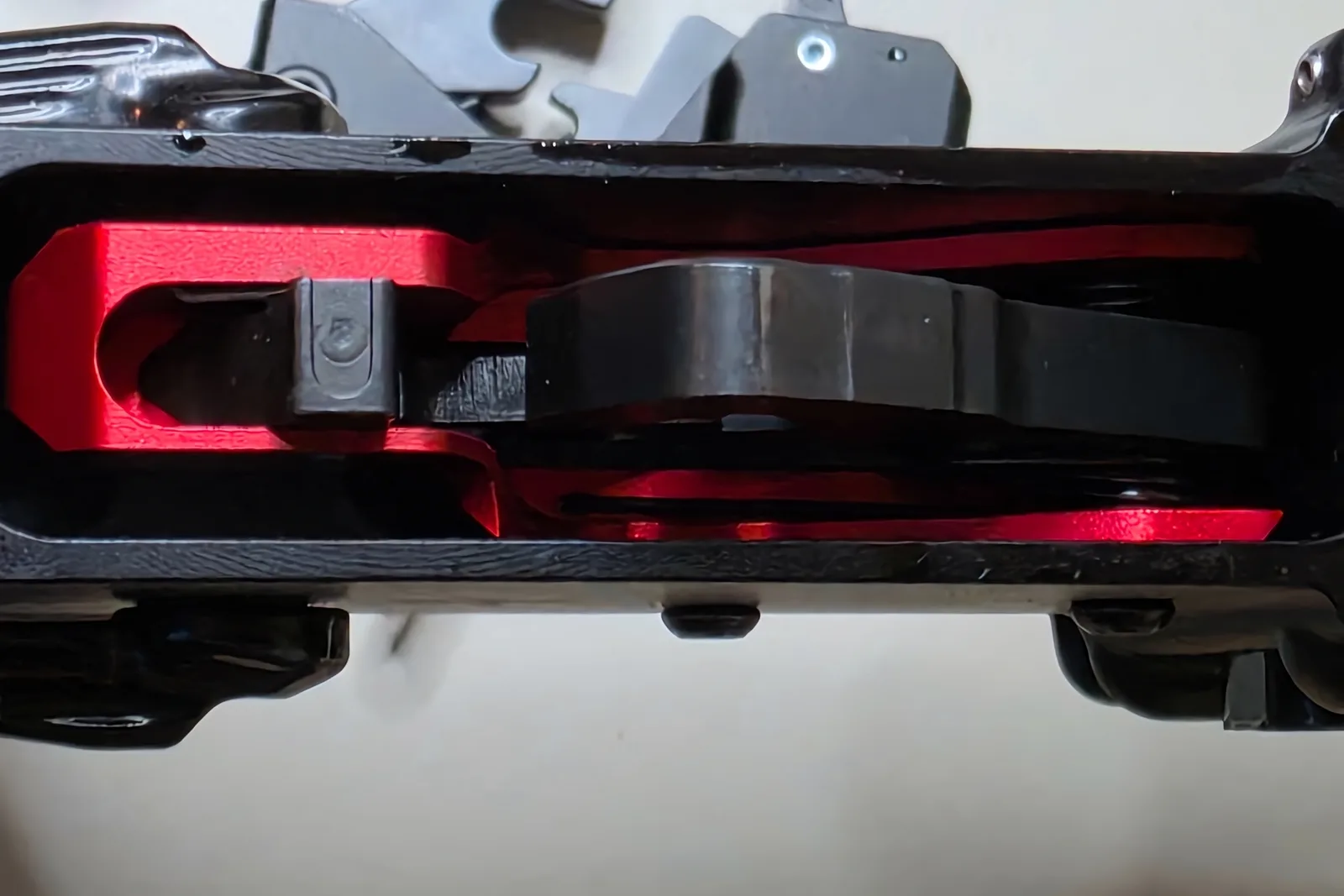
- →Anti-walk pins are required, not optional. The Triggered Company lists them as mandatory and prefers its own CLAP pins. The pins in the box are fine; standard mil-spec pins are not.
- →Selector orientation: the SBW levers are not keyed. Confirm Safe is Safe before the upper goes back on.
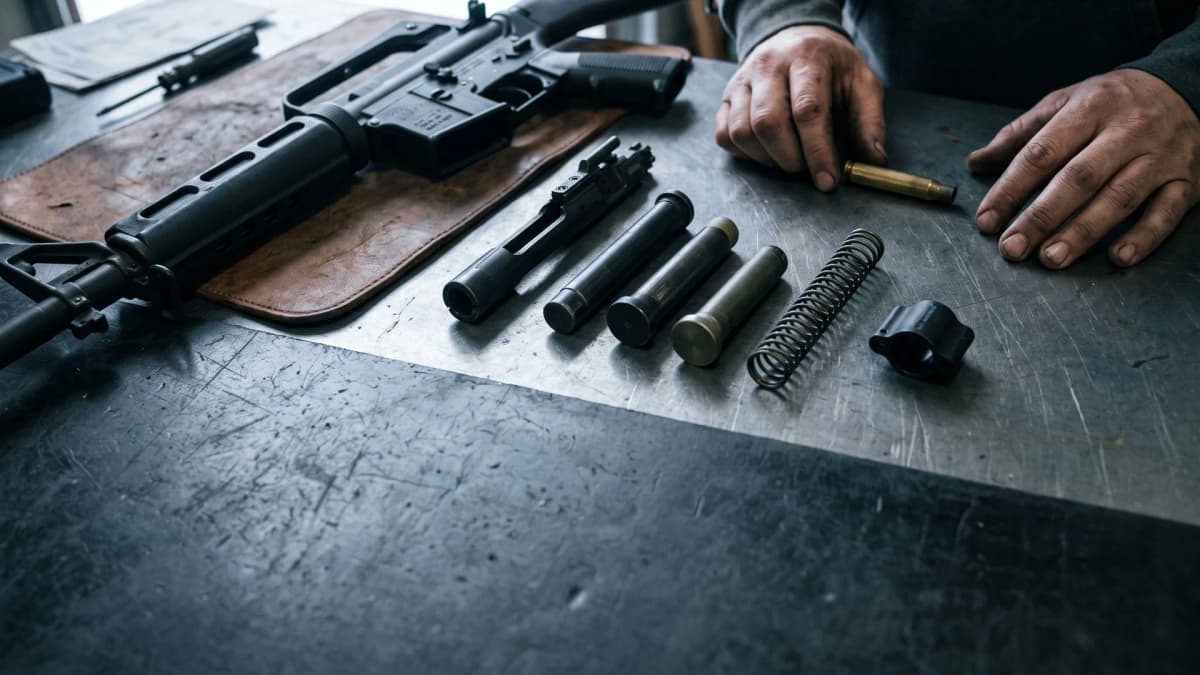
- →Buffer weight: H2 minimum on a carbine receiver extension, H3 recommended for 16" and shorter barrels, standard rifle buffer on a 20" A2. A standard carbine buffer is the most common reason an FRT will not cycle.
- →Carrier: M16 profile only. A semi-auto-profile or lightweight carrier lacks the material at the rear that drives the reset.
What the Partisan Disruptor Fits (and What It Does Not)
The Partisan Disruptor fits AR-15 pattern lowers with an in-spec mil-spec fire control pocket, and it requires an M16-profile (full-auto) bolt carrier group plus an H2 or H3 buffer. Those three things are the whole compatibility test for most builds. It is not a universal FRT: it is an AR-15 fire control cassette, so any host that does not use an AR-15 fire control group is out regardless of caliber. The Triggered Company lists it for AR-15 pattern firearms in 5.56, 300 Blackout, and 9mm.
Hard Requirements
- →M16-profile BCG: The Triggered Company lists a full-auto profile carrier as mandatory. The carrier is what drives the reset lever, and a semi-auto-profile carrier does not have the material to do it.
- →In-spec fire control pocket: Some billet, 9mm blowback, and non-standard receivers need fitting or will not accept the cassette at all.
- →H2 minimum, H3 for carbines: A standard carbine buffer will not reliably drive the reset on a 16" or shorter gun.
9mm AR and PCC hosts
The Disruptor runs in 9mm AR builds when the lower and fire control pocket are in spec, but expect to tune the buffer weight and recoil spring, and expect some lowers to need gunsmith work. The manufacturer suggests starting on 124gr NATO-pressure ammunition. Blowback 9mm receivers are specifically called out as the group most likely to need fitting. The full tuning procedure, including the FRT-clear BCG and buffer pairing, is in our AR9 FRT build guide.
300 Blackout
Supported on properly gassed and tuned 300 Blackout AR-15s, with the same caveat that buffer weight and spring rate may need adjusting. Subsonic and suppressed 300 BLK changes the carrier speed the reset depends on, so budget range time for tuning rather than assuming a drop-in result.
AR-10 and .308
Not supported. The Triggered Company lists both of its cassettes for AR-15 pattern firearms only, and there is no .308-rated forced reset trigger shipping from any maker. Dropping an AR-15 unit into an LR-308 lower carries no manufacturer support or warranty.
Tavor X95, bullpups, and other non-AR hosts
The Disruptor does not fit a Tavor X95. The X95 uses a proprietary bullpup fire control pack connected to the hammer through a linkage, not an AR-15 fire control group, so no AR-pattern drop-in cassette will go in it. The same holds for every other bullpup. For non-AR hosts, the working path is a selector-based forced reset system such as the AS Designs ARC-Fire, which keeps your existing trigger. Our FRT compatible guns guide lists what actually exists per platform.
Shop Forced Reset Triggers
Compare the Disruptor with the ambi variant and the leading FRS-selector alternatives: AS Designs Arc-Fire V2, Atrius FRS, and the Mars 3-position system.
Shop Forced Reset Triggers
The Triggered Company Partisan Disruptor FRT
- The trigger this review is about
- Newer revision breaks like a two-stage; take-up still gritty
The Triggered Company Disruptor FRT Ambi
- Same cassette as the reviewed unit with ambi selector
- $25 premium over standard Disruptor
AS Designs Arc-Fire V2 Ambi Kit (0-90-180)
- V2 Active Reset Clutch with reduced drag and larger cam surfaces
- 10+ platforms incl. AR15, MCX, MPX, SCAR, MP5, HK MR556/762
Atrius Development Ambidextrous Forced Reset Selector
- Ambi 90° selector that preserves your existing trigger
- Lower system stress than a full FRT cassette
Mars Trigger Position AR FRT Super Safety
- Lowest-cost forced reset option on the market
- 3-position Safe/Semi/Enhanced; selector swap only
Affiliate links (?)
Disruptor vs. LAT
The Triggered Company's LAT ($324.99) is the match-grade step up from the Disruptor, launched July 4, 2026 (full specs in our LAT launch coverage), and we have run both in the same host. Same drop-in format, same mil-spec pins, same buffer and carrier requirements, same forced reset function in the third position. The difference is the semi-auto trigger. The LAT keeps a separate reset lever that the selector disables completely in semi-auto, which gives it a soft 3-3.5 lb single-stage break with no wall and no grit. The Disruptor breaks heavier, 3.75-4.1 lb, against a defined wall.
Which one you want comes down to how you shoot. If you stage against a wall and press, the Disruptor's wall is genuinely likable, grit and all, and it saves money. If you want the lightest, cleanest semi-auto pull in the line, the LAT wins on break weight and smoothness. The full hands-on comparison, including 500 rounds through the LAT, is in our Triggered Company LAT review.
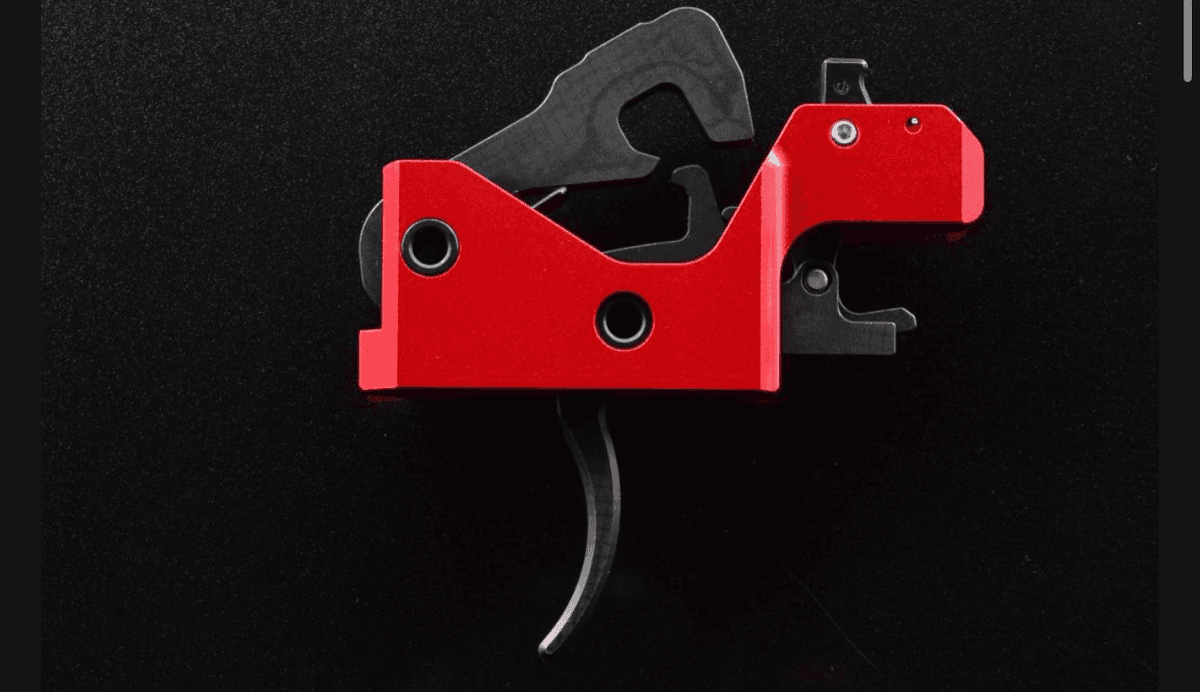
The Triggered Company LAT FRT
Match-grade assisted reset FRT, a refinement of the Disruptor with a cleaner 3-3.5 lb pull and 17-4 stainless internals
- +Lighter, cleaner semi-auto pull than the Disruptor (3-3.5 lb vs 3.75-4.1 lb)
- +Selector fully disables the assisted reset in semi mode for a true single-stage break
- +17-4 stainless construction is an upgrade over the Disruptor's tool steel
- −Priced at a premium over the Disruptor
- −Requires H2/H3 buffer for carbine-length guns (additional cost)
- −State and local FRT restrictions still apply
Partisan vs. Rare Breed FRT
The Rare Breed FRT-15L3 ($450) is the current version of the trigger that established the category, and it ships with an ambidextrous selector and a full hardware kit. The Disruptor answers it on price and on the semi-auto pull.
FRT Comparison
Triggered Company Disruptor
Rare Breed FRT-15L3
- Price
- $275 (advantage)
- $450
- Semi-Auto Pull
- 3.75-4.1 lb, defined wall (advantage)
- 4-4.5 lb
- Forced Reset Pull
- Same cassette, third position
- 5.5-6 lb
- Safety Selector
- Single-side; SBW ambi optional
- Ambi included (advantage)
- Selector Positions
- 3 (Safe/Semi/Enhanced)
- 3 (Safe/Semi/FRT)
- Design Origin
- TacCon 3MR lineage
- Original FRT design
- Installation
- Cassette drop-in, pins included
- Drop-in, full hardware kit
Our launch unit's semi-auto break was grittier than a mil-spec trigger, which is why the original version of this review told people to buy the Disruptor for FRT mode alone. The current revision changes that verdict: with a defined wall and a clean break, semi-auto mode is genuinely usable, and the Disruptor is doing more work for the money. The FRT-15L3's case rests on being the original design with the ambi selector in the box; the Disruptor Ambi gets you an ambidextrous selector pre-installed for less.
Legal Status (2026)
In May 2025, the U.S. Department of Justice settled ongoing litigation over Rare Breed FRTs. ATF's return guidance says the federal government agreed not to enforce machine-gun theories against eligible FRT possession or transfer, while excluding switches, drop-in auto sears, lightning links, trigger-control-group travel reducers, and other machinegun conversion devices.
Check your state and local laws before purchasing. Some jurisdictions have enacted their own restrictions on rate-increasing devices regardless of federal classification. For the current state-by-state breakdown including the Minnesota ruling, see our binary trigger legal states 2026 guide.
Stay Updated on FRT News
Join our mailing list for major FRT law changes, new platform support, and new trigger reviews as we run them.
Frequently Asked Questions
▶Are Partisan FRTs any good?
▶Where can I buy a Partisan Disruptor?
▶Can I still buy an FRT trigger?
▶What is the difference between the Partisan Disruptor and Rare Breed FRT?
▶What is an FRT trigger and how does it work?
▶Are FRT triggers legal in 2026?
▶What is the difference between FRT and binary triggers?
▶How much does the Partisan Disruptor FRT cost?
▶What buffer weight do I need for an FRT trigger?
▶Can a FRT trigger go on any gun?
▶Does the Partisan Disruptor work in a 9mm AR or PCC?
▶Does the Partisan Disruptor fit a Tavor X95?
▶Is there a Partisan Disruptor for AR-10 or .308?
▶Do you need a full-auto BCG for the Partisan Disruptor?
▶Is the Triggered Company SBW selector worth it?
▶What is the difference between the Disruptor and the LAT?
▶Did Partisan Triggers rebrand?
The Verdict
The Disruptor is the value pick in forced reset triggers, and the current revision is a trigger you can live with in semi-auto.
At $275 it undercuts the Rare Breed FRT-15L3 ($450), the cassette goes in with a Torx wrench in five minutes, and forced reset mode has done what it promises on a standard AR-15 with an M16-profile carrier and an H3 buffer.
Both of our original complaints have been addressed. The current revision breaks like a two-stage with a defined wall and a clean let-off, and the SBW ambidextrous selector replaces the oversized launch lever with something that feels like a Radian Talon, with the OOPS as the cheaper mil-spec-style alternative. The one thing left is the take-up: it is still very gritty ahead of the wall, and while that should polish out with rounds and oil, it is what you feel on day one.
Buy it if: You want forced reset on a standard AR-15 at the lowest price from a maker with a track record, and a semi-auto mode you will actually use. Get the Ambi SKU or add the SBW. Lives in a state where FRTs are legal.
Bottom line: The Disruptor delivers on its core promise, reliable forced reset at a fair price with easy installation, and the current revision plus the SBW selector fixed the two things we knocked it for at launch. For a lighter, cleaner semi-auto pull, step up to the LAT. On a non-AR host, MCX, MP5, or SCAR, the AS Designs ARC-Fire is the selector-based path that runs off your existing trigger. If you want to spend as little as possible and accept legal uncertainty, Hoffman Tactical's Trigger Kicker ($43) is the cheapest active-reset path on the market, a single disconnector swap.
Configure your own AR-15 build in our Interactive Builder or browse our Platform Catalog for compatible rifles. Also check out our Super Safety & FRT Guide for a full comparison of forced reset systems, lower receiver compatibility, and a ROF calculator to measure your burst RPM.