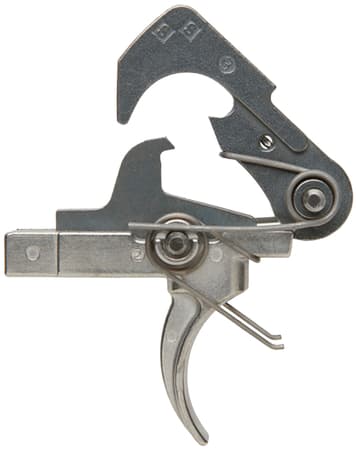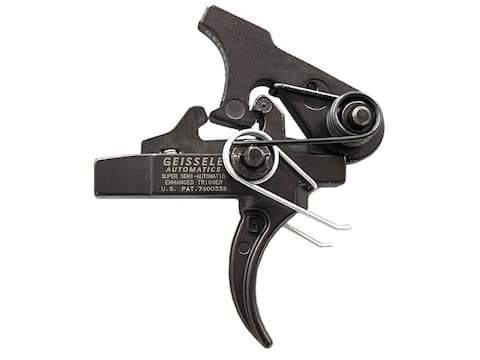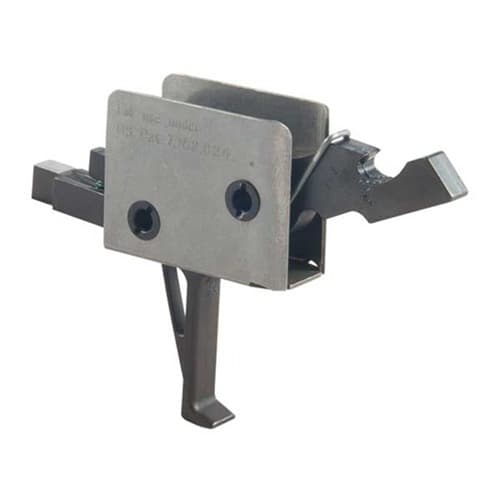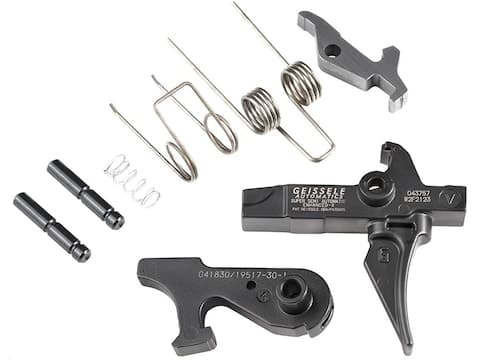
AR-15 Trigger Guide: Single-Stage, Two-Stage & Match Triggers header image
AR-15 Trigger Types and Recommendations
Trigger TypeFeel / Pull WeightProsConsBest For
Mil-spec & treated single-stageVery short take-up, defined wall, moderate creep when unpolished (5.5–6.5 lb)Maximum durability and primer ignition. Simple geometry with no adjustment screwsMore grit and overtravel. Less forgiving for slow fire precisionDuty/fleet lowers or training rifles that see hard use
Two-stage duty/valueLight first stage with a distinct wall and controllable second stage (4.0–4.5 lb)Easy prep without surprise breaks. Maintains hammer energy for hard primersLonger reset than some single-stages. Slightly more parts to foul if never cleanedGeneral-purpose duty, home defense, and LPVO/optic-equipped carbines
Match/SPR two-stageGlass-like wall with minimal creep and short reset (3.5–4.0 lb)Excellent shot calling and follow-through. Predictable break for barricade and prone workLess margin for gloves and adrenaline dumps. Requires periodic cleaning to stay crispRecce/SPR builds or precision-focused gas guns
Competition cassette single-stageMinimal travel, light wall, very short reset (often flat bow) (2.5–3.5 lb)Fast splits and transitions. Drop-in cassette simplifies installSet screws can back out if not secured. Drop safety and primer ignition vary by brand3-Gun/USPSA style builds where speed outweighs duty safety margins
[ < Back to guides ]
Component focusTriggersQC first

Single-Stage vs Two-Stage: The Great AR-15 Trigger Debate

Few topics in AR building spark more debate than trigger choice. Single-stage advocates swear by instant break and lightning resets. Two-stage loyalists argue nothing beats a defined prep wall for precision and safety. We cut through the arguments with data, testing, and mission-specific guidance to help you pick the right geometry.

Prioritize reliability and safe handling before chasing lighter pulls.Clean and re-lube trigger packs during every lower receiver inspection.Measure real pull weight after installation—spec sheets vary.
📋

Before You Read

This guide assumes familiarity with these topics:

The Debate: Why Shooters Can't Agree

Walk into any gun shop or online forum and mention triggers—you'll hear passionate arguments from both camps. The single-stage vs two-stage debate isn't just about feel; it reflects fundamentally different shooting philosophies.

The Single-Stage Case

Speed wins fights. Competition shooters crushing par times and 3-gun champions consistently choose single-stage triggers for one reason: minimal travel equals faster splits. When every tenth of a second counts, a single crisp wall with immediate reset beats any two-stage setup.

Simplicity is reliability. Fewer parts, simpler geometry, less to break or foul. Single-stage triggers have proven themselves in extreme conditions from desert sandstorms to arctic operations. Less complexity means less that can go wrong.

Muscle memory matters. Most issued rifles run mil-spec single-stage triggers. Training on what you deploy with keeps your trigger finger consistent across duty, training, and personal builds.

The Two-Stage Argument

Precision demands control. Long-range precision shooters, designated marksmen, and SPR builders swear by two-stage triggers. The defined first stage lets you prep against a wall, making precise shots through magnified optics far easier. You know exactly when the shot will break.

Safety under stress. When adrenaline dumps or you're wearing heavy gloves, that first-stage wall provides crucial feedback. It's harder to accidentally bump through a two-stage trigger under stress compared to a light single-stage that breaks without warning.

Versatility across missions. Two-stage geometry works for everything from CQB to long-range precision. A quality SSA or MBT-2S handles duty work, home defense, and precision shooting equally well. Single-stages excel at one thing but compromise elsewhere.

The Real Answer

Both camps are right—for their specific use case. Competition shooters chasing speed have legitimate reasons to run single-stage triggers. Precision shooters working magnified optics benefit from two-stage geometry. The "best" trigger depends entirely on your primary mission, experience level, and shooting style. Anyone claiming one design universally beats the other hasn't shot enough different disciplines.

Breaking Down Each Trigger Type

Beyond the philosophical debate, here's how different trigger geometries actually perform. Each archetype trades feel, reset length, and pull weight differently. Match the design to your mission instead of chasing trends.

Archetype

Mil-spec & treated single-stage

Very short take-up, defined wall, moderate creep when unpolished

5.5–6.5 lb
Pros
  • Maximum durability and primer ignition
  • Simple geometry with no adjustment screws
Cons
  • More grit and overtravel
  • Less forgiving for slow fire precision
Best forDuty/fleet lowers or training rifles that see hard use
Archetype

Two-stage duty/value

Light first stage with a distinct wall and controllable second stage

4.0–4.5 lb
Pros
  • Easy prep without surprise breaks
  • Maintains hammer energy for hard primers
Cons
  • Longer reset than some single-stages
  • Slightly more parts to foul if never cleaned
Best forGeneral-purpose duty, home defense, and LPVO/optic-equipped carbines
Archetype

Match/SPR two-stage

Glass-like wall with minimal creep and short reset

3.5–4.0 lb
Pros
  • Excellent shot calling and follow-through
  • Predictable break for barricade and prone work
Cons
  • Less margin for gloves and adrenaline dumps
  • Requires periodic cleaning to stay crisp
Best forRecce/SPR builds or precision-focused gas guns
Archetype

Competition cassette single-stage

Minimal travel, light wall, very short reset (often flat bow)

2.5–3.5 lb
Pros
  • Fast splits and transitions
  • Drop-in cassette simplifies install
Cons
  • Set screws can back out if not secured
  • Drop safety and primer ignition vary by brand
Best for3-Gun/USPSA style builds where speed outweighs duty safety margins

Best Trigger by Mission (Duty vs Precision)

Match pull weight and geometry to how you actually use the rifle. Keep gloves, weather, and policy requirements in mind before dropping below 4 lb total pull.

Home defense / patrol
4.0–4.5 lb

Quality two-stage duty (Geissele SSA or LaRue MBT-2S)

Defined wall helps avoid negligent discharges under stress while keeping primer reliability.

GP training carbine
5.5–6.0 lb

Treated mil-spec single-stage (ALG ACT) or BCM PNT tier

Keeps muscle memory close to issued guns and shrugs off grime and cheap ammo.

Recce / SPR
3.5–4.0 lb

Match two-stage (Geissele SSA-E, SSA-X) with clean break

Better shot calling through magnified optics; keep lubrication light to avoid gumming.

Competition
2.5–3.5 lb

Flat or curved cassette single-stage (Timney, CMC) if rule-legal

Use blue threadlocker on set screws and verify function checks every match weekend.

Pro tip

If you run mixed ammo or suppressors, stay at 4 lb or above and choose triggers with proven hammer energy (SSA, MBT-2S, or ALG). Super-light competition triggers can struggle with hard primers and foul faster.

Trigger Safety & Function Checklist

A great trigger is only as safe as its install. Run these checks every time you swap triggers or refresh a lower.

  • Perform a full function check: safe/semi, reset, and disconnector engagement with live-weight carrier.
  • Slam test with cleared rifle and dummy rounds to ensure the hammer stays captured after brisk bolt drops.
  • Verify hammer/trigger pin retention; anti-walk pins are optional but avoid over-torquing clamp styles on duty guns.
  • If using cassette triggers, torque and threadlock set screws per the manual and retest after 100–200 rounds.
  • Record measured pull weight in your logbook and re-check every maintenance cycle to catch spring fatigue.
Avoid

Polishing sears with aggressive compounds, trimming springs, or mixing disconnector springs between kits. These changes reduce sear engagement and can cause doubles or failures to reset—use quality parts instead.

Proven AR-15 triggers

Duty-safe, clean-breaking triggers that map to the archetypes in this guide. Stick with known brands to avoid light strikes or inconsistent resets.

Single-stage · 5.5–6 lb

ALG Defense ACT Trigger

A coated mil-spec geometry that keeps reliable primer ignition while removing most grit and overtravel.

  • Nickel-boron and nickel-teflon coatings for smoother pull
  • Keeps GI pull weight for safety under stress
Verified Retailer
Check Price at OpticsPlanet
Two-stage · 4.5 lb value

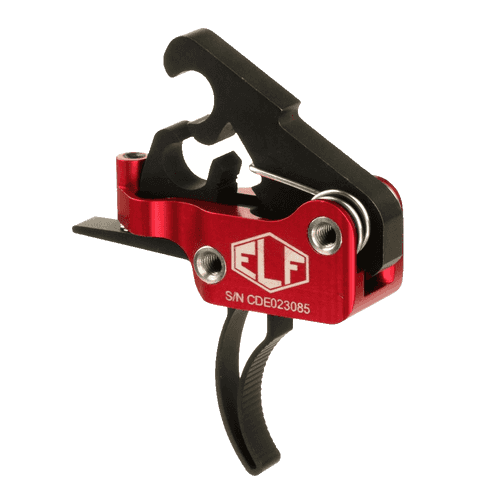
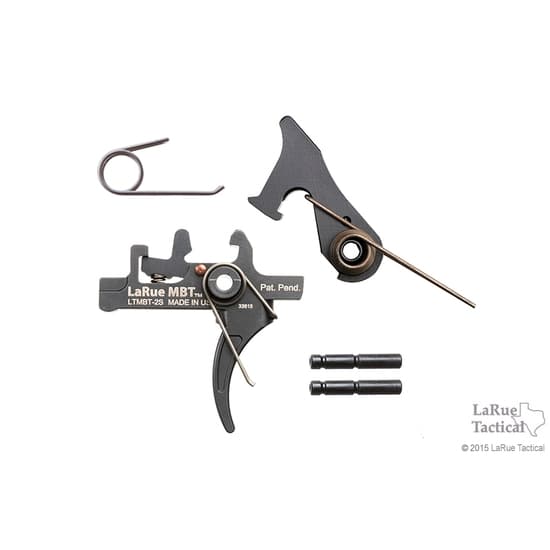
LaRue MBT-2S Two-Stage Trigger

A crisp first-stage take-up with a solid wall that rivals pricier duty triggers while keeping hammer energy high.

  • Adjustable shoe included (curved or flat)
  • Excellent control for duty carbines and training rifles
Verified Retailer
Check Price at OpticsPlanet
Two-stage duty · 4.5 lb

Geissele SSA Two-Stage Trigger

Battle-proven two-stage with a distinct wall that stays consistent through heavy use and mixed ammo.

  • Tool steel construction tolerates high round counts
  • Great balance between control and safety margin
Verified Retailer
Check Price at OpticsPlanet
Match two-stage · 3.5–4 lb

Geissele SSA-E X with Lightning Bow

Lighter second stage with a flat shoe that aids finger placement for SPR and precision-focused builds.

  • Shorter reset than many match triggers
  • Works well with magnified optics and barricade shooting
Verified Retailer
Check Price at OpticsPlanet
Competition cassette · 3.5 lb

CMC Single Stage Flat 3.5lb

Drop-in cassette with a flat bow for speed-focused builds—great for 3-Gun when secured per instructions.

  • Fast reset and minimal overtravel
  • Use blue threadlocker on set screws and verify drop safety
Verified Retailer
Check Price at OpticsPlanet

Purchasing through these links may generate a commission at no extra cost to you. Verify local compliance and follow manufacturer installation notes.

Next Step

Ready to continue? Here's the recommended next guide:

Recommended Next

AR-15 Weight Management: Balance, Barrels, Handguards, Accessories & Suppressors

Trim AR-15 weight where it matters. Choose lighter barrels, rails, and stocks (including KP-15 polymer lowers), then set up optics, lasers, lights, and suppressors to avoid front-heaviness.

Or explore a related topic:

AR-15 Gas System & Buffer Tuning->

Related guides

Continue exploring with these related resources

Found this guide helpful?

Share it with other builders on your favorite platform.

Was this helpful?

Quick feedback helps us prioritize guide updates.

Feedback is anonymous. Comments help us decide what to update next.