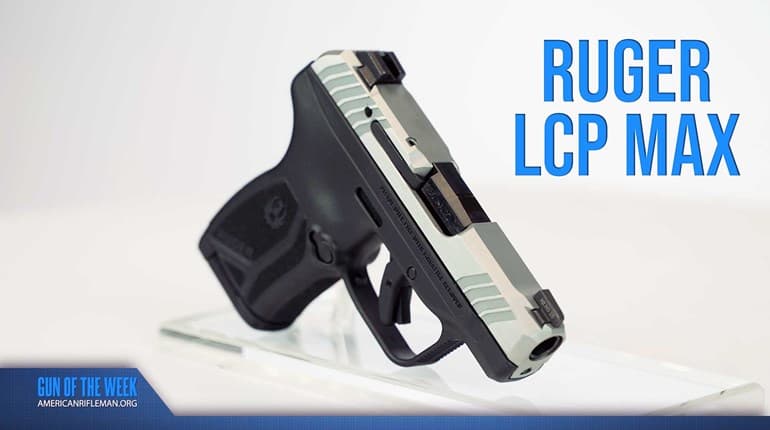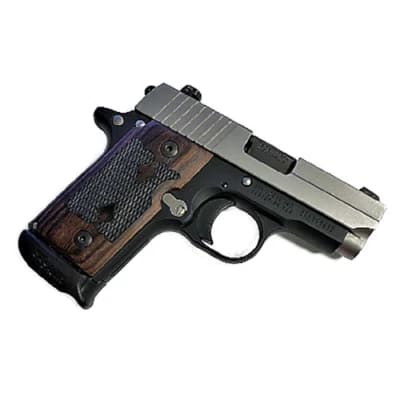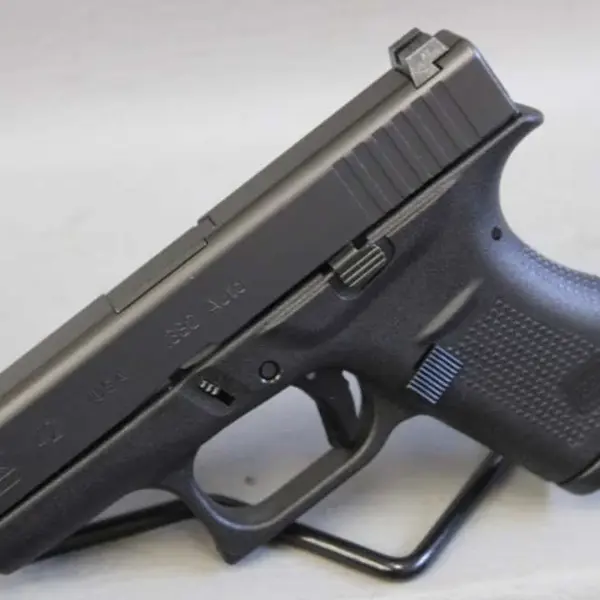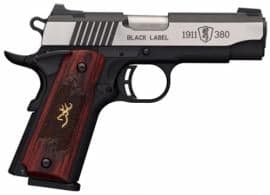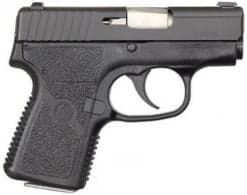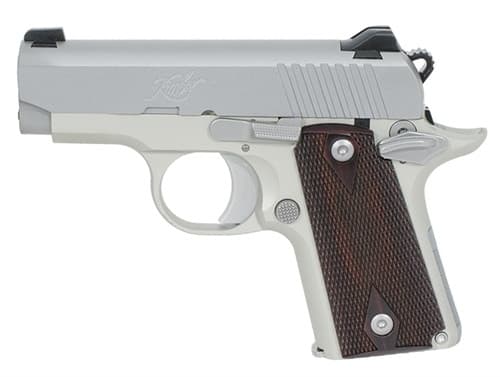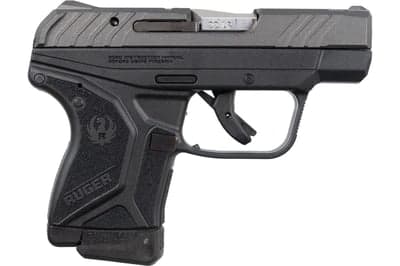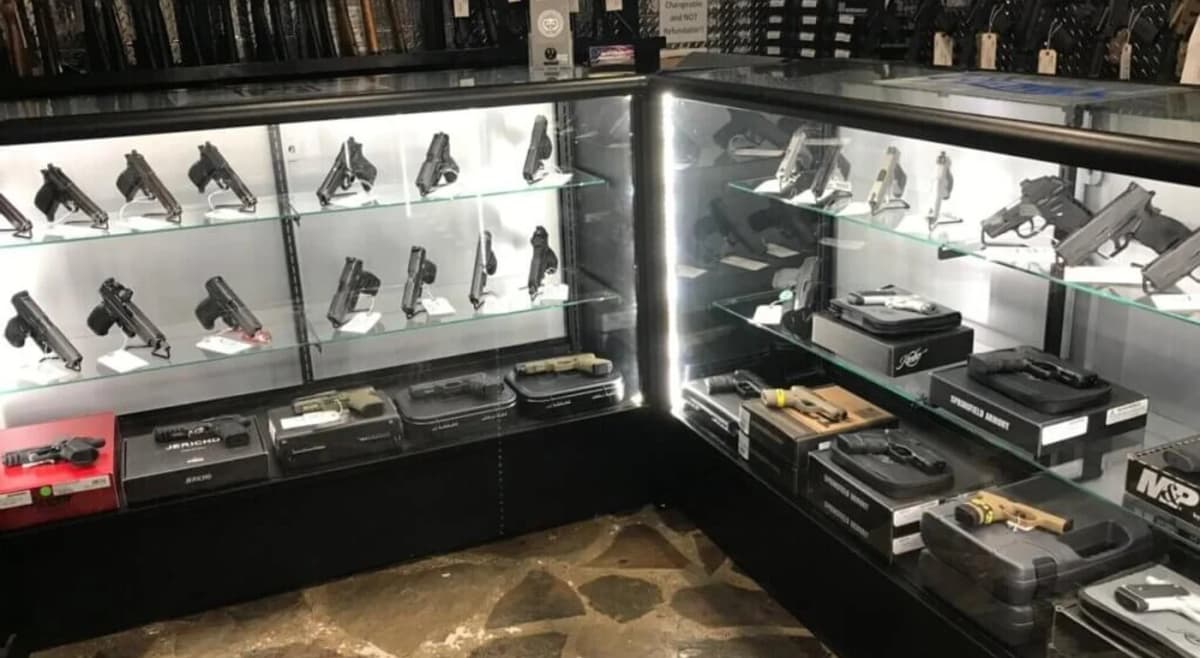
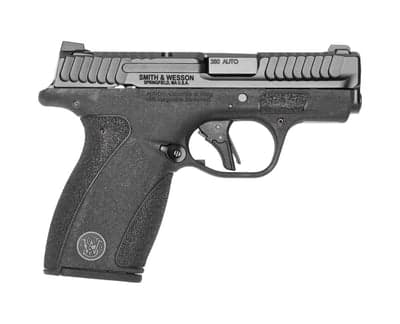
The .380 ACP market splits into three platform families. Each trades capacity, size, and trigger quality differently. The right choice depends on how you carry and what you prioritize.
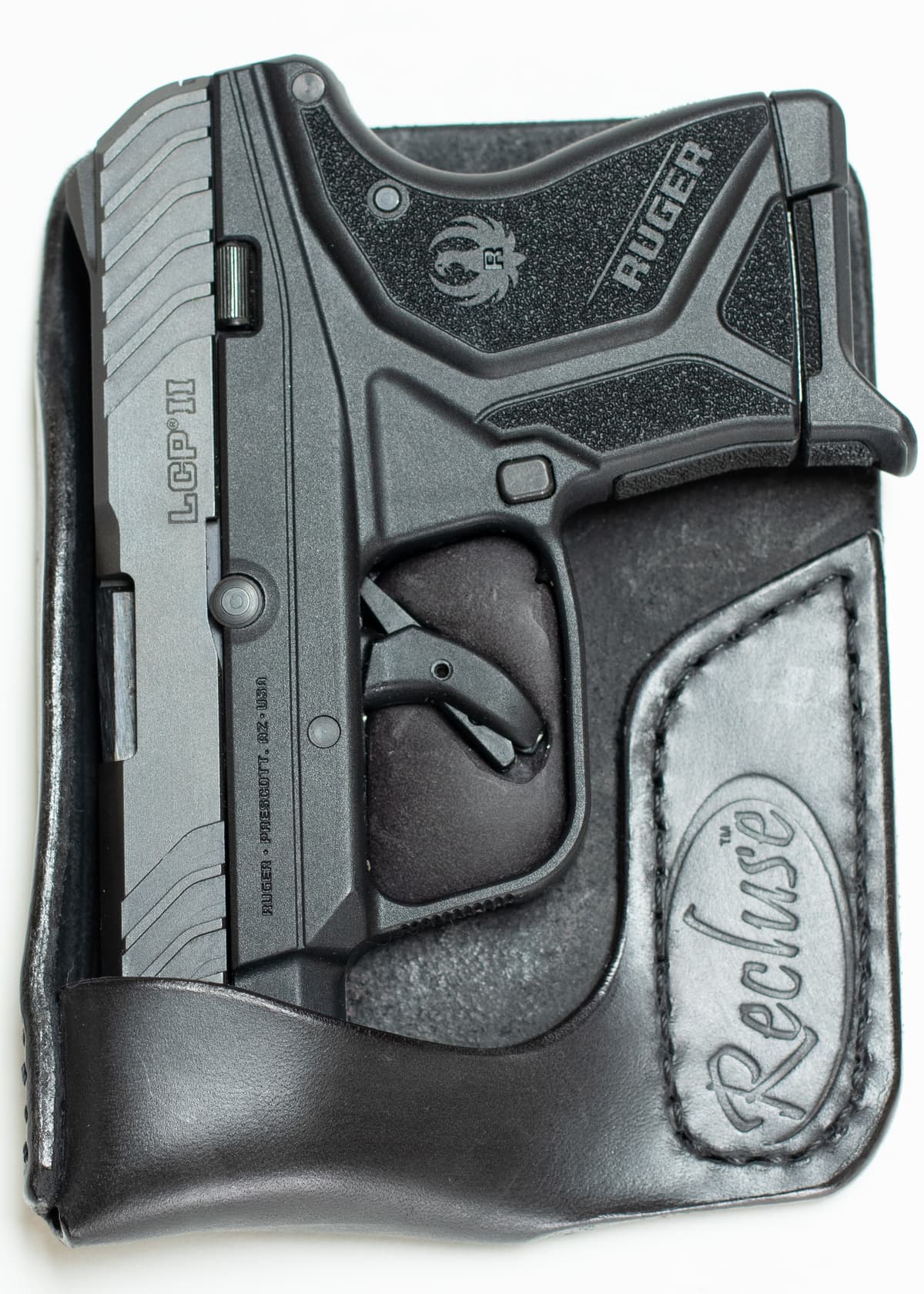
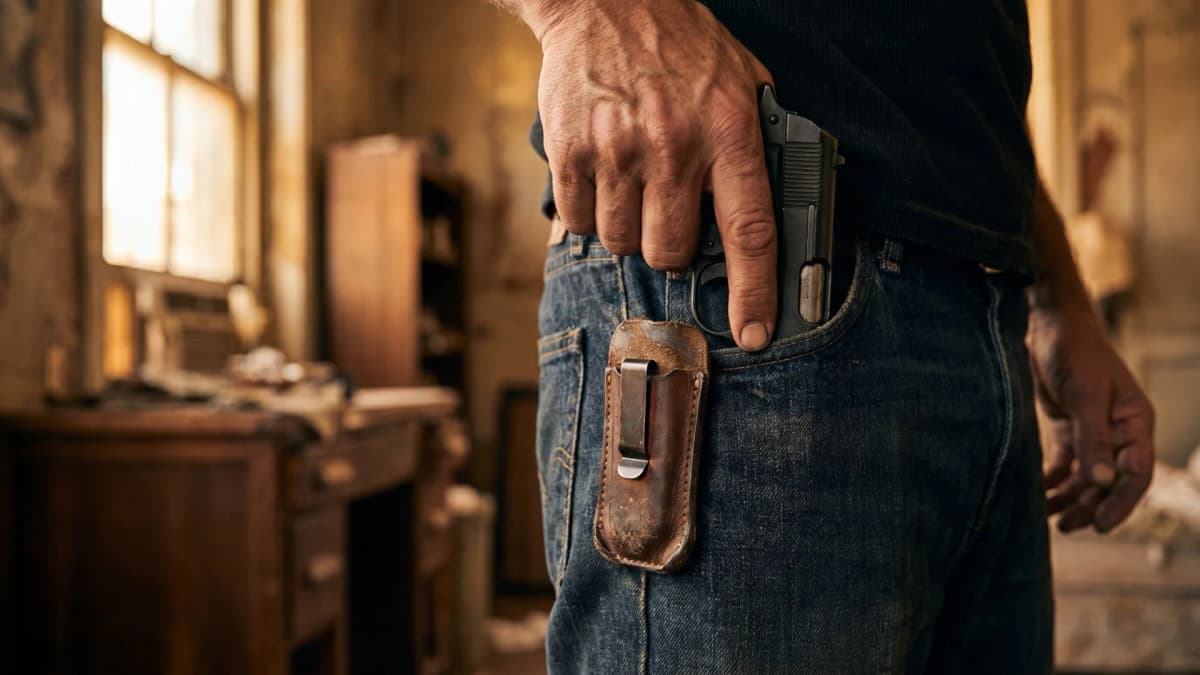
Modern Pocket Carry (LCP Max, Bodyguard 2.0, Glock 42, LCP II)
- +Highest capacity (10+1 on LCP Max and Bodyguard 2.0)
- +Lightest weight options in class
- +Cheapest options ($349-$499)
- -Snappy recoil at sub-15 oz
- -Short sight radius limits accuracy
- -Triggers less refined than 1911-pattern
1911-Pattern Premium (SIG P238, Kimber Micro 380)
- +Best triggers in .380 class (SA 1911-pattern)
- +Aluminum frames reduce felt recoil significantly
- +Excellent fit and finish
- -6+1 capacity, half of modern pocket guns
- -Manual safety requires training discipline
- -Heavier than polymer options
Full-Size / Deep Concealment (Browning 1911-380, Kahr P380)
- +Browning is the easiest-shooting .380 available (18 oz, 4.25" barrel)
- +Kahr P380 is the thinnest at 0.75 inches wide
- +Browning 8+1 highest capacity in 1911-pattern .380 class
- -Browning too large for pocket carry; IWB holster only
- -Kahr limited aftermarket and holster selection
- -$649-$799 premium pricing
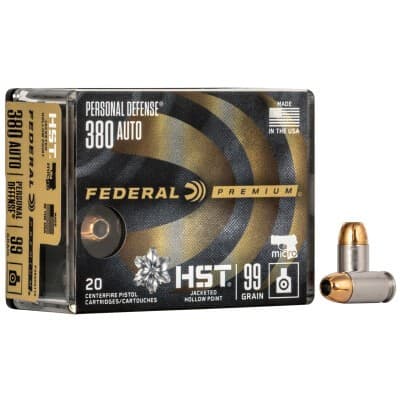
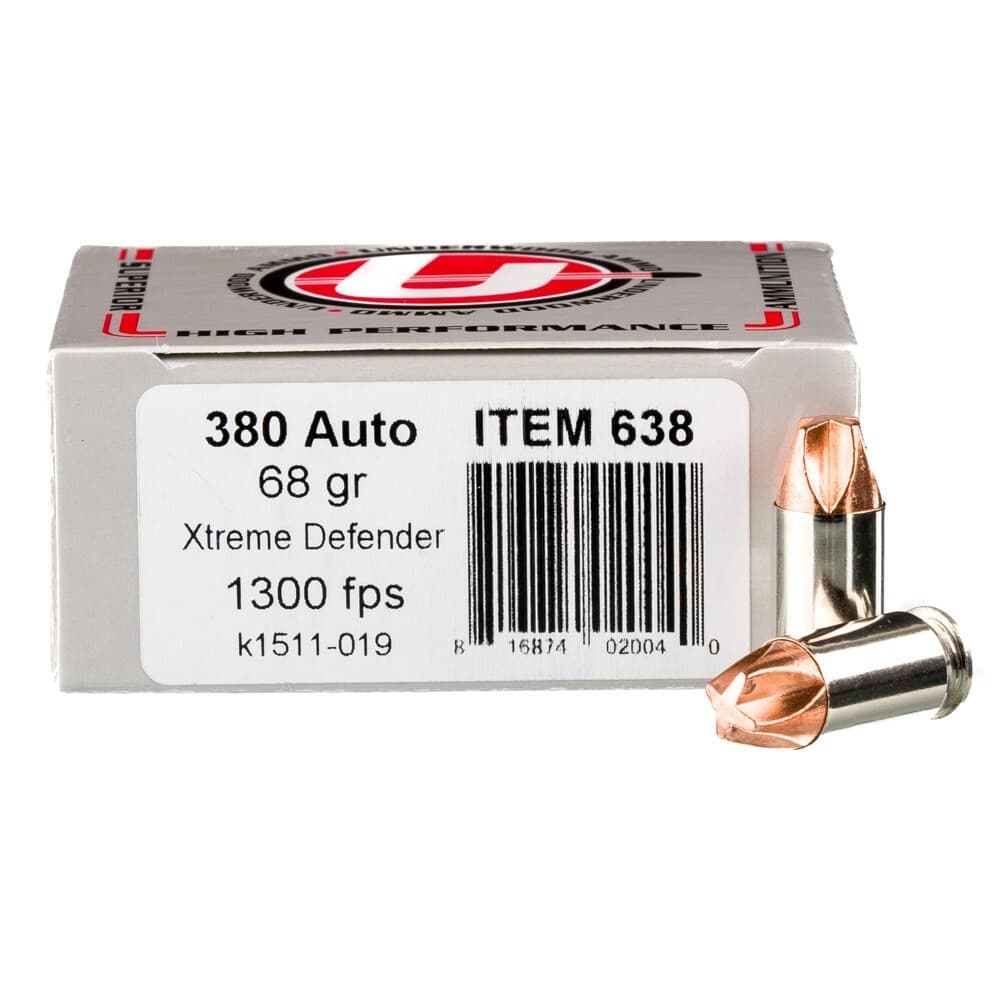
.380 vs 9mm, honestly: Modern .380 HST Micro loads are viable for defense, meeting the FBI 12-inch minimum in bare gel. But 9mm is objectively better: more muzzle energy, more reliable hollow point expansion through barriers, cheaper ammunition, and vastly more platform options. The .380 exists because it fits where 9mm physically cannot. A Ruger LCP Max at 10.6 oz and 0.81 inches fits in front jeans pockets. No 9mm micro-compact does. A .380 you carry beats the 9mm you left at home. See our caliber comparison guide for the complete ballistic data, and our best 9mm pistols guide if pocket size is not your constraint.
Who still chooses .380: Pocket carry in athletic wear or dress clothes where no 9mm fits. Backup gun on an ankle holster for LEO or armed professionals. Shooters with hand strength or recoil sensitivity issues who cannot manage 9mm reliably. Training new shooters on fundamental marksmanship before moving to 9mm. The .380 is a tool for specific problems, not a general recommendation.