▶What is the best LPVO for AR15 in 2026?
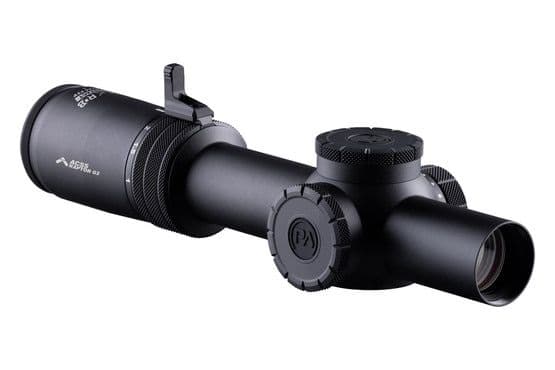
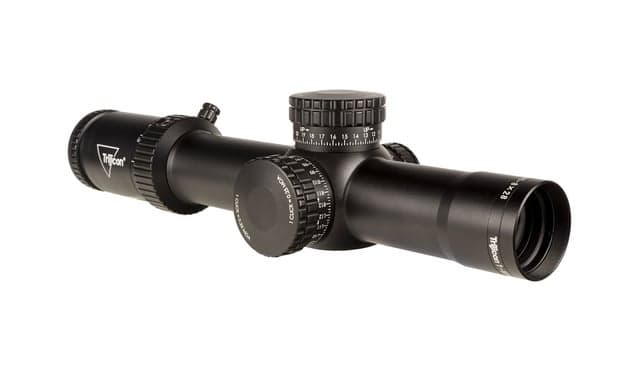
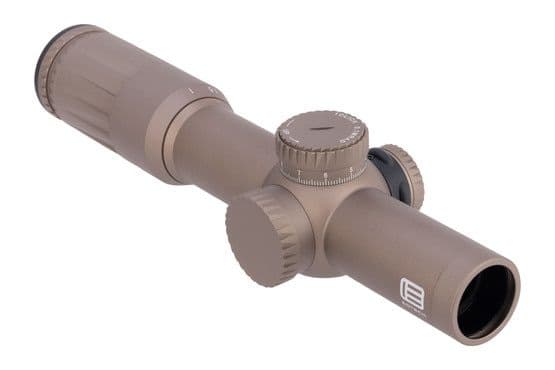
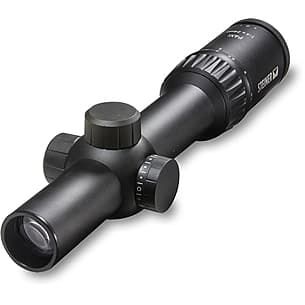
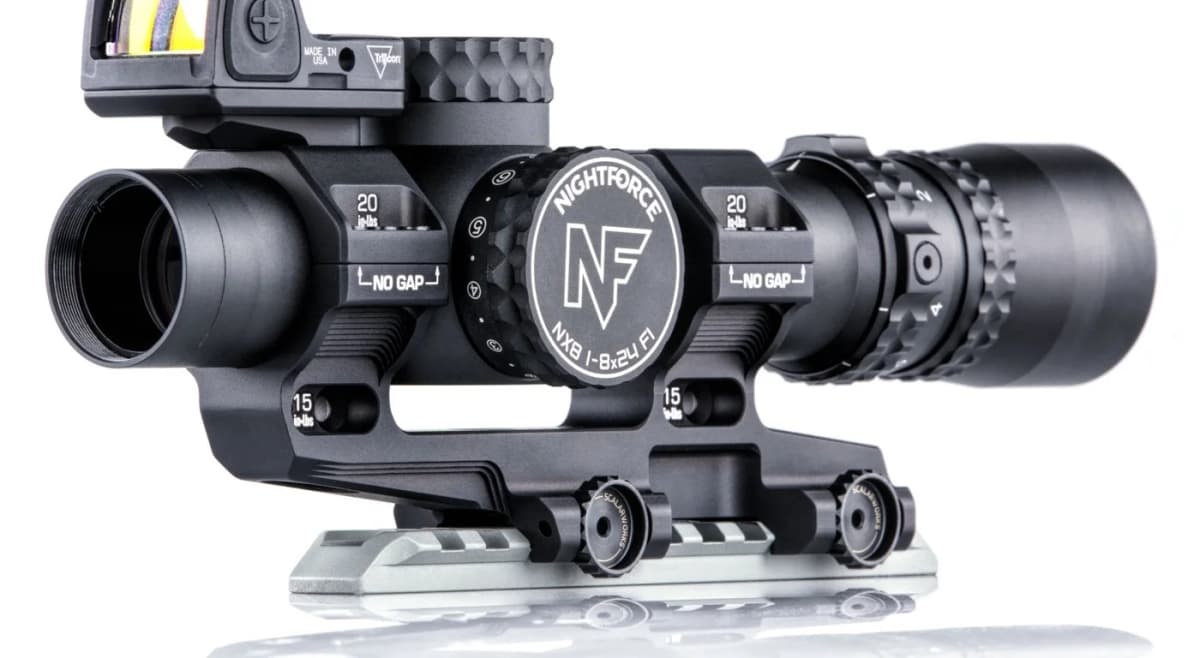
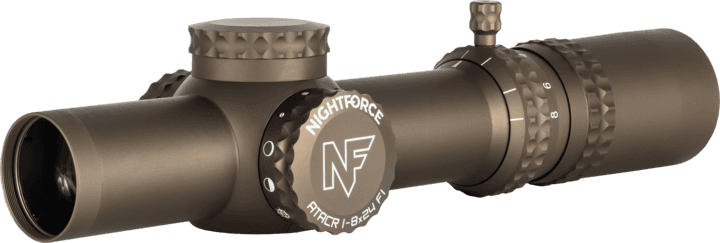
The Nightforce ATACR 1-8x24 F1 is the best overall LPVO for AR15 in 2026. It offers uncompromising performance with exceptional ED glass clarity, true 1x with red dot brightness, bombproof durability, and an excellent eyebox throughout the magnification range. It's expensive ($2,900-$3,100), but it's a hell-and-back optic that will outlast your rifle. For the best performance value, the Primary Arms PLxC 1-8x24 RDB ($1,750-$2,000) delivers ATACR-level glass quality with innovative diffractive reticle technology in a lighter package.
▶What is the best budget LPVO for AR15?
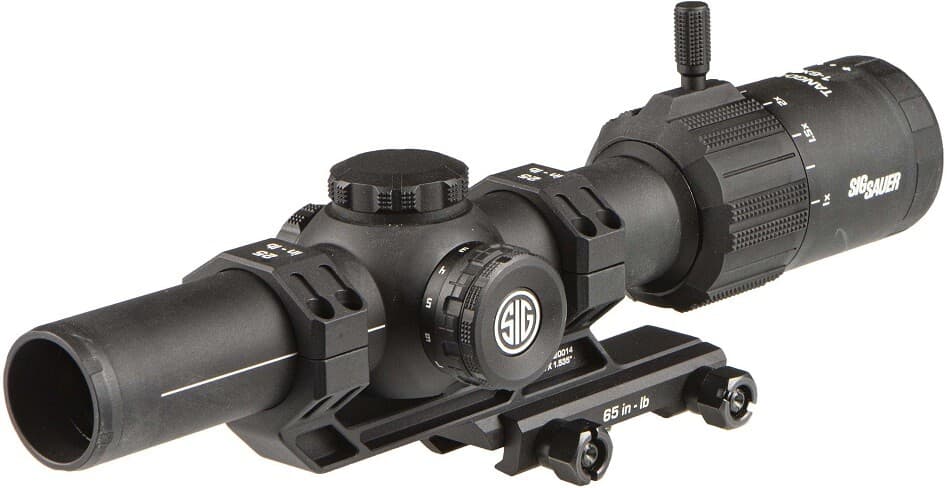
The SIG Tango MSR 1-6x24 ($400-$600) is the best budget LPVO for AR15 in 2026. It offers exceptional value with surprisingly good glass quality, included mount (saving $100-200), true 1x performance, and the excellent BDC6 reticle. The glass clarity punches well above its price point, and SIG's warranty is solid. For ultra-budget, the Vortex Strike Eagle 1-6x ($300-$400) is a reliable entry point, though the glass quality is noticeably softer.
▶Is a 1-6x or 1-10x LPVO better for AR15?
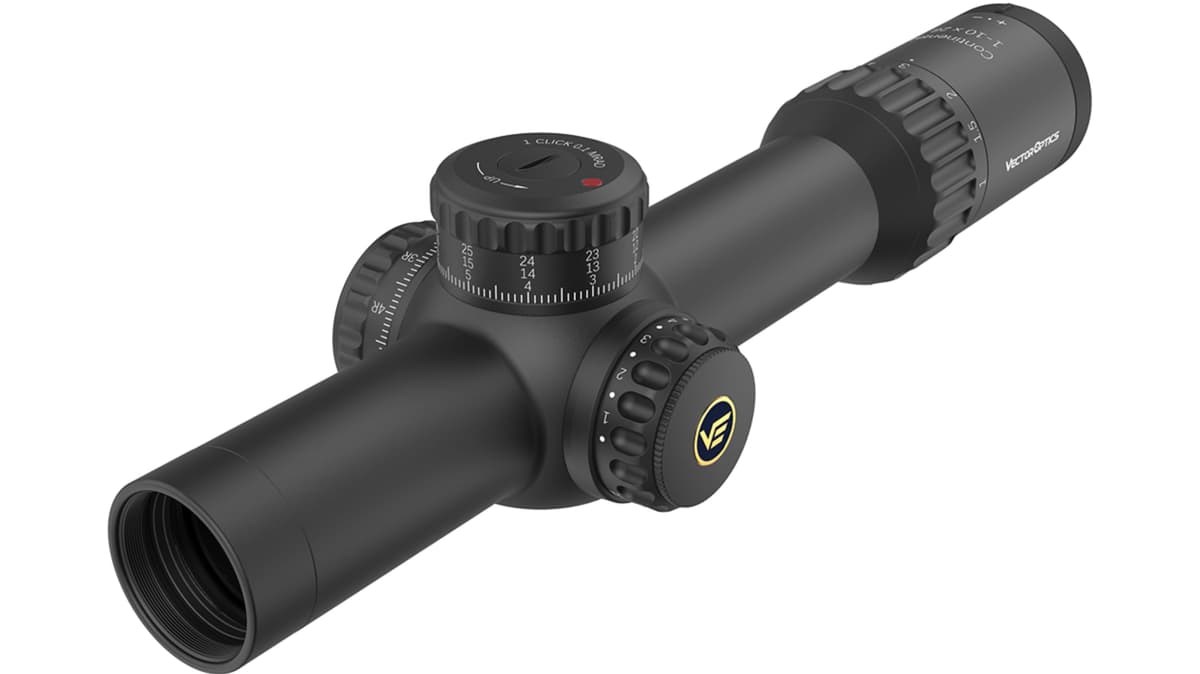
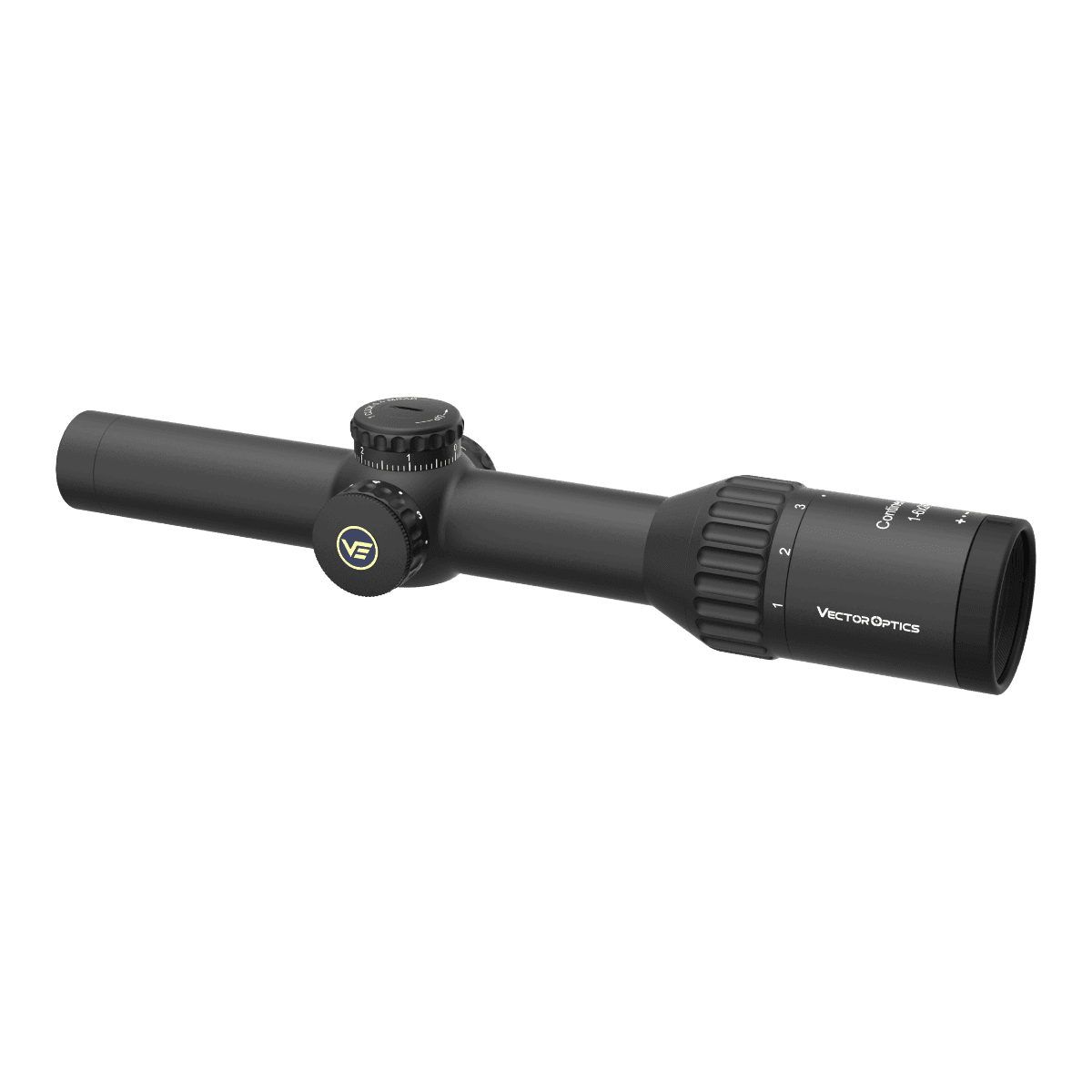
For general purpose use, a 1-6x or 1-8x LPVO is ideal for most AR15 applications. It covers CQB to mid-range (0-400 yards) without excessive weight or tight eyebox issues. A 1-10x LPVO is best for precision-focused builds or when you need extreme magnification for positive identification at distance. However, 1-10x scopes are heavier, have tighter eyeboxes at max mag, and cost more. Most shooters are better served by 1-6x or 1-8x unless they specifically need that extra magnification.
▶Should I buy FFP or SFP LPVO for AR15?
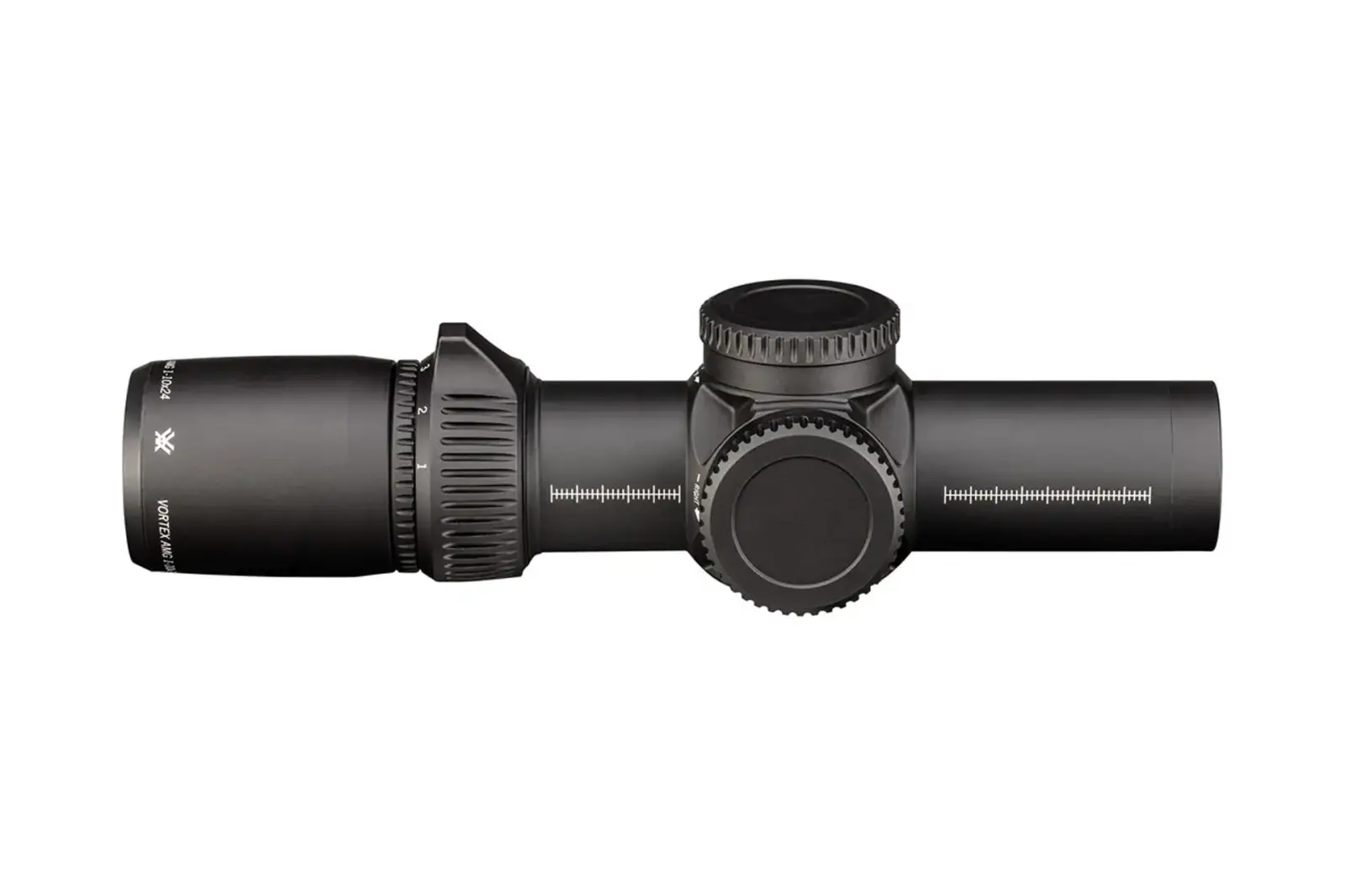
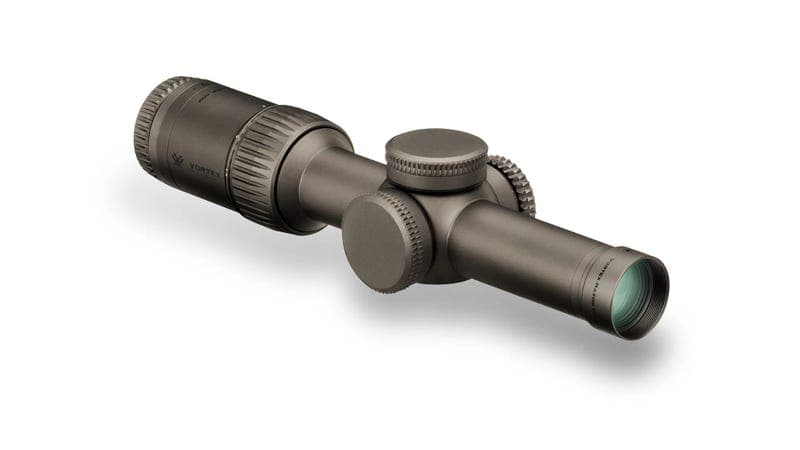
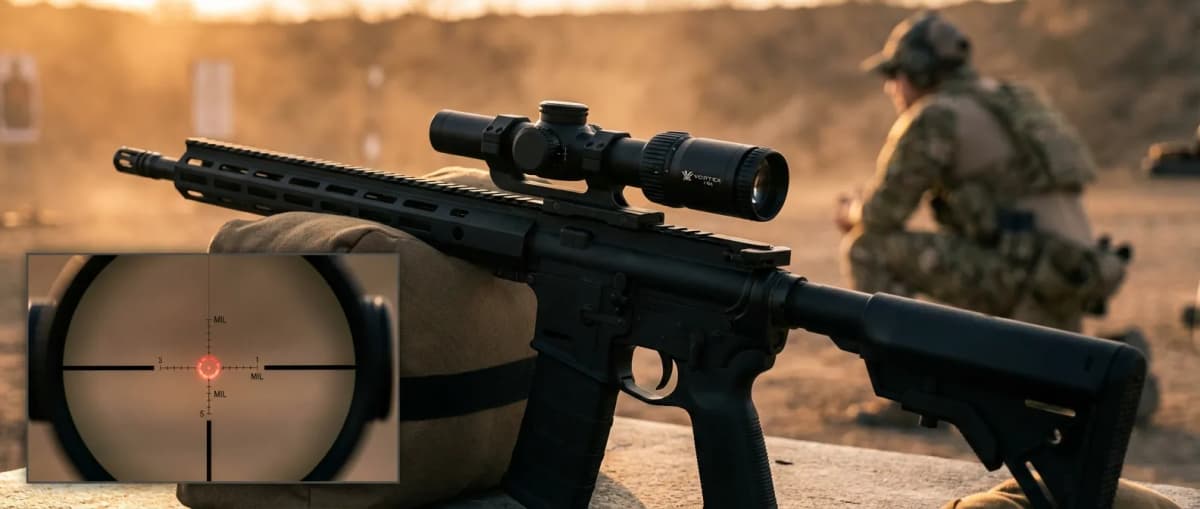
For most AR15 users, SFP (Second Focal Plane) is the better choice under $1,000. SFP scopes like the Vortex Razor Gen II 1-6x have brighter glass, better illumination, more forgiving eyeboxes, and a visible reticle at 1x. FFP only makes sense if you're buying premium (Nightforce ATACR, Vortex Razor Gen III, Primary Arms PLxC RDB, Kahles K16i) where the engineering can handle the complexity without compromises. Budget FFP scopes under $600 sacrifice too much: you get tiny reticles at 1x, tight eyeboxes, dim glass, and weak illumination.
▶Is the Vortex Razor Gen III worth the money?
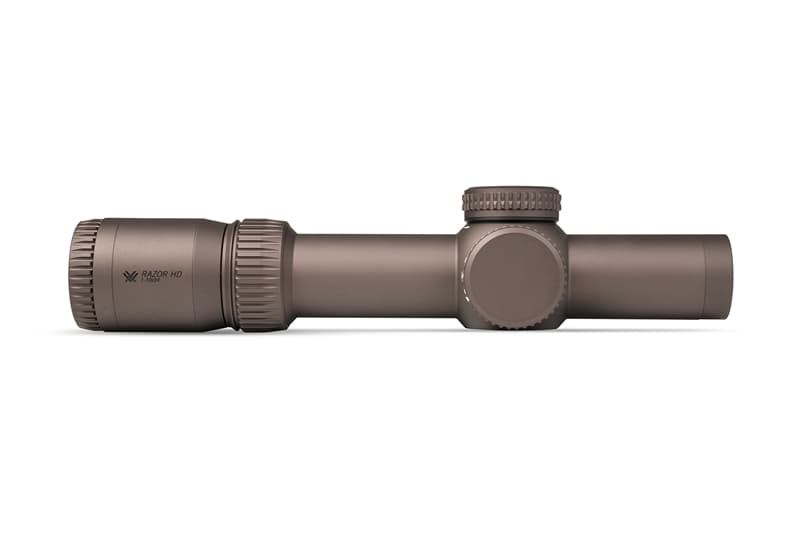
The Vortex Razor HD Gen III 1-10x is worth the $1,900-$2,100 price tag if you need 10x magnification. You get excellent glass clarity, daylight-bright illumination in FFP (a rare achievement), the versatile EBR-9 reticle, and Vortex's legendary VIP warranty. However, the eyebox isn't as forgiving as the Gen II 1-6x, and it's heavy (27.5oz). If you don't need 10x, the Razor Gen II 1-6x ($1,400-$1,500) has a legendary ultra-forgiving eyebox that's still unmatched. For absolute best performance regardless of price, the Nightforce ATACR 1-8x ($2,900-$3,100) or Primary Arms PLxC RDB 1-8x ($1,750-$2,000) are superior choices.
▶What mount should I use for my LPVO?
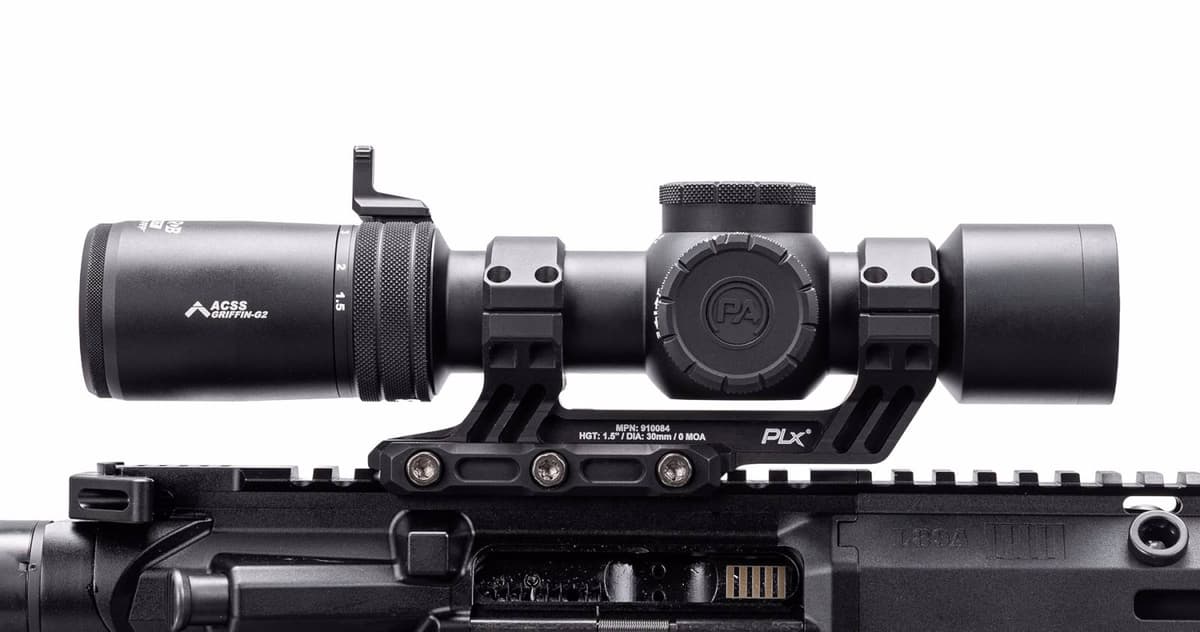
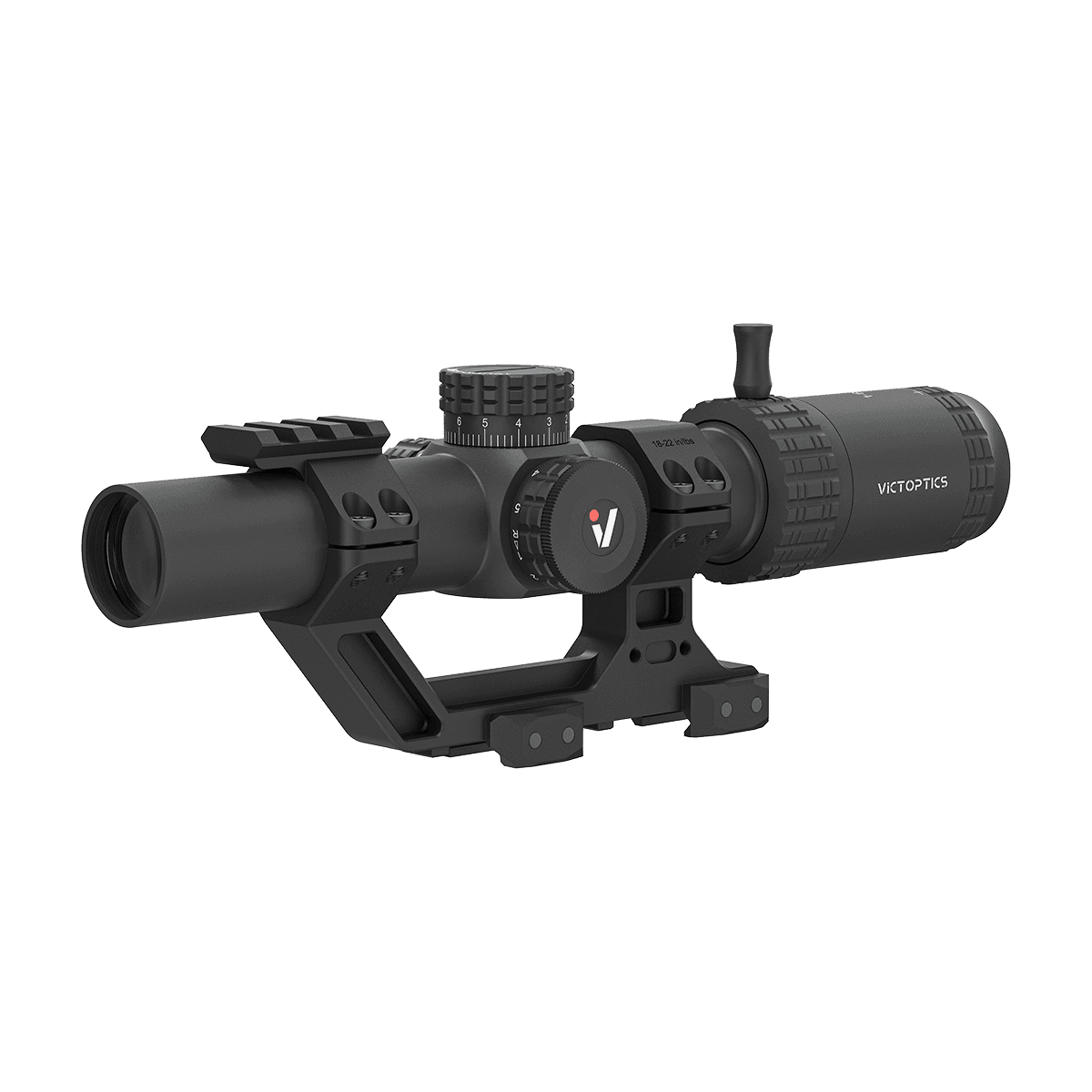
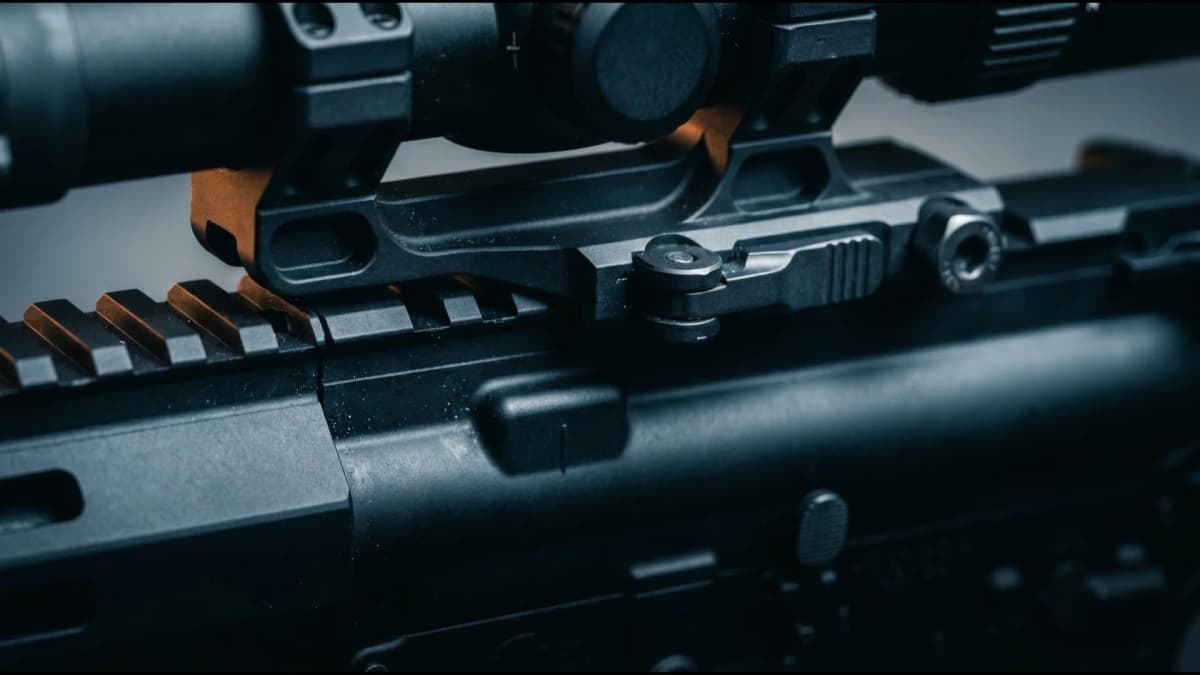
Use a high-quality 1.70" or 1.93" height mount for your LPVO on an AR15. Popular options include the Badger Ordnance C1 (1.70" or 1.93"), Scalarworks LEAP (1.57" or 1.93"), ADM Recon (1.93"), and LaRue LT204 (1.5"). The 1.93" height has become the standard for modern LPVO setups: it allows a more natural head position, faster target acquisition, and easier passive aiming with night vision. Avoid cheap Amazon mounts: they won't hold zero and can damage your scope.
▶What are the downsides of LPVO?
The main downsides of LPVOs are weight (20-30oz with mount vs 5oz for a red dot), eyebox limitations (head position must be precise, especially at higher magnification), complexity (magnification ring, diopter, eye relief management under stress), and cost (quality LPVOs start around $1,000+ with mount). Budget LPVOs under $600 also suffer from dim glass, poor illumination, and tight eyeboxes. For pure CQB or weight-conscious builds, a red dot is often the better choice.
▶Do military use LPVO?
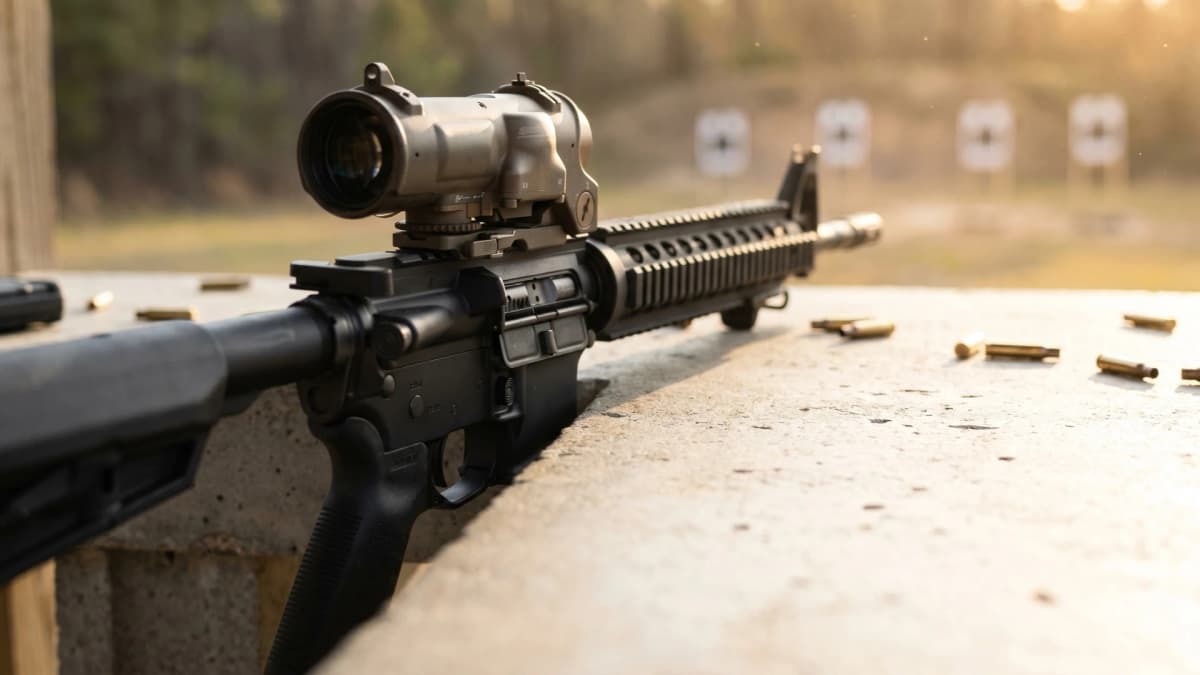
Yes, military units increasingly use LPVOs. USSOCOM adopted the SIG Tango6T 1-6x LPVO in 2020 as the Squad-Variable Powered Scope (S-VPS) for select units. Special operations forces commonly run Nightforce ATACR, Vortex Razor, and Elcan Specter DR optics. The shift from fixed-power ACOGs to LPVOs reflects the need for versatility: true 1x for CQB with the ability to dial up for PID (positive identification) and precision shots at distance. However, red dots remain common for dedicated CQB roles due to weight and speed advantages.
▶What is the point of an LPVO?
An LPVO (Low Power Variable Optic) gives you both CQB capability and mid-range precision in one optic. At 1x, it functions like a red dot for fast close-quarters shooting. Dial up to 6x, 8x, or 10x for positive target identification, precision shots at 300-600 yards, or seeing shot placement on steel. LPVOs bridge the gap that previously required carrying two optics. The tradeoff is weight (20-30oz vs 5oz for a red dot) and complexity, but for a single do-everything optic, nothing beats an LPVO.
▶What optics do Navy SEALs use?
Navy SEALs and USSOCOM units use a mix of optics depending on mission requirements. For magnified optics, they commonly run Nightforce ATACR 1-8x, Vortex Razor HD Gen II/III, Elcan Specter DR 1-4x, and the SIG Tango6T 1-6x (officially adopted as S-VPS). For red dots, the Aimpoint T-2, CompM5, and ACRO P-2 dominate. EOTech EXPS3 holographic sights are still used for specific CQB roles. The common thread is extreme durability, night vision compatibility, and proven reliability in austere conditions.