Duty Grade · The Standard
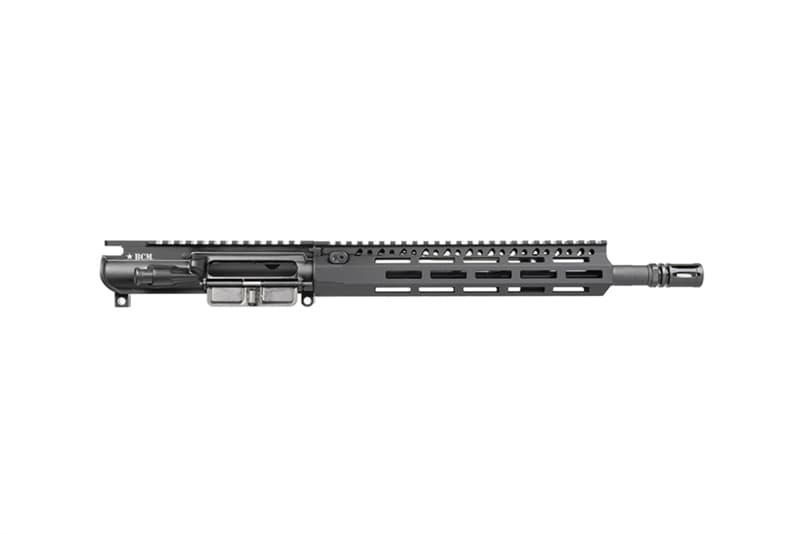
Bravo Company Manufacturing MK2 Complete Upper
- Bombproof reliability
- Lightweight KMR/MCMR rail
$831.39 Catalog
View at OpticsPlanet
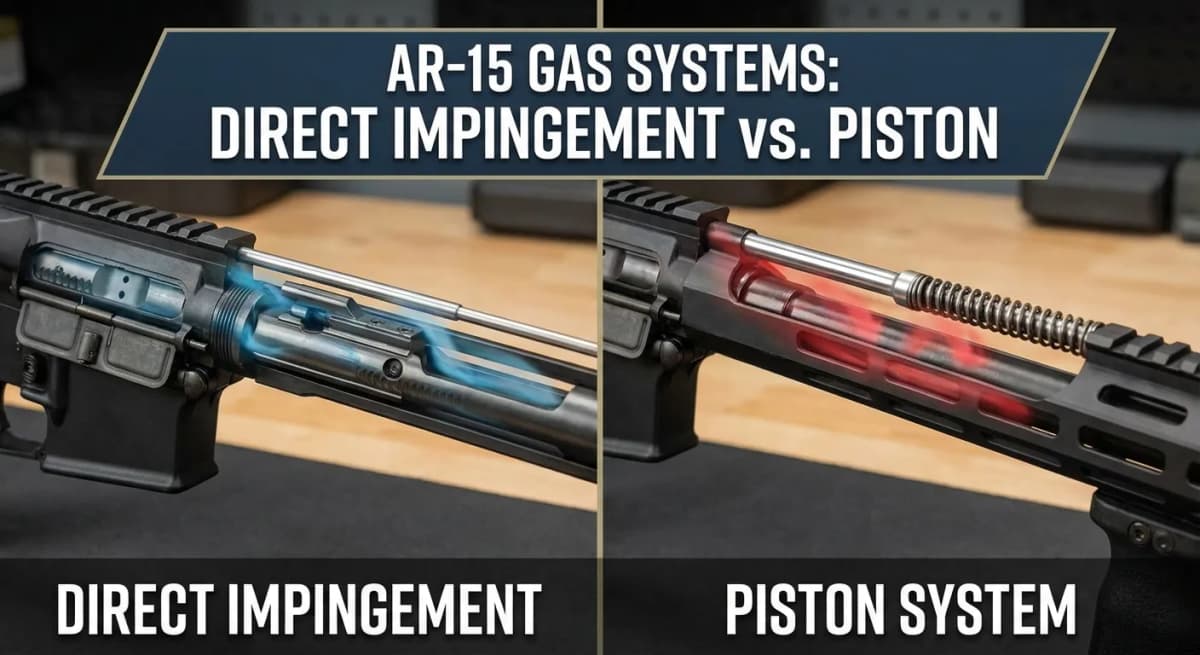
Direct impingement vs piston AR-15: weight, reliability, cleaning, suppressor performance, and cost compared. Includes which barrel lengths favor piston and why flow-through suppressors are changing the equation.
Affiliate links (?)
It's a hotly debated topic, but the choice between Direct Impingement (DI) and Piston usually comes down to weight balance vs. cleanliness. While piston guns run cleaner and offer OTB capability, they add weight where you want it least.
A bolt-action AR upper sits outside this DI-versus-piston choice when it removes the self-loading gas path and requires manual cycling. For Washington readers, the Washington bolt-action AR build guide explains why a purpose-built no-gas action is different from a reversible conversion or a fixed-magazine semiautomatic rifle.
The biggest drawback of piston systems is physics. A piston system involves an operating rod and a piston mechanism located above the barrel. This adds weight in the worst possible spot: the front of the gun.
A front-heavy rifle is harder to hold on target for extended periods, slower to transition between targets, and generally more fatiguing. The extra weight on the barrel can also negatively impact barrel harmonics, leading to a decrease in potential accuracy compared to a free-floated DI barrel. For a general-purpose 16-inch rifle, DI is almost always the superior choice for handling.
Affiliate links - purchases support this site at no extra cost to you. (?)
Piston proponents aren't wrong about cleanliness. Because the gas vents at the gas block rather than back into the receiver, the bolt carrier group (BCG) stays significantly cooler and cleaner. This means less frequent cleaning and potentially longer intervals between stoppages in extremely adverse conditions.
OTB (Over-The-Beach) Capability: This is a niche but real advantage. It basically means the gun won't explode if you fire it with water in the barrel/action. For maritime operations, this is critical. For the average civilian, it's cool but rarely necessary.
New DI vs piston breakdowns, suppressor tuning data, and AR-15 system comparisons in your inbox.
Historically, piston guns were considered superior for suppression because they have adjustable gas settings to limit blowback. However, the rise of flow-through suppressors (like those from HUXWRX or CAT) has made this less relevant. Flow-through cans vent gas forward, meaning a DI gun doesn't get overgassed and the shooter doesn't eat gas, negating the primary suppression benefit of piston systems.
The Exception: .300 Blackout. Adjustable gas blocks on DI systems can be finicky and unreliable. For a dedicated .300 Blackout build that needs to cycle both supers and subs reliably, a quality adjustable piston system (like the SIG Rattler) is often less headache than tuning a DI gas block.
Not all piston systems are created equal. Because there is no standard "mil-spec" for AR-15 piston systems, you are married to the manufacturer's proprietary design. Choosing the right one is critical.
SIG Sauer (Spear LT, Rattler) & LWRC
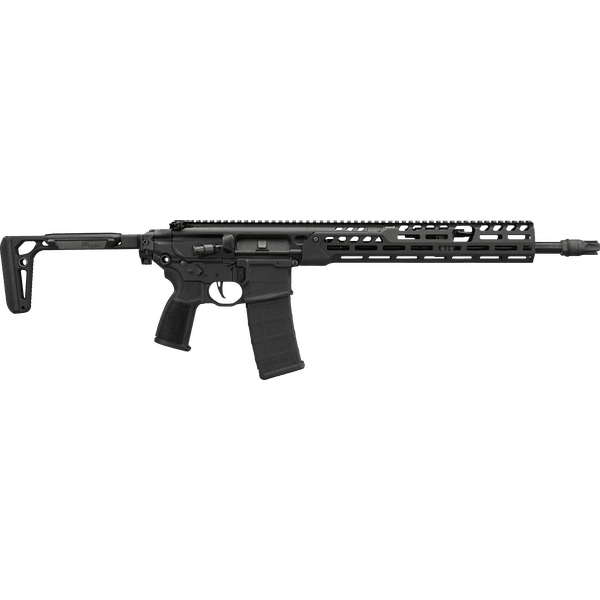
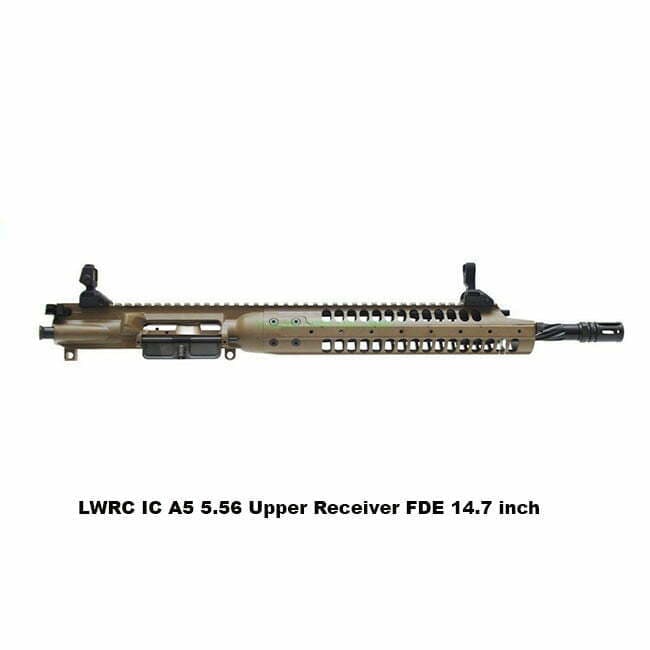
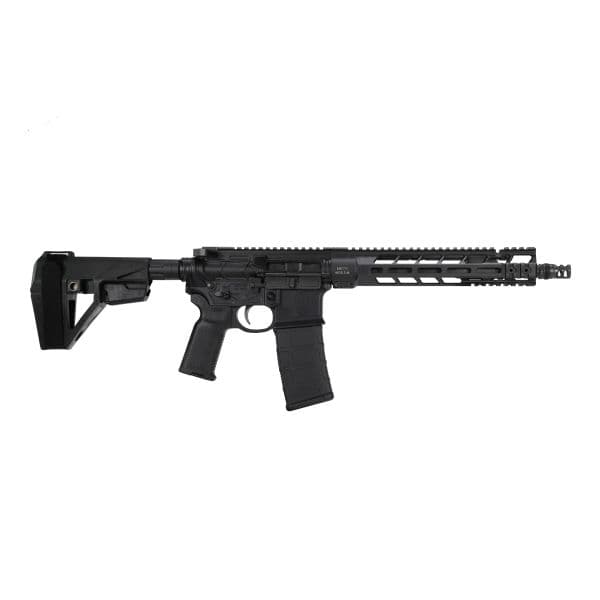
The SIG Spear LT (especially in 11.5" 5.56) and Rattler LT (6.75" .300 BLK) are excellent examples of modern piston engineering. They are reliable and, due to their short length, don't suffer as badly from front-heaviness. Read our SIG Spear LT 11.5" hands-on review for real-world reliability data. LWRC also makes a very robust piston system, PWS debuted the MK216 MOD 2 piston rifle at SHOT Show 2026, and IWI's ARAD 5 ($1,499) brings short-stroke piston to a standard AR-15 lower with a CamLok quick-change barrel system. FN took the same idea further with the FN ARKA, rehousing the SCAR's short-stroke piston in an AR-ergonomic body for military and LE users. Beretta's NARP follows the same formula for the Italian Army, pairing a short-stroke piston and a two-position suppressed gas setting with M4-style controls. For a non-AR piston rifle that nails the trade-off, see our CZ Bren 2 accessories guide covering the lightest production short-stroke piston rifle in its class at 6.37 lb in the 16.5 inch configuration.
LMT (Lewis Machine & Tool)
Despite military adoption (e.g., Estonia), LMT's piston system has shown issues. In burn down tests, it has failed around the 200-round mark. Estonia reportedly had to send a significant number of rifles back for issues. For the price, the reliability is questionable compared to their stellar DI guns.
Affiliate links - purchases support this site at no extra cost to you. (?)
For general-purpose rifles, DI is hard to beat; piston shines on barrels under 11.5".

Avid shooter with 10+ years of experience including competition shooting, an associate member of the Professional Outdoor Media Association (POMA), and a member of the National Shooting Sports Foundation (NSSF) and Safari Club International (SCI). Built 10+ AR-pattern rifles and several handgun platforms for home defense, competition, and suppressed night shooting.
This page contains affiliate links. Purchases through these links support the site at no extra cost to you. Read the affiliate disclosure
Ready to continue? Here's the recommended next guide:
Which AR-15 brand should you buy in 2026? Geissele, Daniel Defense, and BCM lead on duty-grade quality, Aero Precision wins on value, PSA holds the budget floor. Twelve brands ranked by QC, reliability, and price, plus the brands to avoid.
Continue exploring with these related resources
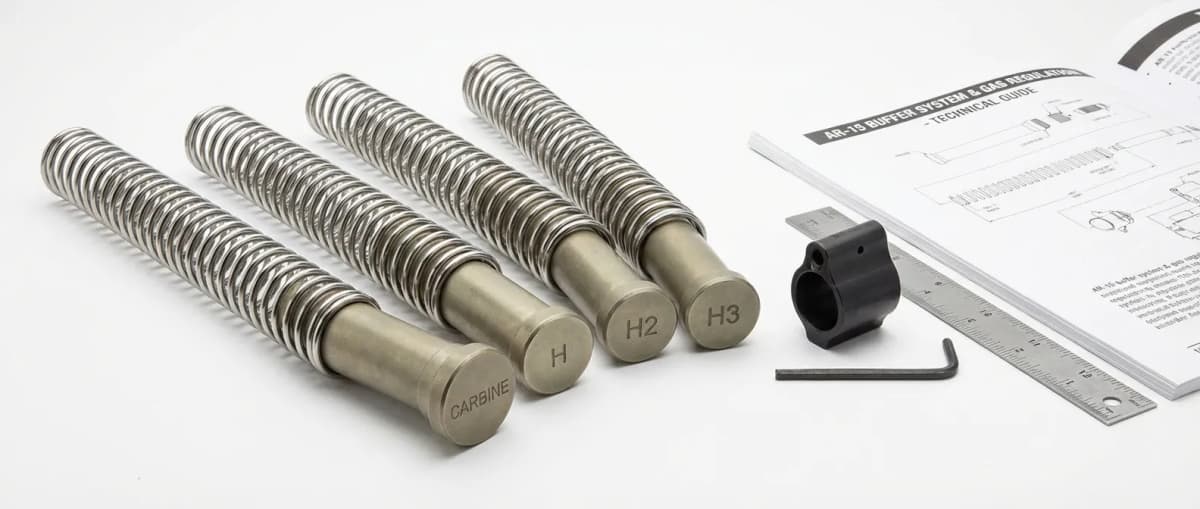
AR-15 gas system and buffer tuning guide with interactive calculators. Adjustable gas block setup, buffer weight chart (H1/H2/H3), ejection pattern diagnostics, and troubleshooting for suppressed and unsuppressed rifles.
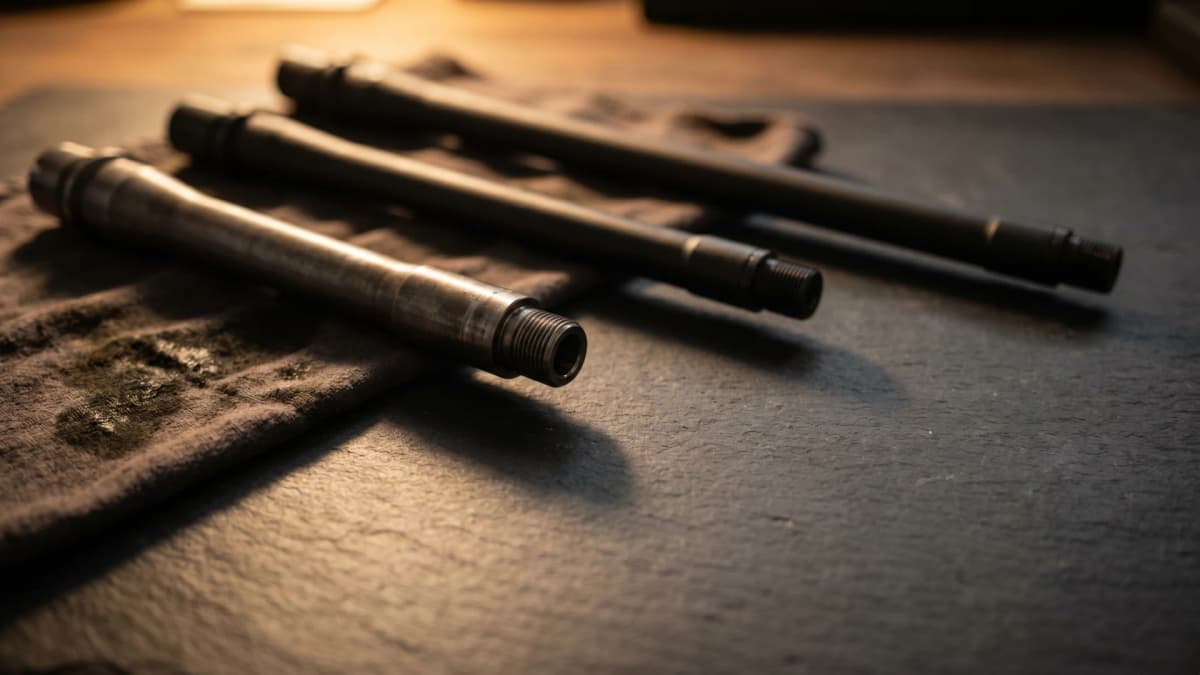
Ranked .300 BLK barrels across every use case: 9-inch suppressor sweet spot, 7.5-inch PDW, 10.3-inch general purpose, and 16-inch no-NFA. Verified specs, real prices, and the gas system math that decides whether your build actually runs subs and supers reliably.
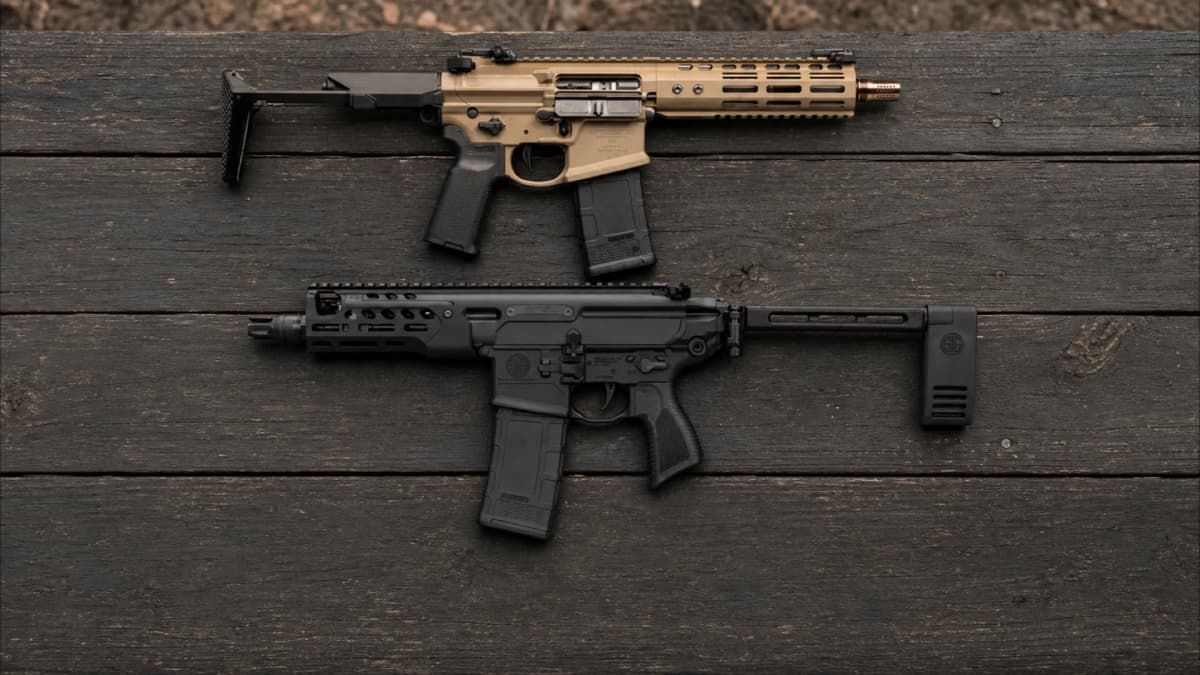
Ten current .300 Blackout firearms ranked across standard rifles, braced pistols, factory SBRs, suppressed packages, and bolt actions for distinct buyer needs.
Related articles and industry updates
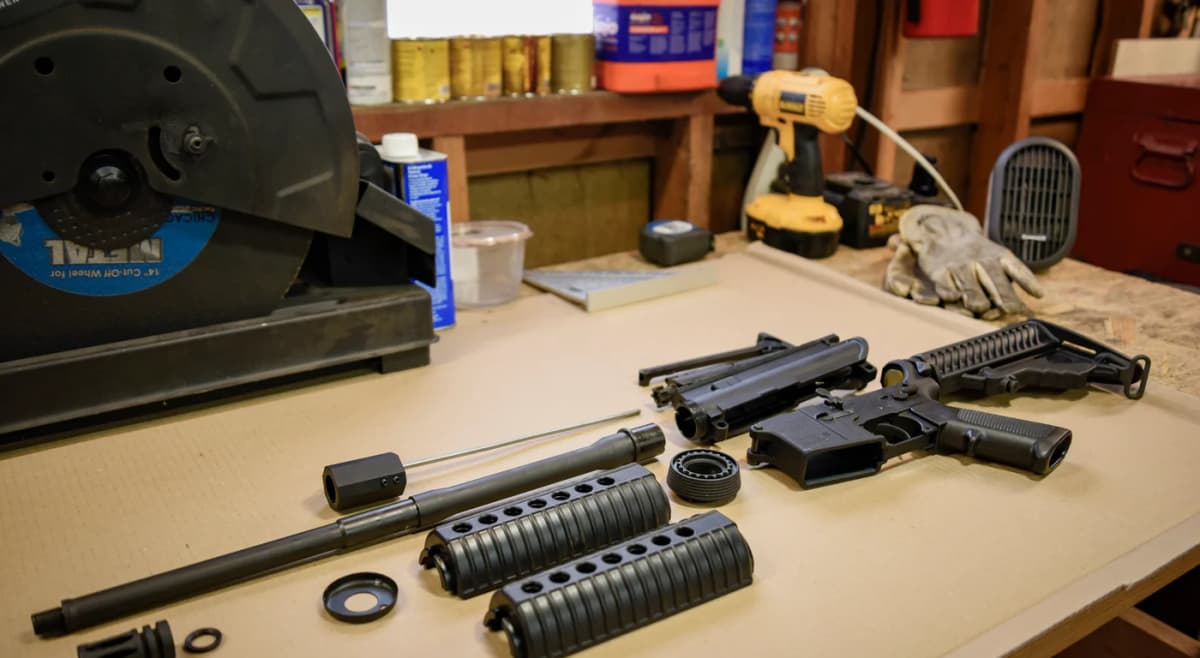
California already routes every standalone barrel sale through a licensed dealer, and a DOJ eligibility check starts July 1, 2027. The proposed rules make both check types free of charge and give the department 30 days on a Basic check.
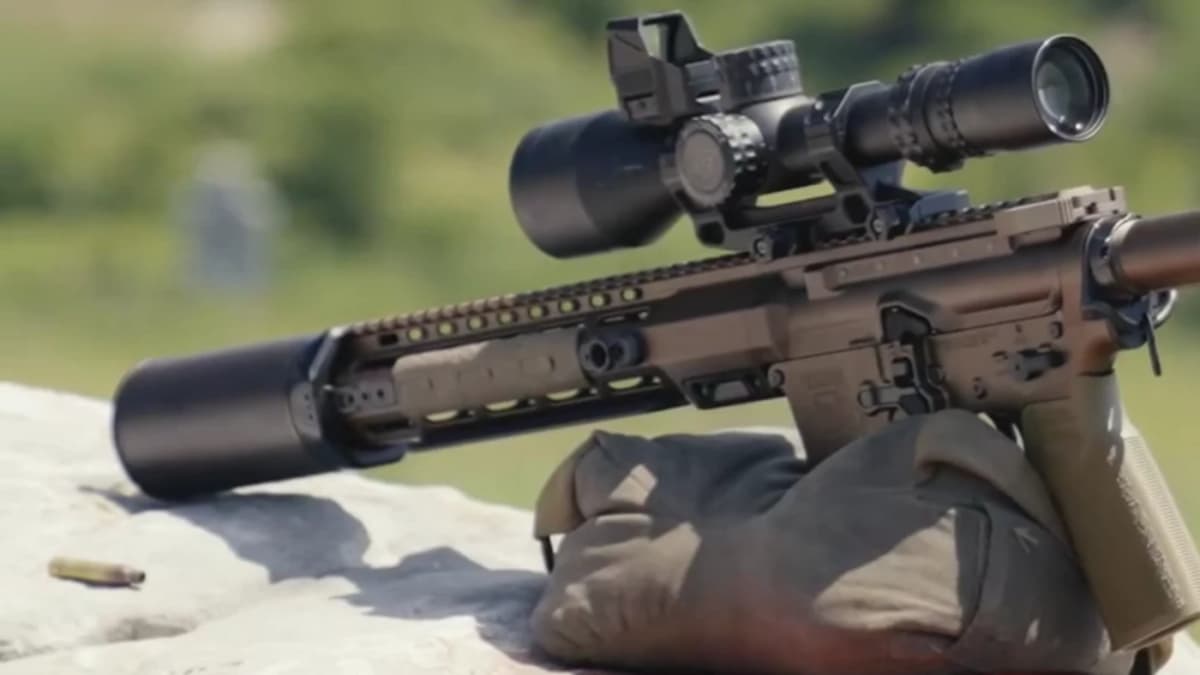
Geissele published the full HICAR spec sheet under SKU 08-891: an 11.5-inch GNB200 gain-twist barrel, BB-62 reinforced bolt, GFR X billet receiver set, and 77gr SMK loads on Peak Alloy cases at 82,000+ PSI and 2,700 ft/s.
Angled Spade Technologies launched three suppressors: the $899 Fulcrum in Inconel 718 at 14.0 oz, the $899 Fulcrum-Ti in Grade 5 titanium at 7.7 oz in the same 6.02-inch envelope, and the $779 Lotus, a 5.2 oz titanium 9mm can. All three target back pressure, and the two Fulcrum models cost the same while differing by 6.3 ounces.