Magazines
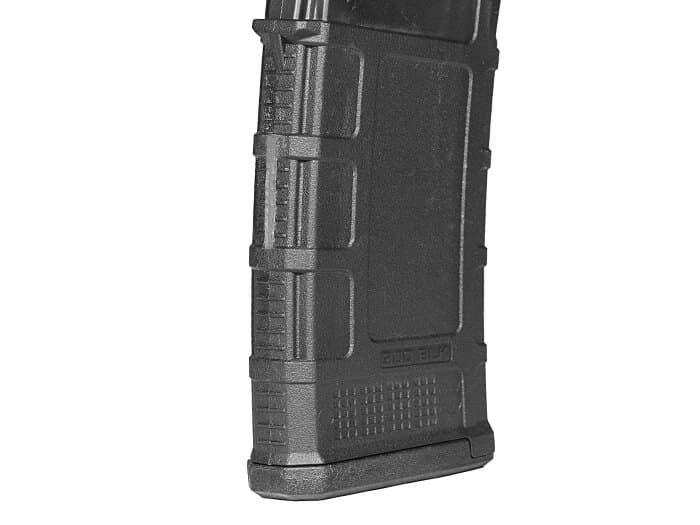
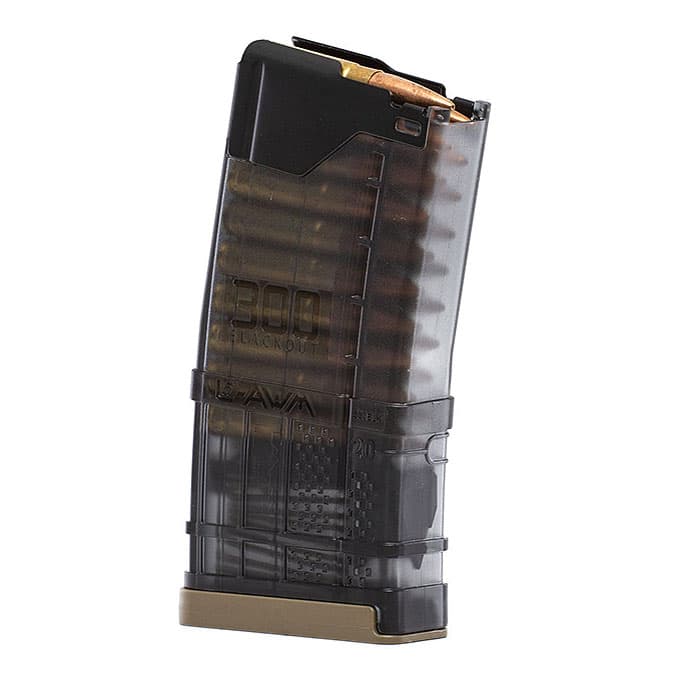
Magpul PMAG 30 .300 BLK
- Distinct pattern for quick caliber ID
- Same reliability as standard PMAGs
$15.75
View at OpticsPlanet
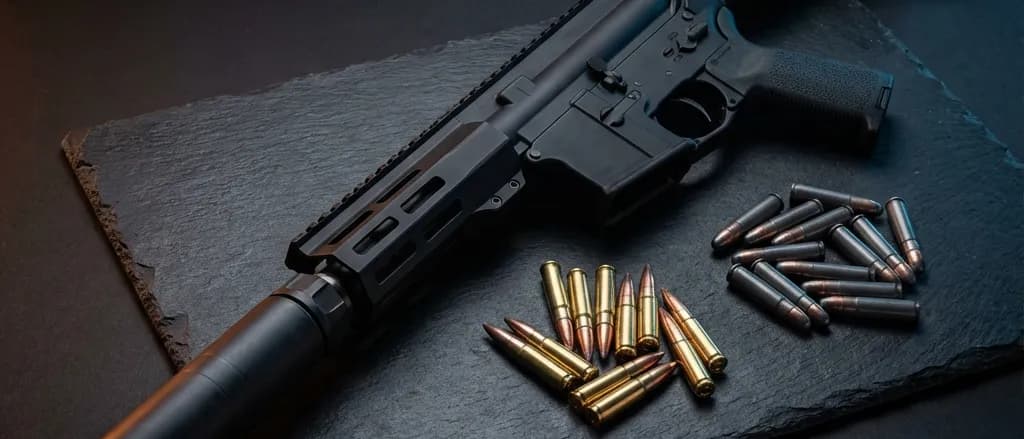
.300 Blackout is built for short AR-15 barrels and true subsonic loads. Compare subsonic and supersonic ballistics, velocity by barrel length, effective range, gas tuning, and ownership cost versus 5.56.
Affiliate links (?)
.300 Blackout is worth buying if you plan to run a suppressor or build a short-barreled rifle: it was designed for 9" barrels, achieves complete powder burn out of short hosts, and can fire true subsonic loads (1,050 fps with 220gr) for hearing-safe suppressed shooting. It is not better than 5.56 without a suppressor. This guide covers ammo selection (subsonic vs supersonic), the optimal 9" barrel length, suppressor pairing, and the true cost of ownership vs 5.56.
The Problem: 5.56 NATO was designed for 20" barrels. Short barrels lose significant velocity, and the supersonic crack makes true suppression impossible.
The Solution: AAC developed .300 Blackout to deliver .30 caliber performance from short barrels while enabling genuine subsonic capability. Same bolt, same magazines, just swap the barrel. AAC is back with the MPW Series suppressor-optimized rifles in .300 BLK. For the direct cost, recoil, and use-case comparison against 5.56, see 300 Blackout vs 5.56.
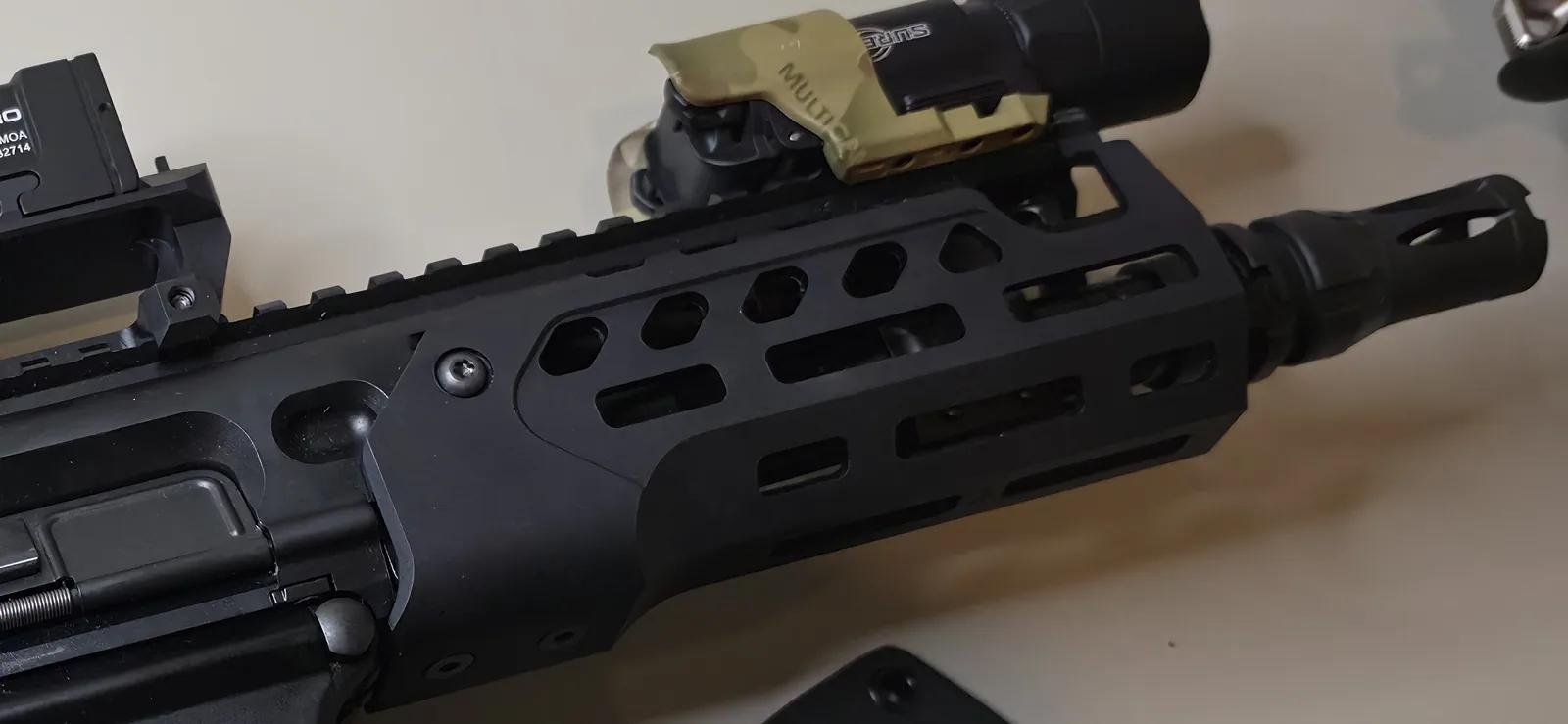
The Result: A cartridge that achieves complete powder burn in 9" barrels, works flawlessly with suppressors, and fires subsonic rounds that are genuinely hearing-safe. Lancer Systems built its L15 .300 Blackout lineup around exactly this, a 9" folding pistol and a 16" rifle with adjustable gas blocks for suppressed use. On a short 300 BLK PDW you can tuck the can over the barrel under a large-bore rail; the suppressor-ready handguards guide covers the inner-diameter clearance for these builds.
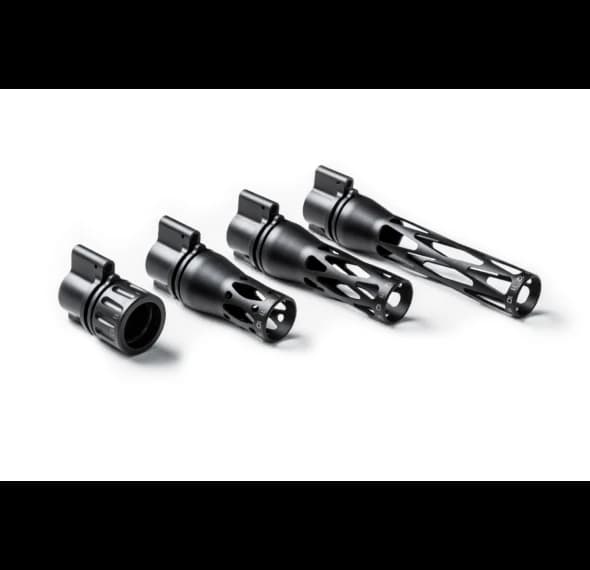
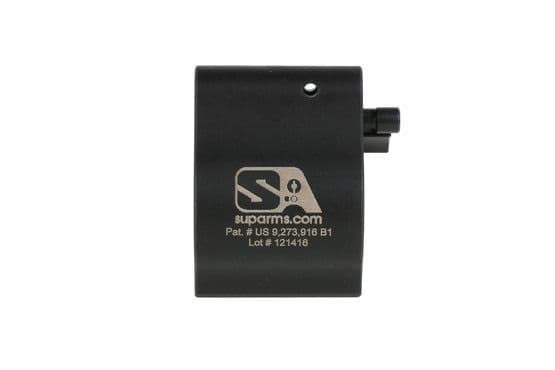
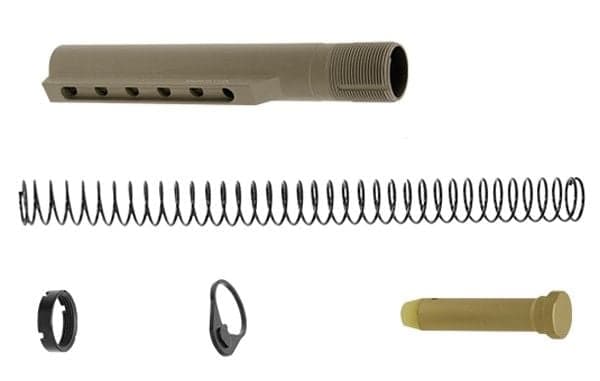
Affiliate links - purchases support this site at no extra cost to you. (?)
A 125gr supersonic load out of a 16 inch barrel, drawn from the side with the flight colored by regime. Switch the Load picker to the 220gr subsonic load, and step the barrel through 8.5, 10.5 and 16 inches, to see how far each one stays above the speed of sound.
125 gr · G1 BC 0.283 · Standard supersonic .300 BLK. Good short-barrel performance.
16" · 2200 fps · published 8–16 in, between interpolates
The rifle view measures the seated optic and sets this for you.
Shots land where the solved trajectory puts them, with a group's worth of spread. Dial to walk the reticle onto the group; the next shot re-aims at the target.
Velocity at target
1,109 fps
Muzzle 2,200 fps
Mach
0.99Subsonic
Path vs. line of sight
118.9 in low
22.7 MOA · 6.61 MRAD
Time of flight
988 ms
Energy
341 ft-lb
125 gr
Hold to center
Hold 22.7 MOA over
or dial 91 clicks up at 1/4 MOA
Where the bullet slows
From 16 in, this load stays supersonic to 350 yd and drops below the speed of sound at 494 yd.
Barrel length at 500 yd
| Barrel | Muzzle velocity | Drop | Transonic from | Subsonic from |
|---|---|---|---|---|
| 8 in | 2,050 fps | -141.5 in | 297 yd | 441 yd |
| 8.5 in | 2,075 fps | -137.4 in | 306 yd | 450 yd |
| 9 in | 2,100 fps | -133.5 in | 315 yd | 459 yd |
| 10.5 in | 2,150 fps | -126.0 in | 333 yd | 477 yd |
| 11.5 in | 2,159 fps | -124.7 in | 336 yd | 480 yd |
| 12.5 in | 2,168 fps | -123.4 in | 339 yd | 483 yd |
| 14.5 in | 2,186 fps | -120.8 in | 345 yd | 489 yd |
| 16 in | 2,200 fps | -118.9 in | 350 yd | 494 yd |
Trajectory from the point-mass engine with G1/G7 drag; barrel velocities from the load's published table.
Open the full range simulatorOut of a 16 inch barrel the 125gr load holds supersonic to about 350 yards, spends the next 144 yards crossing the transonic band, and is fully subsonic past 494 yards. Cut to 8.5 inches and both of those numbers move in by roughly 44 yards. Switch the load to 220gr subsonic and the readout changes shape entirely: it leaves the muzzle at 1,010 to 1,050 fps depending on barrel, below the speed of sound from the first inch, so there is no supersonic phase and no sonic crack for a suppressor to fight. Barrel length moves that load by 40 fps across the whole range. That contrast is the entire argument for .300 Blackout, and everything below is about building around it.
This is THE decision that shapes your entire .300 BLK setup. Understanding the tradeoffs determines whether .300 BLK makes sense for you.
Supersonic .300 BLK is ballistically INFERIOR to 5.56. Read that again. If you're running supersonic loads without a suppressor, you're paying 2-3x per round for worse external ballistics than 5.56.
There are only TWO reasons to choose .300 BLK over 5.56: (1) You want subsonic capability with a suppressor, or (2) you need a very short barrel (under 10") for a PDW setup, where 5.56 loses most of its velocity advantage and .300 BLK's ballistics degrade far less. Outside those scenarios, stick with 5.56.
When you need maximum terminal performance or extended range. Still loud even suppressed (sonic crack persists), but suppressor reduces blast significantly.
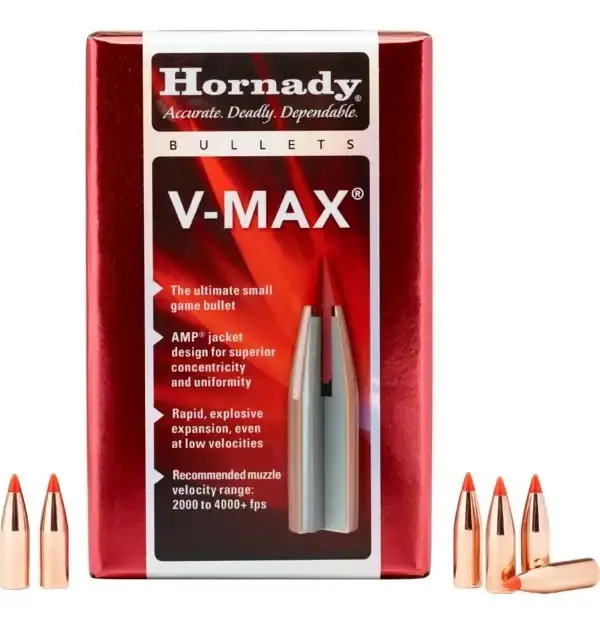
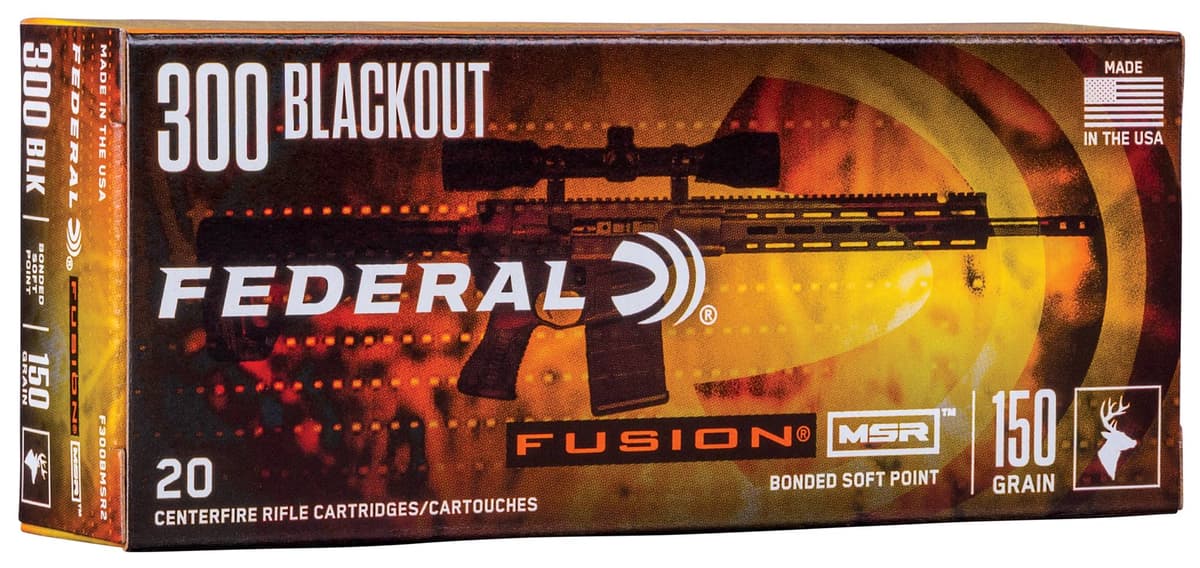
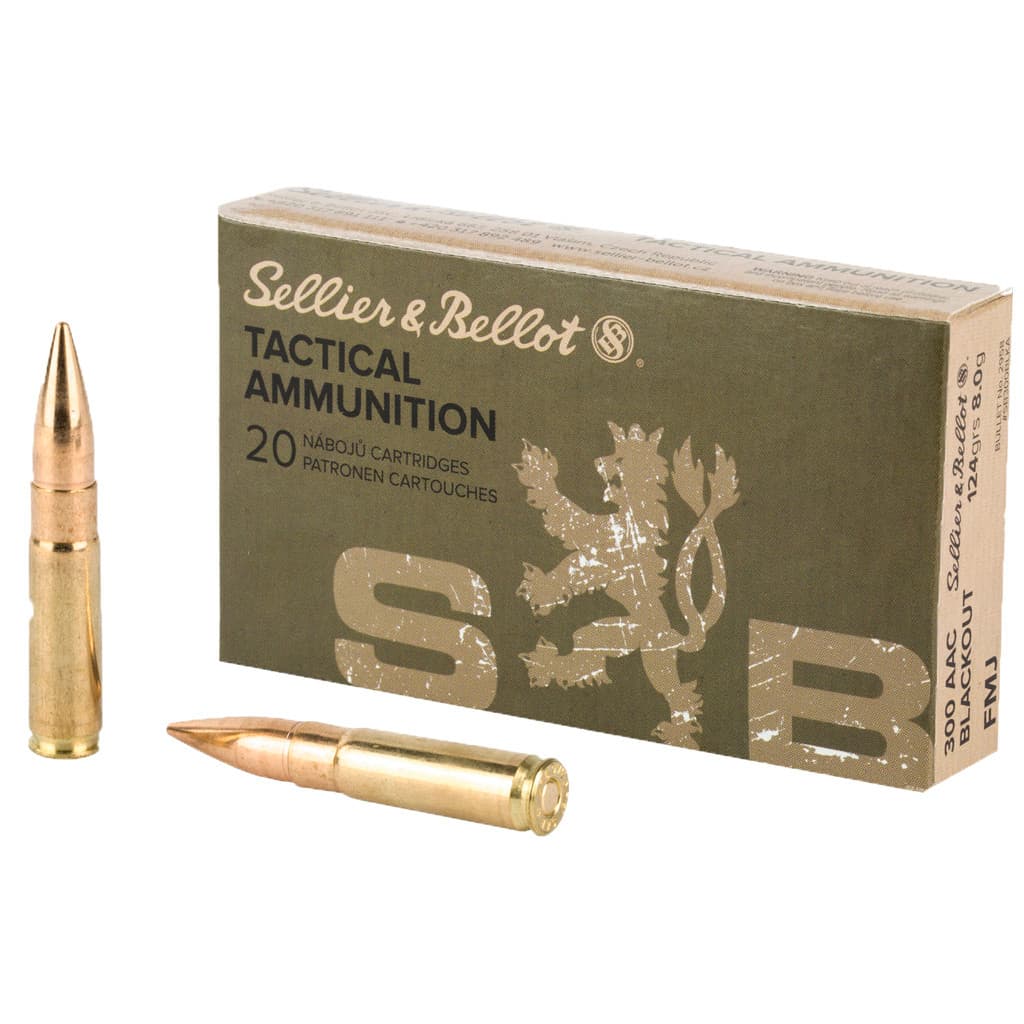
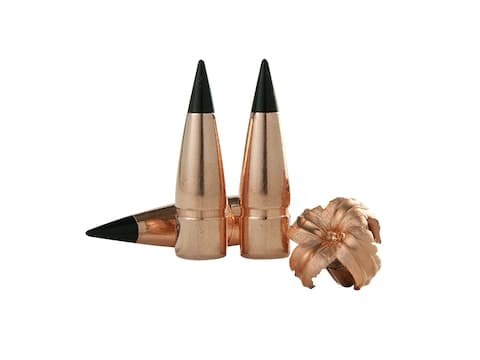
Affiliate links (?)
The reason .300 BLK exists. Heavy bullets traveling below the speed of sound (~1,100 fps) eliminate the sonic crack, making suppressed fire genuinely quiet. If you want a heavier subsonic hit out of the same AR-15 lower, Hornady's .338 ARC pushes a 307gr bullet for roughly 1.5x the subsonic muzzle energy; our .338 ARC build guide covers the uppers, bolt, and magazines it needs.
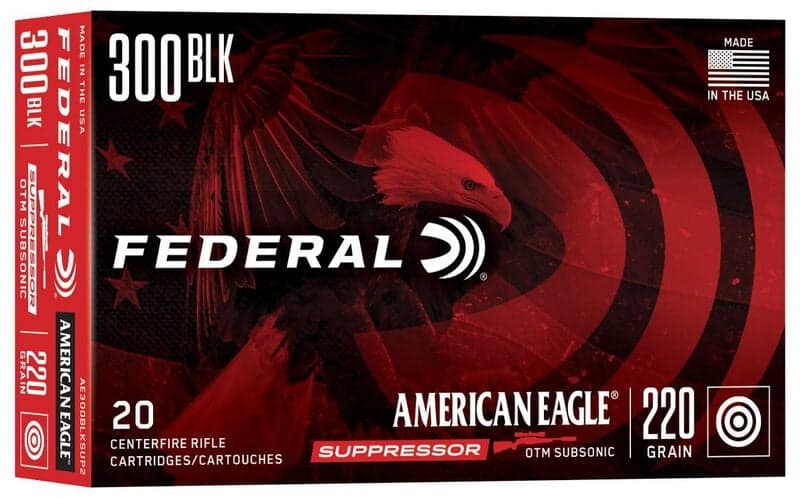
Affiliate links (?)
For detailed rankings, ballistic data, and barrel-length-specific recommendations for each of these loads, see our best 300 Blackout ammo guide.
Unlike 5.56, .300 BLK was designed for short barrels. Here's exactly where each length shines. For the ranked barrel picks behind these length categories (9-inch Faxon Gunner, 8.5-inch Noveske, 10.3-inch Ballistic Advantage, 16-inch Wilson Combat), see the best .300 Blackout barrels guide.
Complete powder burn for most loads. Optimal suppressor performance. Compact enough for vehicle/CQB use.
~2,125 fps supersonic (110gr), ~1,020 fps subsonic (220gr). Within 5% of maximum velocity.
Suppressed builds, home defense, PDW, duty use. The default recommendation.
| Length | OAL Suppressed | Super Vel. | Sub Vel. | Powder | Best For |
|---|---|---|---|---|---|
| 5.5" | 28.5" | 1850 fps | 1000 fps | incomplete | PDW, vehicle gun |
| 7.5" | 30.5" | 2000 fps | 1010 fps | incomplete | PDW, suppressor host |
| 8.3" | 31.3" | 2075 fps | 1015 fps | incomplete | PDW, suppressor host |
| 9" | 32" | 2125 fps | 1020 fps | optimal | suppressor host, home defense |
| 10.3" | 33.3" | 2200 fps | 1030 fps | optimal | suppressor host, duty |
| 12.5" | 35.5" | 2275 fps | 1040 fps | complete | duty, hunting |
| 16" | 39" | 2375 fps | 1050 fps | complete | rifle, hunting |
Maximum concealability for PDW/vehicle gun use. Expect incomplete powder burn with supers (more flash, less velocity). Subs remain fully effective. Requires careful gas tuning for reliability.
Maximum velocity but defeats the purpose of .300 BLK. Only choose if you can't/won't SBR or use a pistol brace. At this point, consider if 5.56 makes more sense for your use case.
9 inches is the sweet spot for .300 BLK: complete powder burn, optimal suppressor performance, compact package. Here are our top barrel picks across price tiers.
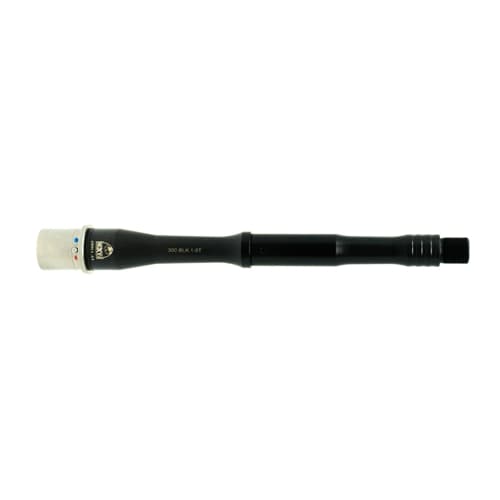 1
1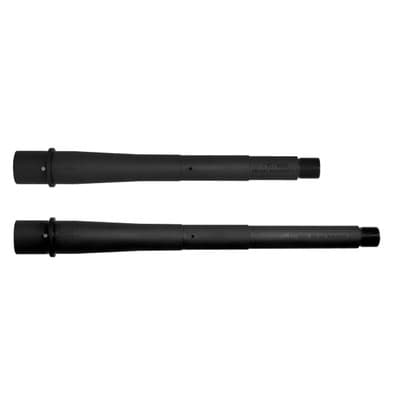 2
2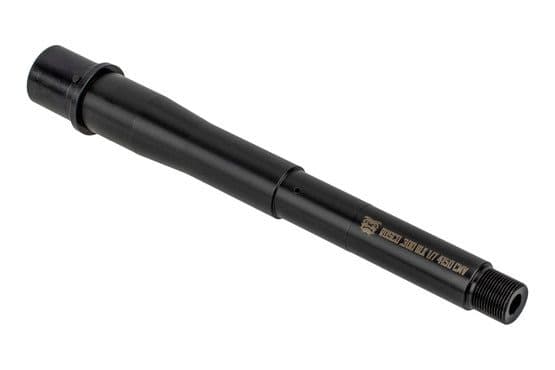 3
3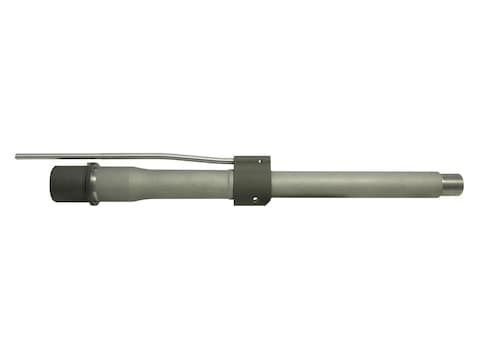 4
4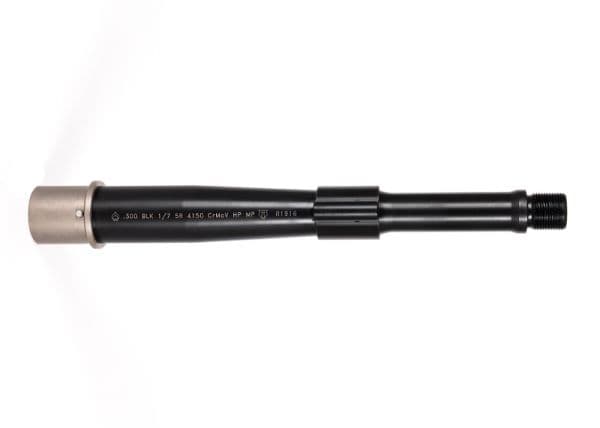 5
5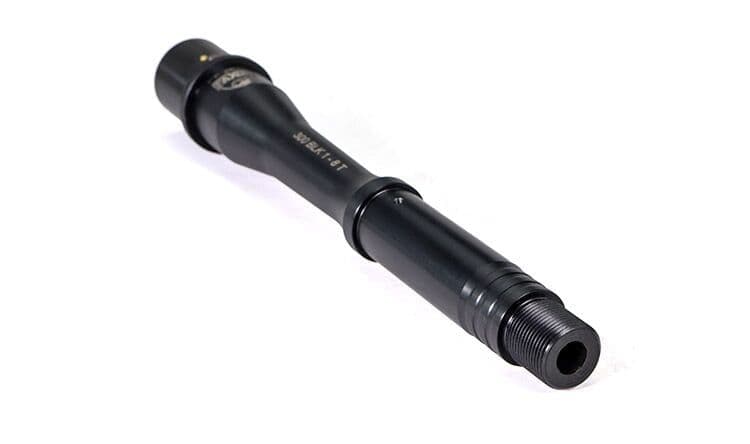 6
6Affiliate links - purchases support this site at no extra cost to you. (?)
The two questions every new .300 BLK shooter asks: how far will it reach, and how much do I hold over? The numbers below come from our own ballistics calculator using a 9 inch barrel, a 100-yard zero, and standard sea-level conditions.
Supersonic .300 Blackout is effective to roughly 250-300 yards on targets, and 150-200 yards for ethical hunting shots. A 125gr load from a 9 inch barrel still carries about 700 ft-lbs at 200 yards and about 520 ft-lbs at 300, but past 300 the trajectory falls off fast and 5.56 or 6.5 Grendel serve you better. Subsonic loads are a 100-150 yard proposition: velocity stays consistent, but the rainbow trajectory makes range estimation the limiting factor, not energy.
With a 100-yard zero from a 9 inch barrel, a 125gr supersonic load drops about 8 inches at 200 yards and about 30 inches at 300. A 220gr subsonic load drops about 35 inches at 200 yards and over 9 feet at 300: that is the price of 1,020 fps. From a 16 inch barrel the supersonic figure tightens to about 7 inches at 200. Run your exact load, barrel, and zero through the ballistics calculator to get your own drop table.
New load data, barrel testing, gas tuning tips, and .300 Blackout hardware delivered to your inbox.
Here's what nobody talks about: you can't tune a gas system to run both supersonic and subsonic loads optimally. This is THE fundamental challenge of .300 Blackout.
Subsonic loads produce ~60% less gas pressure than supersonic loads. A gas system tuned to reliably cycle 220gr subs will be massively over-gassed when you switch to 110gr supers.
The result: When running supers on a sub-tuned gun, the bolt carrier slams back violently, beating the rifle to death, causing excessive wear, and creating punishing felt recoil. Conversely, tune for supers and your subs may short-stroke or fail to lock back.
Add a suppressor and it gets worse. The added back pressure makes an already over-gassed super even more violent. Remove the suppressor and your sub-tuned gun might not cycle at all.
The most common approach. Dial down gas for supers, dial up for subs.
Reality: Most people set it for subs and never touch it, accepting harsh super cycling.
Increase buffer weight (H2/H3) and use a heavier spring to slow bolt carrier velocity.
Reality: Better than nothing, but you're still living with a compromise.
The SIG MCX Rattler's piston system includes a two-position gas regulator that can be switched between "suppressed" (subs) and "unsuppressed" (supers) with a simple lever. No tiny screws, no tools, no counting clicks.
Why piston wins here: The gas system is self-contained in the handguard, isolated from the BCG. This makes gas adjustment more accessible and less prone to carbon fouling affecting the setting. For the LVAW (Low Visibility Assault Weapon) configuration with a suppressor inside the handguard outline, see the SIG MCX accessories guide Rattler suppressor-handguard section.
Caveat: Still recoils pretty hard with supers. The physics of a 5.5" barrel and light platform don't change. But it's the cleanest solution to the tuning problem.
Tune for subs suppressed. Accept that supers will cycle hard. Use H2/H3 buffer to soften the blow. This is what most suppressed .300 BLK builds end up being.
Tune for supers. Use adjustable gas block and accept that subs may not cycle without the suppressor. Best if you rarely shoot subs or always shoot suppressed.
Buy a SIG Rattler/MCX or accept that you'll need to adjust your gas block when switching. There's no free lunch with DI guns on this caliber.
.300 Blackout suppressor choice changes sound, gas, overall length, and mounting. This page covers those effects on the host. For model-by-model sound performance, back pressure, mounting, length, and price, see our best .300 Blackout suppressors guide.
.300 BLK isn't cheap. Here's what you're actually signing up for.
Supersonic: $0.50-$1.60/round (vs $0.35 for 5.56)
Subsonic: $0.85-$2.25/round
Reality: Training with .300 BLK costs ~1.5-2x what 5.56 does, down from 2-3x a few years ago.
Annual cost (1500 rounds): ~$1,020 vs $525 for 5.56
Difference: ~$500/year in ammo alone
Good news: Prices have stabilized significantly since the 2020-2023 spike.
| Item | Budget | Mid-Range | Premium | Notes |
|---|---|---|---|---|
| Complete .300 BLK Upper | $350 | $650 | $1200 | PSA budget, BCM/Aero mid, DD/LWRC high-end |
| Barrel Only (9" .300 BLK) | $125 | $225 | $400 | BCA budget, Ballistic Advantage mid, Criterion high-end |
| Dedicated .30 Cal Silencer | $400 | $800 | $1400 | Form 1 DIY, Trash Panda mid, CGS Hyperion high-end |
| Form 4 (Suppressor) | $0 | $0 | $0 | NFA transfer tax zeroed under OBBBA; Form 4 still required |
| Form 1 (if SBR) | $0 | $0 | $0 | NFA transfer tax zeroed under OBBBA; Form 1 still required if barrel under 16" with stock |
| Supersonic (per 20 rounds) | $10 | $16 | $32 | Training FMJ to premium hunting ammo |
| Subsonic (per 20 rounds) | $17 | $24 | $45 | Budget plinking to premium defensive subs |
Reloading .300 BLK drops cost to ~$0.35/round supersonic, ~$0.42/round subsonic using converted 5.56 brass. Initial equipment investment ($400-800) pays for itself within 1,500-2,000 rounds. For serious .300 BLK shooters, reloading is almost mandatory.
For deer hunting beyond 150 yards, consider 6.5 Grendel or .300 HAM'R. See our best AR-15 for hunting guide for factory-complete hunting rifles. For a harder-hitting suppressed-subsonic alternative that runs in an AR-15 lower with a Grendel-pattern bolt, see our Hornady .338 ARC explainer. To step all the way up to a large-frame .338 subsonic on the AR-10, see our 8.6 Blackout explainer. For a factory-threaded bolt-action 300 BLK host, see the CZ 600+ Carbine, and for a factory 8-inch AR host with a suppressor-optimized gas system, the S&W M&P15 AXE .300 Blackout SBR. .300 BLK trades range for suppression capability.
The honest answer: .300 BLK is a fantastic cartridge for its intended purpose: suppressed SBR use. Outside that niche, 5.56 does almost everything better for less money. Build .300 BLK as a dedicated suppressor host, not as a general-purpose rifle.
For complete rifle, pistol, and SBR recommendations, start with the ranked complete-firearm guide. For the best .300 BLK SBRs alongside short 5.56 rifles, see the best SBRs of 2026 guide. To see a complete short suppressed configuration priced part by part, load this 300 Blackout PDW build.
For in-depth analysis and testing, we recommend Brass Facts on YouTube, one of the best resources for honest, data-driven .300 Blackout content.
External links open in new tab. We're not affiliated with Brass Facts, just fans of quality content.

Avid shooter with 10+ years of experience including competition shooting, an associate member of the Professional Outdoor Media Association (POMA), and a member of the National Shooting Sports Foundation (NSSF) and Safari Club International (SCI). Built 10+ AR-pattern rifles and several handgun platforms for home defense, competition, and suppressed night shooting.
This page contains affiliate links. Purchases through these links support the site at no extra cost to you. Read the affiliate disclosure
Ready to continue? Here's the recommended next guide:
Set up AR-15 suppressors correctly. Learn host preparation, backpressure management, POI shift tracking, mount selection, and overgassing fixes for reliable suppressed operation.
Or explore a related topic:
AR-15 Caliber Guide 2026->Continue exploring with these related resources
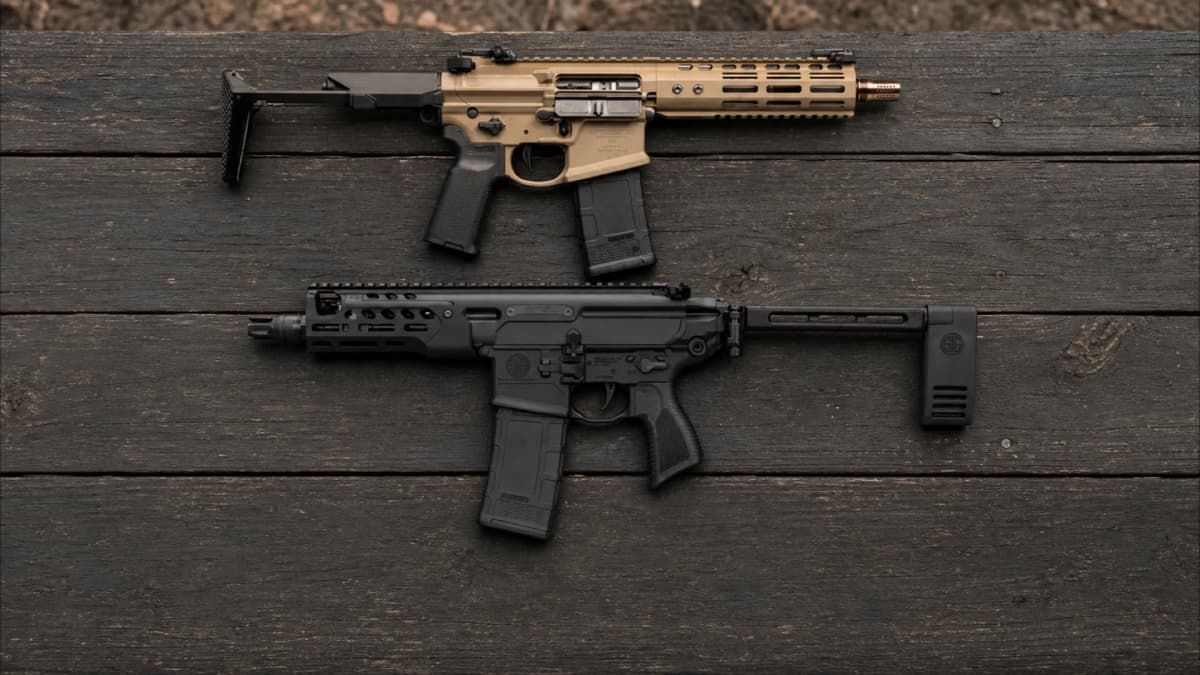
Ten current .300 Blackout firearms ranked across standard rifles, braced pistols, factory SBRs, suppressed packages, and bolt actions for distinct buyer needs.
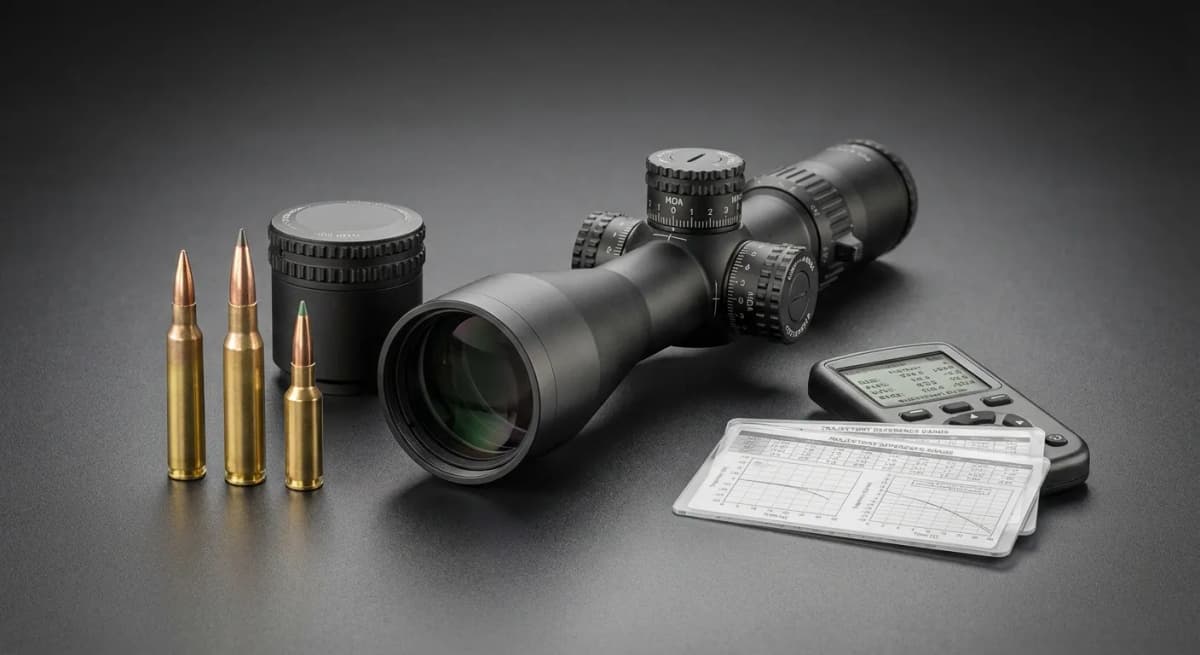
Ballistics chart for 5.56, .300 Blackout, and .308: bullet drop, velocity, and energy at 100/200/300/500/800 yards. Includes a free trajectory calculator for custom loads, zero distances, and wind.
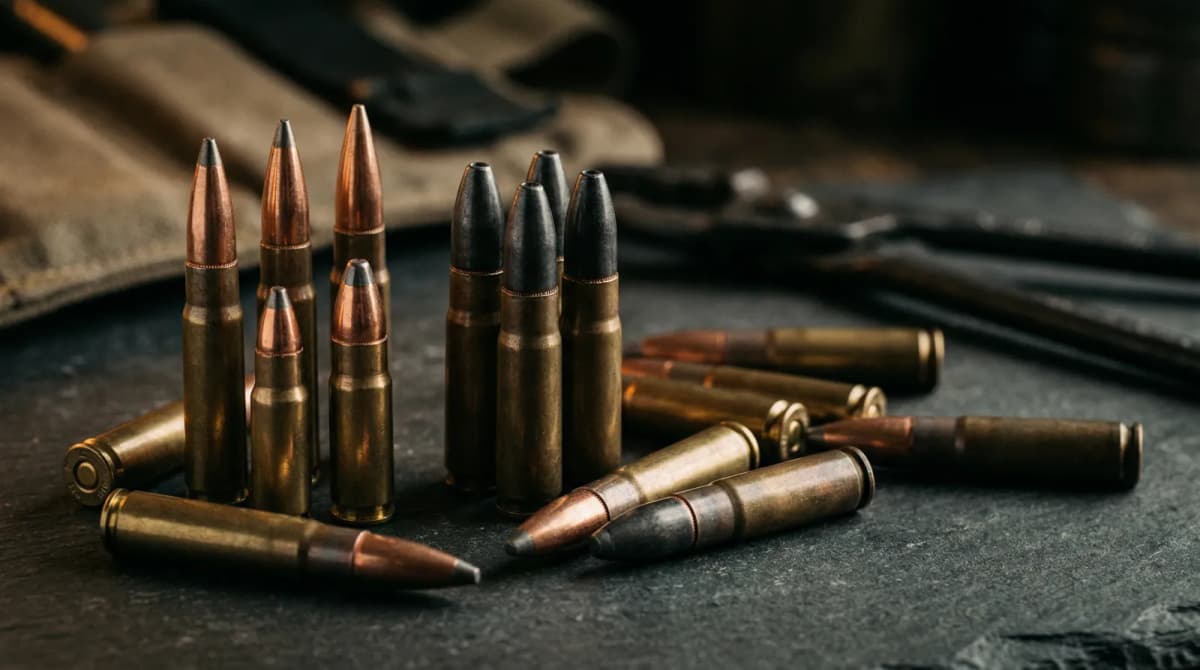
Best 300 blackout ammo ranked for 2026. Barnes TAC-TX 110gr (#1 supersonic), Hornady Sub-X 190gr (#1 subsonic), Hornady V-MAX, SIG Elite Copper, Lehigh Maximum Expansion. Suppressed vs unsuppressed, home defense, hunting, and training loads with ballistic data.
Related articles and industry updates
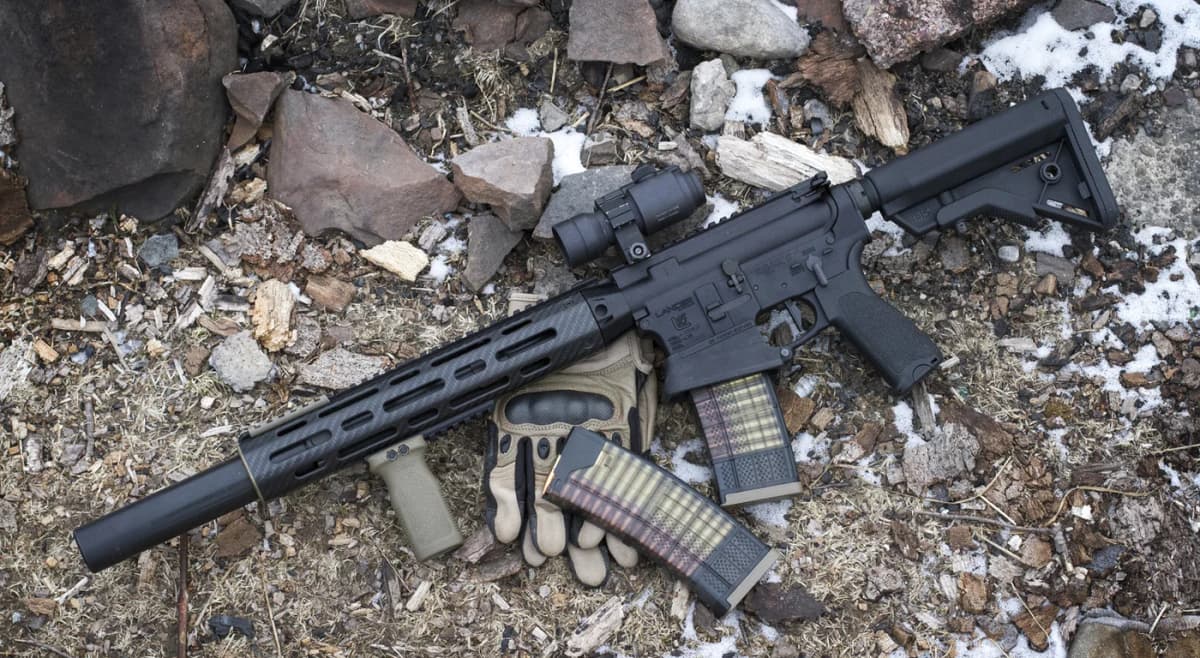
Lancer Systems launches its first complete .300 Blackout firearms: the L15 Folding .300 BLK pistol (9" Faxon barrel, $2,499.99) and the L15 Patrol Rifle (16" Rosco Bloodline, $1,910). Both run pistol-length gas with a Superlative Arms adjustable gas block, Radian controls, and carbon fiber handguards built for suppressed shooting.
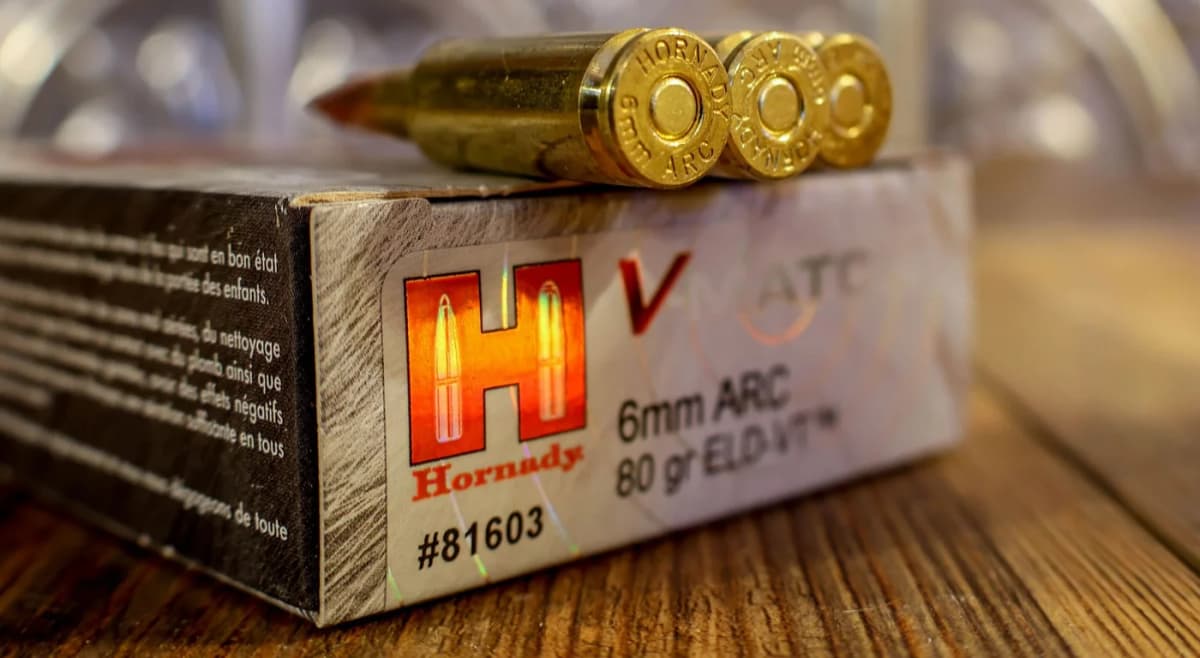
A trend study of five AR-15 cartridges beyond 5.56. .300 Blackout peaked at 100 in June 2020 and is climbing again in 2026, 6.5 Grendel has fallen every year since its 2020 peak, .224 Valkyrie went from launch to irrelevance in four years, and 6mm ARC is the only one with uninterrupted year-over-year growth since 2021.
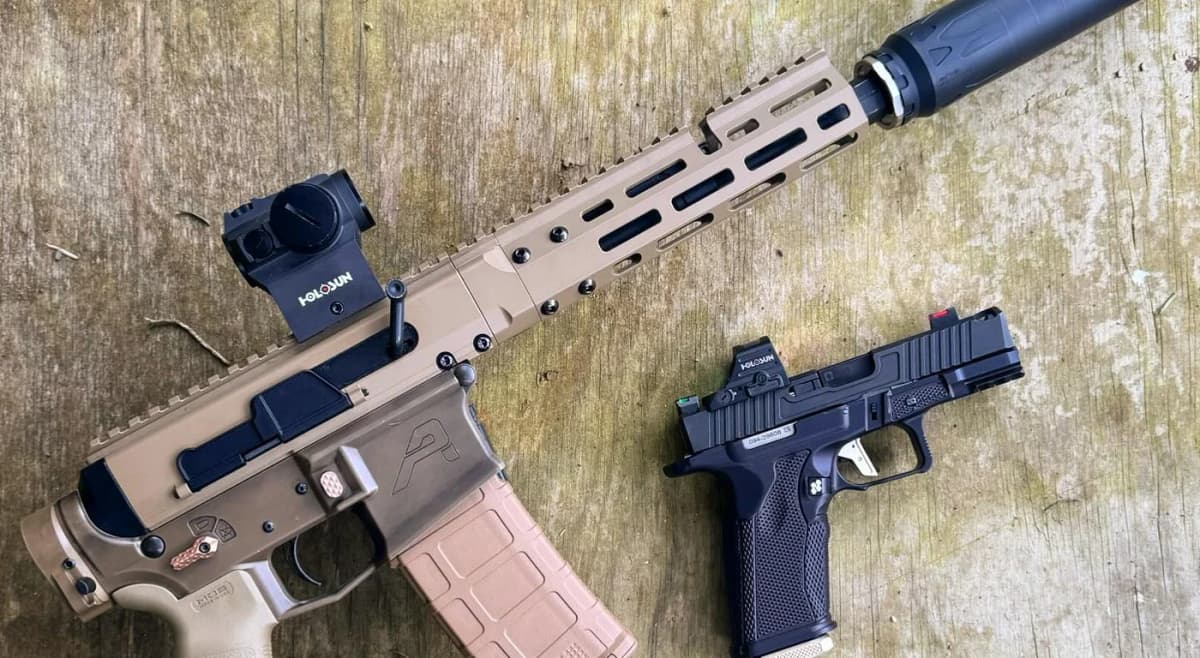
Angled Spade Technologies launched three suppressors: the $899 Fulcrum in Inconel 718 at 14.0 oz, the $899 Fulcrum-Ti in Grade 5 titanium at 7.7 oz in the same 6.02-inch envelope, and the $779 Lotus, a 5.2 oz titanium 9mm can. All three target back pressure, and the two Fulcrum models cost the same while differing by 6.3 ounces.