AR-15 Weight Management: Balance, Barrels, Handguards, Accessories & Suppressors header image
AR-15 Weight Reduction Levers and Impact
ComponentImpact on BalanceRecommended ActionCaution
Barrel length & profileBiggest lever—2–4 oz at the muzzle feels like double that at the magwell.For 12.5–14.5 builds, pick a medium or lightweight profile over government/HBAR to save 6–10 oz without hurting reliability.. Use 0.625" gas blocks on true lightweight barrels; they cut weight and keep harmonics consistent.. Avoid ultra-thin "pencil" beyond 15" if you plan long strings of fire; heat will grow POI shift.Do not chase weight with low-mass carriers or titanium firing pins—timing and durability matter more than an ounce.
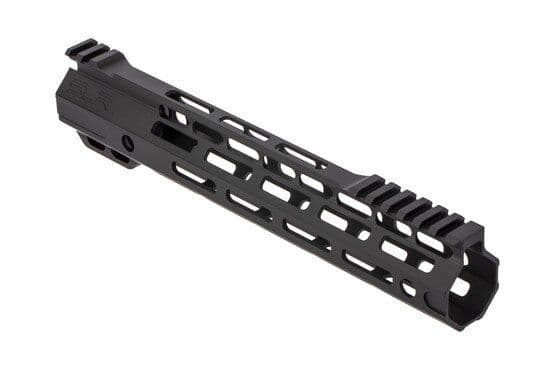
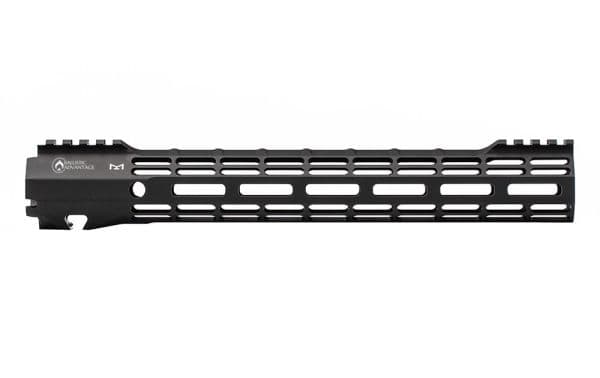
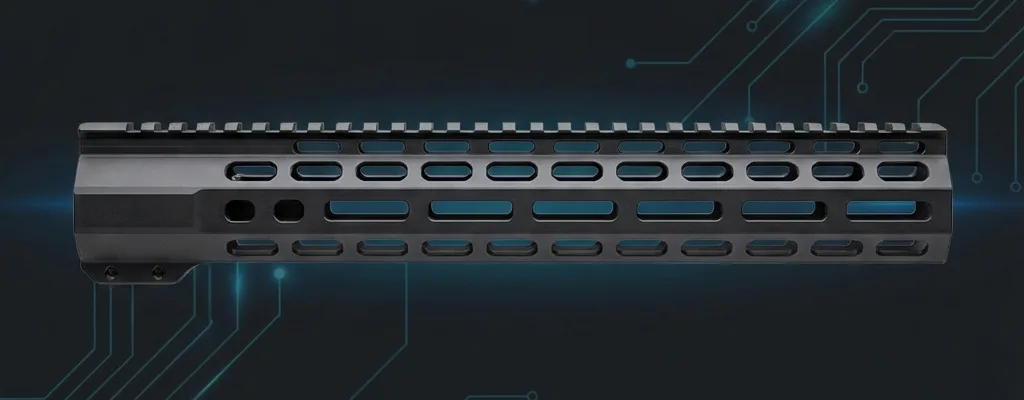
Handguard length & materialHandguards live far forward; every inch matters for swing weight.On 14.5–16" barrels, consider 11.5–13" rails instead of 15" to drop 3–5 oz at the muzzle end.. Choose slim, minimal M-LOK rails; skip quad rails unless you need continuous Picatinny.. Carbon fiber rails save weight and stay cooler to the touch; add panels for grip texture and heat shielding during long strings.None
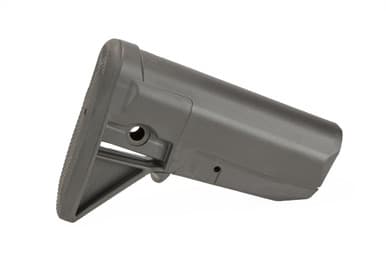
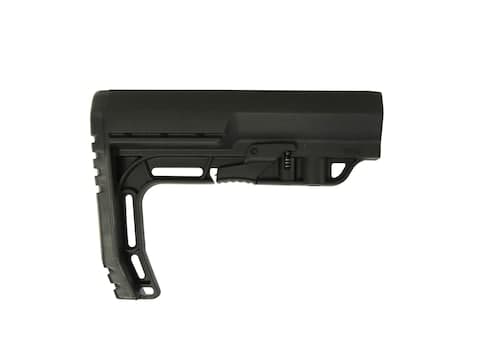
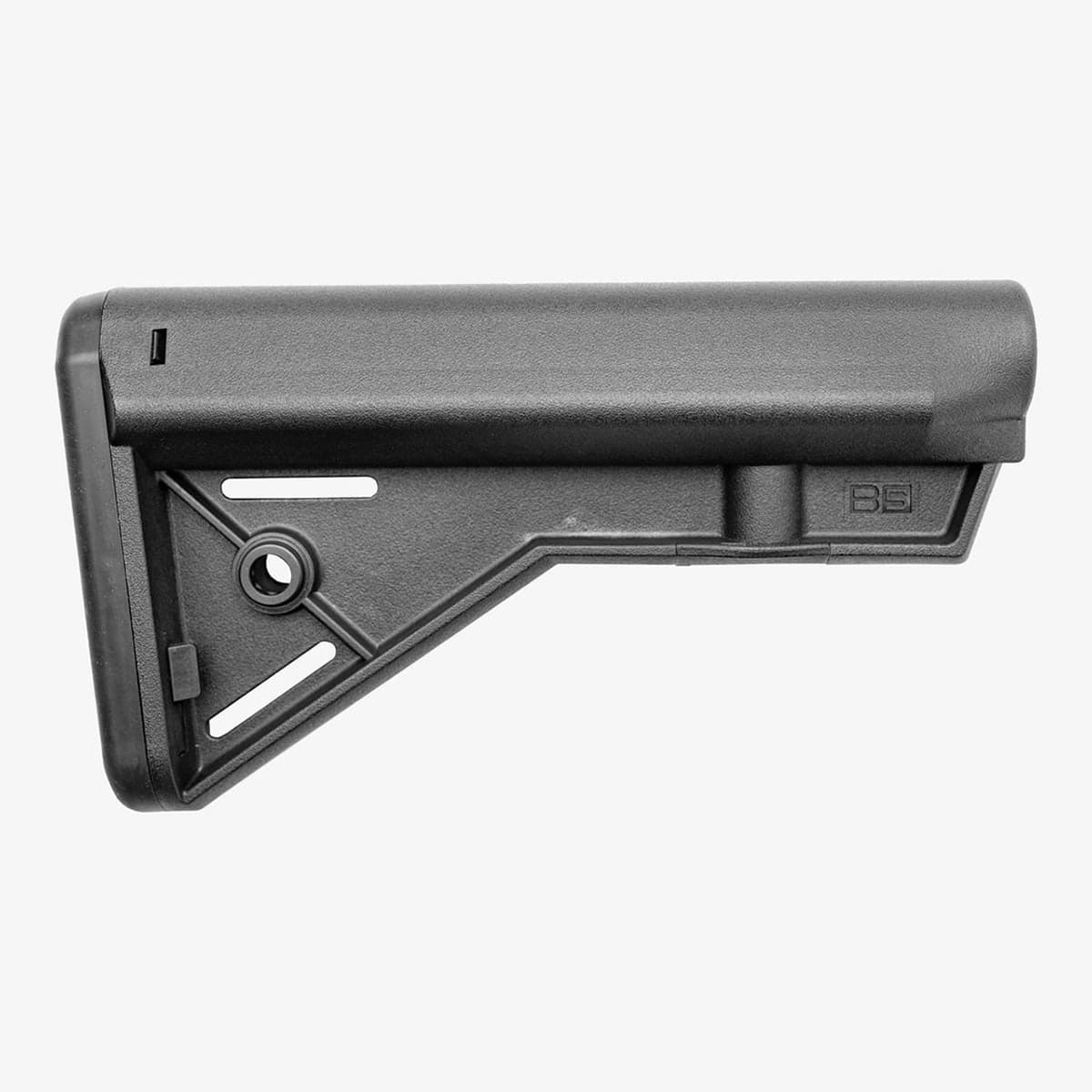
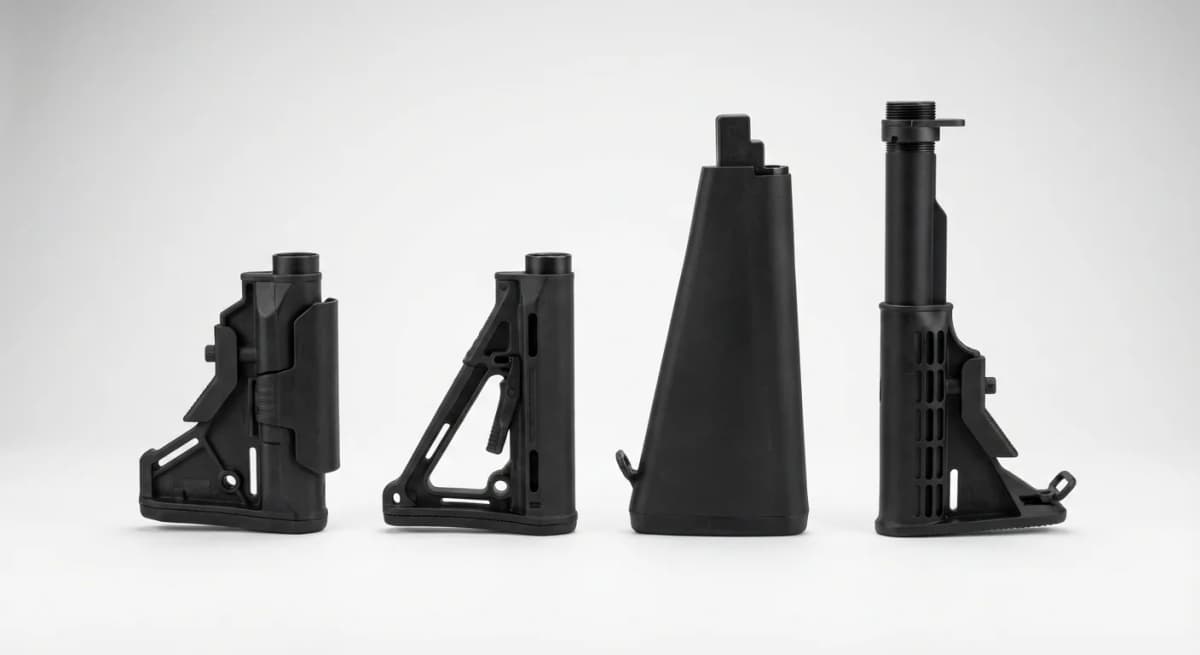
Stock, receiver extension & bufferMid-tier lever that shifts center of gravity rearward to offset front accessories.Light stocks like B5 Bravo, BCM Gunfighter, or CTR keep strength while saving ounces versus precision stocks.. Stick with standard carbine/A5 receiver extensions and proven buffers; reliability beats shaving 1–2 oz.. Use a light sling (1" webbing) and mount it as close to the receiver as function allows to reduce swing drag.None
Lower receiver choicesSmall total savings but permanent—every rifle carries it.Standard forged lowers are already light; avoid skeletonizing for cosmetic gain.. KP-15 polymer lowers save ~6–8 oz by integrating the stock. Great for minimalist builds, but you give up adjustable length and need to stay within its buffer system specs.. Keep small parts mil-spec steel; exotic aluminum or Ti controls save grams while adding cost and fragility.None
Muzzle device & gas block hardwareOunces here sit at the extreme end of the rifle.A2 flash hider (≈2 oz) or a lightweight flash hider keeps mass low. QD brake/flash mounts add 2–4 oz—budget that into your suppressor plan.. Clamp-on gas blocks are heavier; pinned or set-screw blocks save ~1 oz and simplify service.. Skip rail-mounted doodads at the very front (barricade stops, extra Pic rail) unless mission-critical.None
[ < Back to guides ]
AR-15WeightBalanceComponents

AR-15 Weight Management Guide

Weight on the muzzle end feels heavier than weight by the magwell. A smart AR-15 stays balanced by cutting mass up front (barrel, rail, muzzle device, suppressor mount) while keeping reliable internals. Use this guide to trim ounces without sacrificing durability.

Goal: fast transitions and less fatigue without chasing gimmick parts.Prioritize front-end savings first; rearward weight can counterbalance optics and lights.
📋

Before You Read

This guide assumes familiarity with these topics:

Rule of thumb

Two ounces at the muzzle feels worse than four ounces at the receiver. Fix front-heaviness before you swap anything behind the pistol grip.

Effective Weight Reduction: Barrel & Handguard Choice

Start here before touching accessories. These decisions set the rifle's balance from the first part you bolt on.

Barrel length & profile

Biggest lever—2–4 oz at the muzzle feels like double that at the magwell.

  • For 12.5–14.5 builds, pick a medium or lightweight profile over government/HBAR to save 6–10 oz without hurting reliability.
  • Use 0.625" gas blocks on true lightweight barrels; they cut weight and keep harmonics consistent.
  • Avoid ultra-thin "pencil" beyond 15" if you plan long strings of fire; heat will grow POI shift.
Caution:Do not chase weight with low-mass carriers or titanium firing pins—timing and durability matter more than an ounce.

Handguard length & material

Handguards live far forward; every inch matters for swing weight.

  • On 14.5–16" barrels, consider 11.5–13" rails instead of 15" to drop 3–5 oz at the muzzle end.
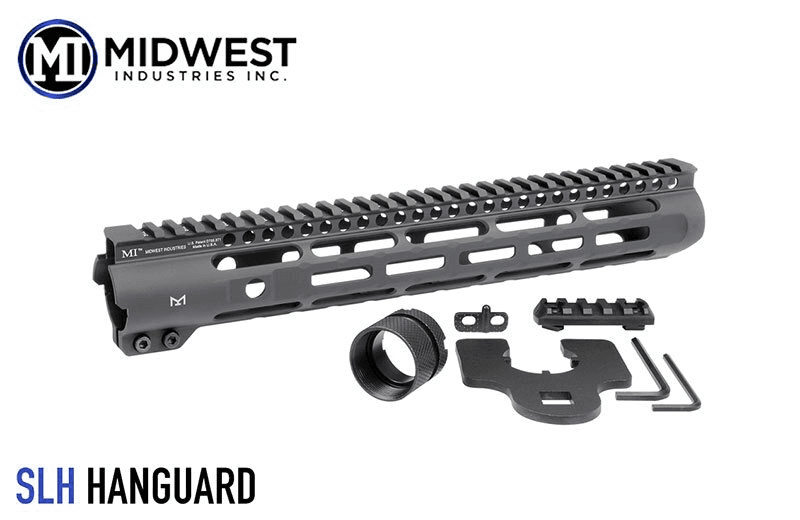
  • Choose slim, minimal M-LOK rails; skip quad rails unless you need continuous Picatinny.
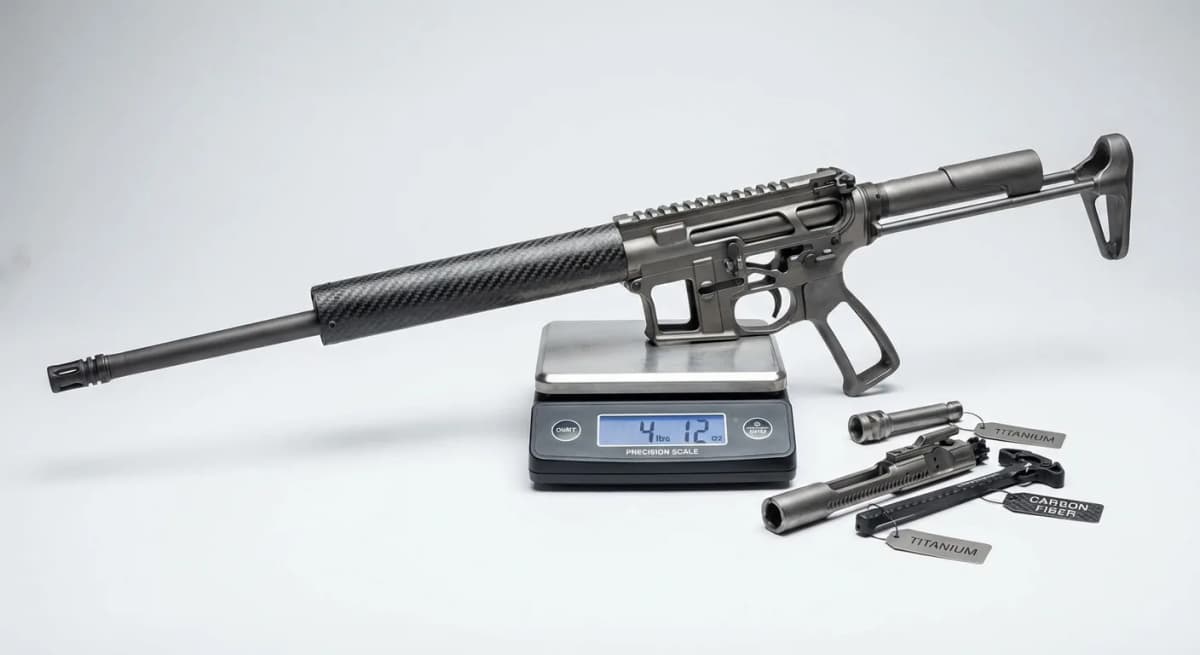
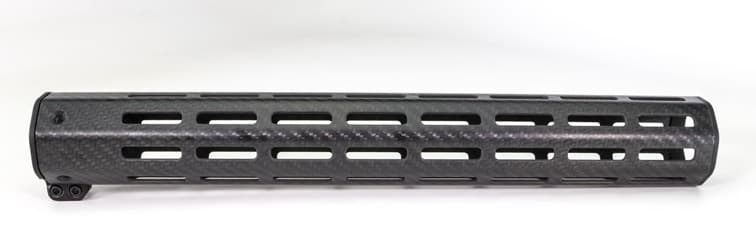
  • Carbon fiber rails save weight and stay cooler to the touch; add panels for grip texture and heat shielding during long strings.

Stock, receiver extension & buffer

Mid-tier lever that shifts center of gravity rearward to offset front accessories.

  • Light stocks like B5 Bravo, BCM Gunfighter, or CTR keep strength while saving ounces versus precision stocks.
  • Stick with standard carbine/A5 receiver extensions and proven buffers; reliability beats shaving 1–2 oz.
  • Use a light sling (1" webbing) and mount it as close to the receiver as function allows to reduce swing drag.

Lower receiver choices

Small total savings but permanent—every rifle carries it.

  • Standard forged lowers are already light; avoid skeletonizing for cosmetic gain.
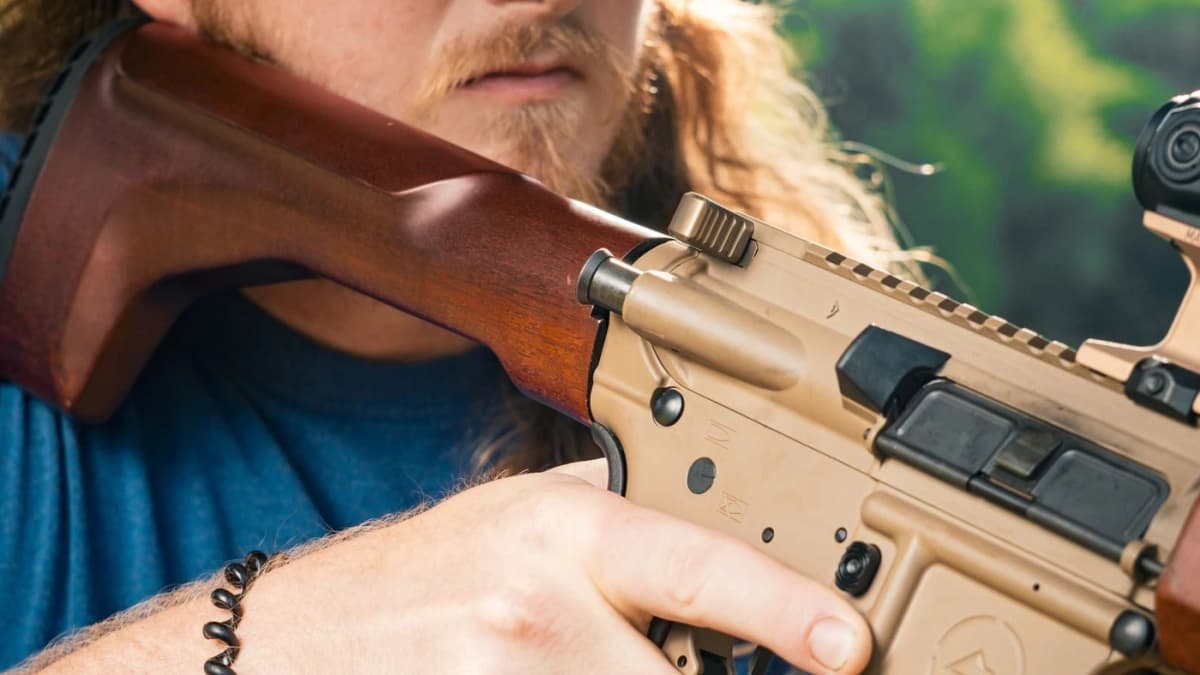
  • KP-15 polymer lowers save ~6–8 oz by integrating the stock. Great for minimalist builds, but you give up adjustable length and need to stay within its buffer system specs.
  • Keep small parts mil-spec steel; exotic aluminum or Ti controls save grams while adding cost and fragility.

Muzzle device & gas block hardware

Ounces here sit at the extreme end of the rifle.

  • A2 flash hider (≈2 oz) or a lightweight flash hider keeps mass low. QD brake/flash mounts add 2–4 oz—budget that into your suppressor plan.
  • Clamp-on gas blocks are heavier; pinned or set-screw blocks save ~1 oz and simplify service.
  • Skip rail-mounted doodads at the very front (barricade stops, extra Pic rail) unless mission-critical.

Balancing Accessories: Lights & Optics

Optics, lasers, and lights swing the balance more than people think—especially when pushed to the end of the handguard.

Optics & mounts

Target: RDS + lightweight mount (4–6 oz) keeps balance lively. LPVO + mount (17–26 oz) demands weight savings elsewhere.

Placement: Keep the mount entirely on the upper receiver; push forward only as far as eye relief requires.

Notes: Single-lever QD mounts add 1–2 oz over fixed but help with maintenance. Aim for 1.93–2.26" heights only if you need night vision clearance.

Weapon lights

Target: 18350/CR123A bodies (4–6 oz complete) instead of 18650 (6–9 oz) unless you need runtime.

Placement: Mount at 10:30 or 1:30 near the receiver end of the rail; every inch back reduces moment.

Notes: Light heads with higher candela often weigh the same as lower output options—pick the head, then use the shortest body that meets runtime needs.

Lasers / illuminators

Target: MAWL/RAID-X are heavy; DBAL-A3 or RAID-XE trim ounces. Keep pressure pad wire runs short.

Placement: Top rail, immediately forward of the receiver if your optic allows. Forward mounting multiplies perceived weight.

Notes: If you only use passive aiming, skip the laser entirely and reclaim 8–12 oz at the front.

Mounting ecosystem

Target: Use direct M-LOK mounts for lights/lasers instead of QD Pic adapters to save 1–2 oz per accessory.

Placement: Index accessories off the receiver-side M-LOK slots first, then move forward only as grip/illumination demands.

Notes: Covers, cable management, and rail panels add up. Keep only the panels you need for heat and grip.

Lightweight picks (affiliate)

Fast links to the parts that trim front weight—Scout-sized lights, carbon fiber rails, and low-mass mounts. Purchases may earn a commission at no cost to you.

Lightweight build picks

Front-end weight savers: short Scout lights, carbon fiber rails, and low-profile mounts to keep balance lively.

18350 · 4.8 oz w/ mount

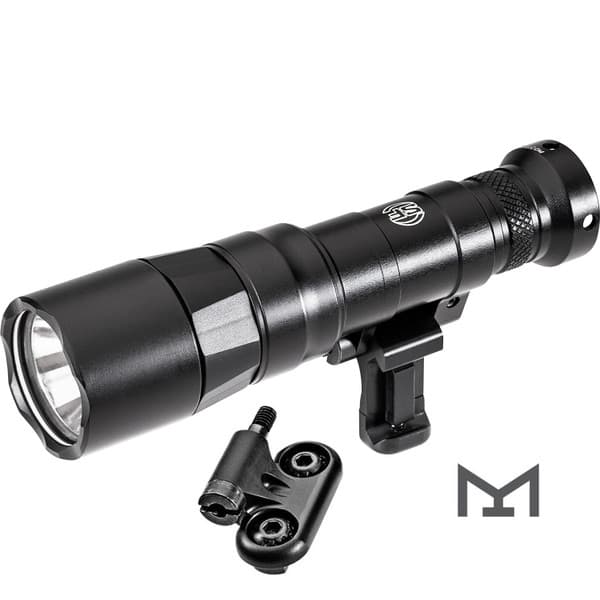
SureFire M340C Pro Mini Scout Light

Compact high-candela light that keeps weight close to the receiver when paired with 18350 cells.

  • Short body reduces muzzle swing weight
  • Pro swivel mount locks down securely on M-LOK or Picatinny
Best placement
Rearward 10:30 / 1:30 M-LOK slots to minimize moment arm
Verified Retailer
Check Price at OpticsPlanet
Mount · ~1 oz

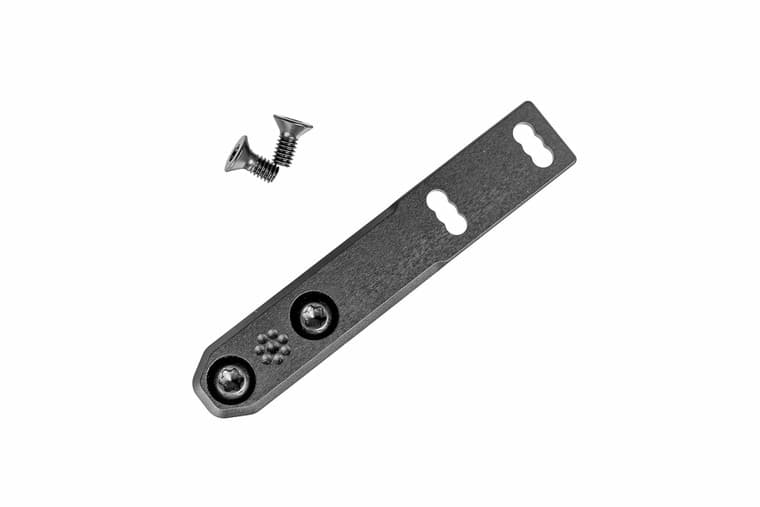
Arisaka Inline Scout Mount (M-LOK)

Low-profile mount that tucks Scout-footprint lights tight to the rail to cut leverage and snags.

  • Inline geometry hugs the bore line
  • Offsets available to clear front sights or lasers
Pairs with
SureFire/Modlite/Streamlight Scout pattern lights
Verified Retailer
Check Price at OpticsPlanet
Rail · Stays cool

Lancer Carbon Fiber Handguard

Carbon fiber tube sheds ounces at the muzzle and stays cooler to the touch during strings of fire.

  • Excellent heat insulation
  • Great for 12.5–16" lightweight builds
Mounting
Free-float with alloy barrel nut
Verified Retailer
Check Price at OpticsPlanet
Rail · Slim aluminum

Aero Precision ATLAS S-ONE Handguard

One of the lightest aluminum M-LOK rails—keeps front-end mass low without exotic materials.

  • Slim profile and anti-rotation tabs
  • Ideal 11.5–13" options for 14.5–16" barrels
Weight savings
Drops ~3–5 oz vs. legacy quad rails at the muzzle end
Verified Retailer
Check Price at OpticsPlanet

Purchasing through these links may generate a commission at no extra cost to you.

Suppressor weight & mounting systems

Suppressor weight is all the way out front and can undo every other savings. Factor the mount into your total, not just the can.

Can weight classes

Full-size 5.56 cans often run 17–21 oz; K-cans and modern flow cans can be 10–14 oz.

Advice:If you shoot mostly unsuppressed, a lighter K can with acceptable backpressure keeps the muzzle responsive. Heavier cans are fine for static precision roles where recoil and tone matter more than handling.

Mounting system weight

QD muzzle devices add 2–4 oz over an A2 flash hider, and HUB/adapter stacks can add another 2–3 oz.

Advice:Pick one ecosystem and stick with it. A light flash hider mount plus a direct-thread adapter can save ~4–6 oz at the muzzle compared to brake + heavy QD collar stacks.

Balance and POI shift

Heavy cans exaggerate barrel whip and make follow-through slower.

Advice:Track POI shift with and without the can. If shift grows as the can heats, consider a lighter can or a stiffer (not necessarily heavier) barrel profile around the gas block.

Heat management

Suppressor covers add 3–6 oz but cut mirage for LPVO use.

Advice:Only run a cover when you need it for glass or to protect gear; ditch it for drills where speed and balance matter more.
Tip: log your rifle's weight bare, with optic, with light, and with suppressor. Track where each ounce sits so future upgrades target the front first.

Fast build targets

  • 12.5" general-purpose: Aim for <7.0 lb with optic and light; pick a 9.5–10.5" rail, medium profile barrel, 18350 light, and avoid heavy mounts.
  • 14.5" duty/Recce: Keep it <7.6 lb with optic, light, and laser; choose a midweight 14.5, 11.5–13" rail, and a suppressor mount under 3 oz.
  • 16" trainer: Accept a slightly heavier barrel for heat but offset with a short rail and minimal accessories; balance for long strings rather than absolute minimum weight.

Next Step

Ready to continue? Here's the recommended next guide:

Recommended Next

AR-15 Build Playbooks: Home Defense, Patrol, Recce & SPR Builds

Mission-focused AR-15 build recipes with complete parts lists and rationale. Includes Home Defense, Patrol, Recce/SPR, PCC crossover, and minimalist truck build configurations.

Or explore a related topic:

AR-15 Suppressor Guide->

Related guides

Continue exploring with these related resources

Found this guide helpful?

Share it with other builders on your favorite platform.

Was this helpful?

Quick feedback helps us prioritize guide updates.

Feedback is anonymous. Comments help us decide what to update next.