AR-15 Gas System & Buffer Tuning 2026: Fix Overgassing & Cycling Issues header image
[ < Back to guides ]
Reference guideGas tuningSuppressed ready

AR-15 Gas System & Buffer Tuning 2026: Fix Overgassing & Cycling Issues

Balance dwell timeDwell Time[Gas System]The duration the bullet travels inside the barrel after passing the gas port but before exiting the muzzle. It determines how much gas pressure is fed back into the system to cycle the action., port sizing, and mass to keep AR-pattern rifles trustworthy. Use these tables to choose gas systems, buffer weights, and maintenance cycles that survive suppressors, seasonal ammo changes, and high round counts.

By AB|Last reviewed January 2025
📋

Before You Read

This guide assumes familiarity with these topics:

Quick Answer: Gas System & Buffer Tuning

Overgassing (brass at 1-2 o'clock)? Go heavier buffer (H2→H3) or close your adjustable gas block 1-2 clicks until ejection is at 3-4 o'clock.

Short-stroking (fails to lock back)? Go lighter buffer, open gas, or check gas block alignment. Test with known hot ammo first.

Running suppressed? Start with H2 buffer + adjustable gas block. Tune gas to minimum reliable cycling, then add one click for margin.

Gas system length rule: Carbine for 10-14", mid-length for 14-18", rifle-length for 18"+. Longer = softer recoil, less dwell time issues.

Understanding the AR-15 Gas System

Before tuning your gas system, you need to understand how your rifle cycles and why changes to buffer weight, spring rate, or gas flow affect reliability.

The Operating Cycle

  1. Fire: The firing pin strikes the primer, igniting the powder charge and sending the bullet down the barrel.
  2. Gas Tap: As the bullet passes the gas port (a small hole in the barrel), high-pressure gas bleeds into the gas tube mounted above the barrel.
  3. Carrier Key Impact: The gas travels through the tube and enters the bolt carrier group via the carrier key, pressurizing the space between the bolt and carrier.
  4. Unlock: This pressure forces the carrier rearward while the bolt rotates and unlocks from the barrel extension.
  5. Extract & Eject: The bolt pulls the spent case from the chamber; the ejector kicks it out the ejection port.
  6. Feed: The buffer spring drives the carrier forward, stripping a fresh round from the magazine and chambering it.
  7. Lock: The bolt rotates back into battery, locking into the barrel extension—ready to fire again.
What is Backpressure?

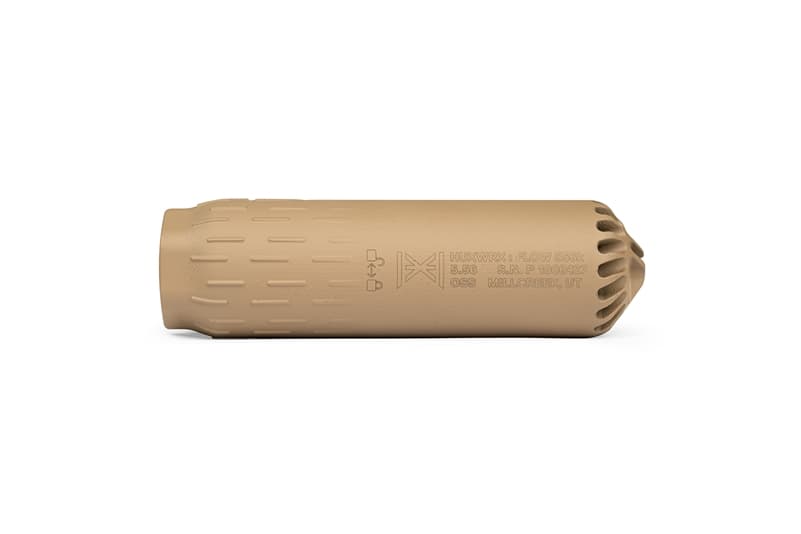
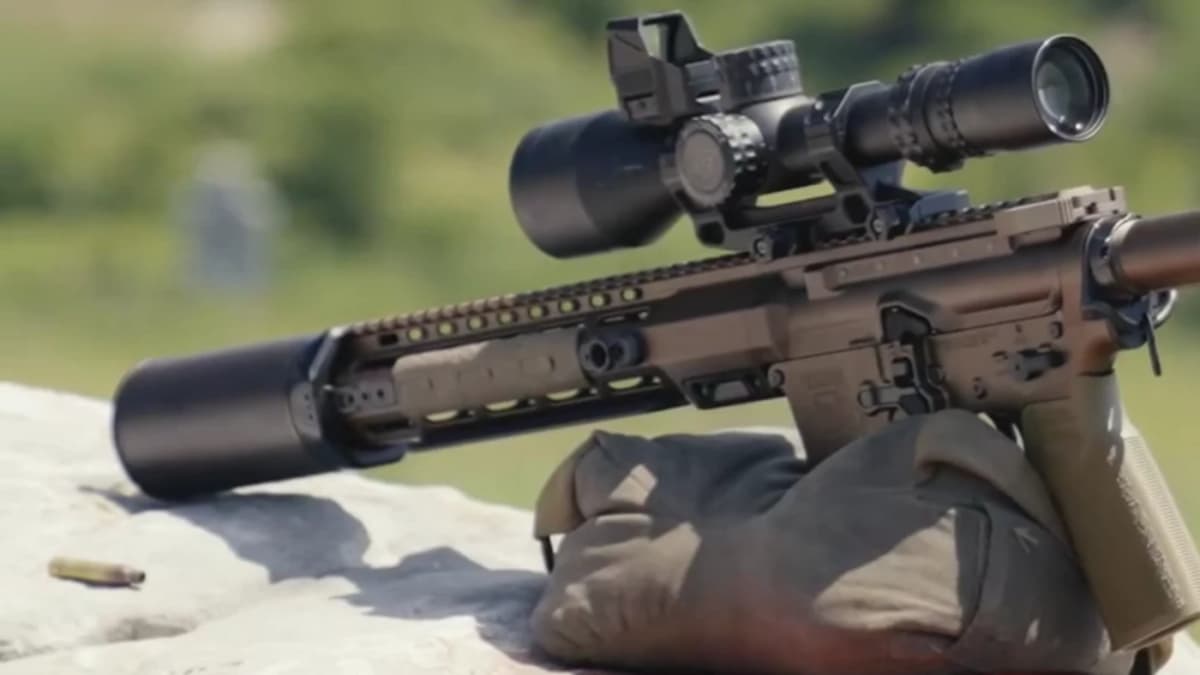
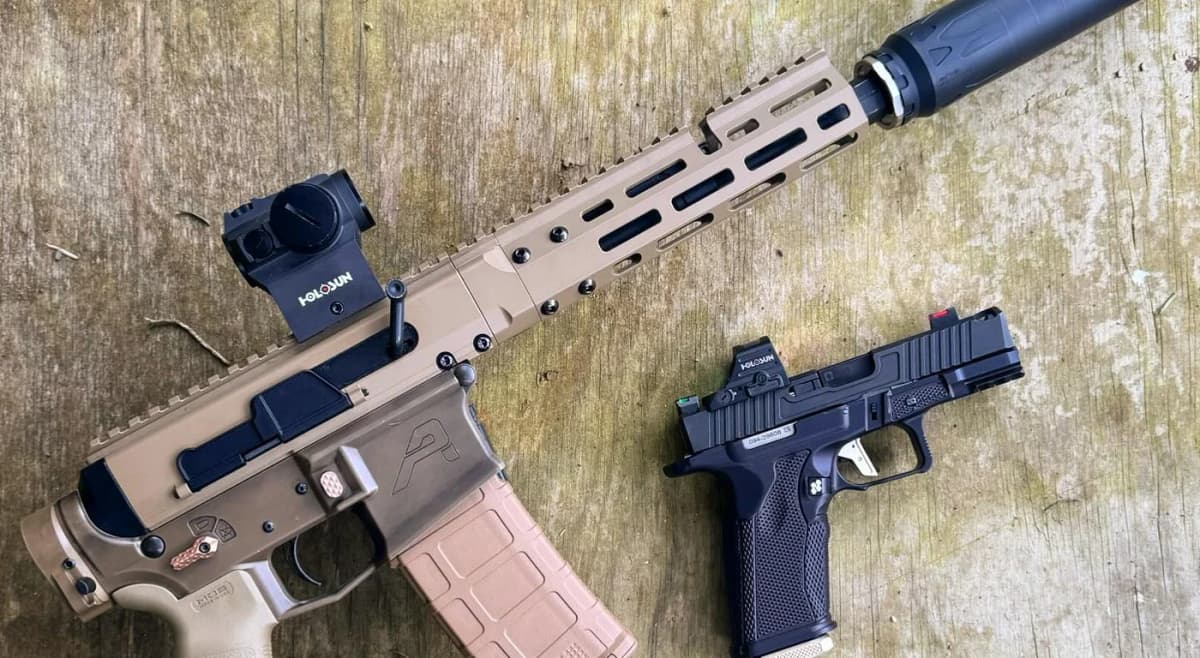
When you fire unsuppressed, gases exit the muzzle freely into the atmosphere. With a suppressor attached, those gases are temporarily trapped inside the can's baffles while they cool and slow down (which is what reduces sound). This creates backpressure—gas that has nowhere to go but back toward the shooter.

That backpressure increases the gas volume and pressure at the gas port, which means more gas enters the system faster. The result:

  • Higher bolt velocity: The carrier slams rearward harder than designed, increasing wear on the buffer, receiver extension, and bolt.
  • Violent ejection: Brass flings at extreme angles (often 1-2 o'clock instead of 3-4 o'clock), sometimes damaging cases or hitting shooters beside you.
  • Gas-to-face: Excess pressure vents rearward around the charging handle and into the shooter's eyes and nose—especially problematic under night vision or in enclosed spaces.
  • Increased fouling: More gas cycling through the action deposits more carbon on the bolt, carrier, and inside the receiver.

The goal of gas system tuning is to bring gas volume back to factory-intended levels so the rifle runs reliably without beating itself apart.

Tuning Methods Compared

There are multiple ways to address overgassing, each with distinct trade-offs. Choose based on your build constraints, whether you run suppressed-only or switch between configurations, and how much modification you're willing to do.

1. Adjustable Gas Blocks

Most flexible

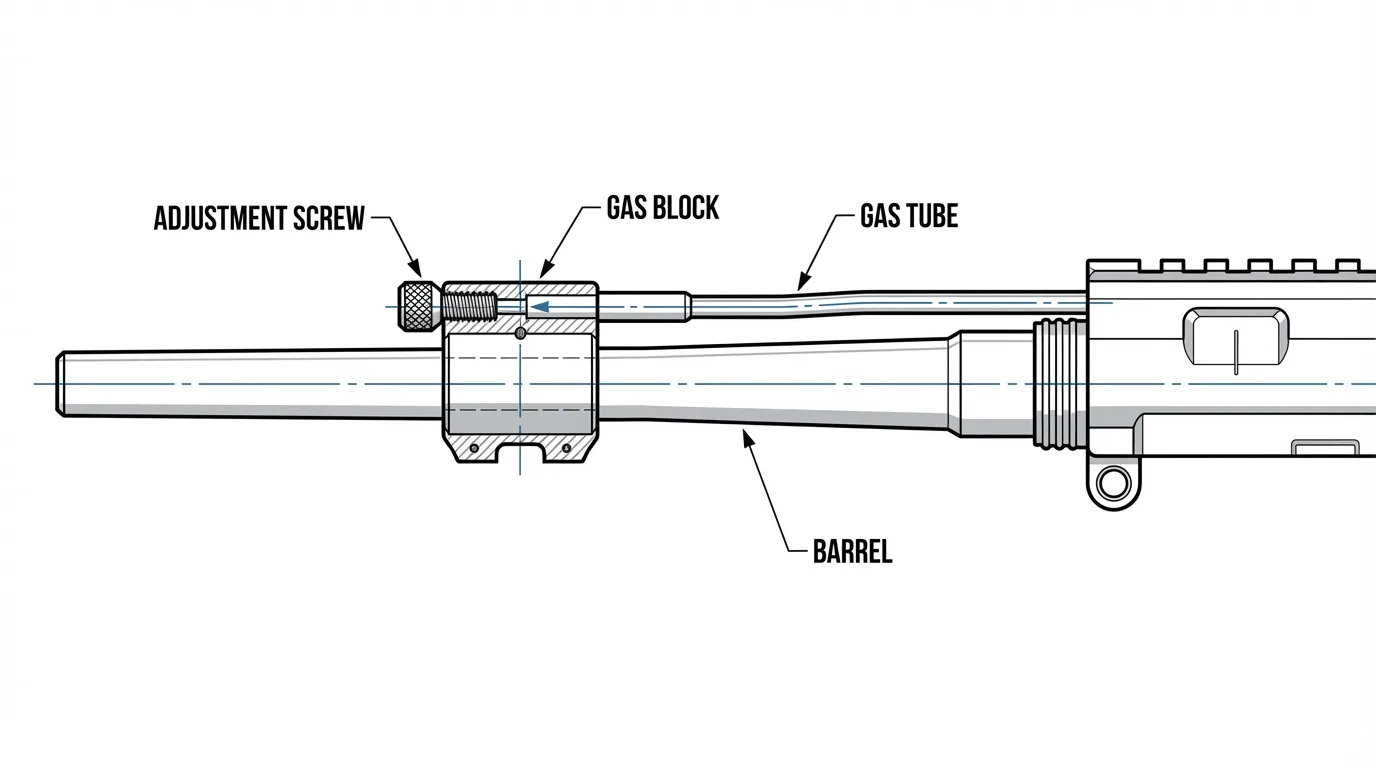
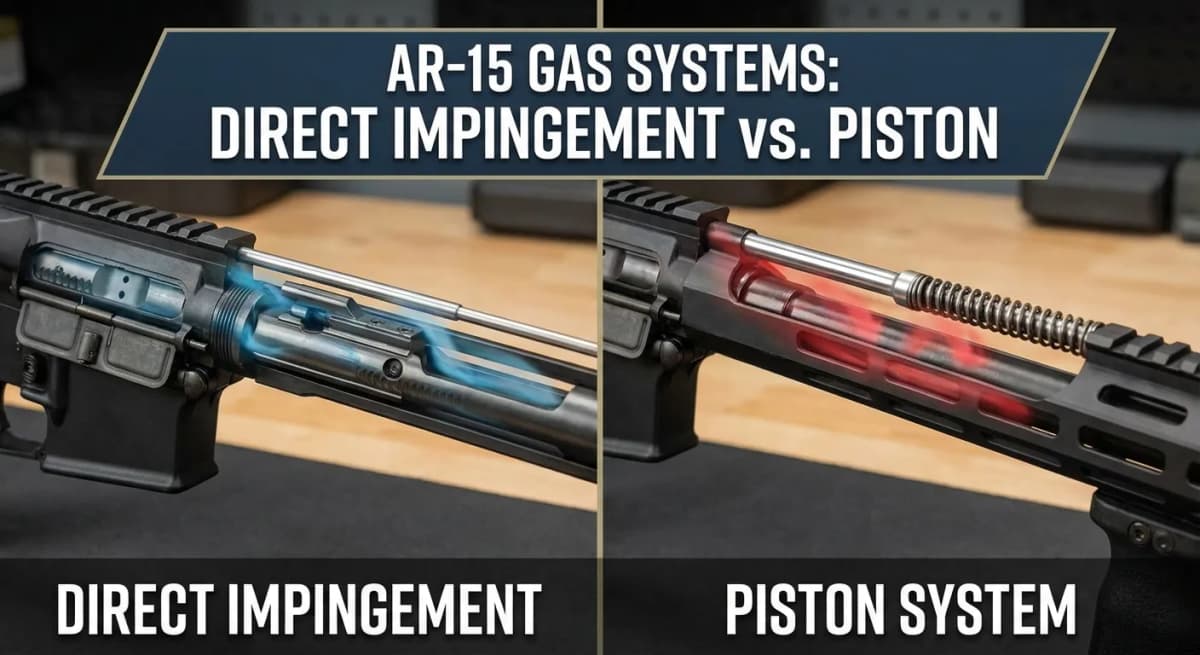
Adjustable gas blocks replace the factory gas block with one that has a screw or detent to restrict gas flow at the source. This gives you real-time control over how much gas enters the system.

When to use

  • • Rifles that toggle between suppressed and unsuppressed
  • • Precision builds where you want fine gas control
  • • Free-float handguards with accessible gas blocks

Considerations

  • • Requires gas block swap (not drop-in on pinned blocks)
  • • Set screws can drift under heat—use detent-style if possible
  • • Carbon lock: adjustment screws seize over time from fouling buildup
  • • Introduces another point of failure vs. a fixed gas block
  • • Need to re-tune if switching ammo types or adding suppressors

2. Buffer & Spring Tuning

Drop-in solution

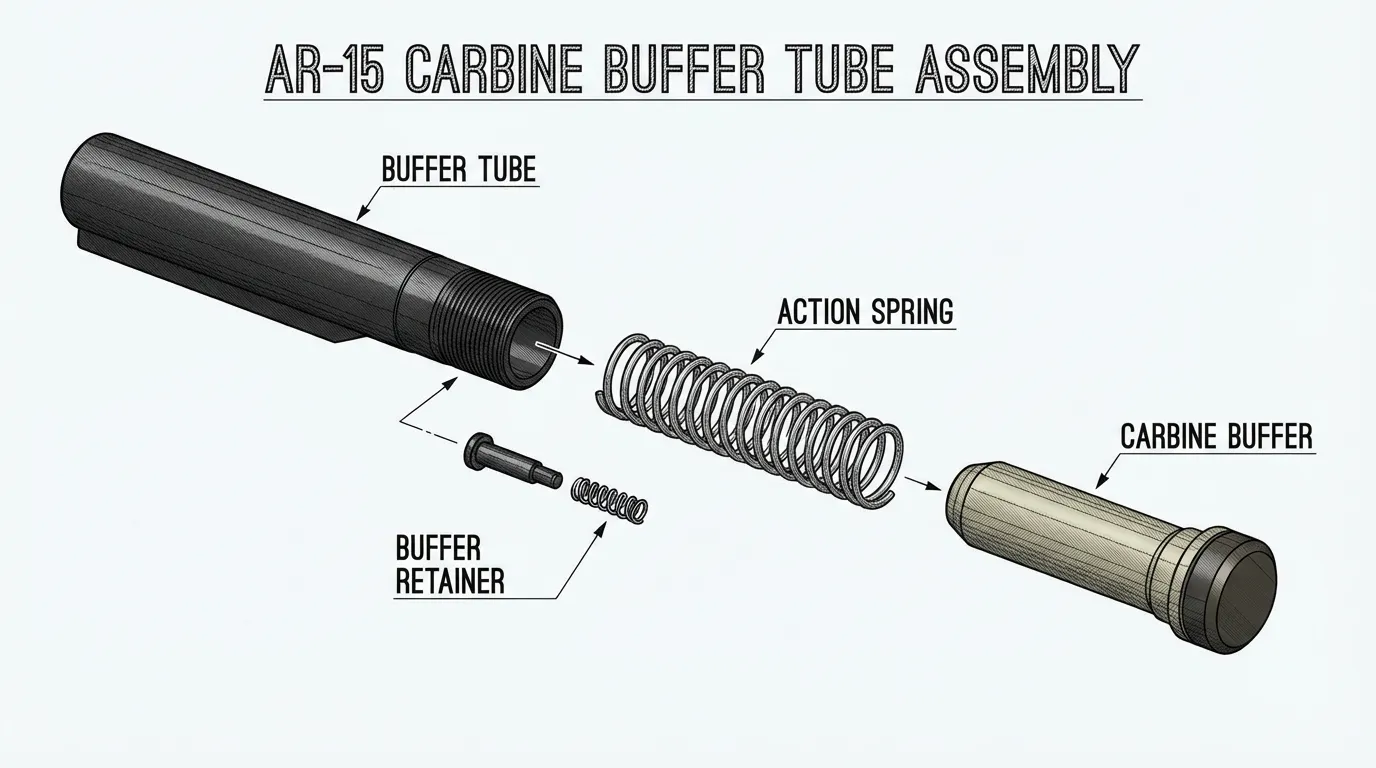
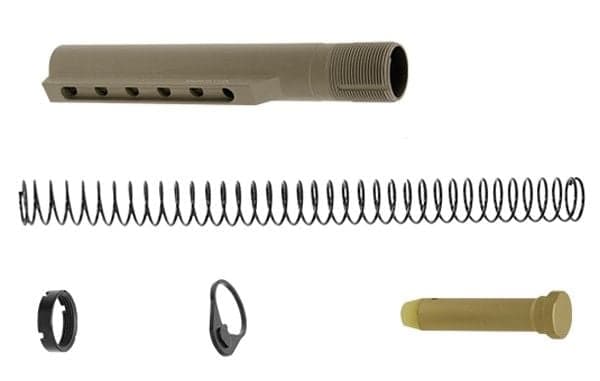
Rather than restricting gas, this method absorbs excess energy after it enters the system. Heavier buffers and stiffer springs slow carrier velocity and reduce bolt bounce, managing overgassing symptoms without modifying the gas path.

When to use

  • • Quick fix for moderately overgassed rifles
  • • Pinned gas blocks where you can't swap components
  • • Rifles that need to run reliably unsuppressed but also handle a can

Considerations

  • • Doesn't reduce gas volume—just manages the result
  • • Too heavy can cause short-stroking with weak ammo
  • • Carbine vs rifle extension matters for spring selection

3. Restrictive Gas Tubes (BRT EZTune)

Drop-in solution

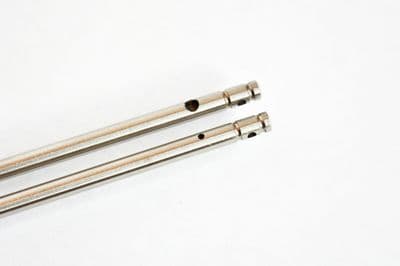
Restrictive gas tubes replace the standard gas tube with a precision-ported version. The restricted port size limits gas volume entering the carrier key, achieving the same effect as a partially closed adjustable gas block—without touching the barrel or gas block.

When to use

  • • Pinned gas blocks or FSBs where block swap isn't possible
  • • Pin-and-weld builds (13.7", 14.5") where barrel work is off the table
  • • Dedicated suppressed hosts—set the port size and forget it
  • • Want gas restriction without adjustable block complexity

Considerations

  • • Port size is fixed—cannot toggle like an adjustable block
  • • ~10k round service life; plan for replacement on high-volume guns
  • • Heavy buffers work against restriction—use standard weights
  • • BRT recommends letting them select port size for your setup

4. Low Backpressure Suppressors

Suppressor choice

Some suppressors are designed to minimize backpressure by using flow-through baffles, larger internal volumes, or venting designs. These cans reduce the amount of gas pushed back into the action, often eliminating the need for other tuning methods.

When to use

  • • Planning a new suppressor purchase for a dedicated host
  • • Want to avoid modifying the rifle itself
  • • Shooting volume is high and gas-to-face is a priority concern

Considerations

  • • Generally more expensive than traditional baffle designs
  • • May sacrifice some sound suppression for lower backpressure
  • • Doesn't help if you already own a high-backpressure can

5. Carrier Modifications

Specialty option

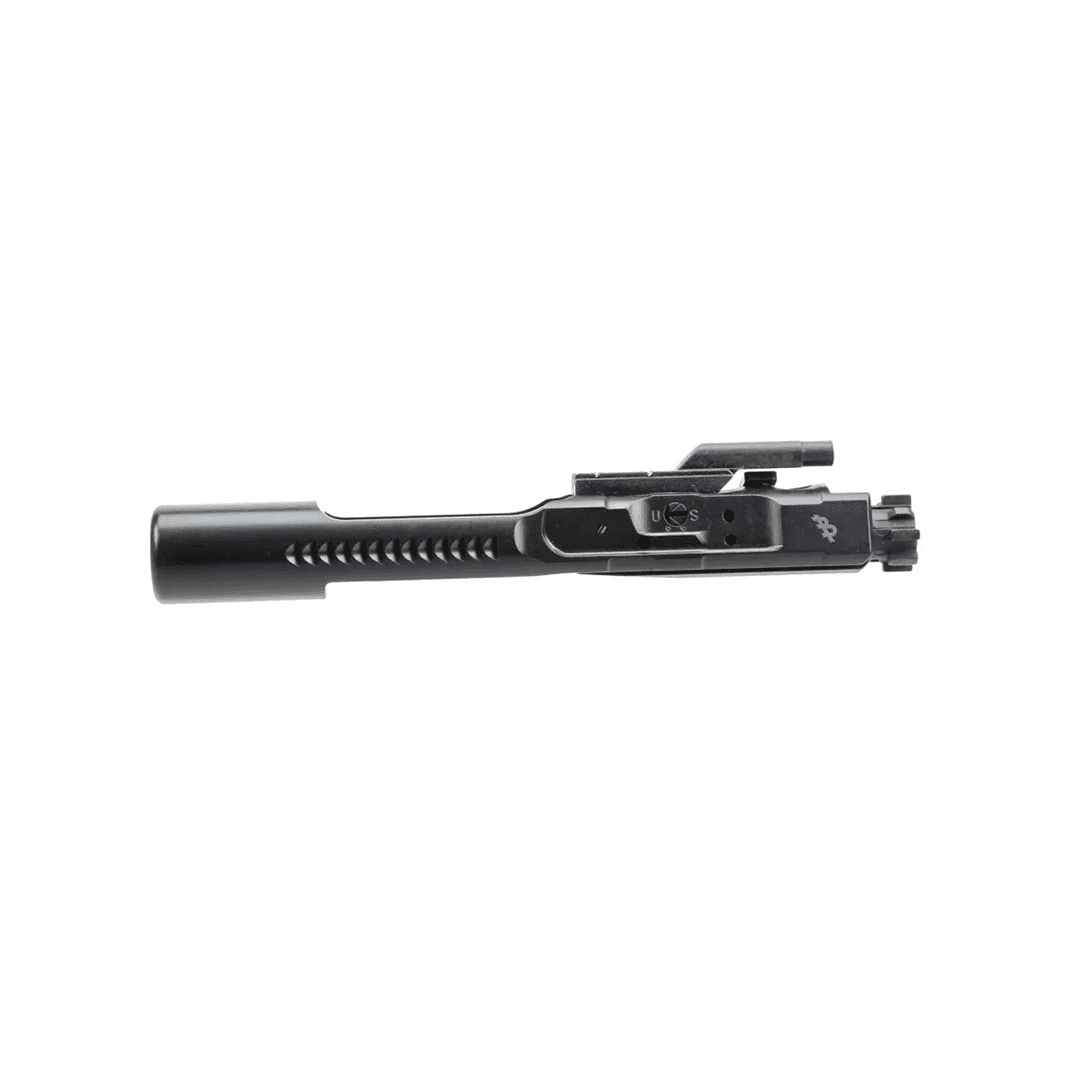
Vented or ported bolt carriers redirect excess gas away from the shooter's face. Some carriers also feature lighter weights or different cam pin angles to change cycling dynamics. These address symptoms of overgassing rather than the root cause.

When to use

  • • Gas-to-face is the primary complaint, not reliability
  • • Already tuned gas but want less blowback during sustained fire
  • • Shooting under night vision where gas bloom is problematic

Considerations

  • • Doesn't reduce gas volume entering the system
  • • Some venting designs can increase fouling in certain areas
  • • Pair with gas-busting charging handle for maximum effect
Adjustable Gas Block
Reduces Gas
Drop-In
Adjustable
Best ForDual-use (suppressed + unsuppressed)
Buffer & Spring
Reduces Gas
Drop-In
Adjustable~
Best ForQuick fixes, moderate overgassing
BRT EZTune
Reduces Gas
Drop-In
Adjustable
Best ForPinned blocks, dedicated hosts
Low BP Suppressor
Reduces Gas
Drop-In
Adjustable
Best ForNew suppressor purchases
Vented Carrier
Reduces Gas
Drop-In
Adjustable
Best ForGas-to-face mitigation

Buffer Weight Calculator

Enter your build specs to get a starting buffer weight recommendation.

Running Suppressed?
Recommended Weight
H Buffer

The 'Goldilocks' setup. H is standard; H2 adds smoothness when suppressed.

>

Dwell Time by Gas System

Dwell is the barrel length after the gas port. Longer dwell = lower port pressure = softer cycling. Many barrel lengths support multiple gas systems—each with different dwell characteristics.

Click to expand →

Dwell Rating Scale
Critical <4"
Marginal 4–5"
Adequate 5–6"
Good 6–7"
Optimal 7"+
10.5"Carbine gas
CarbinePrimary
3.5"Critical
Port @ 7"Only viable option—requires aggressive tuning
11.5"Carbine gas
CarbinePrimary
4.5"Marginal
Port @ 7"Standard for 11.5" builds
12.5"2 gas system options
CarbinePrimary
5.5"Adequate
Port @ 7"More common—reliable with most ammo
Mid-length
3.5"Critical
Port @ 9"Rare—very short dwell, challenging to tune
13.9"2 gas system options
Mid-lengthPrimary
4.9"Marginal
Port @ 9"Modern standard—softer recoil, easier to suppress
Carbine
6.9"Good
Port @ 7"Overgassed but reliable with bulk ammo
14.5"2 gas system options
Mid-lengthPrimary
5.5"Adequate
Port @ 9"Modern standard—balanced cycling
Carbine
7.5"Optimal
Port @ 7"M4 legacy—runs hotter but very reliable
16"Mid-length gas
Mid-lengthPrimary
7.0"Optimal
Port @ 9"Sweet spot—soft shooting, easy to tune
18"2 gas system options
RiflePrimary
6.0"Good
Port @ 12"SPR standard—smooth with match ammo
Mid-length
9.0"Optimal
Port @ 9"Very long dwell—ultra-reliable but can short-stroke in cold
20"Rifle gas
RiflePrimary
8.0"Optimal
Port @ 12"Classic rifle—forgiving and soft
Why dwell time matters
Short dwell (<5")
  • • Higher port pressure—carrier accelerates harder
  • • Requires heavier buffers (H2/H3) or adjustable gas blocks
  • • Critical for suppressor use—backpressure compounds issues
  • • Less forgiving with varied ammo types
Long dwell (>6")
  • • Lower port pressure—smoother carrier acceleration
  • • Stock buffers and springs usually work fine
  • • More forgiving with varied ammo (steel case to match)
  • • Easier to suppress without over-gassing

Troubleshooting flow

Start with symptom-driven diagnostics before swapping major parts. Logging your fixes helps maintain consistency across multiple rifles.

AR-15 adjustable gas block with adjustment screw

Troubleshooting Wizard

What is the primary symptom you are experiencing?

Or browse entire list

Short-stroking or failure to lock back

Check

  • Inspect gas block alignment and set screw torque.
  • Confirm carrier key screws are staked and gas rings maintain tension.
  • Test with known hot ammo to rule out weak loads.

Fix

  • Open adjustable gas one or two clicks and retest.
  • Swap to lighter buffer or spring temporarily to confirm gas deficit.
  • Seal gas block with high-temp sealant if alignment was suspect.

Over-gassing / brass ejecting forward of 3 o'clock

Check

  • Look for heavy extractor wear or brass shavings on deflector.
  • Measure buffer weight and verify spring has not compressed.
  • Confirm suppressor mount is tight and not causing secondary gas leaks.

Fix

  • Increase buffer weight (H2 → H3) and consider Sprinco Blue/Orange spring.
  • Close adjustable gas until ejection sits at 3–4 o'clock and bolt still locks back.
  • Install gas busting charging handle or vented carrier to reduce blowback.

Bolt override / double feeds

Check

  • Inspect magazines and feed lips for damage.
  • Check extractor spring insert and O-ring condition.
  • Verify buffer retainer and action spring are within spec length.

Fix

  • Swap to quality magazines (PMAG, Okay SureFeed).
  • Replace extractor spring and insert as preventative maintenance.
  • Confirm buffer system matches receiver extension (carbine vs rifle).

Ejection pattern diagnostics

Brass ejection angle is the fastest visual diagnostic for gas system tuning. Observe where spent casings land 3:00 and 4:30 for optimal reliability.

Shooter
1-3
3-4
4-6

Click a zone to diagnose

🎯

Select a zone on the ejection chart to see diagnostics and fixes.

Field testing protocol

Fire a full magazine with your preferred ammo and observe ejection consistency. Mark the gas block setting and buffer weight in your log. Retest with suppressor if applicable, as backpressure typically shifts ejection forward by 1–2 clock positions. Aim to keep ejection at 3:30–4:00 for builds that run both suppressed and unsuppressed.

Recommended tuning parts

Shop verified components for tuning your gas system and buffer. All links go to Optics Planet for easy availability and armorer-verified parts selection.

Buffer Weights

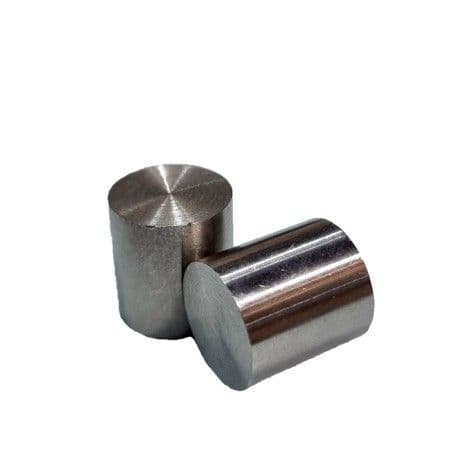
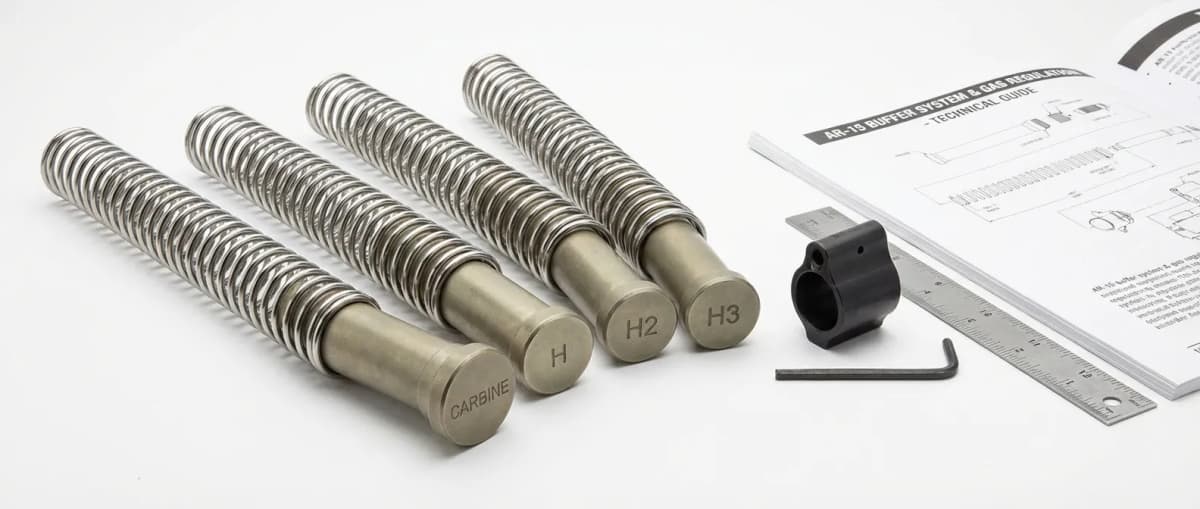
H2 Buffer (4.6-4.7 oz)

Standard H2 buffer weight for most suppressed AR-15s. Adds mass to slow the bolt carrier and reduce felt recoil.

Best for
10.3"–14.5" barrels with carbine gas, especially when running suppressors.
Verified Retailer
Check Price at OpticsPlanet
View Full Details
Buffer Weights

H3 Buffer (5.0-5.4 oz)

Heavy H3 buffer for extremely overgassed setups or short-barreled rifles. Maximum bolt carrier slowdown.

Best for
Short-barrel suppressed rifles (10.3"–11.5") or heavily overgassed carbine systems that need maximum reciprocating mass.
Verified Retailer
Check Price at OpticsPlanet
View Full Details
Action Springs

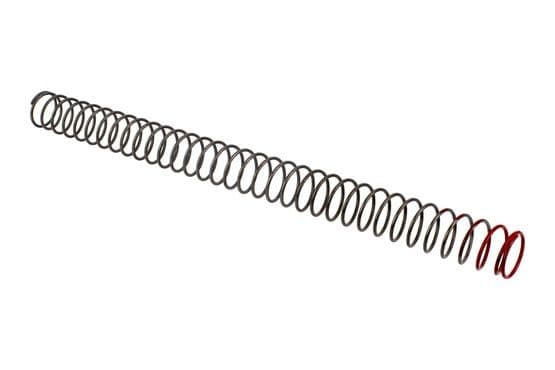
Sprinco Blue Enhanced Power Buffer Spring

Enhanced power spring that adds ~15% more resistance. Excellent for suppressed rifles or overgassed setups.

Best for
Pairs with H2/H3 buffers on suppressed rifles to manage gas without causing short-stroking.
Verified Retailer
Check Price at OpticsPlanet
View Full Details
Buffer Systems

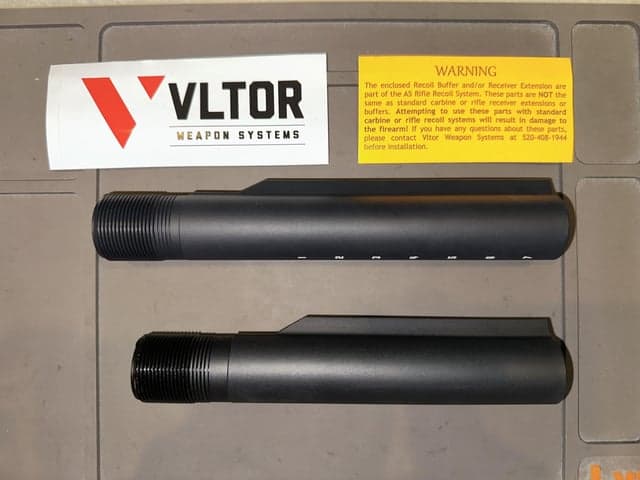
VLTOR A5 Complete Buffer Kit

The A5 system uses a rifle-length buffer tube with intermediate buffer weights for smoother cycling and improved reliability.

Best for
Builds that toggle between suppressed and unsuppressed use. Offers best balance of smoothness and reliability.
Verified Retailer
Check Price at OpticsPlanet
View Full Details
Adjustable Gas Blocks

Riflespeed Adjustable Gas Block

Click-adjustable gas block with tool-free adjustment. Dial in your gas setting without removing the handguard.

Best for
Precision builds or heavy suppressor use where fine-tuning gas at the source is worth the extra complexity.
Verified Retailer
Check Price at OpticsPlanet
View Full Details
Adjustable Gas Blocks

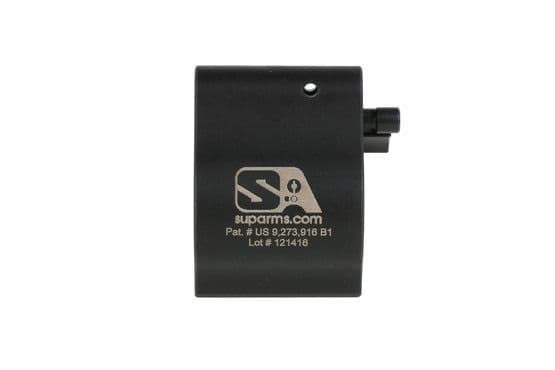
Superlative Arms Bleed-Off Gas Block

Unique bleed-off design vents excess gas forward instead of restricting it. Reduces carrier velocity without the downsides of restriction.

Best for
Suppressed-only builds where venting excess gas forward is preferable to restricting it.
Verified Retailer
Check Price at OpticsPlanet
View Full Details
Restrictive Gas Tubes

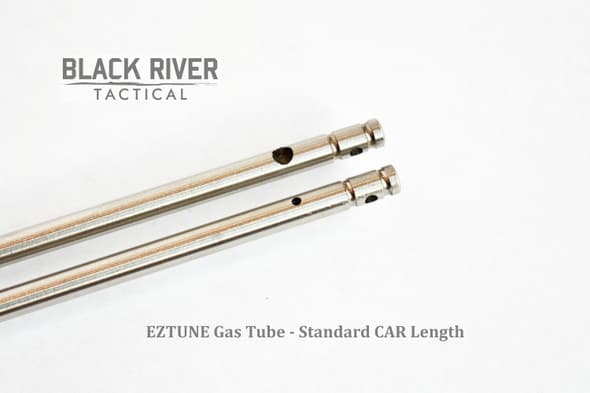
BRT EZTune Gas Tube - Carbine

Precision-ported gas tube that restricts flow at the source. Set-and-forget solution for suppressed rifles without requiring gas block removal or adjustments.

Best for
Pinned gas blocks or FSBs where adjustable blocks aren't an option. Set-and-forget tuning.
Verified Retailer
Check Best Price
View Full Details
Restrictive Gas Tubes

BRT EZTune Gas Tube - Midlength

Precision-ported midlength gas tube for 14.5"–16" barrels. Drop-in gas restriction without touching the gas block.

Best for
14.5"–16" pin-and-weld builds with midlength gas. Drop-in suppressor optimization.
Verified Retailer
Check Best Price
View Full Details
Charging Handles

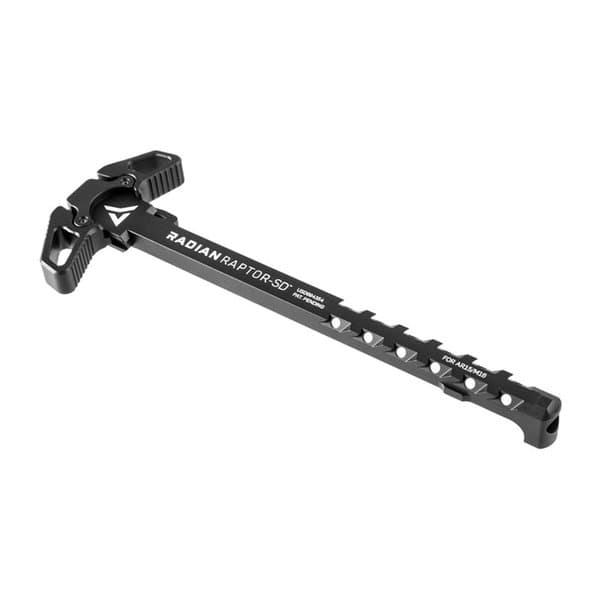
Radian Raptor SD Charging Handle

Suppressor-optimized charging handle with vented gas ports that redirect blowback away from the shooter's face.

Best for
Gas-to-face mitigation on suppressed rifles. Redirects blowback away from shooter.
Verified Retailer
Check Price at OpticsPlanet
View Full Details

Pro tip

Record your final gas setting, buffer weight, and spring choice in the build log. The next time round count spikes or suppressor configs change, you'll have a baseline to return to instead of guessing.

Frequently Asked Questions

Do I need an adjustable gas block?
Not always. An adjustable gas block is most valuable if you: (1) run a suppressor and want to reduce overgassing, (2) switch between suppressed and unsuppressed frequently, or (3) have a precision build where you want fine gas control. For a dedicated unsuppressed rifle, a properly sized fixed gas block is simpler and has fewer failure points. If you only run suppressed, consider a restrictive gas tube (BRT EZTune) instead—it's drop-in and doesn't require barrel work.
H2 vs H3 buffer: which should I use?
Start with H2 for most suppressed AR-15s. H2 (3.8 oz) handles moderate overgassing from most suppressors while still cycling reliably with standard ammo. Move to H3 (5.4 oz) only if you're still overgassed with H2—signs include brass ejecting at 1-2 o'clock, heavy bolt bounce, or excessive wear on your brass deflector. Going too heavy causes short-stroking (failure to lock back on empty). The rule: increase buffer weight incrementally and test with your weakest ammo.
What does AR-15 ejection pattern tell you?
Ejection pattern is the fastest diagnostic for gas tuning. Imagine a clock face centered on your ejection port: 3-4 o'clock is ideal (proper gas volume, reliable cycling). 1-2 o'clock means overgassed—brass is being thrown too violently, causing excessive wear. 5-6 o'clock means undergassed—the bolt is moving too slowly, risking short-strokes. Watch where your brass lands over a full magazine and adjust gas block or buffer weight until ejection consistently hits the 3-4 o'clock window.
How do I fix AR-15 short stroking?
Short stroking (bolt fails to lock back on empty) means insufficient gas is reaching the carrier. Fix in this order: (1) Open adjustable gas block 1-2 clicks and retest. (2) Swap to a lighter buffer (H2→H1 or carbine). (3) Check gas block alignment—even 0.010" misalignment causes major gas loss. (4) Inspect carrier key screws are staked and gas rings maintain tension. (5) Test with known hot ammo to rule out weak loads. If all else fails, the gas port may be undersized and needs professional reaming.
What is the best buffer for a rifle length gas system?
For rifle length gas systems, start with an H1 buffer (3.8 oz). Rifle gas systems are the gentlest on the platform—lower gas port pressure and longer dwell time mean less violent cycling. Most rifle-length setups run fine with standard carbine or H1 buffers. Only move to H2 if you're experiencing overgassing symptoms (ejection at 1-2 o'clock, excessive bolt velocity). H3 is rarely needed for rifle gas unless suppressed.
Can I use a carbine buffer with a rifle length gas system?
Yes, you can mix buffer tube length and gas system length. A carbine buffer tube with rifle-length gas works fine—the gas system determines when gas hits the carrier, while the buffer tube determines spring and buffer travel. Many people run rifle-length gas with carbine buffer tubes for adjustable stocks. Just match your buffer and spring to your gas system's pressure, not your stock configuration.
Does a heavy buffer reduce gas?
No, a heavy buffer does not reduce gas—it only slows down the bolt carrier. The same amount of gas enters the system regardless of buffer weight. A heavier buffer absorbs more energy and slows cycling, which can mask overgassing symptoms but doesn't address the root cause. To actually reduce gas, you need an adjustable gas block to restrict flow at the source. Heavy buffers are a tuning tool, not a gas reduction solution.
What weight is H1, H2, and H3 buffer?
Standard carbine buffer is 3.0 oz with three steel weights. H1 is 3.8 oz (two steel, one tungsten). H2 is 4.6 oz (one steel, two tungsten). H3 is 5.4 oz (three tungsten). Each step up adds about 0.8 oz. Start with H1 for mid-length gas, H2 for carbine gas or suppressed mid-length, and H3 for suppressed carbine-length or extremely overgassed systems. Going too heavy causes short-stroking.

Next Step

Ready to continue? Here's the recommended next guide:

Recommended Next

AR-15 Suppressor Setup 2026: Complete Compatibility & Tuning Guide

Set up AR-15 suppressors correctly. Learn host preparation, backpressure management, POI shift tracking, mount selection, and overgassing fixes for reliable suppressed operation.

Or explore a related topic:

Lightweight AR-15 Build 2026->

Complete Your Build

Essential accessories to round out your setup

Scroll
Illumination • $119

Streamlight ProTac HL-X

  • 1,000 lumens
  • 50,000 candela
View on Amazon
Slings & Retention • $75

Magpul MS4 Dual QD Sling

  • Dual QD swivels
  • Convertible design
View on Amazon
Backup Iron Sights • $99

Magpul MBUS Gen 2

  • Polymer construction
  • Spring-loaded flip-up
Check Price at OpticsPlanet
Slings & Retention • $22

Magpul QD Sling Swivel

  • QD swivel
  • Manganese phosphate
Check Price at OpticsPlanet
Slings & Retention • $69

Blue Force Gear Vickers Sling

  • Padded
  • Quick-adjust
View on Amazon
Slings & Retention • $25

BCM M-LOK QD Sling Mount

  • M-LOK
  • QD socket
Check Price at OpticsPlanet

Related guides

Continue exploring with these related resources

View all guides →

Was this helpful?