Key Takeaways
- →Reviewer consensus is positive. The published hands-on reviews rate the RPC a buy. Caleb Giddings of Gun Nuts Media said it “rips,” Shooting Wire scored it a flat 10/10, and Field Ethos called it “a highly controllable and shootable 9mm PDW.”
- →It shoots flat and accurate. The roller-delayed action softens recoil versus direct blowback. Giddings printed a 1.78-inch group at 25 yards with Hornady Critical Defense and ran sub-2-second bill drills on steel at 10 yards.
- →Reliability ran clean in early testing. Giddings fed it everything, including hollow points that choke other guns, and Shooting Wire reported its magazines ran 100% reliably. Long-term, high-round-count data does not exist yet on this 2026 launch.
- →It is the price leader. $939.99 base, $1,098.99 with the Strike Industries FSA brace, roughly $200 under the Springfield Kuna and far below the Scorpion 3, CMMG Dissent, and HK SP5.
- →The open questions are mags and longevity. Proprietary 32-round magazines with no announced cross-pattern compatibility, no factory sights, and no 16-inch carbine variant are the recurring knocks.
- Group Size
- 1.78in25 yd; Hornady Critical Defense
- Base MSRP
- $939.99Unbraced model
- Magazine Capacity
- 32rdsTwo proprietary magazines
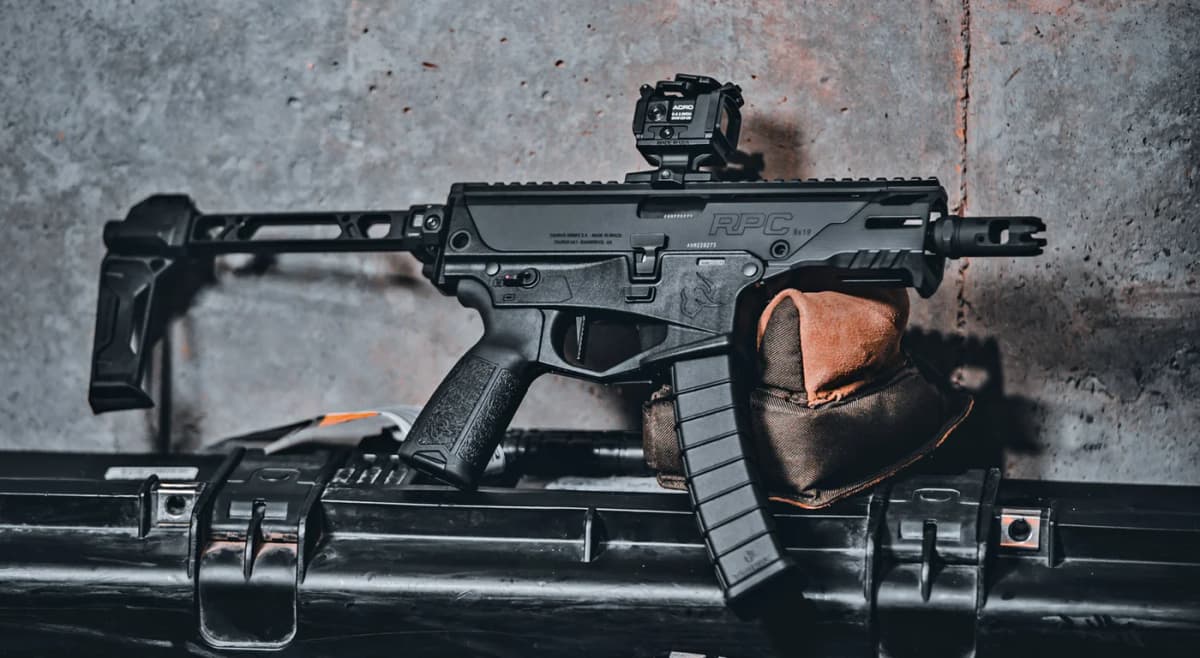
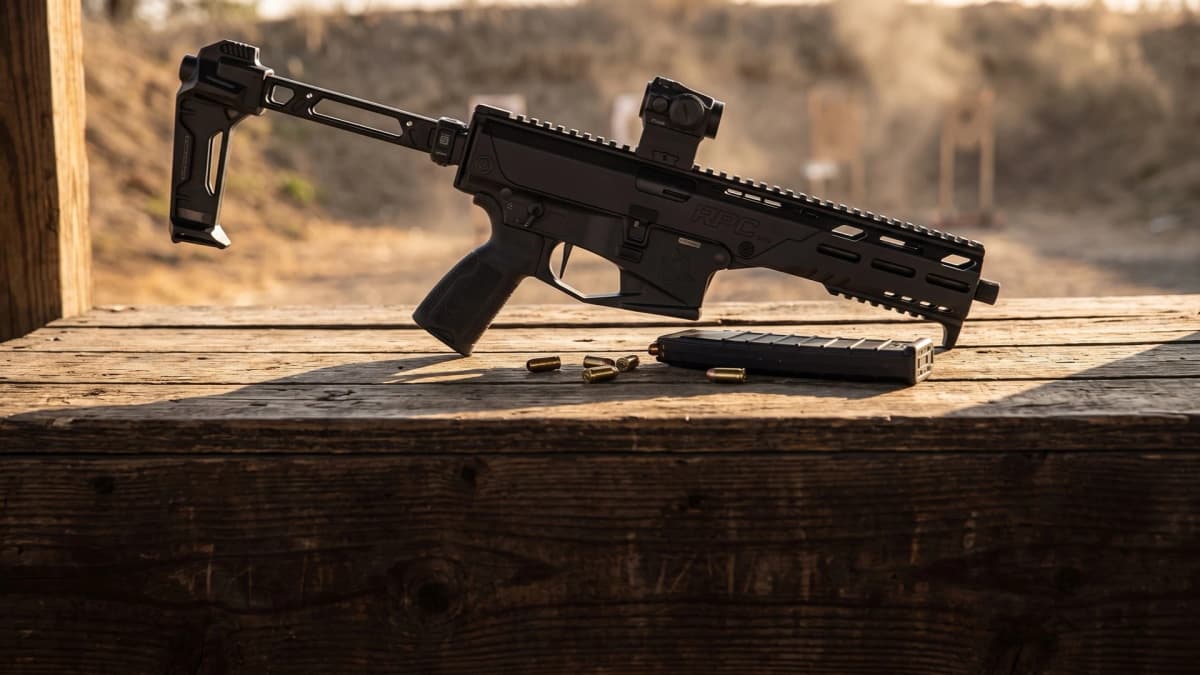
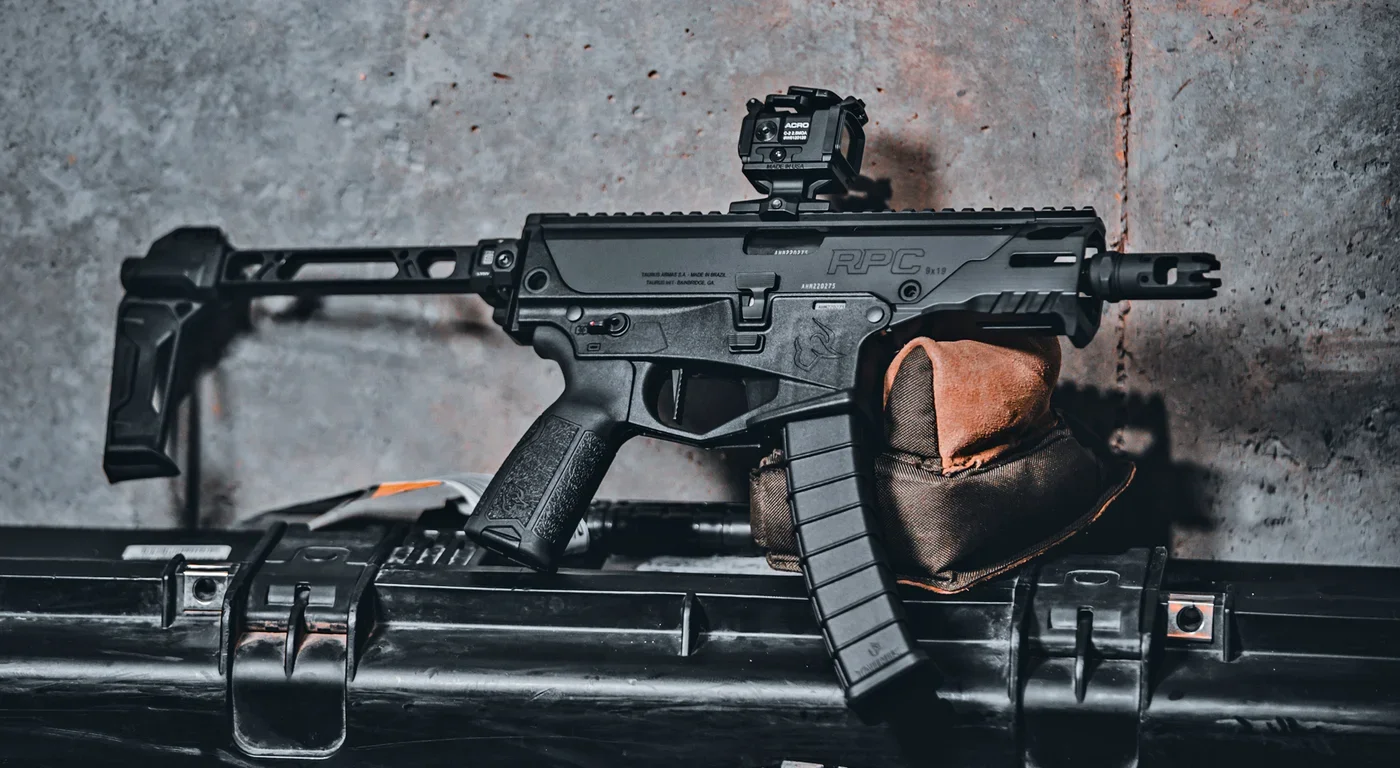
Taurus RPC 9mm PDW
Cheapest roller-delayed 9mm PDW on the market, reviewer-approved
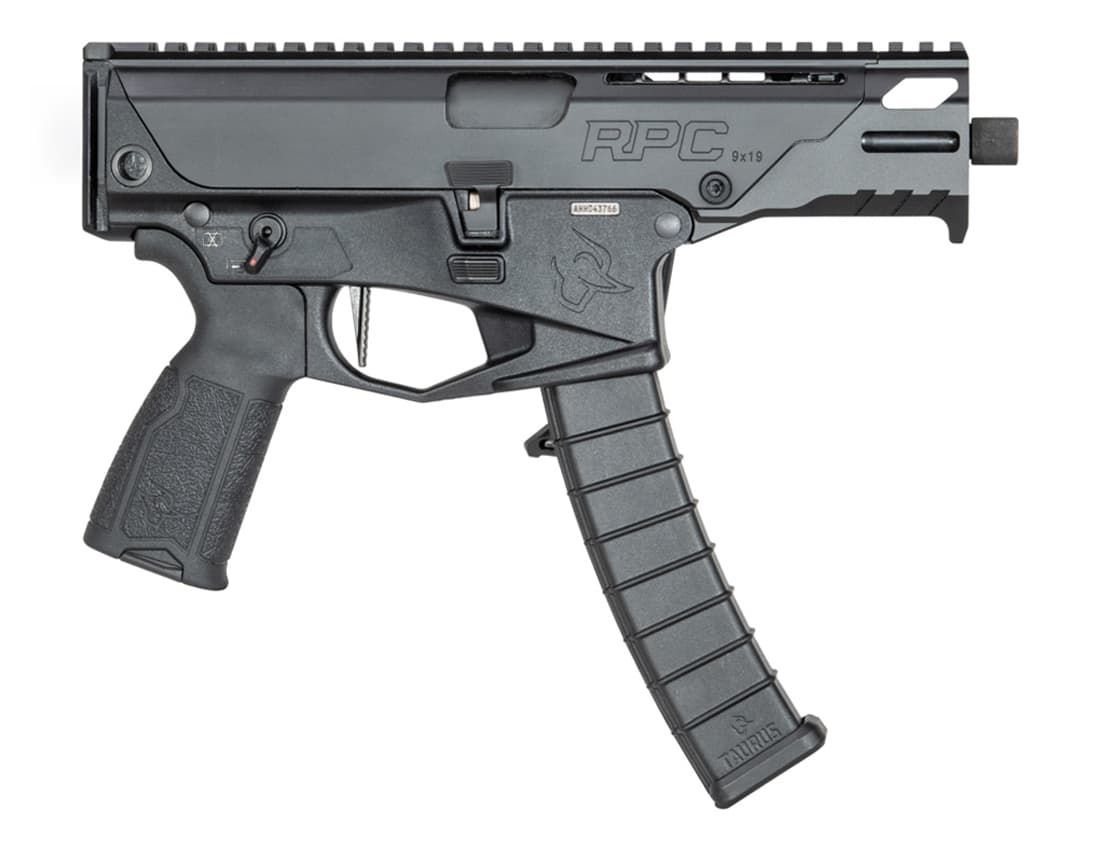
Roller-delayed 9mm PDW with 4.5-inch quick-change barrel, ambidextrous controls, and AR-pattern grip; Taurus lists 32-round and 10-round SKUs
- +Roller-delayed operation under $950 MSRP
- +$200 cheaper than Springfield Kuna at similar feature set
- +12.2-inch overall length is among the shortest in the PCC segment
- −Taurus has not announced cross-compatibility with Glock, MP5, Scorpion, or Kuna magazines
- −Aftermarket support nonexistent at launch
- −No factory iron sights; budget for an optic from day one
Affiliate links (?)
The Verdict
The Taurus RPC is a $939.99 roller-delayed 9mm PDW, and it is the real thing. It shoots flatter than a $940 gun has any right to, it has run reliably everywhere it has been tested so far, and nothing else on the market gives you roller-delayed action for the money. Caleb Giddings of Gun Nuts Media summed up the reaction in one word, “rips,” and Shooting Wire handed it a flat 10/10. The early consensus is not that the RPC is a good budget PDW. It is that the RPC is a good PDW that happens to be cheap.
That matters because Taurus is asking buyers to trust a brand-new platform from a company still living down an older reputation, and the gun answers the skepticism on the range rather than in the marketing. The pedigree helps: the RPC is based on a submachine gun Taurus built for law enforcement and tested to NATO standards. But the reason to buy it is how it performs, and that is what the rest of this review covers. The launch specs and full data sheet live in our RPC launch coverage; for where it ranks against the MPX, Kuna, Scorpion, and B&T, see the best PCC guide.
How It Shoots: Recoil and Handling
Recoil is the whole point of a roller-delayed gun, and the RPC delivers. The action runs a lighter bolt held shut by mechanical advantage instead of raw spring-and-mass, so it spreads the recoil impulse over a longer cycle than a direct-blowback PCC. You feel a soft push instead of the sharp slap a blowback nine hands you. The muzzle stays put between shots, which is why sub-2-second bill drills on steel at 10 yards came easy in testing, the kind of split times that take real work out of a snappier gun.
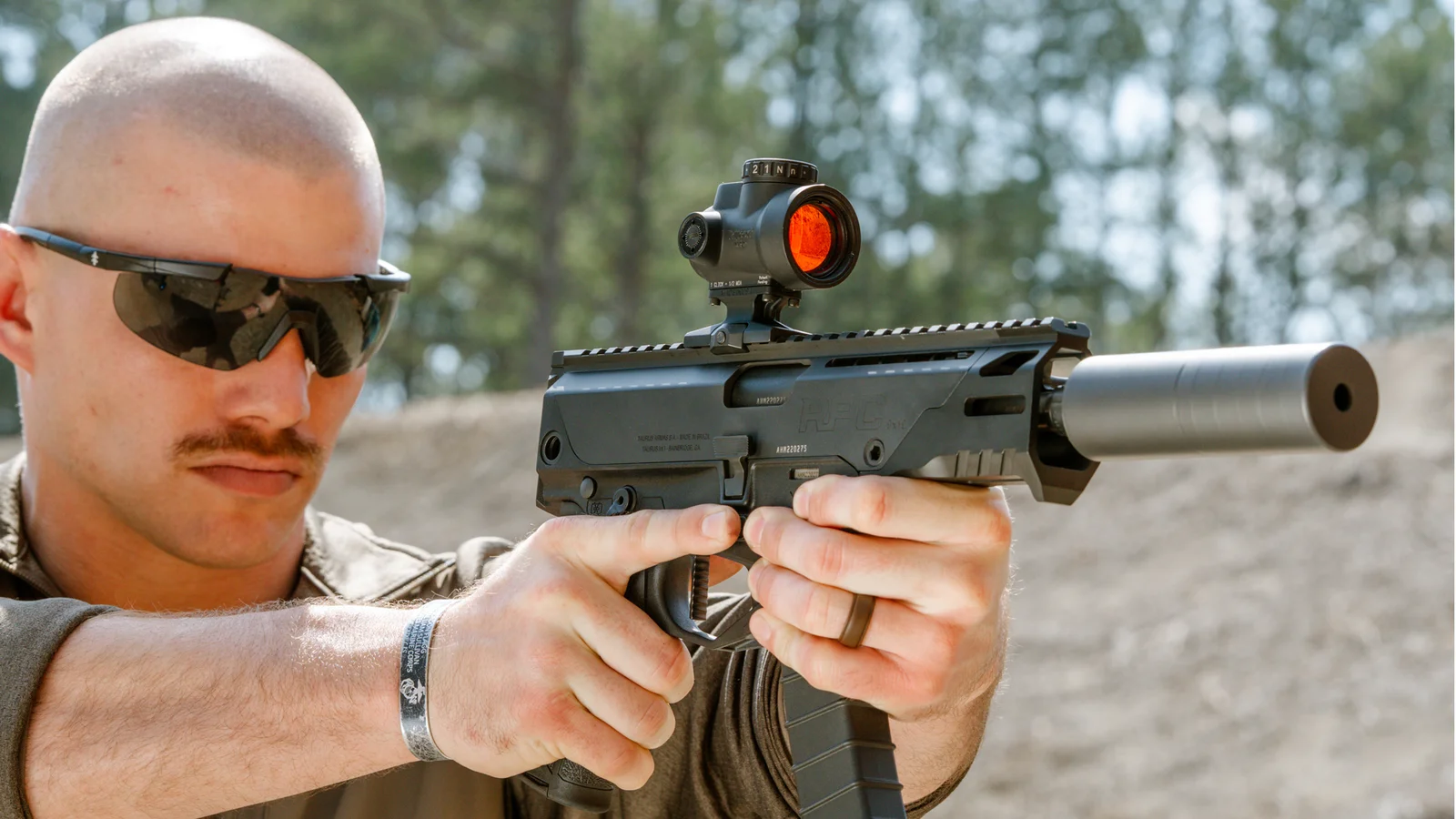
It gets better suppressed. The barrel wears a 1/2x28 thread, and Taurus includes two interchangeable roller locking tips to tune the action to the load: a 110-degree tip for supersonic ammo and an 85-degree tip for subsonic and suppressed use, so the gun stays in time whether you run it loud or quiet. That is the configuration most owners will actually live in, and it stays flat and quiet there. At 4.5 pounds and 12.2 inches, the RPC is light and short enough that the soft recoil is doing real work, not getting masked by a heavy gun.
Accuracy and Reliability
A 4.5-inch PDW is a close-range tool, but the RPC shoots better than that role demands. A 1.78-inch group at 25 yards off a rest with Hornady Critical Defense is plenty of precision to stretch it well past room distance. The one catch is that it ships with a bare Picatinny top rail and no iron sights at all, so a red dot is mandatory equipment, not an upgrade. Build the optic into your purchase price from the start.
Reliability has been clean out of the gate. The gun has fed everything testers have run through it, hollow points with fat ogives included, and the 32-round magazines have run flawlessly, locking the bolt back on empty every time. That is a strong opening, not a verdict. The RPC is new to the US civilian market in 2026, so the independent, multi-thousand-round track record that earns a gun real trust simply does not exist yet. Treat the early reliability as a green light, not a guarantee, and if you plan to run it quiet, pair it with a sound suppressor host setup.
Red Dots for the RPC (No Factory Sights)
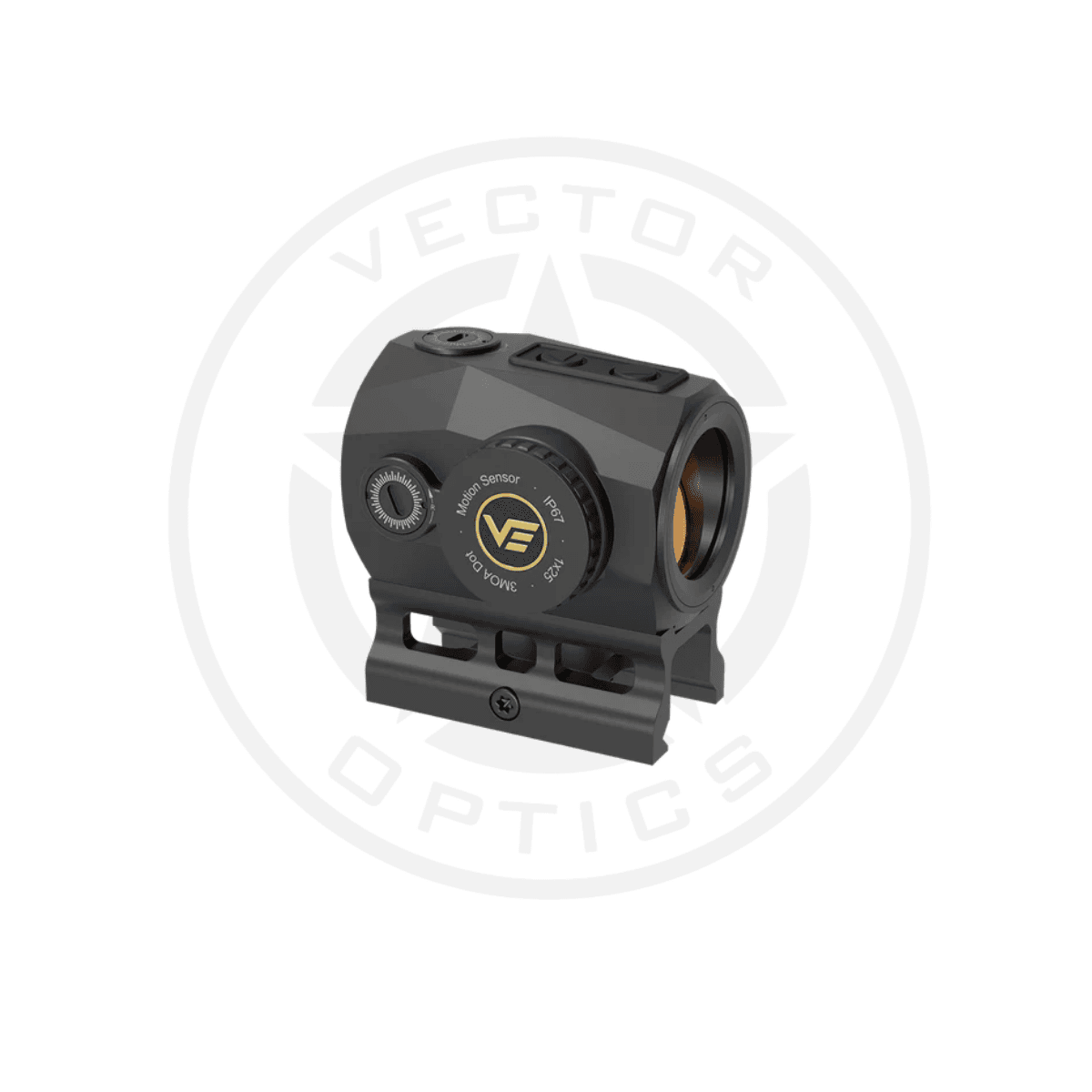
Vector Optics Scrapper Nano 1x25 Enclosed Red Dot
- 3 MOA enclosed dot
- 25mm window
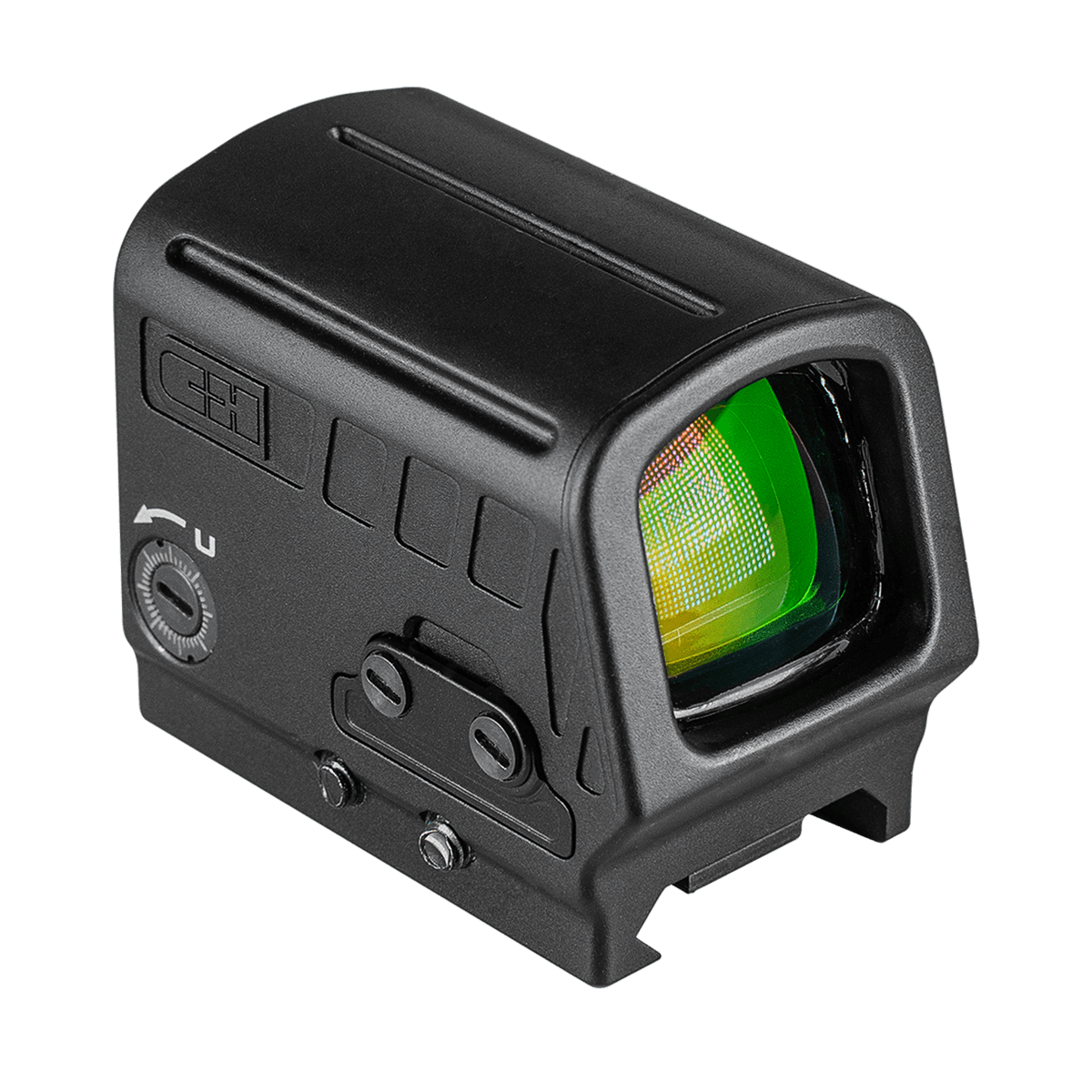
C&H STRYKR Red Dot for FLUX Raider and PDWs
- 3 MOA dot / 33 MOA circle / circle-dot
- 1913 Picatinny mount, 0.76in riser included
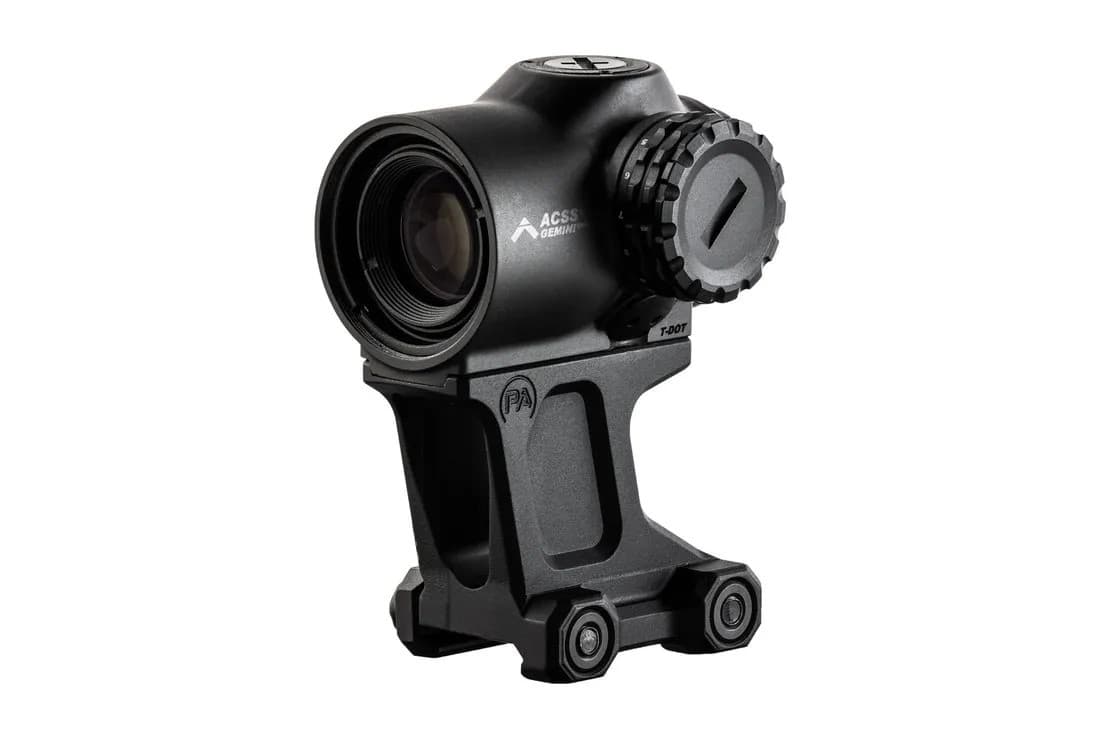
Primary Arms SLx 1X MicroPrismT ACSS Gemini 9mm
- Fixed 1x
- ACSS Gemini 9mm reticle
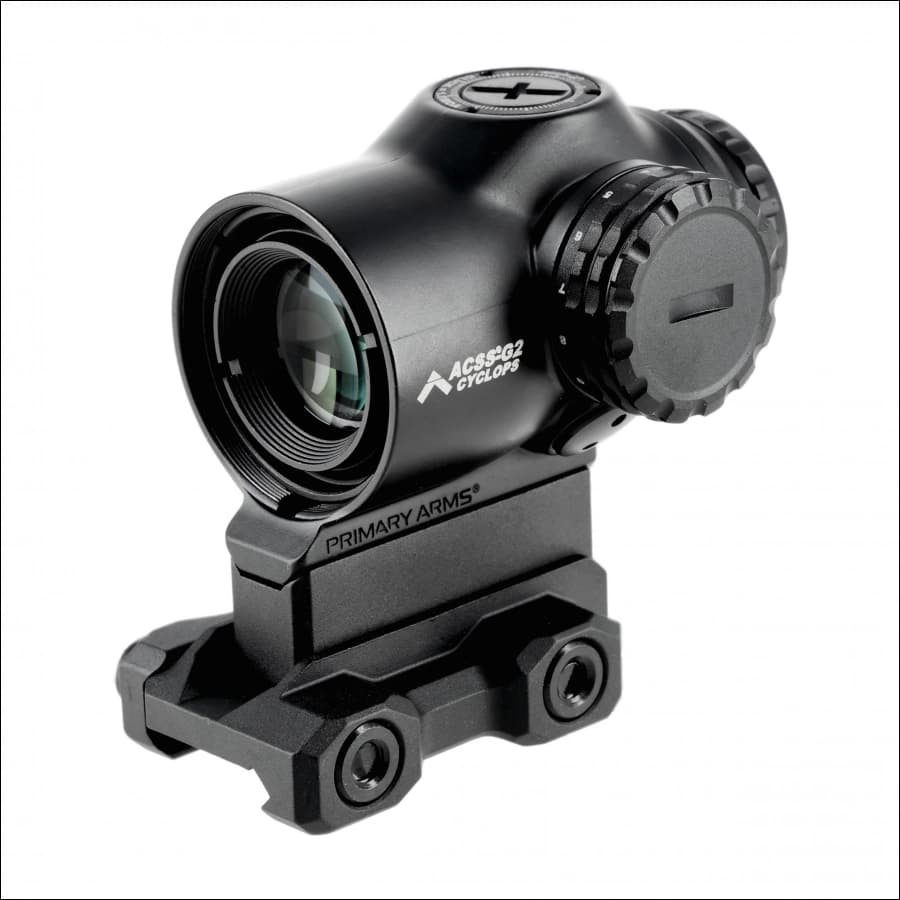
Primary Arms SLx 1X MicroPrismT ACSS Cyclops Gen II (Red)
- Fixed 1x
- Etched ACSS Cyclops Gen II reticle
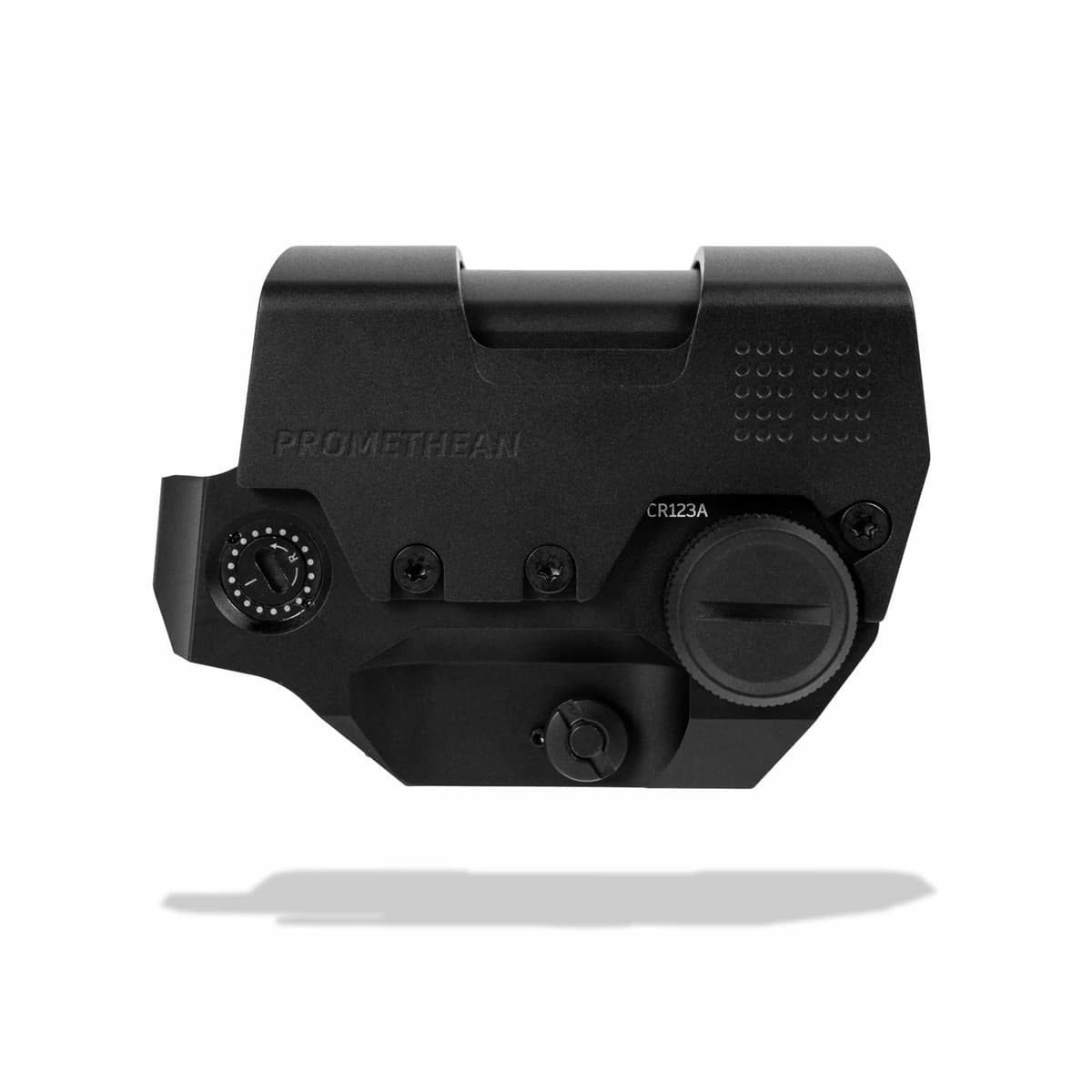
Lead & Steel Promethean LP-1
- Enclosed emitter, IPX8 waterproof
- 1.37 x 1.04 in viewing window
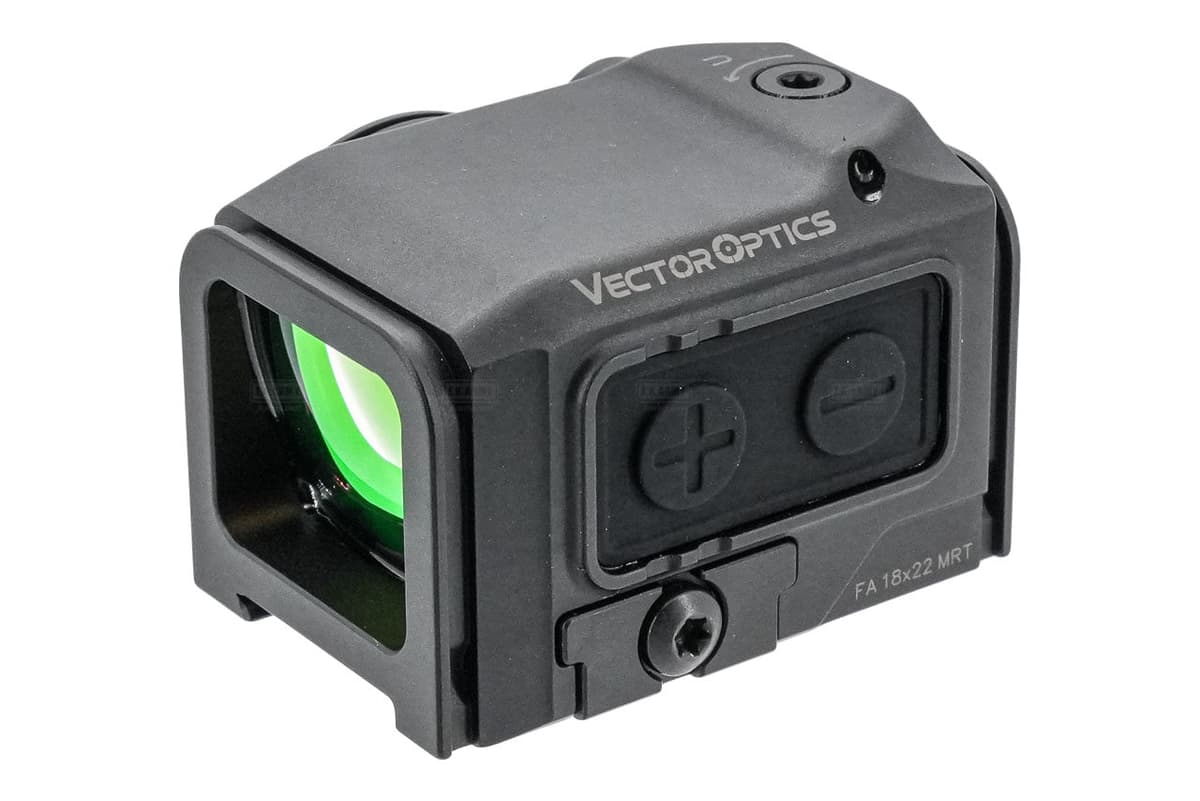
Vector Optics Frenzy FA Enclosed (SCRD-M75)
- 2 MOA dot / 65 MOA circle
- 18x22mm enclosed window
Affiliate links (?)
Build, Controls, and Modularity
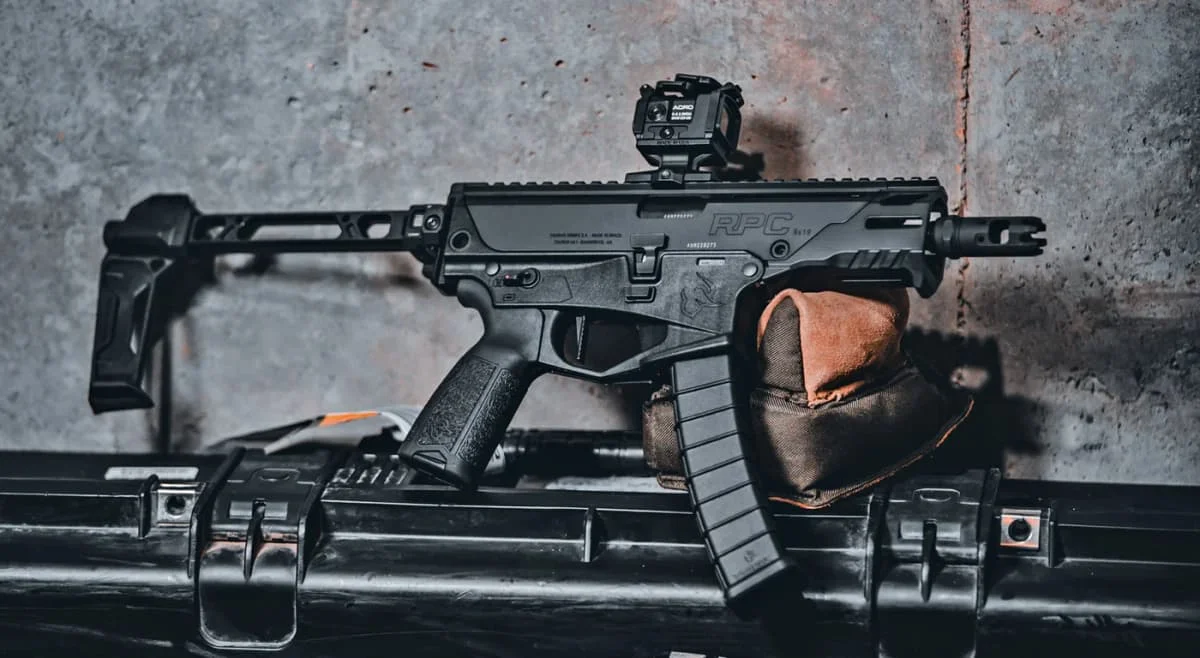
The RPC is built around an aerospace-aluminum receiver with a hard-anodized and Cerakote finish over a steel internal chassis, a construction split that puts metal where strength matters and keeps weight down everywhere else. Controls are fully ambidextrous: bilateral safety, bolt release and lock, magazine release, and a reversible non-reciprocating charging handle. The pistol grip is AR-15 pattern, so any aftermarket AR grip drops in, and three integrated QD sling sockets handle one- or two-point setups without adapters.
The 4.5-inch barrel is a quick-change, threaded unit, and Taurus has signaled an 8-inch barrel option to follow. A full-length top Picatinny rail carries the optic, M-LOK slots on the handguard take a light and a handstop, and the rear Picatinny section mounts the brace or a stock. The reviewed configuration with the Strike Industries FSA folding brace is the one most buyers will want for backpack and vehicle carry. Our Taurus RPC accessories guide ranks verified brace, optic, light, sling, grip, hand-stop, and suppressor options. Plan the layout in our rifle builder, or compare the RPC against other platforms side by side.
How It Compares to the Kuna and the Segment
The RPC's closest rival is the Springfield Armory Kuna, the other roller-delayed 9mm in this price tier. They match nearly feature-for-feature, and the RPC undercuts the Kuna by roughly $200 (about $1,179 base for the Kuna). The Kuna's edge is time in the field and an earlier-established magazine and aftermarket pipeline; the RPC's edge is price. Against the rest of the segment the gap widens: the blowback CZ Scorpion 3 starts around $1,499, the radial-delayed CMMG Dissent runs $1,949, and the semi-auto HK SP5 sits north of $3,000 before you buy its expensive magazines.
That pricing is the whole argument. The RPC delivers the roller-delayed shooting experience that used to cost MP5 money for under a thousand dollars. For a direct-blowback cross-shop at a similar brace-size form factor, Springfield's SAINT Victor 5.5-inch 9mm PDW runs $1,399, and our PDW and pistol guide covers barrel length, terminal performance, and suppressor considerations for the role.
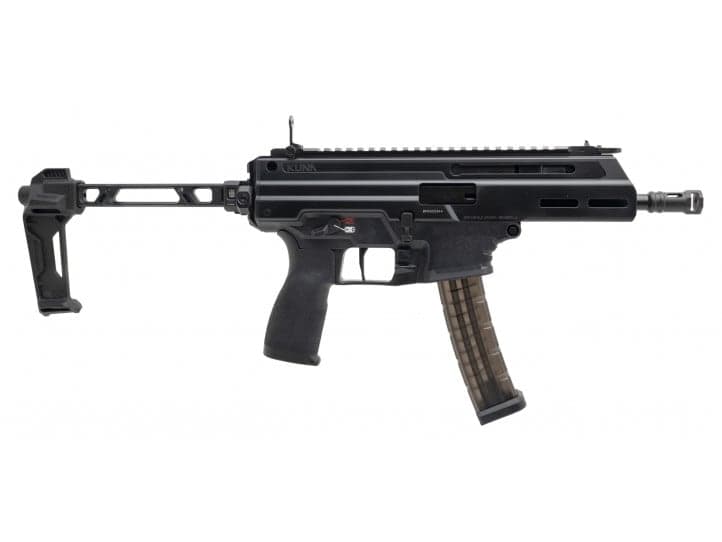
Springfield Armory Kuna 9mm
The proven roller-delayed rival, ~$200 more than the RPC
Roller-delayed 9mm large-format pistol with 6-inch barrel and proprietary 30-round magazines
- +Roller-delayed recoil impulse at a mainstream price
- +Very short 15.5-inch overall length for CQB use
- +4 lb 10 oz unladen weight
- −Proprietary magazines; no Glock or MP5 compatibility
- −No factory brace or stock in base configuration
- −Aftermarket support still developing versus CZ Scorpion
Affiliate links (?)
Where It Falls Short
The knocks are real, but they are narrow, and not one of them is a shooting problem. The biggest is the magazine. The RPC feeds from a proprietary 32-round mag with no announced Glock, MP5, Scorpion, or Kuna compatibility and no aftermarket source yet, so you buy Taurus mags at Taurus prices, and even the reviewers who scored the gun top marks found those mags feel cheap next to the rest of it. Second, there is no 16-inch carbine variant, so anyone who wants a stocked long gun instead of a braced pistol is out of luck for now.
The last reservation is not a flaw so much as the cost of going first. The RPC is derived from a law-enforcement submachine gun, but as a fresh 2026 entry in the US civilian market it has no established consumer parts pipeline, service history, or independent high-round-count record behind it yet. Buy it and you are an early adopter, full stop. The flip side is the price: at $939.99, the RPC absorbs every one of these caveats and still comes out the cheapest way into roller-delayed action by a wide margin.
Is There an FRT for the Taurus RPC?
No publicly listed forced reset trigger exists for the Taurus RPC as of July 2026, and no maker currently lists one. The question comes up because the RPC runs a roller-delayed action, the same operating principle as the HK MP5, and the MP5 does have forced reset trigger options. Those kits are cut for MP5-pattern trigger housings, though, and the RPC uses a proprietary trigger group, so an MP5 FRT does not transfer. If you want the broader picture on how these triggers work and where they are legal, our forced reset trigger buyer's guide covers the current landscape.
Stay Updated on the Taurus RPC
Get notified when long-term reliability data, wider magazine availability, and the 8-inch barrel variant land. We also send hands-on PDW and PCC reviews as they drop.
Frequently Asked Questions
▶Is the Taurus RPC any good?
▶How much does the Taurus RPC cost?
▶How accurate is the Taurus RPC?
▶Is the Taurus RPC reliable?
▶Does the Taurus RPC take Glock or MP5 magazines?
▶Is there a forced reset trigger for the Taurus RPC?
▶Taurus RPC vs Springfield Kuna: which is better?
The Verdict
4.2 / 5: The cheapest way into roller-delayed 9mm, and it earns the price. Docked for proprietary magazines, no factory sights, and an unproven long-term record as a new-to-market platform.
The Taurus RPC is the best value in the roller-delayed 9mm segment, full stop. It shoots flat, prints sub-2-inch groups at 25 yards, has run reliably through every test so far, and costs $200 less than the gun it most directly competes with. If you want MP5-style shootability in a compact, suppressor-ready package and you are comfortable being an early adopter, nothing else touches it for the money.
The reasons to wait are specific and personal: if you need a deep, proven magazine and parts supply on day one, the Springfield Kuna earns its $200 premium, and if you want a stocked 16-inch carbine instead of a braced pistol, the RPC does not offer that yet. If you swap a can between hosts often, Springfield now sells Tri-Lug Kuna SKUs whose factory three-lug muzzle takes the can on and off without tools; the RPC's 1/2x28 threads are the better interface for a can that lives on one host. Everyone else should put the RPC at the top of the budget-PDW shortlist. See where it ranks against the whole field in our best PCC guide, or spec out a complete setup in the builder.