Virginia Assault Weapons Ban: Signed, Then Blocked Before July 1
Virginia's HB 217 / SB 749 chapter was approved May 14, 2026. After July 1, the sale, manufacture, importation, and transfer of most semi-automatic centerfire rifles, pistols, semi-automatic shotguns, and 15-plus-round magazines is a Class 1 misdemeanor. Existing owners are grandfathered. The NRA, SAF, FPC, GOA, and VCDL filed lawsuits within hours.
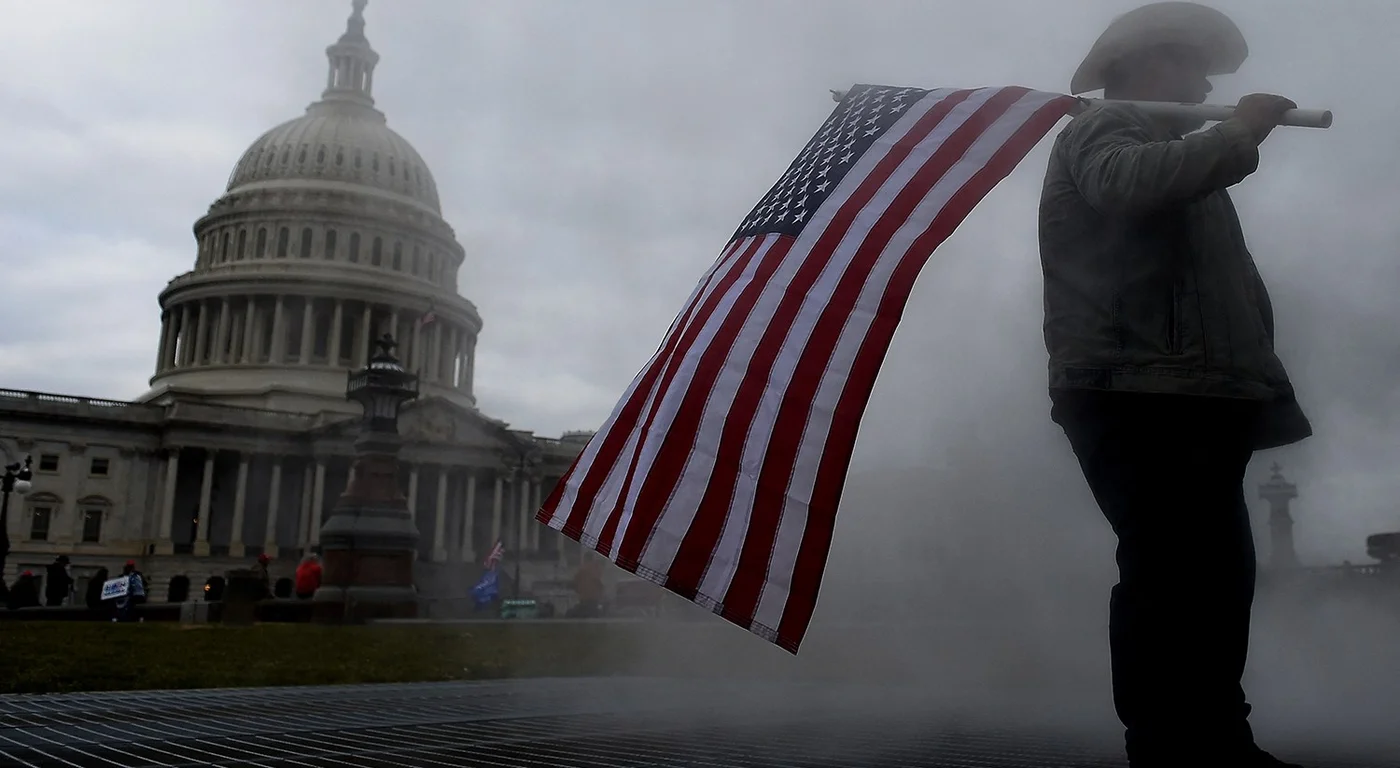
The Ban Has Been Blocked: Read the Injunction Update
A Lancaster County Circuit Court judge granted a preliminary injunction in Crump v. Katz, blocking enforcement of HB 217 / SB 749 through at least December 31, 2026. The July 1 effective date is voided while the case proceeds.
Read the full update →Key Takeaways
- →Effective Date: July 1, 2026. The law was approved May 14, 2026; enforcement begins at the July 1 cutoff.
- →Feature Test: Semi-auto centerfire rifles with one listed rifle feature (pistol grip, thumbhole or folding stock, second handgrip, grenade launcher, or threaded barrel capable of accepting a muzzle brake, muzzle compensator, sound suppressor, or flash suppressor) are banned. Pistols require two listed pistol features; semi-auto shotguns have their own one-feature test.
- →Magazine Cap: Magazines holding more than 15 rounds may not be sold, manufactured, imported, or transferred after July 1, 2026.
- →Grandfather Clause: Firearms and magazines owned before July 1, 2026 remain legal to keep, use, and transport. No registration or turn-in requirement.
- →Penalty: Class 1 misdemeanor (up to 12 months jail, $2,500 fine) plus a 3-year prohibition on purchasing, possessing, or transporting any firearm.
- →Lawsuits Filed: NRA, FPC, and SAF in federal court; VCDL and GOA in state court; retailers in a separate state suit; DOJ has signaled it will file as well.
What HB 217 / SB 749 Actually Bans
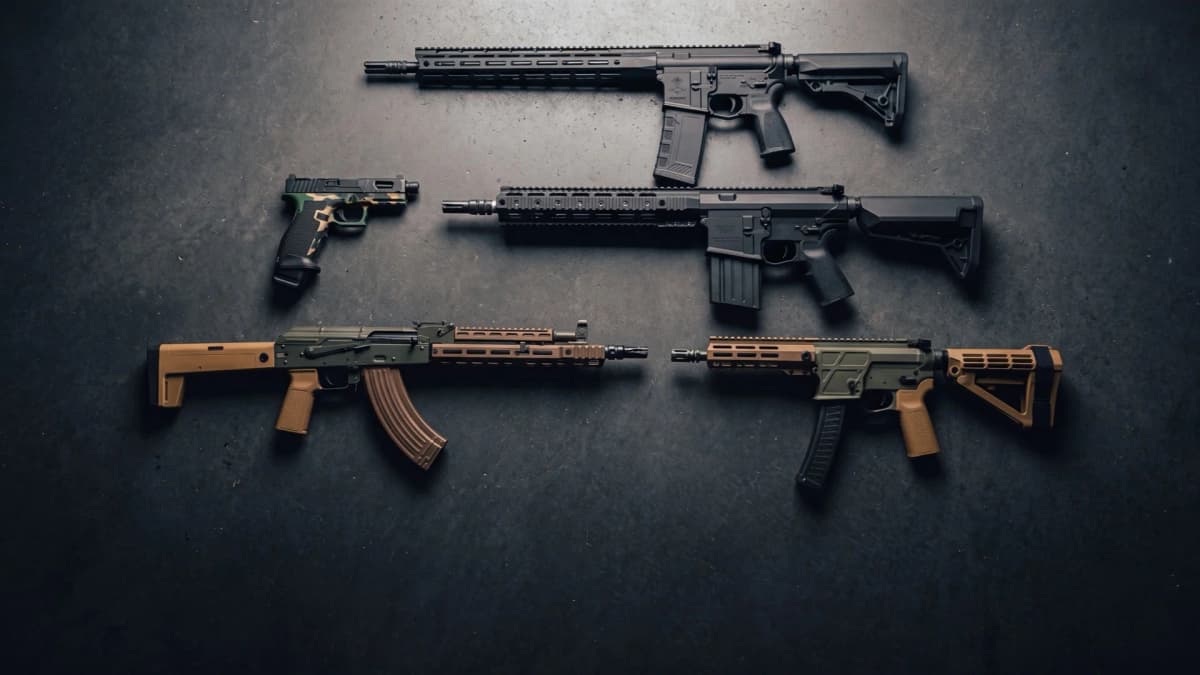
The statute defines an “assault firearm” as a semi-automatic centerfire rifle or pistol that accepts a detachable magazine and has at least one rifle feature or two pistol features. The rifle features include a folding, telescoping, or collapsible stock; thumbhole stock; pistol grip; second handgrip or forward handgrip; grenade launcher; or a threaded barrel capable of accepting a muzzle brake, muzzle compensator, sound suppressor, or flash suppressor. Pistols have a separate two-feature list that includes threaded barrels, barrel shrouds, second grips, braces or stocks, and magazines outside the pistol grip. A semi-automatic centerfire rifle or pistol with a fixed magazine over 15 rounds is also covered, regardless of features.
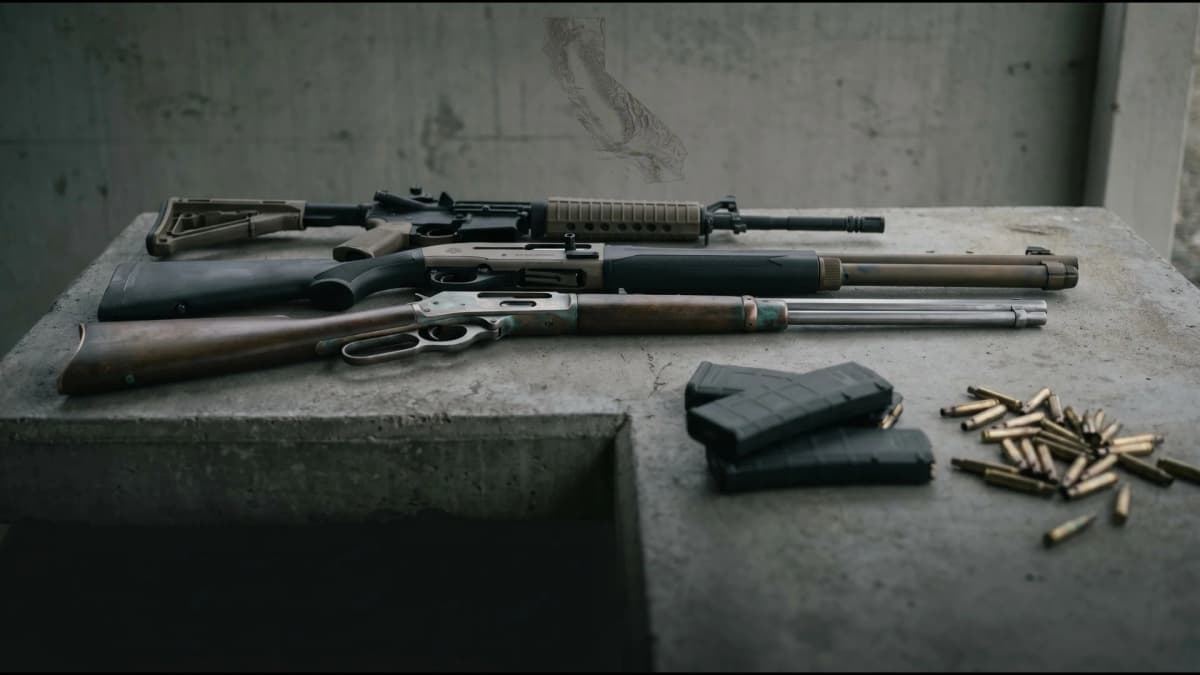
The exclusions are short and specific. Antique firearms are out. Permanently inoperable firearms are out. Any firearm manually operated by bolt, pump, lever, or slide action is out, which keeps pump-action shotguns, lever rifles, and bolt-action hunting rifles untouched. Semi-automatic shotguns are regulated separately under their own one-feature test, so conventional fixed-stock, tube-fed models remain the clean post-July-1 lane while pistol-grip, folding-stock, or detachable-magazine variants are covered. Rimfire semi-autos such as the Ruger 10/22 are also outside the definition.
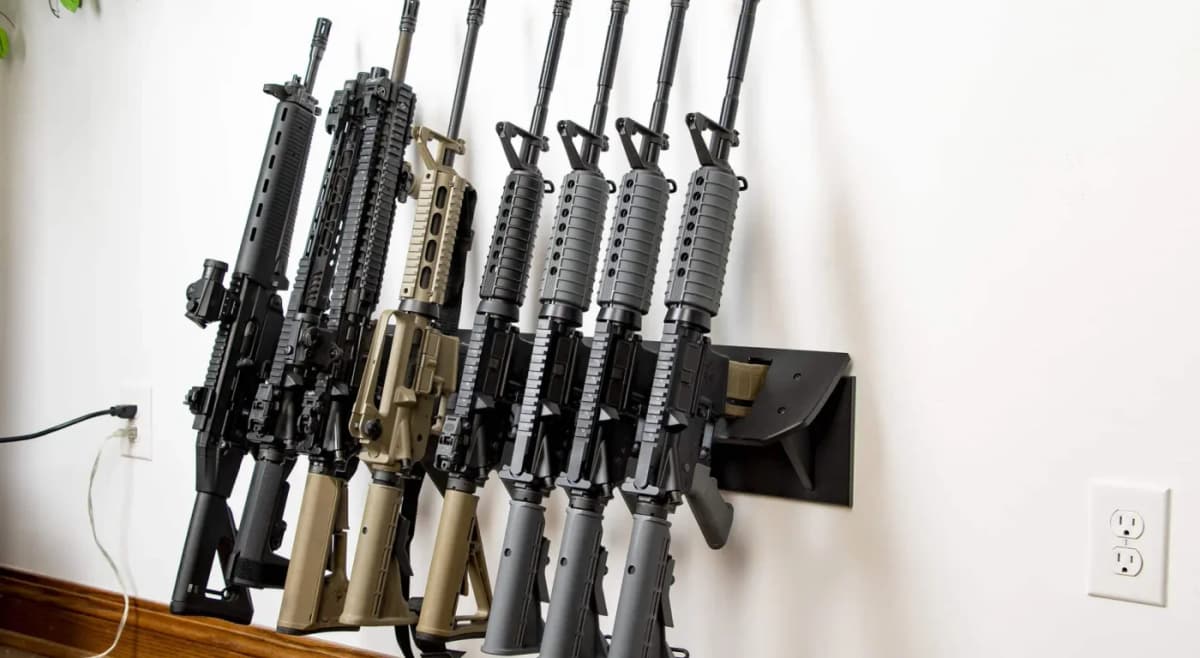
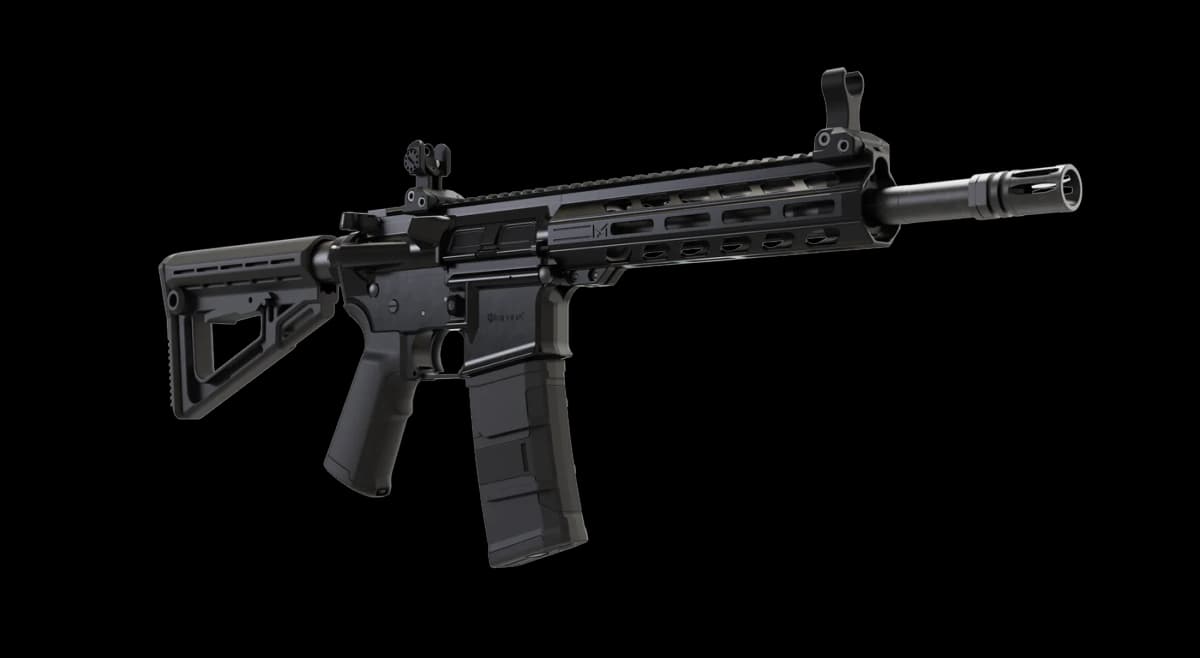
For a Virginia resident building or buying an AR platform, the practical reading is that a stock duty-configured AR-15 with a pistol grip is banned for new sale on July 1. A featureless rifle has to clear every listed rifle feature, not just the pistol grip: no folding or telescoping stock, thumbhole stock, second handgrip, grenade launcher, or threaded barrel capable of accepting a muzzle brake, muzzle compensator, sound suppressor, or flash suppressor. That is the same featureless logic other jurisdictions use, but Virginia's threaded-barrel language is broader than California's muzzle-device-only rule. Whether Virginia retailers begin stocking featureless rifles before July 1 will depend on how quickly distributors respond. See our best AR-15 rifles guide for the platforms most likely to be reconfigured.
The 15-Round Magazine Cap
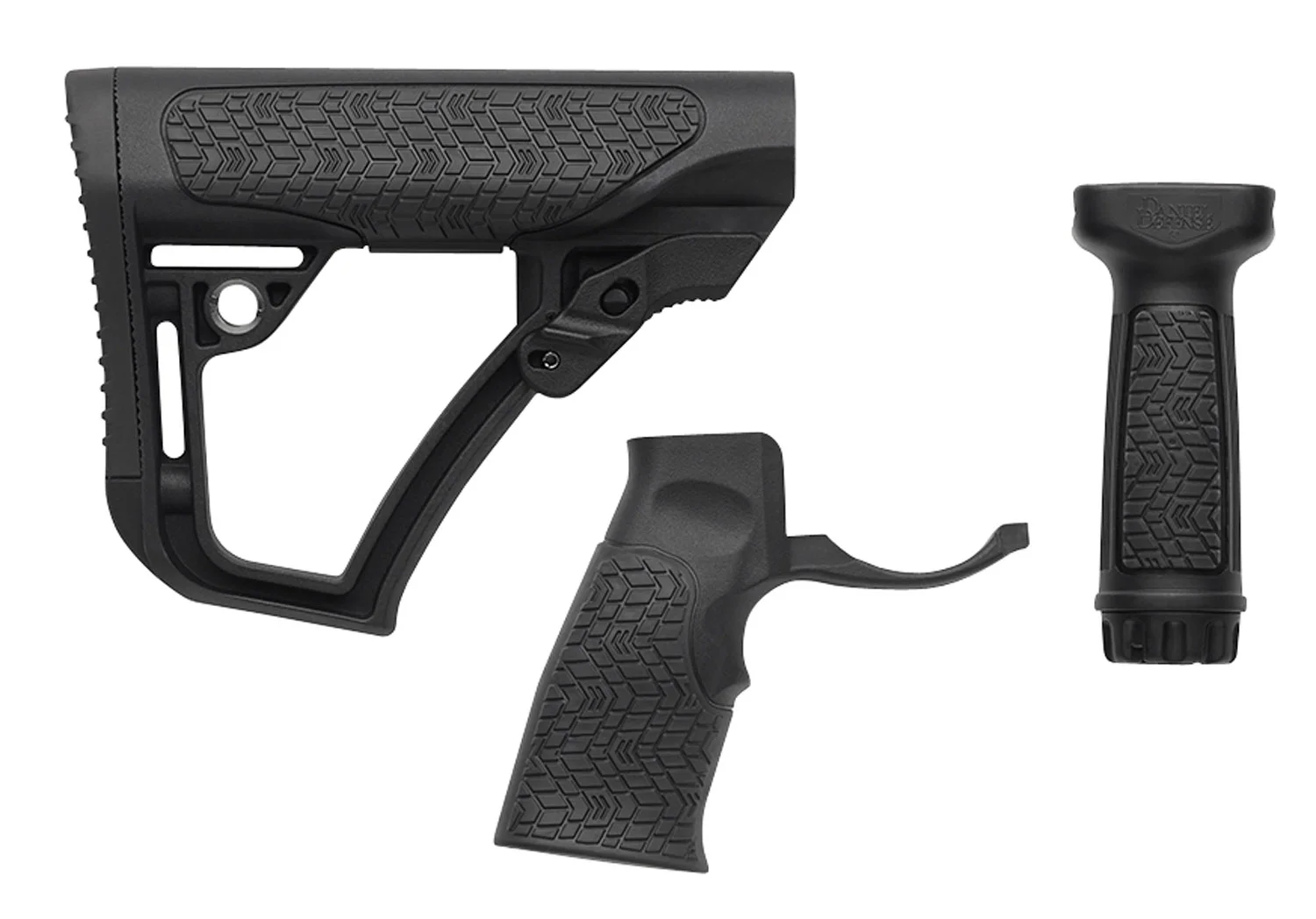
Virginia's magazine ceiling is 15 rounds of centerfire ammunition. After July 1, 2026 it is unlawful to import, sell, manufacture, purchase, or transfer any magazine designed to hold more than 15. The most common AR-15 magazine, the Magpul PMAG 30, is over the limit. Standard Glock 17, Glock 19X, Sig P320, and full-size duty pistol magazines are over the limit. Mid-cap 30-round AK magazines are over the limit. Possession of pre-July 1 magazines remains lawful for the original owner; the ban is on commerce, not ownership.
For buyers who want to top off magazine stocks before July 1, our current AR-15 picks are the Magpul PMAG Gen M3 and the DURAMAG SPEED 30-round aluminum magazine. We covered the specific tradeoffs in our best AR-15 magazines guide. Pistol shooters should look at factory magazines in the relevant caliber; aftermarket extended baseplates that push magazines over 15 also become non-transferable after July 1.
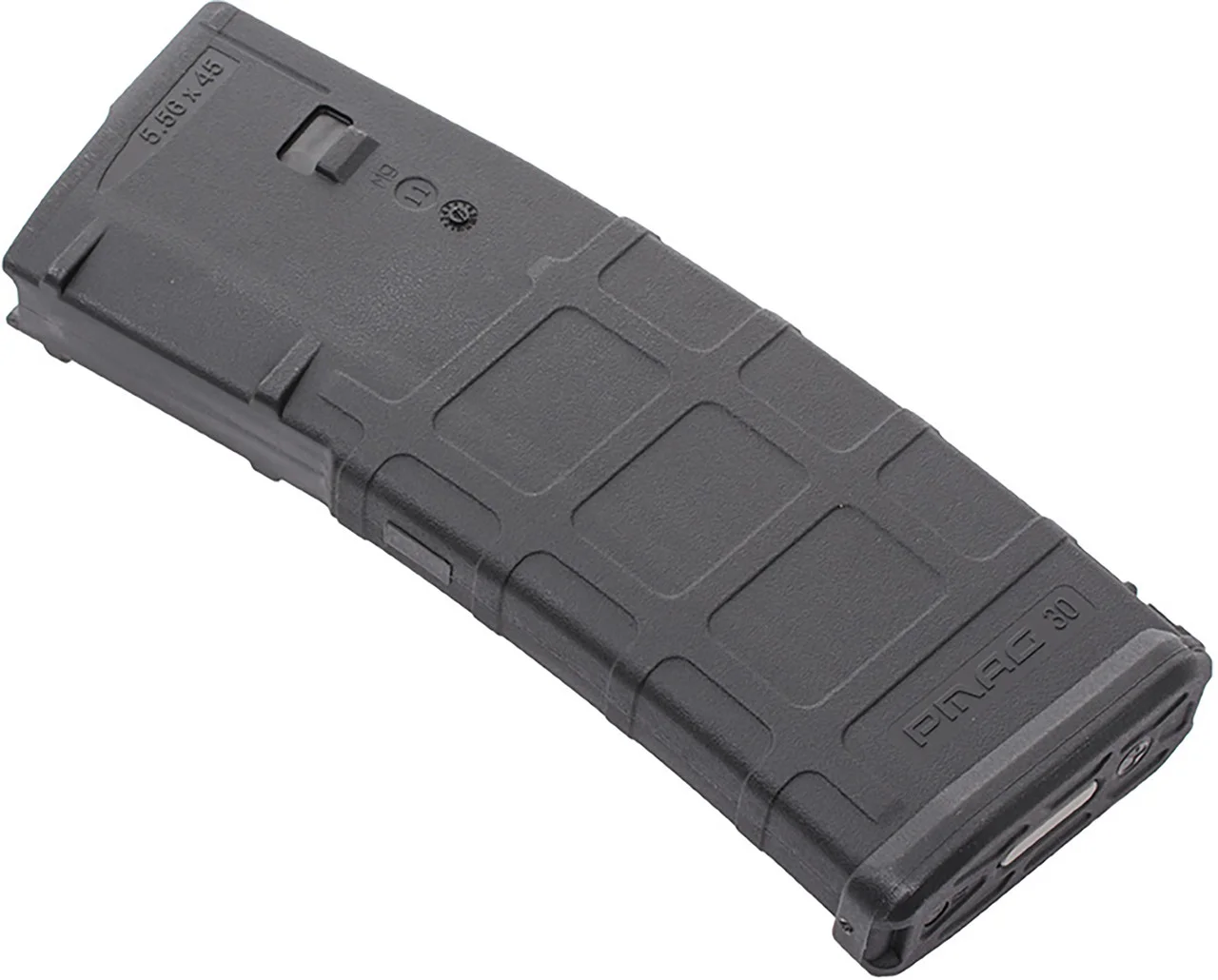
Stock Up Before July 1: AR-15 Magazines
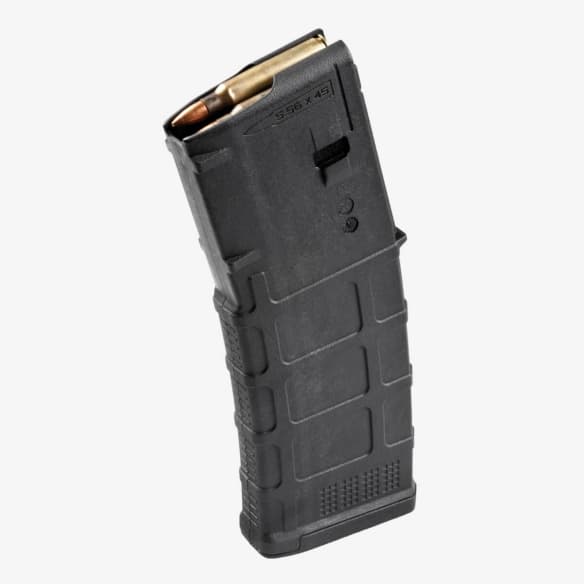
Magpul PMAG 30 AR/M4 GEN M3
- 30 rounds
- 5.56/.223
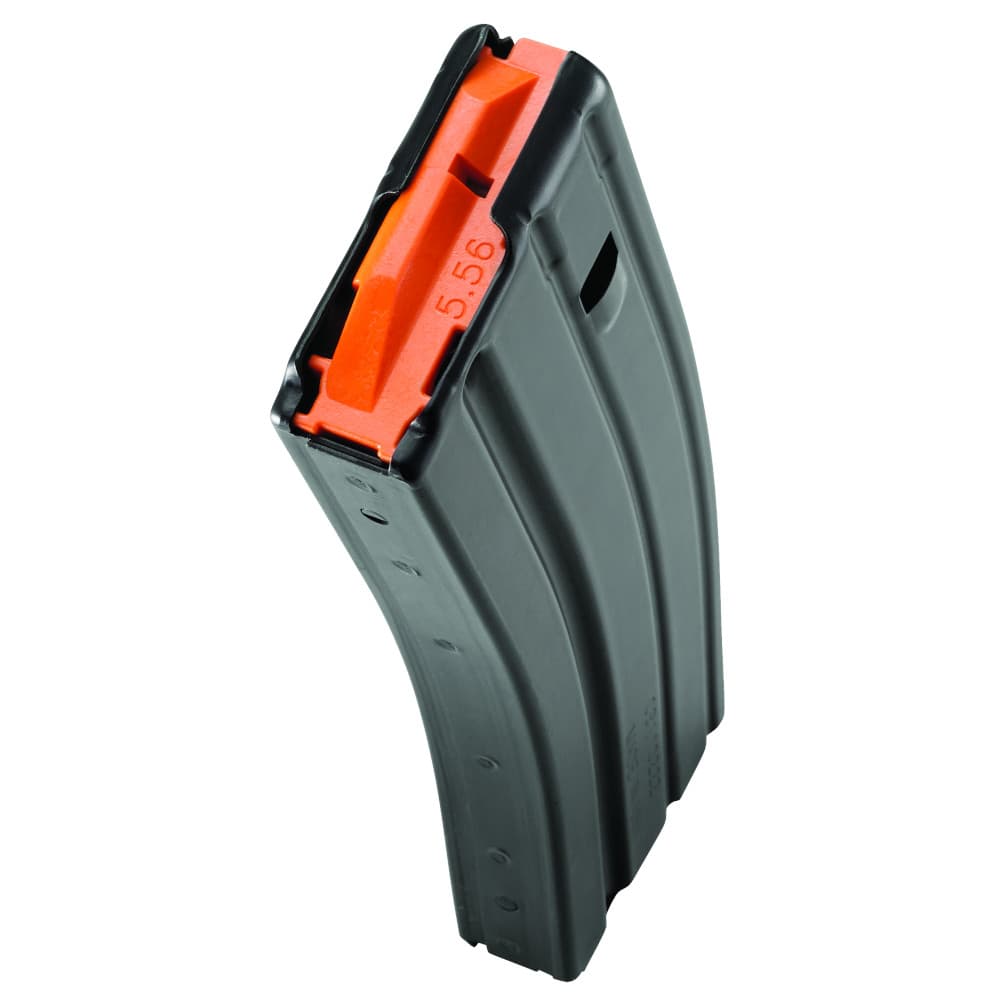
DURAMAG SPEED 30-Round Aluminum Magazine
- 30 rounds
- 6061-T6 aluminum
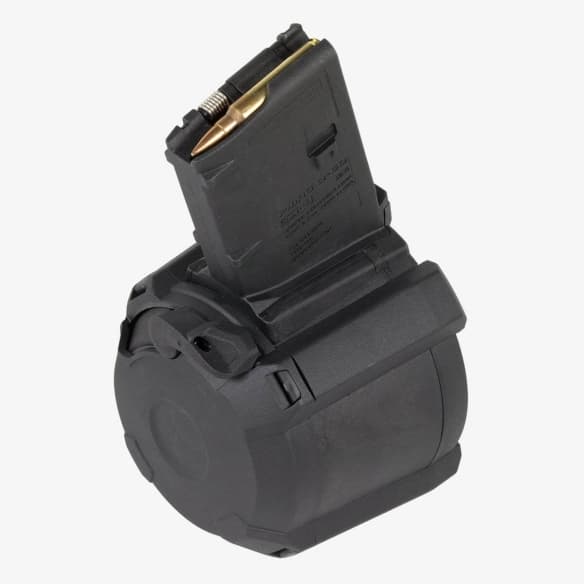
Magpul D-60 Drum Magazine
- 60 rounds
- Polymer construction
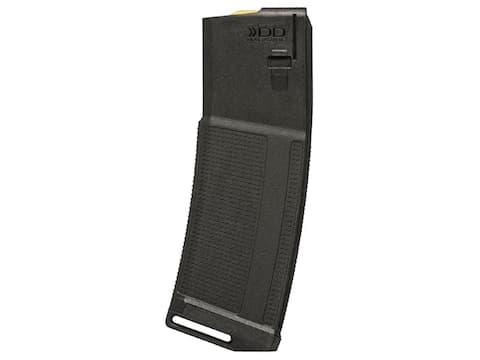
Daniel Defense 32-Round Magazine
- 32 rounds
- 5.56/.223

Daniel Defense 32-Round Magazine 12-Pack
- 12 magazines
- 32 rounds each
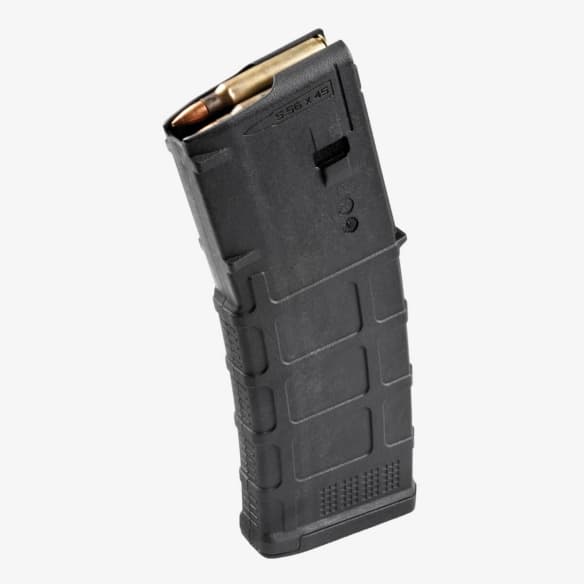
Magpul PMAG Gen 3 30-Round
- 30-round
- 5.56/.223
Affiliate links (?)
Effective Date, Grandfathering, and What Stays Legal
The effective date is July 1, 2026, which is the standard Virginia statutory effective date for bills passed in the regular session. Any rifle, pistol, or magazine lawfully owned before July 1 is grandfathered. The owner may keep it, transport it, use it at the range, hunt with it where state hunting regulations otherwise allow, and pass it through estate transfers under separate provisions of the bill.
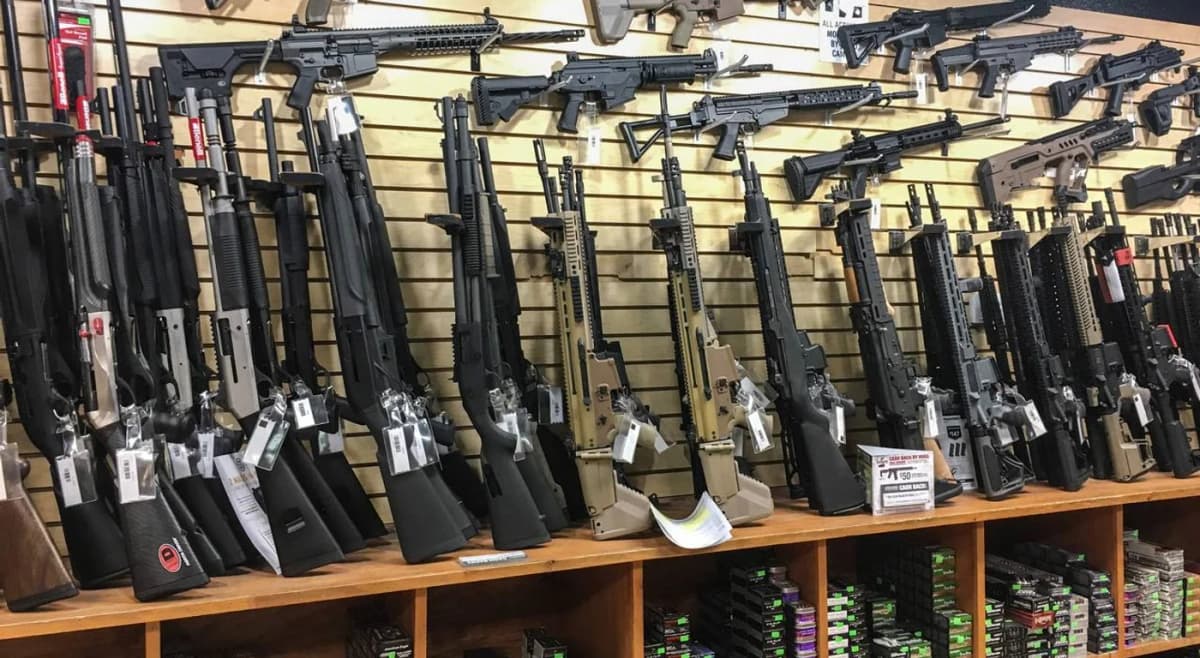
What stays legal to buy after July 1 is the more useful question. Pump-action shotguns, conventional-stocked semi-auto shotguns that clear the shotgun feature test, lever rifles, bolt-action rifles, manually operated firearms of any kind, and rimfire semi-autos are unaffected. A semi-automatic centerfire rifle without any of the listed features can be sold, which sets up a market for featureless or California-compliant-style AR-15s if distributors decide to build them. Sub-15-round magazines remain legal in commerce.
For Virginia residents who want a defensive long gun that is still sellable after July 1, the practical alternatives are a defensive shotgun, a lever rifle in a pistol caliber, or a bolt-action carbine. None of those is a one-for-one replacement for an AR-15, but they are the categories the bill leaves alone. Our home defense AR-15 guide covers the duty-configured rifles that fall inside the ban and that buyers should consider purchasing before July 1 if they want one.
Penalties for Violations
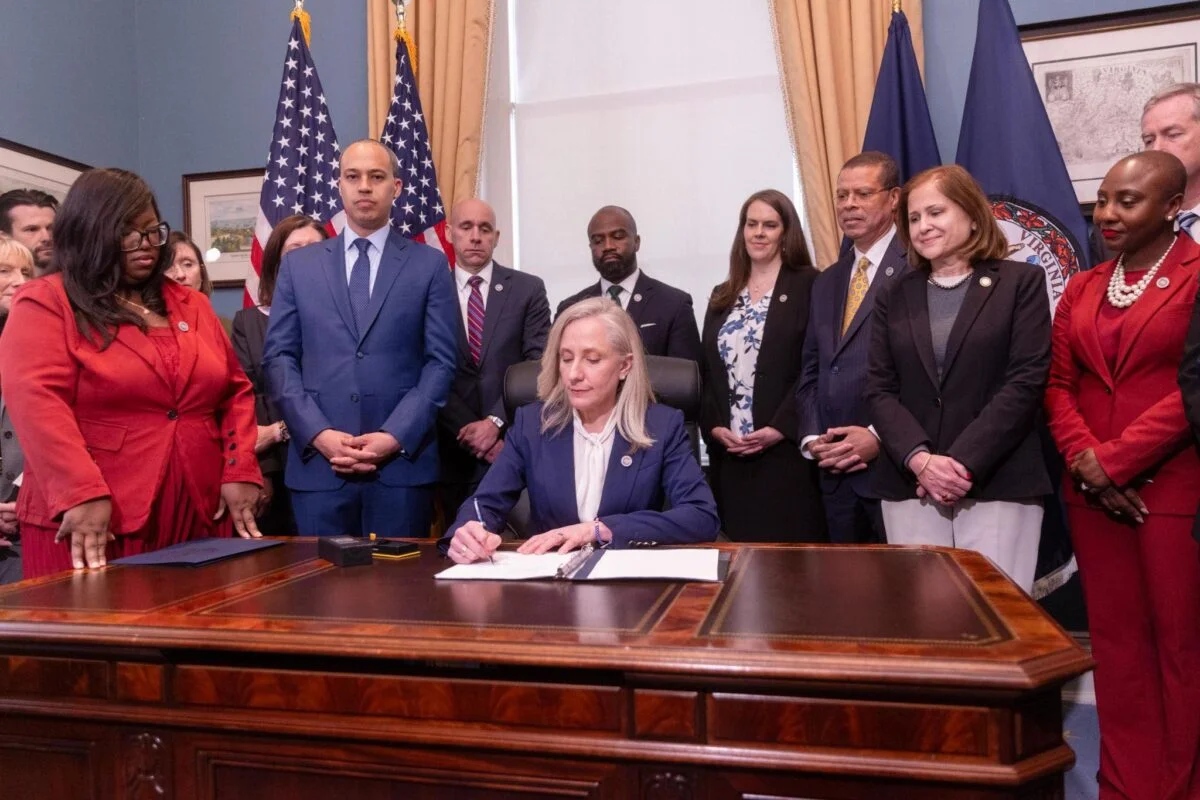
A violation is a Class 1 misdemeanor under Virginia Code § 18.2-11. The maximum exposure is 12 months in jail and a $2,500 fine. On top of the criminal penalty, anyone convicted of selling, transferring, importing, manufacturing, or purchasing a covered firearm or magazine is prohibited from purchasing, possessing, or transporting any firearm for three years from the date of conviction.
The three-year firearm prohibition is the practical sting. Federal law (18 U.S.C. § 922(g)(1)) only triggers a lifetime prohibition for felony convictions, so a Class 1 Virginia misdemeanor does not federally disable the defendant. State-level enforcement of the three-year ban runs through Virginia State Police and local agencies, and a state-issued CHP (concealed handgun permit) is voided during the prohibition window. The misdemeanor itself does not stack with federal prosecution.
The Lawsuits Filed Within 24 Hours
Four parallel legal challenges hit the docket within a day of the signing. The NRA, Firearms Policy Coalition, and Second Amendment Foundation filed a joint complaint in federal district court, arguing the law violates the Second Amendment under NYSRPA v. Bruen and the recent Supreme Court decision in Garland v. Cargill. The Virginia Citizens Defense League and Gun Owners of America filed a separate action in Virginia circuit court, focused on the state constitutional right to keep and bear arms (Article I, § 13) and the statute's vagueness.
A third state-court suit was filed by a coalition of Virginia firearm retailers, indoor ranges, and training schools, alleging an unconstitutional taking and irreparable harm to their businesses on July 1. U.S. Assistant Attorney General for Civil Rights Harmeet Dhillon has publicly committed that the Department of Justice will file its own action. The plaintiffs' immediate ask in all four cases is the same: a preliminary injunction blocking enforcement before the July 1 effective date.
The Fourth Circuit has historically been hostile to Second Amendment challenges to state assault-weapons bans. Maryland's ban survived in Bianchi v. Brown (en banc 2024), which is binding precedent in Virginia until the Supreme Court intervenes. The federal case is structured to push that question up. Expect any preliminary injunction ruling well before July 1; expect the merits to ride the docket for years.
What Virginia Gun Owners Should Do Before July 1
If you want a duty-configured AR-15, AK, or full-capacity semi-auto pistol on your Virginia FFL receipt, buy it before July 1, 2026. Once purchased and entered on a 4473, the rifle and any over-15 magazines that come with it are grandfathered for you. Document the purchase date with the dealer's receipt; the statute does not require registration, but the burden of proof on the grandfather defense will be on the owner if there is ever a question.
Stock magazines now. Sub-$15 PMAGs and Glock factory mags will not be available at retail in Virginia after July 1, and private transfers of over-15 magazines also fall under the ban. Cross-state purchases from Tennessee, North Carolina, or West Virginia after July 1 will be a transfer into Virginia, which the statute prohibits. The window for accumulating standard-capacity magazines through legal channels is the next 45 days.
If you build your own ARs, the same logic applies to receivers and complete uppers. A stripped lower transferred on a 4473 before July 1 is grandfathered as a firearm regardless of what is later built on it. Use our rifle builder to lock in a parts list and run the catalog for vendor coverage before the cutoff. Featureless builds are an option after July 1, but the easier path is to own the configuration you actually want before the law takes effect. For the full priority order, recommended rifles, and the stripped-lower play, see our Virginia AWB buying guide.
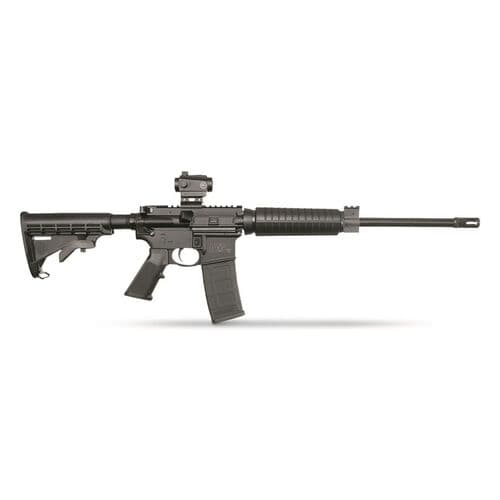
Smith & Wesson M&P15 Sport III
Cheapest duty-configured AR-15; entry-level Virginia 4473 slot under $700
Current-production M&P15 Sport III entry AR with mid-length gas and 15-inch M-LOK handguard.
- +Current Sport III spec is easier to source than legacy Sport II rows
- +15-inch M-LOK handguard supports a modern light/sling setup
- +1:8 twist is more flexible than the older Sport II 1:9 baseline
- −Still an entry-tier rifle rather than a duty-premium build
- −Legacy Sport II deal listings may not match these specs
- −Some upper/lower fit tolerance variation
Affiliate links (?)
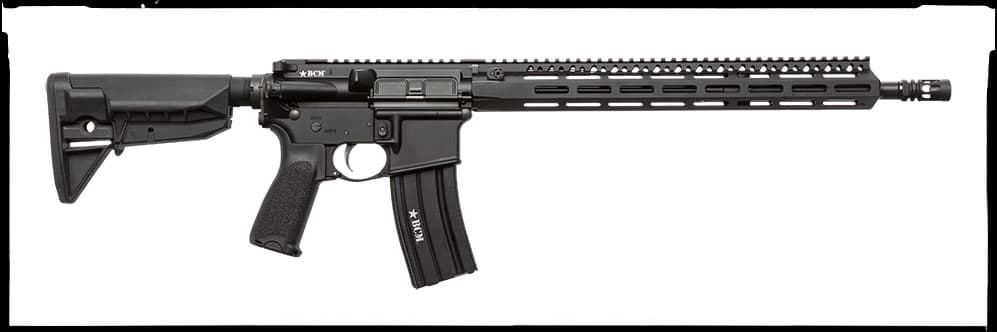
BCM RECCE-16 MCMR
Default mid-tier working rifle; CHF barrel and BCMGUNFIGHTER furniture
Combat-proven mid-length gas system with cold hammer forged barrel
- +Conservative BCM configuration with strong parts support
- +Professional-grade quality control with rigorous testing standards
- +Mid-length gas system provides smooth operation and reduced component wear
- −Premium pricing range reflects professional-grade components
- −Government profile barrel is heavier than lightweight alternatives
- −Not designed for sub-MOA precision shooting applications
Affiliate links (?)
Stripped AR-15 Lowers: Aero, Anderson, PSA Firearm-Slot Insurance
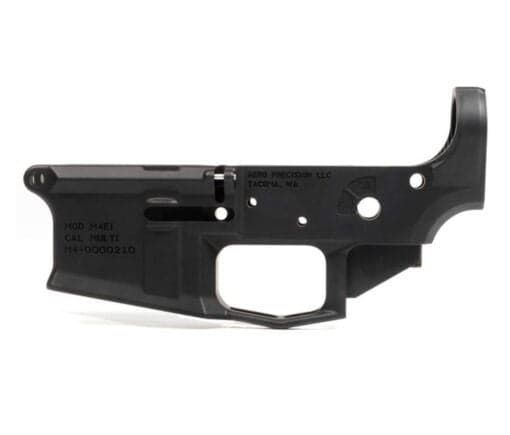
Aero Precision M4E1 Stripped Lower Receiver
- 7075-T6 forged aluminum
- Integrated trigger guard
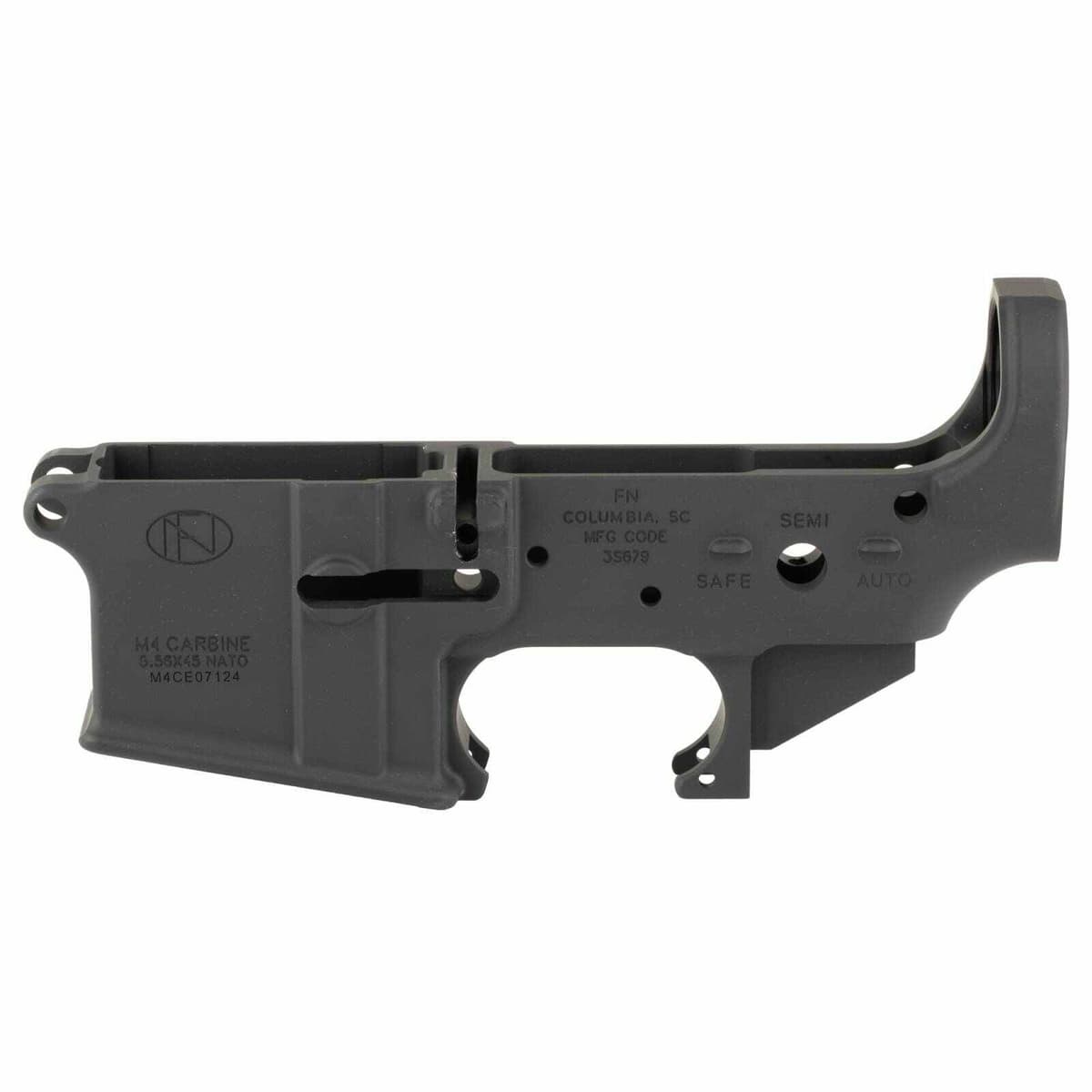
FN 15 Military Collector M4 Stripped Lower Receiver
- 7075-T6 forged, machined and broached to mil-spec
- FN M4 military-production roll markings
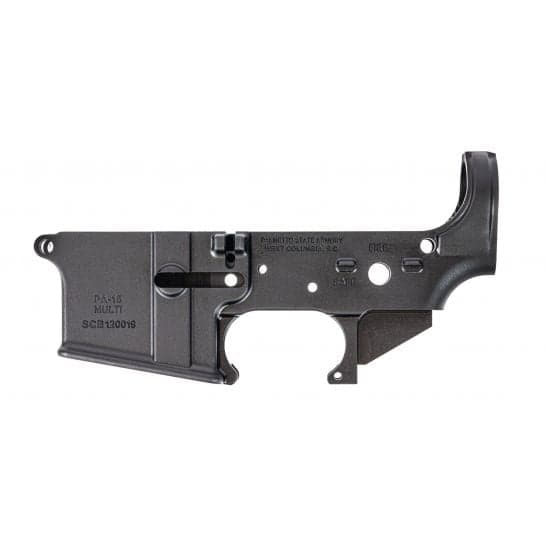
PSA Stealth Stripped Lower Receiver
- 7075-T6 forged aluminum
- Mil-spec dimensions
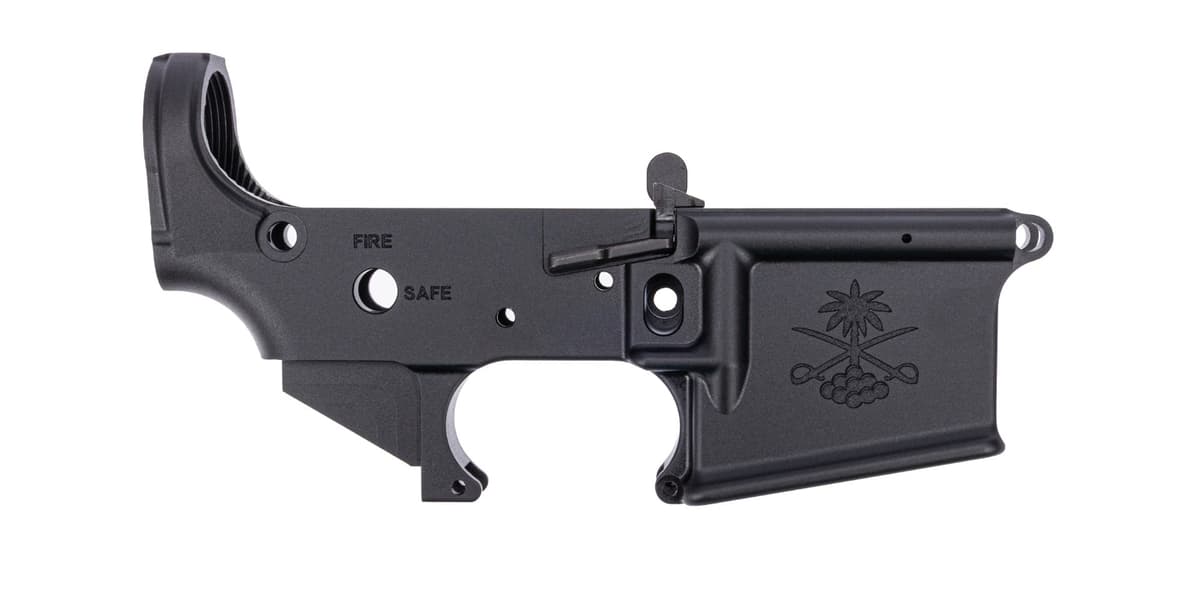
PSA Sabre-15 Ambi Lower Receiver
- Stripped AR-15 lower receiver
- 7075-T6 aluminum
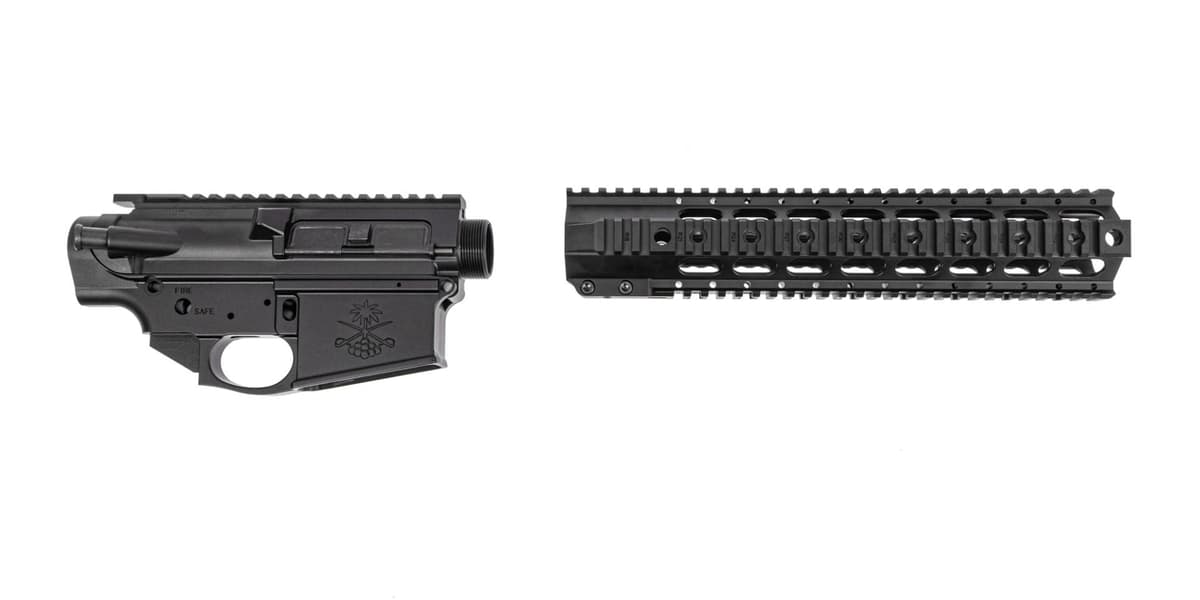
PSA Sabre-10 Builder Set (12.5" Quad Rail, Black)
- Matched Sabre-10 upper and lower receivers
- 12.5-inch black quad-rail handguard
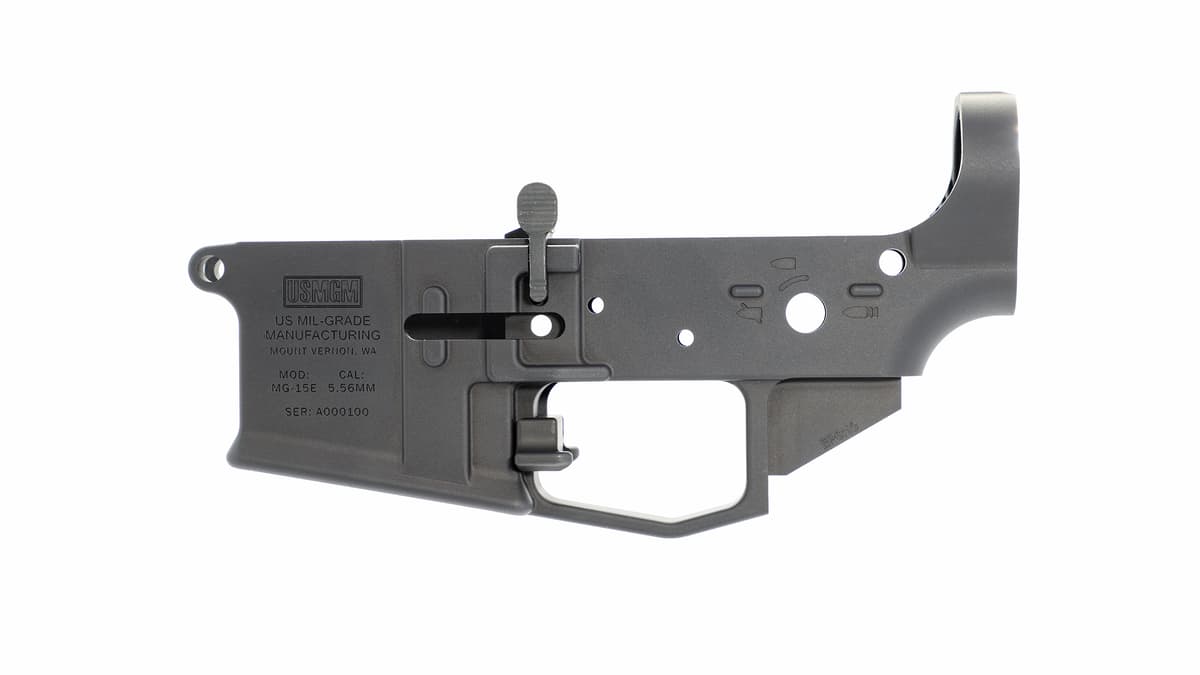
USMGM MG-15E Stripped Lower Receiver
- Billet 7075 aluminum, 9.3 oz
- SAEBR symmetrical ambi bolt catch and release
Affiliate links (?)
AR-15 Upgrades to Lock In Before July 1
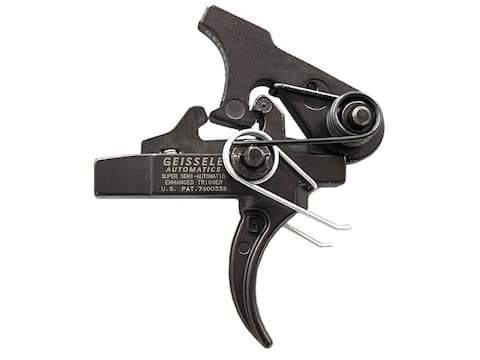
Geissele SSA Trigger
- 4.5lb total pull
- Two-stage
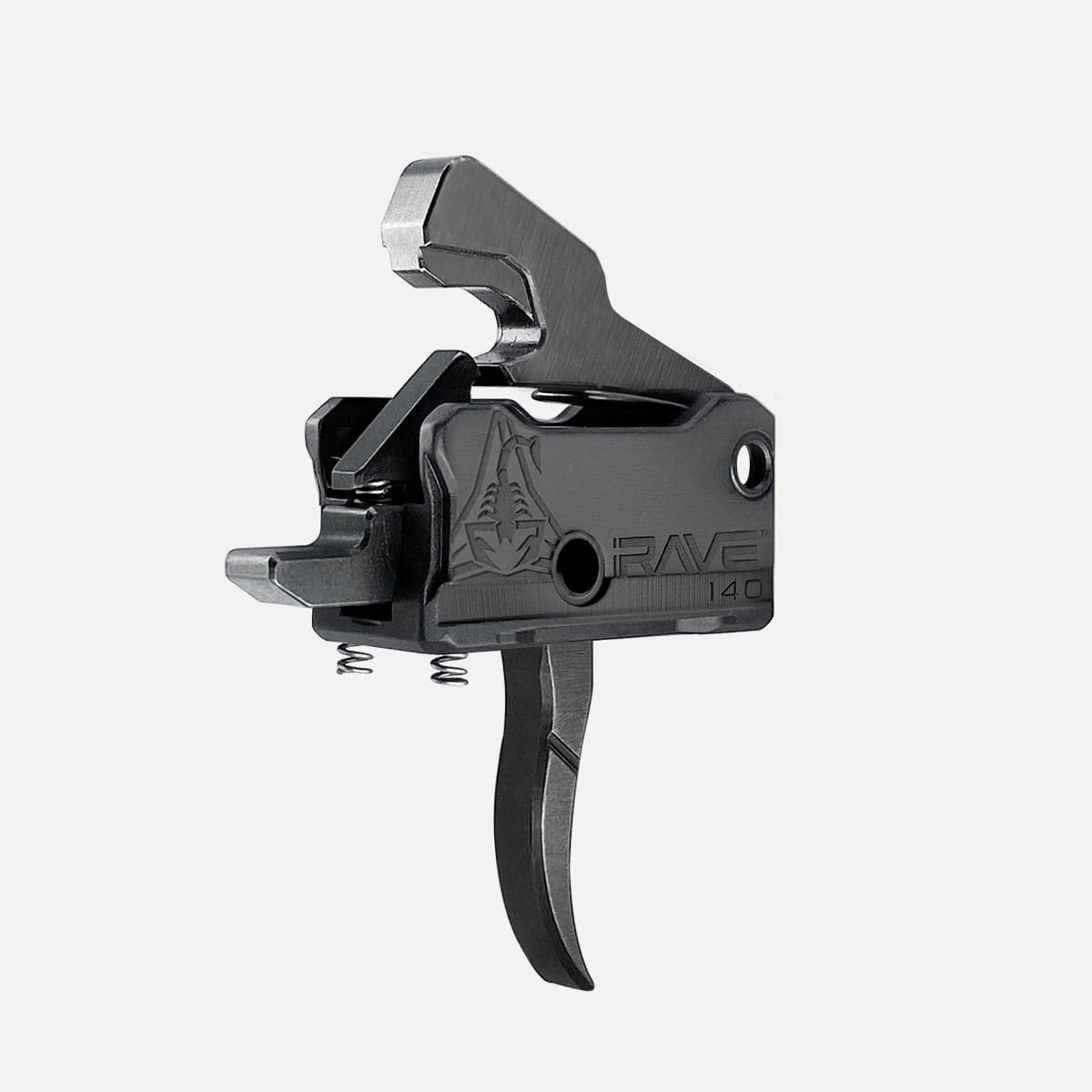
RISE Armament Rave 140 Curved Trigger
- Single stage
- 3.5 lb pull
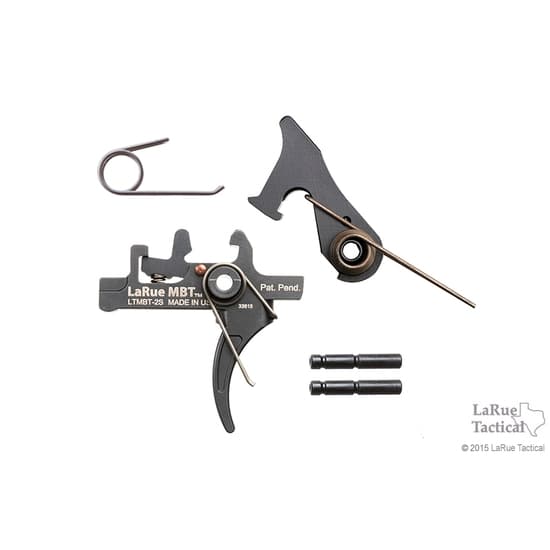
LaRue MBT-2S Trigger
- Two-stage
- 4.5lb total pull
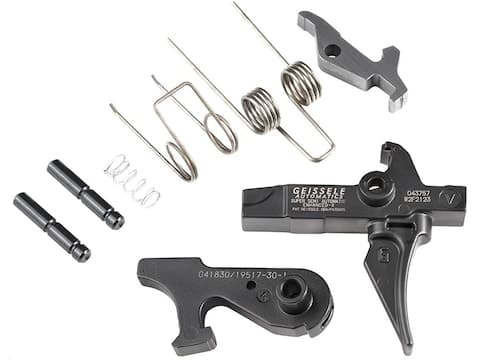
Geissele SSA-E Trigger
- Two-stage
- 3.5lb total pull
Affiliate links (?)
Track the Virginia Lawsuit Docket
We will publish a brief every time a Virginia AWB ruling hits, plus coverage of featureless rifle releases, state AG enforcement guidance, and the parallel cases in Washington, Oregon, and Illinois.
Frequently Asked Questions
▶When does Virginia's assault weapons ban take effect?
▶What guns are banned under Virginia HB 217 / SB 749?
▶Can I keep my AR-15 or PMAGs that I already own in Virginia?
▶Is the magazine limit 15 rounds or 10 rounds?
▶What is the penalty for violating Virginia's assault weapons ban?
▶Will the Virginia assault weapons ban be blocked by the courts?
▶Does this ban apply to AR-15 pistols or just rifles?
Bottom Line
Virginia is now the eleventh state to enact a state-level ban on the sale of semi-automatic centerfire rifles meeting a features test, alongside California, New York, New Jersey, Connecticut, Maryland, Massachusetts, Hawaii, Delaware, Illinois, and Washington. Maryland separately signed SB 334 on May 26, 2026 targeting Glock-style cruciform-trigger pistols, and Illinois is moving HB4471 on the same design-based theory rather than a feature test. NRA, FPC, and SAF filed a federal lawsuit against the Maryland law within hours of the signing. The Spanberger administration moved this through the General Assembly in under five months, picking up the bill Glenn Youngkin vetoed in 2024 and 2025 with no substantive amendment. The grandfather clause, the 15-round magazine ceiling, and the one-rifle-feature test all track the model legislation Everytown and Brady have been pushing in blue states since 2023.
The practical reality for Virginia gun owners is a 45-day window. Anything you want on your Virginia 4473 with a duty configuration needs to be acquired before July 1. After that date, the inventory at Virginia dealers will be limited to featureless rifles, manually operated long guns, sub-15-round pistols, pump shotguns, and semi-auto shotguns that clear the shotgun feature test. Magazines over 15 rounds drop out of commerce. The lawsuits will not resolve before July 1, and based on Fourth Circuit precedent in Bianchi v. Brown they are unlikely to resolve in plaintiffs' favor without Supreme Court intervention.
If you live in Virginia and you have been deferring a build, this is the deadline. Run the builder, pick the configuration, and complete the transfer before July 1. If you already own what you want, document the purchase date and stock magazines. The grandfather clause is the only thing standing between current Virginia owners and a functionally California-style market.
The market has already responded. Virginia background checks in May 2026 exceeded 75,000, more than double the May 2025 figure, with the state ranking second nationally for NFA checks. See our Virginia NICS surge breakdown for the month-by-month data and what categories are selling fastest.
What to buy after July 1: The Virginia FFL counter will still stock featureless rifles, fixed-mag ARs, pump shotguns, conventional semi-auto shotguns, tactical lever actions, and bolt-action suppressor hosts. Our best VA-legal tactical firearms guide ranks the twelve platforms that fit through SB 749's exemptions or clear the feature test outright.
Update June 25, 2026: A Lancaster County Circuit Court judge granted a preliminary injunction in Crump v. Katz, blocking enforcement of the ban through at least December 31, 2026, before the July 1 effective date. See our Crump v. Katz injunction coverage for the ruling, what the injunction does, and what the other four lawsuits look like. The Supreme Court also agreed on June 30, 2026 to hear Viramontes v. Cook County and Grant v. Higgins, cases that could strike down assault weapons bans across roughly a dozen states, including Virginia. See our Supreme Court AR-15 ban coverage for the full case analysis and what a ruling means for ban states.
Update July 23, 2026: The Third Circuit ruled 10-5 en banc on July 17 that New Jersey's assault-firearm ban and 10-round magazine cap violate the Second Amendment. NJ State Police told federally licensed dealers the ruling takes effect July 31, 2026. It is the first federal appeals court to strike down a state-level assault-weapons ban post-Bruen, and it creates a direct circuit split with the Fourth Circuit's Bianchi v. Brown ruling that will shape the Viramontes arguments this fall. See our Third Circuit NJ ruling coverage for the July 31 timeline, what NJSP told dealers, and what is still banned in New Jersey. In Virginia, a Washington County judge clarified on July 9 that his injunction in Santolla v. Katz pauses the ban statewide, and gun shops resumed selling AR-15s and magazines over 15 rounds on July 21. See our statewide injunction and resumed-sales coverage.