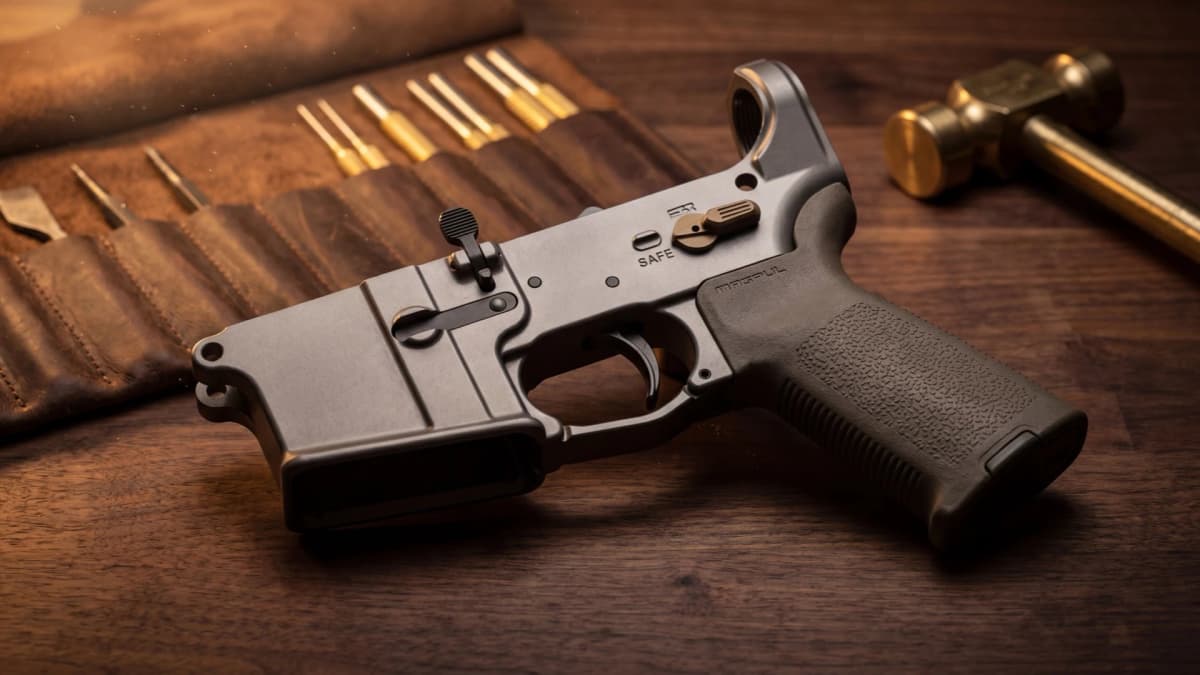
Best AR-15 Safety Selectors 2026: Ambi, Short-Throw & Duty Picks header image
Gear
May 15, 2026
Best AR-15 Safety Selectors 2026: Ambi, Short-Throw & Duty Picks

Eight AR-15 safety selectors ranked by detent feel, throw geometry, and ambi configurability. Radian Talon best overall, Battle Arms BAD-ASS Pro best budget ambi, FCD ASF-50Q best premium build. Plus mil-spec, Geissele Posi-Snap, Badger C1, Seekins, and Magpul ESK.

[ < Back to guides ]
Buying guideLower parts

Best AR-15 Safety Selectors 2026: Ambi, Short-Throw & Duty Picks

The right AR-15 safety selector is the one with a detent that does not wear soft and a throw geometry that matches how you shoot. We rank eight selectors from the $8 mil-spec baseline to the $90 FCD ASF-50Q, explain when 45, 60, and 90 degrees each make sense, and tell you which one to buy for a duty rifle, an ambi lower, a competition build, and a budget gun.

By AB|Last reviewed May 2026
Assumes knowledge of
Best AR-15 Lower Parts Kits 2026->

Best AR-15 Safety Selectors Ranked (2026)

Ranked by detent feel, throw geometry, ambi configurability, and value. Short-throw matters less than a positive detent that does not wear soft. Steel beats aluminum on duty guns; polymer is fine on range rifles.

1

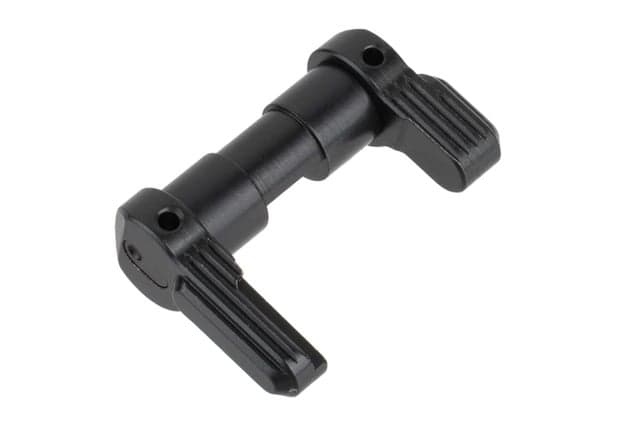
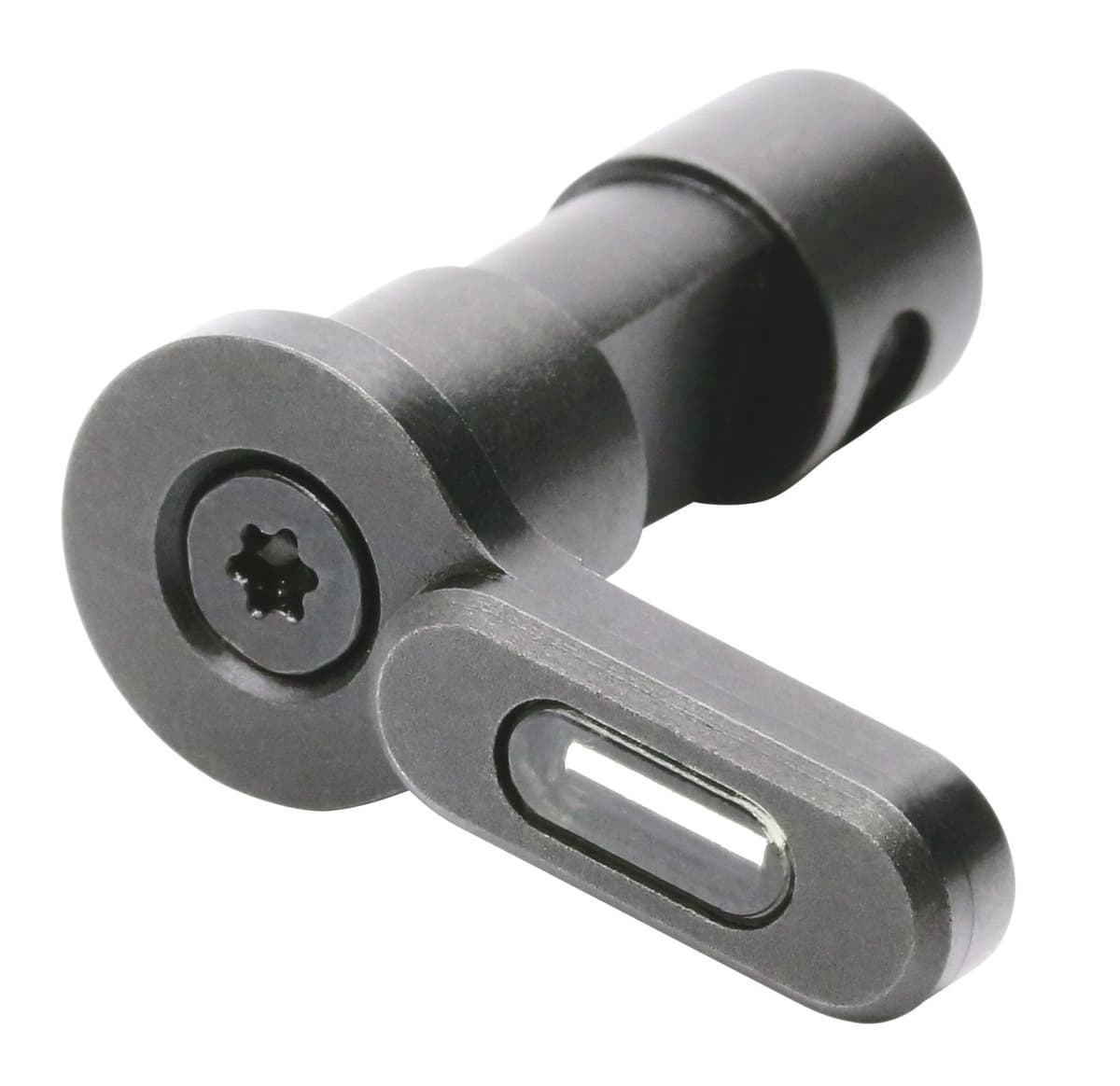
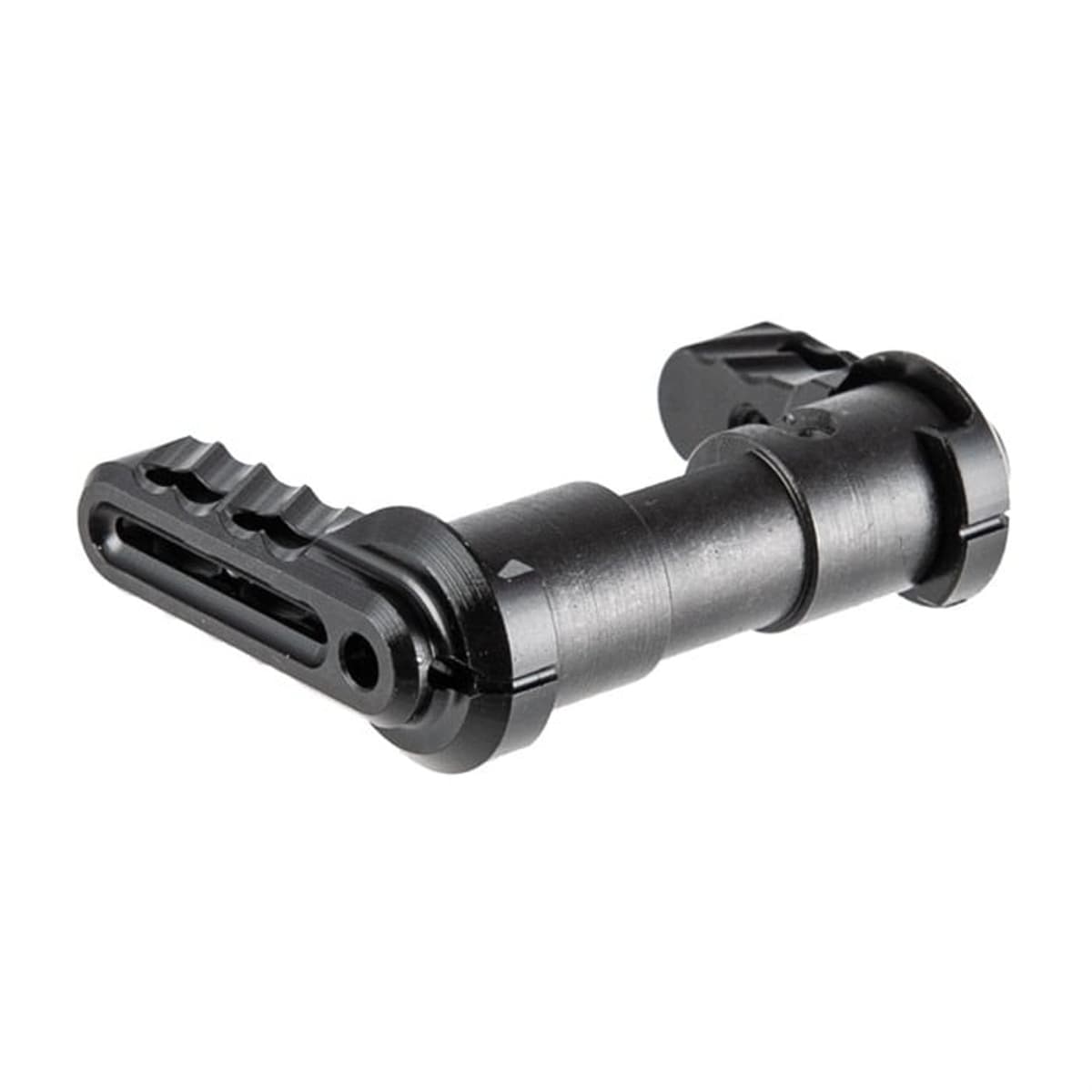
Radian Talon

Best Overall - The default ambi safety upgrade. Tool-less levers, configurable throw, zero set screws.

$64.95
View at OpticsPlanet
Tool-less Install45° or 90°
  • +Spring-loaded dovetail retention has no screws to loosen
  • +45 or 90 degree throw by rotating the shaft 180 degrees
  • +Tool-less lever swap, true drop-in
  • Aluminum levers less durable than steel for duty use
  • Lever profile is fixed (no short or low-profile option)
  • Four-lever kit costs extra for full configurability
Throw: 45° or 90° (configurable)Material: Billet 7075 aluminum / hardened steel shaftOperation: AmbidextrousWeight: 0.9 oz
2

Battle Arms BAD-ASS Pro

Best Budget Ambi - Steel construction and a real 60 degree short throw under $50.

$40
Shop at Brownells
Best Value Ambi60° Short Throw
  • +Full steel construction at the price of polymer competitors
  • +True 60 degree short throw, not an enhanced 90
  • +No lower receiver relief cut required
  • Threaded lever install slower than Radian dovetail
  • Set screws need threadlocker on hard-use guns
  • Phosphate finish is functional but not refined
Throw: 60° or 90° (reversible)Material: Swiss CNC steel / 8620 cast steel leversOperation: AmbidextrousWeight: 1.2 oz
3

Forward Controls Design ASF-50Q

Best Premium Build - 50 degree throw splits race-gun speed and duty deliberateness. Full steel.

$90
View at OpticsPlanet
50° ThrowOffset Q Levers
  • +50 degree throw is the geometry sweet spot for duty work
  • +Offset Q levers reduce thumb reach to sweep back to safe
  • +Full 8620 steel, KNS upgraded detent included
  • Throw is non-configurable, no 90 degree option
  • Roll-pin lever attachment requires a punch
  • Niche brand with thin dealer availability
Throw: 50° (fixed)Material: Billet 8620 steel, nitridedOperation: Ambidextrous (long + short offset Q)Weight: 0.9 oz
4

Badger Ordnance Condition One

Best Duty Selector - 60Rc detent and 4140 steel for a safety that will outlast the rifle.

$85.99
View at OpticsPlanet
Premium SteelRed Indicator
  • +60Rc hardened detent will not wear soft over time
  • +4140 steel construction tougher than aluminum competitors
  • +Red enamel indicator provides instant visual fire/safe verification
  • Steel adds weight versus aluminum selectors
  • Roll-pin lever attachment, not tool-less
  • Red enamel can chip with hard use over years
Throw: 60° or 90° (configurable)Material: 4140 case-hardened steelOperation: Ambi or single-sideWeight: 1.0 oz
5

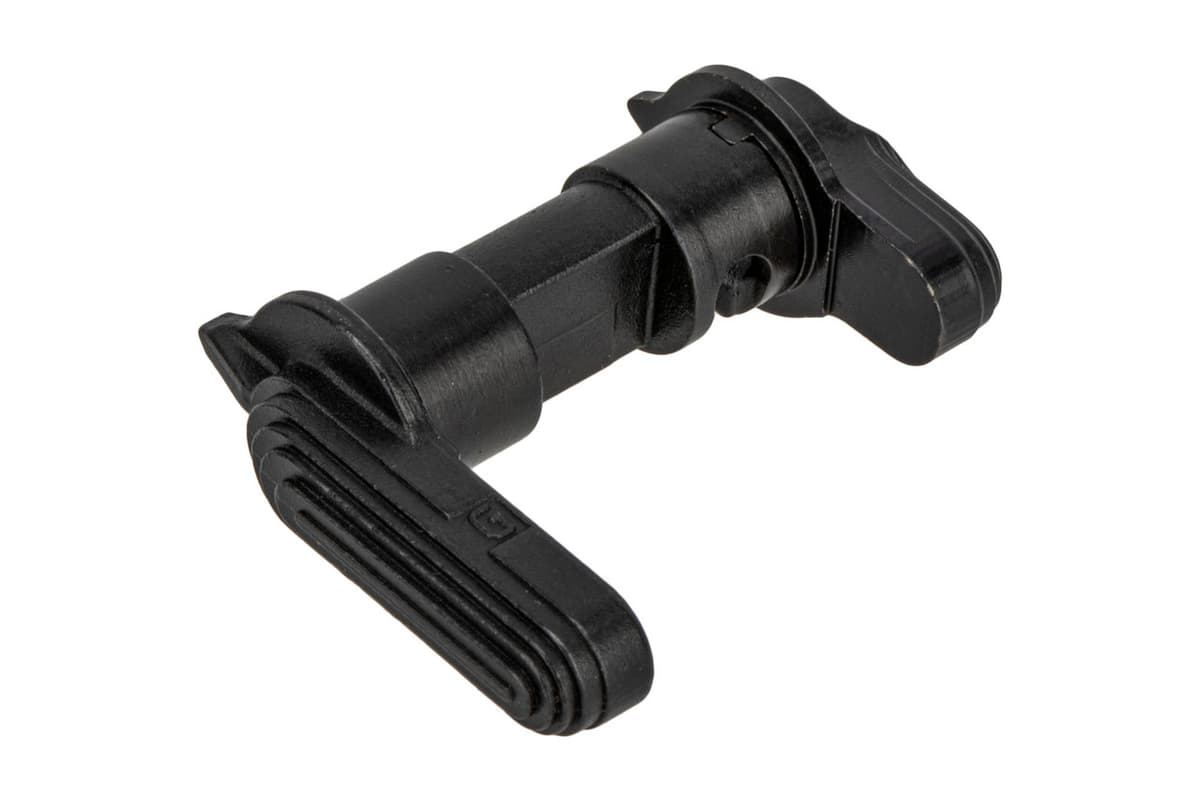
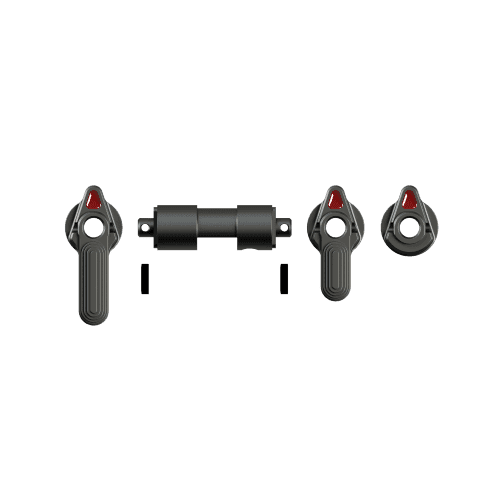
Geissele Ambi Posi-Snap

Best Detent Feel - Sharpest, most audible snap-into-position click in the category.

$42
Shop at Brownells
Sharpest DetentStainless Steel
  • +Posi-Snap engagement ramp produces the most positive click in this lineup
  • +Detent feel does not wear soft over thousands of cycles
  • +Full 400 series stainless steel, nitride finished
  • No short-throw option, 90 degrees fixed
  • Less lever configurability than Radian or Magpul
  • Lower-profile weak-side lever sold separately
Throw: 90° (fixed)Material: 400 series stainless steelOperation: AmbidextrousWeight: 0.9 oz
6

Seekins Precision Ambi Safety

Best Mid-Tier Ambi - Real steel drum, configurable throw, available in red for competition.

$57.00
View at OpticsPlanet
Flip-Drum 60/90
  • +Lightweight at 0.7 oz, lightest ambi on the list
  • +Dual-throw drum switchable without buying parts
  • +Red color option doubles as a visual fire indicator
  • Not compatible with Hiperfire triggers (Seekins-documented)
  • Aluminum levers wear faster than steel options
  • No 45 or 50 degree short throw option
Throw: 60° or 90° (flip drum)Material: 1144 steel drum / 6061 aluminum leversOperation: AmbidextrousWeight: 0.7 oz
7

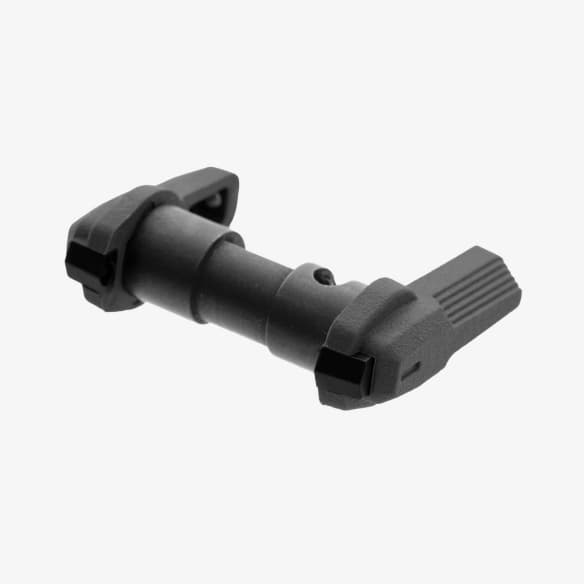
Magpul ESK

Best Configurability - Three lever shapes and six indicator pins out of the box for under $50.

$45.95
View at OpticsPlanet
3 Lever StylesTool-less Levers
  • +Three lever styles included (full, short, hybrid)
  • +Press-on keyway attachment, tool-less swap
  • +QPQ chromoly steel drum is extremely durable
  • Polymer levers less durable than aluminum or steel
  • Not compatible with select-fire lowers
  • Polymer can flex slightly under aggressive manipulation
Throw: 60° or 90° (reversible drum)Material: Chromoly steel drum / polymer leversOperation: AmbidextrousWeight: 0.8 oz
8

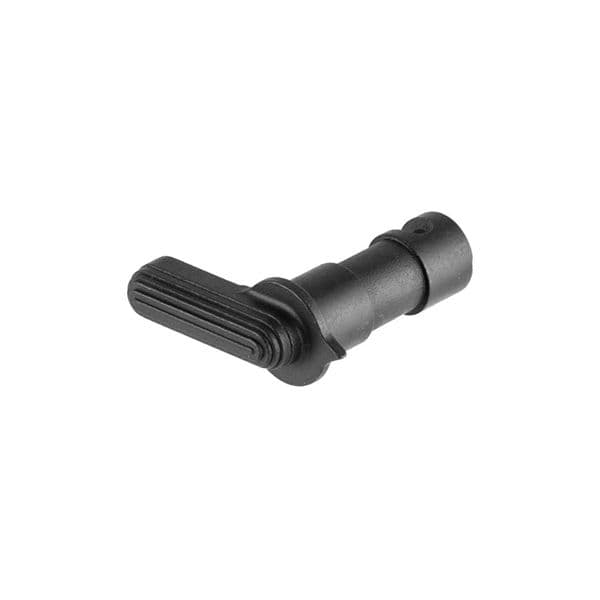
Mil-Spec Single-Side Selector

Best Bare-Bones Baseline - Already in your LPK. Do not upgrade until you need ambi or short throw.

$8
Shop at Brownells
Budget Baseline
  • +Costs less than a magazine
  • +Universally compatible
  • +Positive detent engagement
  • Left side only, no ambi capability
  • 90 degree throw is the slowest geometry in the category
  • Narrow lever profile hard to find by feel
Throw: 90° (fixed)Material: SteelOperation: Single-side (left)Weight: 0.6 oz

Prices reflect typical retail at time of writing. Purchasing through these links may generate a commission at no cost to you.

Affiliate links - purchases support this site at no extra cost to you. (?)

Throw Angle: 45° vs 60° vs 90°

Throw angle is the single biggest difference between selectors, and most shooters never think about it. The number is how far the lever rotates between safe and fire. Shorter is faster but less deliberate; longer is slower but harder to bump accidentally. The right throw depends on how the rifle is used, not on which sounds more tactical.

Throw

45° race-gun

Minimal thumb travel, fast to flip, less tactile commitment when wiping back to safe

Best for

USPSA/3-Gun guns where the selector lives on fire for entire stages

Examples: Radian Talon (configurable to 45°)
Throw

50° to 60° short

Noticeably faster than mil-spec without the loose feel of a 45° race throw. Most aftermarket selectors settle here.

Best for

General-purpose duty, home defense, and patrol carbines. The category sweet spot.

Examples: FCD ASF-50Q, Battle Arms BAD-ASS Pro (60°), Badger C1 (60°), Seekins (60°)
Throw

90° mil-spec

Deliberate, unmistakable sweep. Hardest to engage by accident under gear or in a holster.

Best for

Issued-rifle muscle-memory, agencies that mandate mil-spec geometry, suppressor hosts where the can drives gear contact at the selector

Examples: Mil-spec, Geissele Ambi Posi-Snap, Radian Talon (configurable to 90°)
Pro tip

60 degrees is the right answer for 80 percent of builds. The Battle Arms BAD-ASS Pro, Badger C1, and Seekins all land here. Go shorter (45° or 50°) only if you compete; go longer (90°) only if you run gear-heavy duty or train alongside issued rifles.

Best Selector by Use Case

Match selector to mission. The Radian Talon is the default recommendation; everything below is the case for a different answer.

General-purpose AR / home defense

Radian Talon ($50) or Battle Arms BAD-ASS Pro ($40)

Ambi with a usable short throw. Talon if you want tool-less levers; BAD-ASS Pro if you want steel at the same money.

Left-handed shooter

Any ambi on this list; Radian Talon is the default

All five ambi selectors above the mil-spec entry will work. Talon's tool-less dovetail makes lever-swap trivial when you decide which side gets the long lever.

Duty / patrol rifle

Badger Ordnance C1 ($80) or Geissele Ambi Posi-Snap ($42)

Steel construction, hardened detents, red visual indicator on the Badger. Posi-Snap if you want the sharpest tactile click in gloves.

Competition / USPSA carbine

Radian Talon at 45° throw, or FCD ASF-50Q

Short throw matters here. Talon's configurable 45° is the cheapest path; FCD's 50° offset Q levers are the considered choice.

Budget lower / training rifle

Mil-Spec selector (already in your LPK) or Magpul ESK ($47)

If you have not noticed the stock selector, leave it. ESK is the right step up when you want ambi and color-coded indicators without spending duty money.

Geissele-equipped rifle

Geissele Ambi Posi-Snap ($42)

Matches the trigger's detent feel and ships with the same nitride finish as Geissele's other lower parts. Single-side Posi-Snap ($20) if you do not need the off-side lever.

Ambi vs Single-Side: Who Actually Needs Both Levers

Left-handed shooters always need ambi. The mil-spec selector is operated by the right thumb, so a southpaw running mil-spec has to break grip every time the rifle goes from safe to fire. Right-handed shooters benefit from ambi when they transition off the support shoulder, work corners with reversed grip, or run a vertical foregrip that puts the support thumb near the controls.

The case for single-side is mostly about gear interference. A long off-side lever can catch on slings, body armor, or the shooter's own trigger finger during high-grip presentations. That is why every premium ambi safety (Badger C1, Radian Talon, FCD ASF-50Q) ships with a short off-side lever or a flush condition-indicator cap. The right setup for most right-handed shooters is a long strong-side lever and a short, low-profile weak-side lever, not symmetric long levers on both sides.

For the larger debate on which fire control group to pair with your new selector, see our AR-15 trigger guide and the head-to-head Geissele SSA vs LaRue MBT-2S comparison. Selector and trigger are the two parts that change how the rifle feels in your hand more than any other lower upgrade.

Detent Feel Matters More Than Throw Angle

The single most underrated specification on a safety selector is the detent. The detent is the spring-loaded ball that engages a pocket in the selector center and tells you (and your thumb) that the rifle is on safe or fire. A sharp, deep detent gives you an unmistakable click. A worn, shallow detent gives you ambiguity, which is the last thing you want from a safety.

Three selectors in this guide stand out for detent geometry. The Geissele Ambi Posi-Snap is built around its detent ramp; it produces the hardest snap-into-position click in the category. The Badger Ordnance Condition One uses a detent hardened to 60Rc, which means it will not wear into a mushy feel even after thousands of cycles. Forward Controls Design ships their ASF-50Q with a KNS nitrided detent, an upgrade over the factory part that the rest of the field still uses.

Cheaper selectors share a mil-spec detent ball and a softer engagement pocket. They feel positive out of the box and wear into something less positive over time. If you shoot in gloves, in low light, or with hearing protection on, prioritize the Geissele or Badger over a shorter throw.

Compatibility and Install Notes

The selector pocket is one of the most standardized parts of the AR platform, so cross-compatibility is rarely a problem. The edge cases below are worth knowing before you order.

  • Every selector on this list fits any mil-spec AR-15 or AR-10 lower. The selector pocket is one of the most standardized parts of the platform.
  • Hiperfire triggers are the documented exception. Seekins explicitly warns against their selector with Hiperfire FCGs; Radian and FCD work fine.
  • Select-fire and registered M16/SBR receivers need full-auto selectors. The Magpul ESK is semi-auto only; the Battle Arms BAD-ASS Pro Full Auto variant exists for NFA hosts.
  • AR-10 / SR-25 / LR-308 lowers accept AR-15 selectors because the selector pocket geometry is shared. Confirm with the manufacturer for Armalite-pattern AR-10s, which are not always cross-compatible.
  • Geissele Super Safety Cut (SSA, SSA-E, SSA-X, SD3G) triggers do not block standard selectors. They only matter when you are running a forced reset selector like the Atrius G-Lever.
Install reality check

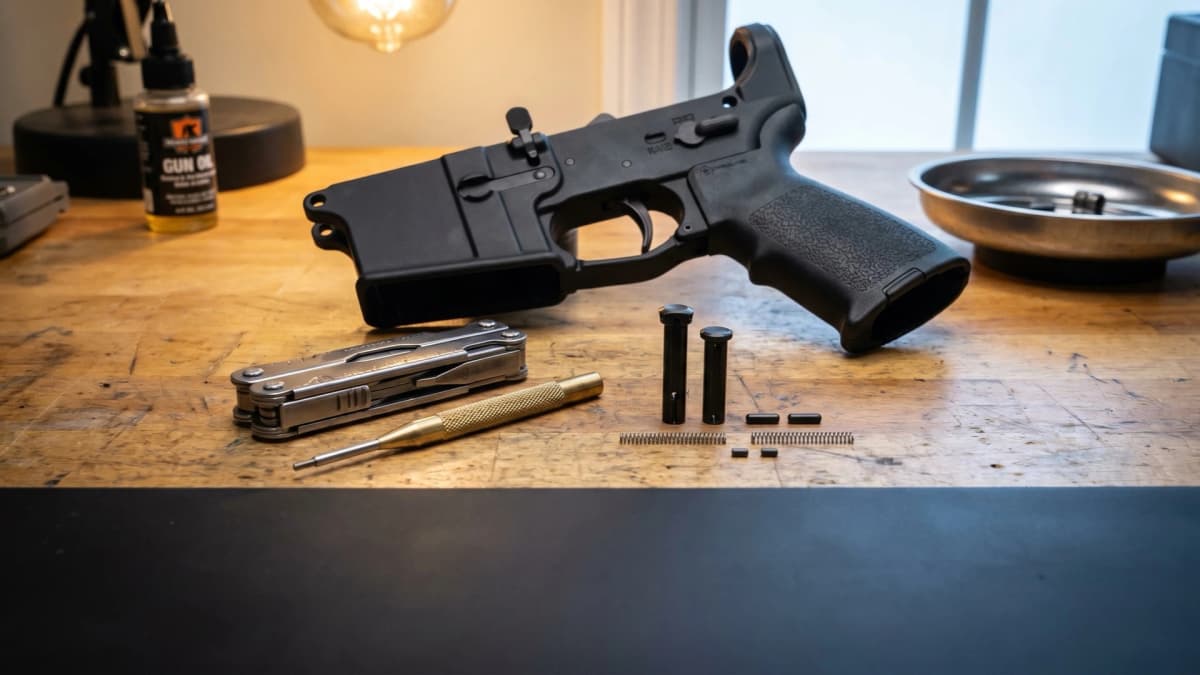
Selector swaps take 10 to 15 minutes with a punch and a brass hammer. Threaded-lever designs (Battle Arms BAD-ASS Pro, Magpul ESK levers) want blue threadlocker on the set screws. Tool-less dovetail designs (Radian Talon) have no fasteners to secure. Run a function check (safe blocks trigger, fire releases hammer, hammer stays captured after slam test) on the completed lower before going hot.

When Not to Buy a Forced Reset Selector

Forced reset selectors (FRS) like the Atrius FRS, AS Designs Arc-Fire, and Mars 3-Position are not regular safety selectors. They replace the safety with a three-position part that uses bolt carrier energy to mechanically reset the trigger for very rapid semi-automatic fire. They serve a different purpose, they cost three to six times more than the safeties ranked above, and they are subject to state-level restrictions that do not apply to standard selectors.

If you are looking for a normal AR-15 safety upgrade, buy something on the list above. If you are specifically shopping for FRS-style rapid fire, the dedicated Super Safety guide and FRT Buyer's Guide 2026 cover those parts. They are not recommended for duty or defensive use.

Pair Your Selector With the Right Lower

A premium ambi safety is held back by a lower parts kit with cast bolt catches and unhardened detents. If you are upgrading the selector on a budget LPK, walk through the rest of the kit while the grip is off. The lower parts kit guide ranks the kits that ship with proper components from the factory (SOLGW Liberty Fighting LPK, Daniel Defense, CMMG) so you do not end up replacing the rest of the lower piecemeal over the next year.

Building from a stripped lower? Run the custom AR-15 builder to see how the Radian Talon, BAD-ASS Pro, and Posi-Snap stack against the rest of your control choices: grip, trigger, charging handle, and stock all interact at the hand.

Safety Selector FAQ

What is the best AR-15 safety selector?
The Radian Talon ($50) is the best AR-15 safety selector for most builds. It uses a tool-less dovetail lever attachment with a spring-loaded retention stud (no set screws to back out), is configurable for 45 or 90 degree throw by flipping the shaft, and ships with an ambidextrous kit. For a steel alternative at a lower price, the Battle Arms BAD-ASS Pro ($40) is the budget pick.
What is the difference between 45, 60, and 90 degree safety selectors?
The number is how far the lever rotates between safe and fire. Mil-spec is 90 degrees, which is the slowest but most deliberate. 60 degree is the duty short-throw standard, where most aftermarket selectors land (Badger C1, BAD-ASS Pro, Seekins). 45 to 50 degree is race-gun territory, fastest to manipulate but easier to bump accidentally. The Radian Talon is the only common selector that lets you switch between 45 and 90 without buying new parts.
Are short-throw safety selectors worth it?
On a general-purpose or competition rifle, yes. A 60 degree short throw shaves perceptible time off engaging fire from safe and feels less like wading through travel. On a duty rifle with gear contact, holster wear, or a sling pressing into the controls, the longer 90 degree throw is harder to disengage accidentally. Most builds benefit from 60 degree; duty and suppressor hosts often stay at 90.
Do I need an ambidextrous safety selector?
Left-handed shooters need ambi because the mil-spec lever is operated by the right thumb. Right-handed shooters benefit from ambi when they shoot off the support shoulder, work around corners with reversed-grip transitions, or run a vertical foregrip that puts the support thumb near the receiver. For a static range or duty rifle that always shoots strong-side, single-side is fine. The Radian Talon, BAD-ASS Pro, and Geissele Posi-Snap are the three ambi defaults.
What is the difference between the BAD-ASS and the BAD-ASS Pro?
The BAD-ASS Pro is Battle Arms' duty-grade rework of the original BAD-ASS. The Pro uses Swiss CNC-machined hardened steel for the center (versus cast on the original), eliminates the lower receiver relief cut that the legacy BAD-ASS required for short-throw use, and ships with a recessed 5/64 set screw that resists stripping. The Pro is the version to buy; the original is discontinued.
Is the Geissele Posi-Snap worth $42 over a mil-spec selector?
Yes if you want the sharpest detent feel in the category. The Posi-Snap geometry uses a deliberate engagement ramp instead of a smooth pocket, so the selector snaps into position with a hard, audible click that does not wear soft. There is no short-throw option (90 degree fixed), so the upgrade is purely detent feel and stainless steel construction. Pair it with a Geissele trigger and the rifle feels engineered.
Will a Radian Talon fit my AR-10 or SR-25?
Yes. Radian designed the Talon for AR-15, AR-10, SR-25, SIG MCX, and SIG MPX platforms. The selector pocket geometry is shared across all these hosts. The same is true of the Badger C1 and Magpul ESK. Confirm with the manufacturer for Armalite-pattern AR-10s, which do not always share mil-spec selector dimensions.
Are forced reset selectors safety selectors?
Technically yes (they replace the safety selector), but functionally no. Forced reset selectors like the Atrius FRS, AS Designs Arc-Fire, and Partisan Disruptor add a third position that uses bolt carrier energy to mechanically reset the trigger for rapid semi-automatic fire. They are not a general-purpose safety upgrade and they are not legal in every state. For a normal AR-15 safety upgrade, stick to the Talon, BAD-ASS Pro, or one of the other selectors ranked above. See our separate Super Safety guide for forced reset selectors.
Can I install a safety selector at home?
Yes. Selector swaps require punching out the pistol grip, removing the detent and spring, sliding the old selector out, and reversing the process with the new one. Most aftermarket selectors take 10 to 15 minutes with a punch and a brass hammer. Threaded-lever designs (BAD-ASS Pro, Magpul ESK levers) benefit from blue threadlocker on the set screws. Tool-less designs (Radian Talon) have no fasteners to secure.