Best AR-15 Magazines 2026: PMAG vs Duramag (Why We Skip Lancer)
Magazine failures cause more avoidable AR stoppages than most parts in the system. This guide covers what actually matters when choosing an AR-15 magazine: feed geometry, material, spring behavior, caliber-specific compatibility, and realistic durability under repeated drops. If you are choosing between PMAG, Duramag, and other options, start here.
What Makes an AR-15 Magazine Reliable
Reliability is not a brand logo. It is a system result. A good AR-15 magazine must lock firmly, feed across full capacity, survive drop impacts, and drop free when empty and loaded. The critical checks are:
- Consistent bolt-over-base resistance near full compression.
- No front-to-back rocking that changes presentation angle.
- Predictable seating on a closed bolt during speed reloads.
- No crack growth around feed lips or spine after repeated drops.
- Reliable lock-back on last round with your buffer and gas setup.
- No round spit-out when the baseplate is struck during reloads or movement.
If your rifle is sensitive to magazine geometry, tune reliability with our gas and buffer guide after you isolate magazine variables.
AR-15 Magazine Picks from the Catalog
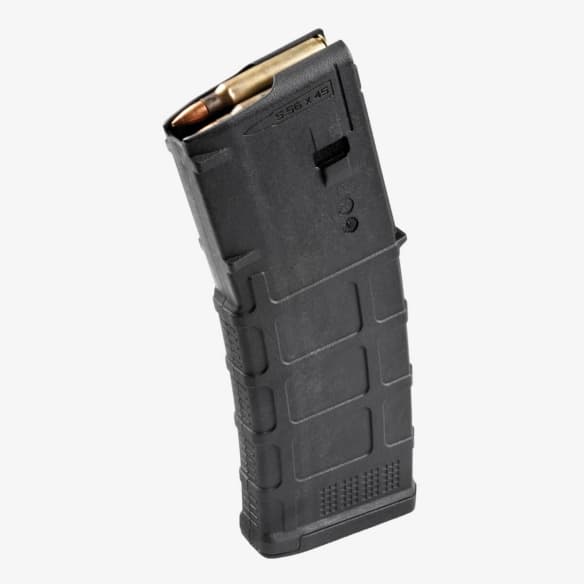
Magpul PMAG Gen 3 30-Round
Industry-standard polymer AR magazine
- 30-round
- 5.56/.223
- Polymer
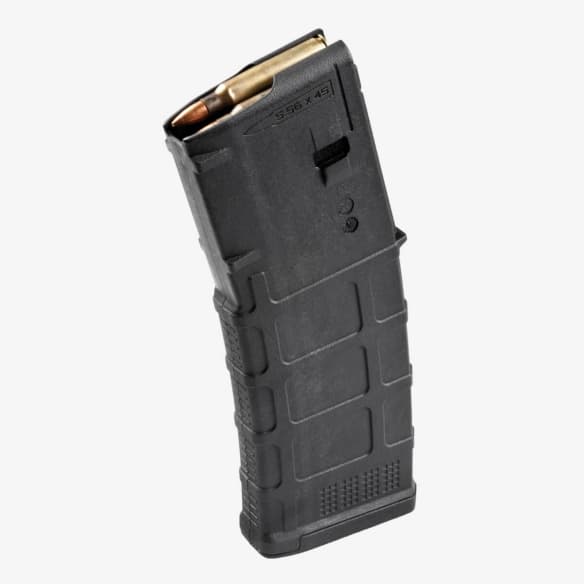
Magpul PMAG 30 AR/M4 GEN M3
30-round polymer magazine
- 30 rounds
- 5.56/.223
- Window option available
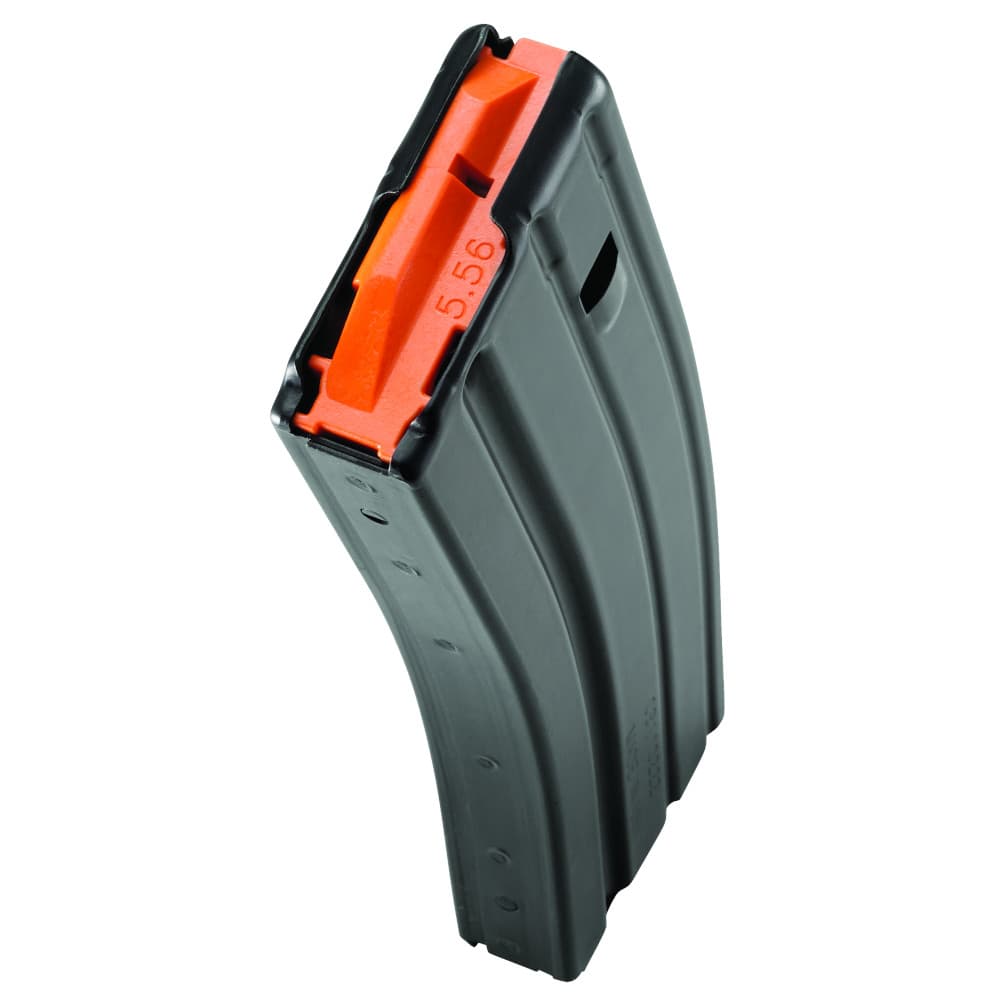
DURAMAG SPEED 30-Round Aluminum Magazine
Current-production 30-round aluminum STANAG magazine for 5.56, .223, and .300 BLK
- 30 rounds
- 6061-T6 aluminum
- Anti-tilt follower
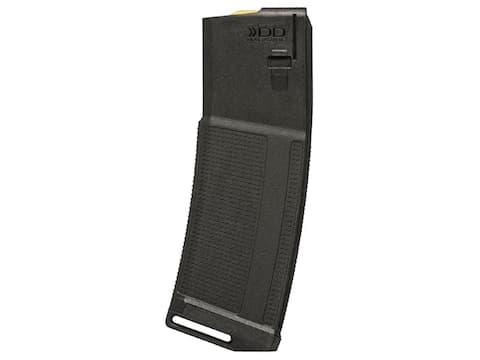
Daniel Defense 32-Round Magazine
Premium 32-round polymer magazine with enhanced reliability
- 32 rounds
- 5.56/.223
- Carbon-fiber reinforced
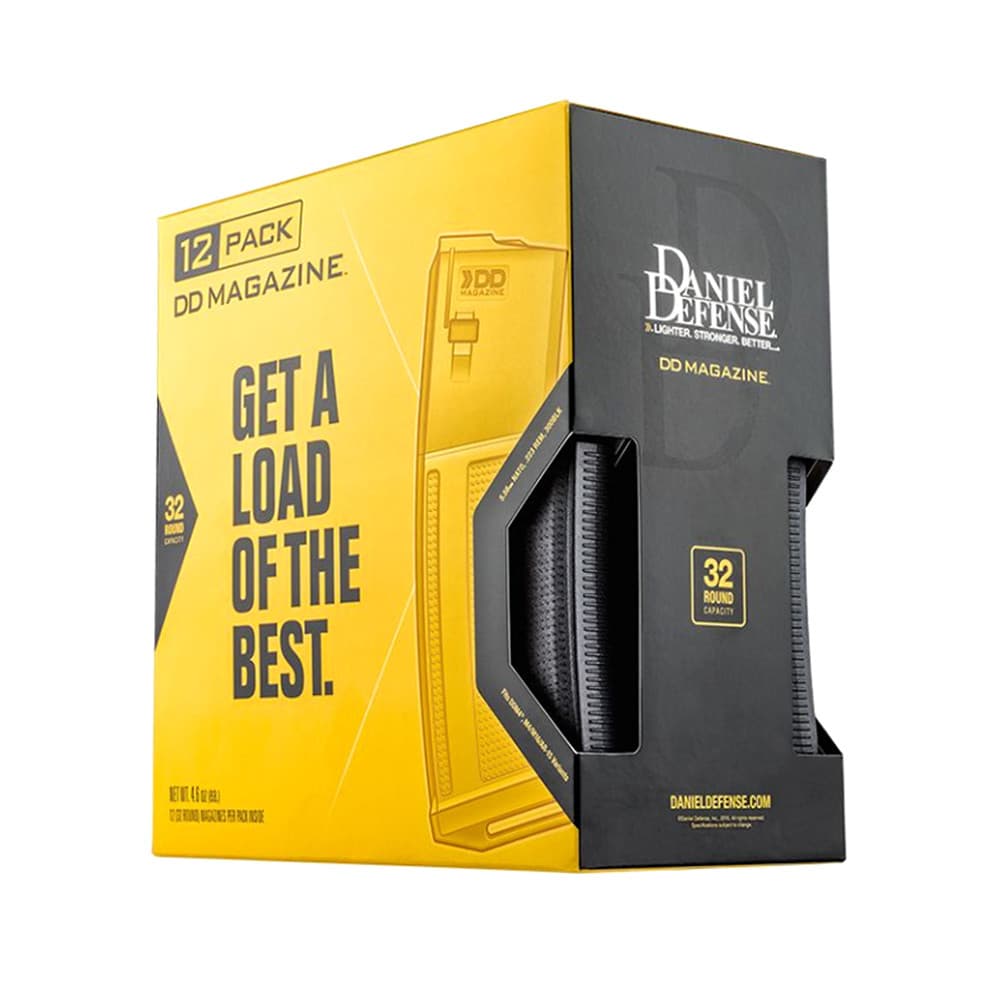
Daniel Defense 32-Round Magazine 12-Pack
Bulk case of twelve Daniel Defense 32-round AR-15 magazines, the way to stock a range bag in one buy
- 12 magazines
- 32 rounds each
- 5.56 NATO / .223 Rem / 300 BLK
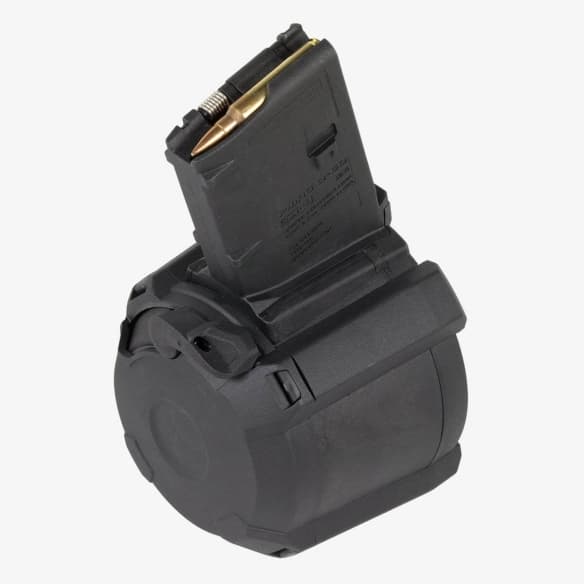
Magpul D-60 Drum Magazine
High-capacity 60-round drum magazine with reliable feeding
- 60 rounds
- Polymer construction
- Ratcheting loading lever
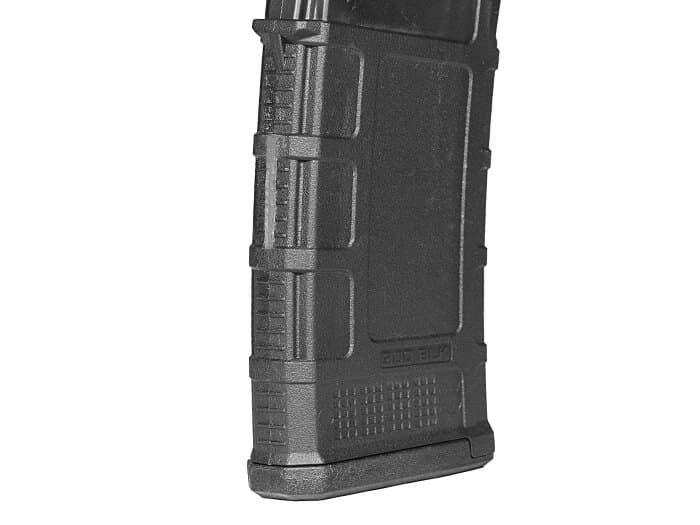
Magpul PMAG 30 AR 300 B
300 Blackout optimized polymer magazine
- 30-round
- 300 Blackout
- Anti-tilt follower
Affiliate links (?)
Where the Okay SureFeed E2 Fits Now
Okay Industries ended SureFeed magazine production in 2022. The E2 remains a useful legacy reference for a light aluminum magazine, and magazines already in service can remain in a range rotation after they pass lock-back, feed, and drop-free checks. It is no longer a current buying recommendation, and scarce old stock should not command a premium over magazines still in production.
The DURAMAG SPEED 30-Round Aluminum Magazine is the current metal-body pick. Its aluminum construction keeps the familiar STANAG profile without forcing a buyer into discontinued stock; test every magazine in the rifle that will use it before moving it into a defensive or duty pool.
Get AR-15 Magazine Reliability Data and Picks
New magazine releases, feed geometry tests, and capacity comparisons for 5.56 and .300 BLK builds.
How Many AR-15 Magazines to Buy, and Why to Buy Them at Once
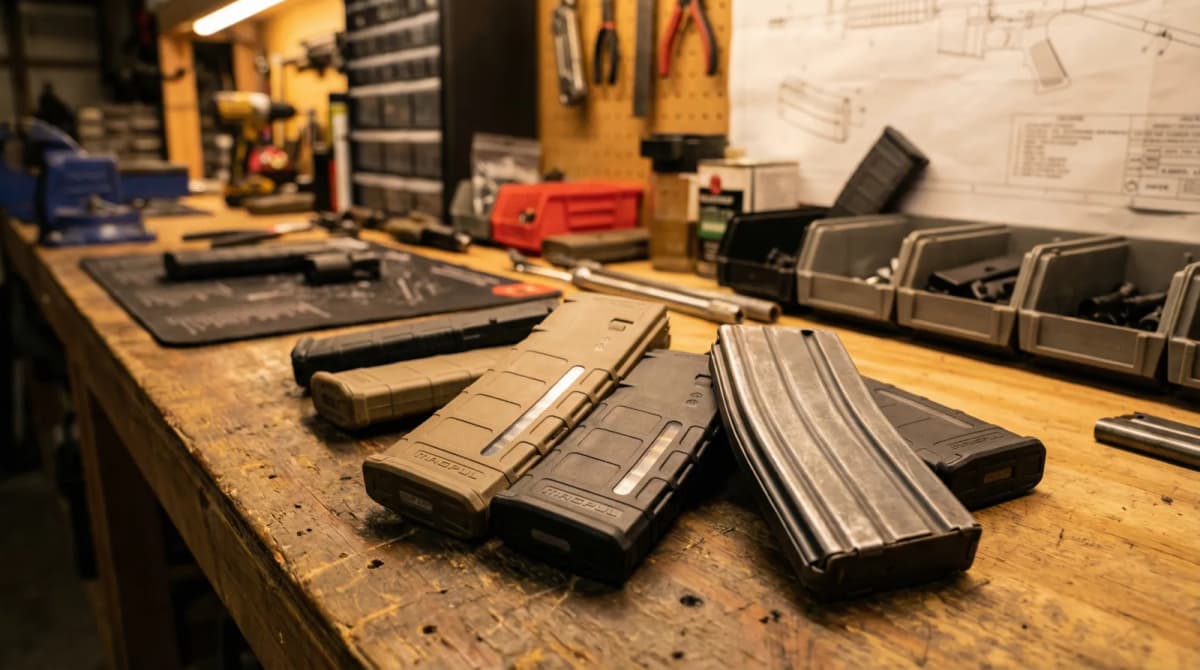
Buy magazines in one batch of the same model rather than a few at a time. A two-day carbine class runs 8 to 10 magazines through the rotation, a defensive rifle wants 6 loaded and staged, and a match day burns whatever the stage count demands. Standardizing the whole pool on one model removes magazine geometry as a variable the moment something malfunctions, which is the entire point of the checks above.
Buying by the case is also cheaper per magazine. The Daniel Defense 32-round 12-pack runs $284 for twelve against $27 apiece for singles, and the magazine itself is the same carbon-fiber-reinforced polymer body with the anti-tilt follower and the impact-absorbing baseplate, holding 32 rounds in a standard 30-round external envelope. Daniel Defense chambers it for 5.56 NATO, .223 Remington, and 300 Blackout. Fourteen states and the District of Columbia are excluded from shipping on capacity grounds, so check your state's magazine capacity rules before ordering a case.
20-Round vs 30-Round AR-15 Magazines
30-round magazines are the default for general-purpose use. They are the standard for training consistency and most defensive workflows. But 20-round magazines still have a role.
- Use 30-round mags for: standing drills, movement work, and repetition-heavy classes.
- Use 20-round mags for: prone precision, barricade work, and bench shooting.
- Do not mix unlabeled calibers: clearly mark all .300 BLK mags.
Once you have a pool of validated mags, you need to carry the spares. Our best AR-15 mag pouches guide ranks KYWI, elastic, and hard-retention pouches for belts, placards, and chest rigs.
Magazine Rotation and Maintenance Plan
- Number every magazine with paint marker or baseplate labels.
- Keep separate pools: training mags and validated defensive mags.
- Log malfunctions by magazine number, not by memory.
- Retire mags with repeat feed failures, crack growth, or weak retention.
- Re-test validated mags every quarter or after hard classes.
- Stock up on magazines before supply chain disruptions drive prices up. Our supply chain preparedness checklist covers what to prioritize and when to buy.
For a complete reliability baseline, pair this with the maintenance and inspection schedule and the first 1000 rounds training plan.