← Back to guides
Reference guide5.56 NATOBallistics approximated

AR-15 Barrel Length Guide

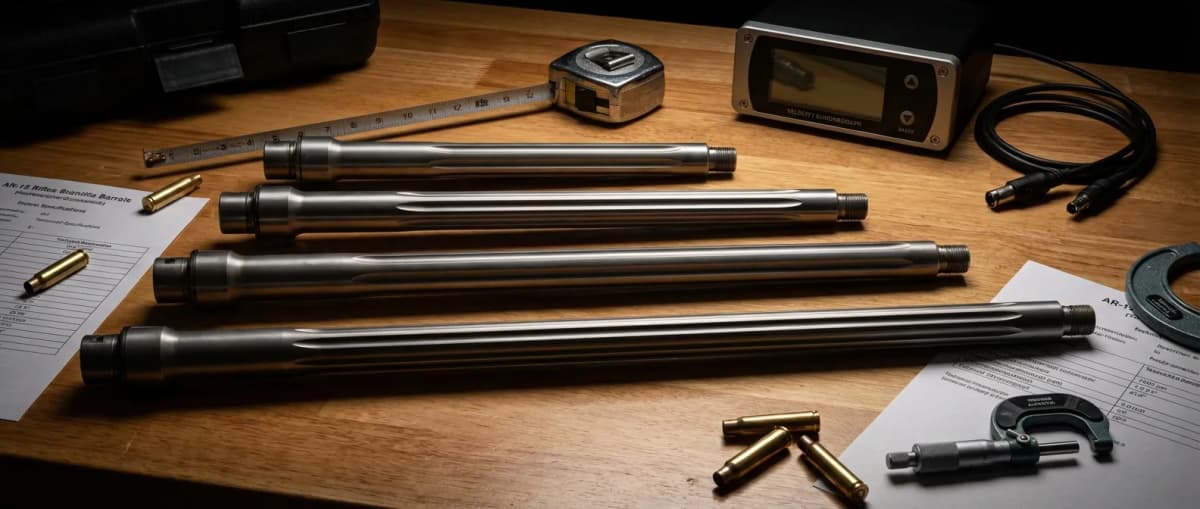
Quickly compare common 5.56 barrel lengths from 11.5" to 20" side by side. Each profile includes estimated muzzle velocity, practical range, overall length (OAL) with a collapsed and extended stock, and the tradeoffs that matter when building around suppressors, maneuverability, or longer shots.

Reference ammo: M193 55grVelocities are approximate at 70°F and sea level.Effective range reflects reliable fragmentation or expansion with quality duty loads.

Compact SBR window

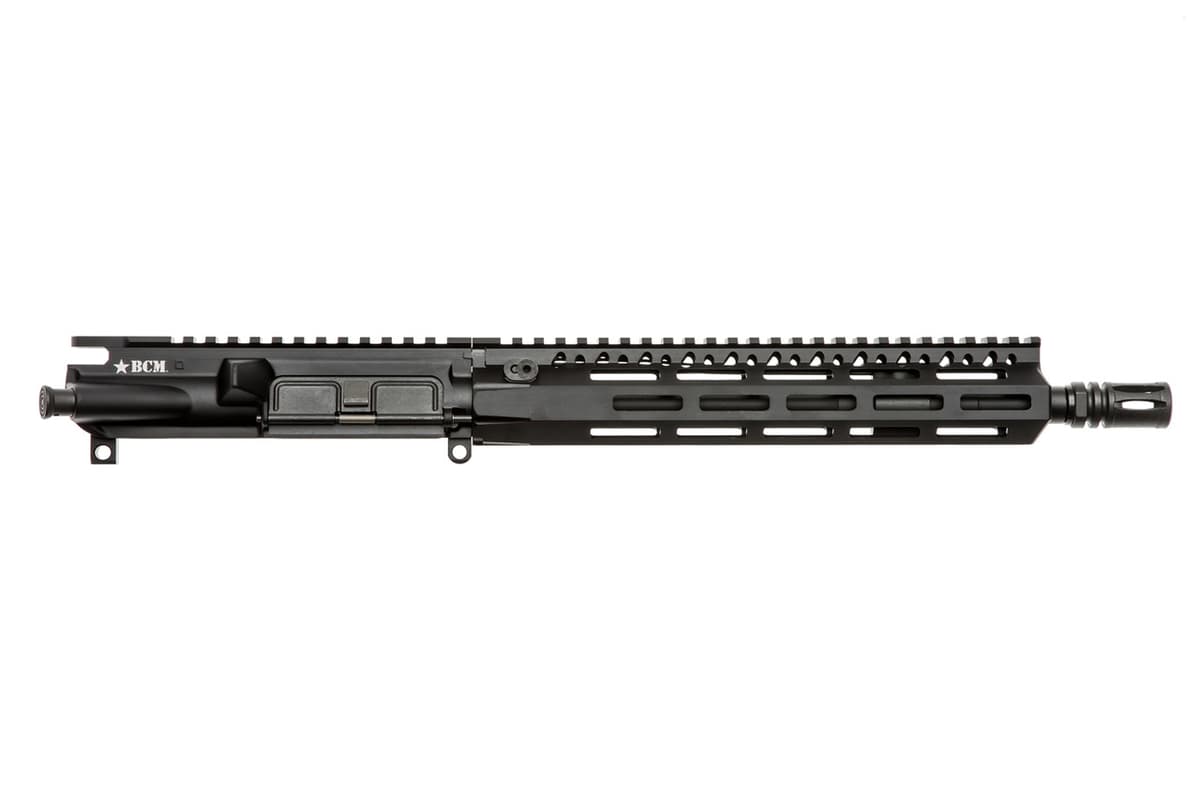
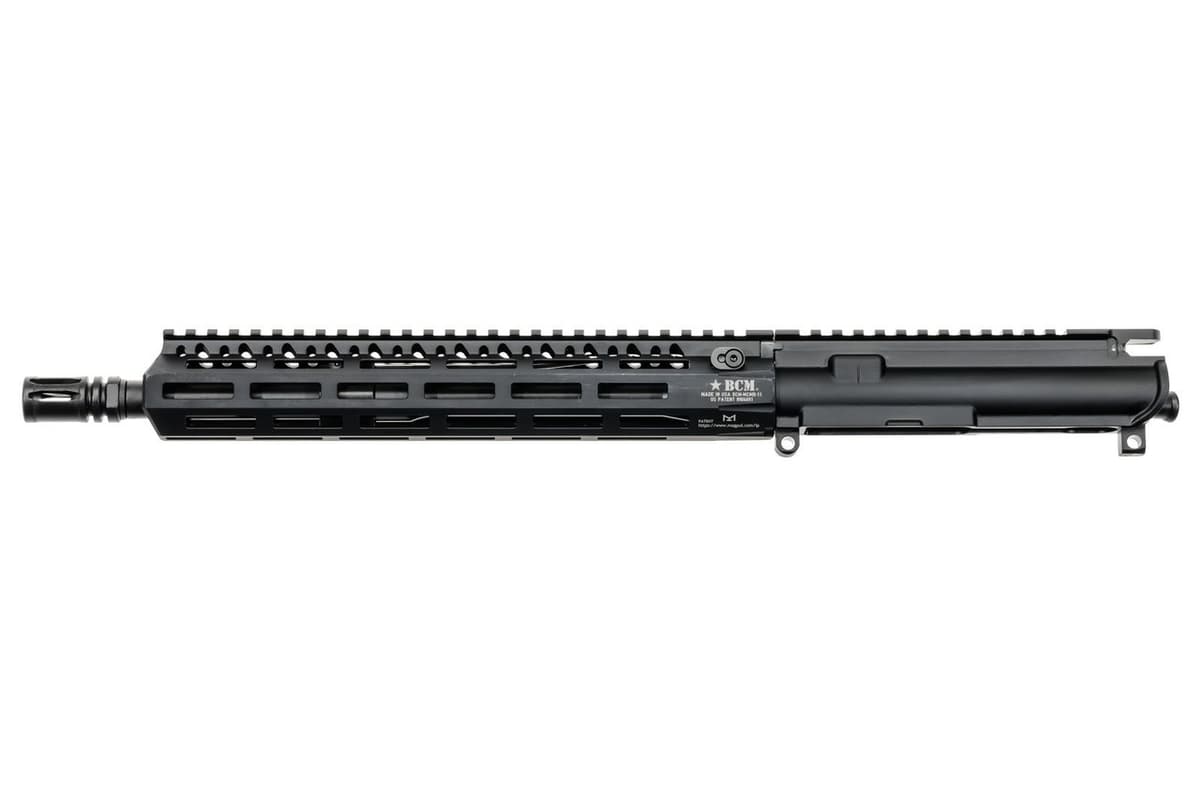
11.5"–12.5" excels indoors and in vehicles. Expect higher port pressure—plan for adjustable gas and suppressor-friendly parts.

Hybrid pin-and-weld

13.7"–14.5" keeps rifles compact while meeting 16" OAL requirements. Great for duty or travel carbines that need flexibility.

Rifle / precision space

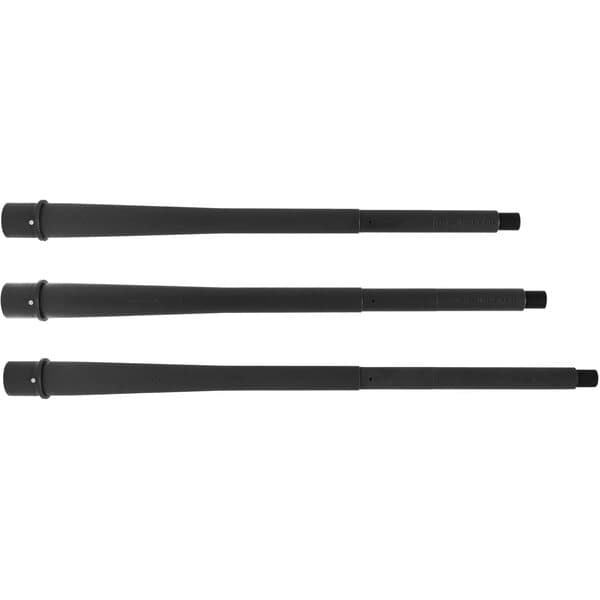
16"–20" pushes velocity and sight radius for Recce and SPR builds. Heavier but easier on parts and tuned for stability.

>

Effective range at a glance

Plot each barrel length against real-world effective distance with M193 55gr. The marker shows where fragmentation or expansion begins to taper off before velocity drops below duty thresholds.

Urban / closeMixed terrainOpen distance
100 yds
200 yds
300 yds
400 yds
500 yds
11.5"CQB / vehicle deployment
225 yds

-400 fps vs 16" translates to reliable hits out to roughly 225 yards before energy trails off.

12.5"Low-profile general purpose
260 yds

-300 fps vs 16" translates to reliable hits out to roughly 260 yards before energy trails off.

13.7"Compact duty / travel carbine
300 yds

-200 fps vs 16" translates to reliable hits out to roughly 300 yards before energy trails off.

14.5"Duty / patrol generalist
350 yds

-150 fps vs 16" translates to reliable hits out to roughly 350 yards before energy trails off.

16"All-around carbine
425 yds

Baseline carbine—most duty loads stay confidently terminal past 400 yards.

18"SPR / designated marksman
500 yds

+100 fps vs 16" translates to reliable hits out to roughly 500 yards before energy trails off.

20"Traditional rifle / maximum reach
575 yds

+200 fps vs 16" translates to reliable hits out to roughly 575 yards before energy trails off.

Compare each barrel length

Use the visual bars to get a feel for how velocity, effective range, and overall length scale. Relative widths are normalized against the longest or fastest entry in the list.

11.5" barrel

Ultra-compact package that keeps 5.56 terminal performance for close-in work when tuned correctly.

CQB / vehicle deployment
Muzzle velocity2,500 fps

-400 fps vs 16" baseline

Effective range225 yds

Distance where duty loads remain reliable.

Overall lengthOAL window

Collapsed 29.5" · Extended 32.8"

Pros

  • Shortest option that maintains reliable fragmentation inside 200 yards with modern duty ammo.
  • Pairs well with suppressors when combined with adjustable gas blocks or heavier buffers.
  • Fast to present around barricades or in vehicles, balancing mobility and control.

Cons

  • Significant muzzle blast and flash; requires purpose-built muzzle devices or cans.
  • NFA registration or brace compliance needed in many jurisdictions.
  • Tight dwell time window; over-gassing is common with bulk ammo.
Build notes

Prioritize balanced buffer systems and gas port sizing to keep cyclic rate controllable, especially once suppressed.

Gas system guidance: Carbine (suppressed optimized)

12.5" barrel

Adds dwell time and velocity while staying maneuverable, earning a reputation as the modern compact sweet spot.

Low-profile general purpose
Muzzle velocity2,600 fps

-300 fps vs 16" baseline

Effective range260 yds

Distance where duty loads remain reliable.

Overall lengthOAL window

Collapsed 30.4" · Extended 33.7"

Pros

  • Improved dwell time over 11.5" for smoother cycling with a broader ammo selection.
  • Noticeable velocity gain that stretches reliable fragmentation to roughly 250 yards.
  • Still clears doorways and vehicles easily, especially once a suppressor is mounted.

Cons

  • Still falls under SBR or pistol classifications. Awkward middle length since going longer could allow rifle configuration.
  • Port pressure remains high; vented carriers or adjustable blocks help tame it.
  • Less modular if state law restricts barrel length conversions.
Build notes

Ideal for lightweight suppressor builds—balanced recoil impulse with H2 buffers or VLTOR A5 systems.

Gas system guidance: Carbine or mid-length

13.7" barrel

Hybrid length that allows pin-and-weld builds to meet the 16" legal threshold while staying compact.

Compact duty / travel carbine
Muzzle velocity2,700 fps

-200 fps vs 16" baseline

Effective range300 yds

Distance where duty loads remain reliable.

Overall lengthOAL window

Collapsed 31.6" · Extended 34.9"

Pros

  • Compatible with pin-and-weld to achieve 16" OAL and avoid NFA paperwork.
  • Mid-length gas options deliver very soft recoil impulse once tuned.
  • Balances maneuverability with better external ballistics and dwell time.

Cons

  • Pinned muzzle device limits suppressor compatibility unless using a HUB compatible muzzle device system.
  • Requires careful component selection to hit legal OAL without exceeding it.
  • Slightly heavier front end compared to true SBR lengths.
Build notes

Leverage slim flash hiders (e.g., Dead Air KeyMo) for pin-and-weld if suppressor flexibility is needed.

Gas system guidance: Mid-length or tailored carbine

14.5" barrel

Service carbine baseline—battle proven and familiar, especially once permanently extended to 16".

Duty / patrol generalist
Muzzle velocity2,750 fps

-150 fps vs 16" baseline

Effective range350 yds

Distance where duty loads remain reliable.

Overall lengthOAL window

Collapsed 32.7" · Extended 36.0"

Pros

  • Extensive aftermarket support with known reliability envelopes.
  • Reaches fragmentation ranges near 350 yards with standard loads.
  • Comfortable to shoot suppressed when tuned with modern gas blocks.

Cons

  • Still requires pin-and-weld to breach 16" OAL.
  • Marginally longer than 13.7" once muzzle device is accounted for.
  • Heavier recoil pulse than a 16" mid-length when left in carbine configuration.
Build notes

Mid-length gas with an appropriate port size keeps the action soft while supporting a wide ammo range.

Gas system guidance: Mid-length or optimized carbine

16" barrel

Non-NFA legal minimum that delivers strong exterior ballistics and the broadest compatibility.

All-around carbine
Muzzle velocity2,900 fps

Baseline 16" carbine

Effective range425 yds

Distance where duty loads remain reliable.

Overall lengthOAL window

Collapsed 34.5" · Extended 37.8"

Pros

  • No tax stamp or pinning required—barrel swaps stay simple.
  • Excellent balance of velocity, dwell time, and parts availability.
  • Soft recoil impulse with mid-length gas, even when suppressed.

Cons

  • Longer footprint inside vehicles or tight interiors.
  • Heavier front end versus compact SBR builds, handling becomes awkard especially when suppressed and adding accessories.
  • Less unique—requires accessories to differentiate for specialized roles.
Build notes

Baseline for most Recce builds; keeps Mk12 / SPR uppers within weight goals while working with common suppressors.

Gas system guidance: Mid-length (standard)

18" barrel

Stretch the carbine into SPR territory with increased velocity and sight radius for precision roles.

SPR / designated marksman
Muzzle velocity3,000 fps

+100 fps vs 16" baseline

Effective range500 yds

Distance where duty loads remain reliable.

Overall lengthOAL window

Collapsed 36.2" · Extended 39.6"

Pros

  • Tightens vertical spread past 400 yards thanks to higher velocities.
  • Pairs well with heavier match bullets (69-77gr) for precision work.
  • Rifle-length gas options shoot very flat and stay suppressor friendly.

Cons

  • Heavier and slower to transition,intended for supported shooting.
  • Needs longer handguards and bipods to stay balanced.
  • Overkill for dedicated CQB or home-defense roles.
Build notes

Ideal for Mk12-inspired builds—match the gas system to your ammunition to avoid short-stroking during cold weather.

Gas system guidance: Mid-length or rifle

20" barrel

Full-length rifle that maximizes velocity and dwell time for classic 5.56 performance.

Traditional rifle / maximum reach
Muzzle velocity3,100 fps

+200 fps vs 16" baseline

Effective range575 yds

Distance where duty loads remain reliable.

Overall lengthOAL window

Collapsed 38.0" · Extended 41.4"

Pros

  • Highest muzzle velocity; maintains fragmentation well past 500 yards with duty loads.
  • Extremely forgiving gas timing—runs clean with light springs and buffers.
  • Longest sight radius for irons and room for clip-on night optics.

Cons

  • Longest and heaviest option—challenging indoors or in vehicles.
  • Acceleration of the muzzle is slower; requires deliberate handling.
  • Sling and storage footprint is significant for travel or staging.
Build notes

Best suited for rural properties or competition where velocity and stability matter more than compact storage.

Gas system guidance: Rifle

Recommended barrels to explore

Barrels we use and love (affiliate links)

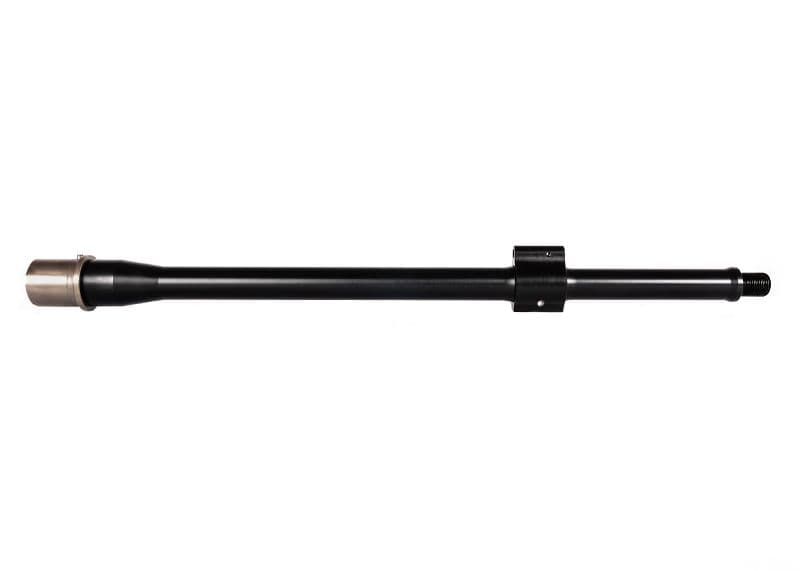
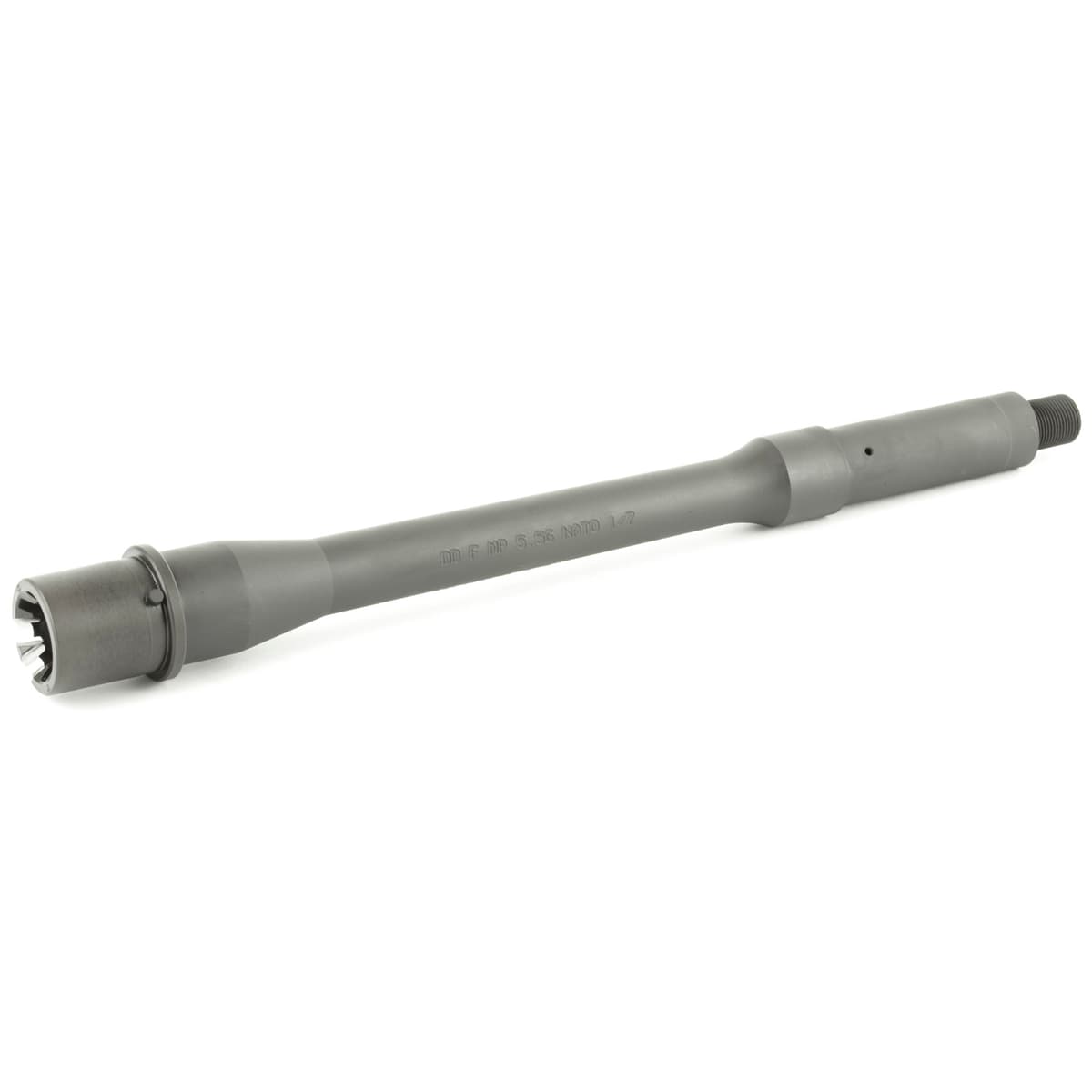
13.9" / 14.5" · Mid-length gas

Criterion CORE Mid-Length Barrel

Criterion balances government and pencil contours so you get a soft recoil impulse without losing cold-bore precision. Hand-lapped bores and chrome lining hold tighter groups even after long strings.

  • Extended gas journal works well with modern suppressors
  • Pre-dimpled for seamless gas block alignment
Profile
CORE hybrid · .750 journal · chrome-lined
Sweet spot
Pin-and-weld duty carbines that need a forgiving gas port
Shop via OpticsPlanet
12.3" / 13.9" · Mid-length gas

Ballistic Advantage Hanson Performance Series

The Hanson taper shifts weight rearward and ships with a matched gas block you can pin, which keeps this barrel rigid under bipod load without the front-heaviness of government profiles.

  • Pinned block option simplifies compliance pin-and-weld jobs
  • Nickel-boron feed ramps aid reliability with dirty guns
Profile
Hanson taper · includes lo-pro gas block
Sweet spot
Lightweight Recce builds that still clear doorways
Shop via OpticsPlanet
10.5" – 16" · Carbine / Mid-length

Faxon Firearms Pencil 5.56

Faxon's pencil profile delivers serious weight savings without sacrificing modern accuracy standards. Groups stay centered as the barrel heats, and the reduced muzzle weight makes transitions noticeably faster.

  • Salt bath nitriding penetrates deeper than coating for long-term wear resistance
  • Button rifled for consistent bore dimensions and easy cleaning
Profile
Pencil · 1:8 twist · QPQ nitride
Sweet spot
Lightweight, maneuverable builds that prioritize handling
Shop via OpticsPlanet

Purchasing through these links may generate a commission at no extra cost to you. Always confirm local compliance steps (pin-and-weld, NFA paperwork) before ordering.

Barrel profile matters as much as length

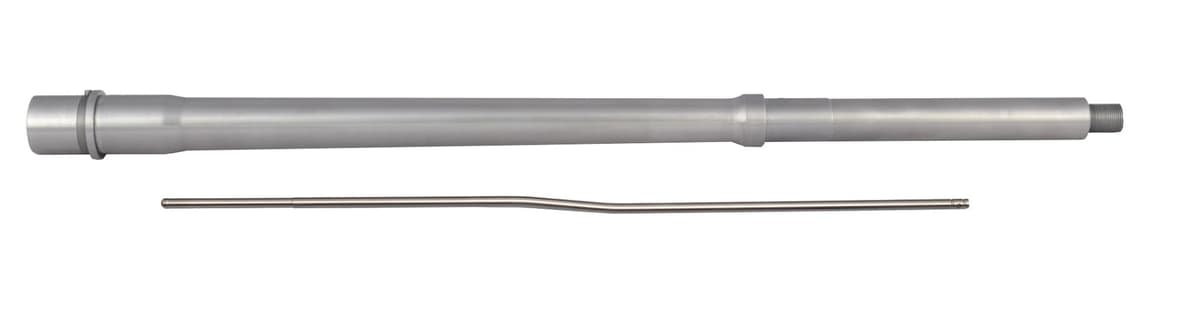
Profile determines weight distribution, heat management, and harmonics. The wrong profile can turn a well-tuned length into a front-heavy, whippy mess that loses zero under sustained fire.

Government / M4 Profile

Avoid unless free

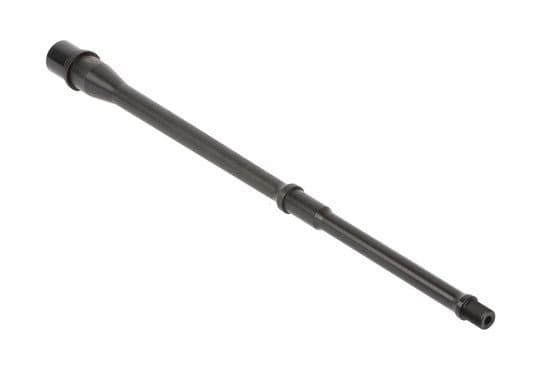
Thick behind the front sight base, thin elsewhere. This profile exists because the military needed to attach M203 grenade launchers to the barrel—a requirement most civilian builds don't share.

Why it's problematic:
  • • Concentrates weight forward where it hurts handling most
  • • Thin sections behind gas block overheat quickly under rapid strings
  • • Inconsistent stiffness causes POI shift as barrel heats
  • • No real advantage unless you're mounting a 40mm launcher

Government profiles made sense for Cold War doctrine. Modern barrels distribute mass better for accuracy and thermal stability.

Hanson / Lightweight Taper

Best all-around

Tapers from a thick chamber and gas journal toward a lighter muzzle. Shifts mass rearward while keeping the barrel stiff where pressure peaks.

Why it works:
  • • Reduces muzzle weight without sacrificing rigidity at the gas block
  • • Better heat dissipation across the profile reduces POI wander
  • • Improved handling for dynamic shooting and transitions
  • • Works well with suppressors and bipod loads

Hanson and similar tapered profiles are the modern standard for builders who care about accuracy and balance. Worth the extra cost.

Pencil / Lightweight

Excellent option

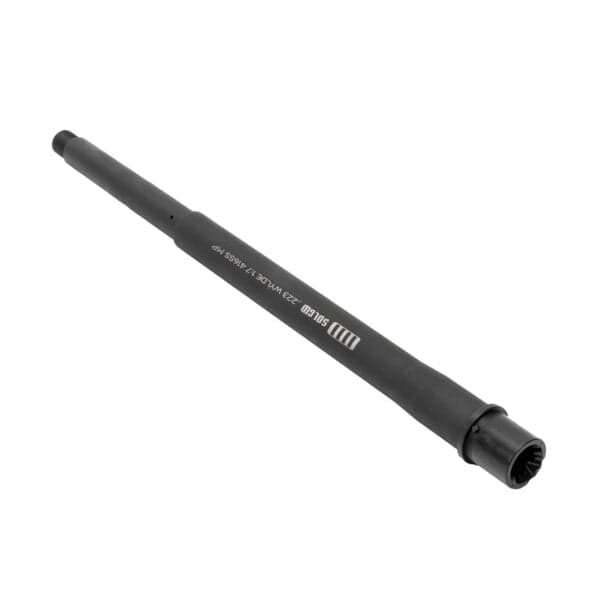
Uniform thin diameter from chamber to muzzle. Shaves weight aggressively while modern metallurgy keeps them surprisingly capable under heat.

Why they work:
  • • Lightest option for ultra-mobile builds (hiking, racing, backpacking guns)
  • • Modern pencil barrels maintain zero—groups open up but POI stays centered
  • • Great for most shooters who aren't dumping mags on full auto
  • • Significantly lighter than government profile with better balance

Quality pencil barrels from Faxon, Criterion, or BA are accurate and reliable for general use. Unless you're running serious volume or sustained strings, the weight savings are worth it.

Looking for specific barrel recommendations? Check the Recommended barrels to explore section above for vetted profiles at each length.

How to pick the right length

Mission first

Start with the environment. Tight interiors, vehicles, or suppressed-only use push you toward 11.5" to 13.7". Rural or open areas benefit from 16" and longer for velocity retention.

Legal + logistics

Avoid paperwork with 16"+ or pinned builds. If you pursue SBR lengths, budget time for the NFA process or stay compliant with pistol brace guidance in your jurisdiction.

Tune the gas

Shorter barrels mean higher port pressure. Use adjustable blocks, appropriate buffer weights, and quality suppressors to manage cyclic rate, especially for 11.5" to 14.5" builds.

Looking to translate these insights into a full build? Open the guided assistant to evaluate platforms, components, and compatibility notes tailored to your mission.

Related guides

Continue exploring with these related resources