Best Gun Oil & CLP 2026: Ballistol, Break Free, Slip 2000 Compared
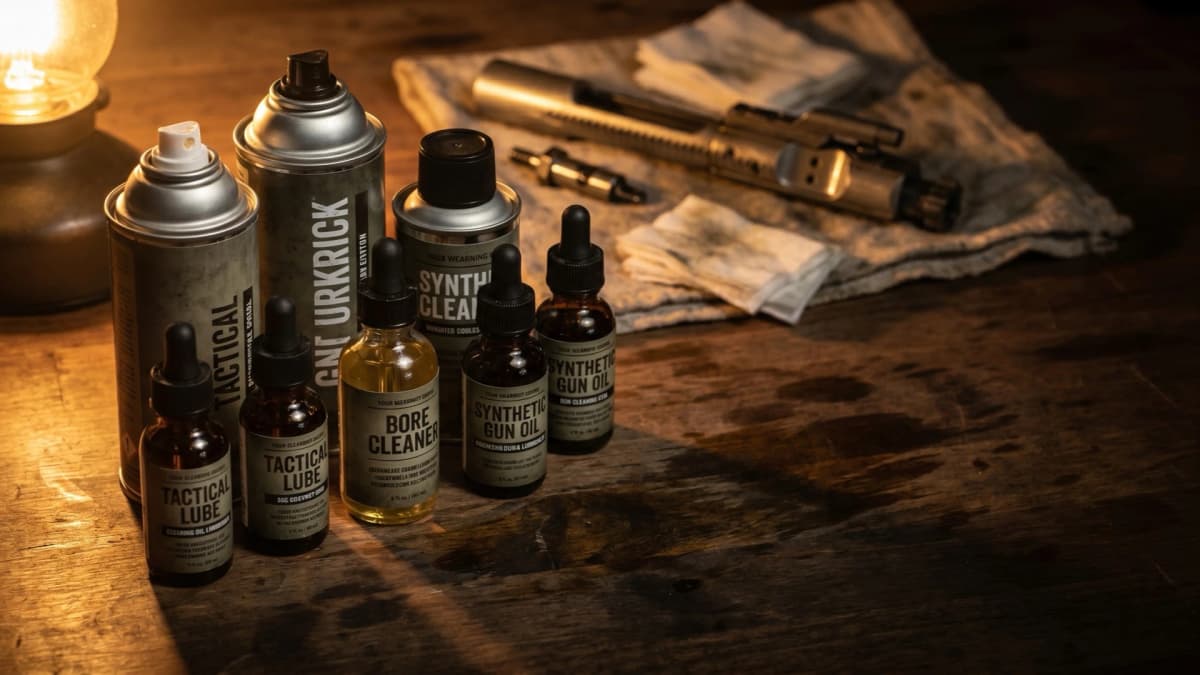
The best gun oil for your rifle is not the same as the best gun oil for a 1955 Mosin firing corrosive surplus ammo, the best lube for a suppressed full-auto SBR, or the best CLP for a pistol that lives in a coastal safe. Pick the chemistry first, then the brand. Thirteen products ranked by what they actually do well, not by which marketing claim sounds loudest.
Pick the Chemistry Type Before the Brand
Every gun oil on the market falls into one of five chemistry classes, and the class determines what the product can and cannot do. Brand wars on forums obscure this. The best Slip 2000 EWL in the world will not neutralize corrosive ammo residue, because that is not what synthetic lubricants do. The best Hoppe's No. 9 will not lubricate a hot suppressor host through 500 rounds of full-auto, because solvents are not lubricants. Match the chemistry to the job first, then pick the best product within that class.
All-in-one CLPs (Cleaner / Lubricant / Protectant) handle all three jobs in one bottle. Break Free CLP, Lucas Gun Oil CLP, Breakthrough Clean, and G96 are the major players. They are jacks of all trades. Use them for routine field cleaning, range bag duty, and any application where carrying three separate products is impractical. They underperform dedicated products at each individual function.
Dedicated lubricants (Slip 2000 EWL, Aeroshell 33MS grease) provide nothing but lubrication. The tradeoff buys dramatically better performance under heat, sustained fire, suppressed operation, and high round counts. Slip 2000 EWL operates from -85F to +1,250F and will not carbonize on a hot bolt carrier the way petroleum oils do. Use after a separate solvent has stripped fouling.
Dedicated bore solvents (Hoppe's No. 9, Bore Tech Eliminator, M-Pro 7) strip carbon, lead, and copper fouling more aggressively than any CLP. They provide zero lubrication. The bore needs to be re-oiled after cleaning. Use these when fouling is heavy, when shooting jacketed bullets that leave copper deposits, or when bench cleaning every 500 to 1,000 rounds.
Multi-purpose / corrosive-ammo neutralizers (Ballistol) carry alkaline additives that neutralize the acidic salts in corrosive primer residue and black powder. This is the ONLY chemistry class that solves the corrosive ammo problem. If you shoot 7.62x54R Mosin surplus, 7.62x39 Russian, 8mm Mauser surplus, or muzzleloaders, you need an alkaline product. No synthetic CLP will do this job.
Carbon soaks and rust preventives (Slip 2000 Carbon Killer, Clenzoil Field & Range) are specialty products. Carbon soaks dissolve baked-on carbon in suppressors and BCGs that brushes cannot remove. Marine-grade rust preventives like Clenzoil resist salt-spray past 1,000 hours, the right pick for coastal storage and any gun that sits for months between use.
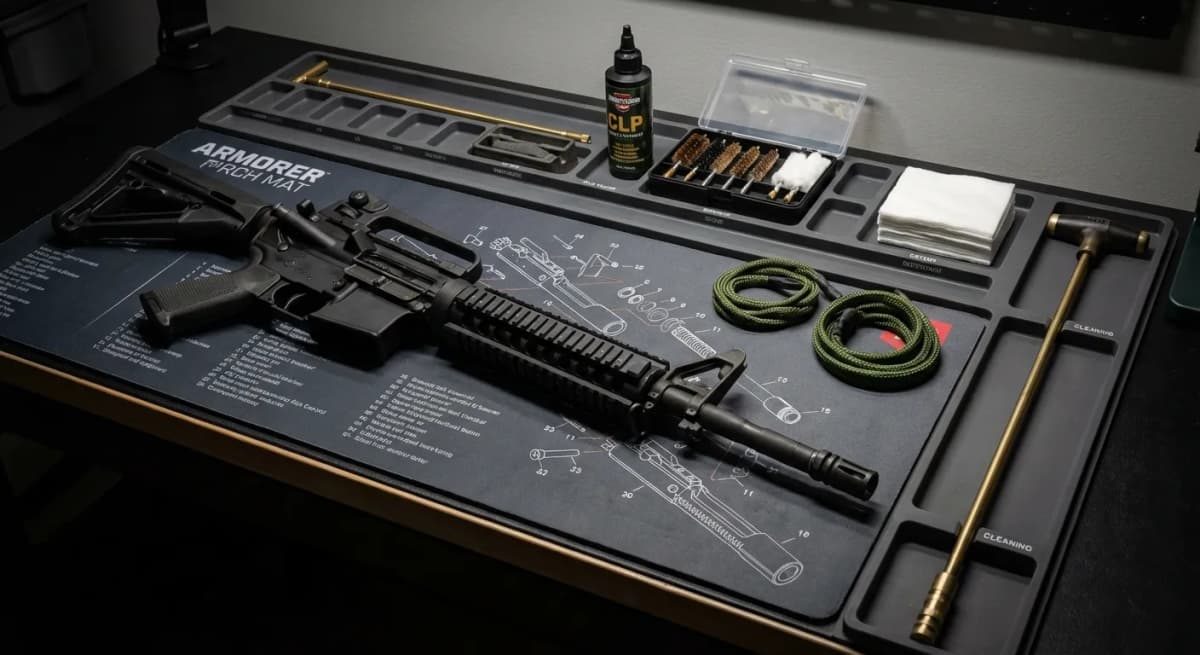
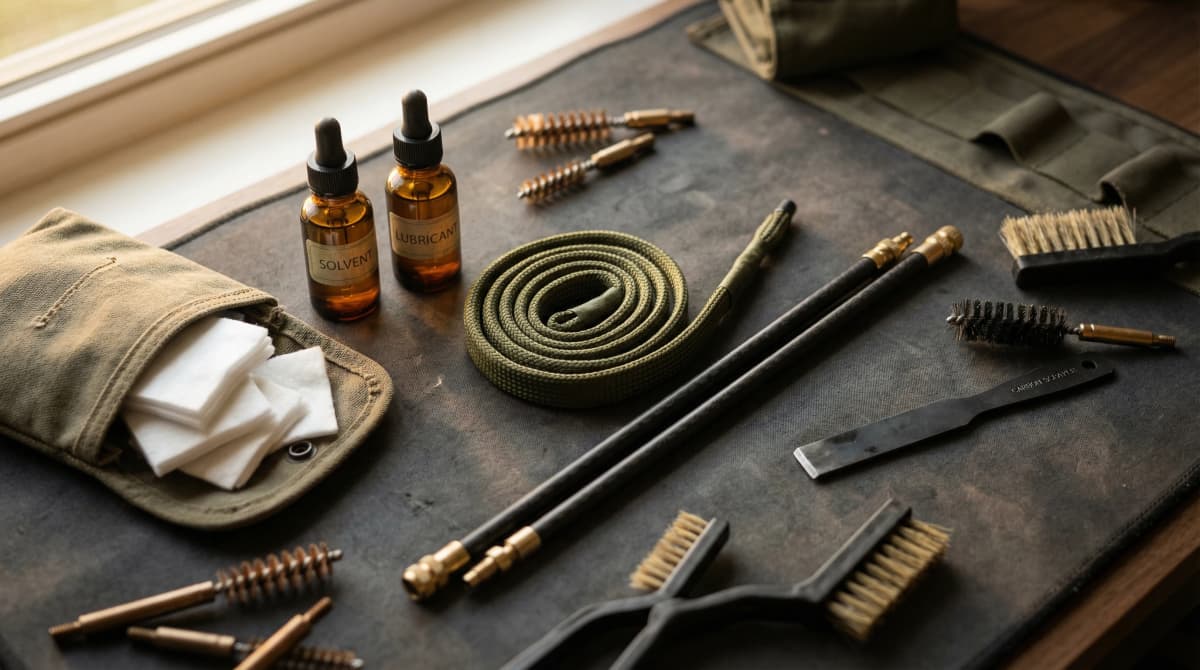
For the actual cleaning procedure with these products, see our AR-15 cleaning guide. Handgun owners should use the pistol field-strip and lubrication guide for slide, barrel, recoil-spring, and magazine inspection. For the rod, brush, bore guide, and patch hardware that pairs with these solvents and lubes, see the AR-15 cleaning kit guide. If you own more than an AR and want a single boxed kit for the whole safe, the best gun cleaning kit guide ranks multi-caliber, handgun, benchtop, and bore-snake kits by use case.
Best Gun Oils & CLPs Ranked
Top-ranked gun oils, lubricants, and CLPs for 2026. Ranked across cleaning power, lubrication durability, corrosion protection, and price-per-ounce.
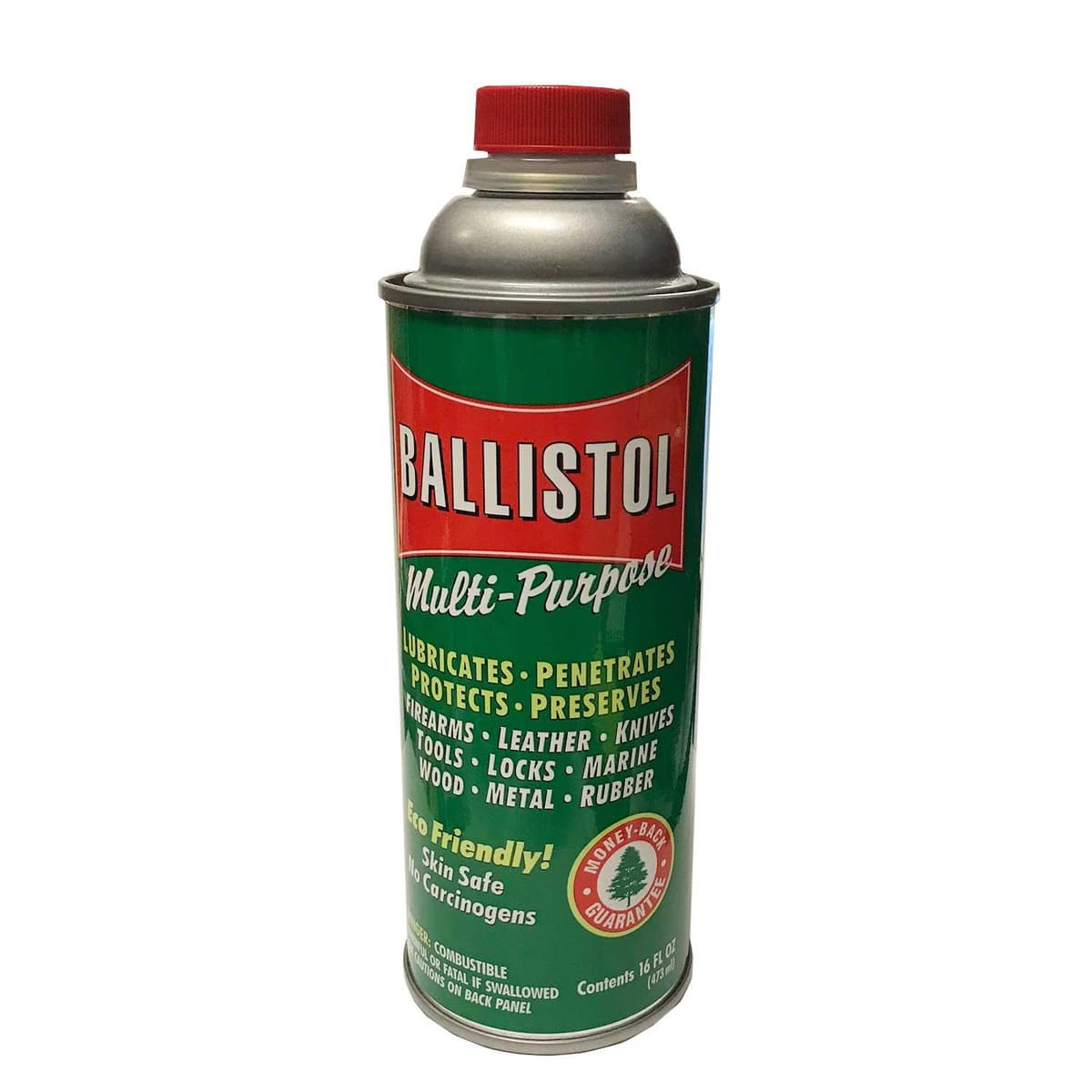
Ballistol Multi-Purpose Lubricant
Best Overall — Most Versatile
- +Alkaline pH neutralizes corrosive ammo and black-powder residues
- +Safe on wood stocks, leather, polymer, and metal
- +USDA H1 listed for incidental food contact
- −Distinctive anise odor that some find polarizing
- −Lighter viscosity than dedicated synthetic lubes; needs more reapplication on high-volume guns
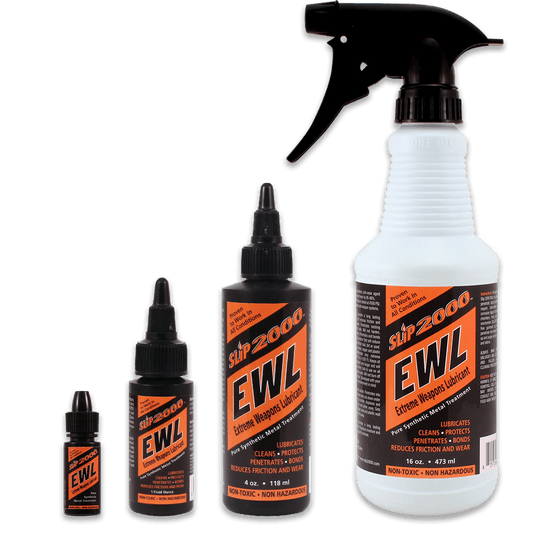
Slip 2000 EWL
Best Dedicated Lubricant — Heat & Suppressed Fire
- +100% synthetic, will not carbonize on hot bolt carriers
- +Operates from -85F to +1,250F — covers full-auto and suppressed
- +Non-toxic and biodegradable
- −Pure lubricant — needs a separate solvent for heavy bore fouling
- −Premium per-ounce price vs CLP alternatives
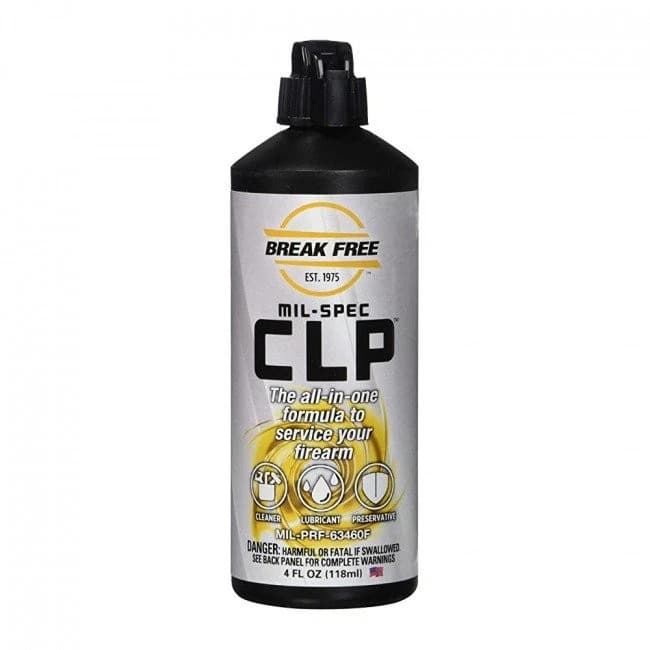
Break Free CLP
Best Mil-Spec All-In-One
- +MIL-PRF-63460F qualified, issued across all US military branches
- +Single product cleans, lubricates, and protects
- +Operating range -65F to +475F
- −Jack of all trades, master of none
- −Teflon micro-particles attract dust in sandy environments
- −Aerosol overspray wastes product
Affiliate links - purchases support this site at no extra cost to you. (?)
Best All-In-One CLPs
The all-in-one CLP exists because soldiers needed one bottle they could carry in a buttstock cleaning kit and use for the entire rifle. That mission shapes the chemistry: cleaner enough to lift powder fouling, lubricant enough to keep the bolt moving, protectant enough to prevent rust during storage. Nothing about the design optimizes for any single function, which is exactly the right tradeoff for field use and exactly the wrong tradeoff for a precision rifle bench session.
Break Free CLP is the baseline because it is qualified to MIL-PRF-63460F and ships with every issued M4 and M16 cleaning kit. Every other CLP on the market is functionally compared against it. Lucas Gun Oil CLP wins on long-term storage with its polymer base that resists evaporation. Breakthrough Clean wins on indoor use with its non-toxic, low-odor formulation. G96 wins on aerosol penetration into tight clearances. Pick the one that matches your dominant use case; do not buy three.
Break Free CLP
- US military standard issue
- Teflon-particle synthetic formula
- -65F to +475F operating range
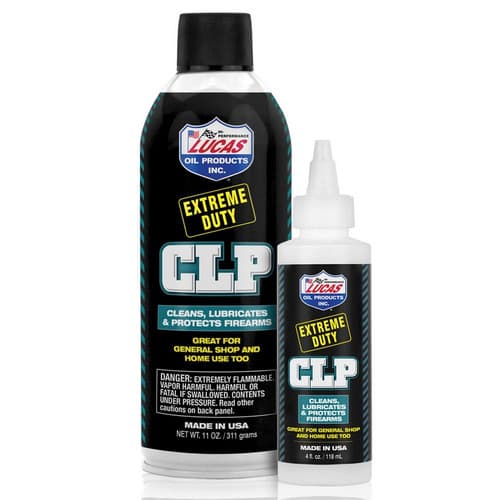
Lucas Oil Extreme Duty CLP
- High film strength resists evaporation
- Non-toxic and odorless
- Best for guns stored 6+ months between use
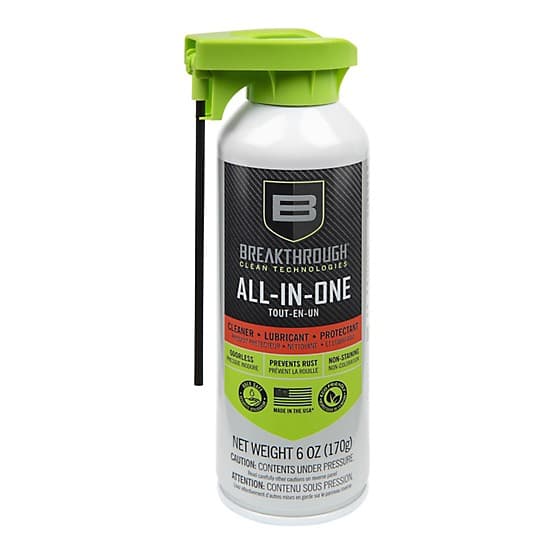
Breakthrough Clean Aerosol All-In-One CLP
- Bio-synthetic and non-toxic
- Safe for indoor cleaning without ventilation
- Used by police academies and LE training units
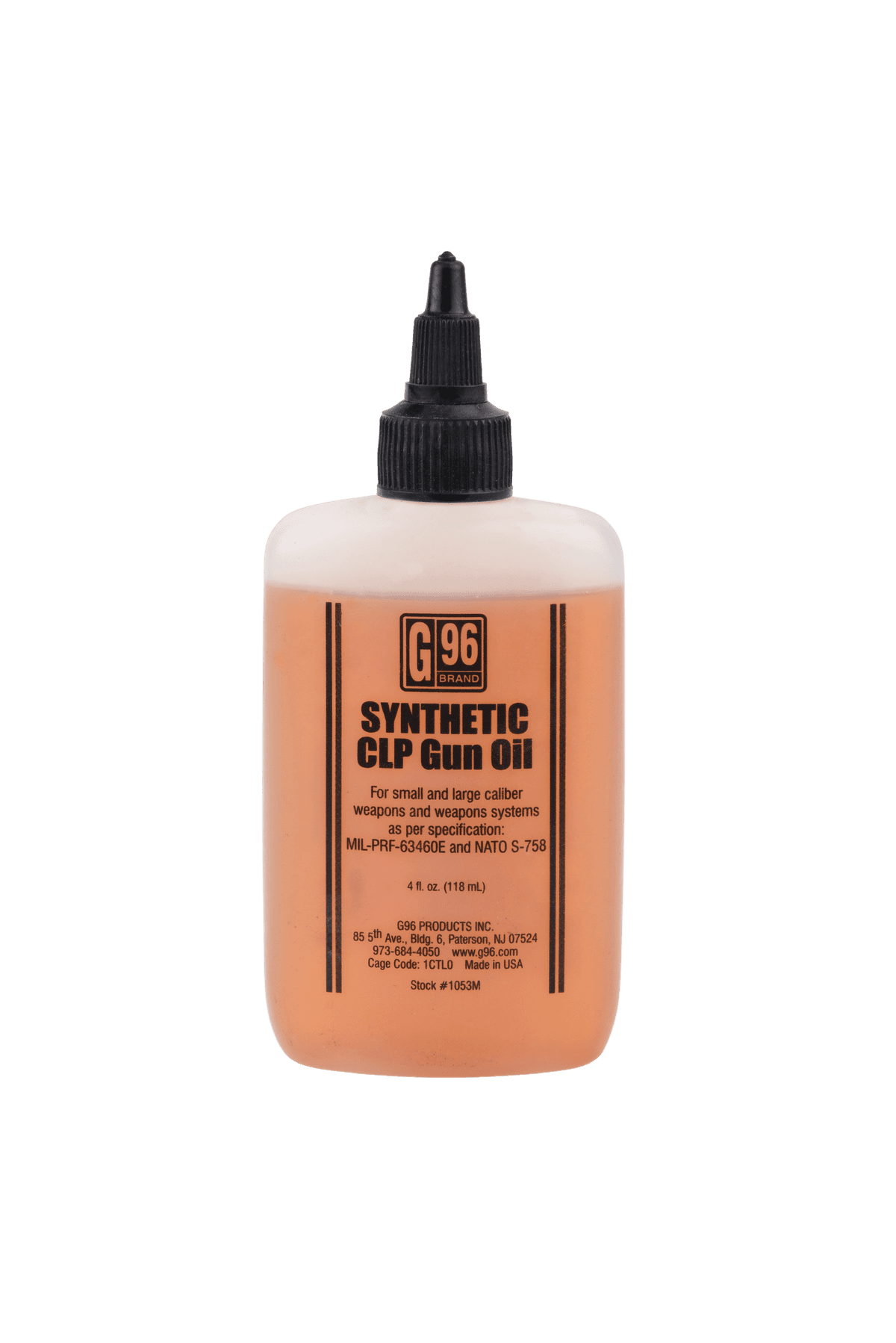
G96 Gun Treatment
- Synthetic triple-action CLP
- Aerosol penetrates internal surfaces and tight clearances
- Displaces moisture from rain, snow, saltwater exposure
Affiliate links - purchases support this site at no extra cost to you. (?)
Best Dedicated Lubricants
Dedicated lubricants exist for one reason: under sustained fire, suppressed operation, or high round counts, CLPs fail. The petroleum bases in most CLPs carbonize when bolt carrier temperatures climb past 400F, which happens fast on a suppressed SBR running mag dumps. The carbon residue gums up the action, increases bolt friction, and accelerates parts wear. Synthetic lubricants designed specifically for this environment do not carbonize, which is why SOF units running suppressed full-auto have largely migrated to Slip 2000 EWL.
Aeroshell 33MS grease handles a different problem. Where oils migrate off contact surfaces under load, grease stays put. The AR-15 cam pin, charging handle rails, bolt carrier rails, and any belt-fed action benefit from grease at the wear points and oil everywhere else. Aeroshell 33MS is the original mil-spec aviation grease (MIL-PRF-23827) and is wildly overspecified for civilian gun use, which is exactly why it works so well.
Slip 2000 EWL
- 100% synthetic, will not carbonize
- -85F to +1,250F
- Default lube for high-round-count and suppressed builds
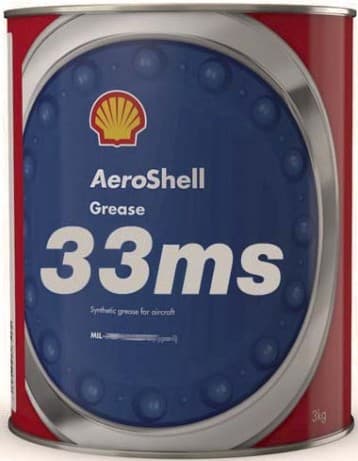
AeroShell Grease 64 (Formerly 33MS)
- MIL-PRF-23827 grease (originally aviation/military)
- Stays in place where oil migrates off
- Best for AR-15 cam pin, charging handle rails, belt-fed actions
Affiliate links - purchases support this site at no extra cost to you. (?)
Get Gun Oil and CLP Reviews and Maintenance Guides
New CLP reviews, dedicated lube comparisons, and bore solvent picks. Covers Slip 2000 EWL, Break Free CLP, Ballistol, Hoppe's No. 9, and M-Pro 7 for corrosive ammo, suppressed fire, and indoor cleaning.
Best Bore Solvents
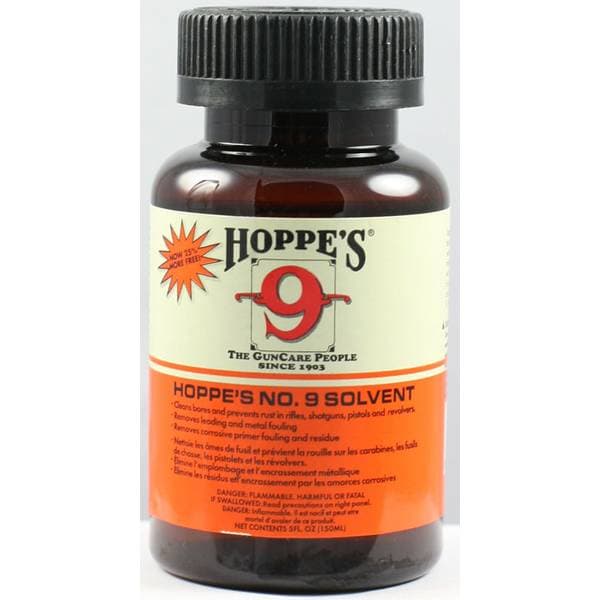
Hoppe's No. 9 has been in continuous production since 1903 and remains the iconic bore cleaner for a reason: the ammonia-based formula strips powder fouling and metal jacket residue faster than most modern alternatives. The downside is that ammonia odor, which makes it a poor choice for indoor cleaning without ventilation. M-Pro 7 Gun Cleaner solves the ventilation problem with a water-based, non-flammable, odorless formulation. It is what to use in an apartment.
Bore Tech Eliminator is the dual-action solvent that handles both carbon and copper in a single product. The patches turn blue when copper is present and gray when carbon is present, which provides instant feedback on what kind of fouling the bore actually has. Heavy copper jacket buildup in precision rifles warrants the dedicated Hoppe's Copper Solvent on top of the regular bore cleaner. For routine AR-15 maintenance, dual-action Eliminator covers both fouling types in one pass.
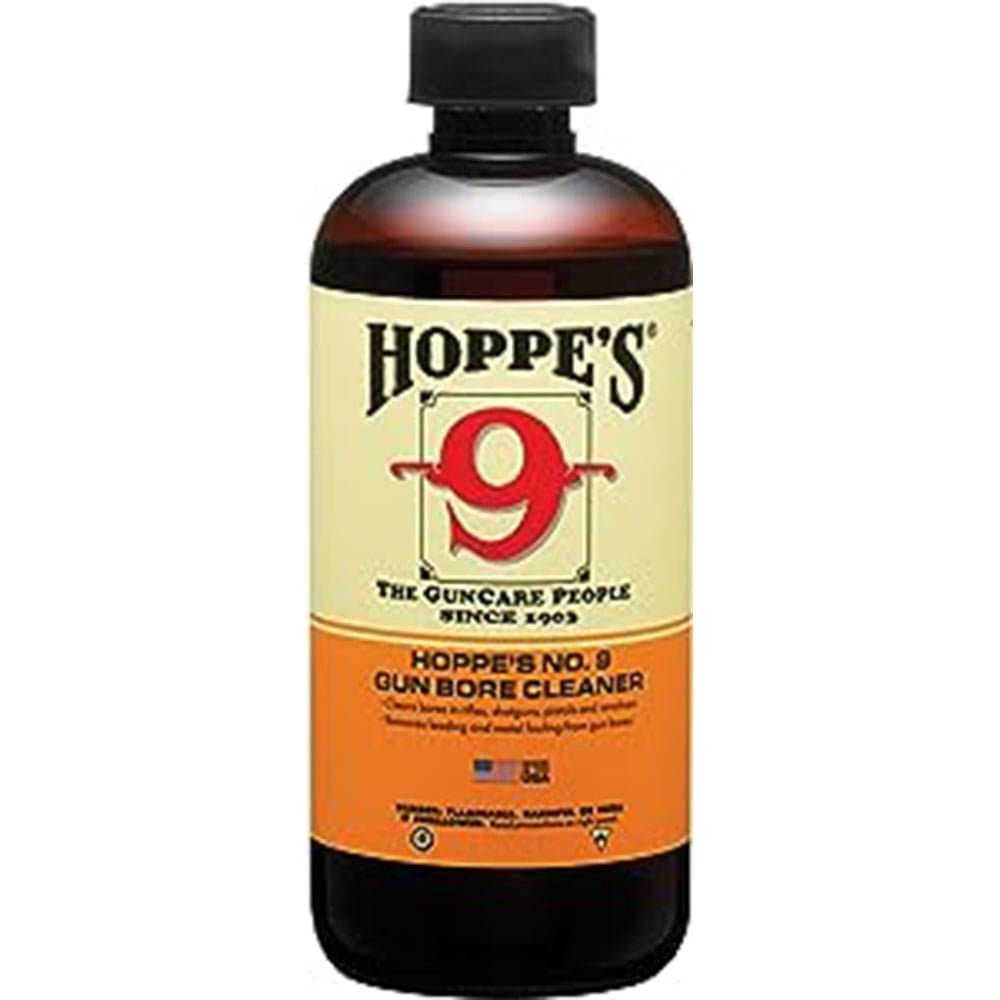
Hoppe's No. 9 Gun Bore Cleaner
- Iconic ammonia-based formula
- Removes powder, lead, and metal fouling
- Distinctive scent firearms enthusiasts grow up with
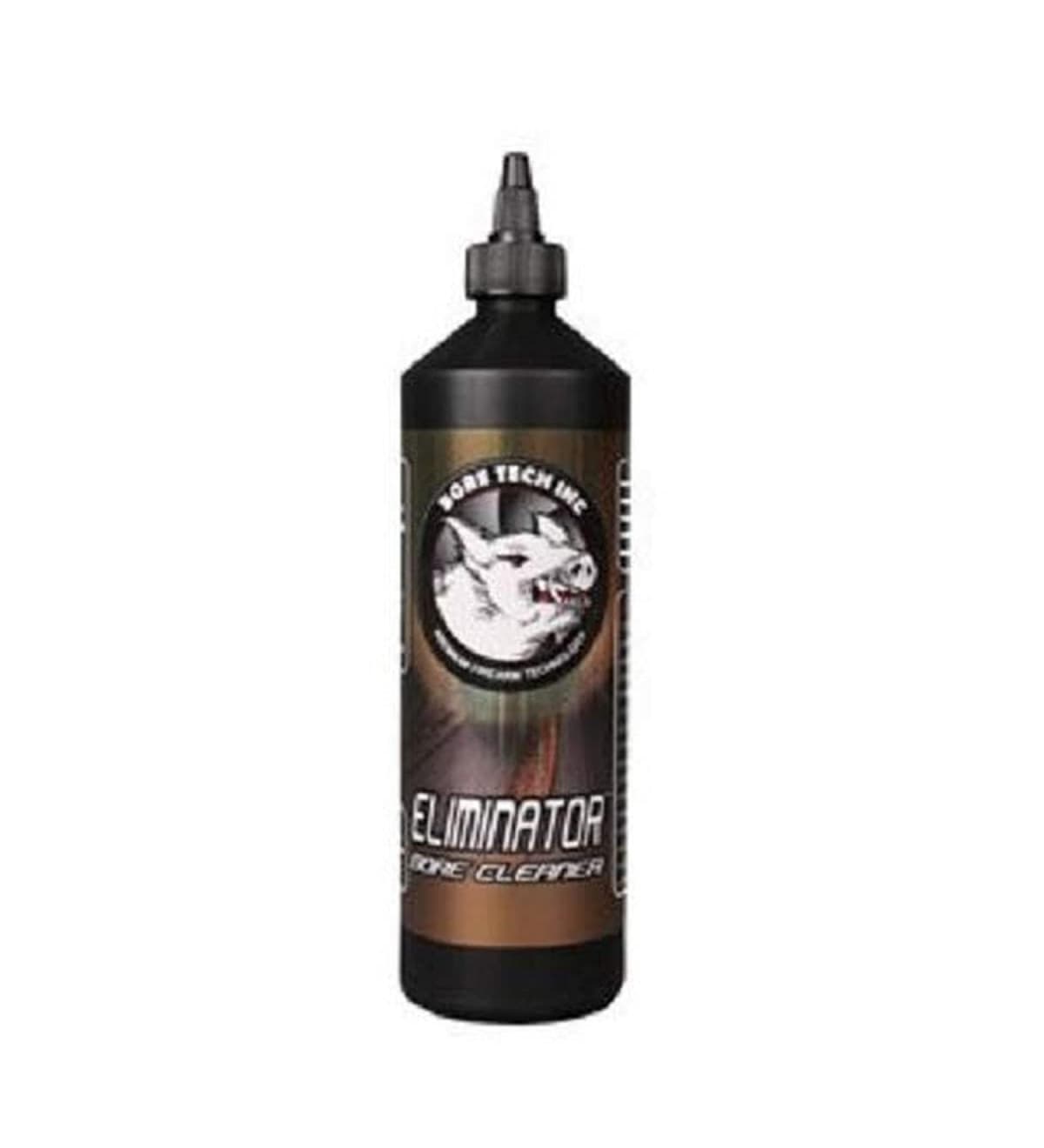
Bore Tech Eliminator Bore Cleaner
- Removes carbon and copper in one product
- Color-indicating patches show fouling type
- No ammonia odor
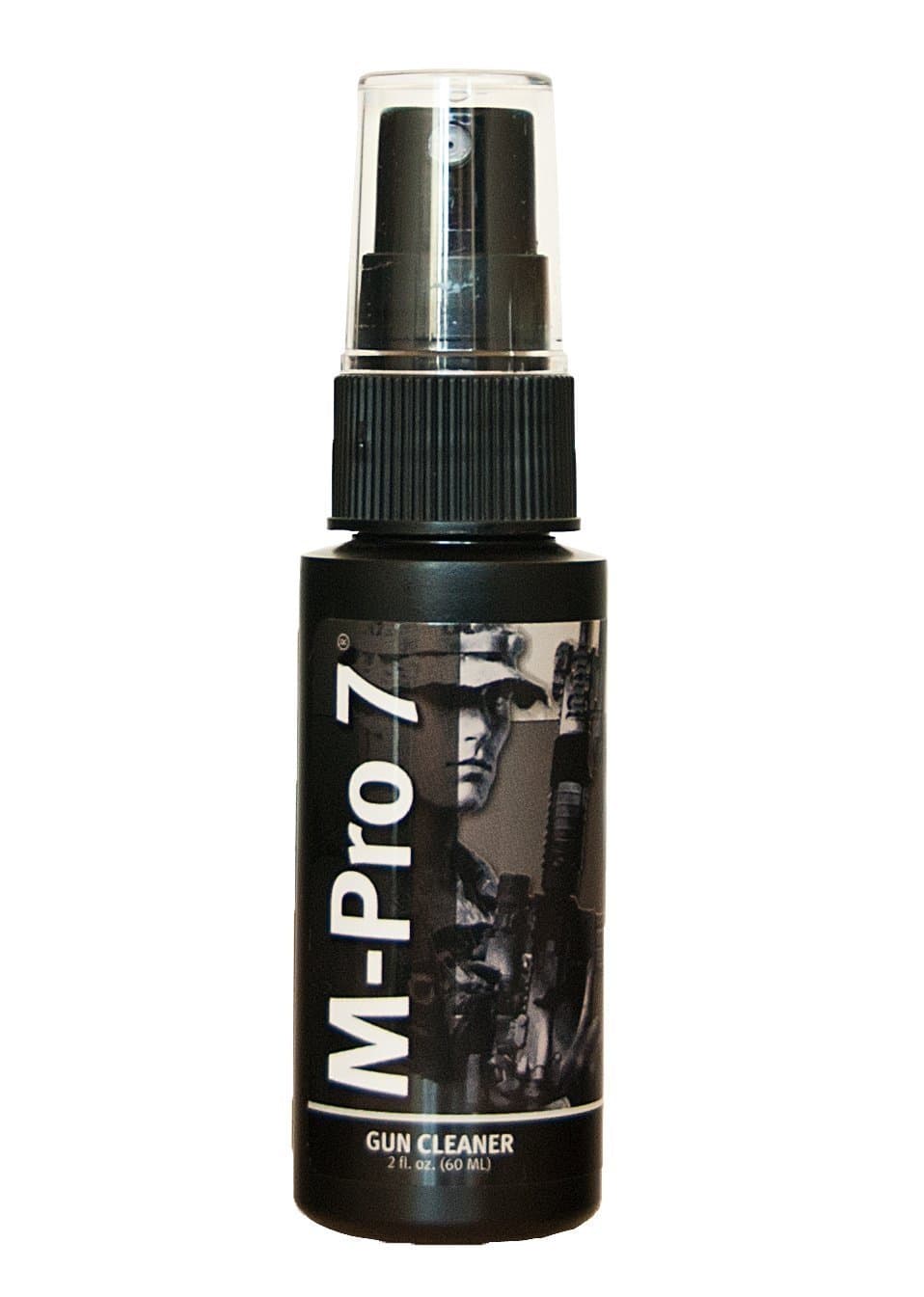
M-Pro 7 Gun Cleaner
- Water-based, non-flammable, biodegradable
- Removes carbon, lead, and copper
- Used by US military and law enforcement
Hoppe's Bench Rest 9 Copper Gun Bore Cleaner
- Aggressive copper removal for precision rifles
- Single-use solvent for jacket fouling buildup
- Pair with regular Hoppe's No. 9 for routine cleaning
Affiliate links - purchases support this site at no extra cost to you. (?)
Specialty: Corrosive Ammo, Carbon Soak, Marine Storage
Three problems standard CLPs cannot solve. Pick the matching specialty product instead of trying to force a general-purpose oil to do work it was not built for. Each of these is the right answer to one specific question, and each will outperform a generalist by a wide margin in its niche.
Ballistol for corrosive ammo. The alkaline pH (around 8.5) actively neutralizes the acidic salts left by corrosive Berdan-primed surplus ammunition. If you shoot 7.62x54R Mosin surplus, 7.62x39 Russian, or 8mm Mauser surplus, Ballistol is mandatory. Standard CLPs are pH-neutral and will not neutralize anything; the bore will rust within hours regardless of how much CLP you use. Ballistol is also the only product on this list with a USDA H1 listing for incidental food contact, which makes it safe on knife pivots, kitchen tools, and fishing reels in addition to firearms.
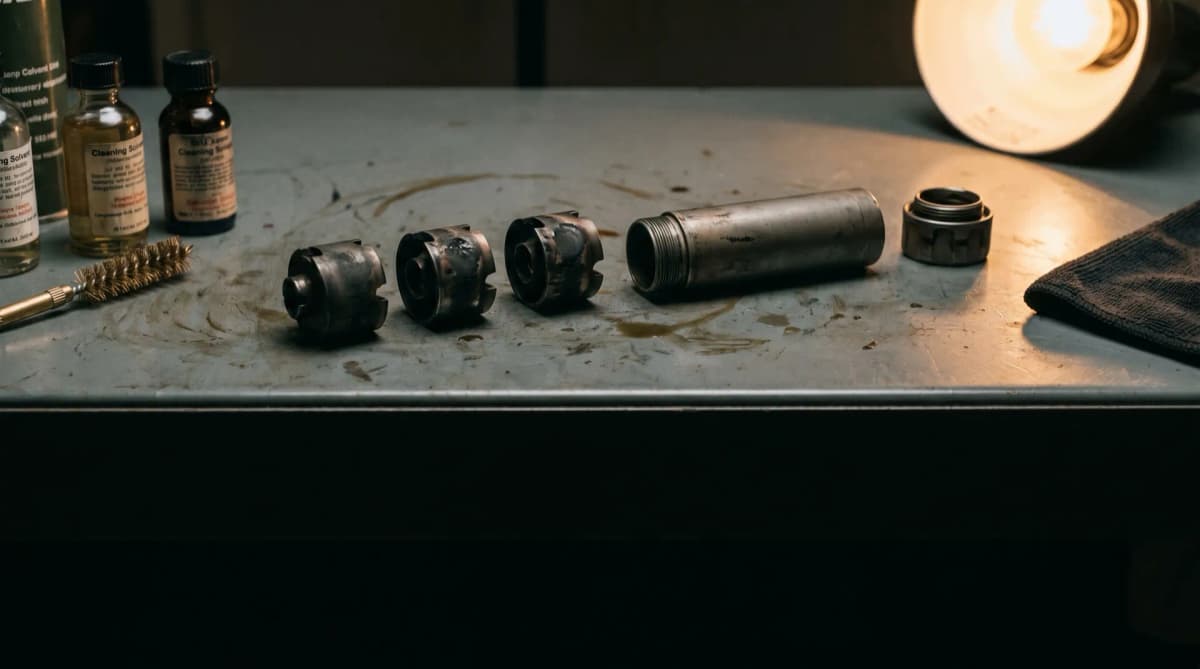
Slip 2000 Carbon Killer for suppressors and BCGs. Suppressor baffles and high-round-count AR-15 bolt carrier groups accumulate baked-on carbon that no brush will remove and no CLP will dissolve. Carbon Killer is a dedicated soak product built for this job. Drop the disassembled BCG or suppressor baffles in the 4oz dunk pail, wait 15 minutes, brush, rinse, dry, and re-lubricate. The non-toxic, non-flammable formulation makes it safe for indoor use without ventilation.
Clenzoil Field & Range for marine and long-term storage. The ASTM B117 salt-spray testing protocol exposes treated steel to continuous salt-fog spray and measures hours-to-rust. Clenzoil passes 1,000+ hours, while most consumer CLPs fail between 100 and 400 hours. For coastal climates, unconditioned safes, or any gun that sits unused for six months between range trips, Clenzoil outlasts every alternative on this list. Veterans-owned, made in USA, MIL-L-63460 qualified.
Ballistol Multi-Purpose Lubricant
- Alkaline pH neutralizes corrosive primer salts
- Default for milsurp shooters running 7.62x54R, 7.62x39, 8mm Mauser
- Also safe on wood, leather, polymer, knife pivots
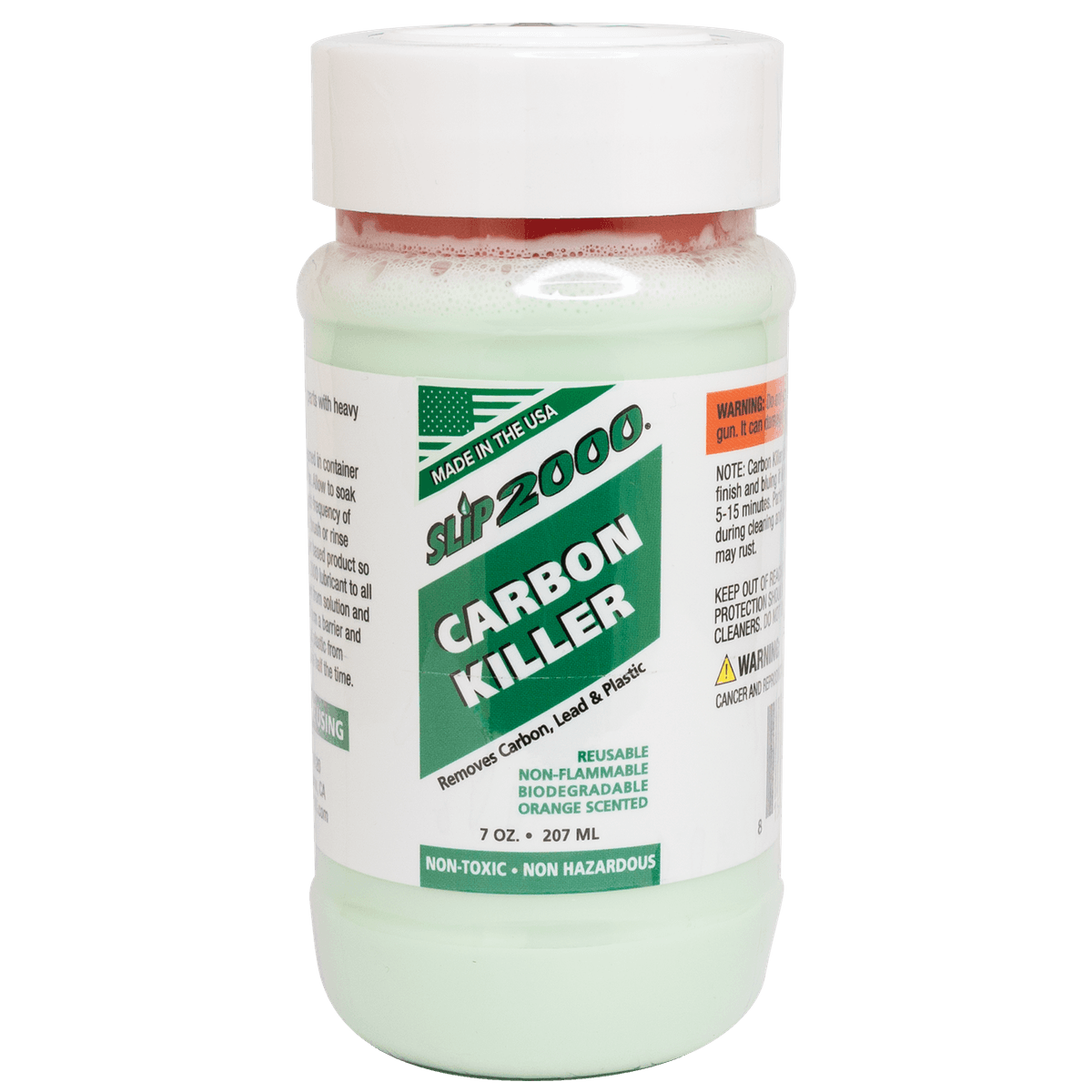
Slip 2000 Carbon Killer
- Dissolves baked-on carbon deposits
- Non-toxic, non-flammable soak product
- 4oz dunk pail with screen rack for BCG immersion
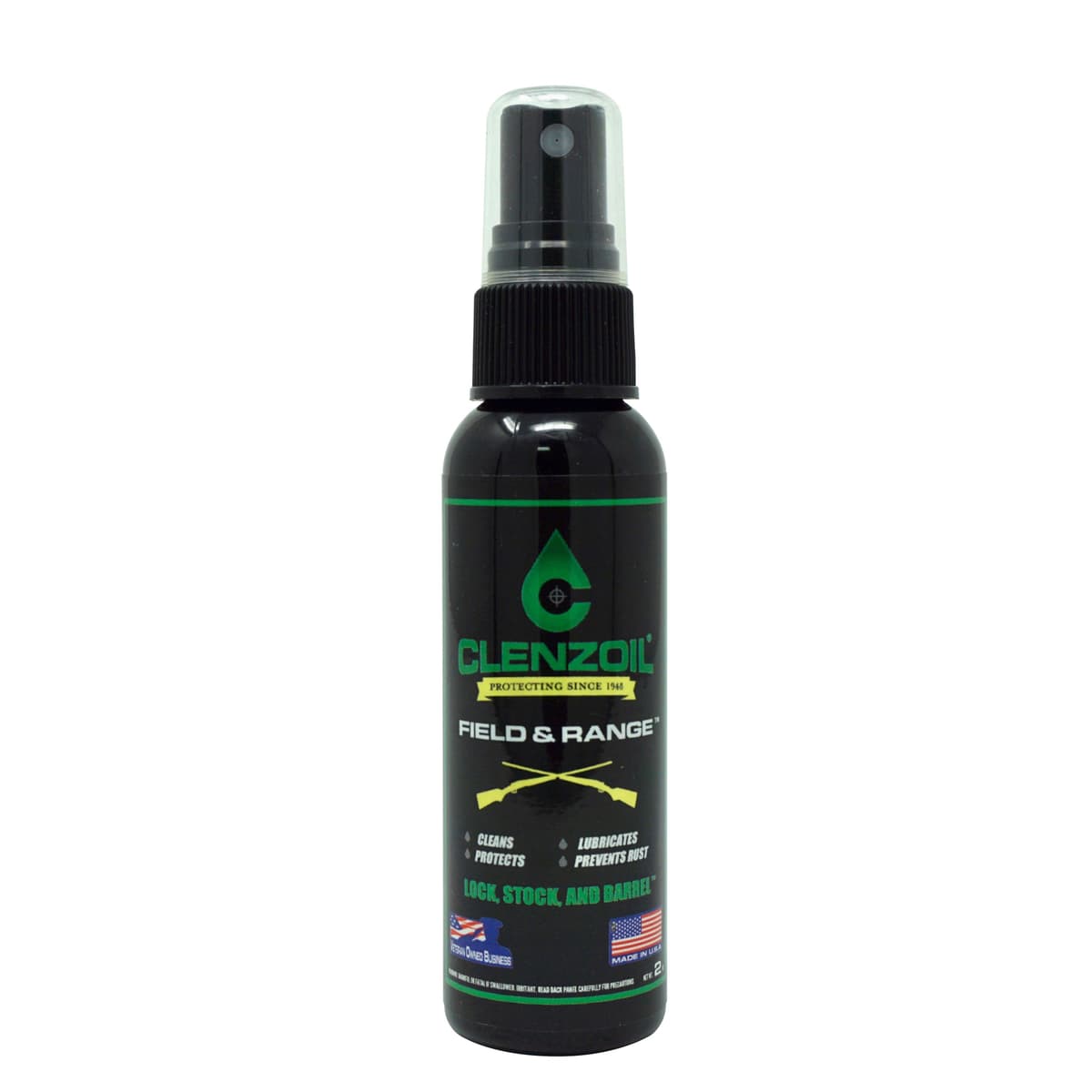
Clenzoil Field & Range CLP
- ASTM B117 salt-spray tested past 1,000 hours
- MIL-L-63460 qualified
- Best for coastal climates and unconditioned safes
Affiliate links - purchases support this site at no extra cost to you. (?)
The Three-Bottle System
Forget the all-in-one debate. The shooters with the best-running, longest-lasting firearms keep three bottles on the bench: one solvent, one lubricant, one rust preventive. Each handles its single job dramatically better than any CLP can. Three tiers below, each built around a specific budget and use case.
- Hoppe's No. 9 (2 oz)$7
- Break Free CLP (4 oz)$8
- Ballistol (4 oz aerosol)$13
The three-bottle starter kit. Solvent + CLP + multi-surface preservative. Covers any non-suppressed AR-15 or pistol shot under 500 rounds per session.
- Bore Tech Eliminator$15
- Slip 2000 EWL$12
- Clenzoil Field & Range$13
Dual-action solvent for carbon + copper, synthetic lube that survives heat, marine-grade rust preventive. The kit for high-volume shooters and serious bench cleaning.
- Slip 2000 Carbon Killer$15
- Slip 2000 EWL$12
- Aeroshell 33MS Grease$15
- Clenzoil Field & Range$13
Carbon soak for the can, synthetic oil on the BCG, grease on the cam pin, marine preventive in the safe. Built for suppressed full-auto and 5,000+ rounds between deep cleans.
Frequently Asked Questions
▶What is the best gun oil on the market?
▶What gun oil do Navy SEALs use?
▶Is Ballistol the same as WD-40?
▶Is Ballistol just mineral oil?
▶What oil do gunsmiths use?
▶Do I need a separate solvent and lubricant, or just a CLP?
▶What is the best gun cleaner for indoor use?
▶What is the best gun oil for an AR-15?
▶How often should I lubricate my AR-15?
Bottom Line
If you only buy one gun oil, buy Ballistol.
The alkaline chemistry handles corrosive ammo, the multi-surface compatibility covers wood and leather, and the price per ounce undercuts most synthetic competitors. It is the most-versatile single bottle on the market.
If you only buy one gun lubricant for an AR-15, buy Slip 2000 EWL. The synthetic formula does not carbonize on hot bolt carriers, which is the failure mode that makes petroleum-based CLPs underperform on suppressed and high-round-count guns.
If you only buy one mil-spec all-in-one, buy Break Free CLP. It ships with every M4 cleaning kit issued by the US military, qualified to MIL-PRF-63460F, and costs about $8 a bottle. It is the baseline standard everything else is measured against.
For the actual cleaning procedure, start with our AR-15 cleaning guide. For the rod, brush, bore guide, and patch hardware that pairs with these chemicals, see the AR-15 cleaning kit guide. For the broader maintenance schedule and armorer-level tools, reference our maintenance tools buying guide. Or browse the full component catalog for everything else.