What to Stock Up on Before Prices Spike: A Supply Chain Preparedness Checklist
Oil infrastructure attacks are spiking energy costs. AI demand is squeezing semiconductor supply. Shipping rates are climbing. If you have been through a panic-buying cycle before, you know the window to buy at normal prices closes fast. Here is a prioritized checklist of what to stock up on now, ordered by supply chain vulnerability and price spike risk.
Key Takeaways
- → Ammunition is the highest-priority stockpile item: heavy to ship, metal-price sensitive, and first to spike during panic buying
- → Magazines are $10-13 each right now. During the 2020 panic, PMAGs hit $25-30 when they were available at all
- → AI demand is competing for the same semiconductor fab capacity that optic manufacturers use, pushing component costs up
- → Spare parts and consumables (springs, batteries, CLP) cost almost nothing now but become unavailable during supply disruptions
- → General emergency gear (water filtration, food, power, medical) covers the gaps that firearms alone cannot fill
Why Prices Are About to Move
Three converging pressures are creating a supply chain squeeze that has not existed simultaneously before. First, strikes on oil infrastructure in the Middle East are driving energy prices up across the board. Energy costs flow directly into manufacturing (powder and primer production requires significant energy input) and shipping (ammunition is heavy, and freight rates track fuel costs). Second, the AI industry is consuming record quantities of semiconductors, memory, and power management components. The same fabs that produce LED emitters for red dots and processors for smart optics are prioritizing higher-margin AI chip orders. Third, broader geopolitical instability triggers panic buying independent of actual supply disruption.
The 2020 panic is the most recent reference point. 9mm FMJ went from $0.18/round to over $0.70/round within 60 days. 5.56 NATO went from $0.28/round to $0.85/round. PMAGs that normally cost $10-13 hit $25-30 when they were in stock at all. Primers became completely unavailable for over 18 months, shutting down the reloading community entirely. Those who bought at pre-panic prices saved thousands. Those who waited paid triple or went without.
The current situation is not 2020, and it may not escalate to that level. But the supply chain signals are pointing in one direction, and the cost of being early is zero (you will shoot the ammo anyway), while the cost of being late is significant.
Priority 1: Ammunition
Ammunition is the single most supply-chain-vulnerable item you own. It is heavy (driving shipping cost sensitivity), relies on globally sourced raw materials (copper, lead, brass, powder chemicals), and is the first thing to disappear from shelves when fear buying starts. Unlike a rifle or optic that you buy once, ammunition is a consumable that depletes with every range session. Buy it now at stable prices or pay double later.
5.56/.223 Training Ammunition
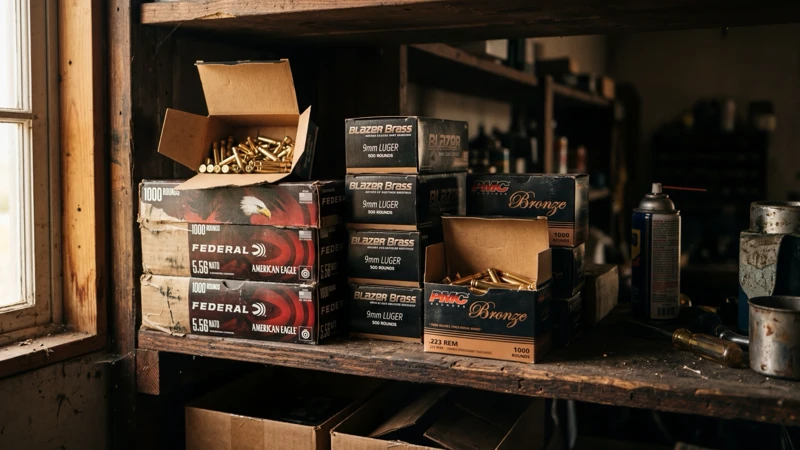
For volume training, PMC Bronze .223 55gr FMJ and Federal American Eagle .223 55gr FMJ are the most cost-effective brass-cased options. IMI M193 55gr runs slightly hotter (true 5.56 NATO pressure) and is a solid choice if your barrel is 5.56 rated. Target: 1,000 rounds minimum. For a deeper breakdown of which load matches your barrel length and use case, see our 5.56 ammo selection guide.
9mm Training Ammunition
Blazer Brass 9mm 115gr FMJ consistently offers the best price-per-round for brass-cased training ammunition. Federal American Eagle, Winchester White Box, and Magtech 115gr are all reliable alternatives. If you shoot more than 200 rounds per month, buy by the case (1,000 rounds) for bulk pricing. Minimum stockpile: 1,000 rounds. See our 9mm range ammo comparison for the full breakdown.
Defensive Ammunition
Defensive hollow points are manufactured in smaller batches than training FMJ and disappear faster during shortages. For 9mm, Federal HST 124gr and Speer Gold Dot 124gr are the two most proven duty loads. For 5.56, Speer Gold Dot 64gr Bonded and Federal Tactical Bonded 62gr deliver consistent barrier-blind terminal performance. Stock 200 rounds of your chosen defensive load per firearm. For our ranked picks, see the 9mm self-defense ammo guide.
Storage
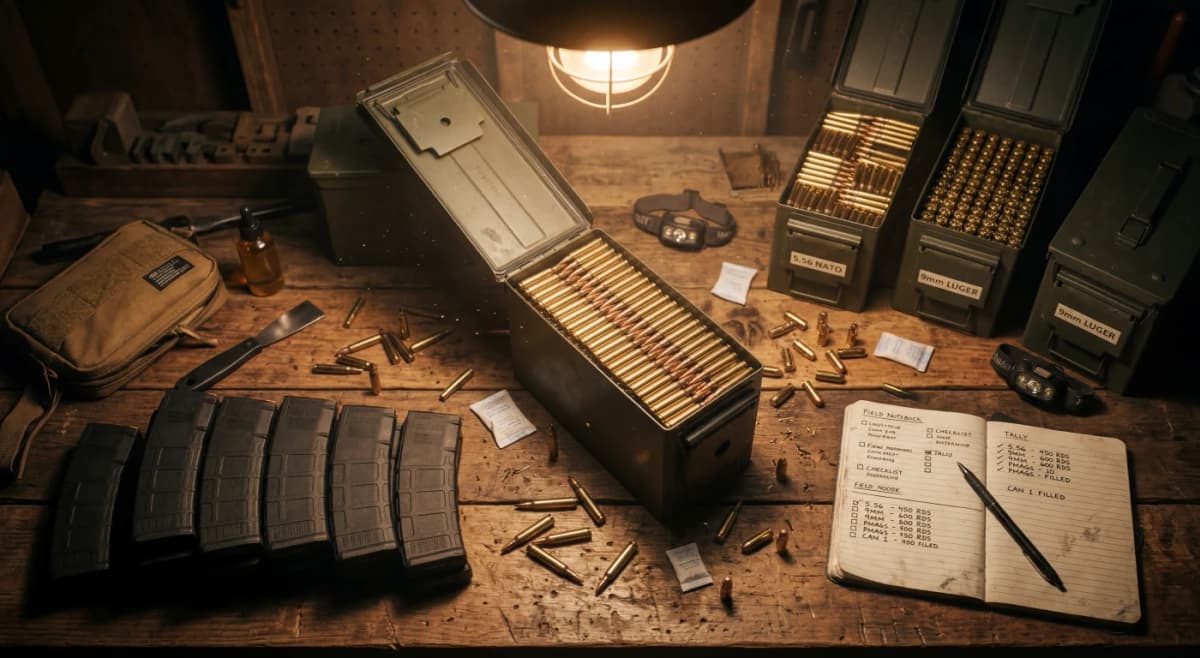
Sealed .50 cal ammo cans with desiccant packets in a climate-controlled space. Avoid garages, attics, and sheds where temperature swings cause condensation. Brass-cased, factory-loaded ammunition stored this way has a practical shelf life exceeding 30 years. For the cans, crates, and desiccant that do the sealing, see our best ammo cans guide; for secure long-term storage, see our gun safe guide.
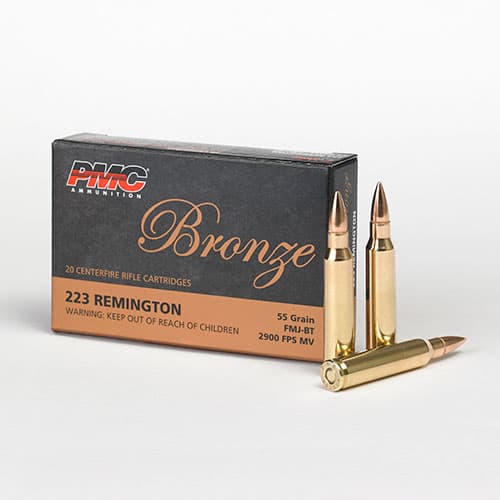
PMC Bronze .223 55gr FMJ
Best Value 5.56/.223 Training Ammo
- +Consistently cheapest brass-cased .223 on the market
- +Reliable ignition across thousands of rounds
- +Reloadable brass cases
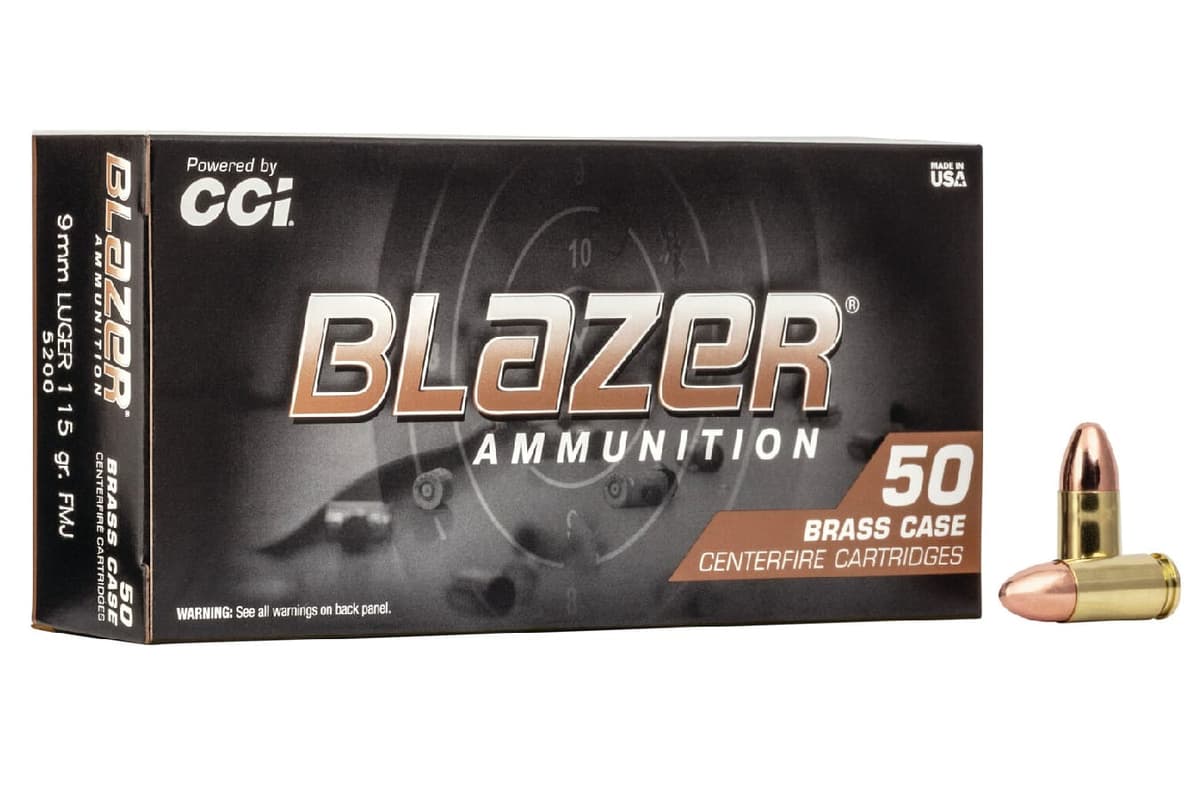
CCI Blazer Brass 9mm 115gr FMJ
Best Value 9mm Training Ammo
- +Domestically manufactured, shorter supply chain
- +Best price-per-round for brass-cased 9mm
- +Runs clean with minimal fouling
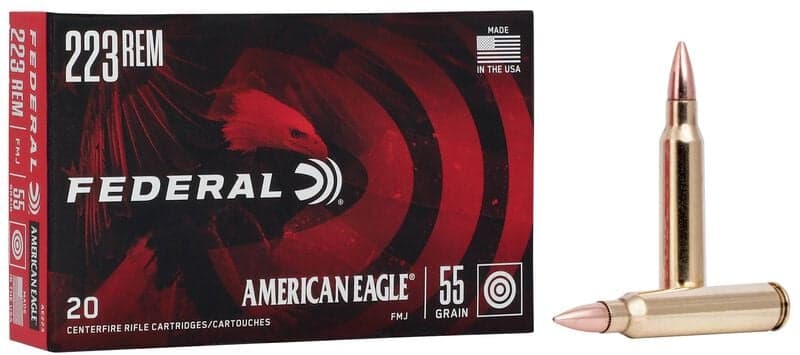
Federal American Eagle .223 55gr FMJ
Most Available — Domestic Manufacturing
- +Domestic US manufacturing, least supply chain risk
- +Most widely stocked training load at retailers
- +Consistent quality control across lots
Affiliate links - purchases support this site at no extra cost to you. (?)
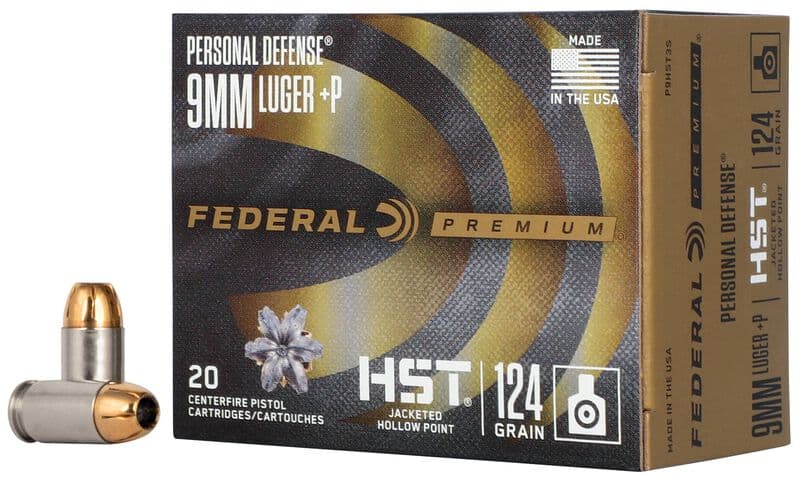
Federal HST 9mm 124gr JHP
Best 9mm Defensive Load — FBI Protocol Standard
- +Strong third-party gel-test and duty-use record
- +Most widely issued LE duty load in the US
- +Reliable expansion across velocity windows
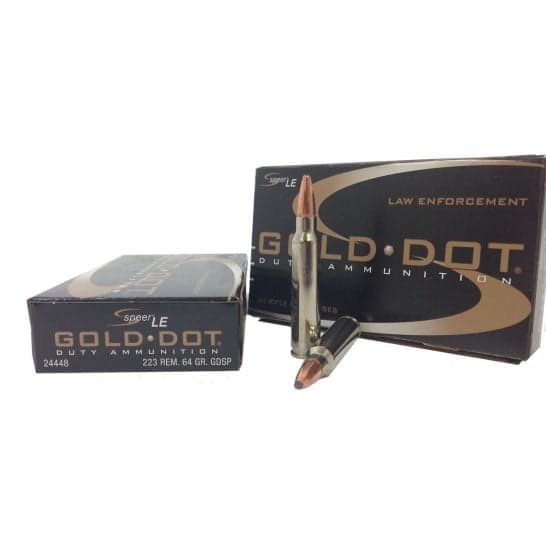
Speer Gold Dot 62gr Bonded .223
Best 5.56 Defensive Load — Barrier-Blind Performance
- +Bonded core prevents jacket/core separation through barriers
- +Consistent expansion from 10.5" to 20" barrels
- +Proven LE duty load with extensive field data
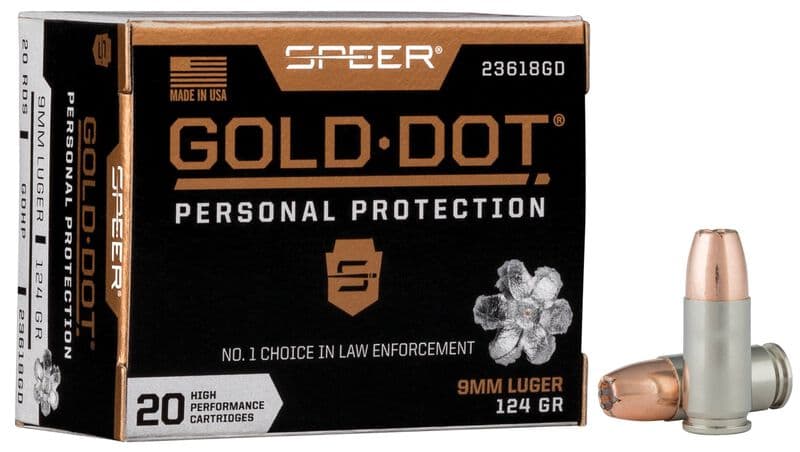
Speer Gold Dot 9mm 124gr JHP
HST Alternative — Better Availability During Shortages
- +UniCor bonded jacket prevents separation
- +Often available when HST is sold out
- +Slightly lower price than HST
Affiliate links - purchases support this site at no extra cost to you. (?)
Priority 2: Magazines
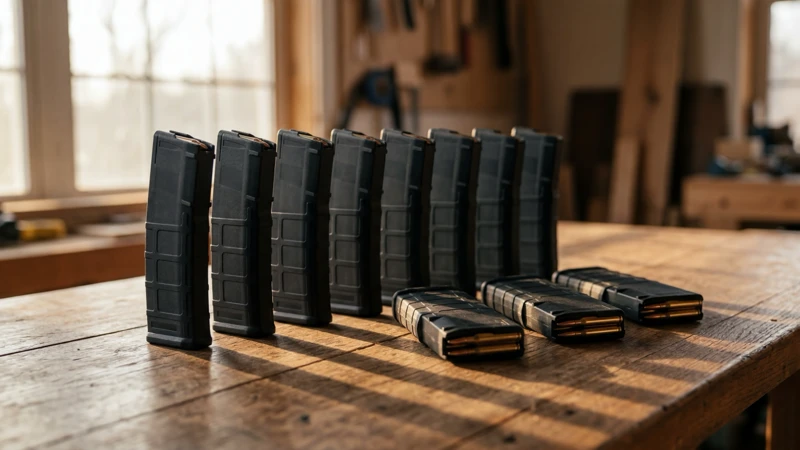
Magazines are consumable items with finite spring life, not permanent accessories. Springs weaken over thousands of load cycles, feed lips crack on polymer magazines, and metal magazines dent. Having spares is not hoarding; it is basic maintenance planning. At $10-13 per Magpul PMAG Gen M3, stocking 10-20 magazines costs $100-260 at current prices. During the 2020 panic, those same PMAGs hit $25-30 each when available.
AR-15 Magazines
The Magpul PMAG Gen M3 is the standard. Reliable, cheap, and universally compatible. For a detailed comparison including the DURAMAG SPEED aluminum magazine and why we skip Lancer for 5.56, see our AR-15 magazine guide. Minimum: 10 magazines. If you shoot competitively or run training courses, 20 is not excessive.
Pistol Magazines
Buy OEM magazines for your specific platform. Glock OEM 17-round for G17/G45, SIG OEM for P320 and P365 variants. Third-party pistol magazines (Magpul GL9 excluded) are acceptable for range use but stick with factory for defensive duty. Minimum: 4 magazines per carry or home defense pistol.
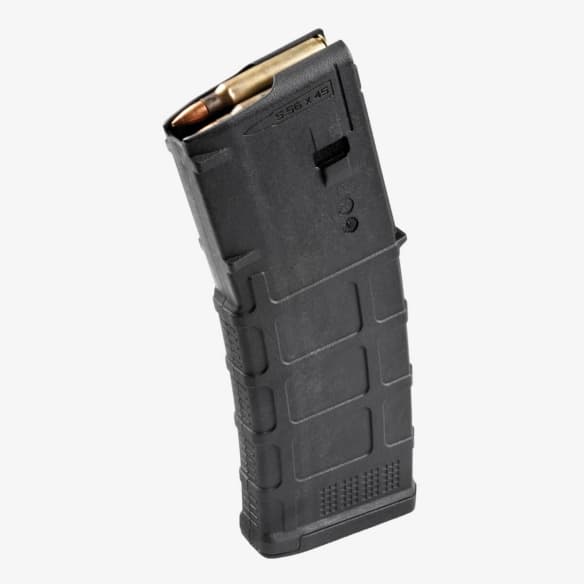
Magpul PMAG Gen M3 30-Round
The Standard — Buy 10-20 at $10-13 Each
- +Universal AR-15 compatibility
- +Over-insert lip geometry for positive feeding
- +Dust/impact cover included for storage
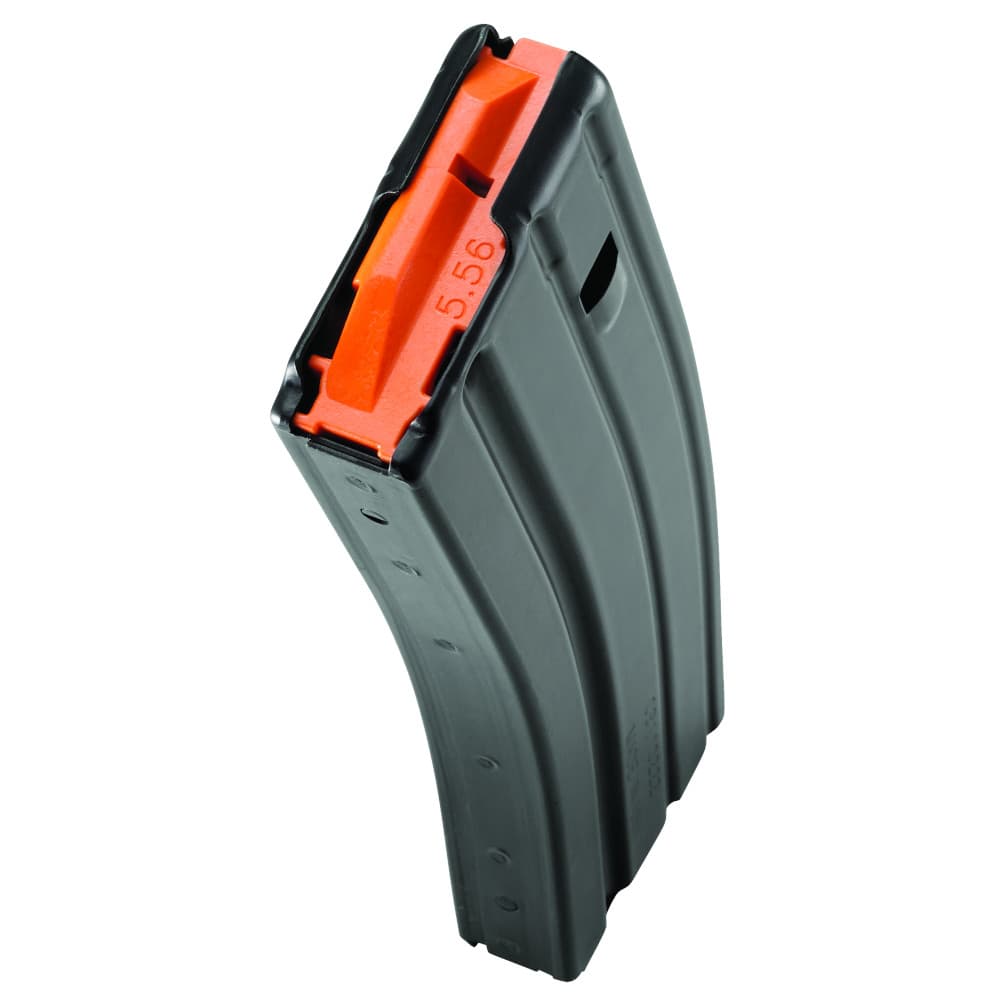
DURAMAG SPEED 30-Round Aluminum
Current Metal Alternative — Lightweight USGI-Pattern Body
- +Current production from an active magazine manufacturer
- +Lightweight aluminum body
- +Anti-tilt follower and EverFlex stainless spring
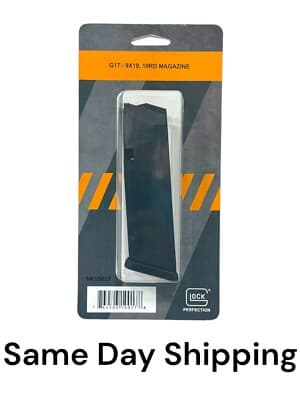
Glock OEM G17 Magazine 17-Round
Glock Standard — 4 Minimum Per Defensive Pistol
- +Factory reliability, zero aftermarket risk
- +Fits G17, G34, G45, G19X (with slight protrusion in G19)
- +Steel-lined polymer construction
Affiliate links - purchases support this site at no extra cost to you. (?)
Priority 3: Optics & Electronics
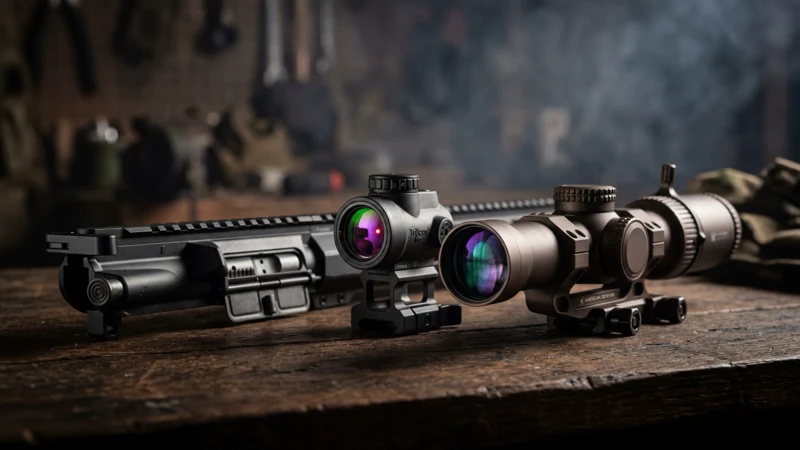
This is the less obvious supply chain pressure, but it is real. Red dot sights, LPVOs, holographic optics, and thermal devices all depend on semiconductor components, LED emitters, and precision glass coatings. The AI industry is consuming unprecedented quantities of these same materials. TSMC and Samsung are prioritizing high-margin AI chip production, which means longer lead times and higher costs for the lower-volume components used in optics manufacturing.
Budget optics in the $100-200 range (Sig Romeo5, Holosun 403/503 series) are most vulnerable because margins are already razor-thin. A 15-20% increase in component costs could push retail prices up $30-50. Premium optics from Aimpoint, Trijicon, and EOTech have more pricing buffer but are not immune. If you have been planning an optic purchase, the current pricing is as good as it is likely to get for the foreseeable future. Browse our optic selection guide or best red dots for AR-15 to narrow down the right choice for your setup.
Do not panic-buy an optic you do not need. This is not ammunition that you will use regardless. Buy the optic you have been researching. If you do not have a specific need, skip this category and put the money toward ammo and magazines instead.
Also stock CR123A batteries if your optic or weapon light uses them. A 12-pack costs $15-20 and has a 10-year shelf life. Dead optics are useless optics. Use our catalog to check battery compatibility for your specific setup.
Priority 4: Spare Parts & Consumables
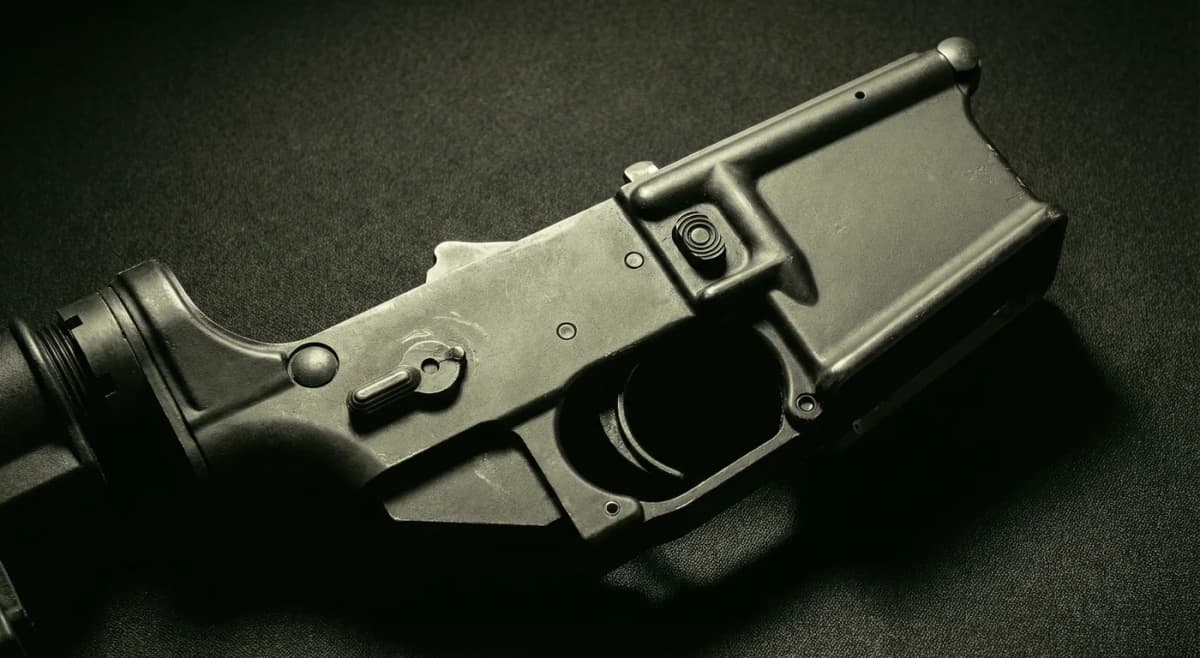
Small parts that cost almost nothing now become unobtainable during supply disruptions. A $5 detent and spring kit sitting in your armorer bin means you can rebuild a malfunctioning lower receiver in 10 minutes instead of waiting weeks for shipping. A spare firing pin ($8-15) and extractor with spring ($10-20) cover the two most common AR-15 failure points.
Minimum AR-15 Spare Parts Kit (~$50-80)
- → Detent & spring kit (takedown, pivot, safety, buffer retainer)
- → Spare firing pin
- → Spare extractor with spring and insert
- → Spare bolt (or complete BCG if budget allows, $80-150)
- → Spare gas rings (set of 3)
Cleaning & Maintenance Supplies
CLP (Breakthrough Clean or Slip 2000 EWL), bore brushes, cleaning patches, and a chamber brush. These are cheap and shelf-stable indefinitely. Buy a year's supply now. For the full list of what belongs in your armorer bin, see our AR-15 maintenance and armorer schedule and cleaning kit guide.
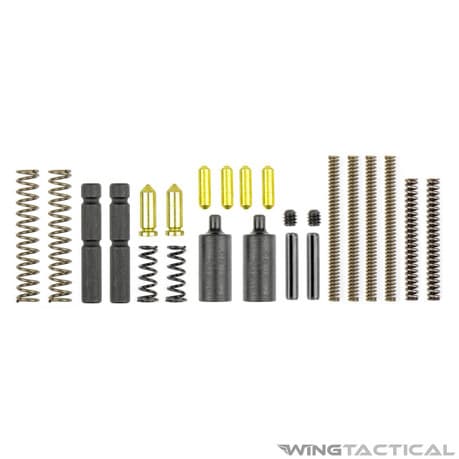
Various AR-15 Detent & Spring Kit
Cheapest Insurance — Covers the Most Common Lost Parts
- +Covers all four critical detent/spring sets
- +Under $10 for complete replacement set
- +Unlimited shelf life
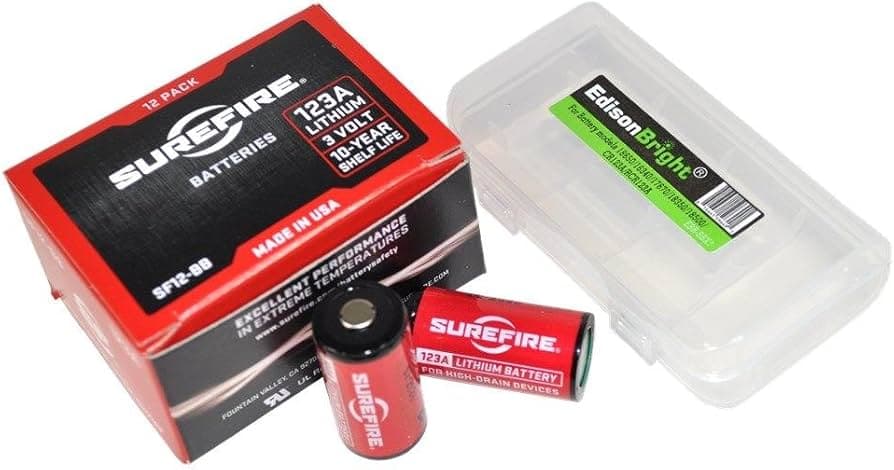
SureFire SF123A Lithium Batteries (12-Pack)
10-Year Shelf Life — Dead Optics Are Useless Optics
- +10-year shelf life for long-term storage
- +Powers most weapon lights and legacy optics
- +Lithium chemistry performs in extreme temperatures
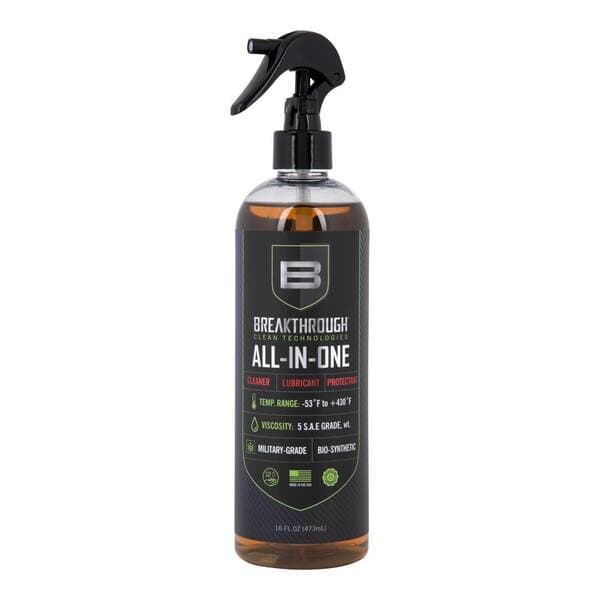
Breakthrough Clean Military-Grade Solvent
Best CLP — Odorless, Non-Toxic, Indefinite Shelf Life
- +Odorless and non-toxic, safe for indoor use
- +Cleans, lubricates, and protects in one product
- +Military-grade formula handles heavy carbon buildup
Affiliate links - purchases support this site at no extra cost to you. (?)
Priority 5: General Emergency Preparedness
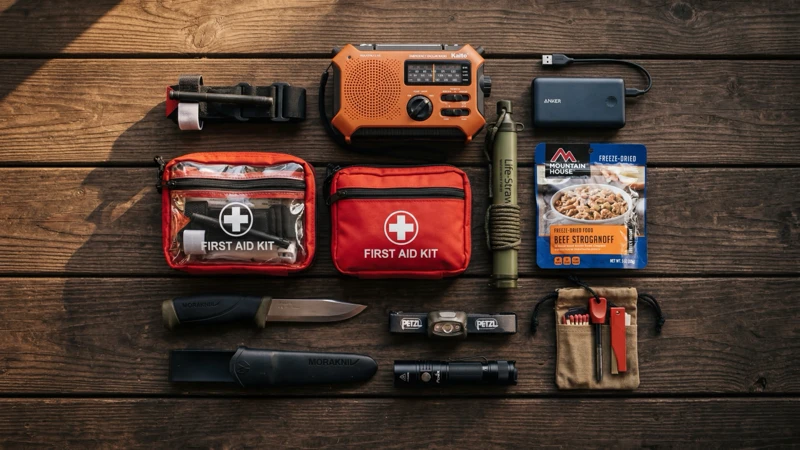
Firearms without water, food, light, medical supplies, and communication are an incomplete preparedness plan. Supply chain disruptions affect grocery stores, pharmacies, and utilities before they affect gun shops. The items below cover the fundamentals for 72+ hours of self-sufficiency, which is the minimum window before organized relief typically reaches affected areas.
Water
The Sawyer Squeeze ($30) filters 100,000 gallons through a 0.1 micron hollow fiber membrane, removing 99.99999% of bacteria. It works as a straw, inline filter, or gravity system at just 3 oz. Pair it with Katadyn Micropur purification tablets for virus protection (filters alone do not catch viruses). For proactive water storage, a WaterBOB bathtub bladder stores 100 gallons of clean, covered water from your faucet for $35. Fill it when you see the storm warning.
Food
Mountain House 72-Hour Emergency Food Kit covers three days of freeze-dried meals with a 30-year shelf life. Buy it once and forget about it. For no-prep fallback when you cannot boil water, SOS Emergency Ration Bars provide 3,600 calories in a coconut-flavored, break-apart bar that is US Coast Guard approved for life raft provisioning. A Jetboil Flash boils 1 liter in 100 seconds for preparing freeze-dried meals and purifying water by boiling.
Medical
If you carry a firearm, you should carry trauma gear. The NAR IPOK ($60-80) is the individual trauma kit issued to law enforcement: CAT tourniquet, Hyfin chest seal, and emergency trauma dressing. The Surviveware Small First Aid Kit covers everyday injuries (cuts, burns, sprains) in a MOLLE-compatible pouch. These are complementary, not either/or.
Power
Your smartphone is your GPS, flashlight, camera, reference library, and communication tool. Keeping it alive during a power outage is a survival priority. The Anker PowerCore 10,000mAh ($25-30) provides 2-3 full phone charges from a pocket-sized package. For extended outages, pair it with the Anker 24W Solar Panel for unlimited renewable charging.
Communication & Light
The Midland ER310 emergency crank radio ($35-50) is your primary information link when cell towers and internet are down. NOAA weather radio provides official emergency broadcasts. Triple charging: solar, hand crank, USB. For two-way communication, a Baofeng UV-5R dual band radio ($25-30) monitors NOAA, GMRS, and amateur frequencies. For lighting, the Petzl Actik Core headlamp provides hands-free operation with rechargeable and AAA backup, and the Streamlight Siege lantern runs on D-cells for up to 7 days continuous.
Total cost for a complete emergency kit: $250-400 covers water filtration, 72-hour food supply, trauma kit, power bank, solar charger, emergency radio, headlamp, and lantern. That is less than two cases of defensive ammunition and covers the gaps that firearms alone cannot fill.
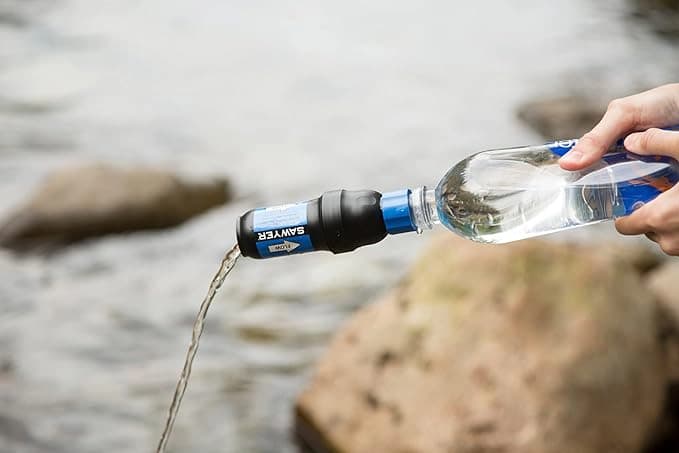
Sawyer Squeeze Water Filter
#1 Non-Firearm Prep Item — 100K Gallons for $30
- +100,000 gallon capacity, effectively never needs replacement
- +Three configurations: straw, inline, gravity
- +0.1 micron removes 99.99999% of bacteria
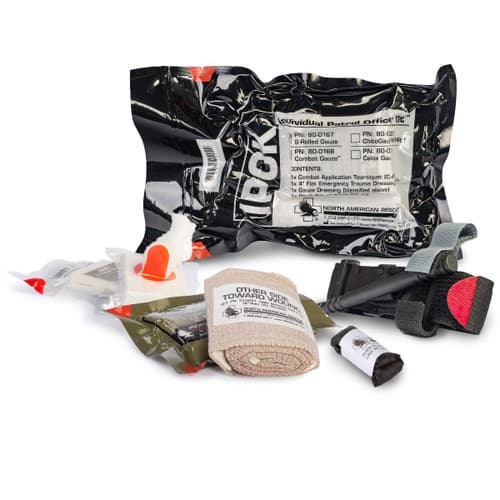
North American Rescue IPOK Trauma Kit
Minimum Viable Trauma Kit — Tourniquet + Chest Seal
- +CAT tourniquet is the proven LE/military standard
- +Hyfin chest seal for penetrating chest wounds
- +Vacuum-sealed for years of compact storage
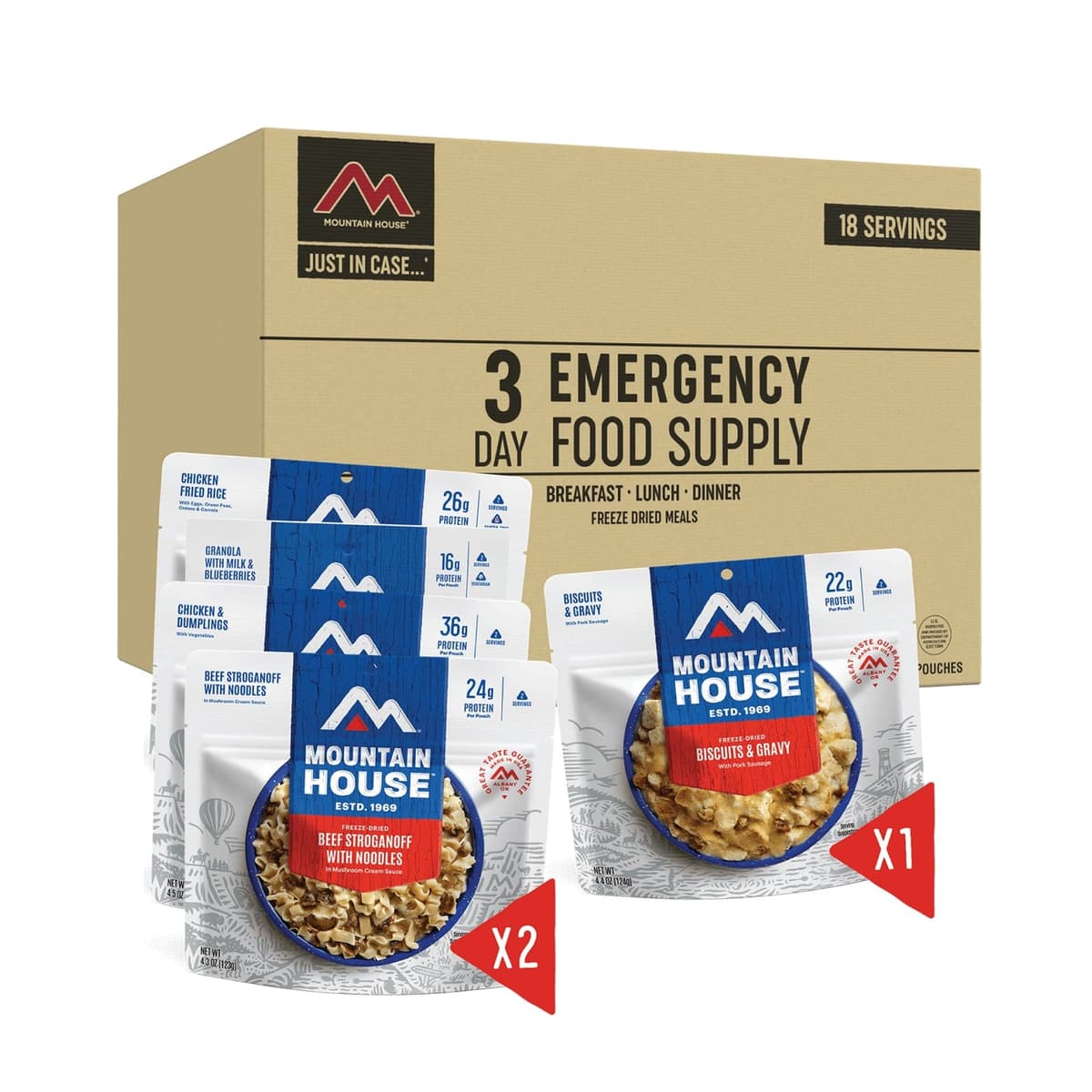
Mountain House 72-Hour Emergency Food Kit
30-Year Shelf Life — Buy Once, Forget About It
- +30-year shelf life, zero maintenance
- +Covers 72 hours of meals
- +Actually tastes good compared to MREs or ration bars
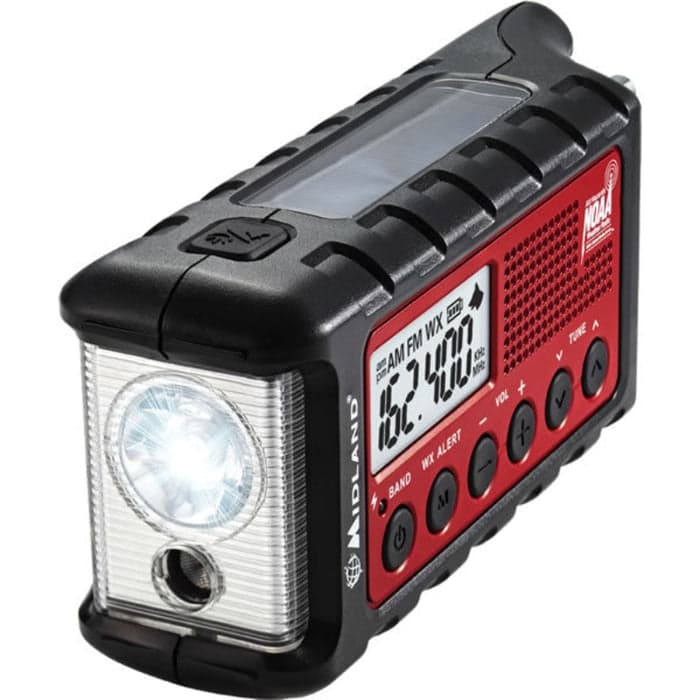
Midland ER310 Emergency Crank Radio
Information Link When Grid Is Down
- +Triple charging: solar, hand crank, USB
- +NOAA weather alerts for official emergency broadcasts
- +2600mAh battery doubles as phone charger
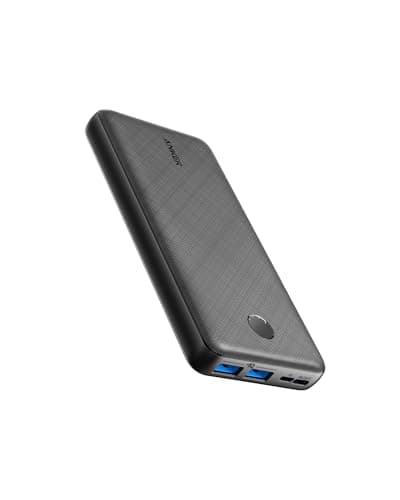
Anker PowerCore 10,000mAh
Phone Alive = GPS + Light + Comms
- +2-3 full smartphone charges
- +Pocket-sized, fits in any kit
- +PowerIQ fast charging technology
Affiliate links - purchases support this site at no extra cost to you. (?)
The Priority Stack
If you have $500 to spend right now, here is how to allocate it for maximum preparedness per dollar:
| Priority | Item | Budget | Why First |
|---|---|---|---|
| 1 | 1,000 rds training ammo | $200-280 | Highest spike risk, heaviest to ship |
| 2 | 10x PMAGs or pistol mags | $100-130 | Consumable, first to hoard |
| 3 | Spare parts kit + CLP | $50-80 | Cheap now, unavailable later |
| 4 | 200 rds defensive ammo | $80-120 | Small batches, disappears first |
| 5 | Emergency basics | $60-100 | Water filter + food + trauma kit |
If you have already covered the basics, the next $500 goes toward a complete emergency preparedness kit (water, food, power, comms), additional defensive ammunition, and that optic you have been eyeing before semiconductor costs hit retail. Use our rifle builder to plan your build and see exactly which components fit your platform.
None of this requires panic. The people who are best prepared are the ones who bought steadily at normal prices over months and years, not the ones who panic-bought 10,000 rounds at peak pricing. Start with what you can afford this week, and build from there. If you want structured range time to make your training ammunition count, check out our shooting drills tool.
Stay Ahead of Supply Chain Disruptions
Get notified when prices move on ammunition, optics, and essential gear. We track supply chain developments and send actionable buying alerts, not spam.