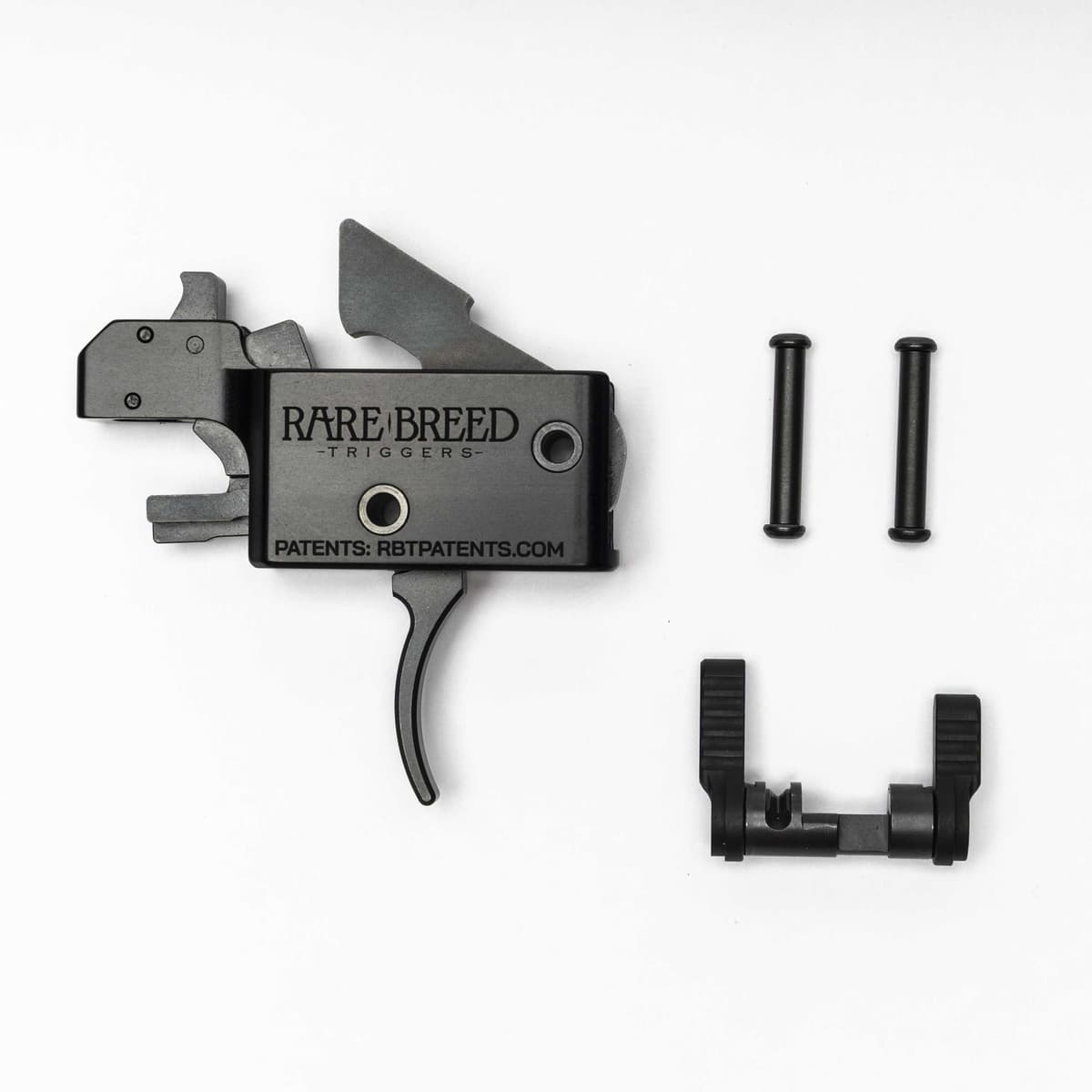
Triggers & Fire Control • $450
Rare Breed Triggers FRT-15L3
- 4-4.5 lb semi / 5.5-6 lb FRT pull
- Forced reset
$450.00 Catalog
Buy Direct from Rare Breed
State Legality MatrixClass Breakdown
Statute-cited, last verified 2026-07-28
Forced reset triggers are restricted in 16 jurisdictions and legal in the remaining 35 states. Fourteen jurisdictions are treated as ban states: California, Colorado, Delaware, Hawaii, Illinois, Maryland, Massachusetts, Minnesota, Nevada, New Jersey, New York, Oregon, Rhode Island, and Washington, D.C. Connecticut is legally ambiguous under the text in force on July 31, 2026, but Public Act 26-41 expressly bans forced-reset triggers beginning October 1, 2026. Florida is also legally ambiguous: its bump-fire-stock statute (Fla. Stat. § 790.222) bans any device that alters rate of fire to mimic automatic weapon fire, no court has tested it against a one-pull FRT, and makers decline Florida shipments. No other state has a statute that reaches a one-pull-per-round FRT, so Texas, Arizona, Georgia, and the rest of the country are clear.
Forced Reset Triggers
Under the 2025 DOJ settlement with Rare Breed Triggers, an FRT fires one round per trigger function and is not an NFA machine gun federally. That settlement covers rifles and grip-forward pistols; it does not extend to grip-fed handguns like Glock, S&W M&P, or Canik, whose federal FRT status remains less settled. State bans operate independently of federal law through broader machine-gun, trigger-activator, or rate-of-fire definitions, which is why a device legal under federal law can still be a felony to possess in a ban state.
The class carries real edge cases. Connecticut's current definition names recoil-driven reciprocating devices, trigger cranks, and binary triggers but does not expressly name FRTs; the enacted October amendment closes that gap. Washington is not a ban state for FRTs even though it bans binary triggers, because its machine-gun definition only reaches mechanisms that do not require the trigger be pressed for each shot. Nevada and Rhode Island are listed as banned conservatively, but statutory coverage of a one-pull FRT is contested and untested in court. Colorado's rapid-fire device ban under SB25-003 has been in force since April 10, 2025; only the separate purchase-permit regime for specified semi-autos waits until August 1, 2026. Minnesota's FRT-reaching prong survived the May 2026 ruling that struck down its separate binary-trigger prong.
Where it is restricted
These 16 jurisdictions ban forced reset triggers or present unresolved current-law risk. Each row cites the current or enacted statute, case, or attorney-general guidance and the date the entry was last verified against primary sources.
| State | Status | Rule | Statute / Case |
|---|---|---|---|
| California | Banned | FRTs are classified as prohibited multiburst trigger activators. | Cal. Penal Code § 32900; § 16930 (definition) |
| Colorado | Banned | Rapid-fire devices, including FRTs, are dangerous weapons; possession is a class 5 felony. Effective 2025-04-10. | Colo. Rev. Stat. §§ 18-12-101(1)(g.7) & 18-12-102 (SB25-003, 2025) |
| Connecticut | Banned | Connecticut expressly prohibits forced reset triggers under P.A. 26-41, which added devices that repeatedly pull or forcibly reset a trigger to the § 53-206g rate-of-fire enhancement ban. Effective 2026-10-01. | Conn. Gen. Stat. § 53-206g; Conn. P.A. 26-41, § 2 (effective Oct. 1, 2026) |
| Delaware | Banned | Reached by the rapid fire device prohibition alongside bump stocks and trigger cranks. | 11 Del. C. § 1444 |
| Florida | Restricted | Likely reached by the broad bump-fire-stock rate-of-fire definition, but untested as applied to forced reset triggers. Effective 2018-10-01. | Fla. Stat. § 790.222 |
| Hawaii | Banned | Prohibited as a multiburst trigger activator. | Haw. Rev. Stat. § 134-8.5 |
| Illinois | Banned | Treated as machine guns by the Illinois Attorney General under the existing unlawful-use-of-weapons statute; PICA's rate-of-fire provision also reaches them. | 720 ILCS 5/24-1(a)(7); 720 ILCS 5/24-1.9 |
| Maryland | Banned | Prohibited as a rapid fire trigger activator. Effective 2018-10-01. | Md. Code, Crim. Law § 4-305.1 |
| Massachusetts | Banned | Prohibited as a rapid-fire trigger activator under the 2024 firearms modernization act. Effective 2024-10-02. | Mass. Gen. Laws ch. 140, § 121 (definitions); ch. 269, § 10(c); St. 2024, c. 135 |
| Minnesota | Banned | Prohibited as a trigger activator under the 2023 expanded definition. Effective 2023-08-01. | Minn. Stat. § 609.67 |
| Nevada | Banned | Treated as prohibited under the rate-of-fire device ban; statutory coverage of one-pull FRTs is contested. Effective 2019-06-14. | Nev. Rev. Stat. § 202.274 (AB 291, 2019) |
| New Jersey | Banned | Treated as a prohibited machine gun under New Jersey's broad state definition. | N.J. Stat. § 2C:39-1 (definition) & § 2C:39-5 |
| New York | Banned | Prohibited as a rapid-fire modification device. | N.Y. Penal Law § 265.00(23) (definition) & § 265.01-c |
| Oregon | Banned | Prohibited as a rapid fire activator, with forced reset triggers named explicitly. Effective 2025-09-26. | Or. Rev. Stat. § 166.352 (SB 243, 2025) |
| Rhode Island | Banned | Treated as prohibited under Rhode Island's rapid-fire device bans; statutory coverage of one-pull FRTs is contested. | R.I. Gen. Laws §§ 11-47-8(d) & 11-47-8.1 |
| District of Columbia | Banned | Reached by the District's broad machine-gun definition, which includes conversion parts. | D.C. Code § 7-2501.01(10) (definition); § 22-4514 |
Contested entries
Courts stay, revive, and sever these laws mid-year, and grandfather clauses change what a ban means in practice. This is where each contested entry stands.
2025 Attorney General guidance expressly affirms FRTs fall within the § 16930 multiburst trigger activator definition; manufacture, sale, and possession are all prohibited.
In force since signing on April 10, 2025 (the act carries a safety clause, so it took effect on approval). SB25-003 defines rapid-fire device broadly (any part or kit increasing a semiautomatic's rate of fire above standard) and adds it to the dangerous-weapons list. The separate August 1, 2026 date applies only to the specified-semiautomatic purchase-gating regime in § 18-12-116(2), not the device ban. No grandfather clause.
The current § 53-206g definition names recoil-driven reciprocating devices, trigger cranks, and binary triggers but not forced-reset triggers. P.A. 26-41 expressly adds devices that repeatedly pull or forcibly reset a trigger, including FRTs, effective October 1, 2026. Treat possession and acquisition as legally risky during the transition rather than claiming the 2018 text already supplies an express FRT ban.
The rapid fire device catch-all covers any device increasing rate of fire to mimic a machine gun; first offense is a class B misdemeanor, subsequent offenses a class E felony.
Section 790.222 defines a prohibited bump-fire stock expansively as any conversion kit, tool, accessory, or device used to alter the rate of fire of a firearm to mimic automatic weapon fire. No Florida court has ruled on whether a one-pull-per-round FRT qualifies, but Florida firearms counsel read the definition as reaching FRTs and makers decline Florida shipments, so the class is treated as legally ambiguous, the same posture as binary triggers under the same statute.
Bans bump fire stocks, multiburst trigger activators, and trigger cranks; class C felony.
The Attorney General's office treats FRTs as banned under existing Illinois machine-gun law and sued over the 2025 federal settlement. SB1936 (the proposed Rafael Wordlaw Act, 104th GA) would write forced reset triggers into the machine-gun definition expressly but had NOT been enacted as of July 2026; do not cite it as enacted law.
Bans transport, manufacture, possession, sale, and transfer; a narrow pre-October-2018 grandfather with ATF-authorization conditions exists, but there is no new lawful acquisition path.
Chapter 135 of the Acts of 2024 defines and bans rapid-fire trigger activators; the Attorney General separately blocked return or sale of these devices in-state.
The 2023 amendment (2023 c 52 art 4 s 15) rewrote 'trigger activator' to capture recoil-harnessing devices that reset and continue firing without additional physical manipulation, reaching FRTs; felony with penalties up to 20 years. The May 2026 single-subject ruling in Minnesota Gun Owners Caucus v. Walz severed only the 2024 binary-trigger prong; this FRT-reaching prong survives, though it is untested in court as applied to one-pull FRTs.
NRS 202.274 requires the device to eliminate the need for a separate trigger movement per shot AND materially increase rate of fire or approximate a machine gun. Whether a one-pull-per-round FRT meets the first element is contested and untested in court. Nevada joined the June 2025 multistate suit opposing the federal FRT settlement, so this cell stays conservative at banned; class D felony if covered. Sections 25-28 of AB 291 took effect on approval (June 14, 2019), not the January 1, 2020 date that applied to the rest of the act. Rare Breed's published no-ship list does not include Nevada as of July 2026, so maker shipping policy should not be cited as corroboration.
New Jersey's machine-gun definition is broader than the federal NFA and the Attorney General treats FRTs as prohibited machine guns; trigger cranks and bump stocks are separately enumerated.
The rapid-fire modification device definition covers devices designed to accelerate rate of fire and expressly reaches forced reset triggers; criminal possession is a class A misdemeanor.
SB 243 (Community Safety Firearms Act) defines forced reset trigger by name within rapid fire activator; transport, manufacture, or transfer is a class B felony and possession a class A misdemeanor.
The 2018 device ban names bump-fire devices, binary triggers, and trigger cranks and turns on enabling full-automatic fire; forced reset triggers are not named, and § 11-47-8.1(d) expressly preserves ordinary replacement triggers. Coverage of one-pull FRTs is contested and untested in court. Makers uniformly refuse to ship FRTs to Rhode Island; this cell stays conservative at banned.
The machine-gun definition includes any combination of parts designed for converting a firearm to a machine gun; possession of machine guns and such parts is prohibited under § 22-4514.
Maine has no trigger-activator or rate-of-fire statute reaching forced reset triggers.
Michigan has no machine-gun or trigger-activator statute reaching forced reset triggers.
No trigger-activator statute reaching FRTs as of verification; an active gun-control legislature makes this a state to monitor in future sessions.
Vermont has no trigger-activator statute reaching forced reset triggers.
Virginia's trigger-activator bump-stock statute (§ 18.2-308.5:1) targets recoil and bump devices; it has not been applied to one-pull-per-round FRTs as of verification.
RCW 9.41.010 defines machine gun as a mechanism not requiring that the trigger be pressed for each shot; an FRT still requires a trigger function per round, so it falls outside RCW 9.41.190. Binary triggers ARE effectively banned in WA (separate class).
Where it is legal
Forced reset triggers are legal in the other 35 states, including Texas, Arizona, Georgia, Ohio, Pennsylvania, Washington, Maine, Michigan, and Vermont. None of these states has a trigger-activator or rate-of-fire statute that reaches a device firing one round per trigger function.
What to buy
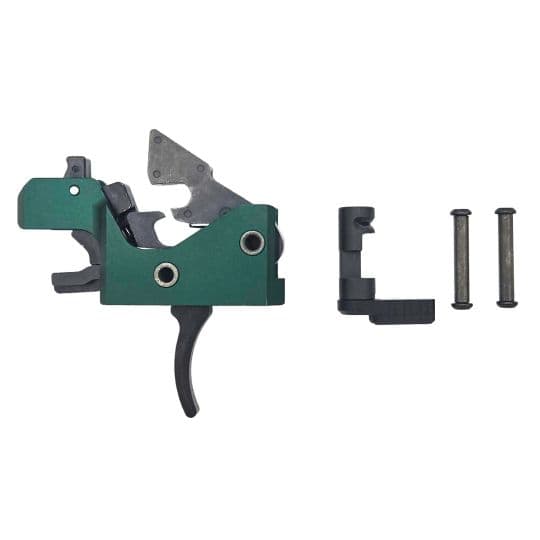
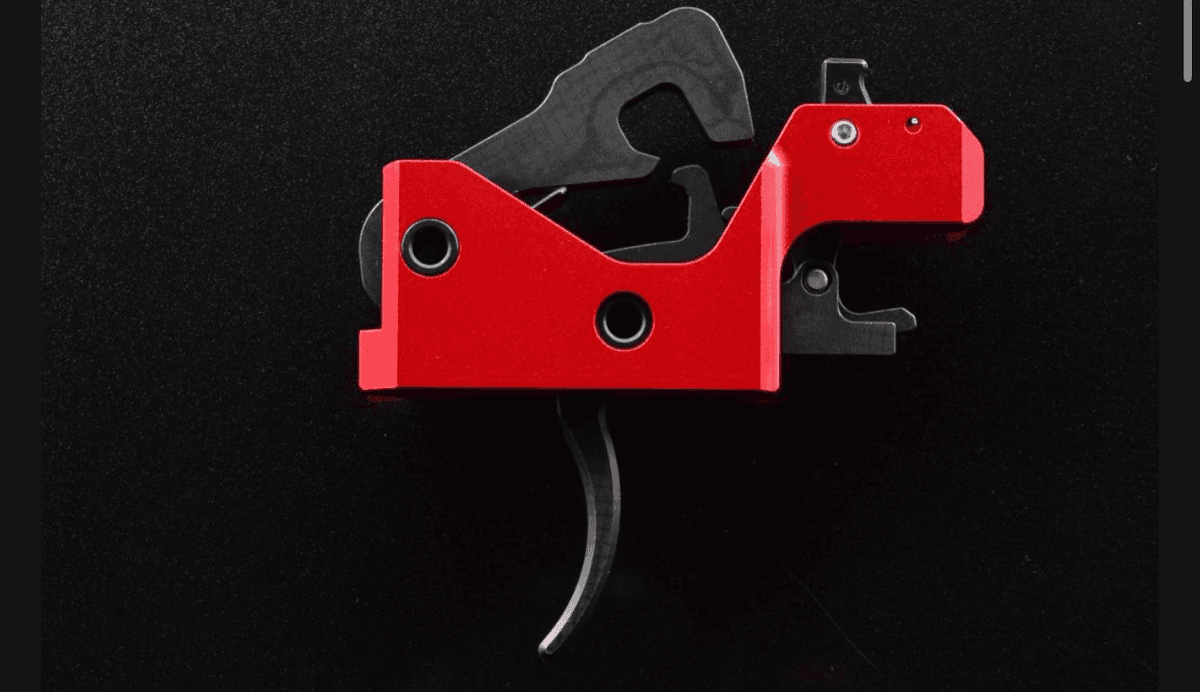
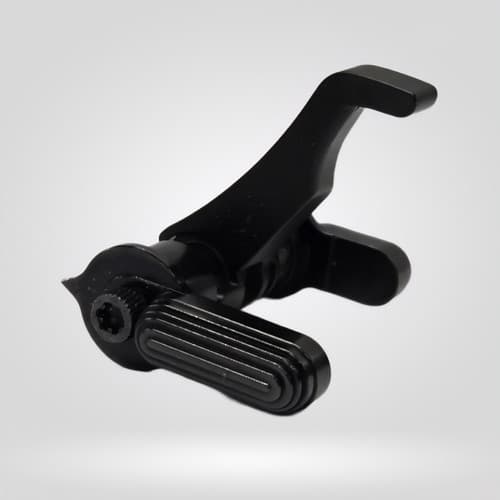
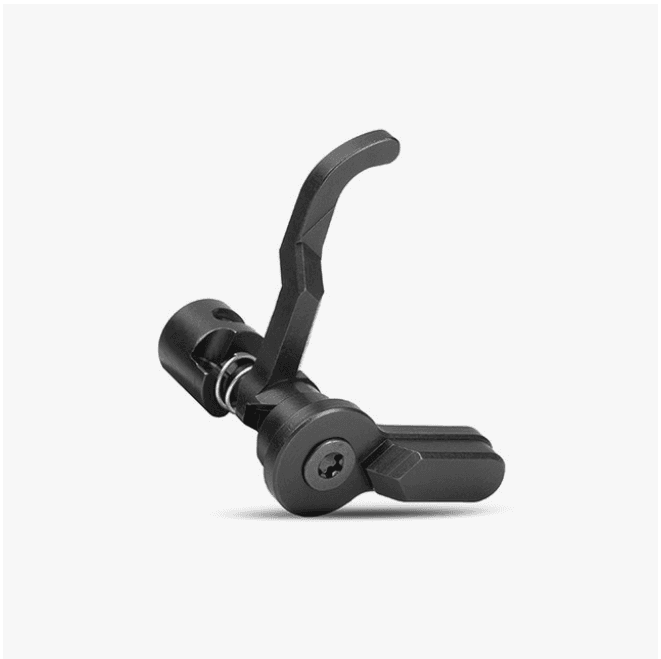
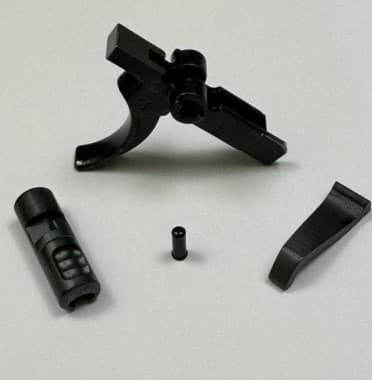
If your state is green on the map, these are the picks. The first three are complete forced reset triggers: the Rare Breed FRT-15 line is the settlement-covered original, and the Triggered Company's Disruptor and LAT run the same one-pull-per-round mechanism. The last three are forced reset selectors, the super safeties. The AS Designs Arc-Fire, Atrius FRS, and Mars 3-position selector replace the safety instead of the fire control group, so a mil-spec or super-safety-cut trigger stays in the rifle. Both device types sit in the same legal class on this matrix, so the same 35 states apply.
Affiliate links (?)
Federal law
Under the 2025 DOJ settlement with Rare Breed Triggers, an FRT fires one round per trigger function and is not an NFA machine gun federally. The settlement covers rifles and grip-forward pistols; it does not extend to grip-fed handguns (Glock, S&W M&P, Canik), whose federal FRT status remains less settled. State bans operate independently of federal law through broader state machine-gun, trigger-activator, or rate-of-fire definitions.
Federal baseline verified 2026-07-28.
Common questions
Yes. Texas has no trigger-activator or rate-of-fire statute that reaches a forced reset trigger, and an FRT fires one round per trigger function, so it is not a machine gun under federal law after the 2025 DOJ settlement with Rare Breed Triggers. FRTs are legal to own in Texas.
Florida is legally ambiguous, not clearly legal. Fla. Stat. § 790.222 bans any conversion kit, tool, accessory, or device used to alter a firearm's rate of fire to mimic automatic weapon fire, and Florida firearms attorneys read that definition as reaching forced reset triggers. No Florida court has ruled on a one-pull-per-round FRT, and makers decline Florida shipments. Treat an FRT purchase in Florida as legally risky until a court or the legislature settles the question.
No. Washington's machine-gun definition (RCW 9.41.010) only covers a mechanism that does not require the trigger be pressed for each shot, and a forced reset trigger still requires a trigger function per round, so it falls outside RCW 9.41.190. Note the asymmetry: Washington does ban binary triggers, which fire a round on release.
Nevada is treated as a ban state, but coverage is contested. NRS 202.274 requires a device to eliminate the need for a separate trigger movement per shot and materially increase the rate of fire; whether a one-pull-per-round FRT meets the first element is untested in court. Nevada joined the June 2025 multistate suit opposing the federal FRT settlement and makers do not ship there, so the safe answer is that FRTs are effectively unavailable and legally risky in Nevada.
April 10, 2025. Colorado SB25-003 carries a safety clause, so its rapid-fire device provisions took effect the day it was signed: possession is a class 5 felony under Colo. Rev. Stat. § 18-12-102 with no grandfather clause. The August 1, 2026 date in the same act applies only to the purchase-permit regime for specified semi-automatic firearms, not the device ban.
Federally, yes for rifles and grip-forward pistols. The 2025 DOJ settlement with Rare Breed Triggers confirms an FRT fires one round per trigger function and is not an NFA machine gun in those configurations. The settlement does not reach grip-fed handguns, and it does not override state law; California, New York, Illinois, and the other ban states still prohibit FRTs, while Connecticut and Florida present separate state-law risk.
The Super Safety is a forced-reset selector, not a trigger, but it lives in the same legal class as forced reset triggers on this matrix and is restricted in the same 16 jurisdictions. States that ban rate-of-fire or trigger-activator devices, including California, New York, and Illinois, reach forced-reset selectors alongside FRTs.