Streamlight ProTac HL-X
- ✓1,000 lumens
- ✓50,000 candela

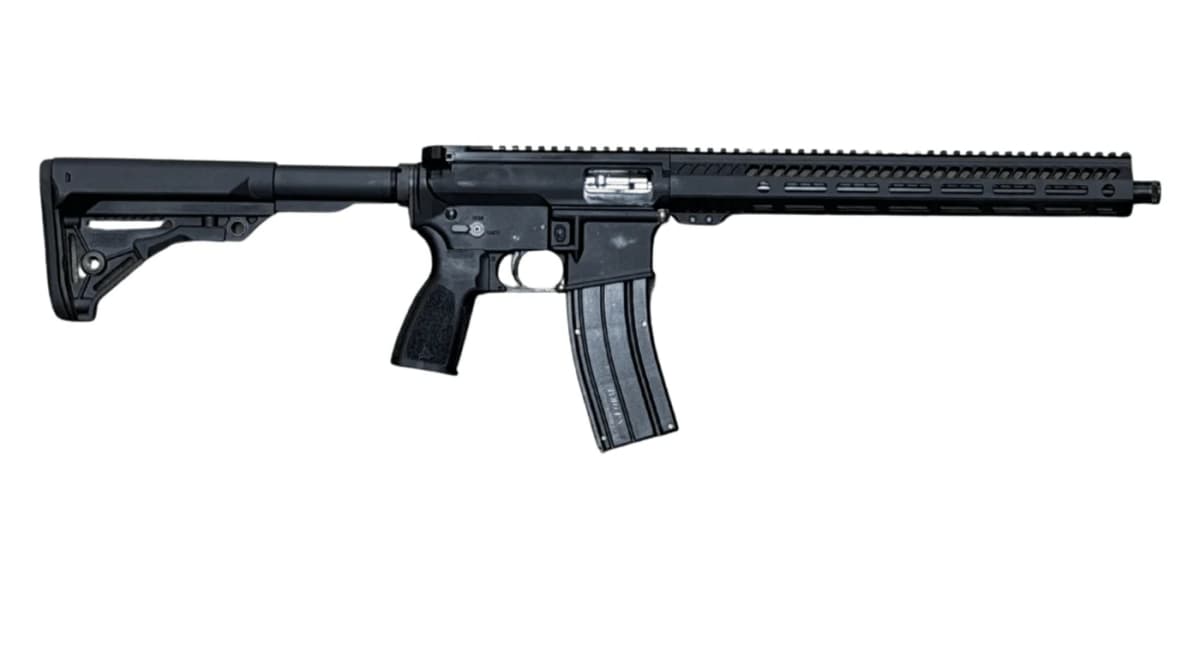
Your FRT is installed and it short-strokes, hammer-follows, or bolt-bounces. This is the owner's tuning manual: buffer weight by barrel and gas length, why the M16 carrier is non-negotiable, adjustable gas block setup step by step, suppressor re-tuning, and a symptom-to-fix chart.
Affiliate links (?)
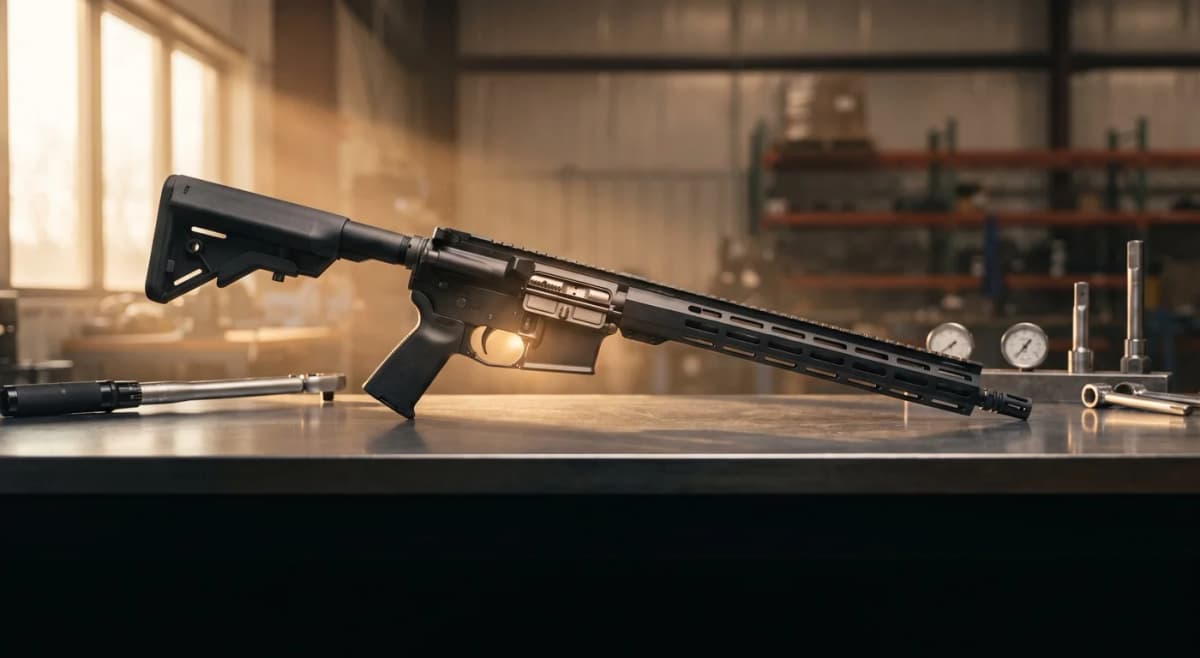
Your forced reset trigger is installed and it short-strokes, hammer-follows, or bolt-bounces. FRT tuning is not a mystery: a forced reset trigger resets off bolt carrier travel, so buffer weight, carrier mass, and gas volume stop being recoil preferences and become functional timing variables. This is the owner's manual for dialing it in: buffer weight by barrel and gas length, why the M16 carrier is non-negotiable, adjustable gas block setup step by step, suppressor re-tuning, and a symptom-to-fix chart to run down any reset failure fast.
Nearly every FRT reset failure traces to one of three parts: the buffer, the bolt carrier, or the ammunition. Work them in that order. First, confirm you are running a full-auto M16-profile carrier; a semi carrier will not trip a cassette FRT and produces a dead trigger from the first shot. Second, get the buffer weight right for your barrel: H2 on a 16-inch mid-length, H3 on anything shorter or suppressed. Third, feed it full-power 5.56 NATO, not weak plinking .223.
If the trigger fires one or two rounds and then goes dead with no hammer fall, that is a failure to reset: the carrier is outrunning the trigger, and a heavier buffer cures it in most cases. If the hammer falls but the round does not fire and the primer shows a shallow dent, that is a true light strike from carrier bounce; buffer mass tames the bounce, and dents that persist past a buffer step point to the firing pin spring or hammer spring instead. If the gun short-strokes and fails to lock back after you add buffer mass, the problem flipped to the gas side, and an adjustable gas block is the tool that balances carrier speed against buffer weight. Buffer and gas are the two levers; everything below is how to move them deliberately instead of by trial and error. Still deciding which trigger to run? Our FRT buyer's guide ranks the current field before you tune anything.
Sling, light, backup sights, and QD mounts, the upgrades most builders add first.
Affiliate links (?)
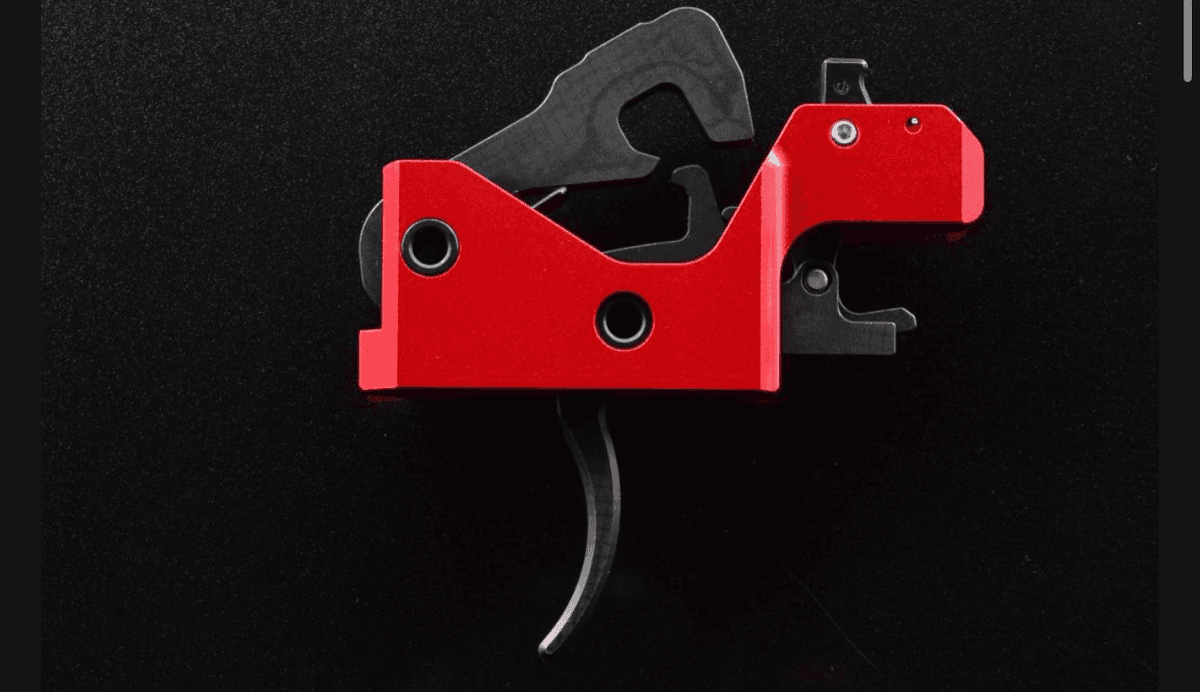
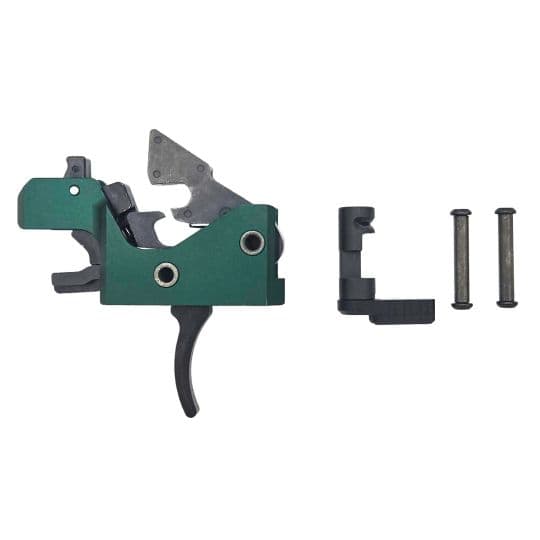
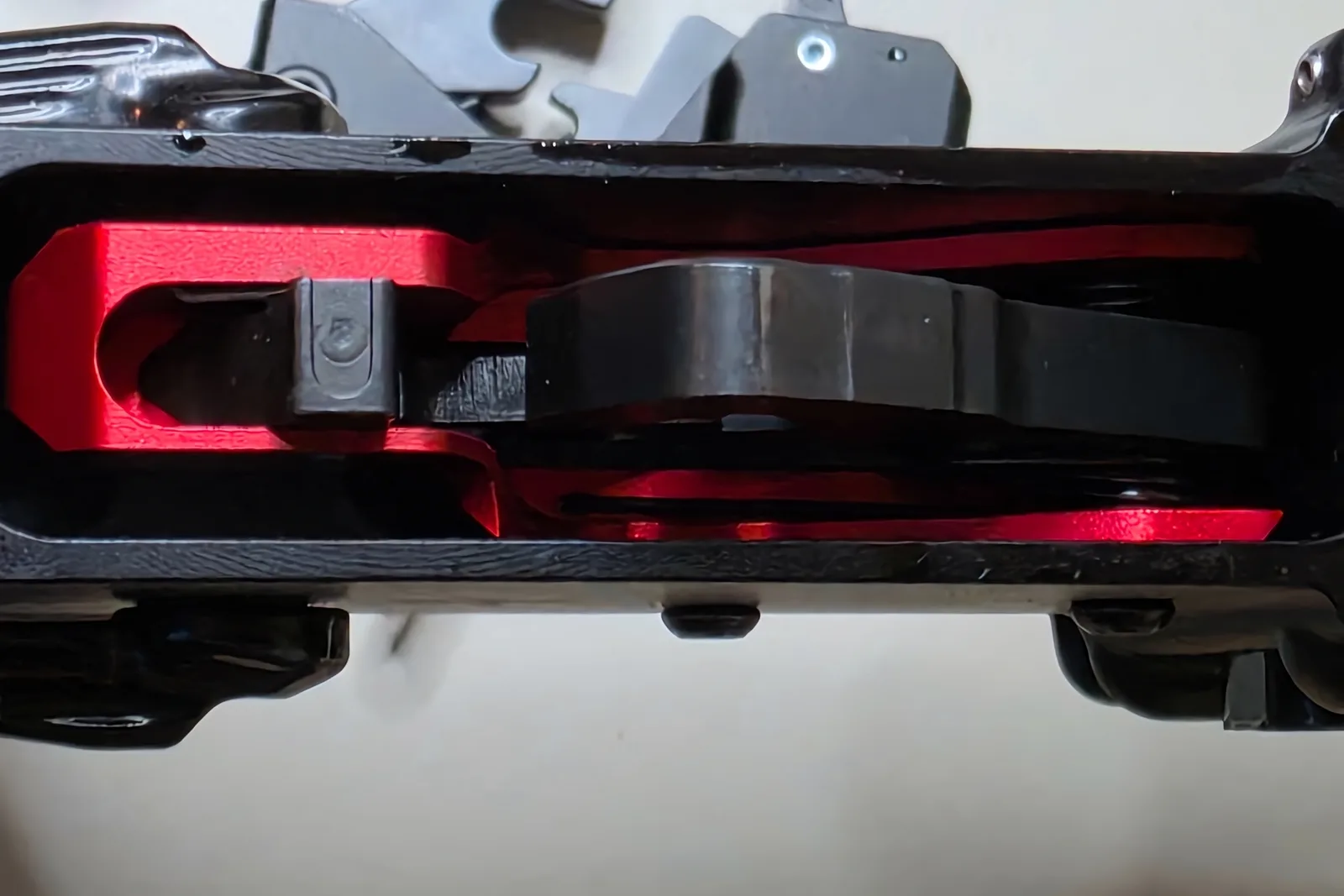
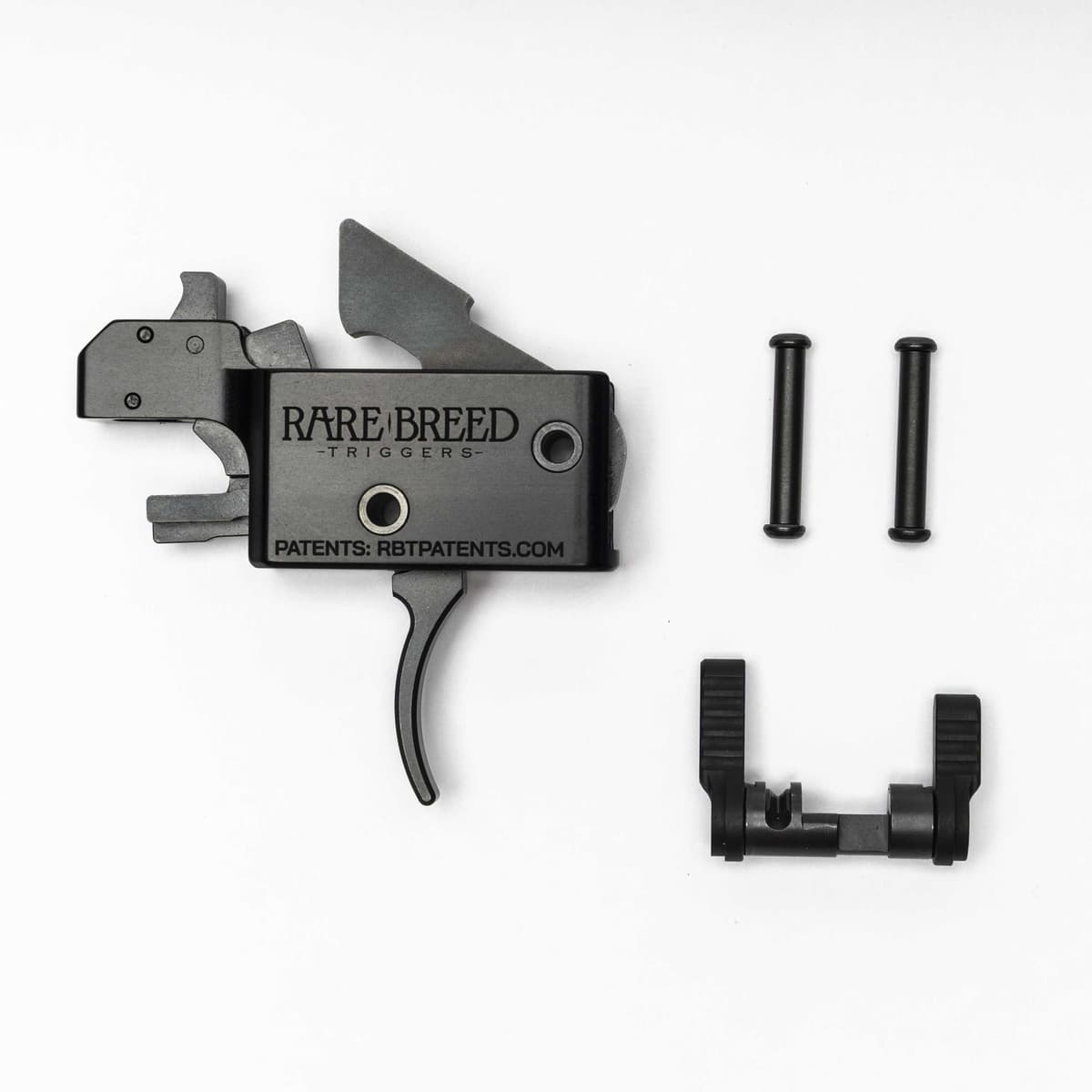
The tuning requirements are not the same across the category, so start by matching the recipe to the trigger you already own. A drop-in cassette like the Rare Breed FRT-15L3 has the strictest demands: a full-auto M16-profile carrier plus an H2/H3 or A5 buffer, no exceptions. The Triggered Company LAT and Disruptor cassettes (the Disruptor sold under the Partisan name before the May 2026 rebrand) share those buffer requirements, H2 minimum and H3 recommended under 16 inches, but the LAT breaks cleaner at 3-3.5 lb. A forced reset selector like the AS Designs Arc-Fire is the outlier: it usually runs on a standard carbine buffer and only needs a step to H2 or H3 if you get light strikes or hammer follow.
Read the requirement off your specific trigger before you spend a dollar on parts. A Disruptor owner short-stroking on an H3 and an Arc-Fire owner light-striking on a standard buffer are chasing opposite fixes.
Buffer and carrier requirements are not the same across the category. Match the tuning to the trigger you already own before you start swapping parts.
The original FRT with the strictest carrier requirement
Match-grade refinement with a cleaner 3-3.5 lb pull
Value assisted-reset trigger for carbines and 20-inch guns
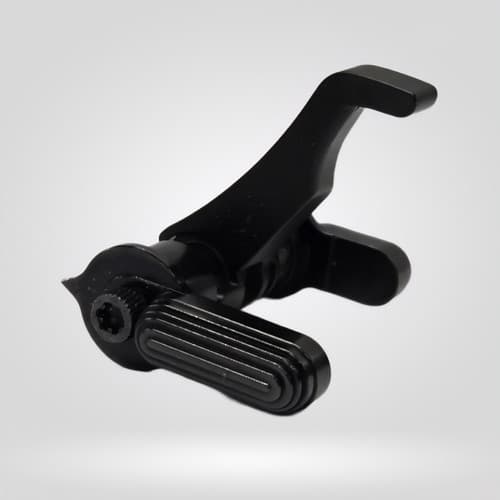
Selector-style forced reset with the lightest buffer demand
Affiliate links - purchases support this site at no extra cost to you. (?)
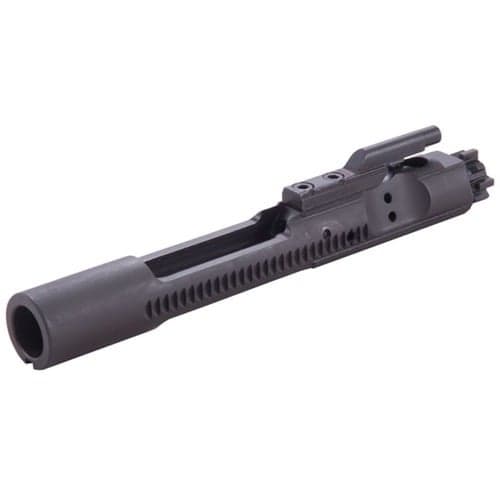
A cassette FRT needs a full-auto M16-profile bolt carrier, and this is not a tuning preference; it is a geometry requirement. The FRT's hardened locking bar is engaged by the extended rear profile of an M16 carrier. A semi-auto carrier has that underside relieved, so the surface that pushes the trigger back into reset simply is not there, and the trigger stays dead from the first shot. If your FRT never resets even once, check the carrier before you touch anything else.
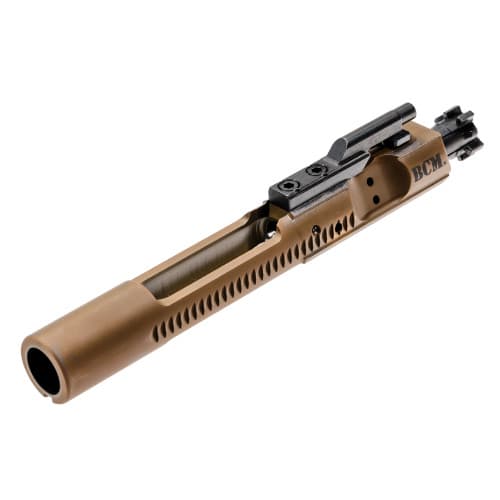
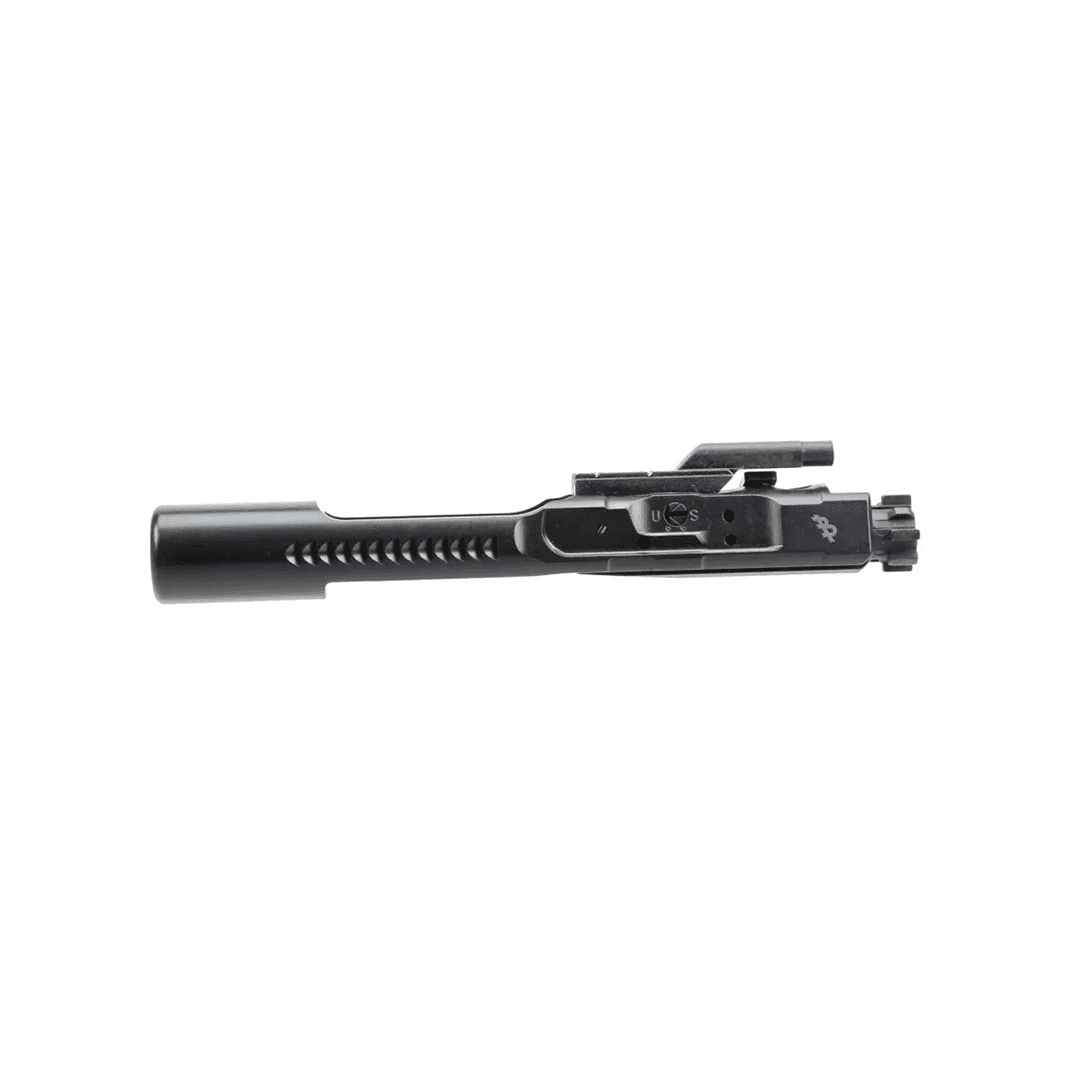
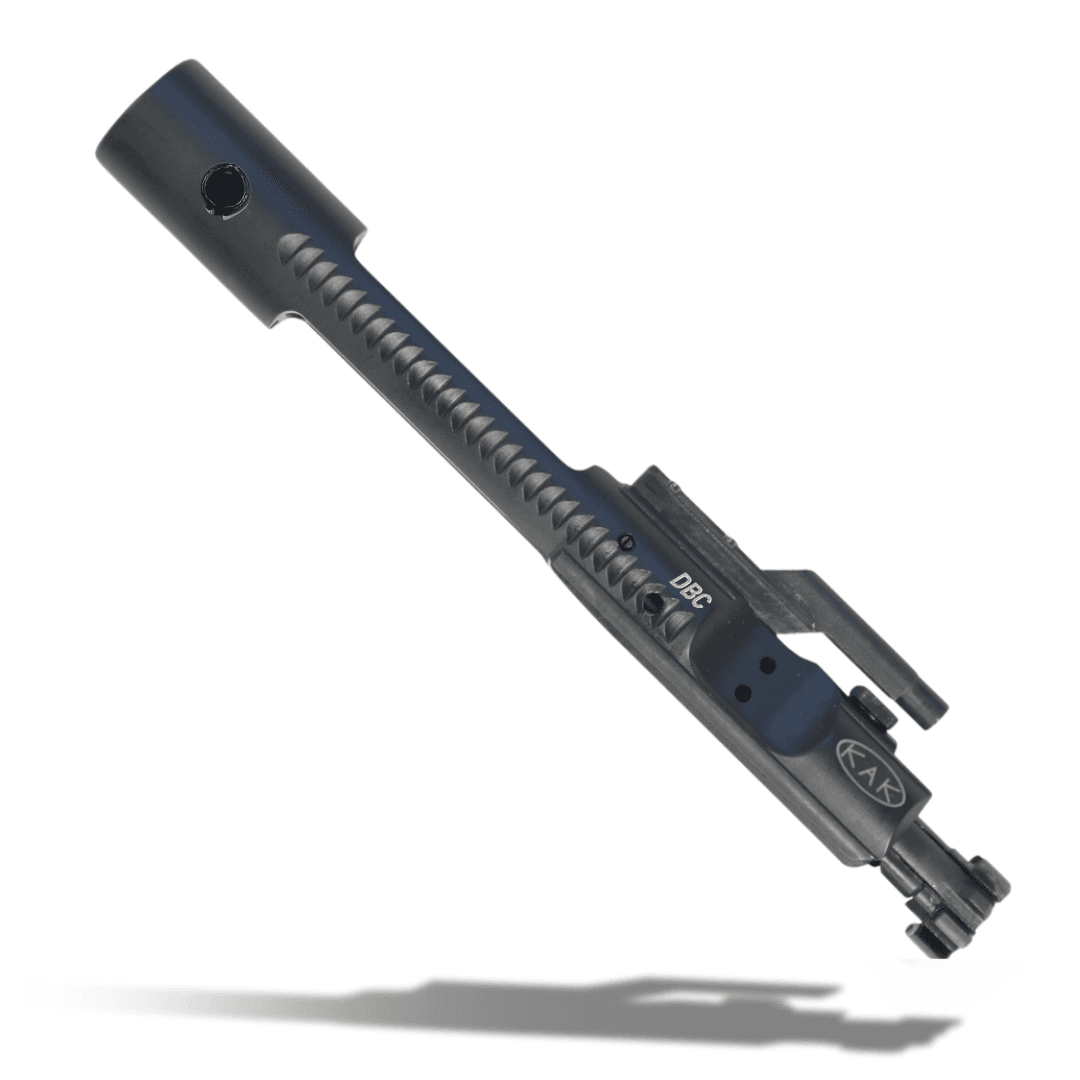
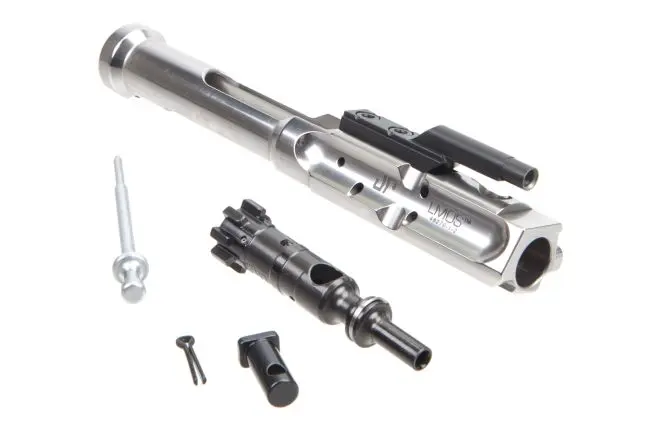
Any true full-auto-profile carrier works. The Daniel Defense M16 BCG is the premium pick with a chrome-lined interior and staked key; BCM's M16 BCG is the duty-grade option at a mid-tier price. Both carry the full M16 rear mass that keeps reset timing consistent. The Bootleg Four Position Adjustable Carrier is the tuner's choice: it is an M16-profile carrier with a gas vent you index through the ejection port with a spent case, so it doubles as a velocity-tuning tool. The JP Enterprises ultra-low-mass carrier is the opposite philosophy, faster cycling for competition, but it is not a mil-spec M16 mass carrier and demands adjustable gas plus a matched buffer to run an FRT at all.
Affiliate links - purchases support this site at no extra cost to you. (?)
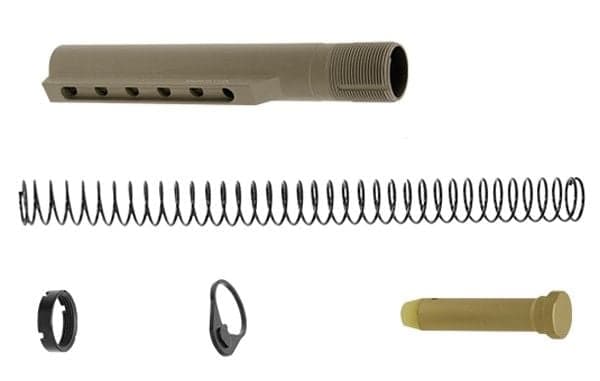
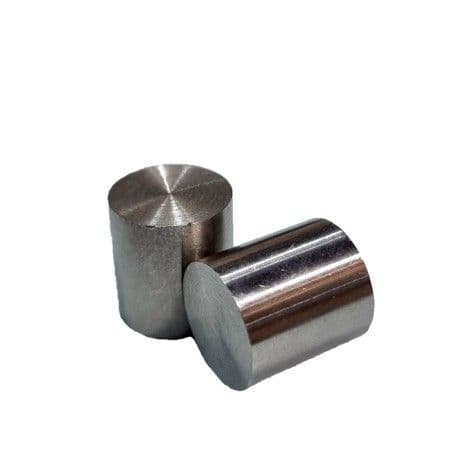
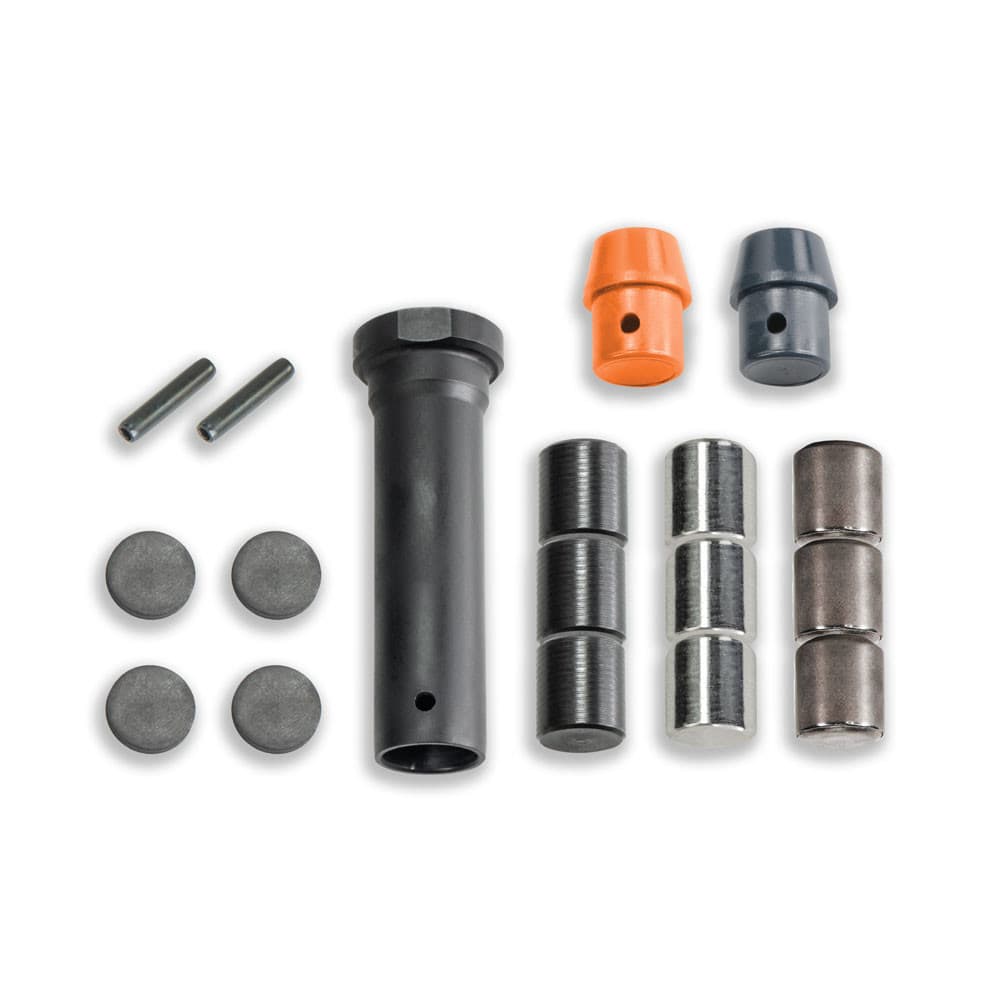
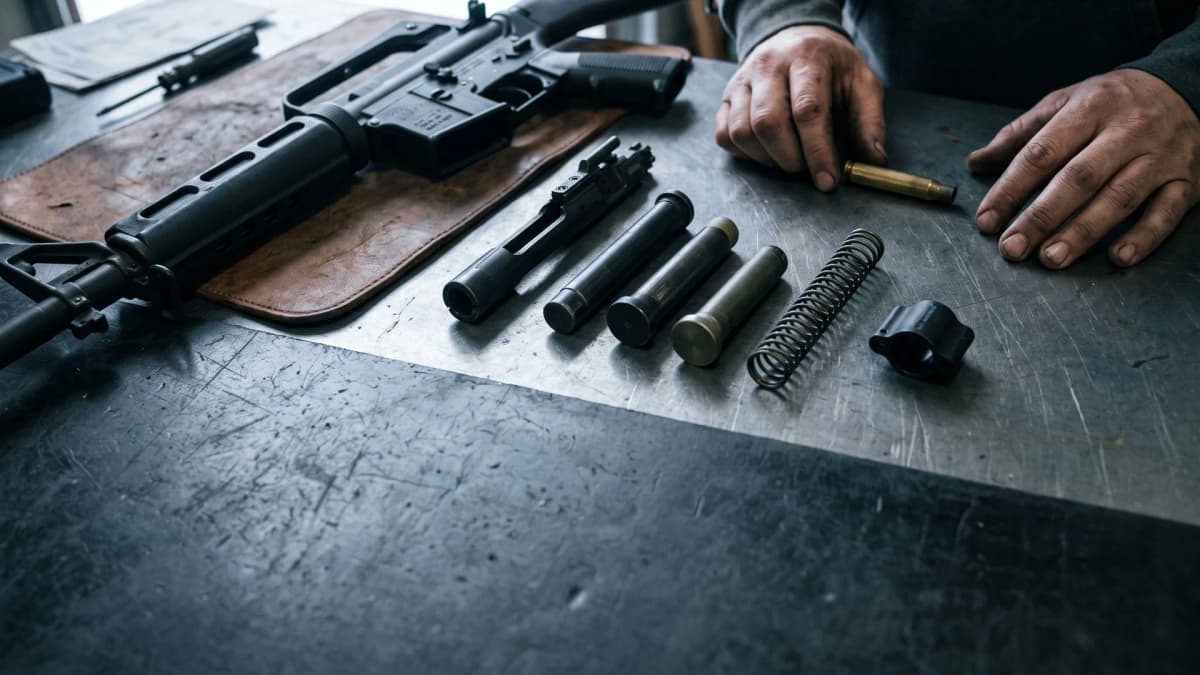
The right FRT buffer weight is H2 on a 16-inch mid-length gun and H3 on anything under 16 inches or running suppressed. The reason is timing: a forced reset trigger needs the carrier to dwell long enough on its return to complete the mechanical reset, and a standard 3.0 oz carbine buffer lets a hot carbine out-run that window. Adding tungsten mass slows the carrier into the reset. The community shorthand is H2 minimum, H3 better, and H3 is the safer from-scratch starting point on short barrels because its failure mode, short-stroking on an undergassed gun, shows up immediately instead of hiding.
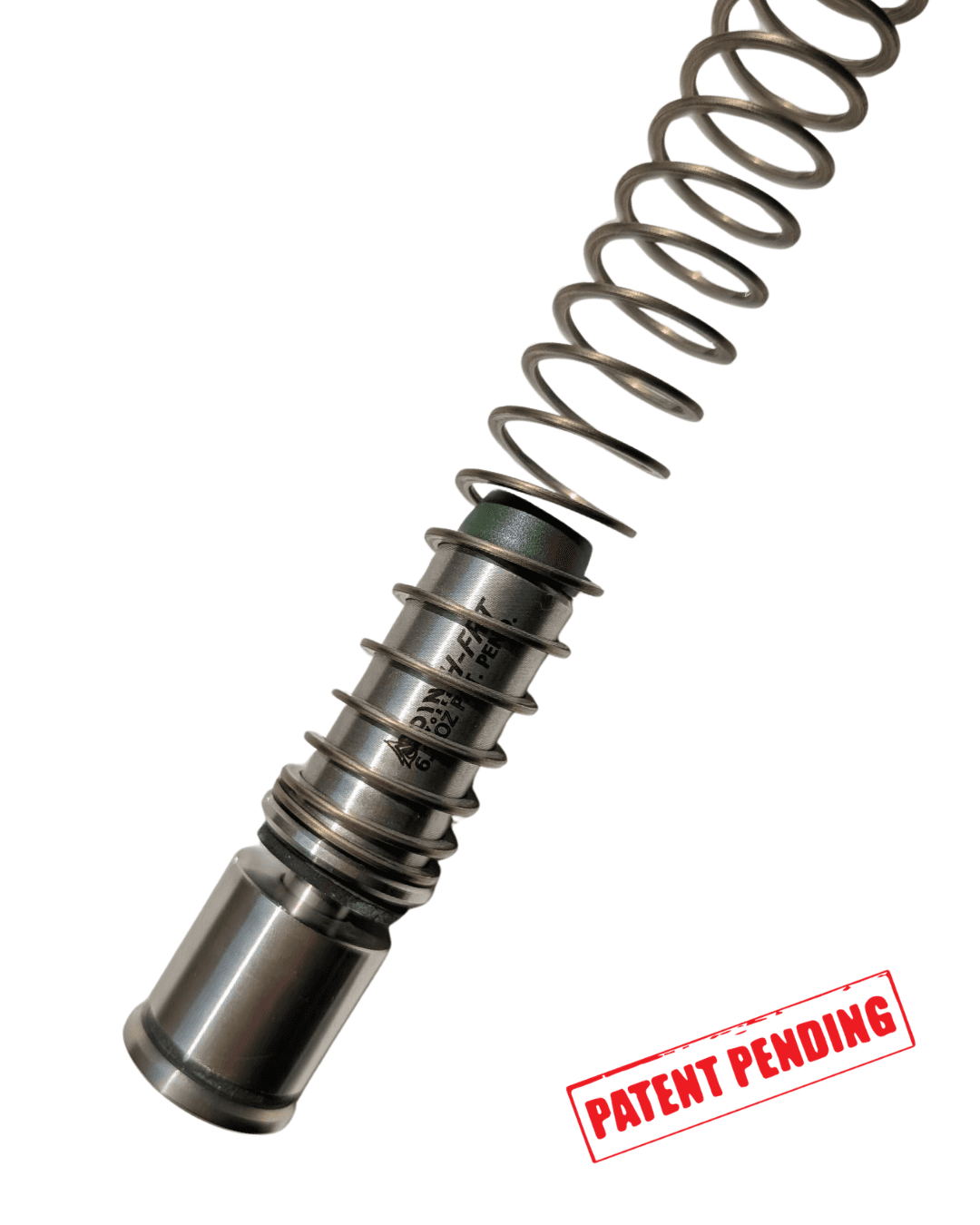
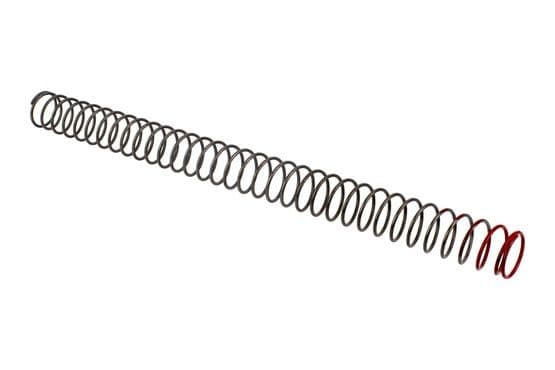
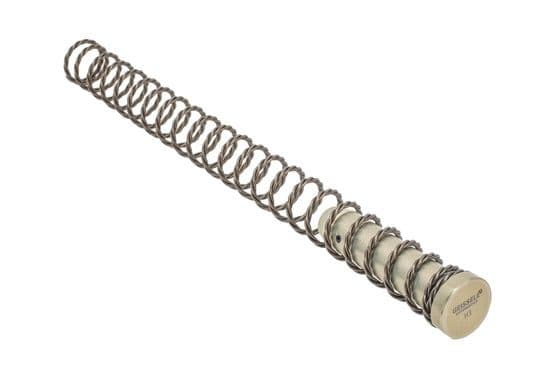
If you want to skip the H2/H3 trial and error, the ODIN Works H-FRT is a purpose-built 6.2 oz one-piece 303 stainless buffer with a matched flat wire spring, sized specifically for forced reset reset timing on carbine tubes with barrels over 10 inches. When you need a smaller adjustment than a full buffer step, the Sprinco Blue enhanced-power spring adds roughly 15% return force over mil-spec, which pairs cleanly with an H2 on a suppressed gun. For heavily suppressed short barrels, the Geissele Super 42 braided spring and H3 combo is the matched premium option, and the braided spring kills the twang you feel on a stacked-weight setup.
| Barrel / Gas / Suppressor | Buffer | Why |
|---|---|---|
| 20 in rifle-length, unsuppressed | Rifle buffer (fixed stock) or H2 (carbine tube) | Long dwell and gentle port pressure; heavy carbine buffers risk short-stroking |
| 16 in mid-length, unsuppressed | H2 (4.6-4.7 oz) | The consensus starting weight for a 16-inch FRT build |
| 14.5-16 in, light strikes on H2 | H3 or ODIN H-FRT | More mass tames the carrier bounce behind most light strikes |
| Under 16 in carbine gas | H3 (5.0-5.4 oz) | Higher port pressure needs more carrier mass to time |
| Any barrel, suppressed | H3 / Super 42 combo | Backpressure raises velocity; add mass and a fresh spring |
Affiliate links - purchases support this site at no extra cost to you. (?)
An adjustable gas block is the tool that balances carrier speed against buffer weight, and it is the fix when a heavy buffer makes an FRT short-stroke. The procedure is the same one you would use to tune any gas gun: start closed, open to the minimum reliable cycle, then add a margin. For the theory behind port pressure, dwell time, and block selection, our gas system and buffer tuning guide goes deeper; the steps below are the FRT-specific version.
Install a full-auto M16-profile carrier and the buffer weight your barrel length calls for (H2 on a 16-inch mid-length, H3 on anything shorter or suppressed) before you touch the gas block. Tuning gas against an unknown carrier and buffer just moves the guesswork around.
With the rifle unloaded, back the adjustable gas block fully closed (or to its lowest setting). On a tool-free block like the Riflespeed, count the numbered clicks from closed so you can return to any setting. On a set-screw or bleed-off block you may need the handguard off to reach the screw.
Load a single round on an empty magazine and fire. Open the gas one to two clicks at a time and repeat until the bolt reliably locks back on the empty magazine every time. That is the minimum gas the action needs to run.
Open one additional click past the point of reliable lock-back to give yourself a reliability cushion for cold, dirty, or weaker ammo. Now fire a controlled forced-reset string and confirm the trigger resets on every cycle without hammer follow.
Brass ejecting to 3-4 o'clock in a tight pile is correctly gassed. Forward of 3 o'clock is overgassed (close a click or add buffer mass); behind 4 o'clock or weak ejection is undergassed (open a click). Record the final gas setting and buffer weight so a suppressor swap or ammo change starts from a baseline instead of a guess.
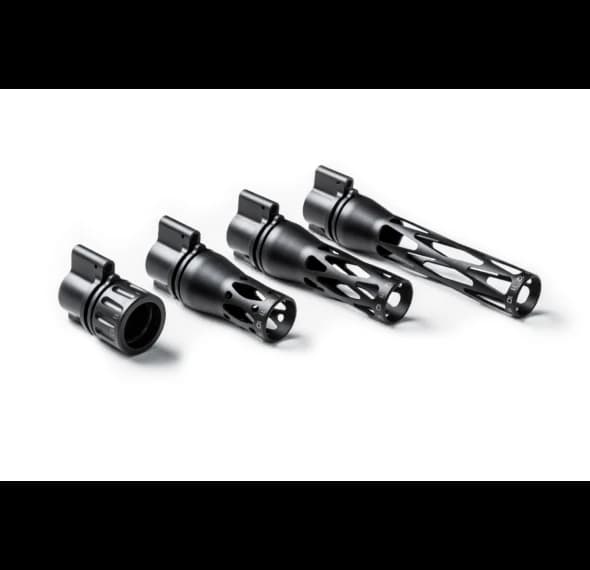
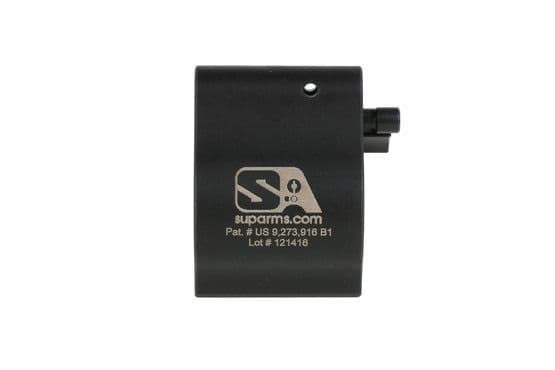
Two blocks cover most FRT builds. The Riflespeed adjustable gas block uses numbered tool-free clicks you can change at the range without pulling the handguard, which is ideal if you swap between suppressed and unsuppressed. The Superlative Arms Bleed-Off works the other way: instead of restricting gas, it vents the excess forward, so the action stays cleaner, and its 30-plus click positions give fine control on a dedicated suppressor host.
Affiliate links - purchases support this site at no extra cost to you. (?)
Full-power 5.56 NATO, M193 (55 gr) or M855 (62 gr), gives the FRT the impulse it needs to cycle and reset every round. Underpowered loads are a hidden cause of what looks like a tuning fault: light-recoil plinking .223, weak steel-case ammo, and subsonic or reduced-power loads do not drive the carrier hard enough to complete the reset, so you get light strikes and hammer follow that a buffer swap cannot fully fix.
Use ammo as a diagnostic. If your FRT runs clean on M193 but stutters on cheap steel-case, the ammo is exposing a marginal buffer and gas setup rather than a defective trigger. The right response is to tune for your worst ammo, or to accept that a forced reset build wants full-power brass-cased NATO ammunition and feed it that. A gun tuned on hot ammo that then chokes on weak ammo has a thin reliability margin, and one more click of gas or one step of buffer usually restores it.
A suppressor adds backpressure, which speeds the carrier up and raises cyclic rate, and that can break a reset you dialed in at the bare muzzle. Plan to re-tune when the can goes on: go one buffer weight heavier, or turn an adjustable gas block down a click or two to bleed off the extra impulse. The Bootleg adjustable carrier earns its keep here because you can vent gas at the carrier through the ejection port instead of pulling the handguard to reach a gas block.
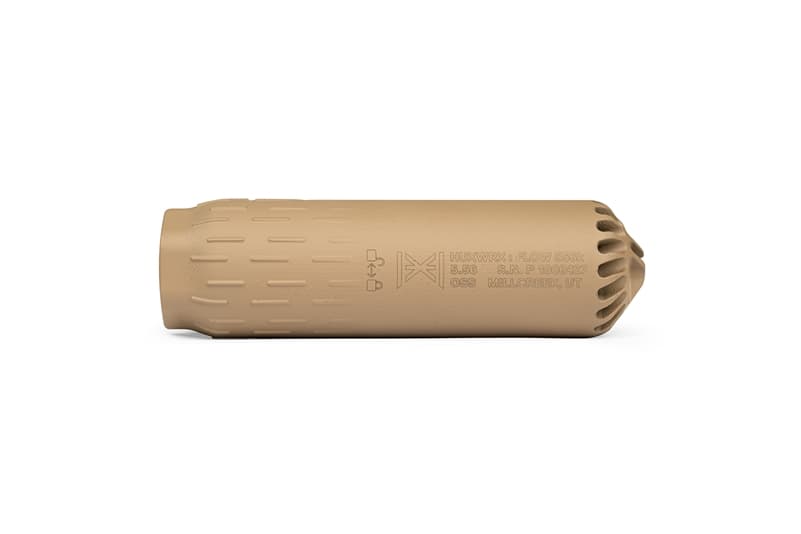
The cleanest way to avoid re-tuning at all is a flow-through suppressor. The Huxwrx Flow 556k vents gas forward and keeps carrier velocity close to unsuppressed, so rate of fire and reset timing barely shift. In practice that means you can often run the same buffer and gas setting with and without the can, which is exactly what a forced reset build wants.
Best flow-through can for stable FRT timing on and off the host
Flow-through 5.56 suppressor with low back pressure and compact size
Affiliate links (?)
Cyclic rate on an FRT is set by how fast the carrier completes a full cycle, so you tune it with the same three levers you tune reliability with: reciprocating mass, gas volume, and backpressure. To slow a build down and smooth it out, add mass (H3 or the ODIN H-FRT and a full-mass M16 carrier) and close an adjustable gas block to just-reliable. To speed it up, remove mass or open the gas, but understand the trade: every ounce you strip shrinks the dwell window the reset depends on, and a max-RPM build that skips resets is slower in practice than a consistent one.
Measure instead of guessing. Film a burst and run it through our rate of fire video overlay tool to get an actual RPM before and after each change, or convert your splits to cyclic rate with the ROF calculator in our super safety guide. Tuning to a number beats tuning to a feel, especially when a suppressor swap moves the rate by a few hundred RPM.
Run the symptom down to its most likely cause before you start swapping parts. The matrix below maps the reset failures you will actually see to the single most probable cause and the first fix to try. Work top to bottom; carrier and buffer faults are far more common than gas faults, and gas faults are more common than ammunition faults.
| Symptom | Likely Cause | First Fix |
|---|---|---|
| Dead trigger from the first shot | Semi-auto carrier installed | Swap to a full-auto M16-profile BCG (DD or BCM M16) |
| Fires 1-2 rounds, then goes dead (no hammer fall) | Failure to reset; buffer too light, carrier outruns the trigger | Step H2 to H3 or the ODIN H-FRT; add a fresh spring |
| Hammer falls, shallow primer dent, no bang | Carrier bounce, or firing-pin bounce behind it | Add buffer mass; if dents persist, replace the firing pin spring and verify the hammer spring |
| Fires before full lockup (true hammer follow) | Hammer timing or out-of-spec fire control parts | Verify hammer and hammer spring against spec; buffer weight will not fix this |
| Short-strokes after adding a heavy buffer | Undergassed for the new buffer weight | Open the adjustable gas block, verify port size, or drop a buffer step |
| Runs on M193, stutters on cheap ammo | Underpowered load, not enough impulse | Feed full-power 5.56 NATO (M193 or M855) |
| Reset broke when the suppressor went on | Backpressure sped the carrier up | Go one buffer heavier or close the gas; a flow-through can minimizes the shift |
| Bolt bounce or doubling feel at high ROF | Overgassed, carrier bouncing | Add mass (H3 / ODIN H-FRT) or vent gas (Bootleg carrier, bleed-off block) |
| Ran fine for months, now degrading | Worn buffer spring | Replace the spring (Sprinco Blue or Super 42) before anything else |
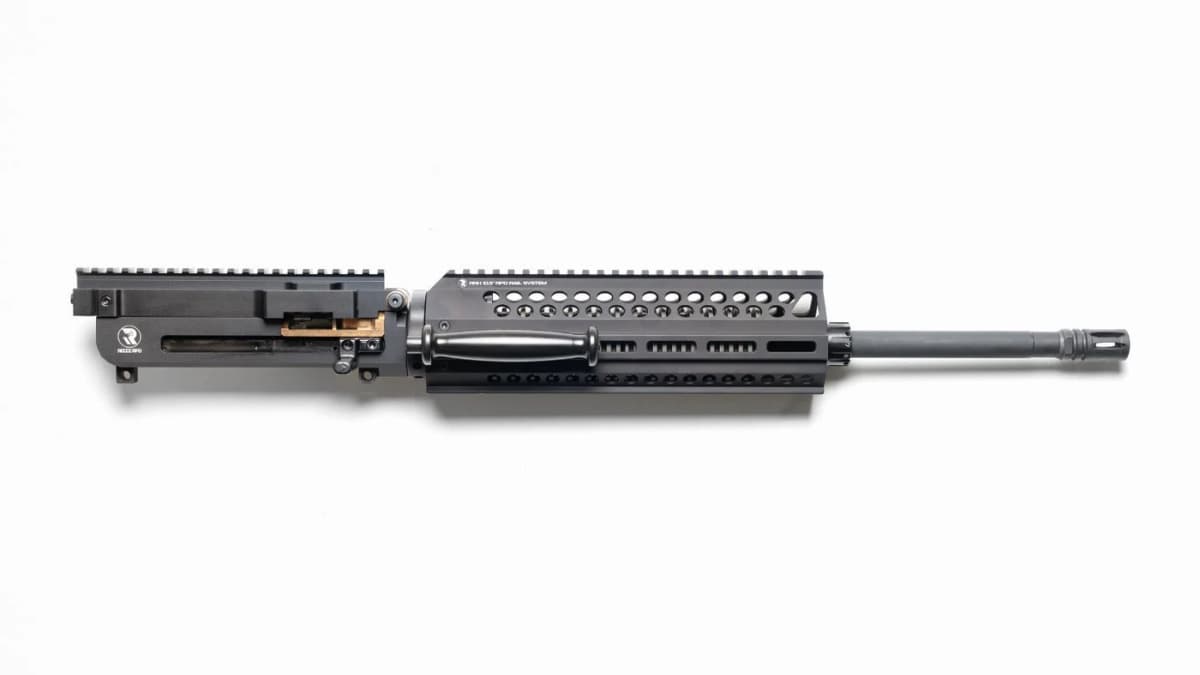
Different host, different rules. A 9mm blowback AR does not have a gas system, so its FRT tuning is a separate problem covered in our AR9 FRT build guide. For pistol platforms, the Glock FRT guide and the AR22 rimfire FRT guide cover their own hardware. Stage any AR-15 buffer, BCG, and buffer tube choice against your host in our rifle builder before you order.
A forced reset trigger fires one round per function of the trigger, which is why the May 2025 DOJ settlement with Rare Breed established that the FRT mechanism is not a machine gun and carries no federal tax stamp. That settlement covers rifle use, so an AR-15 rifle FRT like the ones in this guide is on the covered side of the line. It does not change your responsibility to verify current federal and state law before you buy.
State law is where FRTs get restricted. Roughly 15 jurisdictions ban them, and the list shifts, so confirm your own state rather than trusting a seller's no-ship list. For the full buying and legality picture, our FRT buyer's guide is the hub that tracks which triggers to buy and where they are legal.
Buffer charts, BCG picks, and forced reset tuning notes as the hardware and the law change. Monthly.

Avid shooter with 10+ years of experience including competition shooting, and an associate member of the Professional Outdoor Media Association (POMA). Built 10+ AR-pattern rifles and several handgun platforms for home defense, competition, and suppressed night shooting.
This page contains affiliate links. Purchases through these links support the site at no extra cost to you. Read the affiliate disclosure
Continue exploring with these related resources

A dedicated .22LR AR running a forced reset trigger is the most sensitive FRT build there is. This guide covers the dedicated upper, the trigger cut nobody talks about, why standard buffer tuning does not apply, and which FRTs actually cycle rimfire.

Best AR-15 triggers ranked: LaRue MBT-2S ($115) best value, ALG ACT ($65) budget king, Geissele SSA ($240) duty proven. Honest assessment of diminishing returns and why reset speed matters more than break quality.

Head-to-head comparison of the Geissele SSA, SSA-E, and LaRue MBT-2S triggers. Pull weight, break character, reset feel, build quality, and value assessed. All three use S7 tool steel, only one costs $135.
Related articles and industry updates

The Triggered Company LAT launches July 4, 2026: a match-grade AR-15 forced reset trigger with a clean 3-3.5 lb pull, flat bow, 17-4 stainless internals, and variable ARSE mode. Full specs and how it differs from the Disruptor.

We analyzed 25,798 builder sessions and 123,459 organic component selections from April through June 2026. The Geissele SSA-E holds off the $135 LaRue MBT-2S by 7%, Cloud Defensive outdrew every SureFire and Streamlight, 40% of builders start from a stripped lower, and almost no two builds are alike.

LSD Arms ships a small-batch AR-15 with a factory-installed Triggered Company Disruptor FRT, Odin Works heavy buffer, billet 6061-T6 receivers, and 15+ Cerakote colors starting at $1,999. Full specs, what the buffer tuning means, and who LSD Arms is.