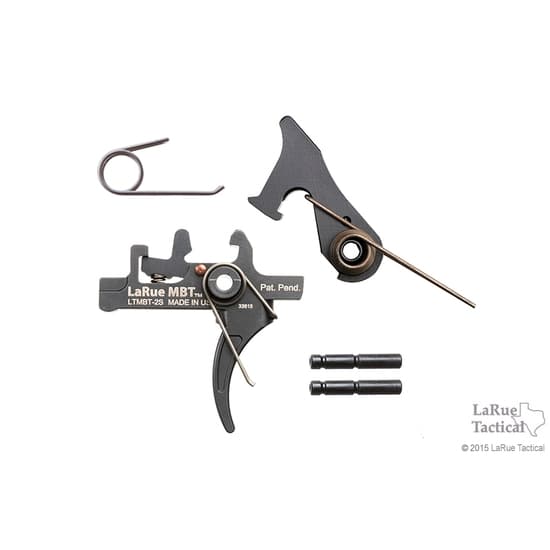
LaRue MBT-2S Trigger
Precision-machined two-stage AR trigger with crisp break
- Price
- $135
- Weight
- 2.9 oz
- Brand
- LaRue Tactical
- Category
- Triggers
Featured in
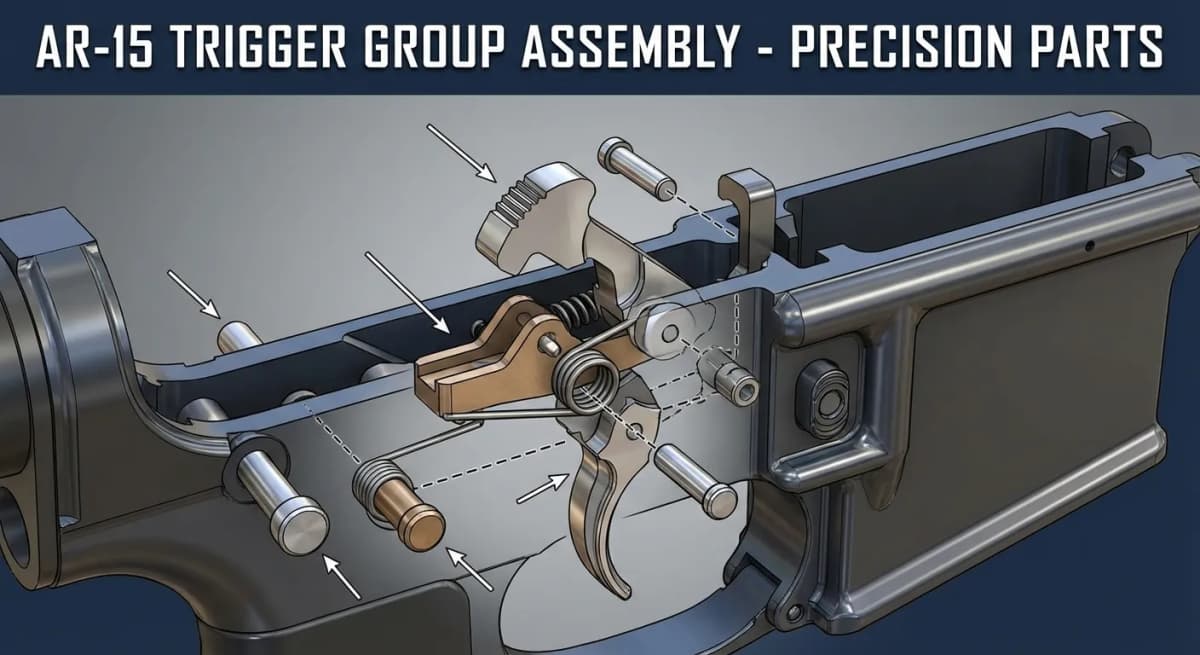
Best AR-15 Triggers 2026: Geissele vs LaRue vs ALG Compared
guide · gear · 11 min read
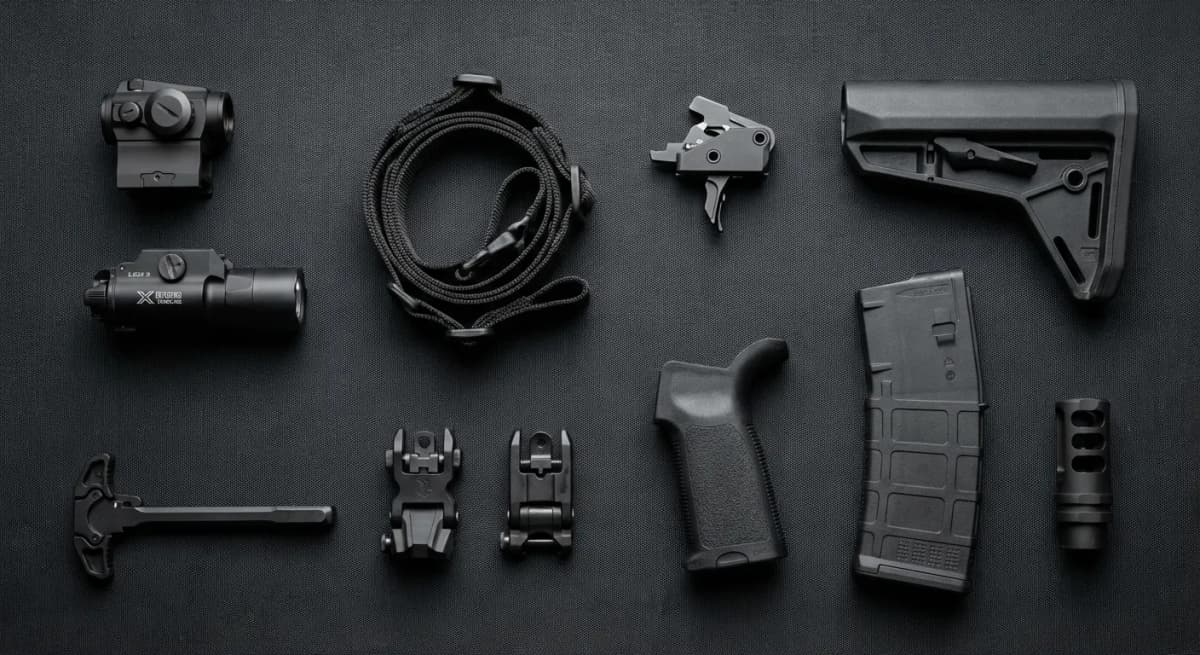
Best AR-15 Accessories 2026: Must-Have Upgrades Ranked by Category
guide · gear · 14 min read
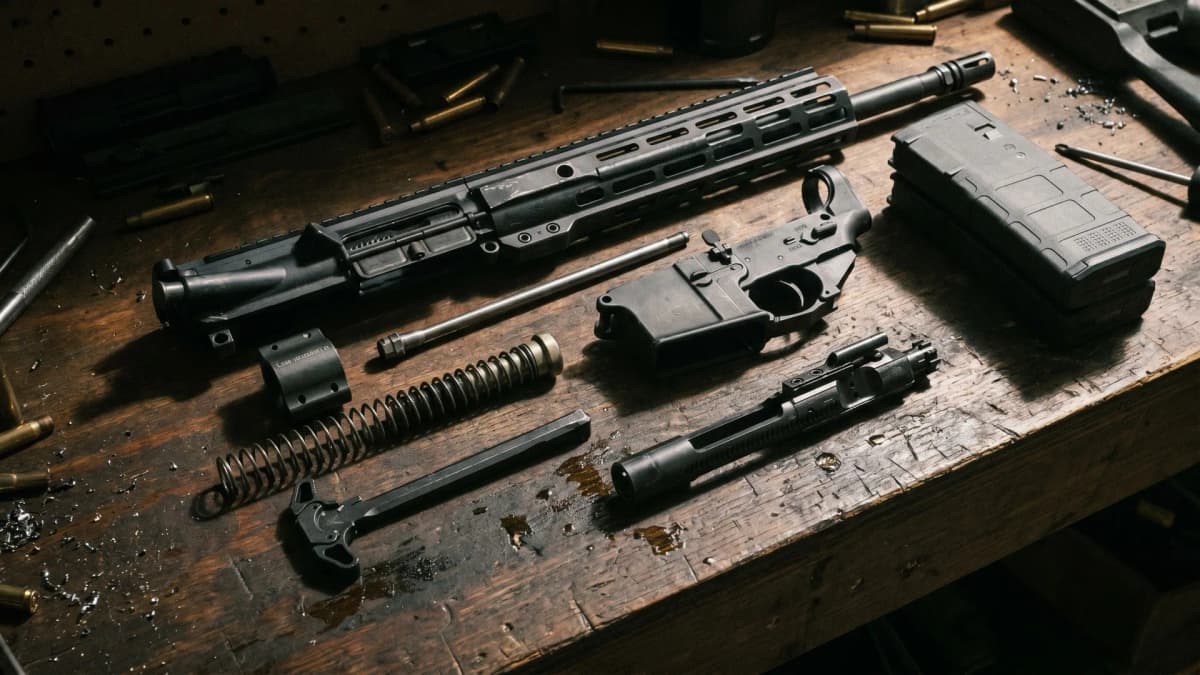
Best AR-10 Upgrades 2026: DPMS & LR-308 Compatibility
guide · gear · 11 min read
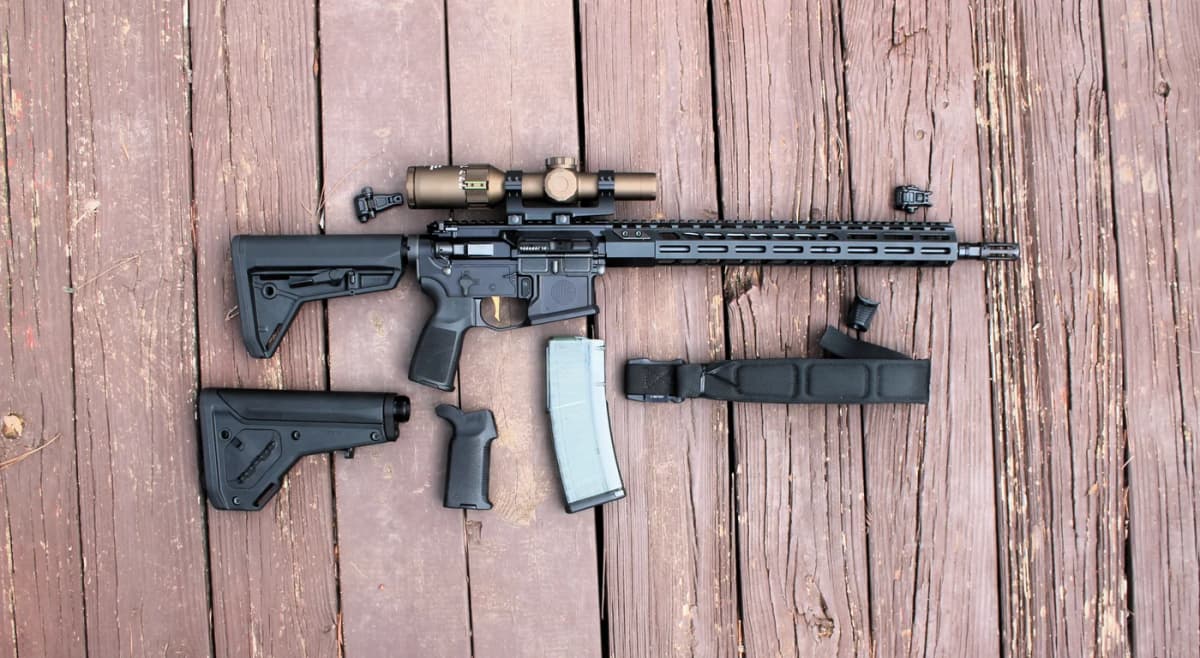
Most Popular AR-15 Parts of 2026: Data From 25,000 Builds
article · industry · Jul 2, 2026
Features
- •Two-stage
- •4.5lb total pull
- •Tool steel construction
Capability Boosts
Recommended For
+16 more
Where to Buy
Compare current prices and availability from retailers we work with.
Price History
90-day low $134.99 · at low nowMore AR-15 guides & articles
Guides
Overview
The LaRue Tactical MBT-2S (Meticulously Built Trigger) represents one of the most significant values in the AR-15 trigger market. It is a premium two-stage trigger that usually sits below the Geissele SSA/SSA-E price tier while keeping the same basic mission: a clean, durable, non-adjustable trigger for small-pin AR lowers. The result is a trigger that consistently outperforms its price point, with many users comparing it favorably to triggers costing substantially more.
All major components of the MBT-2S are precision-machined from S7 Tool Steel, the same material used in Geissele triggers. The trigger breaks crisply at 4.5 lbs (2.5 lb first stage, 2 lb second stage) and features a smooth, positive reset that has been described as glass-like in quality. Each trigger includes an additional "heavy" spring that increases the pull weight to 6 lbs for those who prefer a more deliberate pull or need additional margin for military/duty applications. The trigger features a unique hinged disconnector design that simplifies installation and contributes to the remarkably fast, short reset.
In extensive real-world testing, the MBT-2S has proven itself across high round counts in suppressed configurations with no obvious wear on trigger components. Precision shooters value the clean, predictable trigger break because it makes sight movement easier to manage from field positions. The MBT-2S family is available in curved and straight bow configurations, but this entry is the curved LT-MBT-2S. Some users note the reset is not quite as pronounced as Geissele triggers, but the MBT-2S remains one of the best values in a serious two-stage AR trigger.
Key Features
- Precision-machined from S7 Tool Steel for maximum durability
- 4.5 lb total pull: 2.5 lb first stage, 2 lb second stage
- Includes heavy spring option for 6 lb total pull weight
- Glass-smooth, hyper-consistent trigger break and reset
- Unique hinged disconnector design for easy installation
- Available in curved or straight bow configurations
- Made in-house in Texas, USA
Pros
- +Strong value among serious two-stage AR triggers
- +S7 tool steel construction matches premium competitors
- +Very fast and short trigger reset
- +Includes both standard and heavy trigger springs
- +Proven durability across 10,000+ round counts
- +Available in curved or straight bow options
Cons
- −Reset not as pronounced as some Geissele triggers
- −Light second stage may concern less experienced shooters
- −Availability can be inconsistent due to high demand
- −No quick-release or anti-walk pins included
- −Long shipping times directly from LaRue
Setup & Operation
Step-by-step procedures for setting up, operating, and maintaining the LaRue MBT-2S Trigger.
- → What Ships in the Box and What You Need to Supply
- → Remove the Factory Fire Control Group
- → Install the MBT-2S Trigger and Hammer
- → Run the Function Check Before Live Fire
- → Choose the Standard or Heavy Trigger Spring
- → Add Anti-Walk Pins to Lock In the Install
- → Troubleshoot a Failed Function Check
- → Break In and Maintain the Trigger
What Ships in the Box and What You Need to Supply
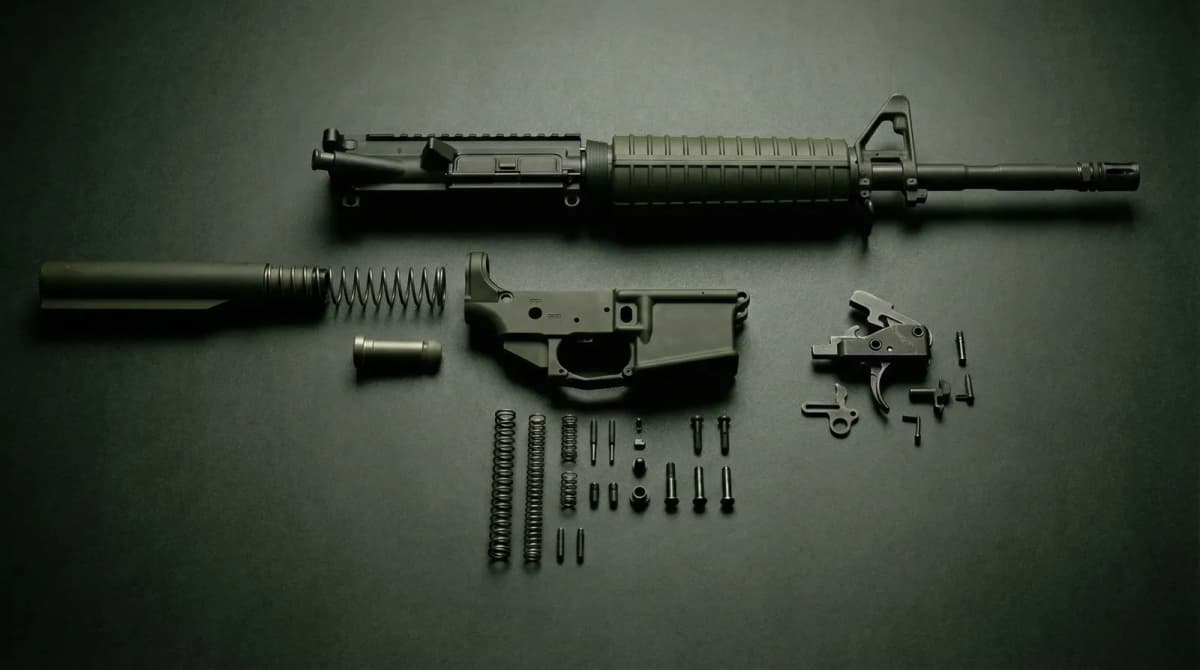
The MBT-2S arrives as a near-complete drop-in group: the trigger with its hinged disconnector already assembled, the hammer, a standard and a heavy trigger spring, and one set of .154-inch hammer and trigger pins. It does not include tools or upgraded pins, so stage those before you open the package.
The one hard compatibility rule is pin size. The MBT-2S fits .154-inch small-pin AR-15 and AR-10 lowers only. Vintage large-pin Colt receivers use .170-inch holes, and the MBT-2S pins will not retain in them. Nearly every modern mil-spec lower is small-pin, but measure a pin hole first if you are working with an older or unmarked receiver.
- • 1/8-inch (3.5 mm) punch
- • Small nonmarring mallet
- • Grip screwdriver (slotted or hex, grip-dependent)
- • Bench block or padded work surface
- • Eye protection
The MBT-2S ships with plain mil-spec pins, not anti-walk pins. They are fully functional once hammer spring tension is seated correctly. An anti-walk pin set is an optional upgrade, not a requirement.
Remove the Factory Fire Control Group
Pulling the old fire control group takes about five minutes once the rifle is clear. Drop the magazine, lock the bolt back, confirm an empty chamber, and separate the upper from the lower. Every step from here happens inside the lower receiver.
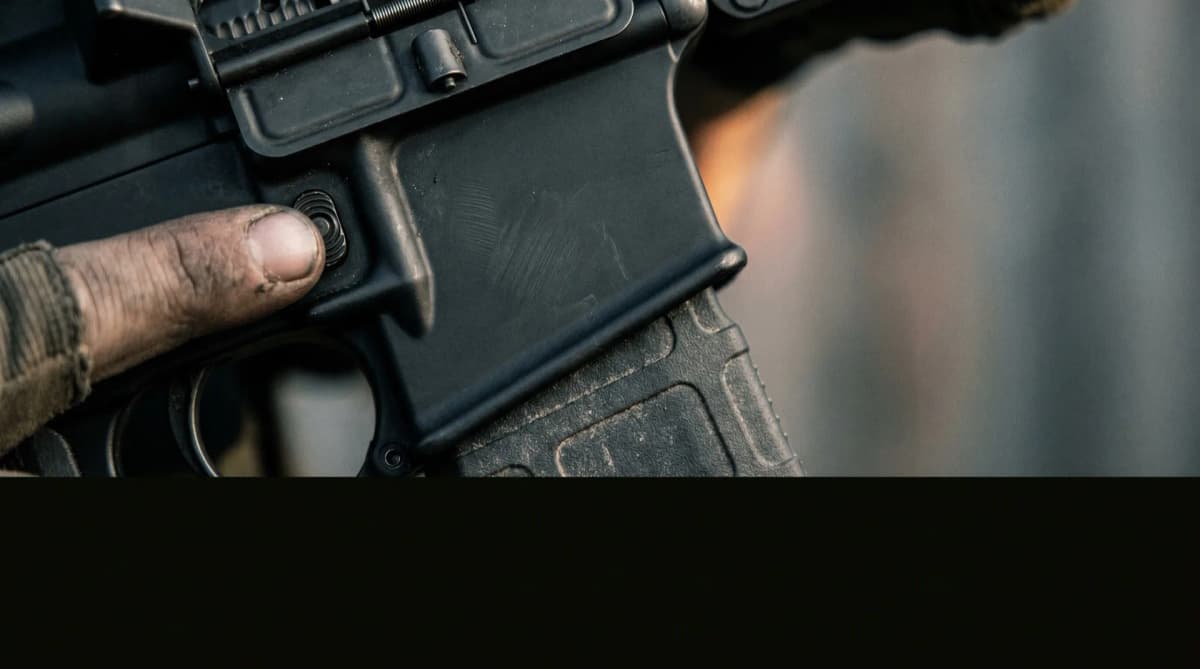
The safety selector has to come out before the old trigger will lift free, and the selector is trapped by the pistol grip, so the grip comes off first. Work over a bench block so pins do not roll away and the receiver does not get marred.
- • 1/8-inch punch
- • Small nonmarring mallet
- • Grip screwdriver
- • Bench block or padded surface
- 01
Clear the rifle
Drop the magazine, retract the charging handle, lock the bolt to the rear, and check the chamber both visually and physically. Confirm no ammunition is on the bench before you pick up a tool.
- 02
Separate the upper and lower
Push out both takedown pins and lift the upper away. The MBT-2S installs entirely in the lower receiver, so set the upper aside.
- 03
Remove the pistol grip
Back out the grip screw with the correct slotted or hex driver. Lift the grip straight off and catch the safety selector detent and its spring as it clears; both are under light tension and will launch if you let them.
- 04
Pull the safety selector
Rotate the selector between safe and fire until it slides free of the receiver. The factory trigger cannot clear the receiver walls while the selector is in place.
- 05
Punch out the old trigger and hammer
Support the receiver on a bench block and drive the trigger pin and hammer pin out with a 1/8-inch punch. If the lower has anti-walk pins, loosen their set screws first. Lift out the old hammer, trigger, disconnector, and springs.
Bag the factory fire control group and its pins together. A known-good mil-spec group is the fastest way to return the rifle to a baseline if you ever need to diagnose a problem.
Install the MBT-2S Trigger and Hammer
The MBT-2S goes in trigger first, hammer second. The hinged disconnector is what makes this faster than a standard trigger install: the disconnector is pinned to the trigger body and travels with it, so there is no loose disconnector or disconnector spring to balance while you chase the pin hole.
The orientation that matters most is the hammer spring. Its two legs must rest on top of the trigger pin once both parts are seated, because that is what loads the hammer. Legs trapped under the pin is the single most common AR trigger mistake, and the rifle will not function.
- • 1/8-inch punch or slave pin
- • Small nonmarring mallet
- • Grip screwdriver
- 01
Set the trigger spring choice first
Decide on the standard or heavy trigger spring before the trigger goes into the receiver. The standard spring is fitted from the factory for the 4.5 lb pull; swap to the heavy spring now if you want the 6 lb pull, since the spring is far easier to change with the trigger out of the rifle.
- 02
Seat the trigger assembly
Lower the MBT-2S trigger, disconnector and all, into the trigger pocket. The trigger spring legs face forward and bear down on the receiver floor. Hold the trigger flush and align its hole with the receiver pin holes.
- 03
Insert the trigger pin
Push the trigger pin through from either side. It should slide with light thumb pressure or a gentle tap. If it fights you, the trigger is not square in the pocket; reseat it rather than forcing the pin.
- 04
Reinstall the safety selector and grip
Slide the safety selector back in. Set the grip, feed the detent spring and detent up into the grip, and start the grip screw. If the detent fights the selector, depress it with a small flat screwdriver as you seat the grip. Snug the screw without crushing the detent spring.
- 05
Free the hammer pin
The MBT-2S hammer ships with its pin pressed in for transport. Push that pin back out now so the hammer can drop into the receiver.
- 06
Seat the hammer and drive the pin
Place the hammer so the hammer spring legs ride over the top of the trigger pin. Push the hammer down and forward to line up the hole, then tap the hammer pin through with a small mallet. Correct alignment takes almost no force.
If the hammer pin needs real force, stop. You are either off-axis on the hole or the hammer spring legs are trapped under the trigger pin instead of over it. Forcing the pin can shear the hammer or gall the receiver.
Run the Function Check Before Live Fire
Never load a rifle with a freshly installed trigger until it passes a full function check. The check confirms the four things a two-stage trigger must do to be safe: hold the hammer on safe, release it on fire, catch it on the disconnector during the cycle, and reset cleanly.
Run the check with the upper either off or installed. With the upper off you recock the hammer by hand; with the upper on you cycle the charging handle. Keep the muzzle in a safe direction and the chamber empty the entire time.
- 01
Test the safe position
Cock the hammer, set the selector to safe, and pull the trigger firmly. The hammer must not fall and the selector must not rotate off safe. A hammer that drops on safe is an immediate stop.
- 02
Test the fire position
Move the selector to fire and pull the trigger. You should feel the 2.5 lb first stage, a clean wall, then a 2 lb second stage that breaks and drops the hammer. Keep the trigger held to the rear.
- 03
Check disconnector capture
With the trigger still held back, recock the hammer by hand or by cycling the charging handle. The disconnector should catch and hold the hammer. The hammer must not follow forward.
- 04
Check the reset
Slowly release the trigger. You should hear and feel a positive click as the hammer transfers from the disconnector to the trigger sear. That click is the reset.
- 05
Confirm the second release and check for follow
Pull the trigger again; the hammer should fall. Then, with the upper installed and the chamber empty, charge the rifle several times with the trigger forward. The hammer must stay cocked every time.
Any failure, whether a hammer drop on safe, hammer follow, or no reset, means the rifle does not go to the range. Pull the group and recheck spring orientation and pin seating before anything else.
Choose the Standard or Heavy Trigger Spring
Run the standard trigger spring for a 4.5 lb pull and the heavy spring for a 6 lb pull. The standard spring is the right call for most users: precision shooting, range use, competition, and any build where a clean, light break is the goal. It is what makes the MBT-2S feel like triggers costing three times as much.
Choose the heavy spring when the added weight is a feature rather than a cost. Duty and patrol rifles benefit from the extra margin against an unintended discharge under stress. Shooters running thick winter gloves lose trigger feel and are better served by a more deliberate pull, and newer shooters still building trigger discipline are a similar case. The heavy spring does not flatten the two-stage feel; it simply raises the effort at both stages.
Swap the spring with the trigger out of the rifle. Changing it in place is possible but fiddly, and there is no reason to fight it when you are already mid-install.
Add Anti-Walk Pins to Lock In the Install
The MBT-2S functions correctly on the plain mil-spec pins it ships with, so anti-walk pins are an upgrade, not a fix. The factory pins are held by the hammer spring legs bearing down on the trigger pin, and for most rifles that retention lasts the life of the trigger.
Anti-walk pins earn their place on high-round-count rifles, suppressed builds, and anything that sees hard recoil or frequent transport. They replace the friction-fit factory pins with a set locked by set screws or e-clips, removing any chance of a pin migrating sideways and dragging on the receiver. KNS and similar anti-walk and anti-rotation sets in .154-inch diameter drop straight into the MBT-2S, and fitting them during the trigger install adds no extra labor.
Match the pin diameter to your lower: .154-inch for the small-pin receivers the MBT-2S requires. A .170-inch large-pin set will not fit.
Troubleshoot a Failed Function Check
Almost every failed function check on a freshly installed AR trigger traces to one of four causes: hammer spring legs in the wrong place, a pin not fully seated, a mixed-up part, or debris in the receiver. Work the symptoms in the order below, because the first cause is by far the most common.
Pull the fire control group back out before troubleshooting. Diagnosing a trigger in place wastes time, and you cannot inspect spring orientation through the magazine well.
- 01
Hammer drops when you pull on safe
The selector is not blocking the trigger. Confirm the safety selector is fully seated and rotating into a true safe detent, and that no factory part was left mixed in with the MBT-2S group.
- 02
Hammer follows the carrier forward
The hammer is not being caught. This is almost always hammer spring legs seated under the trigger pin instead of over it. Pull the hammer and reseat the spring legs on top of the pin.
- 03
No reset, or a mushy reset
The disconnector is not releasing the hammer cleanly. Check that the trigger pin is fully seated and the trigger sits square in its pocket. The hinged disconnector has no separate spring to blame, so the cause is almost always pin seating.
- 04
Gritty or stacking pull
Fresh machining marks and packing residue cause early-life grit. Wipe the sear surfaces, put a light oil on the contact points, and dry-fire a few dozen times. If grit persists past break-in, look for a burr in the receiver or a high spot on a pin.
If the trigger fails the same way after a full reinstall, stop and contact LaRue. The MBT-2S carries a lifetime warranty, and a part that will not function correctly when installed right is a warranty case, not a tuning project.
Break In and Maintain the Trigger
The MBT-2S needs almost no maintenance, but a short break-in sharpens the pull. Dry-fire it fifty to a hundred times after install, with the upper off or a chamber flag in place, and the sear surfaces polish against each other into the glass-smooth break the trigger is known for.
For ongoing care, the fire control group wants a light touch of oil, not a flood. Put a single drop on each hammer and trigger pin contact point and on the sear engagement surface, then wipe the excess. S7 tool steel is extremely wear-resistant, so the failure mode to guard against is not wear, it is grit: excess oil collects carbon and unburned powder, and that paste is what slows a trigger down. Clean the group whenever you clean the bolt carrier.
If the trigger ever feels different, heavier, gritty, or with a changed reset, clean and re-oil the fire control group before assuming a mechanical problem. Fouling mimics a broken trigger far more often than an S7 part actually fails.
Detailed Specifications
- triggerType
- Two-stage, semi-automatic only
- firstStagePull
- 2.5 lbs
- secondStagePull
- 2.0 lbs
- totalPull
- 4.5 lbs (6 lbs with heavy spring)
- triggerBow
- Curved or Straight (model dependent)
- pinSize
- Mil-Spec .154 inch
- Material
- S7 tool steel
- adjustable
- No (includes alternate spring)
- compatibility
- AR-15/AR-10 Mil-Spec lowers
- madeIn
- Texas, USA
- warranty
- Lifetime
Pairs Well With
Top matches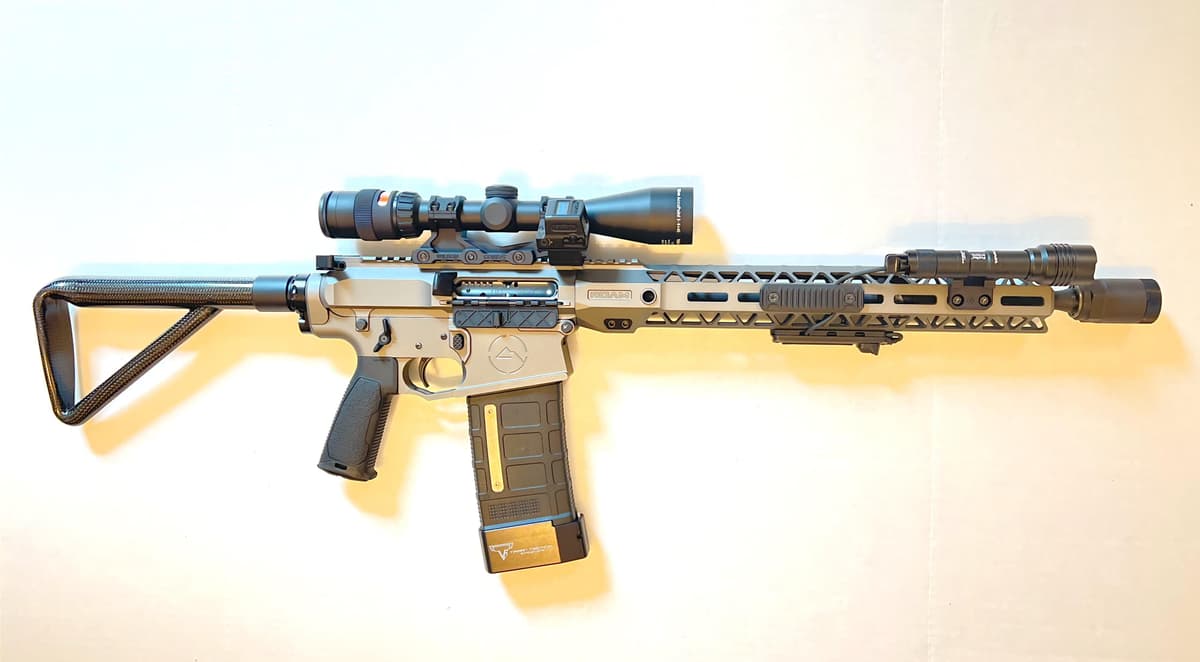
Custom
Custom AR-10 / LR-308 (Aero M5 / DPMS High)
1 shared compatibility tags
Custom
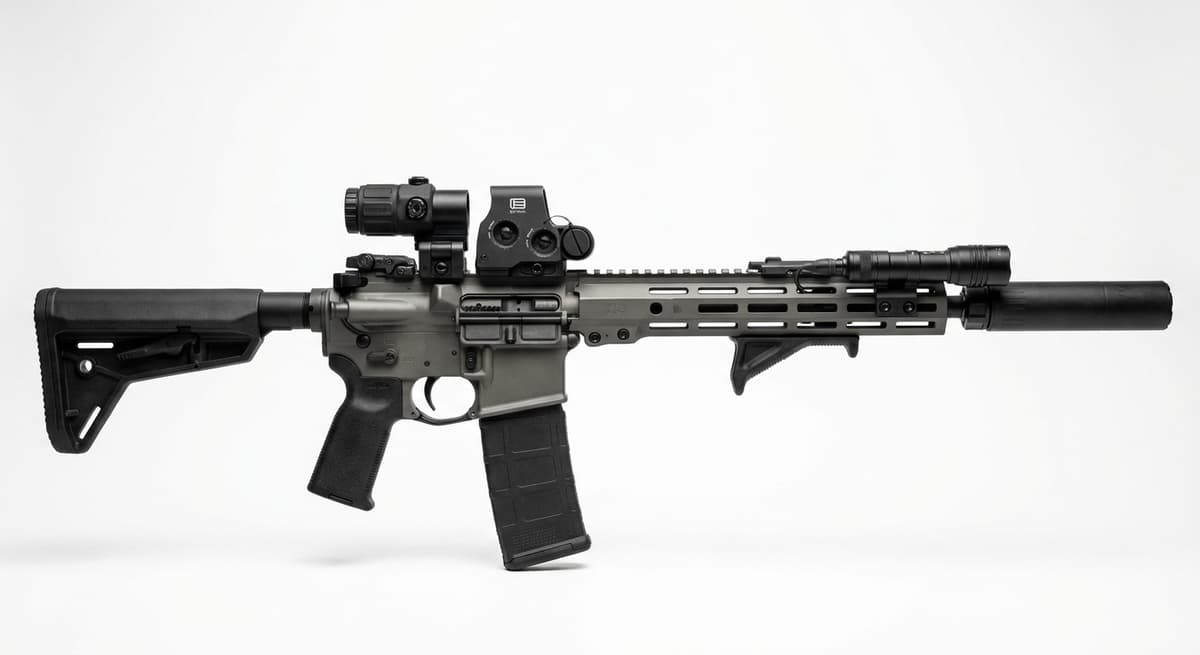
Custom AR-15 (Build From Scratch)
1 shared compatibility tags
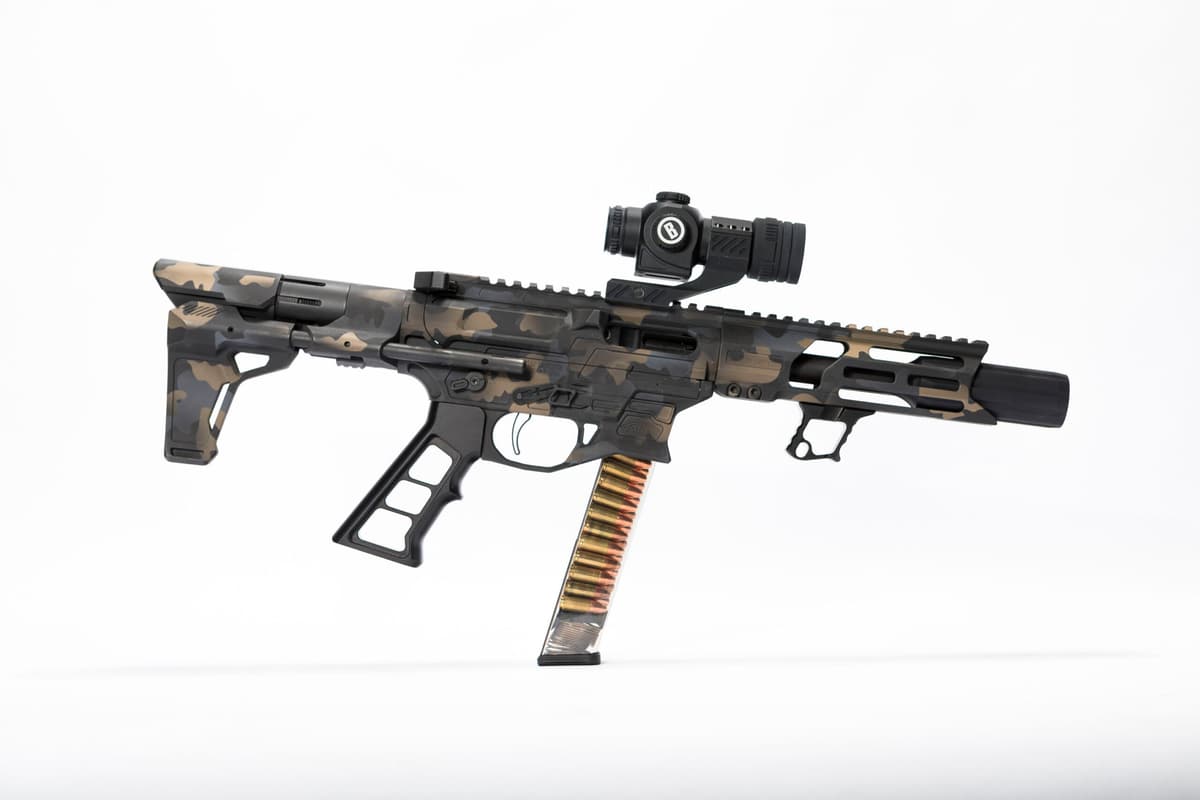
Custom
Custom AR-9 (Build From Scratch)
1 shared compatibility tags
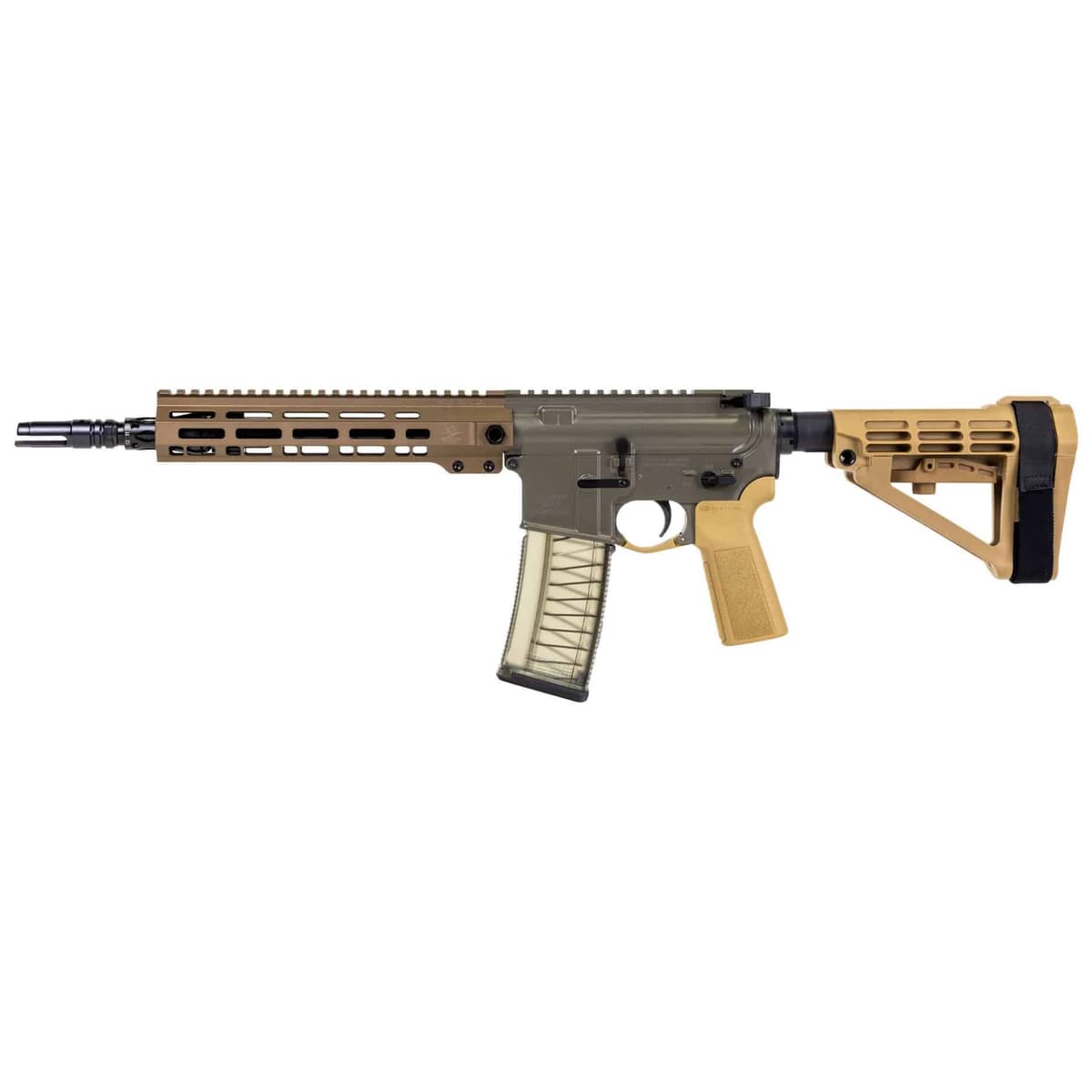
Palmetto State Armory
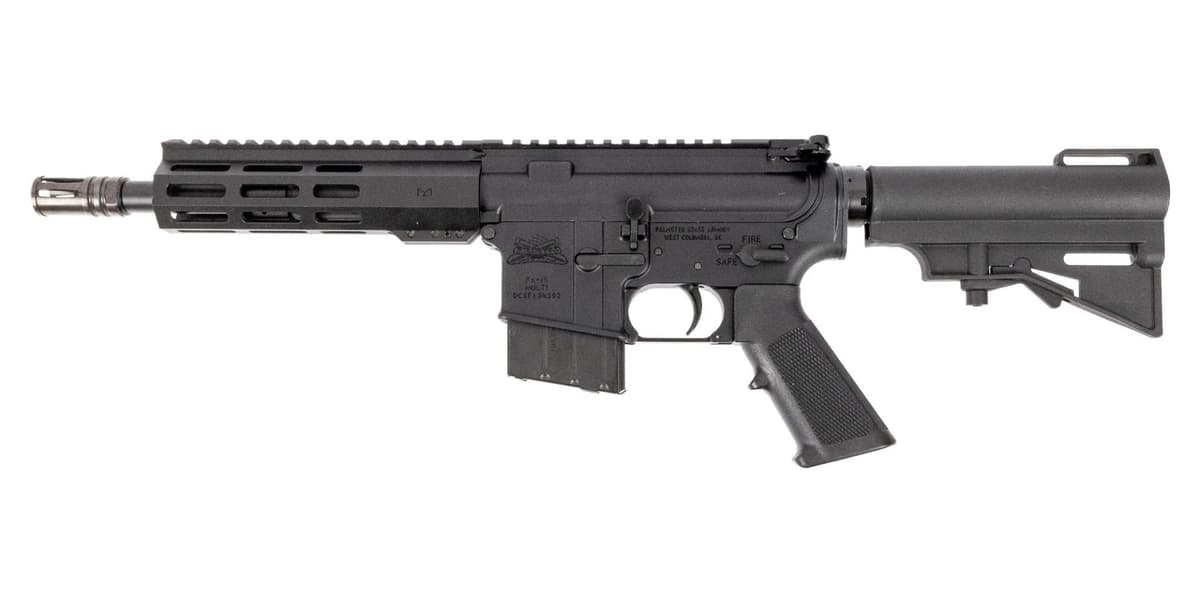
PSA Sabre-15 Forged 11.5" 5.56 Pistol
1 shared compatibility tags
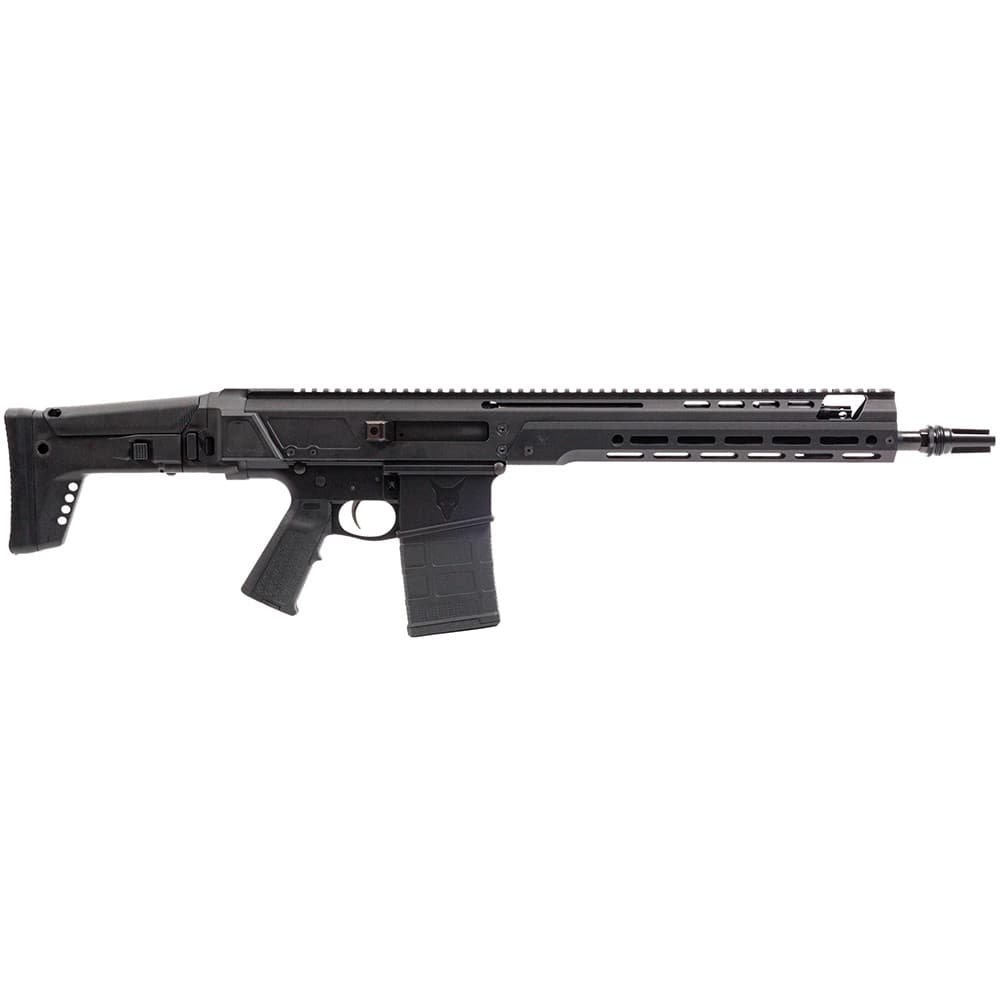
Palmetto State Armory
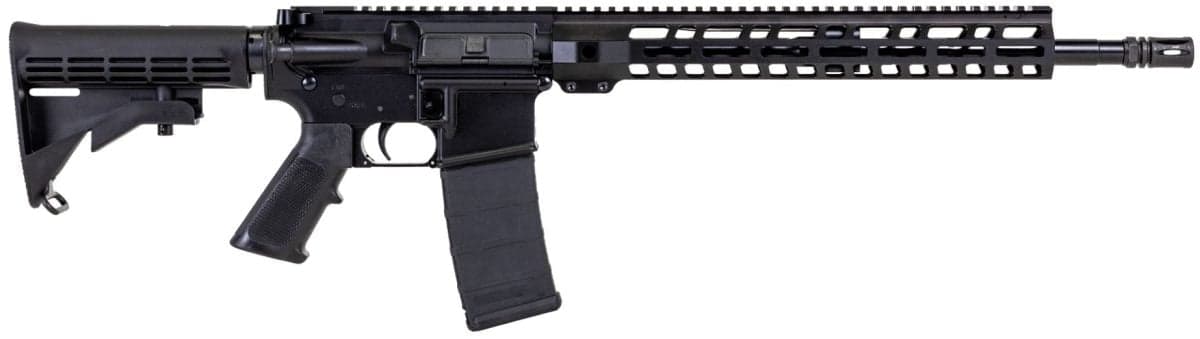
PSA 14.5" JAKL Rifle-Length 5.56 Rifle, Black
1 shared compatibility tags
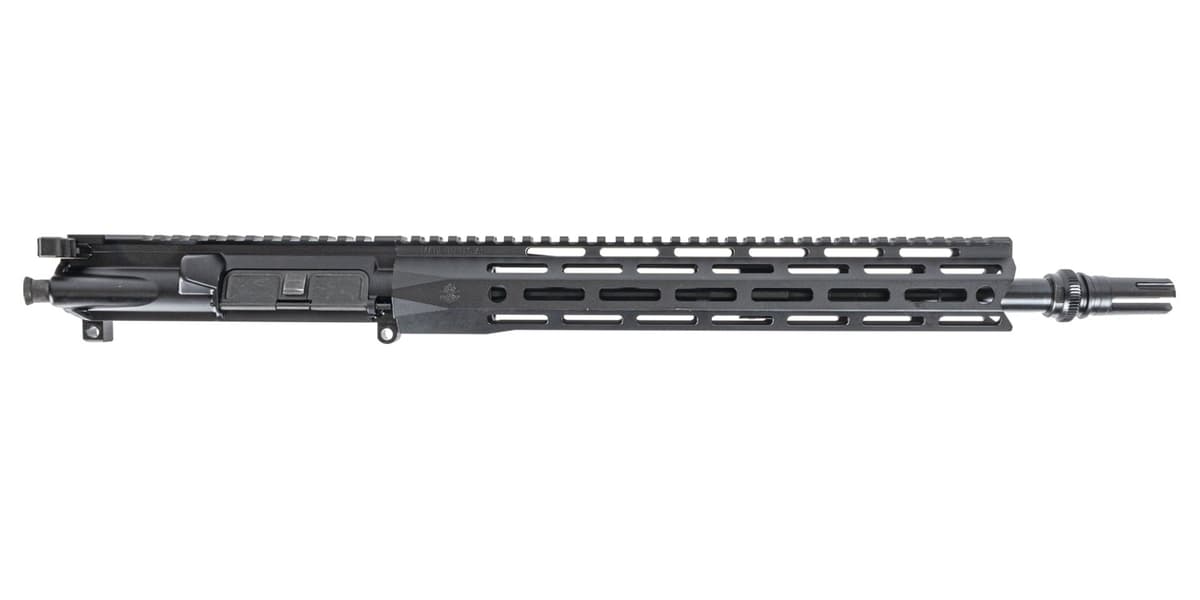
Palmetto State Armory
PSA Sabre Forged 14.5" .223 Wylde AAC 51T Rifle
1 shared compatibility tags
Similar Products
Compatible Platforms
Compatibility Tags
Build Your Custom Configuration
Add the LaRue MBT-2S Trigger to your build and see how it enhances your platform.