[ < All Drills ]

Box Drill

intermediatePistol or carbineLive firetransitionsaccuracyspeed

The box drill is a six-round, two-target course of fire: fire two rounds to the chest of the first target, two rounds to the chest of the second, then a headshot on the second and a headshot on the first. Traced on the targets, the four hits and two transitions form a rough box, which is where the name comes from. It is the failure-to-stop pattern extended across a pair of threats.

The drill trains three things at once: fast transitions between targets, recoil control on the chest pairs, and the precision to land two headshots on a smaller scoring box without stalling. The standard setup is 7 yards with the two targets two to three yards apart; instructors run closer or wider variants, but the chest-chest-head-head sequence is the constant. The value is the shift in pace inside one string, hammering the chest pairs and then settling for the head boxes.

Timer runs prep and par beeps for each step.

Setup

Rounds: 60
Distance: 7 yd
Target: Two USPSA/IPSC targets two to three yards apart, A-zone body and head-box scoring
Equipment: Pistol or carbine, Shot timer, Two USPSA/IPSC targets, 60 rounds
Recommended skill: Reliable chest and head hits on a single target at close range, and a safe multi-target engagement.
Safety notes
  • - Confirm a 180-degree safe range and keep the muzzle downrange through both transitions between the two targets.
  • - Space the two targets two to three yards apart and confirm your backstop covers both before firing.
  • - If drawing from a holster, verify your range allows it and that the draw path is clear.

Course of Fire

  1. 1.Stage Brief

    Set two targets two to three yards apart at 7 yards. On the beep, fire two rounds to the chest of the first target, transition and fire two rounds to the chest of the second, then a headshot on the second and a headshot back on the first.

  2. 2.Execute String

    Run all six rounds in one string, tracing a box: chest, chest, head, head. The two chest pairs are your speed; the two headshots demand a settled sight picture on the smaller box. All six must land in their scoring zones to count.

    Cue: Drive fast to the chest pairs, then slow just enough to confirm each head box.

    Timer:2s prep + 5s par
  3. 3.Assess and Log

    Score both targets: four chest rounds in the A-zone and two hits in the head box is a clean run. Log your time. There is no formal par standard for the box drill, so benchmark against your own clean times and tighten from there; a clean run under five seconds is a strong working goal.

Scoring & Par Times

A clean run is four chest rounds in the A-zone and both headshots inside the head box, all six inside your working par. Drop one hit, chest or head, and the rep fails. The headshots are where clean runs are usually lost, so they set the pace, not the chest pairs.

Record the time from beep to the sixth round. The two transitions and the settle before each headshot are the time sinks; even splits on the chest pairs with a clean pause before each head box beat a frantic run that sprays the smaller target.

LevelStandardNotes
NoviceClean run under 7.00sConfirm both headshots on demand before pushing the clock.
IntermediateClean run under 5.00sA strong working benchmark; the drill has no formal par standard.
AdvancedClean run under 4.00sChest pairs near 0.25s splits and a fast but settled headshot on each target.
MasterClean run under 3.00sSnap transitions with no wasted time settling on the head boxes.

Where the Box Drill Comes From

The box drill has no single documented originator. It is a two-target evolution of the failure-to-stop drill, the close-range technique of firing twice to the chest and once to the head that entered American training as the Mozambique or failure drill. The box drill takes that logic and spreads it across two threats.

Because it is a pattern rather than a proprietary standard, the box drill circulates through military, law enforcement, and competition training with minor variations in distance and spacing, and no formal par time has ever been attached to it. The constant is the six-round chest-chest-head-head sequence across two targets; the variables are the range, the target spacing, and the working par a given instructor sets.

Coaching Notes

  • Shift pace inside the string. The two chest pairs are a speed problem and the two headshots are an accuracy problem; drive hard to the chests, then give each head box the tenth of a second it needs to settle.
  • Lead every transition with your eyes. On targets two to three yards apart, the swing is wide enough that the muzzle must arrive on a spot you are already looking at, whether you are moving to the second chest or coming back for the final headshot.
  • Do not let the last headshot get sloppy. Coming back across to the first target for the final round is where shooters relax and yank a miss; treat it as its own deliberate shot.
  • The box drill is one of two drills sharing the name. This is the two-target, six-round failure-drill version; a separate box drill uses four cones in a square and trains footwork and movement between shooting positions. Confirm which one your range or class means before you set up.

Common Mistakes

Running the headshots at chest-pair speed and dropping them out of the head box.
Fix: Consciously slow for each head box; a called headshot a tenth slower beats a makeup shot every time.
Transitioning muzzle and eyes together and arriving on the second target unsettled.
Fix: Snap the eyes to the next target first, then let the gun catch up to your focus.
Blowing off the second chest round to rush the transition.
Fix: Follow through on both chest rounds before breaking; the pair has to be two accountable hits, not one and a flinch.
Confusing this with the four-cone movement box drill and setting up the wrong course.
Fix: For this version, set two targets two to three yards apart at 7 yards and stand still; the box is the shot pattern, not a path you walk.

Checking sign-in status…

Log a drill session

Capture metrics while they are fresh.

Drill
Box Drill

Sessions save to this browser. Sign in to sync across devices.

Metrics

Recent sessions

Log drills from the range to benchmark progress and track standards.

Gear for This Drill

Tools & Cleaning • $189

AMG Lab Commander Shot Timer

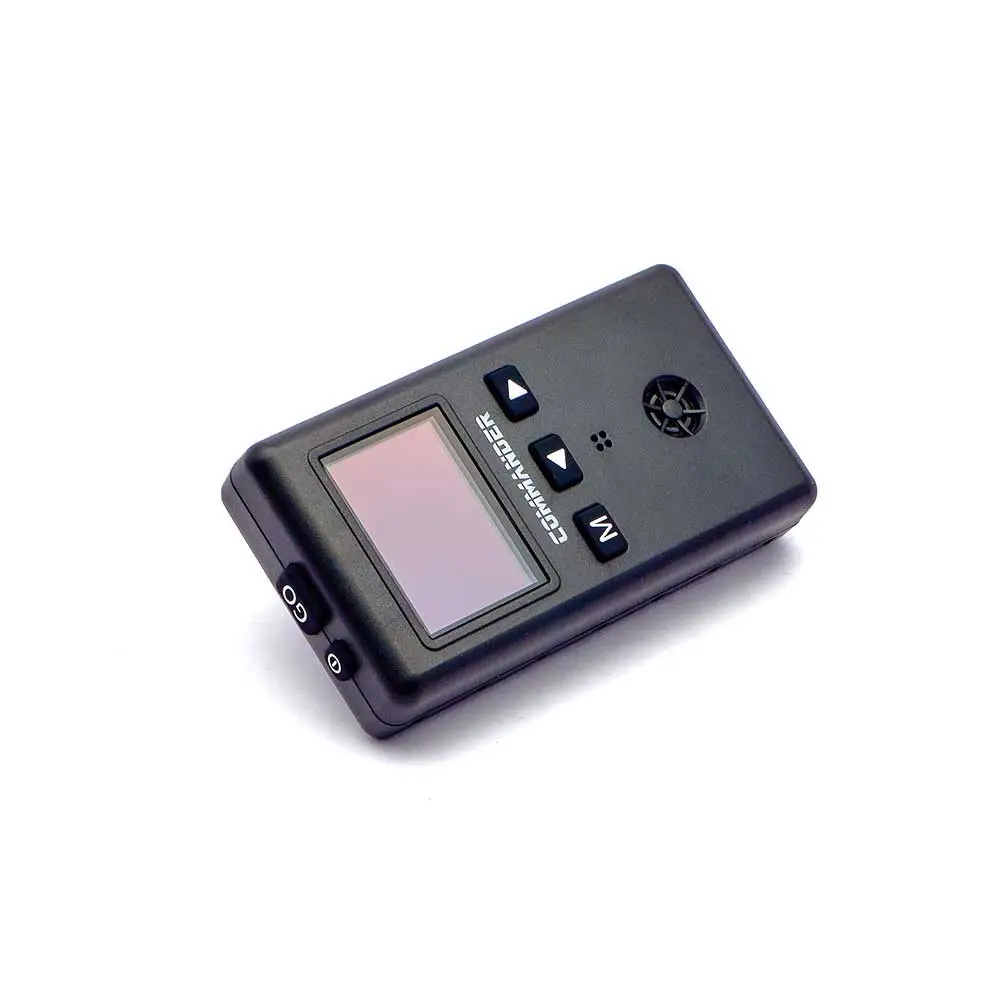
Pro-grade compact timer with a large high-visibility display and PractiScore integration. Standard AAA cells, configurable sensitivity, and a tactile button layout for serious dry-fire and live-fire practice.

  • Large high-visibility display
  • PractiScore Link integration
  • Par time + random delay
$189.00 MSRP
Verified Retailer
View at Amazon
View Full Details
Tools & Cleaning • $299

Shooters Global SG Timer 2

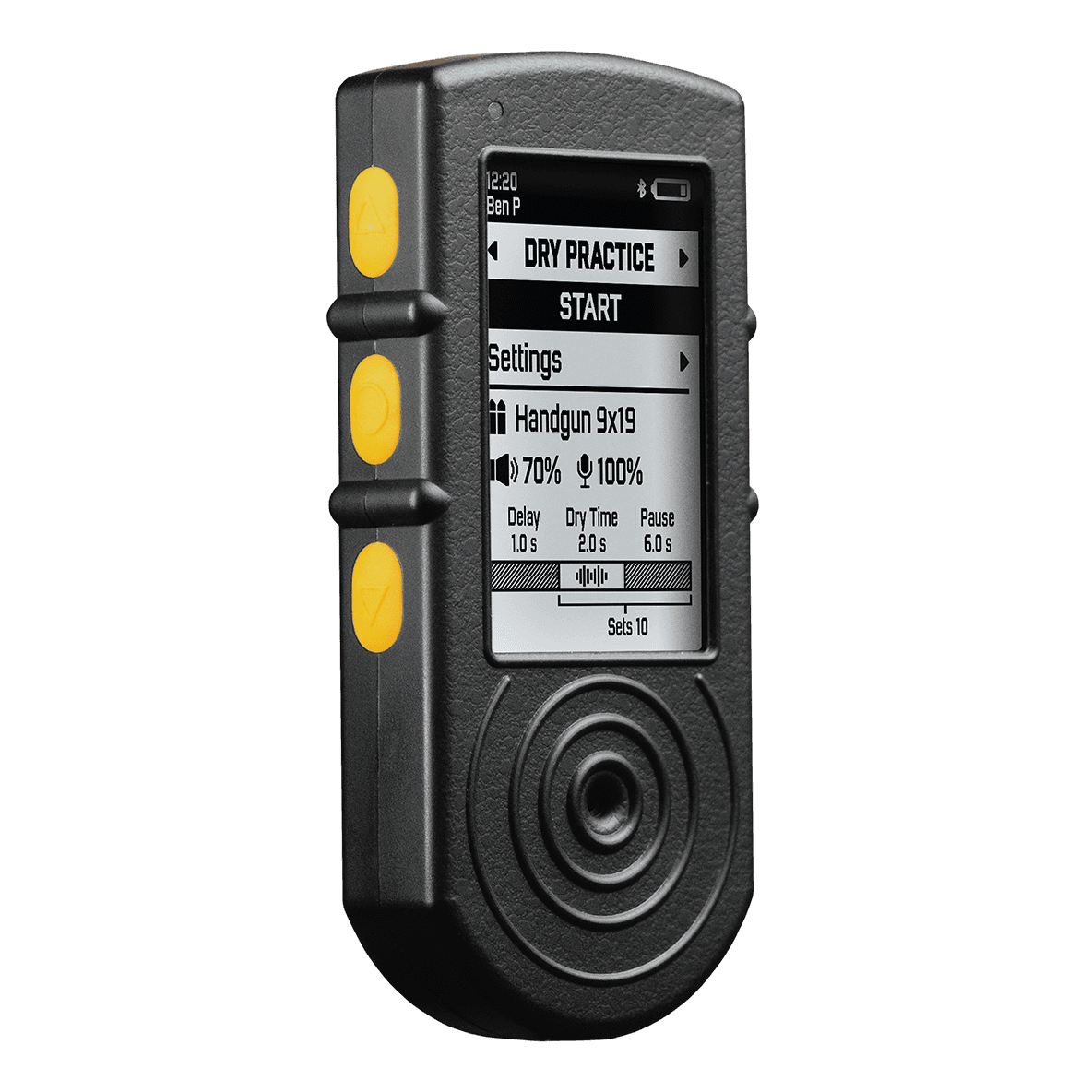
The loudest, smartest competition shot timer on the market. Next-gen acoustic sensor isolates shots in busy indoor bays, reads airsoft and suppressed hosts, and a Bluetooth app syncs strings to PractiScore 2 in real time.

  • Bluetooth + free mobile app
  • PractiScore 2 integration
  • Reads suppressed, airsoft, CO2
$299.00 MSRP
Verified Retailer
View at OpticsPlanet
View Full Details
Tools & Cleaning • $12.99

A-Zoom .223 Rem Rifle Snap Caps (2-Pack)

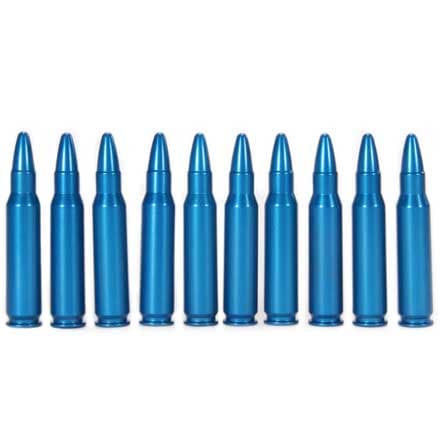
Precision aluminum .223 Rem snap caps for dry fire, function testing, and safe storage checks.

  • SKU 12222
  • .223 Remington
  • 2-pack
$12.99 MSRP
Verified Retailer
View at OpticsPlanet
View Full Details
Tools & Cleaning • $25.89

A-Zoom 9mm Luger Precision Snap Caps (5-Pack)

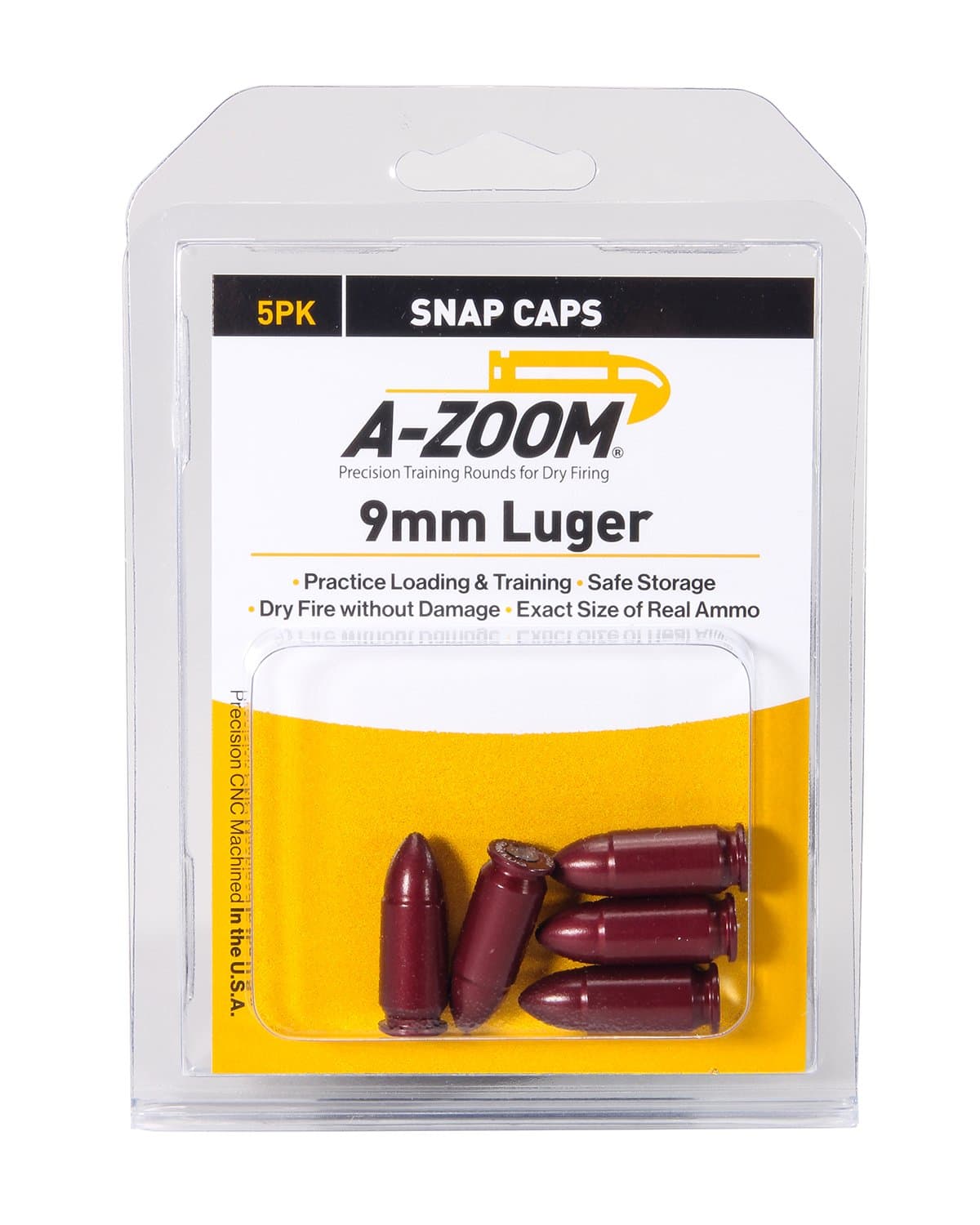
CNC-machined aluminum 9mm dummy rounds for dry fire, function testing, and reload reps that cushion the firing pin on every press.

  • SKU 15116
  • 9mm Luger
  • 5-pack
$25.89 MSRP
Verified Retailer
View at OpticsPlanet
View Full Details

Affiliate links (?)

Comparing timers first? The shot timer guide ranks the current field, and the dry fire practice guide covers the training aids that make at-home reps productive. Need the target? Print it free from the printable targets library.

Frequently Asked Questions

What is the box drill?
The box drill is a six-round, two-target course of fire: two rounds to the chest of the first target, two to the chest of the second, then a headshot on the second and a headshot on the first. The four hits and two transitions trace a rough box. The standard setup is 7 yards with the targets two to three yards apart.
What is the box drill shot sequence?
Chest, chest, head, head. Fire two rounds into the first target's chest, transition and fire two rounds into the second target's chest, take a headshot on the second target, then transition back for a headshot on the first target, for six rounds total across two targets.
What is a good box drill time?
The box drill has no formal par standard, so benchmark against your own clean runs: all four chest rounds in the A-zone and both headshots in the head box. A clean run under five seconds at 7 yards is a strong working goal, and under four seconds clean demands chest-pair splits near a quarter second plus a settled sight picture on each head box.
Is the box drill a footwork drill or a shooting drill?
Both names exist. The version here is a two-target, six-round shooting drill (chest-chest-head-head) that trains transitions and precision from a standing position. A separate box drill arranges four cones in a square and trains movement and shooting between positions; confirm which one is meant before setting up.

Related Drills