[ < All Drills ]

Mozambique Drill

intermediatePistolLive firepresentationtransitionsaccuracy

The Mozambique Drill, also called the Failure Drill, is a three-round string fired from 7 yards: two rounds to the center of the chest, then one deliberate round to the head. It trains the exact decision a defensive shooter faces when body hits do not stop a threat, breaking the reflex to keep hammering the torso and delivering an aimed shot to the head instead.

The drill works because it stacks two different shooting problems into one string. The opening pair is a fast, recoil-managed cadence into a forgiving chest zone; the third shot is a precision problem into a target roughly the size of an index card. The skill the timer measures is the transition between them: how quickly you can recognize that the fight is not over, shift your eyes and sights up to the head, and refine the sight picture enough to guarantee the hit without freezing.

Timer runs prep and par beeps for each step.

Setup

Rounds: 30
Distance: 7 yd
Target: Silhouette with an 8" chest zone and a 3x5 head box (a USPSA target's A-zone and head box work)
Equipment: Pistol with holster, Shot timer, Target with a defined chest zone and head box, 30 rounds
Recommended skill: Safe draw from the holster and a deliberate, aimed shot on a small target under time pressure.
Safety notes
  • - Confirm your holster fully covers the trigger guard and the draw path is clear before the first rep.
  • - Finger stays indexed on the frame until the muzzle is on target; the deliberate head shot must not become a rushed press.
  • - Check that your range allows drawing from the holster and multiple shots on a single target before running the drill.

Printable Target

Failure Drill Target

Two-sheet Mozambique target: true-size 3x5 head box that tapes 12" above an 8" chest circle. Covers the failure drill and F.A.S.T. scoring zones.

Print it free

Course of Fire

  1. 1.Stage Brief

    Load and holster. Stand at 7 yards facing a target with a defined chest zone and a head box. On the beep, draw and fire two rounds to the chest, then break up to the head and fire one aimed round.

  2. 2.Execute String

    Draw on the beep and deliver the two body shots at speed while the sights track. Then consciously slow down, refine the sight picture on the head box, and press one clean round. A clean run inside a 3.0 second par from concealment or a duty holster is a solid defensive standard.

    Cue: Two fast, one slow. The head shot earns its own sight picture; do not let the body cadence carry into it.

    Timer:2s prep + 3s par
  3. 3.Assess and Log

    Score the target. Two accountable chest hits plus one hit inside the head box is a clean run; a low or wide head shot fails the rep no matter the time. Log your time and repeat for a full session.

Scoring & Par Times

A clean run requires both body rounds in the chest zone and the single head round inside the head box. There is no partial credit; a fast time with a low or wide head shot is a failed rep, because the whole point of the drill is the guaranteed stopping shot, not the speed of the miss.

Record the time from the beep to the third shot. On a good run the two body splits are tight and even, followed by a visibly longer gap before the head shot; that pause is the drill working, not lost time. If your head-shot split is the same as your body splits, you almost certainly rushed the aim.

LevelStandardNotes
NoviceClean run under 5.00sProve you can get two body hits and a called head shot on demand before chasing the clock.
IntermediateClean run under 3.00sThe widely cited defensive standard from a concealed or duty holster at 7 yards.
AdvancedClean run under 2.50sAbove-average speed; requires a sub-1.3s draw and a disciplined, fast head-shot transition.
MasterClean run under 1.50sExpert territory; top competitive shooters run the failure string in roughly a second and a half clean.

Where the Mozambique Drill Comes From

The drill traces to Mike Rousseau, a Rhodesian mercenary fighting in the Mozambican War of Independence between 1964 and 1974. By his account, Rousseau rounded a corner at the Lourenco Marques airport and met a FRELIMO fighter armed with an AK-47 at about ten paces. He fired two rounds from his Browning Hi-Power into the man's chest; when the fighter stayed up, Rousseau raised the pistol for a head shot that struck the base of the neck and severed the spinal cord. Rousseau later relayed the story to firearms authority Jeff Cooper, who folded the technique into the Gunsite Academy curriculum in the late 1970s and named it after the country where it happened.

The name changed in 1980, when LAPD SWAT officers Larry Mudgett and John Helms took Gunsite's 250 pistol class and asked Cooper for permission to teach the technique inside the department. Concerned the Mozambique name could be read as having racial overtones, Mudgett proposed calling it the Failure Drill, framing the third shot as the answer when the first two rounds fail to stop the threat. Cooper agreed. The Rousseau account rests on his own retelling and cannot be independently corroborated, but the Cooper-to-Gunsite-to-LAPD lineage is consistently documented and is the accepted origin of the drill taught today.

Coaching Notes

  • Build the head shot as a separate event. The two body rounds are a recoil-control problem; the head round is an aiming problem. Shooters who blur the two together throw the third shot high or wide because they never actually refined the sight picture.
  • Let your eyes lead the transition. Snap your vision to the head box first, let the sights follow into that spot, then confirm and press. Driving the gun up before your eyes arrive is the fastest way to a rushed miss.
  • Do not add rounds to the body. The failure drill is two and one, not a bill drill with a head shot tacked on. If you find yourself firing three or four to the chest out of habit, reset; the drill is training the decision to change targets, not to shoot more.
  • Practice it from concealment if you carry concealed. The 3.0 second standard assumes a clean draw; if a garment adds half a second to your presentation, the string time reflects your real-world capability, which is the number that matters.

Common Mistakes

Rushing the head shot with the same cadence as the body pair, throwing it high or into the neck.
Fix: Deliberately slow the third shot. Refine the sight picture on the head box and accept a longer split; the head shot is the shot the drill exists to guarantee.
Letting the body pair drift wide because you are already thinking about the head shot.
Fix: Finish the two chest rounds honestly before shifting focus. Two clean body hits are the setup; get them, then transition.
Failing to move the eyes first, so the muzzle swings to the head while vision lags behind.
Fix: Drive your eyes to the head box before the gun. Sights follow eyes; when vision leads, the sights arrive already close to aligned.
Treating a fast time with a marginal head hit as a pass.
Fix: Score honestly against the head box. A run only counts when the head round is inside the box; slow down until it lands there on demand.

Checking sign-in status…

Log a drill session

Capture metrics while they are fresh.

Drill
Mozambique Drill

Sessions save to this browser. Sign in to sync across devices.

Metrics

Recent sessions

Log drills from the range to benchmark progress and track standards.

Gear for This Drill

Tools & Cleaning • $299

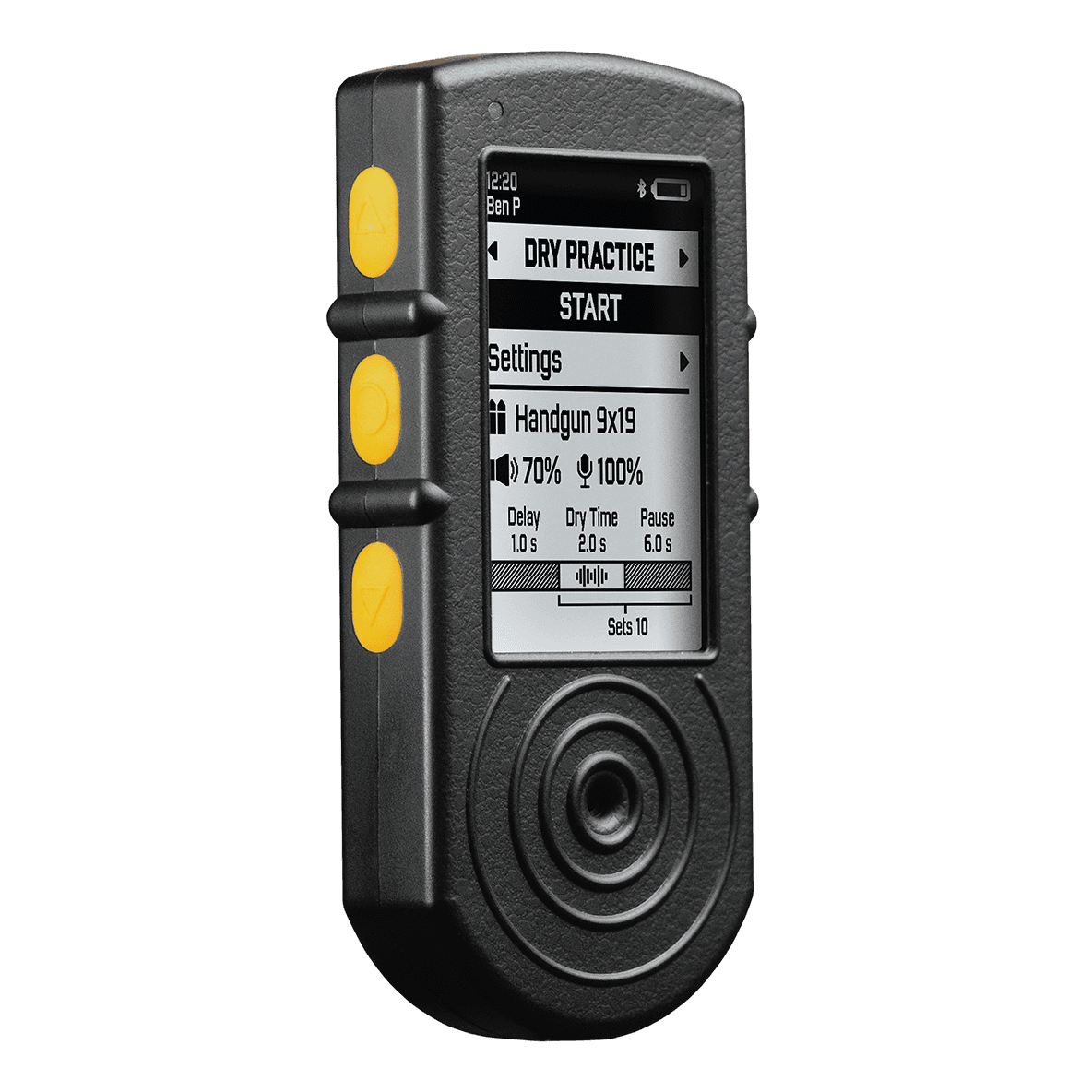
Shooters Global SG Timer 2

The loudest, smartest competition shot timer on the market. Next-gen acoustic sensor isolates shots in busy indoor bays, reads airsoft and suppressed hosts, and a Bluetooth app syncs strings to PractiScore 2 in real time.

  • Bluetooth + free mobile app
  • PractiScore 2 integration
  • Reads suppressed, airsoft, CO2
$299.00 MSRP
Verified Retailer
View at OpticsPlanet
View Full Details
Tools & Cleaning • $139.95

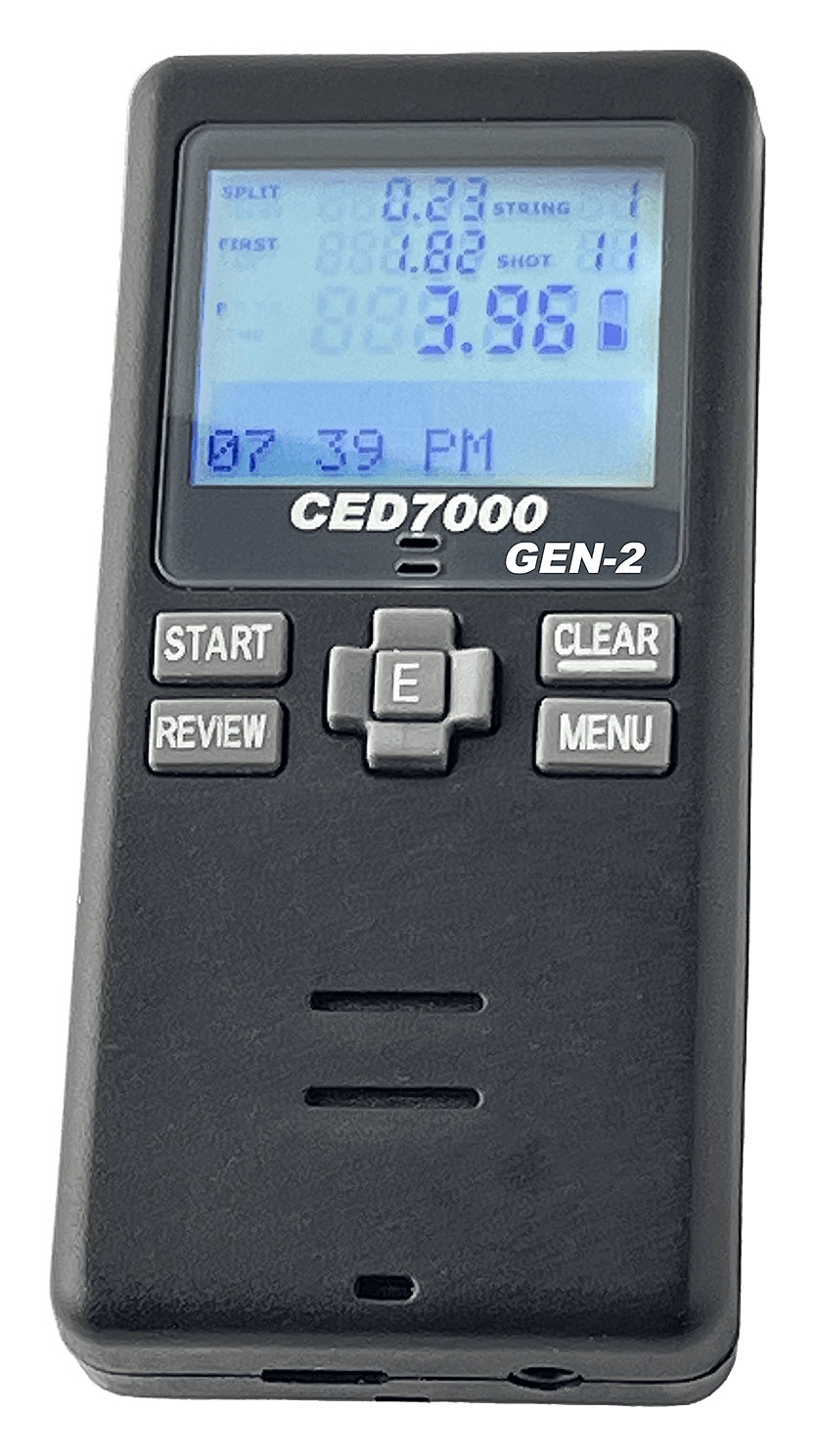
CED7000 Gen 2 Shot Timer

Compact handheld timer widely used by IPSC and USPSA range officers. Gen 2 adds upgraded rubber buttons, 30 percent longer battery life, USB-C charging, par time, review mode, and match modes.

  • Widely used by IPSC/USPSA range officers
  • Gen 2 rubber buttons + larger battery
  • Comstock, Virginia, Fixed Time modes
$139.95 MSRP
Verified Retailer
Shop at Brownells
View Full Details
Tools & Cleaning • $25.89

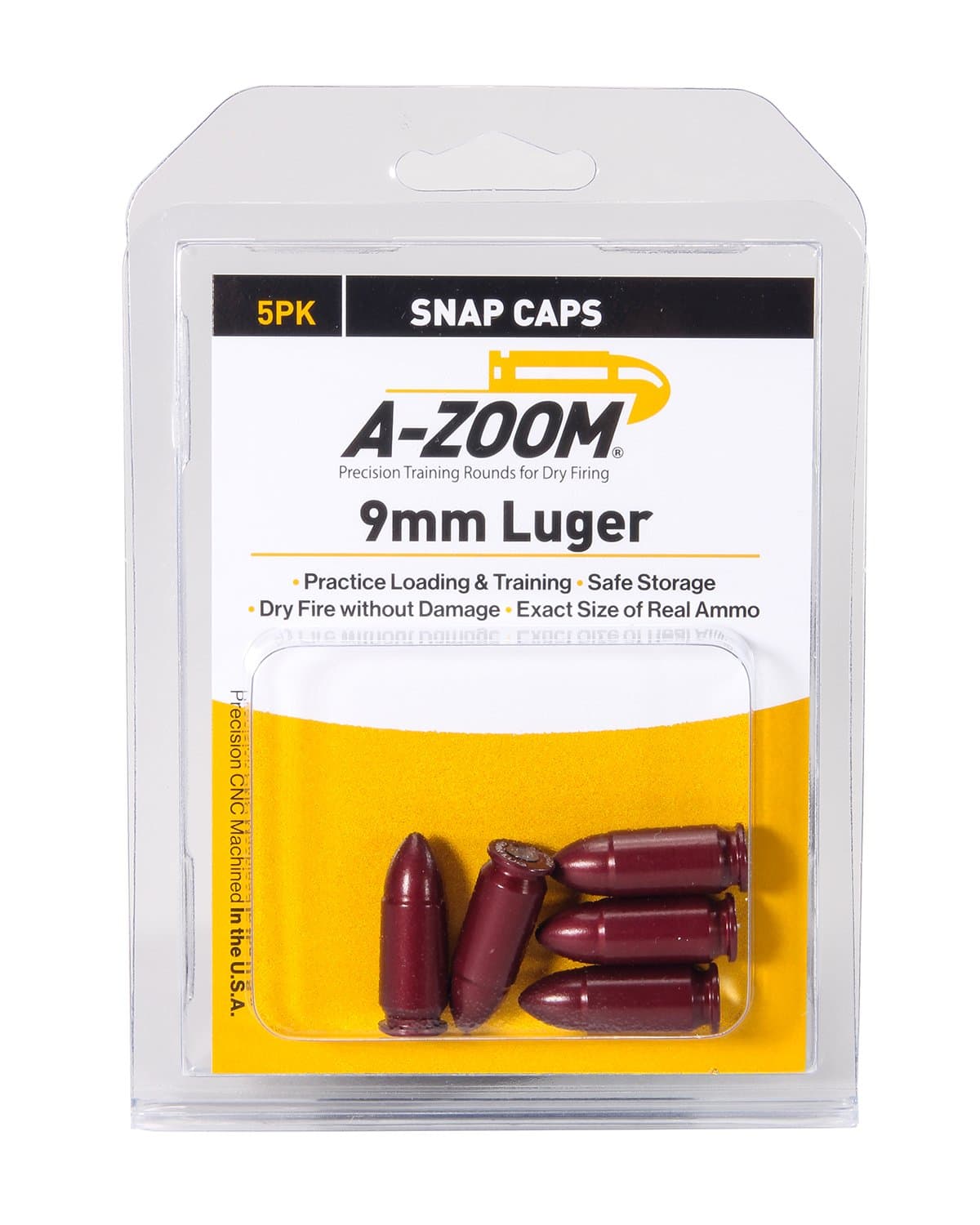
A-Zoom 9mm Luger Precision Snap Caps (5-Pack)

CNC-machined aluminum 9mm dummy rounds for dry fire, function testing, and reload reps that cushion the firing pin on every press.

  • SKU 15116
  • 9mm Luger
  • 5-pack
$25.89 MSRP
Verified Retailer
View at OpticsPlanet
View Full Details

Affiliate links (?)

Comparing timers first? The shot timer guide ranks the current field, and the dry fire practice guide covers the training aids that make at-home reps productive. Need the target? Print it free from the printable targets library.

Frequently Asked Questions

What is the Mozambique Drill?
The Mozambique Drill, also called the Failure Drill, is a defensive pistol drill: draw and fire two rounds to the chest and one aimed round to the head at 7 yards. It trains the failure-to-stop response, delivering a precision head shot when two body hits do not end the threat.
What is a good Mozambique Drill par time?
A clean run under 3.0 seconds from the holster at 7 yards is a solid defensive standard, under 2.5 seconds is above average, and sub-1.5 seconds is expert level. Clean means both body rounds in the chest zone and the head round inside the head box; a fast time with a missed head shot does not count.
Why is it called the Failure Drill?
LAPD SWAT officers who learned it at Gunsite in 1980 renamed it the Failure Drill, both to avoid the racial overtones some read into the Mozambique name and to describe its purpose: the head shot is the answer when the first two body rounds fail to stop an attacker. Jeff Cooper, who taught the original version, approved the new name.
How is the Mozambique Drill different from a Bill Drill?
A Bill Drill is six rounds to one chest zone, testing pure recoil control and cadence. The Mozambique Drill is two body rounds plus a single precision head shot, so it tests the transition between speed and accuracy and the decision to change targets. The head shot, not the body pair, is what makes the drill hard.

Related Drills