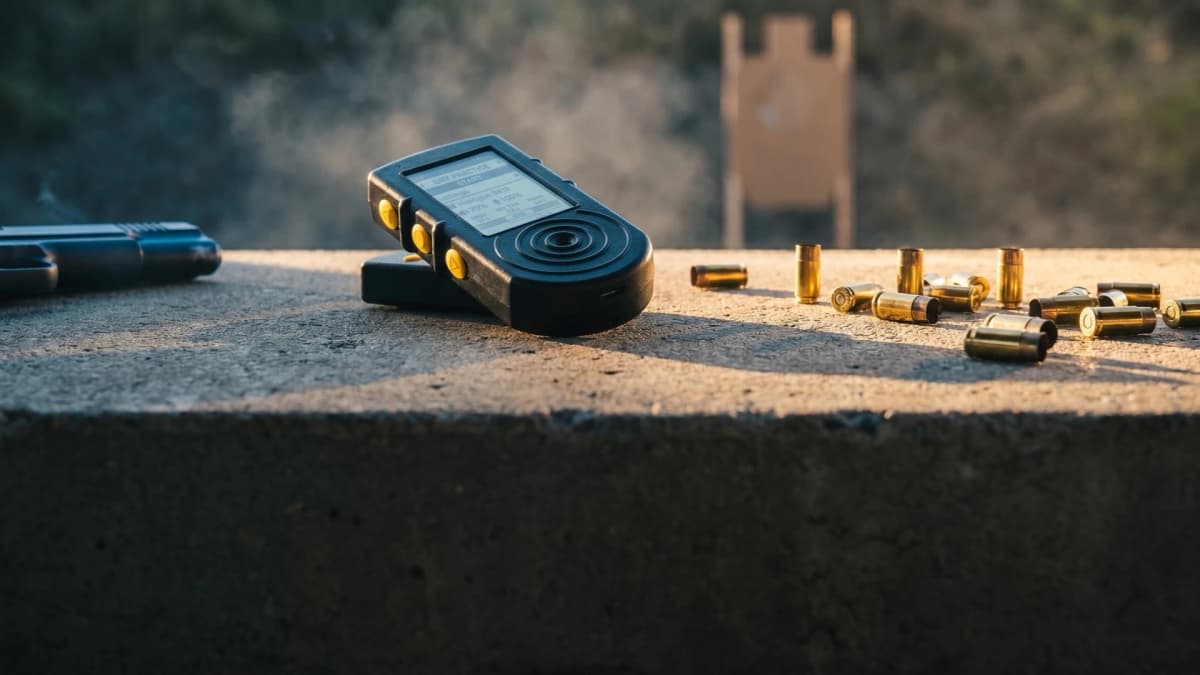
Best Shot Timer 2026: SG Timer 2, PACT, CED7000, AMG Commander
The Shooters Global SG Timer 2 at $330 is the best shot timer in 2026 for competition shooters and serious trainers who want Bluetooth, PractiScore 2 integration, and an acoustic sensor that reads suppressed pistols indoors. The PACT Club Timer III at $130 is the value workhorse, the CED7000 Gen 2 at $155 is the USPSA range officer standard, the AMG Lab Commander is the best LED display for dry fire, and the Walker's ShotSync at $60 is the cheapest wearable timer worth owning. The rest of this guide explains which of the seven picks fits how you actually train. If you already have range footage and need after-action split review, use the shot timer video workflow before buying more hardware. For rapid-fire clips where the real question is burst RPM, use the rate of fire video workflow.
Best Shot Timers Ranked
Bluetooth competition timers, handheld match standards, and wearable budget picks ranked across live fire, dry fire, and PractiScore-integrated training.
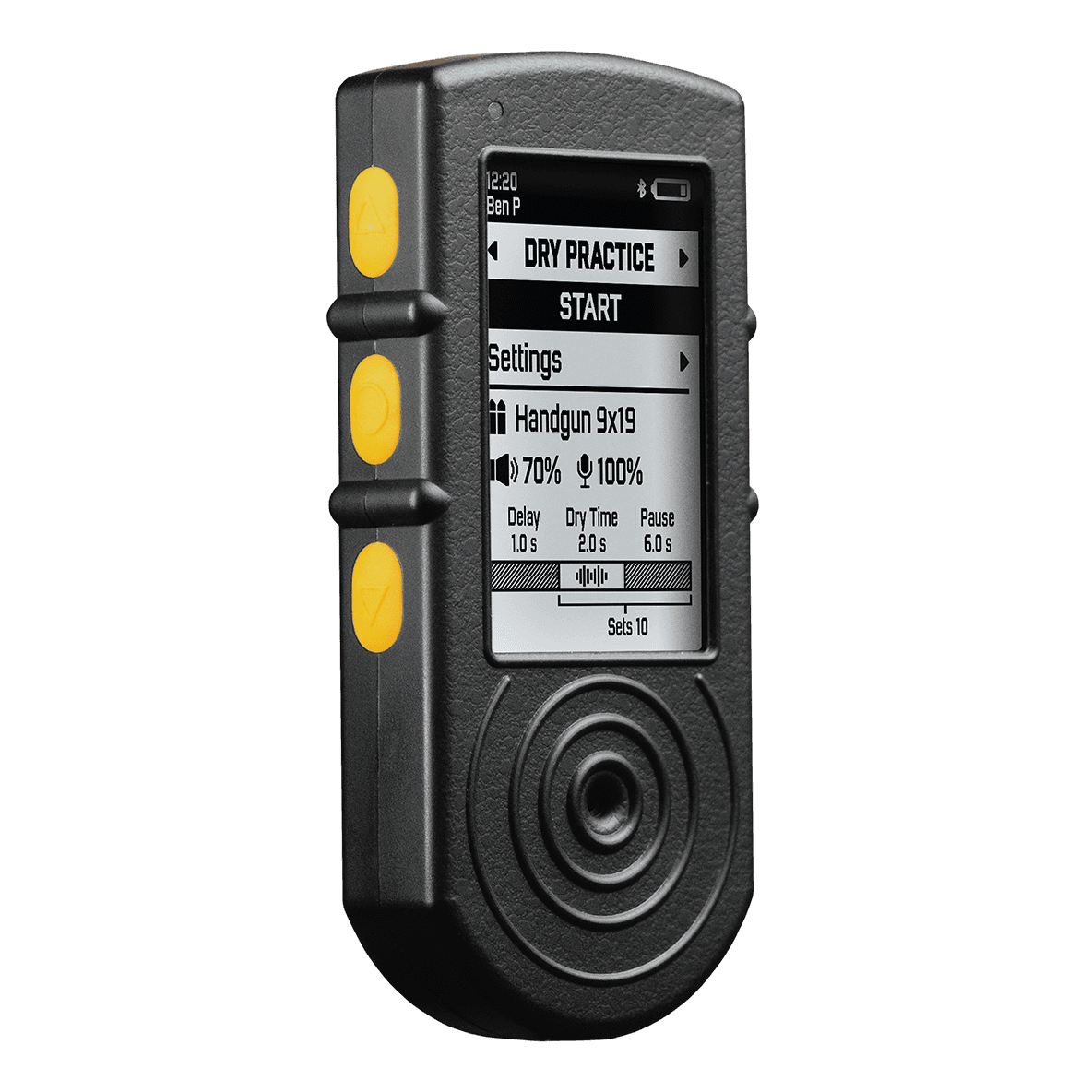
Shooters Global SG Timer 2
Best Overall
- +Loudest beep in the class, audible through doubled-up ear pro
- +Smart sensor reads suppressed pistols, airsoft, and CO2 cleanly
- +PractiScore 2 sync turns every drill into a scored session
- −$299 is the most expensive non-premium pick in this guide
- −App ecosystem only pays off if you train often enough to log sessions
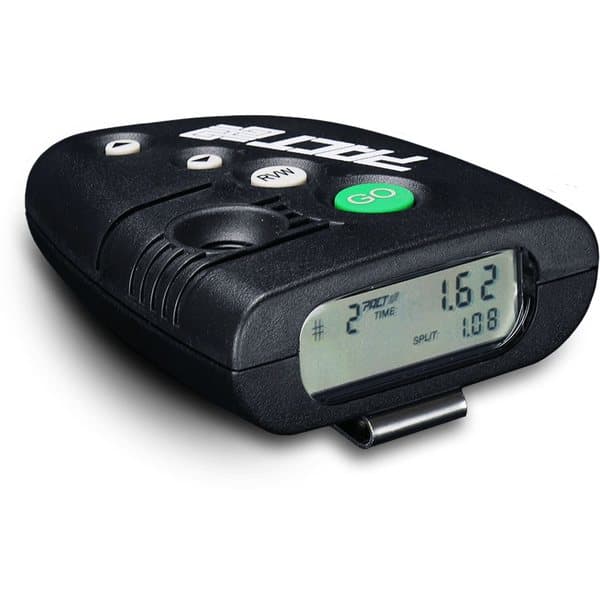
PACT Club Timer III
Best Value Standalone
- +Cheapest reliable dedicated shot timer that does everything a solo trainer needs
- +Standalone operation; no phone, no Bluetooth dropout, no app updates
- +Sensitive microphone handles indoor and suppressed practice
- −No Bluetooth, no app, no PractiScore export
- −9V battery drain is faster than the AAA units
- −Display is dim outdoors compared to the AMG Commander
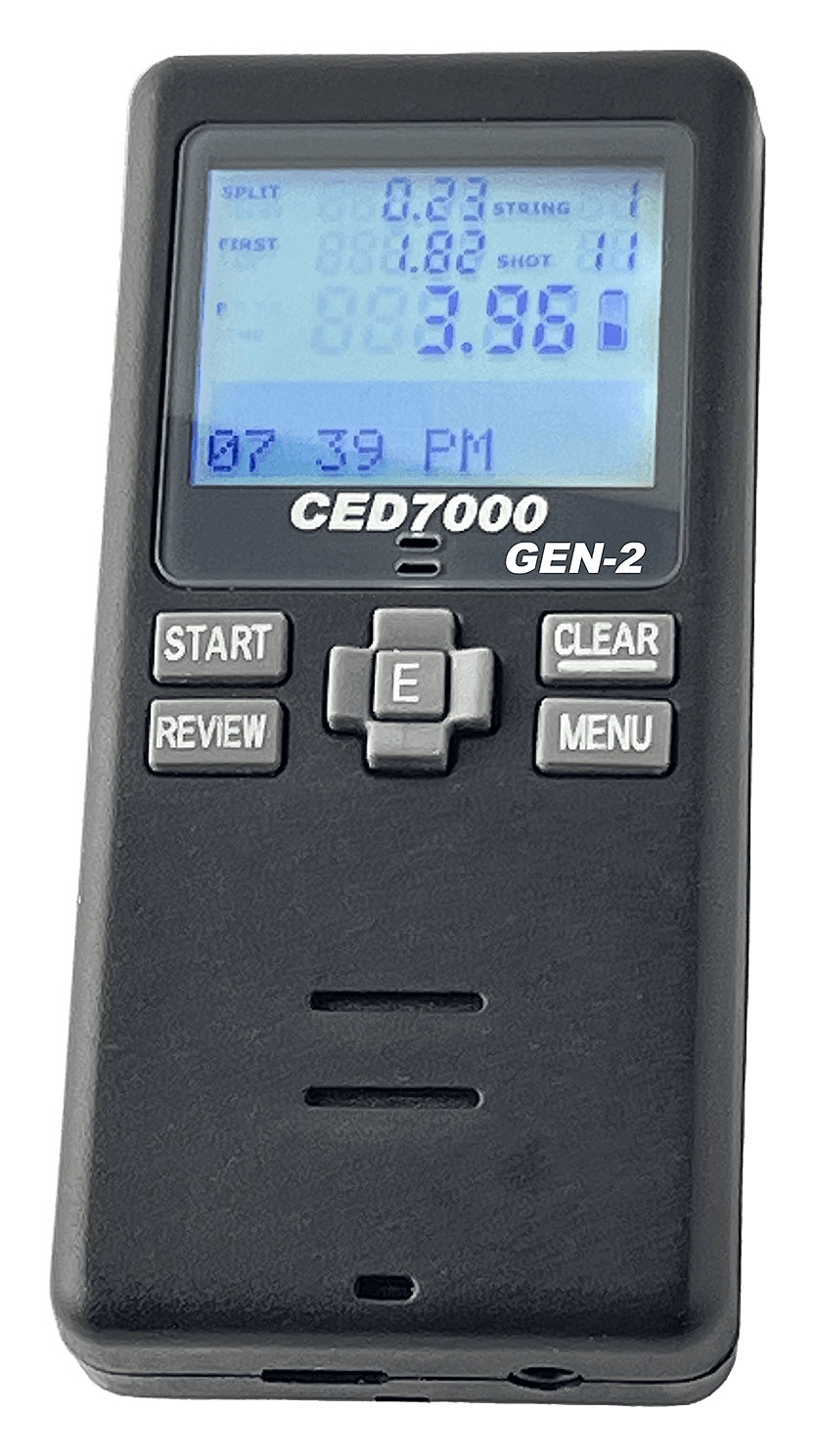
Competitive Edge Dynamics CED7000 Gen 2 Shot Timer
Best for Match Officials
- +The timer every USPSA range officer has run a stage with
- +Comstock, Virginia, and Fixed Time modes built in for real match practice
- +Gen 2 rubber buttons and longer battery life fix the only durability complaints
- −Display still smaller than the AMG Commander
- −No Bluetooth on the standard unit; PractiScore export requires an upgrade
- −RF variant for remote start and stage clock integration is a separate purchase
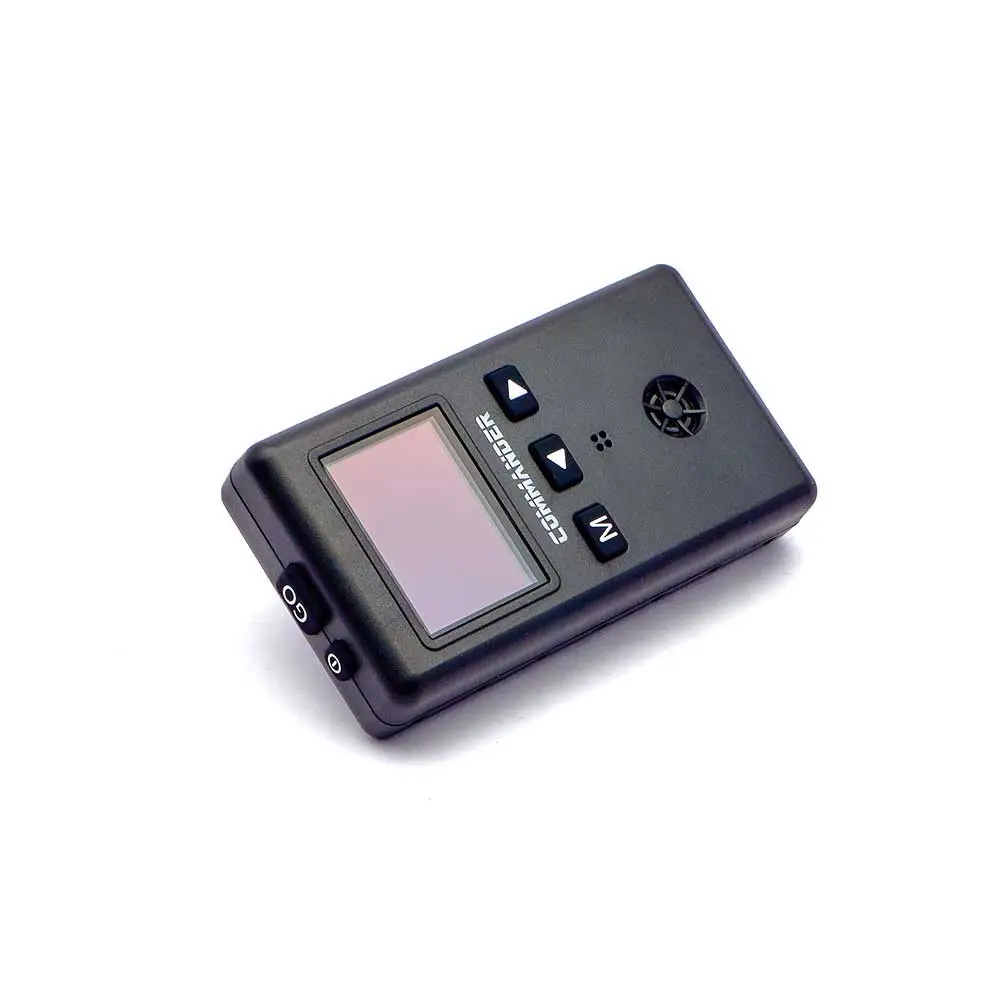
AMG Lab Commander
Best LED Display & PractiScore Link
- +Brightest display in this guide; readable in direct sun
- +Standard AAA cells, no proprietary charger or 9V hunting
- +PractiScore Link drops splits straight into the match app
- −Approximately 4-week lead time at AMG direct; secondary stock fluctuates
- −No headphone/aux output for some legacy stage clock systems
- −$189 is closer to SG Timer 2 territory than CED or PACT pricing
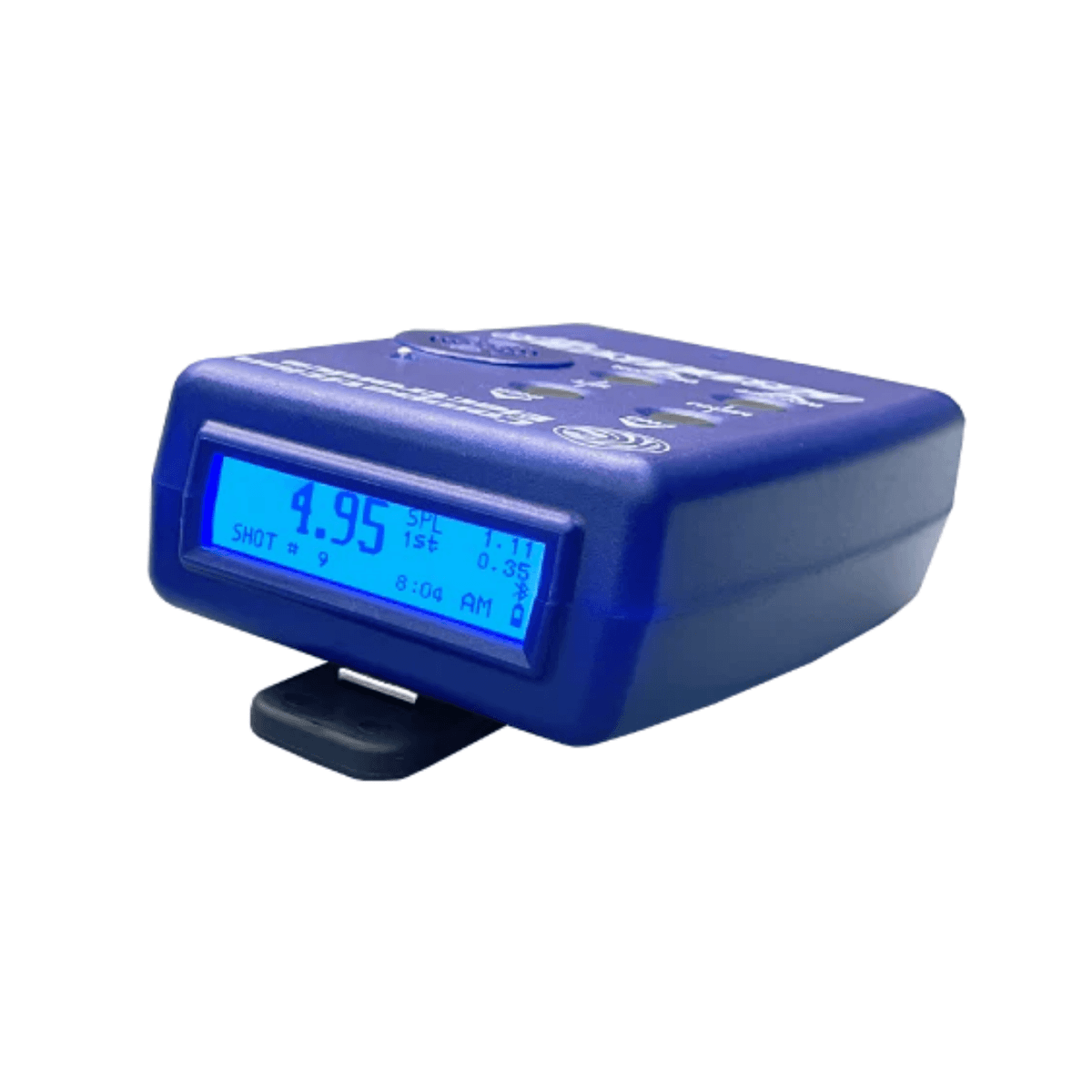
Competition Electronics ProTimer BT
Best Built-In Hit Factor Scoring
- +Only timer in the guide with built-in hit factor scoring (no math at the bench)
- +50-shot string memory holds a full Bill Drill block in one slot
- +Competition Electronics replaces broken units with no drama
- −App is functional but thinner than Shooters Global or PractiScore Link
- −Pocket Pro II is fully discontinued; this is the successor, not a stocked-in-parallel option
- −Sensitivity needs more dial-in for suppressed indoor than PACT or SG Timer 2
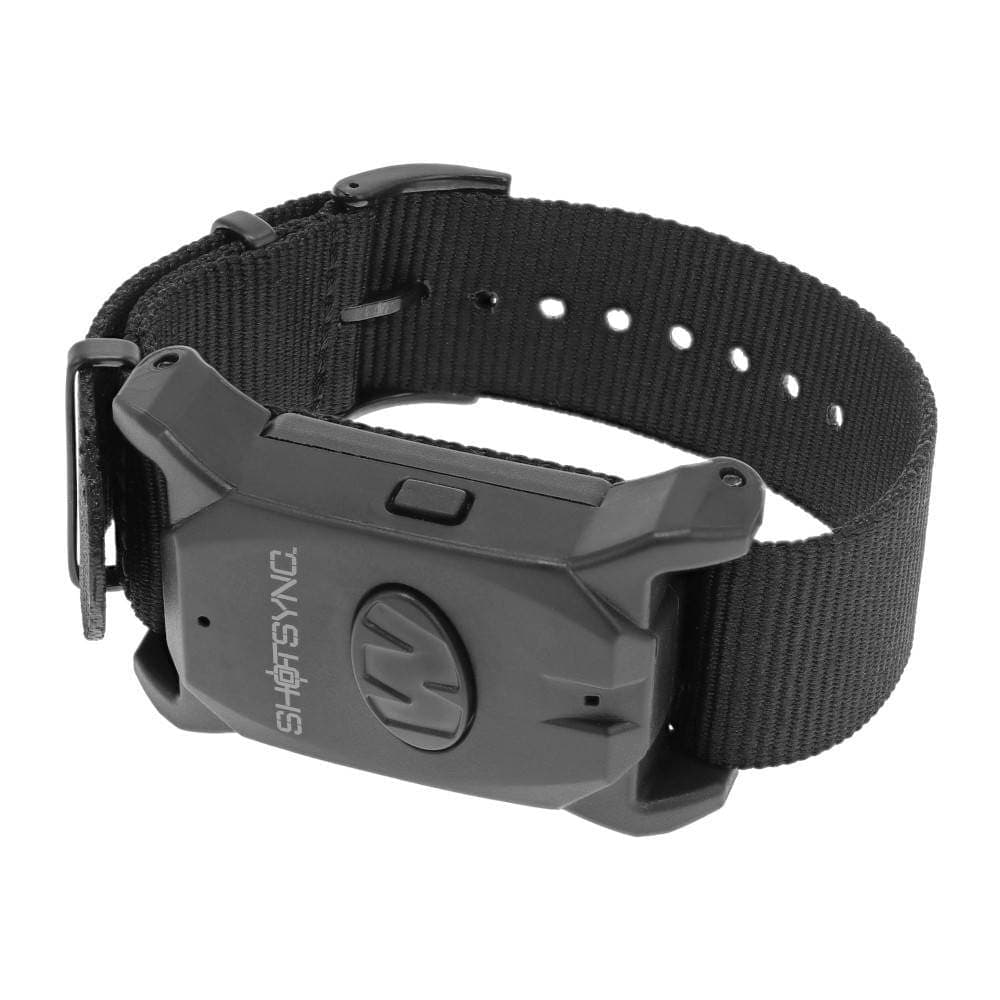
Walker's ShotSync
Best Wearable & Best Under $100
- +Cheapest shot timer worth owning at $60
- +Wrist-worn form factor frees your support hand and holster space
- +Dual-sensor detection is more accurate than single-mic budget timers
- −Not a match-grade RO timer; serious IPSC/USPSA shooters will outgrow it
- −Smaller speaker than the SG Timer 2 or CED 7000
- −App is brand-locked to Walker's ecosystem; no PractiScore export
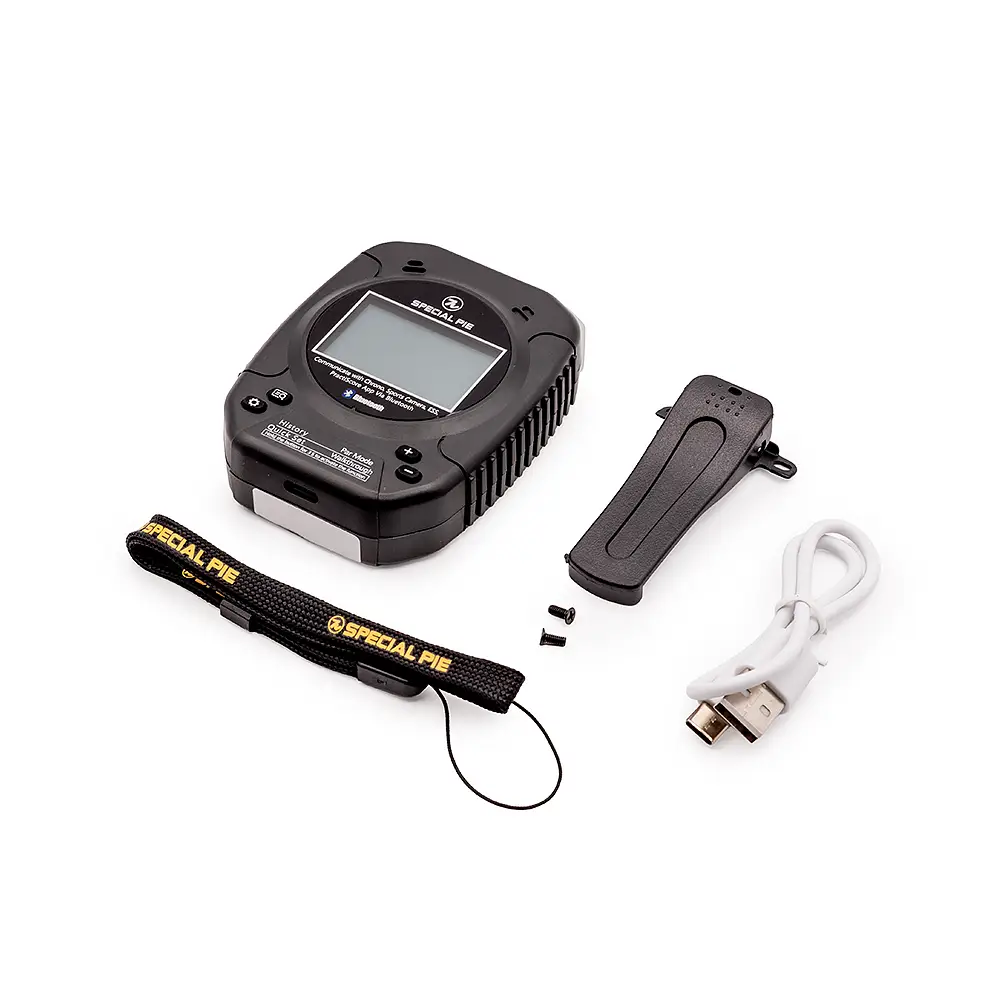
Special Pie M1A2+ Bluetooth Shot Timer
Best Budget Bluetooth Handheld
- +Cheapest Bluetooth handheld with PractiScore iOS support
- +USB rechargeable; no battery swaps mid-session
- +Compact pocket size for IDPA / USPSA practice bags
- −Build quality below the CED 7000 and AMG Commander
- −Speaker is quieter than the SG Timer 2 in noisy bays
- −PractiScore support is iOS-first; Android pairing varies by app version
Shot timers measure performance; they do not improve it. Buy the timer that matches how you train. If you do not run a par beep on every range trip, the cheaper standalone unit beats the app-connected timer that sits in the bag.
Affiliate links - purchases support this site at no extra cost to you. (?)
How We Ranked These Shot Timers
Shot timers cluster on the basics: par beep, random delay, splits, review. Every timer in this guide does those four things. The real separation lives in acoustic sensor quality (do false shots from the neighbor bay ruin your strings), battery format and life (9V vs AAA vs USB-C), display readability (indoor LED versus outdoor sunlight), and whether Bluetooth and app integration actually save you bench time. Rankings weight acoustic accuracy first, training-workflow fit second, and price-to-feature ratio third.
Match the Shot Timer to How You Train
Solo trainer, live fire, no competition: buy the PACT Club Timer III. $130 buys a dedicated unit that handles par, random delay, and split review without an app and without battery anxiety. The PACT is the right answer for the shooter who runs the same range drills weekly and wants the data captured on the unit, not on a phone.
USPSA, IPSC, IDPA competitor or RO: buy the SG Timer 2 for personal training and keep a CED7000 Gen 2 in the match bag for running stages. The SG Timer 2 logs strings to PractiScore 2 and progresses you across cycles; the CED is the button layout every other RO already knows. Competition gear in the Glock 34 upgrade and CZ Shadow 2 guides assumes you are running a timer.
Dry fire focused trainer: the AMG Lab Commander earns the spot. The bright LED is readable indoors under any lighting condition, PractiScore Link integration gives you data without a phone juggle, and AAA batteries mean you never lose a session to a dead 9V. The Walker's ShotSync at $60 is the right pick if you also want a wearable form factor for draw drills from concealment. Pair the timer with the drills in our dry fire practice guide to put a measured par on every press. If the timer is the only feedback you have, the dry fire training systems guide covers the sensors and laser kits that score the press itself.
New shooter on a budget: the Walker's ShotSync is the right $60 entry. It does the par-time work, wears like a watch on your support hand, and pairs with the Walker's app for basic logging. Outgrow it in 12-18 months and upgrade to the SG Timer 2 or PACT. The first 1,000 rounds training plan is built around shot-timer measurement from day one.
Features That Actually Matter
- Microphone sensitivityWhy It MattersIndoor bays, suppressed pistols, and .22 dry fire need a sensor that triggers on quiet shots and ignores neighbor bays.Best PickSG Timer 2 (smart acoustic), PACT (adjustable)
- Par time + random delayWhy It MattersSelf-paced drills require a beep at the right time. Random delay prevents anticipation; par enforces the time standard.Best PickEvery pick. Table stakes.
- Bluetooth + appWhy It MattersLogs sessions, exports splits to PractiScore, tracks improvement over months. Useful if you train often enough to review data.Best PickSG Timer 2, AMG Commander, ProTimer BT, ShotSync, Special Pie
- PractiScore integrationWhy It MattersUSPSA/IPSC scoring without manual entry. Match shooters use PractiScore on every stage.Best PickSG Timer 2 (PractiScore 2), AMG Commander (Link)
- Battery formatWhy It MattersAAA beats 9V for cost and runtime. USB-C beats both for convenience but adds charging anxiety on multi-day trips.Best PickAMG Commander (AAA), SG Timer 2 (rechargeable)
- Hit factor scoringWhy It MattersCalculates match-style hit factor on the unit. Saves bench math during practice stages.Best PickCompetition Electronics ProTimer BT
- Match modes (Comstock/Virginia/Fixed)Why It MattersReal IPSC/USPSA stage rotations require these modes. ROs need them. Solo trainers do not.Best PickCED7000 Gen 2
| Feature | Why It Matters | Best Pick |
|---|---|---|
| Microphone sensitivity | Indoor bays, suppressed pistols, and .22 dry fire need a sensor that triggers on quiet shots and ignores neighbor bays. | SG Timer 2 (smart acoustic), PACT (adjustable) |
| Par time + random delay | Self-paced drills require a beep at the right time. Random delay prevents anticipation; par enforces the time standard. | Every pick. Table stakes. |
| Bluetooth + app | Logs sessions, exports splits to PractiScore, tracks improvement over months. Useful if you train often enough to review data. | SG Timer 2, AMG Commander, ProTimer BT, ShotSync, Special Pie |
| PractiScore integration | USPSA/IPSC scoring without manual entry. Match shooters use PractiScore on every stage. | SG Timer 2 (PractiScore 2), AMG Commander (Link) |
| Battery format | AAA beats 9V for cost and runtime. USB-C beats both for convenience but adds charging anxiety on multi-day trips. | AMG Commander (AAA), SG Timer 2 (rechargeable) |
| Hit factor scoring | Calculates match-style hit factor on the unit. Saves bench math during practice stages. | Competition Electronics ProTimer BT |
| Match modes (Comstock/Virginia/Fixed) | Real IPSC/USPSA stage rotations require these modes. ROs need them. Solo trainers do not. | CED7000 Gen 2 |
Get Shot Timer Reviews and Training Drill Guides
Weekly breakdowns on tracking your performance, drill recommendations, and new gear worth running.
Bluetooth vs Standalone: Which to Buy
Buy Bluetooth only if you train often enough to look at the data. App-connected timers (SG Timer 2, ProTimer BT, AMG Commander, ShotSync, Special Pie M1A2+) log every string and let you trend draws and splits week over week. For shooters running 3+ structured range sessions a month, that data is how you catch a regression before it costs a match. For shooters who run a timer twice a year, the app is a battery drain and a setup ritual.
Standalone units (PACT Club Timer III, CED7000 Gen 2) win on reliability. No app version that breaks the pairing, no Bluetooth dropout in cold weather, no phone-on-bench logistics while you are also managing eye pro, ear pro, mags, and ammo. Every USPSA range officer in the country runs a CED for a reason: the unit boots, the button layout is muscle memory, and the beep fires when it should. If your goal is to use the timer, not study it, standalone wins.
Whichever you run, the time is only half the score. Feed the final beep into our USPSA stage scorer with your hits per target and it returns stage points, penalties, and hit factor under current Comstock rules, the same math the ProTimer BT does on-device.
SG Timer 2 vs PACT Club Timer III: When to Pay $200 More
The SG Timer 2 is worth the $200 premium over the PACT Club Timer III in three cases. First, you shoot suppressed often, indoors or in mixed-decibel bays; the SG Timer 2 acoustic sensor isolates your shots from neighbor bays in a way the PACT cannot. Second, you compete in USPSA, IPSC, or IDPA and want PractiScore 2 scoring synced from your timer directly. Third, you train in 2-3+ structured sessions per month and will use the app to trend splits month over month.
Outside those three cases, the PACT Club Timer III is the better $200 saved. The PACT does par, random delay, splits, and review on a unit that boots in two seconds and never drops a pairing. For the solo trainer running drills at an outdoor range twice a month, the PACT is the right answer. Spend the $200 on range ammo instead.
CED7000 Gen 2: Why USPSA Range Officers Still Run It
The CED7000 has been on the market for over a decade and is still the #1 seller because match officials need a timer that does the IPSC/USPSA scoring modes (Comstock, Virginia, Fixed Time) on the unit and has a button layout every shooter already knows. Gen 2 fixes the only durability complaint by upgrading the rubber buttons and adding 30 percent battery life. The RF version pairs with stage clocks for big matches.
The CED is not the right answer for a solo trainer who never shoots matches. The match modes you are paying for do not matter on a Bill Drill or El Presidente at the home range. If you do not RO, you are paying for features you will never use. Buy the SG Timer 2 if you want app integration; buy the PACT if you want the cheapest reliable unit.
Setup Checklist Before Your First Range Trip
- Dial in microphone sensitivity at the range, not the bench: set the sensitivity high enough to catch your quietest expected shot (subsonic .22, suppressed pistol) but low enough to ignore the neighbor bay. Test with a single volunteer round before you start a string.
- Use random delay, not fixed delay: fixed delay trains anticipation. Random delay (2-4 seconds is standard) forces a real reaction off the beep. Every timer in this guide supports it; turn it on.
- Pair par time with a measurable standard: Bill Drill (6 shots, 7 yards, target torso): par 3.0 seconds is a competent CCW standard. Draw to first shot at 7 yards: par 1.8 seconds for concealment, 1.5 for open carry. The first 1,000 rounds plan lists the par-time goals by drill.
- Record splits, not just total time: a 3.5-second Bill Drill with a slow first shot and fast follow-ups tells a different story than a 3.5-second drill with a fast first shot and creeping splits. Review mode on every timer in this guide shows splits; use it.
- Build the timer into your weekly workflow: a timer that lives in the range bag is a timer that disappears. Set a recurring drill block (Bill Drill, El Presidente, FAST, Mozambique) and run it every range trip against a stored par. Pair with a multi-tool and weapon-mounted light in the same bag and your training kit lives ready.