Dry Fire Practice 2026: Drills, Targets & Training Aids
Dry fire practice is the highest-return training you can do: pulling the trigger on an unloaded gun to rehearse the trigger press, draw, and reload with no ammunition, no recoil, and no range fee. Most of the pistol shooting fundamentals that drive accuracy are built this way, for free, at home. This guide leads with the safety protocol you run every single time, walks the core drills that actually transfer to live fire, shows how to use scaled printable targets to simulate range distances in a hallway, and ranks the dry fire aids worth buying. Start with the protocol and the wall drill before you spend a dollar; then measure your draw and splits with a shot timer and pair this with a structured first 1,000 rounds live-fire plan. Magpul has also filed trademarks for a still-unannounced BMAG dry-fire training magazine. On range days, steel targets give the same instant feedback dry fire does, without walking downrange.
Dry Fire Safety Protocol (Do This Every Time)
Run this five-step protocol before every dry fire session, no exceptions. The dangerous moment in dry practice is not the trigger press; it is the unconscious reload of a live magazine after the session. Removing all live ammunition from the room and announcing the end of the session is what prevents the negligent discharge.
- 1
Unload and physically clear the firearm
Drop the magazine, then lock the slide or open the action and look AND feel inside the chamber. Confirm it is empty with both your eyes and a finger. Repeat the check. A visual-only check misses rounds in bad light; the physical check is non-negotiable.
- 2
Remove all live ammunition from the room
Carry every loaded magazine and every live round out of the practice area into a different room and shut the door. There is no live ammo within reach during a dry fire session. This single rule prevents the most common negligent discharge in dry practice: reloading a live mag out of habit.
- 3
Choose a safe backstop and aiming direction
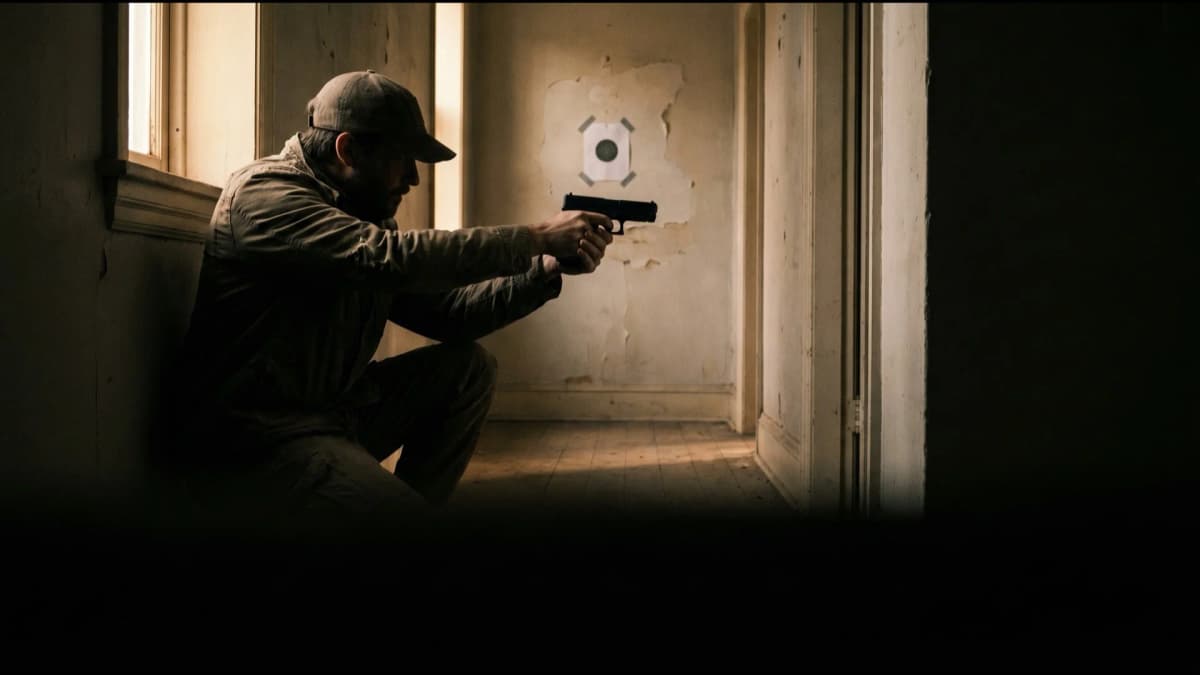
Point the muzzle at something verified to stop a round from your specific firearm if the impossible happened: a masonry or concrete wall, an exterior brick wall, or a purpose-built ballistic backstop rated for your caliber. Do not trust furniture, bookshelves, or interior drywall partitions; their stopping power varies wildly and is not reliable. Never use a TV, an appliance, or a shared interior wall as your backer.
- 4
Set up a dedicated dry fire target
Use a target you only hang for dry practice, placed on the safe backstop. A dedicated target keeps the muzzle disciplined to one spot and signals to your brain that this is a training session, not handling. Snap caps or a laser cartridge add firing-pin protection and visual feedback.
- 5
Announce the start and the end of the session
Say out loud that dry fire is beginning, and say out loud when it is over. When the session ends, reholster or case the gun before you bring live ammunition back into the room. The verbal bookend is how competitive shooters avoid the after-practice reload that causes accidents.
What Dry Fire Practice Is and Why It Works
Dry fire practice is pressing the trigger on an unloaded firearm with no ammunition present, to rehearse trigger control, sight alignment, the draw, and reloads without firing a live round. It works because it strips away the two things that corrupt new shooters: recoil and muzzle blast. With no bang coming, you cannot flinch, and the flinch (recoil anticipation) is the single biggest destroyer of accuracy. What is left is the pure mechanics of a smooth, surprise trigger break.
The reason competitive and defensive shooters lean on dry fire is leverage. Trigger control is the dominant variable in accuracy, and you can drill it hundreds of times a night for the cost of nothing. A live-fire session is gated by ammo price, range hours, and drive time; a dry fire session is gated only by your discipline. Fifteen focused minutes a day compounds into the kind of trigger press that holds up under a shot-timer par and under stress. Use our rifle builder to spec or visualize the pistol you are training with, and log every session in our drills tracker so you can see the trend, not just the gut feel.
Core Dry Fire Drills
Five drills cover the skills that transfer directly to live fire: the wall drill builds a clean trigger press, the dot drill builds sight tracking, draw-to-first-shot builds the presentation, the reload builds the manipulation, and target transitions build the eyes-lead-gun-follows sequence. Run them in order, slowly, and stop before fatigue degrades your form. Snap caps make the reload and malfunction drills real; a SIRT pistol or laser cartridge gives the dot and transition drills objective feedback.
- 1
Wall drill (trigger press)
Stand an arm's length from a blank wall, muzzle nearly touching it. Build your grip, press the trigger slowly, and watch the front sight. The goal is a sight that does not move when the shot breaks. Run 25 to 50 presses. This drill exposes and fixes trigger jerk faster than any other because there is no target to distract from the front sight. If you run a slide-mounted red dot, do the drill off the dot instead: any wobble or dip at the instant the shot breaks shows up as dot movement, which is easier to see than front-sight wobble and makes the drill more sensitive to a poor press.
- 2
Dot drill (sight tracking)
Put a one-inch dot on the wall at eye level, distance scaled to your space. Aim, press, and keep the front sight centered on the dot through the break. A SIRT pistol or laser cartridge shows exactly where the shot landed. Run five presses per dot across a small array of dots to add transitions. Score yourself: every laser hit inside the dot counts.
- 3
Draw to first shot
From a holstered, concealed, or low-ready start, drive to a clean first trigger press on the target. Build the grip in the holster, bring the gun straight up to the eye-target line, and press as the sights settle. Run ten to fifteen reps slowly for a smooth, repeatable draw, then add a shot timer par beep to measure draw-to-first-shot time.
- 4
Reload
Load snap caps so the slide locks and the drill is real. On the empty click, index a fresh magazine, seat it firmly, and rack to chamber. Run emergency reloads from slide-lock and reloads with retention. Five A-Zoom snap caps let you cycle a full reload sequence instead of a single function check. Twenty reps a session builds a reflexive reload.
- 5
Target transitions
Set three targets or dots across your field of view. Press on the first, then drive your eyes to the next target before the gun arrives, letting the muzzle follow your vision. The sequence is eyes lead, gun follows, press. Run the array left to right and right to left. This is the drill that builds the snappy, accurate transitions that win stages and clear rooms.
Once you can run the draw and transition drills cleanly, put a number on them. A shot timer with a par beep turns "that felt fast" into a measured 1.4-second draw or a 0.25-second split, and tracking those numbers week over week is how you confirm the dry fire is working. The same drills scale to a rifle; if you train an AR, the dry fire block in the first 1,000 rounds plan slots straight in.
The gear does not carry over, though. A laser cartridge in a rifle chamber means working the charging handle after every single shot, which breaks the cadence the reps are supposed to build. The fix is a drop-in bolt that brings its own trigger and laser, so presses run back to back in your actual rifle.
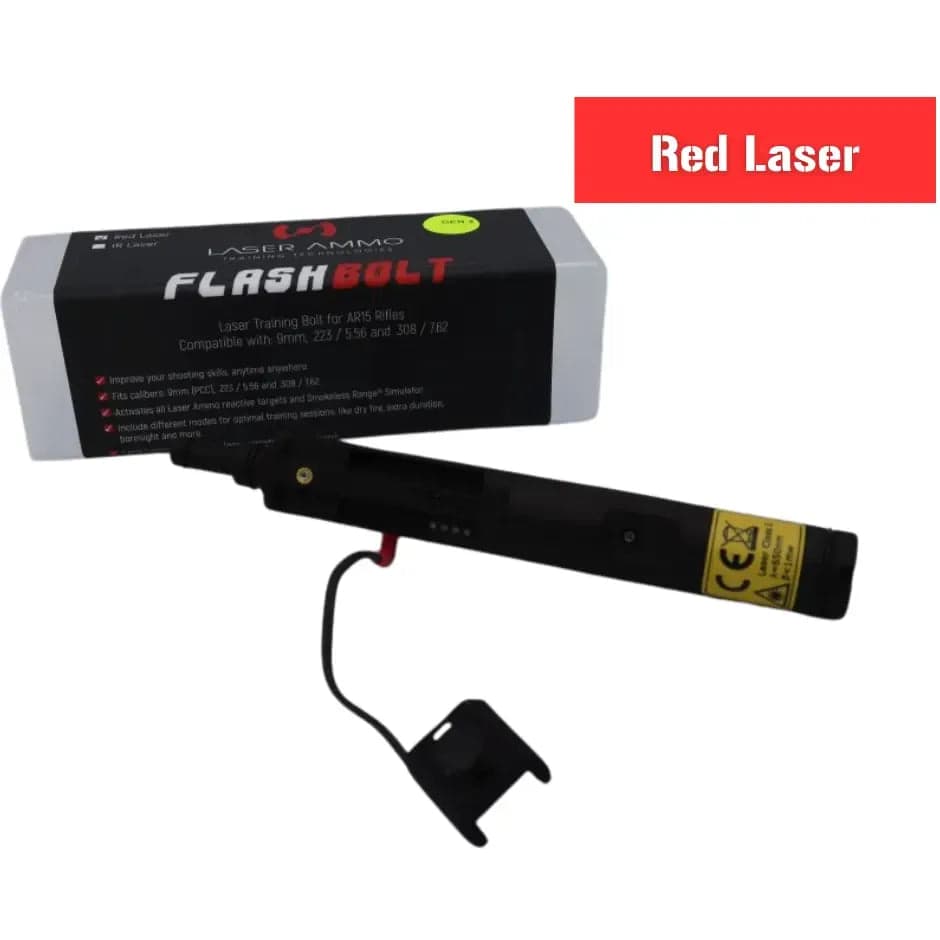
Laser Ammo AR Flash Bolt (Red Laser)
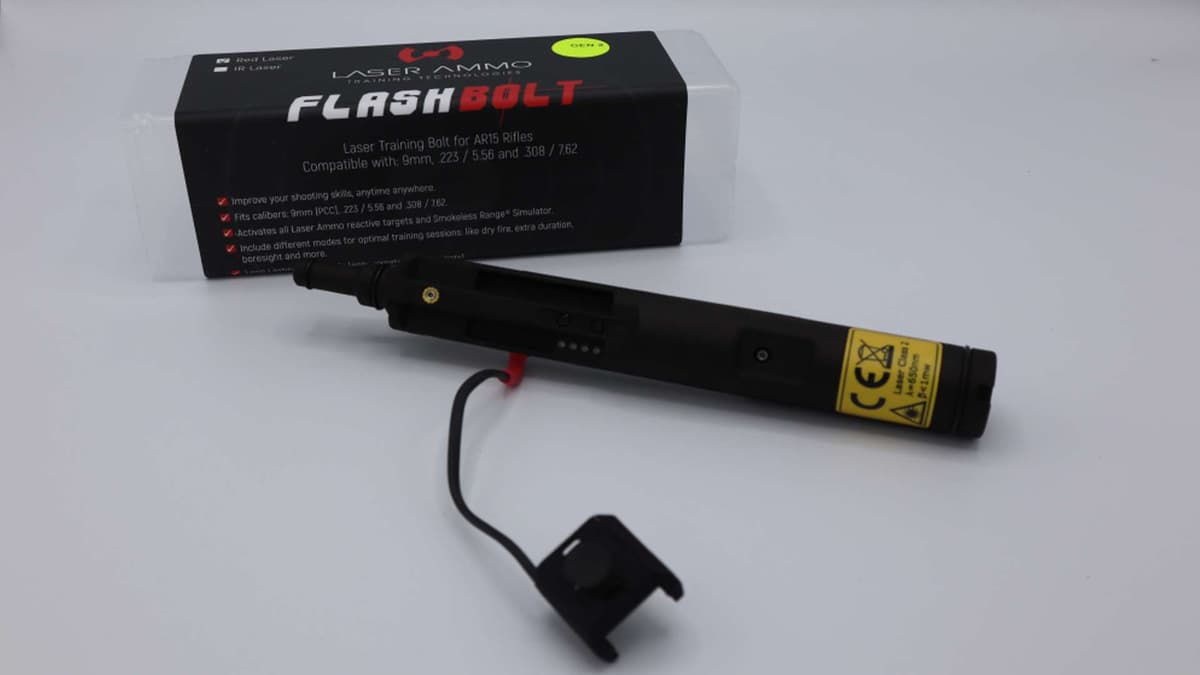
Laser Ammo AR Flash Bolt (Infrared Laser)
Affiliate links - purchases support this site at no extra cost to you. (?)
What You Shoot At Matters as Much as the Laser
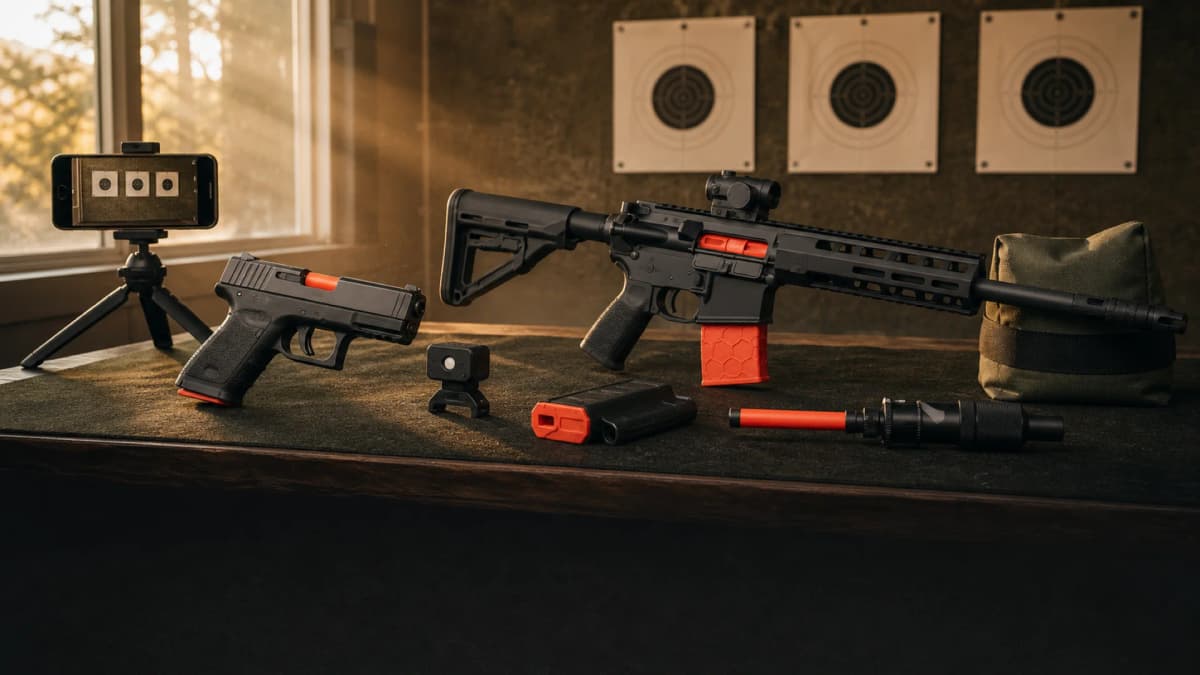
A laser is half the loop. Something has to report the hit, and the two ways to do that are not equivalent. Camera-scored systems like Mantis and iTarget read the flash with your phone, which works but taxes every session with framing, propping, and enough room light to detect reliably. A reactive electronic target does it in hardware: it beeps and displays the hit, so you never break the sight picture to check a screen, and the lighting in the room stops mattering.
Scale the target to the space, not the other way around. A silhouette at one sixth scale set at 2.5 yards presents the same sight picture as a full target at 15, which is how you train a realistic presentation in a living room. Scaled paper needs no laser at all, so it improves the free wall-drill tier just as much as it improves a laser session. If you are running multiple targets, that is where transitions and target discrimination get trained, and no single target on a wall can teach either.
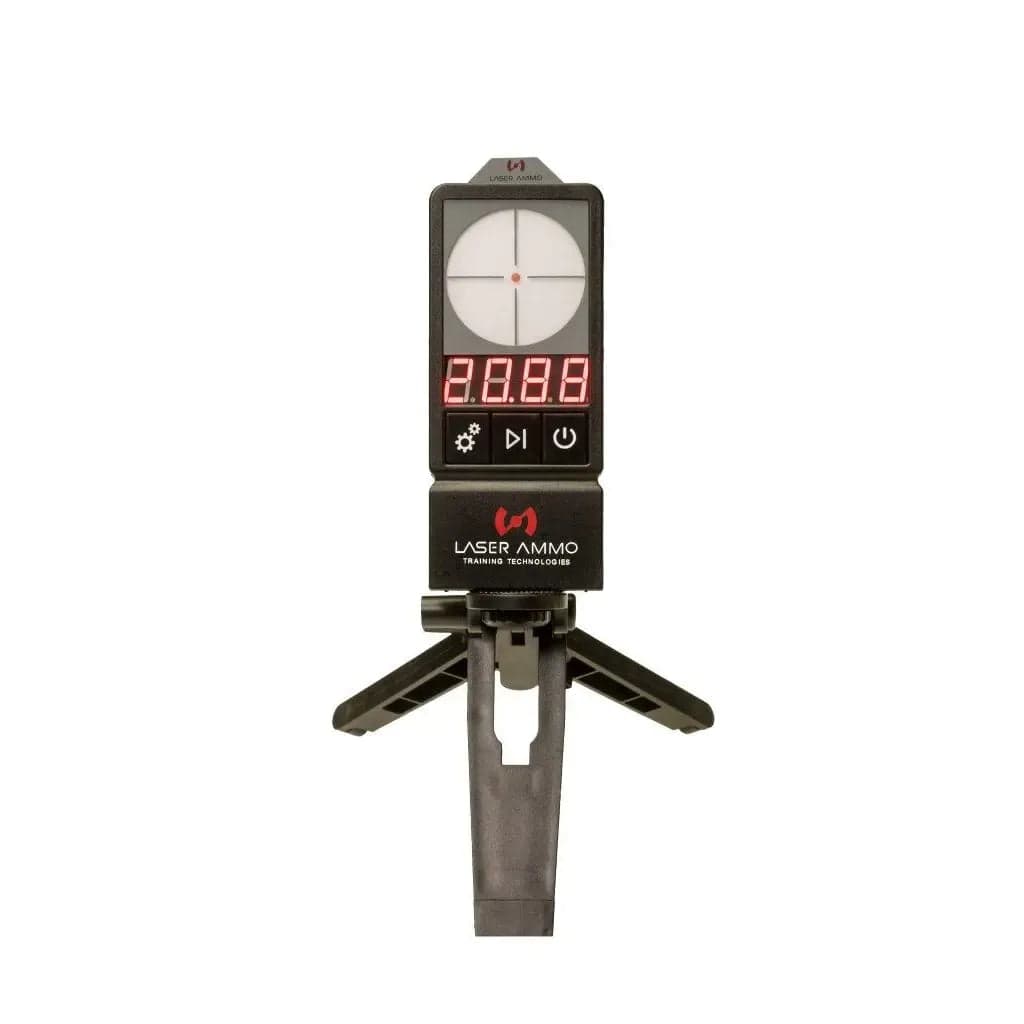
Laser Ammo LaserPET II Personal Electronic Target
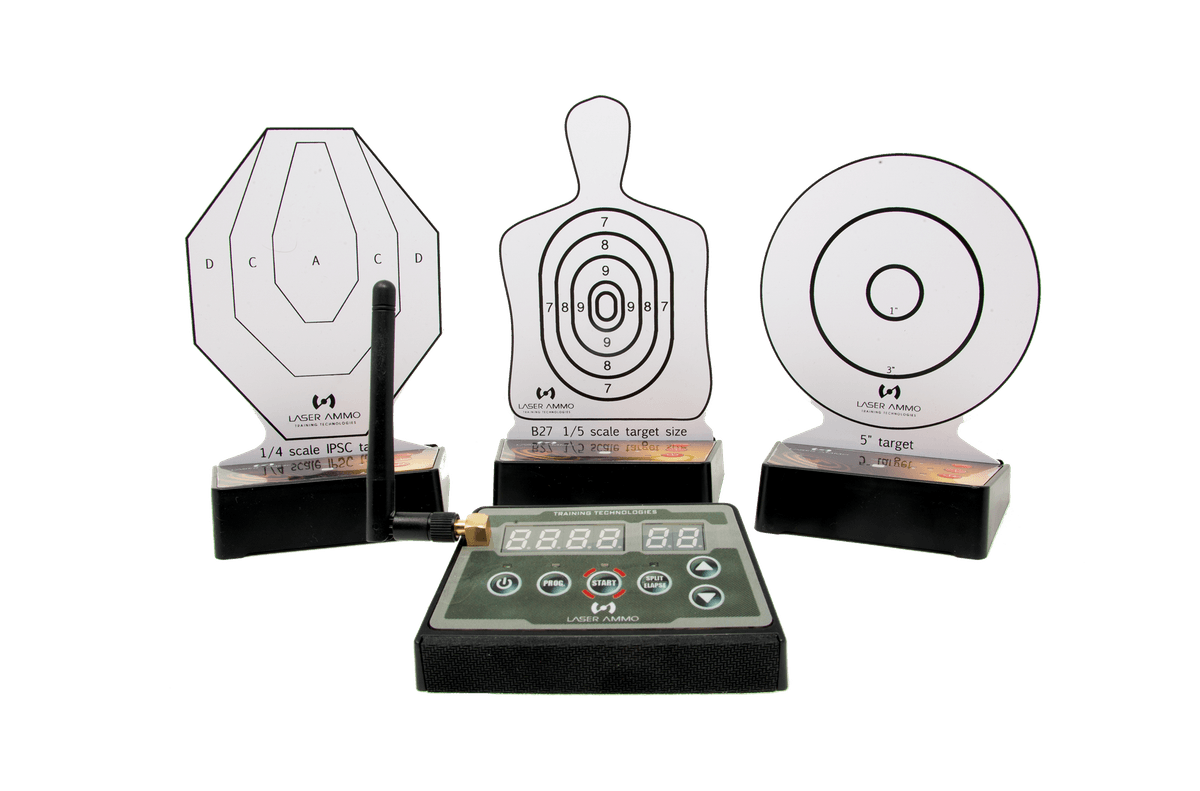
Laser Ammo i-MTTS Multi Target System (3 Targets + Controller)
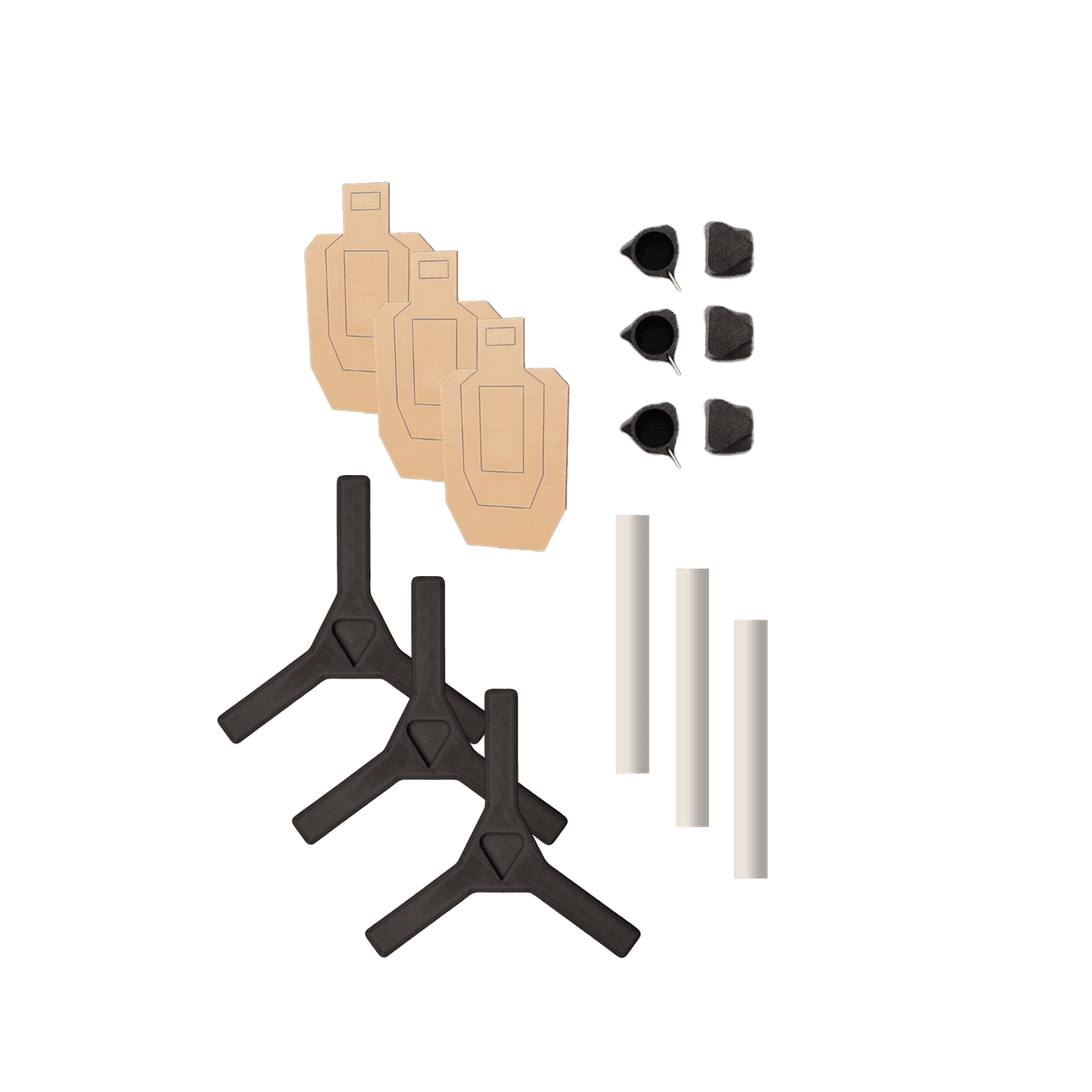
Modular Target Systems Magnetic Scaled Targets (3-Pack)
Affiliate links - purchases support this site at no extra cost to you. (?)
Measuring the Press Itself
Everything above answers where the shot went. None of it answers why, and that is the actual subject of the wall drill and the dot drill: what your hands do to the gun during the press. A rail-mounted motion sensor measures that directly. It watches the muzzle through the trigger break, draws the trace, and reports whether the shot broke clean or whether you pushed it, which is feedback a laser dot on a wall cannot give you.
Mantis sells the same analysis at three prices, and the dividing lines are simple. The X2 at $99.99 is dry fire only. The X3 at $169.99 adds live fire, which is what lets you check whether the dry work actually transferred to the range. The X10 Elite at $249.99 adds holster-draw analysis, recoil analysis, and multi-target modes, and it is the only one that ships a rifle rail and a magazine-baseplate adapter in the box. If you train dry only, buy the cheapest one; the diagnostics on the press are identical.
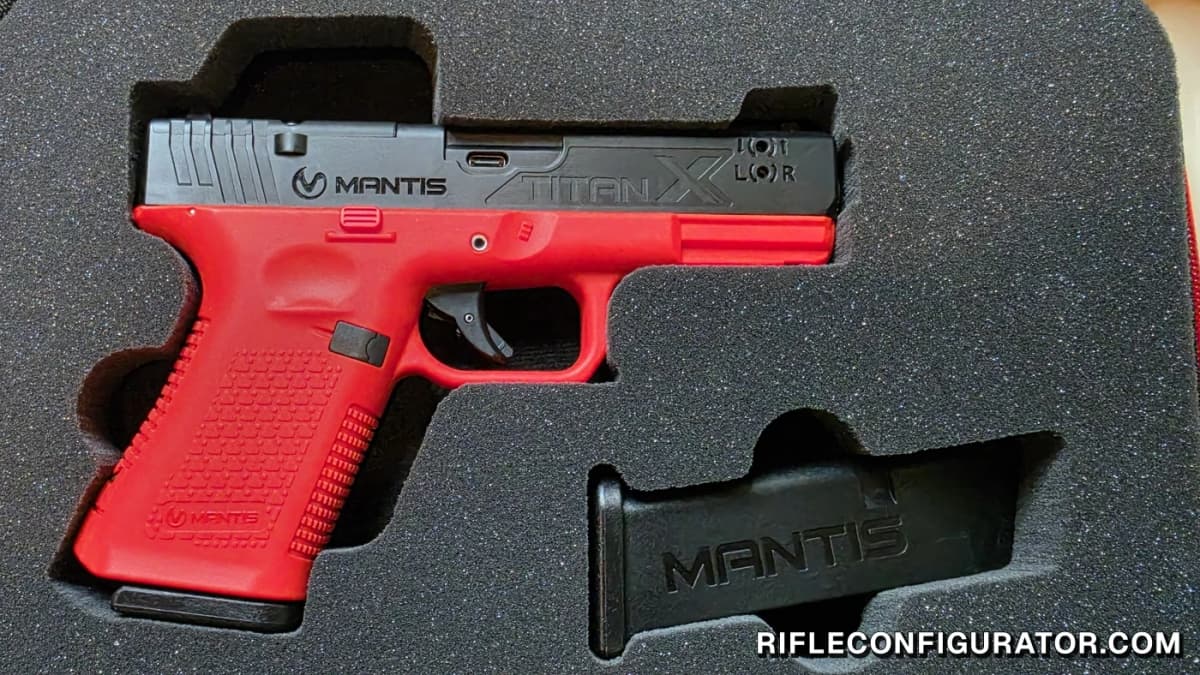
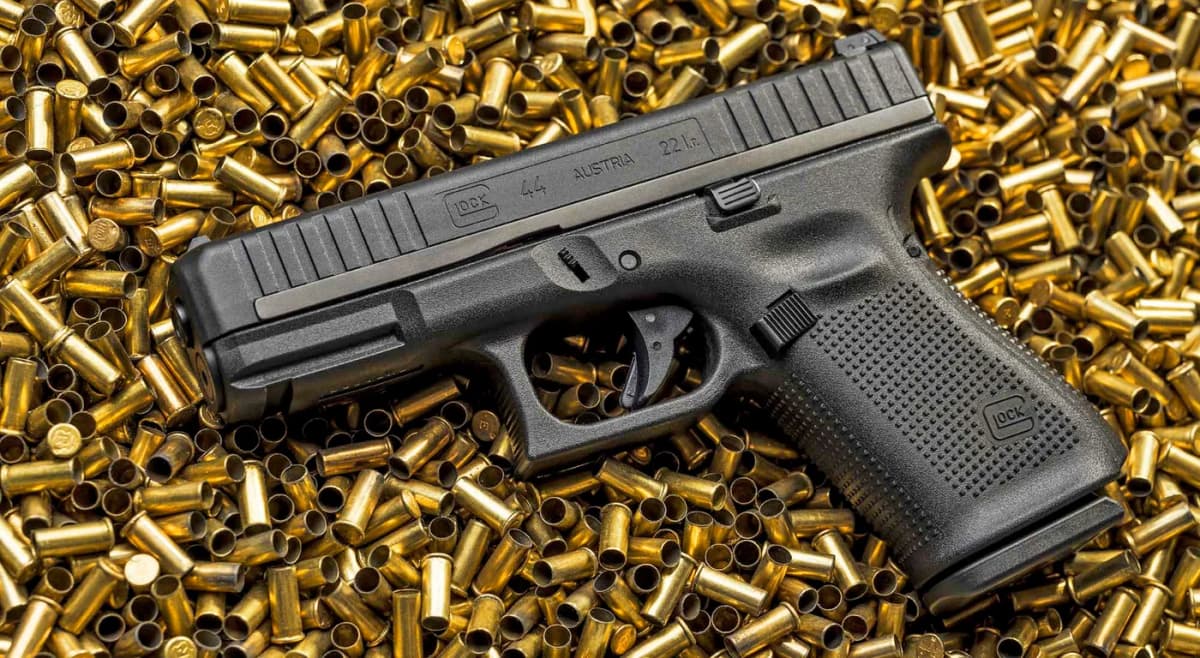
The TitanX at $199 takes the other route and builds the sensor into an inert Glock-pattern trainer, which is the same argument as the SIRT 110 at $239: no live-fire gun in the room at all. It fits holsters cut for the Glock 17, 19, or 45 it emulates, so draw reps happen with your real rig. The trade against a rail sensor is scope: the TitanX only ever analyzes itself, where an X2 or X3 clamps onto the pistol you actually carry. Our Mantis TitanX review covers the Glock 19 version hands-on.
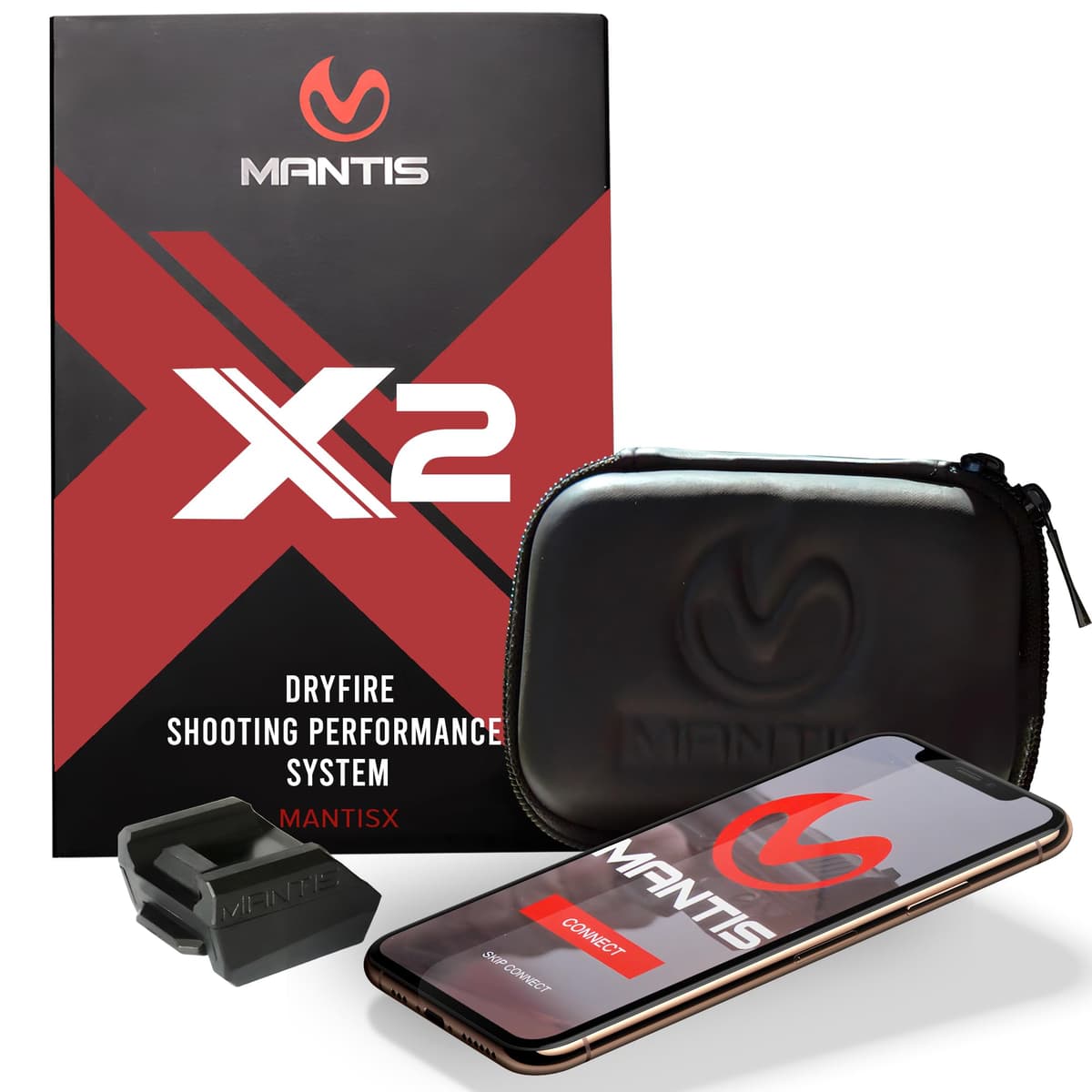
Mantis X2 Shooting Performance System
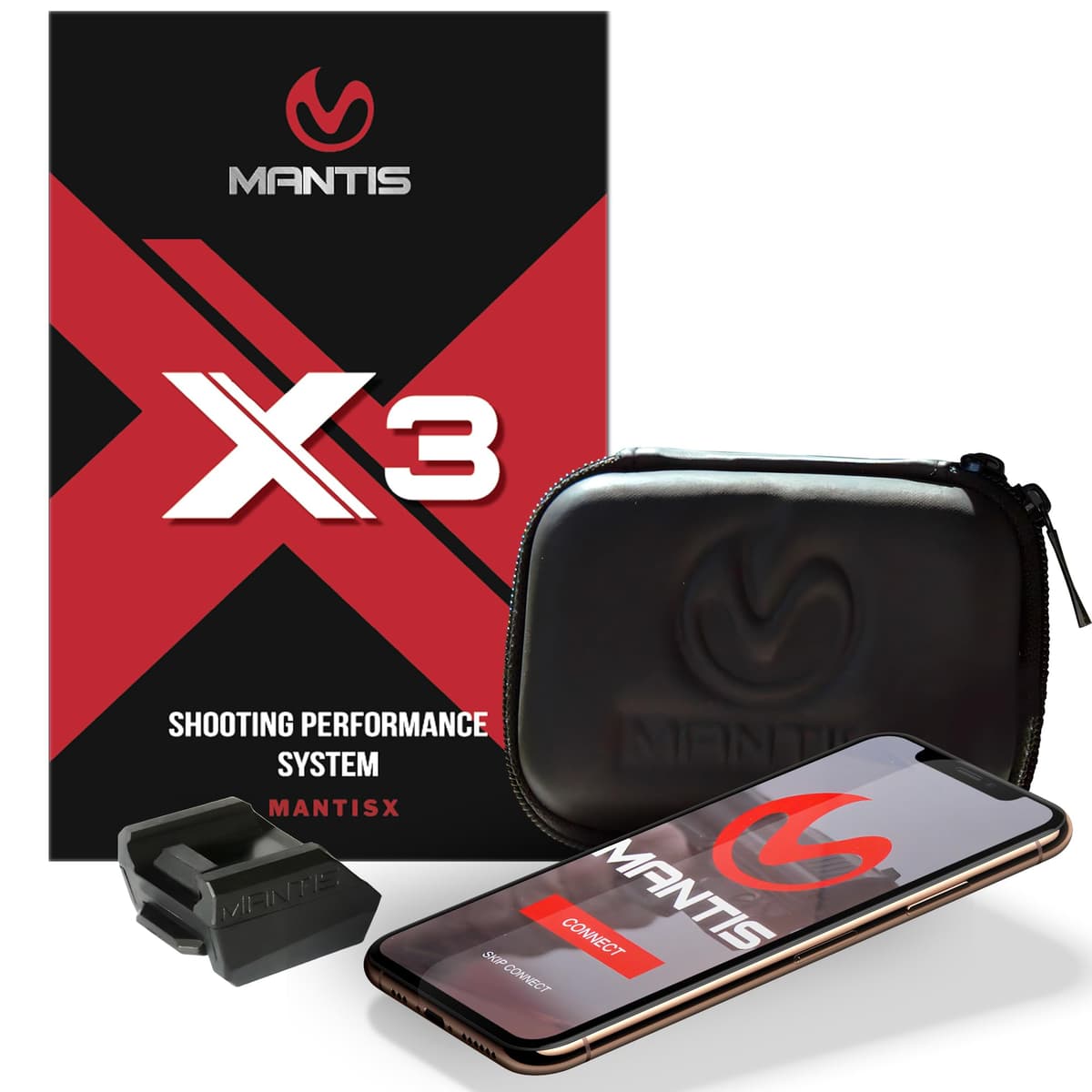
Mantis X3 Shooting Performance System
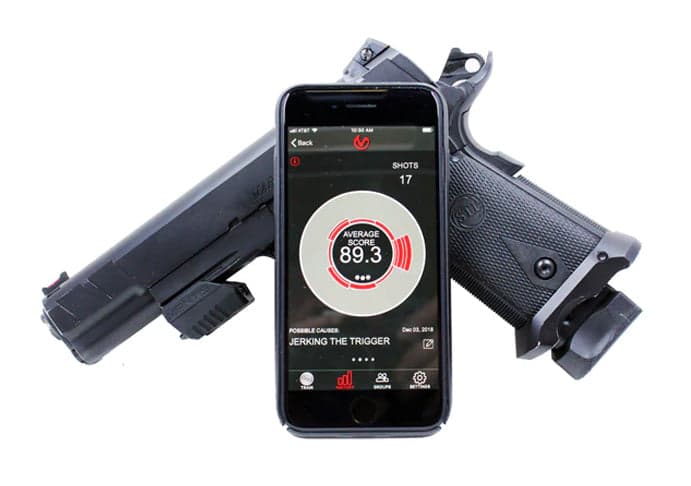
Mantis X10 Elite Training System
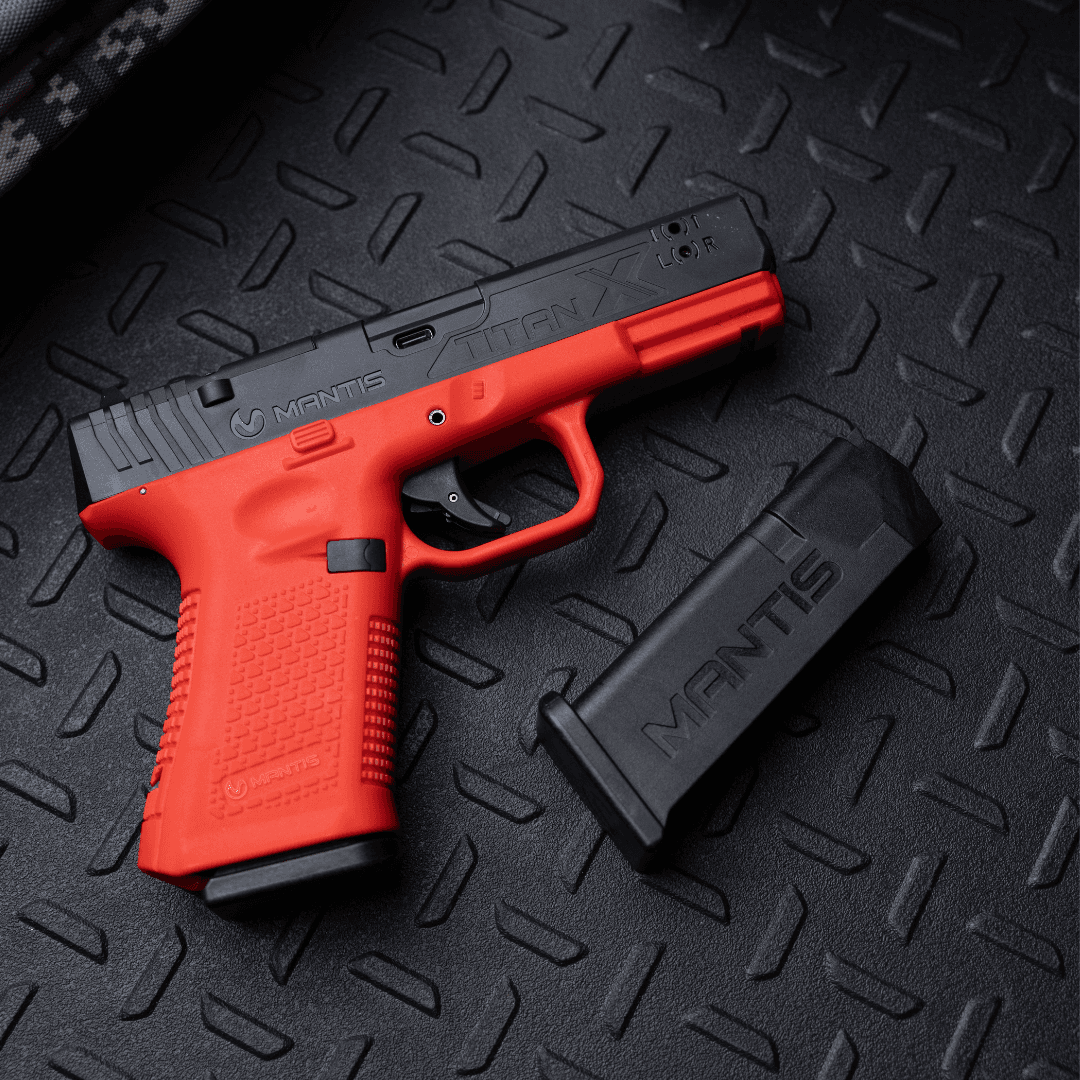
Mantis TitanX Smart Laser Training Pistol
Affiliate links - purchases support this site at no extra cost to you. (?)
Get Dry Fire Drills and Training Tool Reviews
Dry-fire routines, laser trainers, shot-timer drills, and skill-building guides sent to your inbox.
Use a Snap Cap, and Mind Your Carry Gun
On a modern striker-fired centerfire pistol, dry firing on an empty chamber is mostly fine for occasional reps. The catch is volume: the firing pin still slams forward with nothing to stop it, and across thousands of presses that repeated impact eventually fatigues and can break the pin. A snap cap cushions the strike, which is why a set of A-Zoom snap caps is the cheapest insurance in this guide and worth loading for any high-volume program, not just reload drills.
One pistol is worth a specific note: the SIG P365. Early production guns around 2018 drew reports of striker and trigger-return-spring failures. SIG says it dry-fired thousands of repetitions without a failure and considers snap caps optional, and the early spring issue was addressed in later production. Still, between that history and the P365 being a carry gun, there is no reason to grind a heavy dry fire program on the one you carry. Run snap caps, keep a dedicated training P365, or do your high-volume reps on a different pistol, and save the wear, whatever it amounts to, for a gun that is not the one you bet your life on.
Printable Dry Fire Targets and Scaled Distances
A scaled target is a target printed at reduced size so a short hallway simulates a full range distance. The math is simple: shrink the target by a known ratio and each foot of room distance stands in for a yard of range distance. A target scaled to one-third size turns a 15-foot hallway into a 15-yard presentation, because the target subtends the same visual angle your eye and sights would see at the longer range. That visual angle is what your sight picture actually keys on, so the trigger press, sight alignment, and hold you rehearse transfer directly to the real distance.
Print at 100 percent or "actual size" (not "fit to page," which rescales and breaks the ratio) and tape the sheet to your safe backstop. Our free printable dry fire target pairs a crosshair aiming dot for the wall and trigger-press drills with five numbered transition dots; the 1-inch dot grid and the reduced 25-meter silhouette on the same page cover dot drills and scaled-distance work. To shrink a target to a hallway, print it small or simply step closer until the dot subtends the angle it would at your chosen range. Card stock at 110 lb keeps the laser dot crisp and survives repeated sessions.
Pair scaled targets with a laser cartridge or a SIRT pistol so each press leaves a visible hit, then score yourself the way you would on a live target. To structure the practice and log your hit percentage over time, build sessions in our drills tracker rather than eyeballing progress.
Best Dry Fire Training Aids for 2026
The best dry fire training aid is the one that matches how you train. For high-volume trigger and draw reps, a dedicated training pistol wins because there is no slide to rack between presses. For scored feedback on your own gun, a camera-graded laser system or a laser cartridge wins. For pure trigger control on a budget, a trigger-reset magazine or a set of snap caps and a wall drill get you most of the way for a fraction of the price. The seven picks below are ranked on how much skill they build per dollar. For a ranking that sorts the hardware by mechanism instead, including CO2 recoil simulation and AR-15 auto-reset systems, see the best dry fire training systems guide.
Best Dry Fire Training Aids Ranked
Training pistols, scored laser systems, trigger-reset magazines, laser cartridges, and snap caps ranked for how they actually build trigger control, draw speed, and sight tracking at home.
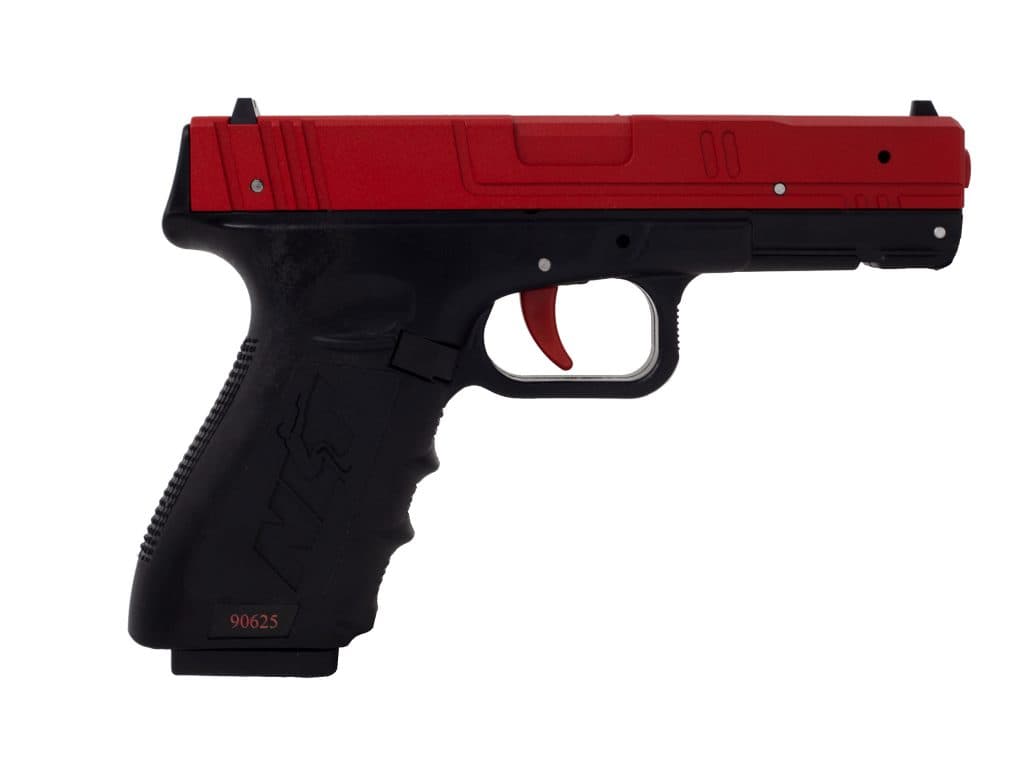
Next Level Training SIRT 110 Training Pistol
Best Overall
- +Best tool for high-volume draw and trigger-press repetition
- +Take-up plus shot-break lasers make trigger jerk visible
- +Cannot fire live ammo, the safest dry-fire platform
- −Glock-pattern only; does not match other grip geometries one-to-one
- −Trigger feel is close to but not identical to a live Glock
- −Premium price versus a laser cartridge in your own pistol
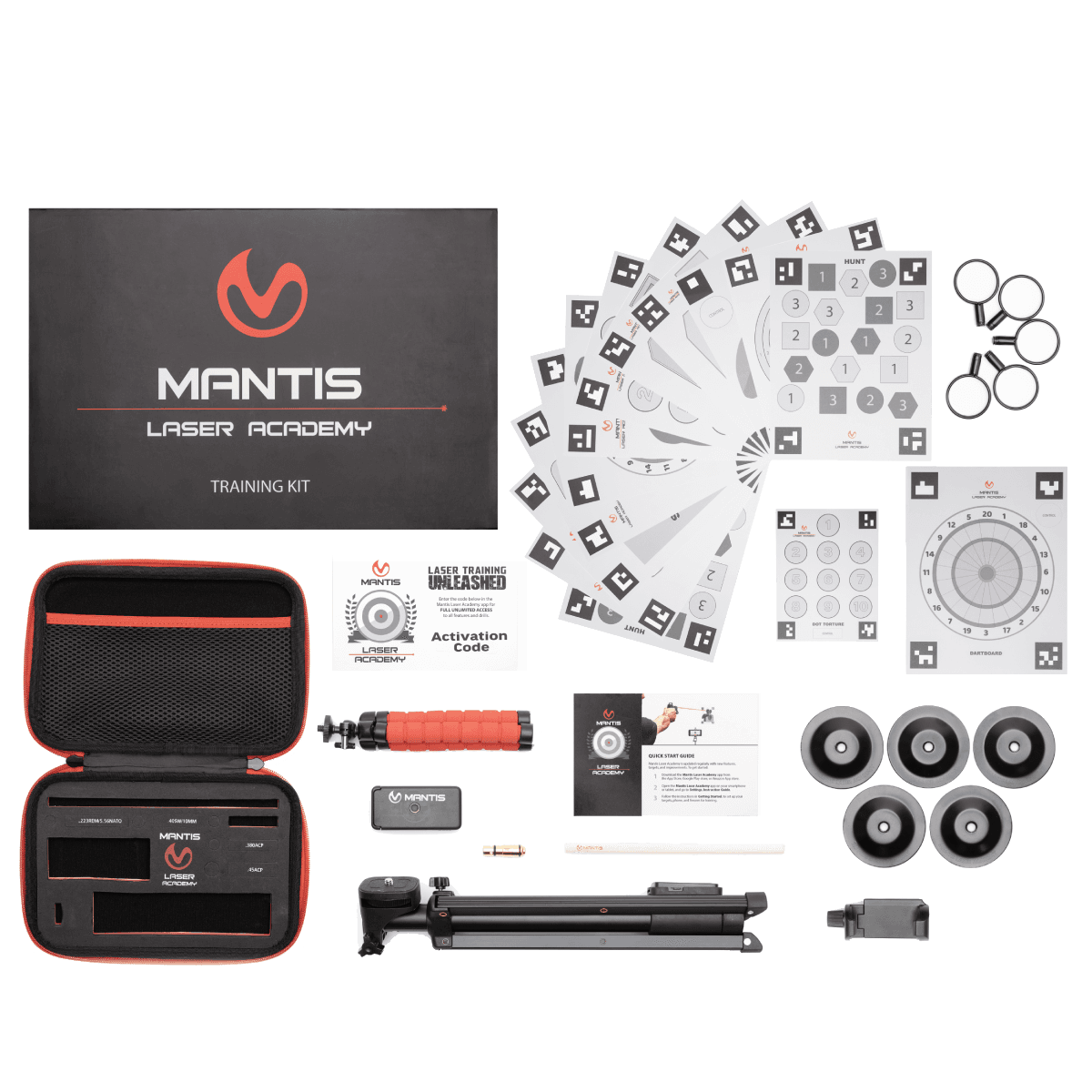
Mantis Laser Academy Standard Training Kit
Best Scored Target System
- +Phone camera scores laser hits automatically, removing guesswork
- +Guided drill library gives practice real structure
- +No subscription; full app license is included
- −Camera detection needs decent lighting and the included shades
- −More expensive than a bare laser cartridge if you only want a dot
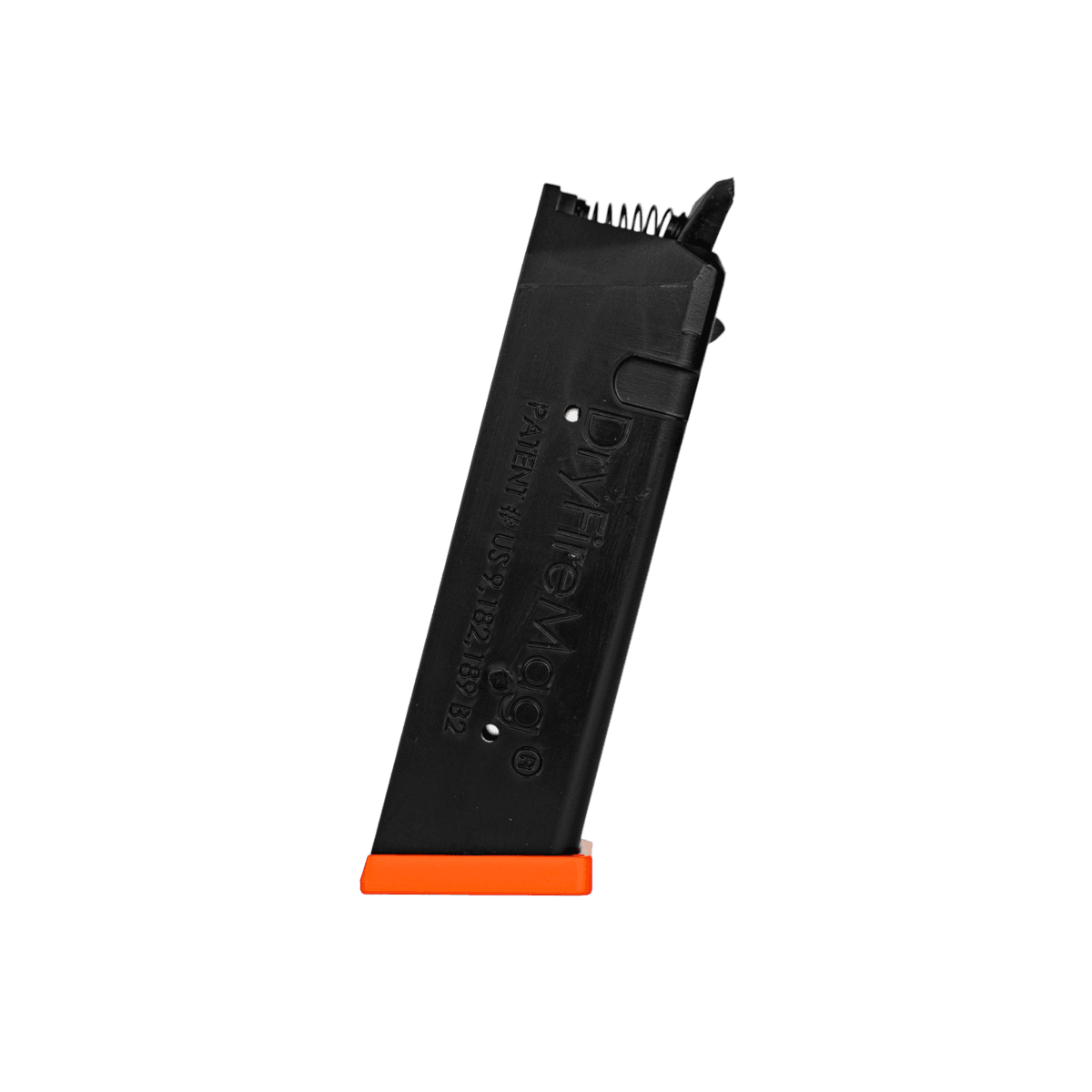
DryFireMag Trigger-Reset Magazine (Glock)
Best for Training Your Own Glock
- +Train trigger control in your actual carry pistol, not a substitute
- +No slide racking keeps rep cadence high
- +Blaze-orange base plate is an unmistakable safety cue
- −No laser or hit feedback on its own
- −Reset pull is close to but not identical to the live break
- −Glock-specific; other platforms need their own version
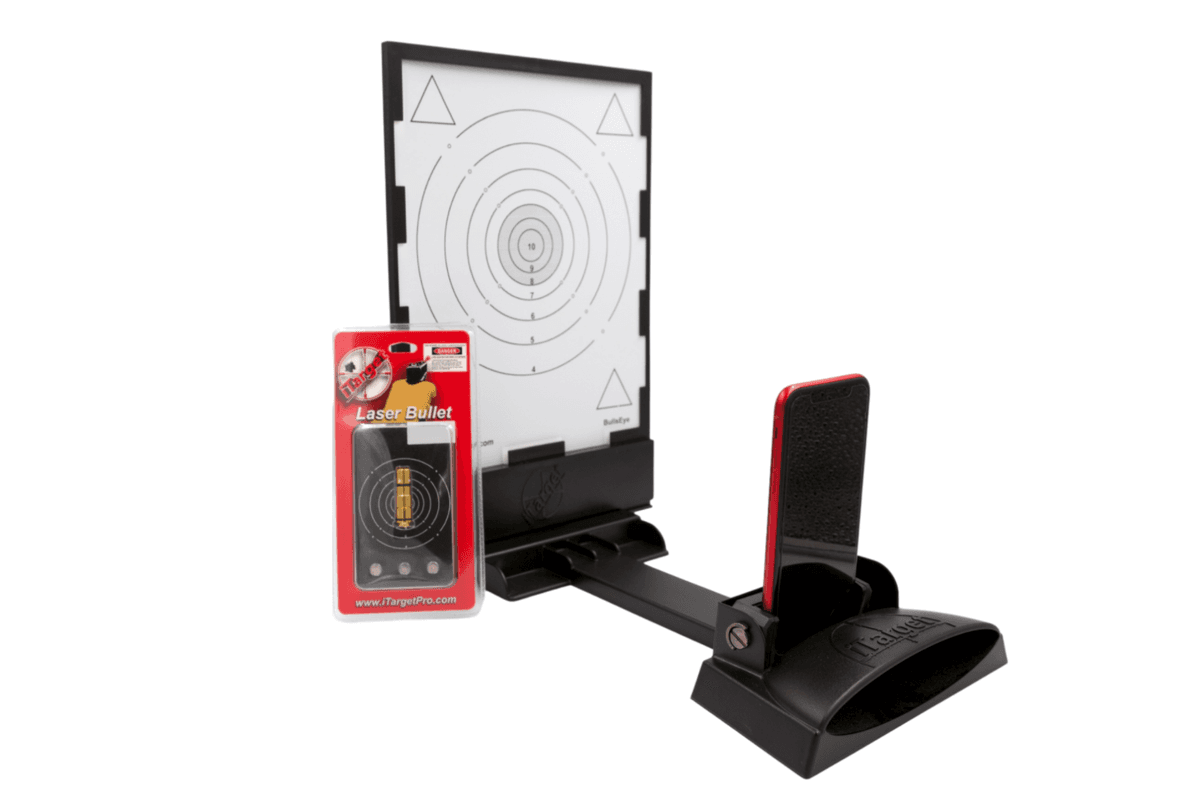
iTarget Pro Laser Training System (9mm)
Best Budget Scored System
- +Lowest-cost entry into scored laser dry fire
- +App tracks placement and timing, not just a dot
- +Cross-caliber support if you add cartridges
- −Smaller drill library than Mantis Laser Academy
- −Phone sled is less stable than a tripod for longer sessions
- −Camera scoring needs reasonable lighting
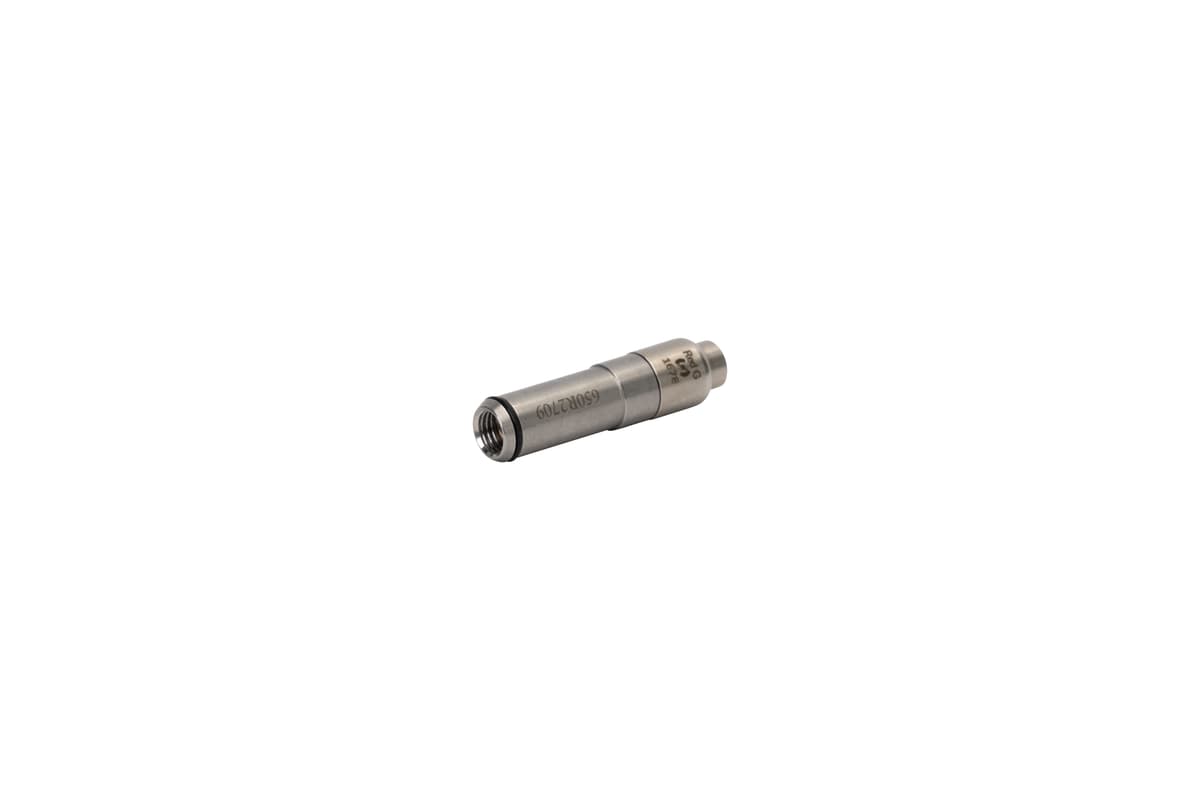
Laser Ammo SureStrike 9mm Laser Cartridge Kit (Glock 17R)
Most Durable Laser Cartridge
- +Most durable cartridge body in its class (CNC stainless, glass lens)
- +Integrates with a wider reactive-target ecosystem
- +Vibration cap adds reset feel on the Glock 17R
- −Priced above iTarget and G-Sight cartridges
- −This kit's vibration cap is Glock 17R specific
- −No app or scoring included on its own
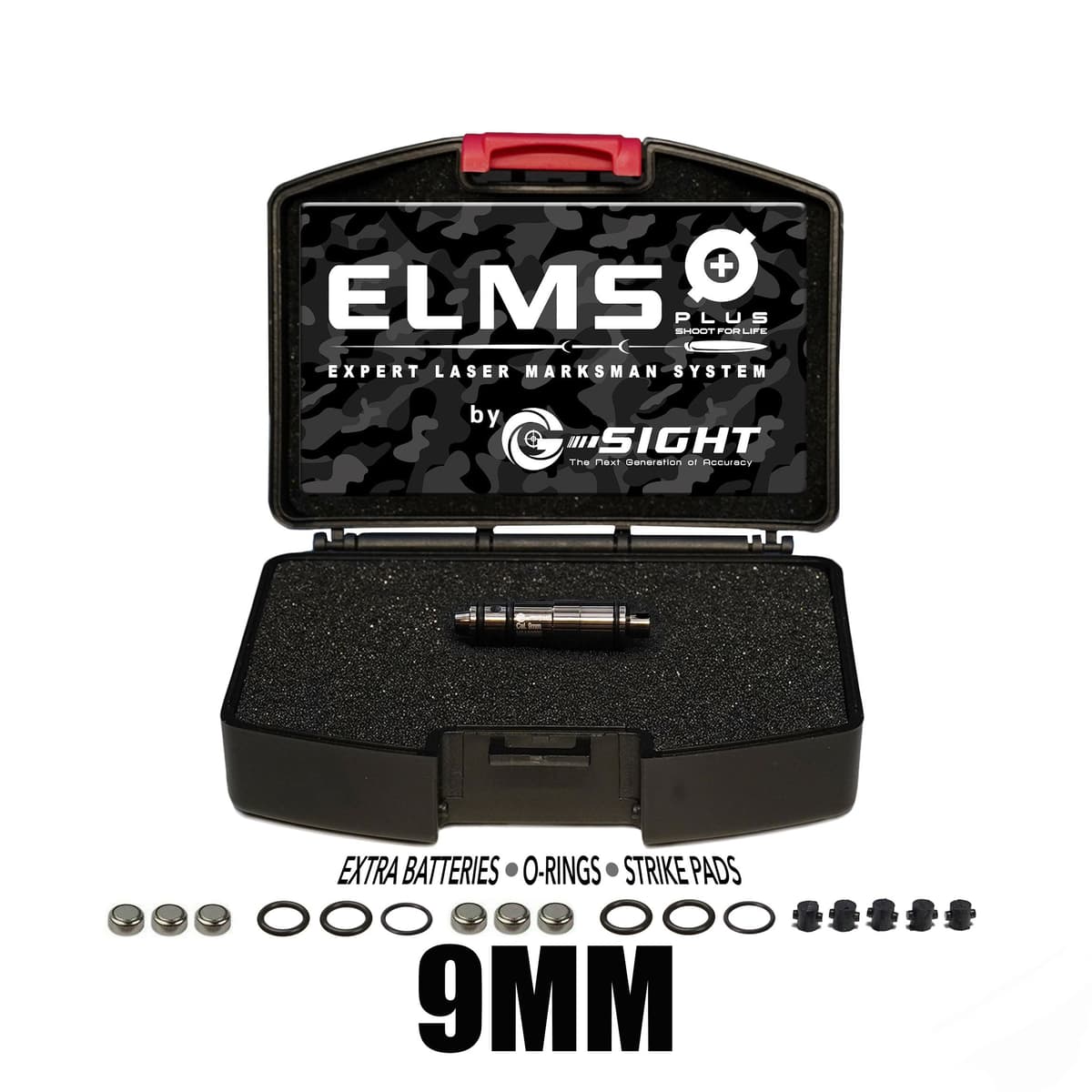
G-Sight ELMS PLUS Laser Training Cartridge (9mm)
Best App-Paired Cartridge Value
- +Triple O-ring fit keeps the laser consistent press to press
- +App scoring at cartridge pricing, no full kit required
- +Protects the firing pin like a snap cap
- −App feedback needs a propped phone and decent lighting
- −No targets or stands included; it is the cartridge plus app
- −One caliber per cartridge
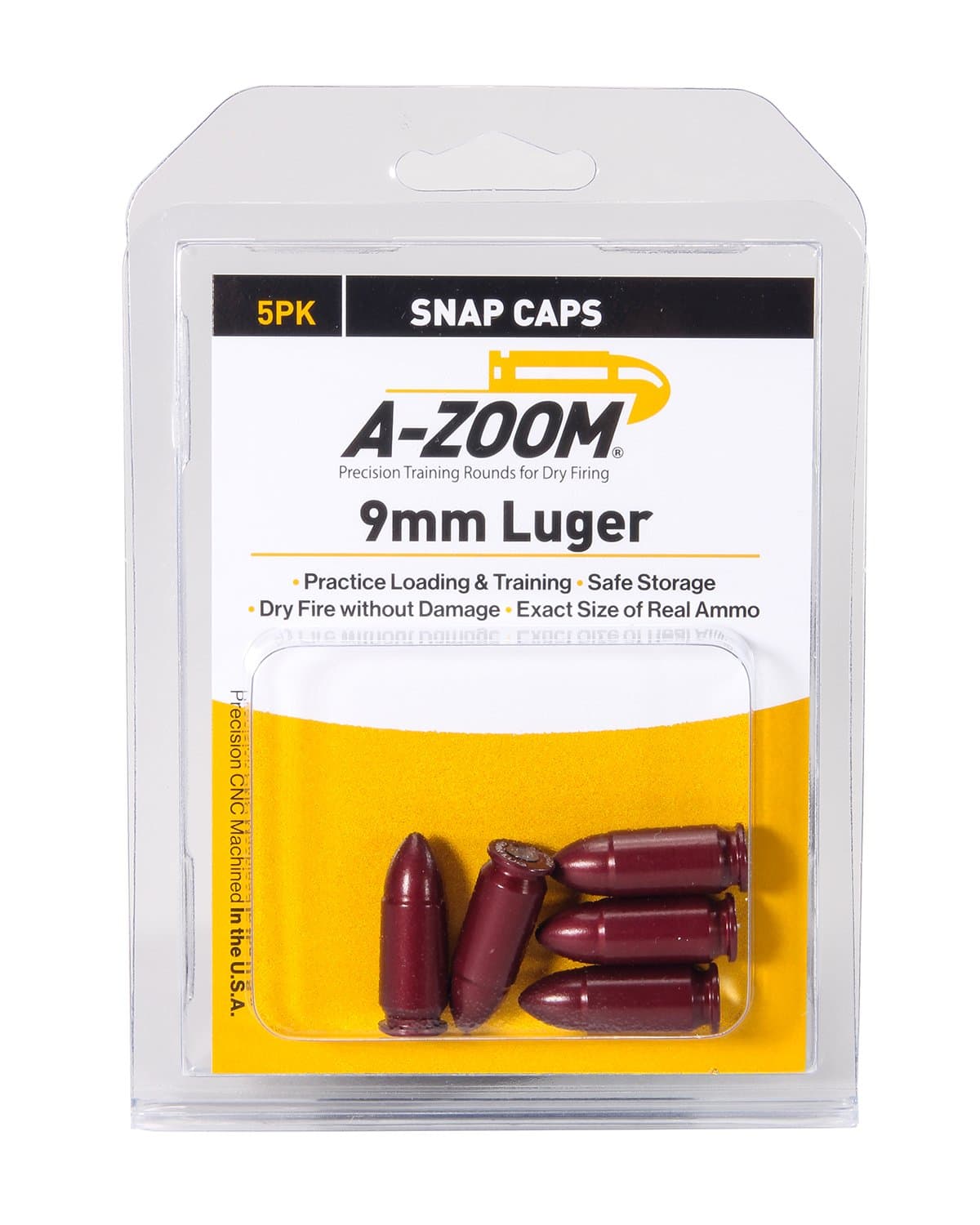
A-Zoom 9mm Luger Precision Snap Caps (5-Pack)
Best Firing-Pin Protection
- +Aluminum body lasts far longer than plastic snap caps
- +Five-pack enables reload and malfunction drills, not just a function check
- +Realistic feed and extraction for tap-rack-bang practice
- −No bright primer face, so spotting them mixed in a mag takes a glance
- −Aluminum dents over very high round counts on extraction-heavy drills
Gear amplifies reps; it does not replace them. Buy the aid that matches how you train. If you only need a smooth trigger press, a $25 snap-cap set and a wall drill outperform a $250 laser kit that sits in the closet.
Affiliate links - purchases support this site at no extra cost to you. (?)
Which DryFireMag Fits Your Pistol
The trigger-reset magazine is host-specific, so buy the version cut for your pistol. Glock double-stack shooters take the D-G9, polymer M&P9 and M&P40 shooters take the M&P unit, and P320 shooters take the D-P9. Fitment is where this product goes wrong most often: the M&P version excludes the Shield, the CSX, the Equalizer, and every metal-frame M&P, and the P320 version excludes AXG models, the XCarry, and 10mm and .45 guns. Check your exact model against the list before ordering. The M&P line forks again on the optics cut. A 2.0 C.O.R.E. slide carries an over travel stop the standard body does not clear, so C.O.R.E. owners need the over-travel-stop version and standard M&P owners need the regular one. Neither fits a metal frame, which leaves the M&P Metal and the Performance Center Competitor without an option.
The Glock and M&P units simulate a fixed 5.5 to 6 pound factory pull. The P320 unit does not: it adapts to whatever trigger is already in the pistol and adds roughly half a pound on top, so a tuned fire control unit still feels tuned. If you have spent money on a competition trigger, that is the behavior you want. The Smart version adds a SureStrike laser cartridge to the same mechanism, which is the only way to get reset reps and scored hits from one device instead of alternating sessions.
If you go Smart, the red-versus-infrared choice decides what else you have to buy. Red throws a visible dot, so it works against paper on a wall and the kit even ships three reflective targets. Infrared is invisible and does nothing on its own: it requires a reactive electronic target or simulator to read it, which is stated on the product page and is not a detail to discover after the box arrives. Buy infrared only if you own a reactive target or are buying one in the same order. What you get for the constraint is honest reps, because there is no dot to chase and the feedback arrives from the target after the shot instead of during it.
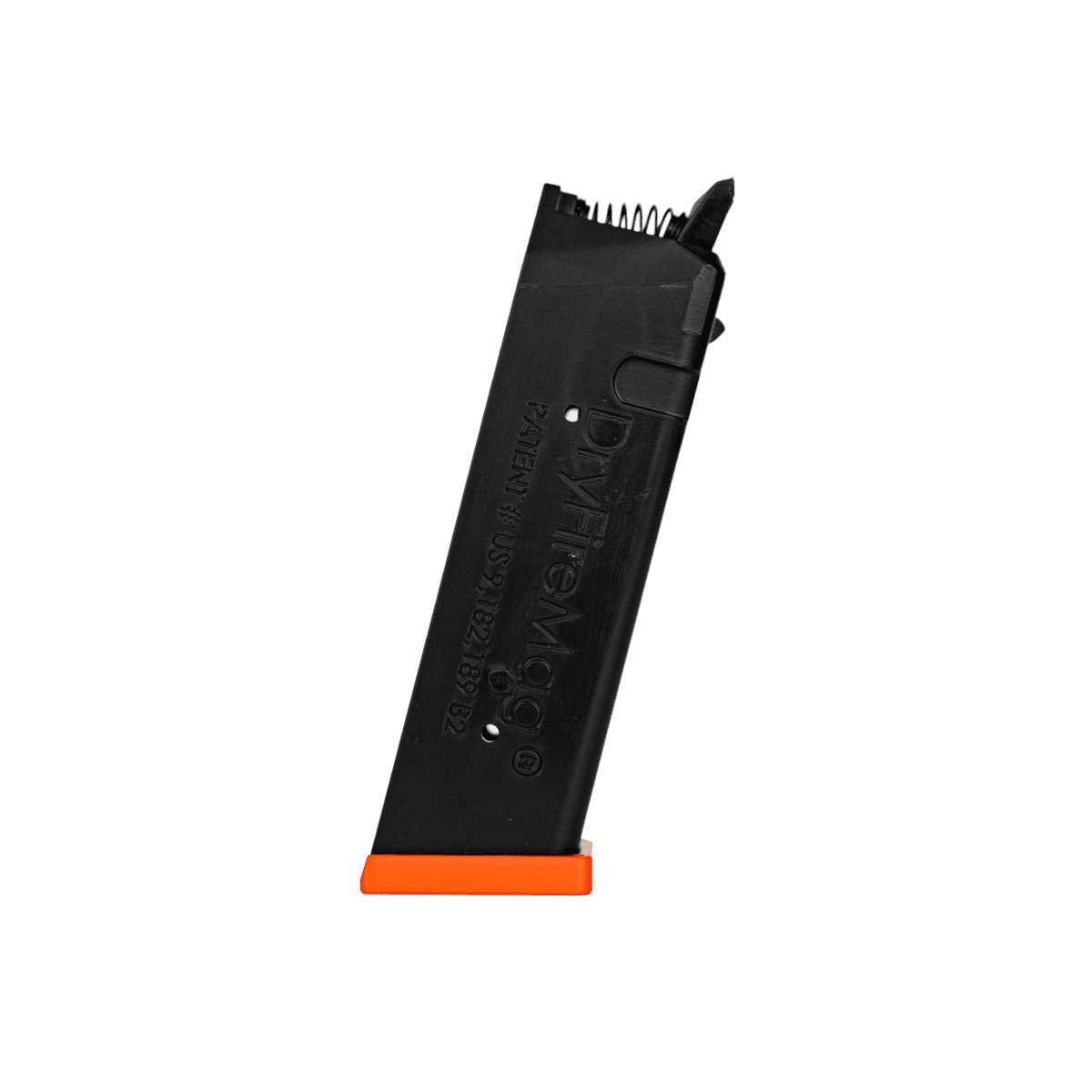
DryFireMag Trigger-Reset Magazine (S&W M&P)
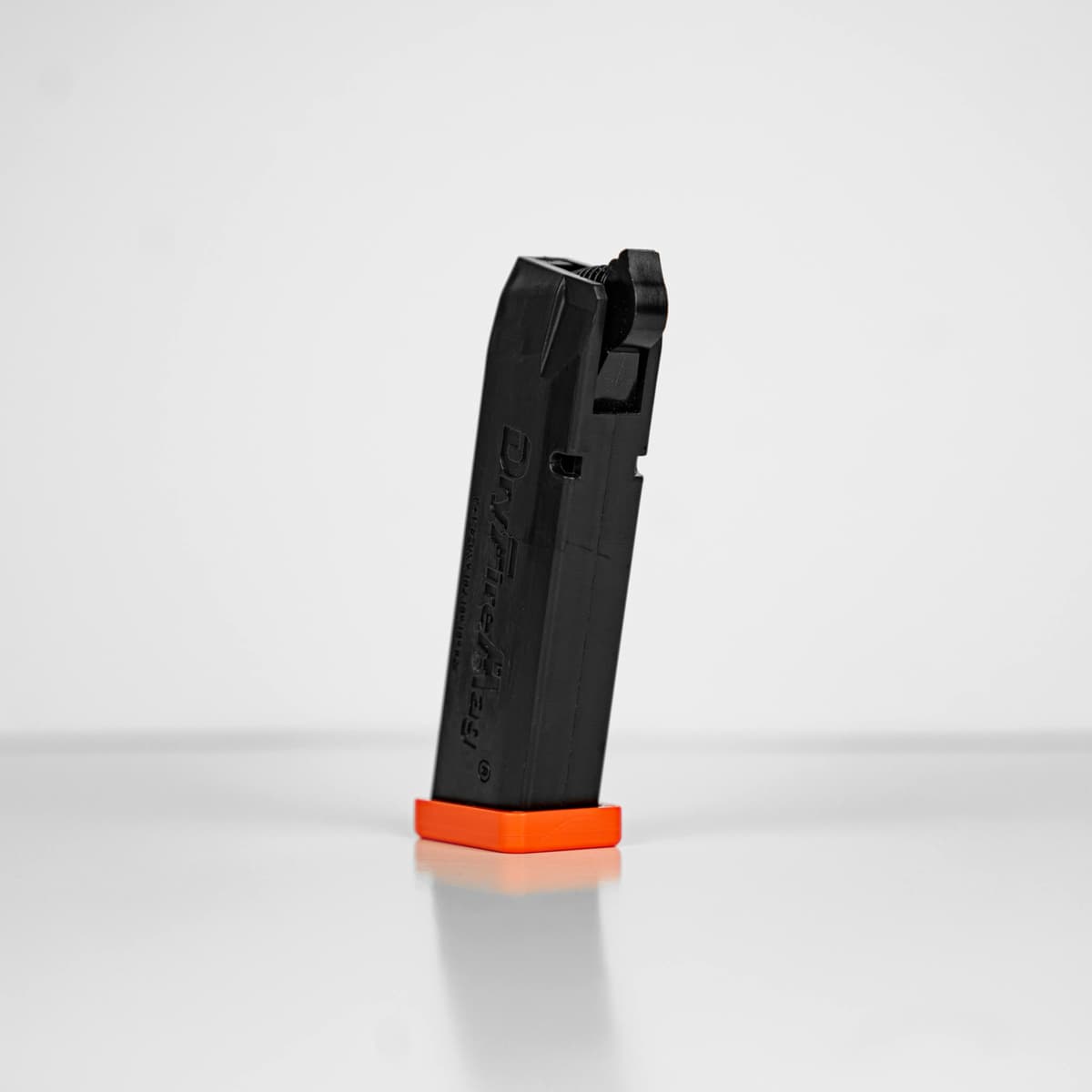
DryFireMag Trigger-Reset Magazine (M&P 2.0 C.O.R.E.)
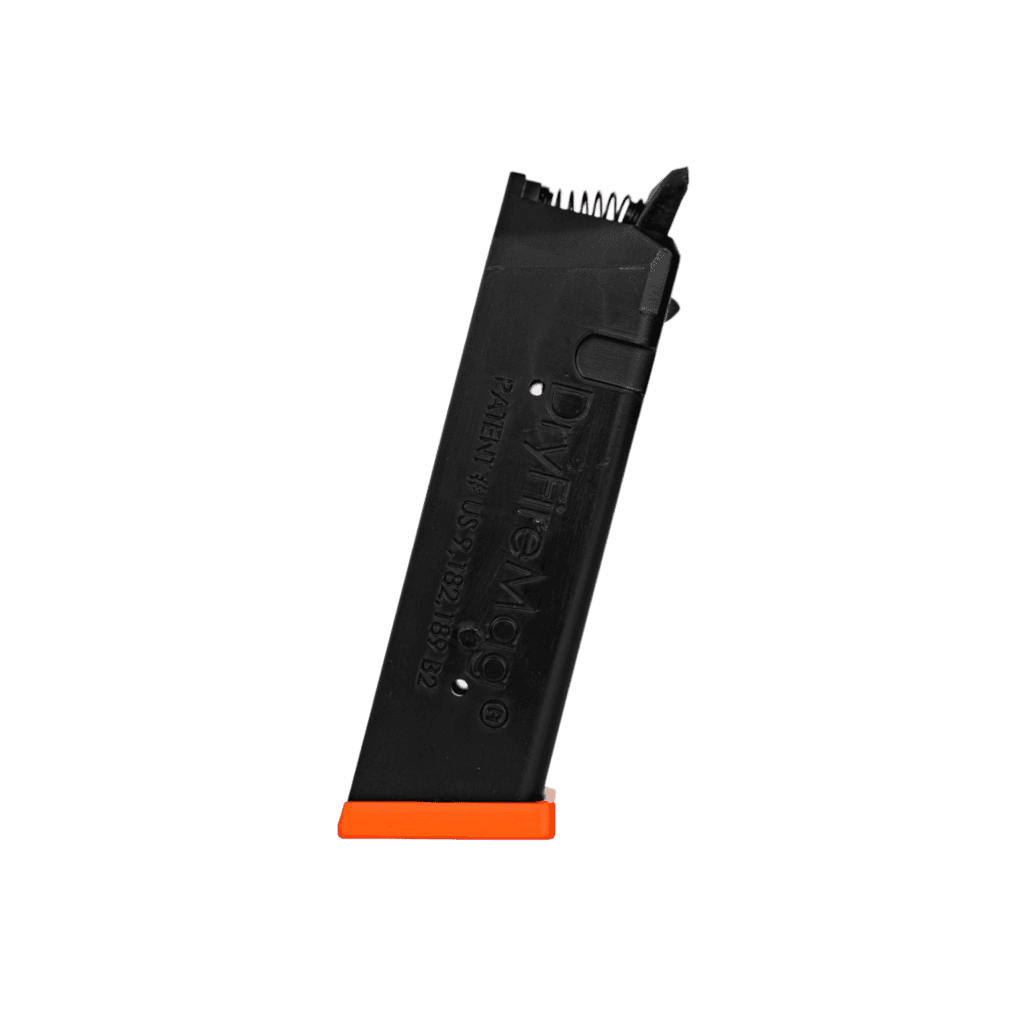
DryFireMag Trigger-Reset Magazine (SIG P320)
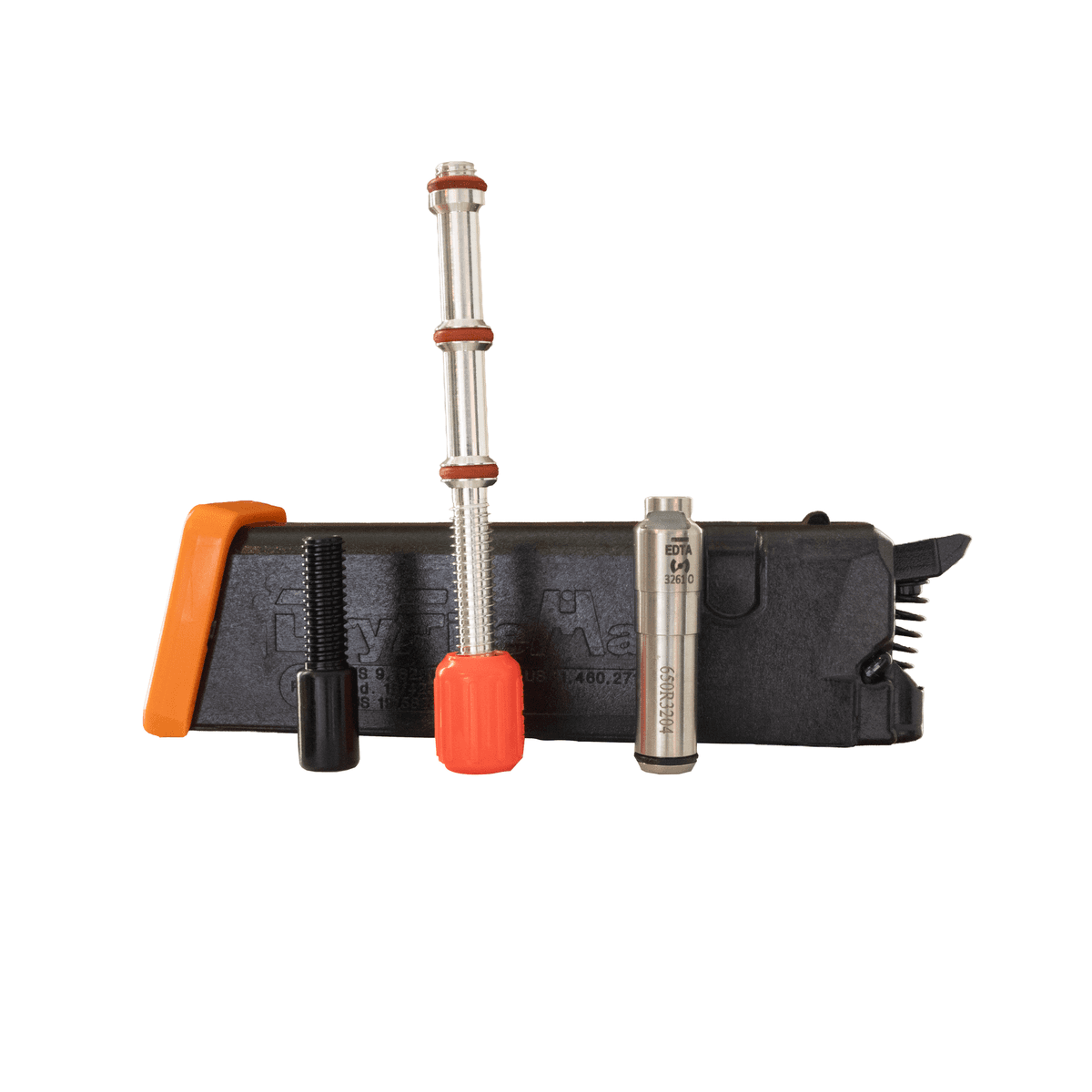
DryFireMag Smart DryFireMag Red Laser Training System (Glock 9mm)
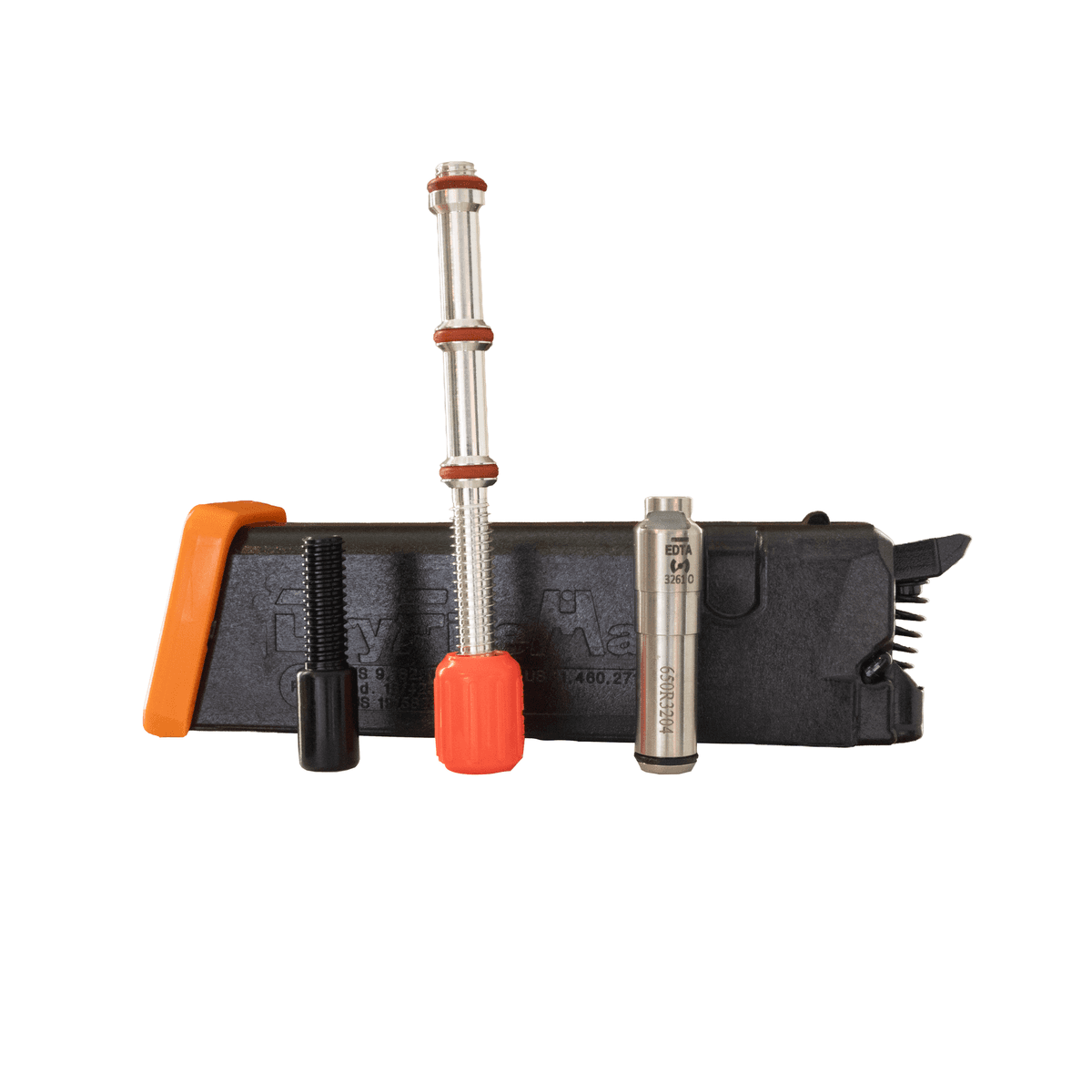
DryFireMag Smart DryFireMag IR Laser Training System (Glock 9mm)
Affiliate links - purchases support this site at no extra cost to you. (?)
How to Choose the Right Dry Fire Aid
- High-volume trigger and draw repsSIRT 110 ($239)WhySelf-resetting trigger, no racking, dual lasers, cannot fire live ammo.
- Scored hits with automatic gradingMantis Laser Academy ($159)WhyPhone camera scores every laser hit; guided drills add structure.
- Train your actual carry GlockDryFireMag ($98.99)WhyMechanical trigger reset in your own gun; blaze-orange safety cue.
- Scored laser dry fire on a budgetiTarget Pro ($99.95)WhyUnder $100 with app placement and timing tracking.
- Most durable laser cartridgeLaser Ammo SureStrike ($135.80)WhyCNC stainless body and glass lens hold alignment over heavy use.
- App scoring at cartridge pricingG-Sight ELMS PLUS ($69.99)WhyTriple O-ring fit, free app scoring, doubles as a snap cap.
- Firing-pin protection and reload drillsA-Zoom Snap Caps ($25.89)WhyAluminum dummy rounds; five-pack runs real reload and malfunction reps.
| Your Goal | Best Pick | Why |
|---|---|---|
| High-volume trigger and draw reps | SIRT 110 ($239) | Self-resetting trigger, no racking, dual lasers, cannot fire live ammo. |
| Scored hits with automatic grading | Mantis Laser Academy ($159) | Phone camera scores every laser hit; guided drills add structure. |
| Train your actual carry Glock | DryFireMag ($98.99) | Mechanical trigger reset in your own gun; blaze-orange safety cue. |
| Scored laser dry fire on a budget | iTarget Pro ($99.95) | Under $100 with app placement and timing tracking. |
| Most durable laser cartridge | Laser Ammo SureStrike ($135.80) | CNC stainless body and glass lens hold alignment over heavy use. |
| App scoring at cartridge pricing | G-Sight ELMS PLUS ($69.99) | Triple O-ring fit, free app scoring, doubles as a snap cap. |
| Firing-pin protection and reload drills | A-Zoom Snap Caps ($25.89) | Aluminum dummy rounds; five-pack runs real reload and malfunction reps. |
How Much Should You Spend?
You do not need to spend anything to start. A wall drill and a cleared gun build a clean trigger press for free, and a $25.89 set of A-Zoom snap caps adds firing-pin protection plus real reload reps. That is the entire entry tier, and for many shooters it is the whole budget. Spend here first, prove you will actually run the sessions, then add feedback gear.
The middle tier buys objective feedback. A G-Sight ELMS PLUS ($69.99) or iTarget Pro ($99.95) puts a scored laser hit on the target and an app on your phone, which closes the loop the wall drill leaves open: now you know where the shot went, not just whether the sight moved. A DryFireMag ($98.99) is the pick if you want endless trigger-reset reps in your own Glock without racking.
The top tier buys volume and structure. A Mantis Laser Academy ($159) adds camera scoring and a guided drill library; a SIRT 110 ($239) is the dedicated training pistol that runs the highest rep counts because nothing interrupts the cadence. Buy these once you know dry fire is a permanent habit, not before. The progression matters: do not skip the cheap, foundational reps to buy the expensive tool.
Build Dry Fire Into a Real Training Plan
Dry fire is a supplement to live fire, not a replacement, and the two reinforce each other. The skills you grind dry (trigger press, draw, reload) get validated and pressure-tested on the range, and the weaknesses you find on the range tell you what to drill dry that week. The first 1,000 rounds plan builds dry fire blocks into every phase for exactly this reason.
If you train a rifle, the same loop applies, and you will need to confirm a zero before live drills matter; our long-range rifle scope guide covers the optic and sight-in reference. Whatever you shoot, measure the gains: run a shot timer on your draws and splits and log every dry and live session in the drills tracker. Numbers, not feel, tell you whether the practice is paying off.