[ < All Drills ]

El Presidente

advancedPistolLive firetransitionsreloadspresentationspeed

The El Presidente is a twelve-round pistol test: three targets set one yard apart at 10 yards, engaged with two rounds each, a mandatory reload, then two rounds each again, all from a start facing up-range with your hands raised in a surrender position. Jeff Cooper built it to measure whether a bodyguard could turn, draw, and deliver accountable hits on multiple threats under time, and it still runs today as USPSA classifier CM 99-11.

A good El Presidente is decided by the parts between the shots. The turn-and-draw, the two transitions across a yard of spacing, and the slide-lock reload eat far more time than the six pairs of shots ever will. Shooters who see the next target before the gun gets there and who index the fresh magazine without looking post clean runs in the single digits; shooters who shoot fast but transition and reload slowly stall in the mid-teens no matter how quick their splits are.

Timer runs prep and par beeps for each step.

Setup

Rounds: 60
Distance: 10 yd
Target: Three USPSA/IPSC metric targets set one yard apart laterally, A-zone scoring, at 10 yards
Equipment: Pistol with holster, At least one spare magazine and a mag pouch, Shot timer, Three USPSA/IPSC metric targets, 60 rounds
Recommended skill: Consistent turning draw from concealment or an open holster, plus a reliable slide-lock reload.
Safety notes
  • - The starting turn is the hazard. Keep the finger off the trigger and the gun holstered until you have finished turning and are squared to the targets down range.
  • - Many ranges prohibit any draw that starts facing up-range. Confirm your range allows a turning draw before running the standard version.
  • - If turning draws are not allowed, run the no-turn variant: start already facing the targets from a low ready or a compressed high ready and skip the rotation entirely.
  • - Verify the range permits drawing from the holster, rapid fire, and reloads on the clock before you begin.

Course of Fire

  1. 1.Stage Brief

    Set three metric targets one yard apart at 10 yards. Load and holster with a full spare magazine on your belt. Stand facing up-range with your hands raised in a surrender position, wrists above your shoulders.

  2. 2.Run the String

    On the beep, turn, draw, and fire two rounds on each target left to right. Perform a reload, then fire two more rounds on each target for twelve total. The run counts only when all twelve hits stay in the A-zone.

    Cue: Drive the eyes to the next target before the gun arrives. The transitions and the reload are where the time hides, not the shooting.

    Timer:3s prep + 10s par
  3. 3.Assess and Log

    Score all three targets. Twelve A-zone hits inside 10 seconds is Cooper's clean standard. Record your time and hit factor, then repeat for five total runs.

Scoring & Par Times

As USPSA classifier CM 99-11, El Presidente is a twelve-round, 60-point Virginia Count course of fire scored on three metric targets, with the best four hits per target counting. Virginia Count means the round count is fixed: extra shots and misses draw penalties, so you cannot spray and make up hits. The score is a hit factor, total points earned divided by total time, and a higher hit factor moves you up the classification ladder.

For self-assessment away from a match, use Cooper's cleaner standard: all twelve rounds in the A-zone or the run does not count. A 6-second run with two hits outside the A-zone is a failed rep, not a fast one. Score every target, note any dropped points, and only chase speed once all twelve stay in the zone on demand.

LevelStandardNotes
NoviceClean run under 15.00sPrioritize a safe turn and twelve hits on paper before you push the clock at all.
IntermediateClean run under 10.00sCooper's original all-points standard with a stock handgun. A solid, well-rounded practical shooter.
AdvancedClean run under 7.00sA-class territory in USPSA. Requires a fast turning draw, tight transitions, and a sub-2-second reload.
MasterClean run under 5.00sGrandmaster pace. Top competitors with tuned gear have driven clean runs toward the 3-second range.

Where the El Presidente Comes From

Cooper developed the drill in the 1970s while training a protective detail for the head of state of a Latin American country, then released it to the public through American Handgunner in the January and February 1979 issue. The exact country is told several ways in different retellings and is not firmly documented, so treat the specific nation as folklore rather than fact; the training context, a presidential security detail, is the part every account agrees on.

Cooper's original specification was metric: three silhouettes one meter apart, 10 meters from the shooter, all points on target inside 10 seconds with a stock handgun counted as good. When IPSC and later USPSA adopted it as a classifier, the course was standardized to yards, with the three targets one yard apart at 10 yards. Cooper never intended it as a stage for race guns chasing records; he built it to gauge a working shooter's overall proficiency across the draw, transitions, reload, and follow-through in a single string.

Coaching Notes

  • Break the run into its four costs and time them separately in practice: the turn-and-draw to first shot, each transition, and the reload. Whichever segment is slowest relative to your level is the one to drill in isolation, usually the reload or the transitions rather than the shooting.
  • Lead every transition with your eyes. Snap your vision to the center of the next target while the gun is still recoiling on the current one, and let the gun track to where you are already looking. Moving the gun first and the eyes second is the most common speed leak on this drill.
  • Index the reload by feel, not sight. Bring the fresh magazine up while your eyes stay near the targets so you are ready to fire the instant the slide runs forward. Reloading heads-down costs you the target picture and a half second every time.
  • Rehearse the turning draw dry and slow before you ever run it live. The rotation, the grip acquisition during the turn, and the trigger discipline until you are squared up are a sequence you want automatic, not improvised under a par timer.

Common Mistakes

Shooting fast splits but transitioning and reloading slowly, then wondering why the time is stuck in the mid-teens.
Fix: Stop chasing splits. Time the reload and transitions on their own and drill the slowest segment; the shooting is almost never the limiter here.
Dropping hits out of the A-zone on the outer targets while rushing the transitions.
Fix: Confirm an acceptable sight or dot picture on each target before pressing. Slow the transitions about ten percent until all twelve hits return, then rebuild speed.
Fumbling the slide-lock reload because it was not part of the practice diet.
Fix: Bank fifty dry reloads a week from slide lock. A reliable sub-2-second reload turns the mandatory reload from a liability into a non-event.
Letting the finger enter the trigger guard during the opening turn.
Fix: Keep the finger indexed on the frame through the entire rotation and grip build. The gun does not point at a target until you are squared up down range.

Checking sign-in status…

Log a drill session

Capture metrics while they are fresh.

Drill
El Presidente

Sessions save to this browser. Sign in to sync across devices.

Metrics

Recent sessions

Log drills from the range to benchmark progress and track standards.

Gear for This Drill

Tools & Cleaning • $299

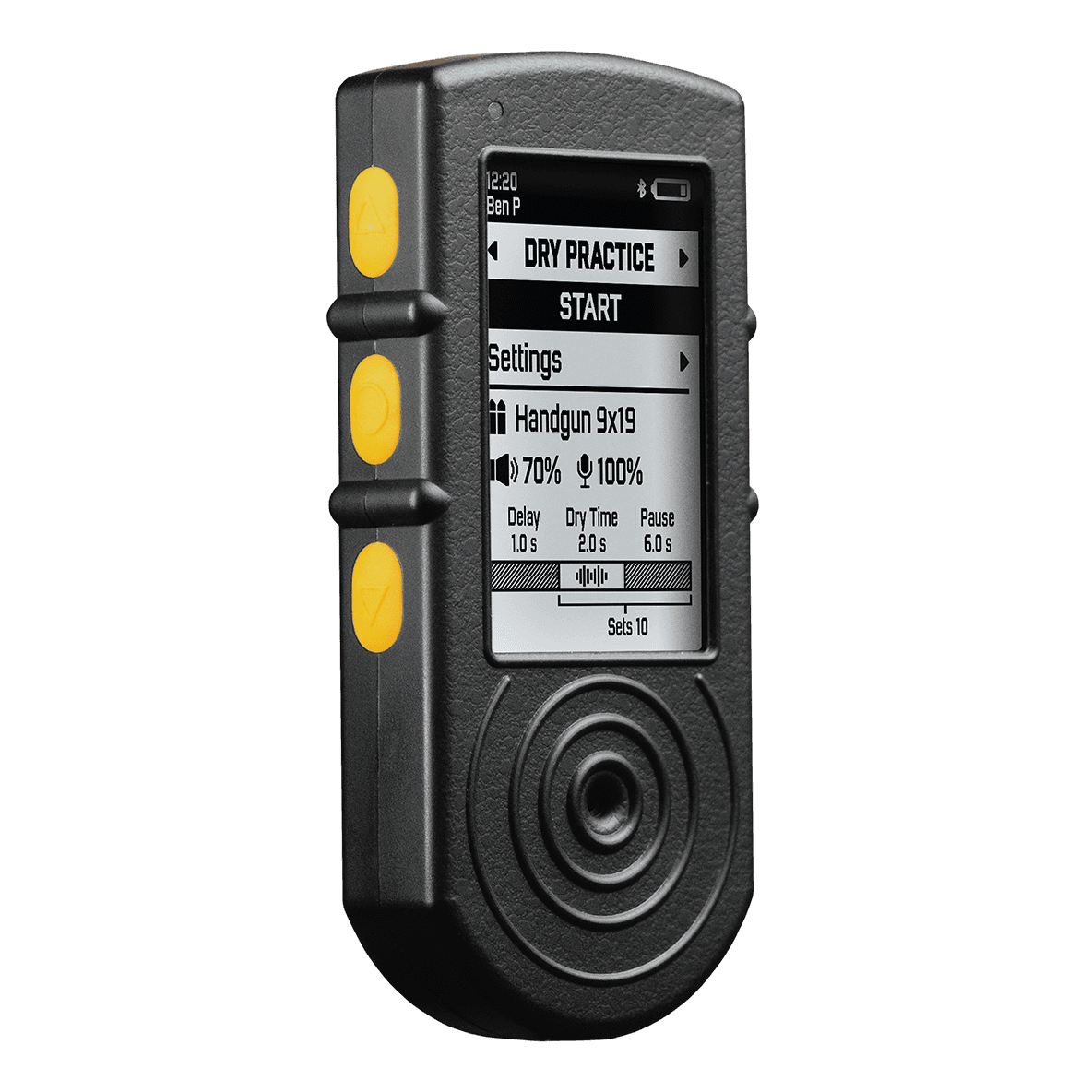
Shooters Global SG Timer 2

The loudest, smartest competition shot timer on the market. Next-gen acoustic sensor isolates shots in busy indoor bays, reads airsoft and suppressed hosts, and a Bluetooth app syncs strings to PractiScore 2 in real time.

  • Bluetooth + free mobile app
  • PractiScore 2 integration
  • Reads suppressed, airsoft, CO2
$299.00 MSRP
Verified Retailer
View at OpticsPlanet
View Full Details
Tools & Cleaning • $189

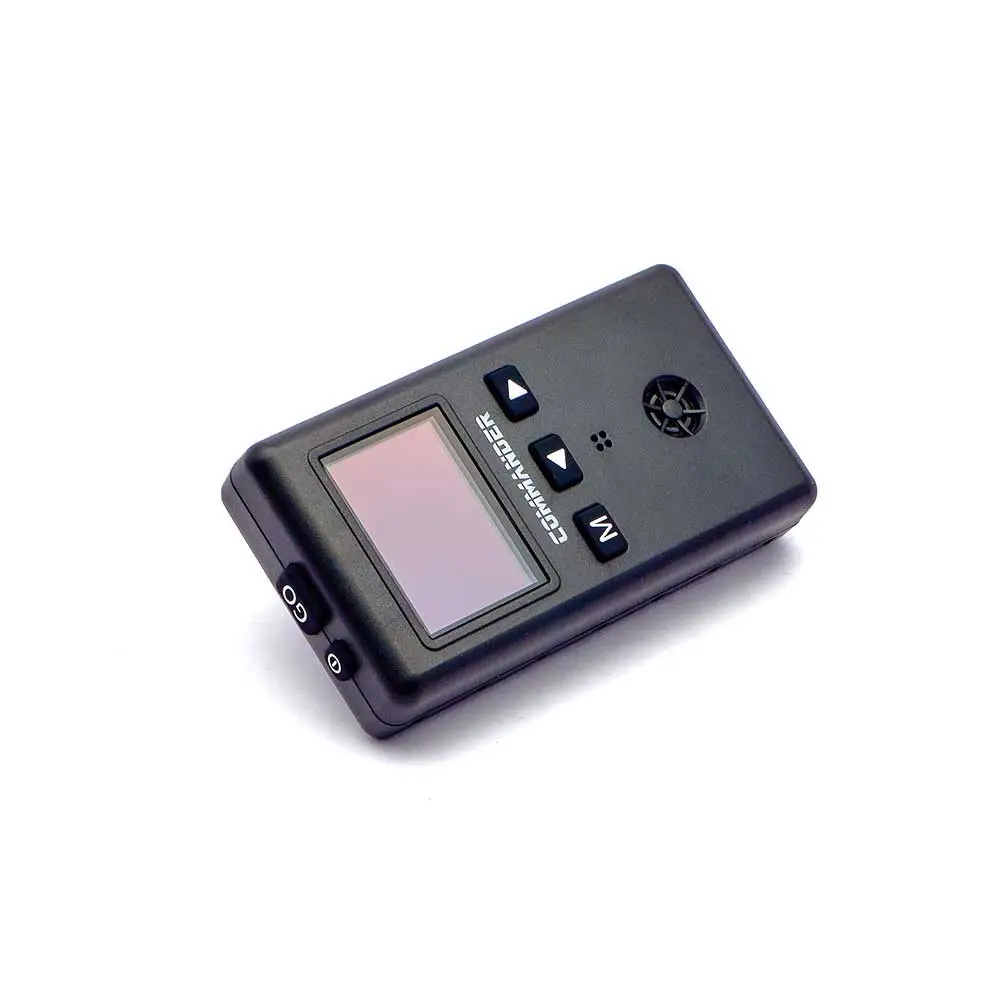
AMG Lab Commander Shot Timer

Pro-grade compact timer with a large high-visibility display and PractiScore integration. Standard AAA cells, configurable sensitivity, and a tactile button layout for serious dry-fire and live-fire practice.

  • Large high-visibility display
  • PractiScore Link integration
  • Par time + random delay
$189.00 MSRP
Verified Retailer
View at Amazon
View Full Details
Tools & Cleaning • $25.89

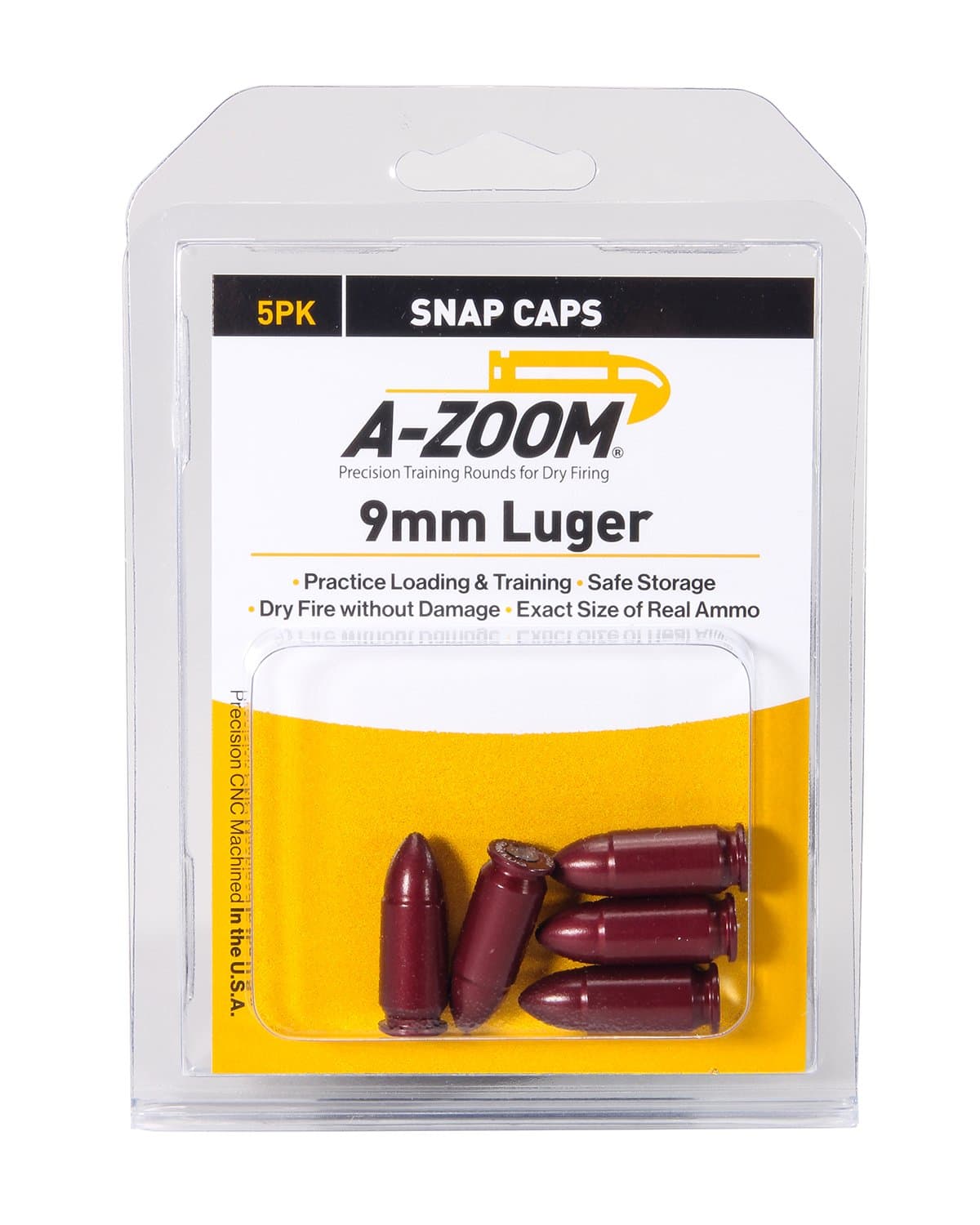
A-Zoom 9mm Luger Precision Snap Caps (5-Pack)

CNC-machined aluminum 9mm dummy rounds for dry fire, function testing, and reload reps that cushion the firing pin on every press.

  • SKU 15116
  • 9mm Luger
  • 5-pack
$25.89 MSRP
Verified Retailer
View at OpticsPlanet
View Full Details

Affiliate links (?)

Comparing timers first? The shot timer guide ranks the current field, and the dry fire practice guide covers the training aids that make at-home reps productive. Need the target? Print it free from the printable targets library.

Frequently Asked Questions

What is the El Presidente drill?
The El Presidente is a twelve-round pistol drill created by Jeff Cooper. You start facing up-range with your hands raised, then on the signal you turn, draw, fire two rounds on each of three targets set one yard apart at 10 yards, perform a mandatory reload, and fire two more rounds on each target. It tests the turning draw, target transitions, and a reload under time.
What is a good El Presidente time?
Cooper's original standard was all twelve rounds on target inside 10 seconds with a stock handgun, which is a strong benchmark for a well-rounded shooter. A clean run under 7 seconds is A-class practical-shooting pace, and sub-5-second clean runs are Grandmaster level. Clean means all twelve hits in the A-zone; a fast time with dropped points does not count.
Is the El Presidente a USPSA classifier?
Yes. It is USPSA classifier CM 99-11, a twelve-round, 60-point Virginia Count course fired on three metric targets at 10 yards with the best four hits per target scoring. Your score is a hit factor, total points divided by total time, and it feeds your USPSA classification.
Can I run the El Presidente if my range bans turning draws?
Yes. Run the no-turn variant: start already squared to the targets from a low ready or compressed high ready instead of facing up-range, and skip the rotation. You lose the turn but keep the transitions and the mandatory reload, which are the core of the test. Tighten your par by roughly a second since you are not paying for the turn.

Related Drills