[ < All Drills ]

F.A.S.T. Drill

advancedPistolLive firepresentationaccuracytransitions

The F.A.S.T. drill, short for Fundamentals, Accuracy, and Speed Test, is a six-round pistol standard fired at 7 yards: from concealment, draw and put two rounds into a 3x5 index card, reload from slide lock, and fire four rounds into an 8-inch circle. The pistol is loaded with exactly two rounds so the slide locks back after the head shots and forces a reload mid-string, chaining a precision problem, an emergency reload, and a speed problem into a single scored run.

The drill is deliberately hard because it refuses to let you be good at only one thing. The 3x5 card demands the tight, patient sight picture of a slow-fire accuracy drill, and then the 8-inch circle rewards aggressive speed, with a slide-lock reload separating the two. Score is raw time plus penalties, so a fast run wrecked by a single dropped head shot is often slower on paper than a controlled clean run. It measures the whole chain, not any one link.

Timer runs prep and par beeps for each step.

Setup

Rounds: 36
Distance: 7 yd
Target: 3x5 index card head box with an 8" circle centered about a foot below it
Equipment: Pistol with concealment holster, Two magazines and a mag pouch, Shot timer, 3x5 index card and an 8" circle target, 36 rounds
Recommended skill: Concealed draw, a fast slide-lock reload, and confident precision on a 3x5 target.
Safety notes
  • - Confirm your holster fully covers the trigger guard and your concealment garment clears cleanly before the first rep.
  • - Finger stays indexed on the frame through the reload; do not let the trigger finger re-enter the guard until the sights return to the target.
  • - Load the pistol with exactly two rounds and stage a spare magazine on the belt; confirm the range allows drawing, reloads, and rapid fire before running the drill.

Printable Target

Failure Drill Target

Two-sheet Mozambique target: true-size 3x5 head box that tapes 12" above an 8" chest circle. Covers the failure drill and F.A.S.T. scoring zones.

Print it free

Course of Fire

  1. 1.Stage Brief

    Set a 3x5 card as the head box with an 8-inch circle centered about a foot below it. Load the pistol with exactly two rounds, holster from concealment at 7 yards, and stage a spare magazine on your belt. On the beep, draw and fire two rounds into the card, reload from slide lock, and fire four rounds into the circle.

  2. 2.Execute String

    Draw on the beep, land both rounds in the 3x5 card, reload as the slide locks back, and drive four clean hits into the 8-inch circle. Set a 7-second par; a clean run inside it earns the Advanced rating and is a realistic working goal once you can complete the drill without penalties.

    Cue: Two precise, reload, four fast. Do not outrun the card; the head box, not the circle, is where the time is won or lost.

    Timer:2s prep + 7s par
  3. 3.Score and Log

    Take the raw time from the beep to the sixth shot, then add penalties: two seconds for each hit outside the 3x5 card and one second for each hit outside the 8-inch circle. The final score is raw time plus penalties. Log the number and repeat for a full session.

Scoring & Par Times

Score raw time from the beep to the sixth shot, then add penalties: two seconds for every hit outside the 3x5 head card and one second for every hit outside the 8-inch circle. The final score is raw time plus penalties, so accuracy failures show up directly on the clock rather than as a simple fail.

A rating only counts on a clean run, meaning all six hits inside their zones with zero penalties added. The head box is weighted double on purpose; the drill is built to punish shooters who rush the two hard shots to chase a fast overall time.

LevelStandardNotes
NoviceClean run 10.0s or slowerTodd Green's Novice band. Getting all six accountable hits, even slowly, is the first milestone.
IntermediateClean run under 10.0sGreen's Intermediate rating; the reload and the head-box precision are both landing under pressure.
AdvancedClean run under 7.0sGreen's Advanced rating; a fast concealed draw, a clean slide-lock reload, and no dropped hits.
MasterClean run under 5.00sGreen's Expert rating and F.A.S.T. Coin territory, which requires a clean sub-5 run twice in a row; the record is 3.56s by Dave Sevigny.

Where the F.A.S.T. Drill Comes From

The F.A.S.T. was designed by Todd Louis Green, founder of the training site pistol-training.com, as a compact standard he could run in every class: quick to set up with an index card and a paper plate, fast to shoot, and revealing about a shooter's balance of speed and precision. Green built the scoring around penalties rather than a pass or fail cutoff so the same course of fire measures a new shooter and an expert on one scale, weighting the harder head-box hits at two seconds each and the body hits at one second each.

Green tied the drill to a challenge coin that became its signature. Earning a F.A.S.T. Coin requires shooting a clean run under five seconds twice in a row, demonstrated in front of an instructor at a pistol-training.com class; Green himself carried Coin number 00. The published record on his FASTest page is a 3.56 second run by Dave Sevigny. Green passed away in 2016 after a long fight with cancer, and the drill has been carried on since as one of the most widely referenced pistol standards in defensive and competitive training.

Coaching Notes

  • Win the drill on the card, not the circle. The two head-box rounds and the transition into them are where most time and every two-second penalty live; a patient, clean pair up front usually beats a fast pair you have to shoot twice.
  • Train the slide-lock reload as its own skill. Because the gun is loaded with only two rounds, every rep forces an emergency reload from an empty gun. A fumbled reload can cost more than a full second, so drill the magazine change dry until it is automatic before you chase a fast overall time.
  • Come out of the reload with your eyes already on the circle. The four body shots are the speed portion; drive the fresh sight picture into the 8-inch circle and shoot them at a genuine cadence rather than easing off after the reload.
  • Score every run with penalties, not just the raw split. Logging raw time hides the misses that the drill is designed to expose; the penalty-adjusted number is the one that tells you whether you are actually getting better.

Common Mistakes

Rushing the two head-box rounds to post a fast raw time, then eating a four-second penalty for two dropped hits.
Fix: Slow the opening pair enough to guarantee both hits in the 3x5 card. Two clean head shots at a controlled pace beat a fast pair that adds two seconds each.
A slow or fumbled slide-lock reload that quietly costs more than any single miss.
Fix: Isolate the reload and drill it dry until it is smooth and consistent; a clean reload under about 1.5 seconds keeps the string competitive.
Coasting through the four body rounds after the reload instead of shooting them at speed.
Fix: Treat the circle as a mini bill drill. Drive the sights into the 8-inch zone and press at a real cadence; the body shots are where you buy back time.
Recording only the raw time and ignoring the penalty structure.
Fix: Always add the penalties, two seconds per head-box miss and one per circle miss, and log the adjusted score. That number, not the raw split, is the honest measure of the run.

Checking sign-in status…

Log a drill session

Capture metrics while they are fresh.

Drill
F.A.S.T. Drill

Sessions save to this browser. Sign in to sync across devices.

Metrics

Recent sessions

Log drills from the range to benchmark progress and track standards.

Gear for This Drill

Tools & Cleaning • $59.79

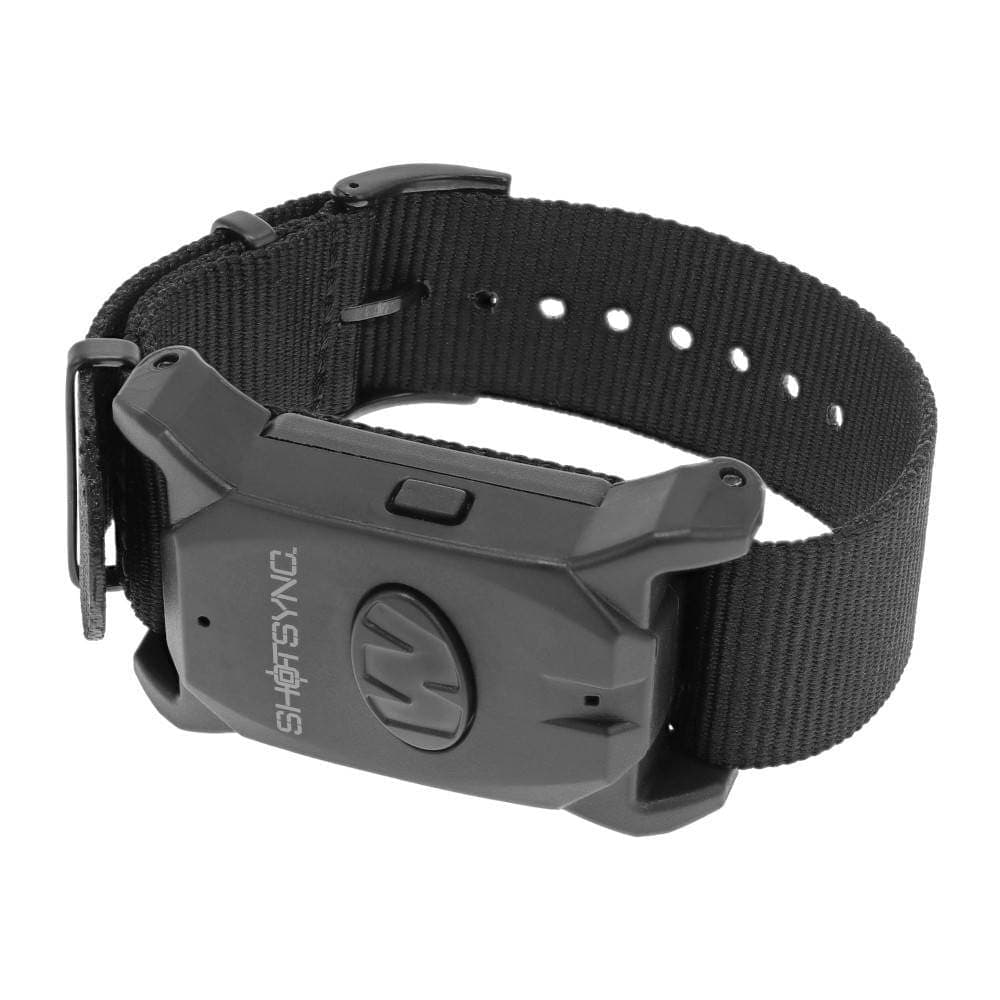
Walker's ShotSync Wearable Shot Timer

Wrist-worn $60-class shot timer with dual-sensor detection (microphone plus accelerometer) and Bluetooth pairing to the Walker's Link app. Wears like a watch on your support hand for live-fire training and app-managed drills.

  • Wrist-worn watch form factor
  • Dual-sensor shot detection
  • Bluetooth + Walker's app
$59.79 MSRP
Verified Retailer
View at OpticsPlanet
View Full Details
Tools & Cleaning • $299

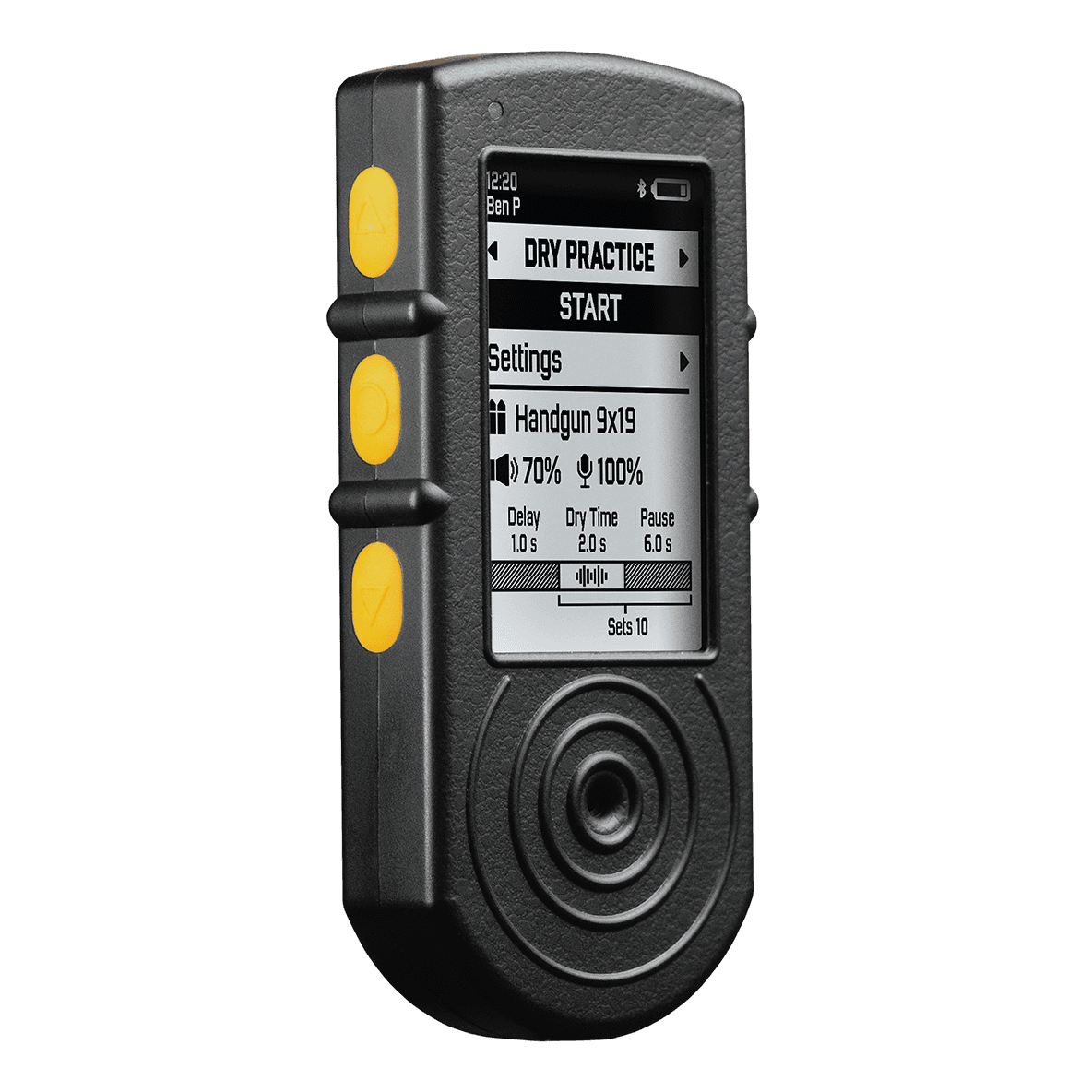
Shooters Global SG Timer 2

The loudest, smartest competition shot timer on the market. Next-gen acoustic sensor isolates shots in busy indoor bays, reads airsoft and suppressed hosts, and a Bluetooth app syncs strings to PractiScore 2 in real time.

  • Bluetooth + free mobile app
  • PractiScore 2 integration
  • Reads suppressed, airsoft, CO2
$299.00 MSRP
Verified Retailer
View at OpticsPlanet
View Full Details
Tools & Cleaning • $25.89

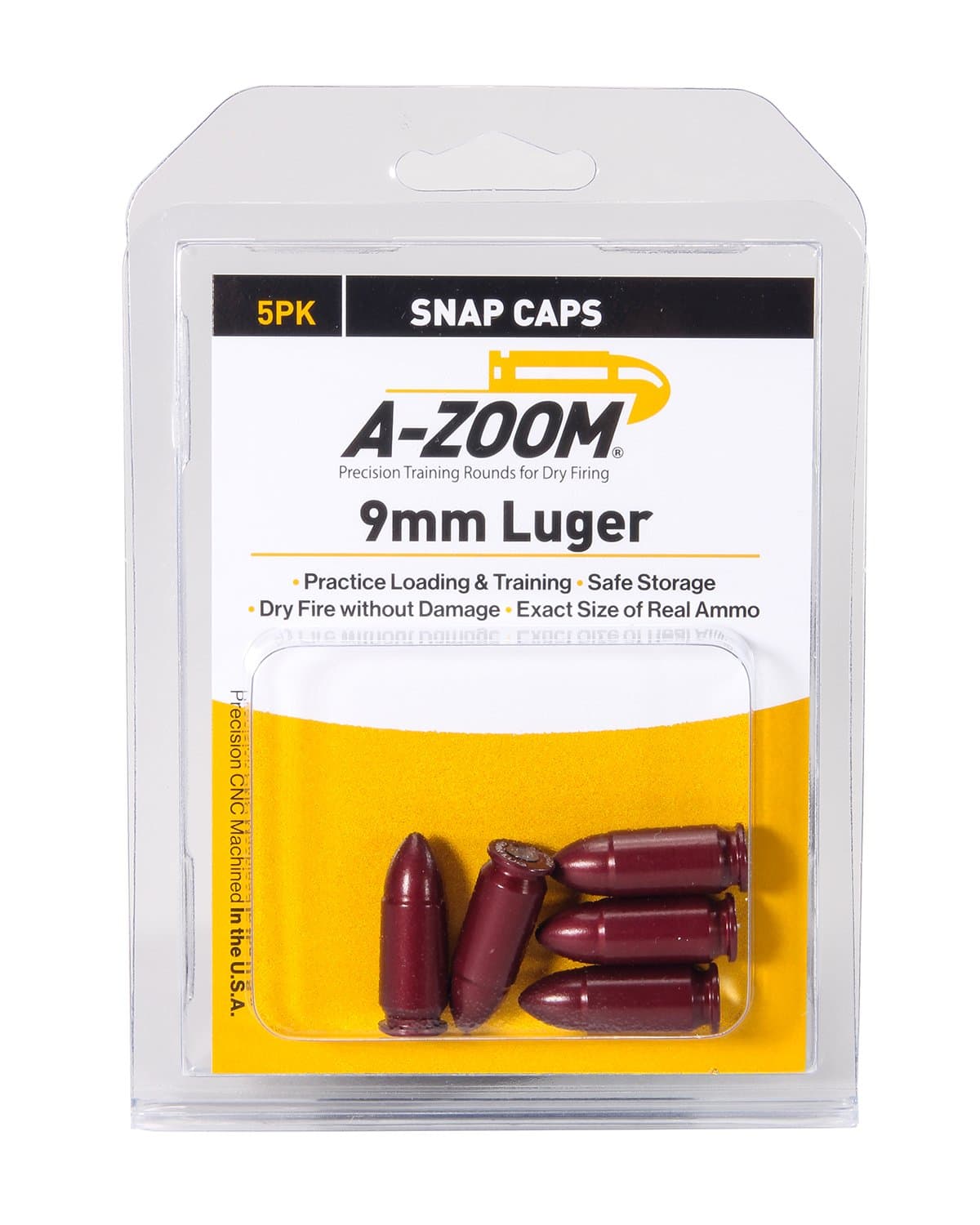
A-Zoom 9mm Luger Precision Snap Caps (5-Pack)

CNC-machined aluminum 9mm dummy rounds for dry fire, function testing, and reload reps that cushion the firing pin on every press.

  • SKU 15116
  • 9mm Luger
  • 5-pack
$25.89 MSRP
Verified Retailer
View at OpticsPlanet
View Full Details

Affiliate links (?)

Comparing timers first? The shot timer guide ranks the current field, and the dry fire practice guide covers the training aids that make at-home reps productive. Need the target? Print it free from the printable targets library.

Frequently Asked Questions

What is the F.A.S.T. drill?
The F.A.S.T. drill, Fundamentals, Accuracy, and Speed Test, is a six-round pistol standard by Todd Louis Green. From concealment at 7 yards you draw and fire two rounds into a 3x5 card, reload from slide lock, and fire four into an 8-inch circle. It is scored on raw time plus penalties for hits outside each zone.
How is the FAST drill scored?
Score is raw time from the beep to the last shot plus penalties: two seconds for every hit outside the 3x5 head card and one second for every hit outside the 8-inch circle. A run only earns a rating when it is clean, with all six hits in their zones and no penalties added.
What are the FAST drill rating tiers?
Todd Green's ratings for a clean run are Novice at 10 seconds or slower, Intermediate under 10 seconds, Advanced under 7 seconds, and Expert under 5 seconds. A sub-5-second clean run twice in a row, shown to an instructor at a pistol-training.com class, earns the F.A.S.T. Coin.
Why is the pistol loaded with only two rounds?
Loading exactly two rounds guarantees the slide locks back after the two head shots, forcing an emergency reload in the middle of the string. That is intentional: the drill tests the draw, precision, a slide-lock reload, and speed together, and the reload is one of the skills it is built to measure.

Related Drills