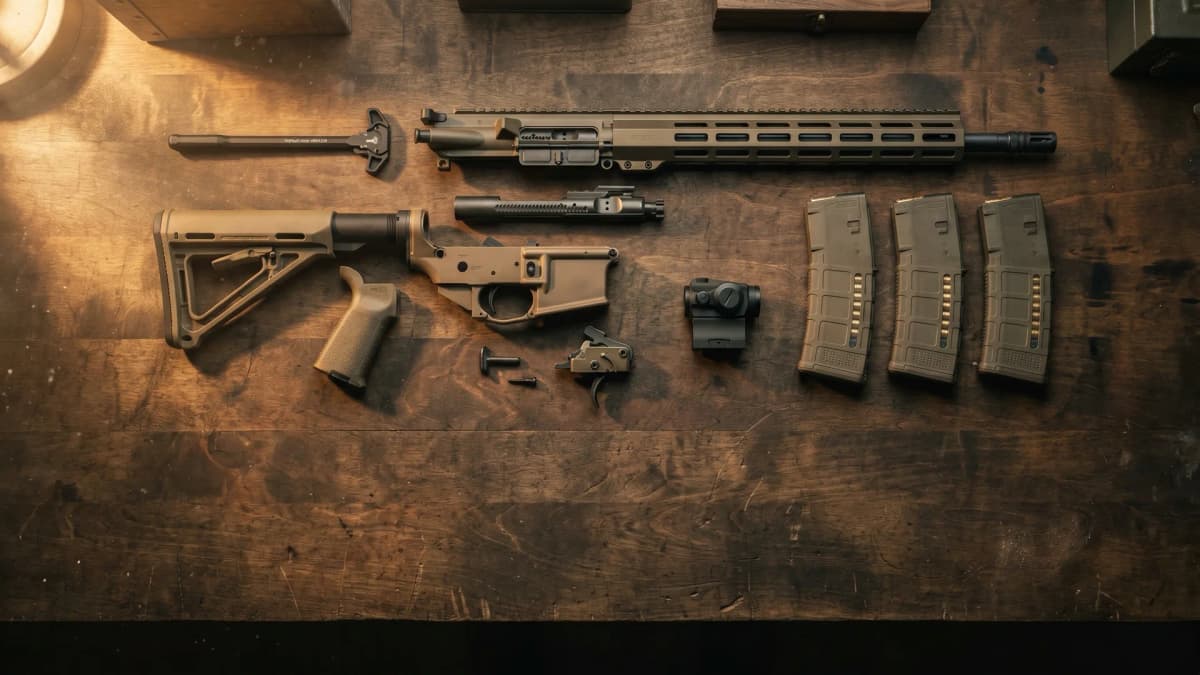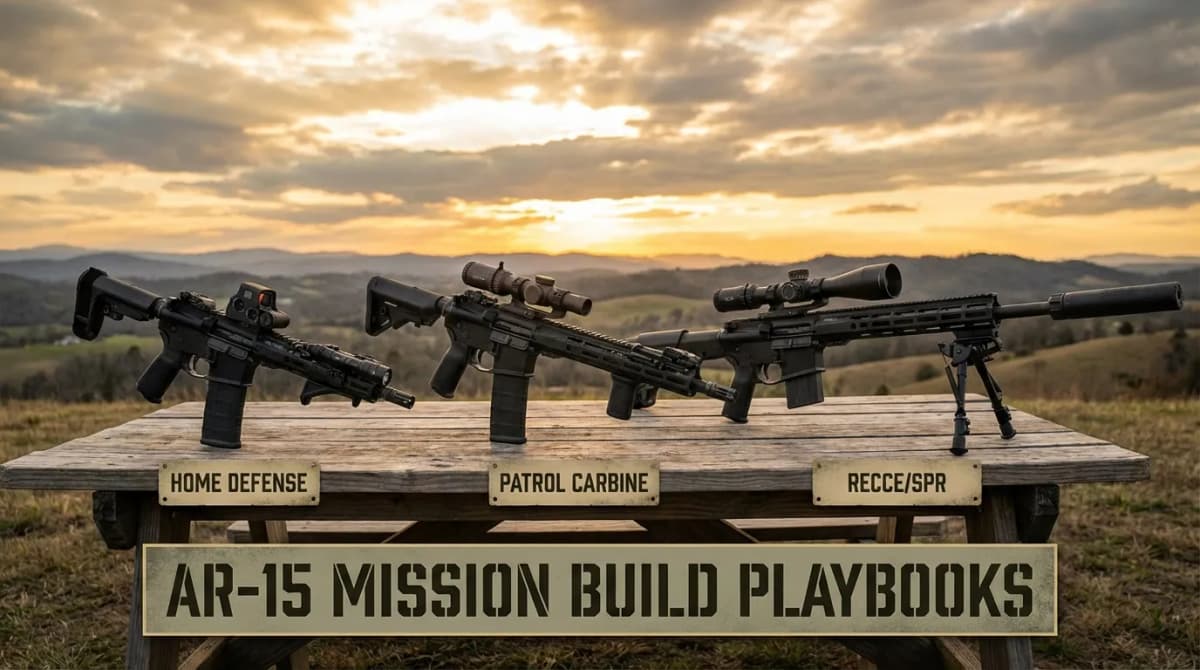
AR-15 Build Guide 2026: Home Defense, Recce & Patrol Rifle Complete Parts Lists header image
Ops
October 21, 2025

AR-15 Build Guide 2026: Home Defense, Recce & Patrol Rifle Complete Parts Lists

AR-15 build guide with complete parts lists for home defense, patrol, recce/SPR, and truck gun configurations. Each build includes barrel length, optic, light, and accessory recommendations with training priorities.

[ < Back to guides ]
PlanningMission drivenComponent recipes

AR-15 Build Guide 2026: Home Defense, Recce & Patrol Rifle Complete Parts Lists

Skip guesswork. These playbooks capture vetted component stacks, training priorities, and sustainment notes so you can stand up purpose-driven carbines quickly.

By AB|Last reviewed January 2025
Assumes knowledge of
How to Build an AR-15->Which AR-15 Caliber Should You Buy? 5.56 vs 300 BLK vs 6.5 Grendel 2026 (Cost, Ballistics, Ammo)->AR-15 Barrel Length 2026->

Quick Answer: Purpose-Built Configurations

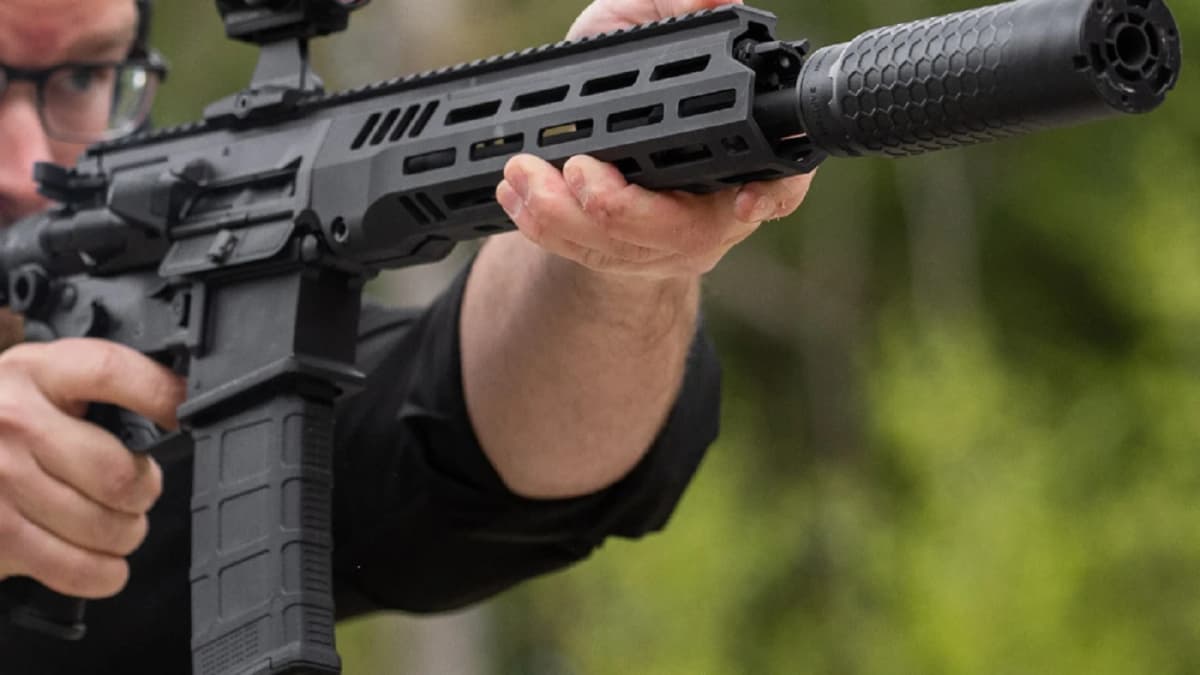
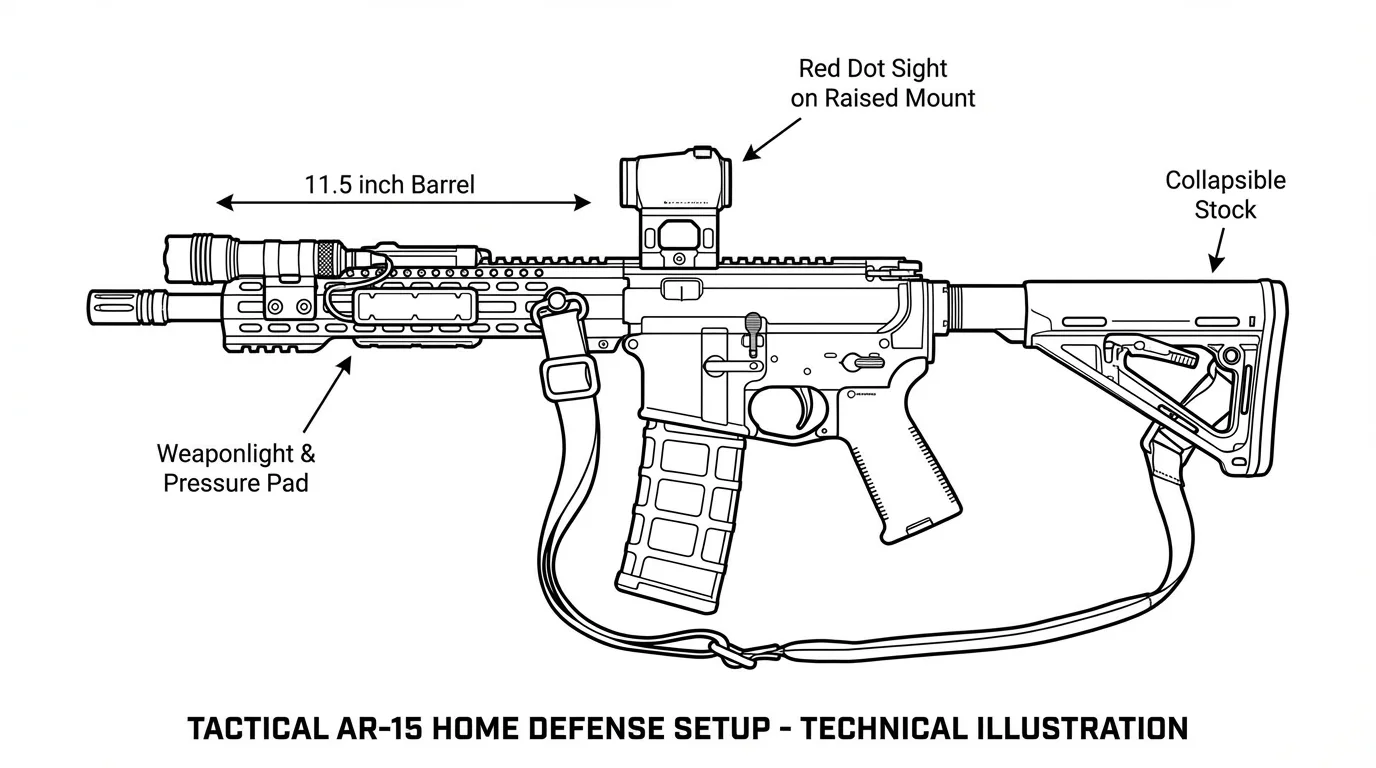
Home Defense: 11.5" carbine with red dot (1.93" mount), white light, suppressor-ready. Optimized for low light and tight spaces.

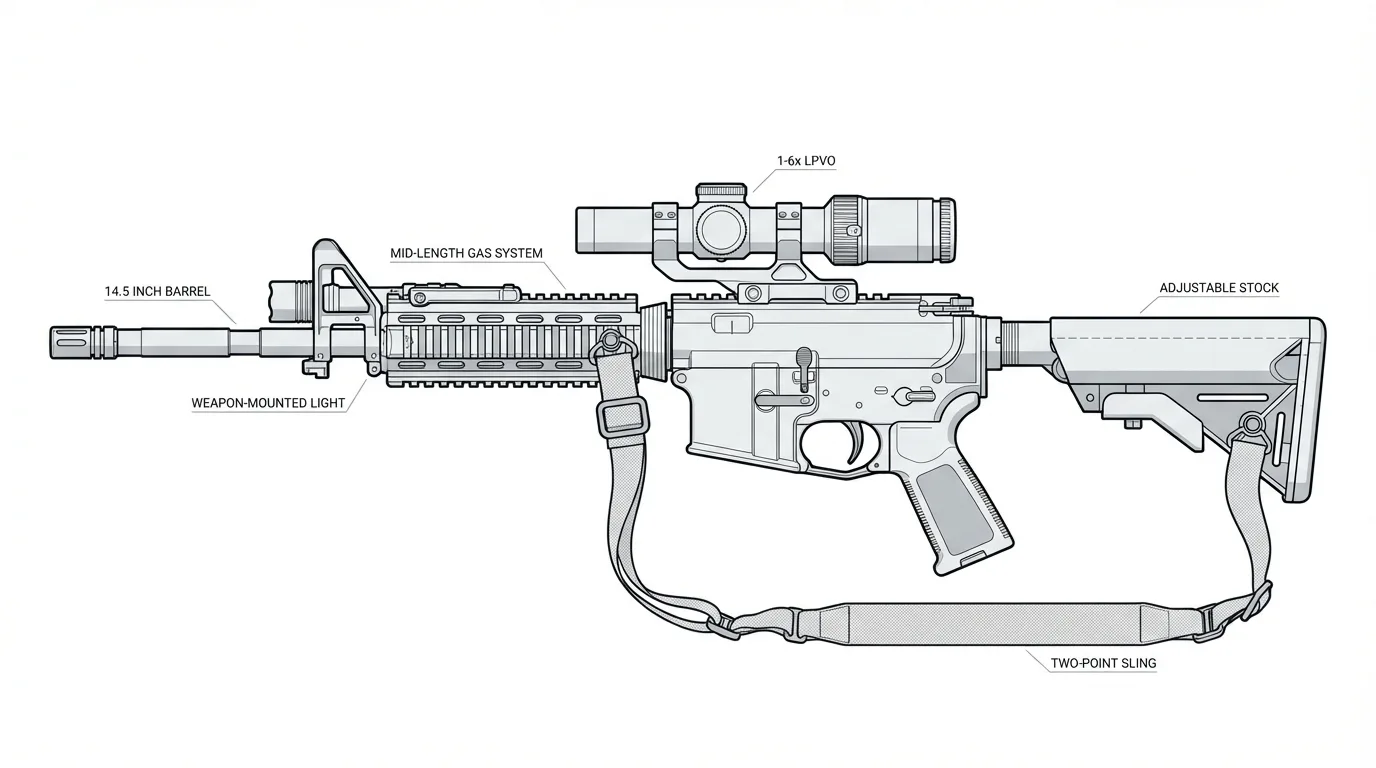
Patrol Carbine: 14.5" pinned mid-length with 1-6x LPVO, offset dot, weapon light. Urban and rural response capability.

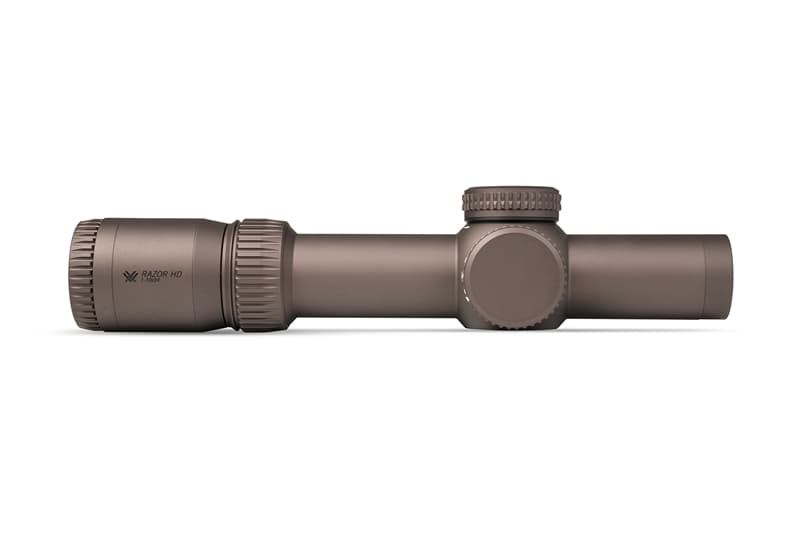
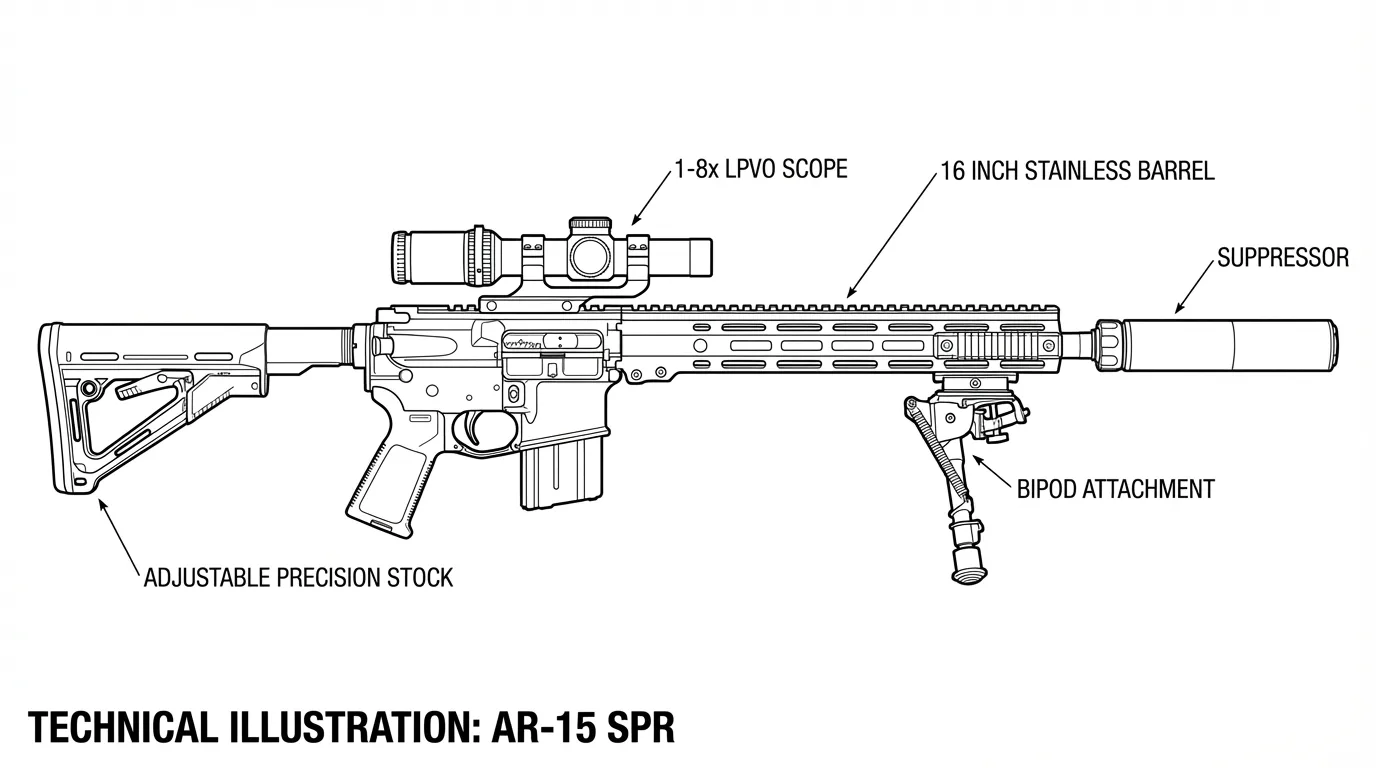
Recce/SPR: 16" stainless with 1-8x optic, bipod, match trigger. Precision-minded rifle bridging CQB and mid-distance.

Complete AR-15 Build Recipes (Home Defense, Patrol, Recce)

Each configuration includes a baseline upper/lower combo, essential add-ons, and the training blocks that justify the build. Use them as a starting point or plug into your procurement workflow.

Home Defense / CQB

Compact, maneuverable rifle optimized for low light and tight spaces.
Field validated
Home Defense / CQB AR-15 configuration
Baseline configuration

11.5" carbine gas upper, duty bolt carrier, SBA or collapsible stock.

Core components

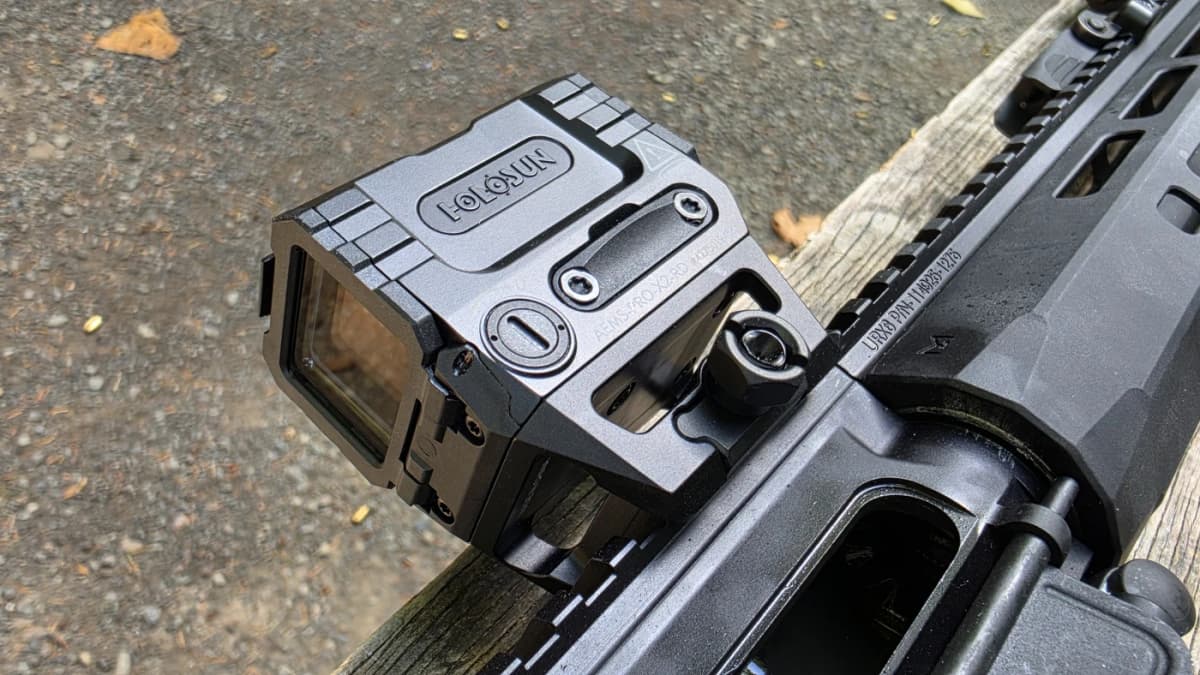
  • Quality red dot sight on 1.93" mount for heads-up shooting with helmet or NODs.
  • SureFire or Modlite white light with tape switch routed along the rail.
  • M-Lok handstop and QD sling mounts near rear for easy transitions.
  • Suppressor-ready muzzle device (e.g., SureFire SOCOM, Dead Air KeyMo).

Accessory adds

  • Two-point sling with quick-adjust slider (Ferro Concepts, Blue Force Gear).
  • Low-profile backup irons zeroed to the same hold as the red dot.
  • Short vertical grip if you prefer an index point for barricade shooting.

Training priorities

  • Dry fire doorways and hallways with the light and sling in place.
  • Live fire shoot-house runs or 1–5 drills to refine transitions.
  • Low-light class to validate light placement and switch ergonomics.

Track suppressor backpressure if used indoors. Replace extractor springs every 5,000 rounds and action springs annually.
Patrol Carbine

General purpose duty gun capable of urban and rural response.

Field validated
Patrol Carbine AR-15 configuration
Baseline configuration

14.5" pinned mid-length upper, free-float rail, H2 buffer system.

Core components

  • 1-6x LPVOLPVO[Optics]Low Power Variable Optic. A scope that goes from 1x (no magnification) to 6x, 8x, or 10x. A versatile choice for close quarters to mid-range engagements. with daylight bright reticle and offset dot for rapid engagements.
  • Weapon light mounted at 12 o'clock with pressure pad integrated into grip panels.
  • Ambi safety and mag release to accommodate different officers and gloves.
  • SL stock or similar with battery storage and consistent cheek weld.

Accessory adds

  • Suppressor-compatible muzzle device; maintain one-to-one rifle/can assignment if possible.
  • Barrier stop or QD bipod stud for vehicle-supported shots.
  • Radio PTT cable routing solution if using single-point slings in vehicles.

Training priorities

  • Quarterly qual plus positional shooting out to 300 yards.
  • Vehicle egress drills with sling management and offset optic usage.
  • Annual night shoot focusing on light discipline and communication.

Keep spare bolts, gas rings, and action springs in patrol cars. Document optic torque and zero shifts after maintenance.

Recce / SPR

Precision-minded rifle bridging CQB and mid-distance observation.

Field validated
Recce / SPR AR-15 configuration
Baseline configuration

16" stainless barrel, rifle-length gas, adjustable stock, match trigger.

Core components

  • 1-8x LPVOLPVO[Optics]Low Power Variable Optic. A scope that goes from 1x (no magnification) to 6x, 8x, or 10x. A versatile choice for close quarters to mid-range engagements. or 2-10x optic with MIL reticle and capped windage.
  • Bipod or Arca rail section for tripod use during overwatch.
  • Suppressor with minimal POI shift; log offsets per ammo lot.
  • Gas block adjustment tool stored on rifle or sling for field tweaks.

Accessory adds

  • Kestrel or ballistic solver app with rifle profile saved.
  • Offset red dot for close engagements or transitions.
  • Data on a stick (DOPE card) affixed to stock or optic cap.

Training priorities

  • Quarterly data gathering with new ammo lots at 100, 300, 500 yards.
  • Positional shooting blocks emphasizing kneeling, seated, and barricade support.
  • Night observation exercises with tripod, NV, and IR laser integration.

Clean chamber and crown meticulously. Track barrel and suppressor round counts for POI shift and accuracy degradation.

PCC Crossover / Training Carbine

Low recoil practice rifle that mirrors duty gun controls and accessories.

Field validated
PCC Crossover / Training Carbine AR-15 configuration
Baseline configuration

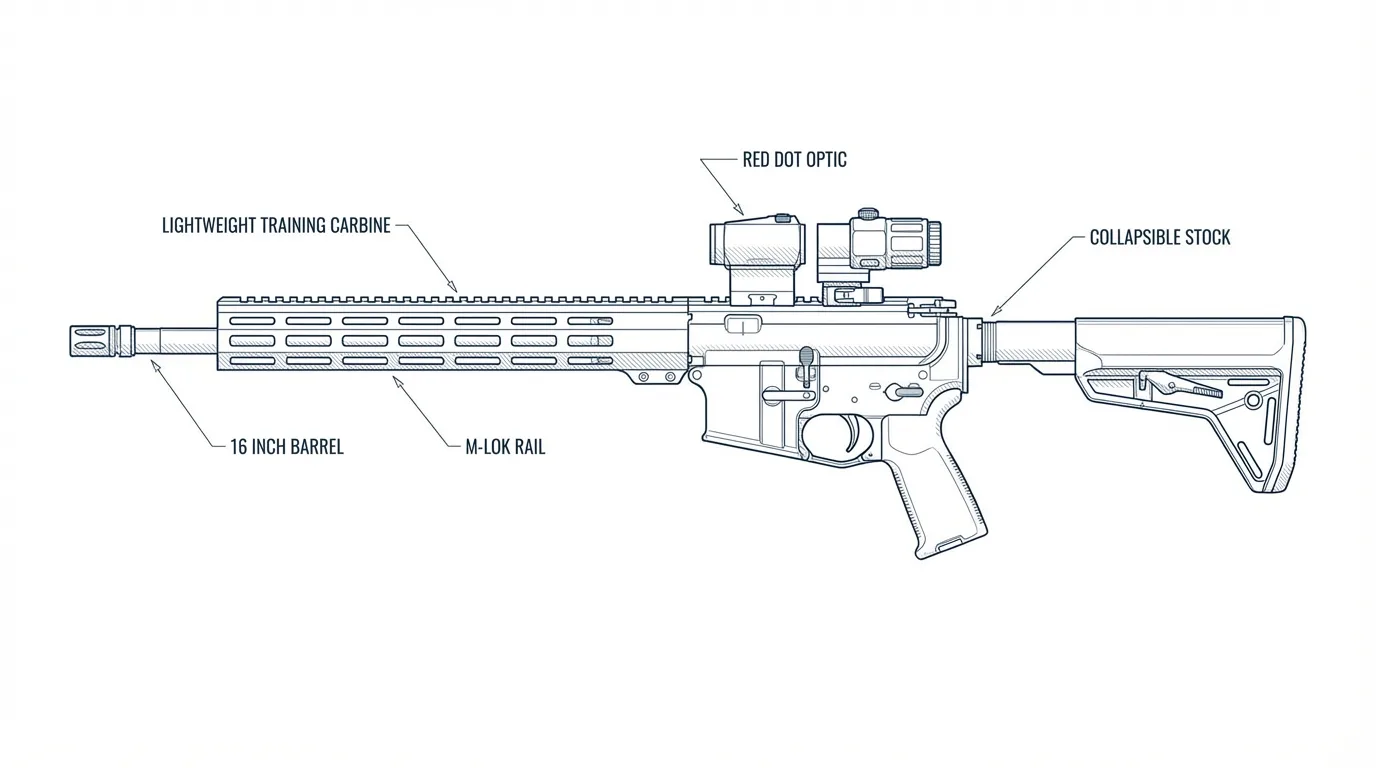
16" 5.56 upper or 11.5" 5.56 with dedicated training suppressor; identical lower to duty rifle.

Core components

  • Same optic and mount height as duty rifle for muscle memory.
  • Lightweight M-Lok rail with identical pressure pad placement.
  • Capture-captured buffer for dry fire reliability; consider reduced power spring for sim rounds.

Accessory adds

  • Bolt-on brass catcher for indoor ranges or sim training rooms.
  • Shot timer or shot-calling system integrated into sling or plate carrier.
  • Rubberized training sling that resists abrasion during high-rep drills.

Training priorities

  • High volume transition drills (rifle to pistol) with shot accountability.
  • Force-on-force scenarios using UTM/SIMS or frangible training ammo.
  • Low recoil days focused purely on mechanics and data-driven improvement.

Swap extractor springs more often due to high round count and unconventional ammo. Keep separate logbook from duty rifle.

Minimalist Truck Rifle

Rugged, low-maintenance rifle staged for emergencies with limited support gear.

Field validated
Minimalist Truck Rifle AR-15 configuration
Baseline configuration

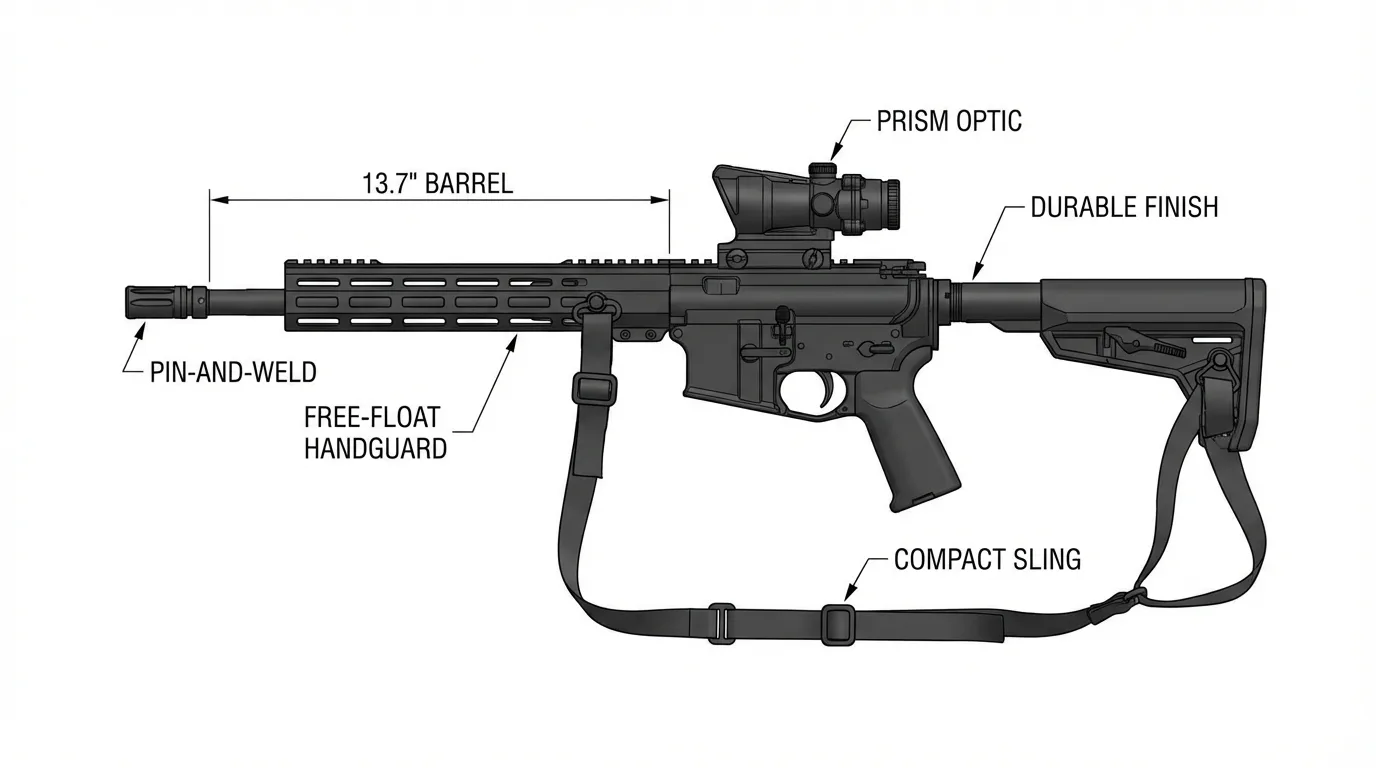
13.7" pin-and-weld, lightweight rail, durable coatings (QPQ / hard anodize).

Core components

  • Prism optic or rugged red dot with long battery life.
  • Lightweight free-float handguard with integral QD sockets.
  • Two-point sling with rubber keeper to prevent snagging in vehicles.
  • Compact suppressor or linear comp to manage blast in confined spaces.

Accessory adds

  • Weather-resistant rifle bag with desiccant packs and spare mags.
  • Compact cleaning kit, lube bottle, and multi-tool stored with the rifle.
  • Spare battery taped to stock and labeled with install date.

Training priorities

  • Quarterly confirmation zero and 100-yard accuracy check.
  • Vehicle deployment drills including accessing the gun under stress.
  • Dry fire with gloves in cold weather to test controls and sling adjustments.

Inspect for corrosion monthly. Cycle magazines and ammo every six months; rotate into training inventory to maintain freshness.

Pivot when needed

The best builds are living documents. When supply chain shifts or mission feedback rolls in, annotate the playbook, share it with the team, and update the builder presets so everyone benefits.

Dial in the Details

These playbooks give you the component stacks. For the deeper decisions behind each choice, see:

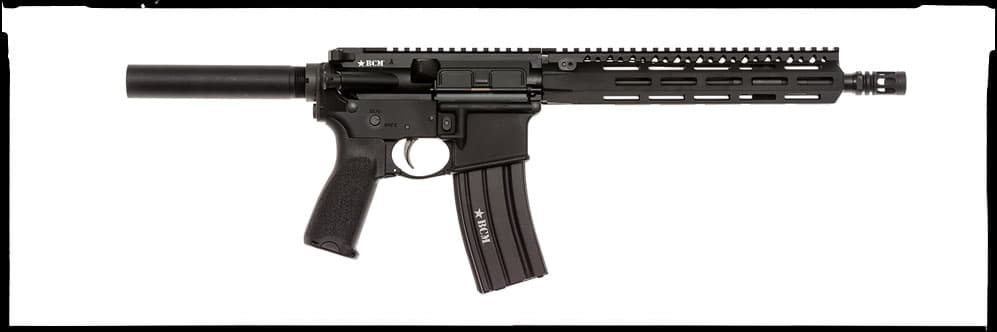
BCM RECCE-11 (11.5" Suppressor-Ready)

  • Optimized carbine gas
  • Ready for suppressor use
Check Price at OpticsPlanet

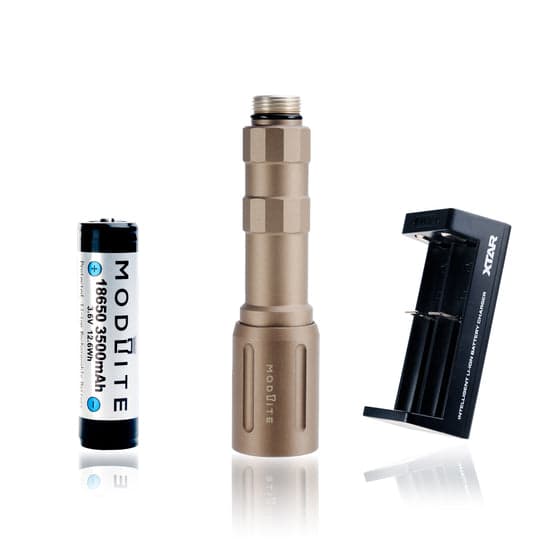
Modlite PLHv2 + Cloud Rein

  • High candela beam
  • Durable tailcaps
Check Price at OpticsPlanet

1-10x LPVO

  • Backed by lifetime warranties
  • Daylight-bright reticles
$2189.00
Check Price at OpticsPlanet

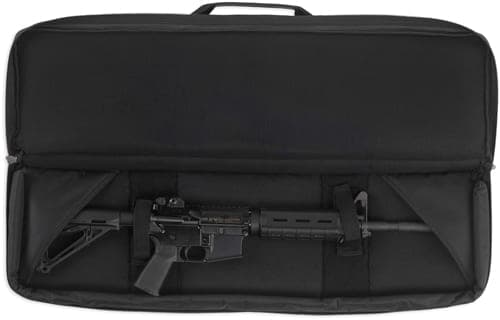
Discreet Truck Soft Case

  • Fits folding stocks
  • Loop fields for mags
Check Price at OpticsPlanet

Affiliate links — purchases support this site at no extra cost to you. (?)

Frequently Asked Questions

What is a recce rifle?
A recce rifle (reconnaissance rifle) is a precision-oriented AR-15 build bridging CQB capability and mid-distance accuracy: typically 16" stainless barrel, rifle-length gas, match trigger, and a 1-8x or 2-10x LPVO with MIL reticle. It's designed for observation, target identification, and accurate shots out to 500+ yards while remaining capable at close range. Key features include bipod compatibility, adjustable gas for suppressor use, and an offset red dot for close engagements. The recce concept originated from SEAL reconnaissance teams needing rifles that could perform precision work while remaining patrol-weight.
What is a patrol rifle vs a duty rifle?
A patrol rifle is configured for general-purpose law enforcement or military response: typically a 14.5" pinned mid-length barrel with 1-6x LPVO, weapon light, and ambi controls. It handles urban and rural scenarios from 0-300 yards. A duty rifle often refers to the same concept but emphasizes department standardization: identical optic heights, sling setups, and maintenance schedules across all officers. The key difference is patrol rifles are optimized for vehicle deployment and rapid egress, while duty rifles prioritize fleet-wide parts interchangeability.
What is the best AR-15 caliber to build?
5.56 NATO is the best starting point for versatility, ammo availability, and cost. It excels at 0-500 yards with proper barrel length (14.5-16"), has proven terminal performance, and offers the widest selection of barrel/bolt options. For specialized missions: .300 Blackout for suppressed SBRs under 10", .223 Wylde for precision shooting, 6.5 Grendel or 6mm ARC for long-range work beyond 600 yards. Most shooters should build their first AR in 5.56 and add specialized calibers later based on actual mission needs.
What is the best barrel length for home defense AR-15?
11.5" is the sweet spot for home defense AR-15s. It provides enough barrel length for reliable cycling with carbine gas, adequate velocity for terminal performance at indoor distances, and a compact overall length that clears doorways and corners. Shorter barrels (10.3") exist but create significant flash/blast without a suppressor. Longer barrels (14.5", 16") are harder to maneuver in hallways. If running a suppressor indoors (highly recommended), 11.5" keeps overall length manageable while reducing hearing damage risk.
What optic for home defense AR-15?
A quality red dot on a 1.93" or 2.26" mount is ideal for home defense. The raised mount height allows heads-up shooting with or without night vision, faster target acquisition, and a more natural cheek weld. Top choices: Aimpoint Duty RDS, Holosun AEMS, or Trijicon MRO HD. Avoid LPVOs for dedicated home defense, as the magnification isn't needed at indoor distances and adds weight. If budget is limited, a Holosun 403 or Sig Romeo5 on a Scalarworks or Unity mount performs well. Shake-awake feature is critical so the optic is always on when you grab the rifle.
What is the best size AR-15 for home defense?
11.5" barrel length is the sweet spot for home defense. It provides enough length for reliable cycling with carbine gas, adequate velocity for terminal performance at indoor distances (2,700+ fps with M193), and a compact overall length (~27" collapsed) that clears doorways. A 10.3" barrel works but produces more flash and blast without a suppressor. If you want to avoid SBR/NFA paperwork, a 14.5" barrel with pinned muzzle device gives you a non-NFA rifle that still handles well indoors.
Is an AR-15 overkill for home defense?
No, an AR-15 in 5.56 is actually one of the better home defense options. Quality 5.56 defensive ammo (like 77gr TMK or Federal TBBC) fragments or expands rapidly, often penetrating fewer walls than 9mm or 00 buckshot. The platform offers low recoil, high capacity, easy-to-use sighting systems, and a weapon light capability that most handguns struggle to match. The key is using proper defensive ammunition rather than FMJ/M855 steel penetrator, which will over-penetrate.
Is 5.56 or .223 better for home defense?
Both work, but understand the difference. 5.56 NATO operates at higher chamber pressure than .223 Rem, producing slightly higher velocity. For home defense, the ammo selection matters far more than the headstamp. Use quality expanding ammunition: 77gr Sierra TMK, 62gr Federal TBBC, or 55gr Hornady TAP. Avoid M855 green tip (designed to penetrate, not expand). If your barrel is marked .223 Wylde, it safely fires both calibers and is the best option for flexibility.