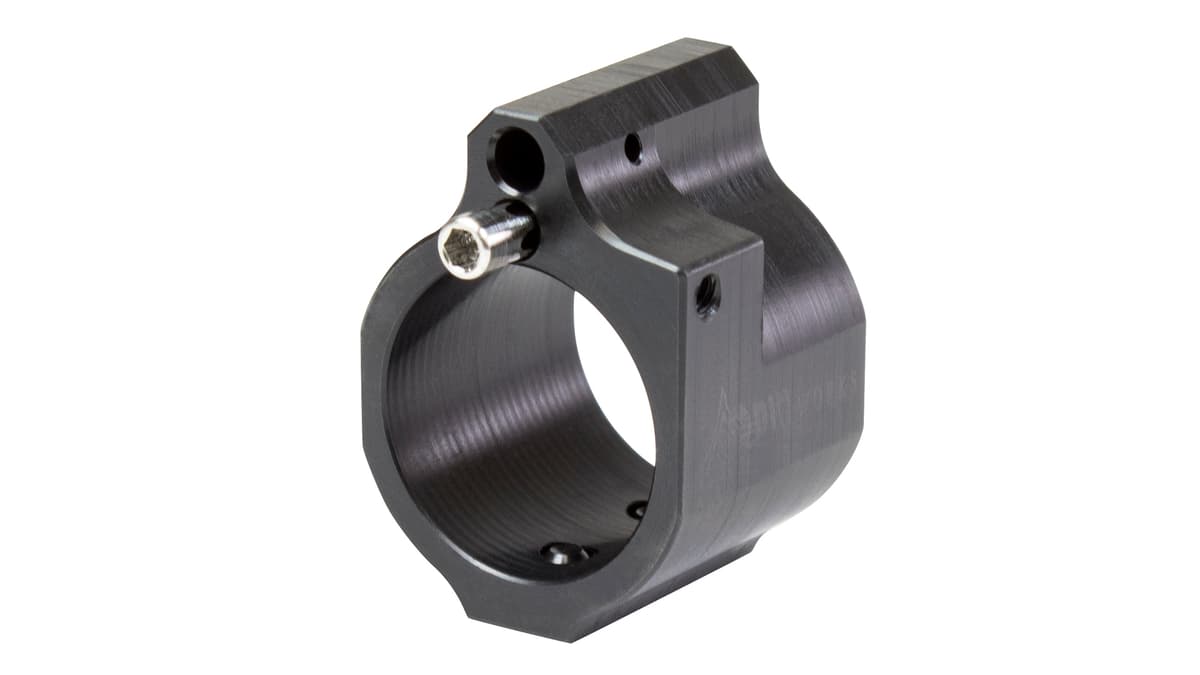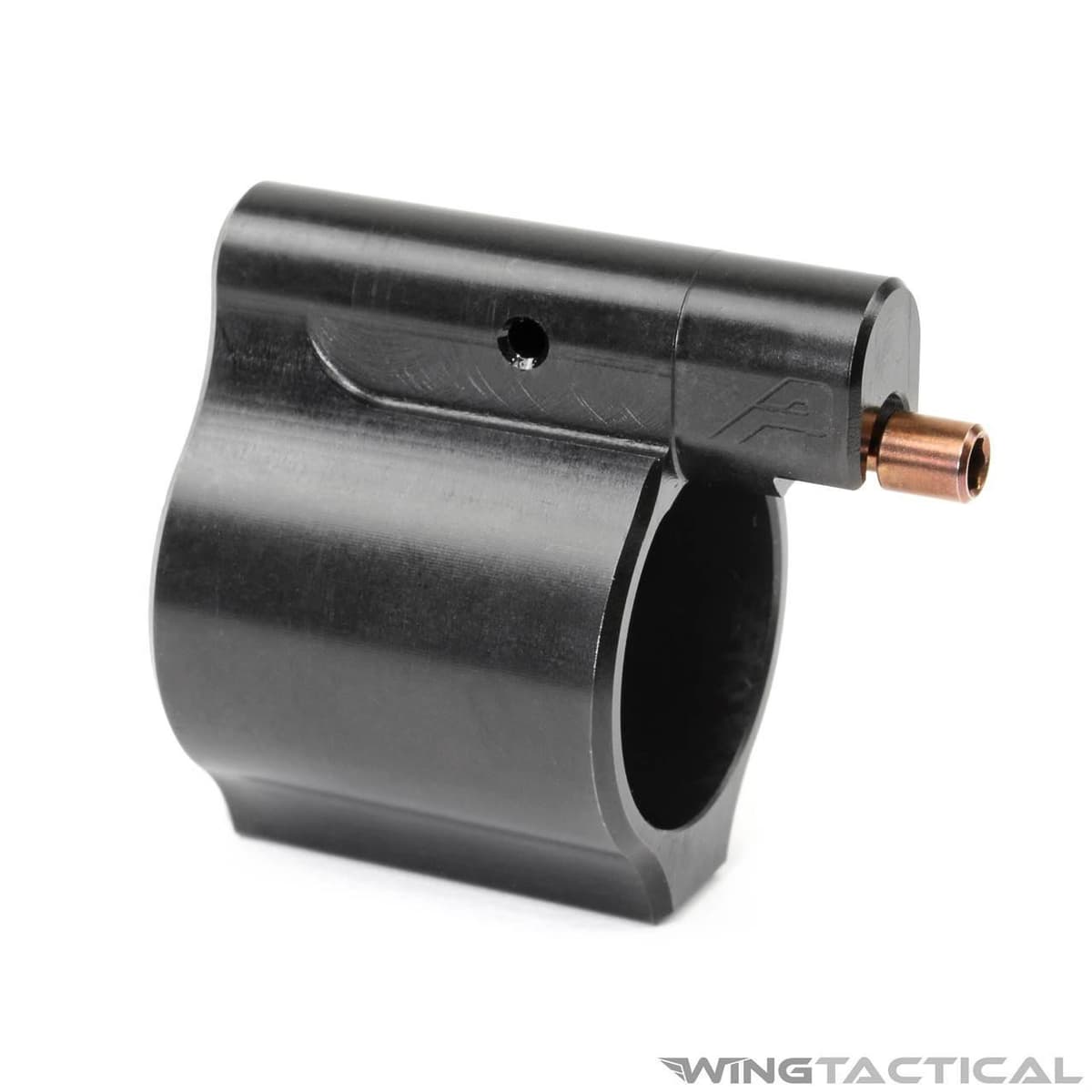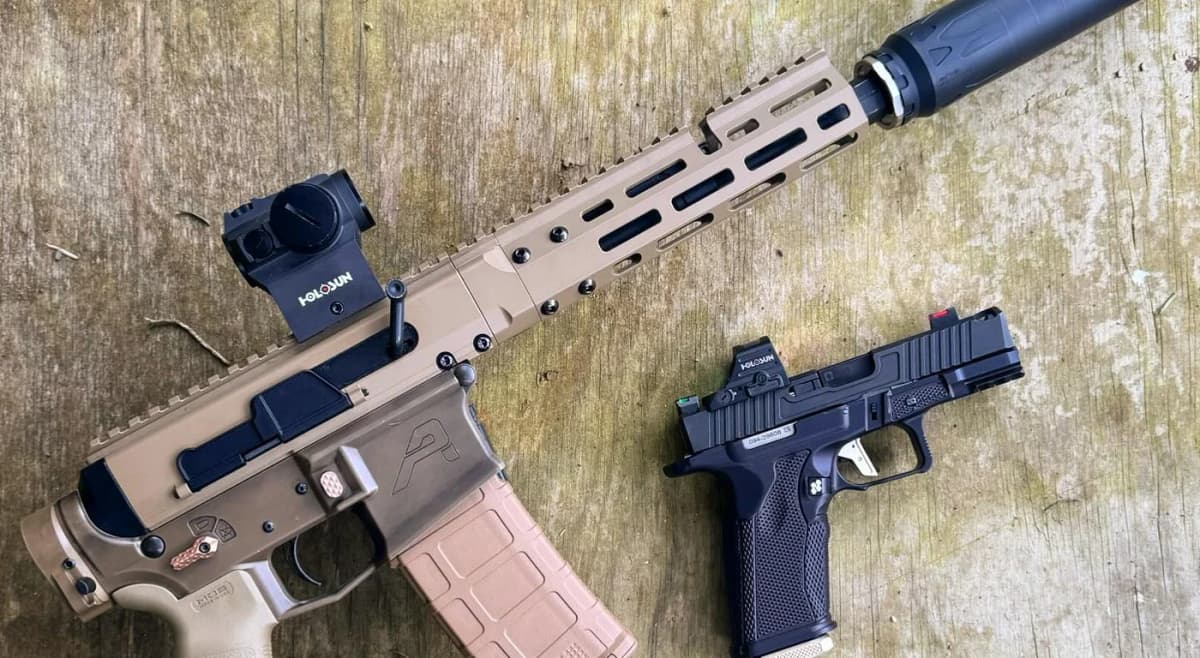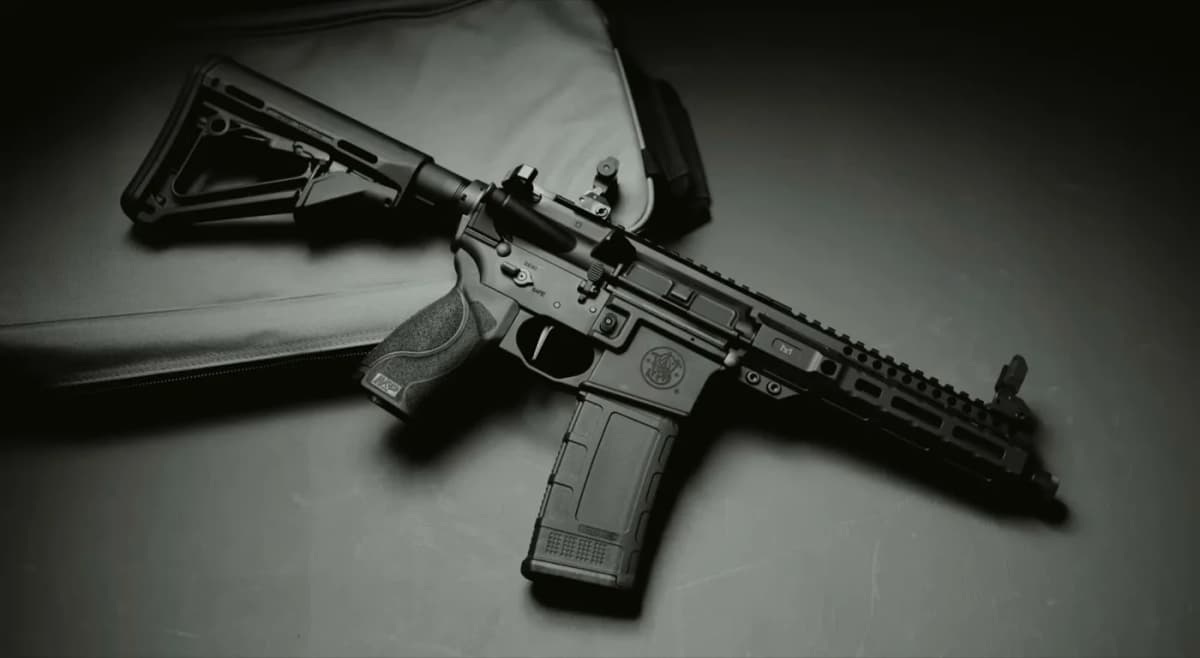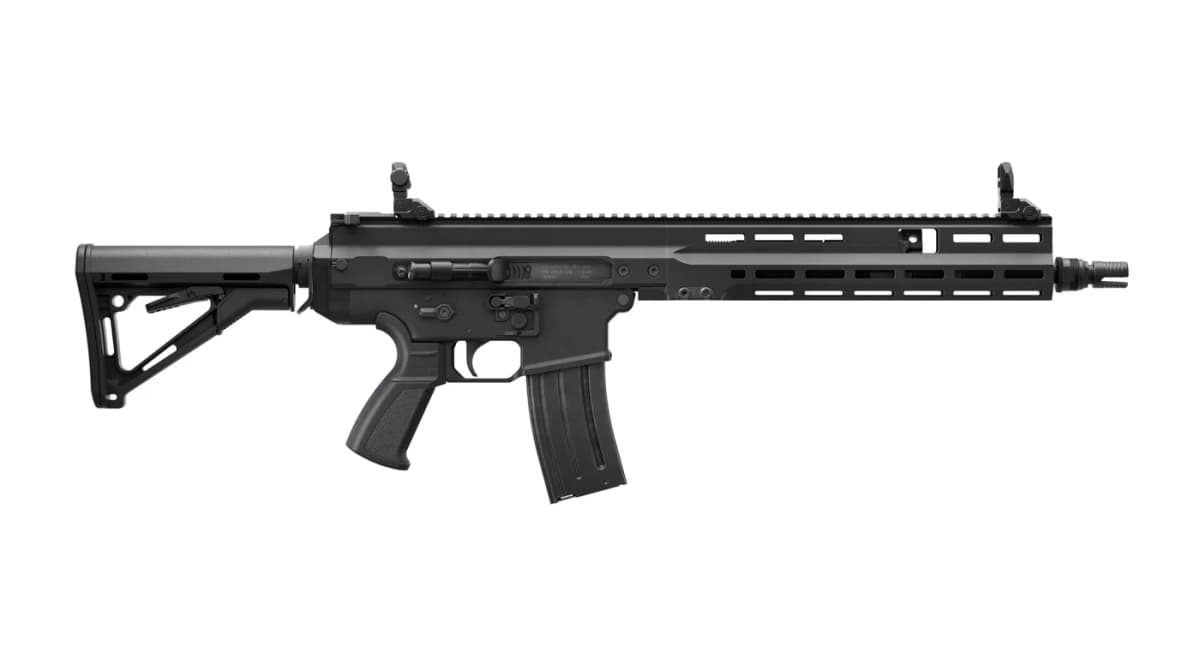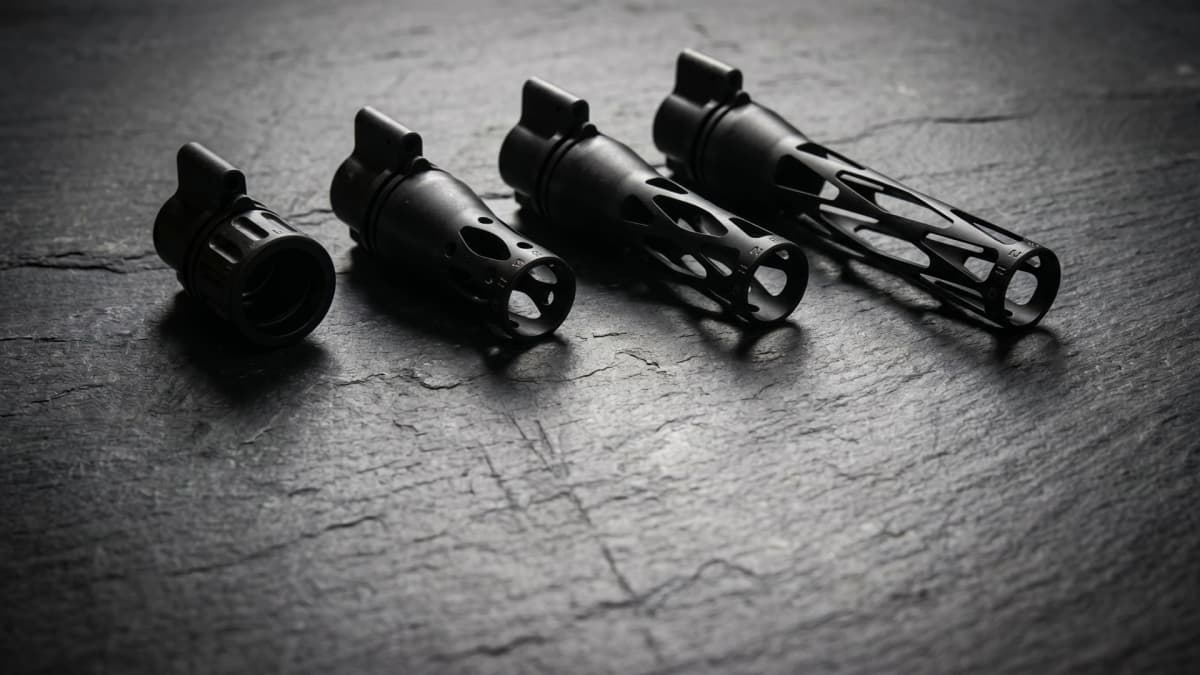
Best AR-15 Adjustable Gas Blocks 2026: Suppressor Picks header image
Gear
May 14, 2026
Best AR-15 Adjustable Gas Blocks 2026: Suppressor Picks

The best AR-15 adjustable gas blocks for 2026, ranked for suppressor hosts and precision builds. Riflespeed is the editor's choice tool-free pick, Superlative Arms is the bleed-off canonical for suppressed rifles, SLR Sentry 7 wins side-adjust, JP Enterprises holds the anti-migration crown, Seekins Select is the mid-tier fine-tune pick, plus budget Odin Works and Aero options and BRT EZTune fixed-tune gas tubes for pinned blocks and pin-and-weld builds.

[ < Back to guides ]
Buying guideAR-15Suppressed

Best AR-15 Adjustable Gas Blocks 2026: Suppressor Picks

The best AR-15 adjustable gas block for 2026 is the Riflespeed Gas Control ($199). It is the only adjustable on this list you can retune at the firing line by hand, 12 tool-free detent positions (24 with the secondary plunger), no Allen key, and no handguard removal. If your rifle never sees a suppressor or a tuned load, an adjustable gas block solves no real problem, stock low-profile blocks have shipped on millions of duty rifles for a reason. If you swap between suppressed and unsuppressed, run an SBR under a can, or build precision guns tuned per ammunition lot, the five ranked picks below are where the money goes.

By AB|Last reviewed May 2026

Editor's Choice: Riflespeed Gas Control

Tool-free, finger-adjustable, detented gas control with 12 standard positions and a secondary plunger that doubles the range to 24. The retune-without-tools workflow is unique on this list, which is what earns Riflespeed the top slot for shooters who actually swap suppressed and unsuppressed on the same rifle.

1

Riflespeed Adjustable Gas Block

Best overall AR-15 adjustable gas block

$200

Click-adjustable gas block with tool-free finger adjustment. Dial in suppressed and unsuppressed settings without removing the handguard.

Editor's ChoiceTool-Free24 Click Positions
Pros
  • +Greatest adjustment range available for AR-15 platforms
  • +Tool-free adjustment allows changes without handguard removal
  • +Audible/tactile clicks provide positive feedback
Cons
  • Higher price point at $199 MSRP
  • Taller profile than some ultra-low gas blocks
  • Adjustment mechanism adds complexity vs. set-screw designs
Adjustment Positions: 12 standard (24 with secondary plunger)Adjustment Type: Tool-free finger adjustment with detentsHeight: 1.53 inchesGas Journal Sizes: .750 inch, .625 inch

The 5 Best AR-15 Adjustable Gas Blocks Ranked

Five adjustable gas blocks for the AR-15 ranked by suppressor-host fit, retune workflow, build quality, and journal coverage. Riflespeed leads on tool-free retunes; Superlative Arms wins on bleed-off cleanliness; SLR Sentry 7 takes side-adjust convenience; JP holds the anti-migration crown; and the Seekins Select rounds out the list as the mid-tier fine-tune pick.

The 5 Best AR-15 Adjustable Gas Blocks Ranked

Five adjustable gas blocks ranked for the AR-15 in 2026. Riflespeed is the editor's choice for shooters who swap between suppressed and unsuppressed; the rest are ordered by suppressor pedigree, side-adjust convenience, anti-migration build quality, and value-tier fine-tune control.

1

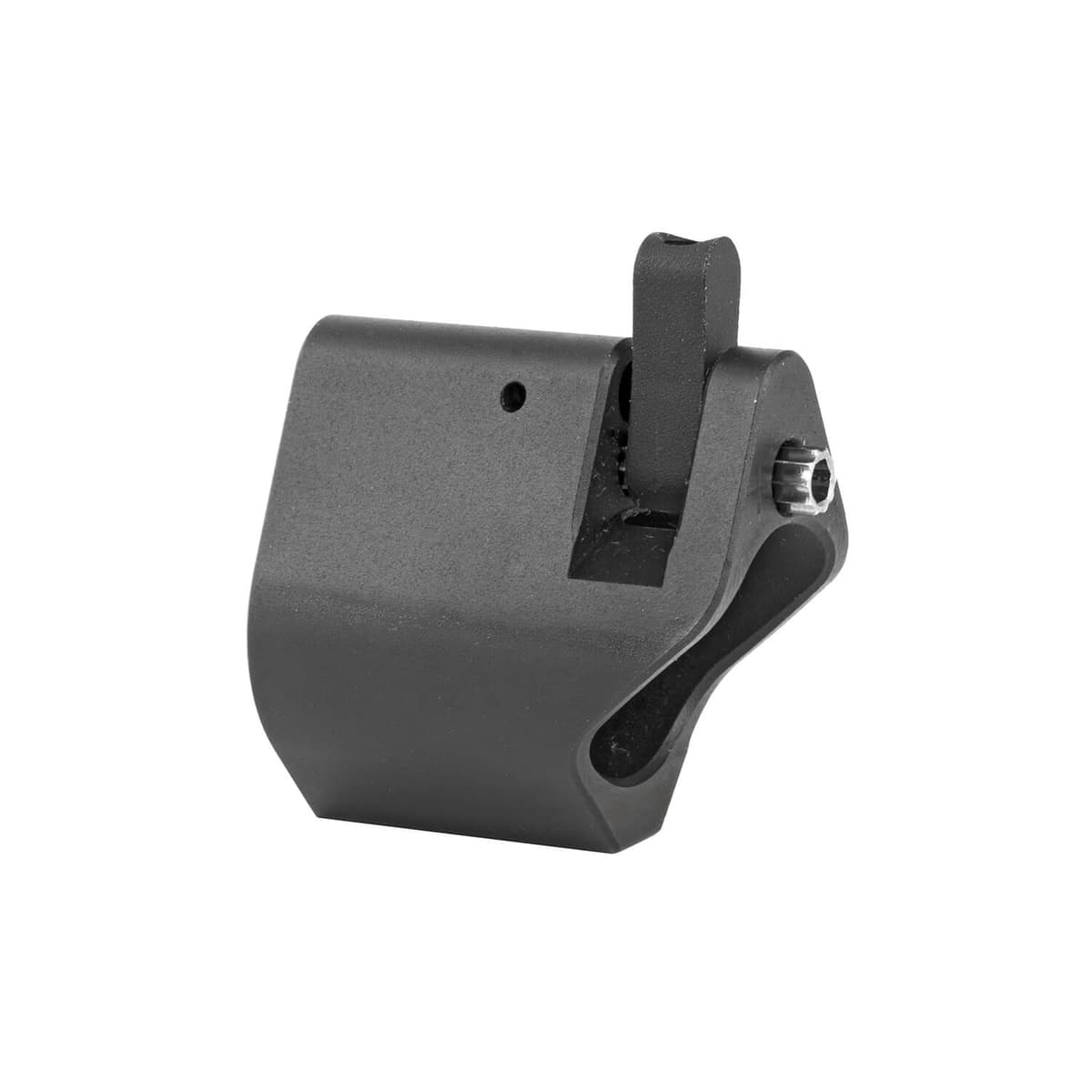
Riflespeed Gas Control

Best overall and editor's choice. Tool-free clicks let you swap suppressed and unsuppressed settings at the firing line without pulling the handguard, the most useful feature on any 2026 adjustable gas block.

$199
Shop at Brownells
Editor's ChoiceTool-Free24 Clicks Total
  • +Tool-free finger adjustment, no Allen wrench or handguard removal
  • +12 distinct detents standard, 24 with the included secondary plunger for fine tuning
  • +Tactile and audible clicks readable through gloves
  • $199 street is the most expensive non-piston adjustable block on the list
  • Taller profile than a Sentry 7 or Superlative; verify handguard inside diameter clears
  • Premium price is wasted on a rifle that stays unsuppressed
Adjustment style: Click detent, finger-adjustablePositions: 12 (24 with secondary plunger)Journal sizes: .750 in / .625 inMount: Set-screw or clamp-on
2

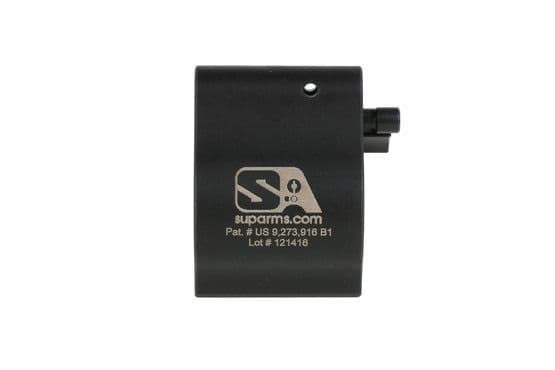
Superlative Arms Adjustable Bleed-Off

Best for dedicated suppressor hosts. Bleed-off design keeps the bolt carrier group and upper noticeably cleaner than restrictive blocks under sustained suppressed fire.

$89.99
Shop at Brownells
Best for SuppressorsBleed-Off30 Positions
  • +Bleed-off architecture reduces carbon fouling in the BCG and upper under a can
  • +30 detented positions across .625 through .936 journals covers AR-15 and AR-10 builds
  • +416 stainless with Melonite QPQ handles heat and carbon better than carbon steel rivals
  • Front-mounted screw requires handguard removal to retune
  • Forward gas vent can need a non-standard offset gas tube on .750 builds
  • Bleed-off advantage is muted on unsuppressed builds where restrictive blocks work fine
Adjustment style: Bleed-off, click detentPositions: 30 locked positionsJournal sizes: .625 / .750 / .875 / .936 inMaterial: 416 stainless, Melonite QPQ
3

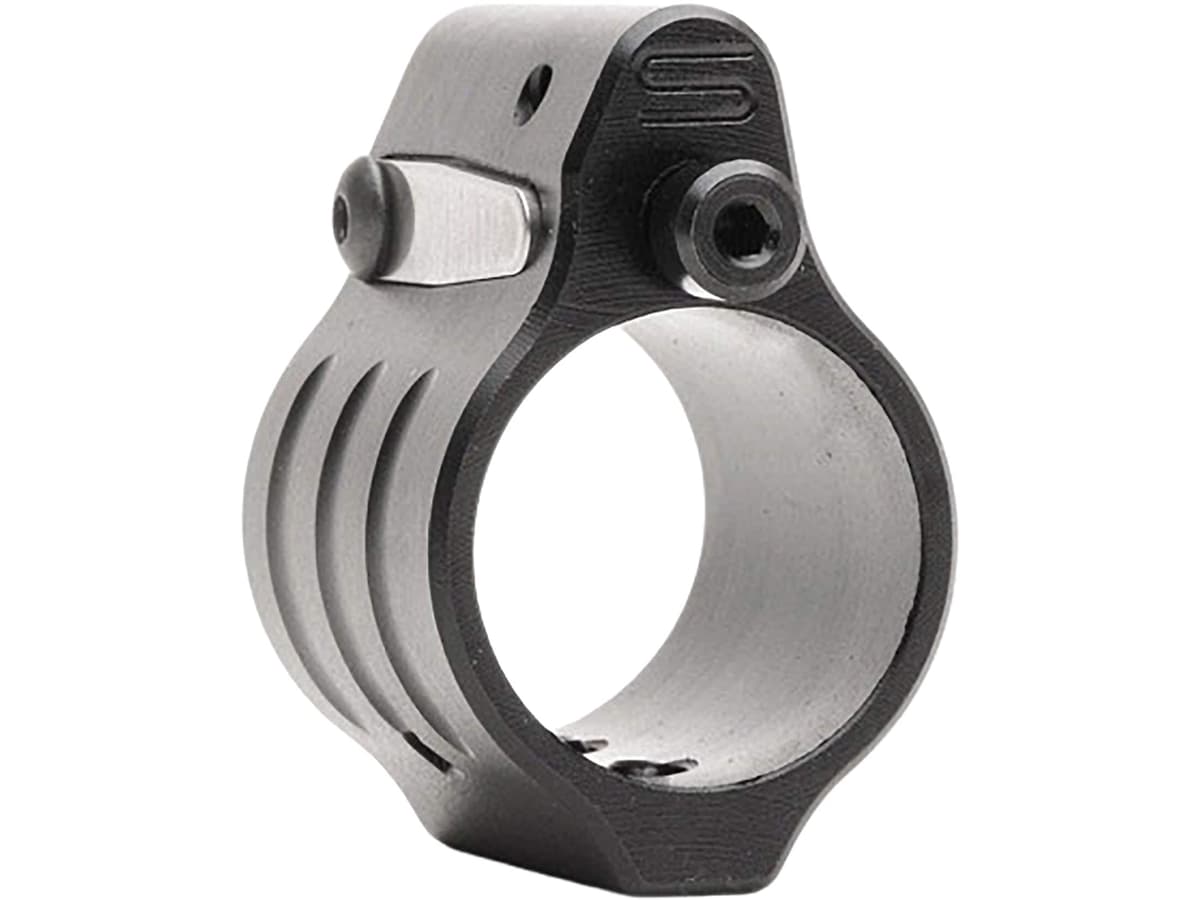
SLR Rifleworks Sentry 7

Best for precision and competition AR-15s with .750 inch journals where the shooter wants side-access tuning through a 1.35 in ID handguard like the SLR Ion or Helix.

$149
Shop at Brownells
Side-Adjustable15 Clicks.750 Only
  • +Side-mounted captive screw retunes without handguard removal on compatible rails
  • +Detented clicks stay put under sustained fire (US Patent 9,410,756)
  • +4140 steel with Melonite QPQ resists heat and carbon longer than budget alternatives
  • .750 inch only; .875 buyers need the Sentry 8 SKU
  • Set-screw variant needs a 1.35 inch ID handguard for side-access tuning
  • Restrictive design is less suppressor-optimized than the Superlative Arms bleed-off
Adjustment style: Side-mounted click detentPositions: 15 captive clicksJournal size: .750 in (Sentry 7)Material: 4140 steel, Melonite QPQ
4

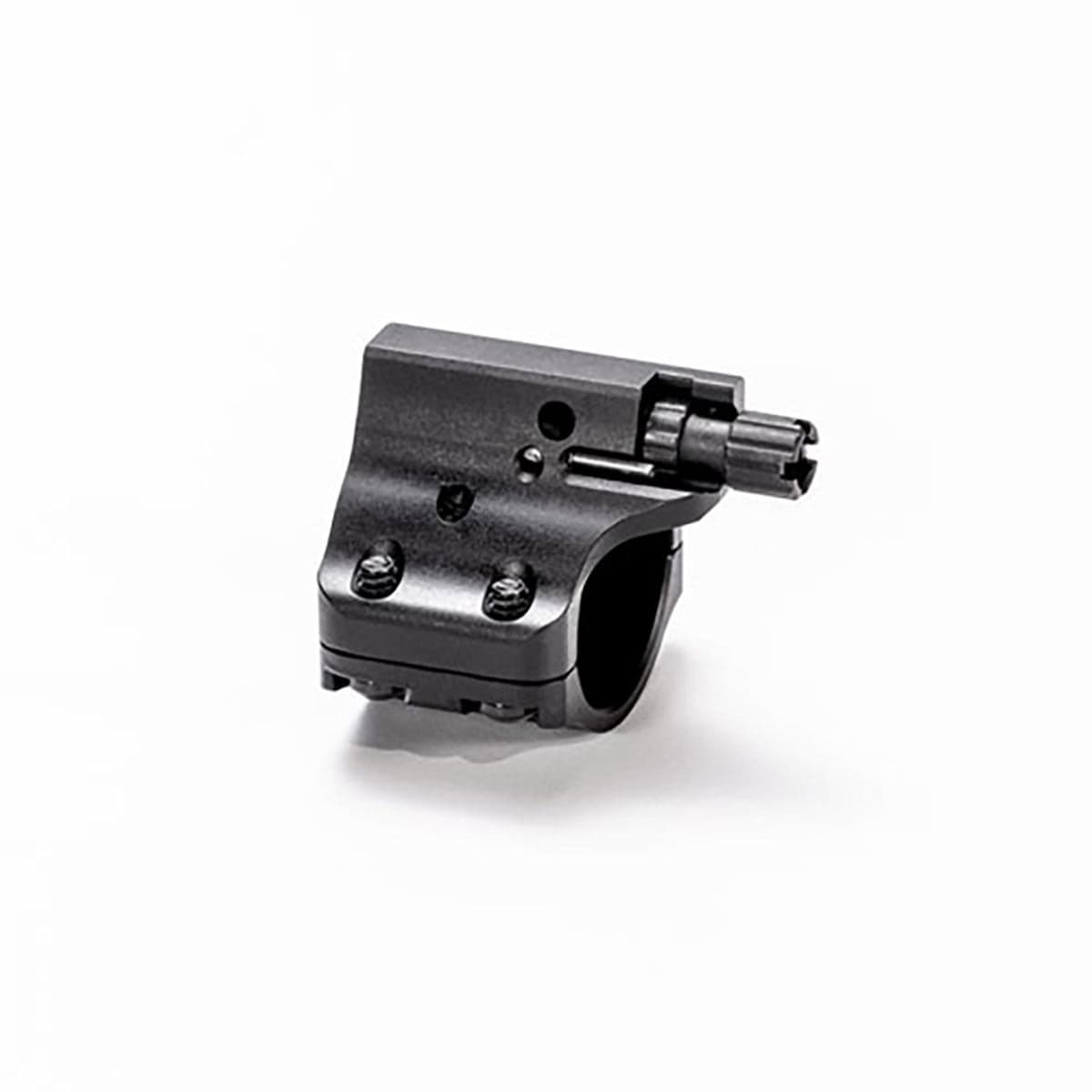
JP Enterprises JPGS-11D2 Adjustable Gas System

Best for precision and competition rifles where the gas setting needs to stay locked under long strings, and for builders who don't want to pull the barrel to install the block.

$150
Shop at Brownells
Anti-Migration2-Piece InstallPremium
  • +Anti-migration tensioning screw locks the gas setting under sustained fire
  • +Two-piece body installs on an already-assembled barrel, no barrel pull required
  • +Three journal sizes (.625 / .750 / .875) cover AR-15 and AR-10 platforms
  • Front-of-block adjustment requires handguard removal to retune
  • JP only guarantees fit with JP barrels and handguards
  • Restrictive design is less suppressor-optimized than a bleed-off
Adjustment style: Detent click + anti-migration screwPositions: Detented click (front of block)Journal sizes: .625 / .750 / .875 inMaterial: Black stainless steel
5

Seekins Precision Select

Best mid-tier fine-tune option. 40 positions cover ammunition-specific tuning on a .750 precision rifle without paying Riflespeed money.

$119
Shop at Brownells
40 PositionsTool-lessMid-Tier
  • +40 fine-adjust positions allow ammunition-lot-level tuning
  • +Tool-less front-of-block selector
  • +Factory cross-pin pilot hole for permanent gunsmith installation
  • Front-of-block adjustment still requires handguard removal to retune
  • .750 inch only, no .875 SKU
  • Restrictive design is not optimized for full-time suppressor hosts
Adjustment style: Tool-less fine-adjust detentPositions: 40 fine-adjustJournal size: .750 inMaterial: Steel, Melonite finish

Affiliate links - purchases support this site at no extra cost to you. (?)

Adjustment Style, Mount & Carbon-Lock Comparison

The four variables that actually pick your gas block are adjustment style (bleed-off versus restrictive), mount type (clamp-on versus set-screw versus pinned), tuning access (front of block versus side of block versus tool-free), and carbon-lock risk under sustained suppressed fire. Match the row to your build before you optimize on price.

Riflespeed Gas Control
Restrictive, click detent
Mount styleSet-screw or clamp-on
Tuning accessFront, tool-free (finger)
Journals.625 / .750 in
Carbon-lock riskModerate (restrictive)
Best forSuppressed/unsuppressed swap at the firing line
Superlative Arms Bleed-Off
Bleed-off, click detent
Mount styleClamp-on or set-screw
Tuning accessFront, tool required
Journals.625 / .750 / .875 / .936 in
Carbon-lock riskLowest of the group
Best forDedicated suppressor host (cleanest BCG)
SLR Sentry 7
Restrictive, click detent
Mount styleClamp-on or set-screw
Tuning accessSide, tool required
Journals.750 in only
Carbon-lock riskModerate (restrictive)
Best forPrecision/competition with side-cutout handguards
JP Enterprises JPGS-11D2
Restrictive, detent + anti-migration
Mount styleTwo-piece clamp
Tuning accessFront, tool required
Journals.625 / .750 / .875 in
Carbon-lock riskModerate (restrictive)
Best forPrecision rifles that need a locked, stay-put setting
Seekins Select
Restrictive, 40-position fine
Mount styleSet-screw (cross-pin pilot)
Tuning accessFront, tool-less
Journals.750 in only
Carbon-lock riskModerate (restrictive)
Best forMid-tier load-specific fine tuning
BRT EZTune Gas Tube
Fixed orifice in the tube
Mount styleStandard gas-tube roll pin
Tuning accessNone (set-and-forget)
JournalsAny (pin-and-weld friendly)
Carbon-lock riskLowest (no moving parts)
Best forPinned gas blocks and pin-and-weld muzzle devices

When to Choose Bleed-Off vs Restrictive

Bleed-Off (Superlative Arms)

Vents surplus gas forward through a port on the front of the block. The gas leaves the system instead of routing back through the gas tube and into the bolt carrier, which is exactly what fouls a suppressed AR under sustained fire. Bleed-off wins on full-time suppressor hosts, dedicated SBRs running a can, and anyone who shoots enough suppressed rounds to clean the BCG often. The trade-off is that the forward vent can need an offset gas tube on .750 builds, and the architecture wastes effort on rifles that mostly run unsuppressed.

Restrictive (Riflespeed, SLR, JP, Seekins, Odin, Aero)

Chokes flow into the gas tube by closing off the bore as you click. Tighter click feel per detent, smaller block profile, and most have decades of competition pedigree. Restrictive blocks are the right call for unsuppressed competition guns, precision rifles tuned per ammunition lot, and shooters who care about retune workflow more than absolute action cleanliness. The Riflespeed's tool-free clicks are the architecture-level exception that makes restrictive work cleanly on swap-suppressor builds too.

Budget Adjustable Gas Block Picks

Two value-tier adjustable gas blocks under $100. Both are basic front-adjust set-screw designs, but both come from established AR brands with consistent retailer availability. Pick the Odin if you want the cheapest detented adjustable block in this guide; pick the Aero if your build is already Aero-ecosystem and you want the lifetime warranty coverage.

20-click ball detent · .750 in

Odin Works Adjustable Low Profile

Budget pick for 16 in carbine and midlength suppressor builds. Ball-detent clicks at the lowest credible street price for a detented adjustable block.
  • 20 click positions on a ball-detent design
  • Carbon steel body with nitride finish, stainless adjustment hardware
  • Not rated for pistol-length gas systems or high-pressure cartridges
$85.00MSRP
Shop at Brownells
Set-screw · .750 in · Lifetime warranty

Aero Precision Adjustable Low Profile

Budget pick for an Aero-ecosystem build. The right matching block when your barrel, upper, and handguard are already Aero, and you want lifetime warranty coverage.
  • Black nitride over precision-machined steel
  • Set-screw mounting with click-detent front adjustment
  • Aero Precision lifetime warranty
  • Frequently out of stock at Aero direct; route through Brownells / OpticsPlanet
$80.00MSRP
Shop at Brownells

Affiliate links - purchases support this site at no extra cost to you. (?)

Fixed & Tuned-Gas Alternatives: You Might Not Need an Adjustable Block

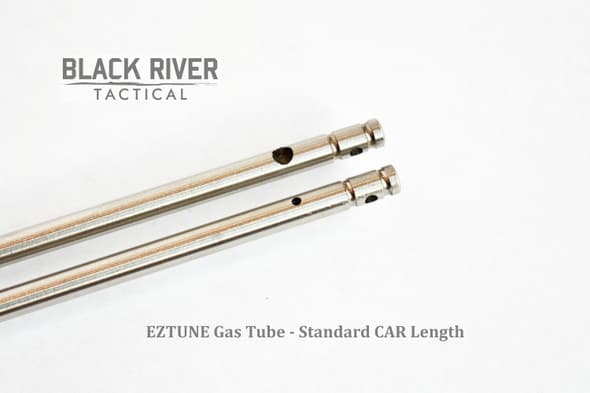
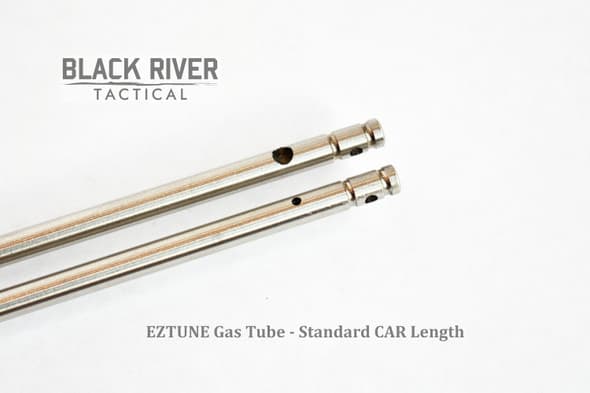
If your gas block is pinned, your muzzle device is pinned and welded, or your build is a dedicated single-load rifle, a tuned gas tube is often the better answer than an adjustable gas block. Black River Tactical's EZTune tubes drop a precision-machined orifice inside the gas tube itself. No handguard removal, no moving parts, no detents to walk under sustained fire, just a fixed restriction sized to your barrel's gas port and intended use. Three lengths cover 10.3 in pistol-length SBRs through 16 in midlength carbines.

Tuned gas tube · 10.3-13 in barrels

Black River Tactical BRT EZTune Gas Tube – Carbine

Best fixed-tune option for short carbine-length suppressor hosts. Drop-in gas restriction with no adjustable hardware, no handguard removal, and no moving parts to fail.
  • Precision-machined orifice restricts gas inside the tube
  • Installs in under 10 minutes with a roll-pin punch
  • Multiple port sizes; pick by barrel gas-port diameter
$65.00 MSRP
View Deal
Tuned gas tube · 14.5-16 in barrels

Black River Tactical BRT EZTune Gas Tube – Midlength

Best fixed-tune option for 14.5 in pin-and-weld and 16 in midlength suppressor hosts where adjustable blocks behind a permanent muzzle device aren't practical.
  • Built for midlength gas systems (14.5-16 in barrels)
  • Pairs cleanly with pin-and-weld muzzle devices
  • Set-and-forget, ~5,000-10,000 round service life
$65.00 MSRP
View Deal
Tuned gas tube · 10.3-11.5 in SBR/pistol

Black River Tactical BRT EZTune Gas Tube – Pistol

Best fixed-tune option for suppressed SBRs and AR pistols on pistol-length gas systems. Tames the extreme backpressure of a 10.3 in suppressed host without adding a bulky adjustable block.
  • Built for pistol-length gas systems (10.3-11.5 in barrels)
  • Critical for managing suppressed SBR backpressure
  • Pairs with a low-back-pressure can and a gas-buster charging handle
$65.00 MSRP
View Deal

Affiliate links - purchases support this site at no extra cost to you. (?)

Reality Check

Do You Actually Need an Adjustable Gas Block?

For most AR-15 owners, the honest answer is no. Stock low-profile non-adjustable gas blocks ship on duty rifles from Daniel Defense, BCM, KAC, LMT, and Geissele for a reason: a correctly sized fixed gas port plus a quality buffer is more reliable under hard use than any mechanical adjustable, and there is no setting to walk under sustained fire. An adjustable gas block earns its $90-$200 only when one of these three conditions is true:

  • You run a suppressor. A can adds backpressure that overgasses the action. Adjustable blocks (especially the Superlative Arms bleed-off) let you throttle gas at the source so the bolt isn't slammed back at suppressed velocities. The Riflespeed earns its premium here too because you can retune at the line when you remove the can.
  • You shoot a precision or competition rifle. Dialing gas for a known ammunition lot tightens cycling and reduces brass-throw variance. The SLR Sentry 7, JP D2, and Seekins Select are built for this use case.
  • Your barrel is genuinely overgassed. Some budget barrels ship with an oversized gas port that cycles hot even unsuppressed. An adjustable block is a fix. Verify with a heavier buffer (H2/H3) first, that often solves the problem for less money.

If none of the three apply, skip the adjustable block and put the money toward an actual suppressor or a quality barrel instead.

Adjustable Gas Block by Use Case

Match your gas-block decision to the actual build, not to whichever block has the most YouTube coverage. These are the four highest-leverage AR-15 use cases for an adjustable gas block, each with a primary pick.

Suppressor Host (Dedicated)

Superlative Arms Bleed-Off

Bleed-off keeps the bolt carrier and upper receiver measurably cleaner under sustained suppressed fire than any restrictive design. Pair with a low-back-pressure can from our 5.56 suppressor guide and dial in per the gas system and buffer tuning guide.

Suppressed/Unsuppressed Swap

Riflespeed Gas Control

The only block on this list you can retune by hand at the firing line. 12 standard clicks, 24 with the secondary plunger, no Allen key, no handguard removal. Pairs with a QD muzzle device from the muzzle device guide for the cleanest swap workflow.

300 BLK / SBR (Pinned Block)

BRT EZTune Gas Tube – Pistol

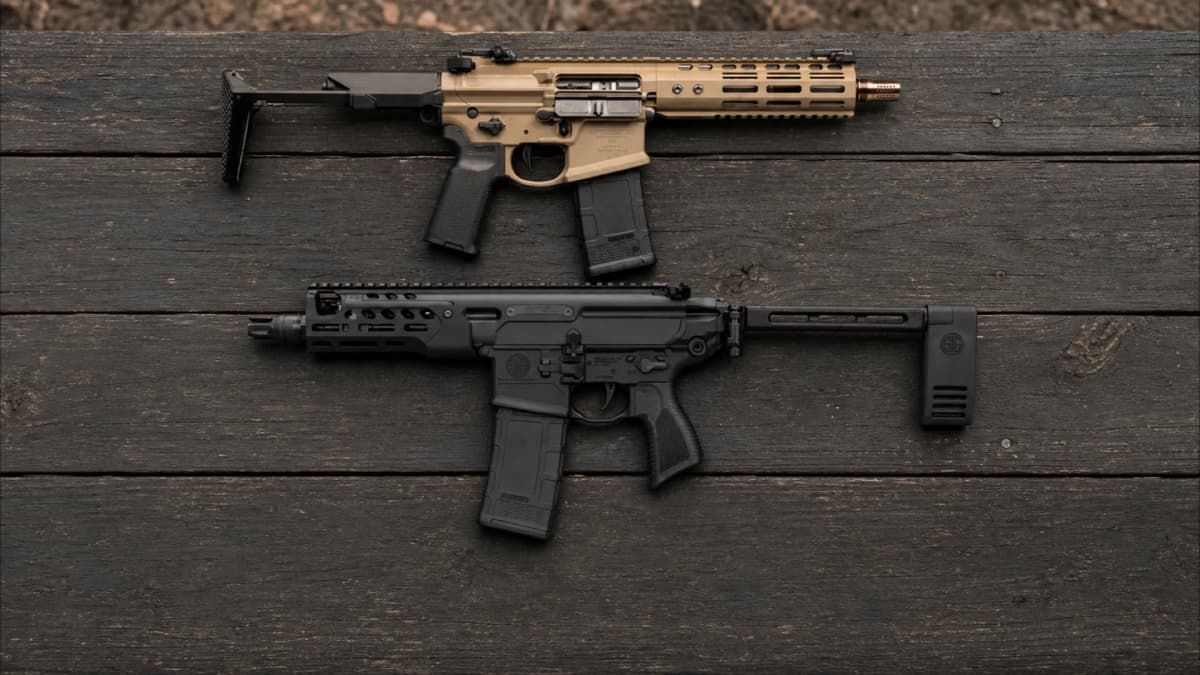
Pistol-length gas on a 10.3 in suppressed SBR generates extreme backpressure. If the block is pinned or the muzzle is pin-and-welded, an adjustable block is impractical, the EZTune drops fixed restriction into the tube itself. See our 300 Blackout guide for barrel and ammunition pairing.

Precision / Competition

SLR Sentry 7 (side-adjust) or JP JPGS-11D2 (locked)

Pick the SLR Sentry 7 if your handguard has a side cutout for tool access (SLR Ion/Helix are the natives); pick the JP D2 if you want the anti-migration tensioning screw to lock a known setting through long strings. Confirm host components against the barrel length guide.

Try a Gas Block on Your Build

The gas block has to match your barrel journal, gas-tube length, and handguard inside diameter. Drop into the rifle builder with your barrel selected to see which blocks fit, then pair with a buffer and BCG per the gas system and buffer tuning guide.

AR-15 Adjustable Gas Block FAQ

Is it good to have an adjustable gas block on an AR-15?
It depends on what you're building. An adjustable gas block earns its keep on three rifle types: dedicated suppressor hosts, suppressed/unsuppressed swap guns, and precision rifles where you want to dial cycling for a specific load. On a standard 16 in 5.56 carbine that will only ever shoot unsuppressed with factory ammo, an adjustable gas block is a $90-$200 part that solves no real problem and adds one more thing to maintain. Stock low-profile gas blocks have shipped on millions of duty rifles for a reason.
Is a Riflespeed gas block worth it?
If you regularly swap between suppressed and unsuppressed on the same rifle, yes. The Riflespeed Gas Control is the only adjustable on this list you can retune at the firing line with your fingers, no Allen wrench and no handguard removal. The 12-detent default range (24 with the secondary plunger) gives you tactile, audible clicks you can feel through gloves. For a duty rifle or a precision gun that sees one ammunition lot and gets dialed once, a Superlative Arms bleed-off or SLR Sentry 7 covers the same problem for less money. Riflespeed's premium is paid for in retune speed.
Does Daniel Defense use an adjustable gas block?
No. Daniel Defense ships rifles with a standard low-profile non-adjustable gas block pinned to the barrel and a properly sized gas port matched to the barrel length. Daniel Defense's position, shared by most major duty-rifle OEMs (BCM, KAC, LMT, Geissele), is that a correctly tuned fixed gas port plus a quality buffer and BCG is more reliable than any adjustable block under hard use. Adjustable blocks are an aftermarket fix for either an overgassed barrel or a suppressor-host workflow, not a duty-rifle default.
Is an adjustable gas block better than a heavier buffer for tuning a suppressor host?
They solve overlapping problems differently. A heavier buffer (H2, H3, or VLTOR A5) increases the bolt carrier's effective mass, so it takes more gas to cycle it, which slows the bolt and reduces felt recoil and brass extraction velocity. An adjustable gas block reduces the gas itself before it reaches the carrier. On a suppressed gun the buffer treats the symptom; the adjustable block treats the cause. For most suppressed builds, start with the right buffer (H2 minimum, H3 or A5 for SBRs), then add a Superlative Arms bleed-off or Riflespeed only if you still see overgassing. Doing both lets you tune precisely, which is the right call on a 10.3 in SBR running a low-back-pressure can.
Bleed-off versus restrictive adjustable gas block, which should I buy?
Bleed-off (Superlative Arms) vents excess gas forward through a port on the front of the block; restrictive (Riflespeed, SLR, JP, Seekins, Odin, Aero) chokes flow into the gas tube. For a dedicated full-time suppressor host, bleed-off wins on action cleanliness, the trapped gas that restrictive designs route back through the bolt carrier is exactly what fouls a suppressed AR. For a rifle that runs unsuppressed most of the time, restrictive is fine and gives you a tighter feel per click. The Riflespeed is restrictive but the fast tool-free retune offsets the architecture difference for swap-suppressor workflows.
What size journal does my AR-15 barrel have?
Standard 5.56/.223 AR-15 barrels use a .750 in journal under the gas block, full stop. Pencil-profile lightweight barrels (~M4 contour) and most match barrels also use .750. The .625 in journal shows up on a smaller subset of barrels, often lightweight or competition profiles. AR-10 / .308 platforms typically use .875 or .936 in journals. Measure with calipers before ordering: every adjustable gas block on this list is journal-specific, and the wrong size will not fit. Riflespeed and Superlative Arms cover both .625 and .750; SLR Sentry 7 and Seekins Select are .750 only; JP D2 covers .625 / .750 / .875.
Will an adjustable gas block fit under my handguard?
Most low-profile adjustable gas blocks on this list (Riflespeed, SLR Sentry 7, Superlative Arms, Seekins Select, Odin, Aero) sit under standard free-float M-LOK and KeyMod handguards with reasonable inside diameter. The SLR Sentry 7 set-screw variant needs a 1.35 in minimum ID handguard to give you side-access tuning through a cutout, the SLR Ion or Helix rails are the native pair. The Riflespeed is slightly taller than a Sentry; verify ID before ordering on a narrow drop-in rail. The JP Enterprises D2 is two-piece, so the block diameter is larger than single-piece designs, check JP's spec sheet against your rail.
Do I need an adjustable gas block for 300 Blackout?
Not strictly, but 300 BLK benefits more than 5.56 from gas tuning, particularly if you run both supersonic and subsonic ammunition and a suppressor. Most 300 BLK builders either use a fixed gas block sized correctly for their ammo class and barrel length, or pair an adjustable block with a heavier buffer for full subsonic-suppressed reliability. A bleed-off block like the Superlative Arms or a tuned BRT EZTune pistol-length tube are both common picks on 8-10.5 in suppressed 300 BLK SBRs. See our 300 Blackout guide for full barrel and ammo selection.