Best Rangefinder 2026: SIG, Leica, Vortex & Maven
The Vortex Razor HD 4000 GB is the best all-around rangefinder for 2026, the SIG KILO3K is the best buy under $500, the new Garmin Xero L60i is the best handheld for backcountry hunters who want onboard topo maps, the Leica Geovid Pro 10x42 AB+ is the best rangefinding binocular, and the Leupold RX-FullDraw 5 is the best bow rangefinder. The rest of this guide explains why, and which Bushnell, Maven, Revic, and Leupold rifle picks are worth a look depending on the rifle you actually shoot.
Best Rangefinders for Hunting and Long-Range Shooting
Ranked across ballistic handhelds, simple hunting rangefinders, bowhunting rangefinders, and premium rangefinding binoculars.
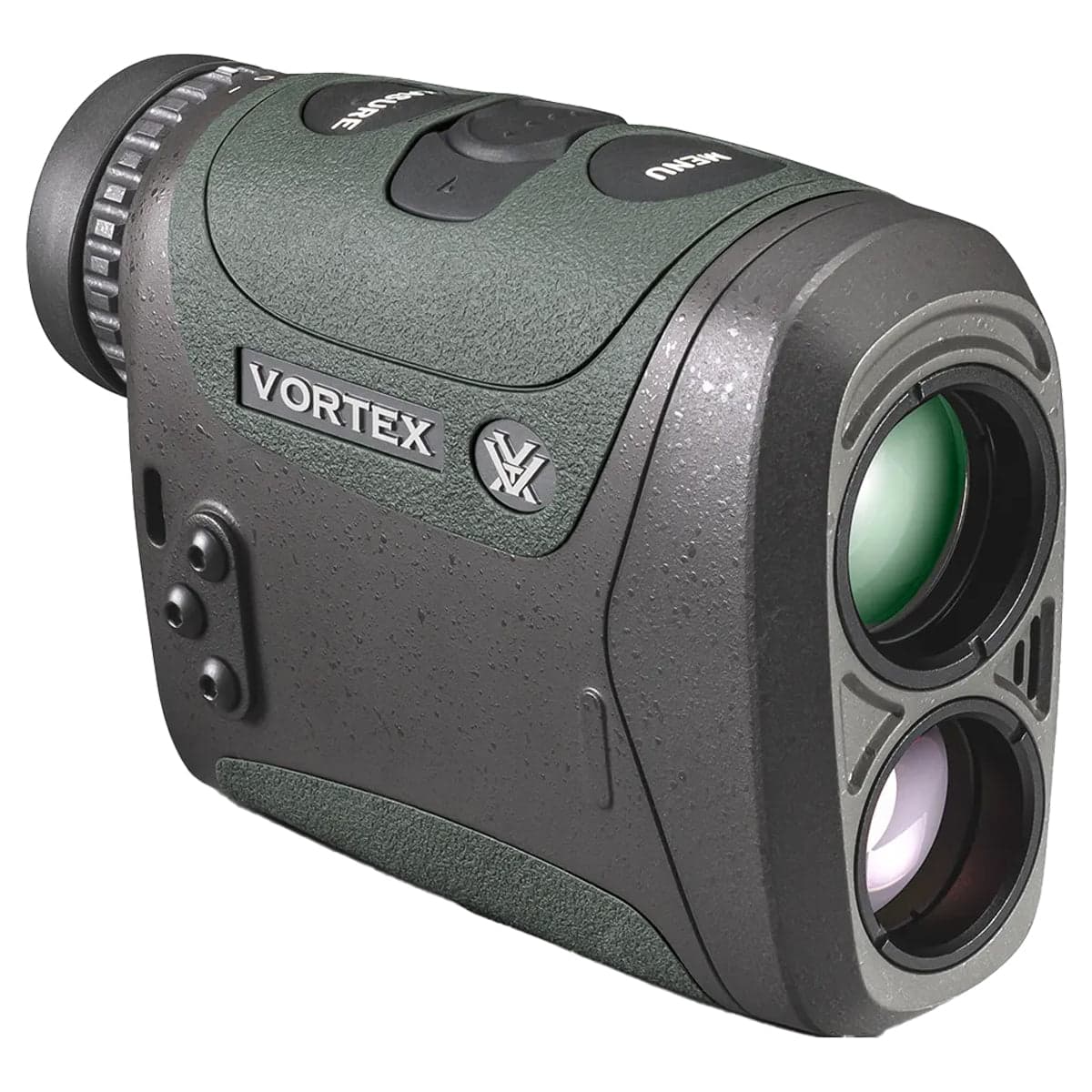
Vortex Razor HD 4000 GB
Best Overall Ballistic Handheld
- +Best combination of range, solver, sensors, and handheld size
- +Kestrel pairing keeps it credible for serious long-range use
- +Strong deer and tree numbers matter more than reflective range hype
- −Too expensive if you only hunt inside 300 yards
- −Not the natural choice for shooters already standardized on Applied Ballistics Elite
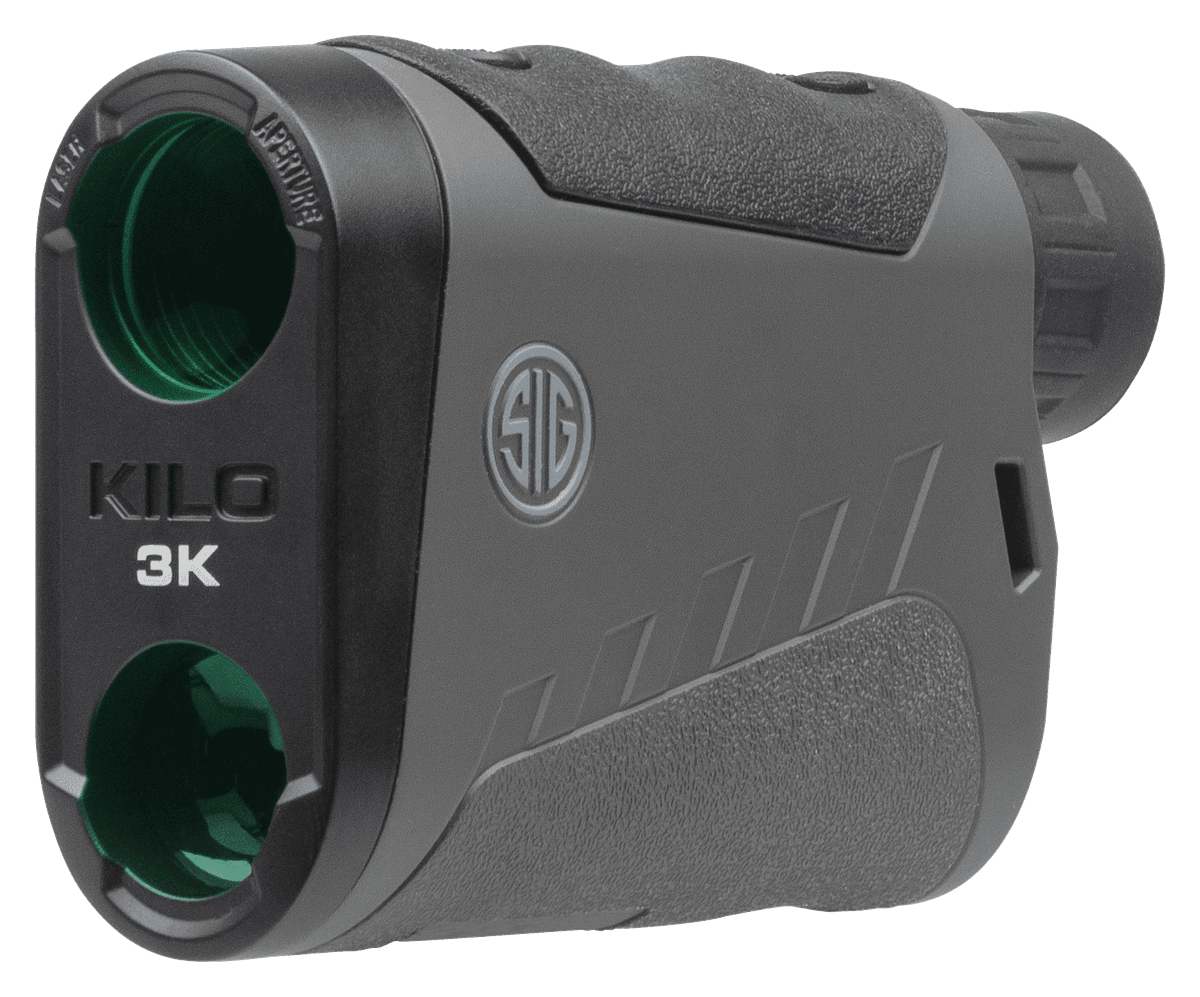
SIG Sauer KILO3K
Best Ballistic Rangefinder Under $500
- +Best price-to-features ratio among ballistic picks
- +Light enough for a bino harness or jacket pocket
- +BDX-U, BDX-X, AMR, LOS, and archery modes cover most field workflows
- −AB Ultralight is not a full AB Elite solution
- −Most valuable if you are comfortable with SIG's BDX app ecosystem
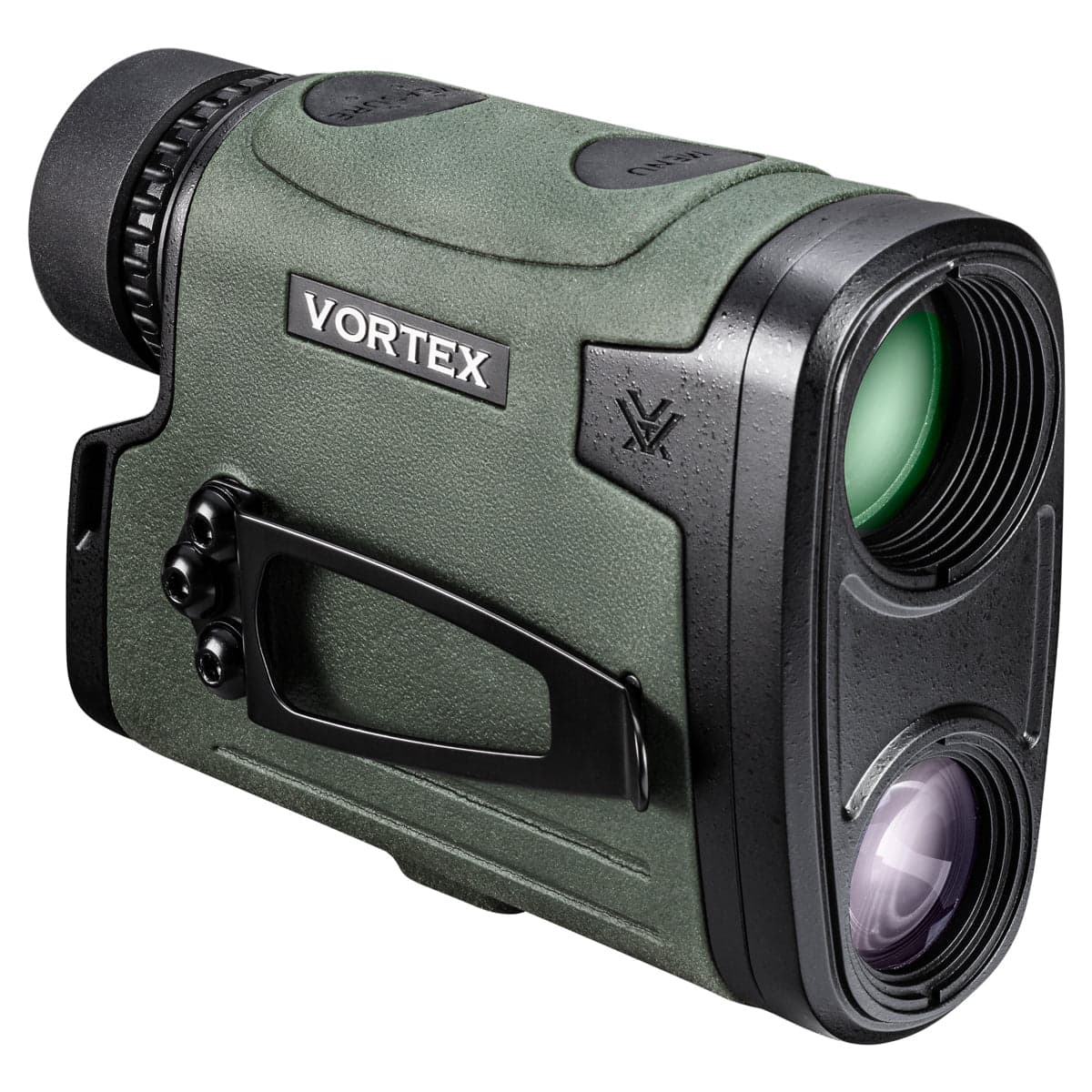
Vortex Viper HD 3000
Best Simple Premium Hunting LRF
- +Excellent range numbers for hunters who already use a separate ballistic app
- +Cleaner workflow than app-heavy ballistic LRFs
- +Good glass and display for timber-to-meadow hunting
- −Not cheap, even though it lacks a ballistic solver
- −PRS shooters will usually want in-display holds or Kestrel integration
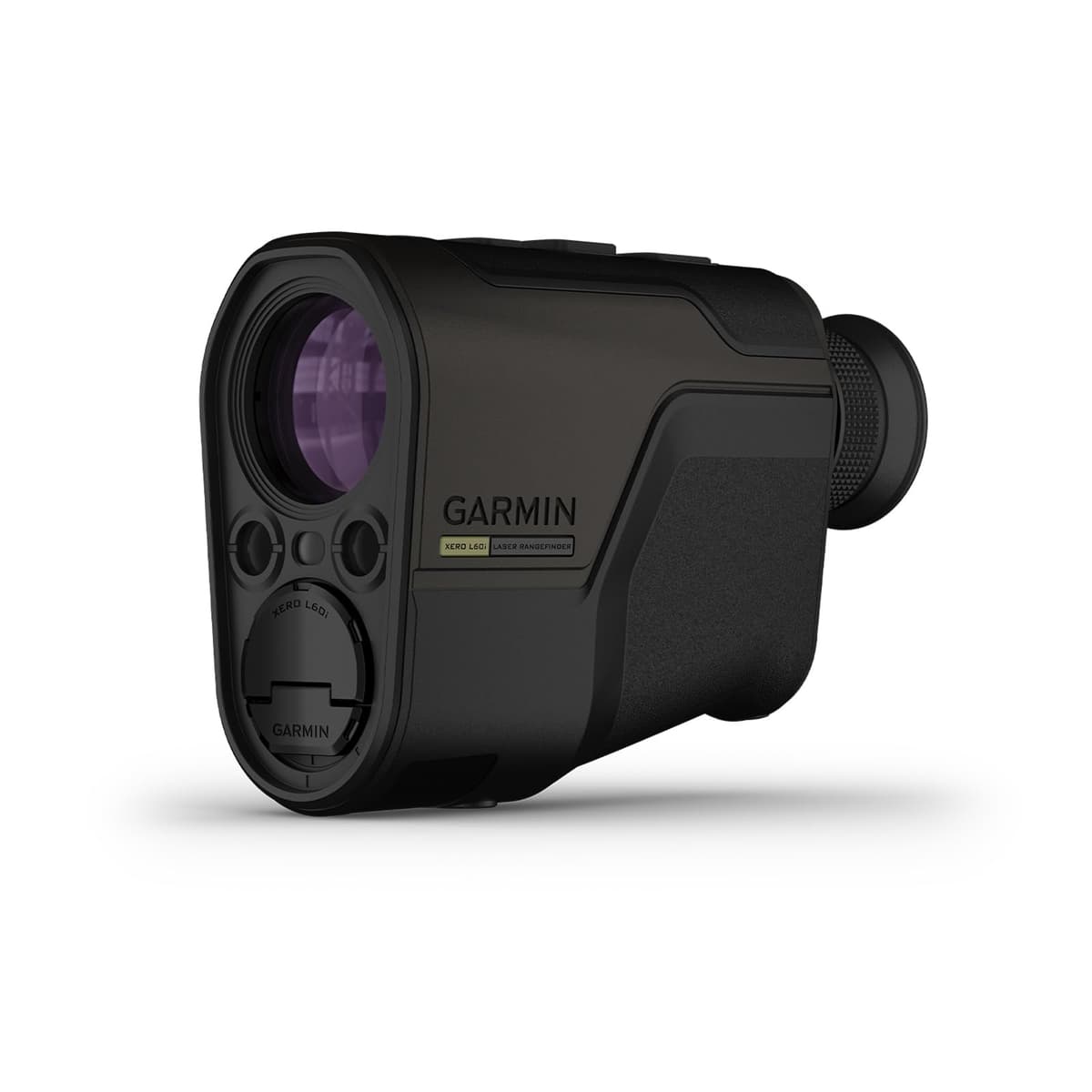
Garmin Xero L60i
Best Onboard GPS Mapping Handheld
- +Only handheld with onboard color topo maps and waypoint navigation
- +Class-leading 7,500-yard reflective and 3,000-yard animal range
- +AB Ultralight plus archery solver covers rifle and bow workflows
- −$2,500 lands in rangefinding-binocular money for a monocular
- −13.6 oz is heavier than a Razor 4000 GB or KILO3K
- −AB Ultralight is not full AB Elite or GeoBallistics
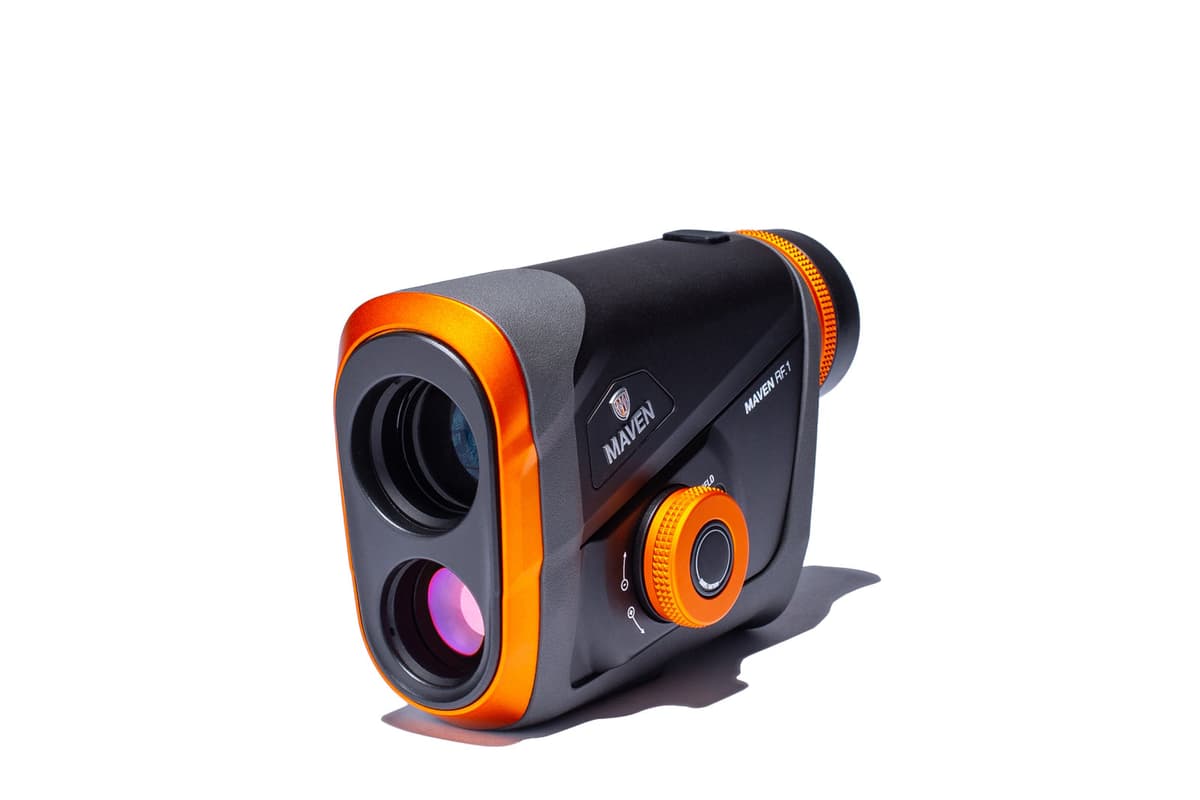
Maven RF.1
Best Glass-Forward Value
- +Excellent ranging and glass for the price
- +Field and forest modes solve real target-background problems
- +Tripod adaptable and waterproof
- −Current price is above the strict under-$500 bucket
- −No onboard MOA/MIL ballistic output
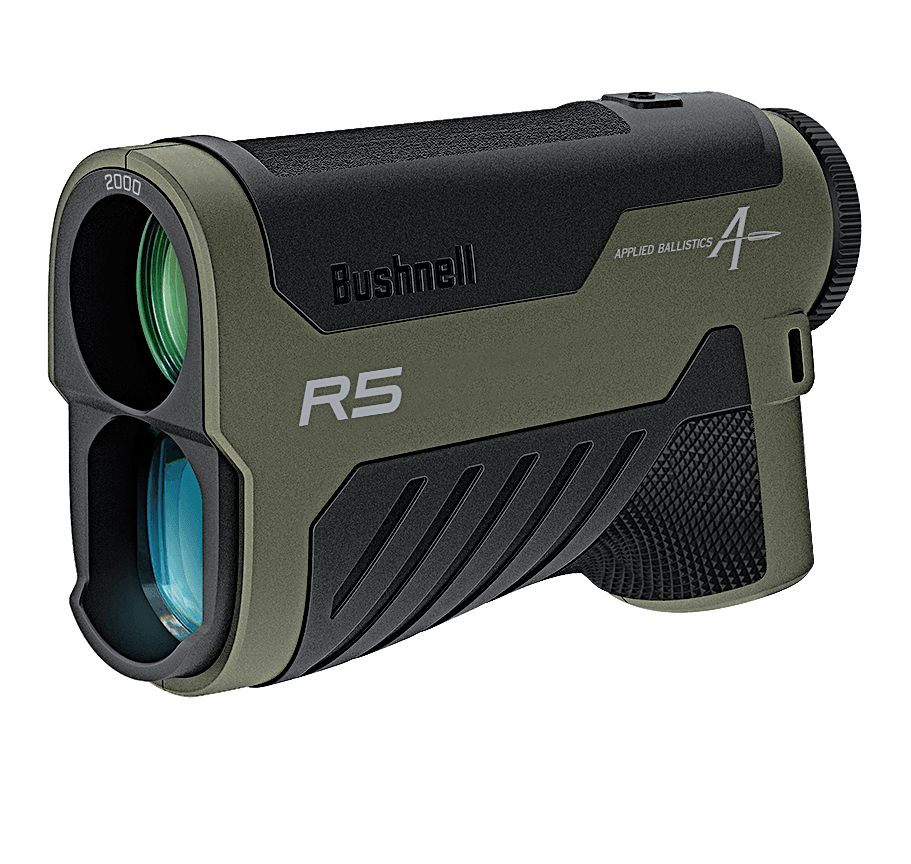
Bushnell R5 2000 AB
Best Budget Applied Ballistics
- +Lowest-cost current Applied Ballistics option here
- +Bushnell Ballistics app support makes profile setup approachable
- +Better buy than chasing a discontinued Bushnell model name
- −Deer range is much shorter than SIG, Maven, and premium Vortex picks
- −Not the right tool for hard ELR use
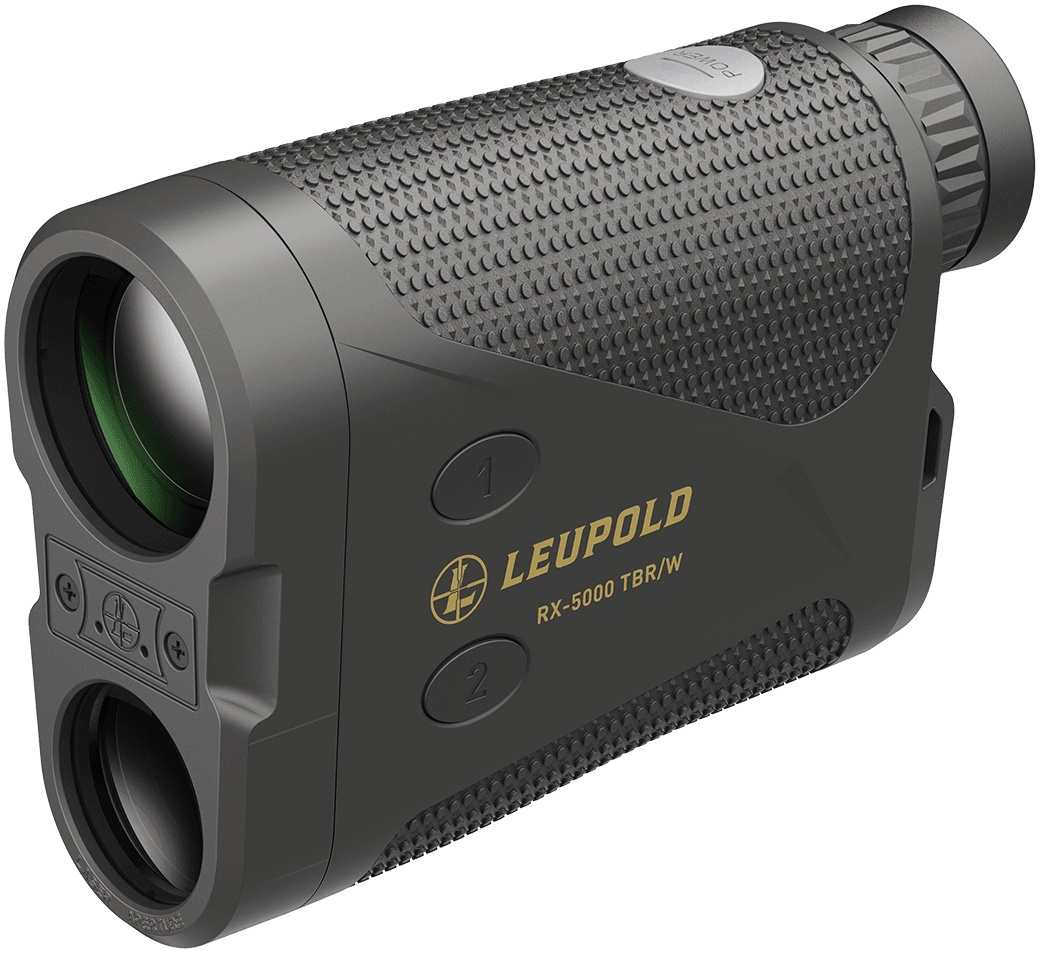
Leupold RX-5000 TBR/W
Best Mapping and Waypoint Workflow
- +Pin dropping is useful for spot-and-stalk navigation and recovery
- +Strong range specs plus a bright red OLED display
- +Rifle and bow modes make it a one-rangefinder hunting solution
- −TBR/W is not the same as a full AB Elite or GeoBallistics solver
- −Compass calibration matters when relying on pinning
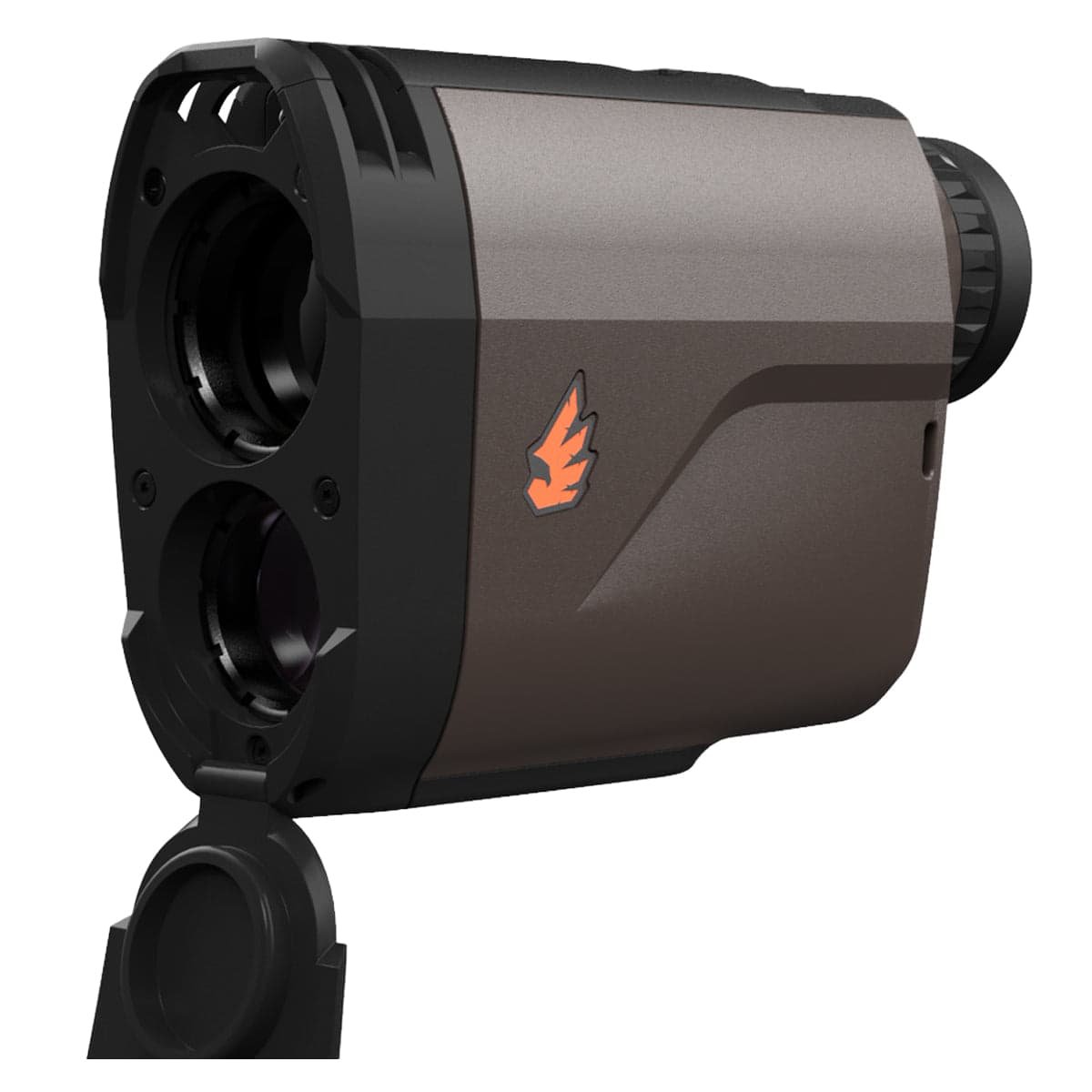
Revic BR4
Best PRS/ELR Solver
- +Purpose-built for serious rifle ballistics
- +Wind, Coriolis, and aerodynamic effects make sense for match use
- +Compact for a 10x42 ballistic monocular
- −Too specialized for most whitetail and bowhunters
- −Availability is less predictable than mass-market Vortex/SIG/Leupold products
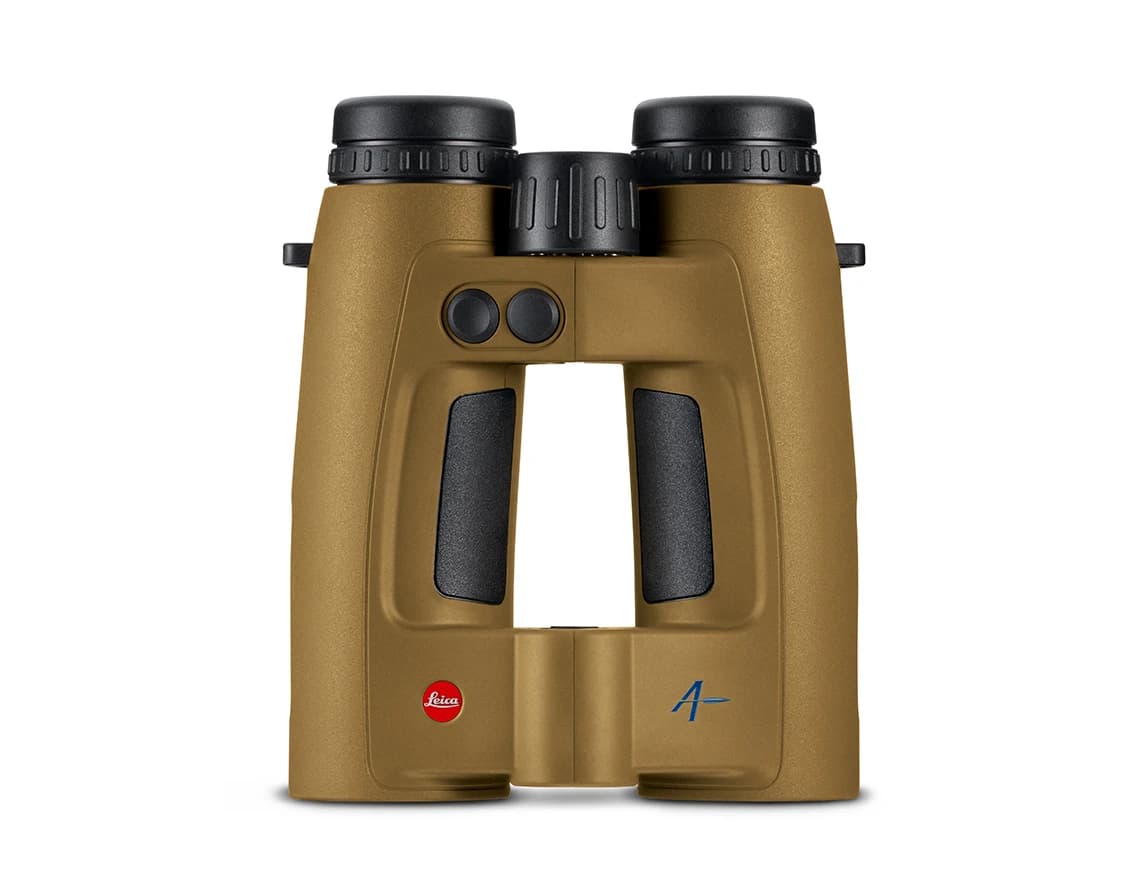
Leica Geovid Pro 10x42 AB+
Best Premium Rangefinding Binocular
- +Best glass among the rangefinding binocular picks
- +Replaces a separate premium bino and rangefinder
- +AB Elite and device integration support serious rifle workflows
- −Cost is hard to justify unless you glass constantly
- −Handheld LRFs are lighter and faster for quick one-off ranges
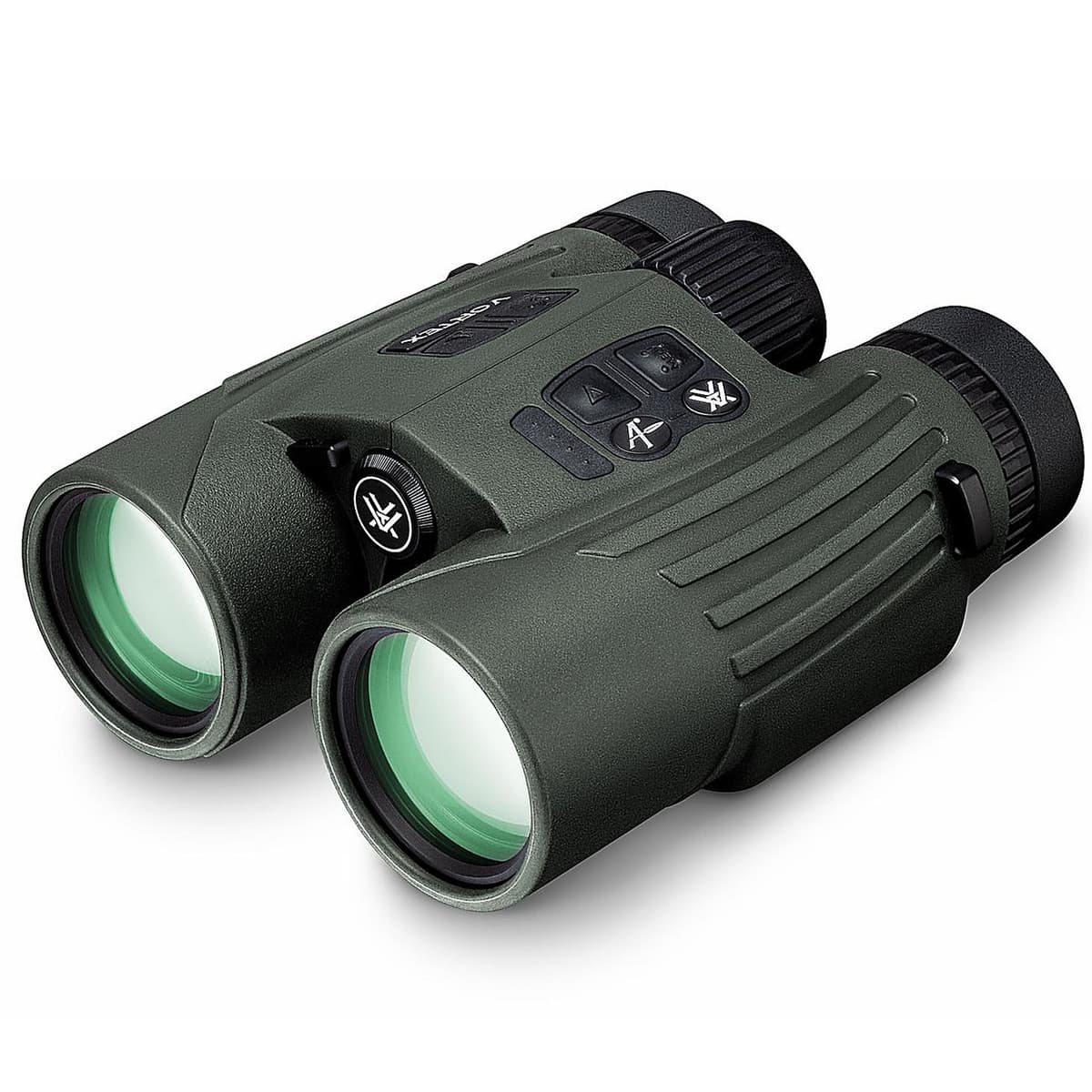
Vortex Fury HD 5000 AB
Best Vortex Rangefinding Binocular
- +Applied Ballistics Elite at far less than Leica money
- +Strong device pairing for advanced shooting workflows
- +Excellent warranty and easy dealer availability
- −Still heavy and expensive compared with a handheld
- −Glass is good, but Leica remains the optical benchmark
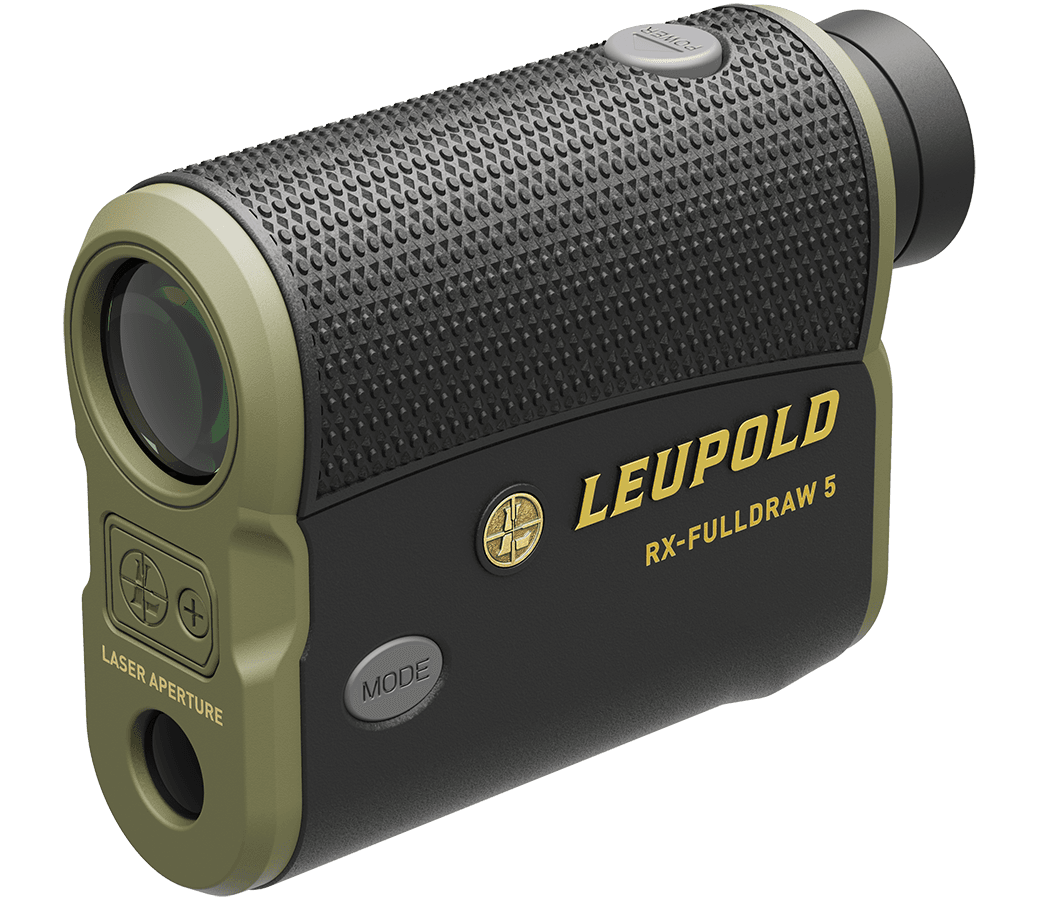
Leupold RX-FullDraw 5
Best Bowhunting Rangefinder
- +Best dedicated archery workflow
- +Flightpath is useful in branches, lanes, and steep terrain
- +Compact 7.5 oz body
- −Wrong pick for rifle shooters who need MOA/MIL holds
- −Less range than rifle-focused LRFs
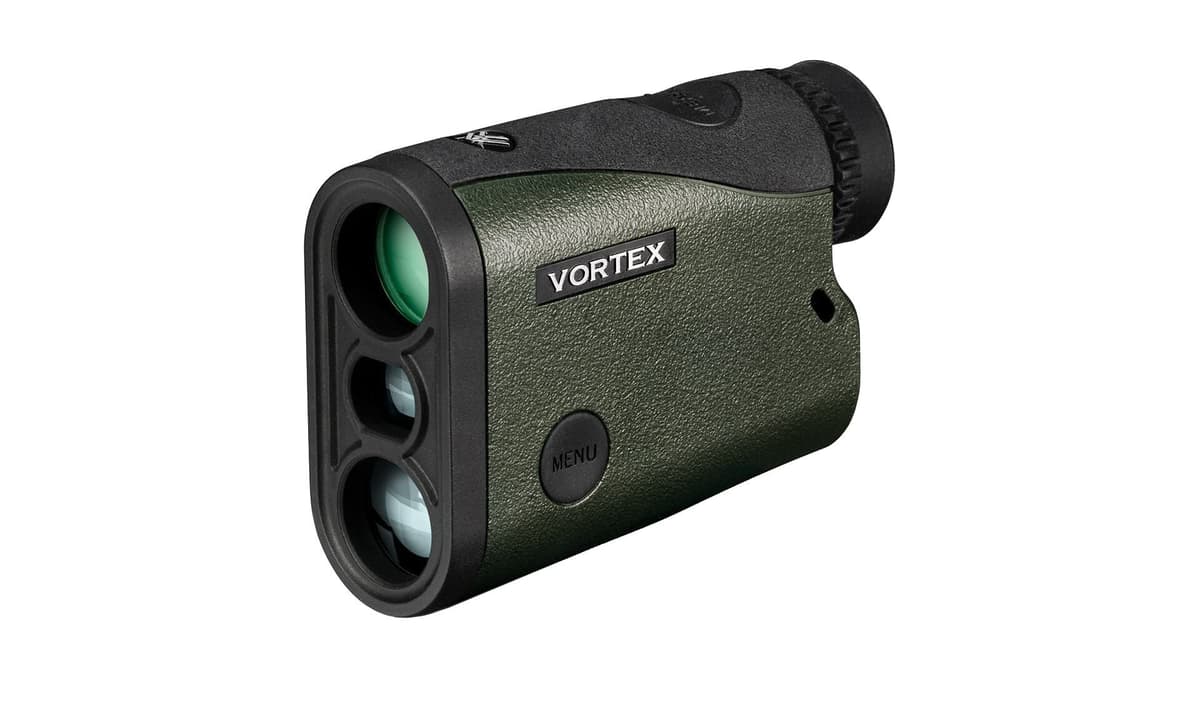
Vortex Crossfire HD 1400
Best Basic Hunting Rangefinder
- +Very light and easy to pack
- +Red display and HCD mode are better than bargain-bin basics
- +Good first rangefinder for local hunting
- −No ballistic solver
- −Not enough laser for hard long-range target work
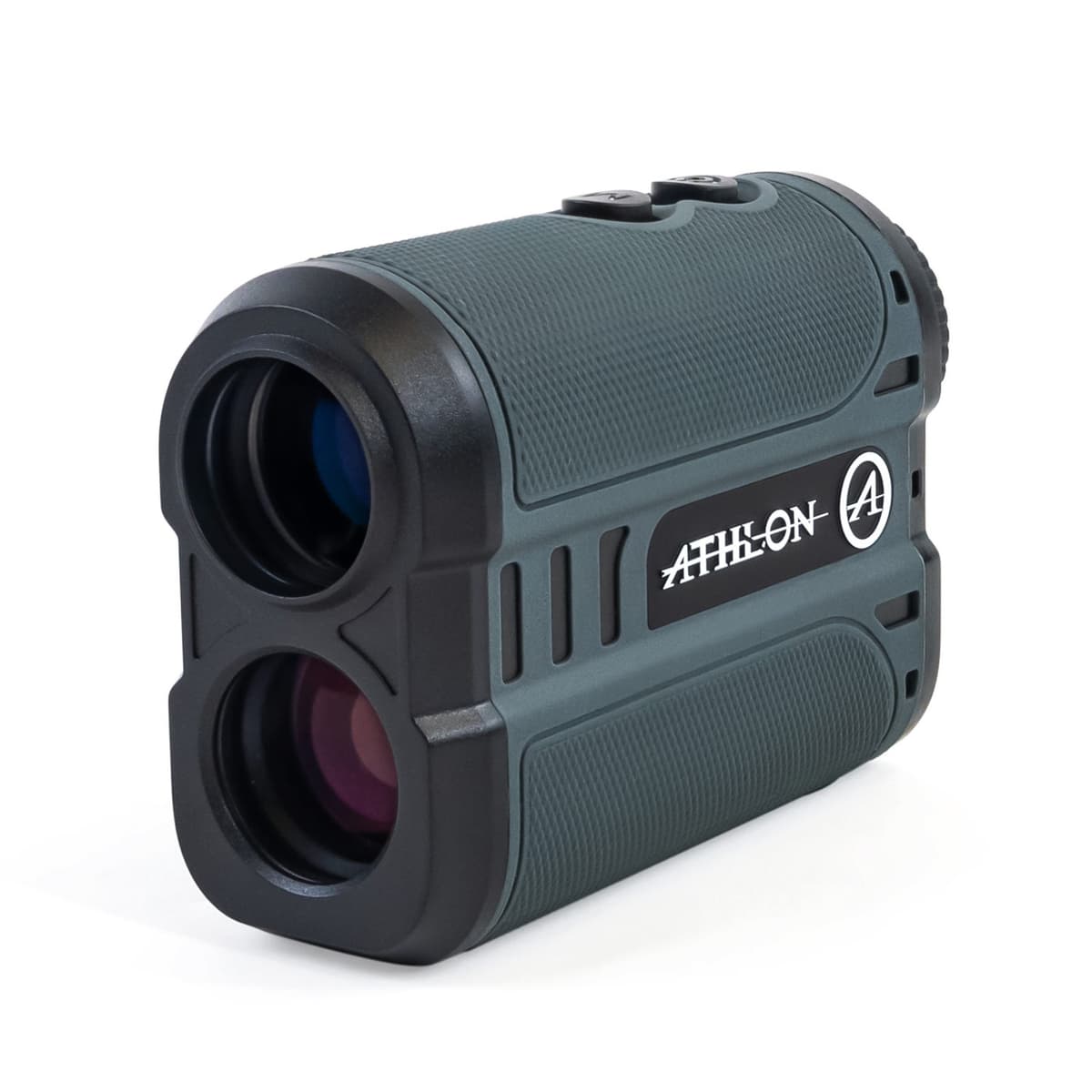
Athlon Midas 1 Mile
Best Budget Backup
- +Affordable, simple, and credible
- +Good enough for most range-day distance checks
- +No app or profile setup required
- −No ballistic solver
- −Less refined glass and target handling than the premium picks
Reflective range is a lab-friendly ceiling. Deer, trees, dark steel, mirage, snow, rain, and hand shake cut practical distance sharply.
Affiliate links - purchases support this site at no extra cost to you. (?)
How We Ranked These Rangefinders
Reflective range numbers sell rangefinders; deer range, target priority modes, display readability, and solver workflow win hunts. The rankings weight real field utility over headline yardage, prefer current and buyable units over legacy SKUs, and separate the best ballistic handheld from the best rangefinding binocular and the best bow rangefinder rather than crowning one king. Every pick below is shoppable today and earns its slot against a specific use case.
Match the Rangefinder to the Job
Eastern whitetail and stand hunting: shots are close, light is bad, and a 4,000-yard reflective rating buys nothing. Pick the SIG KILO3K if you want Applied Ballistics Ultralight for the occasional 400-yard shot, or the Vortex Crossfire HD 1400 if a sub-$300 angle-compensated unit covers your real distances.
Western spot-and-stalk: you are ranging animals against rock and brush, then deciding whether to close. The Vortex Razor HD 4000 GB is the right handheld if you already carry a good pair of hunting binoculars. Glass-first hunters who burn hours on a tripod want the Leica Geovid Pro 10x42 AB+ or, for roughly half the price, the Vortex Fury HD 5000 AB.
PRS, NRL Hunter, and long-range rifle: the rangefinder is part of the firing solution. The Vortex Razor HD 4000 GB wins for most shooters because GeoBallistics plus Kestrel pairing keeps the workflow inside one device. Pick the Revic BR4 if you want a purpose-built ballistic engine, or the Maven RF.1 if you already trust a Kestrel and just need fast, clean ranges to small steel.
Bowhunting: the Leupold RX-FullDraw 5 is the only correct answer in this guide. Archery-specific Flightpath technology, steep-angle output, and a bright dark-timber display matter more than a four-figure reflective number. A rifle-first ballistic unit will range a 20-yard target fine, but it will not help you clear a limb on a 38-yard quartering shot.
Garmin Xero L60i: The First Mapping Rangefinder
Garmin launched the Xero L60i at SHOT Show 2026, and it does something no other rangefinder does: on-screen color topo mapping and waypoint navigation inside the optic. Range a bull across a basin, drop a waypoint, then navigate to it on the same 960x540 color display while you stalk in. Applied Ballistics Ultralight handles rifle and archery solutions, and a 7x32 lens with low-dispersion glass pushes a 7,500-yard reflective and 3,000-yard animal range, both class-leading for a handheld.
The catch is the price and the audience. At $2,499.99 the L60i costs more than two Vortex Razor HD 4000 GBs or six SIG KILO3Ks, and it weighs 13.6 oz, four ounces heavier than the Razor. The onboard maps only matter if you hunt backcountry and are not already running onX or GAIA on your phone. AB Ultralight is not the same engine as GeoBallistics or full AB Elite, so dedicated PRS shooters should still pick the Razor 4000 GB or Revic BR4. Buy the Xero L60i if you are a Western or Alaskan hunter who would otherwise carry a separate Garmin GPS handheld, and skip it if your phone already runs your maps.
Leupold RX-FullDraw 5 Rangefinder
Best bowhunting rangefinder. The RX-FullDraw 5 is built around archery ballistics, Flightpath obstruction checking, a 6x22 body, and 900-yard deer ranging.
- Flightpath obstruction check for branches and shooting lanes
- Accepts bow velocity, peep height, and arrow weight inputs
- 6x22 body with red OLED display and 7.5 oz carry weight
Affiliate links - purchases support this site at no extra cost to you. (?)
How to Choose a Rangefinder
Headline yardage sells units; deer range, target priority, angle compensation, solver output, and display readability determine whether the rangefinder works on a hunt. The four tests below cover the questions that actually move money.
Reflective vs Deer Range
Reflective range is measured on bright, cooperative targets. Deer, brush, trees, matte steel, rain, snow, and mirage are harder. For hunting, a 1,500-yard deer rating is more meaningful than a 4,000-yard reflective headline.
Angle Compensation
Angle compensation gives the equivalent horizontal distance, which matters for steep tree stands, mountain hunts, and archery shots. It does not replace a full rifle ballistic solver, but it is the baseline feature every serious hunting rangefinder should have.
Ballistic Solver
A ballistic LRF uses range, angle, environment, and your rifle profile to output a correction. That is valuable past 400 yards and almost mandatory when you are changing density altitude, cartridges, or target distance under time pressure.
Display and Target Modes
A red OLED or TOLED display is much easier to read in low light than a washed-out black LCD. First, last, brush, fog, scan, and extended range modes matter when the target is behind grass, branches, haze, or mixed reflective backgrounds.
Get Rangefinder Reviews and Long-Range Shooting Guides
New ballistic rangefinder reviews, solver workflow guides, and hunting optic pairings delivered monthly.
Ballistic Rangefinder vs Normal Rangefinder
Buy a ballistic rangefinder if you shoot past 400 yards, switch cartridges, or want one device that ranges, solves, and shows the correction. Skip it and save $400 if you bowhunt, take point-blank rifle shots, or already run a Kestrel and a validated data card. Distance-only units like the Maven RF.1 and Vortex Viper HD 3000 stay on this list because Kestrel shooters do not need the LRF to do the math twice.
Solver quality is not a checkbox. AB Ultralight and AB Ultralite handle practical hunting distances cleanly but trail full Applied Ballistics Elite, GeoBallistics, and Revic engines once wind, spin drift, and longer ranges enter the math. Validate muzzle velocity, zero, BC, sight height, units, and true drop at distance before you trust any solver on game. The ballistics guide covers the workflow, and a Garmin tactix tactical smartwatch can run the same Applied Ballistics solution on your wrist once the rangefinder hands it a distance. Note that Garmin bought Applied Ballistics in September 2026, so the Applied Ballistics engine inside the KILO3K, the R5 2000 AB, and the Geovid Pro is now Garmin-owned software. GeoBallistics and Revic are unaffected; they remain independent engines.
SIG Sauer KILO3K 6x22 Laser Rangefinder
- Applied Ballistics Ultralight at $349.99
- 1,500-yard deer range beats most value picks
- Best choice if rifle ballistics matter
Bushnell R5 2000 AB Laser Rangefinder
- Applied Ballistics Ultralite under $300
- Bluetooth app profiles
- Current Bushnell pick over old Forge/Elite names
Vortex Crossfire HD 1400 Laser Rangefinder
- Light 4.8 oz body
- Red TOLED display
- HCD angle-compensated range
Leupold RX-FullDraw 5 Rangefinder
- Archery-specific ballistic inputs
- Flightpath obstruction check
- 900-yard deer range for rifle backup
Street prices change quickly. The Leupold RX-FullDraw 5 is right at the $500 line.
Affiliate links - purchases support this site at no extra cost to you. (?)
Vortex Razor HD 4000 GB Ballistic Laser Rangefinder
- GeoBallistics wind/drop in the display
- Kestrel compatible
- Best handheld for mixed hunting and PRS
SIG Sauer KILO3K 6x22 Laser Rangefinder
- Applied Ballistics Ultralight
- Onboard weather sensors
- Best ballistic buy under $500
Revic BR4 Ballistic Rangefinder
- Revic solver with wind and earth effects
- MOA, MIL, and Shoot-To-Range outputs
- Compact 10x42 ballistic monocular
Vortex Fury HD 5000 AB 10x42 Rangefinding Binocular
- Applied Ballistics Elite
- Kestrel and Garmin pairing
- Best Vortex bino answer to Leica
Garmin Xero L60i Laser Rangefinder
- Onboard topo maps and waypoint navigation
- AB Ultralight with archery solver
- Class-leading animal range at 3,000 yd
Always validate solver output against your rifle, ammunition, and real velocity data before hunting or competing.
Affiliate links - purchases support this site at no extra cost to you. (?)
Leica vs Vortex Rangefinder: Which One Should You Buy?
On handhelds, buy Vortex. The Razor HD 4000 GB delivers a modern ballistic workflow at roughly half what comparable premium handhelds cost, and Leica has no current cheap handheld answer. Leica's case is rangefinding binoculars, not handhelds.
On rangefinding binoculars, the Leica Geovid Pro 10x42 AB+ wins for hunters who glass basins for hours and want the binocular to be the primary optic. The Vortex Fury HD 5000 AB is the value counterpunch: Applied Ballistics Elite, Kestrel/Garmin pairing, and Vortex's VIP warranty for substantially less money. Buy Leica when the view is the reason you are spending premium money; buy Vortex when the solver, warranty, and price matter more.
Leica Geovid Pro 10x42 AB+ Rangefinding Binocular
- Leica 10x42 optical quality
- Applied Ballistics Elite
- Best premium hunting bino workflow
Vortex Fury HD 5000 AB 10x42 Rangefinding Binocular
- Lower price than Leica
- AB Elite with Kestrel/Garmin pairing
- Strong Vortex warranty support
Affiliate links - purchases support this site at no extra cost to you. (?)
Bushnell Forge Rangefinder Reality Check
Skip any “Forge rangefinder” recommendation; Bushnell Forge is a legacy optics line, not a current laser rangefinder. Buy the R5 2000 AB instead: Applied Ballistics Ultralite, under $300, in stock. If you want a Bushnell binocular, the Fusion X is the only current option and belongs in the same shopping list as the Vortex Fury and Leica Geovid.
Don't Use a Golf Rangefinder for Hunting
Golf rangefinders lock onto flagsticks and ignore everything else. That is the opposite of what you want on a deer in timber, a coyote in CRP, or steel at 900 yards. Skip flag lock, slope mode, and cart magnets; buy a hunting or shooting rangefinder with target priority, brush mode, weather sealing, and tripod support. The only place a golf unit belongs in this conversation is as a cheap known-distance checker at a square range.
Setup Checklist Before You Trust It
- Confirm zero first: A perfect rangefinder cannot save a bad rifle zero. Use our optic zeroing basics guide before validating ballistic holds.
- Enter the real rifle profile: Muzzle velocity, sight height, bullet BC, zero distance, twist, units, and atmosphere all matter. Factory box velocity is a starting point, not truth.
- Test target modes: First/last/brush/fog modes can change the returned distance. Practice on brush, dark steel, trees, and hillside targets before relying on the unit during a hunt.
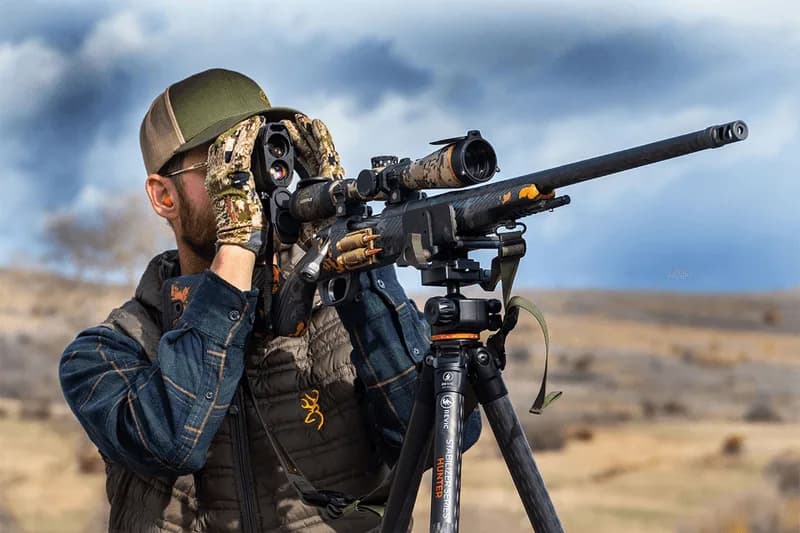
- Stabilize for long ranges: A tripod or steady rest often matters as much as the laser when you are trying to range small dark targets past 1,000 yards.
- Match the rangefinder to the rifle: If you are building a 6.5 Creedmoor or .308 precision setup, pair the LRF with a scope and cartridge workflow from our 6.5 Creedmoor guide, the best long range rifle scope guide, and the optic selection matrix.
For AR-platform hunting setups, start with our AR-15 hunting guide and use the rifle builder to keep the rifle, optic, and accessory plan coherent.