 1
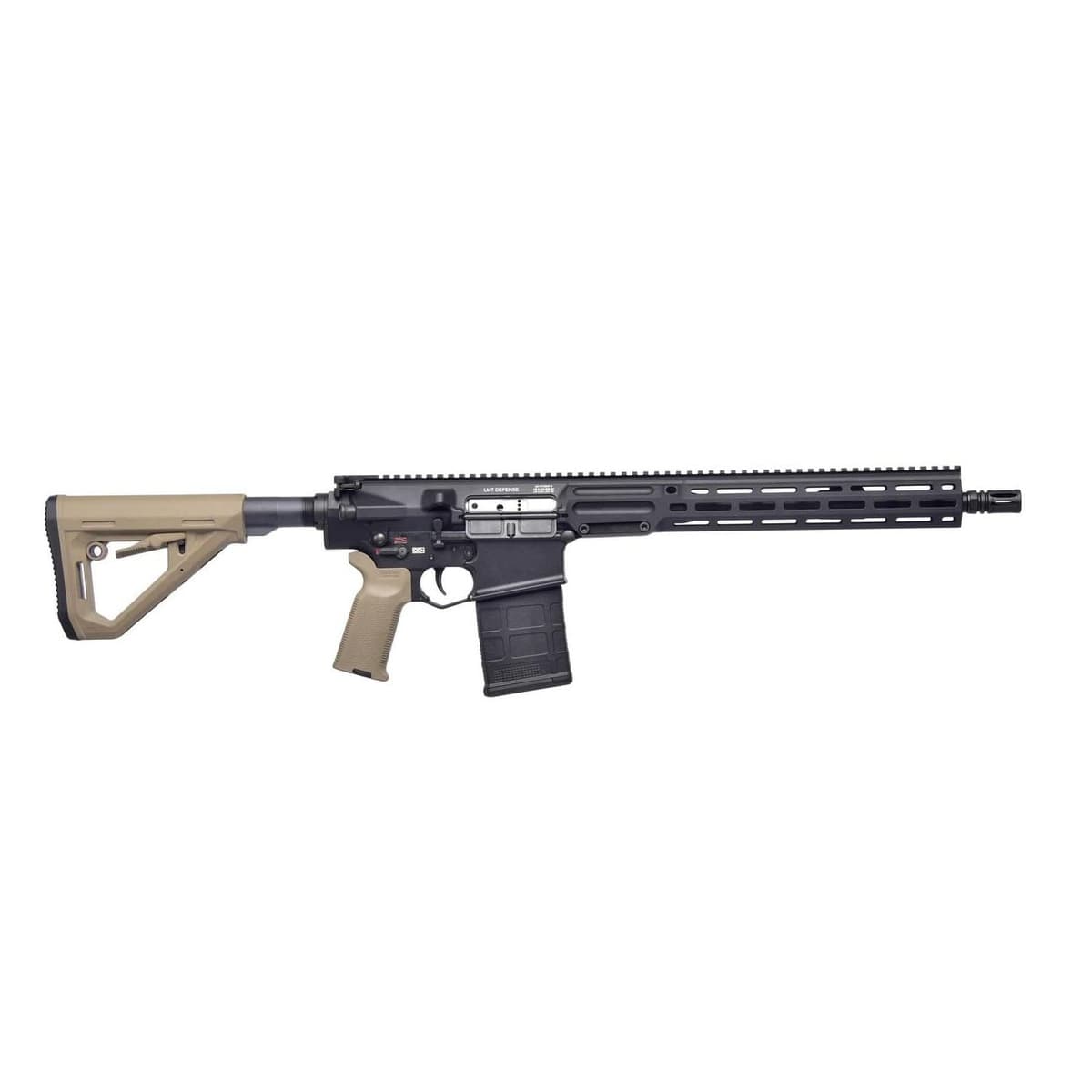
1LMT MWS MRGG-A Reference Rifle (SBR)
SOCOM MRGG-A reference rifle - the actual 2025 contract carbine
$5,200.00 Catalog
Shop at MidwayUSA
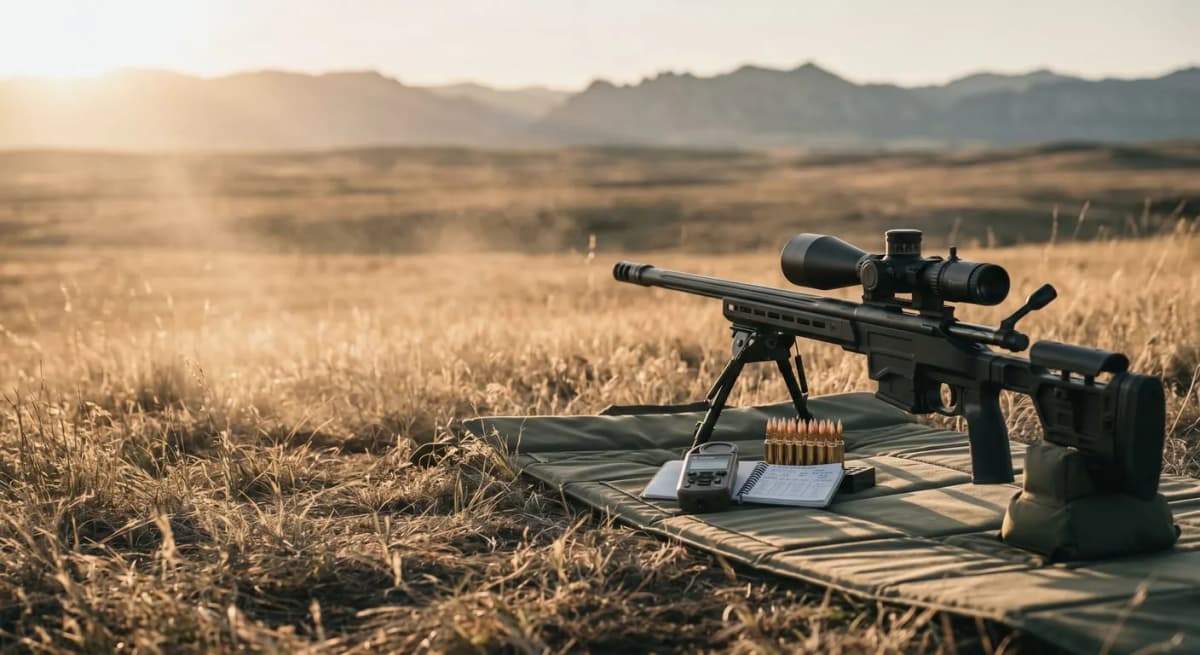
Tactical 6.5 Creedmoor guide built around the SOCOM MRGG program. Covers the LMT MRGG-A and Geissele MRGG-S reference rifles, plus DD5 V5, LMT MWS, and POF Revolution. Ballistics, DMR build decisions, optic pairing, match ammunition, and 6.5 CM vs .308 Win comparison. Hunting covered as secondary use case.
Affiliate links (?)
6.5 Creedmoor is the most capable semi-auto AR-10 cartridge you can buy right now. It outperforms .308 Win at distance with 40% less recoil, retains supersonic flight past 1,400 yards, and makes a gas gun relevant at ranges that used to require a bolt-action. This guide is built for shooters choosing a 6.5 CM AR-10 for DMR work, extended-range defensive setups, and precision gas-gun competition. It covers the best AR-10 platforms, DMR build decisions, ballistics, optic pairing, and match ammunition. Hunting and bolt-action use cases are covered as a secondary focus.
The tactical problem: AR-15s top out around 500 yards on steel and give up terminal energy past 300. An AR-10 in .308 solves the energy problem but pays for it in recoil, wind drift, and weight. Neither is ideal for the shooter who wants DMR-style capability out to 800+ yards without moving to a bolt-action.
The gas-gun answer: 6.5 Creedmoor fits the same AR-10 magwell and barrel extension as .308 but pushes high-BC bullets (0.646 G1 for 140gr ELD Match) that resist wind drift and hold velocity downrange. The same rifle that goes transonic at 1,050 yards in .308 stays supersonic past 1,400 yards in 6.5 CM.
The validation: SOCOM adopted 6.5 Creedmoor for designated marksman rifles in 2018 and ordered M110K1 conversion kits in 2019. PRS/NRL Gas Gun competitors run 6.5 CM AR-10s almost exclusively. Both communities chose the cartridge for the same reason: it makes a semi-auto competitive at distances that used to belong to bolt guns.
Start with the 140gr ELD Match load at 500 yards. Change the load, barrel length, zero, and wind, then open the readouts for velocity, energy, drop, drift, flight phase, and the per-barrel table.
140 gr · G7 BC 0.326 · Factory match load with strong retained velocity and wind performance.
24" · 2648 fps · est. between table lengths
The rifle view measures the seated optic and sets this for you.
Shots land where the solved trajectory puts them, with a group's worth of spread. Dial to walk the reticle onto the group; the next shot re-aims at the target.
Velocity at target
1,997 fps
Muzzle 2,648 fps
Mach
1.79Supersonic
Path vs. line of sight
51.8 in low
9.9 MOA · 2.88 MRAD
Wind drift · 10 mph
15.2 in
2.9 MOA · 0.84 MRAD
Time of flight
653 ms
Energy
1,239 ft-lb
140 gr
Hold to center
Hold 9.9 MOA over
or dial 40 clicks up at 1/4 MOA
Where the bullet slows
From 24 in, this load stays supersonic to 1,098 yd and is still above the speed of sound at 1,200 yd.
Barrel length at 500 yd
| Barrel | Muzzle velocity | Drop | Transonic from | Subsonic from |
|---|---|---|---|---|
| 18 in | 2,513 fps est. | -59.0 in | 1,001 yd | beyond 1,200 yd |
| 20 in | 2,558 fps est. | -56.5 in | 1,034 yd | beyond 1,200 yd |
| 22 in | 2,603 fps est. | -54.1 in | 1,066 yd | beyond 1,200 yd |
| 24 in | 2,648 fps est. | -51.8 in | 1,098 yd | beyond 1,200 yd |
| 26 in | 2,693 fps | -49.6 in | 1,130 yd | beyond 1,200 yd |
est. marks a length between two table lengths; its velocity is interpolated.
Trajectory from the point-mass engine with G1/G7 drag; barrel velocities from the load's published table.
Open the full range simulatorThe side view makes the drop curve easy to see. The readouts carry the useful numbers, including velocity, energy, wind drift, and the point where the bullet enters the transonic range. For more on the math behind those values, see our complete ballistics guide.
This is the most common comparison, and the answer depends entirely on your primary use case. Neither cartridge is universally better.
| Load | Published muzzle | 500 yd velocity | 500 yd drop | 10 mph drift | Transonic starts |
|---|---|---|---|---|---|
| 6.5 Creedmoor 140gr ELD Match | 2,710 fps (24") | 2,050 fps | 48.8 in | 14.7 in | 1,142.04 yd |
| .308 Win 175gr SMK | 2,600 fps | 1,792 fps | 59.0 in | 20.9 in | 859.008 yd |
Both rows use the range simulator's point-mass solver at sea level and 59°F, with a 100-yard zero, 2.6-inch sight height, and a full-value 10 mph crosswind. These are starting points. Confirm your rifle's velocity and impacts before using the data in the field.
Inside 300 yards, .308 and 6.5 CM are functionally identical on game. A whitetail at 200 yards will not notice the difference between a 143gr ELD-X and a 168gr TTSX. If all your shooting happens inside that range, the cheaper .308 ammunition is the smarter choice, and our best .308 rifle guide ranks AR-10, battle-rifle, and bolt-action options for it. The 6.5 CM advantage only manifests at distance, where the superior BC and reduced recoil compound into meaningful differences in drop, drift, and hit probability.
For a deeper look at AR-pattern calibers, including 6.5 Grendel and 6mm ARC which bring some 6.5 CM advantages to the AR-15 platform, see our AR-15 caliber selection guide.
SOCOM contract news, AR-10 platform picks, match ammo testing, and long-range precision builds for 6.5 Creedmoor shooters.
SOCOM's Mid Range Gas Gun (MRGG) program is the clearest institutional validation 6.5 Creedmoor has received. The requirement: replace aging 7.62 DMR platforms (M110, SR-25 variants) with 6.5 CM semi-autos that extend effective range while reducing recoil, weight, and wind error. The program split into two tracks for different mission profiles, each awarded to a different vendor.
A 14.5-inch 6.5 Creedmoor carbine built on a monolithic MRP upper and MARS-H ambidextrous lower. The assault variant gives up some barrel length for faster handling in vehicle and CQB-adjacent roles while keeping DMR-class reach past 600 yards. The civilian reference rifle ships as a factory SBR (Form 4 on transfer).
A 20-inch 6.5 Creedmoor precision gas gun under 10.5 lbs with a cold hammer forged chrome-lined barrel, 1:7.5 twist, SSA-E factory trigger, and fully ambidextrous controls. Civilian version sold as the Geissele VSASS MRGG MK1. The sniper variant prioritizes precision over agility and is the benchmark 6.5 CM gas gun for SOCOM DMR work.
For civilian buyers, the MRGG contracts matter for two reasons. First, they are the strongest institutional signal that 6.5 CM is not a fad. Second, both vendors sell civilian reference rifles that match the deployed configurations: the LMT MWS MRGG-A Reference Rifle and the Geissele VSASS MRGG MK1. These are ranked #1 and #2 in the AR-10 picks below. SOCOM confirmed in June 2026 that the LMT version is now designated MK24 and will replace the Mk17 SCAR-H this fiscal year.
An AR-10 chambered in 6.5 Creedmoor is the practical answer for DMR-style builds, extended-range defensive use, and precision gas-gun competition. You get semi-auto follow-ups, AR-pattern ergonomics, and a cartridge that stays competitive on steel out past 1,000 yards. Expect 0.75-1.25 MOA accuracy from a quality factory AR-10 in 6.5 CM, compared with sub-MOA from a bolt action. That tradeoff is worth it for most tactical use cases. The top two picks below are the civilian reference rifles for the SOCOM MRGG-A and MRGG-S contracts; the remaining three are practical AR-10s for shooters who want the cartridge without the reference-rifle price. For the broader platform decision, see our AR-15 vs AR-10 guide, or the full best AR-10 ranking for .308 and 6.5 Creedmoor rifles across every price tier. Springfield's current M1A also chambers 6.5 Creedmoor and feeds it from the same factory magazine as .308; the Springfield M1A upgrades guide covers scope mounts, chassis, and triggers for that battle-rifle DMR path.
1 2
2 3
3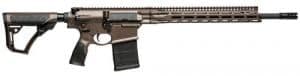 4
4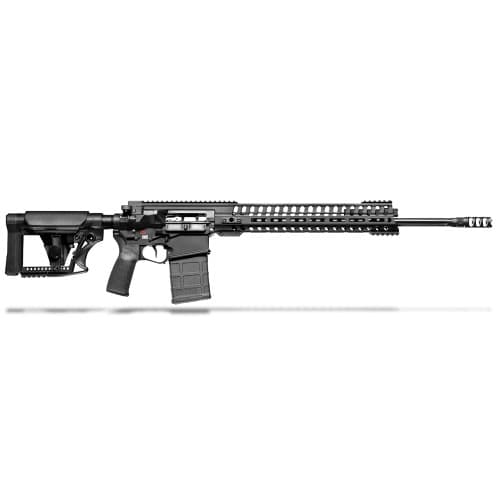 5
5Affiliate links - purchases support this site at no extra cost to you. (?)
You want the actual SOCOM-selected carbine. The 14.5-inch SBR configuration keeps DMR ballistics in a shorter, faster-handling package than any 20-inch option here and pairs naturally with a suppressor (same Form 4 process most tactical shooters already run).
Precision gas-gun work past 600 yards is the primary mission. 20-inch CHF chrome-lined barrel, 1:7.5 twist for heavy match bullets, SSA-E trigger. Highest-priced option here at roughly $6,300, but it carries the strongest institutional validation in the civilian 6.5 CM AR-10 segment.
You want the LMT MRP upper and MARS-H lower lineage in a 20-inch configuration. Functionally the non-SBR sibling of the MRGG-A. Same quick-change barrel system and ambidextrous controls at a lower price.
Budget caps at roughly $3,500 and the SOCOM contract lineage is a nice-to-have rather than a requirement. Duty-grade QA, cold hammer forged barrel, and DPMS magazine compatibility. The default non-MRGG premium pick.
Weight and handling matter most. You want a 6.5 CM rifle that moves like an AR-15 for field work, hunting crossover use, or a lighter DMR platform. Accept the tradeoff of proprietary parts and mixed QA reputation.
Parts builds on Aero M5 or similar receivers can deliver equivalent accuracy for less money, but require matched parts, a torque wrench, and tolerance for troubleshooting gas tuning. A factory rifle removes that risk. For most tactical buyers, the factory option is the better use of budget. Builders who want the fastest semi-auto trigger cadence on a .308 M5 instead of precision can run a forced reset trigger; our AR-10 forced reset trigger build guide covers that off-label path.
Bolt-action 6.5 CM rifles deliver sub-MOA accuracy at lower price points than equivalent AR-10s, and remain the right tool for dedicated precision competition, long-range hunting, and shooters who do not need semi-auto follow-ups. Covered here as a secondary path for readers evaluating both platforms. If you are building around chassis, action, barrel, optic, bipod, and bag choices, see our PRS rifle build guide. Shooters who already own a SIG Cross 6.5 Creedmoor should see the SIG Cross upgrades guide for Cross-specific PMAGs, ARCA handguard, scope mount, and suppressor recommendations. For a ranked, cross-action shortlist that compares precision bolt guns, hunting rifles, and AR-10 gas guns side by side, see the best 6.5 Creedmoor rifle guide. For factory bolt guns under $2,000, the best long range rifle under $2,000 guide ranks the Bergara HMR, Tikka CTR, Howa HCR, Savage 110 Precision, and Ruger American Predator with AICS magazine, optic, and suppressor pairings. If you already run the Ruger Precision Rifle, our Ruger Precision Rifle upgrades guide ranks the optics, brake, bipod, and trigger it wants next, and the Tikka T3x upgrades guide does the same for the chassis, trigger, and AICS conversion on a T3x Lite or CTR. For hunting-specific bolt, lever, and semi-auto picks in 6.5 Creedmoor and other deer cartridges, see the best deer hunting rifle guide.
Best value precision rifle. Remington 700 footprint, No. 5 contour barrel, Mini-Chassis stock with adjustable cheek and LOP. Sub-MOA guaranteed. The default PRS entry point.
Buy on Classic FirearmsSmoothest bolt action under $2,000. 24-inch barrel shoots 0.5 MOA with match ammo. Modular chassis accepts AICS magazines and AR-15 grips.
Buy on Classic FirearmsAR-style controls, folding stock, 20 MOA rail, AICS magazine compatibility. Most aftermarket support in the affordable precision category.
Buy on Classic FirearmsUnder 6.5 lbs, smooth action, sub-MOA accuracy. The default lightweight hunting option when bolt-action portability matters more than semi-auto follow-ups.
Buy on Classic Firearms6.5 Creedmoor rifles deserve optics that match the cartridge's precision capability. For long-range work, you need exposed turrets, a first focal plane reticle, and enough elevation travel for your maximum range. For hunting, a quality second focal plane scope with a BDC or simple holdover reticle works well. Check our LPVO guide if you plan to use your 6.5 CM at closer ranges too, or our optic selection matrix for the complete decision framework. Once your scope and ammo are sorted, use a ballistic rangefinder to validate range and corrections past normal hunting distances, and a shooting chronograph to confirm the real muzzle velocity coming out of your barrel, not the box-printed test-barrel number.
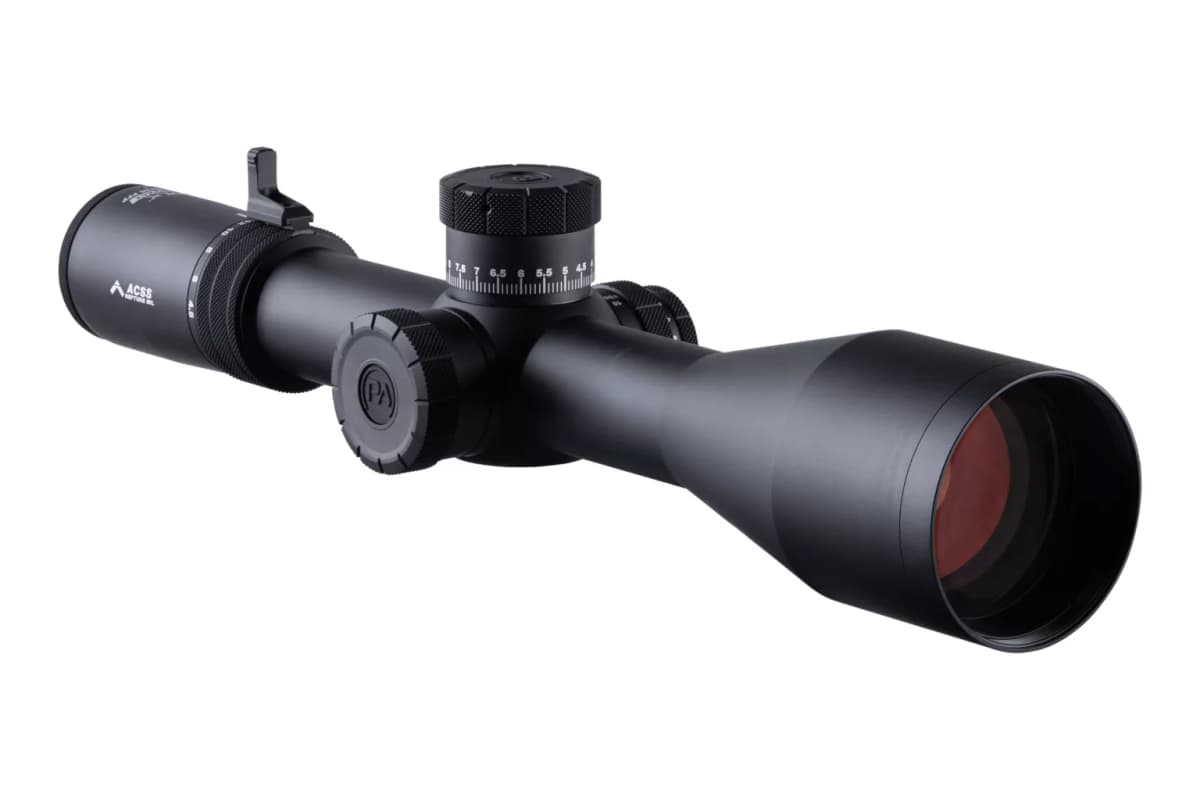
Long-range precision scope with 36x top end and ACSS Neptune MIL grid
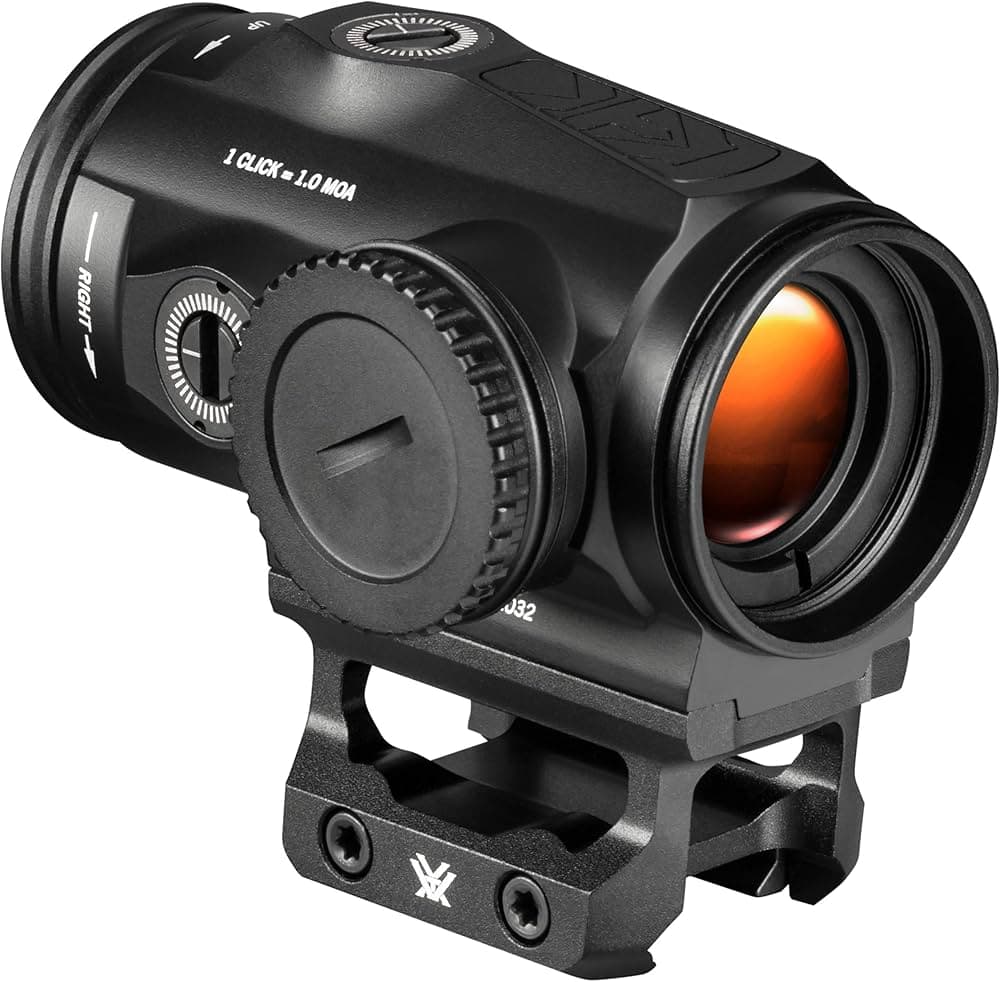
Compact 3x prism scope with etched AR-BDC4 reticle and lifetime warranty
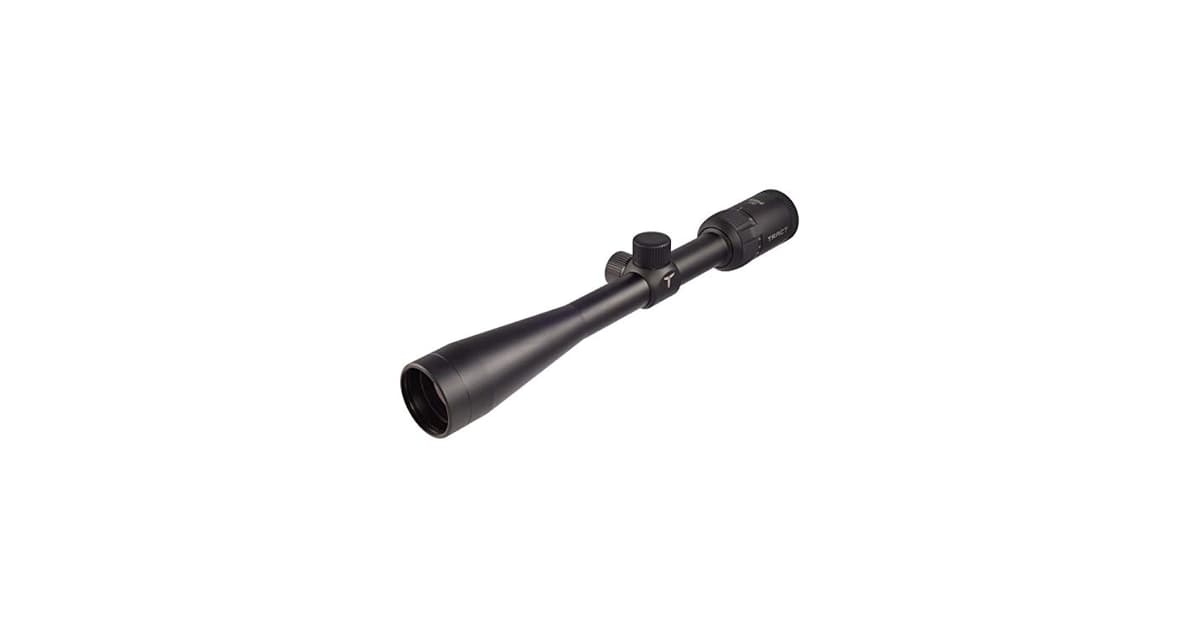
Rimfire 4-12x40 AO with a fine T-Plex Dot reticle and extended close-focus adjustment.
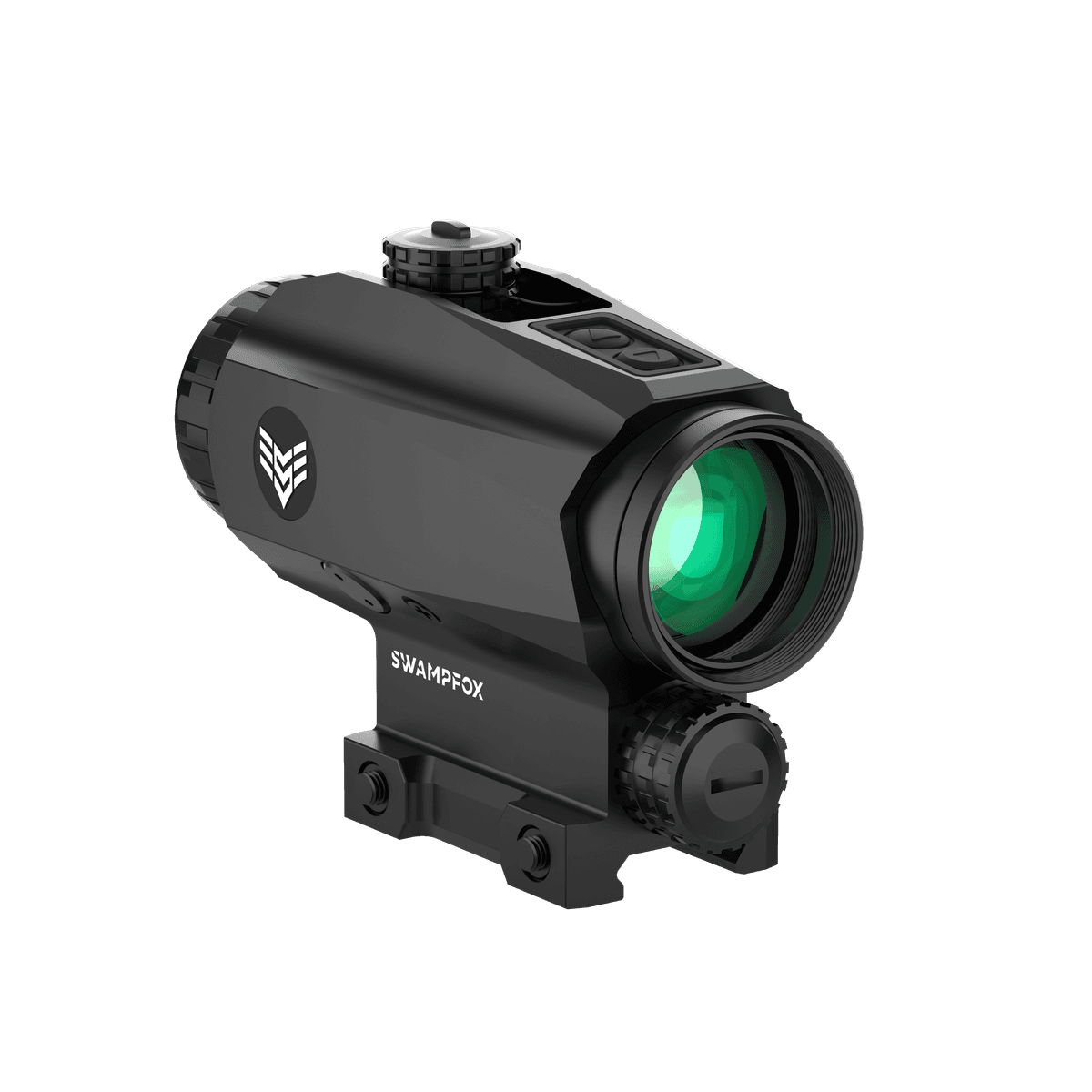
3x30 prism with etched reticle, wide field of view, and Shake N Wake illumination
Affiliate links (?)
Vortex Viper PST Gen II 5-25x50 is the value champion. FFP, exposed turrets, excellent glass clarity, lifetime warranty. It has been the default recommendation for precision shooters on a budget since its release.
Leupold Mark 5HD 3.6-18x44 at 21 oz is the lightest scope in this category without sacrificing optical quality. The Athlon Ares ETR 4.5-30x56 offers more magnification and elevation travel for PRS use. Leupold's new Mark 4HD illuminated PR2/PR3 variants (6-24x52 and 8-32x56) also fit here for shooters who want first-focal-plane illumination on a slightly heavier chassis.
Nightforce ATACR 7-35x56 and Kahles K525i 5-25x56 are the top-tier choices for competitive PRS and professional use. Glass clarity, tracking precision, and build quality are unmatched at any price.
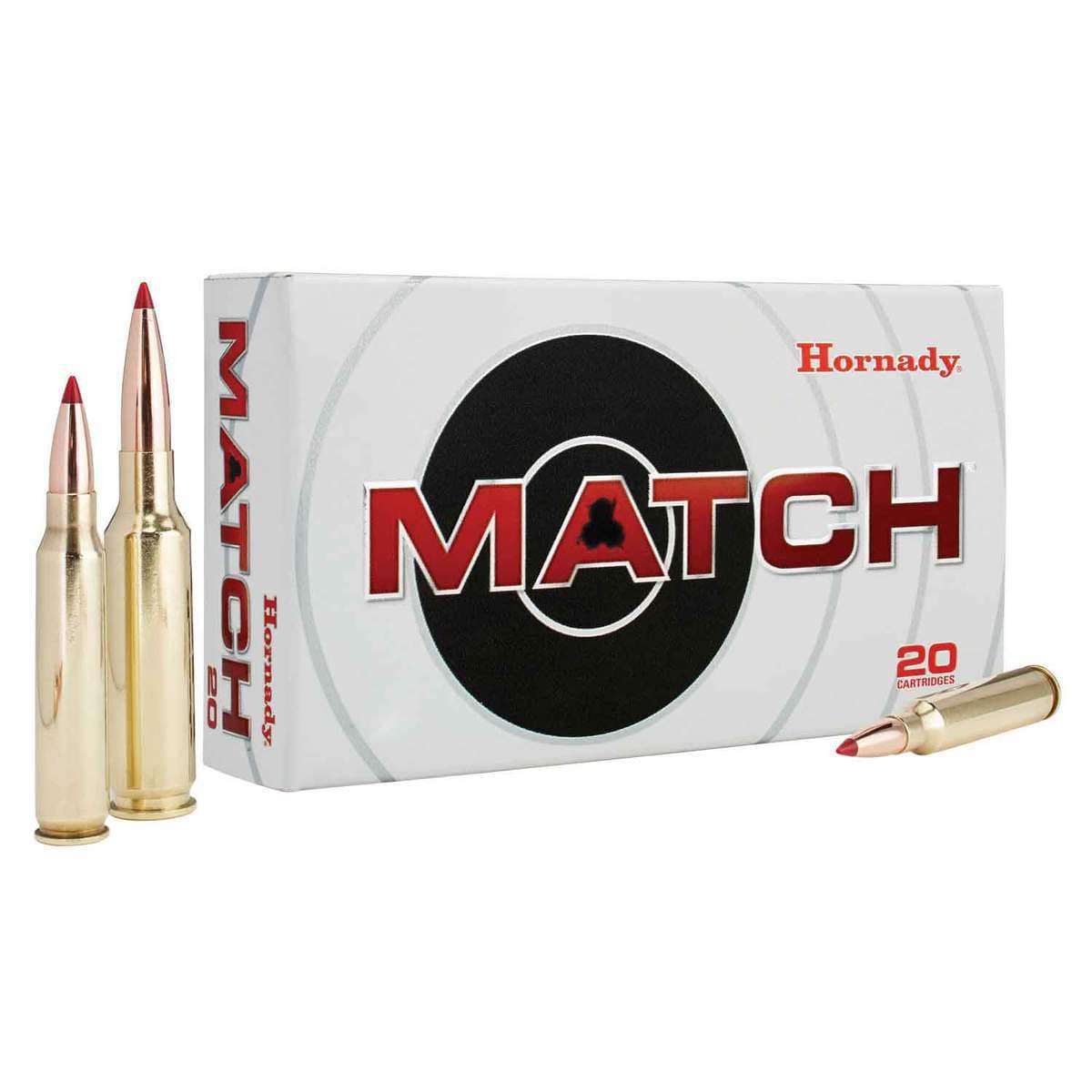
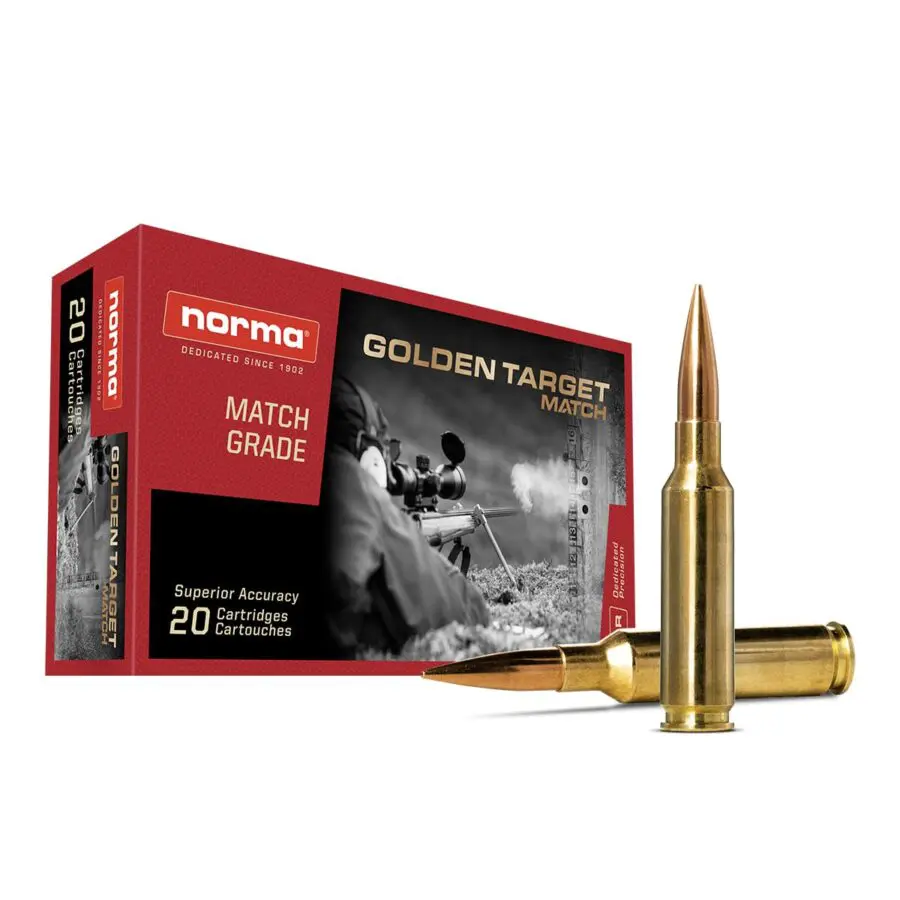
For an AR-10 in 6.5 CM, match ammunition is what you practice, train, and fight with. Hornady 140gr ELD Match is the default load for DMR builds and precision gas-gun work, and it is what most factory rifles are zeroed with. Hunting loads are a secondary consideration covered at the end of this section. Bullets across these categories are designed for fundamentally different terminal objectives, so do not cross-purpose them. Winchester joined the factory-match field in August 2026 with Super Match, offering 140gr in both a BTHP at 2,710 fps and the new BC Max bullet at 2,725 fps. Our best 6.5 Creedmoor ammo guide ranks nine current factory loads across deer, elk, match, gas-gun, and practice use with the manufacturer data for each.
Hornady ELD Match 140gr ($1.10-1.40/rd) is the benchmark. The Heat Shield tip maintains its profile at high speeds, with a current 0.646 G1 BC. It remains one of the easiest factory match loads to find and test first.
Federal Gold Medal 130gr Berger Hybrid ($1.50-1.80/rd) offers useful velocity (2,825 fps) and a different bullet profile, making it worth testing in rifles that do not prefer 140-grain ELD Match.
For budget practice, look for Hornady American Gunner 140gr or S&B 140gr FMJBT at $0.80-1.00/rd. They will not match the consistency of ELD Match, but they cycle reliably and shoot 1-1.5 MOA from quality rifles.
Hornady Precision Hunter 143gr ELD-X ($1.60-2.00/rd) is the default hunting recommendation. The InterLock ring controls expansion to 1.5-2x caliber while the Heat Shield tip provides consistent ballistics to 800+ yards.
Barnes TTSX 127gr ($2.00-2.50/rd) is the choice for maximum penetration on larger game. All-copper construction retains 99%+ weight, punching through heavy bone on elk-sized animals. State regulations requiring lead-free ammunition make this mandatory in California.
Nosler AccuBond 140gr ($1.80-2.20/rd) splits the difference. Bonded core construction provides controlled expansion with higher weight retention than standard cup-and-core bullets.
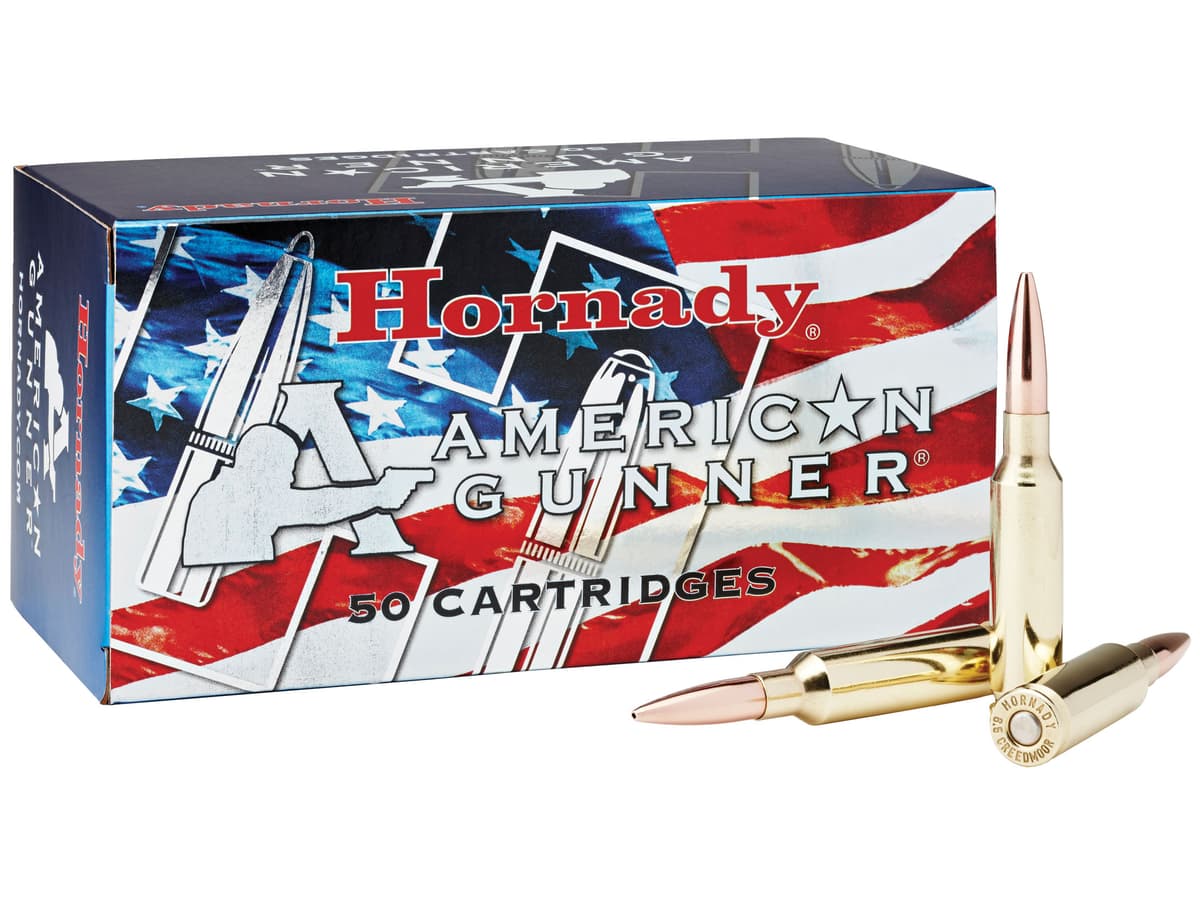
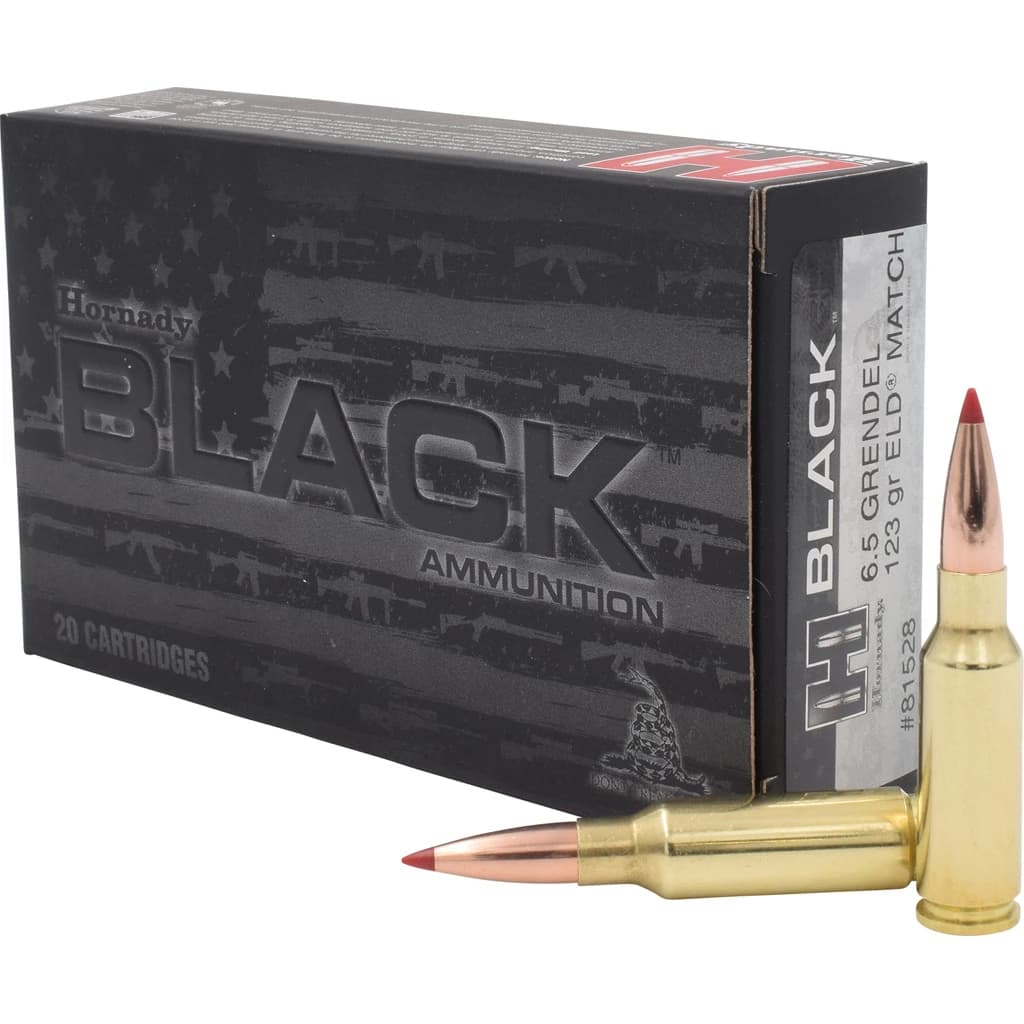
Affiliate links (?)
For the latest development in 6.5 Creedmoor ballistics, see our Federal 6.5 Creedmoor +Peak coverage, announced June 5, 2026: Peak Alloy cases push the 130gr Terminal Ascent to 3,100 fps from a 24-inch barrel in a compatible rifle.
6.5 Creedmoor was designed around a 24-inch barrel, but it tolerates shorter barrels better than .308. 6.5 CM loses roughly 20-25 fps per inch of barrel cut, while .308 Win loses closer to 35-40 fps per inch in the same range. Combined with 6.5 CM's higher-BC bullets, the short-barrel gap grows downrange: a 14.5-inch 6.5 CM holds more retained velocity and energy at 500 yards than a 14.5-inch .308. This is a primary reason SOCOM chose 6.5 CM for the MRGG-A at a 14.5-inch barrel rather than sticking with .308 at the same length. For a broader discussion of barrel length and gas tuning, see our barrel length guide.
| Length | Velocity (140gr) | FPS Lost | Best For |
|---|---|---|---|
| 14.5" | 2,510 fps | -200 | MRGG-A SBR, suppressed DMR |
| 16" | 2,550 fps | -160 | Compact gas gun, truck rifle |
| 18" | 2,580 fps | -130 | Balanced AR-10 carbine |
| 20" | 2,610 fps | -100 | MRGG-S, standard AR-10 |
| 22" | 2,660 fps | -50 | Hunting, lightweight precision |
| 24" | 2,710 fps | 0 (baseline) | Precision, competition, general purpose |
| 26" | 2,750 fps | +40 | ELR, maximum velocity |
Out of a 16-inch barrel, 6.5 CM matches .308 on retained energy at 500 yards while holding supersonic flight 350+ yards further. Short-barrel AR-10s in .308 start paying a steep ballistic price past 400 yards. Short-barrel AR-10s in 6.5 CM do not.
6.5 CM is effective on big game when bullet selection matches the animal. Covered here as a secondary use case for readers crossing over from tactical to hunting with the same rifle. Match-grade bullets (ELD Match, SMK) fragment unreliably on game and should never be used for hunting.
Ideal game for 6.5 CM out to 500+ yards. The 143gr ELD-X is the default load. Retains over 1,400 ft-lbs at 400 yards, well above the 1,000 ft-lbs deer minimum. Flat trajectory and wind resistance improve first-round hit probability on open-country animals.
Effective to 400 yards with bonded or monolithic bullets (Barnes TTSX 127gr, Nosler AccuBond 140gr). These retain weight and penetrate heavy bone. Avoid anything that fragments on impact. Shot placement matters more here than with larger calibers.
Moose, bear, and other large, heavy-boned game. 6.5 CM can kill these animals with perfect placement, but the margin for error is thin. Step up to .300 Win Mag, .338 Win Mag, or similar for those applications.
6.5 Creedmoor is one of the most reloader-friendly cartridges available. The case was designed with consistent chamber pressures in mind, and the wide selection of 6.5mm bullets provides options from 95gr varmint to 153gr ELR projectiles.
Use our rifle builder to configure an AR-10 build in 6.5 Creedmoor, or explore our component catalog for scopes and optics compatible with long-range precision setups.

Avid shooter with 10+ years of experience including competition shooting, an associate member of the Professional Outdoor Media Association (POMA), and a member of the National Shooting Sports Foundation (NSSF) and Safari Club International (SCI). Built 10+ AR-pattern rifles and several handgun platforms for home defense, competition, and suppressed night shooting.
This page contains affiliate links. Purchases through these links support the site at no extra cost to you. Read the affiliate disclosure
Ready to continue? Here's the recommended next guide:
Which AR-15 caliber should you buy? 5.56 vs 300 Blackout vs 6.5 Grendel compared on cost per round, ballistics, recoil, and availability. Data-driven buying guide with ammo recommendations for every use case.
Continue exploring with these related resources
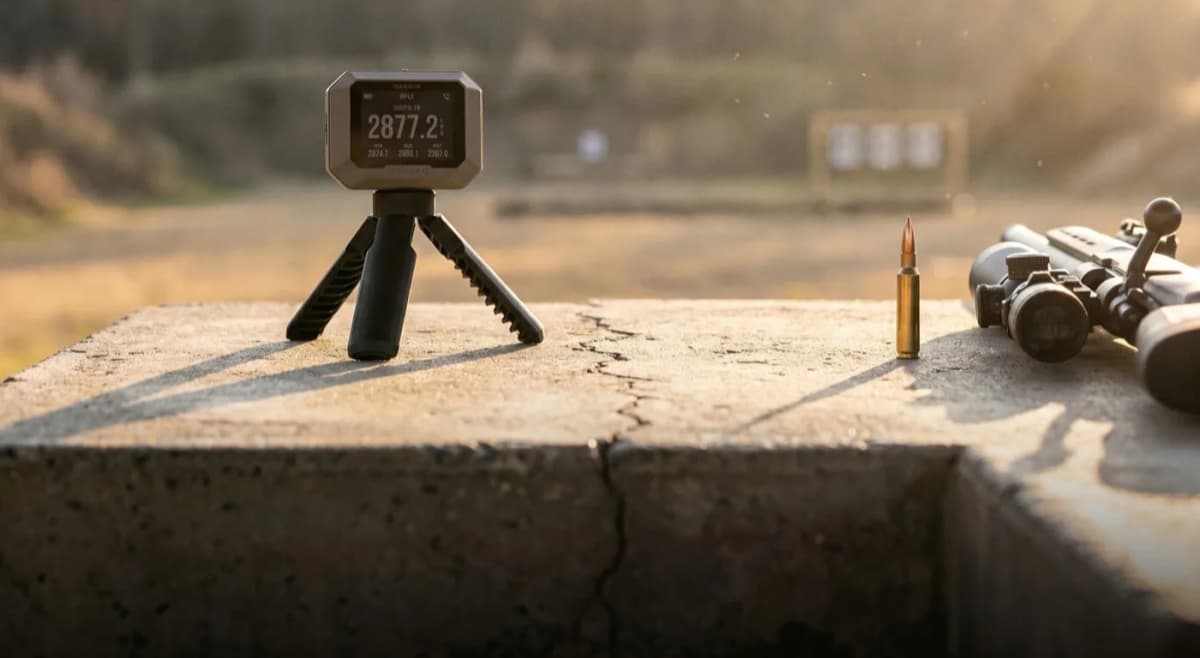
Best shooting chronographs ranked across Doppler radar, Chirp radar, electromagnetic, and optical technologies. Garmin Xero C1 Pro, Garmin Xero C2, Athlon Rangecraft Velocity Pro, LabRadar LX, Caldwell VelociRadar, MagnetoSpeed V3, and Caldwell G2 compared for reloading, precision rifle, hunting, and budget use cases.
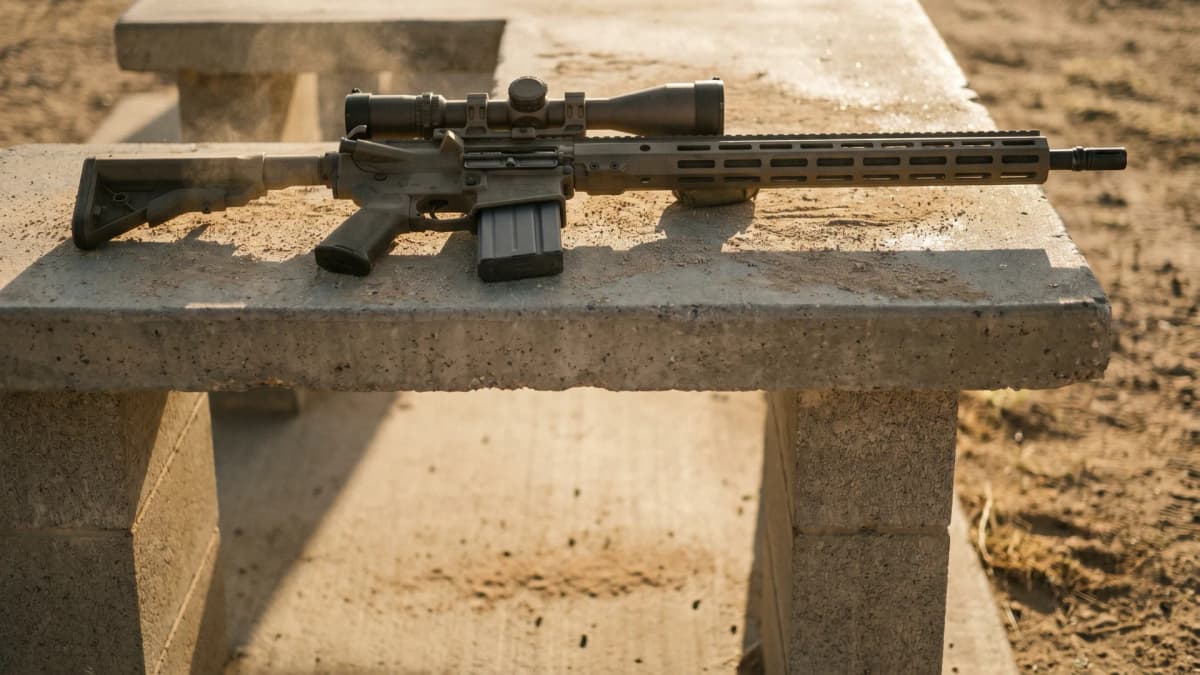
Eleven .308 and 6.5 Creedmoor AR-10s ranked from budget to precision, with the DPMS Gen 1 / Gen 2 / SR-25 / Armalite pattern confusion finally cleared up.
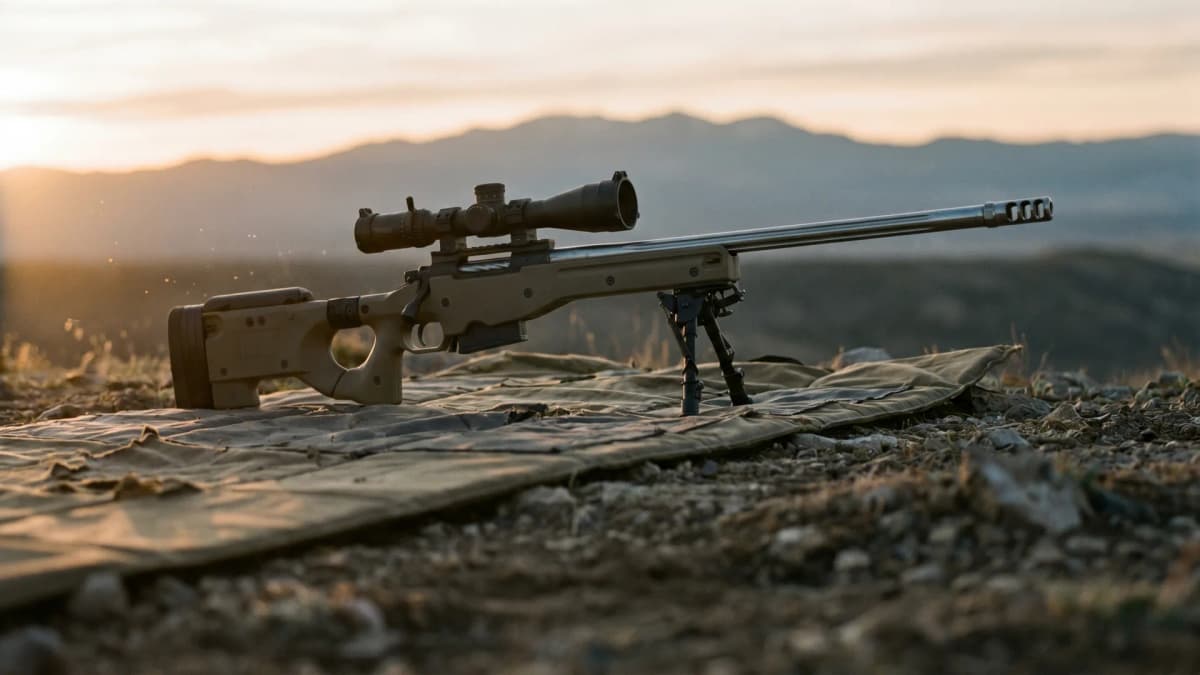
Ten 6.5 Creedmoor rifles ranked across three jobs the cartridge actually does: precision and PRS bolt guns, lightweight hunting rifles, and semi-auto AR-10 DMRs. Verified specs, magazine standards, suppressor threading, and a decision matrix for picking the right action.
Related articles and industry updates
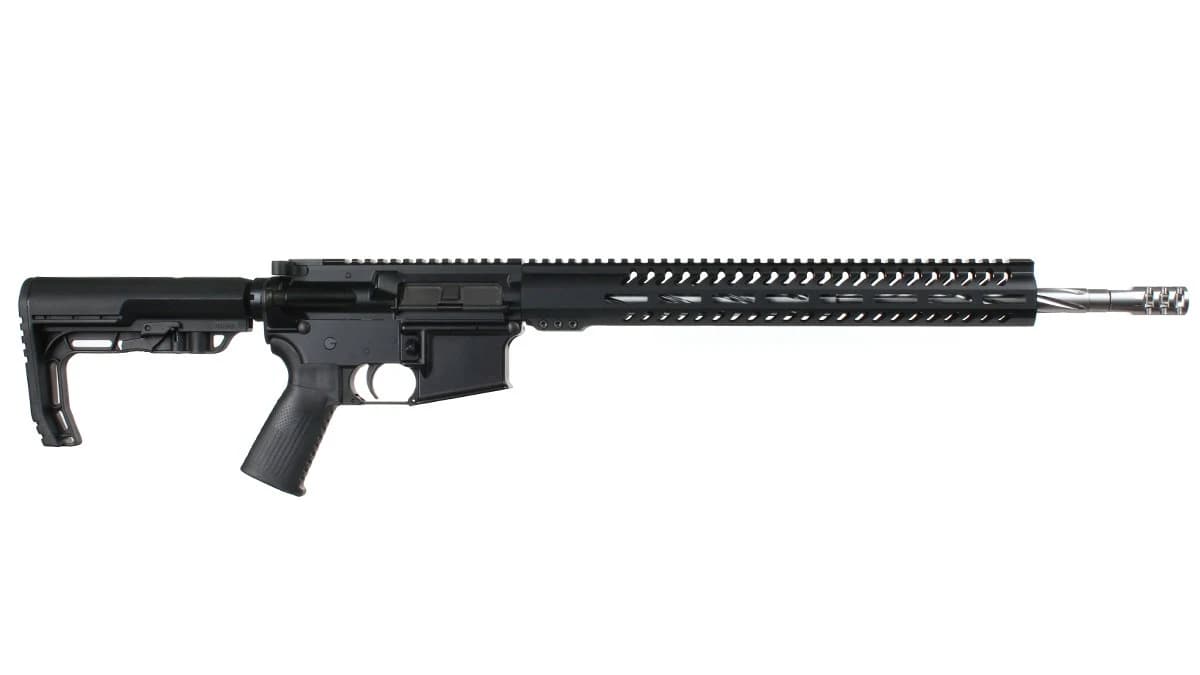
Bear Creek Arsenal launched Moore Precision Arms as a separate precision-focused AR brand. Here is how MPA relates to BCA, what the launch rifles change, and which quality-control claim still needs proof.
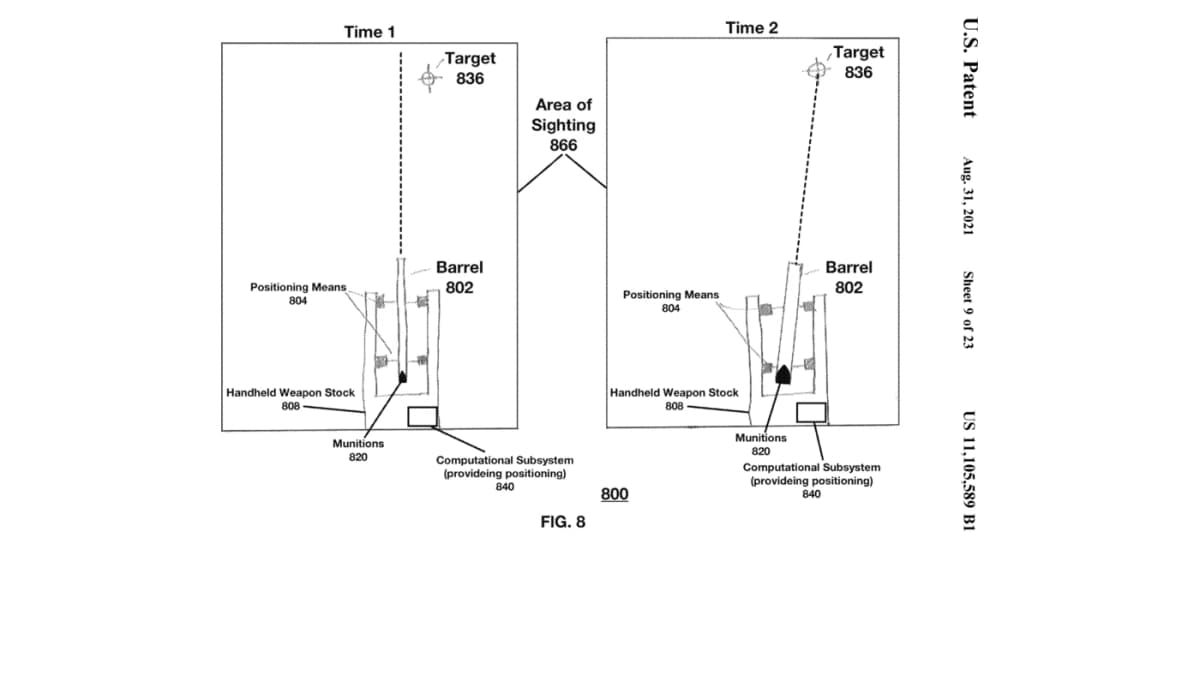
Advanced Weapons Systems says its articulated Fulcrum Barrel physically shifts a rifle's bore at trigger pull instead of just showing the shooter a corrected reticle. A co-founder's biography, twelve granted patents, and three pending trademarks show what the program actually is.
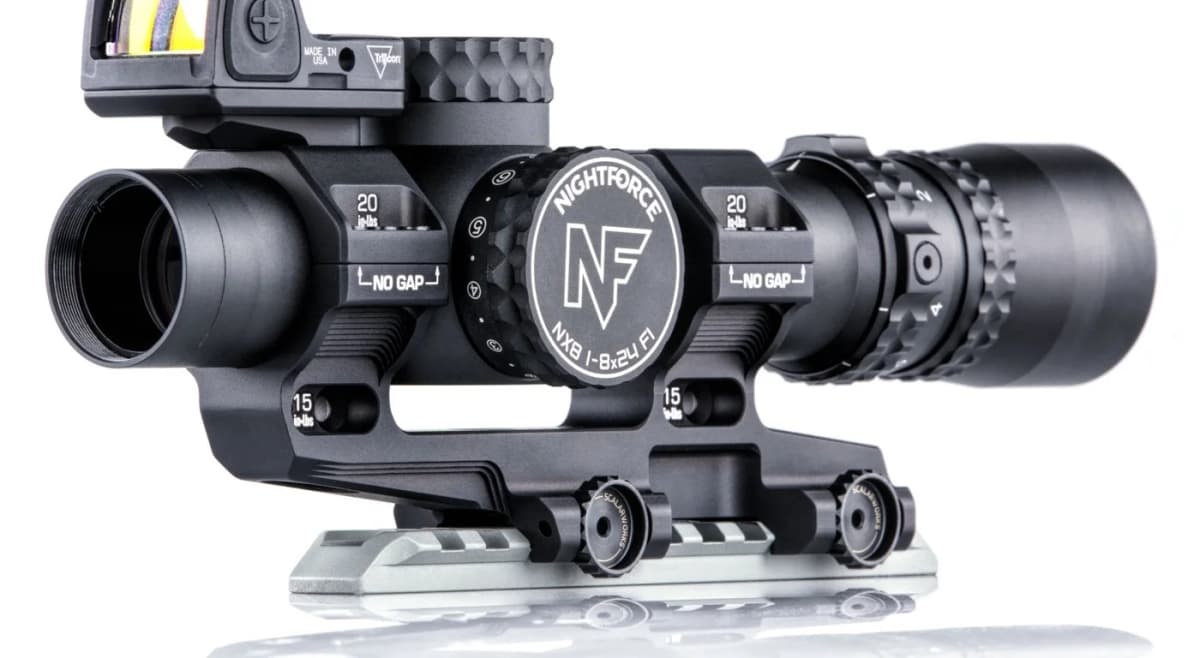
Scalarworks rebuilt the LEAP/08 30mm quick-detach scope mount with two ClickDrive clamps, No-Gap rings, LevelDrive, and KICK accessory support. SW0815 sits at 1.57 inches and 5.68 ounces; SW0825 rises to 1.93 inches and 6.28 ounces.