Best Shooting Chronograph: Garmin Xero, LabRadar LX & Athlon
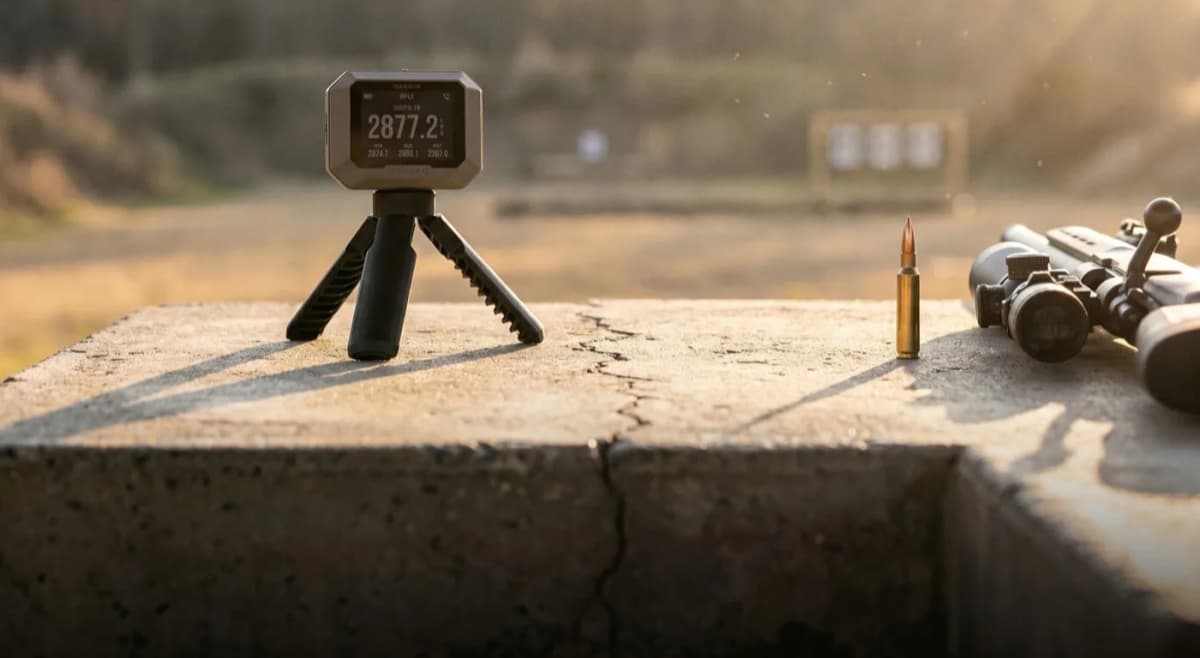
The Garmin Xero C1 Pro at $499.99 is the best shooting chronograph for most reloaders and rifle shooters. The Athlon Rangecraft Velocity Pro delivers the same baseline accuracy for $100 less. The Garmin Xero C2 is the right pick for PRS and rapid fire, the LabRadar LX is one of the few sub-$1,000 units that produce real ballistic coefficient data, and the MagnetoSpeed V3 is the cheapest accurate chronograph at $179. The rest of this guide explains which of the seven picks fits your reloading bench, your rifle, and your range workflow.
Best Shooting Chronographs Ranked
Doppler radar, Chirp radar, electromagnetic, and optical chronographs ranked across reloading, precision rifle, hunting, and budget use cases.
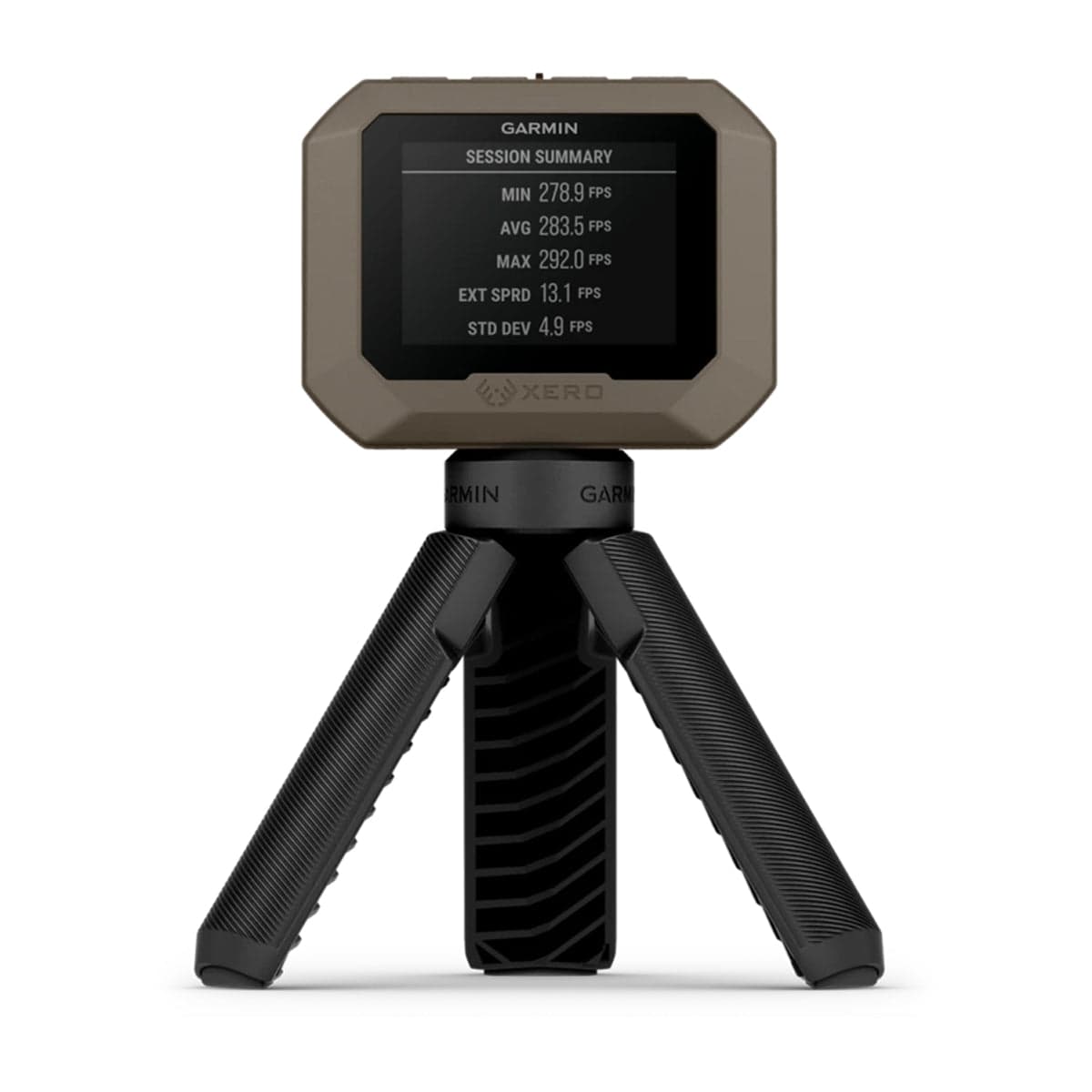
Garmin Xero C1 Pro
Best Overall
- +Smallest, lightest, easiest-to-set-up Doppler chronograph in the price class
- +Reads suppressed and braked rifles without muzzle-blast triggering issues
- +ShotView Bluetooth export feeds Kestrel and ballistics apps directly
- −Sample rate caps near one shot every two seconds; do not rapid-fire it
- −$499 stings if you only chrono twice a year
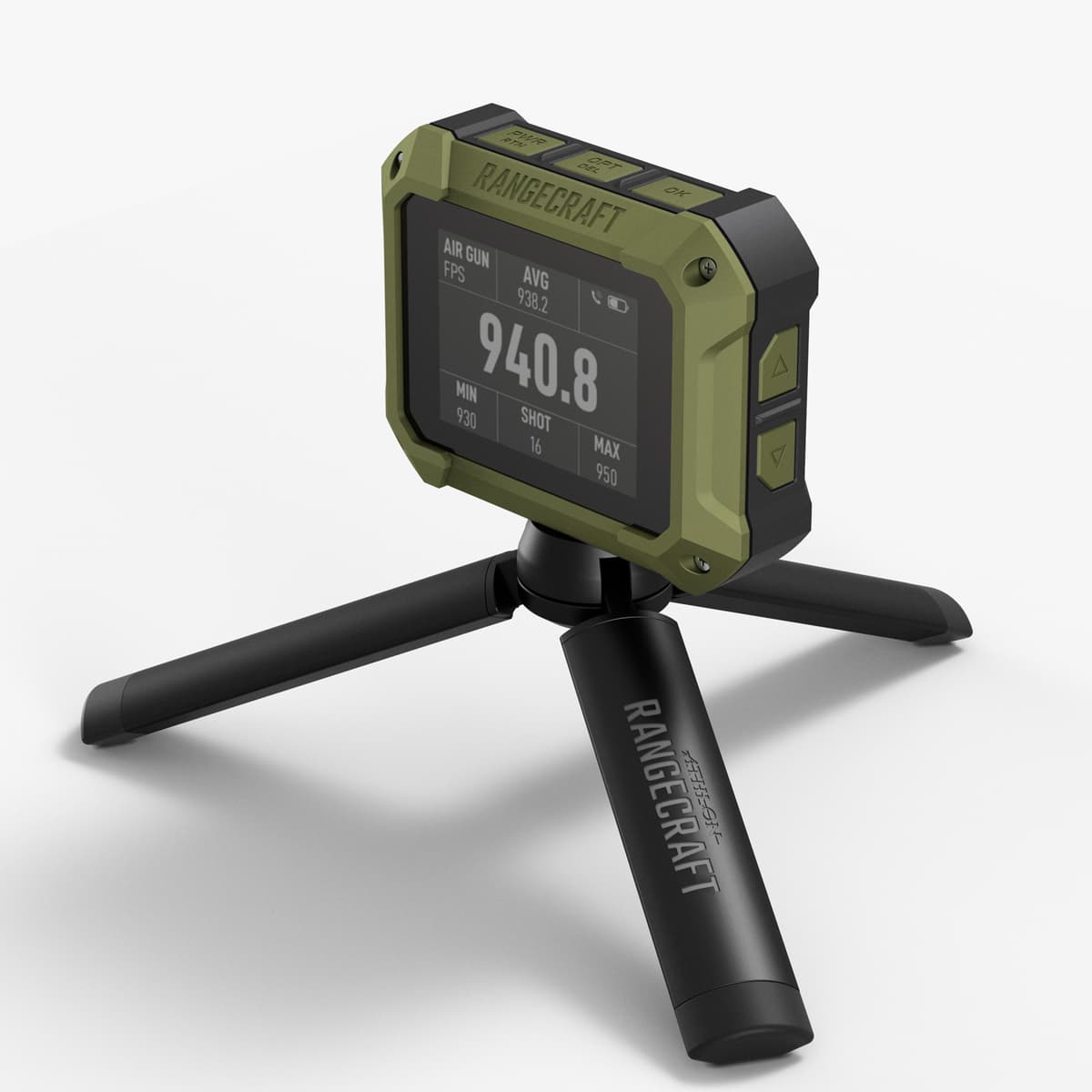
Athlon Rangecraft Velocity Pro
Best Value Doppler
- +$100-$300 less than Garmin C1 Pro / C2 for nearly identical velocity data
- +65 fps floor catches subsonic .22 LR and air rifle loads the Garmin cuts off
- +Bigger, brighter screen than the Garmin Xero
- −Athlon app and ecosystem are newer and thinner than Garmin's
- −No Applied Ballistics or smartwatch integration
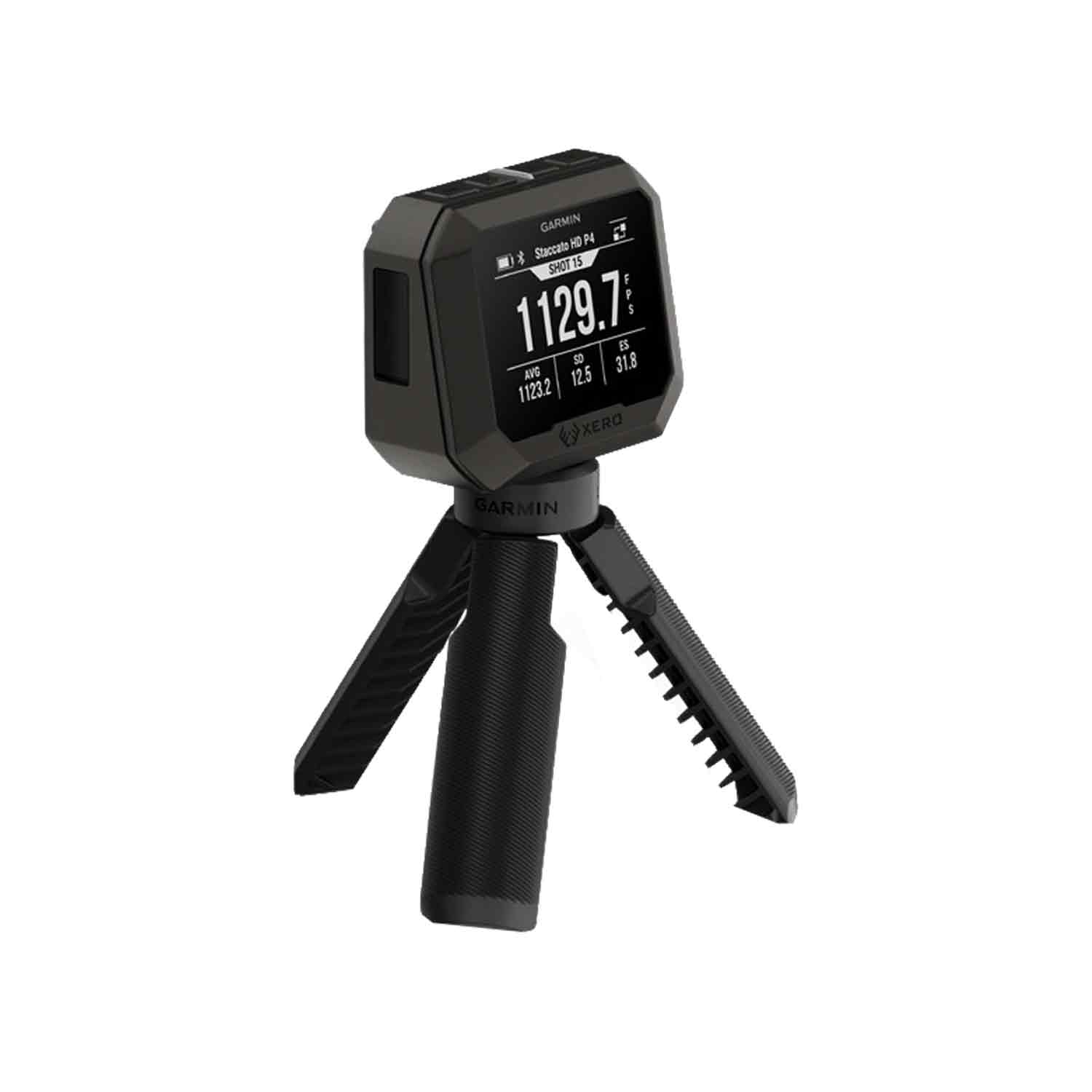
Garmin Xero C2
Best for Rapid Fire & PRS
- +Only sub-$1,000 Doppler chronograph that handles rapid fire cleanly
- +Applied Ballistics on the wrist closes the velocity-to-solution loop without a phone
- +Built to mount on the rifle, not just sit beside it
- −$200 over the C1 Pro for features most reloaders will not use
- −Most valuable inside the Garmin watch ecosystem
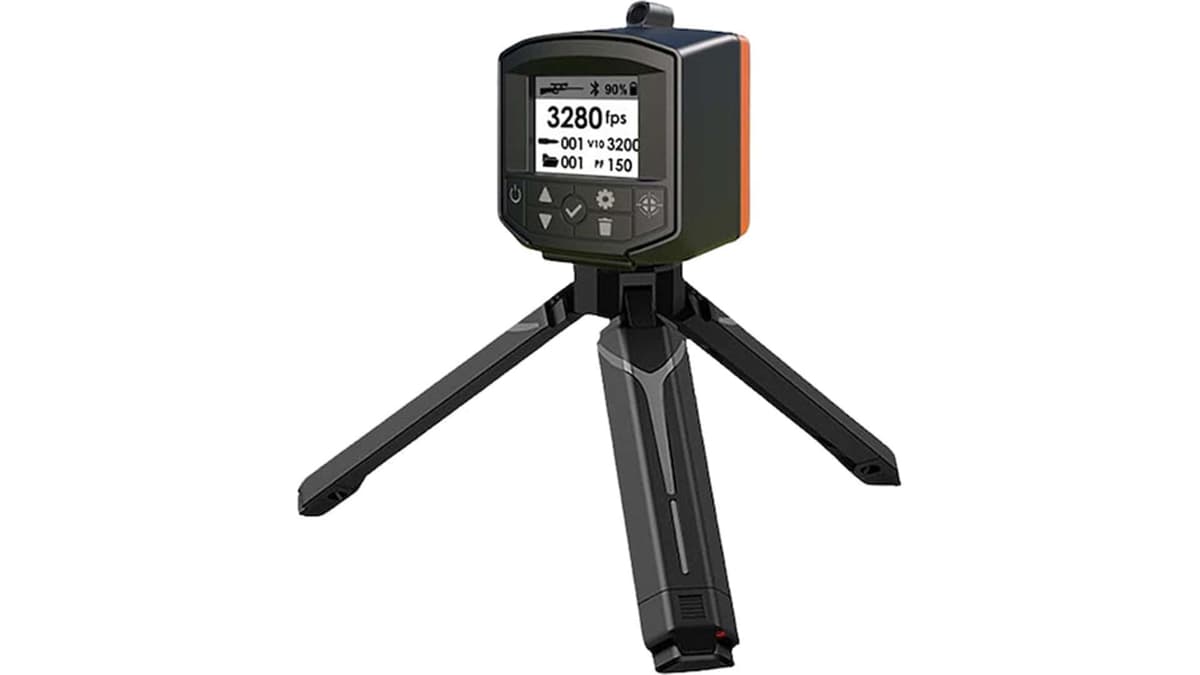
LabRadar LX
Best for Load Development & BC
- +Only sub-$1,000 chronograph that produces real ballistic coefficient data
- +Tracks bullets downrange instead of stopping at the muzzle
- +Massive setup improvement over the original LabRadar
- −Heaviest of the modern radar chronographs at 11.5 oz
- −BC tracking is overkill for shooters who only need a muzzle reading
- −Setup ritual is still longer than the pocket-size Garmin and Athlon
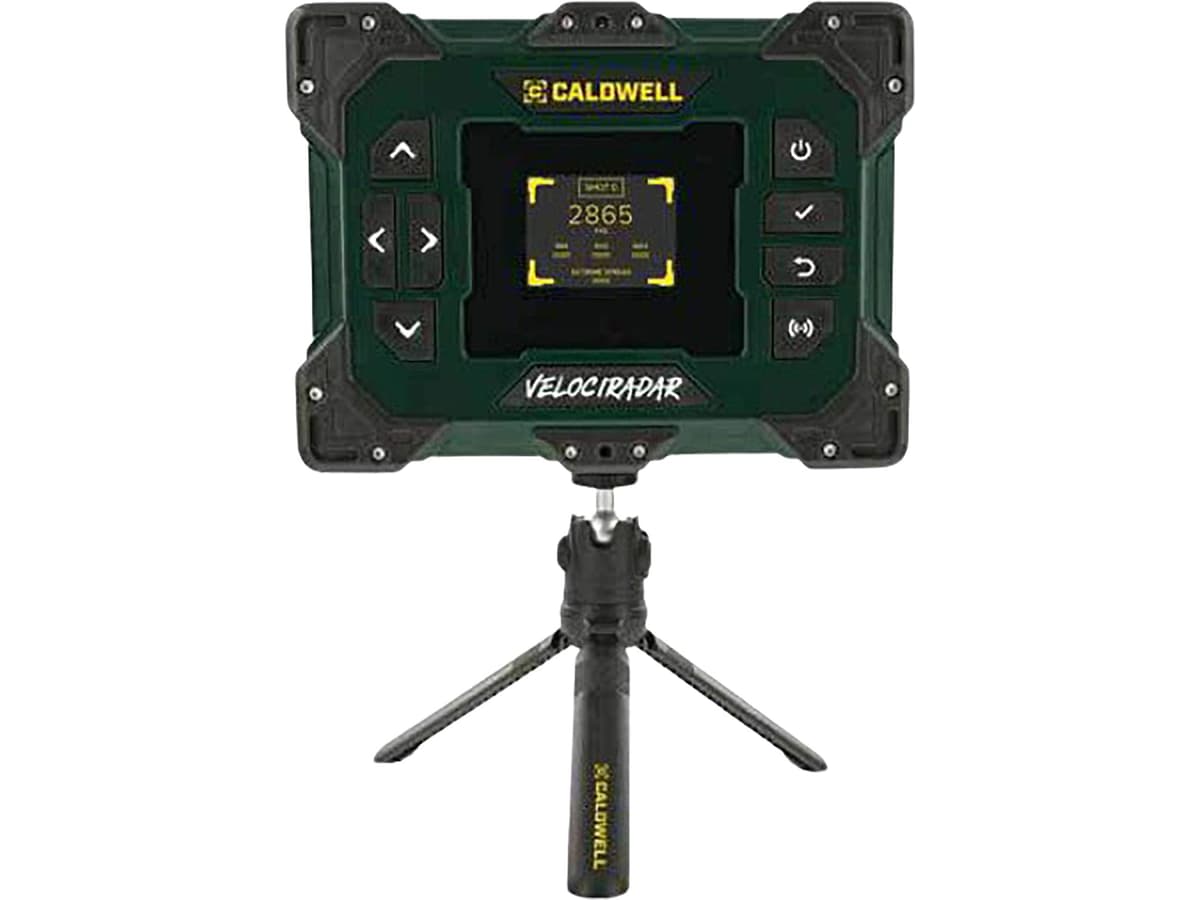
Caldwell VelociRadar
Best One-Shot DOPE Generator
- +Generates a custom DOPE chart from one shot, unique at this price
- +Friendliest user interface among radar chronographs
- +Caldwell app stores rifles and loads for cross-session comparison
- −Heavier and larger than Garmin and Athlon Doppler units
- −Mixed reviews on shotgun slugs and air rifle pellets
- −Chirp radar setup is more finicky than pure Doppler at the muzzle
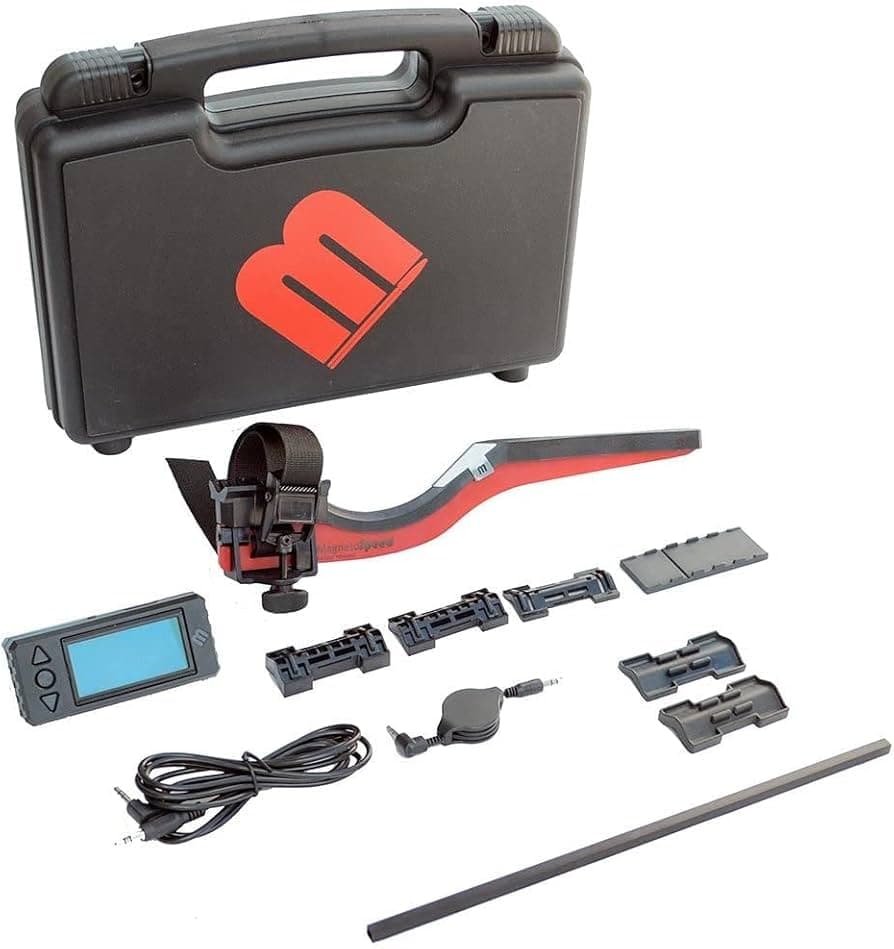
MagnetoSpeed V3
Best Barrel-Mounted
- +Cheapest accurate chronograph in this guide
- +Reads in any light, any weather, any muzzle direction
- +No alignment, no setup wait time, just clamp and shoot
- −Hanging mass at the muzzle changes harmonics; pull it before group testing
- −Barrel-mount only; will not read arrows or smoothbore slugs
- −No app ecosystem; data is on-unit and microSD
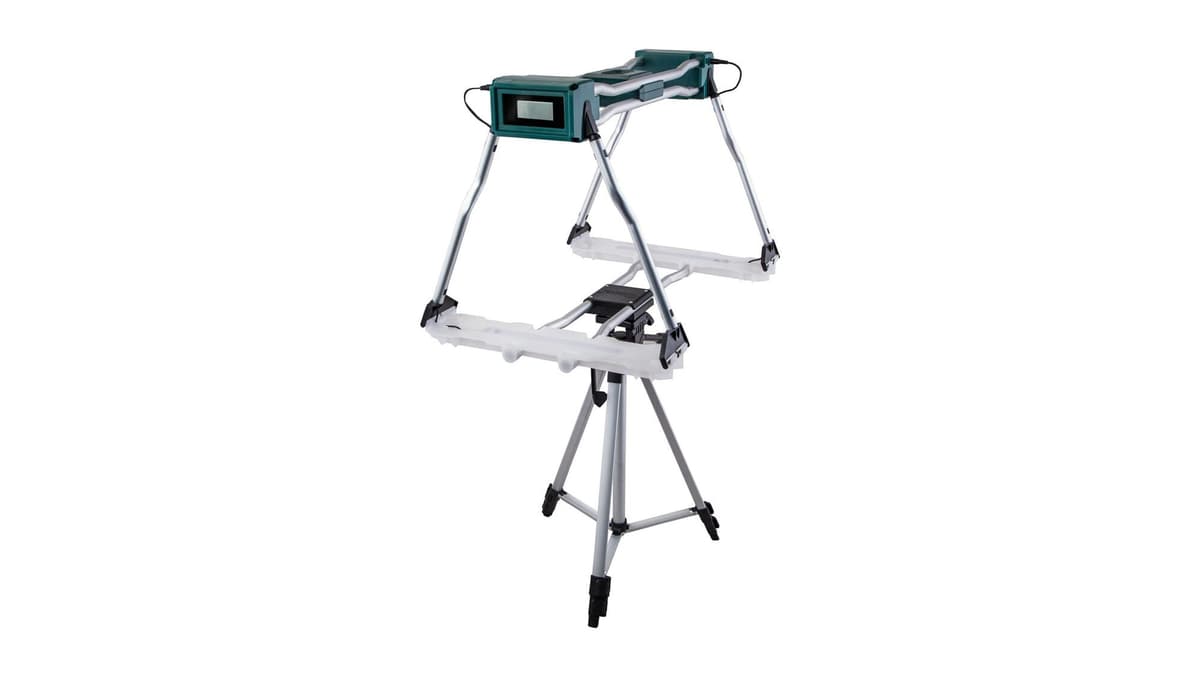
Caldwell Ballistic Precision G2
Best Budget Optical
- +Cheapest entry into chronography that ships with everything
- +Reads indoors at most ranges with overhead lighting
- +Caldwell app keeps the data after the range
- −Optical screens drop reads in mixed light, mirage, and shadow more than radar
- −Slower setup than radar (place 10+ feet downrange and align)
- −Skyscreen footprint is at risk in rain, wind, and crowded ranges
Manufacturer accuracy claims are bench-validated. Real-world dispersion includes shooter-induced velocity error from neck tension, primer seating, and lot-to-lot powder variation. A chronograph reveals the load; it does not fix it.
Affiliate links - purchases support this site at no extra cost to you. (?)
How We Ranked These Chronographs
Manufacturer accuracy claims sell chronographs; setup speed, muzzle-blast immunity, app workflow, and data export decide which one earns bench space. The rankings weight three things in order: how cleanly the unit reads suppressed and braked rifles, how fast it deploys at the range, and how well its data leaves the unit and lands in a Kestrel, app, or ballistic solver. Headline accuracy specs cluster around 0.1 percent across the radar units, so the real separation is workflow, not numbers.
Match the Chronograph to the Job
Casual reloader, factory ammo verification: buy the Athlon Rangecraft Velocity Pro for $399 or the MagnetoSpeed V3 for $219. The Rangecraft is faster to deploy and reads everything; the V3 is cheaper, weather-immune, and still industry-standard for ammunition manufacturers. Both give you the muzzle-velocity number you need to validate box ammo and trust your dope card.
Serious load development, BC verification: buy the LabRadar LX or the Caldwell VelociRadar. The LX tracks the projectile downrange and computes a true ballistic coefficient per shot; the VelociRadar generates a custom drop chart from a single shot via Chirp radar. Either one is producing data the Garmin and Athlon flat cannot. For our 6.5 Creedmoor and .308 load workflows, BC validation matters more than the muzzle number alone. The chronograph is the verification step that comes after the press; if you are still choosing the press itself, our best reloading press guide ranks single-stage, turret, and progressive options for load development, and our reloading die guide covers the sizing and seating tooling that decides how repeatable those handloads are before you ever chronograph them.
PRS, NRL Hunter, competition: the Garmin Xero C2 is the only sub-$1,000 chronograph that handles rapid fire cleanly. 10 shots per second sampling, a reinforced housing that mounts on the rifle, and Applied Ballistics on a Garmin tactix watch or the Instinct 3 AMOLED close the velocity-to-solution loop without a phone. Shooters already living in the Kestrel ecosystem can pair the C1 Pro to a Kestrel and save $200; everyone else should pay up for the C2.
Indoor range, factory ammo only: the Caldwell G2 optical chronograph is the right answer at $216. Light sensors with diffuser hoods read indoor LEDs and direct sun better than older optical units, and the included tripod and bag mean you are deployed in five minutes. Once you outgrow indoor 100-yard ranges and start shooting at distance, you are buying radar.
Mounting a Garmin Xero on an M-LOK Rifle
The KDG Kinect Garmin mount is a removable rifle or chassis carrier for either the C1 Pro or C2, not another chronograph. The standard base fits KDG's published 0.08- to 0.125-inch M-LOK envelope. Choose the XL version for a known thicker aftermarket chassis, but do not assume universal fit: KDG does not publish a numeric XL range and does not guarantee polymer rails.
A rifle-mounted radar is convenient during position changes, but its four-ounce carrier still loads the quick-release joint. KDG warns that heavily loaded Kinect accessories can disengage under recoil. Seat it fully, confirm lockup with a firm tug, and follow Garmin's current muzzle-distance and heat limits before firing. The Garmin unit is sold separately.
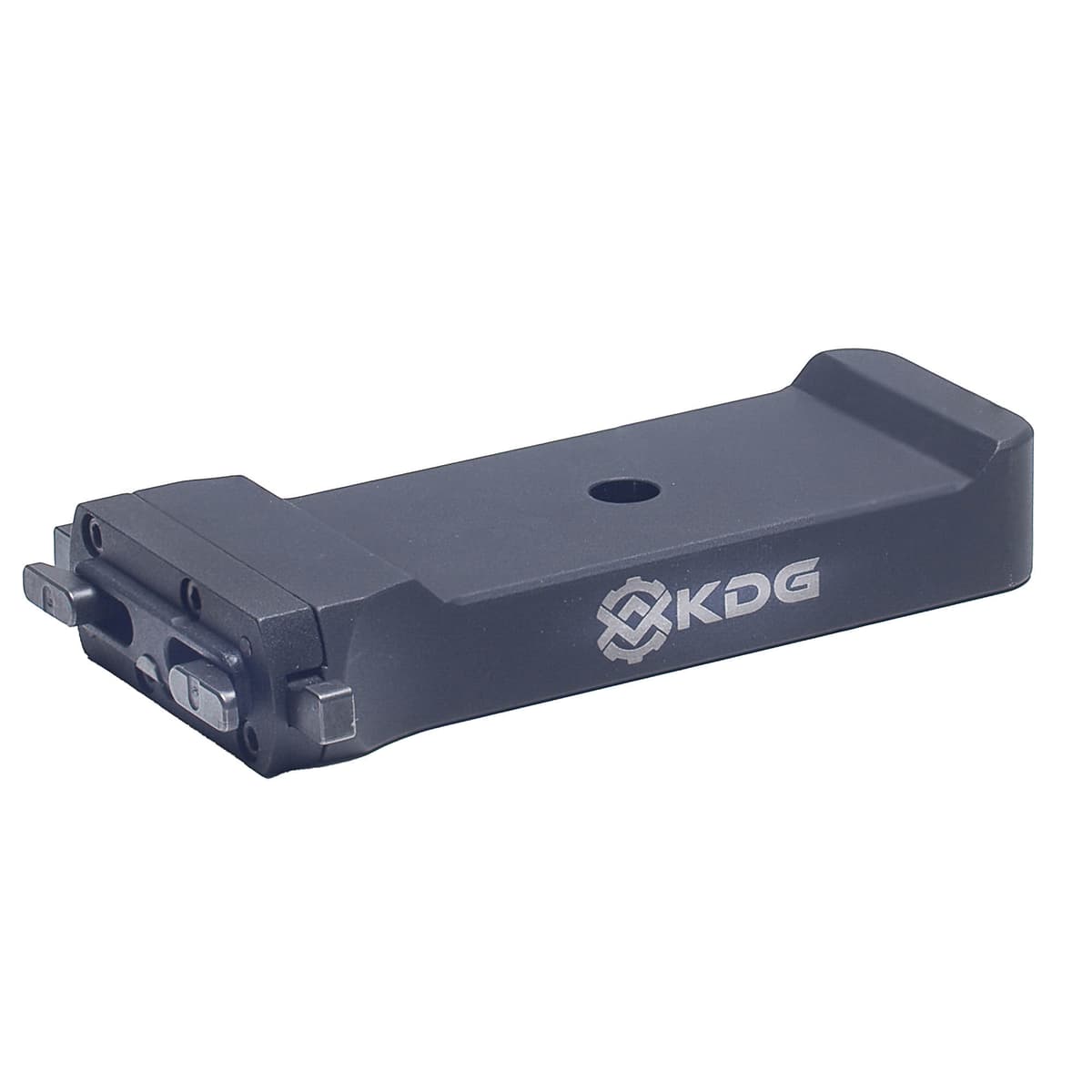
Kinetic Development Group Kinect MLOK Garmin Xero Mount
A 6061-aluminum carrier for mounting either Garmin Xero model directly to an M-LOK host. Choose the standard base for 0.08-0.125 inch rails or the XL base for a thicker aftermarket chassis; KDG does not publish a numeric range for the XL.
- Fits Garmin Xero C1 Pro and C2
- Standard and thicker-chassis XL bases
- 4-ounce mount; chronograph not included
This is a mount, not a chronograph. The Garmin is sold separately, polymer fit is not guaranteed, and the installed unit must still meet Garmin's current muzzle and heat-clearance instructions.
Affiliate links - purchases support this site at no extra cost to you. (?)
Doppler Radar vs Chirp Radar vs Electromagnetic vs Optical
Four chronograph technologies compete in this price class. Each has a different failure mode, and matching the failure mode to your range conditions is how you avoid buying the wrong tool.
Doppler Radar (Garmin, Athlon)
Pulsed Doppler reads bullet velocity at the muzzle. Sets up beside the shooter, ignores light and weather, reads through suppressors and brakes. Trade-off: limited downrange tracking, no ballistic coefficient output.
Chirp Radar / FMCW (Caldwell, LabRadar LX)
Frequency-modulated continuous wave radar tracks the bullet far enough downrange to compute true ballistic coefficient and a custom drop chart. Same setup advantages as Doppler. Trade- off: bigger, heavier, more expensive than pure Doppler units.
Electromagnetic (MagnetoSpeed)
Bayonet sensor mounts on the barrel and reads bullet flux as it passes. Immune to light, weather, and muzzle direction. Trade-off: hanging mass at the muzzle changes barrel harmonics, so the group is not your real off-bench POI group.
Optical (Caldwell G2)
Two light-sensor screens placed downrange detect the projectile shadow as it crosses each gate. Cheapest technology, indoor-capable. Trade-off: drops reads in mixed light, mirage, and shadow more than radar; setup requires placement 10+ feet downrange and careful alignment.
Get Chronograph Reviews and Velocity Data Guides
New chronograph reviews, BC validation workflows, and PRS-ready gear updates delivered monthly.
Garmin Xero C1 Pro vs C2: Which to Buy
Buy the C1 Pro unless you shoot rapid fire on a stage clock. The headline upgrade in the C2 is sample rate (10 shots per second versus roughly one every two seconds), which only matters during string drills, NRL Hunter stages, and PRS strings where you cannot wait between shots. For load development, hunting, factory ammo verification, and 99 percent of range work, the C1 Pro reads exactly the same muzzle velocity for $200 less.
The other C2 advantages are real but narrow: the reinforced housing rides on a rifle through recoil instead of sitting beside it, and Applied Ballistics integration with Garmin tactix, Instinct, and fenix watches lets the watch pull velocity straight into the firing solution. Both matter if you are running a Garmin watch and a custom rifle profile. Neither matters if you already own a Kestrel and pair the C1 Pro to it. The C2 is a tax on the Garmin watch ecosystem, not a fundamentally better velocity reader.
That ecosystem got meaningfully tighter on September 16, 2026, when Garmin acquired Applied Ballistics outright, taking ownership of the solver and projectile library the C2 hands its velocity data to.
LabRadar LX vs Garmin Xero: When BC Data Matters
The LabRadar LX wins on data depth, the Garmin wins on everything else. The LX tracks the projectile to roughly 100 yards and computes a real ballistic coefficient per shot, because the radar follows the bullet long enough to measure drag. The Garmin reads at the muzzle and stops there. For reloaders chasing low ES on long-range loads, BC validation catches drift in seating depth, neck tension, and lot-to-lot powder variance that a muzzle velocity alone hides.
If you do not shoot past 600 yards, do not develop loads seriously, and do not need a published BC for a competition ballistics card, the Garmin Xero is the better tool. It is smaller, lighter, faster to deploy, and its data export workflow is enough for the dope card most rifle shooters actually use. The LX earns its slot when you outgrow muzzle- velocity-only chrono workflows. The ballistics guide covers the workflow once the data is in hand.
Why the Athlon Rangecraft Beats the Garmin on Value
The Athlon Rangecraft Velocity Pro lands inside the muzzle- velocity noise floor of the Garmin Xero C1 Pro in independent Sniper's Hide and Rokslide testing. For $100 less, you get the same Doppler radar accuracy, a wider 65 to 5,000 fps range that catches subsonic .22 LR and pellets the Garmin misses, and a 2.4-inch LCD that is brighter and bigger than the Garmin's screen. Where the Garmin wins is the ShotView app, smartwatch integration, and the deeper third- party ecosystem. If you live in apps and want Kestrel pairing with one tap, pay the $100 for the Garmin. If you want the cheapest Doppler unit that does not embarrass itself on muzzle velocity, the Athlon is the right call.
MagnetoSpeed V3: Why Reloaders Still Buy It
The V3 is the only chronograph in this guide that is immune to light, weather, and muzzle direction. Clamp the bayonet to the barrel or suppressor, shoot, get a number. No alignment, no sky angle, no 30-second wait while the radar acquires. Ammunition manufacturers and competition reloaders still buy the V3 by the case because it is faster and more reliable for pure muzzle-velocity work than any radar unit, and at $219 it is half the price of the cheapest Doppler.
The well-known trade-off is barrel harmonics. The bayonet weighs roughly a pound and hangs off the muzzle, which shifts point-of-impact and opens groups about half an MOA on most rifles. Most serious reloaders run a velocity string with the V3, pull it, then shoot a group for accuracy. That workflow is faster than fighting a radar in low light or a crowded range, which is why the V3 still owns a spot in load development bags decades after Doppler arrived.
Setup Checklist Before You Trust the Number
- Shoot a 10-shot string, not a 3-shot string: ES and SD computed from 3 shots are statistically meaningless. Most reloaders use 10-shot strings for load decisions and 20-shot strings for final BC validation.
- Validate the chronograph against a known load: shoot factory ammunition with a published muzzle velocity first, confirm the chrono lands within 30 fps of the box number, and only then trust it for handloads.
- Match velocity to the right barrel length: a 16-inch carbine and a 20-inch rifle reading the same load will differ by 100+ fps. Box-velocity comparisons only work when the test barrel matches yours.
- Pull the MagnetoSpeed for groups: run velocity strings with the V3 mounted, then remove it before shooting groups for accuracy. Do not test both at the same time on the same target.
- Pair the chrono with a real ballistic workflow: a chronograph reading is one input. Use the ballistics guide to convert muzzle velocity, BC, and zero into a dope card, then validate true drop at distance with the rangefinder and rifle builder.