Best Youth Rifle 2026: First .22 & Youth Deer Picks header image
Gear
June 19, 2026
Best Youth Rifle 2026: First .22 & Youth Deer Picks

Eight youth rifles ranked for 2026 across first .22 LR rimfires and right-sized youth deer rifles, with length-of-pull, weight, and recoil guidance for buying a kid's first rifle.

Best Youth Rifle 2026: First .22 & Youth Deer Picks

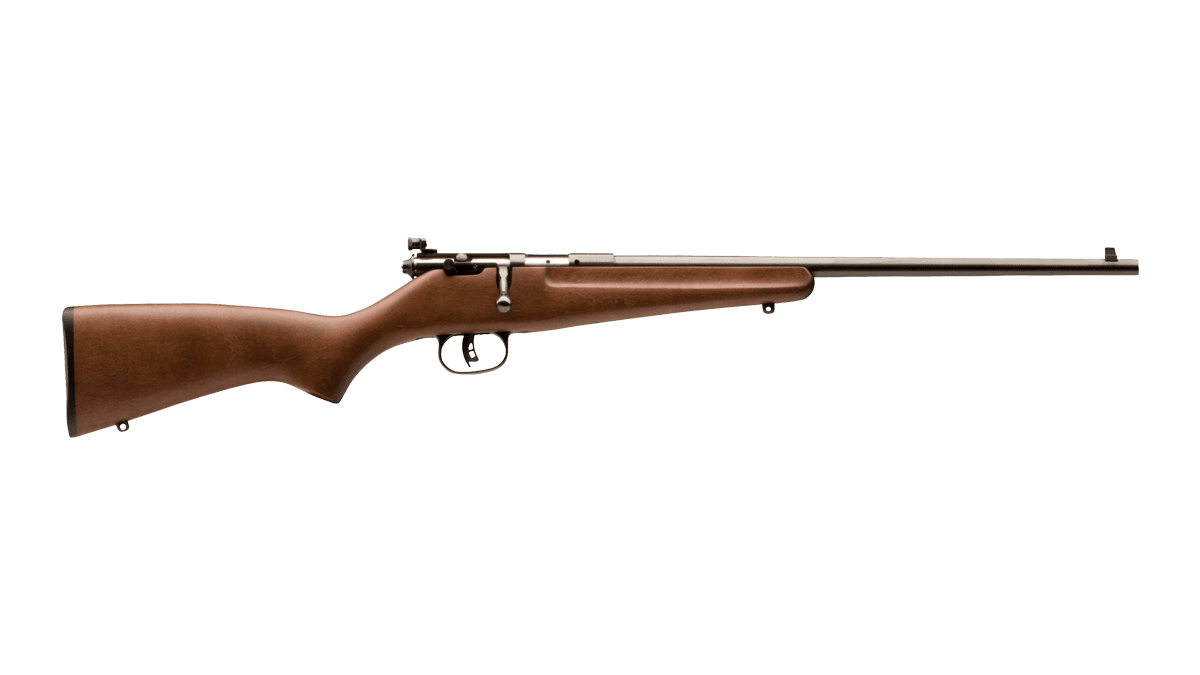
The best youth rifle for a first-time shooter is the Savage Rascal ($169), a single-shot .22 LR with an 11.25-inch length of pull, a 2.66-pound weight, and a genuine AccuTrigger. For a kid who will outgrow a single-shot quickly, the Ruger 10/22 Compact ($339) has a 12.5-inch stock that extends to full adult length. When a young hunter is ready for deer, the Savage Axis II XP Compact ($499) in .243 or 7mm-08 is the best youth deer rifle, and the .350 Legend Ruger American Gen II Ranch ($599) kicks even softer. We ranked nine youth rifles by the three things that actually matter for a child: length of pull, weight, and recoil. Pair any rimfire pick with our best .22 LR rifle guide for the deeper rimfire breakdown, and step up to our best deer hunting rifle guide when the youth graduates to a full-size gun.

By AB|Last reviewed June 2026

Buying for the parent, not the kid?

For first-gun picks aimed at adults, including pistols and home-defense long guns, see best first gun for beginners. For deeper rimfire options, best .22 LR rifle.

Best Youth Rifles for 2026 (Ranked)

Nine youth rifles ranked across first .22 LR rimfires and right-sized youth deer rifles. Each pick was chosen for a genuine youth length of pull, a low weight a child can actually hold up, and recoil a young shooter can manage.

1

Savage Rascal

Best overall first rifle

$169
Shop at Classic Firearms
  • +Single-shot loading is the safest way to supervise a first range trip
  • +User-adjustable AccuTrigger is unmatched in the youth single-shot class
  • +Purpose-built youth dimensions: 11.25-inch length of pull, 2.66 lb
  • Single-shot only with no path to faster shooting as skills grow
  • Short stock is outgrown in a few years with no adjustment
  • Base model has no factory threaded muzzle
2

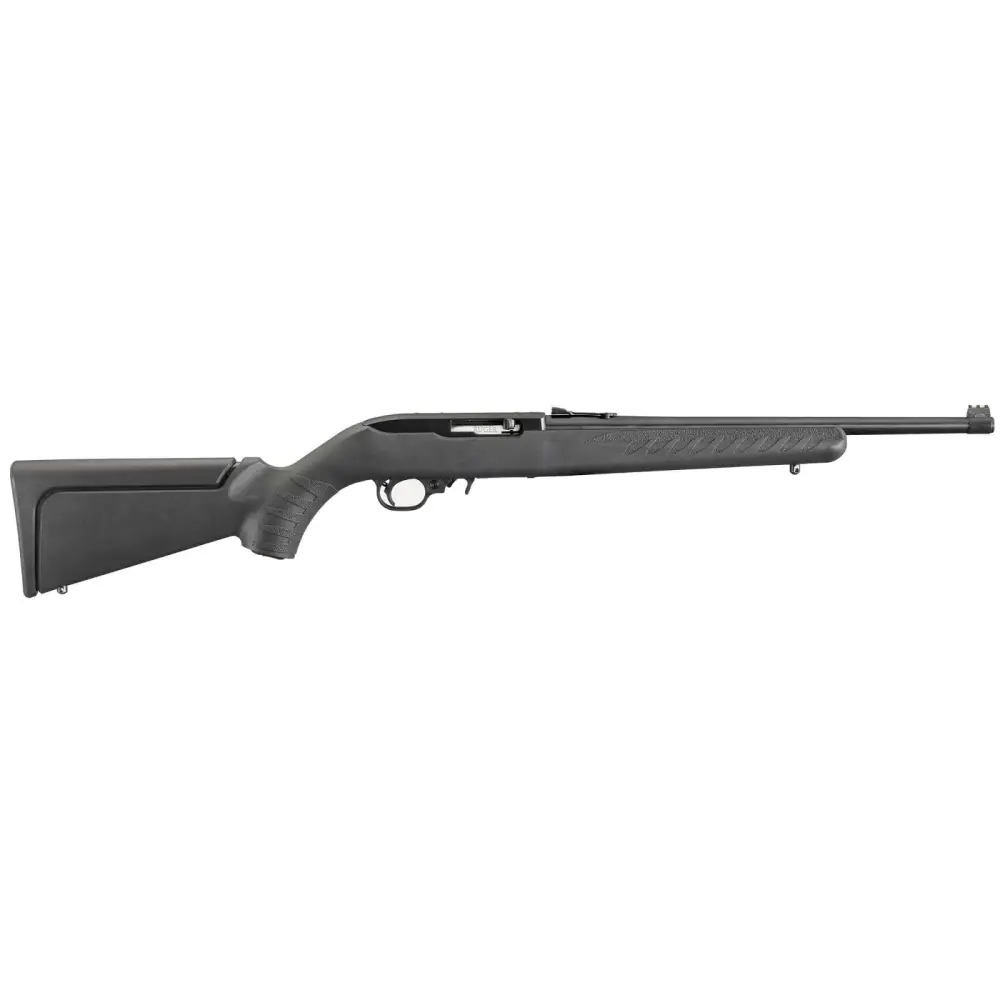
Ruger 10/22 Compact 31114

Best semi-auto first .22

$339
Shop at Classic Firearms
  • +12.5-inch length of pull fits a child; stock module grows to full length
  • +Inherits the entire 10/22 magazine and aftermarket ecosystem
  • +Fiber-optic sights are easier for new shooters to acquire
  • Semi-auto action is faster than a parent may want for a first range trip
  • Standard-length stock module is a separate purchase
  • Factory bolt release needs a two-hand pull
3

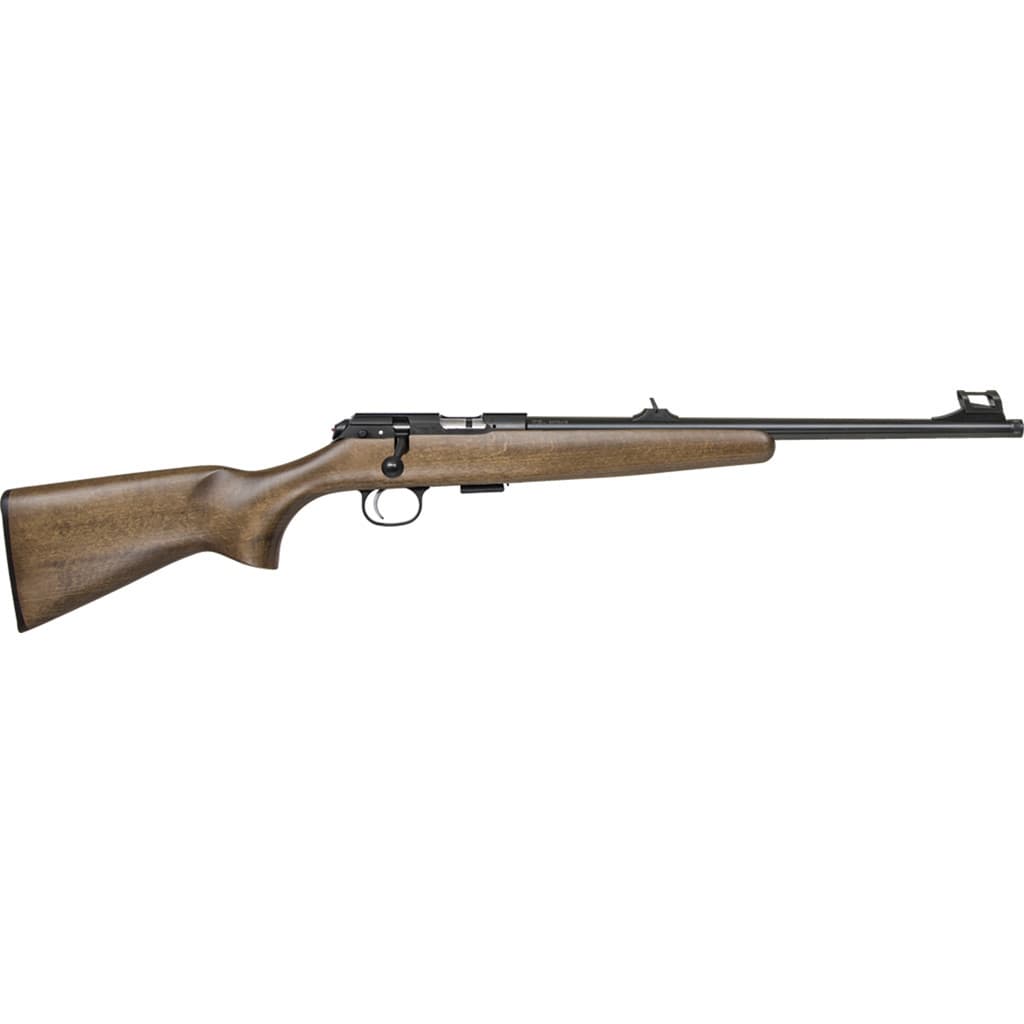
CZ 457 Scout

Best heirloom .22 that grows with the shooter

$365
Shop at Classic Firearms
  • +Full CZ 457 accuracy and adjustable trigger in a 12-inch youth length of pull
  • +Factory 1/2x28 threaded barrel hosts a rimfire can to protect young ears
  • +Grows with the shooter via full-length stock and higher-capacity magazines
  • Costs more than dedicated single-shot youth rifles
  • Heavier than a Crickett or Rascal at roughly 5 pounds
  • Full-length adult stock is a separate purchase
4

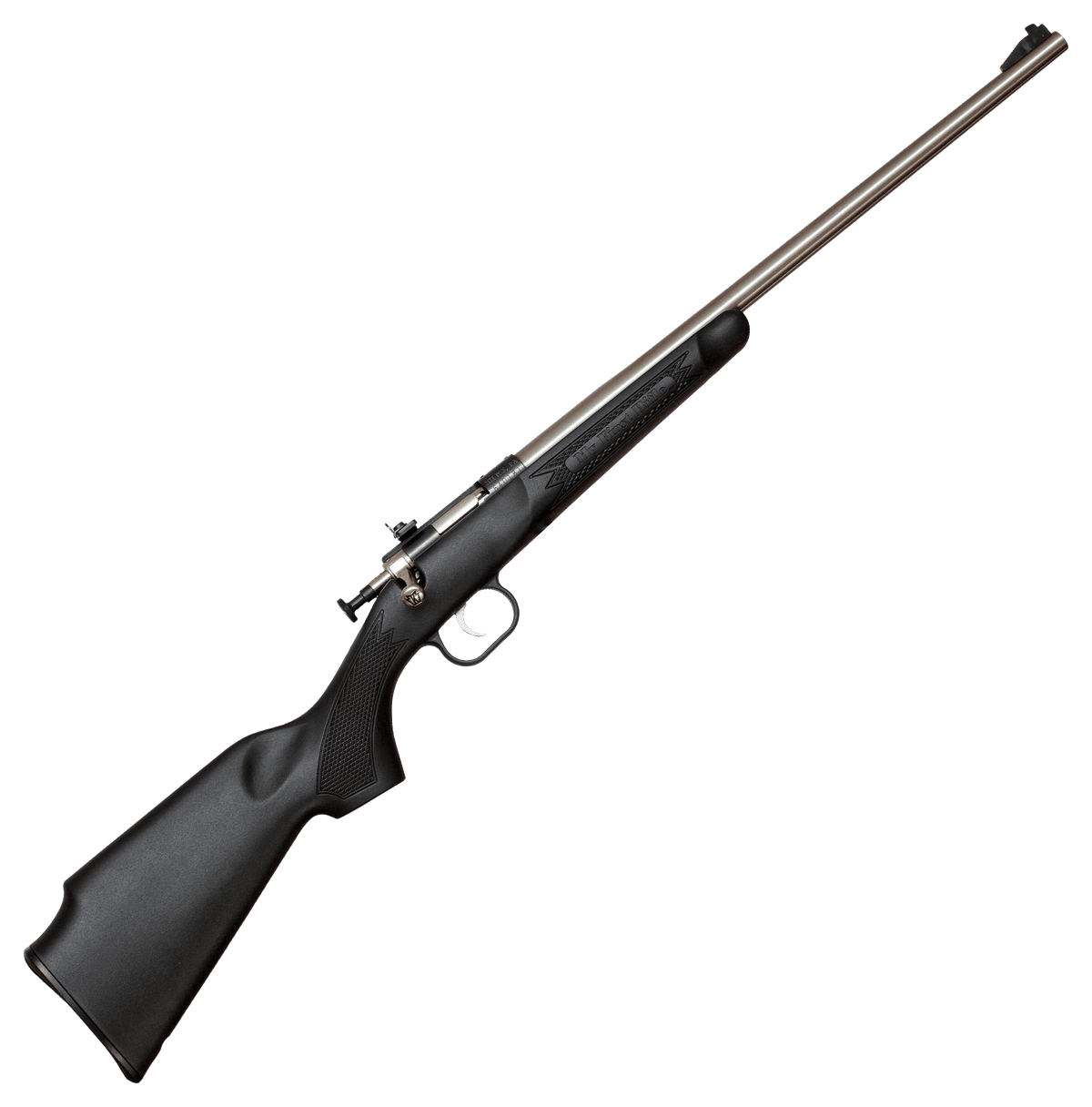
Keystone Crickett (My First Rifle)

Best budget first rifle for the youngest shooters

$165
Shop at Classic Firearms
  • +Manual-cock striker adds a deliberate safety step before every shot
  • +Among the smallest and lightest youth rifles made: 2.5 lb, 11.5-inch LOP
  • +Cheapest credible purpose-built first rifle, well under $180
  • Heavier, less refined trigger than the Savage Rascal
  • Fixed barrel and no peep sight, so it teaches less than the Rascal's adjustable setup
  • Stock has no spacer system, so a growing child outgrows it with no path to extend it
5

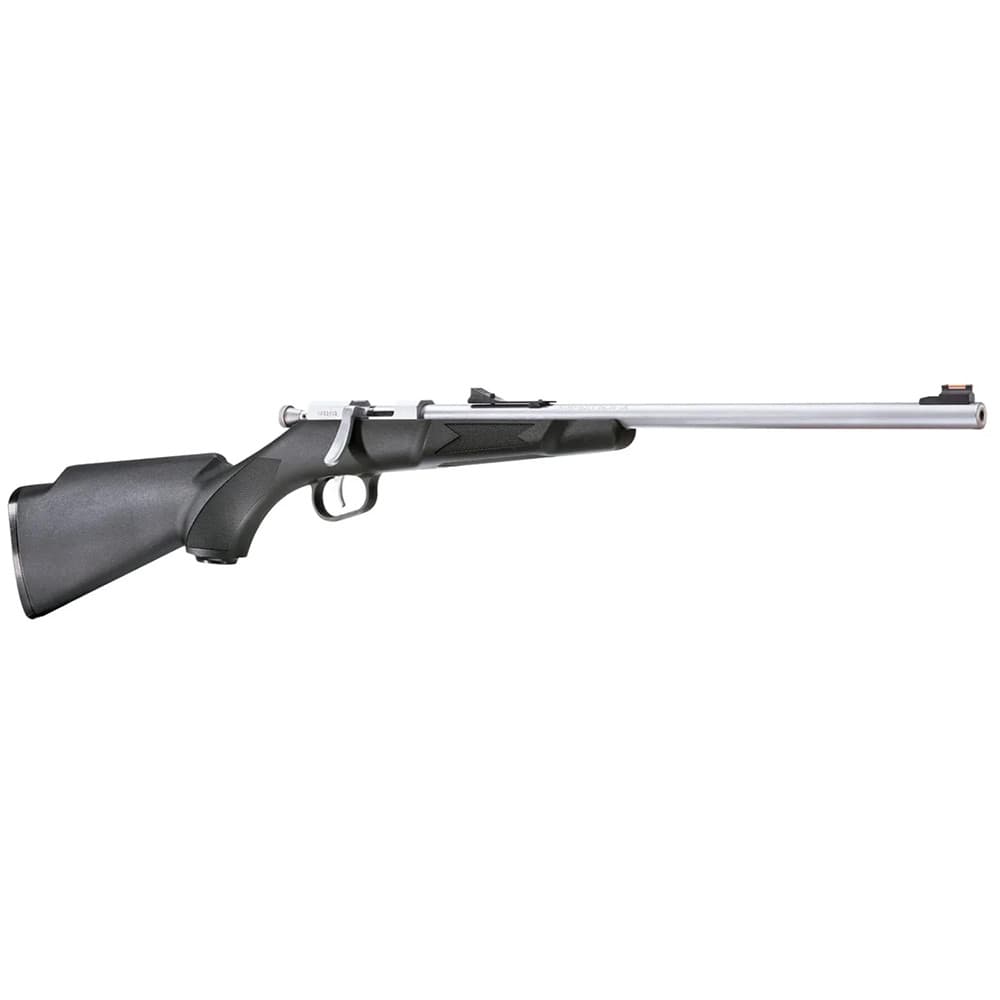
Henry Mini Bolt Youth

Best built single-shot .22

$280
Shop at Classic Firearms
  • +Stainless barrel shrugs off the neglect a first rifle receives
  • +Bright orange sight inserts are faster for young eyes to align
  • +Manual-cock striker enforces a deliberate pre-fire step
  • Costs more than a Crickett or Rascal for the same single-shot function
  • Trigger is heavier and grittier than the Rascal's AccuTrigger
  • Fixed-length stock has no adjustment, so it is outgrown in a few years
6

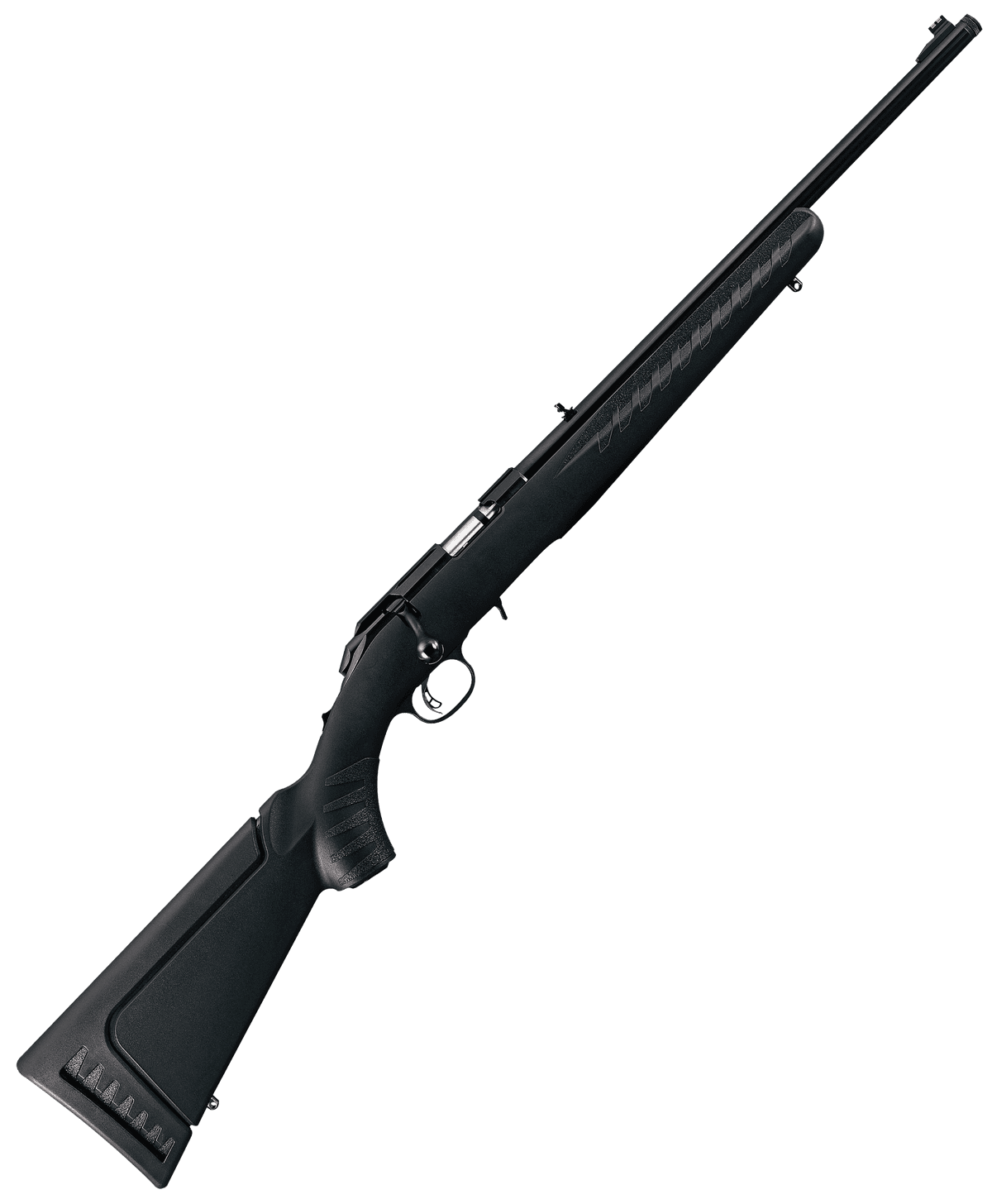
Ruger American Rimfire

Best repeating .22 that grows with the shooter

$389
Shop at Classic Firearms
  • +Interchangeable stock modules adjust comb height and length of pull from youth to adult
  • +Feeds from the ubiquitous 10/22 BX rotary and all BX magazines
  • +Adjustable Marksman trigger tunes 3-5 lb with no gunsmithing
  • Light sporter barrel is less precise than heavy-barrel rivals
  • Standard models are not threaded; suppressor host is a separate SKU
  • Length-of-pull change requires buying and swapping full stock modules, not a quick spacer
7

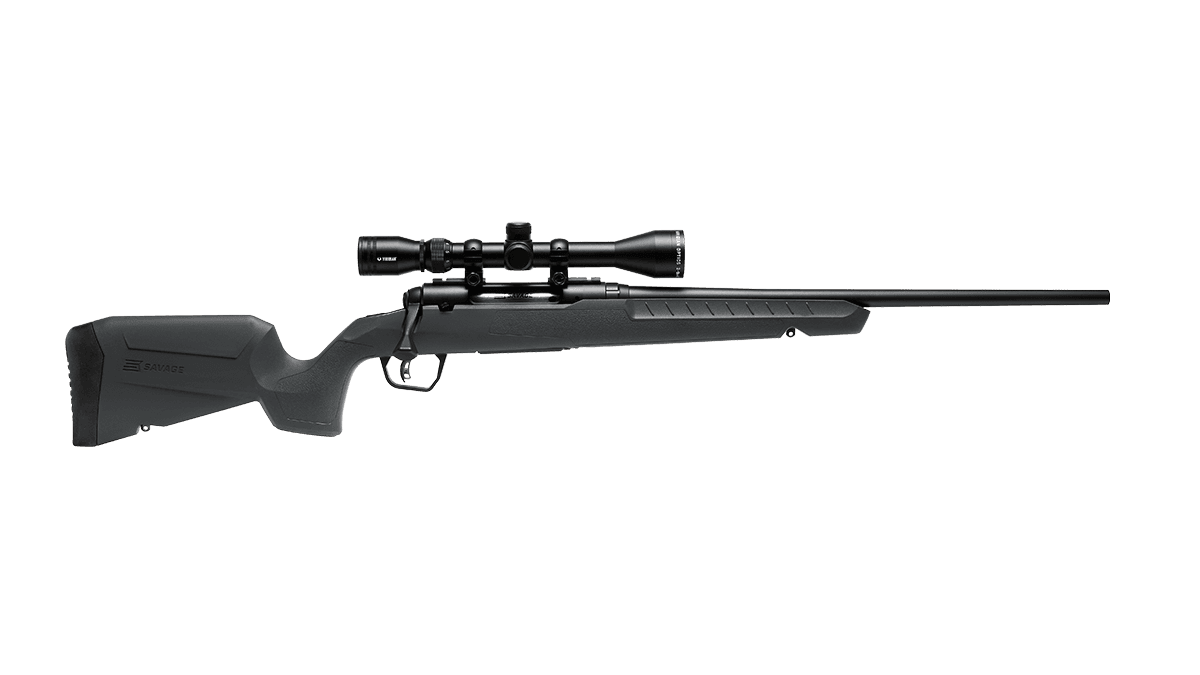
Savage Axis II XP Compact

Best youth deer rifle scope combo

$499
Shop at Classic Firearms
  • +Genuine youth dimensions, not a cut-down full-size rifle: 12.75-inch LOP, 20-inch barrel
  • +Mounted and bore-sighted 3-9x40mm scope means it is range-ready out of the box
  • +AccuTrigger is the best trigger in the entry deer-rifle class
  • Bundled 3-9x40mm scope is a basic optic most shooters eventually upgrade
  • Unthreaded muzzle; no factory suppressor option
  • Synthetic stock has no further length-of-pull adjustment
8

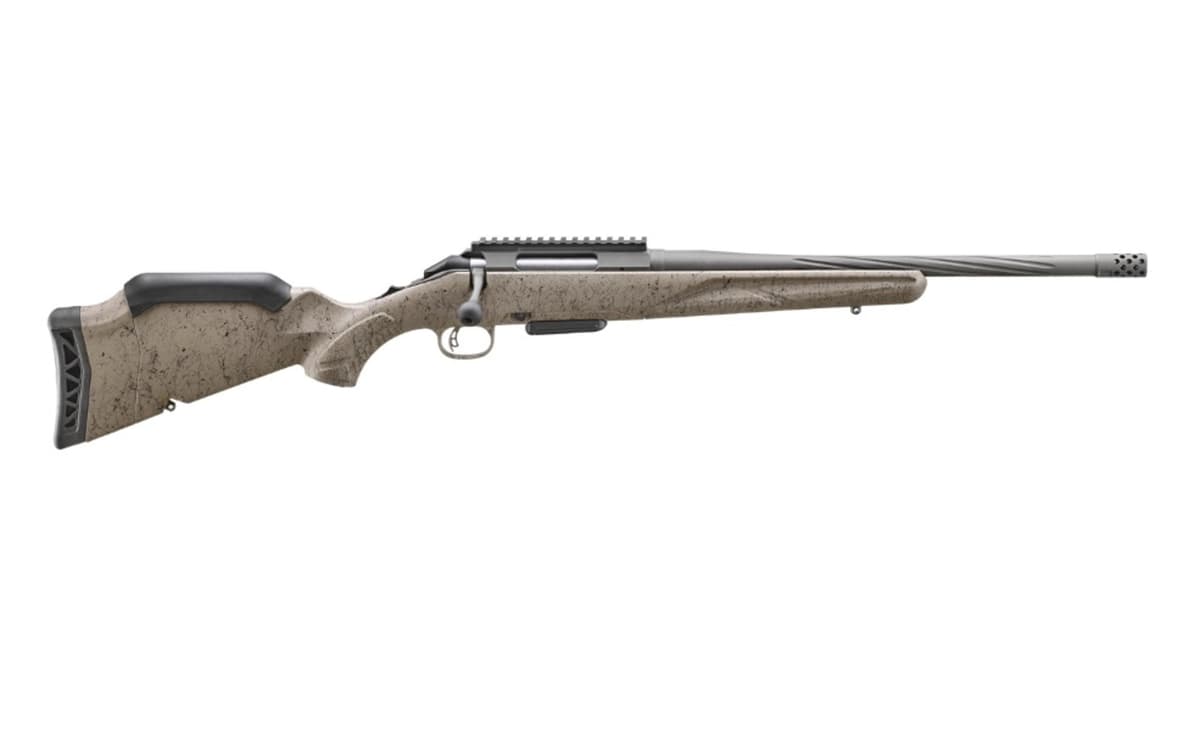
Ruger American Rifle Gen II Ranch (.350 Legend)

Best low-recoil youth deer rifle (straight-wall states)

$599
Shop at Classic Firearms
  • +Length of pull adjusts 12 to 13.75 inches with a spacer, fitting youth and adult
  • +.350 Legend recoils about 18% less than .243 while hitting hard inside woods ranges
  • +Factory 1/2x28 threaded 16.38-inch barrel hosts a suppressor to protect young ears
  • .350 Legend is a short-to-mid-range cartridge, not a long-range option
  • Straight-wall ammo is less common on shelves than .243 or 7mm-08
  • No bundled scope; budget for an optic atop the factory Picatinny rail
9

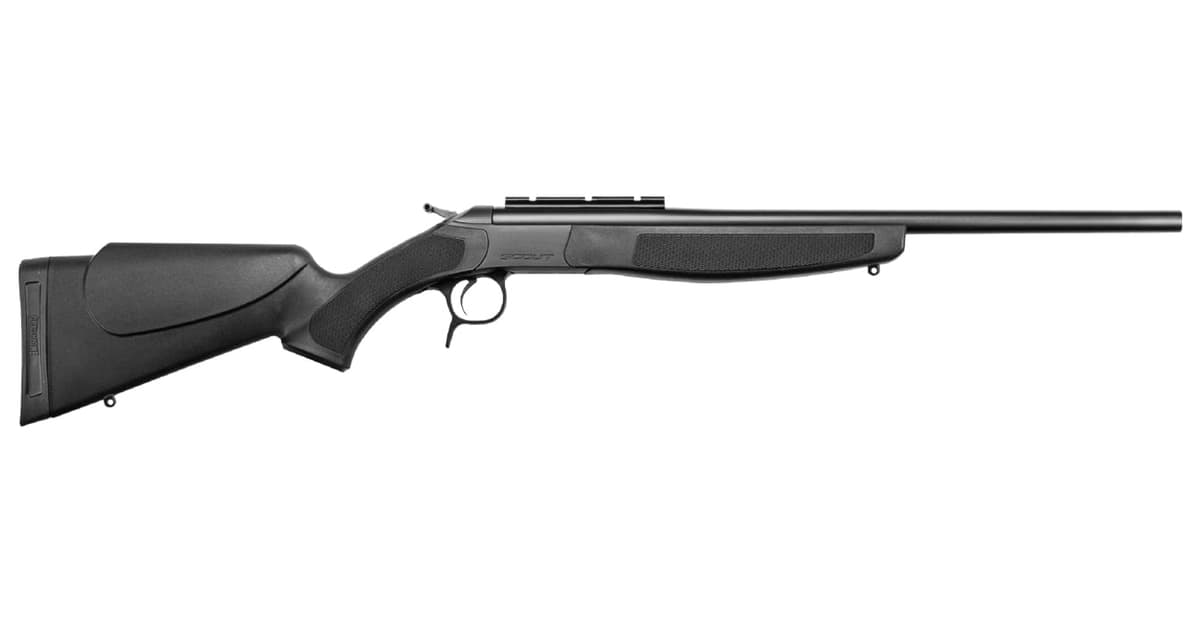
CVA Scout Compact (.243 Win)

Best single-shot youth deer rifle

$348
Shop at Classic Firearms
  • +Single-shot break action is the simplest and safest first-hunt manual of arms
  • +Ambidextrous reversible cocking spur fits left- and right-handed shooters
  • +Threaded 20-inch barrel hosts a suppressor; CrushZone pad tames recoil
  • Single-shot only; no follow-up shot without reloading
  • Standard 14-inch length of pull is full-size, not ultra-short
  • No iron sights; the Weaver rail base needs a scope before the first hunt

Affiliate links - purchases support this site at no extra cost to you. (?)

How to Size a Youth Rifle: Length of Pull, Weight & Recoil

For a child between five and ten, target an 11-to-12.5-inch length of pull, a rifle the kid can hold up unsupported (under roughly 4.5 pounds for a first .22), and a cartridge whose recoil does not build a flinch. A youth rifle fits when the stock is short enough that the child reaches the trigger without stretching and the eye lines up behind the sights naturally. Get those three things right and a kid shoots well on the first trip; get any of them wrong and the rifle teaches bad habits. The single biggest mistake parents make is buying an adult rifle and assuming the child will grow into it.

Length of Pull

Length of pull is the distance from the trigger to the back of the stock, and it is the dimension that makes or breaks fit. A child between five and ten needs 11 to 12.5 inches, against the 13.5-to-14-inch length of pull on an adult rifle. A stock that is too long pushes the child's eye behind the sights and forces them to crane their neck, which destroys the cheek weld and the sight picture. The Savage Rascal (11.25 inches) and Keystone Crickett (11.5 inches) are sized for the youngest shooters out of the box. Rifles that grow, the Ruger 10/22 Compact (12.5 inches, extends to full length), Ruger American Rimfire (swappable stock modules), and Ruger American Gen II Ranch (12 to 13.75 inches via a spacer), are the smart buy for a child who is still growing fast.

Weight

A child cannot shoot a rifle they cannot hold up. The dedicated single-shot youth .22s are deliberately tiny: the Keystone Crickett weighs 2.5 pounds, the Savage Rascal 2.66 pounds, and the Henry Mini Bolt 3.25 pounds. The Ruger 10/22 Compact, at 4.4 pounds, is still light enough for most kids to hold offhand. Youth deer rifles are necessarily heavier, but that mass is doing useful work: a 6-to-7-pound centerfire rifle soaks up far more recoil than a 4-pound one, so a slightly heavier youth deer gun actually kicks the child less.

Recoil Management and Growth Room

Recoil is what creates a flinch, and a flinch ruins marksmanship for years. On the rimfire side this is a non-issue: .22 LR recoil is negligible. On the centerfire side, pick the lowest-recoil cartridge that does the job (covered in the next section), keep the rifle at 6 pounds or more, and use a quality recoil pad. The CVA Scout Compact ships a CrushZone pad for exactly this reason. Threaded muzzles matter too: the CZ 457 Scout, Ruger American Gen II Ranch, and CVA Scout all ship threaded, so you can add a suppressor to cut blast and recoil and protect young ears. Buy a stock that grows when you can, an adjustable or swappable system, because a rifle the child keeps for years beats one outgrown in two.

Best Youth Deer Calibers: .243, 7mm-08 & .350 Legend

The three best youth deer calibers are .243 Winchester, 7mm-08 Remington, and .350 Legend. All three drop whitetail cleanly while recoiling far less than a .308 or .30-06, which is the whole point for a young hunter. Start a recoil-sensitive kid on .243, step up to 7mm-08 once they have grown into the rifle, and pick .350 Legend if you hunt a straight-wall-cartridge state.

.243 Win
Low, sharp
Effective RangeOut to ~300 yd
Best ForThe classic youth deer round; ammo on every shelf and flat-shooting on open ground.
7mm-08 Rem
Low-moderate
Effective RangeOut to ~400 yd
Best ForMore bullet weight than .243 with only a touch more kick; the do-it-all youth-to-adult cartridge.
.350 Legend
Lowest of the three
Effective RangeInside ~200 yd
Best ForAbout 18% less recoil than .243 and quiet; the answer in straight-wall-only states and tight woods.

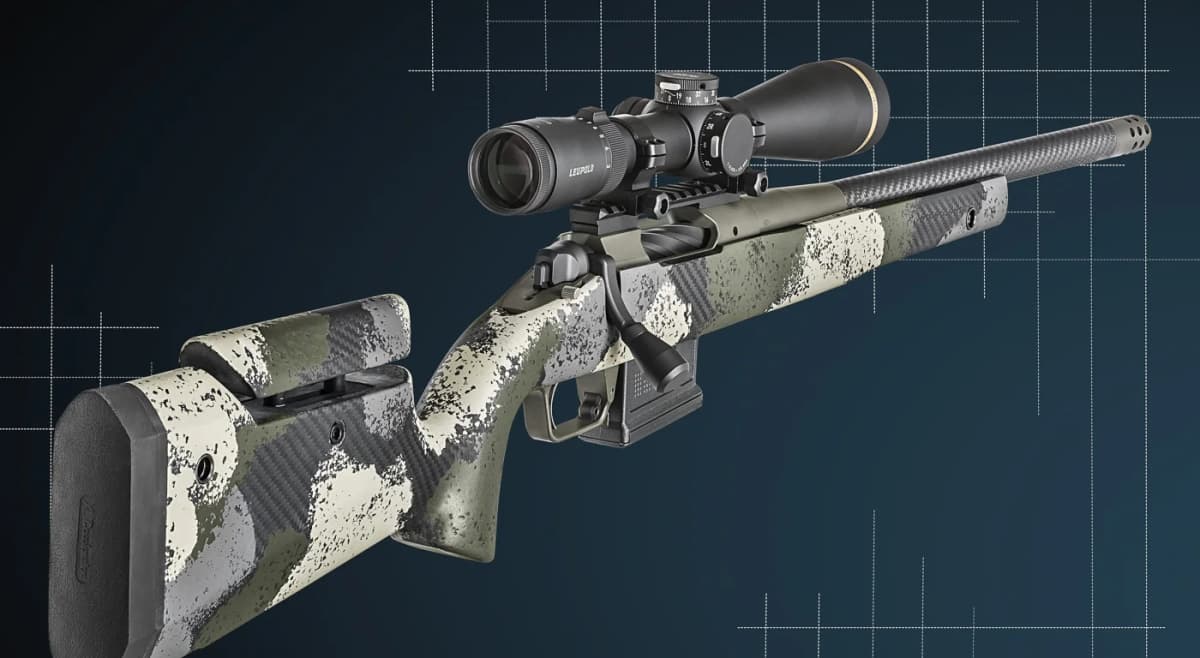
The .243 Winchester is the default. Recoil is light, ammo is everywhere, and the 95-to-105-grain bullets handle whitetail inside 300 yards without drama. The Savage Axis II XP Compact in .243 ($499) is the easiest entry: a genuine 12.75-inch youth length of pull, a 20-inch barrel, and a mounted, bore-sighted 3-9x40mm scope that puts the rifle on paper out of the box. The CVA Scout Compact in .243 ($348) is the single-shot answer, a break-action that enforces a deliberate manual of arms for a first hunt.

Step up to 7mm-08 Remington when you want one cartridge the child can carry from their first deer into adulthood. It adds meaningful bullet weight over .243 for only a small bump in kick, and the Savage Axis II XP Compact is offered in it too. For straight-wall-cartridge states like Ohio, Indiana, Iowa, and Michigan's shotgun zones, or for the most recoil-sensitive young hunters anywhere, .350 Legend is the pick. It recoils about 18% less than .243 while hitting hard inside woods ranges, and the Ruger American Gen II Ranch in .350 Legend ($599) pairs it with a length of pull that adjusts from 12 to 13.75 inches and a threaded barrel for a suppressor.

A suppressor is the highest-value addition you can make to a youth deer rifle: it cuts both blast and recoil, which is exactly what protects a new shooter from flinching. The CZ 457 Scout, Ruger American Gen II Ranch, and CVA Scout all ship with threaded muzzles ready for a can. See our rimfire suppressor guide for the .22 side, and step the young hunter up to a full-size gun with our best deer hunting rifle guide when they grow into it.

Should a Kid Start on a .22 or Go Straight to a Deer Rifle?

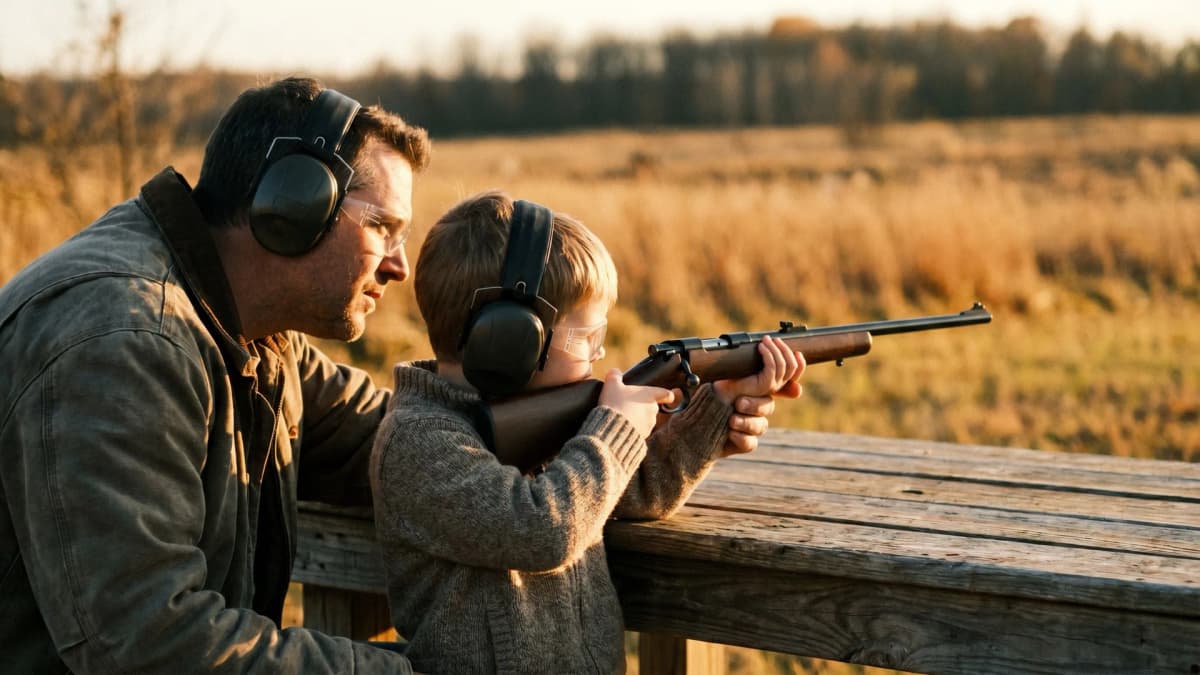
Start a kid on a .22 LR, almost always. A young shooter needs hundreds of rounds of trigger time to build grip, sight alignment, breath control, and trigger discipline, and .22 LR is the only cartridge cheap enough and gentle enough to allow that. At about five cents a round with no recoil and no muzzle blast, a child can fire 200 rounds in an afternoon and stay relaxed the whole time. Put that same child behind a centerfire deer rifle first and the recoil and noise build a flinch before they ever learn the fundamentals.

The exception is the child who is already a competent shooter and has a deer season on the calendar now. If a kid has put a season of supervised .22 trips behind them and the goal is to get them on a deer this fall, going straight to a low-recoil centerfire like the .350 Legend Ruger American Gen II Ranch or the .243 Savage Axis II XP Compact is reasonable, provided you manage recoil with a heavier rifle, a good pad, and ideally a suppressor. Even then, keep the .22 in the safe for cheap practice between hunts.

On the rimfire side, the choice between a single-shot and a repeater comes down to age and how long you want the rifle to last. For the youngest first-timers, a single-shot like the Savage Rascal or Keystone Crickett is the safest start: the parent loads one round at a time, the empty action is obvious between shots, and the pace stays deliberate. For an older kid or one who will progress fast, a repeater like the Ruger 10/22 Compact or CZ 457 Scout lasts longer and rewards growing skill. A common path is a single-shot for the first season or two, then a repeater they keep for years. When the 10/22 Compact becomes a long-term rifle, our Ruger 10/22 upgrades guide covers the stocks, triggers, and sights worth adding as the child grows.

Stock Up on Rimfire Ammo and Magazines

The highest-ROI thing you can buy alongside a youth .22 is a brick of ammunition and a few spare magazines. A first rifle lives or dies on trigger time, and trigger time on a .22 is cheap: a 500-round brick of quality rimfire runs about $30 and lasts several range trips. Buy bulk and buy good, because a new shooter learning fundamentals does not need the frustration of a rifle choking on the cheapest promo ammo.

Stock Up: .22 LR Ammo, Magazines & Loaders

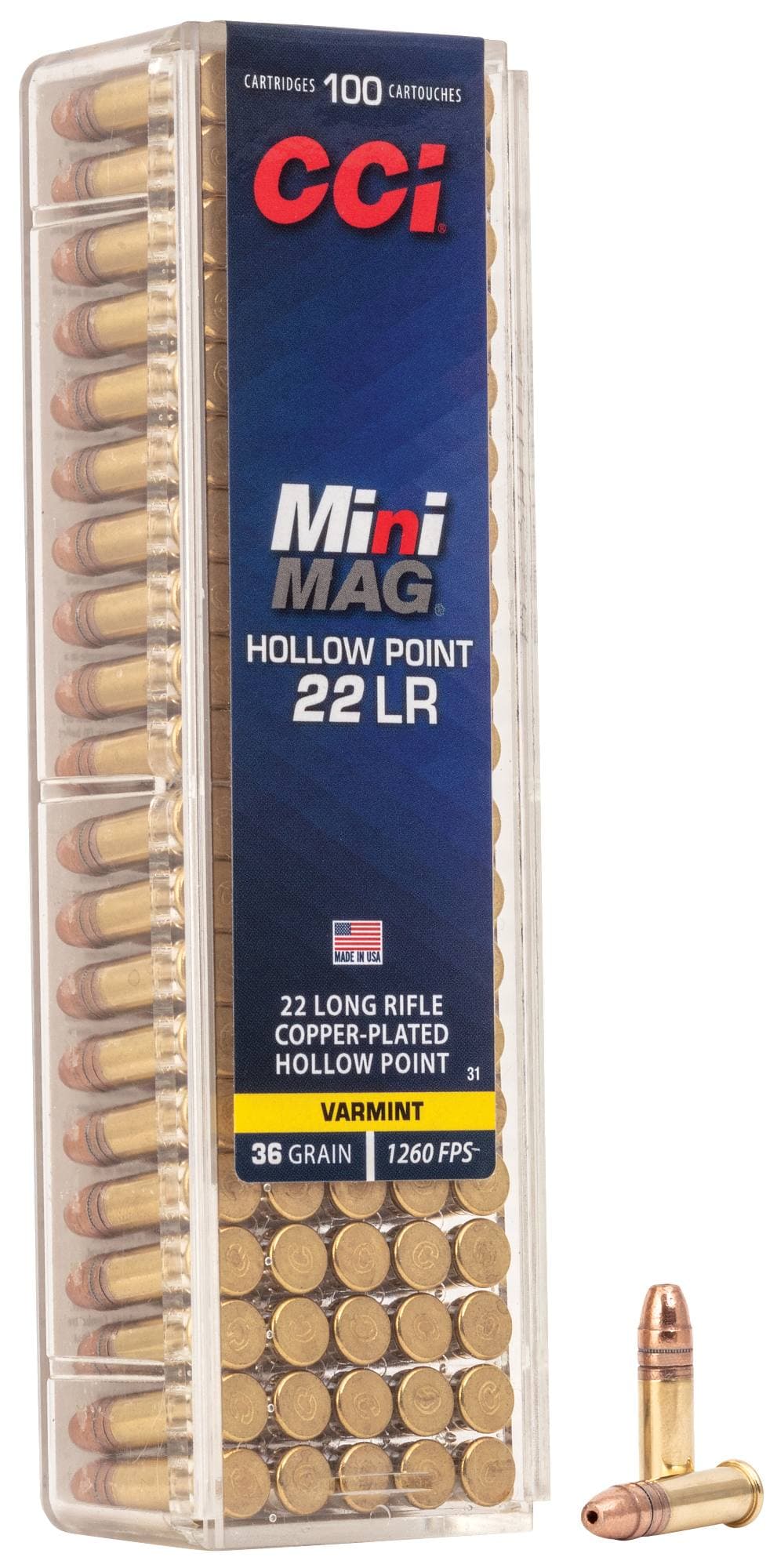
Ammunition • $13.99

CCI Mini-Mag .22 LR 36gr CPHP

  • 36 grain CPHP
  • .22 LR
$36.99
Shop at Brownells
Ammunition • $4.99

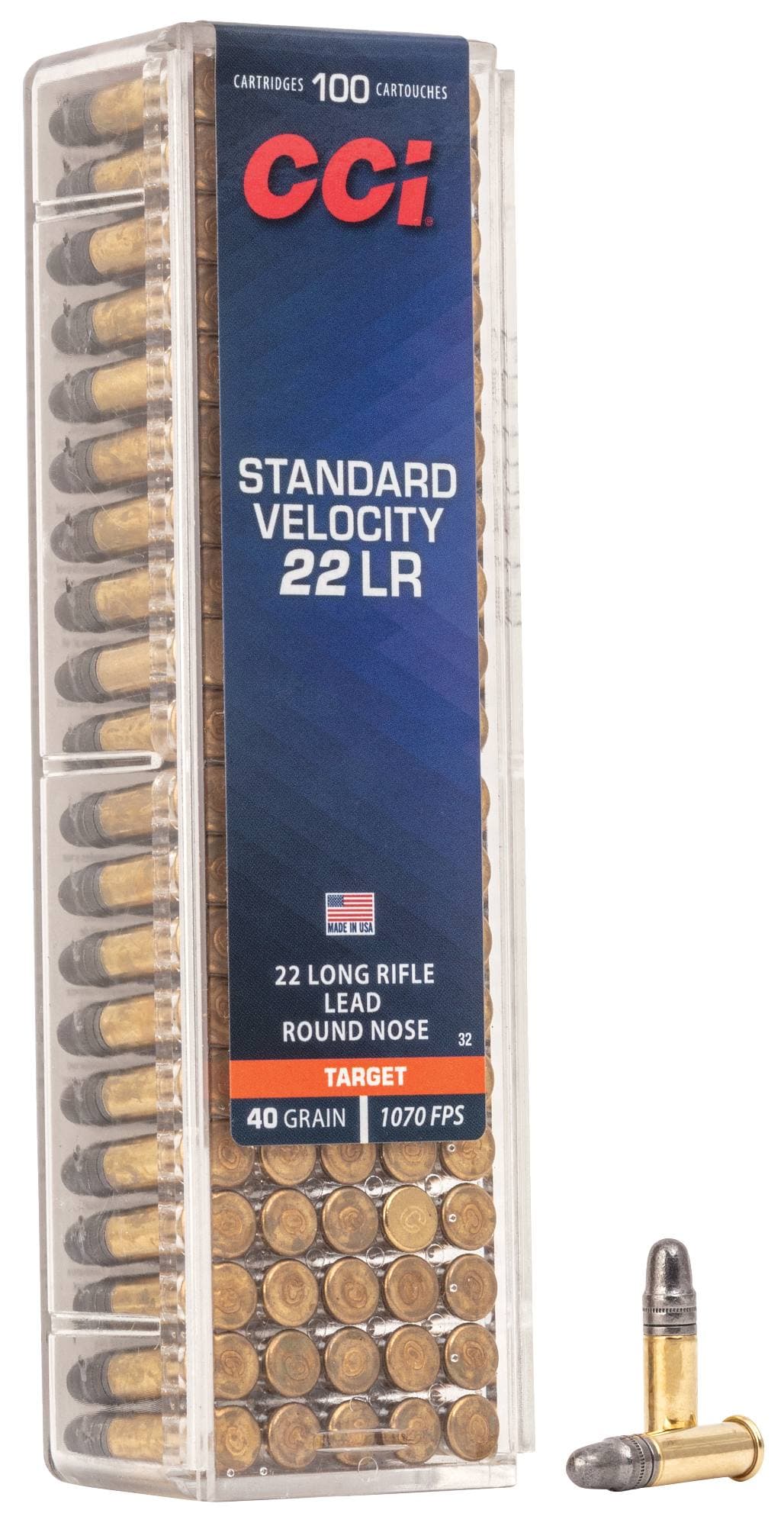
CCI Standard Velocity .22 LR 40gr LRN

  • 40 grain LRN
  • .22 LR
$4.99
Shop at Brownells
Ammunition • $9.99

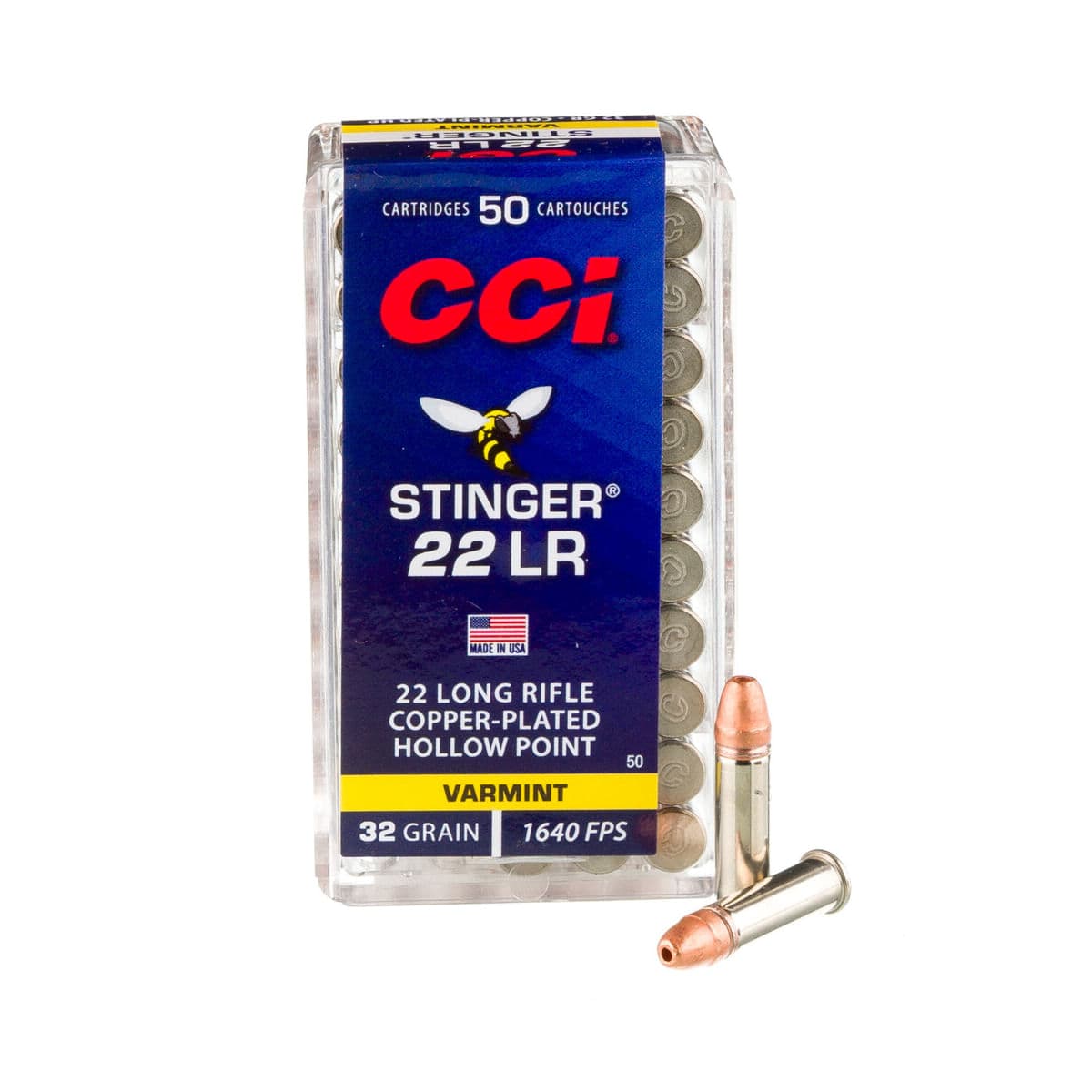
CCI Stinger .22 LR 32gr CPHP

  • 32 grain CPHP
  • .22 LR
$9.99
Shop at Brownells
Magazines & Feeding • $29.99

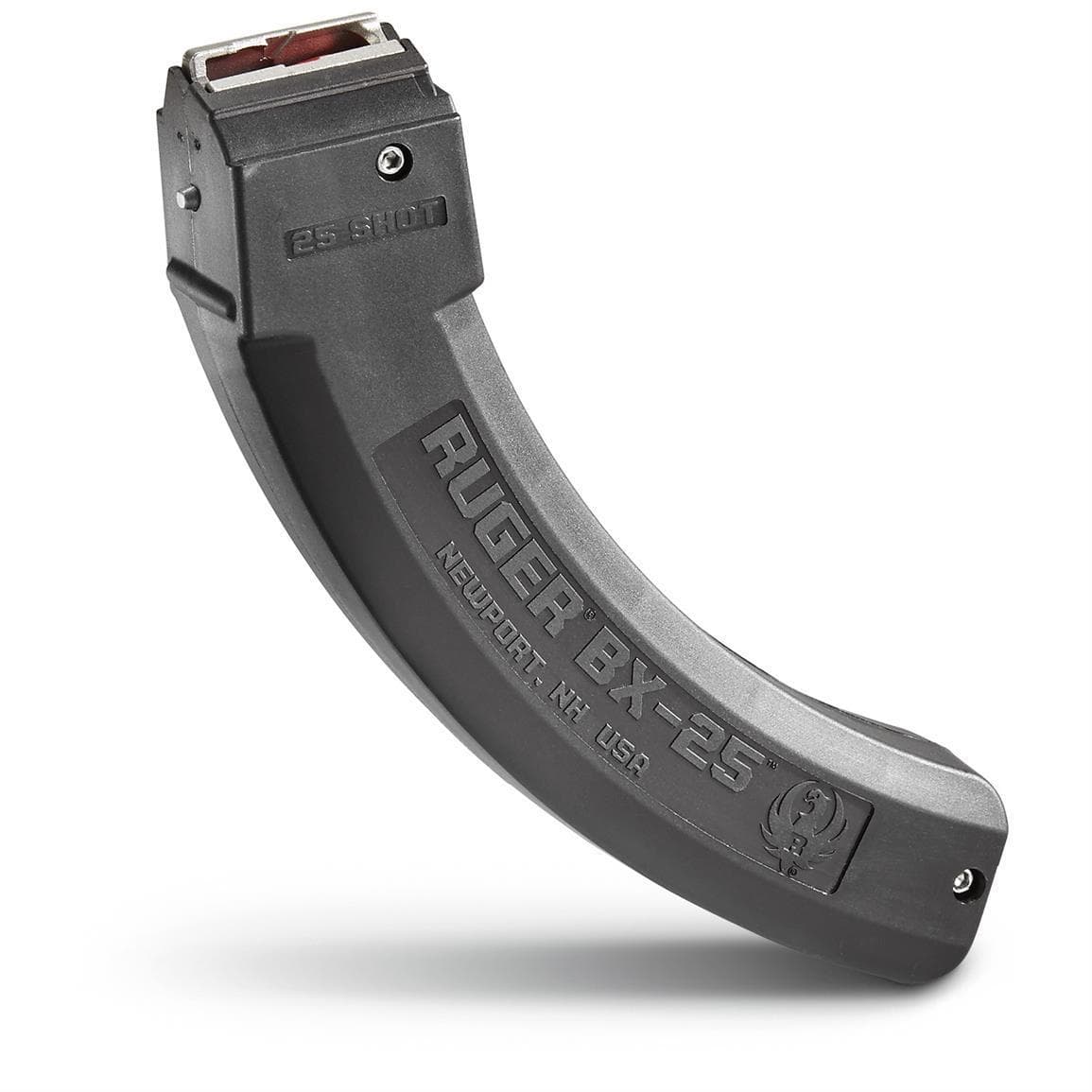
Ruger BX-25 Magazine

  • 25 rounds
  • .22 LR
$29.99
View at OpticsPlanet
Tools & Cleaning • $34.95

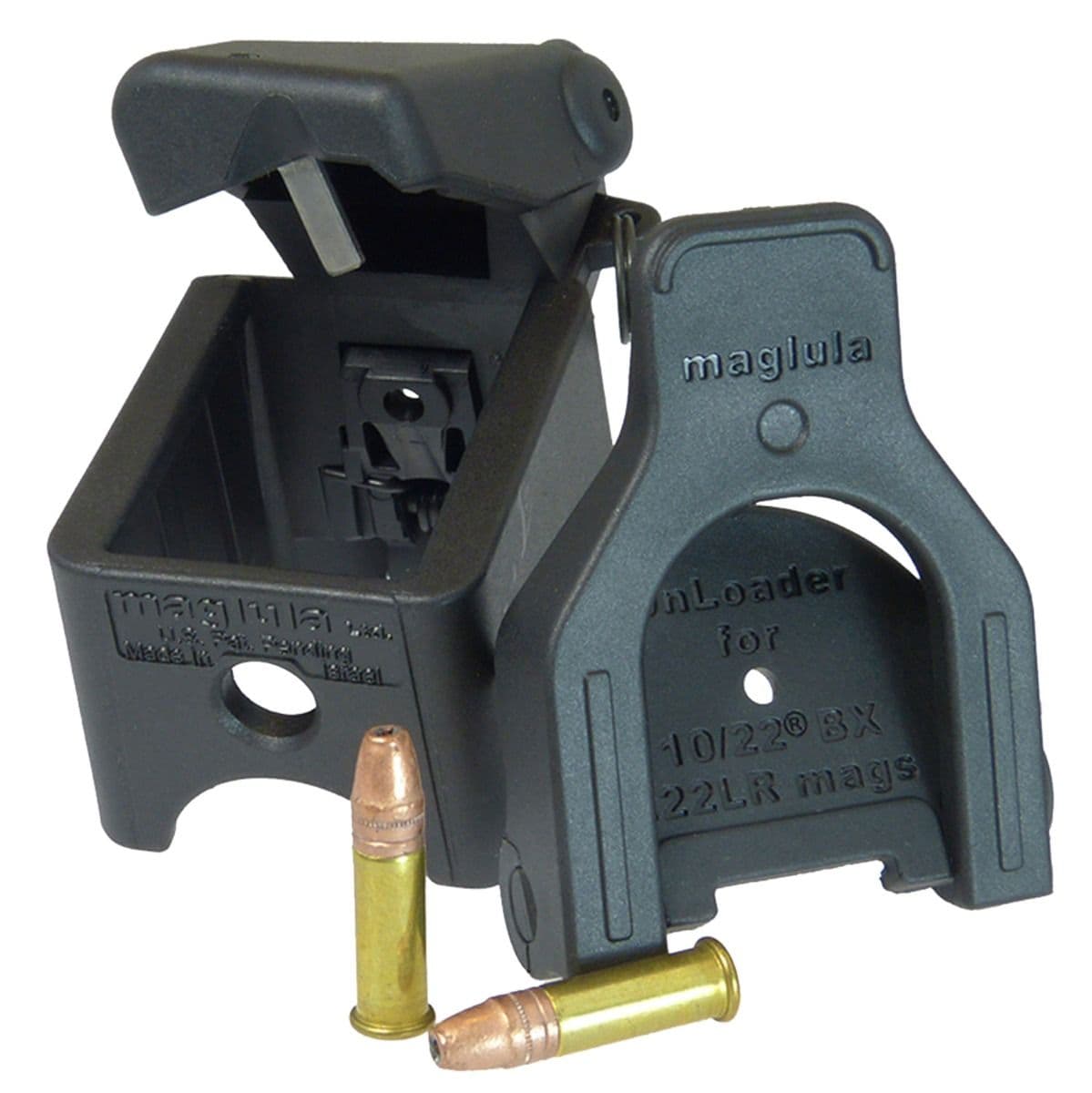
Maglula 10/22 Loader LU30B

  • .22 LR Ruger 10/22 magazines
  • Fits BX-1 10-rd, BX-15, and BX-25 mags
$34.95
View at OpticsPlanet

Affiliate links (?)

For the repeaters, spares keep the session moving. The Ruger 10/22 Compact and Ruger American Rimfire both feed from the ubiquitous 10-round Ruger BX rotary magazine, so a couple of spares (and a BX-25 for plinking once the child is comfortable) keep the rifle running without constant reloading. The CZ 457 Scout takes CZ 457 magazines in 5-round and larger capacities, and it ships with a single-shot adapter for the supervised early trips. The single-shot Savage Rascal, Keystone Crickett, and Henry Mini Bolt take no magazines at all, which is part of what makes them so simple for a first range day. For load-by- load .22 ammo recommendations, see our best .22 LR ammo guide.

When the time comes to graduate the young shooter to an adult rimfire or a first centerfire, our best .22 LR rifle guide and best first gun for beginners guide cover the next step.

Frequently Asked Questions

What is the best rifle for a kid?
For a first rifle, the Savage Rascal ($169) is the best overall pick: a single-shot bolt-action .22 LR with an 11.25-inch length of pull, a 2.66-pound weight, and a user-adjustable AccuTrigger that breaks far cleaner than anything else in the youth class. The single-shot action lets a parent load one round at a time for supervised first range trips. If you want a rifle that grows with the child, the CZ 457 Scout ($365) has a 12-inch youth stock that swaps to full length and a threaded barrel for a suppressor.
What is the best caliber for a youth rifle?
Start a young shooter on .22 LR. It has almost no recoil, no muzzle blast, and costs about five cents a round, so a kid can fire hundreds of rounds in a session without flinching or fatigue. When a youth is ready for deer, the best low-recoil centerfire calibers are .243 Winchester, 7mm-08 Remington, and .350 Legend. The .350 Legend actually recoils about 18% less than the .243 and is quieter, making it an excellent first deer cartridge in straight-wall states.
Is a .243 a good youth deer rifle?
Yes, .243 Winchester is the classic youth deer cartridge and one of the lowest-recoil rounds that still drops deer cleanly at normal ranges. It produces a sharp but light kick that most young hunters handle well, and ammunition is available everywhere. The Savage Axis II XP Compact in .243 ($499) pairs that cartridge with a 12.75-inch youth length of pull and a factory-mounted scope. If you want even less recoil, .350 Legend kicks about 18% softer than .243.
What is a good starter gun for a kid?
A single-shot bolt-action .22 LR is the ideal starter gun for a kid. The Keystone Crickett ($165) and Savage Rascal ($169) are the two standards: both weigh under three pounds, have short 11.25-to-11.5-inch lengths of pull, and load one round at a time so a parent controls the pace of a first range session. The Crickett adds a manual-cock striker as an extra safety step. For a child who will outgrow a single-shot quickly, the Ruger 10/22 Compact ($339) has a stock that extends to full adult length.
What is the right length of pull for a youth rifle?
Most children between five and ten need a length of pull of 11 to 12.5 inches, far shorter than the 13.5-to-14-inch length of pull on an adult rifle. A too-long stock forces a child to crane their neck and stretch to reach the trigger, which ruins form and accuracy. Purpose-built youth rifles like the Savage Rascal (11.25 inches) and Keystone Crickett (11.5 inches) are sized correctly out of the box. Rifles with adjustable or swappable stocks, the Ruger 10/22 Compact, Ruger American Rimfire, and Ruger American Gen II Ranch, extend as the child grows.
Should I get my kid a single-shot or a repeating rifle first?
Single-shot rifles like the Savage Rascal and Keystone Crickett are the safest first rifles because a parent loads one round at a time and the empty action is obvious between shots, which enforces deliberate, supervised practice. Repeaters like the Ruger 10/22 Compact and CZ 457 Scout let a child progress to faster shooting and last longer before being outgrown. A common path is to start on a single-shot for the first season or two, then move to a repeater the child keeps for years.

The Bottom Line

Buy the Savage Rascal first, move to the Ruger 10/22 Compact when the child outgrows a single-shot, and step up to a .243 or .350 Legend youth deer rifle when they are ready to hunt.

Fit the rifle to the child, not the child to the rifle: an 11-to-12.5-inch length of pull, a weight they can hold up, and the lowest-recoil cartridge that does the job. For the deeper rimfire breakdown see our best .22 LR rifle guide, and when the young hunter graduates to a full-size gun, our best deer hunting rifle guide picks up where this one leaves off.