New merch store is live. Stickers, patches, and pin-up art. Shop now
Best First Gun for Beginners 2026: 9 Picks for New Shooters header image
Gear
May 1, 2026
Best First Gun for Beginners 2026: 9 Picks for New Shooters

Best first gun for beginners ranked for 2026: 9 picks across .22 LR pistols, 9mm centerfire, and beginner-friendly long guns. Ruger Mark IV, Taurus TX22, Glock 19 Gen5, S&W M&P 2.0 Compact, Beretta 92FS, Ruger PC Carbine, Henry Homesteader, and more compared by recoil, ergonomics, and ease of operation.

Best First Gun for Beginners 2026: 9 Picks for New Shooters

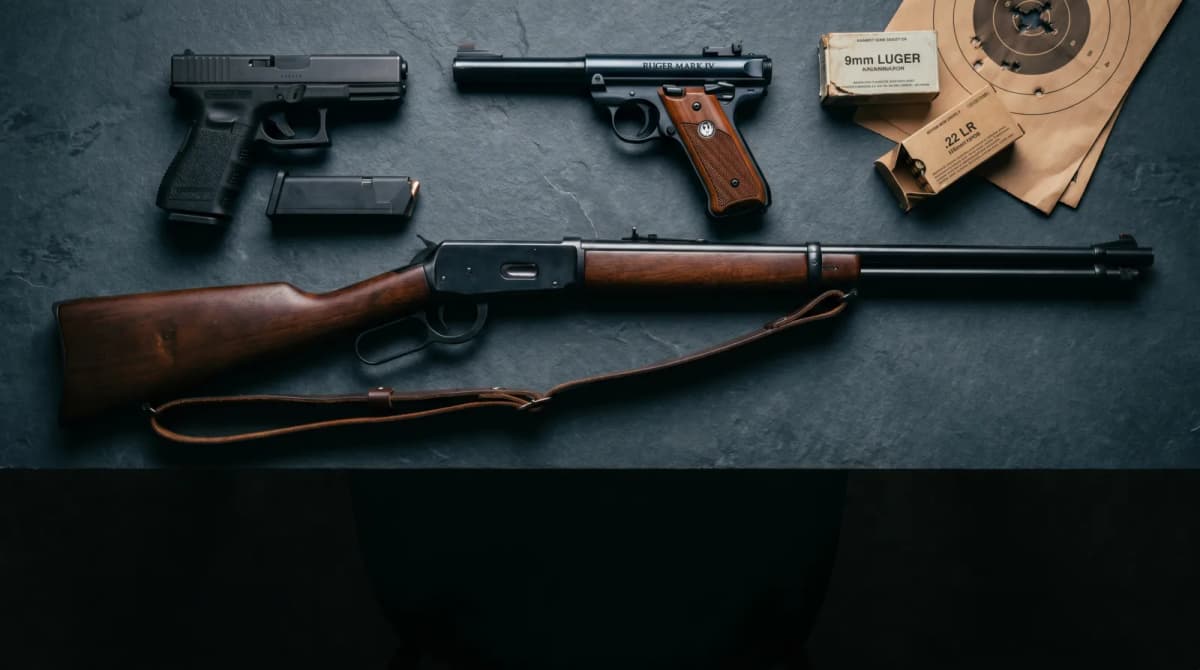
The best first gun for a new shooter is a .22 LR pistol, not a 9mm. The Ruger Mark IV 22/45 Tactical ($529) lets a beginner fire 500-1000 rounds in a single session for under $50, with near-zero recoil that isolates trigger control instead of masking it. Once fundamentals are solid, the Glock 19 Gen5 ($549) is the default first centerfire pistol, and the Ruger PC Carbine ($799) is the lowest-recoil first long gun. We ranked 9 first guns across rimfire pistols, 9mm centerfire, and beginner-friendly long guns by recoil, ergonomics, and ease of operation. Pair any pick with the first 1000 rounds training plan and the beginner mistakes guide so you build skill instead of bad habits.

By AB|Last reviewed May 2026

Already past the basics?

For dedicated centerfire picks, see best 9mm pistols; for concealed carry, best CCW pistols; for AR-15 buyers, best AR-15 for beginners.

Best First Guns for New Shooters (2026 Rankings)

Nine first guns ranked across .22 LR pistols, 9mm centerfire, and beginner-friendly long guns. Each pick was selected for low recoil, easy manual of arms, and forgiving ergonomics.

1

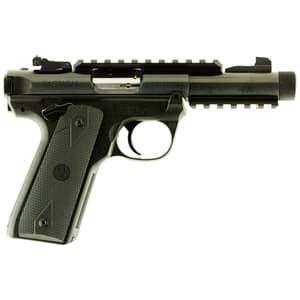
Ruger Mark IV 22/45 Tactical

Best Overall First Gun

$529
.22 LR10+1Threaded 4.4" Barrel
Pros
  • +Near-zero recoil teaches fundamentals without flinch
  • +$0.05-0.08/round ammo lets you shoot 5-7x more for the same budget
  • +One-button takedown makes cleaning trivial (.22 LR is dirty)
  • +Threaded barrel means you can add a suppressor later
  • +1911 grip angle translates to most centerfire pistols
Cons
  • Not a defensive caliber, you will want a 9mm for that role eventually
  • 10+1 capacity trails the Taurus TX22's 16+1
  • No factory optic cut (Picatinny rail mount required)
Caliber: .22 LRCapacity: 10+1Weight: 25.8 ozTrigger: ~2.25-3 lb SA
Verified Retailer
Shop at Primary Arms

Affiliate links — purchases support this site at no extra cost to you. (?)

2

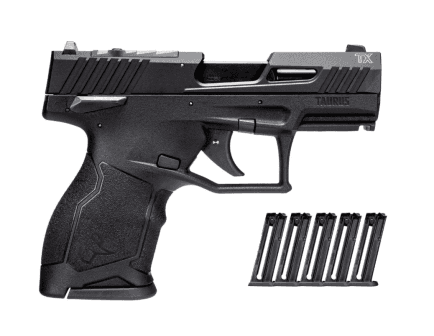
Taurus TX22

Best Budget First Gun

$299
.22 LR16+1Optic-Ready
Pros
  • +$299 is the lowest price point that buys a genuinely reliable pistol
  • +16+1 capacity beats every other .22 LR pistol on the market
  • +Striker action mirrors how a Glock or M&P operates later
  • +Optic-ready slide grows with you when you add a red dot
  • +Lightweight 17.3 oz suits smaller-stature shooters
Cons
  • Polymer factory sights should be upgraded within the first year
  • Striker trigger is functional but not match-grade
  • Build quality is lighter than Ruger or Browning competitors
Caliber: .22 LRCapacity: 16+1Weight: 17.3 ozTrigger: ~4 lb striker
Verified Retailer
Shop at Primary Arms

Affiliate links — purchases support this site at no extra cost to you. (?)

3

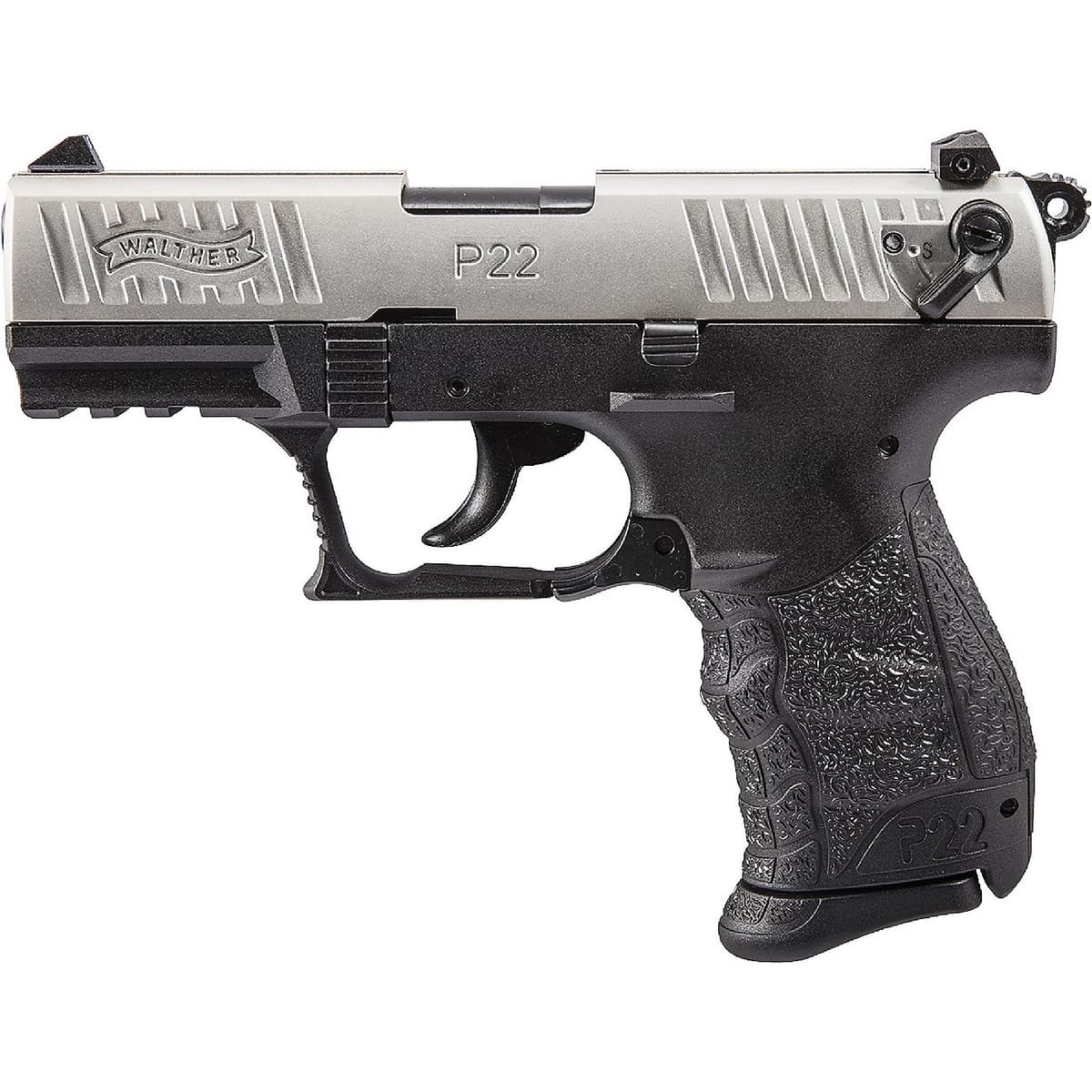
Walther P22 Q

Best for Small Hands & Manual Safety

$349
.22 LR10+1Manual Safety
Pros
  • +Smallest grip circumference of any .22 LR pistol in this guide
  • +Ambidextrous manual safety reassures new shooters and works for lefties
  • +DA/SA trigger forces deliberate first-shot discipline
  • +17 oz weight reduces fatigue during long range sessions
Cons
  • 3.42-inch barrel limits sight radius and accuracy
  • Heavy 10 lb double-action first pull takes practice
  • Zinc alloy slide is less durable than steel competitors over very high round counts
Caliber: .22 LRCapacity: 10+1Weight: 17 ozTrigger: DA/SA
Verified Retailer
Shop at Primary Arms

Affiliate links — purchases support this site at no extra cost to you. (?)

4

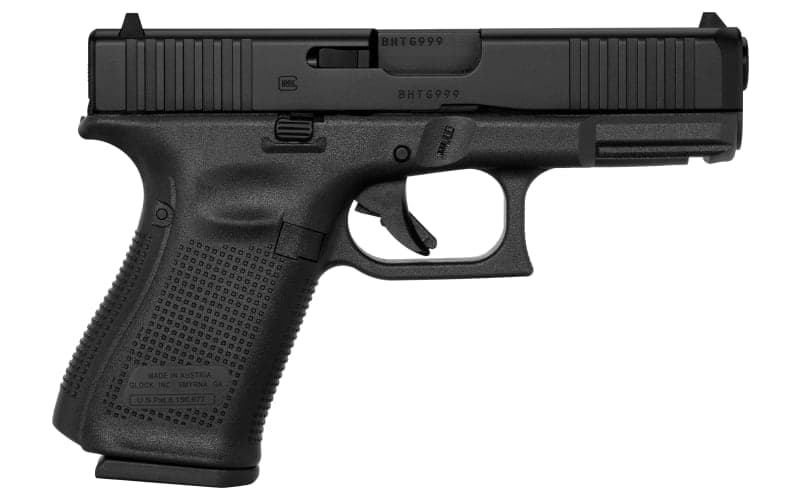
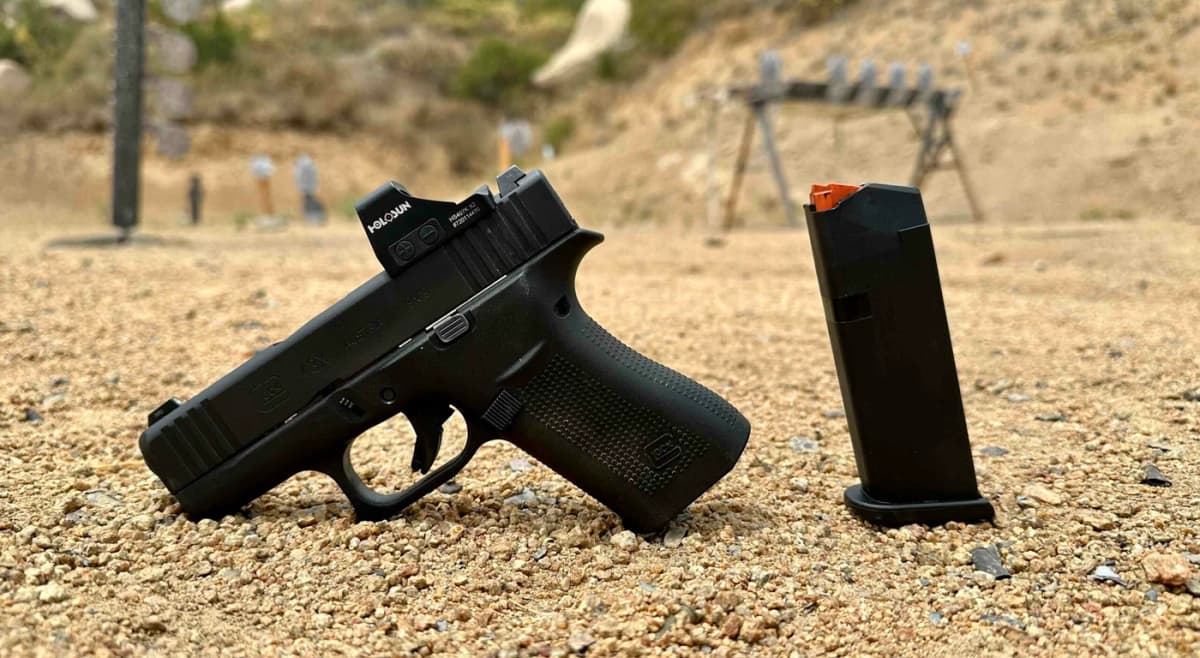
Glock 19 Gen5

Best First 9mm Pistol

$549
9mm15+1Optic-Ready (MOS)
Pros
  • +Most-supported handgun in the world: holsters, mags, lights, optics, parts
  • +15+1 capacity in a frame compact enough for concealed carry
  • +Glock Marksman Barrel measurably tightens factory accuracy
  • +Accepts Glock 17 magazines for extra capacity at home
  • +Used by more police departments than any other pistol in the US
Cons
  • Stock factory sights are basic and should be replaced for defensive use
  • Polarizing 22-degree grip angle takes practice if you grew up shooting 1911s
  • No manual safety (intentional, but new shooters sometimes prefer one)
Caliber: 9mmCapacity: 15+1Weight: 23.99 ozTrigger: ~5.5 lb striker
Verified Retailer
Shop at Primary Arms

Affiliate links — purchases support this site at no extra cost to you. (?)

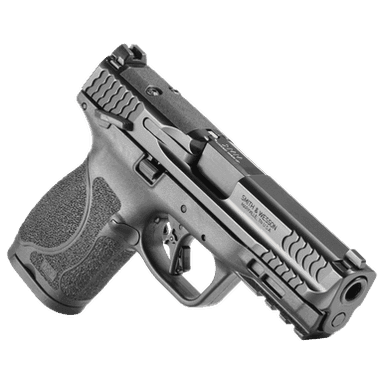
$559
9mm15+14 Palmswells
Pros
  • +Four palmswell sizes adapt the grip to hand circumference without aftermarket work
  • +Flat-face trigger has a cleaner break than the factory Glock trigger
  • +Aggressive grip texture stays planted in wet or sweaty conditions
  • +Optional thumb safety variant available for new shooters who want one
  • +Issued by hundreds of US police departments, durability is documented
Cons
  • Smaller aftermarket than Glock means slightly fewer holster options
  • Optic-ready model is a separate SKU at higher price
  • Trigger reset travel is longer than competitive striker triggers
Caliber: 9mmCapacity: 15+1Weight: 24 ozTrigger: Flat-face striker, ~5.5 lb
Verified Retailer
Shop at Primary Arms

Affiliate links — purchases support this site at no extra cost to you. (?)

6

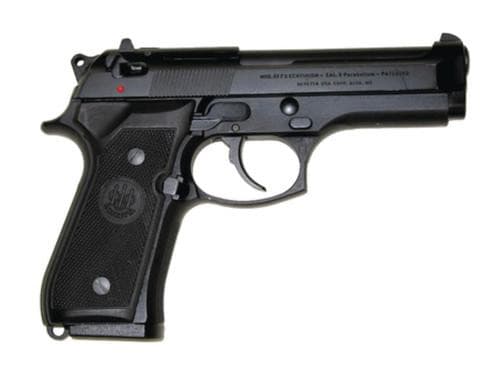
Beretta 92FS

Best Manual-Safety First 9mm

$699
9mm15+1DA/SA + Safety
Pros
  • +33.3 oz alloy frame absorbs recoil better than any polymer 9mm in this guide
  • +Ambidextrous frame-mounted safety/decocker gives shooters who want a safety a real one
  • +DA/SA forces deliberate first-shot trigger control
  • +Open-slide design tolerates dirty ammo and beginner-grade cleaning habits
  • +40 years of military service documents real-world reliability
Cons
  • Heavier and bulkier than modern polymer duty pistols
  • Factory three-dot painted sights need replacement for serious use
  • Frame-mounted safety habits do not transfer to striker pistols later
Caliber: 9mmCapacity: 15+1Weight: 33.3 ozTrigger: DA/SA
Verified Retailer
Shop at Primary Arms

Affiliate links — purchases support this site at no extra cost to you. (?)

7

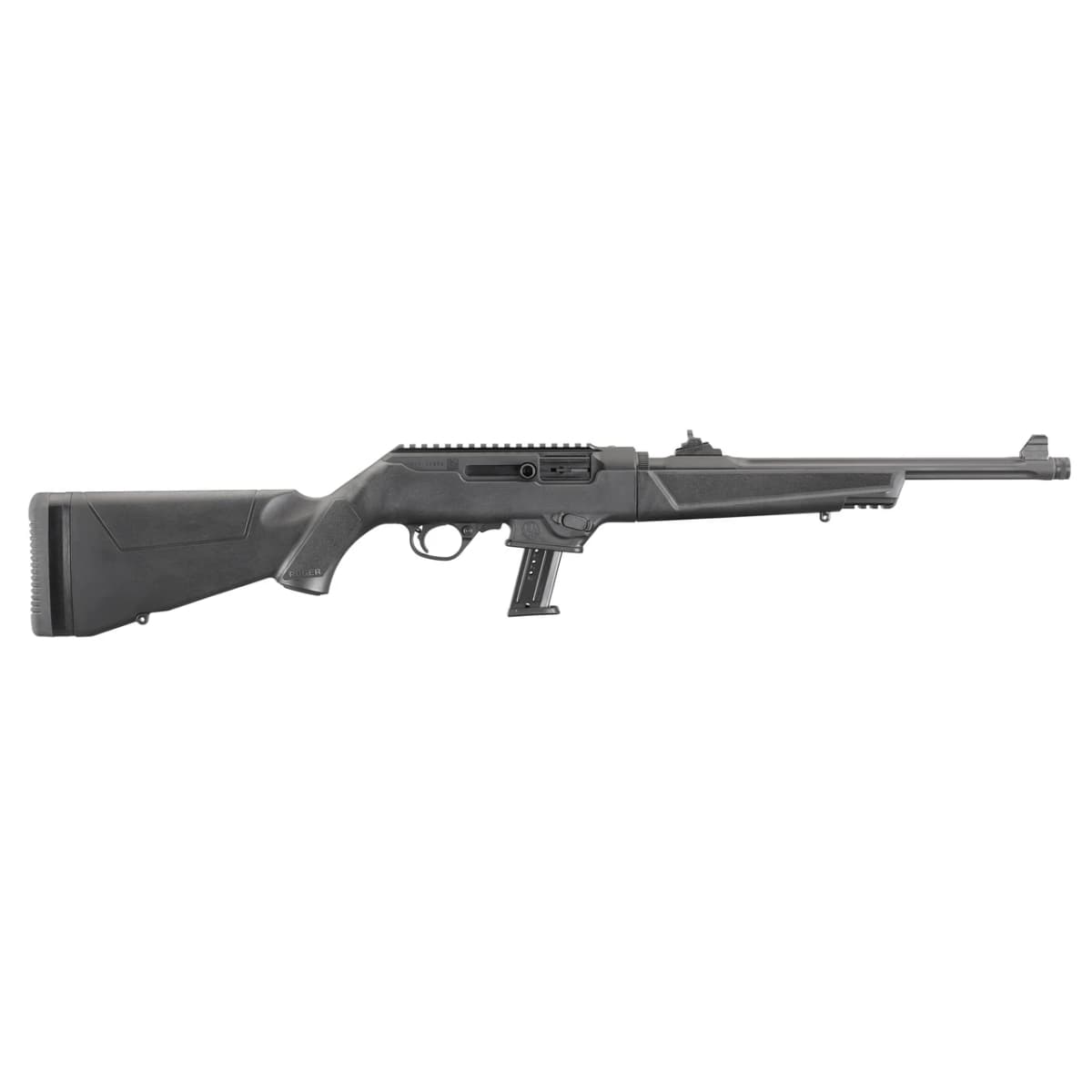
Ruger PC Carbine

Best First Long Gun (9mm Carbine)

$799
9mm17+1Takedown + Glock Mags
Pros
  • +9mm carbine recoil is roughly half that of a 5.56 AR-15
  • +Glock magwell included from the factory ties logistics to a Glock 19
  • +16-inch threaded barrel accepts a 9mm suppressor down the road
  • +Takedown design halves storage footprint
  • +Receiver Picatinny rail accepts any standard red dot or LPVO
Cons
  • Heavier than equivalent AR-9 carbines at 6.8 pounds
  • Factory iron sights are functional but not adjustable for windage
  • Direct blowback action feels heavier than gas-delayed competitors
Caliber: 9mmCapacity: 17 (Glock 17 mag)Weight: 6.8 lbsBarrel: 16.12" threaded 1/2x28
Verified Retailer
Shop at Primary Arms

Affiliate links — purchases support this site at no extra cost to you. (?)

8

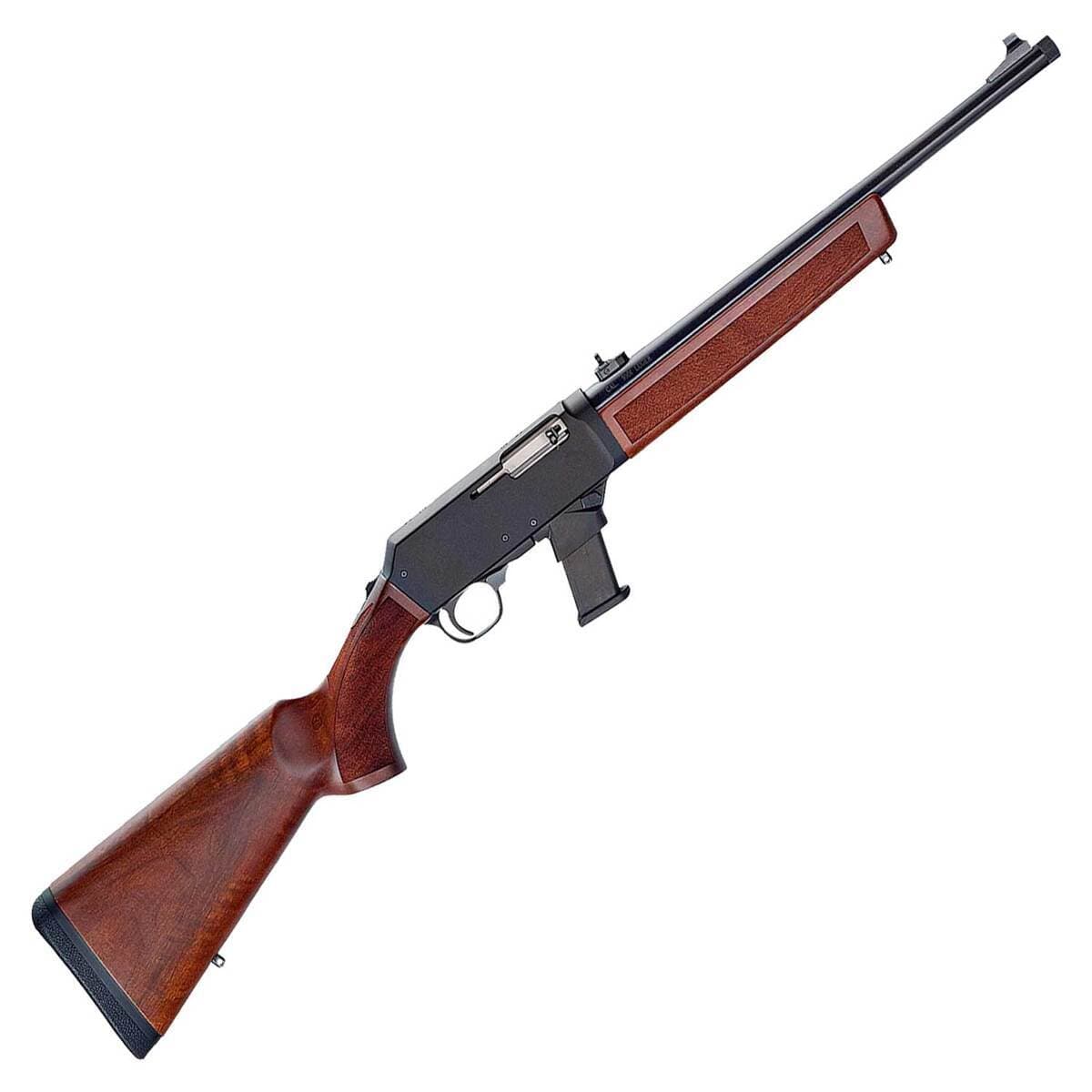
Henry Homesteader 9mm

Best Traditional 9mm Carbine

$928
9mm10+1Walnut + Glock Mag Option
Pros
  • +Wood-stocked aesthetic appeals to shooters who reject tactical black
  • +Magwell adapter accepts Glock, SIG, or M&P mags for shared logistics
  • +Threaded 1/2-28 barrel suppressor-ready out of the box
  • +Peep sight setup is faster on target than a typical rifle bead
  • +US-made Henry quality with the company's no-questions warranty
Cons
  • Magwell adapter is a $55-75 separate purchase
  • Walnut stock is less weatherproof than polymer in adverse conditions
  • Aftermarket support is minimal compared to AR-pattern PCCs
  • No factory red-dot rail; scope mount required for optics
Caliber: 9mmCapacity: 10+1 (Henry mag)Weight: 6.6 lbsBarrel: 16.37" threaded 1/2-28
Verified Retailer
Shop at Primary Arms

Affiliate links — purchases support this site at no extra cost to you. (?)

9

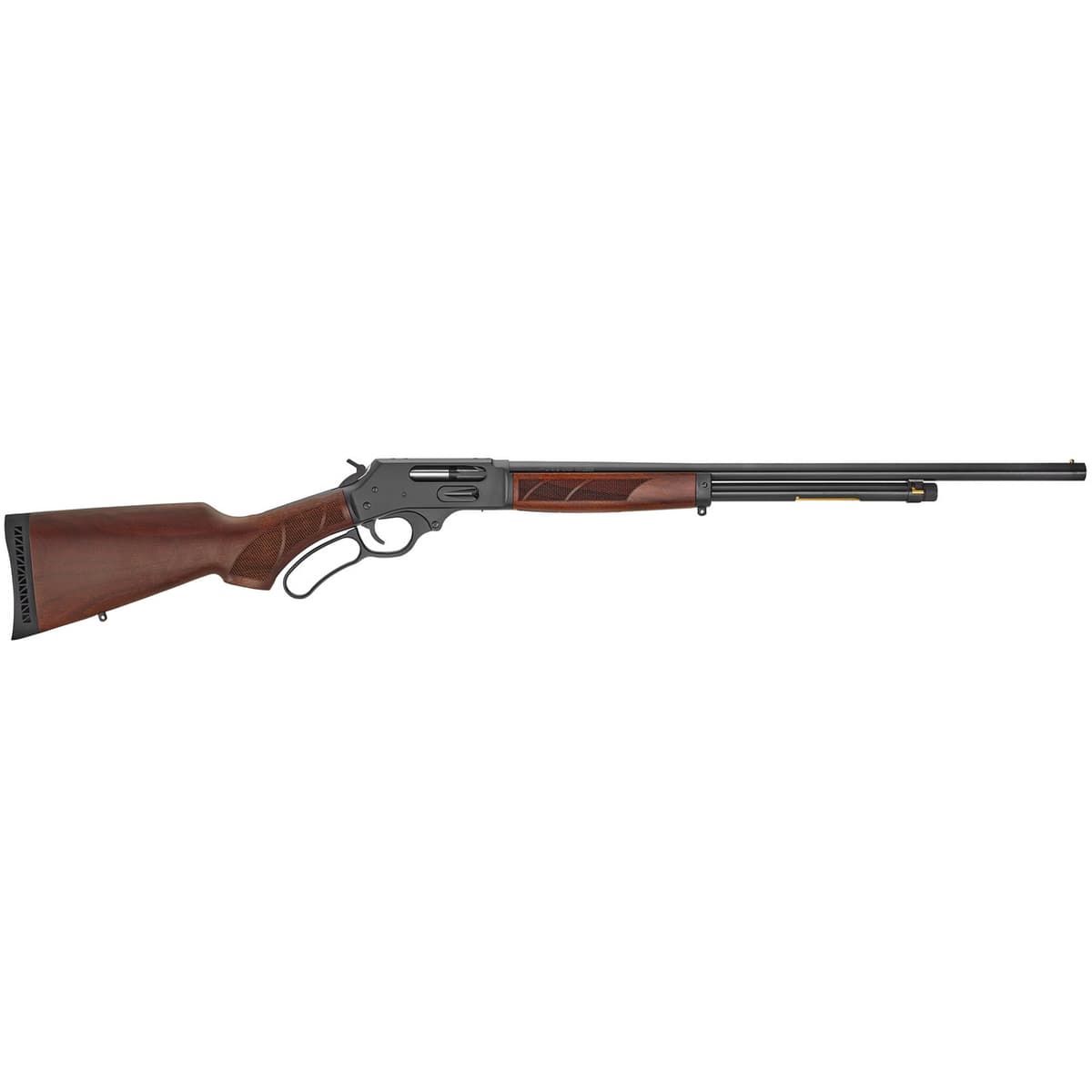
Henry Lever Action .410

Best Low-Recoil Long Gun

$999
.410 BoreLever ActionSoft Recoil
Pros
  • +Lowest felt recoil of any shotgun a new shooter can buy
  • +Lever action is mechanically simple and forgiving of beginner cleaning habits
  • +Good for small game, pest control, and pattern-board fundamentals
  • +Wood and blued steel build is repairable and ages well
  • +Henry warranty stands behind the rifle for life
Cons
  • $999 is a premium for what is fundamentally a recreational gun
  • .410 is not the best home defense shotgun caliber
  • Capacity and reload speed lag pump and semi-auto shotguns
  • Limited aftermarket compared to Mossberg or Benelli platforms
Caliber: .410 BoreAction: Lever-actionUse: Small game, range, light defenseRecoil: Lowest of any shotgun
Verified Retailer
Shop at Primary Arms

Affiliate links — purchases support this site at no extra cost to you. (?)

Why a .22 Should Be Your First Gun

A .22 LR pistol is the cheapest, fastest, and least painful way to learn to shoot. New shooters who start on 9mm spend the first 200-500 rounds fighting recoil and muzzle blast, building a flinch that takes another 500-1000 rounds of dedicated .22 practice to undo. Skip that detour. Buy the .22 first.

The math is brutal. Bulk .22 LR runs $0.05-0.08 per round. 9mm range ammo runs $0.25-0.35 per round. A 500-round range trip costs $25-40 with .22 versus $125-175 with 9mm. Most new shooters fire 50-100 rounds per session and quit because “ammo is expensive.” Switch to a .22 and that same budget buys 5-7 times the trigger time.

Cost

  • +$0.05-0.08/round vs $0.25-0.35 for 9mm
  • +500-round session for $25-40 total
  • +5-7x more trigger time for the same budget

Recoil & Flinch

  • +Near-zero recoil isolates fundamentals
  • +Low report reduces flinch development
  • +Trigger errors visible, not masked by recoil

Skill Transfer

  • +1911-style grip angle (Mark IV 22/45)
  • +Striker action (TX22) mirrors a Glock
  • +Sight picture and trigger control transfer 100%

The exception is shooters who only plan to own one gun and need it for self-defense today. In that case, buy a Glock 19 Gen5, S&W M&P 2.0 Compact, or Beretta 92FS, and accept that the first 200-500 rounds will be a struggle. Most shooters end up wanting both within the first year anyway, see our best .22 LR pistols guide for the full rimfire breakdown.

How to Pick Your First Gun: 6 Buying Criteria

Caliber

Start with .22 LR for training. Move to 9mm for self-defense. Skip .380 ACP, .40 S&W, and .45 ACP for a first gun, the ammo costs more, the recoil is sharper, and the capacity is lower than 9mm in equivalent-size pistols.

Hand Fit

Your trigger finger should reach the trigger face at the first joint with a neutral grip. If you have to shift your grip to reach the trigger, the gun does not fit. The S&W M&P 2.0 Compact has 4 palmswell sizes; the Walther P22 Q is the smallest .22 LR pistol available.

Slide Rack Force

Test rack the slide before buying. If you cannot rack it with both hands and a firm grip, it is the wrong gun. Hammer-fired pistols (Beretta 92FS) and .22 LRs rack much lighter than striker-fired 9mms. See our best handgun for women guide for slide rack force comparisons.

Manual Safety

Optional. The Beretta 92FS and S&W M&P 2.0 Compact (thumb safety variant) work for shooters who want one. Glock and most striker pistols rely on internal safeties. Pick what gives you confidence; both philosophies work with proper training.

Aftermarket Support

Glock 19, S&W M&P, and SIG P320 have the largest aftermarket holster, magazine, light, and optic support. Avoid niche or low-volume pistols as a first gun, replacement parts and holsters are harder to source.

Cleaning Difficulty

.22 LR is dirty ammunition. The Ruger Mark IV's one-button takedown is the easiest in the category. Glock striker pistols field strip in 5 seconds. Avoid the Browning Buck Mark as a first gun if cleaning frustrates you, it requires an Allen wrench for disassembly.

Handgun or Long Gun First?

Buy a handgun first if your primary use is concealed carry or general defensive readiness. Buy a long gun first if your primary use is home defense and you do not plan to carry. Most new shooters end up wanting one of each within the first year.

Use CaseFirst GunWhy
Pure training / cheap range timeRuger Mark IV 22/45 Tactical$0.06/round, near-zero recoil, transfers to centerfire
Concealed carryGlock 19 Gen5Compact, 15+1, largest holster aftermarket
Home defense (handgun)Glock 19 Gen5 or M&P 2.0 Compact15+1 capacity, optic-ready, accept full-size mags
Home defense (long gun)Ruger PC CarbineHalf the recoil of 5.56, takes Glock mags, more accurate than handgun
Want a manual safetyBeretta 92FSAmbi safety/decocker, soft-recoiling alloy frame
Small handsWalther P22 Q or M&P 2.0 CompactSmallest grip in class; 4 palmswell sizes
Recoil-sensitive long gunHenry Lever Action .410Lowest felt recoil of any shotgun
Lowest budgetTaurus TX22$299 buys a real, reliable training pistol

For an AR-15 first long gun instead of a 9mm carbine, see our best AR-15 for beginners guide. The AR has more recoil than a 9mm carbine but more reach and a deeper accessory ecosystem.

Mistakes Every Beginner Makes (and How to Skip Them)

Buying a 9mm First

Recoil masks trigger control errors and builds a flinch that takes 500+ rounds of .22 practice to undo. Buy the .22 first.

Buying a Sub-Compact for Carry

Micro-compacts kick harder and are harder to shoot accurately than a Glock 19. Start with a compact, learn to carry it, then decide if you need smaller.

Skipping a Holster

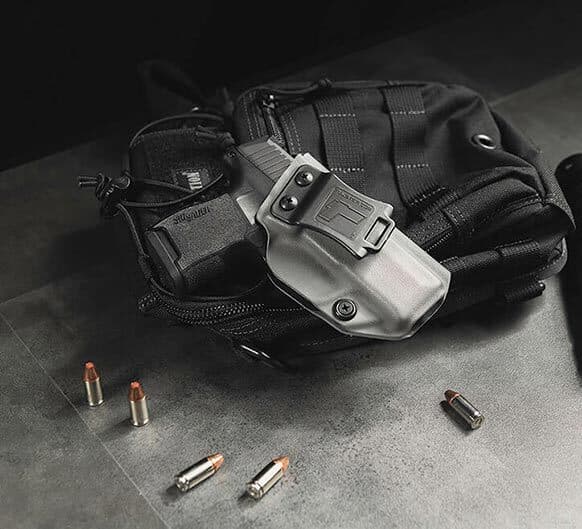
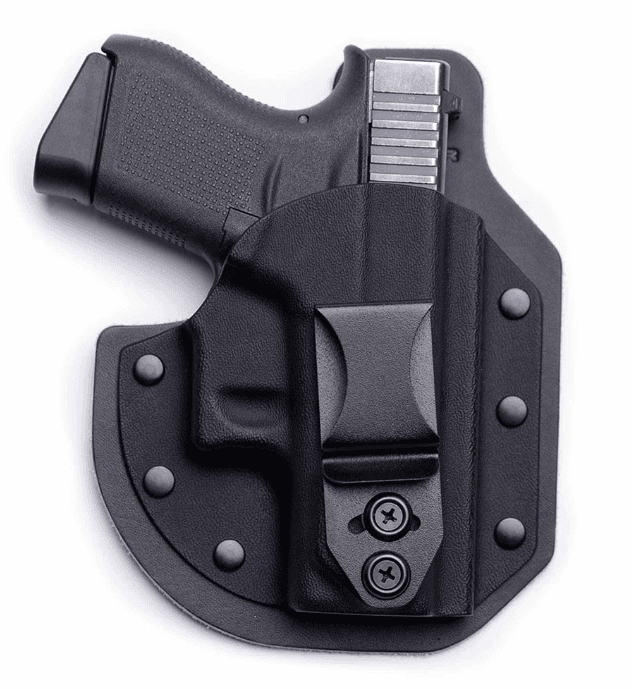
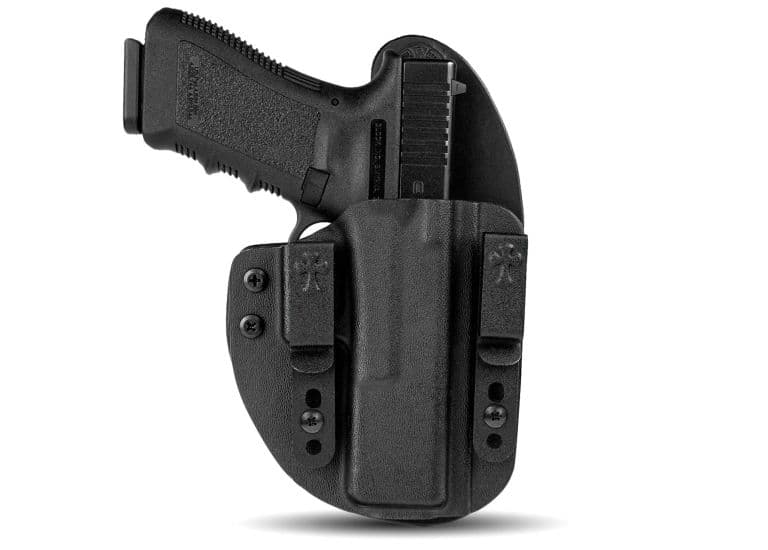
Buying a carry pistol without a holster wastes the pistol. Budget $80-150 for a quality kydex holster from the start. See our CCW holster guide.

Buying Cheap Ammunition

No-name bulk .22 from Tula or unknown brands chokes semi-auto pistols. Stick with CCI, Federal, or Aguila. For 9mm training, our best 9mm range ammo guide ranks budget options that actually run.

Skipping Eye and Ear Pro

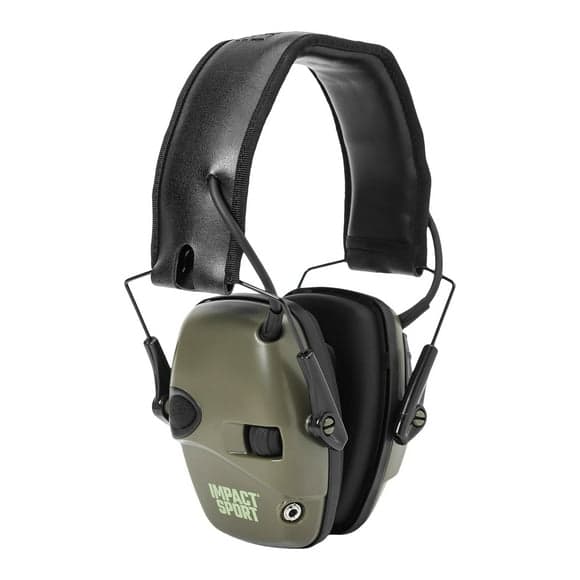
Plug-and-muff combos run $50 total. Skipping them destroys hearing permanently. See our ear protection guide.

No Training Plan

Random range trips do not build skill. Use a structured plan like the first 1000 rounds plan with progression drills, dry fire, and tracked progress.

For the full breakdown of common errors, our beginner mistakes guide covers grip errors, sight picture problems, and gear rabbit holes specifically for AR-15 shooters but applies cleanly to handguns too.

Training Budget: $500 + Gun = First-Year Plan

The gun is roughly half the cost of getting started. Plan for $400-700 on the pistol, then another $400-500 on ammunition, a holster, eye and ear protection, range fees, and at least one defensive pistol class in the first year. Build the budget around skill, not gear.

ItemBudgetNotes
First gun$300-700Taurus TX22 to Beretta 92FS range
.22 LR ammo (1000 rds)$60-80CCI Mini-Mag or Federal Auto Match
9mm ammo (500 rds)$125-175Federal AE or Winchester White Box
Holster (if carrying)$80-150Kydex IWB from a reputable maker
Eye + ear pro$40-60Foam plugs + passive muffs minimum
Defensive pistol class$200-4002-day intro, finds errors fast
Range fees (10 trips)$100-250$10-25 per session typical
First-Year Total$905-1,815Gun + ammo + holster + ear pro + class

Spending $500 on training and ammo beats spending $500 on a fancier pistol every time. The gun does not make you accurate, repetition does. Use our first 1000 rounds training plan as a structured 90-day progression with drills, dry fire targets, and skill checkpoints.

Pistol Lights for Your First Gun

Pistol Lights • $169

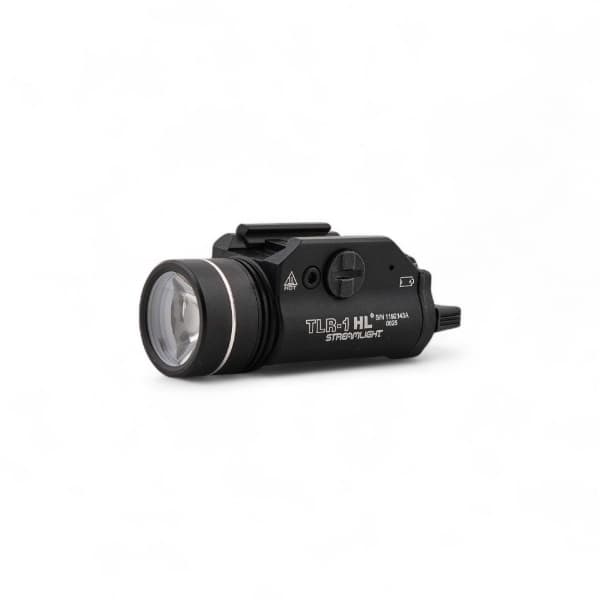
Streamlight TLR-1 HL

  • 1,000 lumens
  • 20,000 candela
$222.49
View at OpticsPlanet
Pistol Lights • $199

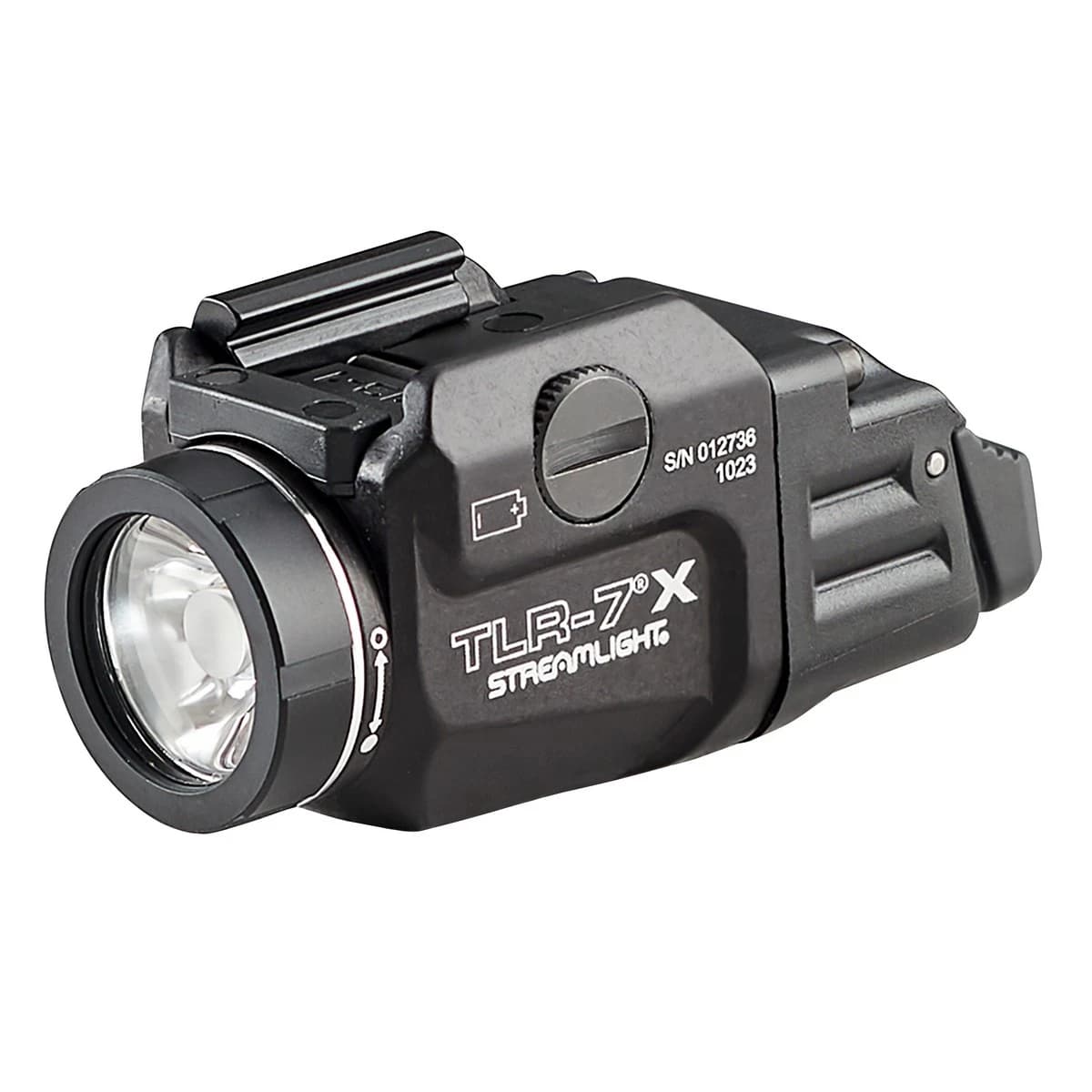
Streamlight TLR-7 X USB

  • 725 lumens
  • 9,500 candela
$162.99
View at OpticsPlanet
Pistol Lights • $149

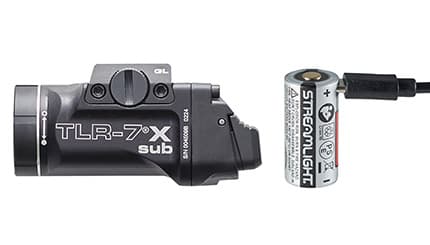
Streamlight TLR-7 Sub

  • 500 lumens
  • 5,000 candela
$149.00 MSRP
View at OpticsPlanet
Pistol Lights • $209

Streamlight TLR-7 X Sub USB

  • 725 lumens
  • 7,700 candela
$166.99
View at OpticsPlanet

Affiliate links (?)

Beginner-Friendly Holsters

Holsters • $35

IWB Kydex Holster

  • IWB/AIWB
  • Kydex
$35.00 MSRP
View at OpticsPlanet
Holsters • $60

Profile IWB (Ruger LCP MAX)

  • IWB / AIWB
  • 0.08" Kydex
$60.00 MSRP
View at Amazon
Holsters • $140

Axis Elite

  • AIWB Sidecar
  • Kydex
$140.00 MSRP
View at OpticsPlanet
Holsters • $70

Reckoning

  • IWB/OWB Hybrid
  • Leather + Kydex
$70.00 MSRP
View at OpticsPlanet

Affiliate links (?)

Hearing Protection for Range Day

Hearing Protection • $55

Impact Sport Electronic Earmuff

  • NRR 22 dB
  • Sound amplification to 82 dB
$85.59
View at Amazon
Hearing Protection • $45

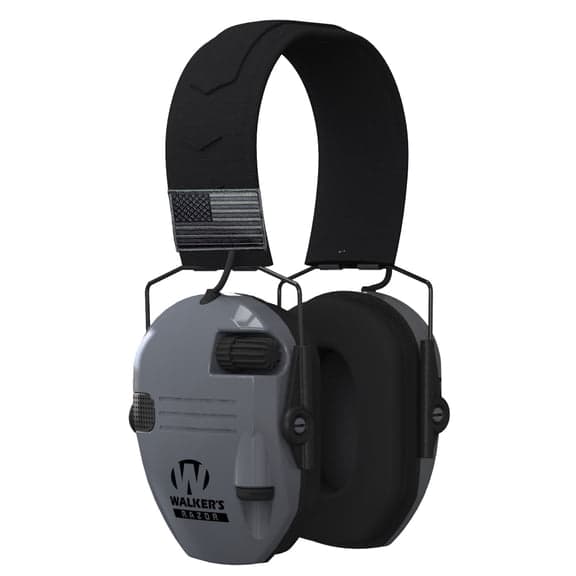
Razor Slim Electronic Muff

  • NRR 23 dB
  • Sound-activated compression at 89 dB
$65.79
View at Amazon
Hearing Protection • $100

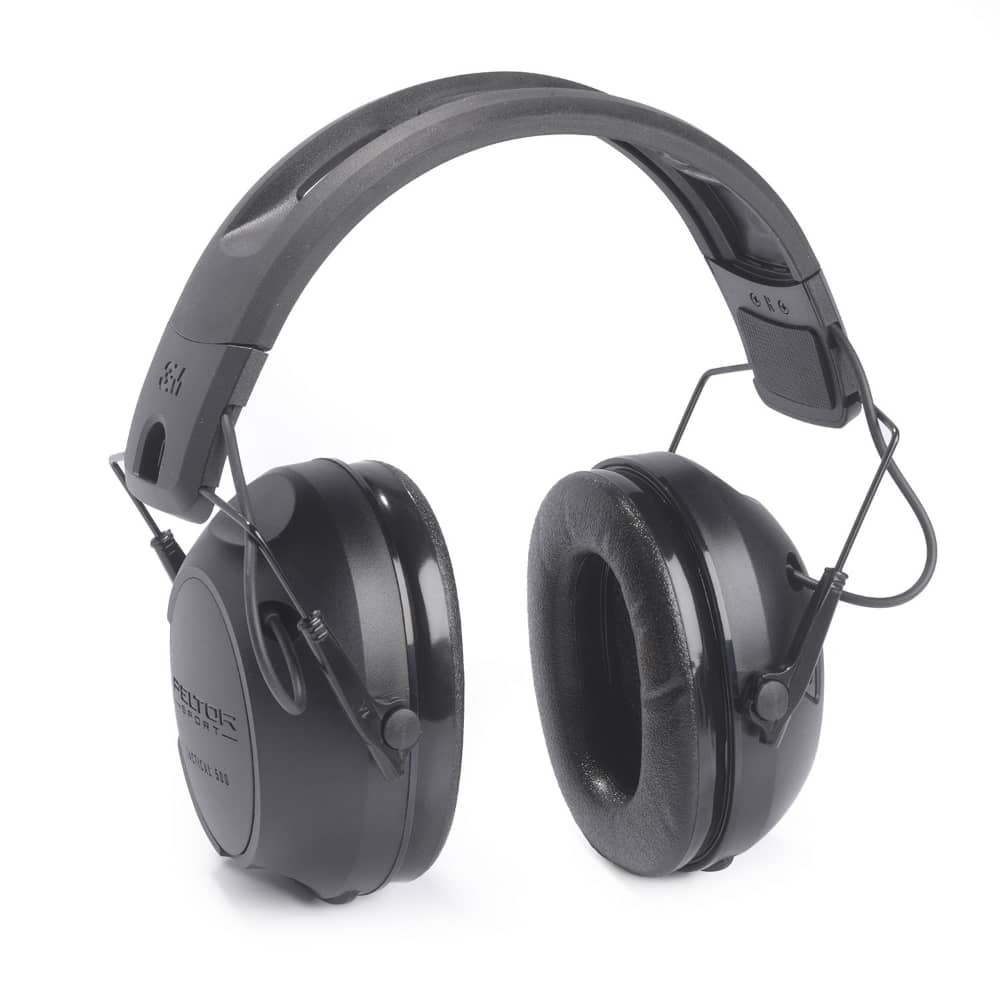
Sport Tactical 500 Electronic

  • NRR 26 dB
  • Bluetooth wireless
$189.99
View at Amazon
Hearing Protection • $130

XCEL 500BT Digital Electronic Muff

  • NRR 24 dB
  • Bluetooth wireless
$109.99
View at Amazon

Affiliate links (?)

Skill Beats Gear

Once your first gun is in the safe, the next $500 should go toward ammo and structured practice. The first 1000 rounds training plan walks through dry fire setup, zeroing, malfunction clearing, and progression drills with a 90-day schedule.

Frequently Asked Questions

What is the best first gun for a new shooter?
The Ruger Mark IV 22/45 Tactical ($529) is the best first gun for a new shooter. .22 LR ammunition costs $0.05-0.08 per round versus $0.25-0.35 for 9mm, near-zero recoil isolates fundamentals like grip pressure and trigger control without flinch development, and the 1911 grip angle of the 22/45 frame translates directly to centerfire pistols when you move up. Once your fundamentals are solid, the Glock 19 Gen5 ($549) is the default first 9mm for self-defense use. New shooters who want a manual safety should look at the Beretta 92FS ($699), and shooters with smaller hands should consider the Walther P22 Q ($349).
Should my first gun be a .22 or a 9mm?
Buy a .22 LR pistol first. The single most expensive mistake new shooters make is starting with a 9mm and developing a flinch from the recoil and muzzle blast that takes hundreds of rounds to undo. A .22 LR pistol like the Ruger Mark IV 22/45 Tactical or Taurus TX22 lets you fire 500-1000 rounds per range trip on a beginner's budget, with no recoil masking your trigger control errors. After 500-1000 rounds of dedicated .22 practice, your transition to a 9mm Glock 19 or M&P 2.0 Compact will be dramatically smoother. If you only own one gun and need it for home defense, then yes, buy a 9mm first, but plan to add a .22 within the first year to support training.
Is a Glock 19 a good first gun?
Yes. The Glock 19 Gen5 is the default first 9mm pistol recommendation for any shooter who wants one gun that handles concealed carry, home defense, and range training. The 15+1 capacity, compact size, optic-ready MOS variant, and the largest aftermarket of any pistol in the world mean you will never struggle to find a holster, magazine, light, or upgrade. Drawbacks: no factory manual safety (intentional, but new shooters sometimes prefer one), and the polarizing 22-degree grip angle takes practice if you grew up shooting 1911s. The S&W M&P 2.0 Compact is a strong alternative if you want a more neutral grip angle and an optional thumb safety variant.
What is the easiest gun to shoot for a new shooter?
A .22 LR pistol with a single-action trigger is the easiest gun to shoot. The Ruger Mark IV 22/45 Tactical ($529) and Browning Buck Mark Plus ($499) both have crisp 2-3 lb single-action triggers that break cleanly without the heavy first pull of a DA/SA pistol or the longer travel of a striker-fired gun. Combined with .22 LR's near-zero recoil and quiet report, new shooters land first-shot hits on a paper target consistently within 30 minutes of instruction. For long guns, the Henry Lever Action .410 has the lowest felt recoil of any shotgun beginners can buy, and the Ruger PC Carbine has roughly half the recoil of a 5.56 AR-15.
How much should a beginner spend on their first gun?
Plan for $400-700 on the gun itself, then budget another $300-500 for ammunition, a holster, range fees, and basic training in the first year. The Taurus TX22 at $299 is the floor for a genuinely reliable first pistol. The sweet spot for a do-everything 9mm is $549-599 (Glock 19 Gen5, S&W M&P 2.0 Compact, SIG P320 Compact). Buying used is fine for revolvers and proven semi-autos, but verify the gun functions reliably before you trust it. Avoid pistols under $250 from unknown brands; the savings disappear the first time you have a malfunction at a defensive moment. Spend the $300 you saved on training instead, see our 1000 rounds training plan.
Should a beginner get a pistol with a manual safety?
If a manual safety reassures you, get one. The Beretta 92FS ($699) has an ambidextrous frame-mounted safety/decocker, and the S&W M&P 2.0 Compact has an optional thumb safety variant. The argument against manual safeties is that under stress, you may forget to disengage it, costing critical seconds. The argument for them is that an extra physical step between an unintentional trigger press and a fired round is meaningful for new shooters still building trigger discipline. The compromise is to start with a manual-safety pistol while learning, then transition to a striker-fired pistol like a Glock 19 once your trigger discipline is automatic. Either path works as long as you train consistently with the gun you carry.
Should my first gun be a handgun or a long gun?
Handgun first if your primary use is concealed carry or general defensive readiness. Long gun first if your primary use is home defense and you do not plan to carry. A Ruger PC Carbine ($799) with a red dot is more accurate at home-defense distances than any handgun, has roughly half the recoil of a 5.56 AR-15, and shares Glock 17 magazines with a Glock 19 if you own both. The Henry Lever Action .410 is the lowest-recoil option for new shooters who want a wood-and-steel rifle without the tactical aesthetic. New shooters often end up wanting both, a .22 pistol for training and a 9mm carbine for home defense, before the first year is out.
What is the best first gun for self defense?
The Glock 19 Gen5 ($549) is the best first self-defense gun for most shooters. It has 15+1 capacity, the smallest concealable footprint that still shoots like a full-size, and the largest holster and accessory aftermarket available. The S&W M&P 2.0 Compact ($559) is the best alternative if hand fit matters: four interchangeable palmswells let you tune the grip without aftermarket work, and a thumb-safety variant is available. The Beretta 92FS ($699) is the right pick for shooters who want a heavier alloy frame, soft recoil, and a manual safety, with the documented 40-year service record of the M9. For home-defense-only use, the Ruger PC Carbine ($799) is more accurate than any handgun at typical engagement distances.

Related Beginner Guides

Best .22 LR Pistols - 8 rimfire pistols ranked, the deeper companion to the picks above.

Best 9mm Pistols - Centerfire picks for after your first .22.

Best Handgun for Women - Slide rack force, grip circumference, trigger reach ranked.

Best CCW Pistols - Once you are ready to carry, this is the next step.

Best AR-15 for Beginners - First rifle picks across budget tiers.

First 1000 Rounds Training Plan - Structured 90-day progression for new shooters.

Build Your First Setup

Once you pick a first gun, use the configurator to plan a holster, light, and red dot setup, or browse the full handgun catalog.