 1
10.1 Micron · 100K Gallons · $44.95
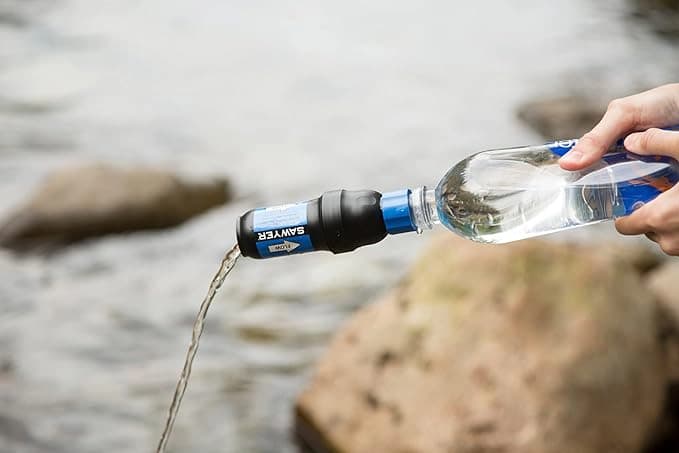
Sawyer Squeeze Water Filter
Best Overall
- Straw, inline, and gravity-fed configurations
- Backflushable with included syringe
- 3 oz filter weight
$44.95 Catalog
View at Amazon
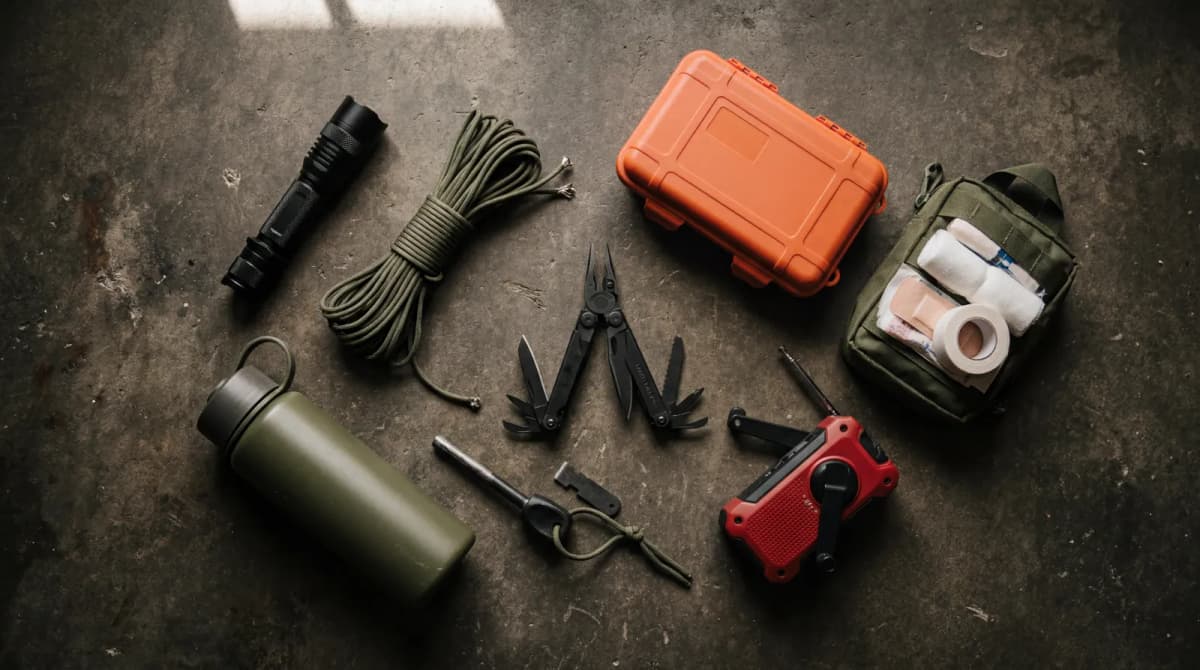
Complete emergency preparedness kit checklist for 2026. Water filtration, emergency food, trauma kits, flashlights, radios, fire starting, tools, and power. Interactive kit builder with three budget tiers for 72-hour, shelter-in-place, and evacuation scenarios.
Affiliate links (?)
A complete emergency preparedness kit costs $250-400 and takes an afternoon to assemble. It covers water, food, medical, light, communication, fire, tools, and power for 72 hours without outside assistance. This guide breaks down every category with specific product recommendations at three budget tiers, an interactive kit builder, and printable checklists. The angle is practical readiness for natural disasters, power outages, and supply chain disruptions, not doomsday fantasy.
FEMA recommends 72 hours of self-sufficiency after a disaster. That number is optimistic. Hurricane Katrina left areas without services for weeks. The 2021 Texas grid failure cut power and water to millions for 5-7 days. Supply chain disruptions during 2020-2022 emptied grocery shelves for days at a time. Municipal water contamination events happen multiple times per year across the country.
The pattern is consistent: when infrastructure fails, the first 72 hours determine whether you are managing the situation or reacting to it. An emergency kit removes the panic of scrambling for basics and lets you focus on decisions that matter. This is not about building a bunker. It is about having water, food, medical supplies, light, and communication ready before you need them.
If you already own firearms for home defense, you understand the principle of preparation. An emergency kit applies the same logic to survival fundamentals. A rifle without clean water is a liability. Use our home defense guide for firearm recommendations, but build this kit first.
Select your scenario and budget tier to generate a customized kit with specific product recommendations. Toggle items on or off, then print or share your checklist. All prices are 2026 retail averages.
Water is the first priority. You can survive three weeks without food but only three days without water. The minimum standard is one gallon per person per day for drinking and basic hygiene, so a family of four needs 12 gallons for a 72-hour scenario. Filtration and purification give you access to water beyond what you can physically store.
The Sawyer Squeeze is the standard recommendation because it filters 100,000 gallons through a 0.1-micron hollow fiber membrane, removing 99.99999% of bacteria and 99.9999% of protozoa. It works as a straw, inline with a hydration bladder, or gravity-fed from a dirty-water bag. At $35, it is the best value in portable water filtration by a wide margin. The LifeStraw Personal ($20) works as a budget entry point but its 1,000-gallon limit and straw-only design make it strictly a backup.
Filters handle bacteria and protozoa but not viruses. Add chemical purification tablets (Katadyn Micropur, $12) for questionable water sources. For shelter-in-place scenarios, fill a WaterBOB bathtub bladder ($35) with tap water before the supply cuts off. That gives you 100 gallons of clean water from your own plumbing.
1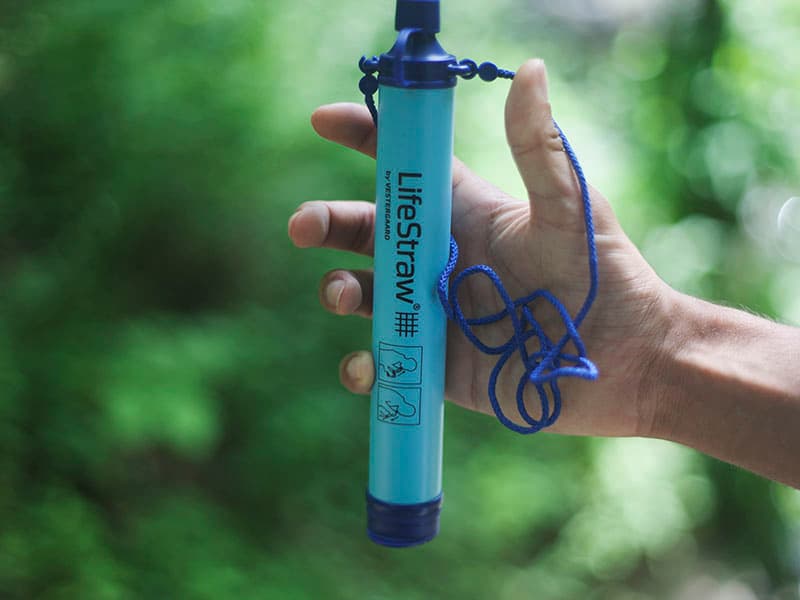 2
2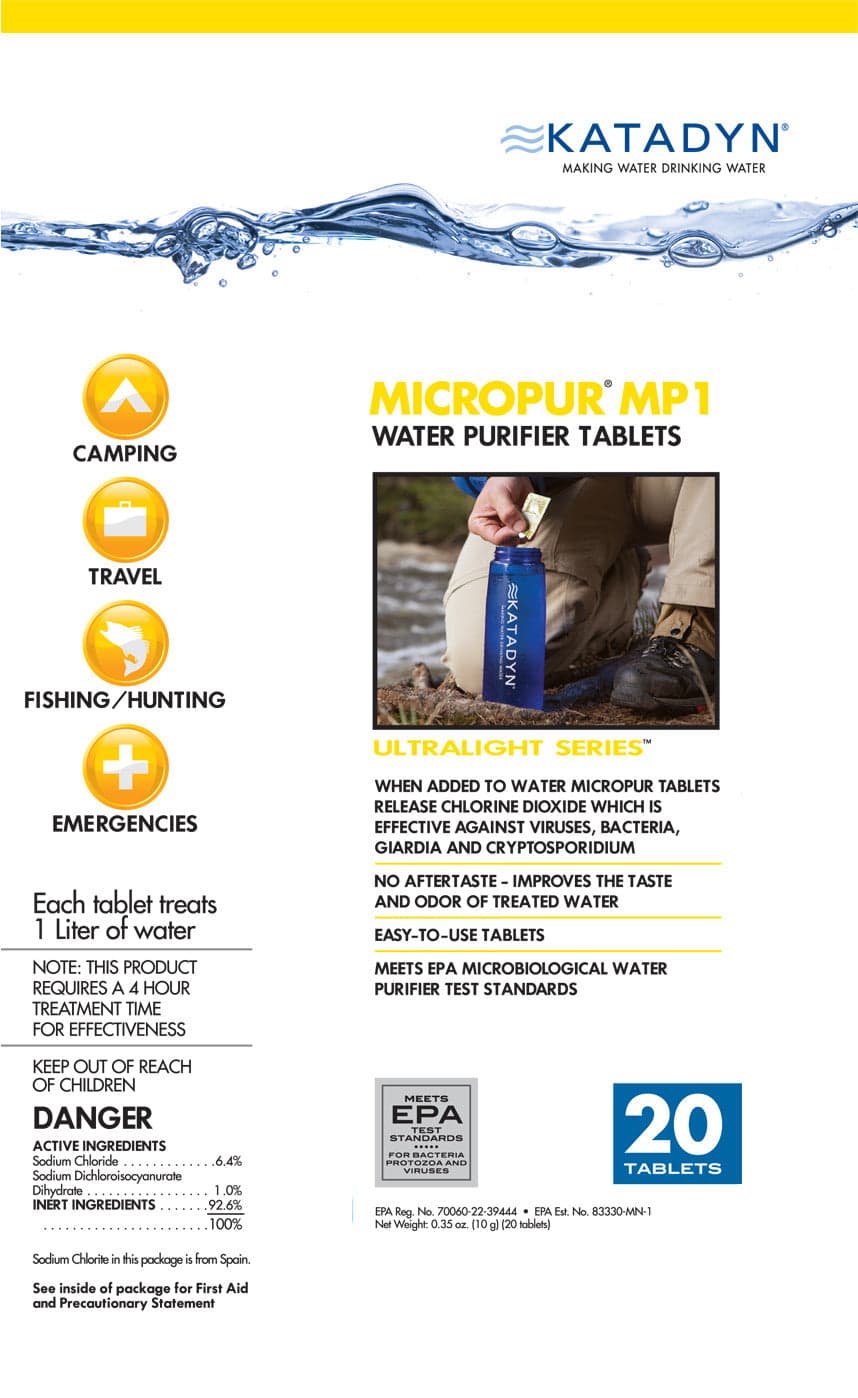 3
3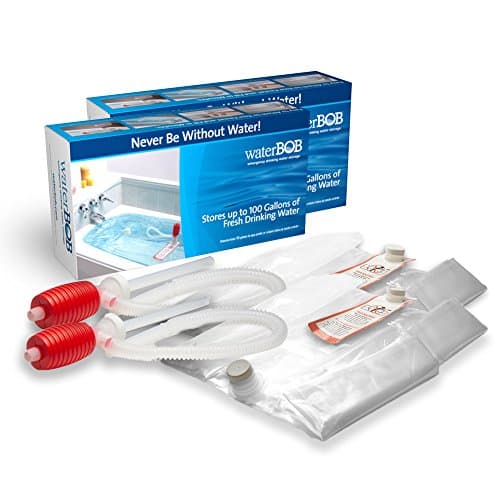
Affiliate links - purchases support this site at no extra cost to you. (?)
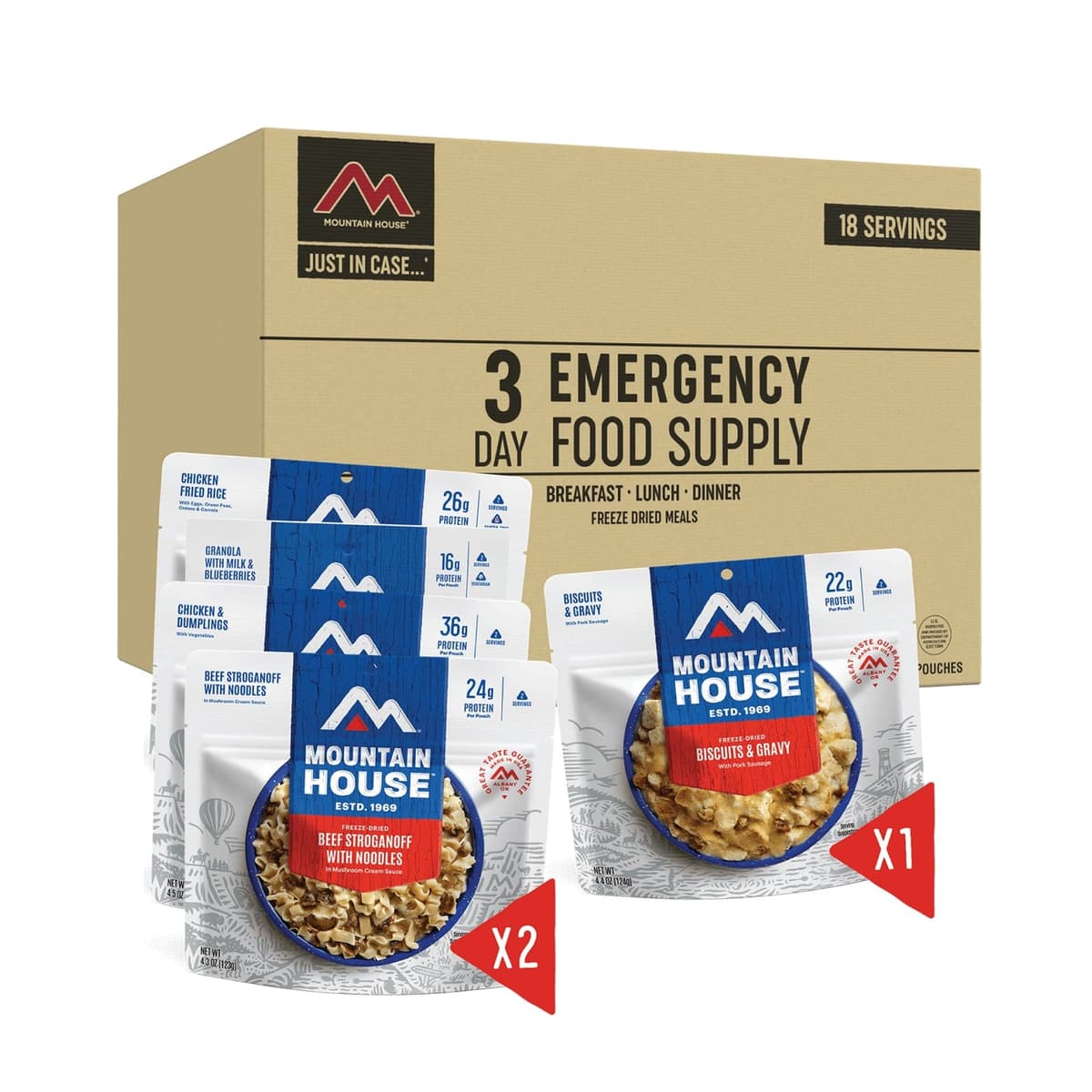
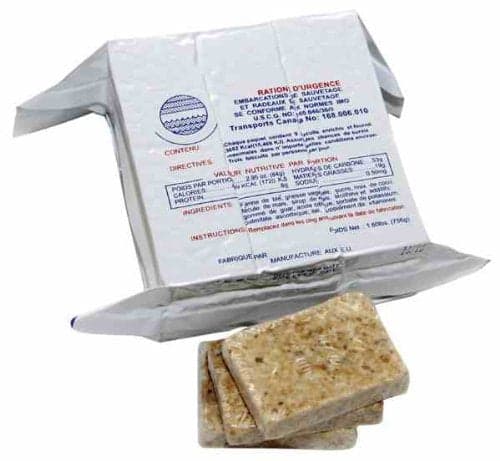
Shelf life, calorie density, and preparation requirements are the three variables that matter for emergency food. SOS Emergency Ration Bars ($25 for 3,600 calories) require zero preparation and fit in a glove box. They taste like shortbread and cover 72 hours for one person. Mountain House freeze-dried meals ($60 for a 72-hour kit, $130 for 14 days) taste significantly better but require boiling water.
Mountain House uses a nitrogen-flush process that gives their pouches a 30-year shelf life. ReadyWise offers lower per-serving cost with 25-year shelf life, but more filler ingredients and smaller serving sizes. For long-term storage, Mountain House in #10 cans is the quality standard.
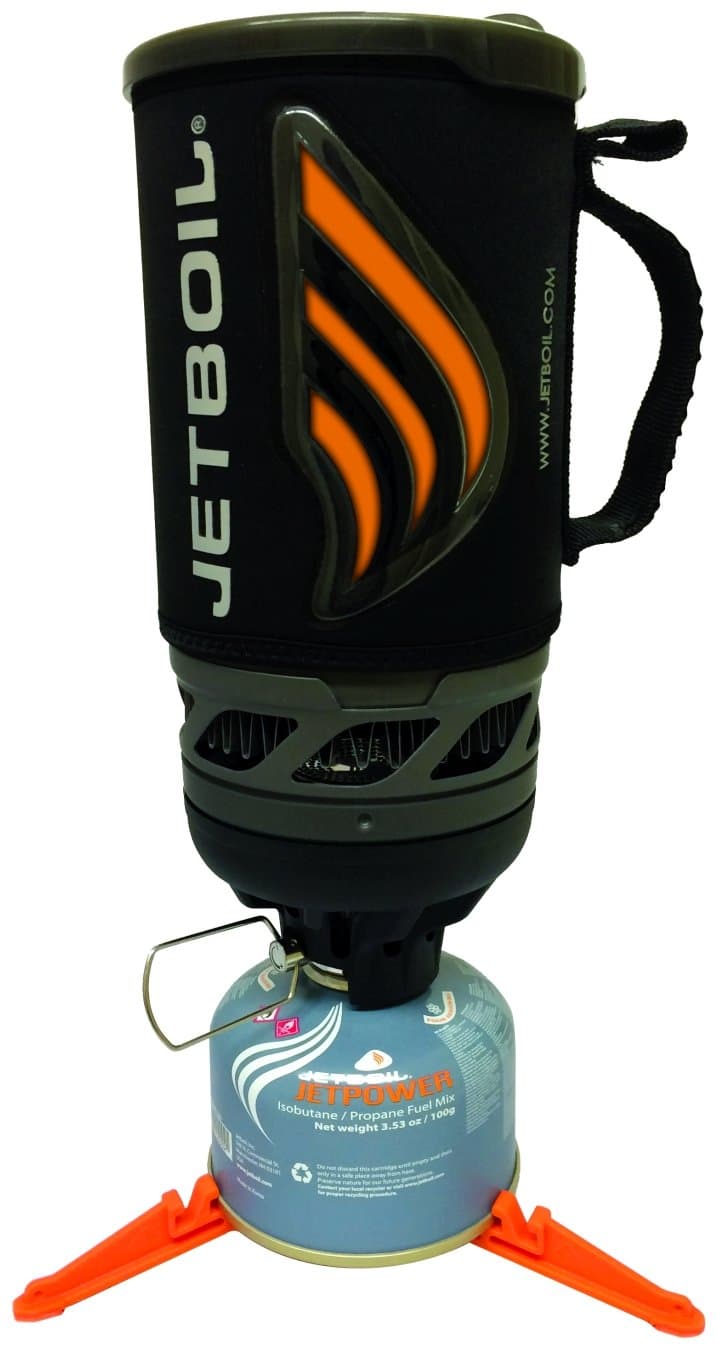
A compact cooking system extends your food options dramatically. The Jetboil Flash ($45) boils a half-liter of water in 120 seconds using an integrated heat exchanger, turning freeze-dried meals into hot food when morale matters most. For budget builds, the Esbit folding stove ($10) and solid fuel tabs weigh almost nothing and boil water in under 10 minutes.
 1
1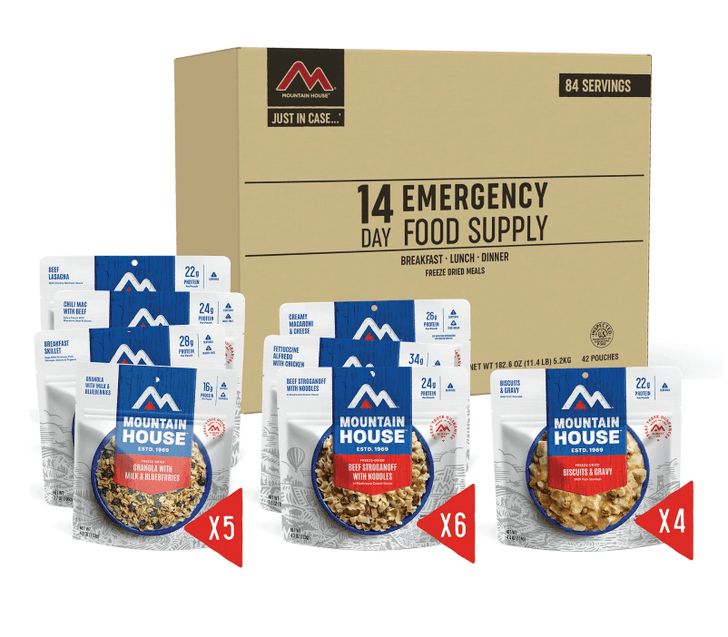
Affiliate links - purchases support this site at no extra cost to you. (?)
A standard first aid kit handles everyday injuries: cuts, blisters, minor burns, headaches. A trauma kit (IFAK) handles life-threatening hemorrhage, which is the leading cause of preventable death in disaster and combat scenarios. You need both. The Surviveware Small First Aid Kit ($30) covers the basics well. For trauma, North American Rescue sets the standard.
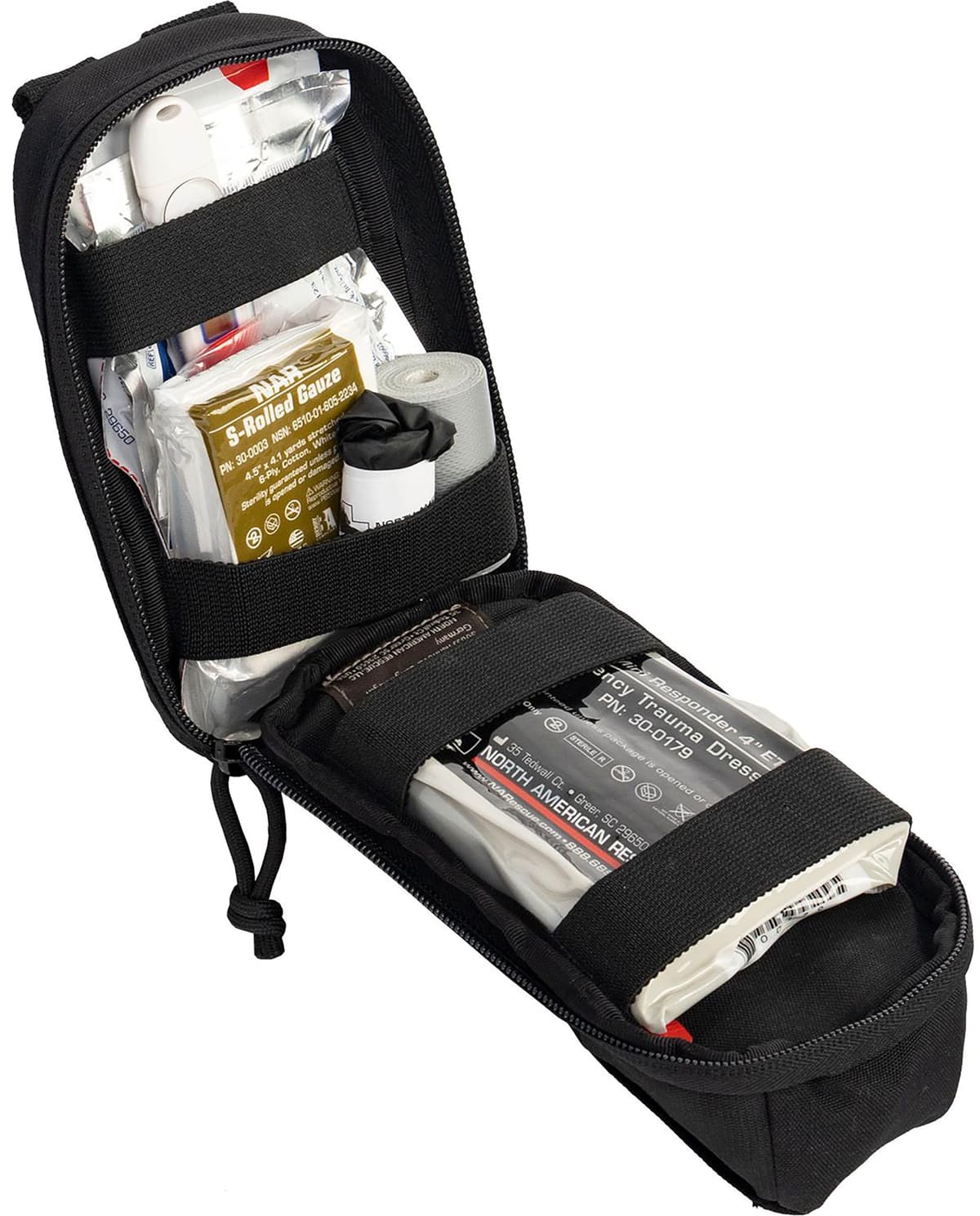
The NAR IPOK ($70) is the minimum viable trauma kit: a CAT tourniquet, Hyfin chest seal, and emergency trauma dressing. These three components address the three most common causes of preventable trauma death. The NAR M-FAK ($120) adds combat gauze (for wound packing), a nasopharyngeal airway, and additional supplies. If you own firearms, this crossover is critical. The same skills and tools that treat a gunshot wound treat a chainsaw accident or a car crash.
Gear without training is a liability. Take a Stop the Bleed course (free, offered nationwide by the American College of Surgeons) to learn tourniquet application, wound packing, and chest seal placement. Practice with your actual kit components at least annually. For CoTCCC-approved tourniquet rankings and a full TCCC-compliant IFAK loadout, see our best tourniquets and IFAK setup guide.
 1
1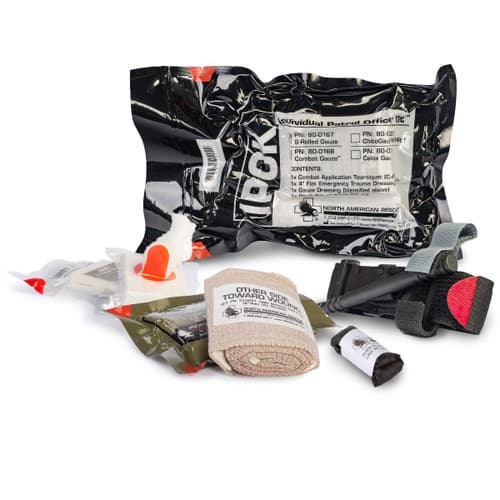 2
2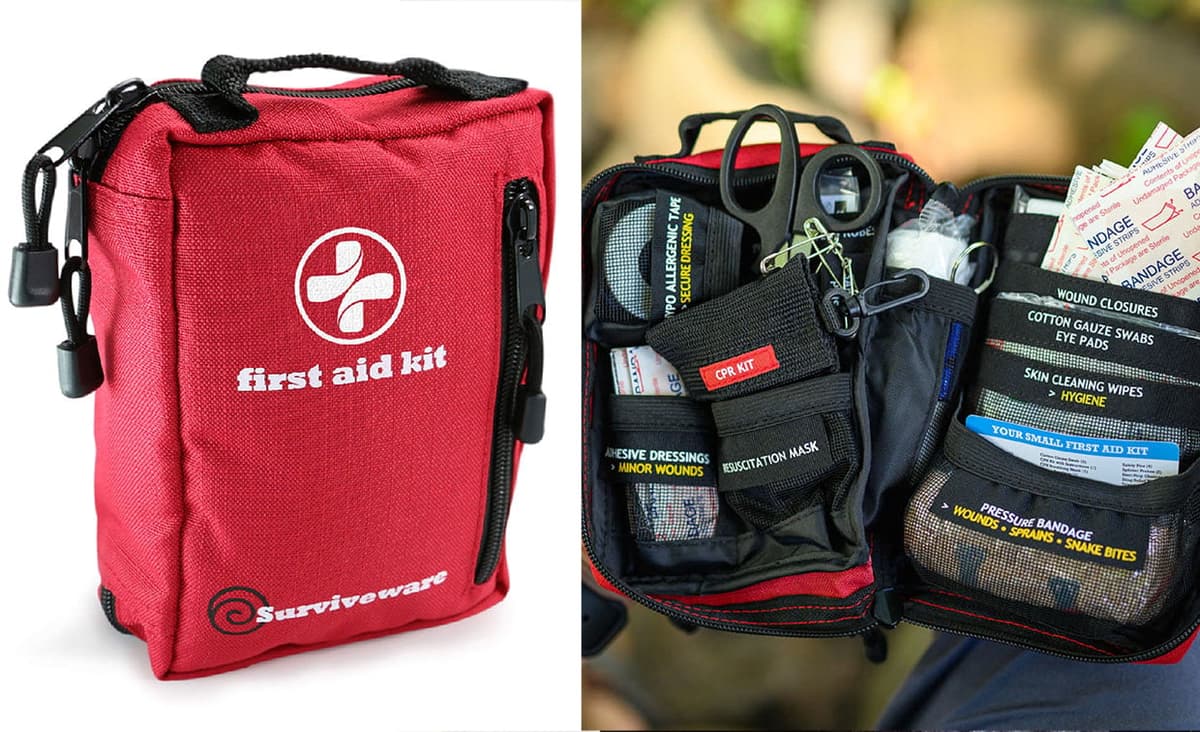 3
3Affiliate links - purchases support this site at no extra cost to you. (?)
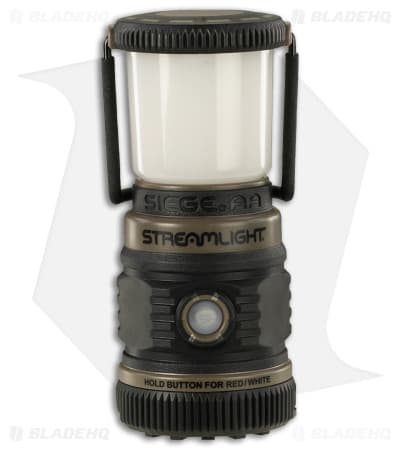
Power outages are the most common emergency scenario, and lighting is the first thing you miss. A good emergency lighting setup has three components: a handheld flashlight for navigation and inspection, a headlamp for hands-free work, and a lantern for area illumination. Redundancy matters here because lighting failure in a real emergency creates cascading problems.
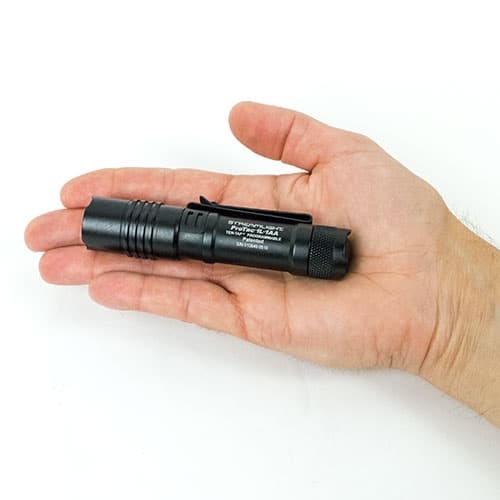
The Streamlight ProTac 1L-1AA ($25) is the go-to emergency flashlight because it accepts both CR123A lithium batteries (10-year shelf life) and AA batteries (available everywhere). This dual-fuel capability is critical in extended scenarios. A flashlight that only takes proprietary rechargeable cells is useless when the power is out for a week. For headlamps, the Petzl Actik Core ($40) provides 625 lumens with USB recharging and a AAA battery backup.
If you already run a weapon light on your home defense rifle, consider matching battery formats. The Streamlight ProTac series shares CR123A compatibility with the Streamlight HL-X weapon light, letting you standardize your battery inventory across defensive and emergency use cases.
 1
1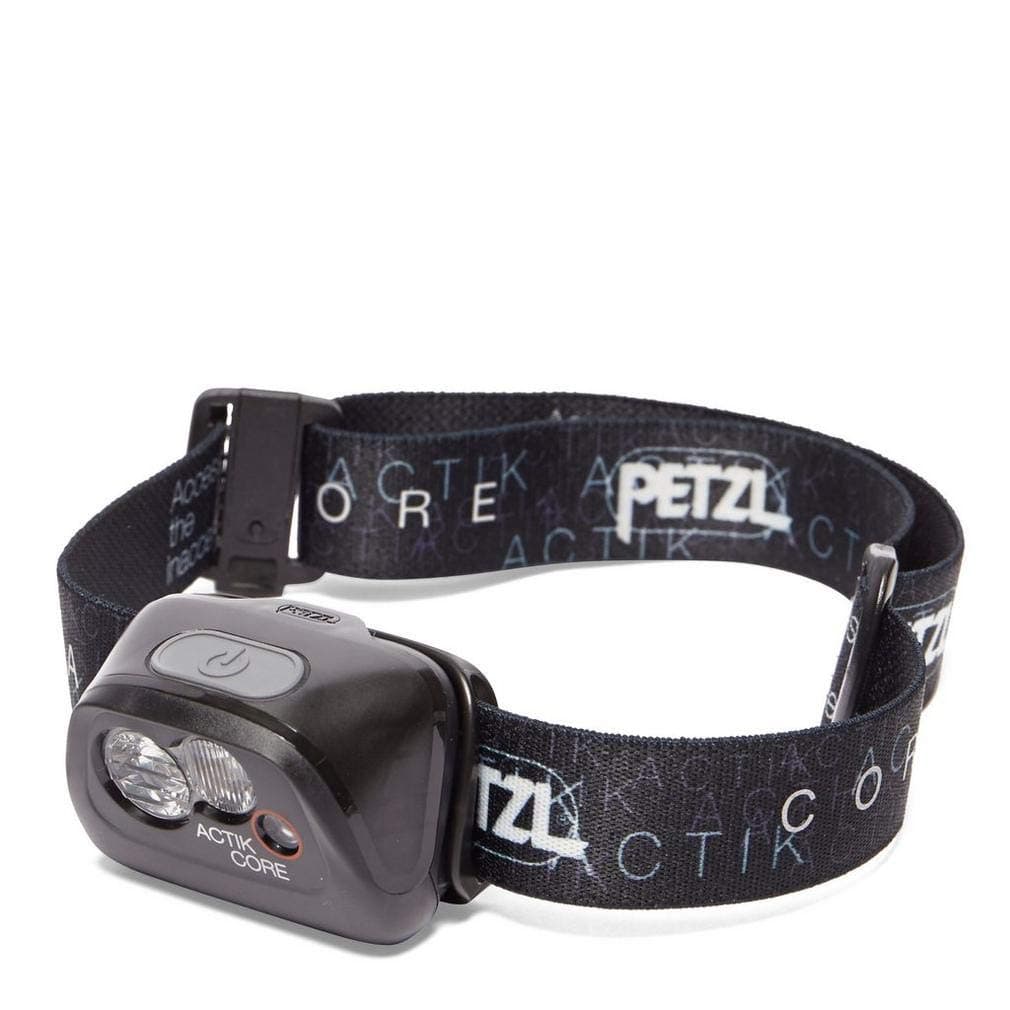
Affiliate links - purchases support this site at no extra cost to you. (?)
Bug-out gear, trauma kits, water and food storage, and readiness checklists sent to your inbox.
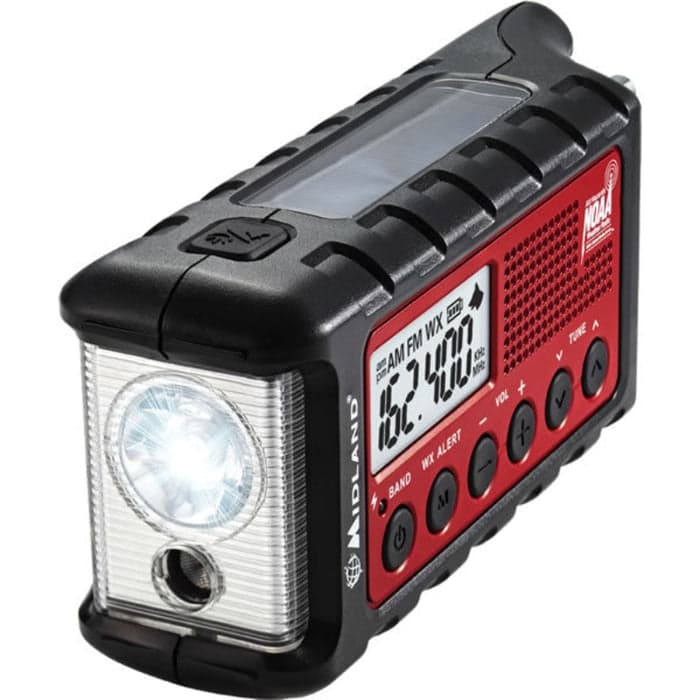
When cell towers go down (which happens early in major disasters), AM/FM/NOAA weather radio becomes your primary information source. NOAA Weather Radio broadcasts 24/7 emergency alerts, forecasts, and official instructions on seven dedicated frequencies. The Midland ER310 ($35) receives all NOAA frequencies, charges via solar panel, hand crank, or USB, and doubles as a 2,600mAh battery bank for your phone. It also includes an SOS beacon flashlight.
For the premium tier, pair the Midland with a Baofeng UV-5R ($15-25). While transmitting requires a HAM license, you can legally listen to local emergency services, amateur radio operators, and GMRS channels. In a regional disaster, local HAM operators are often the first to relay accurate information when official channels are overwhelmed.
 1
1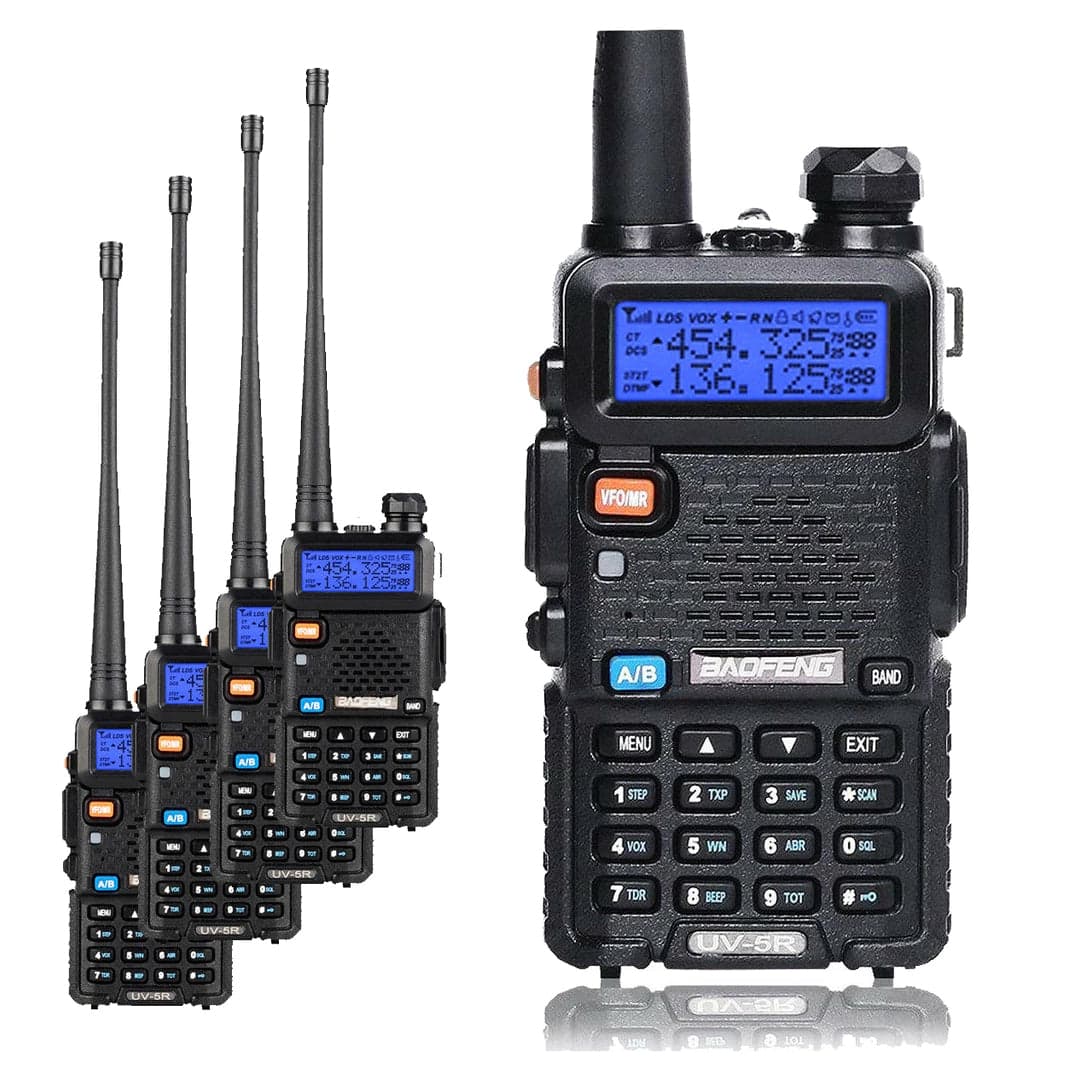
Affiliate links - purchases support this site at no extra cost to you. (?)
Fire starting redundancy follows the rule of three: carry a primary, a secondary, and a backup. Two BIC lighters ($2) are the most reliable primary ignition source ever made. UCO Stormproof Matches ($5) work in wind and rain. A ferrocerium rod ($10) lasts 12,000+ strikes and functions when wet. Add Wetfire tinder cubes ($5) that light in standing water, and you have an all-conditions fire starting kit for under $25.
For thermal protection, SOL Emergency Bivvies ($15) reflect 90% of body heat in a sleeping-bag form factor. The upgrade is the SOL Escape Bivvy ($30), which adds breathability so condensation does not soak you overnight. Pair either with a compact tarp (Aqua Quest Guide, $40) for overhead rain protection. Hypothermia kills faster than dehydration in cold climates, and most emergency scenarios happen during winter storms.
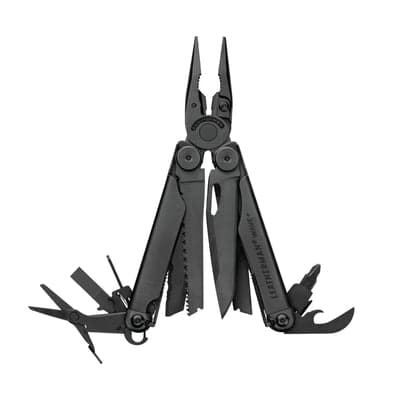
A multi-tool is the most versatile single item in an emergency kit. The Leatherman Wave+ ($100) provides 18 tools including pliers, wire cutters, a saw, scissors, and multiple blade options. For budget builds, the Leatherman Wingman ($65) covers 90% of real-world needs with spring-loaded pliers and 14 tools. The Gerber Dime ($30) is a keychain-size option that still includes functional pliers and a blade.
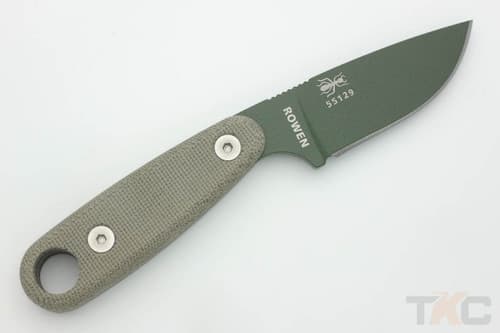
A fixed-blade knife handles tasks a multi-tool cannot: batoning wood, heavy cutting, and improvised shelter construction. The Morakniv Companion ($25) is the best value in fixed blades: stainless steel, 4.1-inch blade, comfortable grip, and a plastic sheath. The ESEE Izula II ($60) steps up to 1095 high carbon steel in a compact 2.6-inch blade that rides on a belt or around the neck.
Round out the tool category with Gorilla Tape (mini roll, $5), 100 feet of 550 paracord ($5), and a handful of heavy-duty zip ties ($2). These three items handle repairs, lashing, shelter construction, and improvisation in ways that purpose-built tools cannot.
 1
1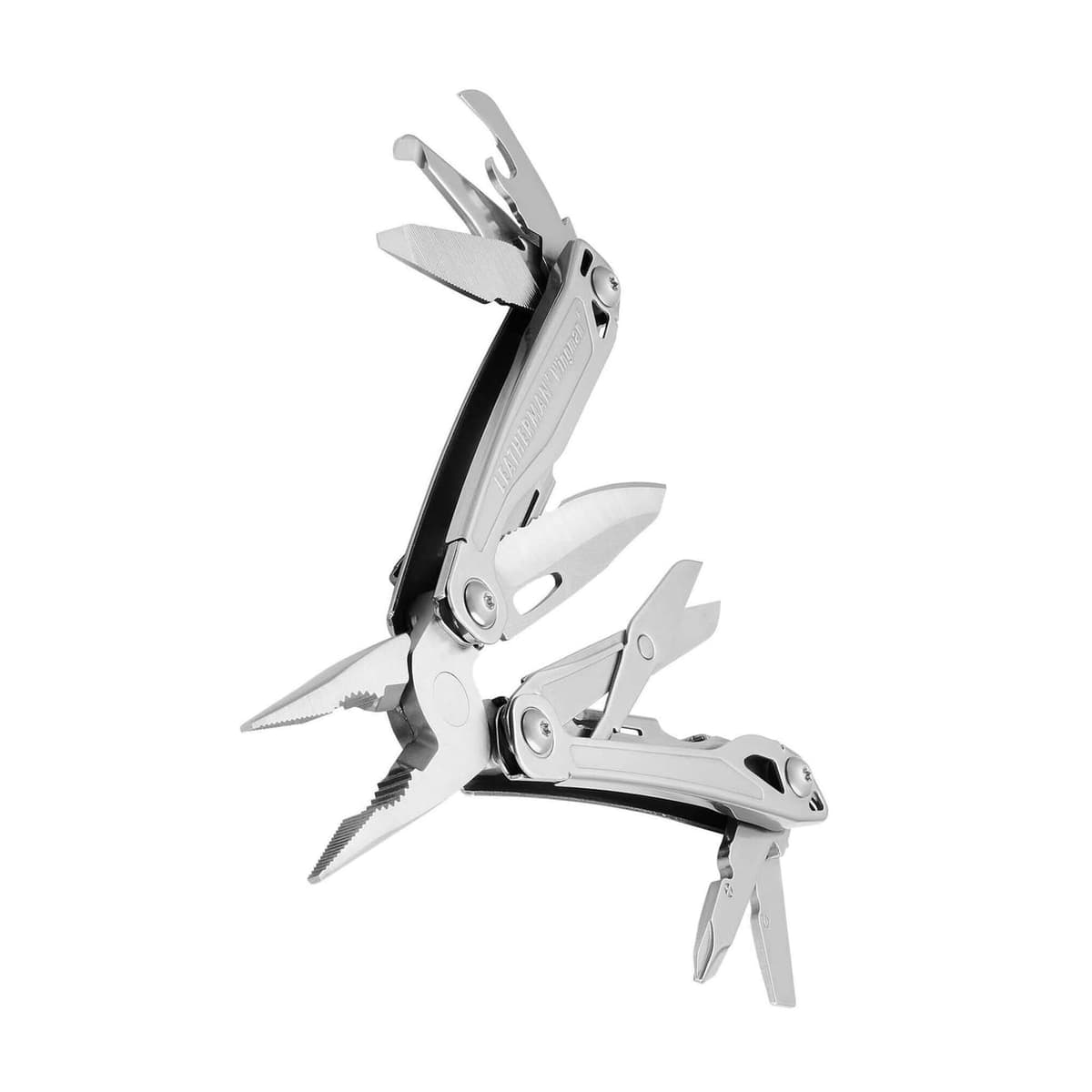 2
2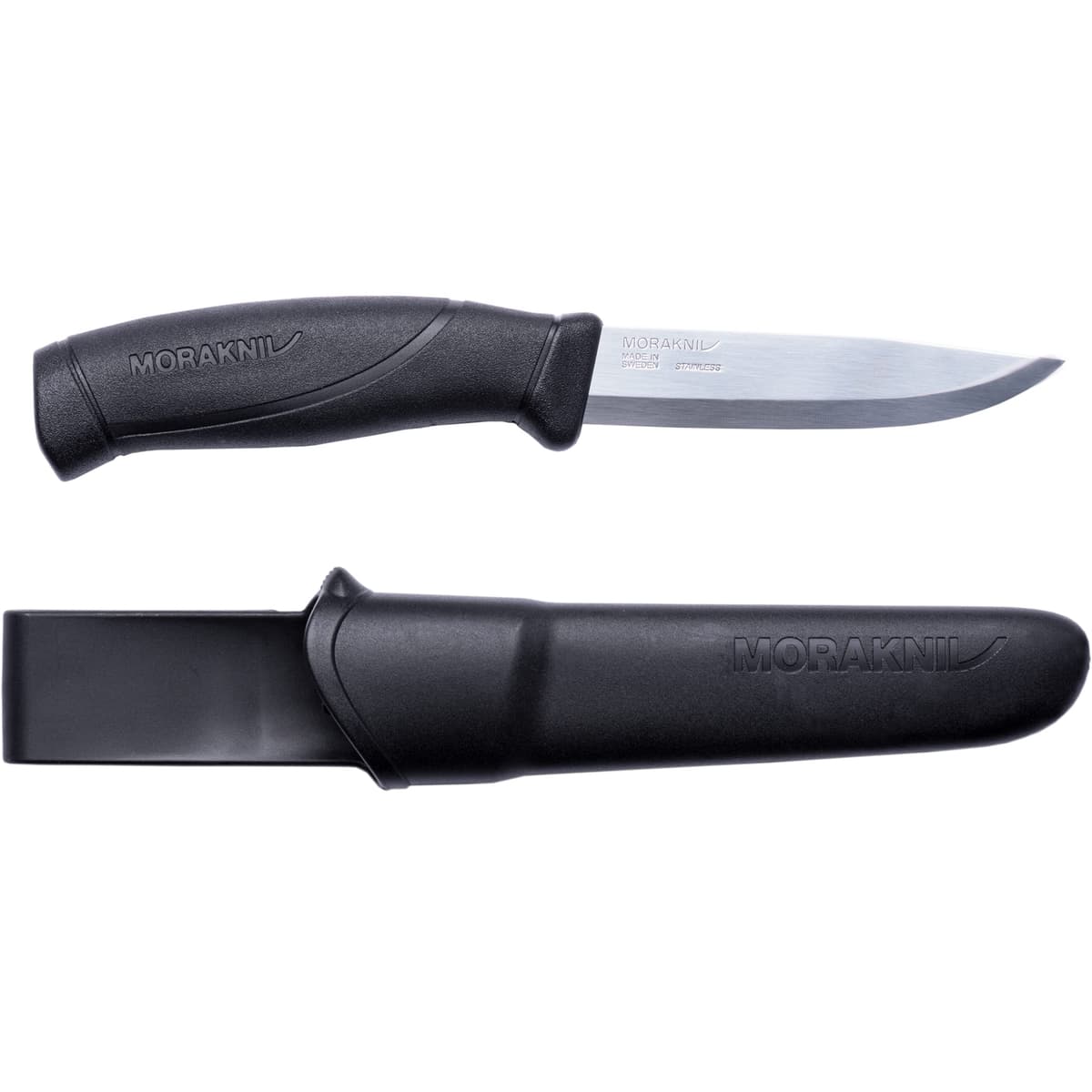
Affiliate links - purchases support this site at no extra cost to you. (?)
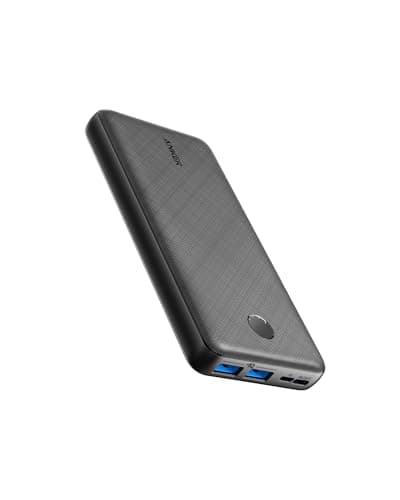
Your phone is a survival tool: maps, contacts, emergency alerts, flashlight, and communication. Keeping it charged is not optional. The Anker PowerCore 10,000mAh ($20) provides 2.5 full phone charges in a pocket-sized package. For extended scenarios, the Anker PowerCore 26,800mAh ($40) stretches to 6+ charges. For navigation that survives a dead phone, a tactical GPS smartwatch holds offline maps, a barometric storm alert, and a compass for weeks off a single charge. Our hands-on Garmin Instinct 3 AMOLED review covers real-world battery life and the flashlight test on the model most shooters end up buying.
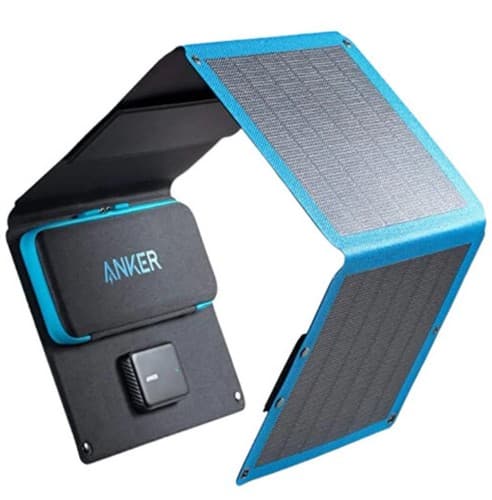
Solar panels provide indefinite charging capability in daylight. The Anker 24W Solar Panel ($50) folds to the size of a small book and charges a phone from empty in 3-4 hours of direct sun. Reality check: solar panels need direct, sustained sunlight. They are slow on cloudy days and useless at night. A battery bank is your primary; solar is the backup that prevents the primary from running out.
Keep battery banks charged (check quarterly). Lithium polymer cells lose capacity when stored fully depleted. Store at 50-80% charge in a cool, dry location and top off before storm season.
 1
1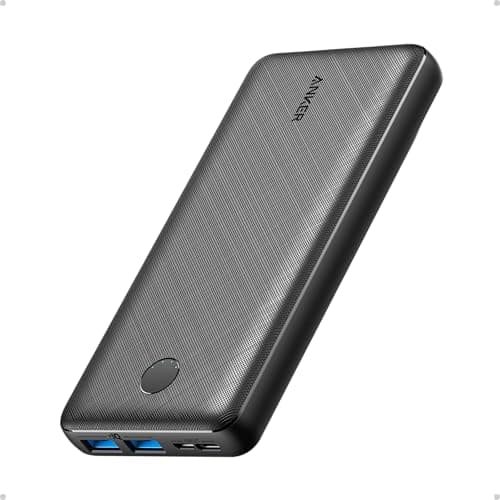
Affiliate links - purchases support this site at no extra cost to you. (?)
Cash is the most underestimated item in an emergency kit. Card readers, ATMs, and payment apps all require electricity and network connectivity. Keep $100-300 in small bills ($1, $5, $10, $20) in a waterproof bag inside your kit. Small bills matter because vendors in emergency situations cannot make change. Add $50 in quarters for vending machines, laundry, and toll roads if your scenario involves vehicle evacuation.
Laminate photocopies of: driver's license, passport, insurance cards (health, auto, homeowner's), vehicle registration, and an emergency contact list with phone numbers (your phone may be dead). Store a USB drive with scans of these documents plus photos of your home's contents for insurance claims. Back up the USB contents to an encrypted cloud service as a tertiary copy. A fireproof, waterproof gun safe is the single storage point that protects these documents and secures firearms from theft in the same box.
Security is a real consideration in extended emergency scenarios, particularly during evacuations and prolonged power outages. If self-defense is part of your preparedness plan, integrate it with your kit rather than treating it as separate. A compact 9mm pistol adds minimal weight and covers personal security during travel or shelter-in-place. Our concealed carry pistol guide covers platform selection.
For home defense during extended power outages, a rifle with a weapon light and stored ammunition addresses the security gap. If noise signature matters in your scenario, our 300 Blackout guide covers suppressed subsonic options. The 9mm self-defense ammo guide covers ammunition selection for defensive handguns.
Prioritize survival fundamentals over defensive tools. Water, food, medical, and communication resolve 95% of emergency scenarios. Self-defense covers the remaining edge cases. Build your kit in that order. Use our rifle builder to configure a home defense platform if that is part of your plan.
An emergency kit that sits untouched for three years is not ready. Food expires. Batteries discharge. Medications lose potency. Water purification tablets degrade. Set a biannual maintenance schedule (spring and fall daylight saving time changes are a common trigger).
| Item | Check Interval | Action |
|---|---|---|
| Emergency food | Annual | Check dates, rotate stock into regular use |
| Batteries | Every 6 months | Test, replace if below 75% voltage |
| Battery bank | Quarterly | Charge to 50-80%, verify output |
| Water filter | Every 6 months | Backflush, verify flow rate |
| Medications | Annual | Replace expired OTC meds |
| Cash | Annual | Replace worn bills, verify total |
| Documents | Annual | Update contacts, insurance, IDs |
| Flashlights | Every 6 months | Test function, check for corrosion |
| Category | Budget | Mid-Range | Premium |
|---|---|---|---|
| Water | $28 | $50 | $77 |
| Food | $25 | $60 | $175 |
| Medical | $30 | $70 | $145 |
| Lighting | $25 | $90 | $175 |
| Communication | $20 | $35 | $58 |
| Fire / Warmth | $15 | $35 | $60 |
| Tools | $30 | $65 | $232 |
| Power | $20 | $90 | $140 |
| Documents / Cash | $105 | $210 | $310 |
| Total | ~$298 | ~$705 | ~$1,372 |
The budget tier covers every essential category with functional gear. Mid-range buys meaningfully better filtration, nutrition, and trauma care. Premium adds redundancy, solar power, quality sleep systems, and extended-duration capability. Start with budget, upgrade categories individually as budget allows.
Best AR-15 for Home Defense 2026 - Platform recommendations for defending your home during extended emergencies.
Best Concealed Carry Pistols 2026 - Compact pistol recommendations for personal security during evacuations.
300 Blackout Guide - Suppressed subsonic options for scenarios where noise discipline matters.
Best Weapon Lights 2026 - Flashlight and weapon light recommendations with shared battery format advantages.
Best Tactical Multi-Tools 2026 - Deep dive into multi-tool selection for EDC and emergency kits.

Avid shooter with 10+ years of experience including competition shooting, an associate member of the Professional Outdoor Media Association (POMA), and a member of the National Shooting Sports Foundation (NSSF) and Safari Club International (SCI). Built 10+ AR-pattern rifles and several handgun platforms for home defense, competition, and suppressed night shooting.
This page contains affiliate links. Purchases through these links support the site at no extra cost to you. Read the affiliate disclosure
Continue exploring with these related resources
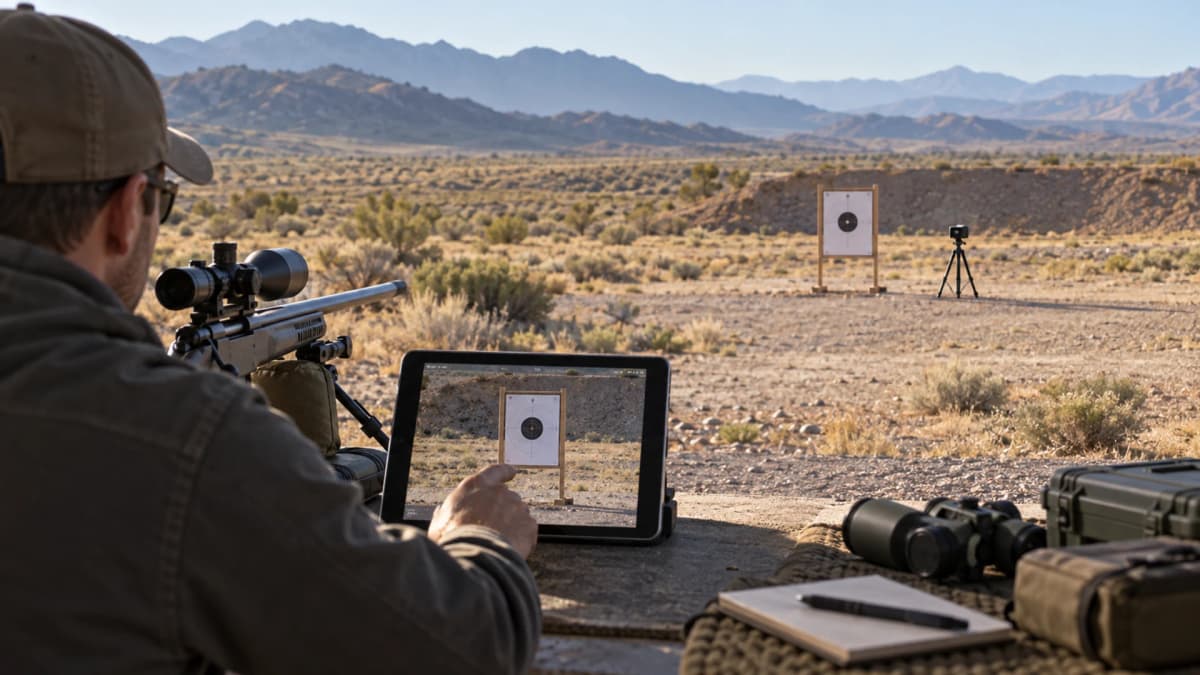
Eight downrange wireless target camera systems compared for 100-yard sight-in work, 1,000-yard practice, extreme range, and multiple targets.
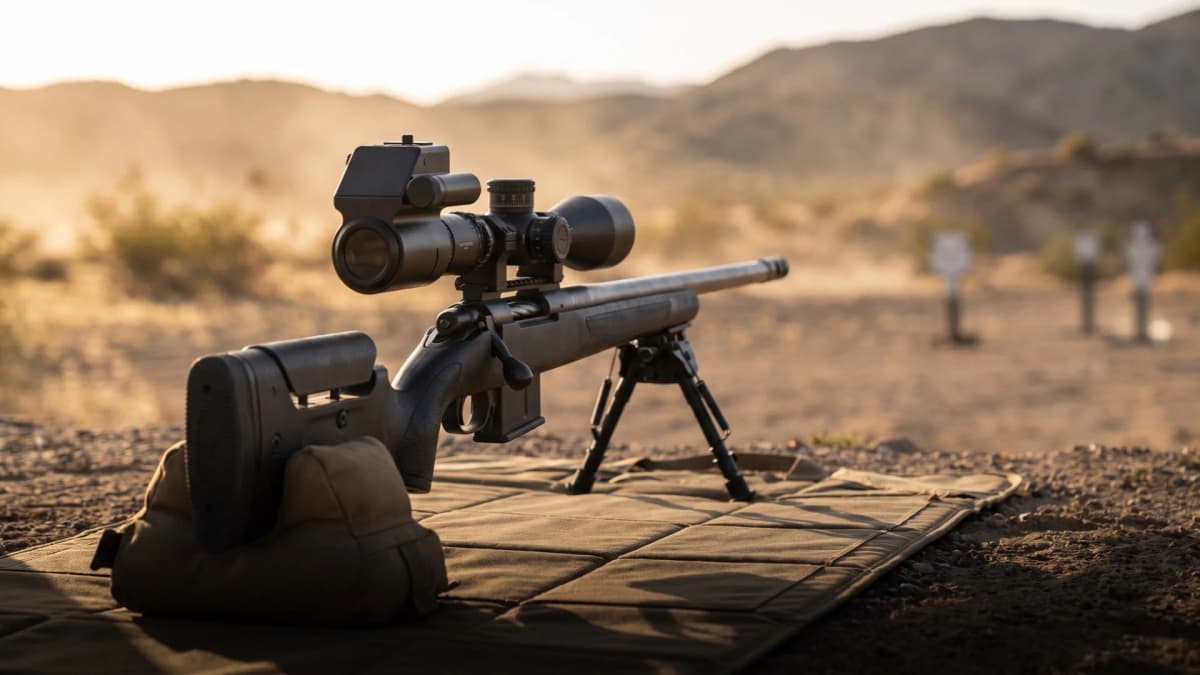
Dedicated scope cameras ranked by ocular fit, recording modes, and battery runtime, plus phone-to-scope adapters, M-LOK camera mounts, and a setup plan for recording through a rifle optic.
For a larger build, start with a slim Glock 43X, carry it at 4 or 5 o'clock in the T.REX Ironside Hybrid, and tune the belt, clothing, and wedge before changing the pistol.
Related articles and industry updates
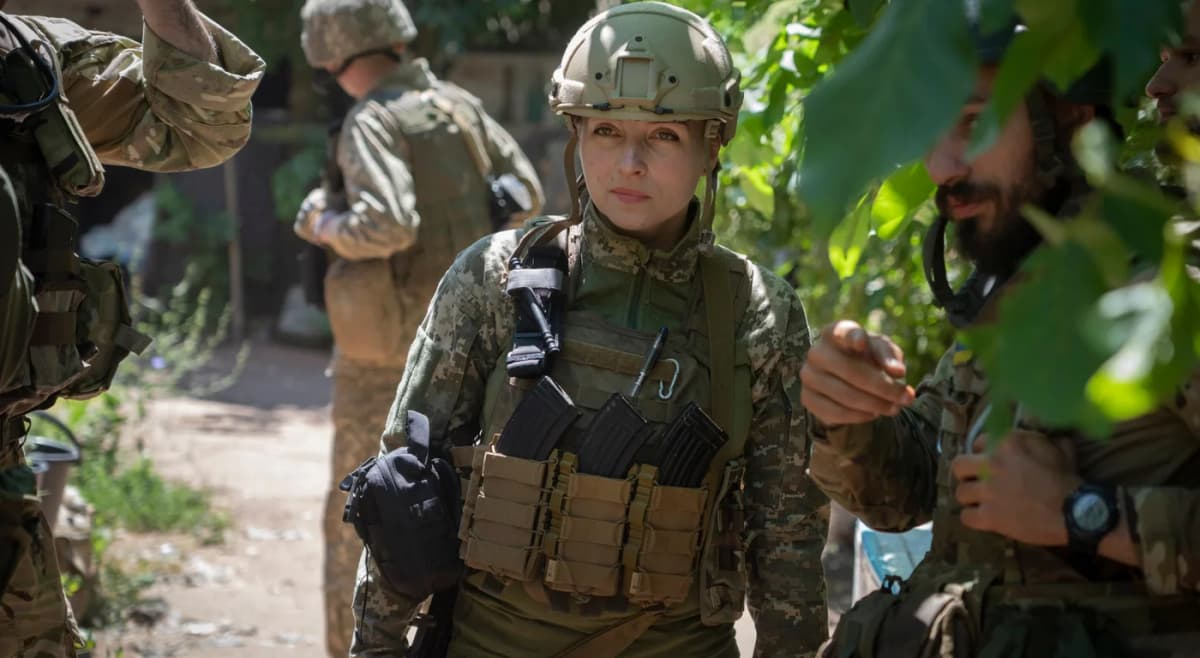
A layer-by-layer breakdown of what a Ukrainian infantry soldier wears and carries in 2026: ten approved helmet models, the eight-piece modular vest, the AK-74 baseline, the Order 506 IFAK, and the squad drone kit, with the civilian equivalent of each layer.
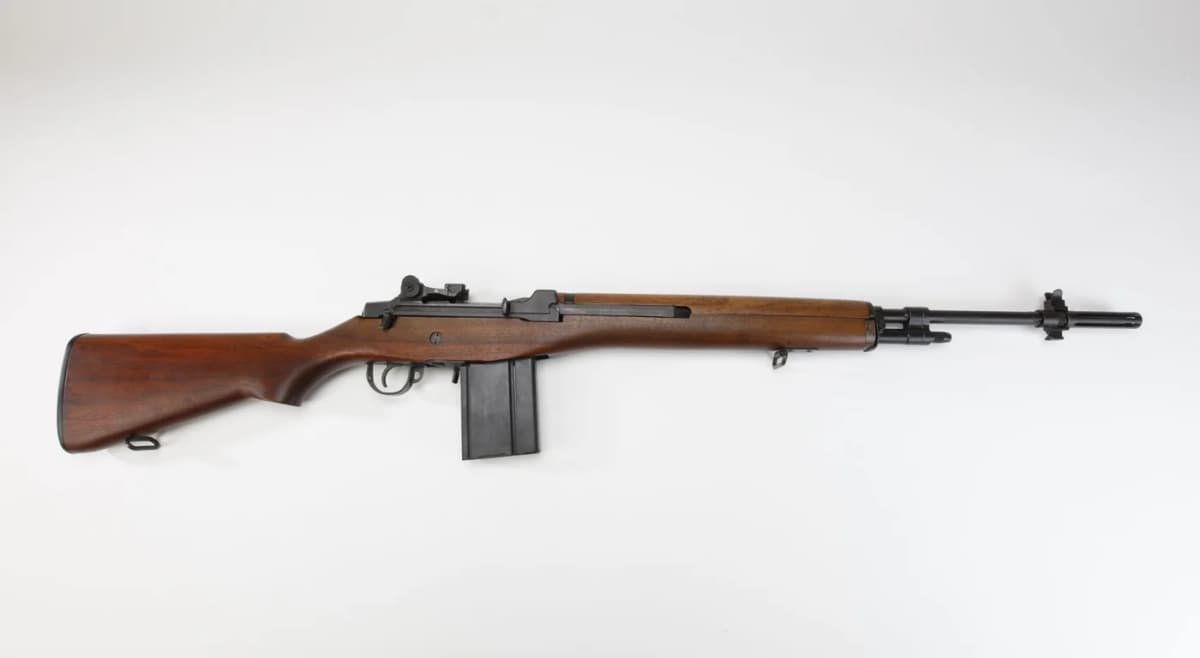
The Civilian Marksmanship Program announced it will sell surplus M14 rifles, permanently and irreversibly converted to semi-automatic before transfer, with first order fulfillment expected late 2026 to early 2027. Pricing, purchase limits, and the order process are not yet published. The eligibility rules that decide who gets one already are.
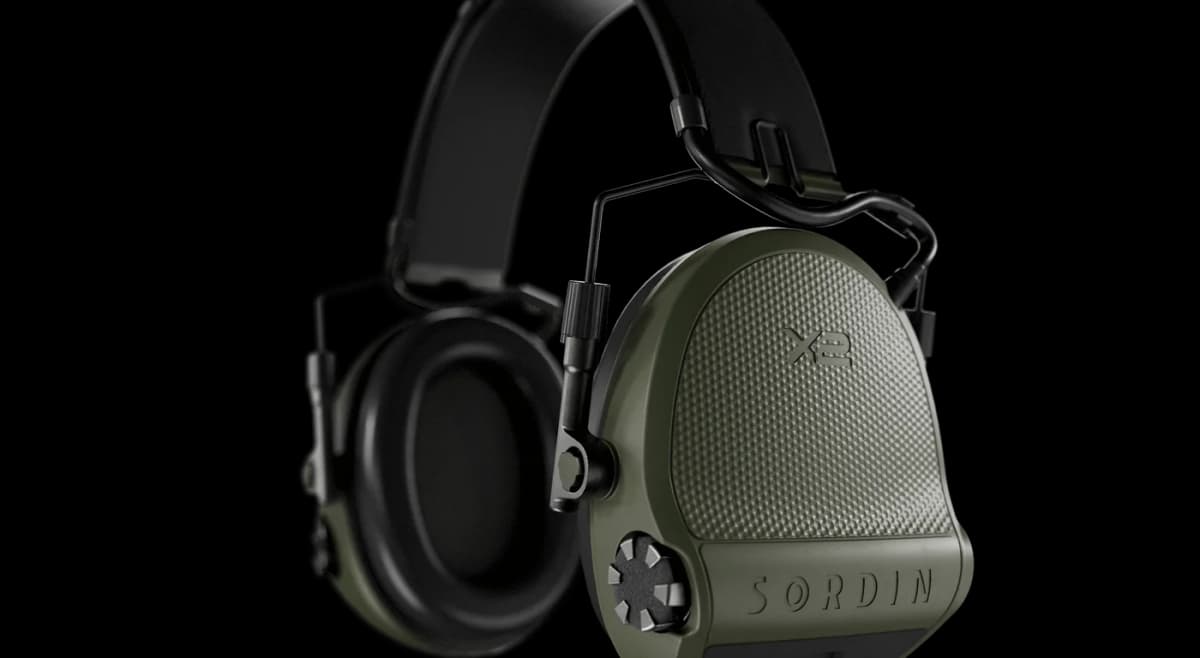
Sordin announces the Supreme X2 on May 27, 2026 as the new flagship of the Supreme hearing protection line. SNR 29 with the HEAR2 four-profile audio system, the new SordinFLEX bayonet swap between headband, neckband, and helmet, single-battery power with a 4-hour auto-shutdown, and a waterproof shell. Manufacturer reference price SEK 3,999 (~$370). Official-store stock and US dealer availability are still rolling out; the Bluetooth X2BT is still in development.