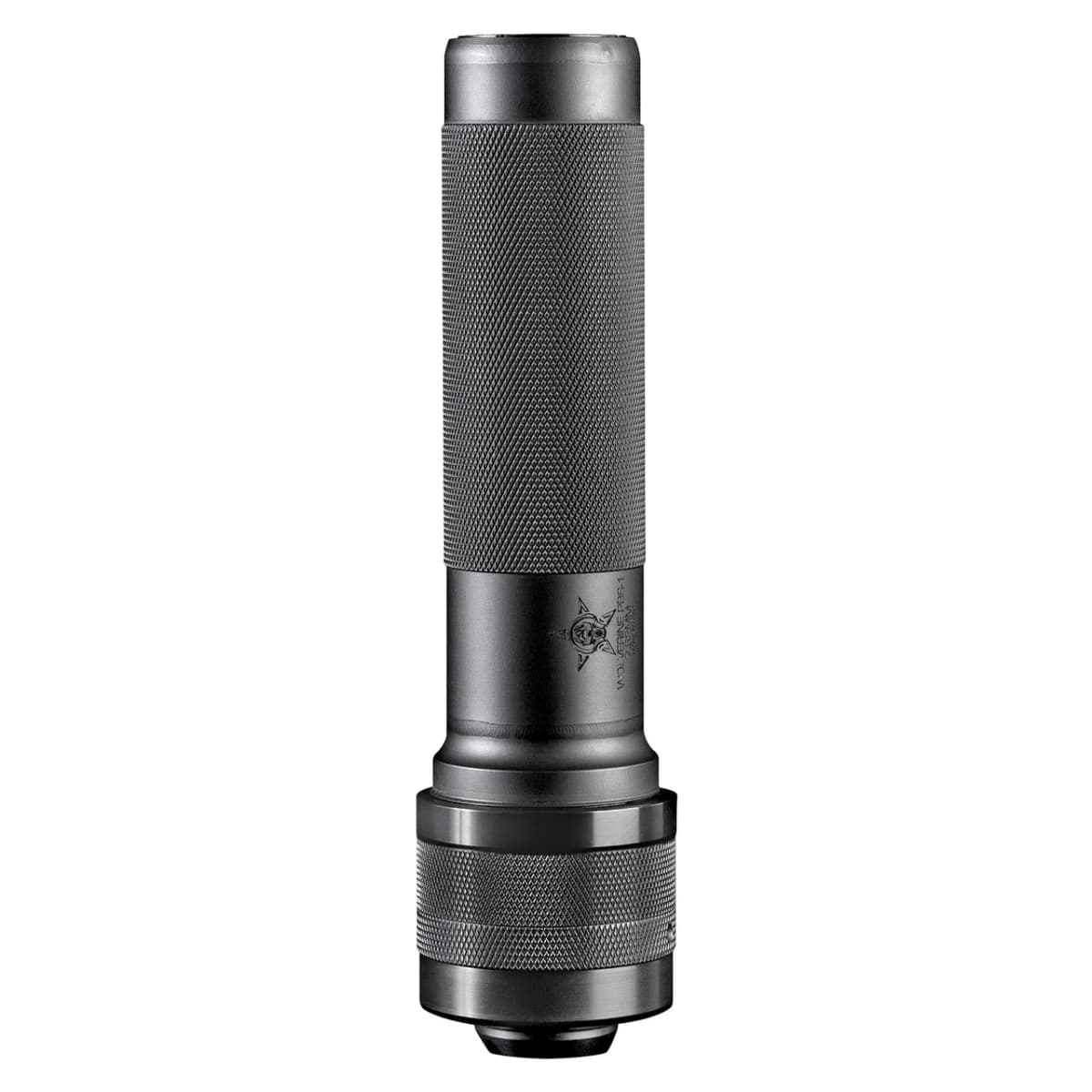
Suppressors • $999
Dead Air Wolverine PBS-1
- 7.62x39 AK focus, .30 caliber bore
- Ships with the WV200 14x1 LH insert and collar
$999.00 Catalog
Shop at Silencer Central
State Legality MatrixClass Breakdown
Statute-cited, last verified 2026-08-20
Suppressors are legal to own in 42 states subject to applicable federal law and banned in eight states plus Washington, D.C. The eight ban states are California, Delaware, Hawaii, Illinois, Massachusetts, New Jersey, New York, and Rhode Island. Connecticut and Vermont are the two split states. Connecticut allows ownership but bans hunting use. Vermont allows ownership and hunting, but limits other use to sport shooting ranges and narrow official or licensed-industry purposes.
Suppressors
As of January 1, 2026 the One Big Beautiful Bill Act, signed July 2025, zeroed the federal making and transfer tax on suppressors, which was formerly $200. Form 4 or Form 1, fingerprints, and NFA registration remain required outside the party-specific Silencer Shop Foundation v. ATF injunction; dealer transfers retain the Form 4473 and NICS check for everyone. Several states separately require federal registration, approval, or NFA compliance. No controlling state guidance currently says the federal injunction satisfies those state-law conditions for an unregistered suppressor.
Watch the outdated talking points. Minnesota is legal with no separate state or local suppressor permit. Kansas removed suppressors from its prohibited-weapons statutes on July 1, 2026. Repeal bills have moved in several ban states, but none had passed as of August 20, 2026, so New York, California, and the rest of the ban list remain in force.
Where it is restricted
These nine jurisdictions ban suppressor ownership. Connecticut and Vermont allow ownership but impose added use limits. Each row cites the controlling statute and any narrow exception; the state bans apply even when federal law would otherwise allow possession.
| State | Status | Rule | Statute / Case |
|---|---|---|---|
| California | Banned | Possession of a silencer by any person, firm, or corporation is a felony. | Cal. Penal Code § 33410 |
| Connecticut | Restricted | Suppressor ownership is legal, but using a silencer on any firearm while hunting is prohibited. | Conn. Gen. Stat. § 26-75 |
| Delaware | Banned | Possessing a firearm silencer as a destructive weapon is a class E felony, even with a federal NFA stamp. | 11 Del. C. § 1444 |
| Hawaii | Banned | Manufacture, possession, sale, or acquisition of a silencer is a class C felony. | Haw. Rev. Stat. § 134-8 |
| Illinois | Banned | Possessing any device designed or intended to silence the report of a firearm is unlawful use of weapons. | 720 ILCS 5/24-1(a)(6) |
| Massachusetts | Banned | Selling, keeping for sale, giving, using, or possessing a silencer is prohibited. | Mass. Gen. Laws ch. 269, § 10A |
| New Jersey | Banned | Knowingly possessing a firearm silencer is a crime of the fourth degree. | N.J. Stat. § 2C:39-3(c) |
| New York | Banned | Possessing a firearm silencer is criminal possession of a weapon in the third degree, a class D felony. | N.Y. Penal Law § 265.02 |
| Rhode Island | Banned | Manufacturing, selling, purchasing, or possessing a silencer is unlawful. | R.I. Gen. Laws § 11-47-20 |
| Vermont | Restricted | Ownership is legal, but ordinary use is limited to hunting, sport shooting ranges, and narrow official or licensed-industry purposes. | 13 V.S.A. § 4010; 10 V.S.A. § 4701(d) |
| District of Columbia | Banned | Possession of an attachment or device that silences, muffles, or lessens a firearm's noise is prohibited. | D.C. Code § 22-4514(a) |
Contested entries
Courts stay, revive, and sever these laws mid-year, and grandfather clauses change what a ban means in practice. This is where each contested entry stands.
Exempts law enforcement agencies listed in Penal Code § 830.1, the military, and on-duty peace officers authorized by their agency (§ 33415).
Ownership under the federal NFA is permitted; only hunting use is banned. Verified current as of July 2026: 2025-2026 bills sought to repeal the hunting-use ban but it still stands.
Exempts military members, authorized Delaware police, and certified state or federal wildlife biologists for wildlife disease or population control. No 2025-2026 repeal has passed; the ban remains in force.
Silencers are grouped with automatic firearms and other prohibited devices; conviction carries a mandatory 5-year term without probation.
Ban remains in force in 2026. A federal challenge was rejected: the U.S. District Court for the Southern District of Illinois upheld the ban, holding suppressors are not arms under the Second Amendment.
Exempts federally licensed manufacturers selling to law enforcement, the municipal police training committee, and sworn law enforcement officers on duty. Punishable by up to 5 years in state prison.
Exempts armed forces and National Guard members and duly authorized on-duty law enforcement, plus a narrow special deer-management permit exception. Manufacture, transport, and sale are separately barred by N.J. Stat. § 2C:39-9.
The state ban applies even with an approved federal Form 4. Possession is also addressed under Penal Law §§ 265.00 and 265.01; a repeal bill was pending but not enacted as of 2026.
Exempts law enforcement tactical-team officers acting within official duties under direct supervision. Punishable by imprisonment of not less than one year and one day.
Section 4010 also limits making and importing. Act 161 of 2024 removed the former sunset on suppressor hunting, making that hunting authority permanent.
Section 22-4514 is the possession prohibition and contains no ordinary civilian or federal-registration exception.
Manufacture, possession, transport, sale, or transfer is otherwise a class C felony. Alaska has not said whether an injunction-covered but unregistered suppressor satisfies the state registration defense. SB 243 remained pending as of August 20, 2026.
Arizona has no separate suppressor permit. Section 17-251 protects lawful suppressor possession and hunting use, subject to other hunting-method rules.
Colorado issues no separate civilian suppressor permit; ordinary owners rely on federal approval. State law does not resolve whether the 2026 party-specific federal injunction satisfies this affirmative defense, and local governments may adopt stricter accessory rules.
Georgia has no separate suppressor permit, but the statute expressly keys the civilian exception to NFA registration. No controlling state authority currently addresses injunction-covered unregistered devices.
Section 724.1A requires law-enforcement certification only when federal law or regulation requires it; it is not a standing Iowa suppressor permit.
HB 2501 deleted suppressors from K.S.A. 21-6301 and related exception language in 21-6302. It added a sentencing enhancement for specified felonies committed with a suppressor.
Louisiana has no second suppressor registry, but section 40:1785 independently demands federal registration and transfer. Its application to injunction-covered unregistered possession remains unresolved.
Michigan has no separate suppressor permit. Attorney General Opinion 7260 confirms the federal-approval exception; the state has not addressed injunction-covered unregistered possession.
Minn. Stat. § 609.66 criminalizes only suppressors not lawfully possessed under federal law; there is no separate state or local suppressor permit. The 'MN requires a local LE permit' line is an outdated talking point.
Federal noncompliance is an element of the Missouri offense, not a separately worded exception. The statute covers possession, manufacture, transport, repair, and sale.
Montana has no separate suppressor permit. Because federal registration carries state evidentiary weight, the effect of the 2026 federal injunction on an unregistered device is unresolved.
The possessor bears the burden of establishing federal licensure, authorization, or permission. Nevada has not addressed the party-specific injunction's effect on that burden.
The state statute covers possession, storage, transport, sale, purchase, and parts combinations. No controlling North Carolina authority currently addresses injunction-covered unregistered possession.
Noncompliance is a class C felony. North Dakota has not said whether an injunction-covered but unregistered suppressor meets the state condition.
The 2026 federal injunction does not itself place a device in the National Firearms Registration and Transfer Record. SB 214 passed the Senate but was not enacted as of August 20, 2026.
Oregon has no separate registry, but the federal-registration defense is critical. State law does not resolve its application to an injunction-covered unregistered suppressor.
The defendant bears the burden of proving the defense by a preponderance of the evidence. Pennsylvania has not addressed injunction-covered unregistered possession.
Washington has not addressed use of an injunction-covered unregistered suppressor. A suppressor or threaded barrel can also affect whether a semiautomatic host meets the state's assault-weapon definition.
The baseline offense is a class H felony. The federal injunction does not enjoin Wisconsin law, and no controlling Wisconsin authority addresses whether an injunction-covered unregistered suppressor satisfies the state exception.
Where it is legal
Suppressors are legal to own in 42 states subject to applicable federal and state law, including Texas, Florida, Arizona, Georgia, Ohio, Pennsylvania, and Minnesota. Several states independently make federal registration, approval, or compliance part of a state offense, defense, or exception. An injunction-covered buyer should not assume that an unregistered suppressor satisfies those state provisions without state guidance or a controlling decision.
What to buy
With the NFA tax at $0 and streamlined federal processing for eligible buyers, there has never been a cheaper or faster time to buy. These are the cans we recommend across rifle and pistol hosts.
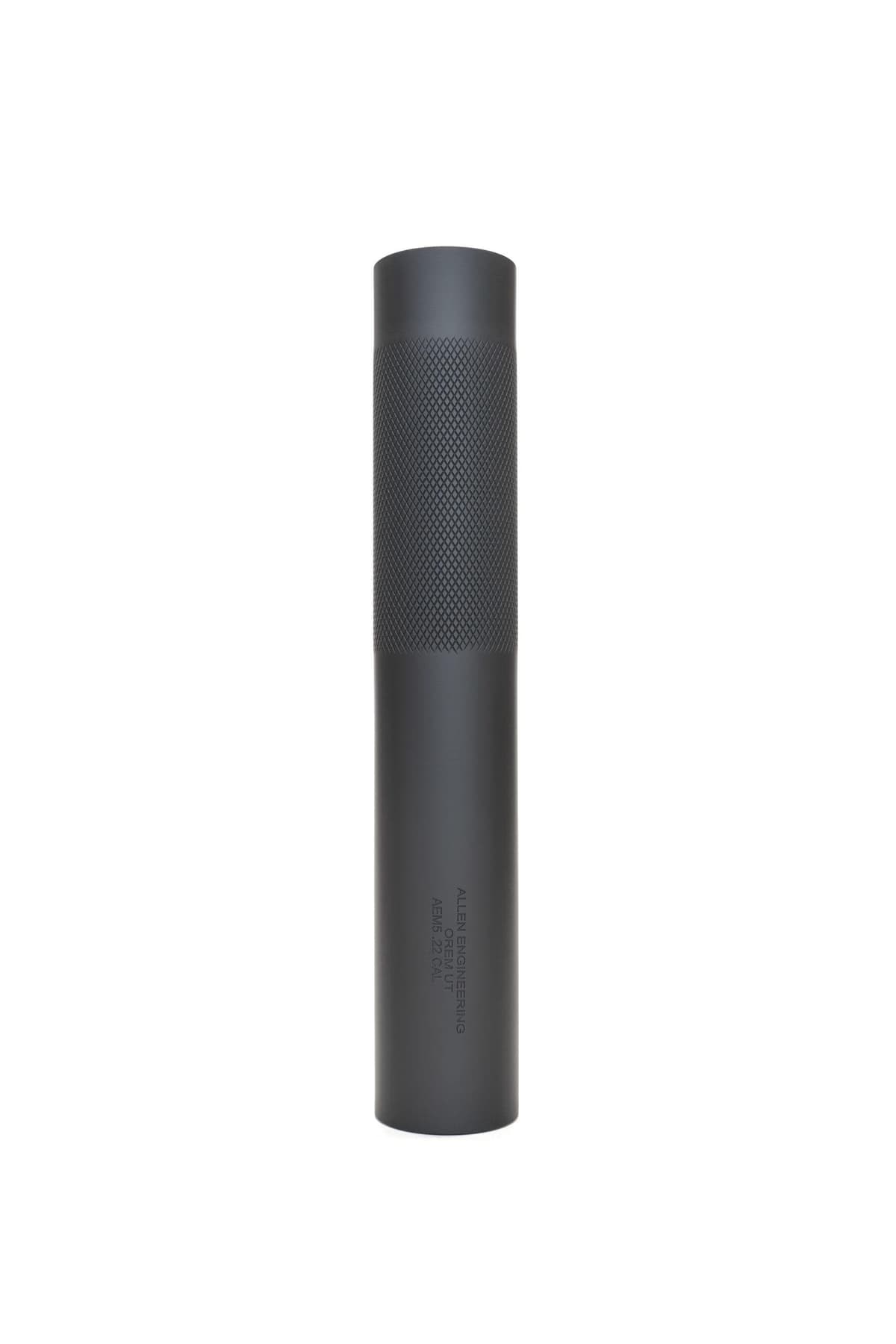
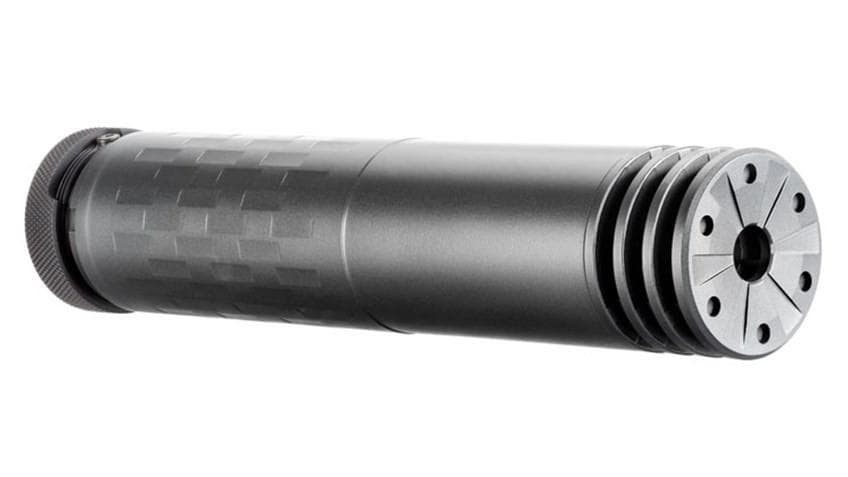
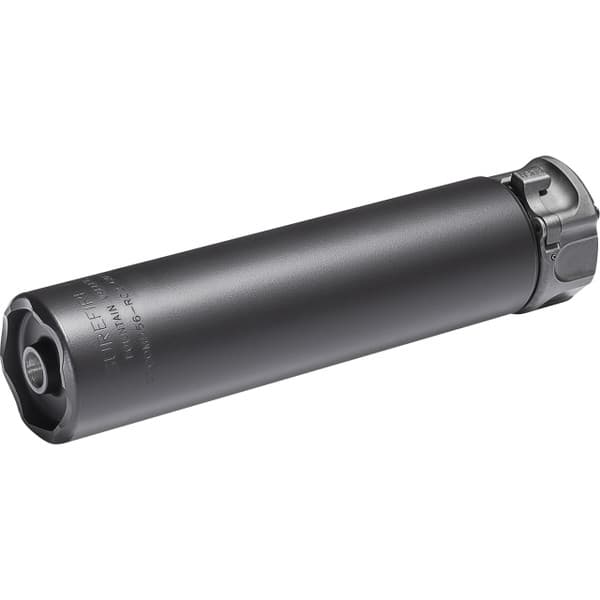
Affiliate links (?)
Federal law
Suppressors are federally legal to own under the NFA. As of January 1, 2026 the One Big Beautiful Bill Act (signed July 2025) zeroed the federal making and transfer tax on suppressors, formerly $200. Form 4 or Form 1, fingerprints, the NICS background check, and NFA registration are still required for buyers outside the party-specific Silencer Shop Foundation v. ATF injunction that took effect August 13, 2026. On August 29, 2026 ATF Director Robert Cekada said the agency is following the order, will not take enforcement action against protected parties inconsistent with the ruling, and is drafting formal guidance that addresses federal and state law interactions, to be posted online when complete; that statement covers the injunction's protected parties only and changes nothing for other buyers. Dealer transfers keep the Form 4473 and NICS background check for everyone under the Gun Control Act. ATF's standing FAQ says lawful interstate transport of a silencer does not require Form 5320.20. SilencerCo's August 31 guidance says the interstate treatment of an unregistered suppressor acquired through its Form 4473 pathway remains unresolved under 26 U.S.C. 5861(j), strongly encourages buyers to keep those suppressors in the purchase state, and recommends the traditional Form 4 for buyers who travel or use trusts. Several states separately require federal registration, approval, or NFA compliance. No controlling state guidance currently says the federal injunction satisfies those state-law conditions for an unregistered suppressor.
Federal baseline verified 2026-09-01.
Common questions
Suppressors are legal to own in 42 states subject to applicable federal and state law. They are banned in California, Delaware, Hawaii, Illinois, Massachusetts, New Jersey, New York, Rhode Island, and Washington, D.C. Connecticut allows ownership but bans hunting use. Vermont allows ownership and hunting but restricts other use.
No. The One Big Beautiful Bill Act, effective January 1, 2026, zeroed the federal making and transfer tax on suppressors, which used to be $200. Form 4 or Form 1, fingerprints, and NFA registration remain required outside the party-specific Silencer Shop Foundation v. ATF injunction; dealer transfers retain the Form 4473 and NICS check for everyone.
For buyers outside the party-specific Silencer Shop Foundation v. ATF injunction, ATF eForm approvals on suppressors currently run on the order of a few days to a couple of weeks. Covered buyers follow the injunction-specific process, while dealer transfers retain the Form 4473 and NICS check for everyone.
No. Connecticut allows you to own a suppressor under the federal NFA, but Conn. Gen. Stat. § 26-75 prohibits using a silencer on any firearm while hunting. Repeal bills in 2025 and 2026 sought to lift the hunting ban but it still stands.
No separate state permit. Minnesota law only criminalizes suppressors that are not lawfully possessed under federal law, so there is no additional state or local suppressor permit after satisfying the applicable federal baseline. The claim that Minnesota requires a local law-enforcement permit is outdated.
No. Both ban possession outright. In California, possessing a silencer is a felony under Penal Code § 33410, and in New York it is criminal possession of a weapon in the third degree under Penal Law § 265.02. Both bans apply even if you hold an approved federal Form 4.