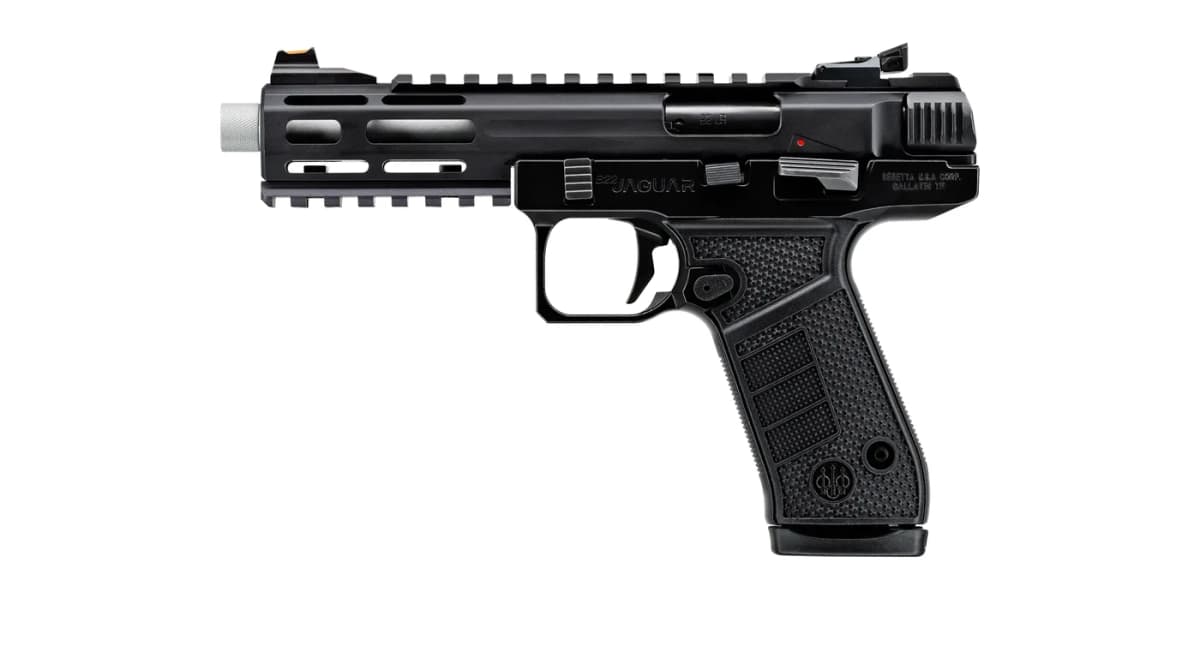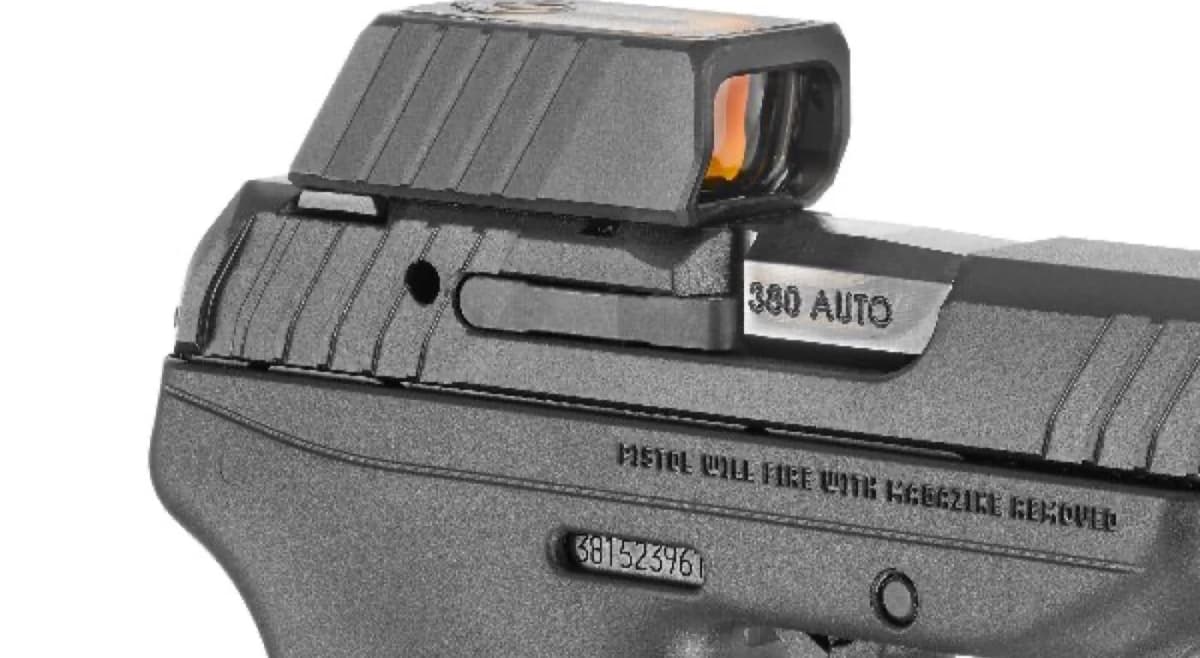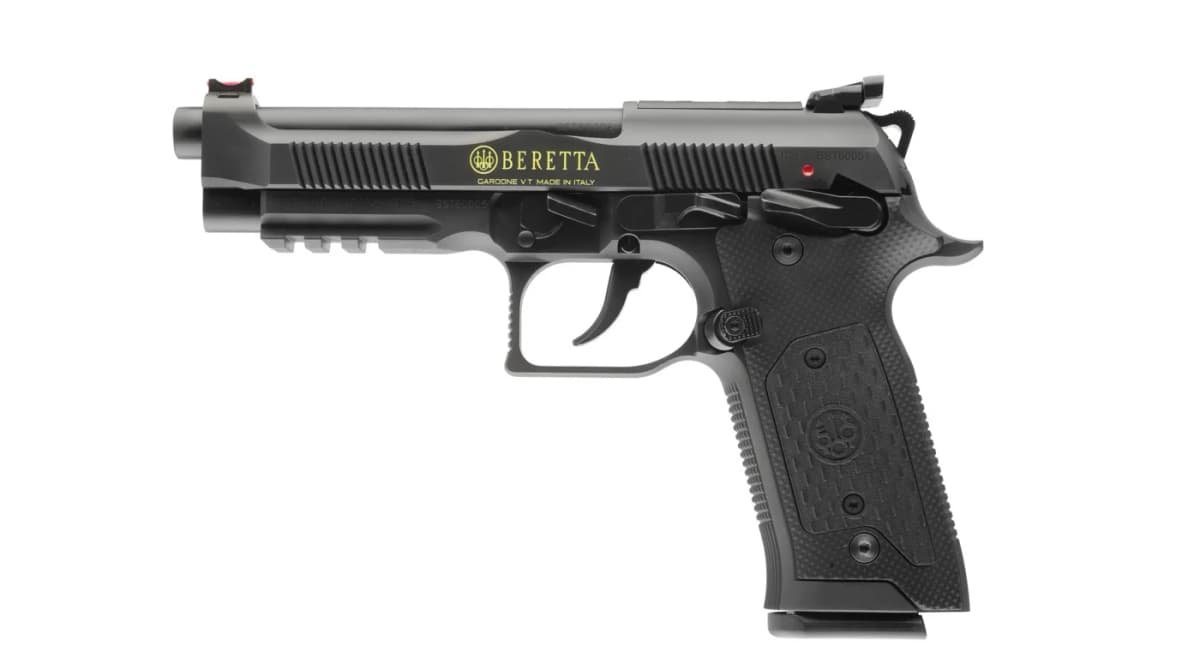
Key Takeaways
- →$44.80 a share, in cash: Beretta Holding is bidding for up to 2,400,184 Ruger shares, about $107.5 million at the full amount.
- →A quarter of the company: Beretta held roughly 9.93 percent as of July 15, 2026. Full subscription takes it to about 25.00 percent.
- →October 15 deadline: The offer expires one minute after 11:59 p.m. New York time on October 15, 2026, unless Beretta extends it.
- →The FTC set a condition: Any Beretta-nominated Ruger director must be independent of Beretta, under a proposed order the Commission voted 2-0 to accept.
- →Ruger stood down its defenses: The board accelerated its shareholder rights plan to expire September 16 rather than October 13.
What Beretta Is Offering for Ruger Stock
Beretta Holding S.A. commenced a cash tender offer on September 17, 2026 for up to 2,400,184 shares of Sturm, Ruger & Company at $44.80 per share. Buying every share sought costs about $107.5 million. Beretta is paying out of available cash, and the offer is not subject to any financing condition.
The price sits approximately 21 percent above Ruger's closing price on September 16, 2026, and approximately 20 percent above the 60-day volume weighted average price as of March 24, 2026. There is no minimum tender condition, so the offer does not collapse if only a fraction of shareholders participate. Beretta simply buys whatever comes in, up to the cap. If more than 2,400,184 shares are tendered, the purchase is prorated across every shareholder who participated.
Shareholders keep their exit until the end. Tendered shares can be withdrawn at any time before the expiration, and again at any time after 11:59 p.m. New York City time on November 15, 2026 if they have not been accepted for payment. Saratoga Proxy Consulting LLC is handling the offer as depositary and information agent.
Beretta Holding Tender Offer for Sturm, Ruger & Company
| Offer price | $44.80 per share, cash |
| Shares sought | Up to 2,400,184 |
| Maximum cost | About $107.5 million |
| Beretta stake before | 1,587,000 shares, about 9.93% |
| Beretta stake if fully subscribed | About 25.00% |
| Ruger shares outstanding | 15,978,256 (July 15, 2026) |
| Premium to Sept. 16 close | About 21% |
| Expiration | 11:59 p.m. ET, Oct. 15, 2026, plus one minute |
| Financing condition | None |
| Minimum tender condition | None |
Beretta Would Own a Quarter of Ruger, Not All of It
This is a minority stake, not a takeover. Beretta held 1,587,000 Ruger shares as of July 15, 2026, roughly 9.93 percent of the 15,978,256 shares then outstanding. Adding the full 2,400,184 shares sought brings the combined position to about 25.00 percent of the company. That would make Beretta Ruger's largest single shareholder, and it would leave three quarters of the company in other hands.
Beretta's offer document states it is acquiring the shares for investment purposes. The transaction runs through a cooperation agreement the two companies signed on May 2, 2026, under which they will seek to identify and explore, on a non-binding basis, potential avenues for future commercial cooperation. The filing names sales, supply chains, sourcing, and manufacturing as the areas in scope. No specific shared product, part, or production arrangement has been announced by either company.
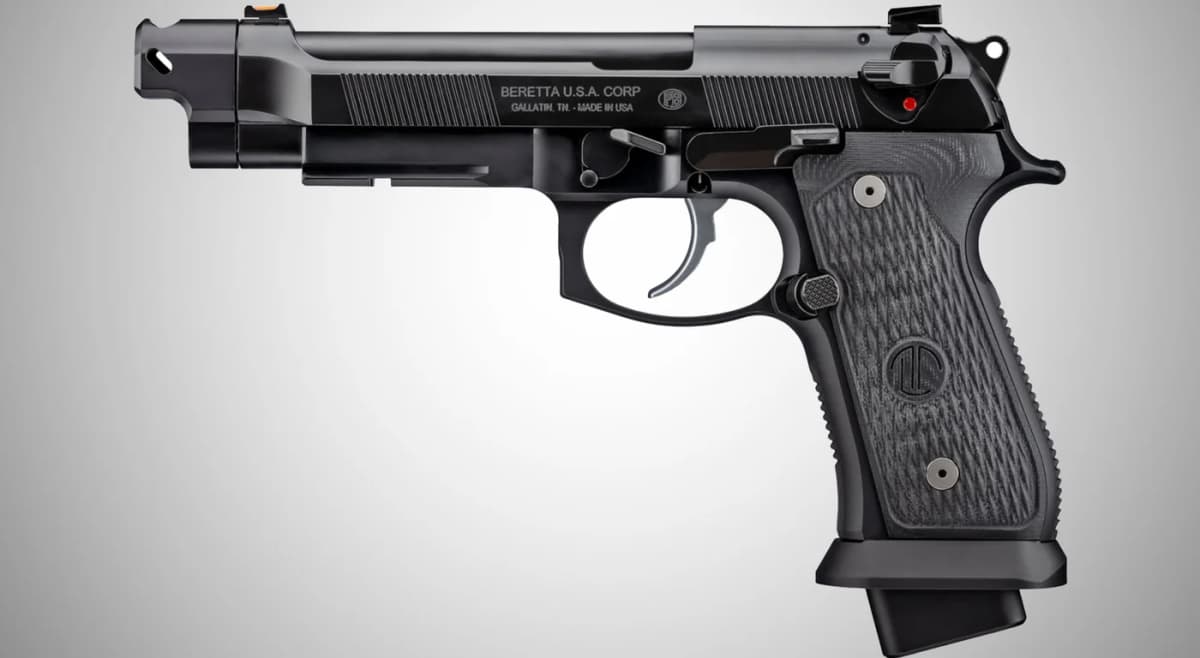
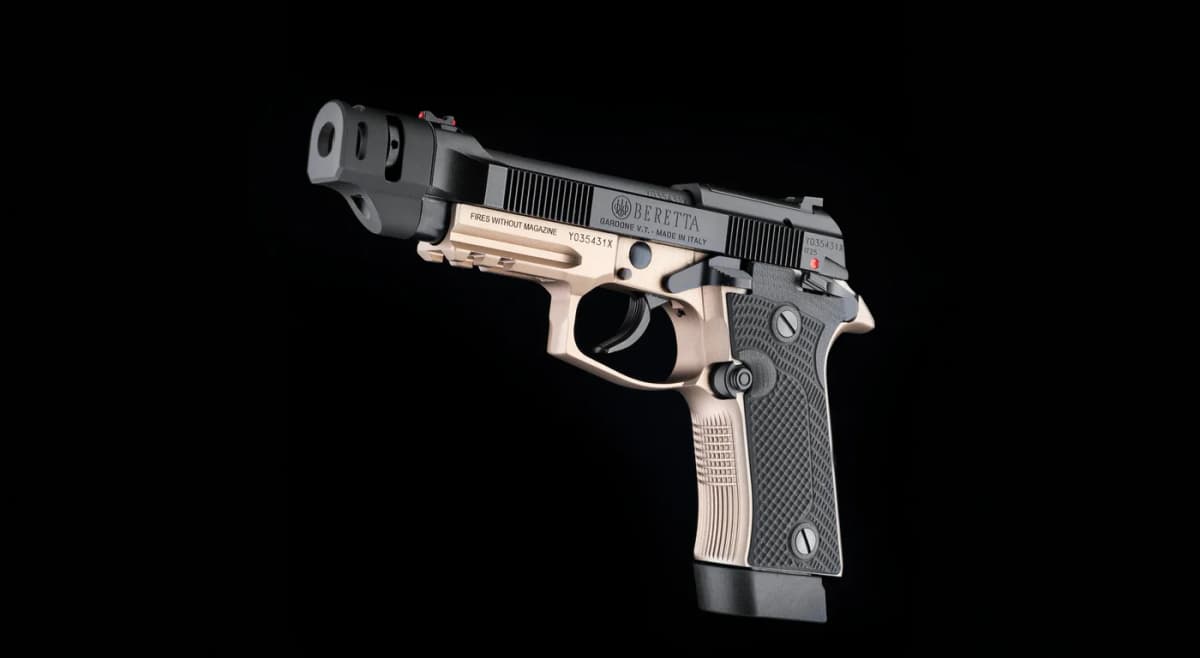
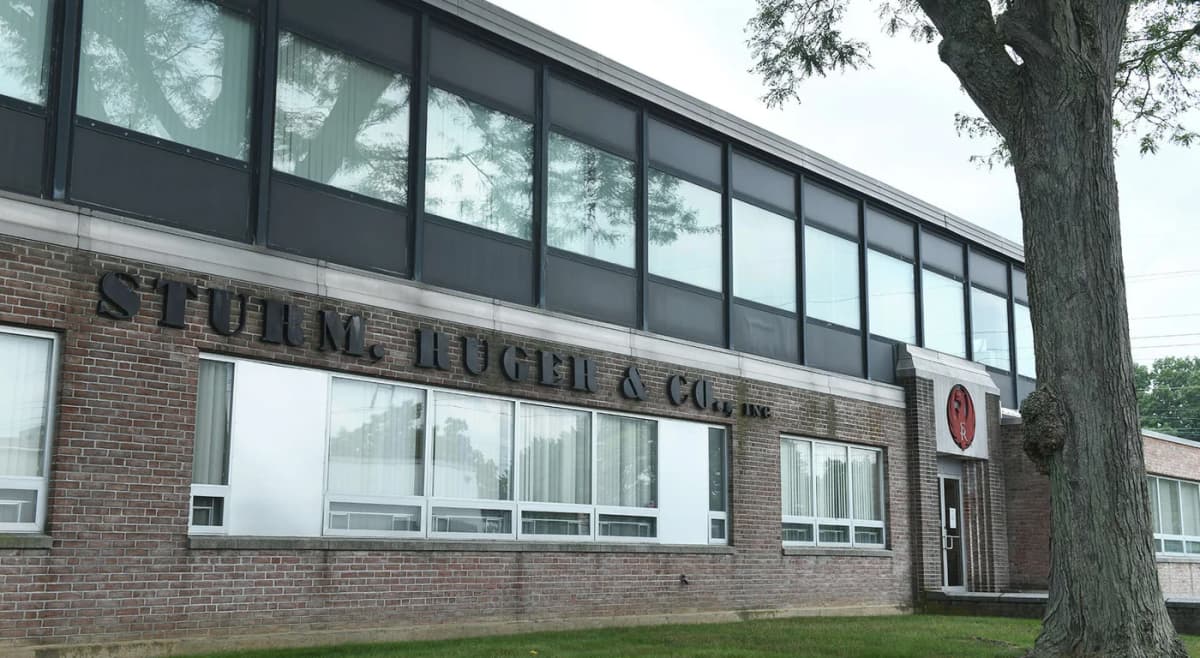
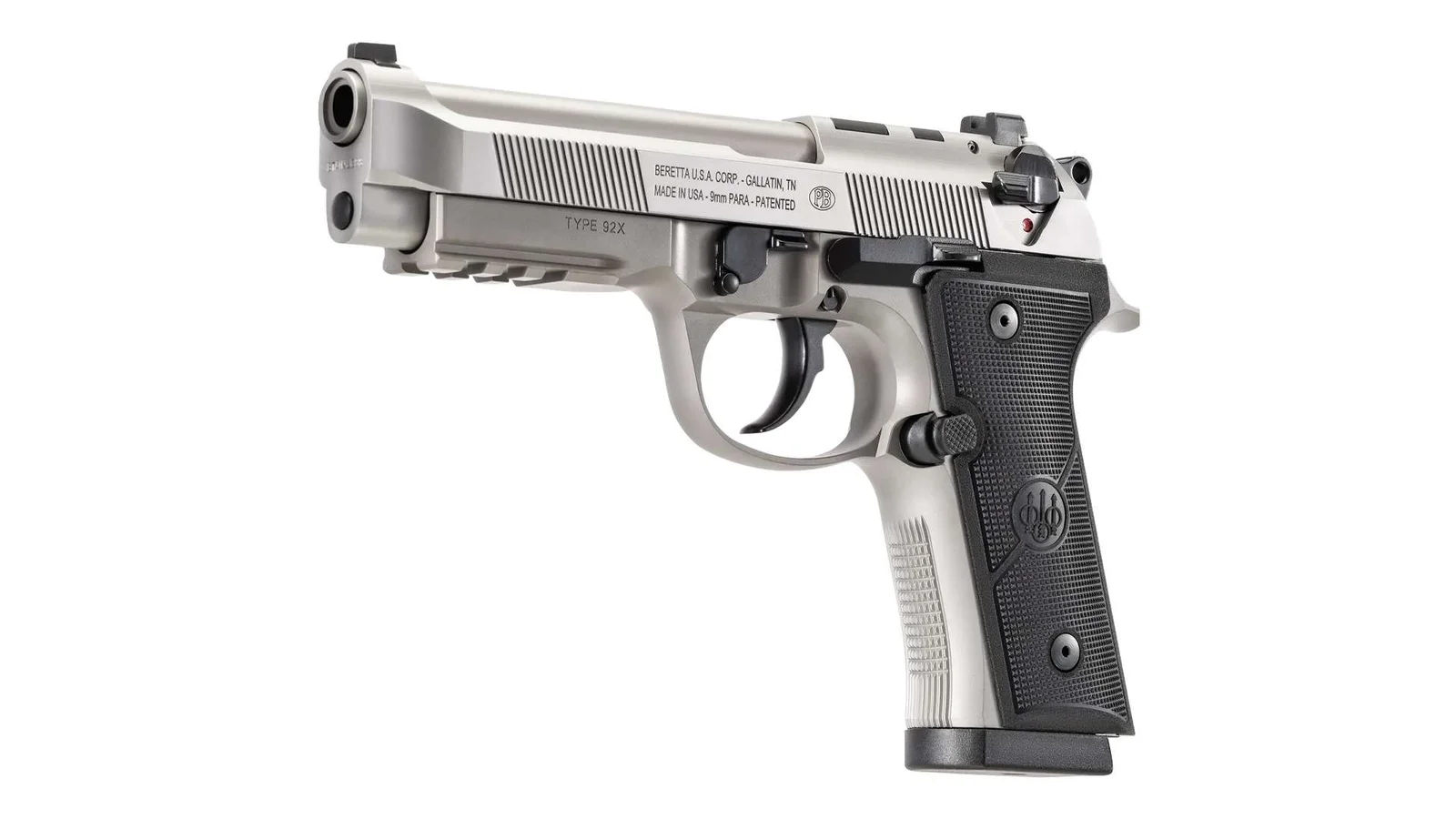
Beretta Holding describes itself as a family-owned industrial group more than 500 years old, operating through more than 50 subsidiaries and over 20 internationally recognized brands. It already builds handguns in the United States: the 92X slides in the photo below are marked Beretta U.S.A. Corp., Gallatin, Tennessee. A 25 percent position in Ruger, which has traded on the New York Stock Exchange under RGR since 1990 and builds its firearms in the United States, extends that footprint without Beretta building anything new.

Why the FTC Stepped In on September 16
The Federal Trade Commission's objection was never to the shares. It was to the boardroom. Because Beretta and Ruger compete in the same firearms market, the Commission alleged that the stock purchase would create an illegal interlocking directorate under Section 8 of the Clayton Act, the provision that keeps competitors from sharing directors and, through them, competitively sensitive information.
The proposed consent order the Commission accepted on September 16, 2026 by a 2-0 vote prohibits Beretta from appointing or nominating anyone to Ruger's board unless that person is independent of Beretta. Beretta must give the Commission written notice at least 15 days before appointing a board member. It also cannot hire those independent directors or enter relationships with them that would involve breaching the director's fiduciary duty or exchanging nonpublic information, and those restrictions run until one year after the director leaves Ruger's board. The proposed order is in a 30-day public comment period on Regulations.gov before the Commission decides whether to make it final.
The practical effect is worth stating plainly. Beretta can buy a quarter of Ruger and can put people forward for the board, but it cannot put its own people on the board. Whoever Beretta nominates answers to Ruger's shareholders rather than to Gardone Val Trompia.
Ruger Dropped Its Takeover Defenses the Same Day
Ruger cleared the path on September 16. The company announced that the applicable regulatory conditions under the May cooperation agreement had been satisfied, and its board unanimously approved an amendment accelerating the expiration of its shareholder rights plan, the anti-takeover mechanism commonly called a poison pill, from October 13, 2026 to September 16, 2026. The plan terminated at the close of business that day, with the board determining that an active rights plan was not necessary at this time.
That is a different posture from the spring. Beretta nominated four directors to Ruger's board on February 24, 2026, before the cooperation agreement was finalized, and Ruger had the rights plan in place. Chief Executive Todd Seyfert framed the September moves as “the natural, next steps outlined in the Agreement we announced in May.” The contested phase of this ended when both sides signed in May; what is happening now is the paperwork of a deal already struck.
Ruger Magazines and Upgrades
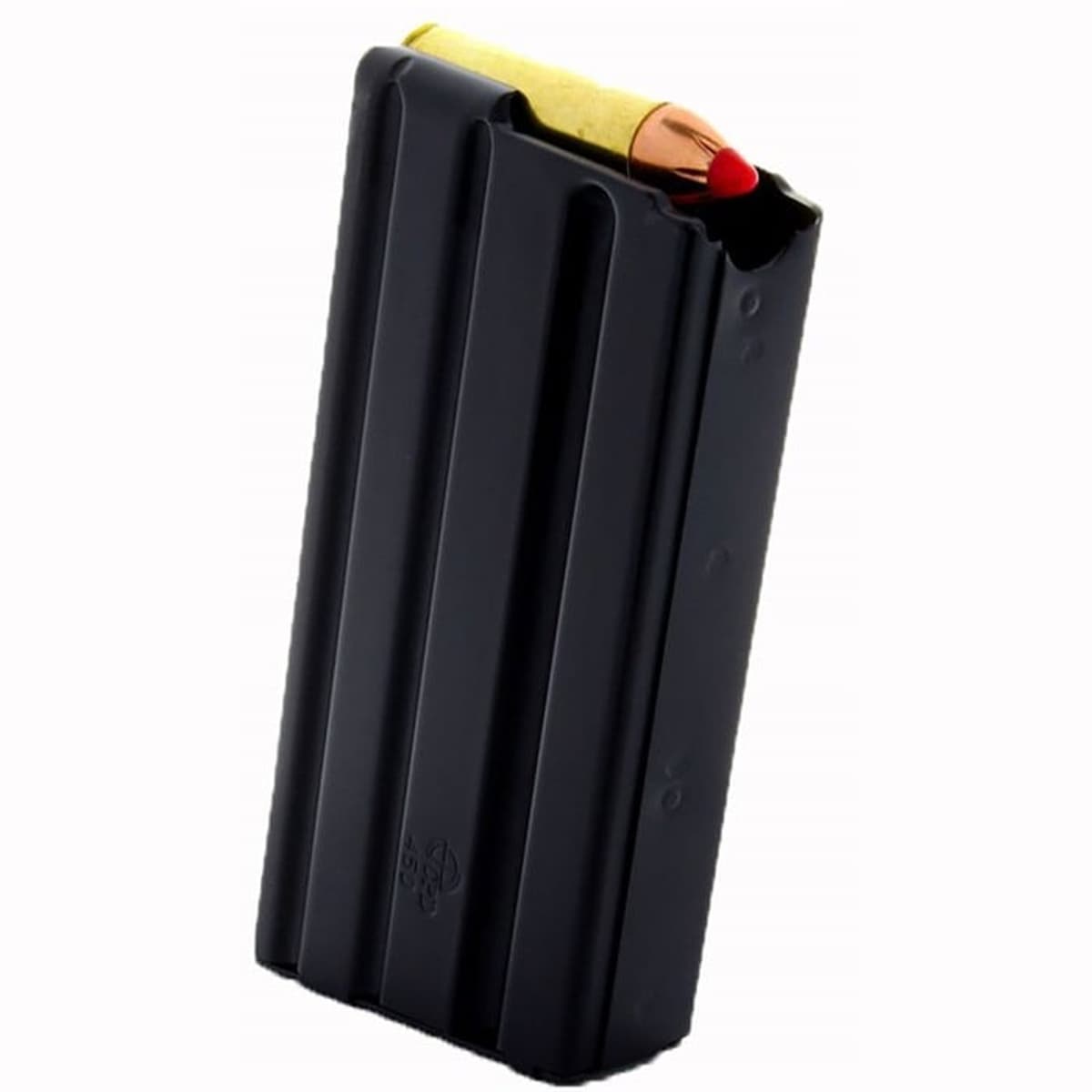
Ruger AR-556 .450 Bushmaster 5-Round Magazine
- 5 rounds
- .450 Bushmaster
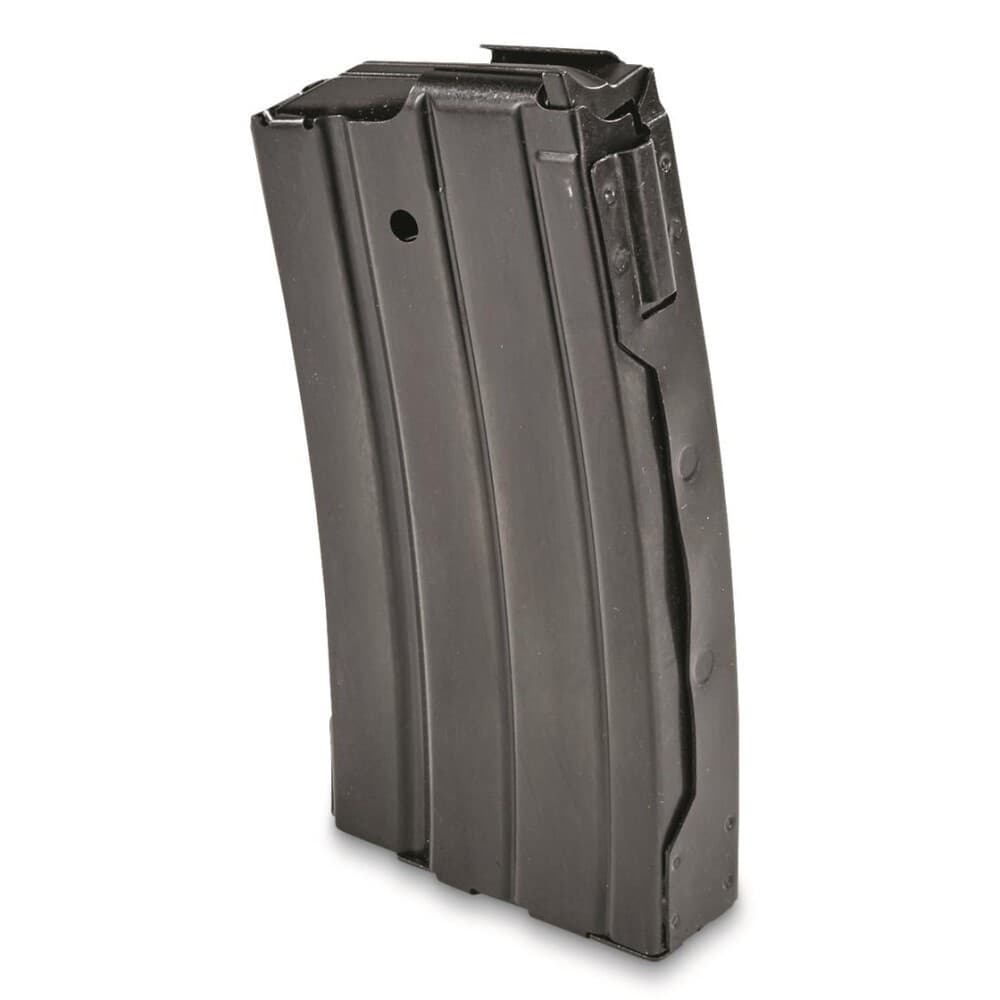
Ruger Mini-14 20-Round Magazine (.223/5.56)
- 20 rounds
- 5.56 NATO/.223 Rem
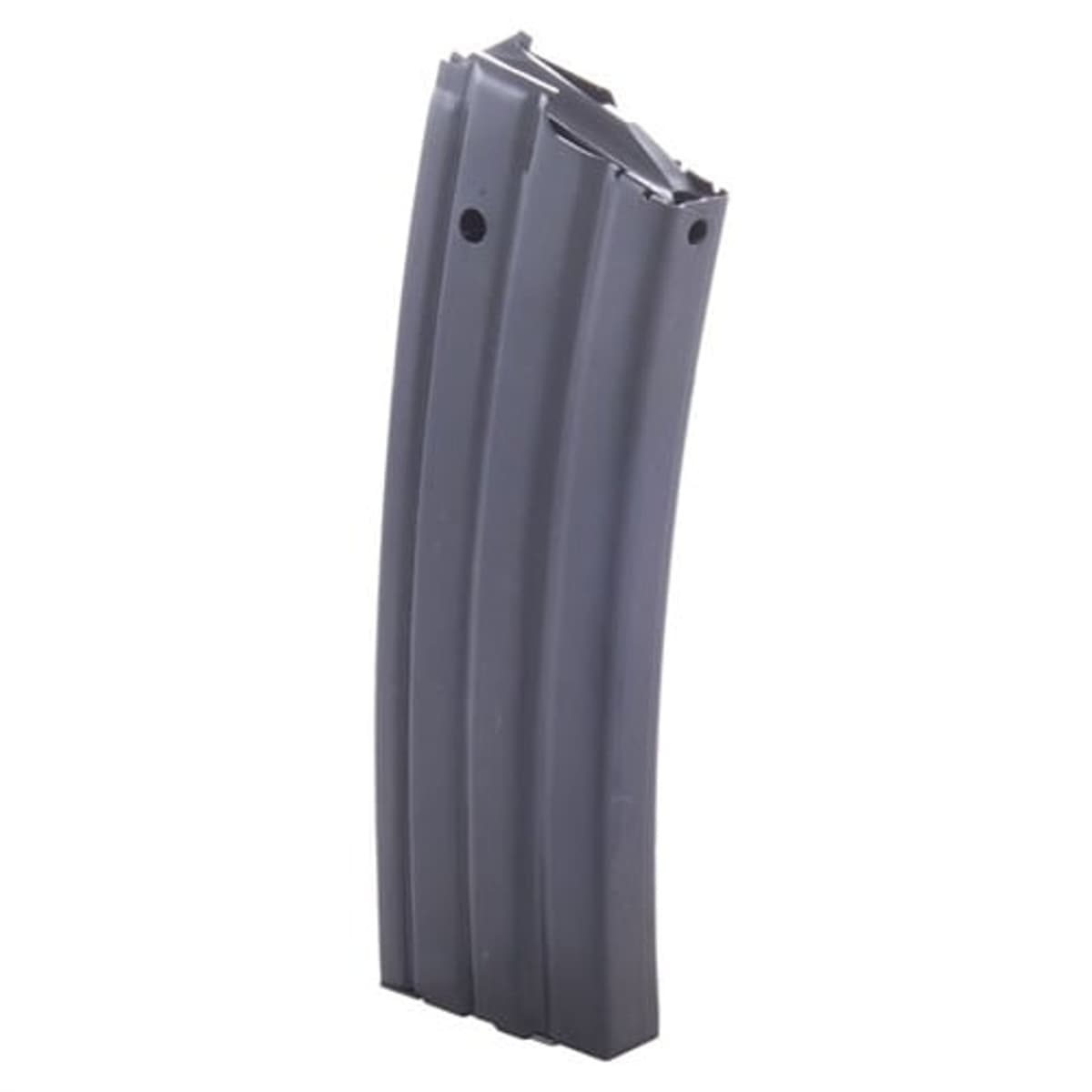
Ruger Mini-14 30-Round Magazine (.223/5.56)
- 30 rounds
- 5.56 NATO/.223 Rem
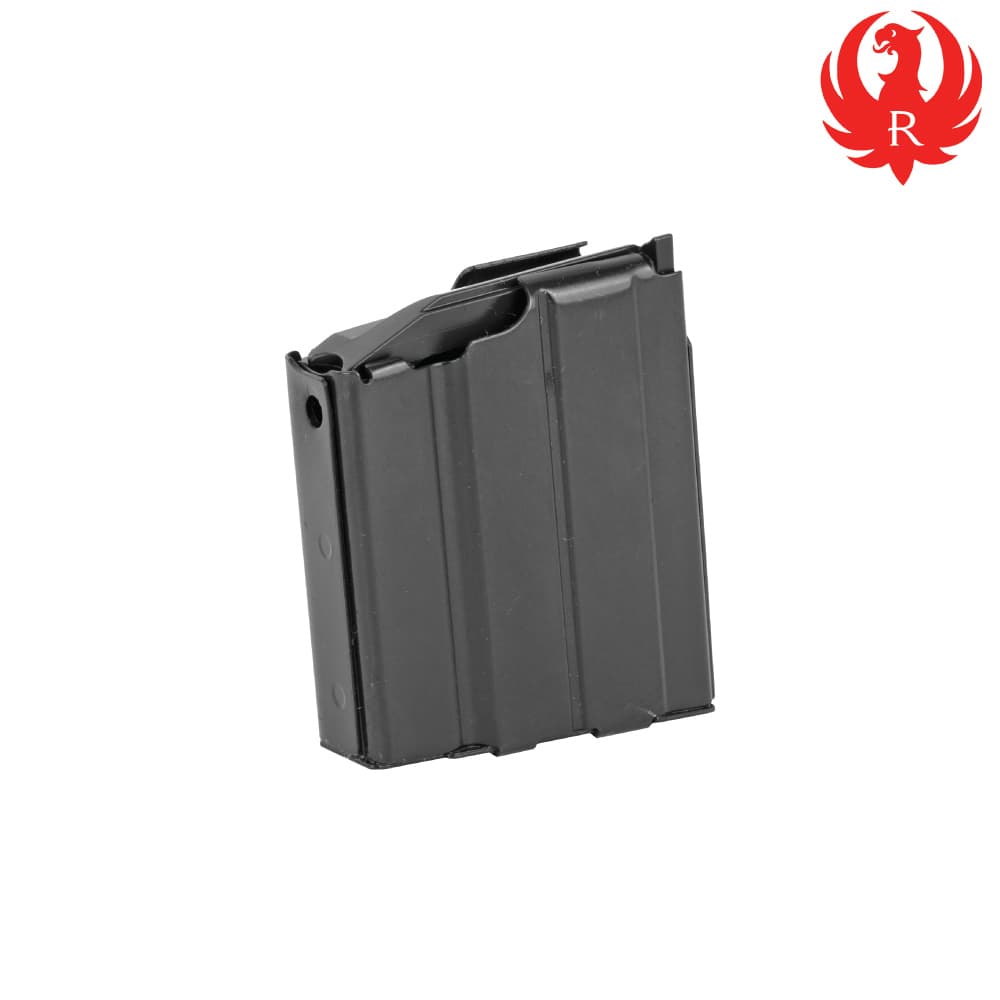
Ruger Mini-14 10-Round Magazine (.223/5.56)
- 10 rounds
- 5.56 NATO/.223 Rem
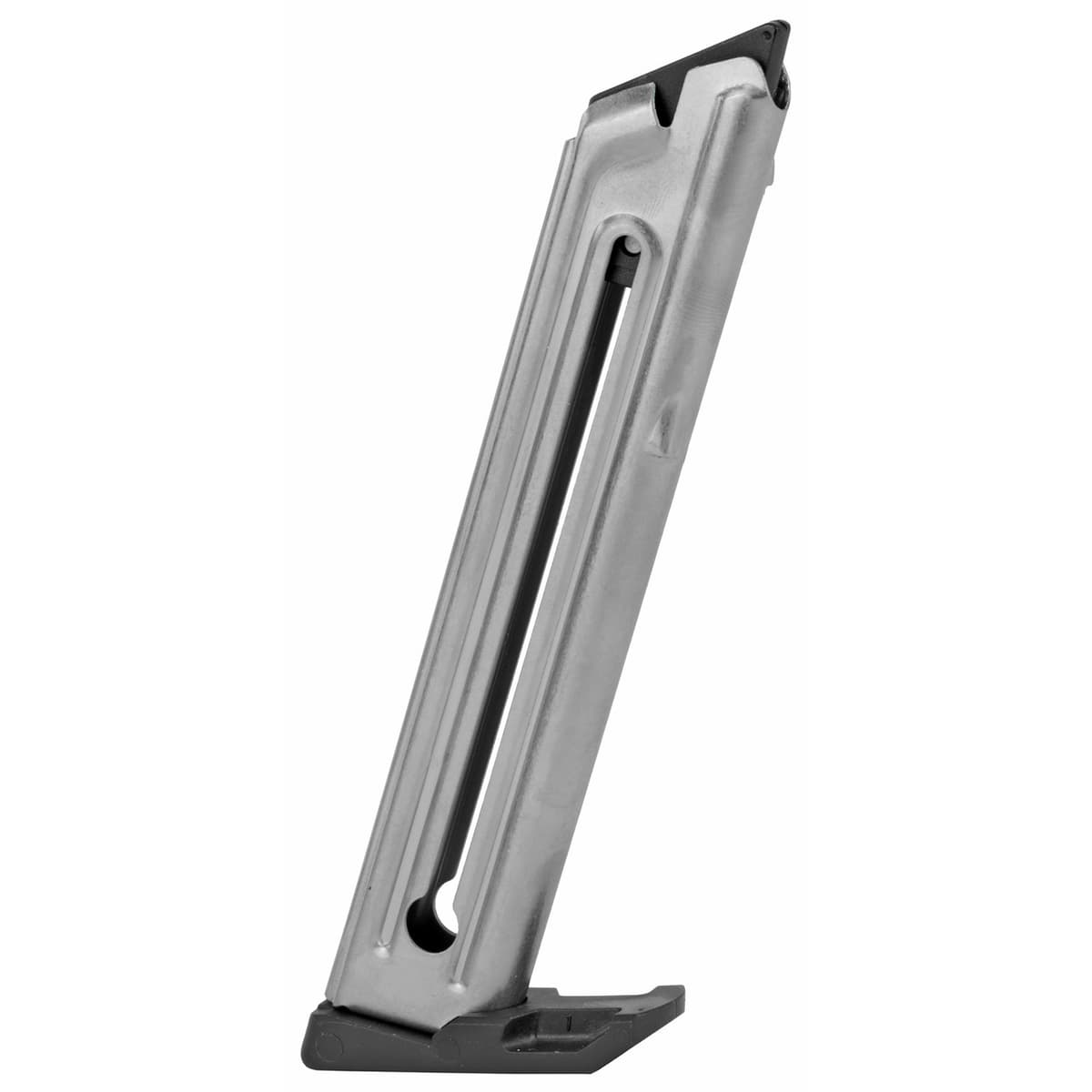
Ruger Mark IV 22/45 .22 LR 10-Round Factory Magazine
- 10-round capacity
- .22 LR
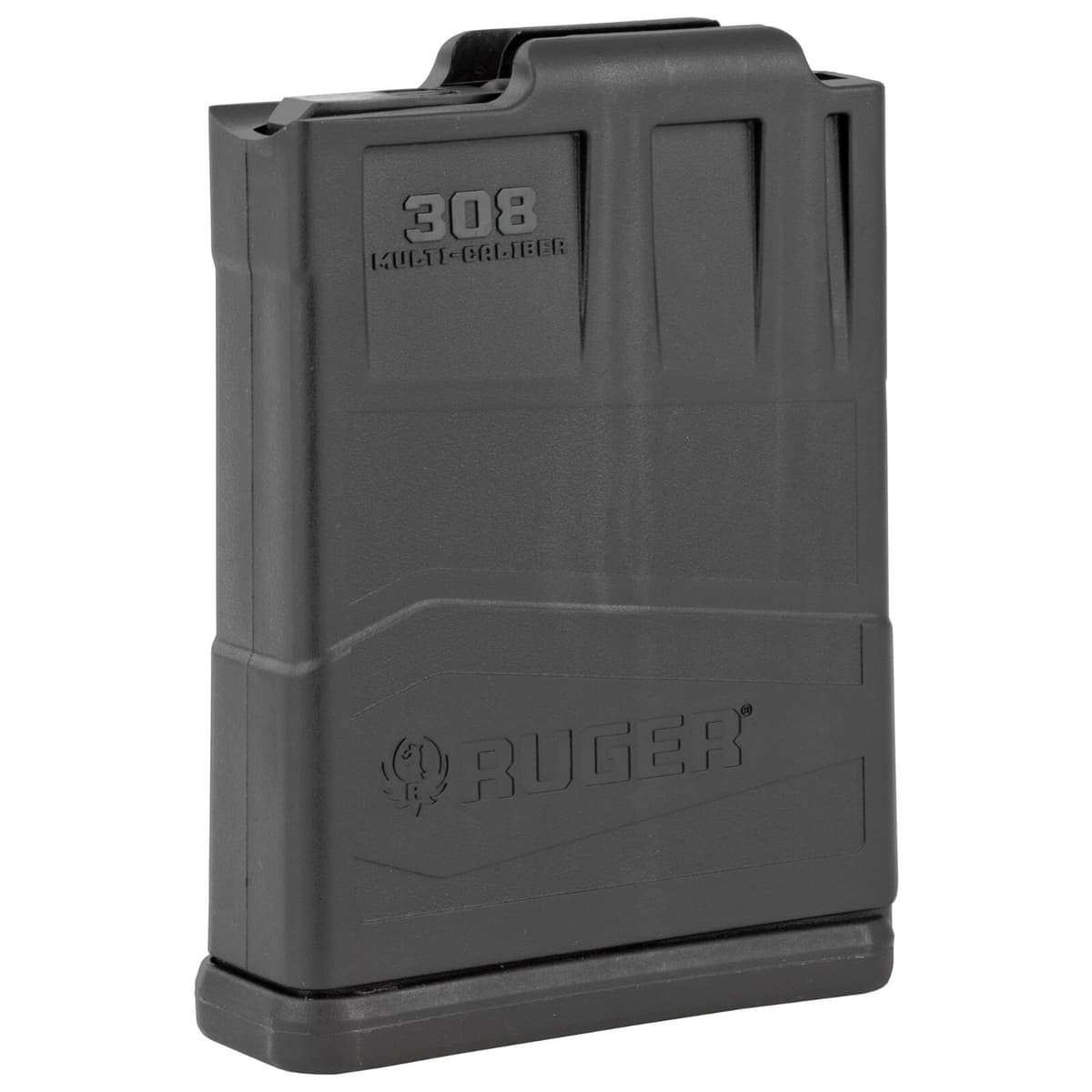
Ruger AI-Style 10-Round Magazine (.308 / 6.5 Creedmoor)
- 10-round capacity
- AICS short-action pattern
Affiliate links (?)
What Changes for Someone Buying a Ruger Today
Nothing, for now. Ruger designs and builds its own firearms and Beretta builds its own, and no announced change to either catalog follows from the tender offer. The RXM on a dealer shelf this weekend is the same pistol it was last week, and the same is true of the 92X, the 10/22, the LCP MAX, and every other model either company ships.
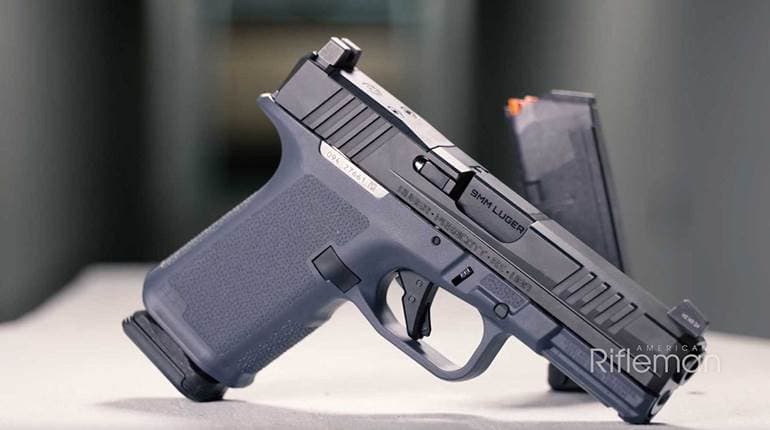
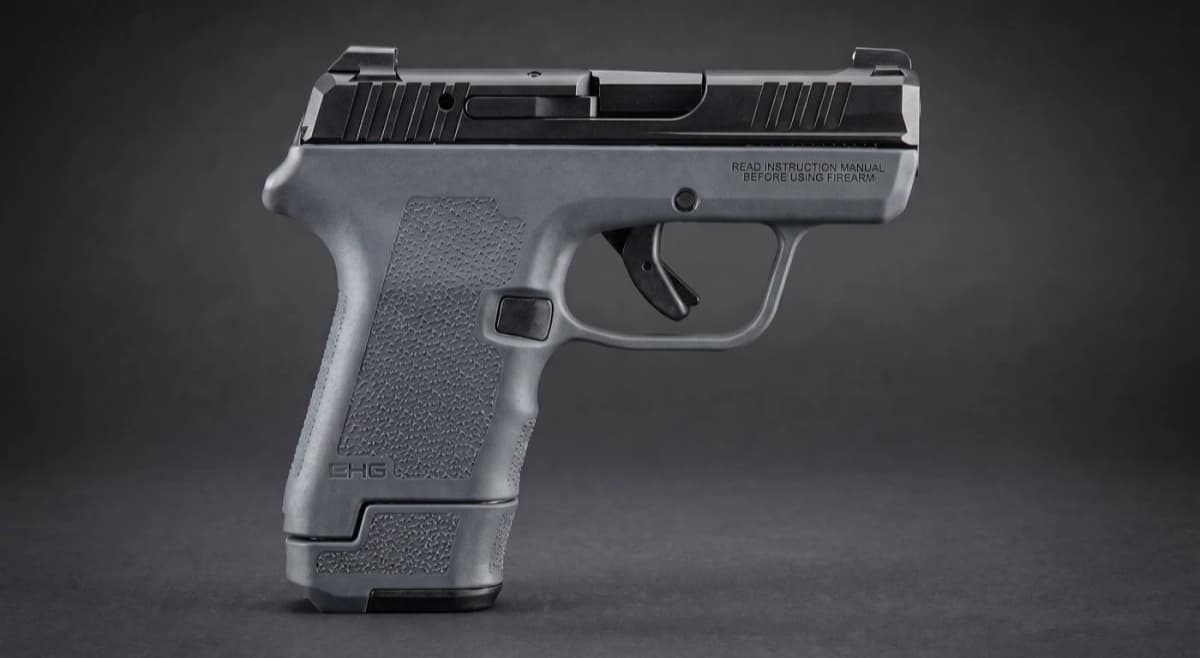
Ruger RXM
Ruger's Magpul-designed Glock 19 clone with a multi-footprint optic cut
Glock G19-compatible compact with Magpul-designed grip module and modular chassis
- +Full G19 parts compatibility opens the largest aftermarket in pistols
- +Magpul grip module is better-textured and better-shaped than stock Glock
- +Ships at a $539 MSRP, below a factory Glock 19 MOS
- −Uses Glock Gen 3 fire control group, Gen 5 trigger parts will not fit
- −Aftermarket for RXM-specific parts is still thin vs mature Glock ecosystem
- −Factory Ruger trigger is Glock-grade, not notably better
Affiliate links (?)
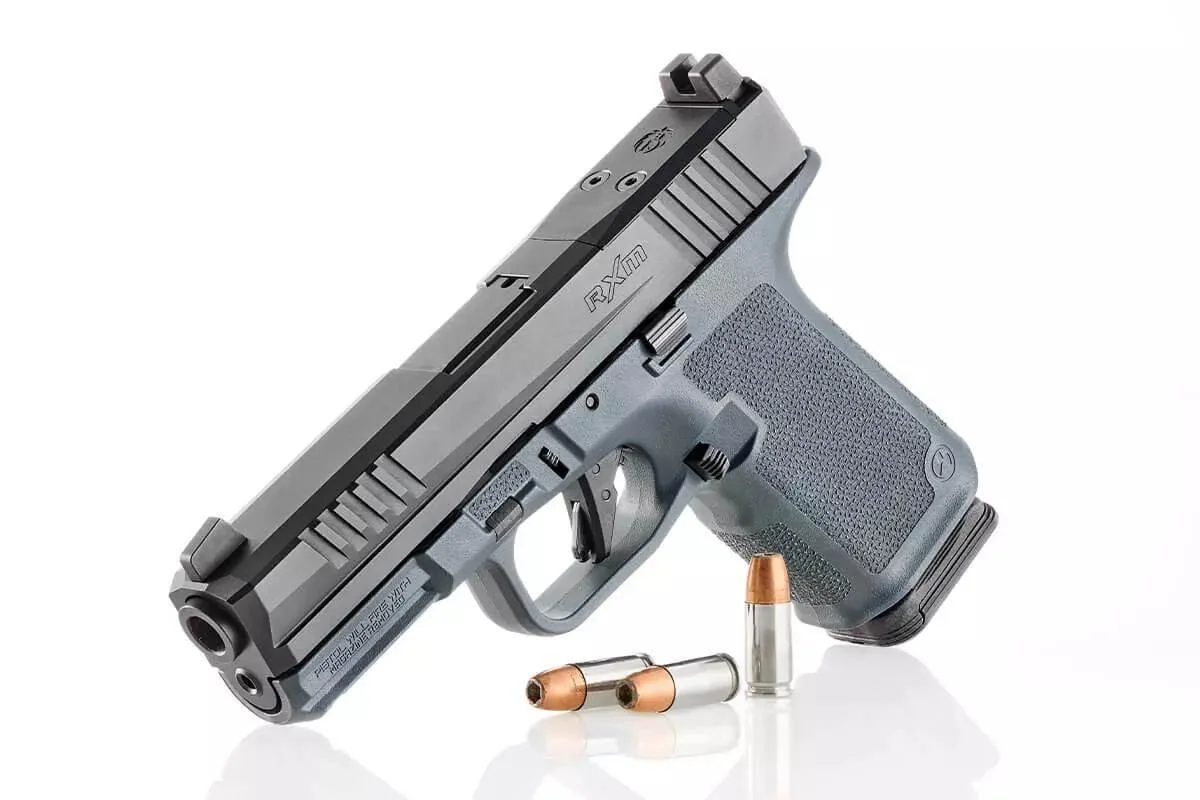
We put 1,500 rounds through the RXM for our Ruger RXM review, and it sits alongside the rest of the category in our best 9mm pistols guide. Beretta's side of the ledger has been busy on its own schedule this year, most visibly with the 94X Performance built for its 500th anniversary. The 92-series duty guns are ranked against the rest of the field in our full-size 9mm pistol guide.
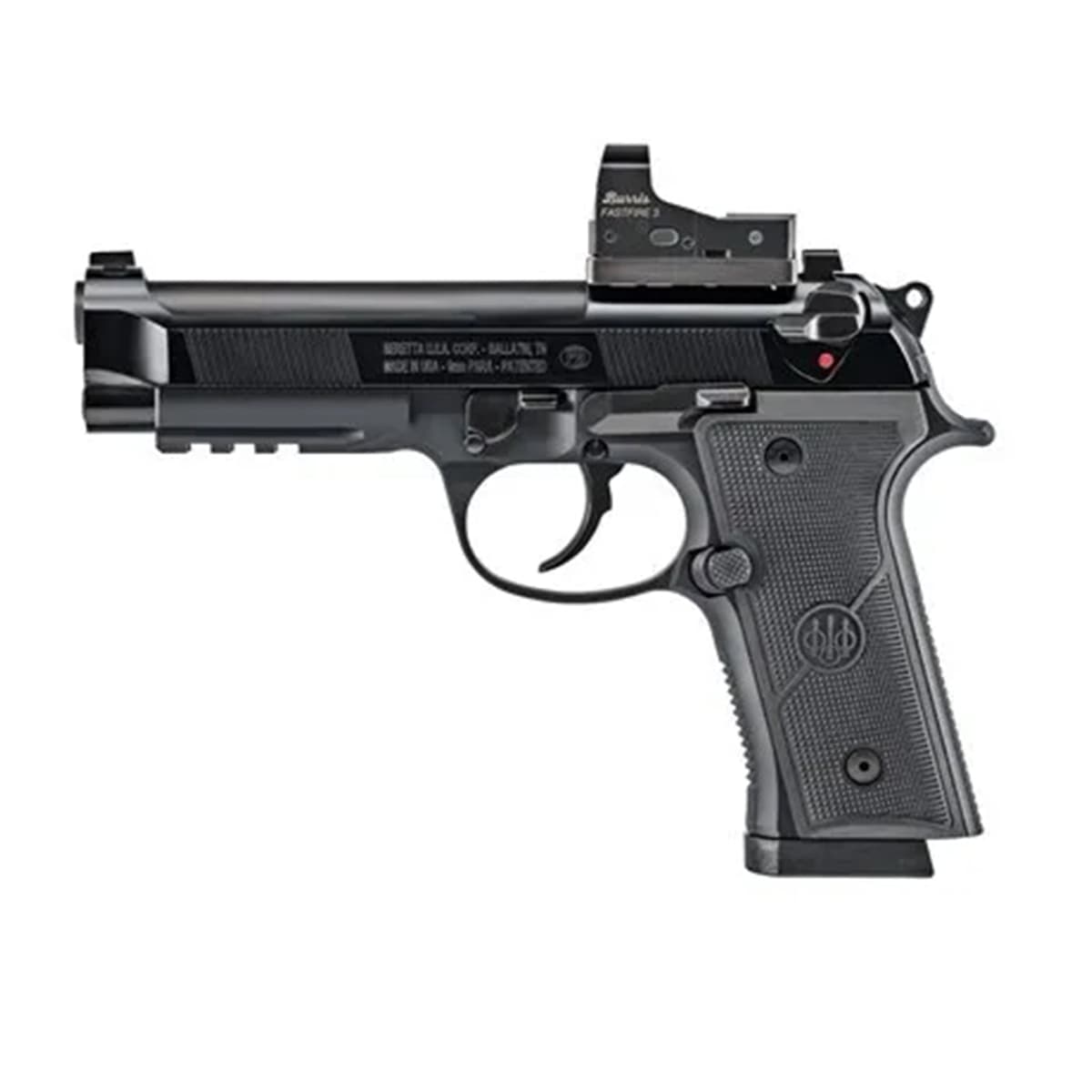
Beretta 92X RDO Full Size
The optic-ready 92X for shooters who want the classic Beretta 90-series action
Optic-ready 92 series with factory-cut slide and Beretta RDO adapter-plate support for common pistol red-dot footprints
- +Only factory optic-ready 92 under $1,000
- +Beretta RDO plate system covers common red dot footprints
- +Vertec-style grip fixes the 92FS's most common ergonomic complaint
- −Standard 92FS grip panels do not fit; Vertec cut is required
- −Adapter plate system sits the optic slightly higher than a direct-mount cut
- −LTT's patented low-mount RDO cut on the Elite LTT II sits lower if you want the absolute lowest dot height
Affiliate links (?)
If you are weighing one against the other rather than reading the filings, the comparison tool puts their specifications side by side.
Follow the Beretta and Ruger Story
Get industry news and new model coverage from both brands in your inbox.
What to Watch Before October 15
The number that settles this is the tendered share count. With no minimum condition, Beretta's final position lands anywhere between its current 9.93 percent and the 25 percent cap depending on how many shareholders accept $44.80 per share. A heavily oversubscribed offer triggers proration and leaves partial fills across the register.
After the October 15 expiration, three things follow. The FTC decides whether to finalize its proposed order once the comment period closes. Beretta names directors, or does not, under the independence requirement. And the cooperation agreement's commercial exploration either produces something concrete on the product side or stays on paper. The first Ruger or Beretta model that reflects a shared supply chain would be the real signal that 25 percent bought more than a stock certificate.