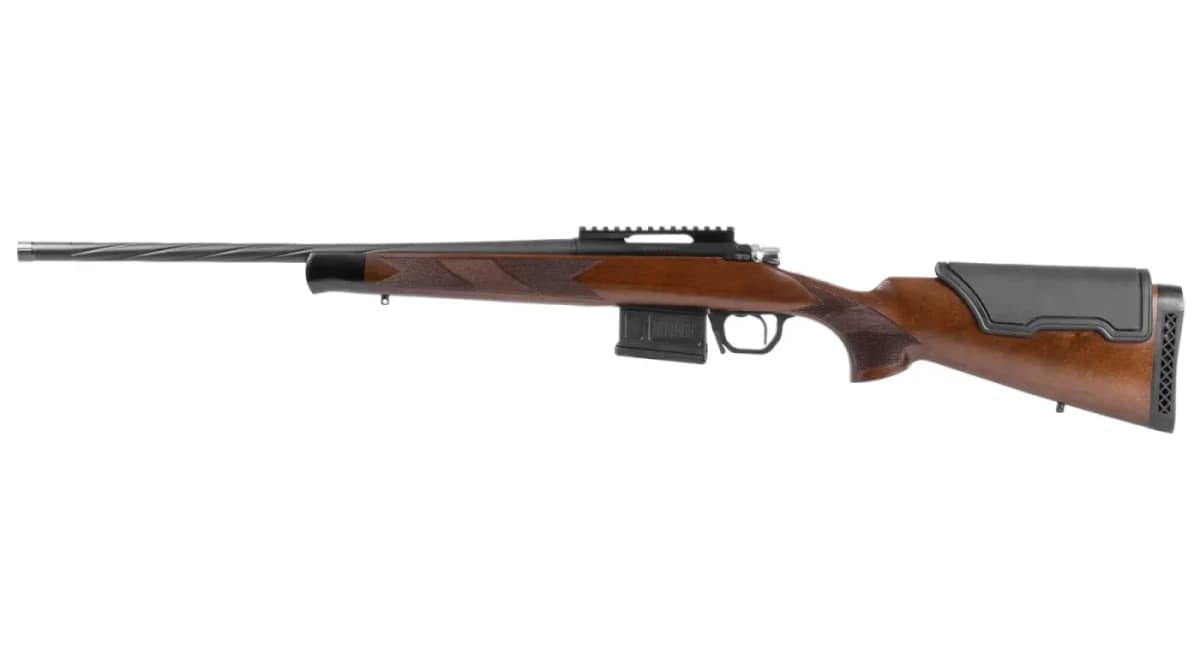
EAA Balikli BLK Now Shipping: $669 Bolt-Action in .308 and .30-06
European American Armory began shipping the Balikli BLK bolt-action rifle nationwide on June 15, 2026. The Turkish-built rifle hits the US market at $669 MSRP in .308 Winchester or .30-06 Springfield, with a 20 inch fluted threaded barrel, Turkish walnut stock, 5-round detachable magazine, factory Picatinny rail, and a 700-pattern action.
Key Takeaways
- →$669 MSRP, shipping now: Available in .308 Winchester (SKU 336200) and .30-06 Springfield (SKU 336210). Both calibers share the same configuration and price.
- →700-pattern action, Turkish build: Manufactured by Balikli in Turkey and imported by EAA. Many Remington 700 scope bases, rings, and accessories should mount up.
- →20 inch fluted threaded barrel: Suppressor-ready muzzle threads, factory Picatinny rail, and an adjustable trigger. Two common day-one upgrades come pre-installed.
- →Turkish walnut stock with checkering: 6.8 lb total weight, 41.4 inch overall length on the .308 SKU. Detachable 5-round box magazine, rubber recoil pad.
- →Distribution: Shipping nationwide through EAA's wholesale distributor network. Dealer arrival depends on individual wholesale orders.
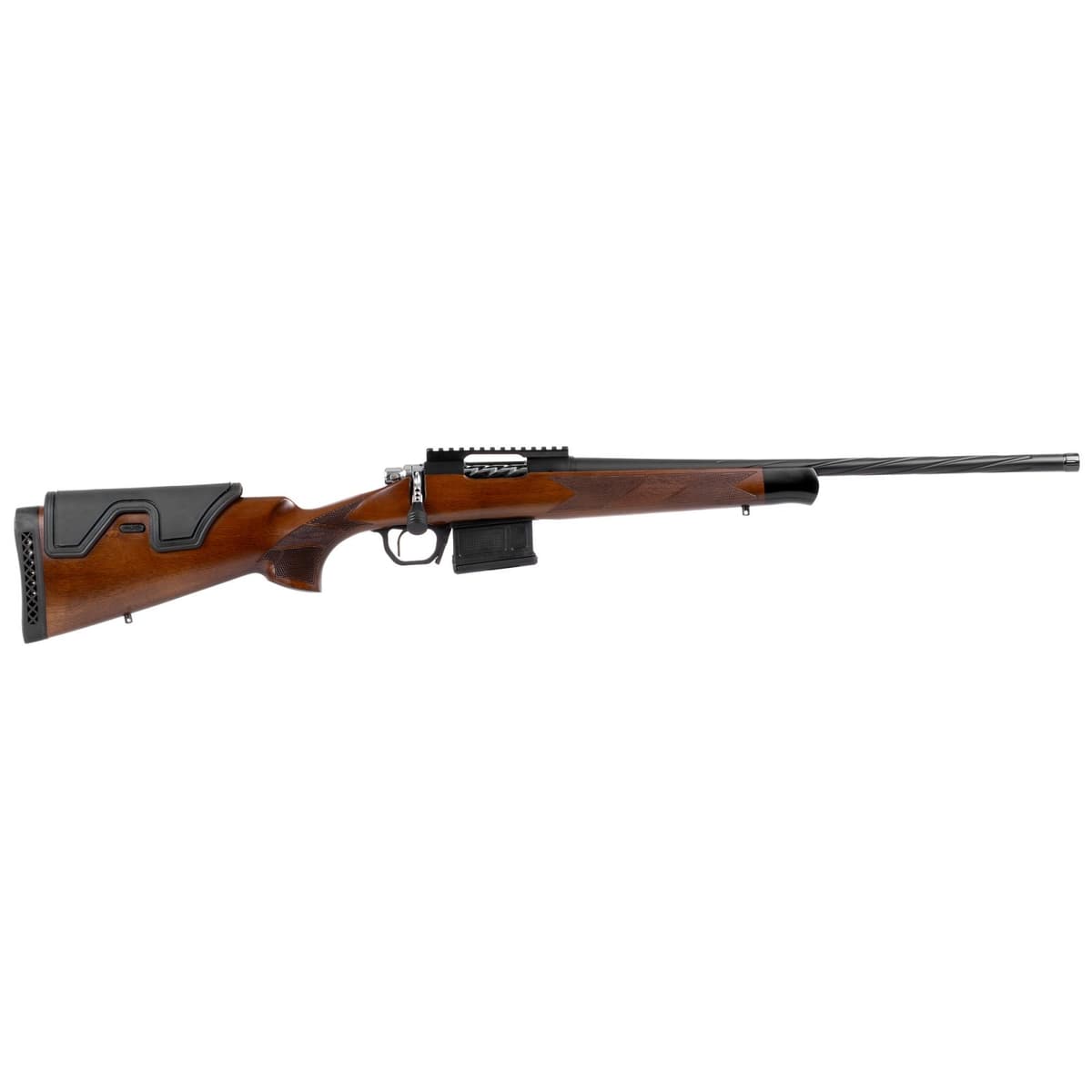
EAA Balikli BLK
$669 budget hunting bolt-action with threaded barrel, factory Picatinny rail, and 700-pattern action
Turkish-built 700-pattern budget hunting rifle, Turkish walnut stock, threaded fluted barrel, detachable box magazine. Shipping nationwide June 2026.
- +Sub-$700 entry price with features that normally land in the $900+ bracket
- +Threaded barrel and Picatinny rail eliminate two common day-one upgrades
- +700-pattern action keeps optic, base, and rest selection broad
- −Balikli is new to the US bolt-action market, so long-term durability data is thin
- −.308 and .30-06 only at launch, no short-magnum or 6.5 Creedmoor option
- −Turkish walnut stock is less weatherproof than a synthetic field stock
Affiliate links (?)
What the BLK Brings to the Sub-$700 Bracket
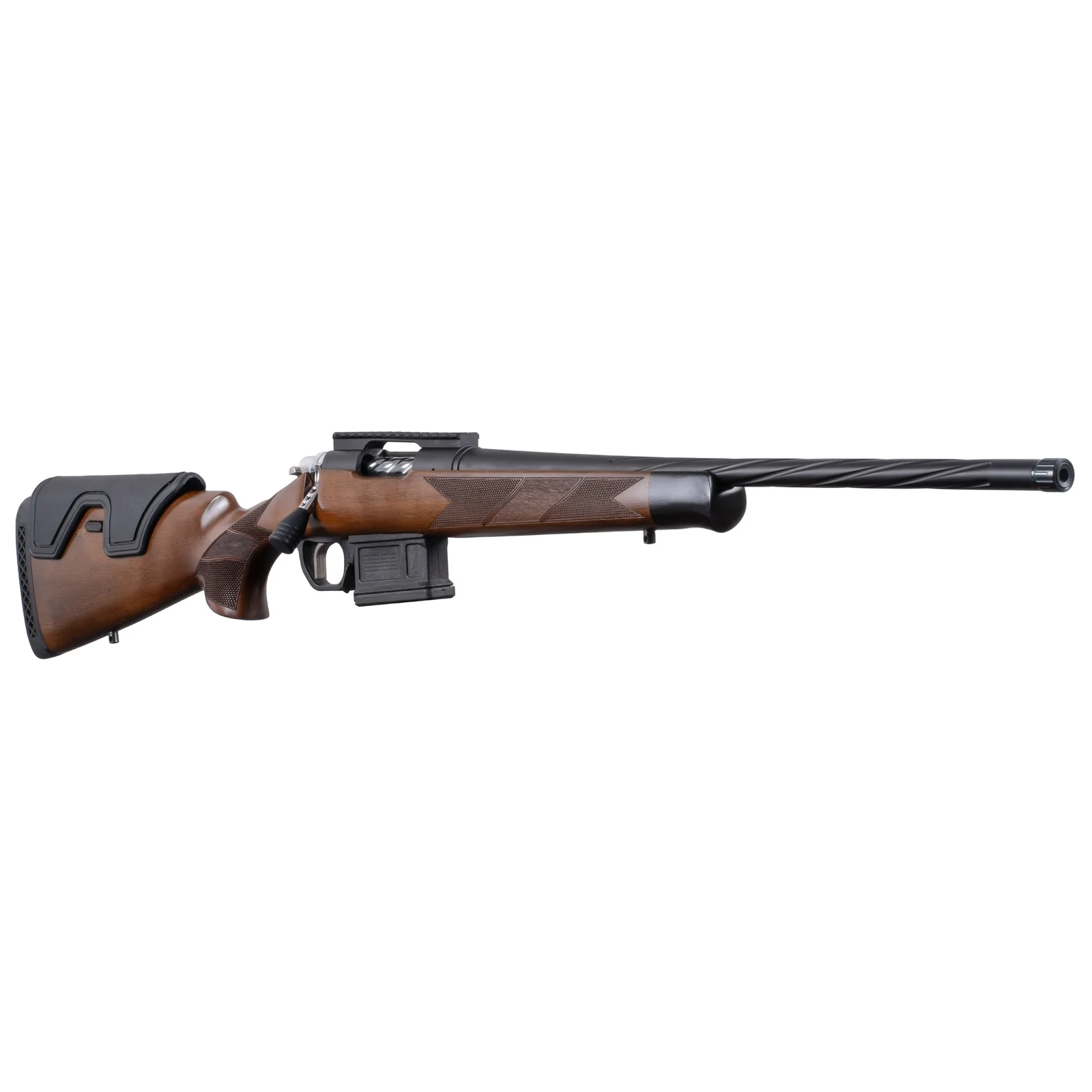
The BLK lands at $669 with a feature list that the sub-$700 bracket has not seen in years. A fluted barrel, a fluted bolt, a threaded muzzle, a factory Picatinny rail, an adjustable trigger, a Turkish walnut stock with checkering, and a detachable 5-round box magazine. Each of those items is a normal aftermarket upgrade on a budget Remington, Savage, or Mossberg platform. The BLK ships with all of them installed.
That bundle is what makes the BLK interesting. A new hunter walking out of a dealer with a Ruger American or a Savage Axis still has to buy a scope base, a sling stud, sometimes a stock modification, and a muzzle device before the rifle hunts the way most people want it to hunt. The BLK arrives closer to done. The shooter still needs an optic, rings, a sling, and a break-in box of ammunition, but the rifle itself is ready to be mounted and zeroed.
700-Pattern Action and What It Means for Upgrades
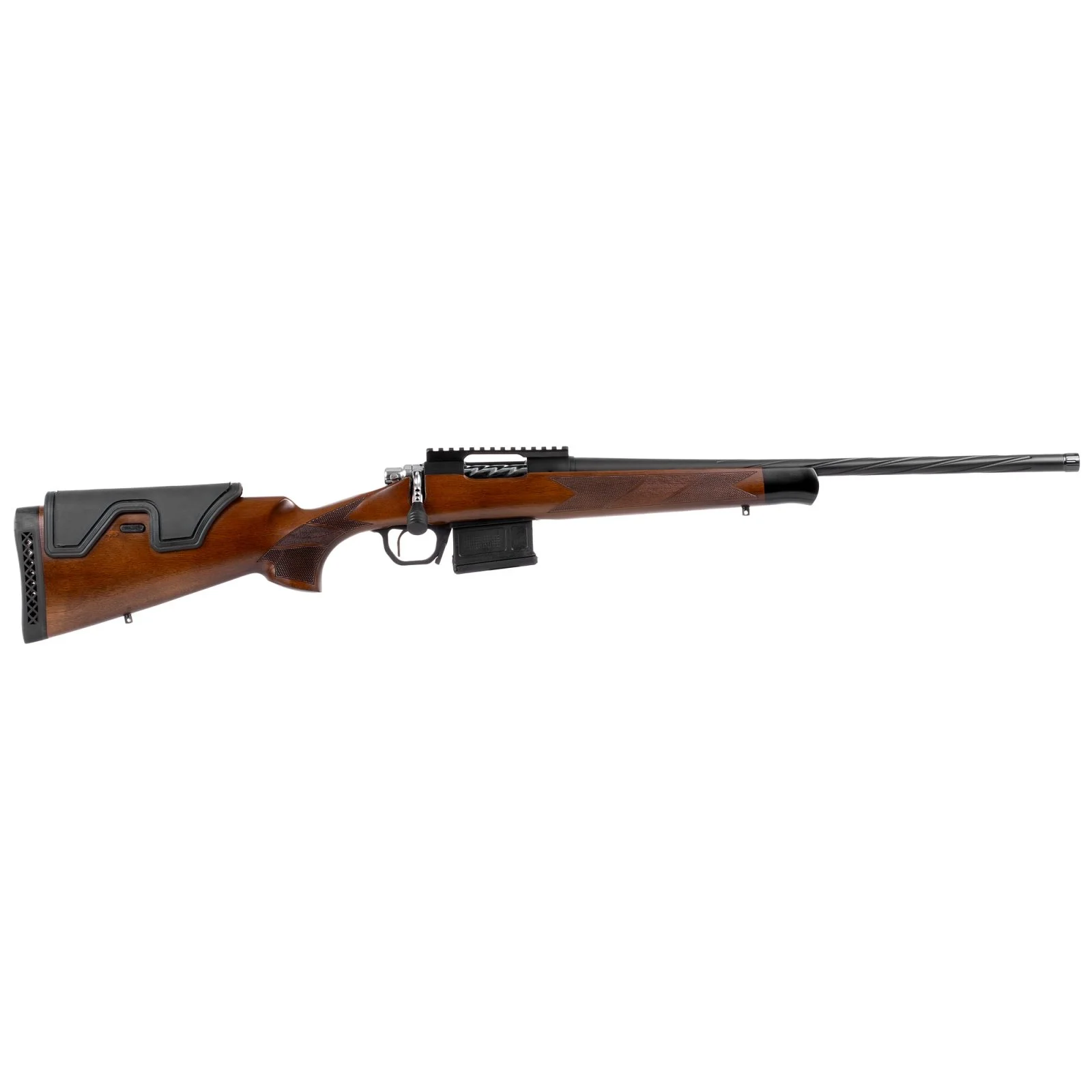
The BLK uses a Remington 700 derived action. That is the single most important spec on the sheet, because the 700 footprint is the deepest aftermarket ecosystem in bolt-action shooting. Most one-piece Picatinny bases, most ring sets, most match triggers, most chassis systems, and most aftermarket stocks built in the last twenty years started life as Remington 700 fitments. A 700-derived action is not a guarantee that every part drops in; tolerance variation between Turkish-built and US-built receivers is common. But it does mean the BLK starts with a much bigger upgrade catalog than a proprietary Savage or Tikka receiver does.
The bolt is fluted, which is a cosmetic choice that also shaves a small amount of weight. The two-position safety is standard for the category. EAA describes the trigger as adjustable; the company has not published a pull-weight range, so first-batch reviews will set the expectation. For shooters who want a definitive match-grade trigger, a Timney 510 or a Triggertech Special in the Remington 700 footprint should install with minor or no fitting, and either would be a $250 upgrade on a $669 host.
Scopes That Pair With the BLK
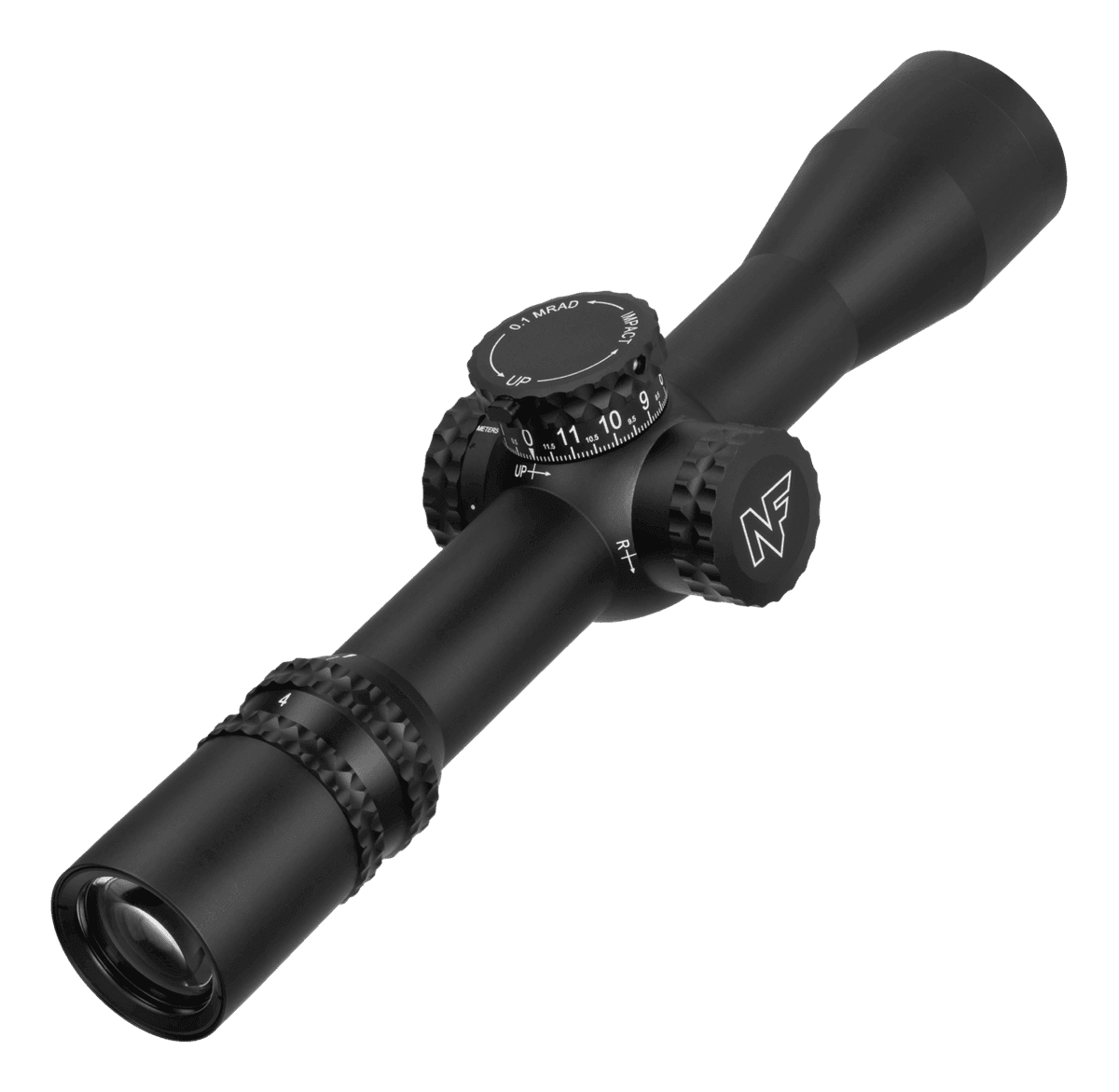
Nightforce ATACR 4-16x42 F1
- 4-16x magnification
- 42mm objective
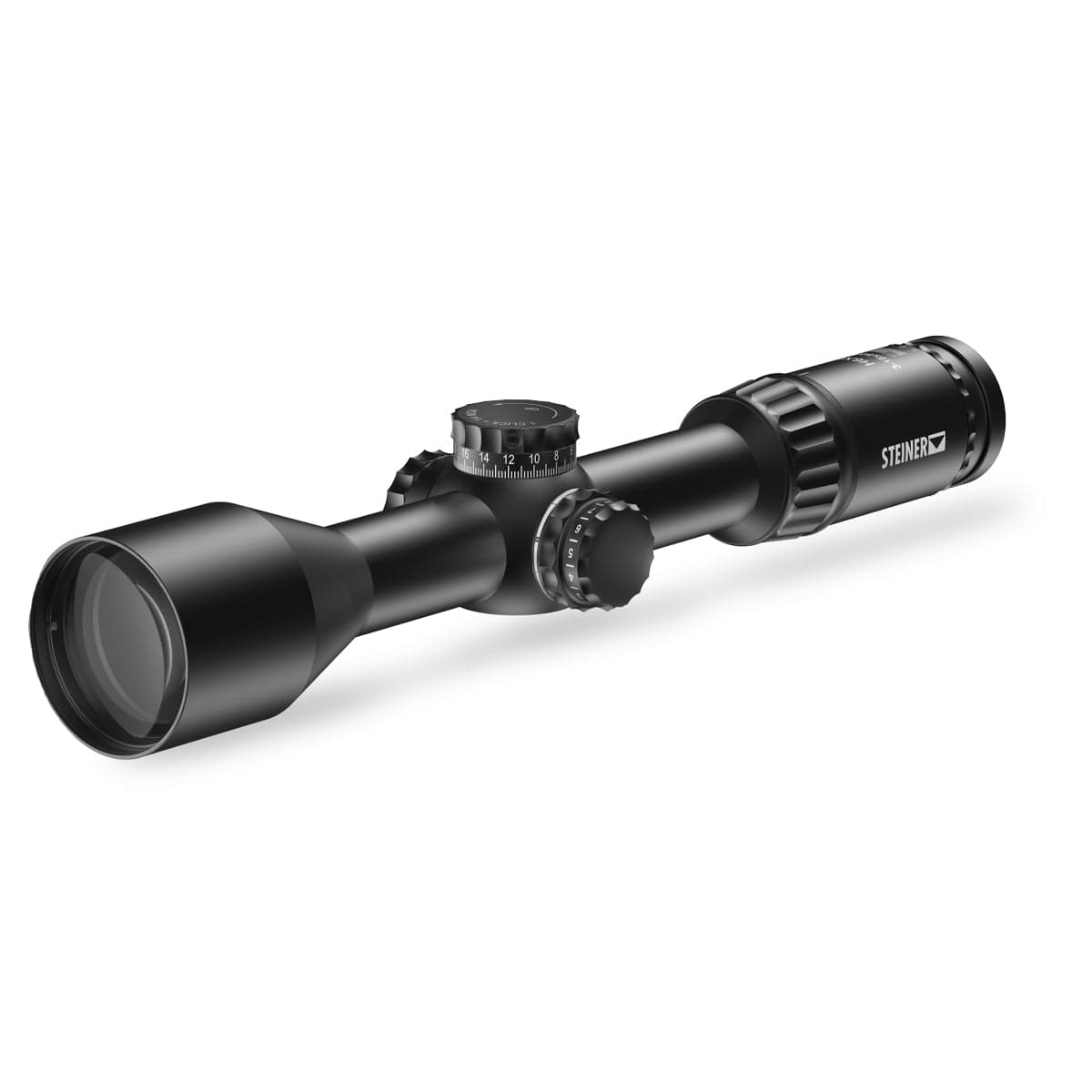
Steiner H6Xi 3-18x50
- 3-18x magnification, 50mm objective
- First focal plane, MHR-MOA reticle
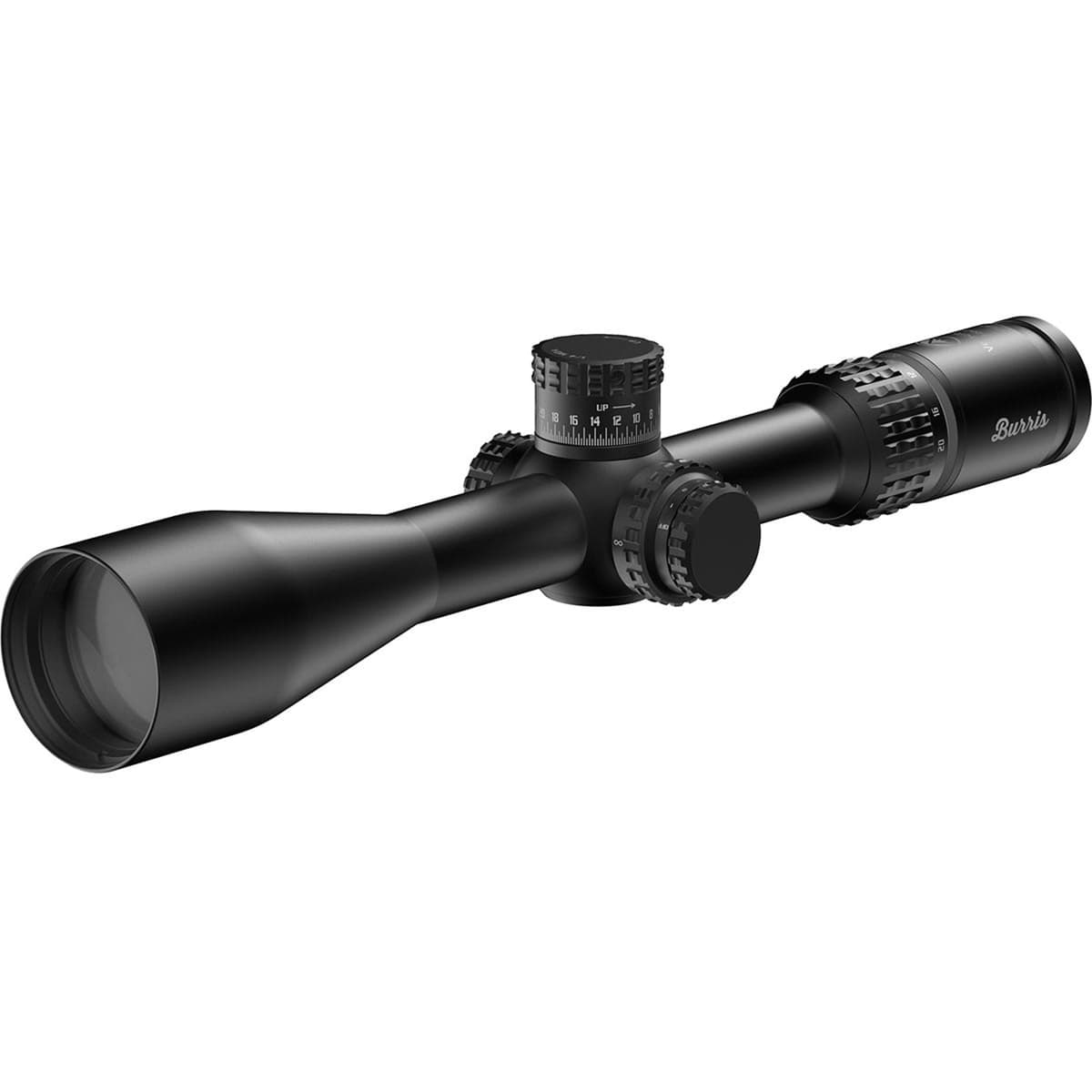
Burris Veracity PH 4-20x50
- 4-20x magnification, 50mm objective
- First focal plane, RC-MOA reticle
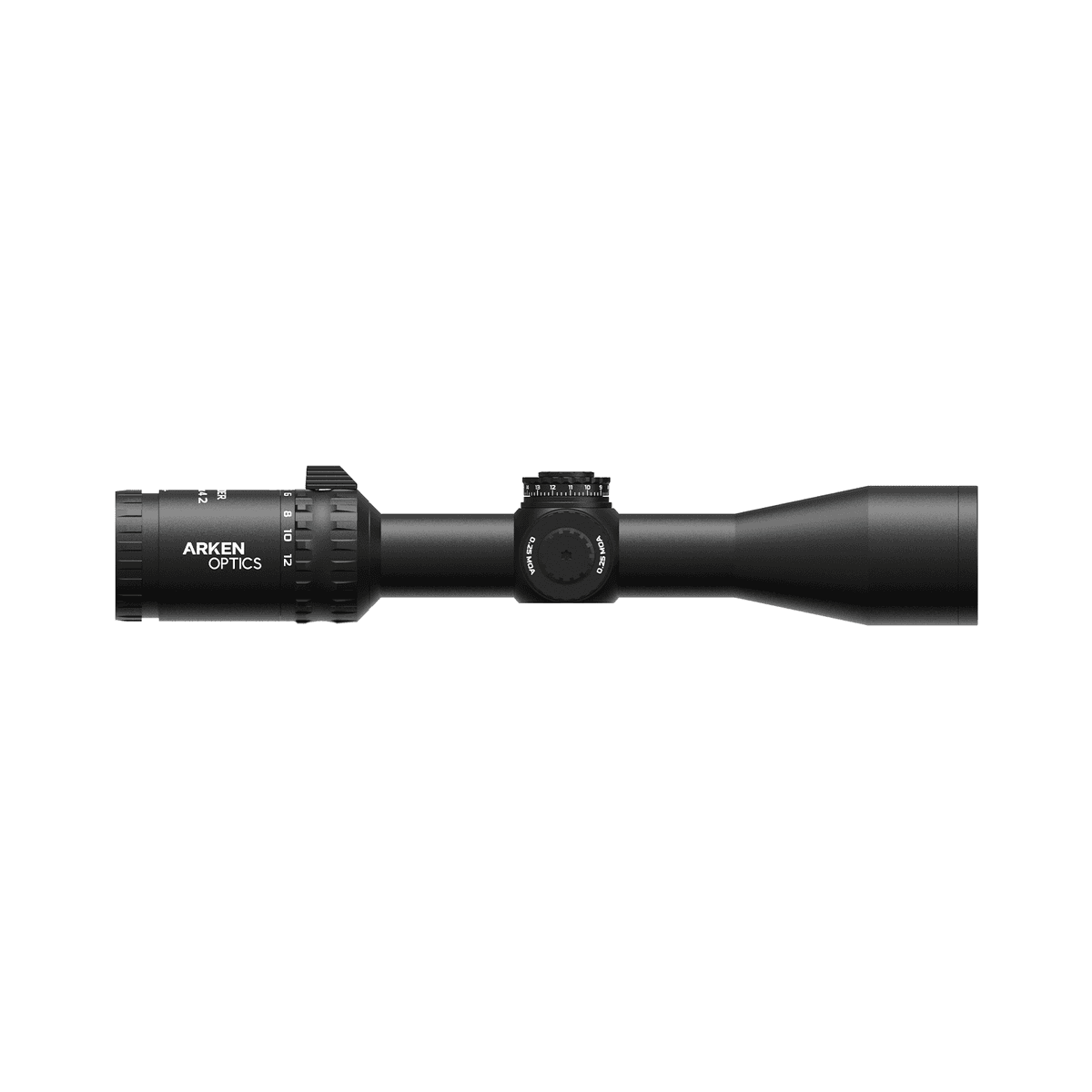
Arken OUTRIDER 2-12x42 SFP
- 2-12x42 magnification
- Second focal plane
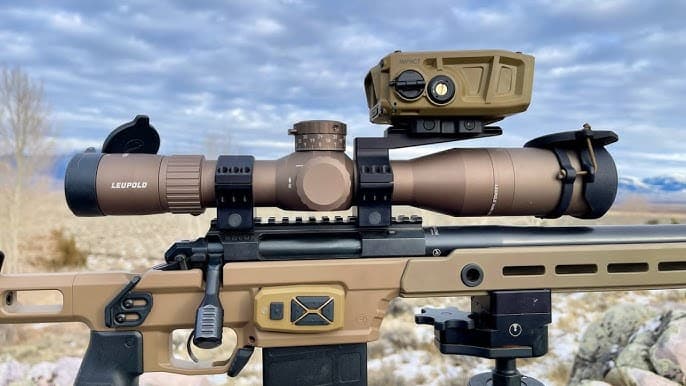
Leupold Mark 5HD 3.6-18x44
- 3.6-18x magnification
- First focal plane
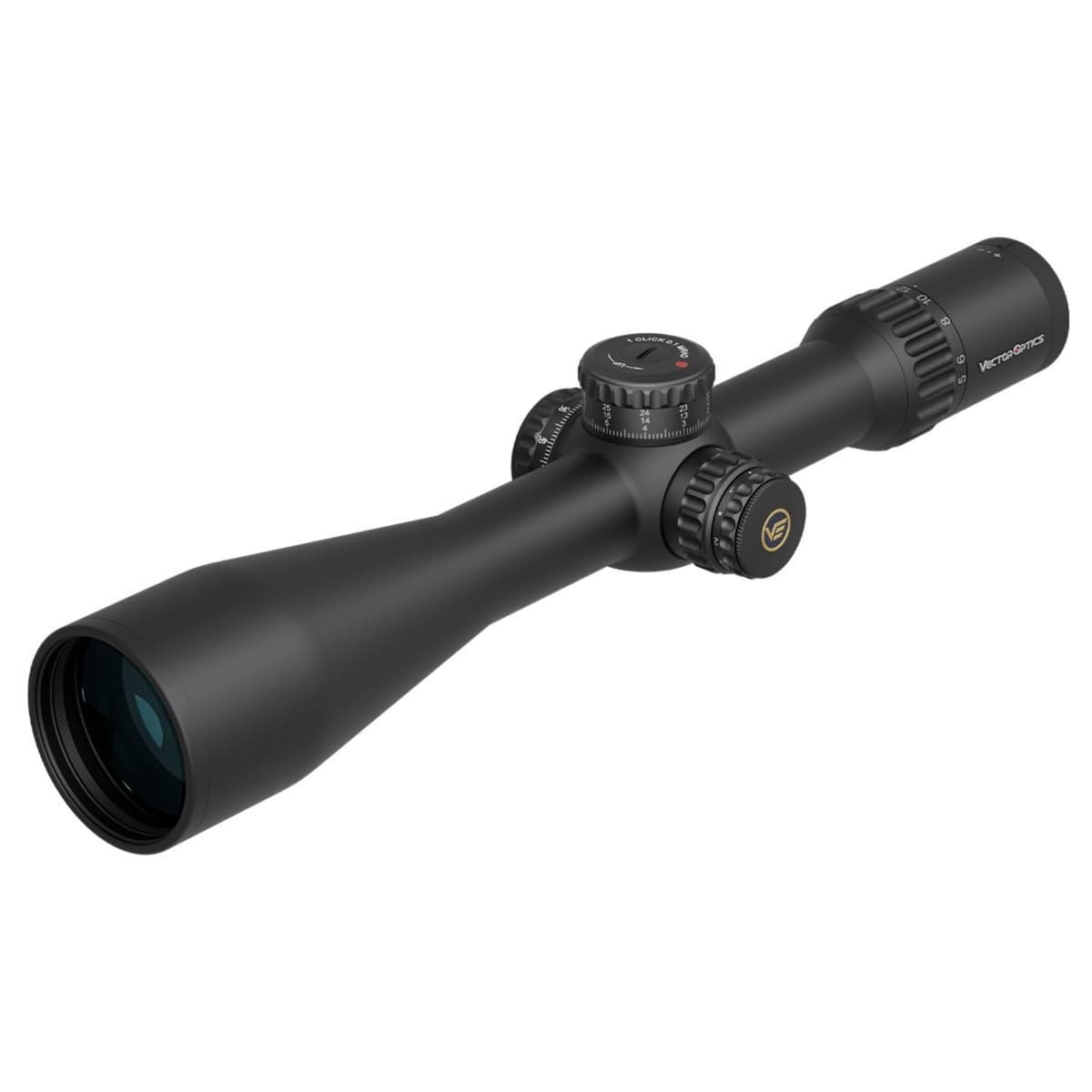
Vector Optics Continental 5-30x56 FFP
- 5-30x56mm FFP
- VCT-34FFP MIL reticle
Affiliate links (?)
.308 Winchester or .30-06 Springfield: Which BLK
The .308 Winchester model is the choice for most buyers. It shoots flatter than .30-06 inside 400 yards on most factory hunting loads, recoils less out of a 6.8 lb rifle, runs the cheapest centerfire .30-caliber ammunition on the shelf, and has the deepest match and hunting load selection of any cartridge in this rifle. The 20 inch barrel costs the .308 roughly 50 to 75 fps of muzzle velocity versus a 22 or 24 inch tube, but the trade is a handier overall length and a quicker swing through brush.
The .30-06 Springfield model is the answer for hunters who want extra case capacity for heavier bullets and elk-class game. .30-06 pushes a 180 grain controlled-expansion bullet past 2,700 fps from a 20 inch tube on most modern hunting loads, which is enough rifle for elk, moose, and the largest North American deer. The trade-off is a few hundred dollars more spent per case of ammunition over the life of the rifle. For deeper context on the two cartridges as hunting rounds, see our best .308 ammo guide and our best deer hunting rifle guide for how this rifle compares to other entries in the category.
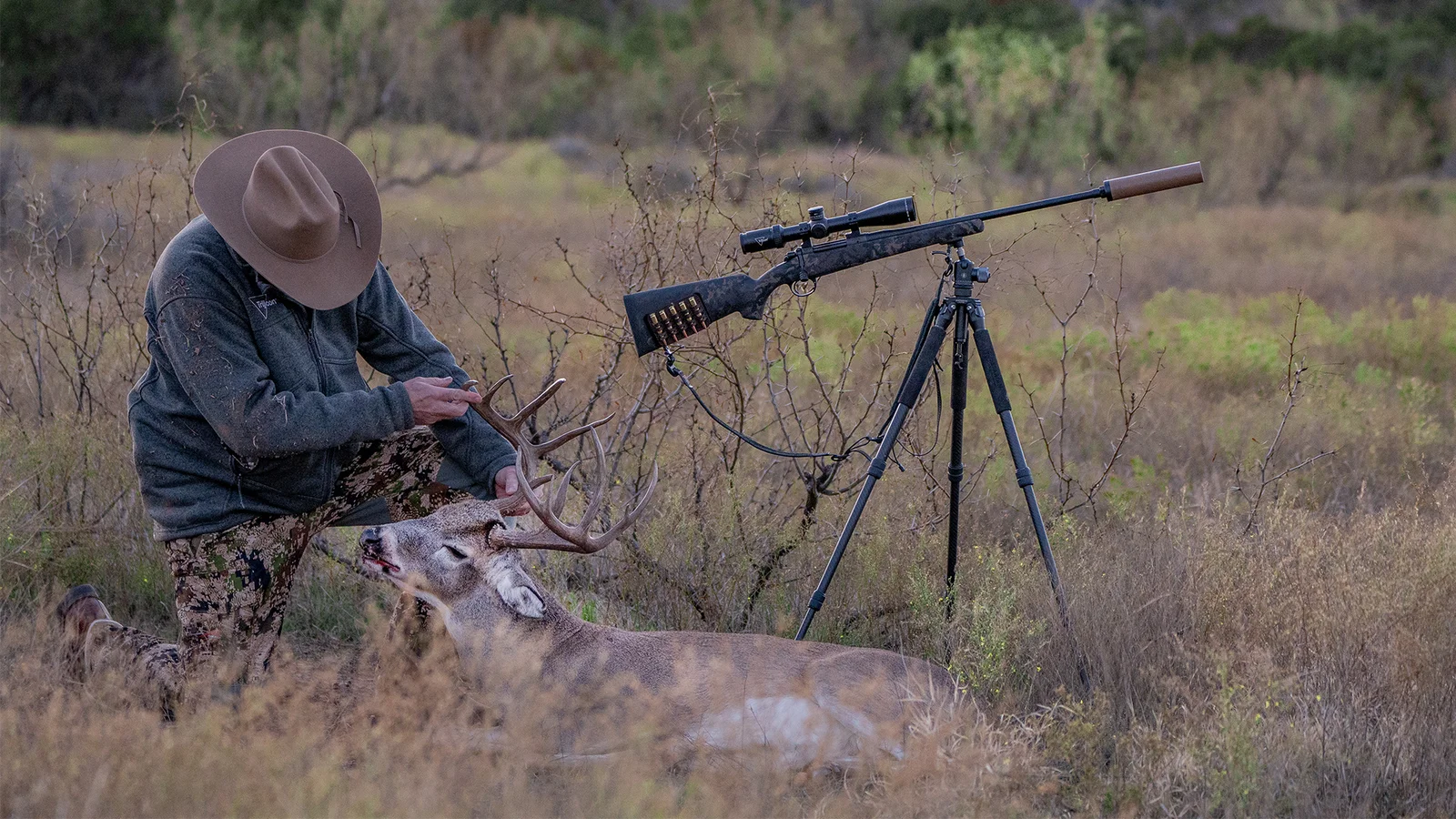
Suppressor-Ready Out of the Box
The factory muzzle threading is the single most important accessory note on this rifle. .30-caliber hunting cans cut report by 30 to 35 decibels on a 20 inch tube, which moves shots in a stand or treeline from a hearing-damage event into an event the shooter, the dog, and any nearby animals can tolerate. With OBBBA taking effect on January 1, 2026, the federal making and transfer tax on suppressors dropped to $0; the ATF Form 4 process and NICS background check still apply, but the $200 tax stamp line item is gone. eForm 4 approvals on hunting cans are now running on the order of days to a couple of weeks rather than the multi-month wait the legacy paper-process era produced.
A short, light .30-caliber hunting suppressor that pairs well with a 20 inch barrel is the SilencerCo Omega 300, a Banish 30-V2, or a Dead Air Nomad-30. Any of those, mounted on a direct-thread or QD mount, takes the BLK into truly hearing-safe territory on hunting loads. For the broader landscape see our best hunting suppressors guide.
Hunting Suppressors for the BLK
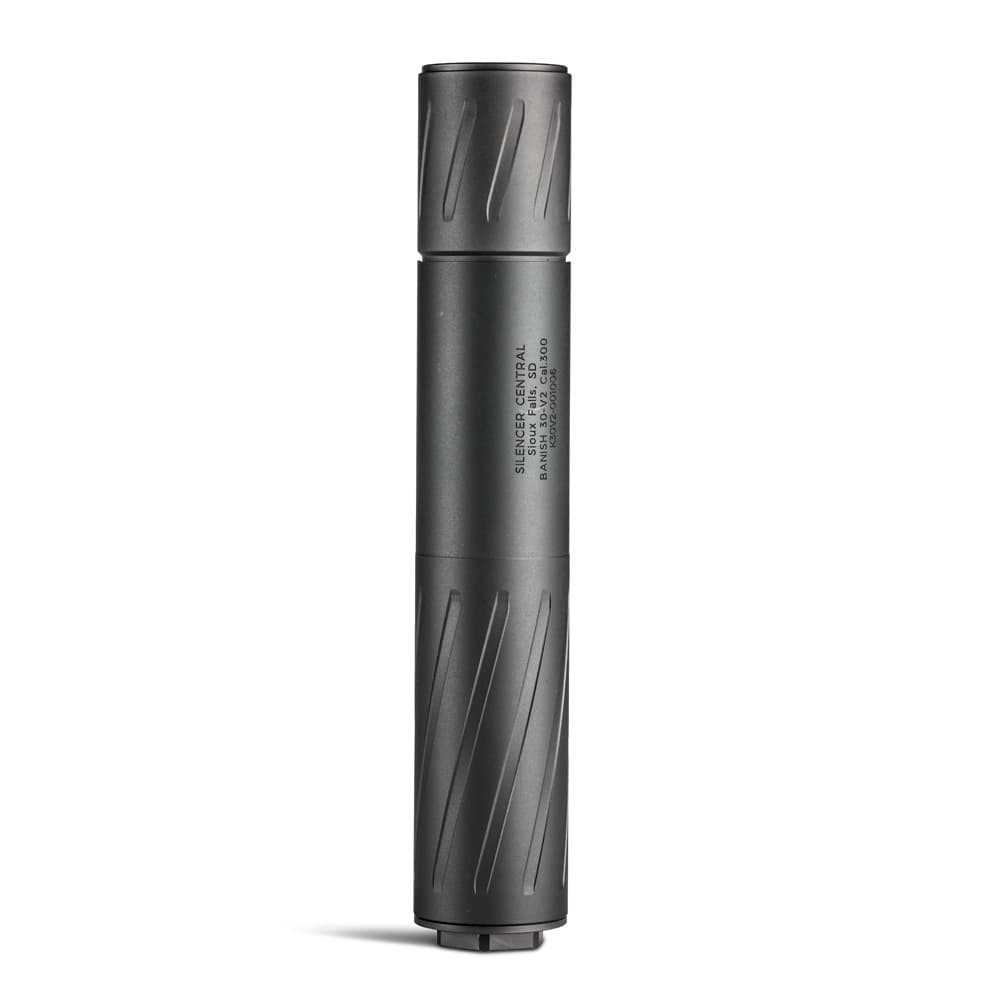
BANISH HNT 30 Ti (Banish 30-V2)
- .17 HMR up to .300 Wby Mag
- 100% titanium
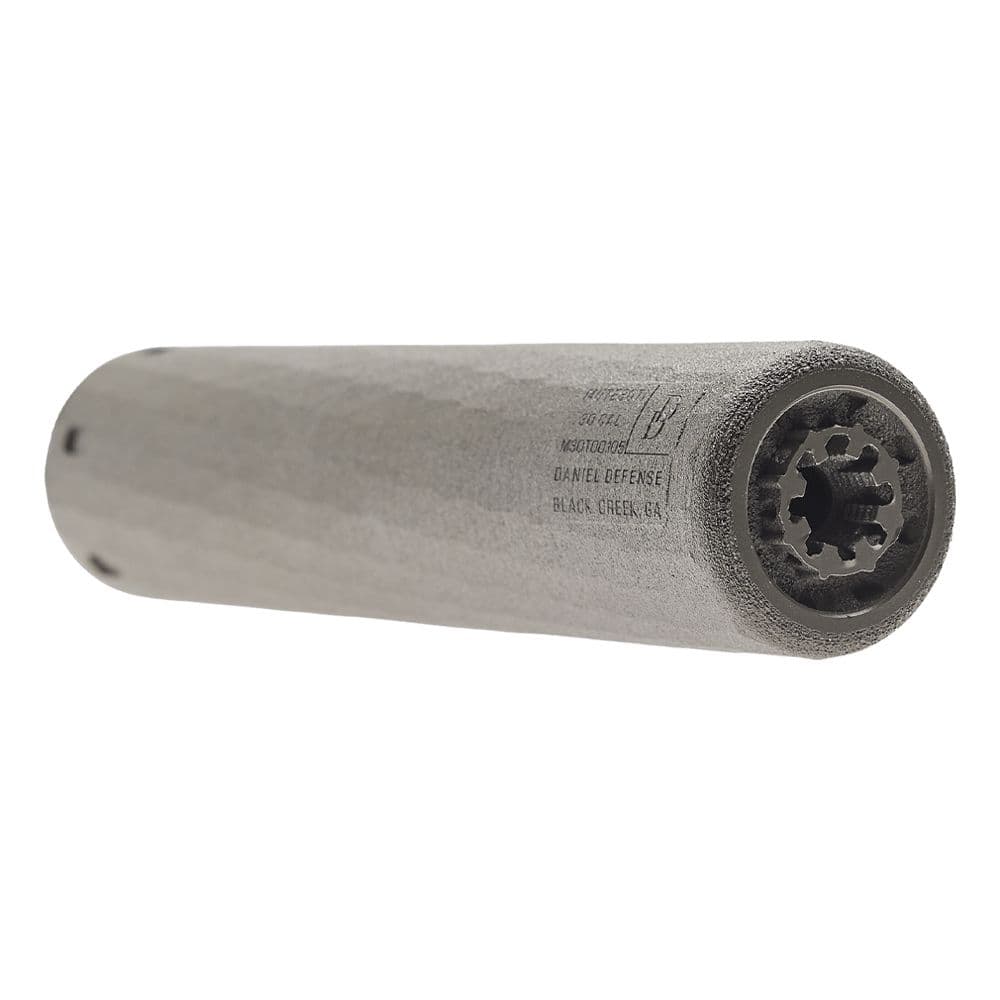
Daniel Defense MUTE 30Ti
- Up to .300 Win Mag
- Weldless 3D-printed titanium
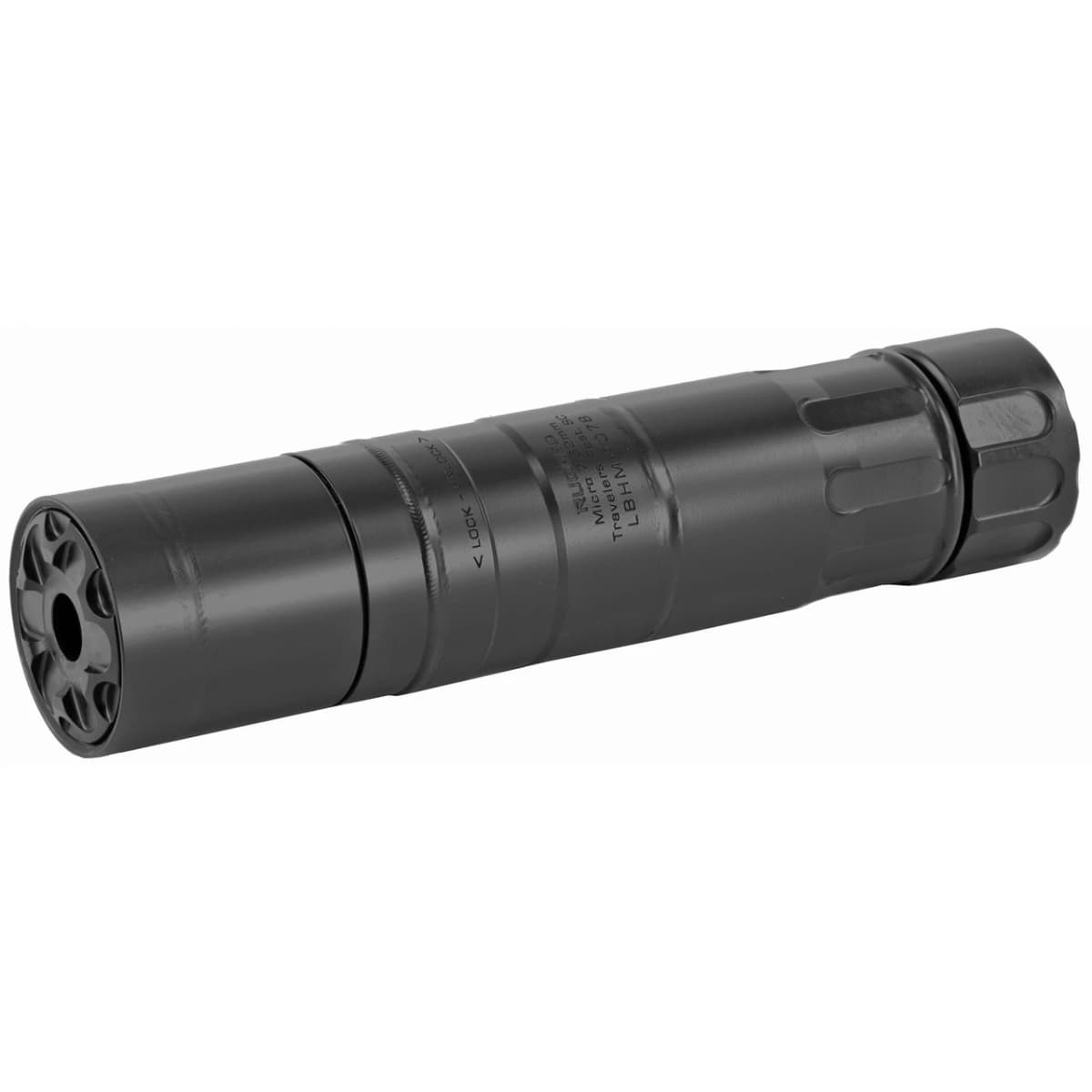
Rugged Micro30
- Center-fire rifle through .300 RUM
- 6.5 in and 15.1 oz long
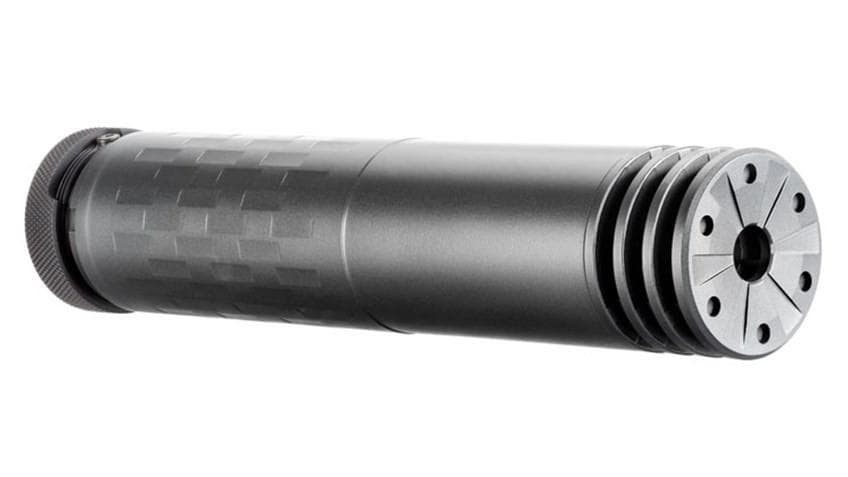
SilencerCo Omega 300
- .30 cal rated
- Direct thread + QD
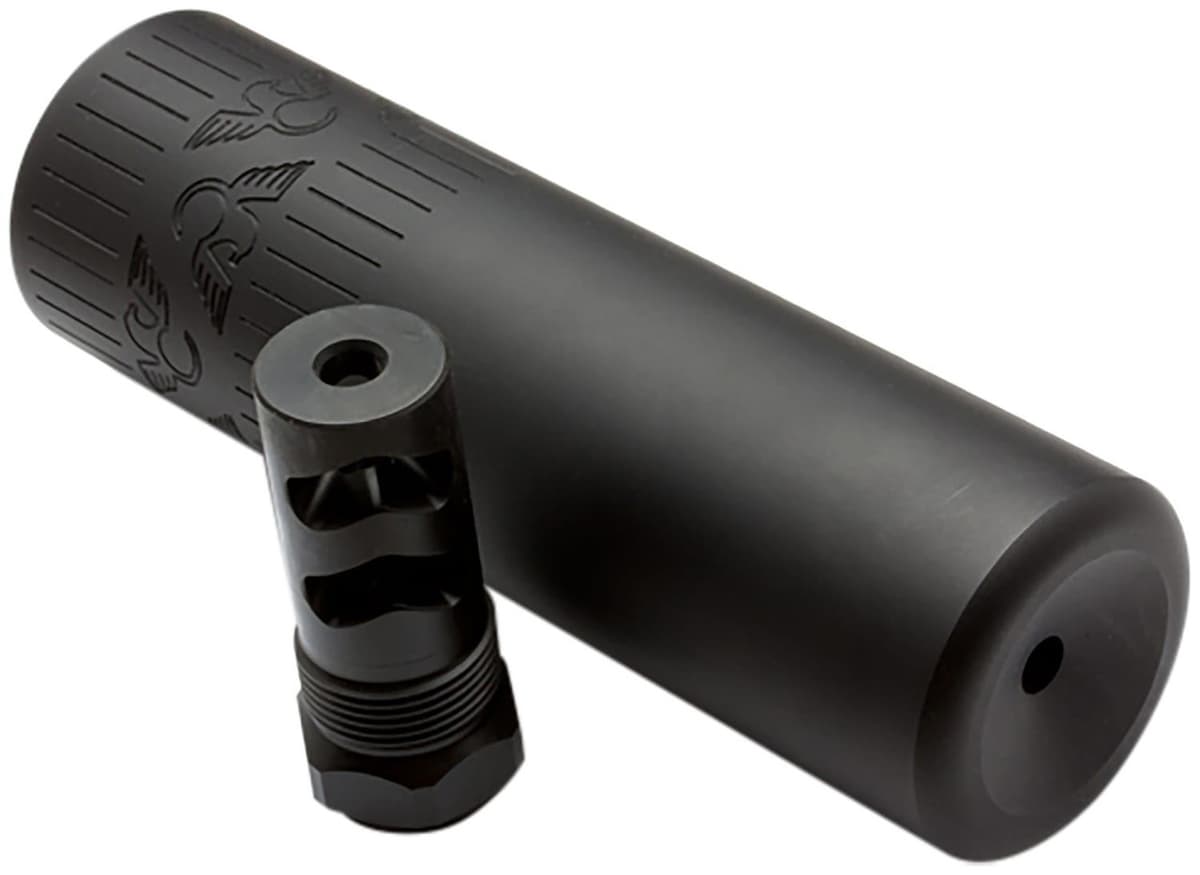
Bersa B762 Suppressor
- 6.75 in, 17.2 oz
- Inconel 718 and 17-4 H900 stainless steel
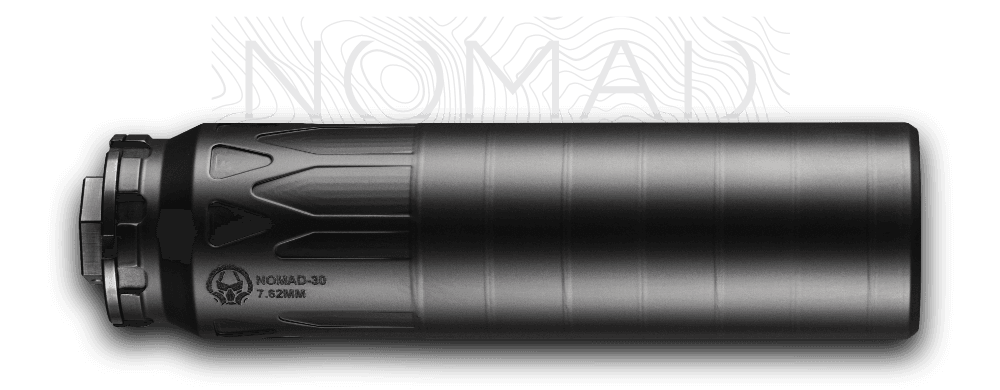
Dead Air Nomad 30
- .30 cal rated
- 5/8x24 fixed mount included
Affiliate links (?)
EAA Balikli BLK Specifications
- PlatformEAA Balikli BLK bolt-action rifle
- ManufacturerBalikli, imported by European American Armory
- ActionRemington 700 derived, fluted bolt
- Calibers.308 Winchester, .30-06 Springfield
- Barrel20 inches, fluted and threaded
- Overall length41.4 inches (.308 SKU)
- Weight6.8 lb
- Magazine5+1 detachable box
- StockTurkish walnut, checkered grip and forend
- OpticsFactory Picatinny rail
- TriggerAdjustable
- MuzzleThreaded, suppressor-ready
- SKU (.308 Win)336200
- SKU (.30-06)336210
- MSRP$669
- AvailabilityShipping nationwide as of June 15, 2026
Hunting Ammo for the BLK
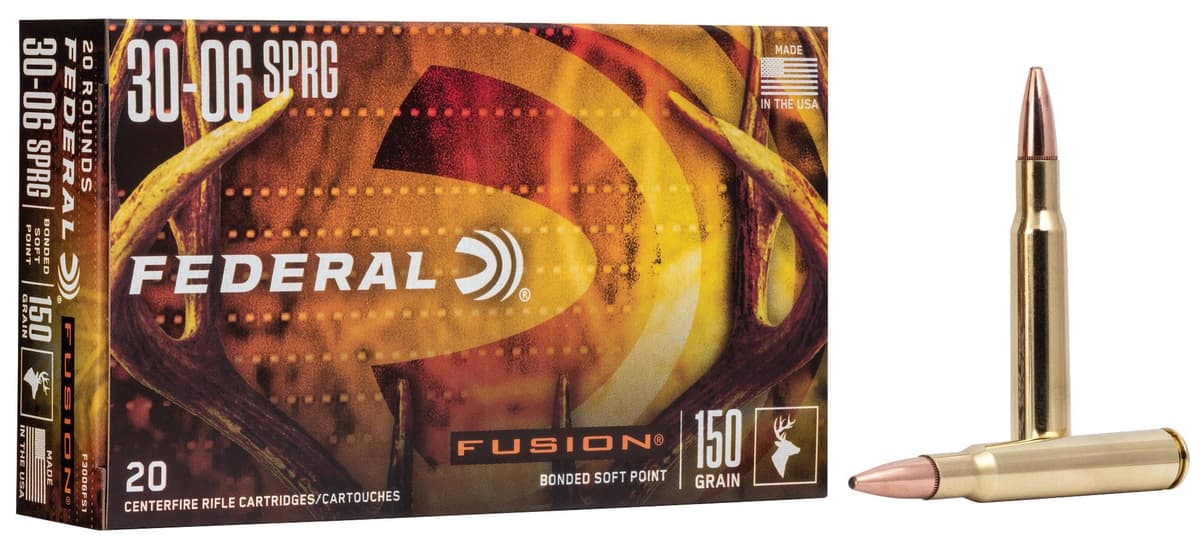
Federal Fusion 150gr .30-06 Springfield
- 150 grain Fusion SP
- .30-06 Springfield
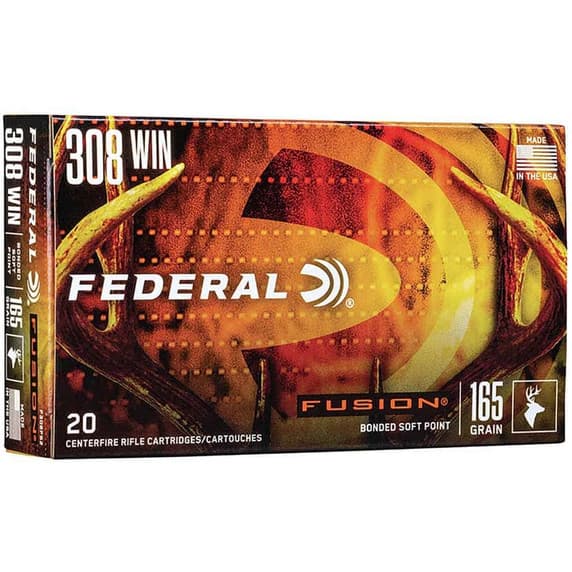
Federal Fusion 150gr .308 Win
- 150 grain Fusion SP
- .308 Winchester
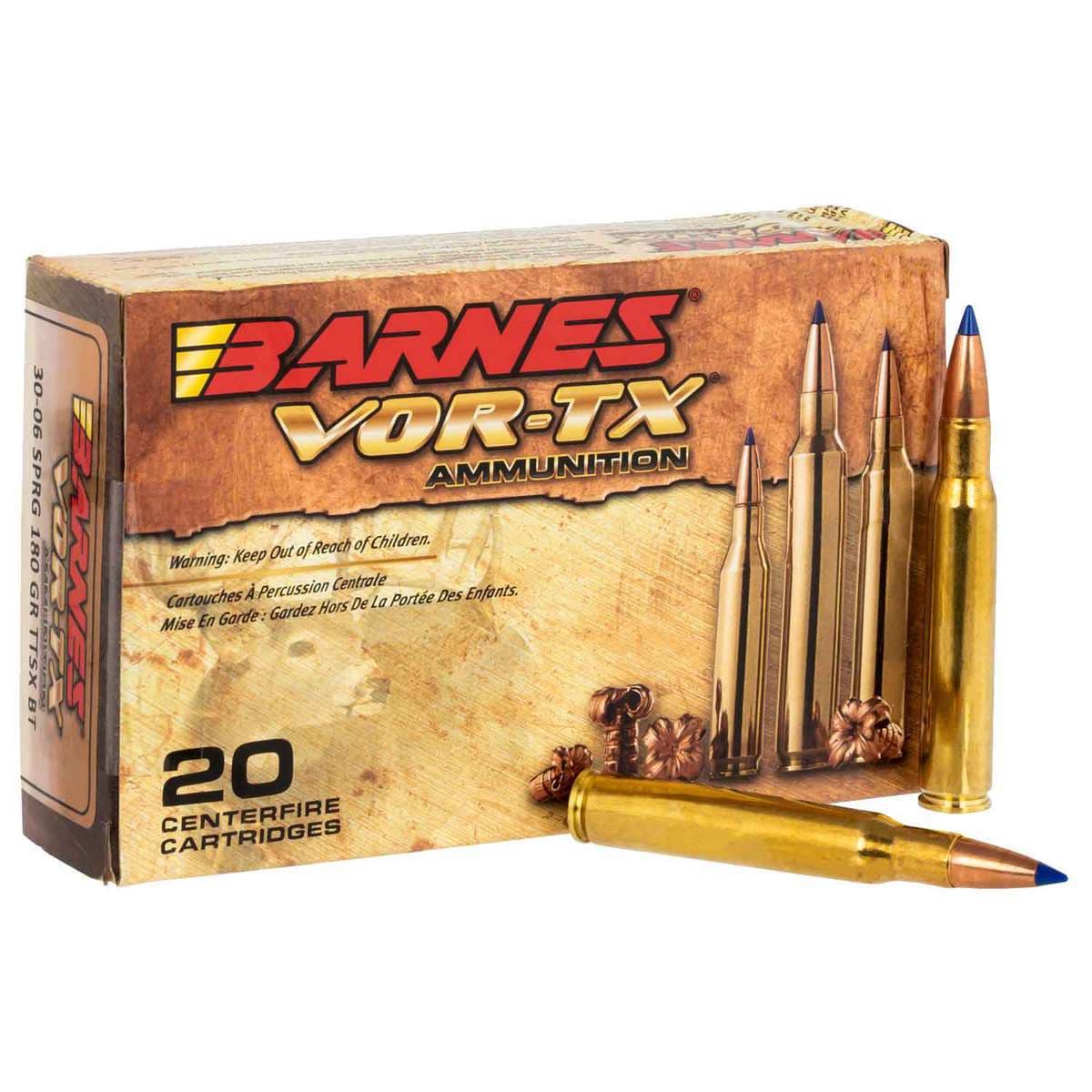
Barnes VOR-TX 180gr TTSX .30-06 Springfield
- 180 grain TTSX
- .30-06 Springfield
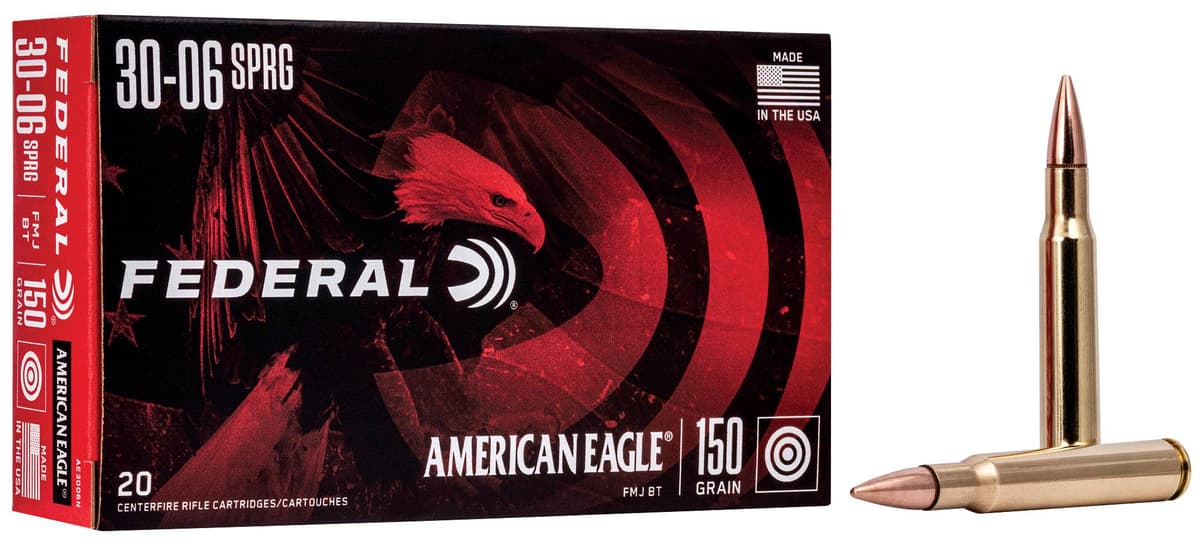
Federal American Eagle 150gr FMJ .30-06 Springfield
- 150 grain FMJBT
- .30-06 Springfield
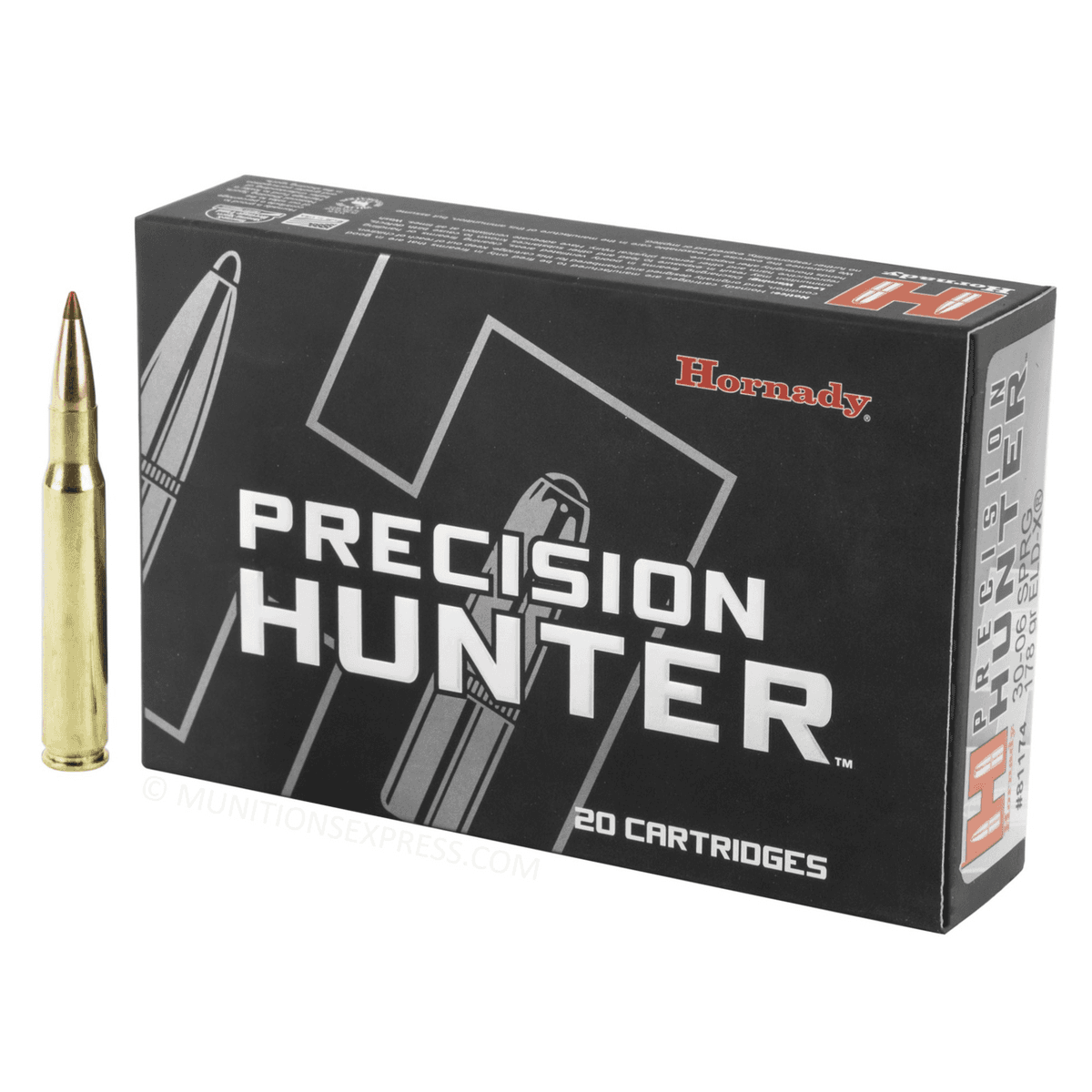
Hornady Precision Hunter 178gr ELD-X .30-06 Springfield
- 178 grain ELD-X
- .30-06 Springfield
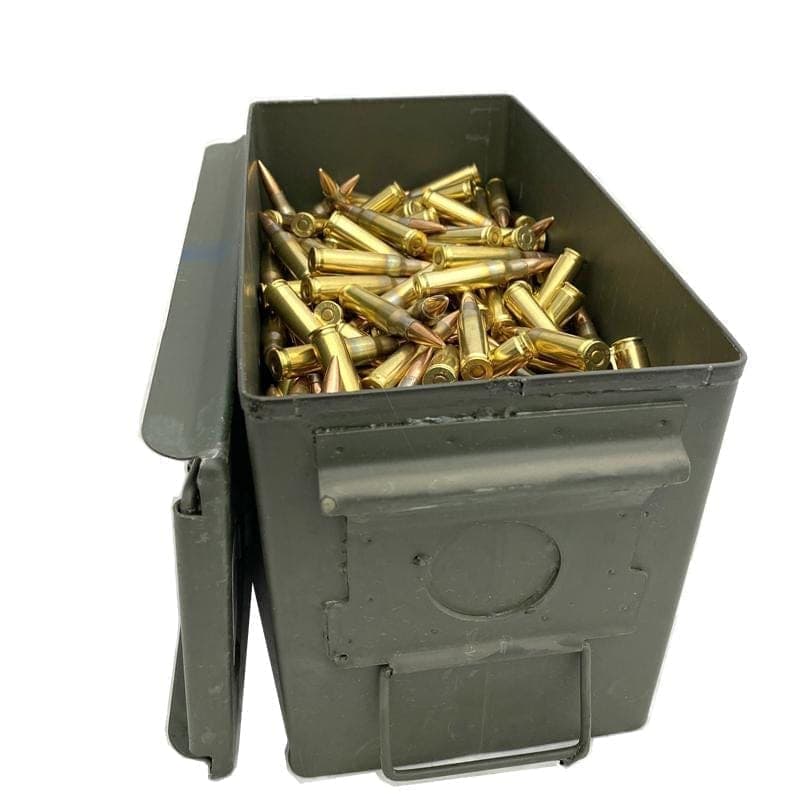
Hornady Frontier FR390 150gr FMJ 7.62x51 NATO
- 150 grain FMJ
- 7.62x51 NATO
Affiliate links (?)
Where the BLK Fits in the Budget Bolt-Action Market
At $669 the BLK competes directly with the Ruger American Gen II Predator ($769 MSRP), Savage Axis II XP, Mossberg Patriot Walnut, Tikka T3x Lite, and Howa 1500 Walnut Hunter. None of those rifles ship at the BLK's price with all of the BLK's factory features installed. Ruger and Savage either omit the threaded barrel, the Picatinny rail, or the wood stock at the entry price; the Tikka T3x Lite walnut variant lives north of $850; the Howa 1500 walnut prices vary by dealer but tend to run higher.
The honest trade-off is brand maturity. Ruger, Savage, Mossberg, Tikka, and Howa have decades of factory bolt-gun production behind them, and that history shows up in warranty support, parts availability, and resale value. Balikli is new to the US bolt-action market. Long-term barrel life, action smoothness, and feed reliability data on the BLK will not exist until owners have put 500 to 1,000 rounds through these rifles. First-batch buyers are accepting that uncertainty in exchange for the spec sheet and the price.
For shooters who want a more analytical comparison across the segment, run the BLK against the Ruger American and Bergara B-14 HMR in our rifle comparison tool or use the builder to map out optics, suppressor, and bipod pairing before you commit to the configuration. For a deeper read on the same caliber decision on a semi-auto rifle, see our best .308 rifle guide.
Stay on the BLK and the Budget Bolt-Action Market
Get notified when first-batch BLK groups, hands-on reviews, and dealer pricing hit. We cover budget bolt-action launches from EAA, Ruger, Savage, Mossberg, Tikka, and Howa, plus the optics, ammo, and suppressors that make those rifles work in the field.
Frequently Asked Questions
▶What is the EAA Balikli BLK?
▶How much does the EAA BLK cost?
▶What calibers does the EAA BLK come in?
▶Is the EAA BLK a Remington 700 clone?
▶When is the EAA BLK shipping?
▶Is the EAA BLK suppressor-ready?
▶How does the EAA BLK compare to the Ruger American Gen II and Savage Axis II?
▶Who builds the EAA BLK?
Bottom Line
The Balikli BLK is the most feature-loaded sub-$700 bolt-action shipping in the US market this week. A threaded barrel, a factory Picatinny rail, a Turkish walnut stock, a detachable magazine, an adjustable trigger, and a 700-pattern action at $669 is a number the budget bolt-action segment has not seen in this configuration. For a hunter who wants a rifle that ships closer to done than the typical entry-tier bolt gun, the BLK is the easy first look.
The honest risk is that Balikli is new to factory bolt-action production at US scale, and the first batch of any new rifle line carries more variance than the third or fourth. The 700-pattern action and the standard hunting calibers reduce that risk because the failure modes are well understood and the aftermarket can solve a soft trigger or a marginal scope base on day one. If you want to be among the first to know what owner groups look like and what the rifle does past break-in, the price is aggressive enough to justify the first-batch risk. If you prefer a longer track record, wait six months for early reviews and second-batch consistency data.