Best Thermal Monoculars for Hunting 2026: Scanner Picks
Pick the ATN BlazeTrek 6 619 for a wide 640-class view, the AGM Taipan V2 15-384 for a budget scanner, or the Nocpix VISTA H35R when laser distance measurement matters. The best thermal monocular for hunting nearby or wooded property gives you a broad view of the scene. On open ground, native image detail becomes more valuable as animals occupy less of the image.
Key Takeaways
- →Wide view: The BlazeTrek 6 619 combines a 640x512 sensor with a 22.8° horizontal field of view.
- →Budget balance: The Taipan V2 15-384 uses a 384x288 sensor, a 17.5° view, and replaceable 18650 batteries.
- →Range measurement: The VISTA H35R adds a laser rangefinder and 60 Hz refresh, with a 640g carrying weight.
- →Longer sessions: The Axion XG30 Compact is rated for 7 hours at 22°C and uses a removable battery pack.
Handheld Thermal Scanner Picks
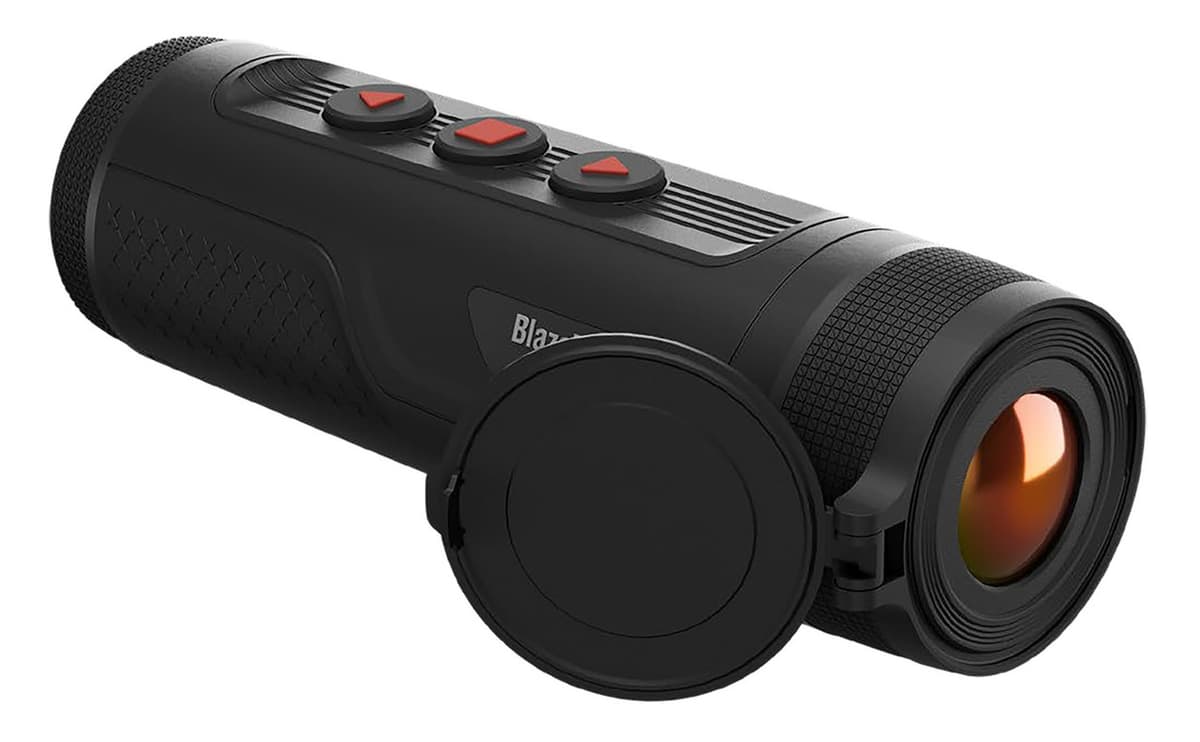
ATN BlazeTrek 6 619
Best wide-view scanner
- +Wide 22.8-degree view at base magnification
- +640x512 sensor in a 320g body
- +32GB recording with cable or Wi-Fi transfer
- −Internal battery prevents quick cell swaps
- −800x600 display has fewer pixels than several 1024x768 alternatives
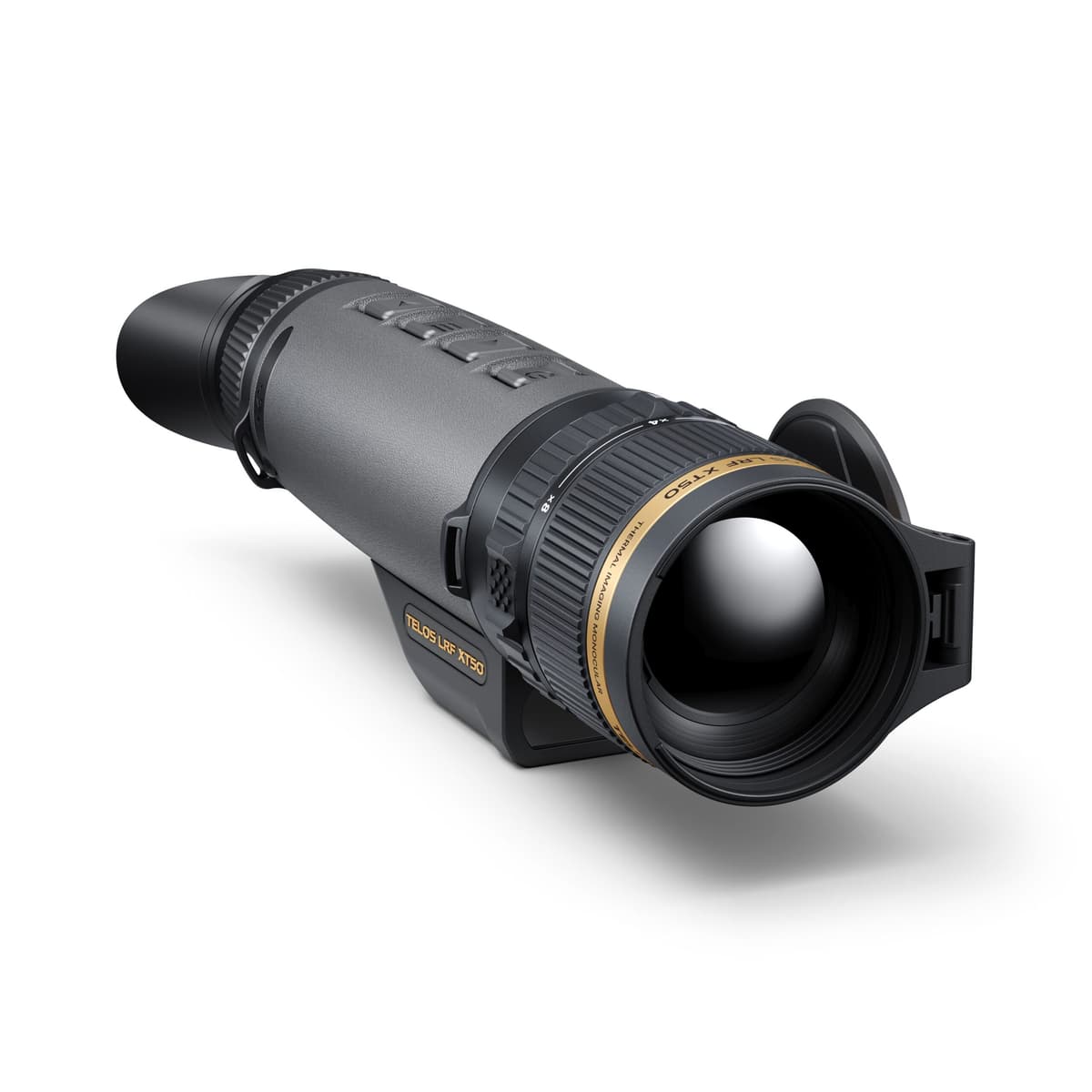
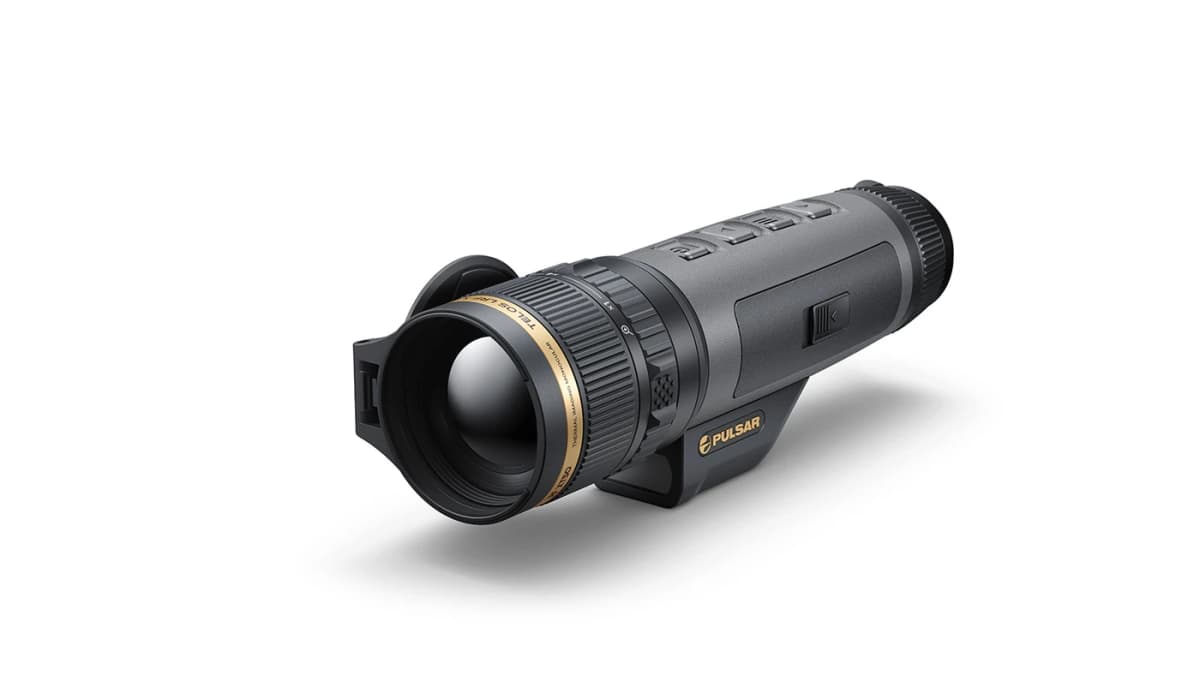
Pulsar TELOS LRF XT50
Best premium HD scanner
- +1280x1024 sensor across a 17.5-degree horizontal view
- +Built-in 905nm laser rangefinder rated to 1200m
- +Replaceable LPS 7i battery rated for up to 8 hours
- −Premium price sits above many 640-class handheld scanners
- −25.75-ounce body is heavier than compact handheld scanners
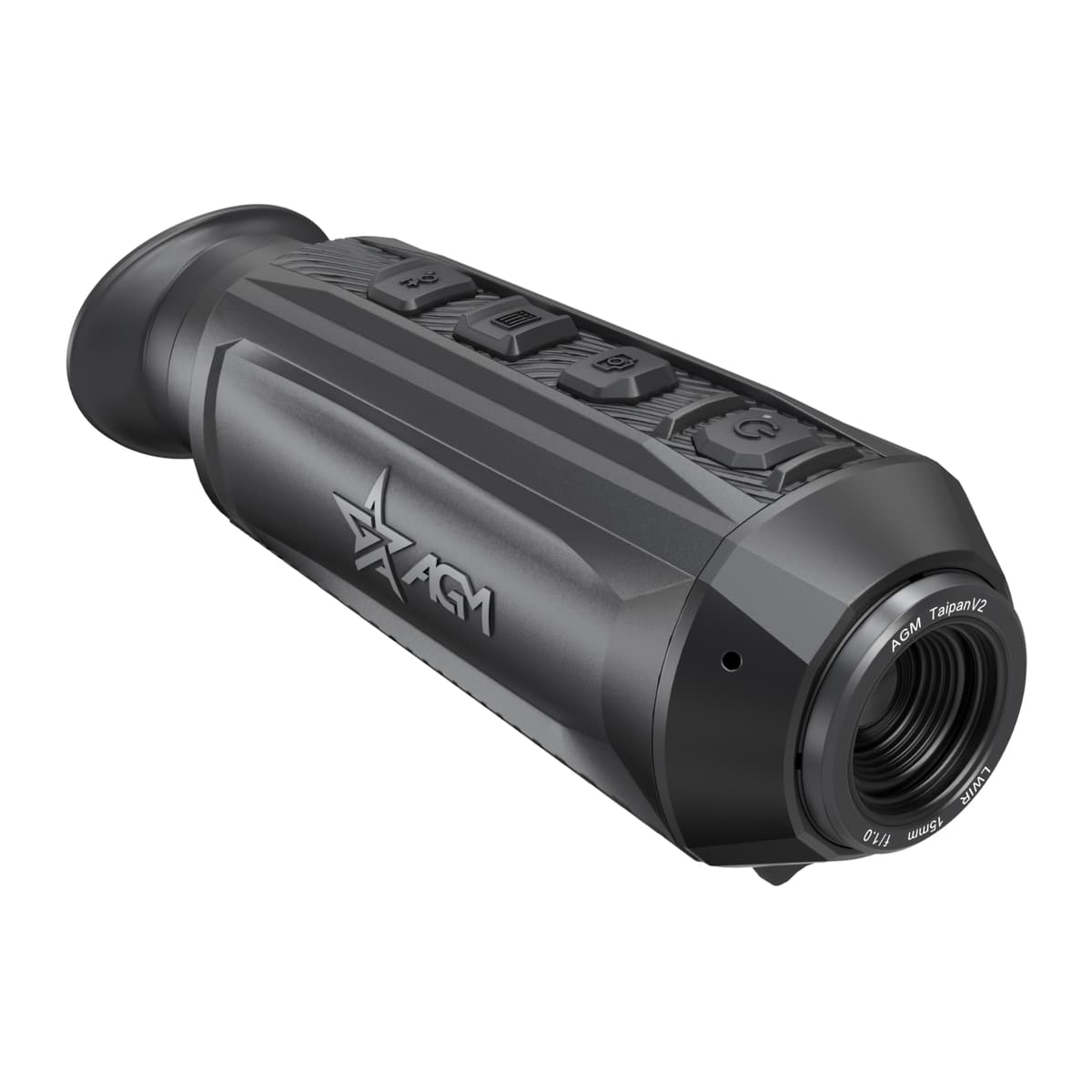
AGM Taipan V2 15-384
Best budget scanner
- +17.5-degree horizontal field of view
- +Replaceable 18650 batteries
- +IP67 sealing and onboard recording
- −384x288 sensor offers less native detail than 640-class models
- −Fixed-focus 15mm lens favors broad viewing over magnification
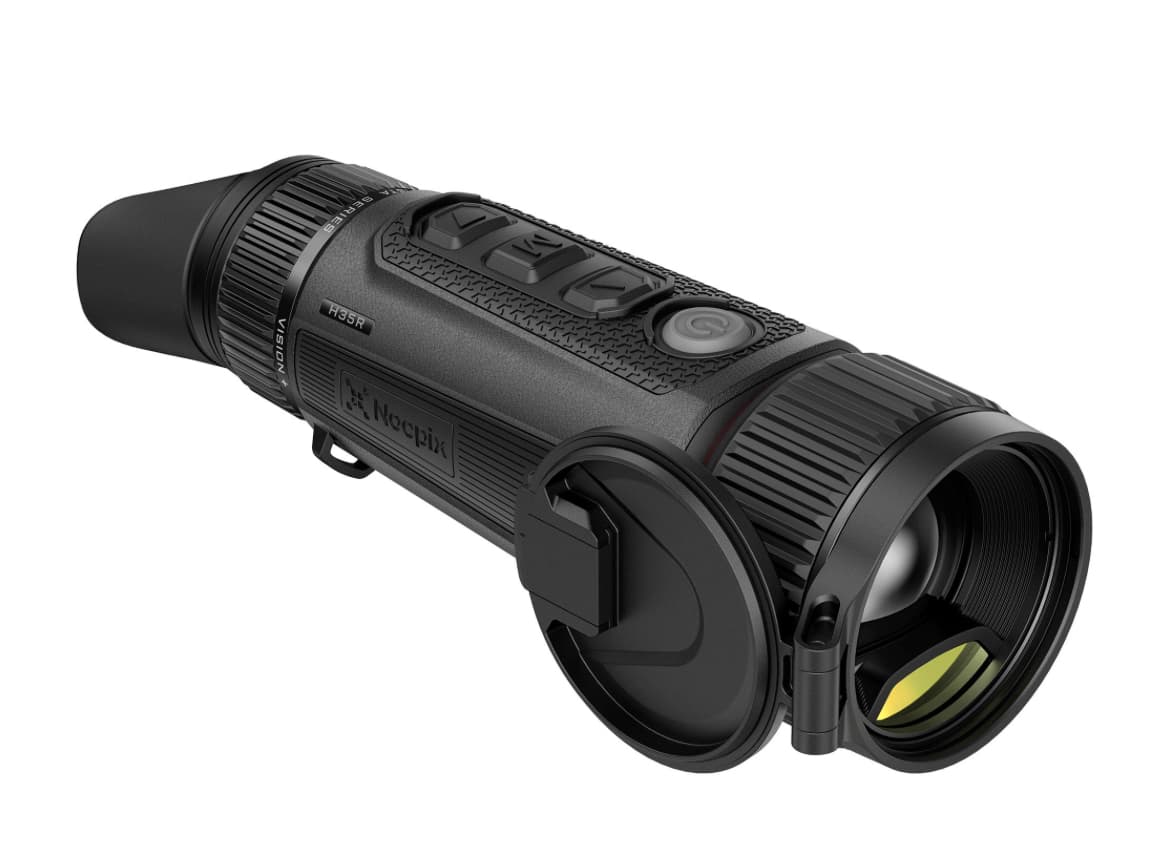
Nocpix VISTA H35R
Best with a laser rangefinder
- +Integrated laser distance measurement
- +High-resolution round AMOLED display
- +60 Hz refresh rate
- −IBP-7 battery format requires a compatible spare pack
- −3x base magnification gives a tighter close-range view than 1.5x or 2x scanners
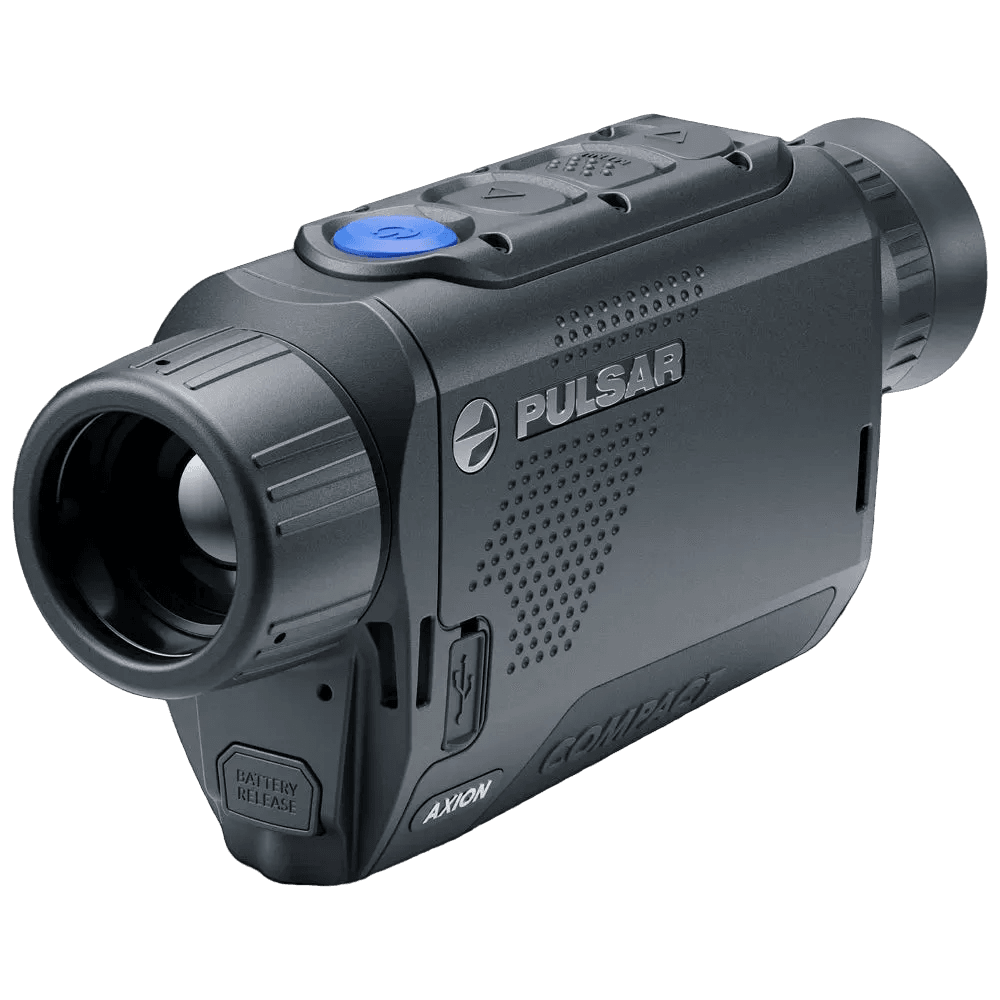
Pulsar Axion XG30 Compact
Best compact 640 scanner
- +10.9-ounce weight includes the battery
- +Removable pack supports battery changes
- +64GB recording storage
- −APS 3 battery format requires a compatible spare pack
- −640x400 display has fewer pixels than 1024x768 alternatives
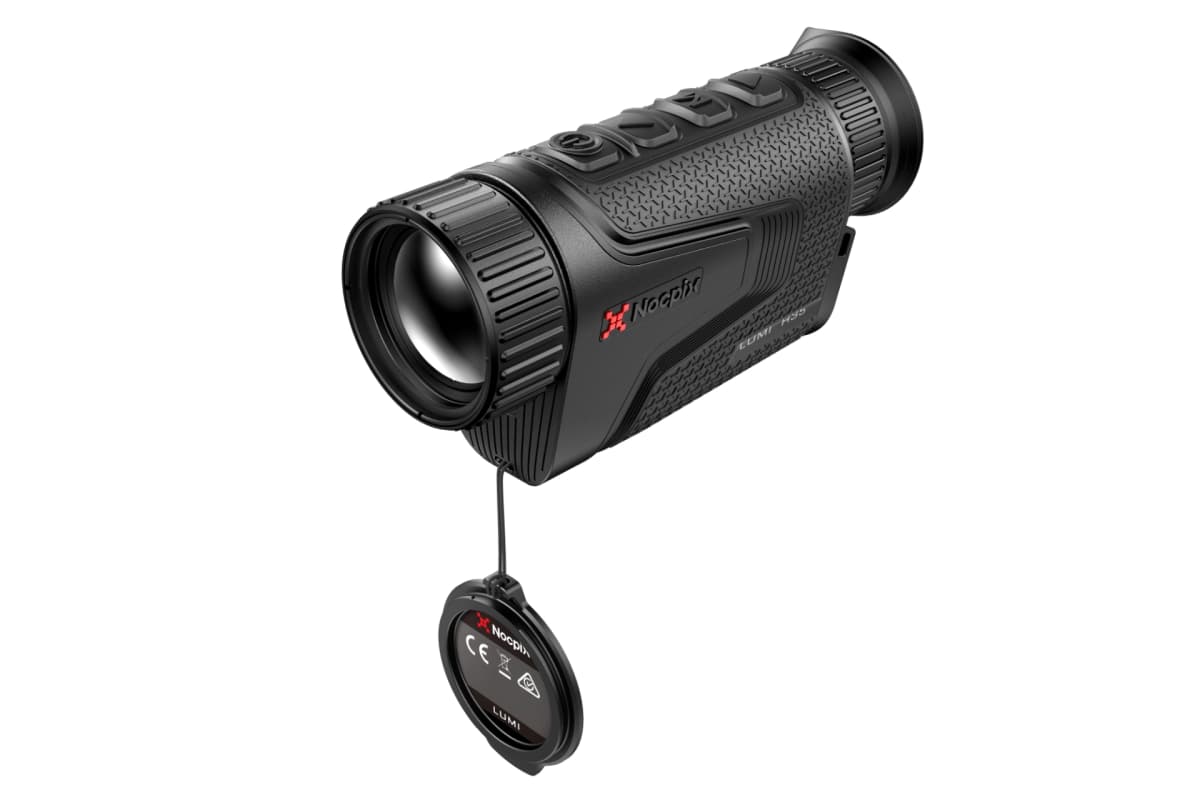
Nocpix LUMI H35
Best 640 with 18650 power
- +640x512 sensor in a 345g handheld
- +35mm F/0.9 lens
- +Replaceable 18650 power with an included spare
- −Standard H35 lacks laser distance measurement
- −12.5-degree view is narrower than low-magnification wide-view scanners
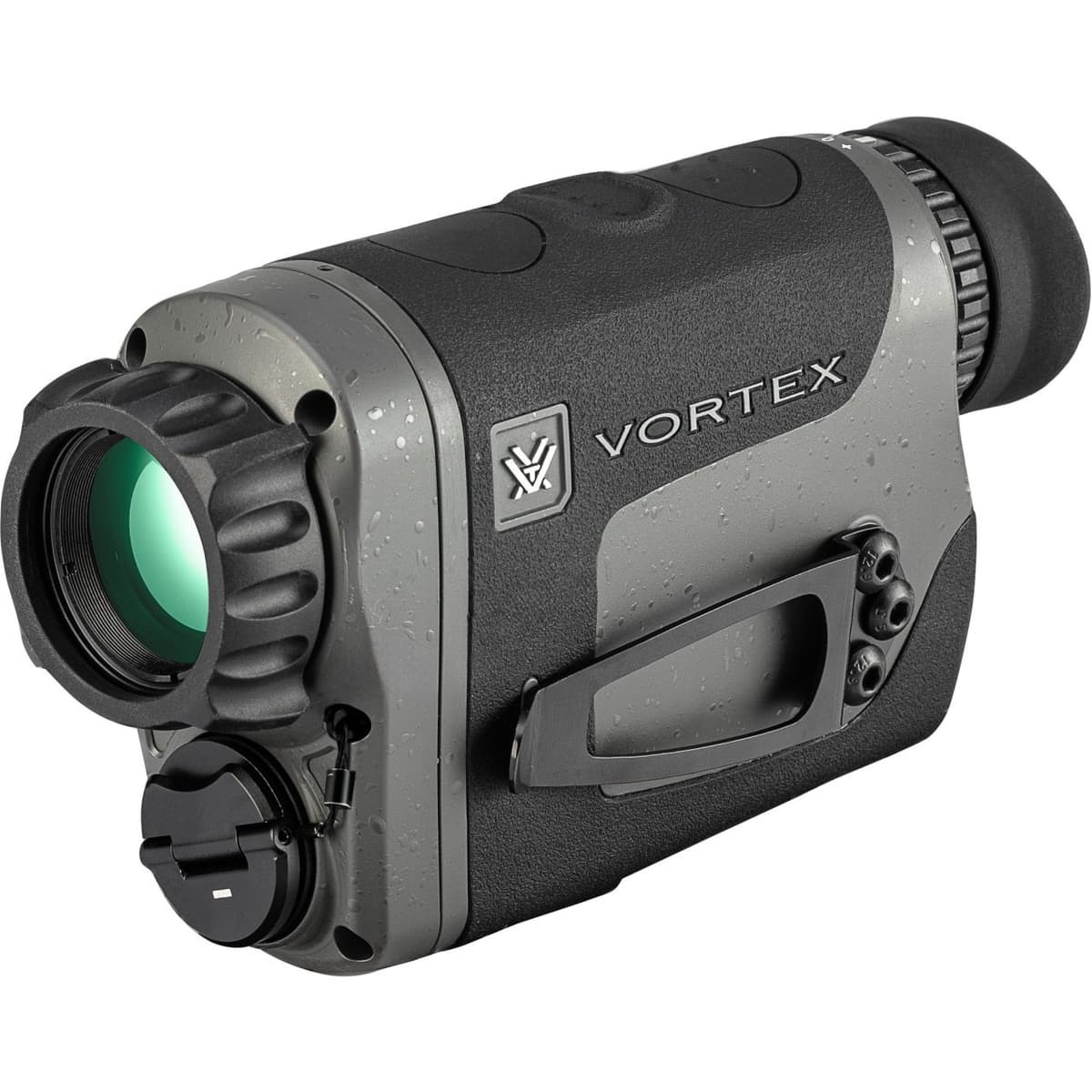
Vortex Veil 400
Best for simple controls and warranty
- +Lifetime VIP warranty includes electronics
- +Replaceable batteries and USB-C charging
- +Four palettes and three viewing modes
- −Photo and video transfer requires a cable
- −400x300 sensor has fewer pixels than 640-class alternatives
Affiliate links - purchases support this site at no extra cost to you. (?)
Best thermal monocular for hunting nearby property
The ATN BlazeTrek 6 619 is the strongest fit for broad observation near tree lines and around property. At its 1.5x base magnification, the 22.8° horizontal field of view shows more of the scene than the Taipan V2 15-384 at 17.5° or the Veil 400 at 11°. A wider view means fewer separate looks to cover the same area and more context around an animal.
Native resolution is the number of pixels the sensor captures before digital enlargement. The ATN starts with 640x512 pixels; the AGM starts with 384x288. That distinction matters when you enlarge a small part of the scene. Digital zoom makes the existing image bigger, so it cannot stand in for the detail captured by a higher-resolution sensor.
The AGM remains the budget choice when broad, nearby observation is the main job. Its fixed-focus 15mm lens and replaceable cells keep the buying decision simple. Move to the ATN when you want the wider view and more native pixels together. Its internal battery is the cost of that choice for long outings: USB-C power replaces the quick cell swap.
More detail for open ground, or less weight to carry?
The Nocpix LUMI H35 is the balanced pick for a closer view with 18650 power. It combines a 640x512 sensor, 35mm F/0.9 lens, and 2.5x base magnification in a 345g body. The VISTA H35R moves to 3x, adds laser ranging, and weighs 640g. Buy the VISTA when measuring distance is part of the observation task; the LUMI keeps the carrying load lower.
Both have a 12.5° horizontal field of view. That gives a useful check on magnification claims: the number printed beside the “x” does not tell you the whole viewing area. Read the field of view alongside it. For nearby subjects spread across a scene, the BlazeTrek 6 619 gives substantially more width.
The Pulsar Axion XG30 Compact takes the lighter route at 310g with its battery. Its 640x480 sensor and 14.6° horizontal view preserve a useful middle ground between broad coverage and a compact body. Its 640x400 display is less detailed than the LUMI H35’s 1024x768 display. Favor the Pulsar for carry weight and its seven-hour runtime rating; favor the LUMI for its display and 18650 battery format. Pulsar’s later TELOS LRF XT50 keeps the handheld form and steps into a 1280x1024 sensor with a built-in 1200 m rangefinder.
Follow new thermal optics
Get new scanner comparisons and optics guides.
Thermal sensitivity, refresh rate, and display detail
For scenes with small temperature differences, thermal sensitivity deserves attention alongside resolution. NETD describes the smallest temperature difference a system can distinguish from its own noise; a lower value can help separate faint temperature differences. It is measured in millikelvins, written mK. More sensor pixels describe where heat changes, while sensitivity affects how small a change can be distinguished.
The VISTA H35R has a ≤15mK rating. The LUMI H35 and BlazeTrek 6 619 have ≤18mK ratings. The Taipan V2 manual specifies ≤20mK at 25°C with an F/1.0 lens. Different test conditions make these figures poor stand-alone rankings of image quality. Pulsar separates its Axion XG30 sensor rating of <40mK from its system rating of <25mK; keep those two measurements separate when comparing it with other scanners. The Pulsar TELOS LRF XT50 is likewise rated as a system figure, below 20mK.
Refresh rate answers another question: how often the image updates. Six picks run at 50 Hz; the VISTA H35R runs at 60 Hz. Its higher refresh rate provides more updates during movement, while its round 2560x2560 AMOLED display gives the image a high-resolution viewing surface. Display pixels show the image to your eye; they do not turn the underlying 640x512 sensor into a higher-resolution detector.
Battery systems for longer observation sessions
The Pulsar Axion XG30 Compact is the first pick for a light scanner with a longer single-pack rating: seven hours at 22°C. The Taipan V2 15-384 offers up to 6.5 hours at 25°C with Wi-Fi off and accepts replaceable 18650 batteries. Both let you extend a session with a charged spare, but the Pulsar requires the APS 3 pack.
The LUMI H35 is rated for a maximum 4.5 hours at 22°C with Wi-Fi off; the VISTA H35R reaches a maximum 5.5 hours at 22°C. The Veil 400 is rated for 4.5 hours per battery. These are planning figures, not a promise of the same runtime in every temperature or with recording enabled. A spare 18650 serves the LUMI, AGM, or Vortex battery format; the VISTA needs an IBP-7 pack. Follow each unit’s battery requirements when choosing spares.
The BlazeTrek 6 619 has an approximately 6.5-hour rating, with an internal rechargeable battery and USB-C external power. It suits regular shorter checks with charging between outings. For a long session away from charging, decide whether carrying external power is easier than swapping the removable battery in another scanner from the night-vision catalog.
Recording and laser ranging: useful extras, different jobs
The VISTA H35R is the pick for laser distance measurement. The Pulsar TELOS LRF XT50 ranges farther, to 1200m, and adds Stream Vision Ballistics corrections on the same screen. A laser rangefinder measures distance; it does not add thermal image detail or identify an animal. The BlazeTrek 6 619 and Axion XG30 Compact use size-based range estimation instead of laser measurement. The standard LUMI H35 is also a non-LRF model.
For recording, the VISTA and Axion each provide 64GB of storage. The BlazeTrek and LUMI provide 32GB; the Taipan provides 16GB. The VISTA, LUMI, and Taipan record audio with video. Those differences matter when you want to keep a record of property visits or wildlife activity, but they come after the view and battery decision.
The Vortex Veil 400 is the alternative for straightforward controls and warranty coverage. Its lifetime VIP warranty includes electronics, while its photo and video transfers use a cable to a Windows PC or Android device. Buy it for that ownership package; the 400x300 sensor and 11° view give up pixels and scene width to the BlazeTrek 6 619.
Detection range is not identification range
A detection rating tells you when a heat signal may become visible, not when you can tell what animal it is. Vortex defines the Veil 400’s 1,100-yard detection claim using a half-meter object matched to one pixel. One pixel cannot show the shape and detail needed for identification.
The AGM Taipan V2 manual gives 750m for a six-foot object, while the Pulsar Axion XG30 rating uses a deer-sized object at 1,300m. Those target definitions differ, so the larger distance does not establish a matching gain in identification distance. Judge a scanner by the native detail and view needed for the area you observe. Treat a distant heat signal as something to examine, not a confirmed animal identity.
Use a handheld scanner for looking around while keeping the firearm pointed in a safe direction. A detected heat signal still needs enough visual detail to establish animal identity. Seeing it through a handheld does not make an ordinary daytime optic usable for aiming in darkness. Dedicated aiming optics belong to our thermal scope guide and clip-on thermal guide. For the broader choice between thermal and night vision, read the entry-level thermal and night vision guide.
Compare handheld thermal scanner specifications
Sort View by horizontal field of view to prioritize scene coverage, or Carry by weight. View also lists sensor resolution, refresh rate, and base magnification. Runtime figures retain their test conditions. IP67 and IPX7 are listed separately; the Veil 400 has a waterproof claim without a published IP code.
- ATN BlazeTrek 6 619View640x512; 50 Hz; 1.5x; 22.8°PowerInternal rechargeable; USB-C power; Approx. 6.5h; recording/Wi-Fi affect runtimeCarry320g with battery; IP67
- Pulsar TELOS LRF XT50View1280x1024; 50 Hz; 2x; 17.5°PowerReplaceable LPS 7i; USB-C charging; Up to 8hCarry730g with battery; IPX7
- AGM Taipan V2 15-384View384x288; 50 Hz; 1.5x; 17.5°PowerReplaceable 18650; Up to 6.5h at 25°C, Wi-Fi offCarry0.66lb; IP67
- Pulsar Axion XG30 CompactView640x480; 50 Hz; 2x; 14.6°PowerRemovable APS 3 pack; USB-C power; 7h at 22°CCarry310g with battery; IPX7
- Nocpix VISTA H35RView640x512; 60 Hz; 3x; 12.5°PowerReplaceable IBP-7 pack; USB-C charging; Max. 5.5h at 22°CCarry640g with battery; IP67
- Nocpix LUMI H35View640x512; 50 Hz; 2.5x; 12.5°PowerReplaceable 18650; Max. 4.5h at 22°C, R+ on, Wi-Fi offCarry345g with battery; IP67
- Vortex Veil 400View400x300; 50 Hz; 2.3x; 11°PowerReplaceable 18650; USB-C charging; 4.5h per batteryCarry13.3oz; Waterproof; no IP code published
| Product | Power | Buy | ||
|---|---|---|---|---|
| ATN BlazeTrek 6 619 | 640x512; 50 Hz; 1.5x; 22.8° | Internal rechargeable; USB-C power; Approx. 6.5h; recording/Wi-Fi affect runtime | 320g with battery; IP67 | Buy |
| Pulsar TELOS LRF XT50 | 1280x1024; 50 Hz; 2x; 17.5° | Replaceable LPS 7i; USB-C charging; Up to 8h | 730g with battery; IPX7 | Buy |
| AGM Taipan V2 15-384 | 384x288; 50 Hz; 1.5x; 17.5° | Replaceable 18650; Up to 6.5h at 25°C, Wi-Fi off | 0.66lb; IP67 | Buy |
| Pulsar Axion XG30 Compact | 640x480; 50 Hz; 2x; 14.6° | Removable APS 3 pack; USB-C power; 7h at 22°C | 310g with battery; IPX7 | Buy |
| Nocpix VISTA H35R | 640x512; 60 Hz; 3x; 12.5° | Replaceable IBP-7 pack; USB-C charging; Max. 5.5h at 22°C | 640g with battery; IP67 | Buy |
| Nocpix LUMI H35 | 640x512; 50 Hz; 2.5x; 12.5° | Replaceable 18650; Max. 4.5h at 22°C, R+ on, Wi-Fi off | 345g with battery; IP67 | Buy |
| Vortex Veil 400 | 400x300; 50 Hz; 2.3x; 11° | Replaceable 18650; USB-C charging; 4.5h per battery | 13.3oz; Waterproof; no IP code published | Buy |
Affiliate links - purchases support this site at no extra cost to you. (?)
Frequently Asked Questions
▶What is the best thermal monocular for hunting?
▶What is the best thermal monocular in 2026?
▶Does thermal detection range mean identification range?
▶What matters more, sensor resolution or digital zoom?
▶Should a thermal monocular have replaceable batteries?
▶Which budget thermal monocular should I choose?
The Verdict
Favor the BlazeTrek 6 619 for nearby scene coverage; favor the Axion XG30 Compact for longer sessions with spare packs.
The ATN gives you the wider view, but its internal battery needs charging or external power. The Pulsar narrows that view in exchange for a lighter body, a seven-hour rating, and a removable battery. That tradeoff matters more than the largest digital zoom number.