Key Takeaways
- +S&W now sells upper receivers direct through smith-wesson.com, a first for the brand, starting at $795 for the suppressor-focused GVAC configurations.
- +All three 5.56 GVAC uppers include a bolt carrier group. That BCG inclusion drops the effective cost of a complete suppressed upper significantly versus buying components separately.
- +The GVAC gas block is pinned and low-profile, engineered to reduce gas blowback during suppressed fire at the source, rather than downstream with a separate adjustable carrier.
- +Three barrel lengths in 5.56: 11.5" ($795), 14.5" ($805), and 16" ($839). A .22 LR M&P 15-22 Pistol upper at $299 rounds out the lineup for suppressed rimfire training.
- +All three 5.56 barrels are 4150CMV steel, stress relieved, Armornite treated, 1:8 twist, 5R rifled, and threaded 1/2x28 behind a Gemtech ETM flash hider.
S&W Enters the Upper Receiver Market Direct
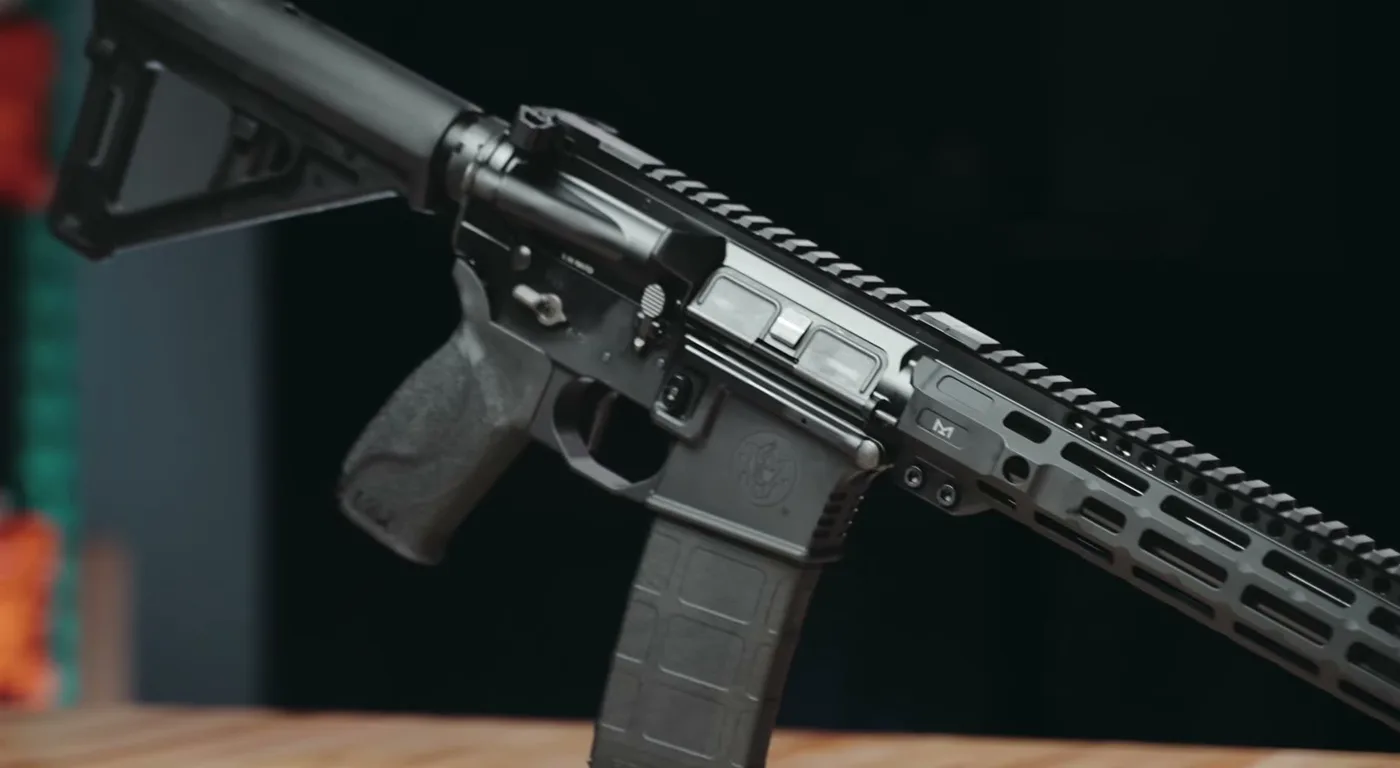
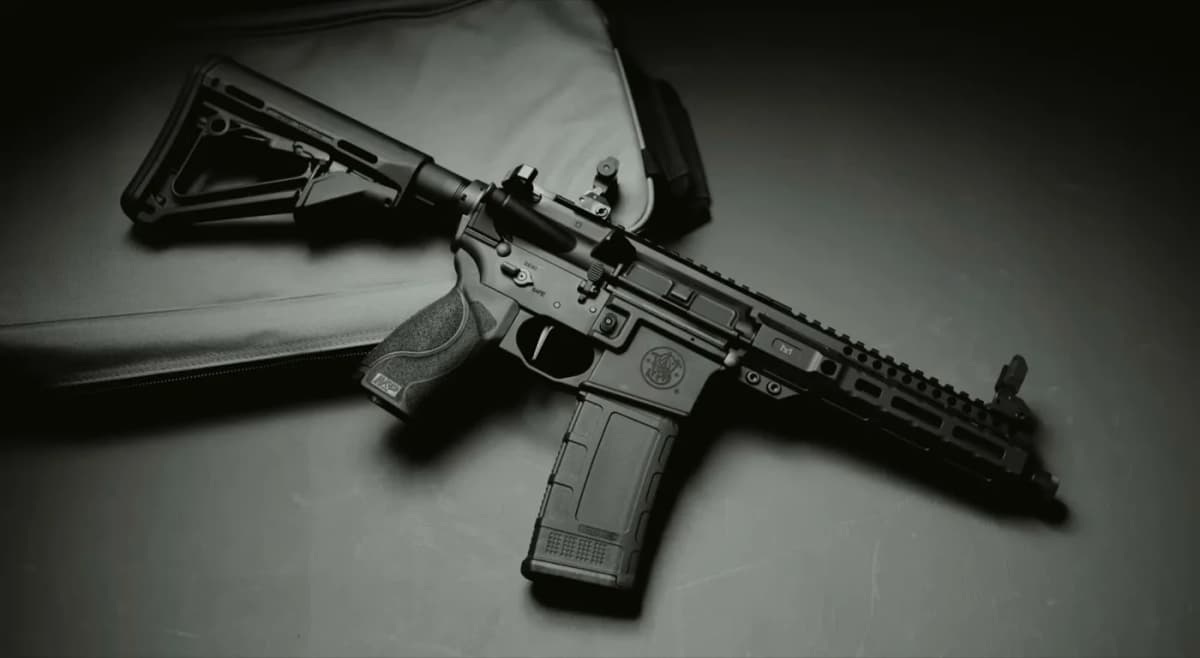
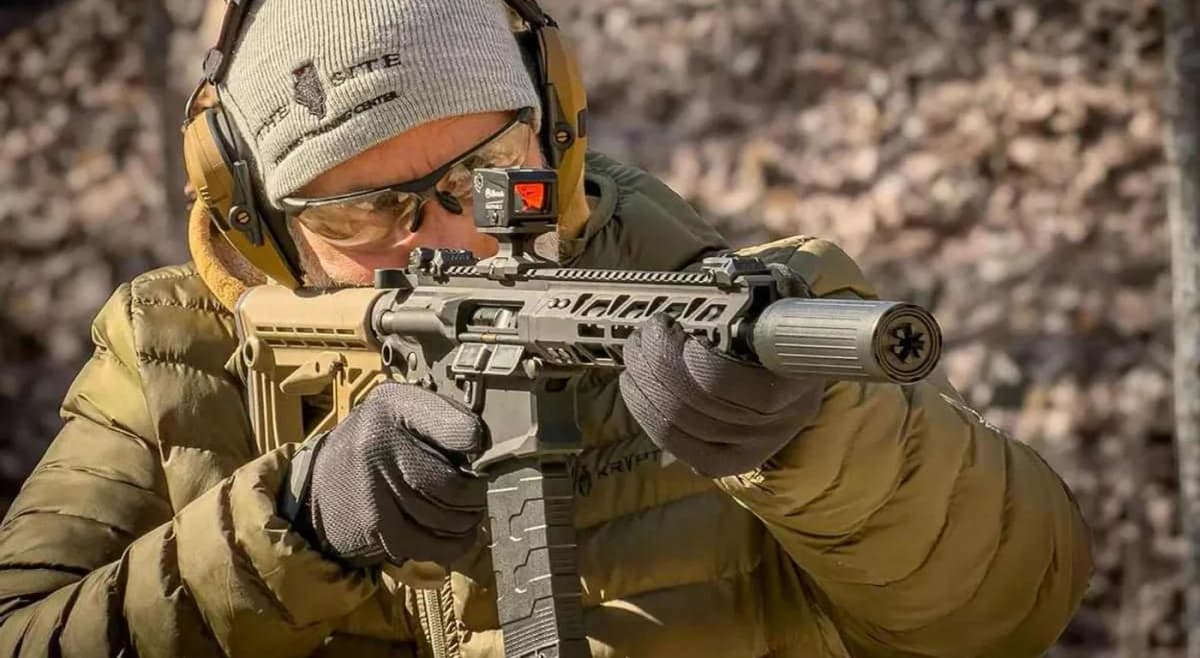
Smith & Wesson added upper receivers to its direct-to-consumer store on June 12, 2026, with four configurations ranging from a .22 LR training upper to three 5.56 builds engineered specifically for suppressed shooting. The announcement marks a meaningful shift: S&W, known primarily for complete M&P 15 rifles, is now actively targeting the modular AR market where builders buy uppers and lowers separately.
The timing connects directly to the post-OBBBA suppressor boom. With the federal NFA transfer tax now at $0 and ATF processing eForm 4 applications in roughly six to twelve days, demand for suppressor-compatible hardware has accelerated. S&W is positioning the GVAC lineup squarely in that market, offering factory-built, suppressor-ready uppers with the BCG already in the box.
Selling direct gives S&W a margin advantage and allows the brand to reach buyers who might skip a trip to the gun counter entirely. It also signals that S&W is treating the suppressed-AR segment as a growth channel worth dedicated product engineering, not just a feature checkbox on a spec sheet.
The GVAC Gas Block: What It Does and Why It Matters
Gas blowback into the shooter's face is the defining irritant of running a suppressor on a short AR. The suppressor creates backpressure that pushes gas rearward through the bolt carrier, charging handle, and buffer tube interface. On a carbine-length 11.5" build, the problem is compounded by the shorter dwell time and higher cyclic rate, both of which push more gas back toward the shooter.
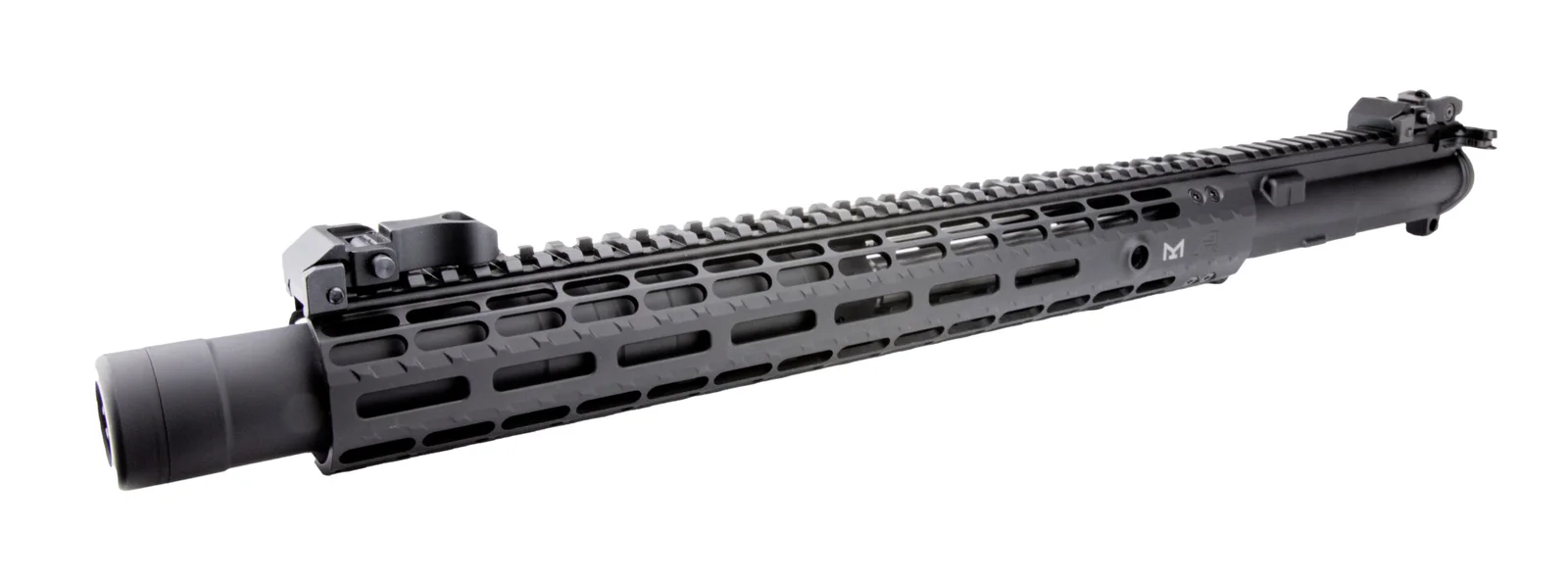
The GVAC gas block attacks this at the source. S&W pins the gas block low-profile and engineers it to manage excess gas before it reaches the carrier. The result: less combustion gas cycling back through the bolt, less pressure at the shooter's face and eyes, and a cleaner experience on sustained suppressed fire. This is a hardware solution, which means it works regardless of what bolt carrier group or buffer you are running.
Competing approaches rely on adjustable BCGs, adjustable buffers, or aftermarket adjustable gas blocks. Each adds cost and complexity. S&W's factory GVAC approach delivers suppressor optimization out of the box, with a pinned gas block that does not shift zero or require re-tuning when you swap between suppressed and unsuppressed fire. For a rundown of how gas blocks in general affect suppressed performance, our AR-15 gas block guide covers the tradeoffs in detail. S&W now builds the same system into a factory .300 Blackout host, the 8-inch M&P15 AXE SBR.
Full Lineup: Specs and Pricing
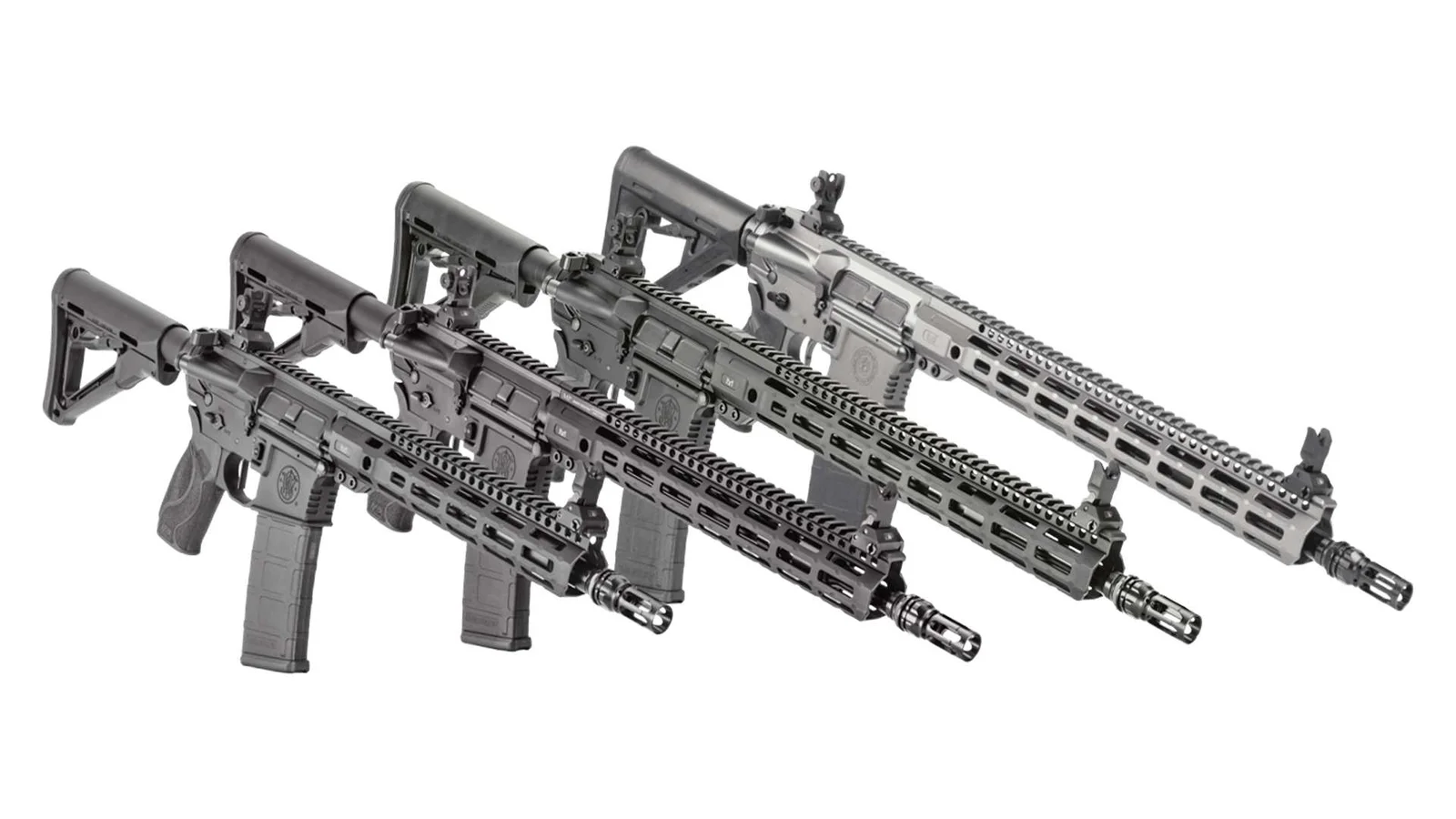
S&W lists four upper receivers in the launch lineup. All four ship with threaded barrels and M-LOK handguards; the three 5.56 models include a bolt carrier group.
| Model | Caliber | Barrel | Weight | MSRP | BCG |
|---|---|---|---|---|---|
| M&P 5.56 11.5" GVAC | 5.56mm | 11.5", threaded | 57.6 oz | $795 | Included |
| M&P 5.56 14.5" GVAC | 5.56mm | 14.5", threaded | 64 oz | $805 | Included |
| M&P 5.56 16" GVAC | 5.56mm | 16.1", threaded | 67.2 oz | $839 | Included |
| M&P 15-22 Pistol 8" | .22 LR | 8", threaded | 40 oz | $299 | Not included |
All three 5.56 barrels share the same recipe: 4150CMV steel, stress relieved, Armornite treated, 1:8 twist, 5R rifled, GVAC profile, nickel boron coated barrel extension, and 1/2x28 muzzle threads under a Gemtech ETM flash hider. All of them include an M-LOK handguard and full-length Picatinny top rail.
The .22 LR upper pairs with any M&P 15-22 pistol lower, offering a compact, suppressor-ready rimfire platform at $299. It uses a polymer upper receiver, a carbon-steel threaded barrel, and the same M-LOK handguard pattern as the centerfire configs. This is the cheapest suppressed-AR trainer in the lineup and pairs well with any .22 LR suppressor.
Building a Suppressed AR Around the GVAC Upper
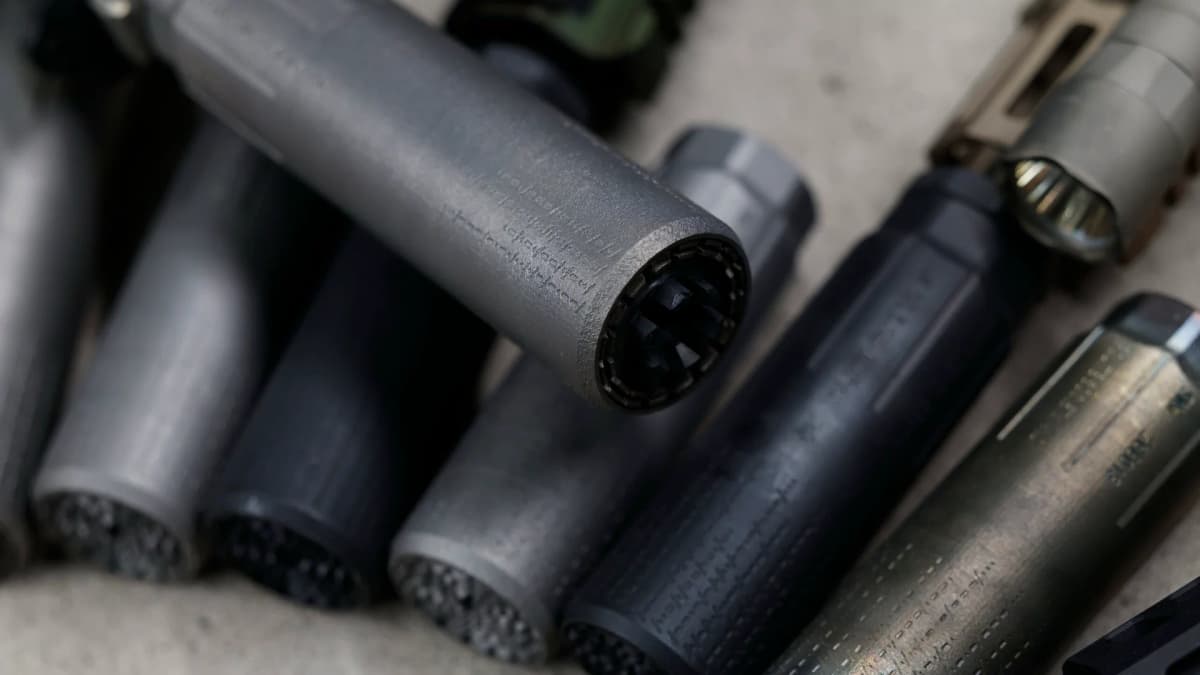
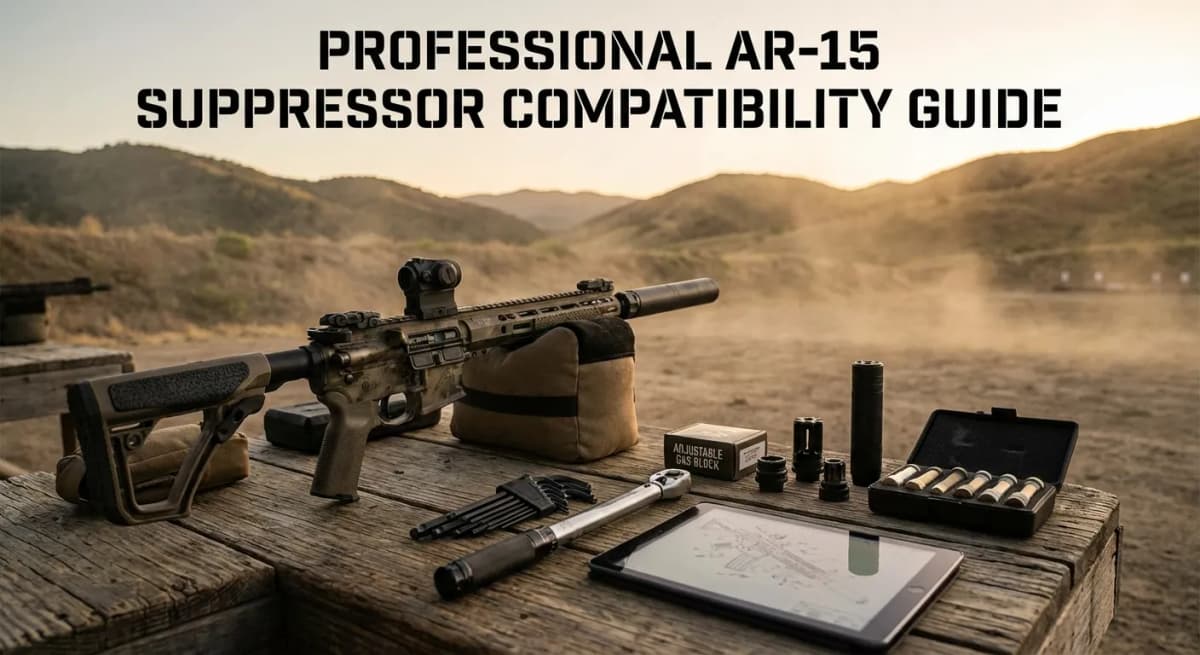
Pairing a suppressor with the GVAC upper is straightforward. All 5.56 barrels are threaded 1/2x28, the industry standard for 5.56/.223 hosts. Any direct-thread or quick-detach 5.56 suppressor rated for carbine-length use will work. The GVAC block manages the overgassing; you do not need a separate low-pressure BCG or supplemental buffer system to run clean.
For 5.56 suppressor selection, see our best 5.56 suppressors guide for current picks across price tiers. If you are new to the NFA process, our how to buy a suppressor guide walks through the Form 4 process step by step. The NFA transfer tax is $0 under the One Big Beautiful Bill Act, and ATF eForm 4 processing runs around six to twelve days as of mid-2026.
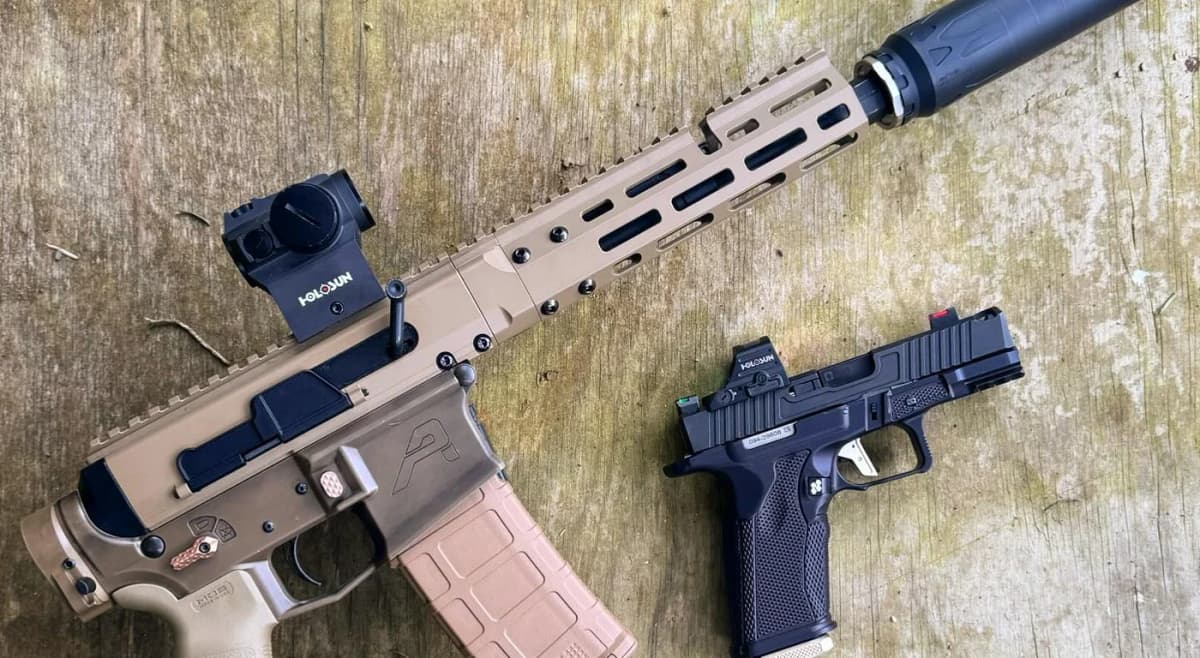
The 11.5" pistol-format upper is the strongest value in the lineup for home-defense suppressed builds. At $795 with BCG included, it undercuts most aftermarket complete suppressed uppers by a meaningful margin. Drop it on a quality mil-spec lower, add a suppressor on a Form 4, and you have a capable suppressed home-defense platform for well under what the same components cost separately. Use our AR builder to spec out the full suppressed build, including muzzle device, buffer, and optic selections.
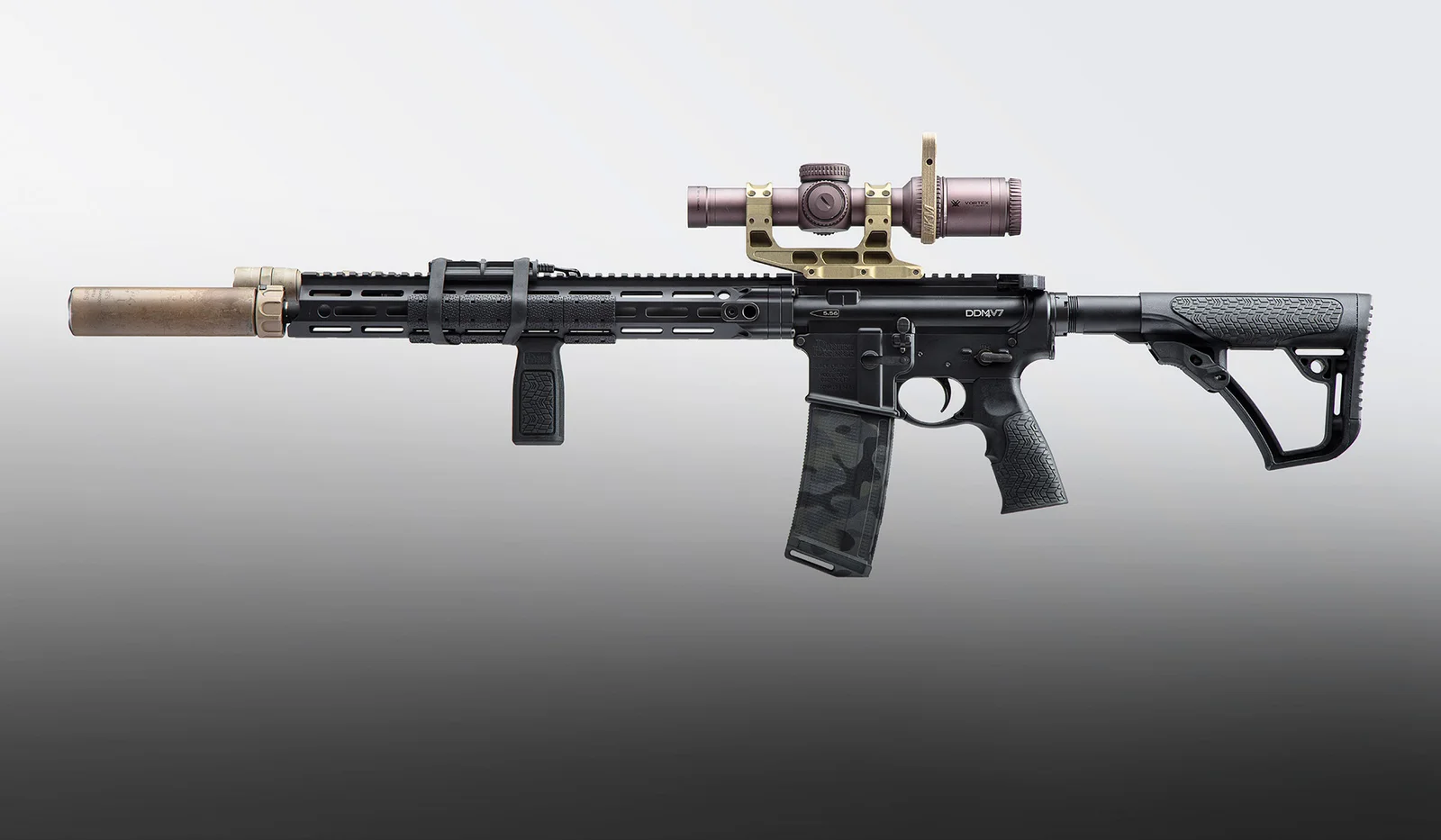
Suppressor-Ready AR Accessories
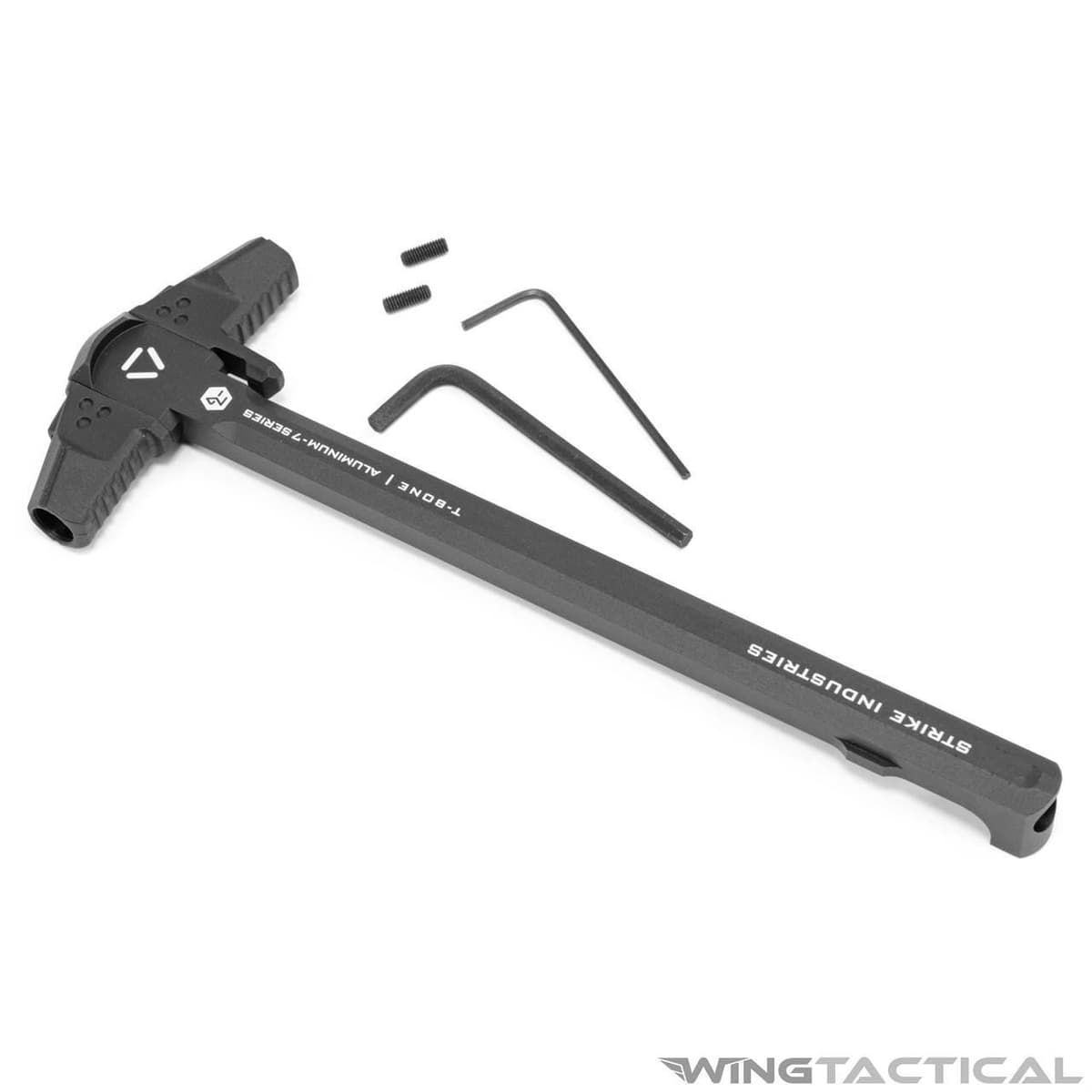
Strike Industries T-Bone Charging Handle (.223/5.56)
- Configurable gas venting
- Latchless T-Bone design
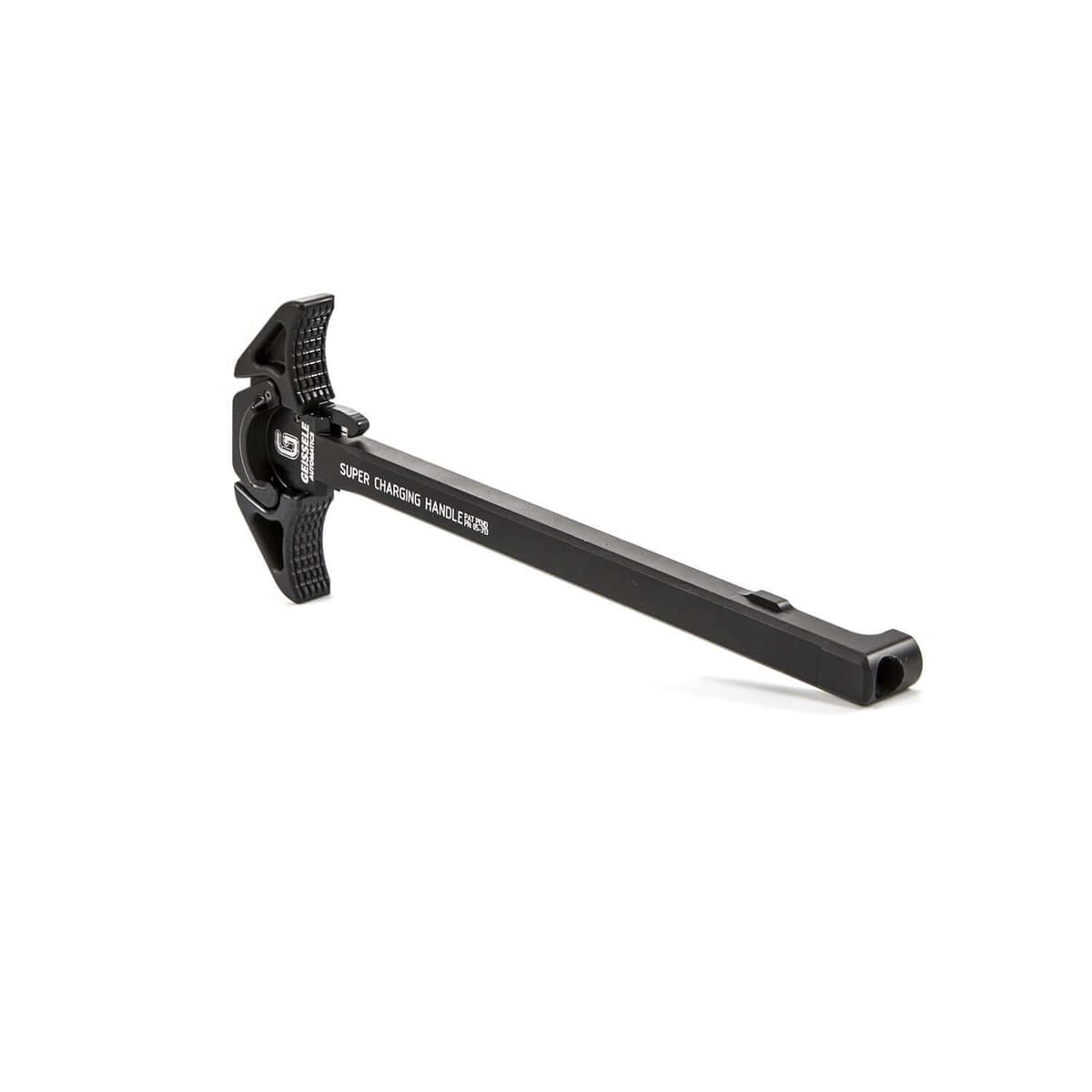
Geissele Super Charging Handle (SCH)
- Ambidextrous
- Raised rear gas-blocking lip
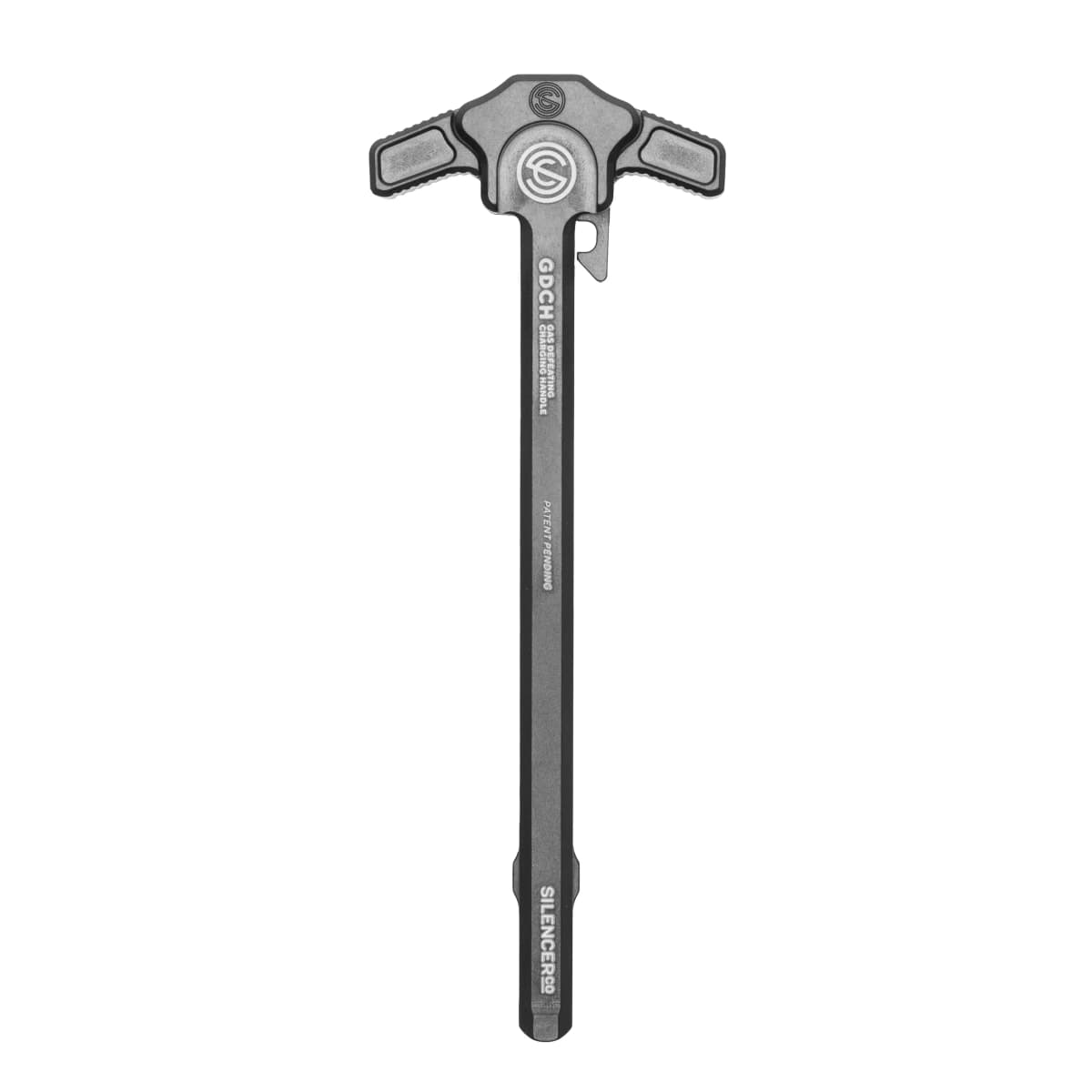
SilencerCo Gas Defeating Charging Handle
- Captive O-ring gas seal
- Ambidextrous
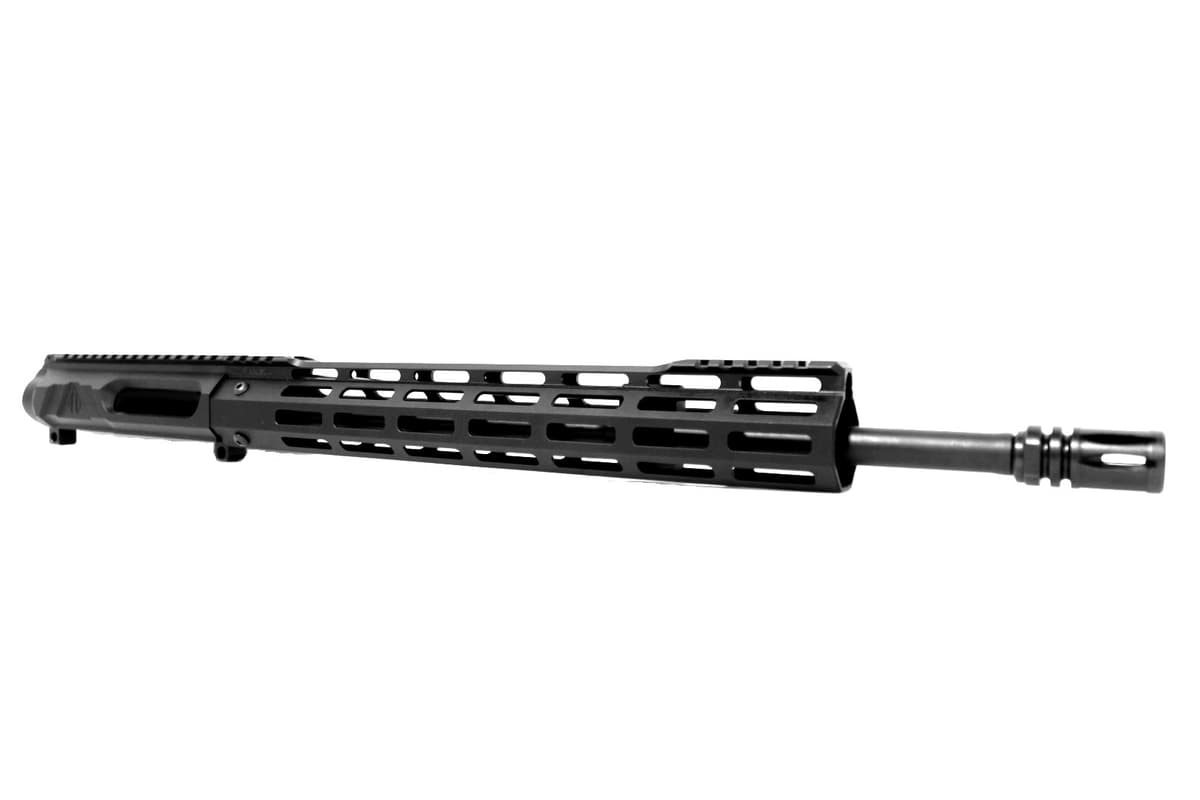
Pro2A Tactical 16" 5.56 NATO Non-Reciprocating Side Charging Complete Upper
- 16" 5.56 NATO barrel, Melonite finish
- Gibbz Arms G4 billet upper receiver
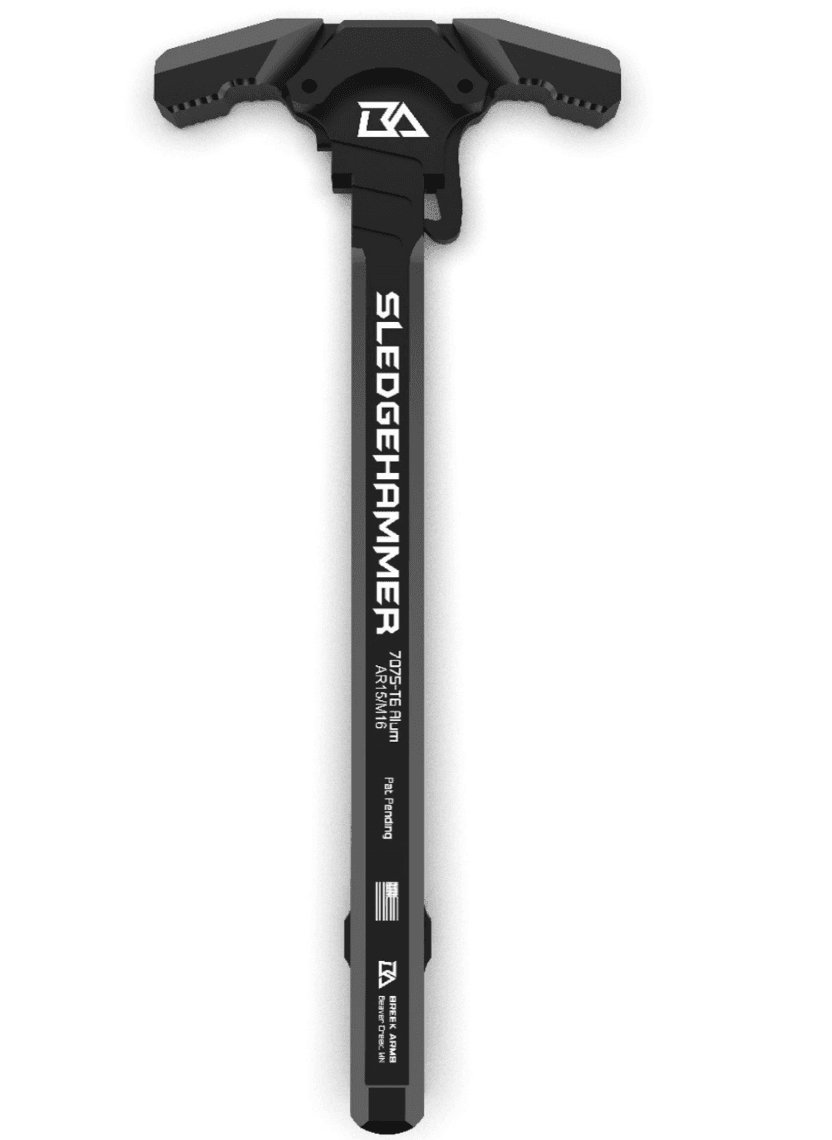
Breek Arms Sledgehammer AR-15 Charging Handle (Mod2)
- Hybrid gas-blocking design
- 7075-T6 aluminum
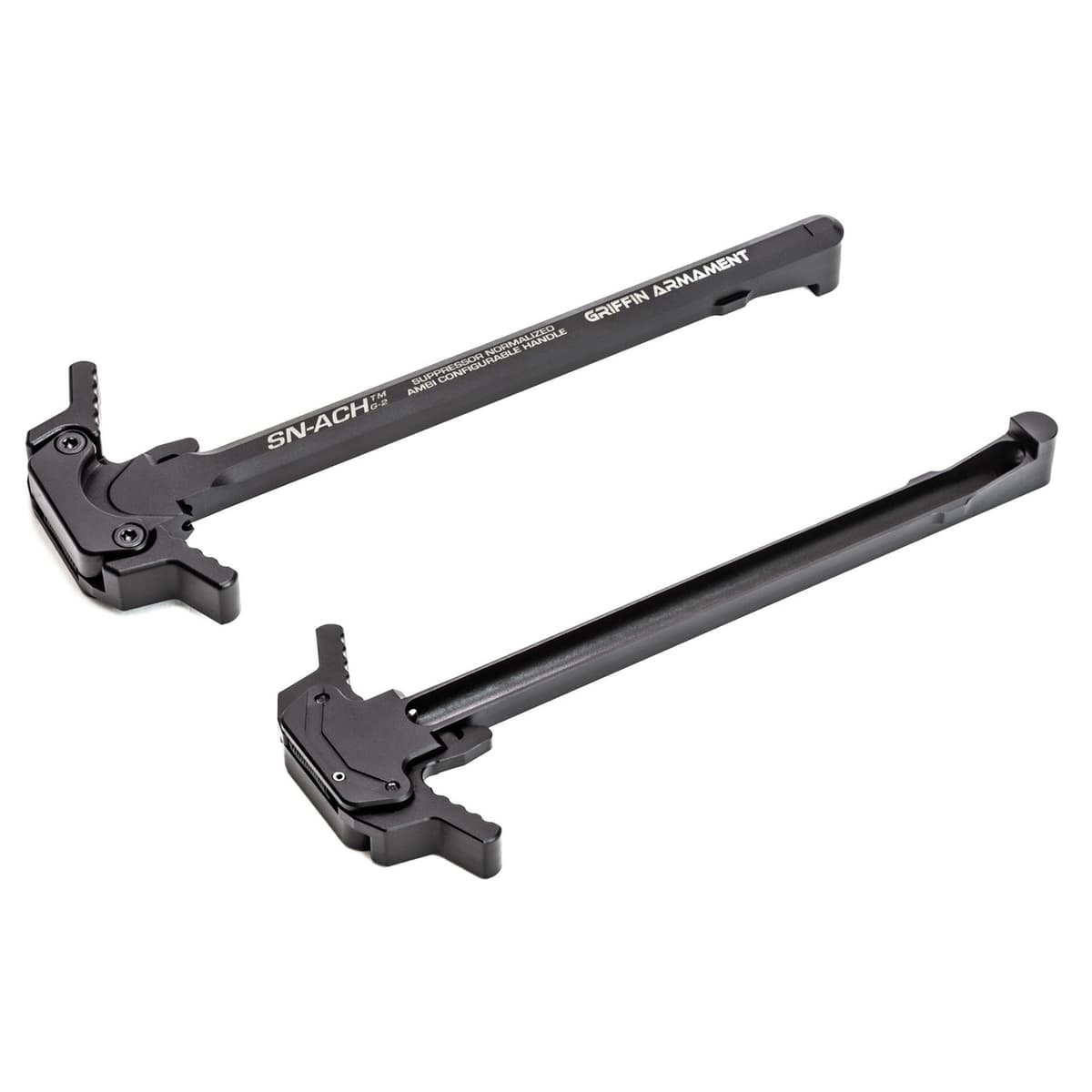
Griffin Armament SN-ACH 15 Gen 2 Charging Handle
- Ambidextrous, configurable latch
- 60-degree forward gas vent
Affiliate links (?)
Stay Updated on Suppressor-Ready Builds
Get hands-on reviews, new product coverage, and suppressor pairing guides delivered to your inbox. We cover every major launch from S&W, BCM, Daniel Defense, and the rest of the AR ecosystem.
What This Means for the AR Market
S&W entering the direct upper receiver market with a suppressor-optimized gas system is a bet on the sustained growth of suppressed shooting. The numbers support it: the American Suppressor Association reports that ATF processed over 607,000 Form 4 applications in the first four months of 2026 alone, roughly triple the historical monthly volume, driven by the elimination of the NFA transfer tax.
At $795 for an 11.5" GVAC upper with BCG, S&W is pricing aggressively against the aftermarket. BCM, Aero Precision, and DD all sell suppressor-ready uppers in this tier, but few include a BCG at this price point. The direct sale channel cuts out dealer margin and lets S&W compete on price in a segment where most buyers shop online anyway.
For builders evaluating the lineup: the 11.5" hits the best intersection of value and versatility. The 16" is the right call for buyers who want complete rifle performance and the softest suppressed impulse, especially for range use. The .22 LR upper at $299 is the clear pick for anyone building a dedicated suppressed trainer on an existing M&P 15-22 pistol lower. See our best AR-15 rifles guide for the platform context on how S&W M&P 15 uppers fit into the broader AR ecosystem.