Key Takeaways
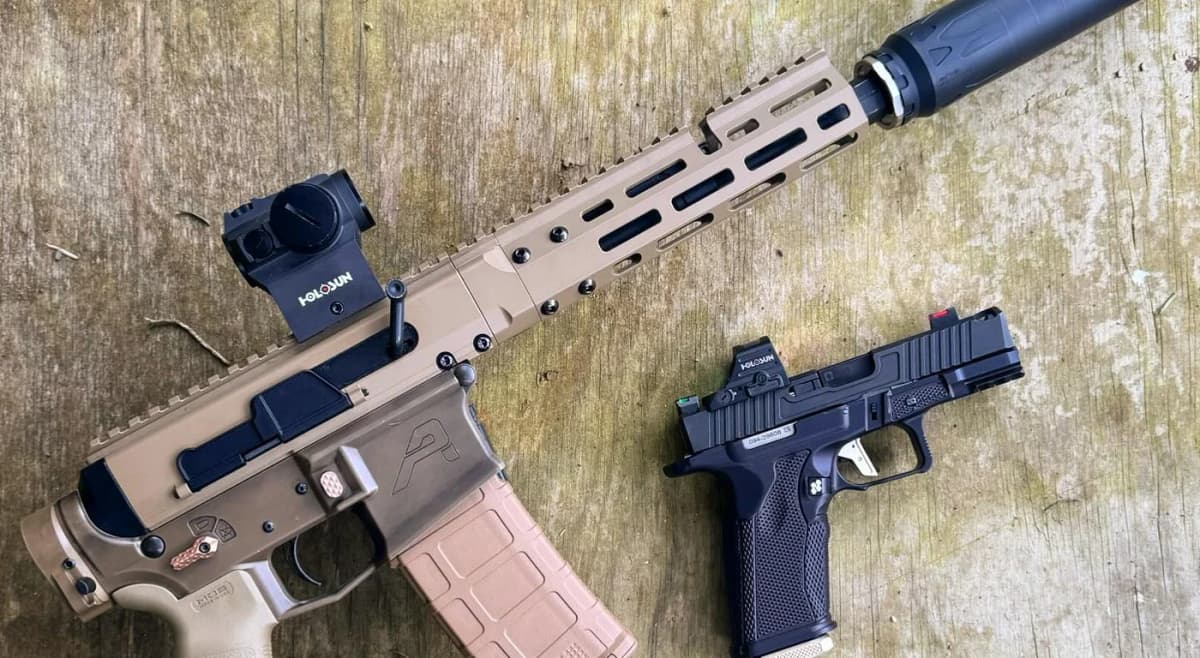
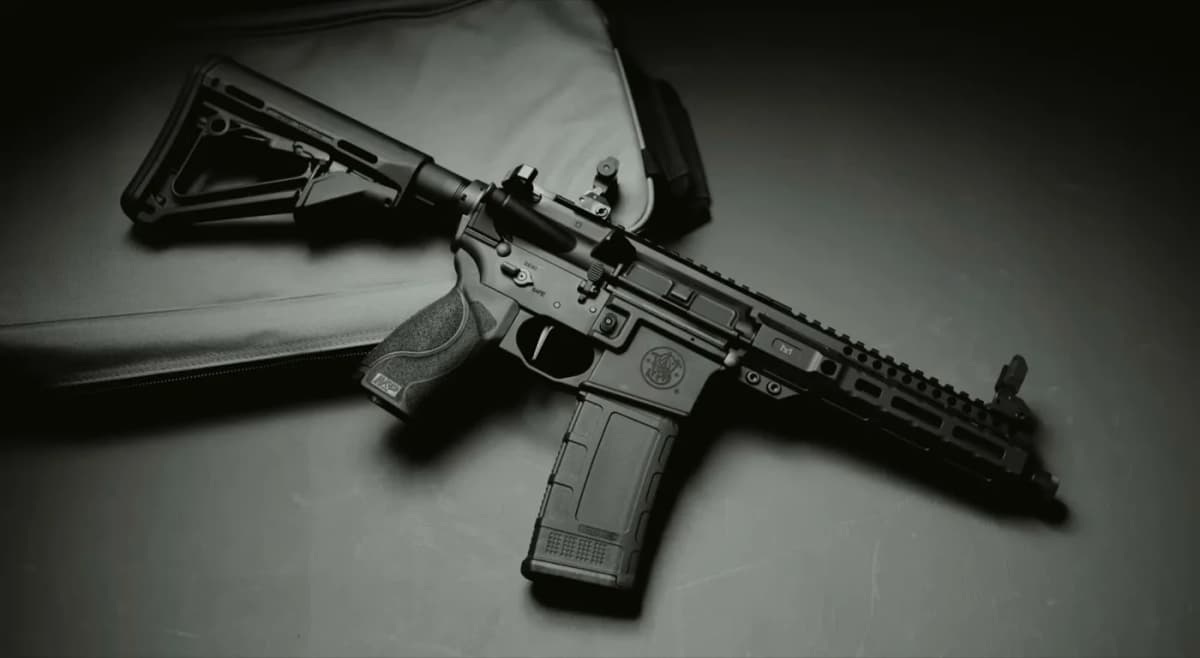
- →First AXE in .300 Blackout: Smith & Wesson built two 8-inch .300 BLK models on the M&P15 AXE platform, an SBR (SKU 13888) and a braced pistol (SKU 14604), both aimed at suppressed shooting.
- →GVAC gas system: Gemtech's expansion-chamber gas block stores excess gas and vents it forward out the muzzle instead of back through the charging handle, with no adjustable gas block to tune.
- →8-inch 1:7.5 5R barrel: 4150CMV, stress-relieved, Armornite-finished, threaded 5/8x24 with a thread protector. The fast twist stabilizes heavy 220gr subsonic bullets.
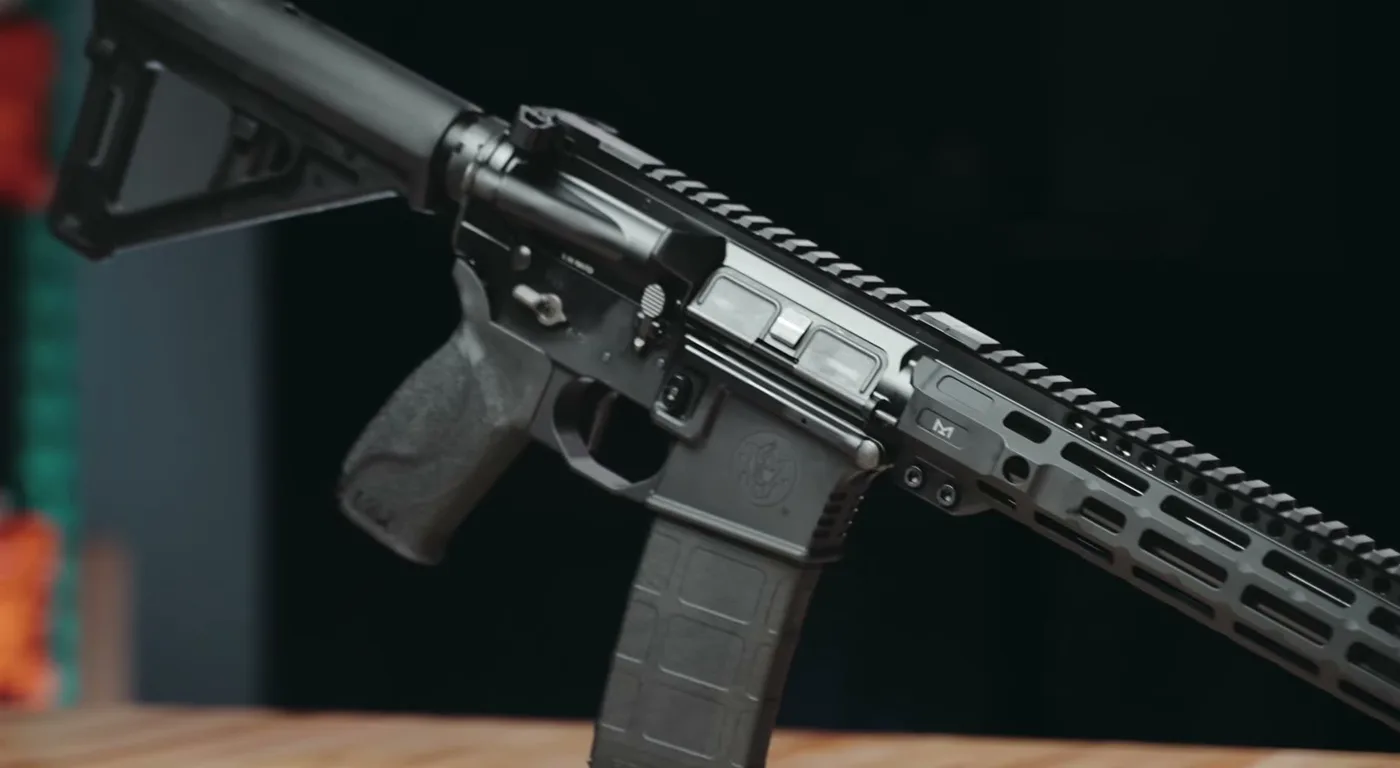
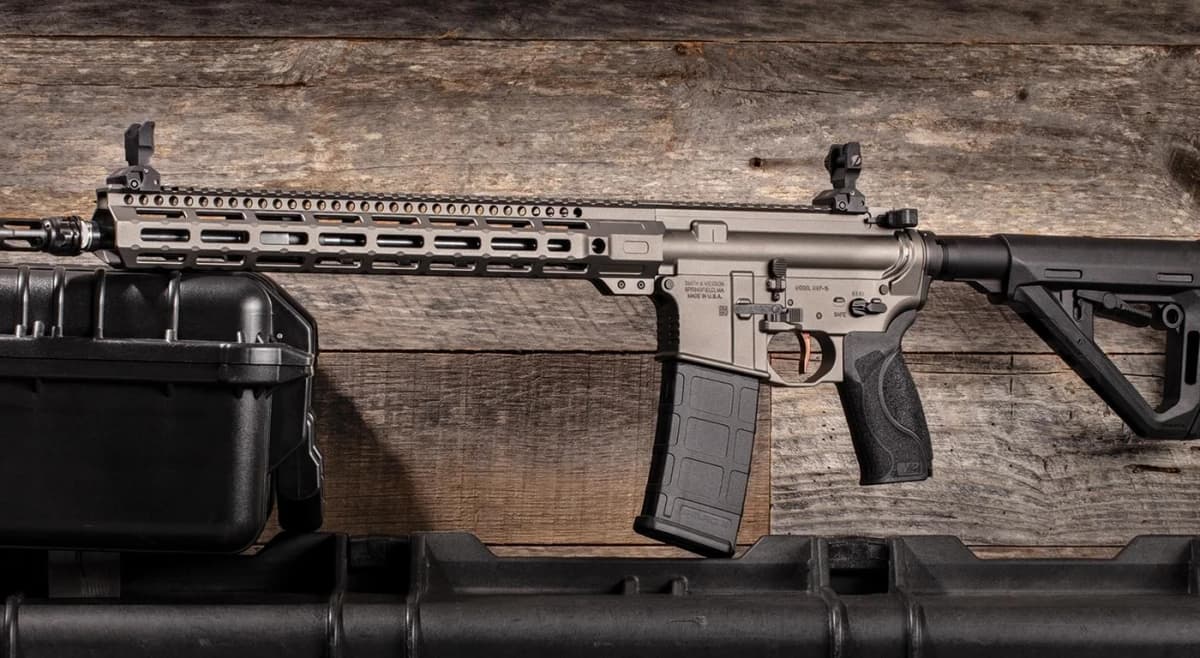
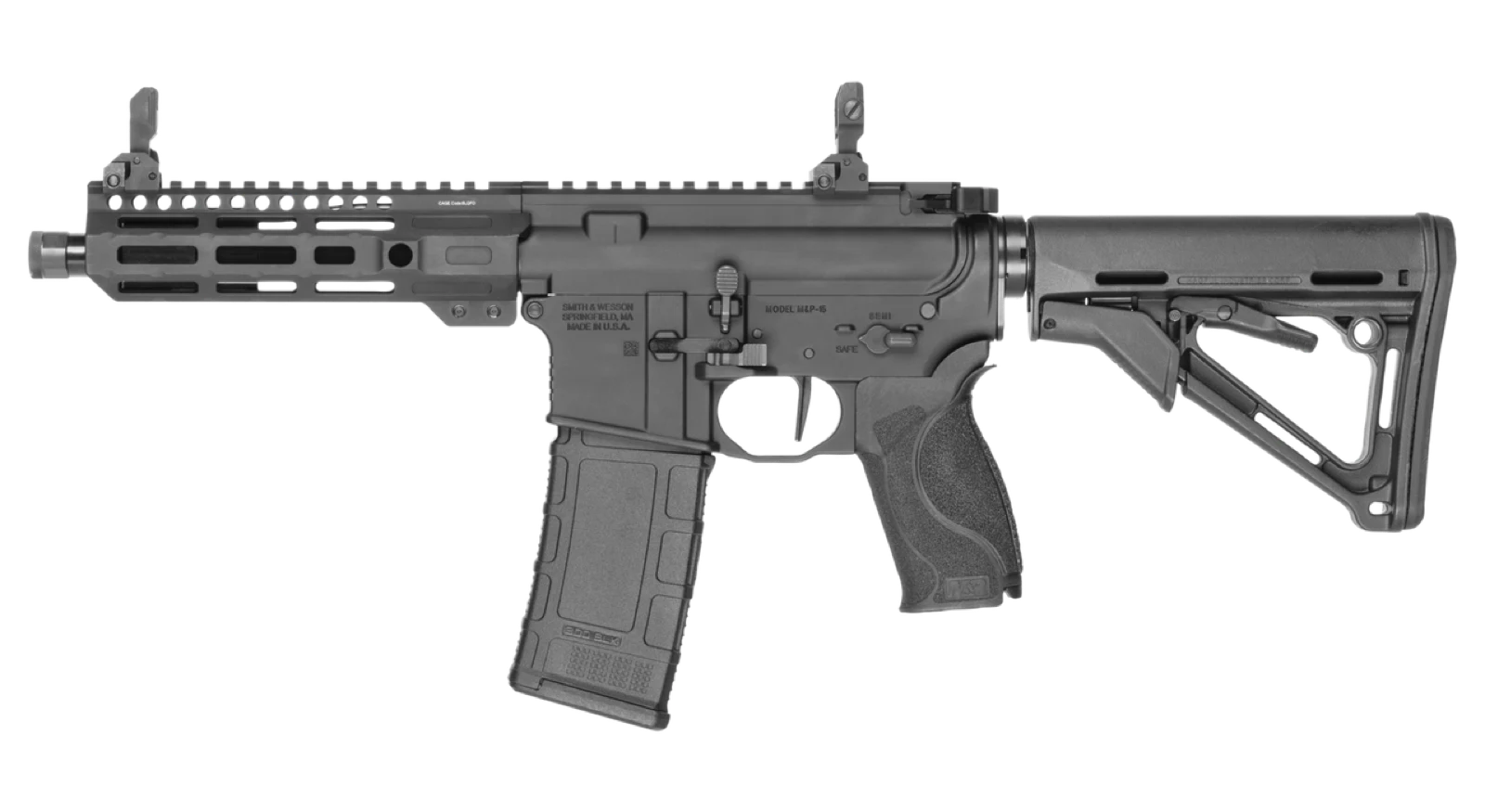
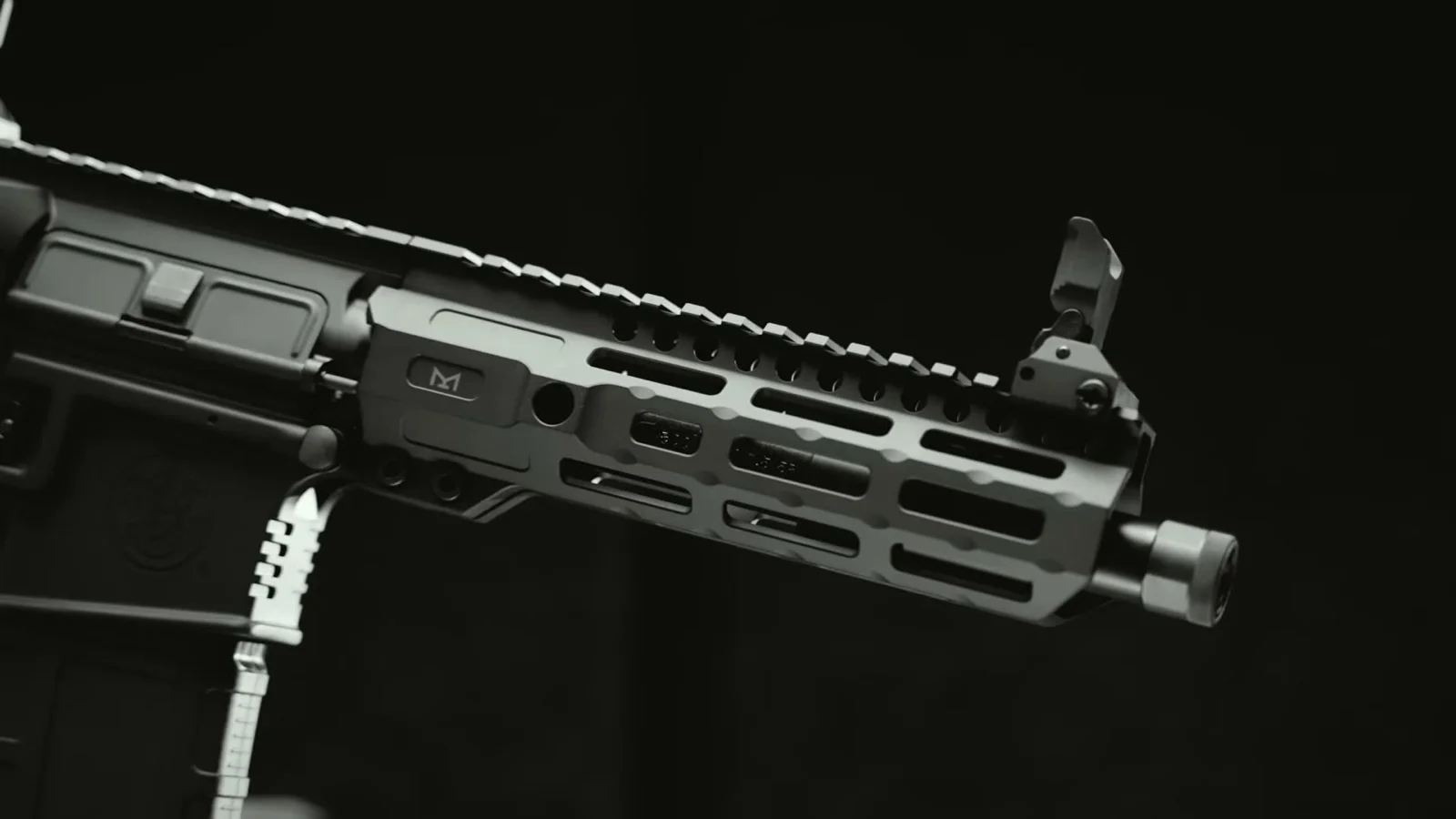
- →Name-brand parts installed: Radian Raptor ambidextrous charging handle, 7-inch Midwest Industries Combat M-LOK handguard, Magpul CTR stock, folding sights, flat-face trigger, and one 30-round PMAG.
- →Pricing: $1,499 MSRP for the SBR and $1,479 for the braced pistol, against $1,559 for the 11.5-inch 5.56 AXE SBR.
Smith & Wesson Puts .300 Blackout in the AXE Line
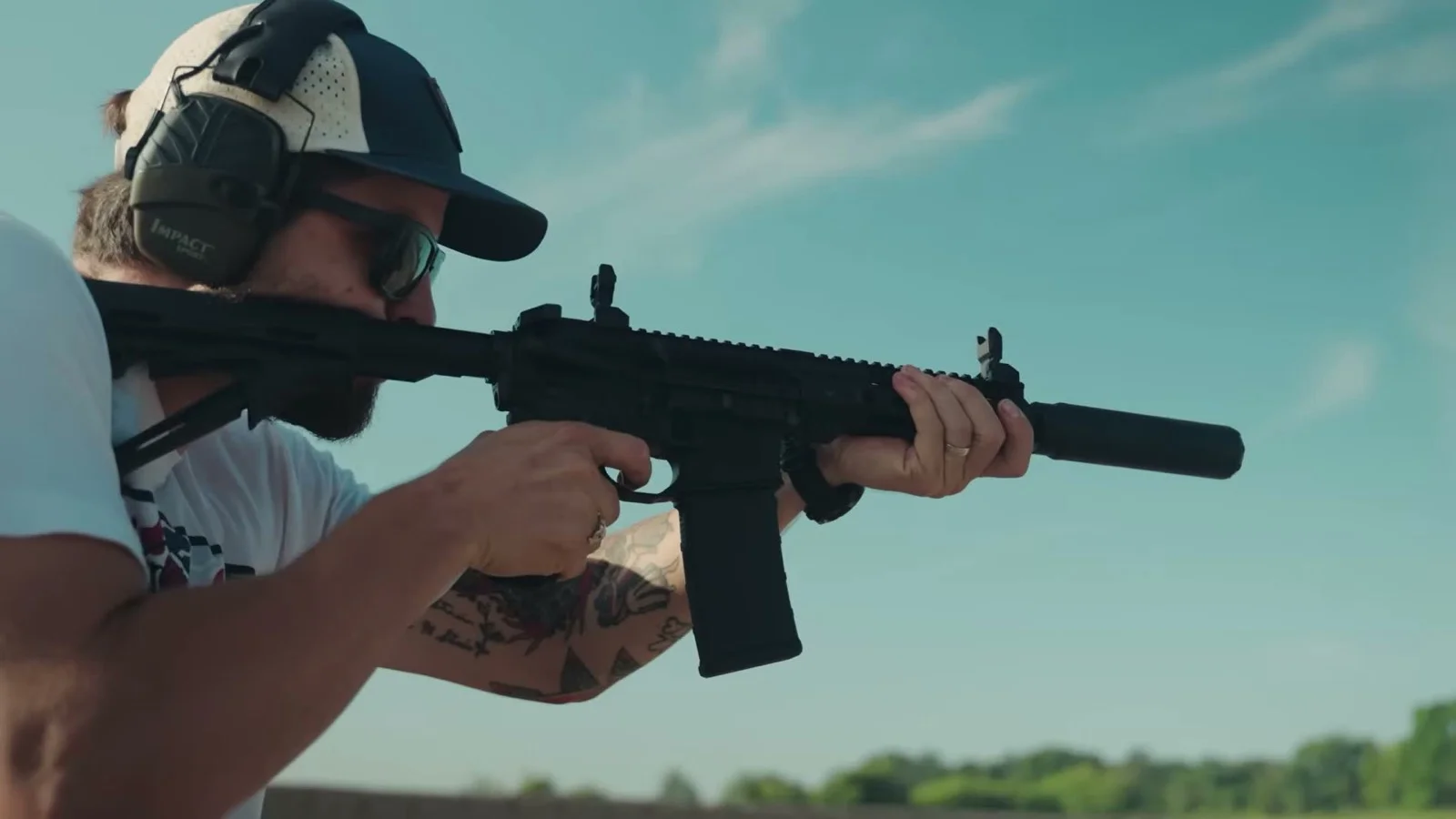
Smith & Wesson announced the M&P15 AXE in .300 Blackout on July 21, 2026, in two configurations built on the same 8-inch barrel: a short-barreled rifle at $1,499 (SKU 13888) and a braced pistol at $1,479 (SKU 14604). It is the first time the AXE family, which launched as a set of 5.56 rifles and SBRs, has been chambered in anything other than 5.56 NATO.
The pairing makes sense. The AXE line's defining feature is the Gemtech GVAC gas system, engineered to cut gas blowback under a suppressor, and .300 Blackout is the cartridge most people suppress. Putting the two together in an 8-inch package produces the configuration the cartridge was designed around in the first place. Our .300 Blackout guide covers why 8 to 10 inches is the sweet spot for the round.
How the GVAC Gas System Works
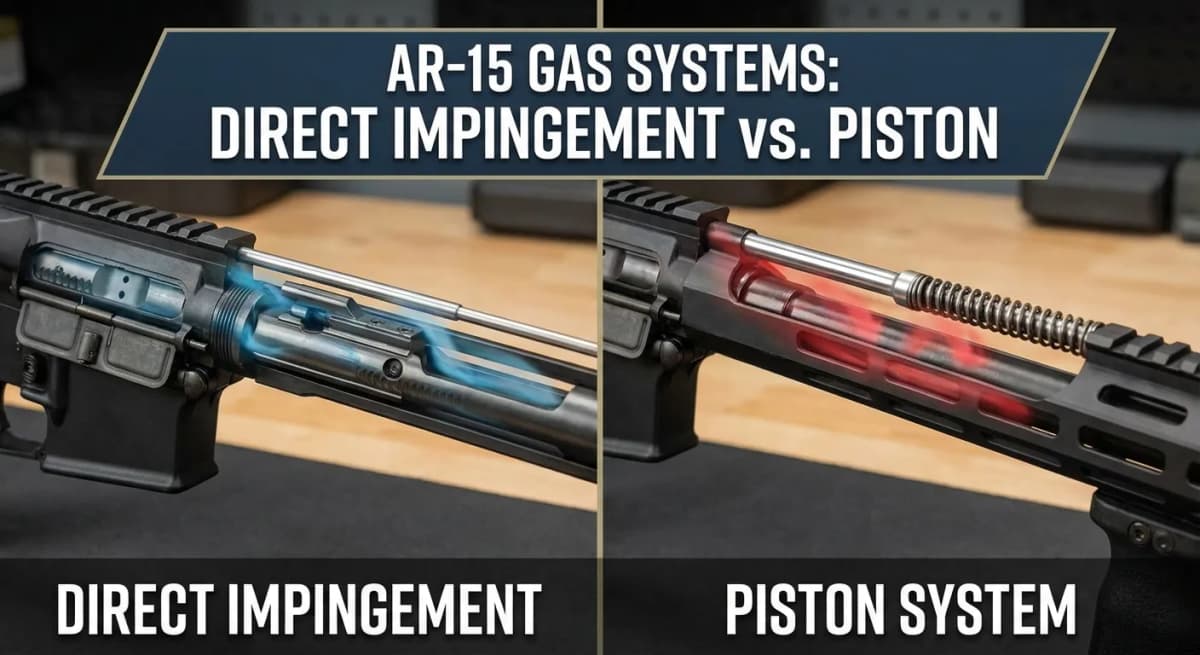
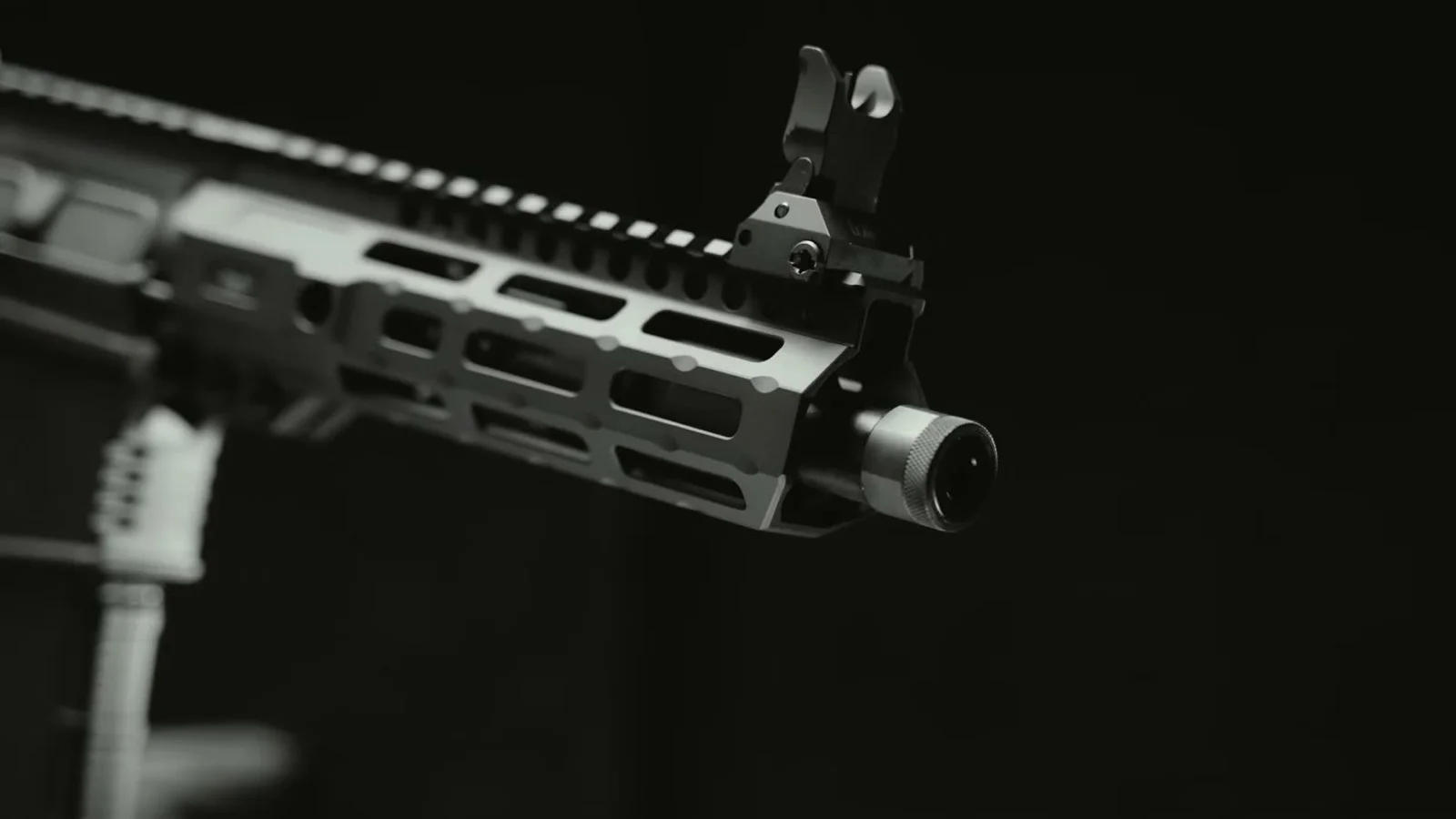
GVAC is a direct impingement system with an expansion chamber built into the gas block. Gas is siphoned off the barrel to cycle the bolt carrier group exactly as it would on any AR, but the surplus gas collects in that chamber rather than being forced back through the upper receiver. When the bullet exits the muzzle and barrel pressure drops, the stored gas vents forward out the bore instead of coming back through the ejection port and charging handle.
That matters most with a can mounted. A suppressor raises back pressure, which is what drives gas into the shooter's face on a short-barreled AR, and the usual fixes are an adjustable gas block or a tuned buffer weight. GVAC handles it at the gas block with no adjustment, so the same rifle runs suppressed or unsuppressed without a wrench. Smith & Wesson has been selling the same upper technology separately, which we covered in our look at the M&P GVAC upper receivers.
Stay Updated on Smith & Wesson Releases
Get notified when dealer pricing and availability for the M&P15 AXE .300 Blackout firm up. We also cover new suppressor-host releases, hands-on reviews, and the gear that pairs with them.
Suppressors for the AXE .300 Blackout
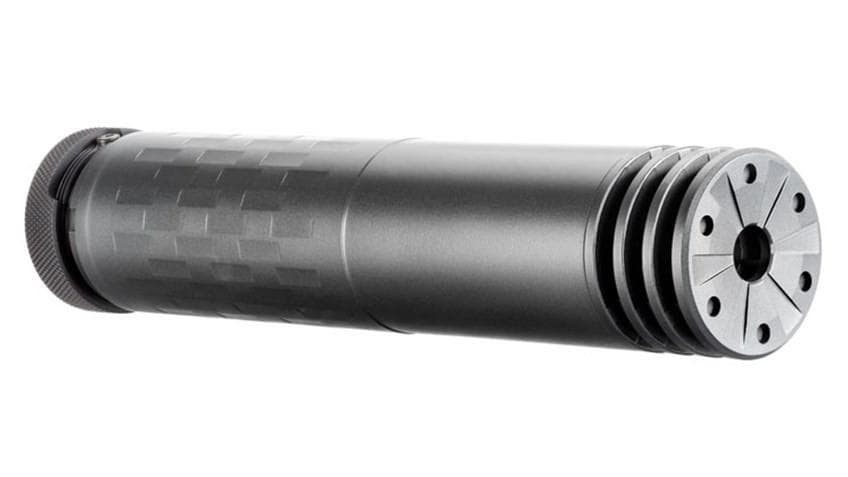
SilencerCo Omega 300
- .30 cal rated
- Direct thread + QD
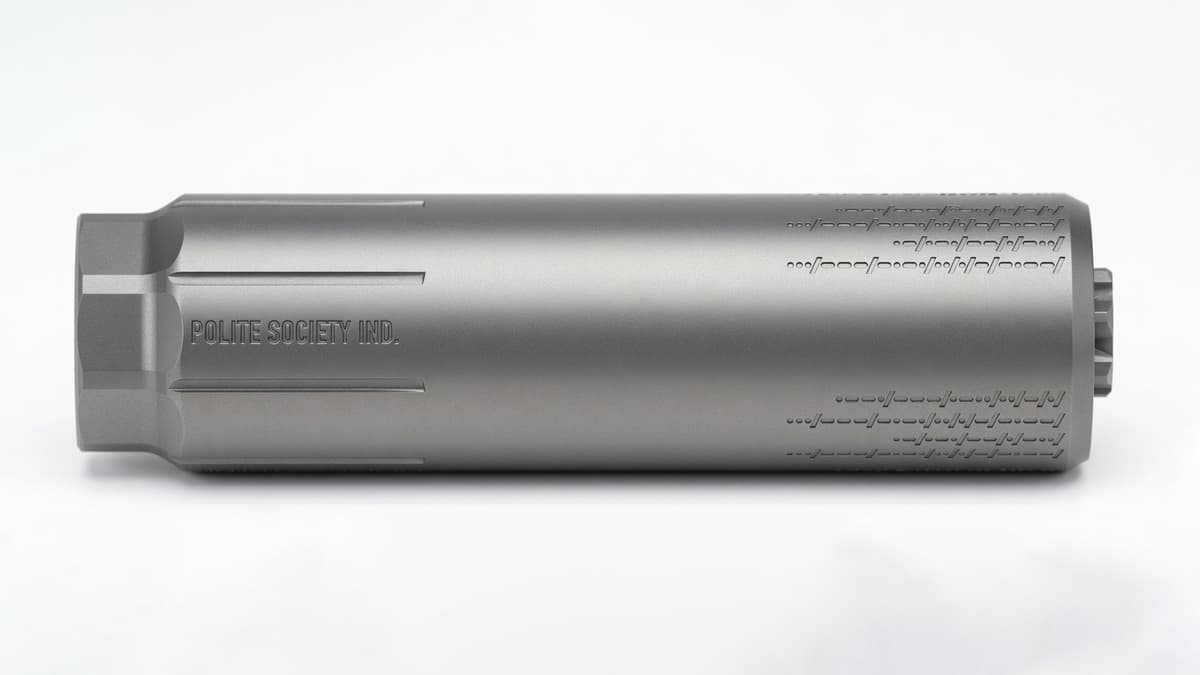
Polite Society Verdict 7.62 HD
- 6.41 in, 1.75 in diameter, 15.40 oz
- Inconel 625, laser powder bed fusion
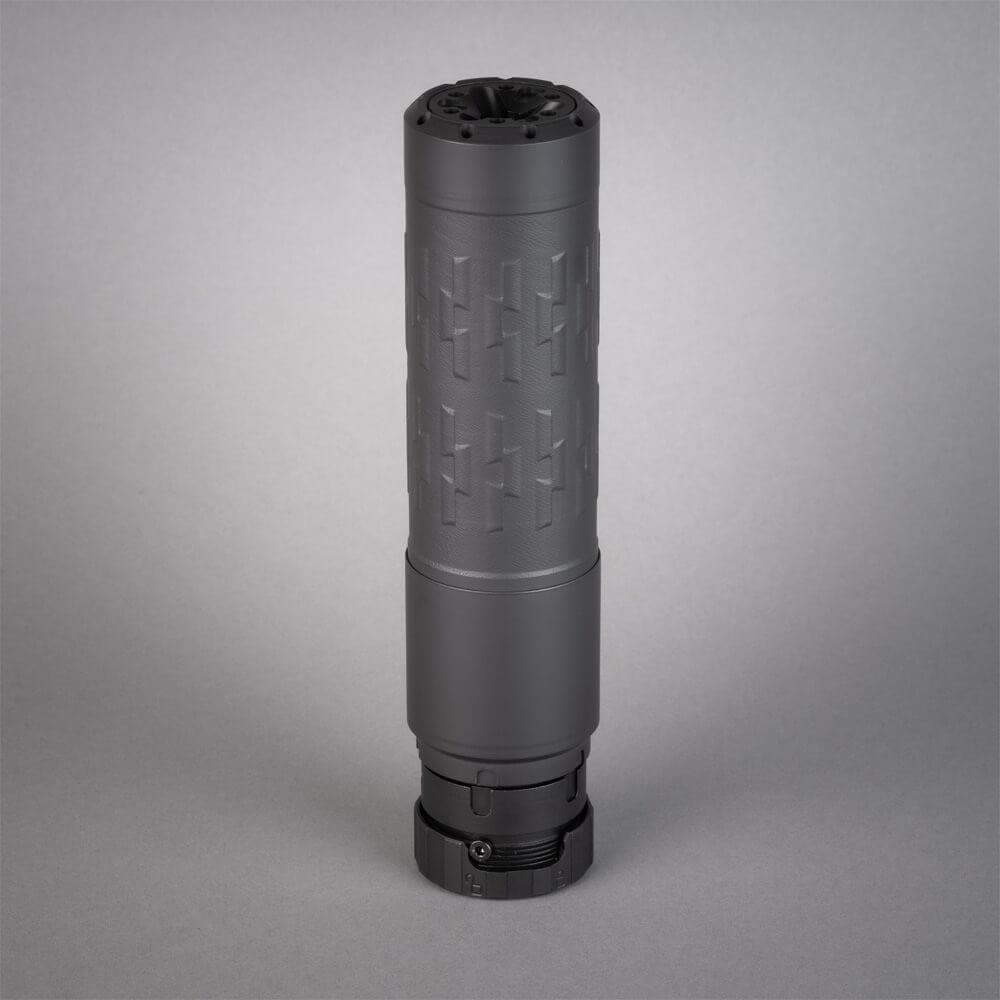
SilencerCo Velos LBP 762
- .223 Rem and 5.56 NATO through .300 RUM
- 6.4 in
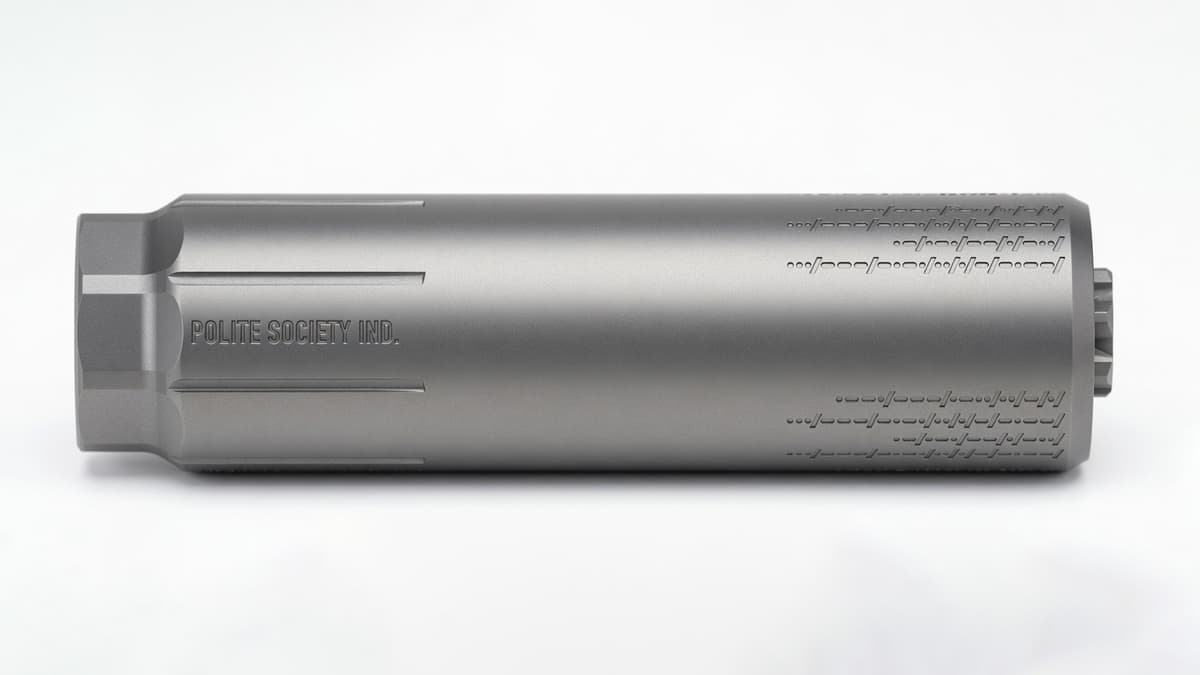
Polite Society Verdict 7.62 Ti
- 6.41 in, 1.75 in diameter, 8.33 oz
- Grade-5 titanium, laser powder bed fusion
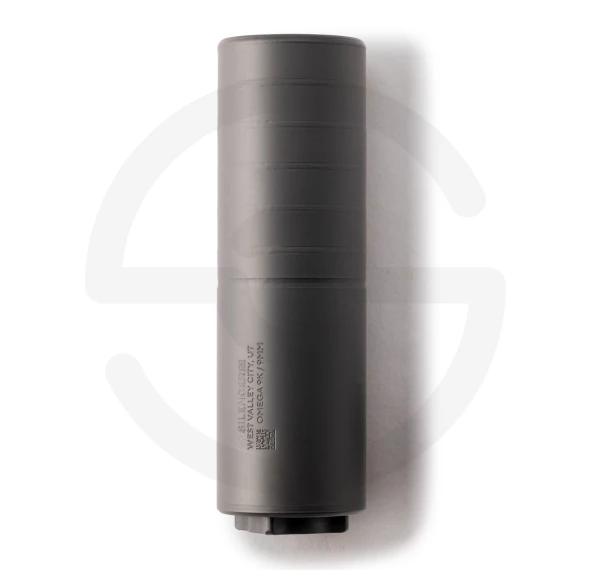
SilencerCo Omega 9K
- 9mm + .300 BLK rated
- 4.54 inches
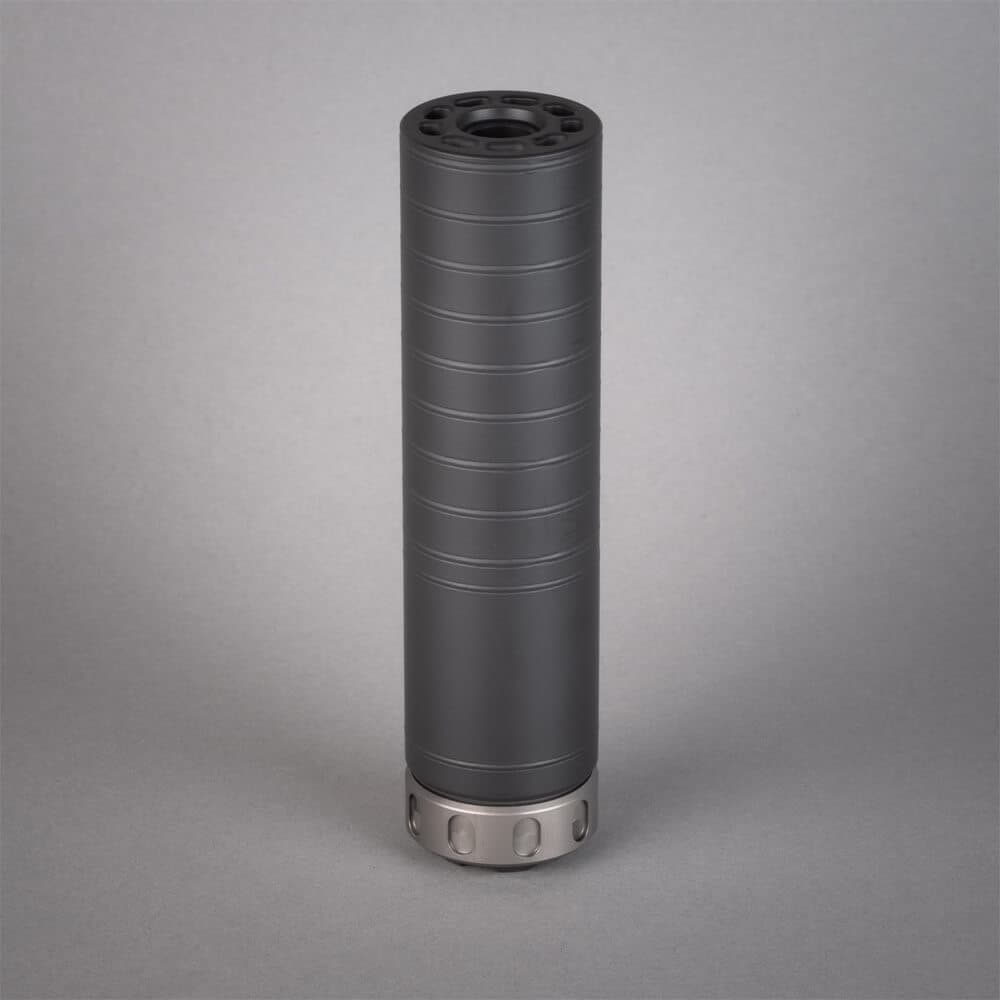
SilencerCo Spectre 9
- 9mm and .300 BLK subsonic
- 4.76 inches
Affiliate links (?)
Why the 8-Inch 1:7.5 Barrel Is the Right Call
An 8-inch .300 Blackout barrel costs you almost nothing in velocity because the cartridge reaches full powder burn at roughly 9 inches. Supersonic 110-125gr loads still leave the muzzle around 2,200 fps, and 220gr subsonic loads run near 1,050 fps, essentially the same number they would produce from a 16-inch barrel. The same 8 inches in 5.56 sheds several hundred fps and a large chunk of terminal performance, which is the entire argument laid out in our .300 Blackout vs 5.56 comparison.
The 1:7.5 twist is the spec to notice. Heavy subsonic .300 BLK bullets are long, and a slower twist will not stabilize a 220gr projectile at 1,050 fps. S&W paired that twist with 5R rifling, which uses opposing lands and grooves instead of the conventional six-groove layout, and an Armornite-finished 4150CMV stress-relieved blank. The muzzle is threaded 5/8x24 with a thread protector, so there is no factory flash hider to remove before a suppressor mount goes on. For a look at what the aftermarket offers in this length, see our best .300 Blackout barrels guide.
.300 Blackout Ammo to Feed It
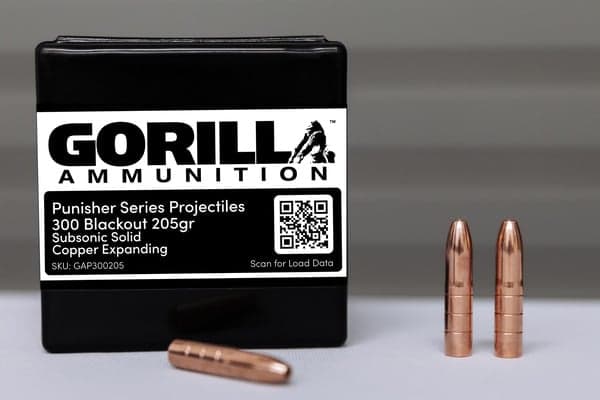
Gorilla Ammunition 205gr Subsonic
- 205 grain solid copper
- .300 Blackout
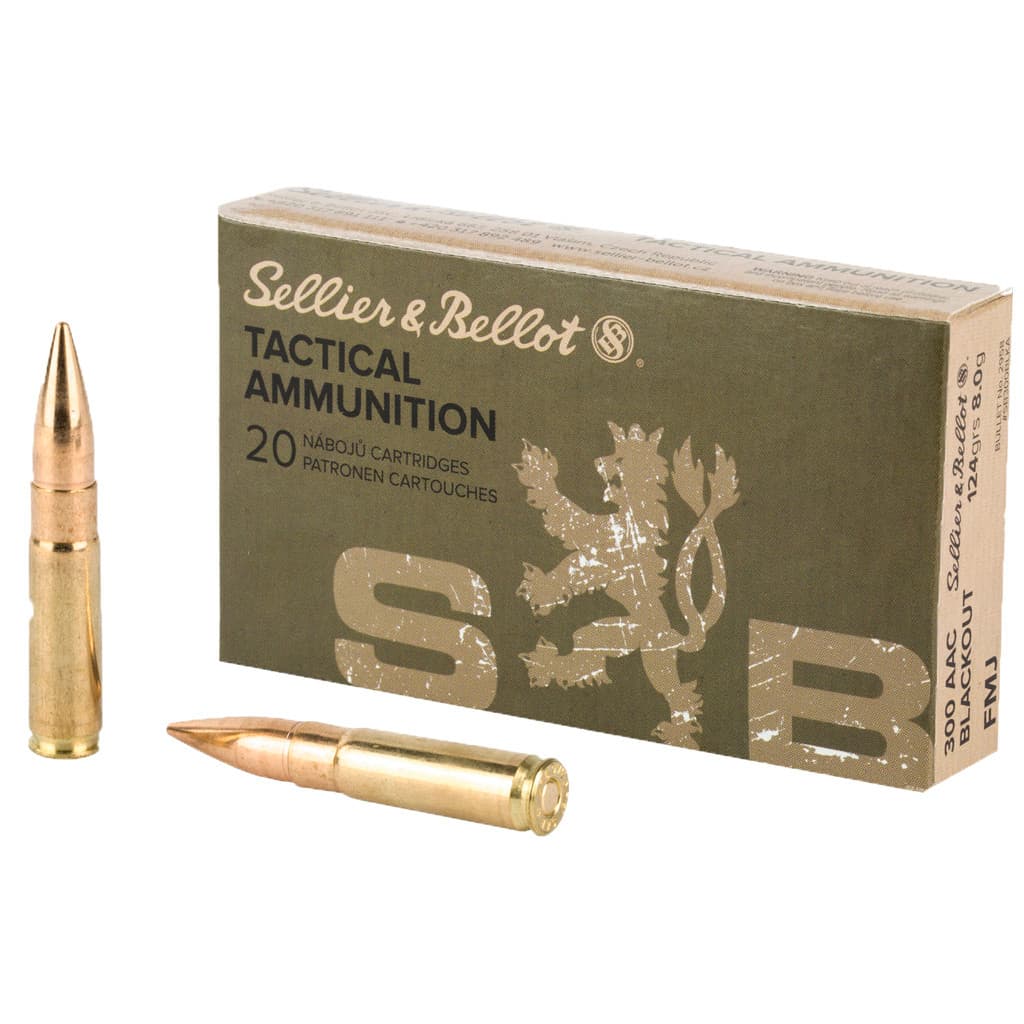
Sellier & Bellot 300 AAC Blackout 124gr FMJ
- 124 grain FMJ
- 300 AAC Blackout
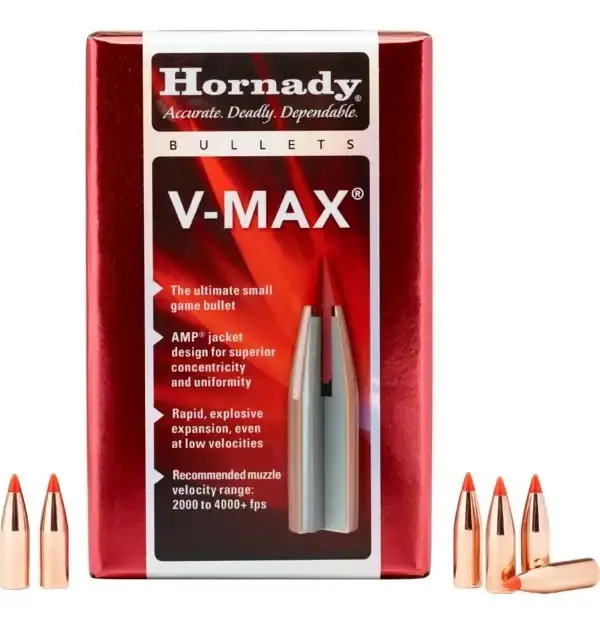
Hornady V-MAX 300 Blackout 110gr
- 110 grain V-MAX
- 300 Blackout
Hornady American Gunner 300 Blackout 125gr HP Match
- 125 grain HP Match
- .300 Blackout
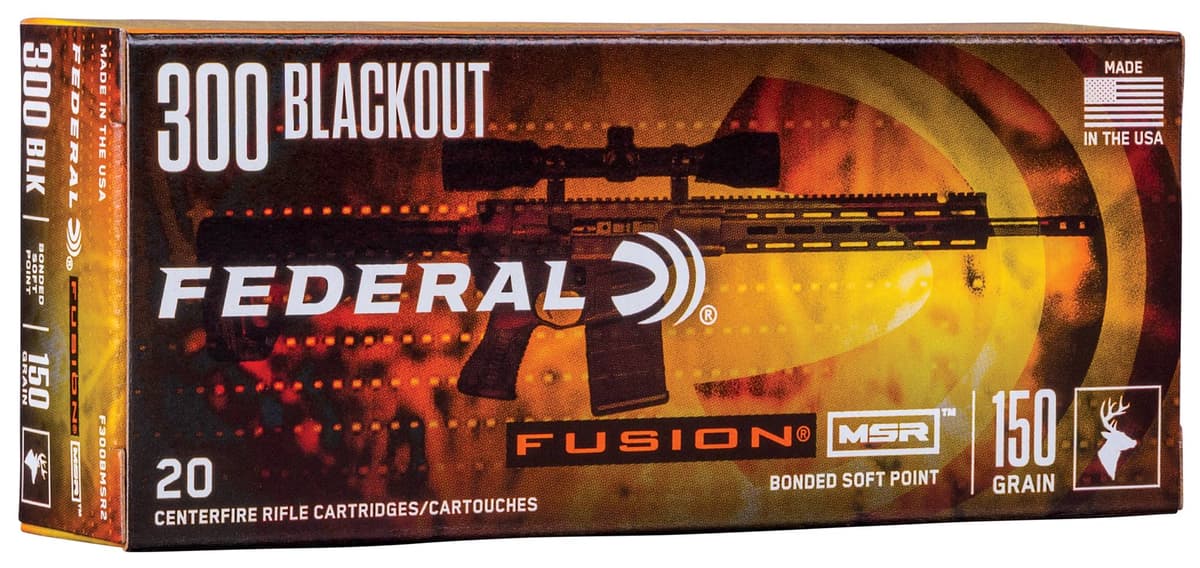
Federal Fusion MSR 300 Blackout 150gr
- 150 grain Fusion bonded soft point
- 300 AAC Blackout
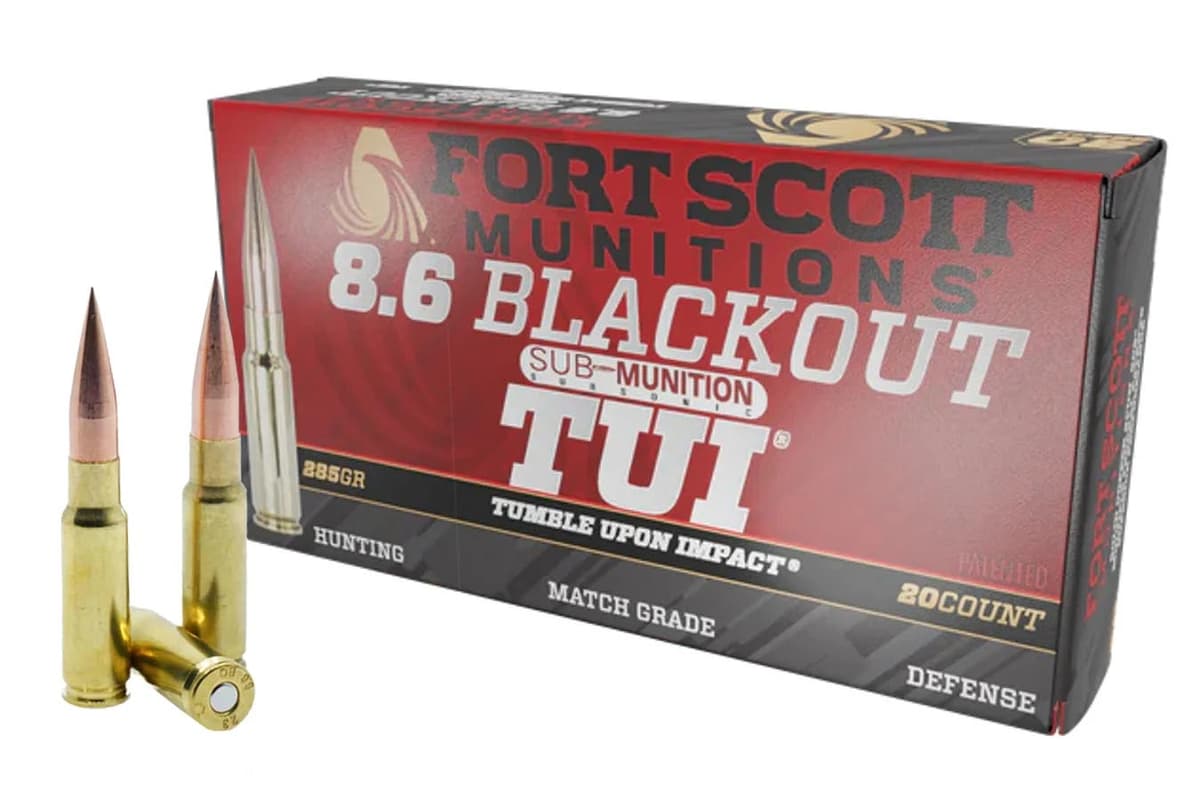
Fort Scott Munitions 8.6 Blackout 285gr TUI Subsonic
- 285 grain solid copper TUI
- 8.6 Blackout
Affiliate links (?)
M&P15 AXE .300 Blackout SBR Specifications
SKU 13888
| Model | M&P15 AXE SBR 8 in (SKU 13888) |
| Caliber | .300 Blackout |
| Barrel Length | 8 in |
| Twist Rate | 1:7.5 |
| Rifling | 5R |
| Barrel Material | 4150CMV, stress-relieved, Armornite |
| Gas System | Gemtech GVAC direct impingement |
| Muzzle Threads | 5/8x24 with thread protector |
| Handguard | 7 in Midwest Industries Combat M-LOK |
| Charging Handle | Radian Raptor (ambidextrous) |
| Controls | Ambi bolt release, mag catch, safety |
| Trigger | Flat-face |
| Stock | Magpul CTR adjustable |
| Grip | M&P, four interchangeable backstraps |
| Sights | Folding front and rear |
| Magazine | One 30-round PMAG |
| MSRP | $1,499 |
| Manufacturer | Smith & Wesson |
SBR or Braced Pistol
The two models are mechanically identical from the chamber forward. Both use the 8-inch 1:7.5 5R barrel, the GVAC gas block, the 7-inch Midwest Industries Combat M-LOK handguard, an enhanced bolt carrier group, the Radian Raptor ambidextrous charging handle, ambidextrous bolt release, magazine catch and safety, and the M&P grip with four interchangeable backstraps. Each ships with one 30-round magazine.
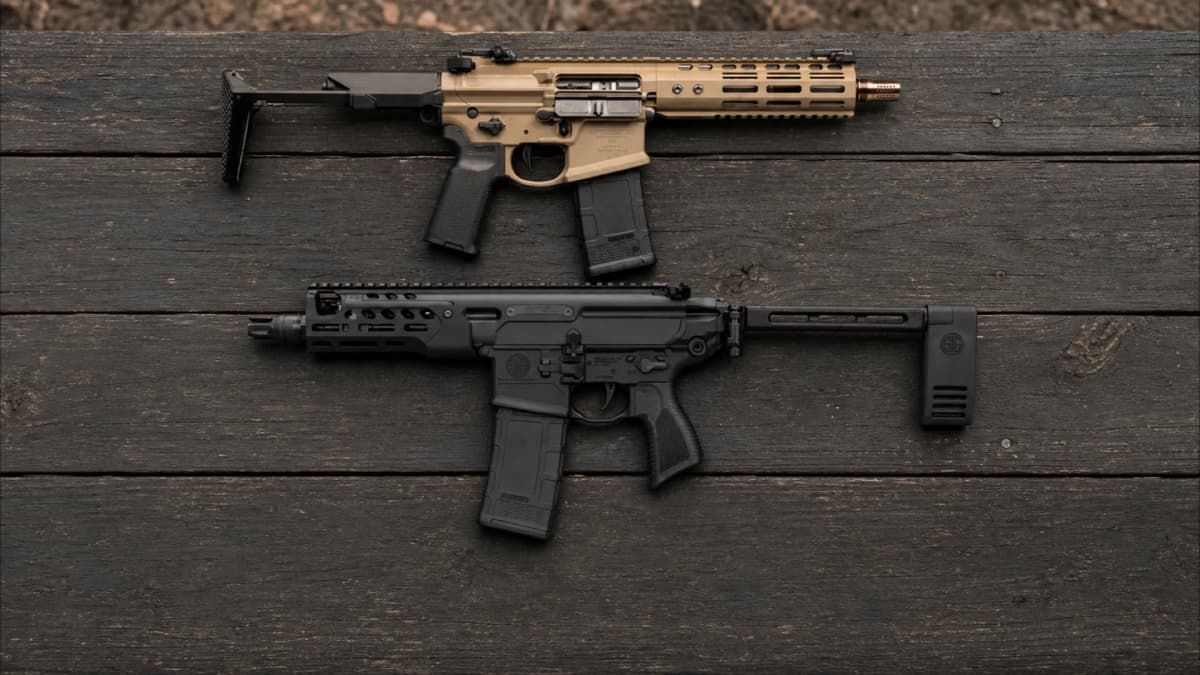
The differences are the rear end and the paperwork. The SBR wears a Magpul CTR adjustable stock and folding front and rear sights for $1,499. The pistol wears a Magpul BTR arm brace, weighs 5.44 lb, and measures 23.75 to 25.75 inches depending on brace position, for $1,479 with no sights included. The pistol sells as a Title I firearm on a standard 4473. Since October 9, 2026 the SBR also sells on a 4473 federally, but it is still an SBR under state law and needs a Form 20 before crossing state lines. If you want the stock and the irons, the small price gap is not the deciding factor, your state's SBR rules are.
What the NFA Side Actually Costs Now
The federal making and transfer tax on short-barreled rifles and suppressors is $0 as of January 1, 2026, so neither the AXE SBR nor a can to hang on it carries a $200 stamp anymore. Since October 9, 2026, ATF also does not enforce Form 4 approval or NFA registration for either, as enforcement discretion rather than repeal, so a dealer sale runs on a 4473 and NICS check. A voluntary eForm 4 still puts the item on the registry for buyers in states that require it, and the SBR still needs a Form 20 before it crosses state lines.
Suppressor ownership is legal in 42 states, and state law is the real gate on this build. If a can is your next purchase, our suppressor buying guide walks the process end to end, and the best .300 Blackout suppressors ranking covers which 5/8x24 cans belong on an 8-inch host. You can also spec the rest of the setup, optic, light, and sling, in the rifle builder.
The zero-tax, no-approval environment is also what makes classic-cartridge SBRs interesting again. Auto-Ordnance just released a factory 12-inch M1 Carbine SBR in .30 Carbine that sells through the same dealer process. It is a different mission, walnut furniture, sub-5-pound weight, no suppressor-specific gas tuning, but a good example of how an NFA SBR that was a curiosity in the $200-stamp era pencils out differently now.
Frequently Asked Questions
▶Is 300 Blackout good for a short barrel?
▶How much does the M&P15 AXE .300 Blackout SBR cost?
▶What is the GVAC gas system?
▶Should I buy the AXE SBR or the AXE Pistol?
▶What suppressor threads does the M&P15 AXE .300 Blackout use?
▶Does a .300 Blackout SBR still require an ATF tax stamp?
Bottom Line
This is the AXE configuration that should have existed first. A suppressor-optimized gas system on a 5.56 carbine is a nice feature; the same system on an 8-inch .300 Blackout is the whole point, because that is the gun people actually put cans on. Buyers get the barrel spec that matters for subsonic work, bare 5/8x24 threads, and a parts list, Radian, Magpul, Midwest Industries, that most builders would pay to install anyway.
At $1,499 the SBR is priced above a parts-bin .300 BLK build and below a boutique one, and the braced pistol at $1,479 covers buyers who want to skip SBR status entirely. Compare it against the rest of the short .300 BLK field in our platform comparison tool or read the best .300 Blackout ammo ranking before you buy a case. For the 5.56 side of the family, see our coverage of the M&P15 AXE Pistol.