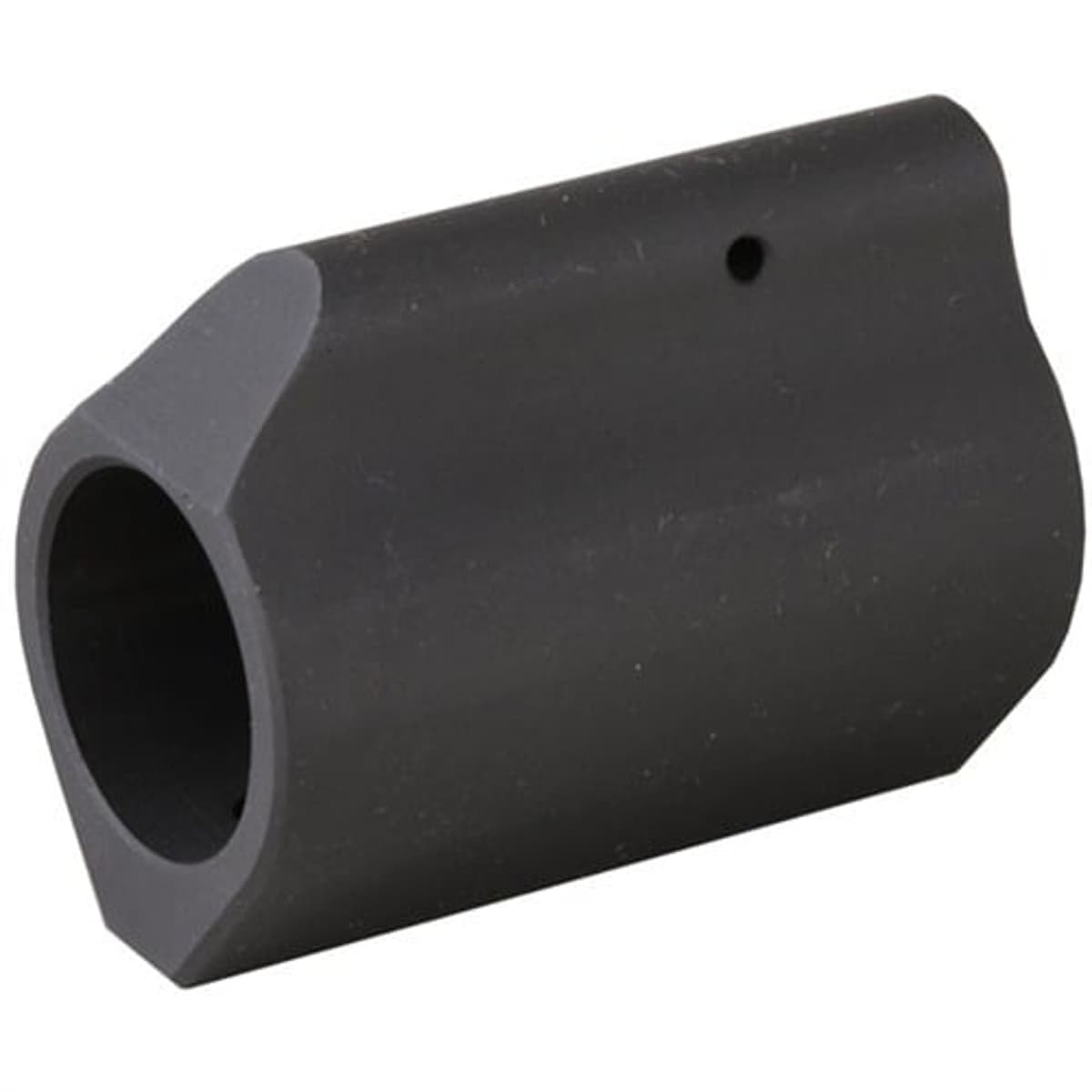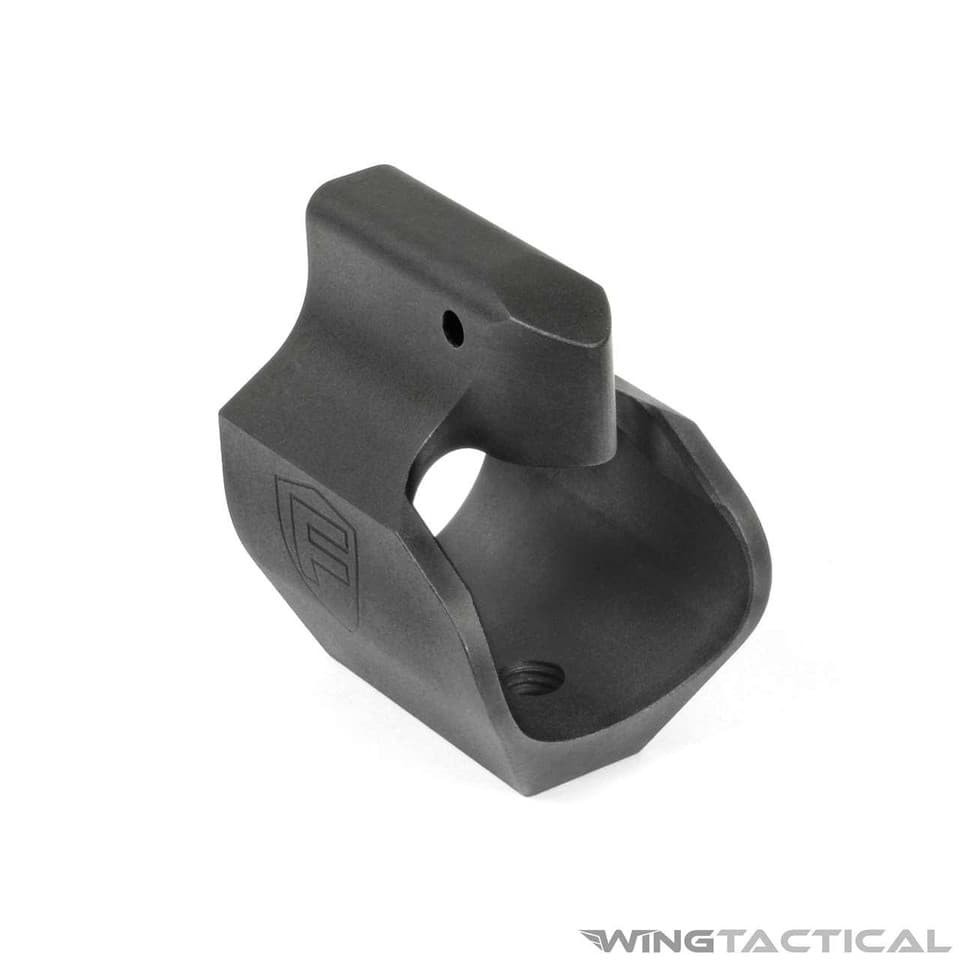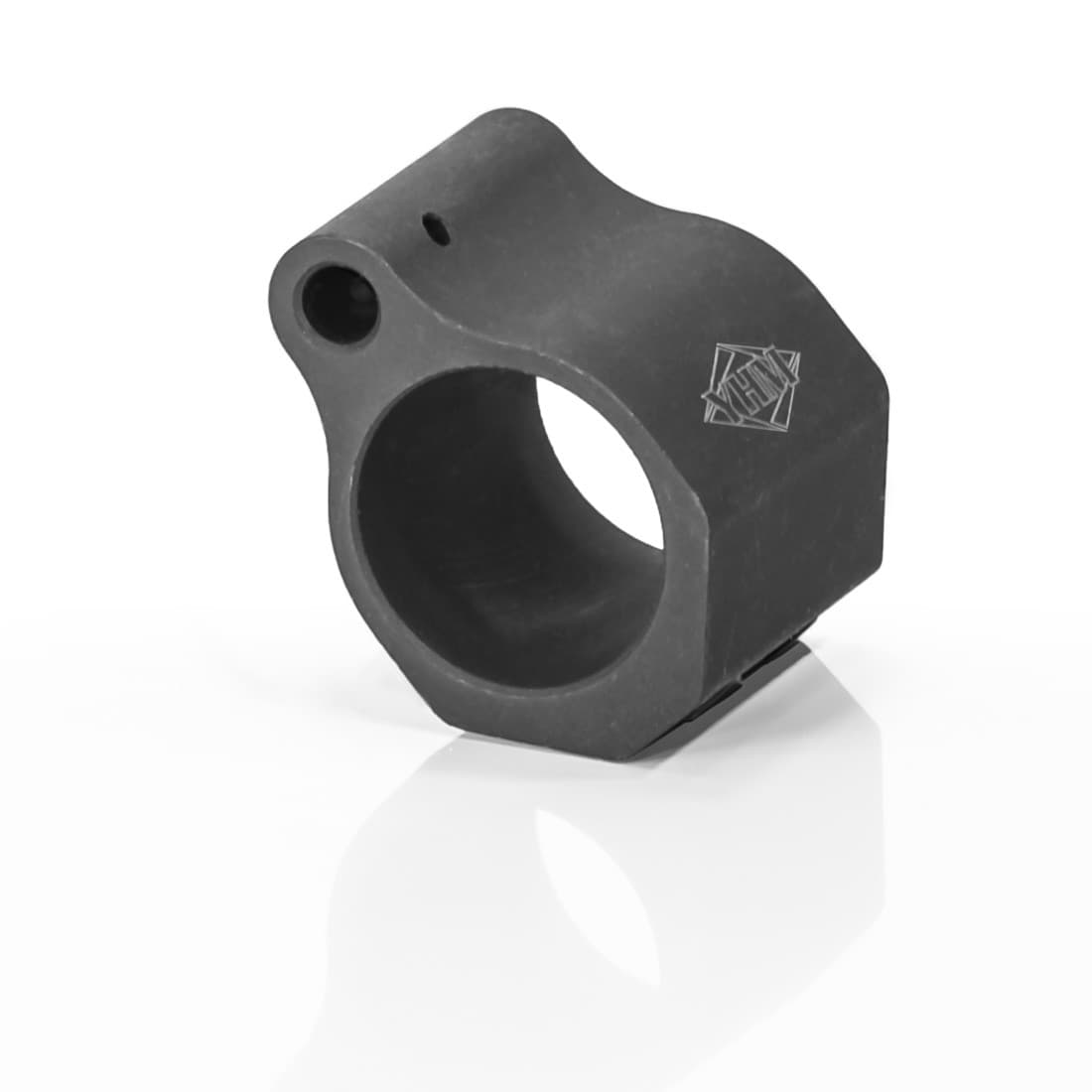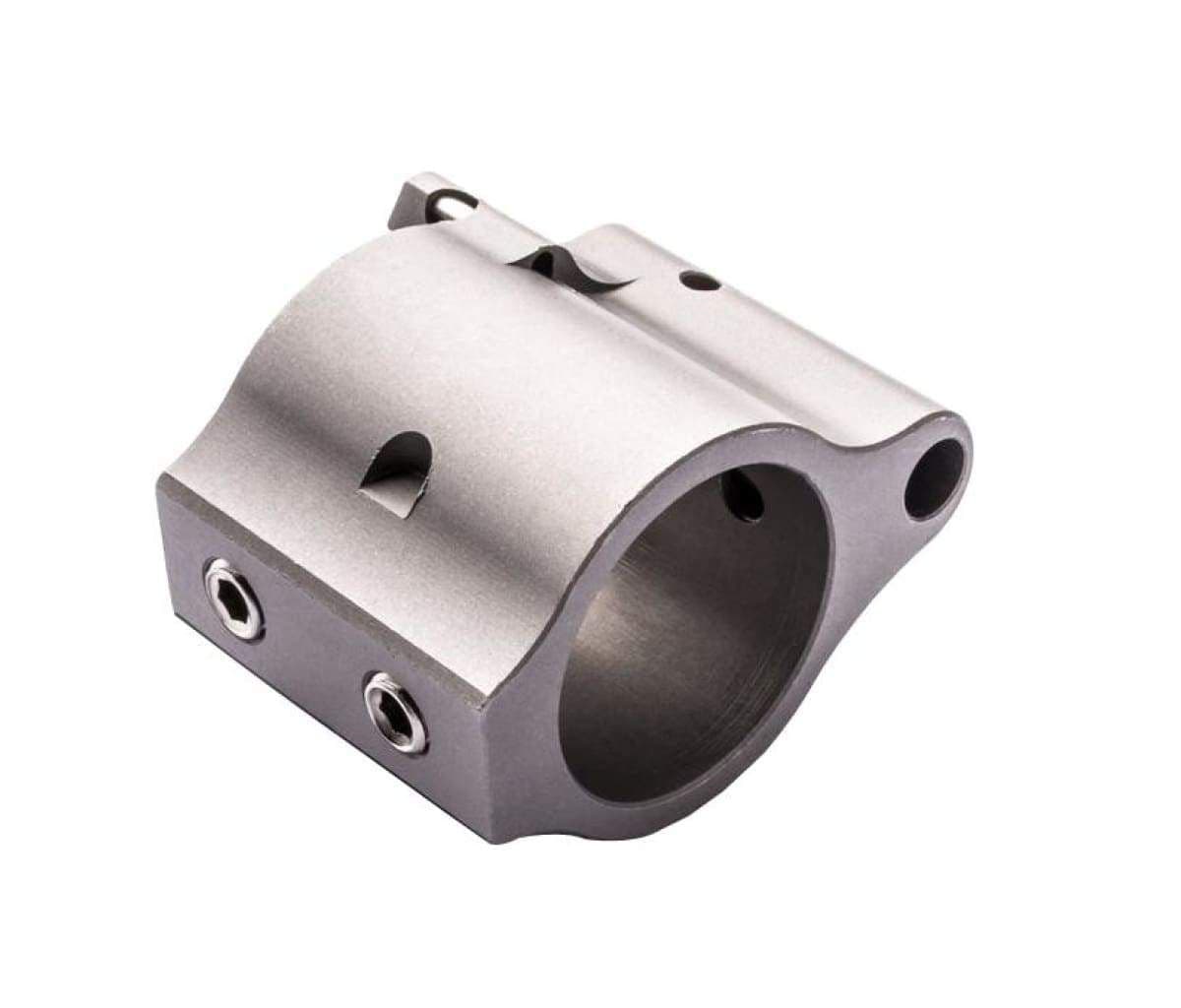
Best AR-15 Gas Blocks 2026: Fixed & Low-Profile header image
Gear
June 13, 2026
Best AR-15 Gas Blocks 2026: Fixed & Low-Profile

A fixed low-profile gas block is the set-and-forget choice for a standard carbine. We rank eleven .750 blocks by material, retention method and price, from the budget floor to coil-pinned premium picks.

[ < Back to guides ]
Buying guideAR-15Gas system

Best AR-15 Gas Blocks 2026: Fixed & Low-Profile

The best fixed AR-15 gas block for 2026 is the Geissele Super Gas Block ($81). It is 17-4 stainless with an optional coil pin that locks the block to the barrel near-permanently, which is what a hard-use duty or competition rifle wants from a fixed block. For a standard 16 inch 5.56 carbine that never sees a suppressor, you do not need to spend that much: a quality fixed low-profile block is the set-and-forget answer, and the eleven picks below cover every budget and every barrel journal. If you run a suppressor or want to tune gas for a specific load, you want an adjustable block instead; this guide is for the set-and-forget build.

By AB|Last reviewed June 2026
Decide First

Fixed vs Adjustable: Which Do You Need?

Buy a fixed block for a standard direct-impingement carbine and an adjustable block for a suppressor host or a tuned load. That is the whole decision. A fixed low-profile block seals the gas port and feeds the tube with no moving parts to walk out of adjustment under sustained fire, which is exactly why duty rifles from BCM, Daniel Defense, and Geissele ship with fixed blocks. An adjustable block adds a metering screw so you can throttle gas at the source, the right call when a suppressor adds backpressure and overgasses the action.

Buy a Fixed Block

Standard 16 inch or midlength 5.56 carbine, an FSB delete on a factory barrel, a clone build, or a pinned and welded setup where you want permanent retention. A correctly sized gas port plus a quality buffer is more reliable than any mechanical adjustable, and there is nothing to retune.

Buy an Adjustable Block

Dedicated suppressor host, a rifle you swap between suppressed and unsuppressed, a short barrel running overgassed, or a precision rifle tuned per ammunition lot. See our adjustable gas block guide for those picks. If your block or muzzle is pinned, a tuned gas tube beats an adjustable block.

The Best Fixed AR-15 Gas Blocks Ranked

Eleven fixed low-profile gas blocks ranked by retention method, material, journal coverage, and price. The Geissele Super Gas Block leads on coil-pin retention for hard-use hosts; Fortis takes the mid-tier stainless slot; BCM owns the duty-and-clone slot; and the value and budget picks below cover everything down to the $15 floor. Match the block bore to your barrel journal before you optimize on anything else.

The Best Fixed AR-15 Gas Blocks Ranked

Eleven fixed low-profile gas blocks ranked for the AR-15 in 2026. The Geissele Super Gas Block leads on hard-use retention; the rest are ordered by retention method, material, journal coverage, and price, from coil-pinned premium picks down to the budget floor.

1

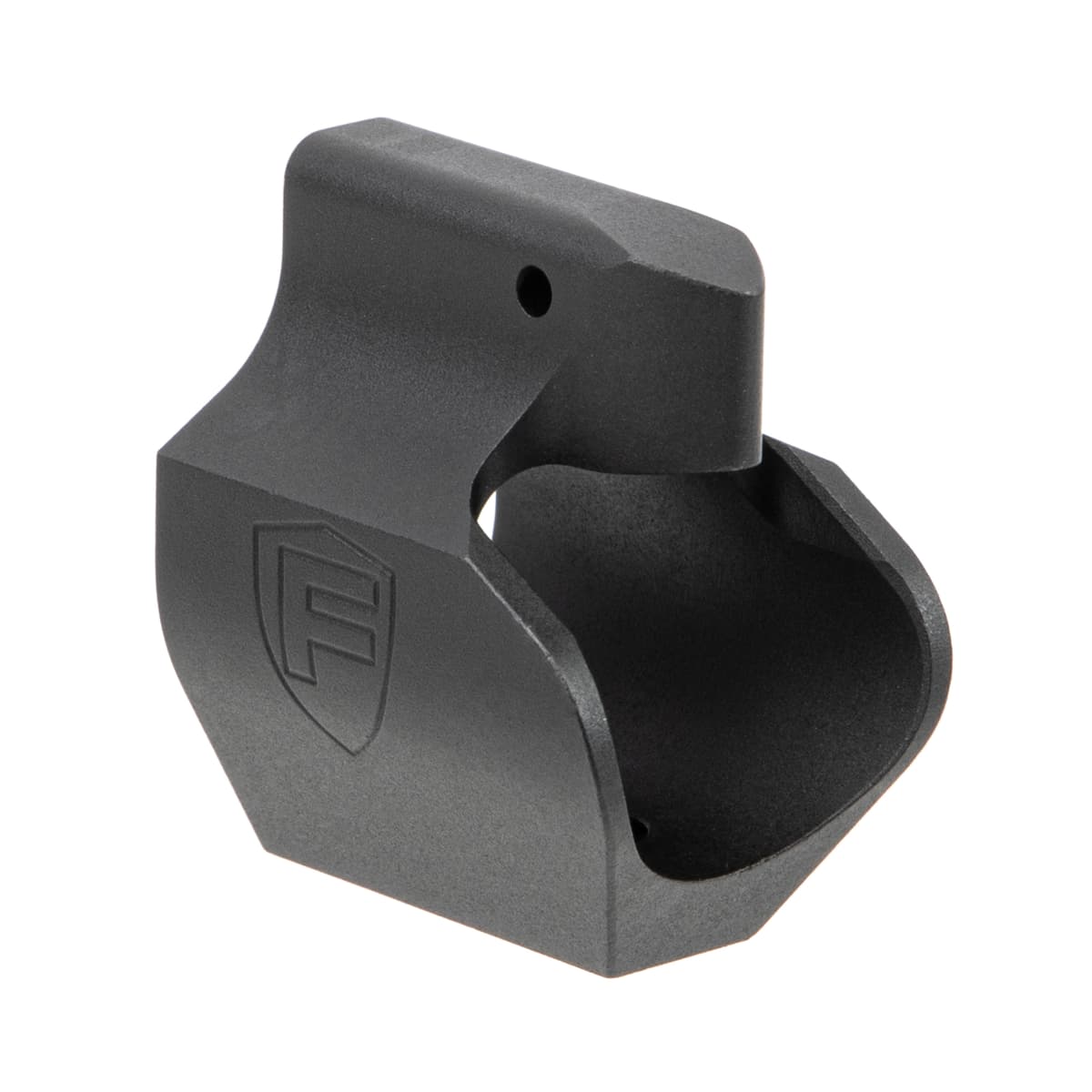
Geissele Super Gas Block

Best overall and hard-use pick. 17-4 stainless plus an optional coil pin gives near-permanent retention on duty and competition hosts that walk lesser blocks loose.

$81
View at OpticsPlanet
Best Overall17-4 StainlessCoil Pin
  • +17-4 stainless resists heat and corrosion
  • +Optional coil pin gives near-permanent retention
  • +Geissele tolerance control and finish
  • Most expensive fixed block here
  • .750 journal only
  • Coil-pin retention requires drilling the barrel
Journal size: .750 in onlyMaterial: 17-4 stainless steelRetention: Set screws + optional coil pinAdjustment: None (fixed)
2

Fortis Mod 2 Low Profile Gas Block

Best mid-tier stainless option. 303 stainless or black nitride and Fortis machining at a price between commodity blocks and the Geissele.

$47
View at OpticsPlanet
Best Mid-Tier303 StainlessStainless or Nitride
  • +303 stainless option resists corrosion better than phosphate commodity blocks
  • +303 stainless or black-nitride material choice
  • +Mid-tier price between commodity and Geissele
  • .750 journal only
  • Two set screws only; no pinned-retention option like the Geissele
Journal size: .750 inMaterial: 303 stainless or black-nitride steelRetention: Two set screwsAdjustment: None (fixed)
3

Bravo Company MFG BCM Low Profile Gas Block

Best for duty and clone builds. BCM tolerance control and a phosphate finish that matches mil-spec barrels, sized to survive a high-round-count carbine.

$44
View at OpticsPlanet
Best for Duty/CloneUSGI-SpecPhosphate
  • +BCM duty-grade tolerance control
  • +Phosphate finish matches mil-spec and clone builds
  • +USGI-spec dimensions
  • Phosphate is less corrosion-resistant than nitride or stainless
  • Costs more than commodity blocks for no added features
Journal size: .750 in (.625 also offered)Material: SteelFinish: PhosphateRetention: Set screws
4

Strike Industries Enhanced Low Profile Gas Block

Best value upgrade block. A 4140 nitride material story and an alignment notch that eases install, at a price that barely leaves the budget tier.

$31
View at OpticsPlanet
Best Value4140 NitrideSkeletonized
  • +4140 steel and black nitride finish at a near-budget price
  • +Alignment notch indexes the gas port during install
  • +Material story competes with blocks costing twice as much
  • .750 journal only
Journal size: .750 inMaterial: 4140 steelFinish: Black nitrideInstall: Alignment notch
5

SLR Rifleworks Non-Adjustable Micro Gas Block

Best for slim handguards. The micro profile clears tight free-float rails where a standard-height block jams, with journal, material, and mount options to match the build.

$53
View at OpticsPlanet
Best for Slim RailsMicro ProfileSteel or Ti
  • +Micro profile clears the tightest slim handguards
  • +Steel and titanium options across four journal sizes
  • +Clamp-on variants install without dimpling
  • Titanium variants are expensive
  • Many SKUs require matching journal, material and mount carefully
Journal sizes: .625 / .750 / .875 / .936 inMaterial: Steel or titaniumMount: Set-screw or clamp-onProfile: Micro low-profile
6

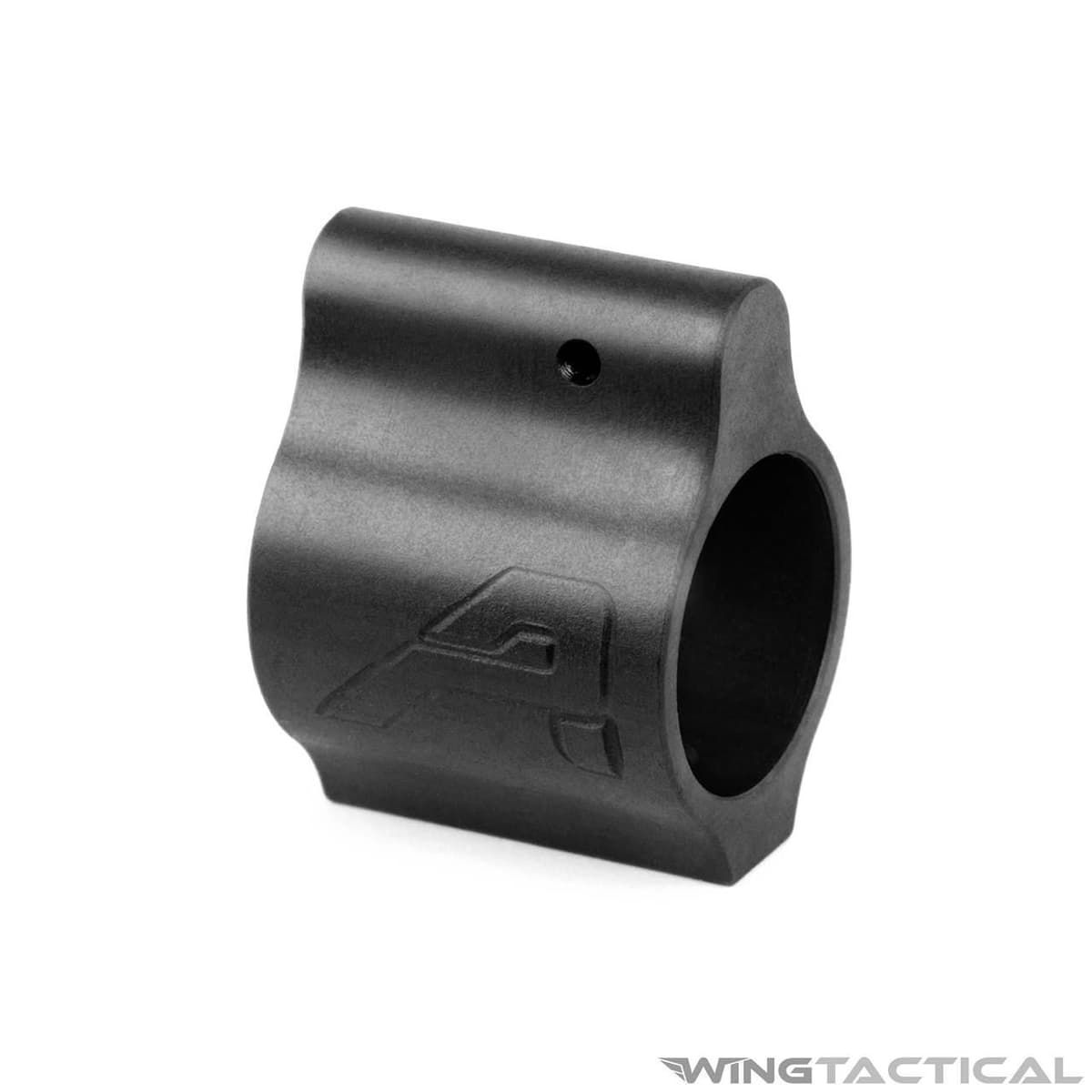
Aero Precision Low Profile Gas Block (Fixed)

Best for Aero builds. The fixed block most Aero owners actually need: same material quality as the adjustable, half the price, lifetime warranty.

$35
View at OpticsPlanet
Best for Aero Builds4140 NitrideLifetime Warranty
  • +Roughly half the cost of Aero's adjustable block
  • +4140 steel with nitride finish
  • +Aero Precision lifetime warranty
  • No clamp-on variant
Journal size: .750 in (.625/.875 offered)Material: 4140 steelFinish: NitrideWarranty: Aero lifetime
7

Midwest Industries Low Profile Gas Block

Best set-screw retention. A third screw adds a clamping point that resists walking loose on a high-round-count host, no barrel drilling required.

$45
View at OpticsPlanet
Best Set-Screw RetentionThree ScrewsMulti-Journal
  • +Three set screws give better retention than two-screw blocks
  • +Three journal sizes (.625/.750/.936) cover most barrel shoulders
  • +4140 steel construction
  • Heavier than minimalist titanium micro blocks
  • No nitride upgrade on the standard black SKU
Journal sizes: .625 / .750 / .936 inMaterial: 4140 steelRetention: Three set screwsAdjustment: None (fixed)
8

Phase 5 Low Profile Gas Block

Best no-dimple budget pick. The clamp-on variant grips the journal without drilling, useful on take-off barrels or pre-dimpled barrels with the dimple in the wrong place.

$25
View at OpticsPlanet
No-Dimple Budget4140 ChromolySet-Screw or Clamp
  • +Set-screw variant is among the cheapest 4140 blocks
  • +Clamp-on variant installs without dimpling the barrel
  • +4140 chromoly construction
  • .750 journal only
  • Clamp-on adds cost over the set-screw model
Journal size: .750 inMaterial: 4140 chromoly steelMount: Set-screw or clamp-onAdjustment: None (fixed)
9

Yankee Hill Machine YHM Low Profile Gas Block

Best budget clamp option. The pinch-screw YHM-9384 adds clamp mounting for a few dollars over the set-screw base model.

$18
View at OpticsPlanet
Best Budget ClampProven CommodityPinch-Screw Option
  • +Among the cheapest proven .750 fixed blocks
  • +Pinch-screw variant (YHM-9384) offers clamp mounting without a big price jump
  • +Long production track record as a reliable commodity block
  • .750 journal only
Journal size: .750 inMaterial: SteelMount: Set-screw (9383) or pinch-screw (9384)Adjustment: None (fixed)
10

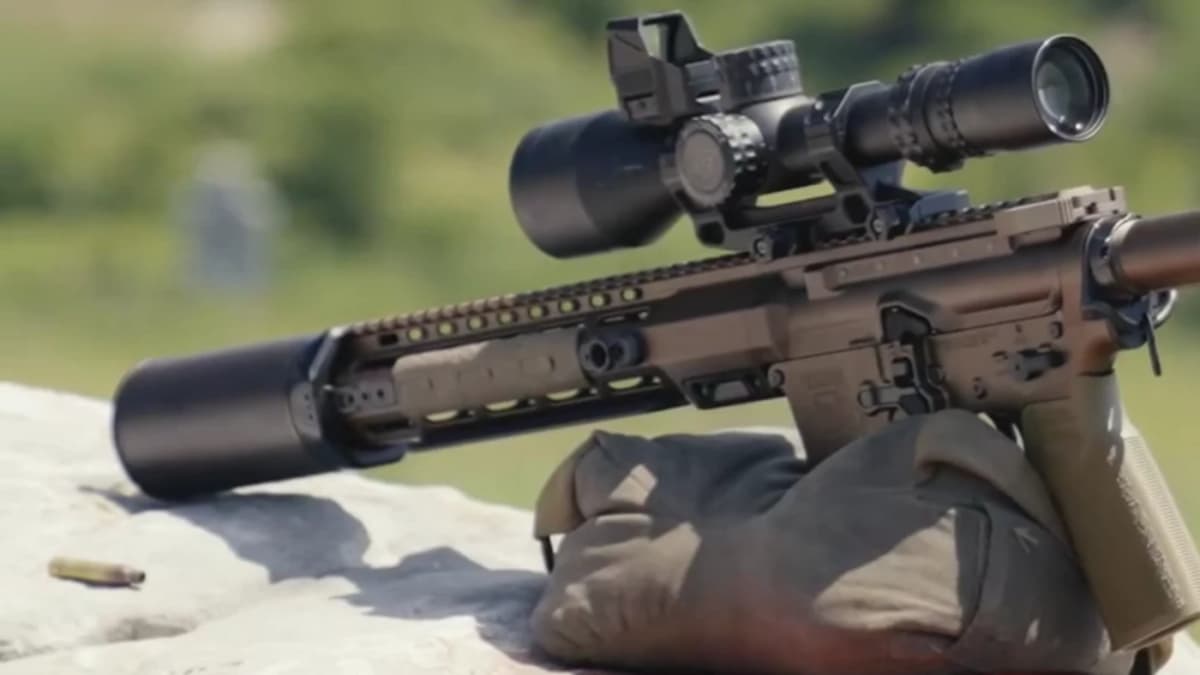
V Seven 17-4 Stainless Gas Block

Best lightweight stainless. Stainless durability and two-screw simplicity on a light block for premium uppers, with titanium micro options for weight-focused builds.

$55
View at OpticsPlanet
Lightweight Stainless17-4 StainlessTwo-Screw
  • +17-4 stainless resists heat and corrosion
  • +Lightweight construction suits premium builds
  • +Titanium micro variants available for weight-focused builds
  • .750 journal only
  • Pricier than commodity steel blocks for the 17-4 stainless build
Journal size: .750 in (.625 Ti offered)Material: 17-4 stainless steelRetention: Two set screwsAdjustment: None (fixed)
11

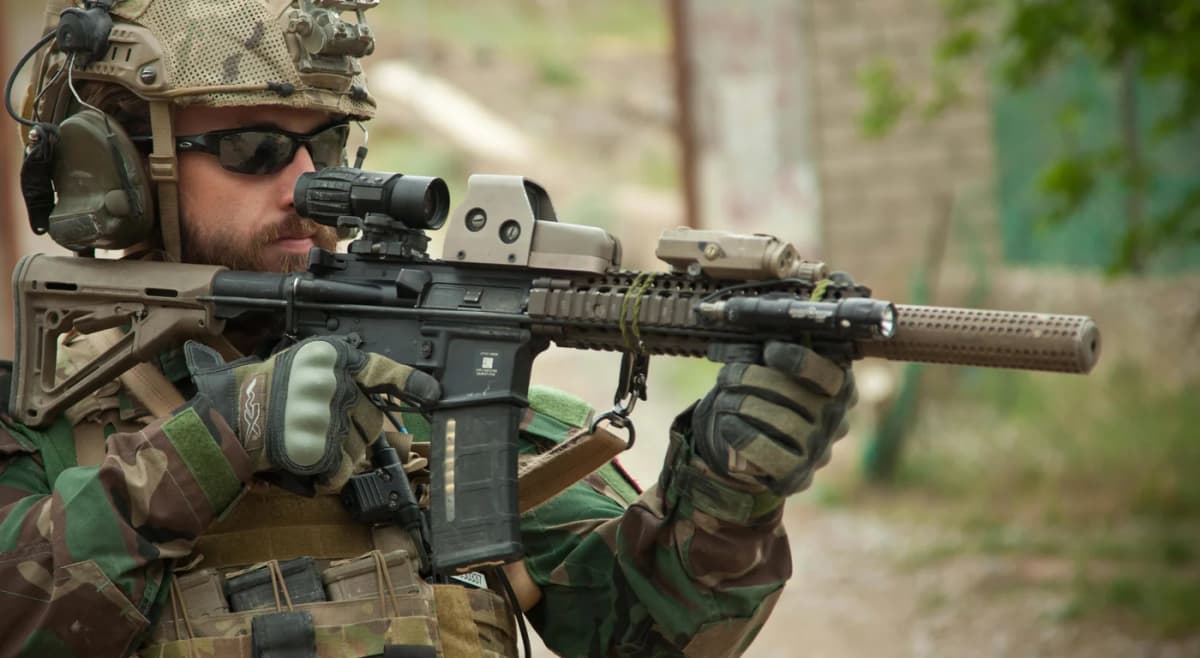
Palmetto State Armory PSA AR-15 Low Profile Gas Block

Budget floor. The cheapest functional .750 block, fine for a standard-pressure carbine or a backup block in the parts bin.

$14
Shop at PSA
Budget FloorBlack SteelPrice Floor
  • +The $14.99 budget floor among our picks
  • +Black-finished steel resists corrosion better than bare steel
  • +Low-profile shape fits under most slim free-float handguards
  • .750 journal only
Journal size: .750 inMaterial: SteelFinish: BlackMount: Set-screw

Affiliate links - purchases support this site at no extra cost to you. (?)

Match the Block Bore to Your Barrel Journal

Journal sizing is the first and most important fitment decision, ahead of brand, material, or price. The journal is the barrel diameter directly under the gas block, and the block bore has to match it: a .750 block will not clamp on a .625 journal, and a .625 block will not slide over a .750 shoulder. Most standard 5.56 barrels use .750, but lightweight and government profiles run .625, and heavy or piston barrels jump to .875 or .936. Measure with calipers or read the barrel spec sheet before you order, then cross-check the table below. Our AR-15 barrel guide lists journal sizes alongside each barrel.

.625 in
Pencil and lightweight government profiles
Brands with a variant this sizeMidwest Industries, SLR, BCM, Aero
NotesCommon on weight-cut and competition barrels; verify with calipers before ordering
.750 in
Standard M4 and most 5.56/.223 barrels
Brands with a variant this sizeEvery block in this guide
NotesThe default AR-15 journal; if you do not know your size, it is almost certainly this
.875 in
Some heavy and bull profiles
Brands with a variant this sizeSLR, Aero
NotesLess common; check the barrel spec sheet rather than assuming
.936 in
Heavy, bull, and many piston barrels
Brands with a variant this sizeMidwest Industries, SLR
NotesLargest common journal; a .750 block will not clamp on this shoulder

Set Screw vs Clamp-On vs Pinned: How the Block Stays Put

Retention is the second decision, and it is the tradeoff between ease of install and how permanently the block holds. Set screws are the cheapest and most common; they bear directly on the barrel and grip best when seated into a machined dimple. Clamp and pinch-screw designs grip the journal evenly without a dimple, which suits a barrel you would rather not drill and gives repeatable removal. For a pin-and-weld or otherwise permanent build, pinning the block is the most secure path: the Geissele Super Gas Block takes an included coil pin (its Bombproof install) that locks the block near-permanently. Pinning requires drilling the barrel, so it is a commitment, not a casual install.

Set screw
Good with a dimple, adequate without
How it holdsScrews bear on the barrel, ideally into a machined dimple
BlocksPSA, YHM, Strike, Aero, BCM, Phase 5, Fortis, V Seven
Best forStandard carbines and most builds
Three set screw
Better than two-screw under heat and recoil
How it holdsA third screw spreads the clamping load across the journal
BlocksMidwest Industries
Best forHigh-round-count hosts that walk screws loose
Clamp / pinch screw
Even grip, repeatable removal
How it holdsA split collar grips the journal evenly, no dimple needed
BlocksPhase 5 clamp, YHM pinch, SLR clamp
Best forBarrels you would rather not dimple
Coil pin
Most secure; requires drilling the barrel
How it holdsAn included coil pin (Geissele's Bombproof install) locks the block near-permanently
BlocksGeissele Super Gas Block
Best forDuty, competition, and pinned builds

On a pinned-block, pin-and-weld build, remember the rifle minimum barrel length is 16 inches measured from the closed bolt to the end of the permanently attached muzzle device, not overall length. A 14.5 inch barrel must clear 16 inches by that measurement, and thread overlap eats into a device's nominal length, so a standard A2 birdcage is too short. Use a device known to reach legal length, such as a BCM A2X or SureFire SF3P, and verify the final measurement. Confirm your handguard inner diameter clears the block too, which the handguard selection guide walks through.

Material and Finish: What Actually Matters

For a standard carbine, steel with a nitride or phosphate finish is plenty; for a hard-use or premium build, stainless earns its premium. The budget tier is black-finished steel (PSA) or black-oxide 4140 steel (YHM), which handles range heat fine on a standard-pressure host. The value tier steps up to 4140 steel with black nitride (Strike, Aero) or chromoly (Phase 5), which resists carbon and corrosion better. The premium tier is 17-4 stainless (Geissele, V Seven) or 303 stainless (Fortis), which takes sustained heat and resists corrosion without a coating to wear off. V Seven and SLR also offer titanium micro variants for weight-focused builds, though those carry a steep premium and the weight savings over steel is measured in tenths of an ounce.

Match the Block to Your Barrel and Rail

The gas block has to match your barrel journal, gas-tube length, and handguard inner diameter all at once. Use the rifle builder to lock in the barrel and handguard first, since those two parts set the journal size, gas length, and inner-diameter clearance the block has to clear, then pair the block with a buffer and spring per the gas system and buffer tuning guide so the whole system cycles correctly.

Fixed AR-15 Gas Block FAQ

What does a low profile gas block do?
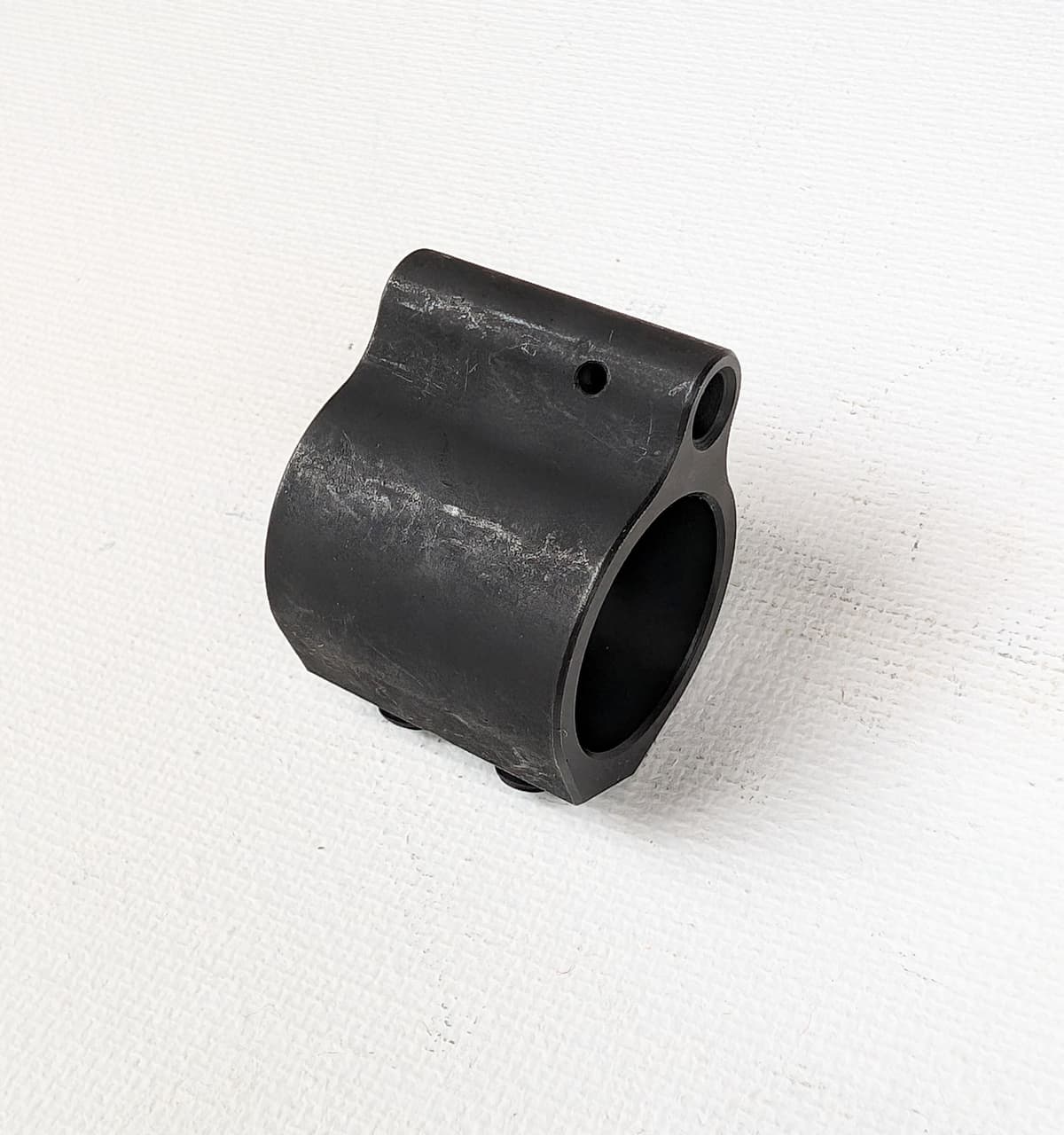
A low profile gas block seals over the barrel's gas port and routes propellant gas into the gas tube to cycle the action. Low profile means it sits low enough to clear a free-float handguard, unlike a front sight base. A fixed block does this with no adjustment; an adjustable block adds a metering screw to tune gas volume. For a standard 16 inch 5.56 carbine that does not run a suppressor, a fixed block like the Geissele Super Gas Block ($81) or the budget PSA block ($15) is all you need.
Are all gas blocks the same size?
No. Gas blocks are sized to the barrel journal diameter under the block, most commonly .750 inch on standard AR-15 barrels, but also .625 inch on lightweight or government-profile barrels and .875 or .936 inch on heavy and piston barrels. Match the block bore to your barrel's journal: a .750 block will not clamp on a .625 journal. Midwest Industries, SLR, and Aero all offer multiple journal sizes; the Geissele Super Gas Block is .750 only.
What size are low profile gas blocks?
The bore (journal) size is most often .750 inch for AR-15 barrels. The block's low external height is what lets it tuck under a free-float rail; listed overall heights run roughly 1.3 to 1.5 inches, so the number that matters is whether the block clears your handguard inner diameter. Confirm two things before buying: the barrel journal diameter for the bore, and the handguard inner diameter for clearance. The SLR Rifleworks non-adjustable micro block is the lowest-profile option here for the tightest handguards.
Do you really need an adjustable gas block?
Not for a standard 16 inch 5.56 carbine running unsuppressed; a fixed block is simpler, cheaper, and has nothing to walk out of adjustment. You want an adjustable block when you run a suppressor, a short barrel, or swap between suppressed and unsuppressed and need to cut gas to reduce blowback and bolt speed. If you want fixed simplicity but still need to tame an overgassed or suppressed host, pair a fixed block with a flow-restricting gas tube like the BRT EZTune or a heavier buffer and spring instead of buying an adjustable block. Our adjustable gas block guide covers the tuning picks in full.
Set screw or clamp-on gas block, which is better?
Clamp-on blocks grip the barrel journal evenly and do not require dimpling the barrel, which makes them better for barrels you would rather not modify and for repeatable removal. Set-screw blocks are cheaper and more common but benefit from a barrel dimple for a positive lock. Phase 5 and YHM both offer set-screw and clamp variants so you can choose. The Geissele Super Gas Block uses set screws plus an optional coil pin rather than a clamp, which gives the most permanent retention of any block here.